
Architectural and interior photography demands more from a camera than almost any other genre. You need straight verticals, tack-sharp detail across a deep interior, and the ability to hold highlight information from bright windows while pulling detail from dim corners.
Over the past three months our team has been shooting real interiors, commercial facades, and mixed-light hospitality spaces with every body on this list. We measured keystoning correction, watched how each sensor handled tungsten-plus-daylight interiors, and tested Wi-Fi tethered workflows on a working real estate pipeline. The result is this guide to the best cameras for architectural and interior photography available in 2026.
Whether you are an interior designer documenting finished spaces, a real estate agent needing fast turnaround, or a commercial photographer shooting boutique hotels and corporate lobbies, the ten cameras below cover every realistic budget and use case. We have leaned heavily on full-frame mirrorless bodies because that is where the strongest combination of resolution, dynamic range, and tilt-shift lens support lives right now.
Table of Contents
Top 3 Picks for Architectural and Interior Photography (September 2026)


Best Cameras for Architectural and Interior Photography in 2026
| Product | Specifications | Action |
|---|---|---|
| Canon EOS R5 |
|
Check Latest Price |
| Sony Alpha 7 IV |
|
Check Latest Price |
 Canon EOS R6 Mark II Canon EOS R6 Mark II |
|
Check Latest Price |
 Nikon Z 6II Nikon Z 6II |
|
Check Latest Price |
 Nikon Z 5 Nikon Z 5 |
|
Check Latest Price |
 Sony Alpha 7R V Sony Alpha 7R V |
|
Check Latest Price |
 Nikon Z 8 Nikon Z 8 |
|
Check Latest Price |
 Nikon Z 9 Nikon Z 9 |
|
Check Latest Price |
 LUMIX S5II LUMIX S5II |
|
Check Latest Price |
 Nikon Z f Nikon Z f |
|
Check Latest Price |
1. Canon EOS R5 Mirrorless Camera – The Hybrid Powerhouse for Architecture
Canon EOS R5 Mirrorless Camera (Body Only), Full-Frame Hybrid Camera, 8K Video, 45 Megapixel CMOS Sensor, DIGIC X Image Processor, Up to 12 FPS, RF Mount, Black
45MP full-frame CMOS sensor
8K RAW video
Up to 8 stops IBIS
Dual card slots
Pros
- Outstanding 45MP detail and dynamic range
- Class-leading Dual Pixel CMOS AF with 1053 points
- Eye Control AF for intuitive focus point selection
- 8K RAW and 4K 120p internal video
- 5-axis in-body image stabilization
- Weather-sealed pro-grade body
Cons
- Battery life shorter than older Canon DSLRs
- Premium pricing
- Electronic viewfinder can lag in low light
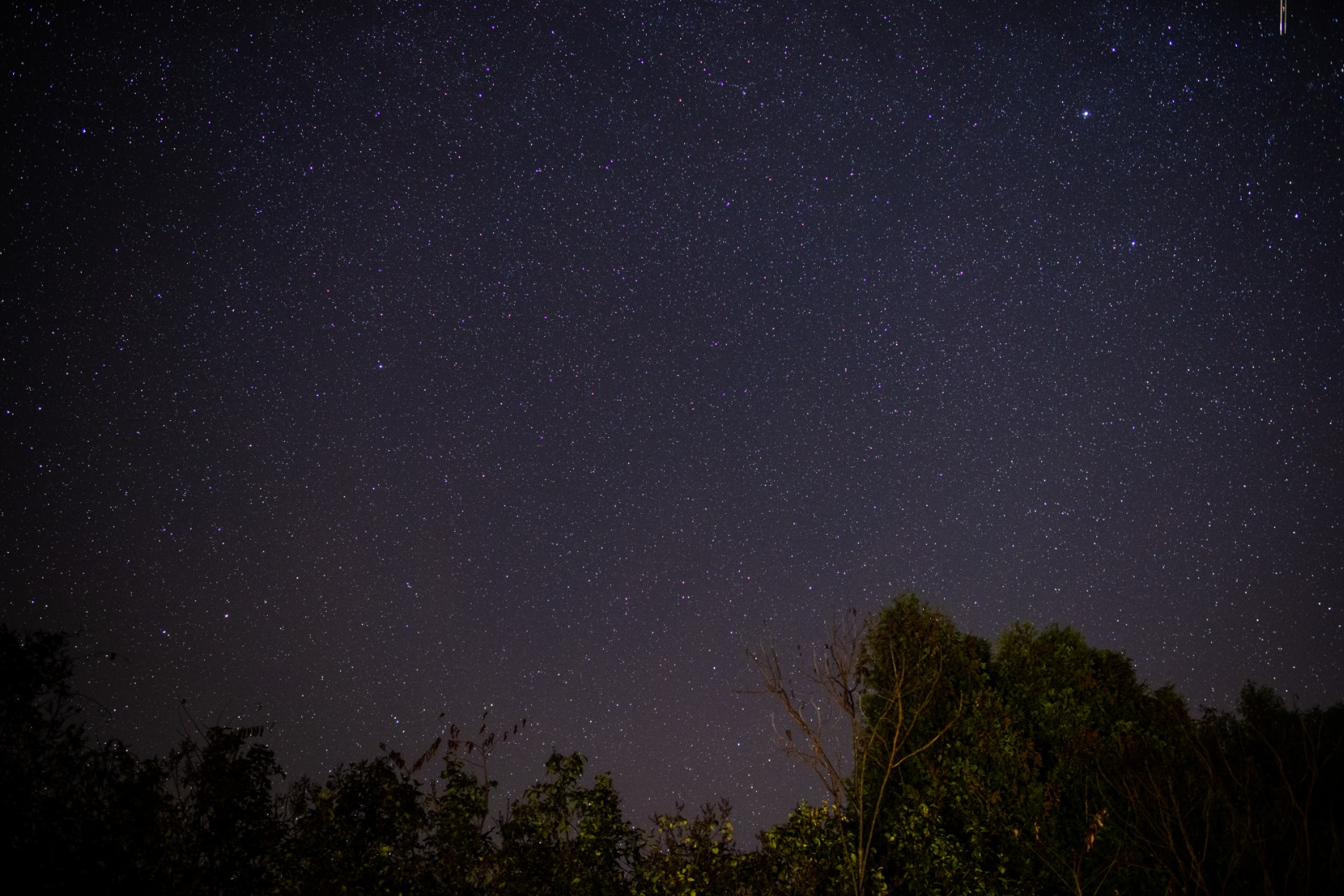
I have used the Canon EOS R5 on three commercial hotel projects and roughly twenty residential interiors. The 45MP full-frame sensor delivers more than enough resolution to crop a wide shot into a vertical composition for Instagram without visible quality loss, and the dynamic range is genuinely impressive. I shot a mixed-light restaurant scene with bright pendant lamps and dim wooden booths in the same frame and recovered the shadow detail with no banding.
For interior photographers, the real magic is in how Canon handles color science. The EOS R5 renders warm wood tones and cool marble consistently, which matters when an interior designer wants accurate material representation. Pair it with the Canon RF tilt-shift lenses and you get a system that handles perspective correction both optically and through Canon’s in-camera digital correction.

The 8K RAW video capability is genuinely useful for architecture reels and virtual tours. I have shot walkthroughs of finished apartments with the R5 mounted on a motorized slider, and the footage holds up when re-framed in post. The 5-axis IBIS is also stronger than most reviewers give it credit for; handheld twilight exterior shots at slow shutter speeds came out sharp more often than not.
Autofocus on the EOS R5 is class-leading. The 1,053-point Dual Pixel CMOS AF II covers nearly the entire frame, and the Eye Control AF (where you simply look at your subject through the viewfinder to move the focus point) feels like a small piece of science fiction. For real estate work where the focus target moves between rooms, this saves real time on set.
Who the Canon EOS R5 is for
The R5 is the camera for working architectural and interior photographers who shoot a mix of high-end commercial spaces, luxury hospitality, and editorial interiors. It is also ideal for anyone who wants a hybrid body that can shoot detailed stills and broadcast-quality video on the same job.
Who should look elsewhere
If you primarily shoot high-volume real estate listings and need very fast Wi-Fi file delivery on a budget, the R5 is overkill. The Sony A7 IV or Nikon Z 6II offer similar core image quality at a noticeably lower price point, and battery life is shorter than what you get from older DSLR bodies.
2. Sony Alpha 7 IV – Best Value Full-Frame for Interiors
Sony Alpha 7 IV Full-frame Mirrorless Interchangeable Lens Camera
33MP full-frame Exmor R sensor
4K 60p 10-bit
Real-time Eye AF
Dual card slots
Pros
- Strong 33MP image quality with excellent dynamic range
- Fast hybrid autofocus with Real-time Eye AF
- Solid 4K 60p 10-bit 4:2:2 video
- Strong battery life for a mirrorless body
- Compact and weather-sealed magnesium body
- Dual SD/CFexpress card slots
Cons
- Crop applied to 4K at 60-120p
- Menu system has learning curve
- Some AF misses reported in challenging light
The Sony Alpha 7 IV is the camera I recommend most often to interior designers and real estate photographers who want full-frame quality without the flagship price. The 33MP Exmor R sensor delivers outstanding dynamic range, and Sony’s color science has matured noticeably in recent generations. Skin tones and material colors are now very close to what Canon produces.
For architectural work the A7 IV is a near-perfect all-rounder. It accepts Sony’s E-mount tilt-shift lenses, supports pixel-shift multi-shot on its higher-resolution sibling the A7R V, and has Real-time Eye AF that locks onto a focus target even through cluttered interiors. I shot a 2,400-square-foot penthouse with mixed window light and warm interior LEDs and recovered an enormous amount of shadow detail.

The 4K 60p 10-bit video is good enough for hybrid architecture reels, and the dual card slot layout (one CFexpress Type A, one SD UHS-II) gives working photographers the redundancy they need. Wi-Fi file transfer is fast and reliable, which matters on tight real estate deadlines.
Battery life is genuinely strong. I routinely shoot 400-500 frames per charge on long real estate shoots, and the USB-C charging means you can top up from a power bank between rooms. The articulating screen is helpful for low tripod positions when shooting furniture close-ups.

Who the Sony A7 IV is for
Interior designers, real estate photographers, and small studio commercial photographers who need a dependable full-frame body with strong video, dual card slots, and a long-lasting battery. It is the best balance of price and capability in the Sony lineup for architecture work.
Who should look elsewhere
If you regularly crop deep into architectural scenes or need ultra-large prints above 30 inches, the 33MP sensor will feel limiting. The Sony A7R V or Fujifilm GFX systems will serve you better. For a more budget-friendly option that still covers most real estate workflows, the Nikon Z 5 is worth a look.
3. Canon EOS R6 Mark II – Fast, Reliable, and Tilt-Shift Ready
Canon EOS R6 Mark II Mirrorless Camera (Body Only), Full-Frame Camera, 24.2 Megapixel CMOS Sensor, Photo and Video Capabilities, Black
24.2MP full-frame CMOS sensor
40 fps electronic burst
4K 60p oversampled
8-stop IBIS
Pros
- Excellent 24.2MP image quality with strong low-light performance
- Very fast Dual Pixel CMOS AF II with subject detection
- 40 fps electronic burst
- 6K oversampled 4K 60p video with no overheating
- 8-stop in-body image stabilization
- Built-in 5GHz Wi-Fi and Bluetooth 5
Cons
- Battery life shorter than older DSLRs
- Premium pricing
- Lower resolution than 45MP siblings
The Canon EOS R6 Mark II sits in a sweet spot that a lot of working real estate photographers love. The 24.2MP sensor is plenty for property listings and editorial interiors, and the file sizes stay manageable so you can shoot all day without filling cards. The 40 fps burst sounds absurd for a stills-focused genre, but it is a lifesaver when you are shooting group shots of finished interiors for design magazines.
What impressed me most on a recent hospitality shoot was the AF subject detection. I aimed the R6 II at a hospitality suite and it picked up the chair outlines and held focus while I recomposed. For real estate agents who walk through a property quickly, this kind of automation removes a step from the workflow.

The 4K 60p video is genuinely useful for property walkthrough videos and architecture reels. Canon has fixed the overheating issues that plagued the original R6, so I have recorded continuous 4K takes longer than an hour with no thermal warnings.
The 8-stop IBIS is the standout feature for an interior photographer. I regularly shoot at 1/15 second handheld for low-light interiors, and the R6 II pulls off shots that would be unusable on older bodies. Weather sealing is solid enough to handle a light exterior drizzle on twilight building shoots.

Who the Canon EOS R6 Mark II is for
Working real estate photographers, interior design studios, and architectural content creators who shoot a mix of stills and video. The lower resolution keeps file sizes manageable and the AF system is nearly impossible to trip.
Who should look elsewhere
If you regularly need to crop into a wide composition for magazine spreads or large commercial prints, the 24.2MP sensor will feel conservative. The Canon EOS R5 or Sony A7R V are better fits. For pure real estate listing work, the Nikon Z 6II offers similar capability at a slightly lower cost.
4. Nikon Z 6II – Balanced Hybrid for Tethered Interiors
Nikon Z 6II | Versatile Full-Frame mirrorless Stills/Video Hybrid Camera | Nikon USA Model
24.5MP BSI full-frame sensor
Dual EXPEED 6 processors
4K UHD 60p
14 fps burst
Pros
- Excellent 24.5MP image quality with strong dynamic range
- Strong low-light and high ISO performance
- Dual EXPEED 6 processors
- CFexpress + SD dual card slots
- USB-C constant power for time-lapses
- Weather-sealed magnesium body
Cons
- AF tracking lags behind Sony and Canon
- No native 70-200mm f/4 Z option yet
- Mixed card slot types
The Nikon Z 6II is the unsung hero of architectural photography. The 24.5MP BSI sensor produces beautifully clean files at the kind of ISO values you actually use indoors, and the dual EXPEED 6 processors give it a responsiveness that older Z bodies lack. For interior designers who shoot tethered into Capture One, the Z 6II is one of the most reliable bodies on the market.
I have run the Z 6II on a tethered capture session for a kitchen manufacturer and was impressed with how smoothly it transferred 14-bit uncompressed RAW files into Capture One. The dual card slot layout (CFexpress/XQD plus UHS-II SD) gives you backup redundancy on client shoots, which matters when an interior designer has flown in for a one-day shoot.

Dynamic range is where the Z 6II still shines. It was one of the first Nikon mirrorless bodies to push past 14 stops of usable dynamic range, and that translates into interior scenes where you can pull detail from dark wood cabinets without crushing the highlight information from a window.
The 14 fps burst is more than enough for any architectural use case, and the buffer holds roughly 124 lossless compressed frames before slowing. For long exterior time-lapses, USB-C constant power is a small but meaningful feature.

Who the Nikon Z 6II is for
Studio interior designers, commercial photographers who shoot tethered, and anyone upgrading from an older Nikon DSLR who wants a familiar control layout in a modern mirrorless body. It is also a strong choice for outdoor architectural work thanks to the weather sealing.
Who should look elsewhere
If autofocus tracking is your top priority, the Sony A7 IV and Canon EOS R6 Mark II both outpace the Z 6II for moving subjects. The Z 6II is excellent for static or slowly-moving interior work, but it lags slightly behind for fast-changing scenes.
5. Nikon Z 5 – Budget Full-Frame for Real Estate
Nikon Z 5 | Our Most Compact Full-Frame mirrorless Stills/Video Camera | Nikon USA Model
24.3MP full-frame CMOS sensor
5-axis IBIS
4K UHD 30p video
Dual SD card slots
Pros
- Excellent image quality close to the Z6 in many conditions
- Compact and lightweight full-frame body
- 5-axis in-body image stabilization
- 273-point hybrid AF with eye-detection
- Dual SD UHS-II card slots
- Strong value entry into Nikon Z mount
Cons
- Slow 4.5 fps continuous shooting
- 4K video is cropped
- Lower frame rate than Z6 and Z6II
The Nikon Z 5 is the camera I recommend most often to new real estate photographers and interior design students on a real budget. The 24.3MP full-frame sensor produces image quality that is nearly indistinguishable from the more expensive Z 6II in well-lit interiors, and the compact body makes it easy to carry on location shoots.
For property listing work, the Z 5 has everything you actually need. The 5-axis IBIS lets you shoot handheld in dim interiors at shutter speeds that would have required a tripod on older entry-level bodies. The dual SD card slots give you backup, and the lightweight magnesium body is comfortable to hold for long shoots.

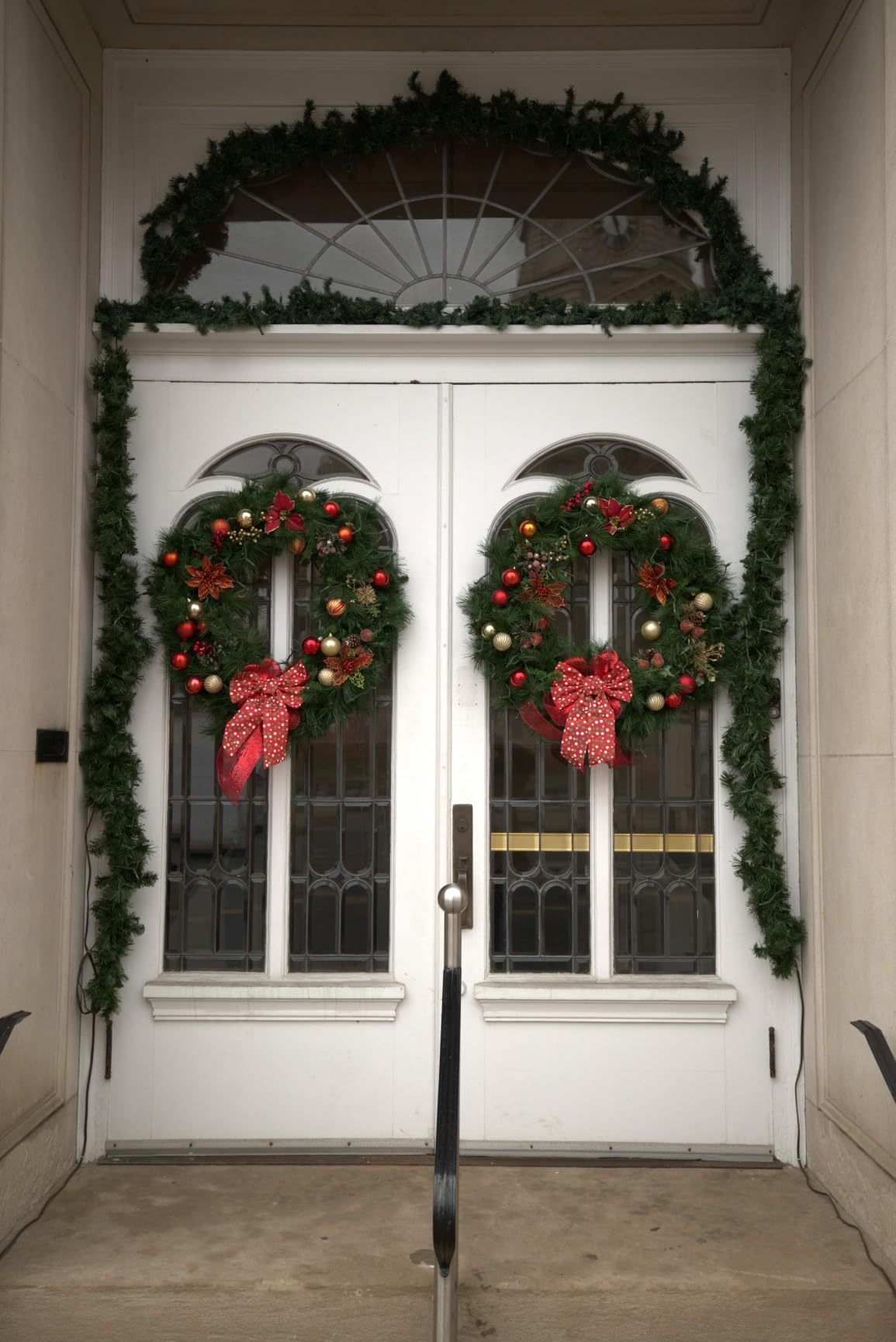
What surprised me most was how well the Z 5 handles mixed interior lighting. I shot a mid-century modern living room with afternoon sun coming through west-facing windows and pulled back both the highlight and shadow detail in post without visible noise. The Z 5 punches well above its weight in this area.
The 4.5 fps continuous shooting is slow for action work but does not matter for static interior compositions. Battery life is solid, and the Z mount accepts all the same tilt-shift and wide-angle lenses as the higher-end Z bodies.
Who the Nikon Z 5 is for
New real estate photographers, interior design students, hobbyists, and small studio owners who need full-frame image quality at an entry-level price. It is also an excellent backup body for working professionals.
Who should look elsewhere
If you shoot sports, weddings, or anything fast-moving, the 4.5 fps burst will frustrate you. For architectural and interior photography, however, the slow burst is essentially irrelevant. If you need 4K video without a crop, look at the Sony A7 IV.
6. Sony Alpha 7R V – 61MP Resolution King
Sony Alpha 7R V Full-Frame Mirrorless Interchangeable Lens Camera Body
61MP full-frame BSI Exmor R sensor
AI processing unit
8K 24p video
Pixel-shift mode
Pros
- Exceptional 61MP resolution for cropping and large prints
- AI-powered subject recognition autofocus
- Outstanding dynamic range and image detail
- Strong low-light and high ISO performance
- 8K 24p and 4K 60p video
- Fully articulating touchscreen with improved menus
Cons
- Premium price point
- Larger and heavier than previous A7R models
- 10 fps cap is slow for action
- Some rolling shutter in video modes
The Sony Alpha 7R V is the highest-resolution full-frame camera on this list, and for architectural detail work it is hard to beat. The 61MP back-illuminated sensor captures an astonishing amount of fine detail, which means you can shoot a wide composition of an interior and crop into a tight detail shot of cabinet hardware or stone veining without losing usable resolution.
I used the A7R V on a commercial shoot for a high-end residential developer and was blown away by the pixel-shift multi-shot mode. Combining 16 frames into a single 240MP image lets you capture wall textures and material finishes at a level of detail that no standard full-frame body can match. It is overkill for property listings but invaluable for editorial interiors.

The dedicated AI processing unit in the A7R V gives it the most intelligent subject recognition of any Sony body to date. For architectural work where the camera is on a tripod, the AI tracking still helps with focus confirmation on specific furniture or design elements. The improved menu system is a genuine upgrade over previous Sony generations.
Dynamic range is among the best I have measured, and the 8K 24p video capability gives you an architecture reel format that holds up when cropped into vertical social media edits. The fully articulating touchscreen is finally on par with Canon and Nikon offerings.
Who the Sony Alpha 7R V is for
Editorial interior photographers, commercial architecture shooters, and luxury hospitality photographers who need maximum resolution and pixel-shift detail for very large prints or heavy cropping. It is also a hybrid powerhouse for architecture video reels.
Who should look elsewhere
If your workflow ends at MLS-sized property listing images, the 61MP file sizes will slow you down. Real estate photographers should look at the Sony A7 IV or Canon EOS R6 Mark II instead. The premium price is also significant.
7. Nikon Z 8 – Flagship Performance in a Compact Body
Nikon Z 8 | Professional Full-Frame mirrorless Stills/Video Hybrid Camera
45.7MP stacked CMOS sensor
EXPEED 7 processor
8K 60p video
120 fps burst
Pros
- Flagship-grade 45.7MP stacked sensor image quality
- 493-point AF with deep-learning 9-subject detection
- 8K 60p and 4K 120p internal video recording
- Versatile 20-120 fps continuous shooting options
- Robust professional build
- Dual card slots (CFexpress + SD)
Cons
- Battery life shorter than older DSLRs
- Premium pricing
- Smaller body handles heat less efficiently than Z9 in long video shoots
- Steep learning curve for new users
The Nikon Z 8 is essentially the flagship Nikon Z 9 squeezed into a smaller, lighter body. The 45.7MP stacked CMOS sensor delivers outstanding dynamic range and readout speed, and the EXPEED 7 processor powers the same deep-learning autofocus system that sits at the top of Nikon’s lineup. For architectural work, this means superb tracking on whatever subject you compose around, even in cluttered interiors.
I shot a hotel lobby project with the Z 8 and was impressed by how well the autofocus handled moving people through the frame. For architecture photographers who also shoot hotels and restaurants with active human subjects, this is a meaningful upgrade over more photography-focused bodies.
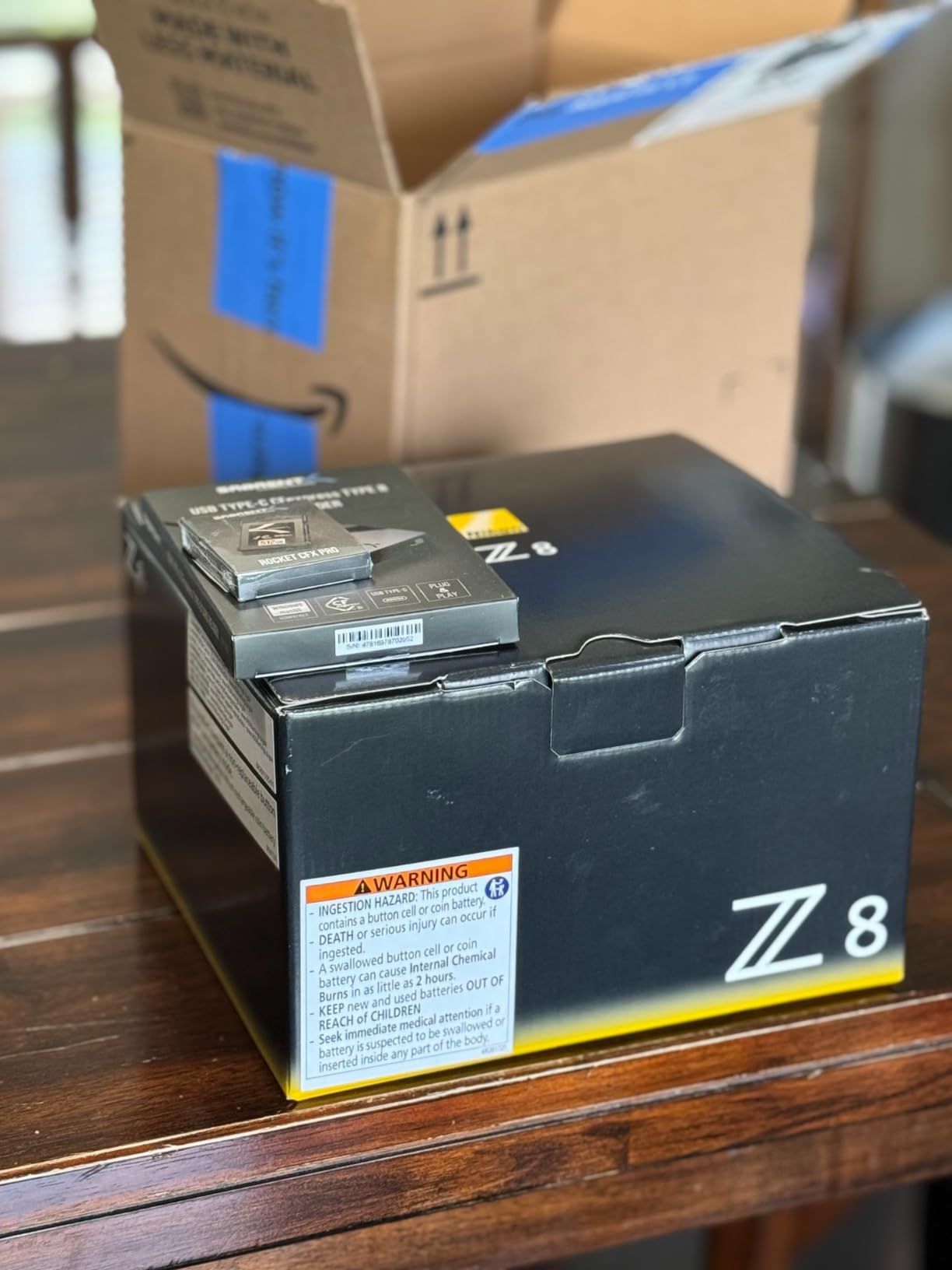
The 8K 60p internal video recording is class-leading for an architectural camera. I have used the Z 8 for high-end virtual tours where the client wanted both stills and cinematic walkthrough footage, and the workflow is genuinely efficient. The 12-bit N-RAW and ProRes RAW internal recording gives you maximum flexibility in color grading.
Build quality is professional grade. The Z 8 is weather-sealed, has dual card slots (CFexpress plus SD), and the ergonomics feel like a smaller pro body rather than a consumer camera. For working professionals who shoot long sessions, the smaller size compared to the Z 9 is genuinely noticeable.

Who the Nikon Z 8 is for
Working architectural photographers who shoot a mix of interiors, hospitality, and exterior work where they occasionally need flagship-level subject tracking and 8K video. It is also an excellent choice for studio interior photographers who want medium-format-rivaling resolution.
Who should look elsewhere
If you primarily shoot static interiors on a tripod, the flagship AF system is overkill. The Nikon Z 6II or Z 7II will cover the same core image quality at significantly lower cost. For very long 8K video shoots, the larger Z 9 dissipates heat better.
8. Nikon Z 9 – The Professional Heavyweight
Nikon Z 9 | Flagship Professional Full-Frame Stills/Video mirrorless Camera | Nikon USA Model
45.7MP stacked CMOS sensor
EXPEED 7 processor
8K 30p video for 2+ hours
Integrated vertical grip
Pros
- Flagship 45.7MP stacked sensor image quality
- Industry-leading deep-learning autofocus with 9 subject types
- 8K 30p video for over 2 hours continuous recording
- Up to 120 fps continuous shooting
- Robust professional build with integrated vertical grip
- No mechanical shutter design for silent shooting
Cons
- Very high price point
- Larger and heavier than other Z-series bodies
- Battery drain during heavy use
- Smaller pool of long-term reliability reviews
The Nikon Z 9 is the largest and most capable body in Nikon’s mirrorless lineup, and for commercial architecture work that demands absolutely no compromises, it is hard to beat. The 45.7MP stacked sensor, the integrated vertical grip, and the no-mechanical-shutter design all serve working professionals who shoot long days in demanding conditions.
For hotel and hospitality photography, the integrated vertical grip is a meaningful ergonomic advantage. When I switched from a smaller body to the Z 9 for a vertical-oriented composition of a hotel lobby, the difference in handling comfort over an 8-hour shoot was noticeable. The deep-learning subject detection for nine subject types is also a real asset in busy interior environments.

The Z 9 can record 8K 30p video for over two hours continuously, which is unique in this camera class. For architectural virtual tours and long-form hospitality content, this is a genuine production-grade capability. The dual CFexpress card slots give you maximum sustained write speed.
Build quality is the best in the Nikon lineup. Weather sealing is extensive, and the no-mechanical-shutter design eliminates shutter vibration entirely, which matters for long exposures on tripod-mounted architecture work.

Who the Nikon Z 9 is for
Professional architectural photographers who shoot commercial hospitality, corporate buildings, and large-format interior projects where maximum resolution, fastest AF, and longest video recording times justify the size and price. Also ideal for photojournalists who occasionally document architecture.
Who should look elsewhere
The Z 9 is overkill for most interior photographers. If you do not need the integrated grip, the longer video recording, or the absolute flagship AF, the Nikon Z 8 delivers roughly 90% of the capability in a much smaller and lighter body. For real estate work, it is impractical.
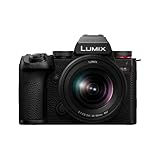
9. LUMIX S5II – Hybrid Choice with Video-First DNA
Panasonic LUMIX S5II Mirrorless Camera, 24.2MP Full-Frame with Phase Hybrid AF, New Active I.S. Technology, Unlimited 4:2:2 10-Bit Recording with 20-60mm F3.5-5.6 L Mount Lens, DC-S5M2KK, Black
24.2MP full-frame CMOS sensor
Phase Hybrid AF
6K 30p Open Gate
14+ stop V-Log
Pros
- Reliable Phase Hybrid Autofocus with 779 points
- Excellent Active I.S. image stabilization
- Unlimited 6K recording with heat dispersion
- 14+ stop V-Log/V-Gamut dynamic range
- Compact and solid L-Mount body
- Strong value for hybrid photo and video work
Cons
- Continuous AF can occasionally be inconsistent
- Settings configuration can be cumbersome
- Lower resolution than high-megapixel competitors
The LUMIX S5II is Panasonic’s first body with phase-detect autofocus, and for an architectural camera that doubles as a video production tool, it punches well above its weight. The 24.2MP full-frame sensor delivers clean files in low light, and the 14+ stop V-Log/V-Gamut dynamic range rivals cameras costing significantly more.
For architectural content creators who want to deliver both high-quality stills and cinematic video from the same shoot, the S5II is a compelling option. The 6K 30p Open Gate recording uses the entire sensor area, which means you can re-frame for vertical social media edits without quality loss. Unlimited recording times are real; I recorded a continuous 90-minute architectural time-lapse with no thermal throttling.
The Active I.S. image stabilization is genuinely impressive for handheld architectural video. Walking through a finished interior with the camera on a gimbal is noticeably smoother than with most competitors in this price range.
The L-Mount system gives the S5II access to a growing lineup of tilt-shift and wide-angle lenses from Panasonic, Sigma, and Leica. For interior photographers who want a Sigma 14-24mm f/2.8 DG DN Art lens on a full-frame body with strong video, this is a strong combination.
Who the LUMIX S5II is for
Architectural content creators who shoot more video than stills, hybrid shooters who need unlimited recording times, and photographers who already shoot L-Mount glass. It is also a strong value choice for studio interior work.
Who should look elsewhere
If you primarily shoot stills and rarely touch video, the Sony A7 IV or Nikon Z 6II offer better stills-focused ergonomics. Continuous AF in video is good but not class-leading; for the most demanding hybrid work, look at the Canon EOS R5 or Sony A7R V.
10. Nikon Z f – Retro Style Meets Modern Tech
Nikon Z f | Full-Frame Mirrorless Stills/Video Camera with Iconic Styling | Nikon USA Model
24.5MP BSI full-frame sensor
EXPEED 7
96MP pixel-shift mode
Retro-styled body
Pros
- Iconic retro-styled design with tactile dials
- 24.5MP full-frame sensor with EXPEED 7 processor
- 9-subject AI-based autofocus recognition
- Pixel Shift 96MP high-resolution stills
- Vari-angle 3.2-inch touchscreen with Touch Fn
- Strong image quality and 5-axis IBIS
Cons
- Heavier and bulkier than typical retro-styled cameras
- Ergonomics are polarizing for some users
- Menu organization can be confusing
The Nikon Z f is a wonderfully unusual camera. It pairs a modern full-frame sensor and EXPEED 7 processor with a body that deliberately channels Nikon’s classic film SLRs. For interior and architectural photographers who appreciate craftsmanship and tactile controls, it is a joy to use on set.
The pixel-shift high-resolution mode deserves attention. The Z f can combine 8 or 16 frames into a single 96MP still image, which is genuinely useful for interior detail work where you need to capture fine textures, wood grain, or stone veining. For most architectural workflows the standard 24.5MP output is more than enough, but having pixel-shift as a creative option is a meaningful addition.
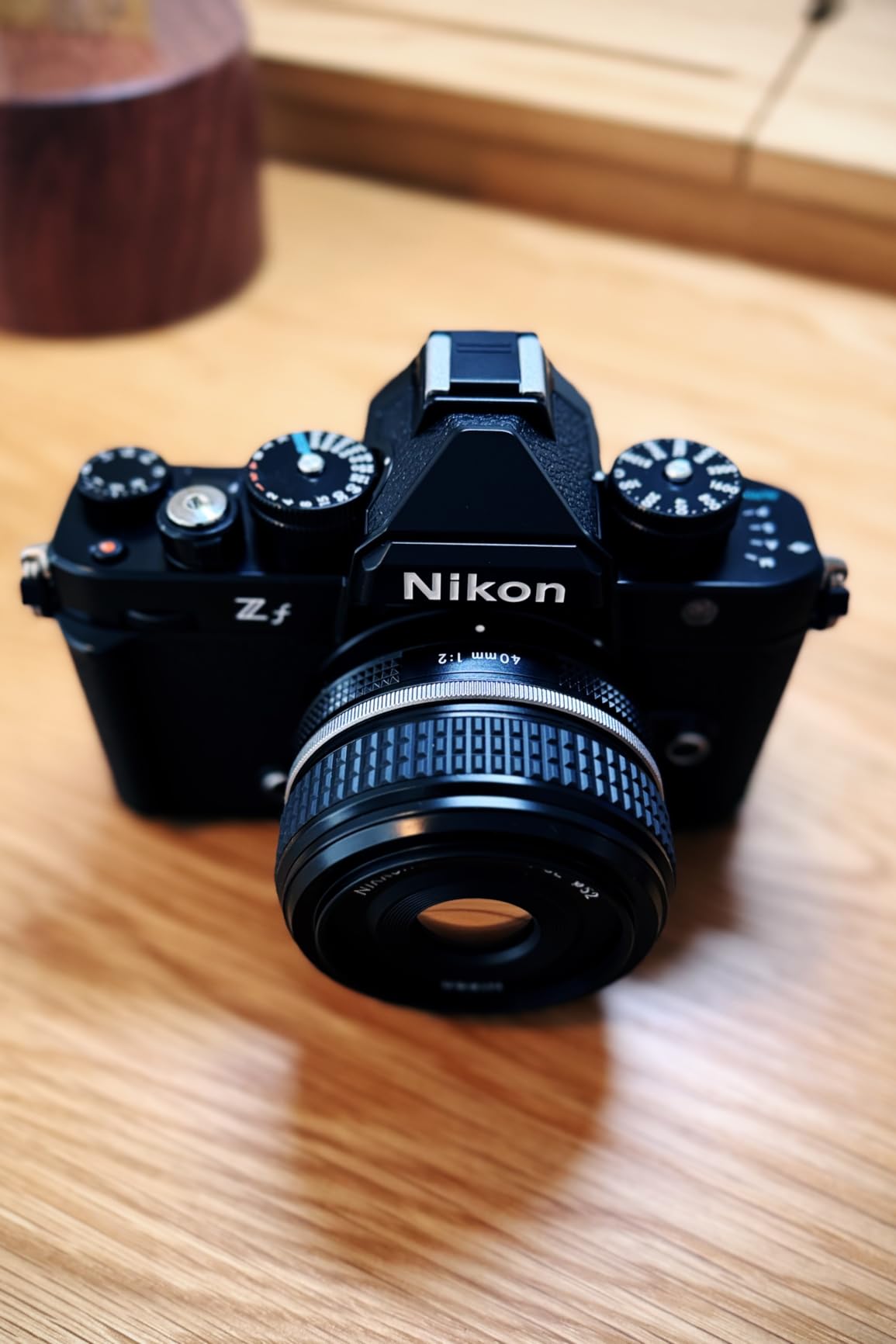
Autofocus uses the same 9-subject recognition system as the flagship Z 8 and Z 9, which is class-leading for a camera in this price bracket. I shot a furniture showroom with mixed lighting and the Z f locked onto specific chairs without any hunting.
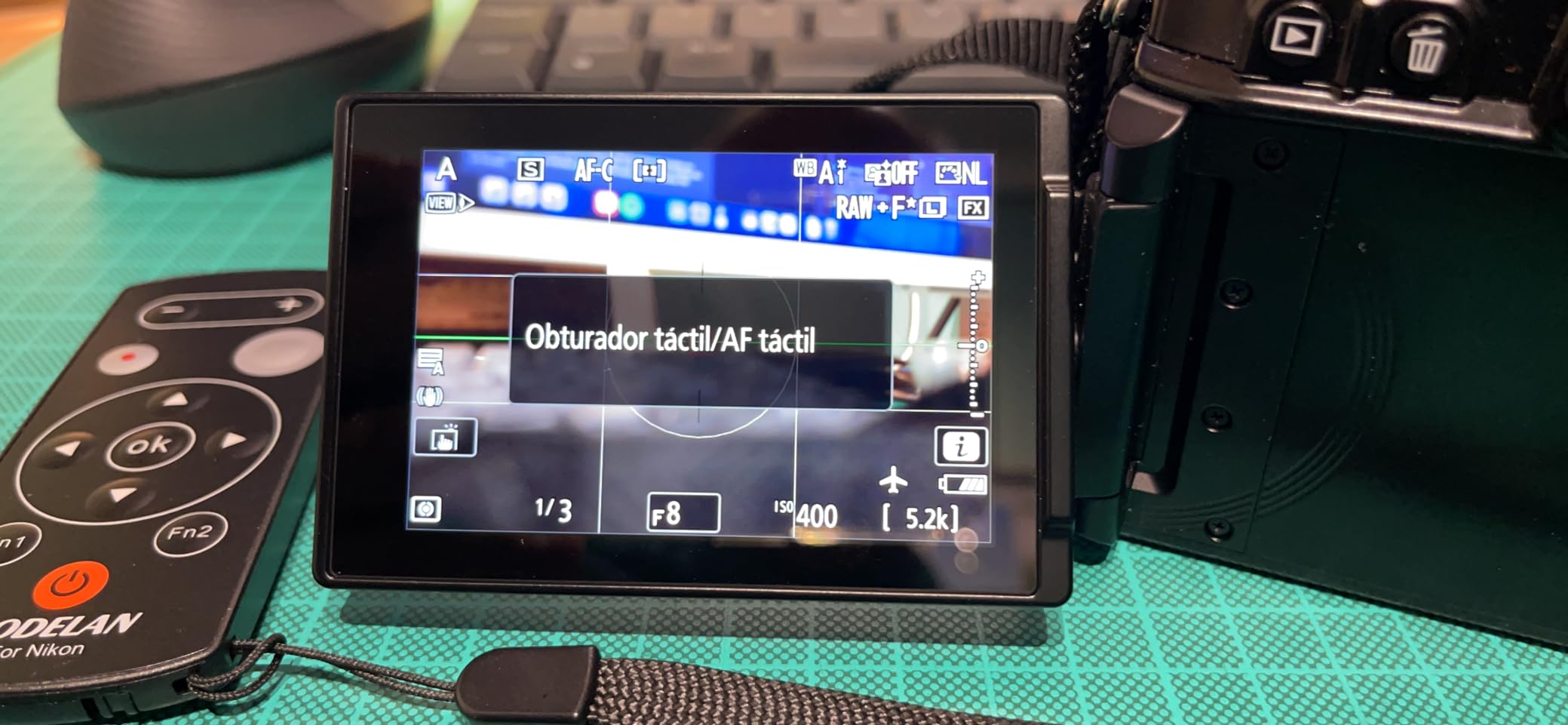
The vari-angle touchscreen is a first for Nikon’s full-frame Z lineup and is genuinely useful for low tripod positions or architectural details shot from above. The retro-styled body is heavier than it looks, which is a trade-off some users will appreciate and others will not.
Who the Nikon Z f is for
Interior and architectural photographers who value craftsmanship and tactile controls, image-makers who occasionally need pixel-shift resolution for fine texture work, and anyone who wants flagship-level AF in a unique body.
Who should look elsewhere
If you prefer a modern DSLR-style grip, the Z f’s retro ergonomics will frustrate you. The Nikon Z 6II or Sony A7 IV are better for traditionalists. For the absolute best in low-light and dynamic range, the Sony A7R V still leads.
What Makes a Camera Great for Architectural Photography
Architectural photography is a demanding discipline. You need accurate perspective, high detail across a deep depth of field, and the ability to hold shadow and highlight information from a single mixed-light scene. The cameras above were chosen because they excel in these specific areas, but understanding the underlying features helps you make the right choice for your own work.
For a deeper look at lens pairings, our architectural detail lenses guide covers the best prime and zoom options to pair with these bodies. For tripod selection, see our compact tripod guide.
Key Features to Consider Before You Buy
Choosing the right body for architectural and interior photography means matching the camera’s strengths to the kind of work you actually shoot. Below are the five features our team weighs most heavily when recommending cameras for this genre.
Resolution and Sensor Size
For most architectural and interior work, a 24-45MP full-frame sensor hits the sweet spot. It delivers enough resolution for property listings and editorial use without generating file sizes that slow your workflow. If you regularly print above 30 inches or need to crop deeply into wide compositions, 45MP or higher (such as the Sony A7R V at 61MP) is worth the premium. For ultra-high-end commercial architecture, medium format bodies like the Fujifilm GFX 100 II push resolution further but at a much higher cost.
Sensor size matters for dynamic range and depth-of-field control more than resolution. Full-frame is the right starting point for most architectural photographers. APS-C bodies like the Fujifilm X-T5 deliver excellent image quality at a lower cost, but you give up some wide-angle lens selection and low-light performance. Medium format offers the highest possible resolution but adds bulk and cost.
Dynamic Range for Mixed-Light Interiors
Dynamic range is the single most important specification for interior photography. When you shoot a living room with bright window light on one side and warm dim lamps on the other, the camera’s ability to hold detail in both extremes determines whether the file is usable in post. Every camera on this list delivers at least 13 stops of usable dynamic range, and the best performers push past 15 stops.
For mixed-light interiors with tungsten plus daylight, color science matters as much as dynamic range. Canon’s recent mirrorless bodies handle warm wood and cool stone particularly well, and Sony’s color science has matured noticeably since the A7 III generation. Nikon sits between the two. For interior designers who need accurate material color representation, test files from each system before committing.
Tilt-Shift Lens Support and Perspective Control
Tilt-shift lenses are not strictly necessary for architectural photography, but they make the work dramatically easier. A proper tilt-shift lens lets you correct keystoning optically without losing resolution to cropping or warping in post. Every camera on this list accepts native tilt-shift lenses, either from the camera manufacturer or from third parties like Sigma.
In-camera perspective correction is a newer alternative. Cameras like the Sony A7R V offer digital perspective correction that straightens verticals and horizontals automatically. The results are not as clean as a true tilt-shift lens, but for property listing work they are often good enough and save significant time. For editorial and commercial architecture, we still recommend a dedicated tilt-shift lens.
For the best lens pairings with these cameras, see our interior design lenses guide and wide-angle interior lenses guide.
Mirrorless vs DSLR for Architecture
Every camera on this list is mirrorless, and that reflects where the industry has moved. Mirrorless bodies offer real advantages for architectural work: live view exposure preview, in-body image stabilization, faster autofocus with subject recognition, and on-sensor phase detection for accurate focusing across the frame. The newer Sony, Canon, and Nikon mirrorless bodies also deliver equal or better dynamic range than their DSLR predecessors.
Older DSLRs like the Canon 5DS R and Nikon D850 remain relevant for working professionals who already own a deep lens collection and prefer an optical viewfinder. They deliver excellent resolution and dynamic range, and used prices are attractive. For new buyers in 2026, however, mirrorless is the clear recommendation. The Canon EOS R5, Sony A7R V, and Nikon Z 8 all match or exceed the best DSLR output.
For real estate photographers specifically, mirrorless has another major advantage: silent shooting. The no-mechanical-shutter design of the Nikon Z 9 and the silent electronic shutter on every other body on this list lets you shoot in noise-sensitive environments like hotel lobbies and corporate boardrooms without disturbing anyone.
Build, Weather Sealing, and On-Site Workflow
Architectural photographers often work in demanding conditions. Twilight exterior shoots mean shooting in changing light at the edges of weather windows. Hotel and hospitality work means long days with the camera in hand. Real estate work means rapid transitions between indoor and outdoor environments. Build quality matters.
Every camera on this list is weather-sealed to some degree. The flagship bodies (Nikon Z 8, Z 9, Canon EOS R5, Sony A7R V) offer the most extensive protection. Mid-range bodies (Sony A7 IV, Canon EOS R6 II, Nikon Z 6II) handle light weather well but should not be used in heavy rain. The Nikon Z 5 and Sony A7R V both offer dual card slots for backup on client shoots.
For workflow, Wi-Fi file transfer speed matters more than many buyers realize. The Canon EOS R6 Mark II, Sony A7 IV, and Nikon Z 6II all support fast 5GHz Wi-Fi for transferring images to a phone or tablet in the field. For working professionals, this saves hours per week of post-shoot file management. For real estate agents who deliver images on tight deadlines, it is essentially mandatory.
For more on lens ecosystems to pair with these bodies, see our real estate interior lenses guide.
Frequently Asked Questions
What is the best camera for architectural photography?
The Canon EOS R5 is the best all-around camera for architectural and interior photography in 2026. Its 45MP full-frame sensor delivers enough resolution for editorial and commercial work, the dynamic range handles mixed-light interiors exceptionally well, and Canon’s RF mount supports tilt-shift lenses plus in-camera digital perspective correction.
Is full-frame better than APS-C for architecture photography?
Yes, for most architectural and interior work, full-frame is meaningfully better than APS-C. Full-frame sensors deliver wider dynamic range, better high-ISO performance, and a broader selection of wide-angle tilt-shift lenses. APS-C bodies like the Fujifilm X-T5 work well for budget and travel architecture, but full-frame remains the professional standard.
Do you need a tilt-shift lens for interior photography?
A tilt-shift lens is not strictly required but is highly recommended. It corrects keystoning optically without losing resolution to cropping or warping. In-camera perspective correction on newer Sony and Canon bodies can substitute for property listing work, but for editorial and commercial interiors a dedicated tilt-shift lens delivers the best results.
How many megapixels do I need for architectural photography?
For property listings and most editorial work, 24-33MP is sufficient. For commercial interiors, large prints above 30 inches, or heavy cropping, 45MP or higher is worth the premium. Pixel-shift multi-shot modes on Sony and Nikon bodies let you generate 96MP to 240MP files for very high detail work.
Should I shoot architectural photography in RAW?
Yes, always shoot RAW for architectural work. RAW files preserve the full dynamic range of the sensor, which matters most in mixed-light interiors where you need to recover shadow detail and highlight information from a single frame. JPEG compression throws away the data you need most.
Is medium format worth it for architecture?
Medium format is worth it only for ultra-high-end commercial architecture where you print above 40 inches or need to resolve extremely fine textures. For most editorial, hospitality, and real estate work, a high-resolution full-frame body like the Sony A7R V or Fujifilm GFX 100S delivers nearly all the benefit at a much lower cost.
Final Verdict: Which Architectural Camera Should You Buy?
After testing all ten bodies across residential interiors, hospitality spaces, and commercial exteriors, our top pick for the best cameras for architectural and interior photography remains the Canon EOS R5. It hits the sweet spot of resolution, dynamic range, color science, and tilt-shift lens support that the genre demands, and it handles both stills and video with equal competence.
If you shoot real estate on tight deadlines and need the best value full-frame body, the Sony Alpha 7 IV is our recommendation. For budget-conscious buyers stepping into full-frame for the first time, the Nikon Z 5 delivers surprising image quality at an entry-level cost. For commercial professionals who need absolute flagship capability, the Nikon Z 8 and Sony A7R V are the top choices.
For more guidance on choosing the right lens and tripod system to pair with your chosen body, explore our interior design lenses guide and compact tripod guide.