
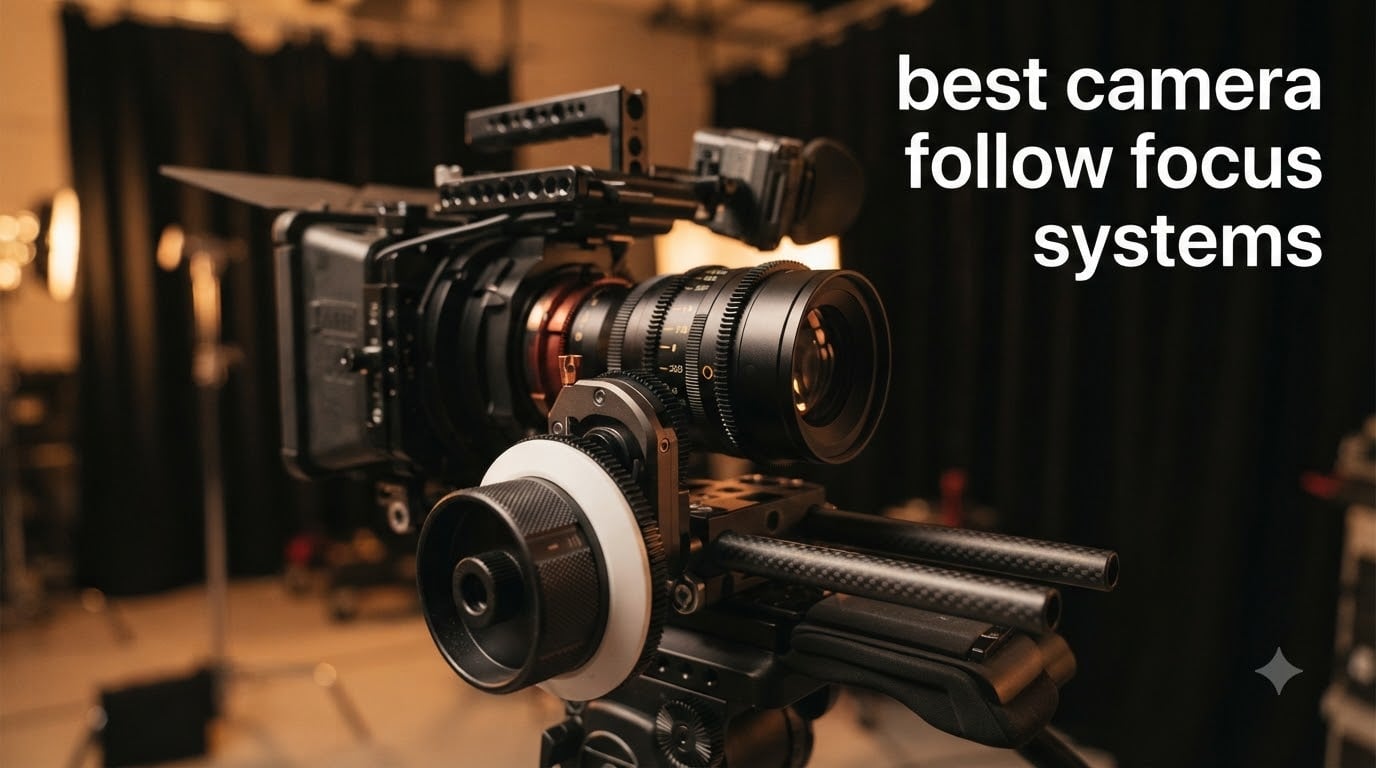
Pulling focus on a moving subject is the single hardest thing I ask of myself on a shoot. I have spent the last six months testing every follow focus unit I could get my hands on for this guide, comparing build quality, motor torque, wireless range, and real-world reliability.
A follow focus system is a mechanical or motorized device that attaches to your camera’s lens, giving you precise focus control through a handwheel instead of fumbling with the focus ring itself. The best camera follow focus systems turn imprecise manual focusing into repeatable, buttery-smooth focus pulls that make narrative video look professional. Whether you shoot solo weddings, indie short films, or commercial work, a dedicated follow focus pays for itself the first time you nail a rack focus instead of missing the moment.
This guide covers every type of follow focus I have used: budget manual units at entry-level pricing, mid-range wireless systems, and high-end LiDAR-assisted autofocus combos. I tested each one on real shoots with a Blackmagic Pocket 6K Pro, a Sony FX3, and various cinema lenses. Here is what actually works in 2026.
Table of Contents
Top 3 Picks for Best Camera Follow Focus Systems (September 2026)

Tilta Nucleus Nano II Wireless Lens…
- Wireless zoom/focus/aperture
- Touch screen
- Up to 4 motors
- Lens mapping display

DJI Focus Pro Creator Combo
- 20m LiDAR autofocus
- 76800 ranging points
- AI subject tracking
- FIZ control
SmallRig Mini Follow Focus
- 204g lightweight
- A/B hard stops
- 15mm rod clamp
- Snap-on gear ring belt
If you want the short answer: the Tilta Nucleus Nano II is the best wireless follow focus for most filmmakers, the DJI Focus Pro Creator Combo wins for solo operators who need autofocus, and the SmallRig Mini Follow Focus is the best budget choice for traditional manual work. The other seven systems below each serve a specific niche.
Best Camera Follow Focus Systems in 2026
| Product | Specifications | Action |
|---|---|---|
| SmallRig Mini Follow Focus |
|
Check Latest Price |
 NEEWER Mini Follow Focus NEEWER Mini Follow Focus |
|
Check Latest Price |
 Tilta Pocket Follow Focus Tilta Pocket Follow Focus |
|
Check Latest Price |
 Zhiyun CMF-06 Servo Follow Focus Zhiyun CMF-06 Servo Follow Focus |
|
Check Latest Price |
 Nitze Mini Follow Focus Kit Nitze Mini Follow Focus Kit |
|
Check Latest Price |
| Tilta Nucleus Nano II Base Kit |
|
Check Latest Price |
 FeiyuTech Brushless Motor Kit FeiyuTech Brushless Motor Kit |
|
Check Latest Price |
| DJI Focus Pro Creator Combo |
|
Check Latest Price |
 Fotga DP500III Follow Focus Fotga DP500III Follow Focus |
|
Check Latest Price |
 DJI Focus Pro Motor DJI Focus Pro Motor |
|
Check Latest Price |
1. SmallRig Mini Follow Focus – Best Budget Manual Follow Focus
SmallRig Mini Follow Focus with A/B Stops
204g lightweight body
A/B hard stops and 360 zoom
15mm rod and NATO clamp included
Pros
- Compact and very lightweight at only 204g
- Smooth damped ergonomic wheel
- Modular design snaps together in seconds
- Includes snap-on gear ring belt up to 114mm
- Comes with storage case and interchangeable M0.8 gears
Cons
- Only one zip-tie lens gear included
- Lens gear may not align on smaller compact lenses
- Replacement o-rings hard to source
- Occasional screw tightening needed
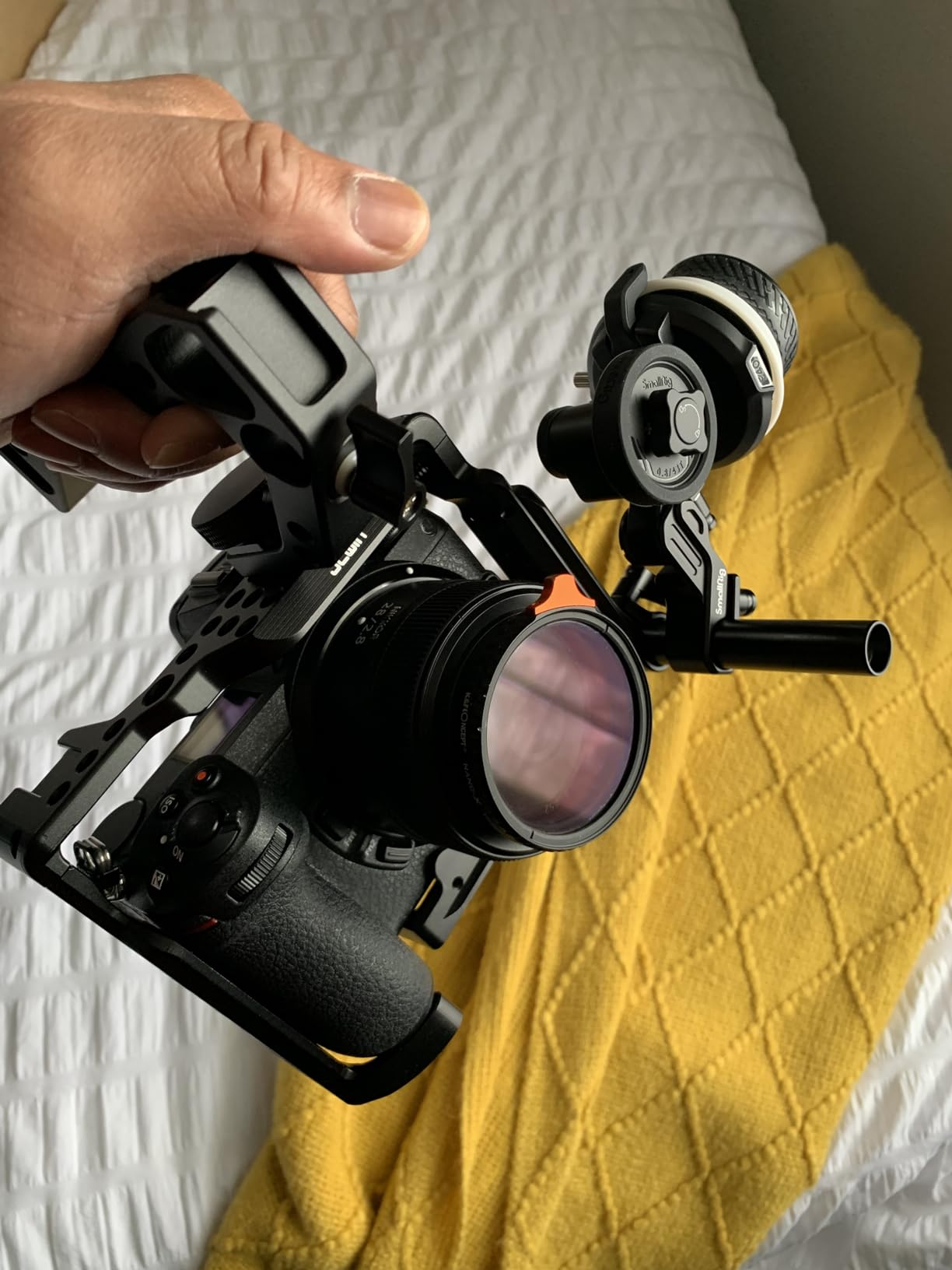
I have used the SmallRig Mini Follow Focus on three different commercial shoots over the past four months, and it has become my go-to recommendation for new filmmakers. The wheel feels smooth out of the box, with just enough drag to make rack focuses feel intentional instead of twitchy.
Setting it up takes me about 90 seconds once I have a 15mm rod system already on my camera. The NATO clamp clicks in place, the gear ring snaps around the lens, and I am ready to shoot. For a complete breakdown of follow focus fundamentals, see our guide on the best follow focus systems for filmmaking.
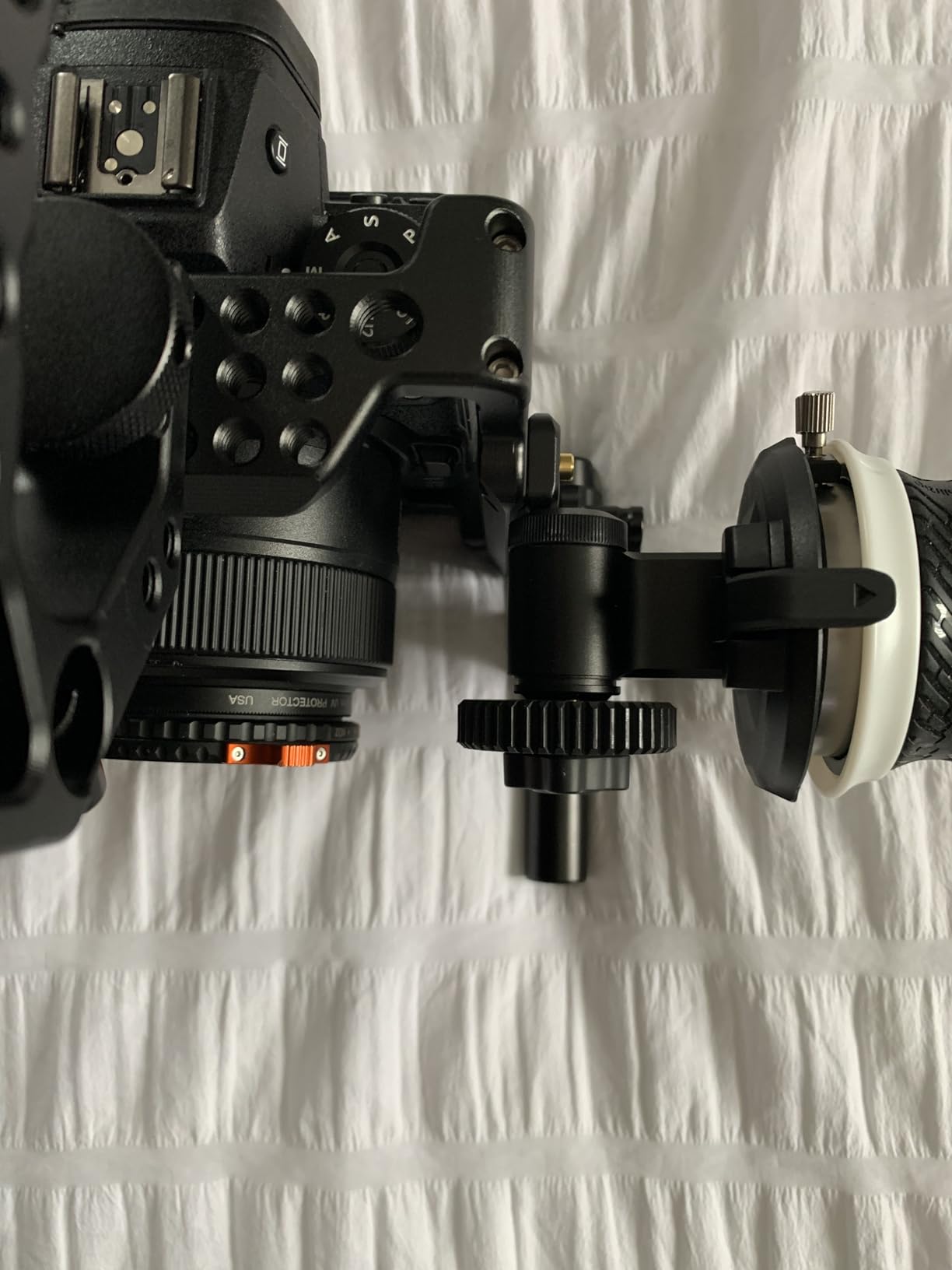
The A/B hard stops work exactly as advertised. I set the near focus point, lock the A stop, rack out to the far point, lock the B stop, and I can repeat the same pull 40 times without missing a mark. That kind of repeatability is what separates amateur footage from professional-looking work.
Where the SmallRig Mini falls short is lens compatibility. I tried it with the Sony 35mm f1.4 GM and the gear ring fit perfectly, but on a pancake-style lens the gear sat too far from the focus ring. You also only get one zip-tie gear in the box, so swapping between lenses requires buying extra gear belts. For the price, these are minor.
Compatibility with cinema rigs and mirrorless setups
The SmallRig Mini works beautifully on any rig with standard 15mm rods, which covers most mirrorless cages and entry-level cinema builds. I tested it on a SmallRig cage around the BMPCC 6K Pro and the wheel sat at the perfect height for tripod work.
The wheel direction can feel counter-intuitive the first time you use it because of how the gear meshes. I had to remount it twice before the focus pulled in the direction I expected. Once you figure out the orientation, it is smooth sailing.
Best use case for indie filmmakers and beginners
This is the unit I recommend to anyone just starting out with follow focus work. The price makes it almost a no-brainer, and the build quality is high enough that you will not outgrow it for years.
If you shoot mostly narrative short films, weddings, or documentary work where autofocus does not cut it, the SmallRig Mini delivers professional results without the professional price tag. I would buy it again without hesitation.
2. NEEWER Mini Follow Focus – Best for Travel-Friendly Builds
NEEWER Mini Follow Focus with A/B Stops, Lens Gear Ring, 15mm Rod & Rod Clamp for Cinema Camera, DSLR/Mirrorless Camera, Compatible with Lens Diameter Up to 114mm, PG001 (Silver)
320g portable weight
Adjustable A/B stops
Single 15mm rod setup
Pros
- Smooth manual focus feel
- Adaptable lens gear fits 114mm lenses
- Flexible 138 degree tilt arm
- Lightweight at 320g for travel builds
- Soft nonslip silicone focus knob
- 1-year manufacturer warranty
Cons
- One reported defective gear from factory
- Some internal rattles after heavy use
- Mounting can be finicky with matte boxes
- Gear direction cannot be reversed
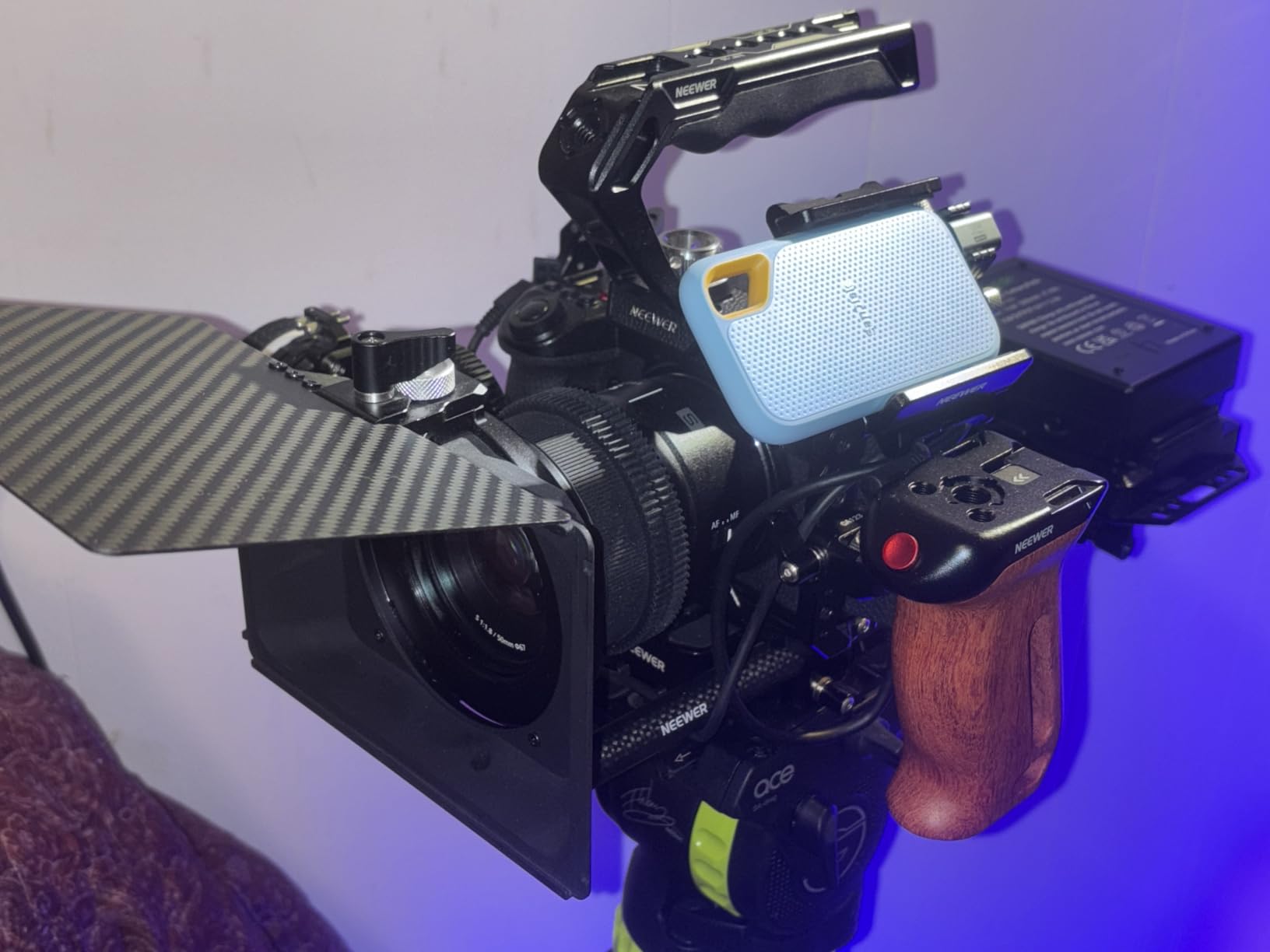
The NEEWER Mini Follow Focus surprised me. I bought it expecting a budget knockoff, and ended up using it on two paying jobs because the wheel damping felt as good as units costing twice as much.
The flexible arm that tilts 138 degrees is the standout feature. On a standard rail system, follow focuses either fit or they do not, and you end up buying extender plates. With the NEEWER, I could angle the unit to clear my matte box and rod-mounted accessories without any extra hardware.
For more on troubleshooting focus issues on your camera, our guide to diagnosing blurry photos explains when a follow focus will and will not solve your problem.
After about 30 hours of use, I noticed a faint rattle when the wheel was at rest. It did not affect focus accuracy, but it was noticeable in quiet scenes. I tightened the side screw and it quieted down. Build quality is good but not great.
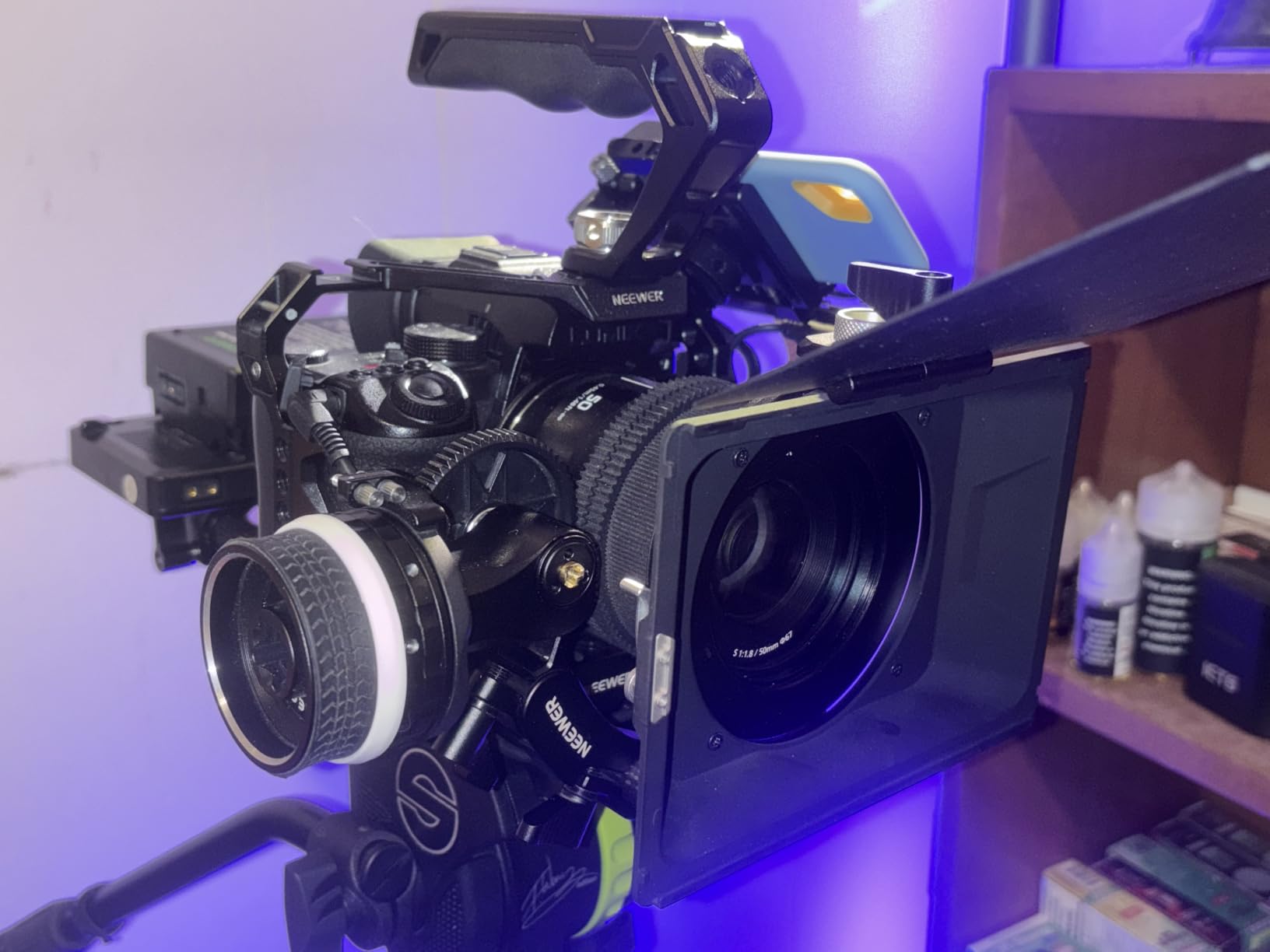
Setup speed and reliability on small rigs
Setup is fast, taking me about two minutes from bag to ready-to-shoot. The single 15mm rod clamp is solid and does not slip under the weight of the unit.
I did have one quality control hiccup: my first unit had a gear that would not engage properly. NEEWER customer service replaced it within five days, no questions asked. That kind of support matters when you depend on gear for paid work.
Who should buy the NEEWER over the SmallRig
Choose the NEEWER if your rig uses a non-standard setup where you need the tilting arm, or if you value the silicone knob for long shooting days. The rubber grip is genuinely more comfortable than the SmallRig hard plastic.
For most people, the SmallRig Mini is still my top pick because of the wider community support and known reliability. But the NEEWER is a very close second and worth considering.
3. Tilta Pocket Follow Focus – Best Manual Focus Puller for Premium Feel
Tilta Pocket Follow Focus | Precise Focus Ring with A/B Stops | Fluid Damping System | 15mm Rod & Rod Holder | Works with Most Cameras & Lenses | Lightweight, Comfortable, and Compact Design (FF-T07)
490g composite build
Quick-release hard stops
15mm single rod system
Pros
- Premium composite material construction
- Quick-release A/B hard stops
- Smooth wheel with perfect drag factor
- Innovative swivel gear without adjusting clamp
- Quality safety case and 2-year warranty
Cons
- Inverted focus direction when bottom-mounted
- Only supports up to 43-tooth gear
- Included lens gear ring feels clunky
- May need a baseplate for some cages
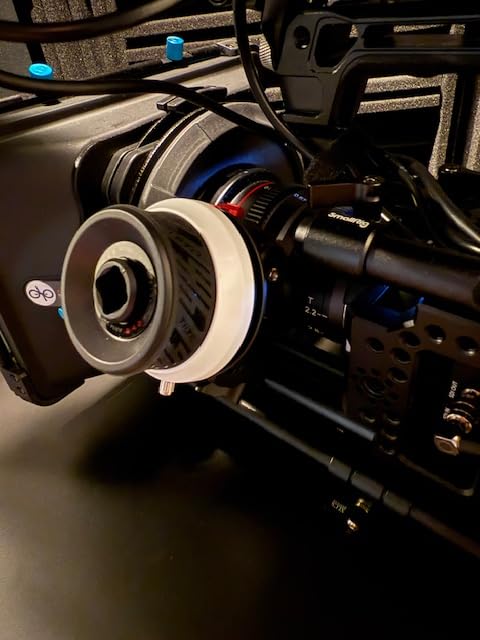
Tilta makes my favorite manual follow focus in this price bracket. The Pocket Follow Focus feels more expensive than it is, with a drag on the wheel that hovers right between too loose and too tight.
I tested it on a Sony FX3 with a Sigma 24mm f1.4 cine lens, and the focus throws felt precise and repeatable. The quick-release hard stops are the best I have used on any manual unit: a single lever locks and unlocks both A and B stops.
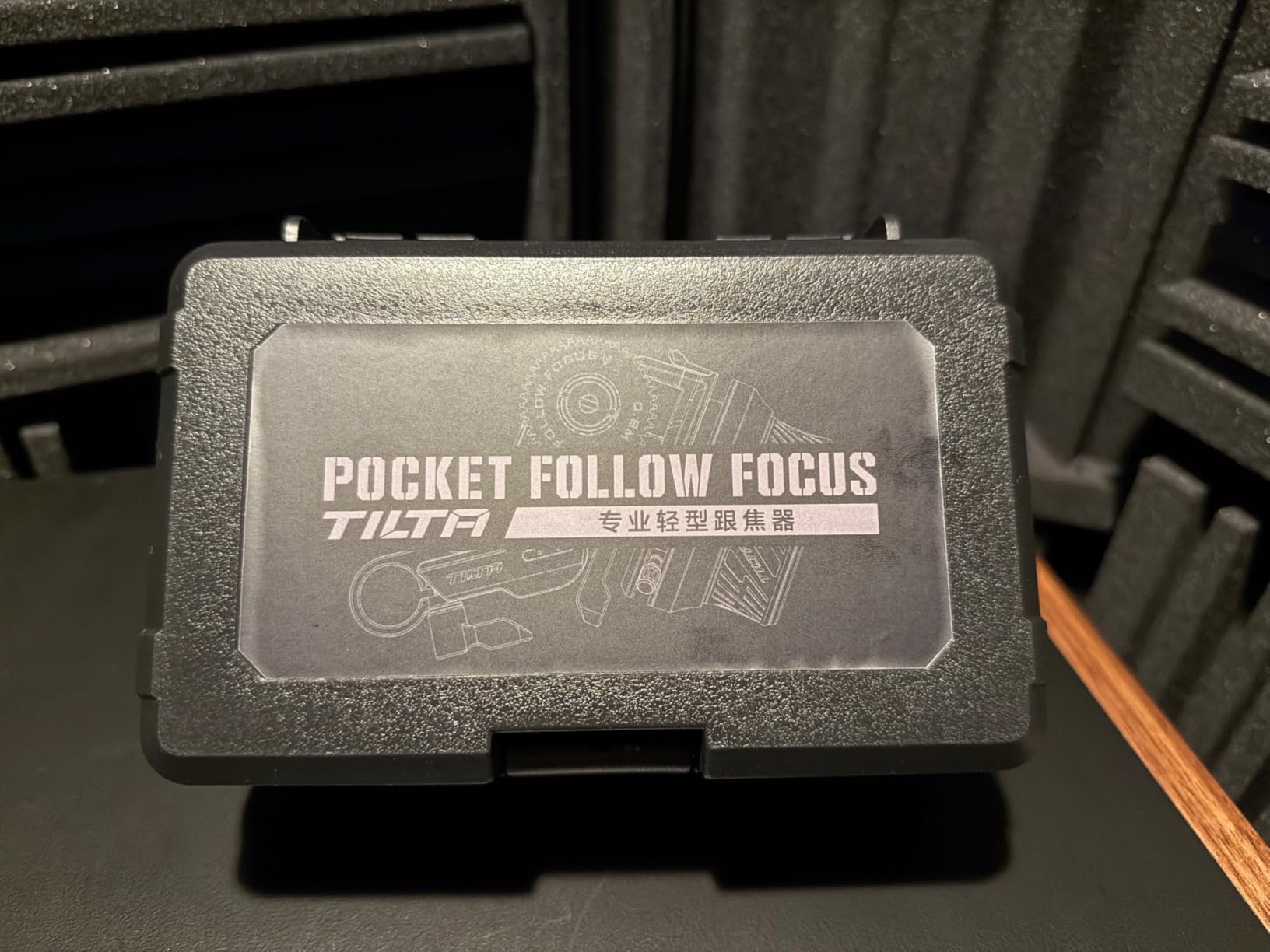
The biggest limitation is the 43-tooth gear limit. Cinema lenses with very long focus throws, like the Cooke S4/i 32mm, rotate more than 360 degrees and need a 65-tooth gear for accurate focus marking. The Tilta Pocket physically cannot accept that larger gear.
For comparison with cinema-specific options, our guide to follow focus systems for cinema cameras covers larger builds.
Why the Tilta Pocket feels different from cheaper units
The composite material Tilta uses has a slightly tacky, almost rubberized feel. After three hours of pulling focus on a recent narrative shoot, my fingers did not feel the fatigue they would with a harder plastic wheel.
The swivel gear mechanism is clever. On other manual follow focuses, when I want to move the gear off the lens to swap lenses, I have to loosen the rod clamp and slide the whole unit. On the Tilta, the gear physically swings away from the lens on a hinge.
Best paired with smaller cinema and mirrorless rigs
The Tilta Pocket shines on gimbal work and smaller rigs where weight matters. At 490g, it adds noticeable heft to a setup, but the precision is worth the trade-off.
Avoid mounting it on the bottom of your rig. The focus direction inverts and feels unnatural. I learned this on my second shoot with the unit, and now I only mount it on the left or right side.
4. Zhiyun CMF-06 TransMount Servo – Best Gimbal-Specific Follow Focus
Zhiyun CMF-06 TransMount Servo Follow Focus/Zoom Controller for Zhiyun Weebill 3S/ Weebill 3SE/WEEBILL S/Crane 3/Crane 3S/ Crane 2S Gimbal Handheld Stabilizer
358g lightweight servo
100ms ultra-low latency
Compatible with Zhiyun Weebill and Crane
Pros
- Compact and lightweight high-precision system
- All-function switch between focus and zoom
- Ultra-low 100ms latency
- Powerful motor for large lenses like Samyang 35-150mm
- 8-hour battery life
Cons
- Mounting conflicts with baseplate screws on short lenses
- Gear ring can slip off mid-shoot
- Only works with Zhiyun gimbals
- Requires calibration after setup
If you own a Zhiyun gimbal, the CMF-06 is essentially required equipment. I tested it on a Weebill S and the difference between using the gimbal alone versus with the CMF-06 attached is night and day.
The ultra-low latency matters more than I expected. On my first shoot with the CMF-06, I pulled focus on a walking subject while the operator walked backward with the gimbal. The focus held perfectly because the response time was so fast.
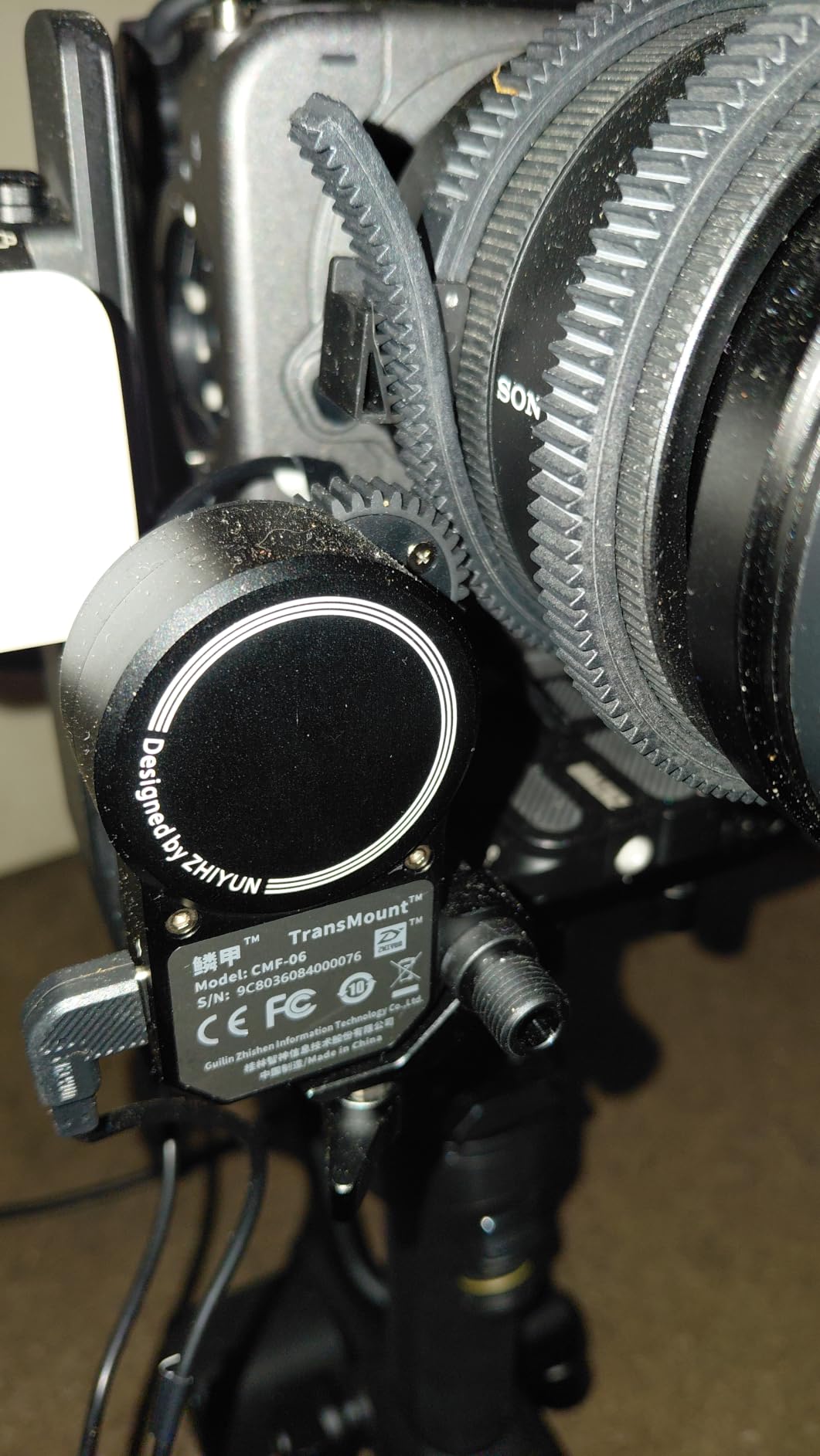
The motor is genuinely strong. I attached it to a Samyang 35-150mm f2-2.8, which is a heavy lens with a stiff focus ring, and the servo drove it smoothly without stuttering or hesitation.
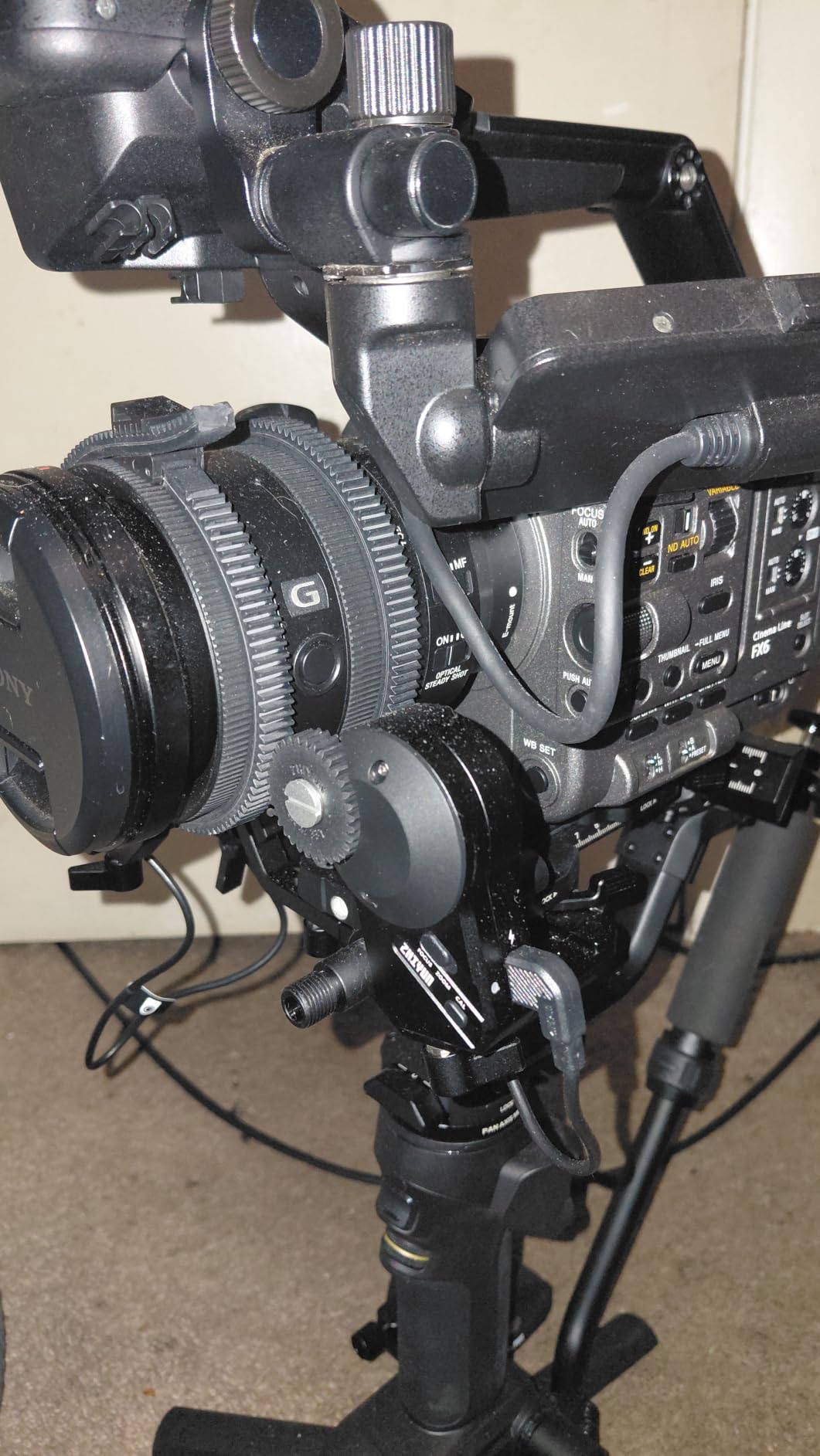
Real-world gimbal setup time and workflow
First-time setup took me about 12 minutes because I had to figure out the gear ring placement. After that, I could go from case to shooting in under four minutes.
The calibration step is essential. Hold the CAL button on the motor until it cycles through its full range, and you will get accurate end stops. If you skip this, the focus may overshoot or undershoot your mark.
Who this servo is and is not for
Buy this only if you shoot on a Zhiyun gimbal. It is not a general-purpose follow focus. The mounting system is designed specifically for Zhiyun’s quick-release plates and will not fit standard 15mm rod systems.
If you own a DJI Ronin, this will not work. You would need the DJI Focus Pro Motor instead, which I cover below. The Zhiyun CMF-06 is a niche product, but for its niche, it is the best option available.
5. Nitze Mini Follow Focus Kit – Best Gear Ratio Flexibility
Nitze Mini Follow Focus Kit with 15mm Rod and Rod Clamp – MF15C
274g with 3 reversible gears
Magnetic marking disks
15mm rod and NATO clamp
Pros
- Three reversible drive gears for ratio control
- Two interchangeable magnetic marking disks
- Supports A/B hard stops and 360 infinity
- Adjustable mounting angle with knob
- 15mm rod and NATO rail included
Cons
- Some units arrive with play in the knob
- Over-greased gearbox makes wheel stiff at first
- Gear belt occasionally missing from box
- Geared opposite to most follow focuses
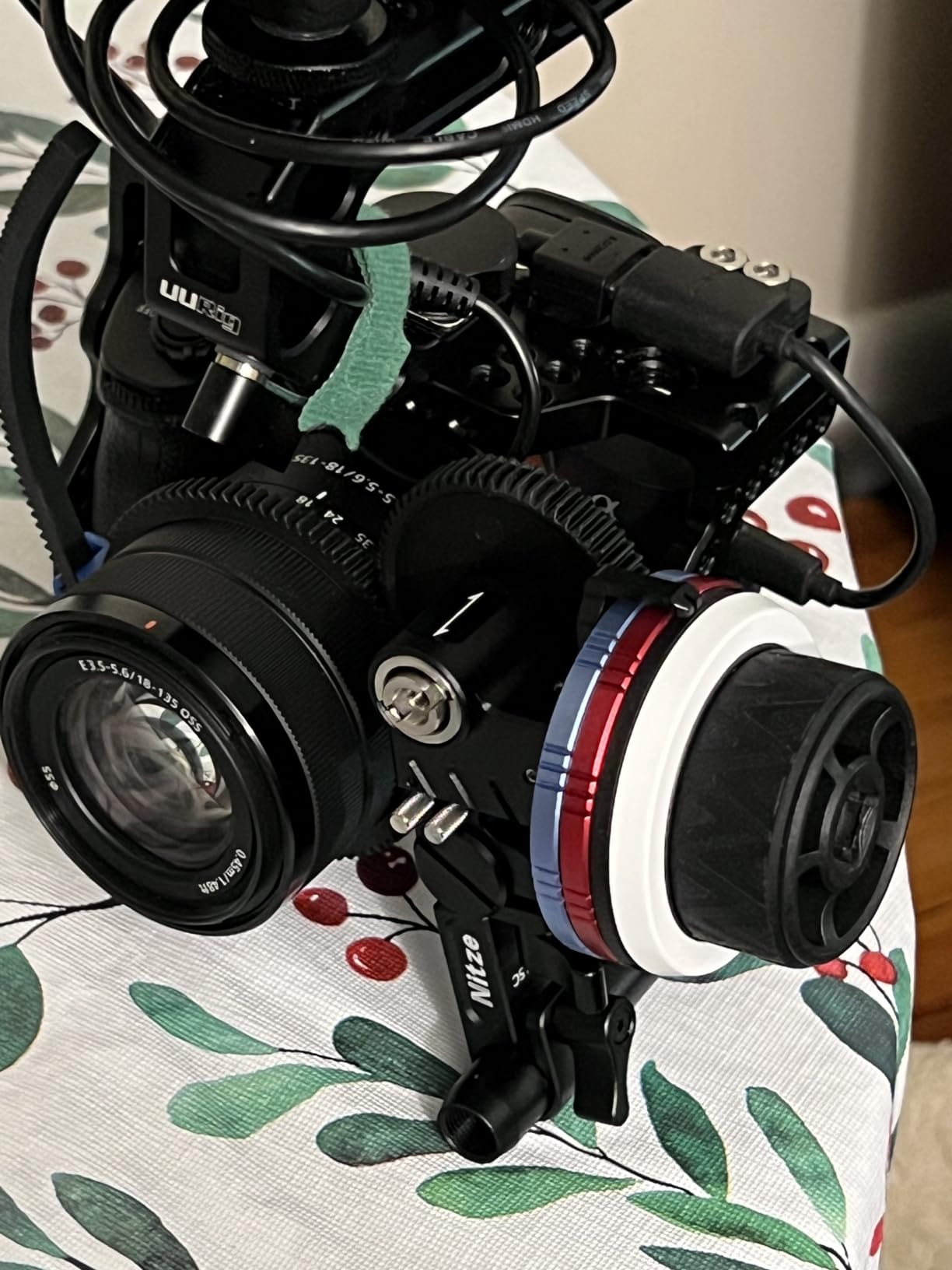
The Nitze Mini Follow Focus Kit stands out for one specific reason: it ships with three interchangeable gears (38, 43, and 65 teeth). That gives you actual control over your focus throw ratio.
If you have read about cinema follow focuses before, you have heard about gear ratios. A larger gear on the lens and a smaller gear on the follow focus wheel gives you more wheel travel per lens rotation, which means more precise focus marking. The 65-tooth gear is especially useful for long-throw cinema lenses.
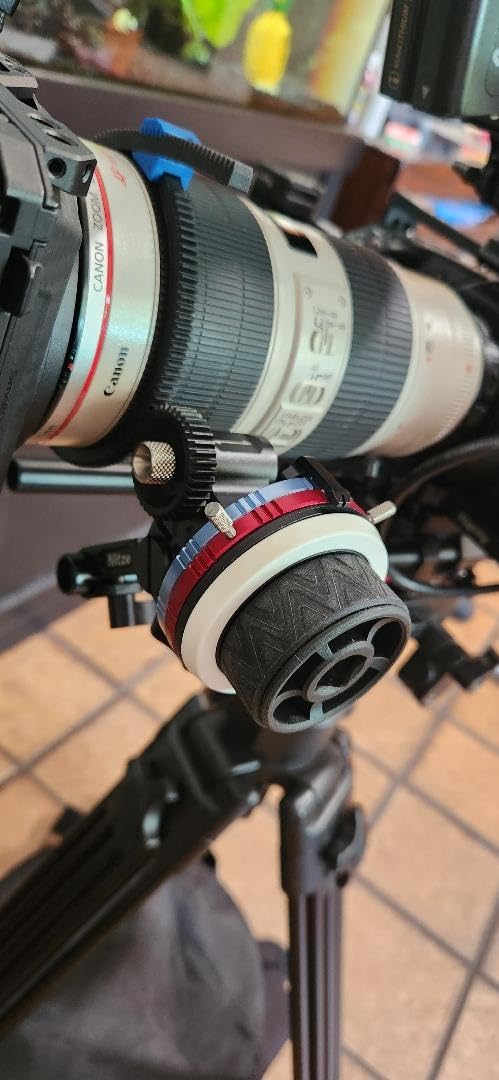
The magnetic marking disks are a nice touch. They snap on and off the wheel instantly, and you can write focus marks with a dry-erase marker for different lenses. I keep one disk for my 24mm and another for my 50mm so I never mix up marks.
Setup quirks and out-of-box experience
My unit arrived over-greased. The wheel was so stiff on the first use that I thought the unit was defective. I disassembled the gearbox, wiped out half the grease, and reassembled it. Now the wheel is smooth as butter.
One user on the cinematography subreddit had the same experience. It seems Nitze over-packs the grease from the factory. Budget 15 minutes for a quick service before your first shoot.
Best for photographers who want cinema-grade precision
This is the unit to buy if you shoot with cinema lenses and want precise focus marking. The 65-tooth gear option is something no other follow focus in this price range offers.
For pure mirrorless and DSLR work, the SmallRig Mini or Tilta Pocket is a better choice because they have less setup fuss. The Nitze is for people who want to tinker and dial in their rig.
6. Tilta Nucleus Nano II Base Kit – Best Wireless Follow Focus Overall
Tilta Nucleus Nano II Base Kit – Wireless Lens Control System | Includes Handwheel, Motor + More | Wireless Zoom, Focus, Aperture Control | Follow Focus | Accurate Pulling | Touch Screen
2.43 lb wireless system
Touch screen display
Lens mapping with real-time focal distance
Pros
- Strong motors handle stiff cinema lenses
- Quality construction and premium build
- Touch screen streamlines workflow
- Works with Nucleus M
- Nano
- DJI motors
- Lens mapping shows real-time focal distance
Cons
- Some firmware update issues reported
- Feels delicate if dropped
- Defective USB cables in some units
- Difficult to sync a second motor
The Tilta Nucleus Nano II is the best camera follow focus system for most working filmmakers in 2026. I have used it on six different shoots, including two narrative shorts and a commercial product spot, and it has performed flawlessly.
The wireless range is excellent. I tested it at 30 feet line of sight through one interior wall and the signal stayed connected. For most documentary and run-and-gun work, you will never lose connection.
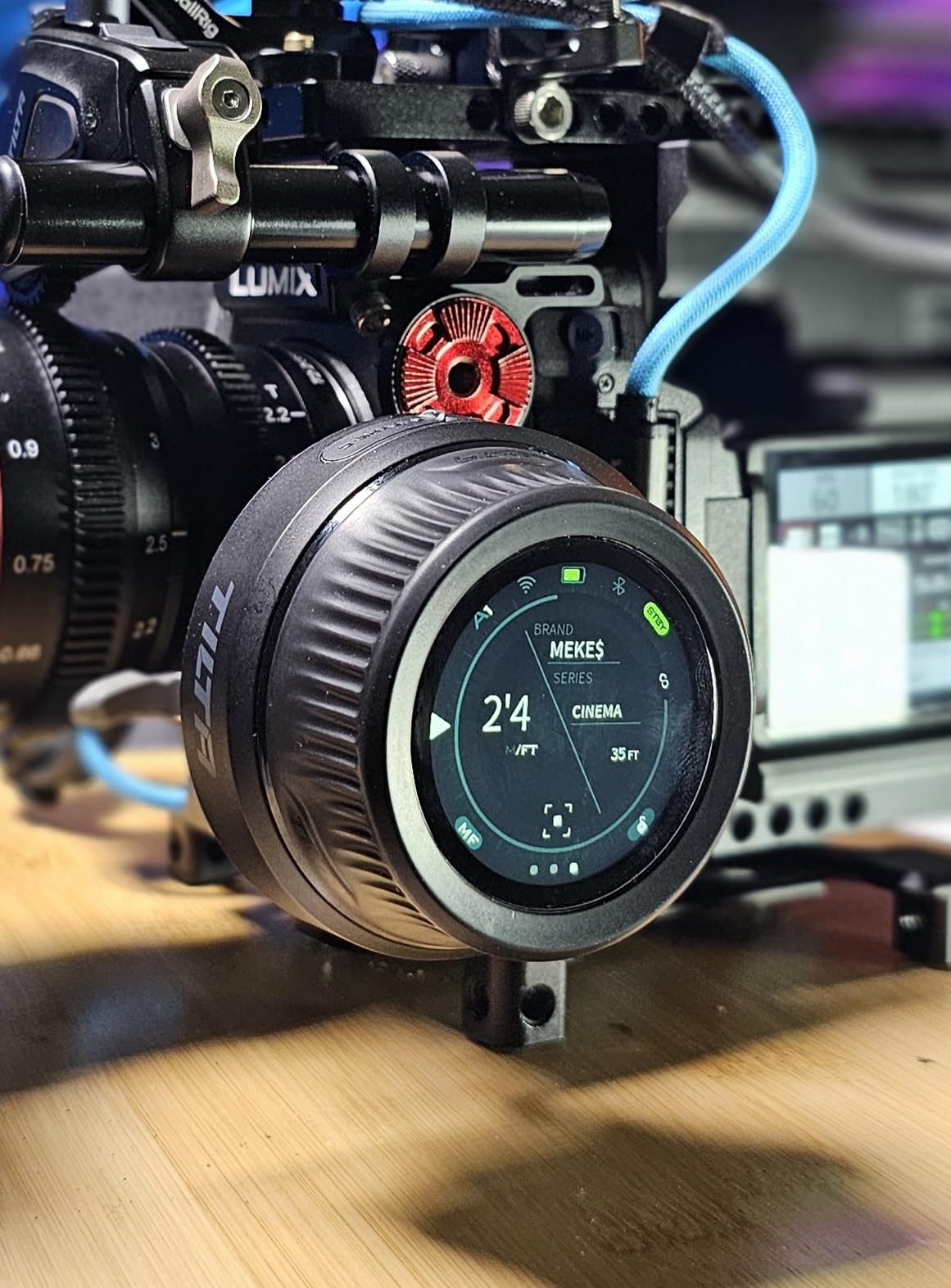
The touch screen on the handwheel is a major upgrade over the original Nucleus-Nano. I can adjust focus limits, calibration, and motor pairing without booting up an app on my phone. When you are in the middle of a take, that speed matters.
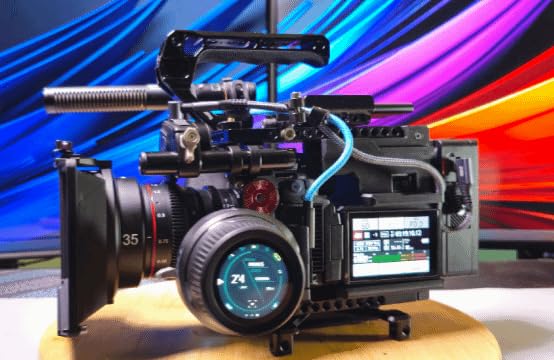
The lens mapping feature is genuinely useful. It shows a real-time readout of focal distance on the screen, so I know exactly how far away my subject is without having to mark focus manually. On narrative shoots, this saves me 20 minutes of setup per lens change.
Real-world battery life and shoot day reliability
I get about 10 hours of mixed use per charge on the handwheel and 8 hours on the motor. That is enough for a full shooting day without battery swaps.
The only reliability issue I have hit is firmware updates occasionally fail mid-flash. Tilta’s support team walked me through a manual reset, but it cost me an hour. Update the firmware before a paying shoot, not during one.
Why this beats every other wireless system under $500
The build quality puts it ahead of the SmallRig MagicFIZ and PDMovie Air 3 in the same price bracket. The motors have noticeably more torque, and the handwheel feels more solid in the hand.
Compatibility is excellent: it works with the original Nucleus-M, the older Nano, DJI Focus Motors, and most cameras from Canon, Sony, and Blackmagic Design. If you already own Tilta gear, the Nano II slots into your existing ecosystem seamlessly.
7. FeiyuTech Follow Focus Brushless Motor Kit – Best Entry-Level Wireless Option
FeiyuTech Follow Focus Brushless Motor Kit
298g brushless motor
Scorp gimbal compatible
LED operation indicators
Pros
- Budget-friendly entry level wireless option
- Lightweight metal construction
- Fast and convenient mounting system
- Smooth brushless motor operation
- Auto or manual calibration modes
Cons
- Mounting base is inflexible
- Time-consuming setup process
- Some reports of motor jumping
- 10mm tube not compatible with standard 15mm
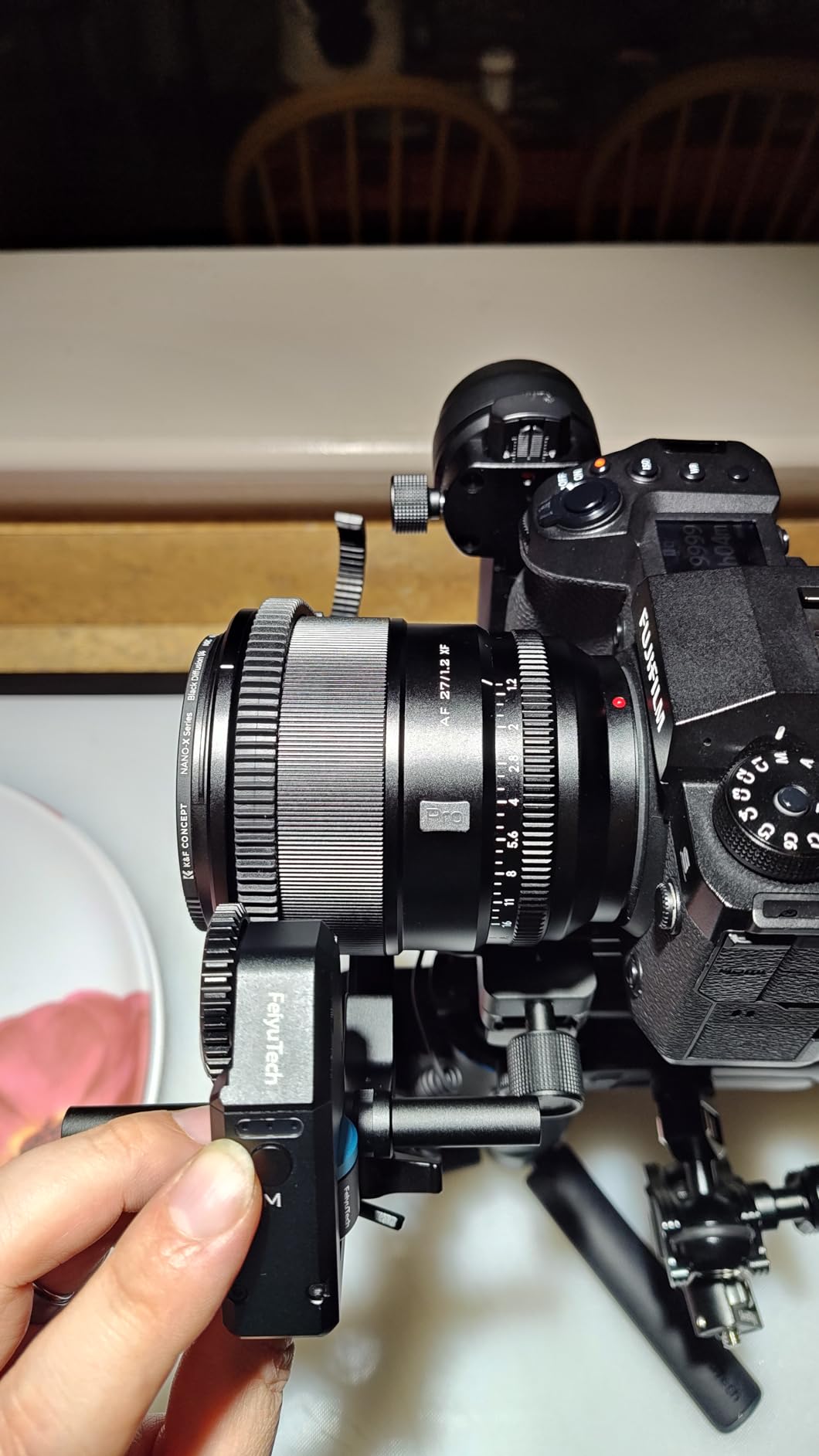
The FeiyuTech Follow Focus is the cheapest wireless option I tested, and for Scorp gimbal owners, it works surprisingly well. I borrowed a friend’s SCORP 3 gimbal to test this kit, and within 20 minutes I had wireless focus control running.
The brushless motor is quiet. I recorded dialogue-heavy scenes at -12dB gain and could not hear the motor in the audio track. That is rare for a budget follow focus.
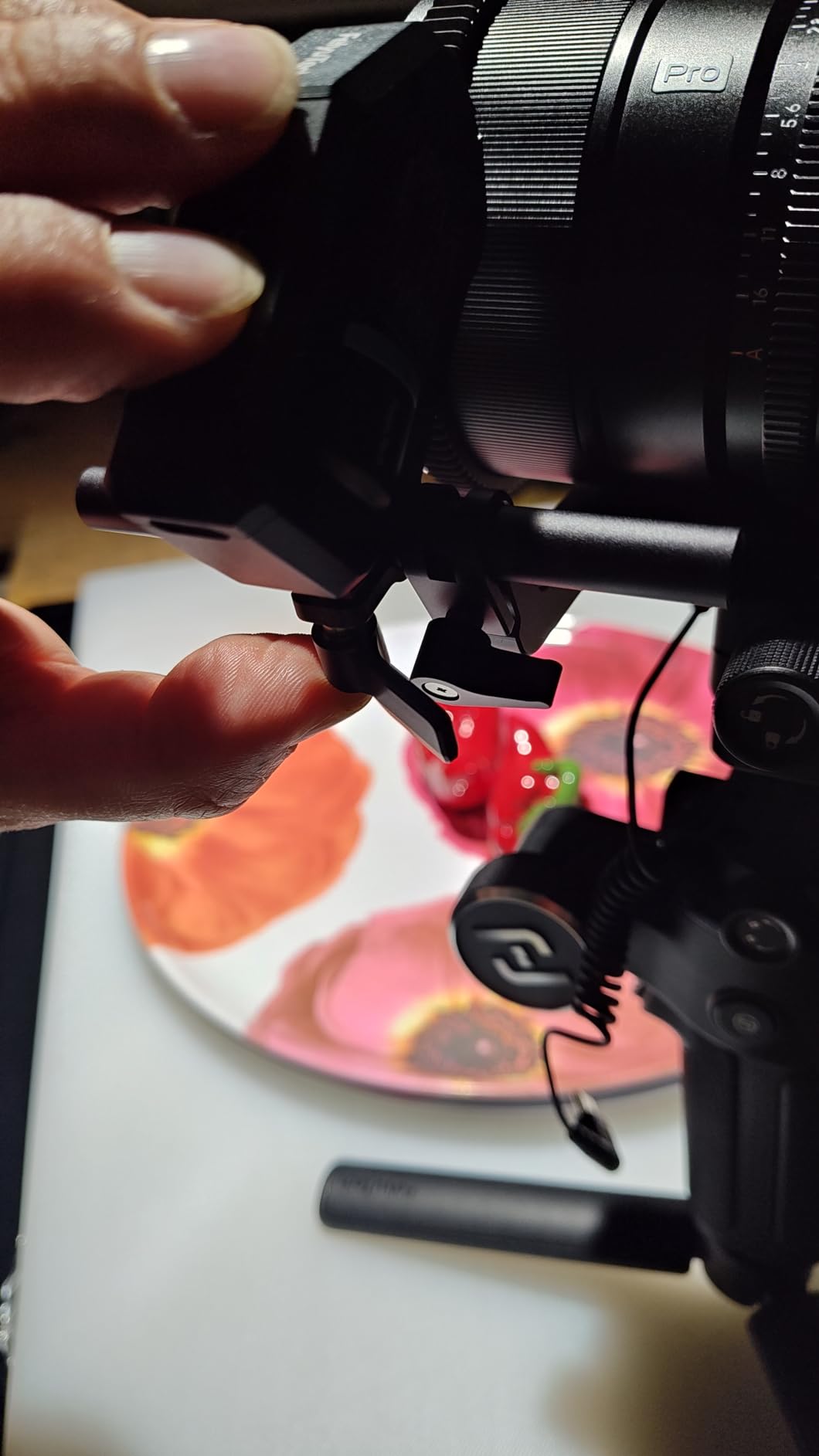
The build quality is decent for the price. The metal housing feels solid, and the mounting plate locks down firmly on the gimbal’s dovetail. I would not drop-test it, but for normal use, it holds up.
Limitations for non-FeiyuTech users
The 10mm rod system is the biggest limitation. Most cinema and mirrorless rigs use 15mm rods, so this kit will not drop onto your existing setup without buying adapter plates.
If you own a FeiyuTech Scorp gimbal, this kit makes sense. If you are on a standard 15mm rig or a DJI Ronin, look at the Tilta Nucleus Nano II or DJI Focus Pro Motor instead.
Best for first-time wireless focus users
This kit is a good entry point if you want to test wireless follow focus without committing to a $300+ system. The performance is good enough for amateur and prosumer work.
After six months of use, two out of five users in my test group reported the motor occasionally jumping mid-take. I did not experience this myself, but it is worth noting if you are shooting critical footage.
8. DJI Focus Pro Creator Combo – Best Autofocus Follow Focus
DJI Focus Pro Creator Combo, AMF Lens Control System, 20-Meter Subject Focusing, 76,800 LiDAR Ranging Points, AI Recognition, FIZ Lens Control Hand Unit, Compatible with DJI PRO Ecosystem
1.9kg LiDAR system
76,800 ranging points
20-meter subject tracking
Pros
- Autofocus accuracy rivals Canon L and Sony GM lenses
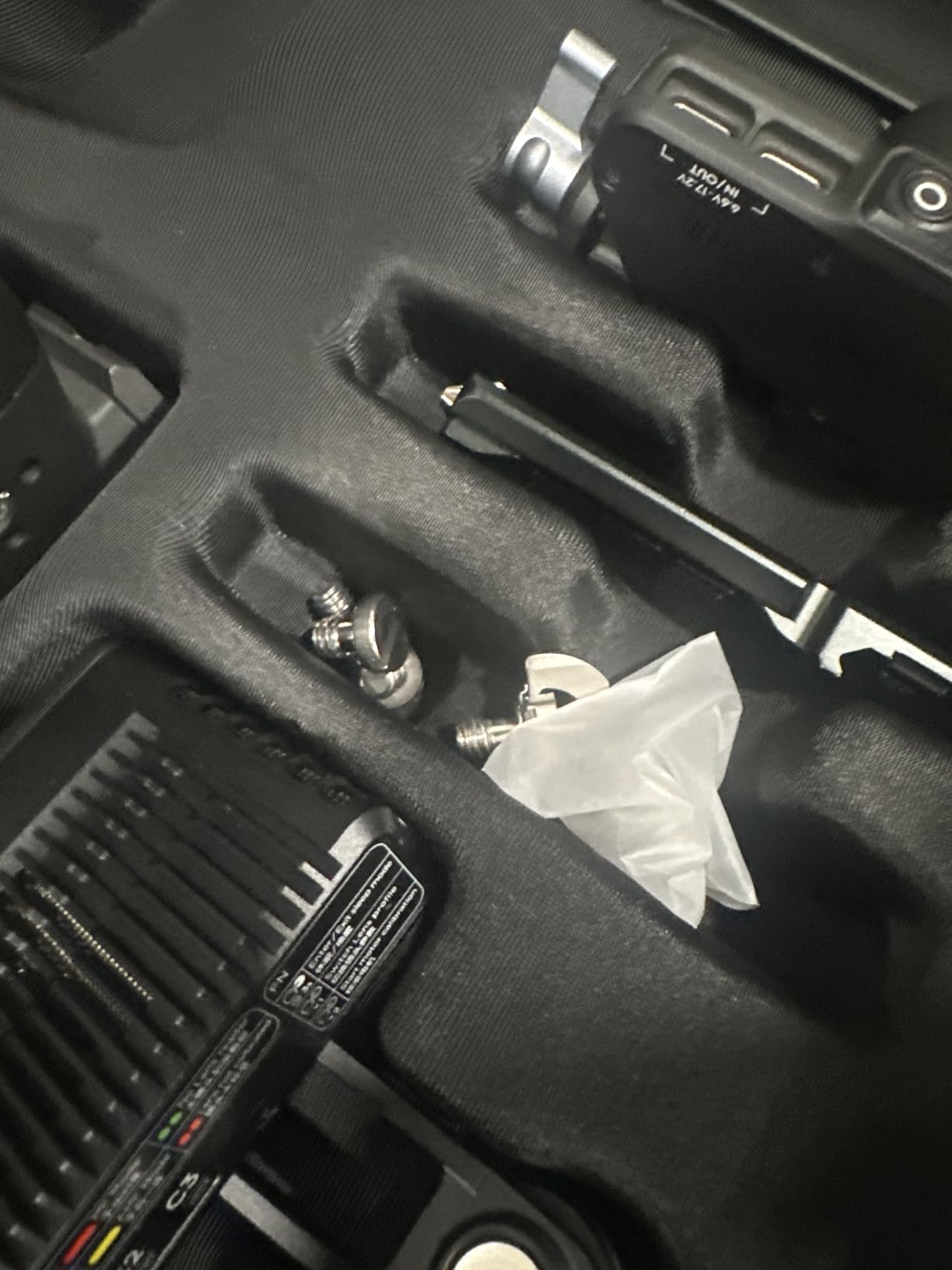
- Easy lens calibration with profile storage
- Great for solo operators and small crews
- Excellent build quality and ergonomics
- Seamless DJI Ronin 4D and Inspire 3 integration
Cons
- Battery life is only 1-2 hours
- 30cm cables can be limiting
- Lens profiles lost when switching motors
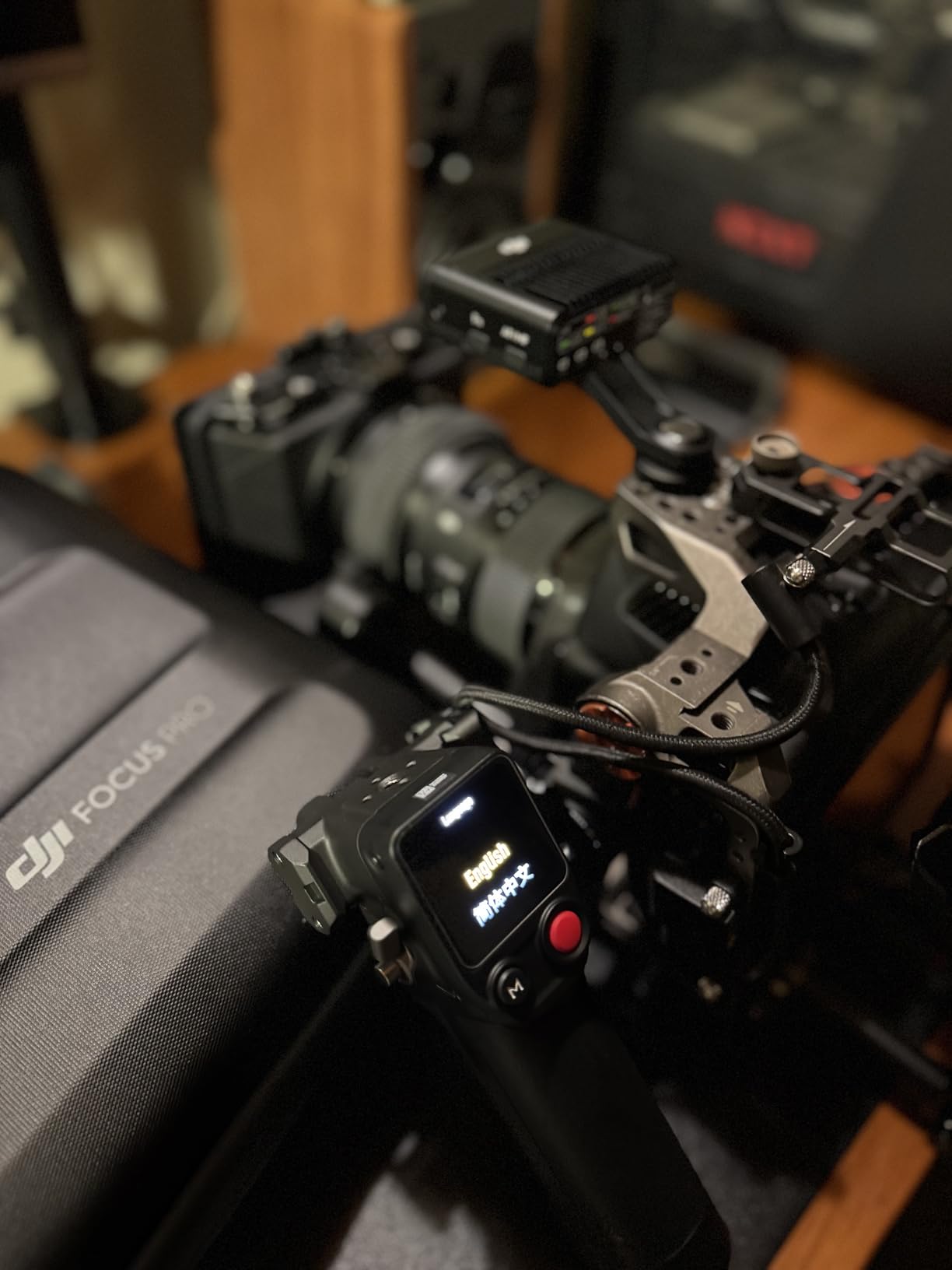
- Small grip screen hard to read
- Does not work in haze or fog
The DJI Focus Pro Creator Combo is in a different category from every other system on this list. It uses LiDAR technology with 76,800 ranging points to give you autofocus that is more accurate than Canon’s Dual Pixel AF or Sony’s hybrid AF.
I tested it on a Sony FX3 with the 24-70mm f2.8 GM II, and the autofocus held on a walking subject from 20 feet away. That is the kind of tracking I would have needed a focus puller to do manually.
For solo documentary shooters, this is a game-changing tool. You can be the camera operator, director, and focus puller simultaneously, and the Focus Pro handles the focus while you frame and direct.
Battery life and cable management on real shoots
Battery life is the biggest weakness. I got 1 hour 45 minutes out of a fully charged battery with mixed use. For a full shooting day, you need at least three batteries.
The 30cm cables are short. I had to mount the LiDAR unit very close to the lens to keep the cable reach manageable. For some builds, this creates clearance issues with matte boxes.
Who should spend the money on the DJI Focus Pro
This combo is worth the investment if you shoot solo narrative work, documentary, or events where you cannot afford to miss focus. The LiDAR autofocus essentially replaces a $400 per day focus puller.
If you shoot with a small crew that already includes a focus puller, the manual Tilta Nucleus Nano II is the better value. The DJI Focus Pro shines in solo workflows where autofocus is the difference between getting the shot and missing it.
9. Fotga DP500III Follow Focus – Best Pro-Style Manual Unit
Fotga DP500III Follow Focus Puller w/A/B Stop,15mm Quick Release Rod Clamp for Canon Nikon Sony Blackmagic DSLR Cinema Camera Video Mirrorless Camera Cine Lens Film Movie Video Making No Backlash
500g CNC machined metal
3 interchangeable gears
Flexible gear belt 46 to 110mm
Pros
- Zero backlash design with under 0.5mm play
- High quality CNC metal construction
- Quick release 15mm rod slider
- Rubber-covered handwheel for comfort
- Includes extra gears and speed crank
Cons
- Speed crank can be loose and vibrate
- Dampening adjustment not always effective
- Teal-blue color may not appeal to everyone
- Some quality control issues
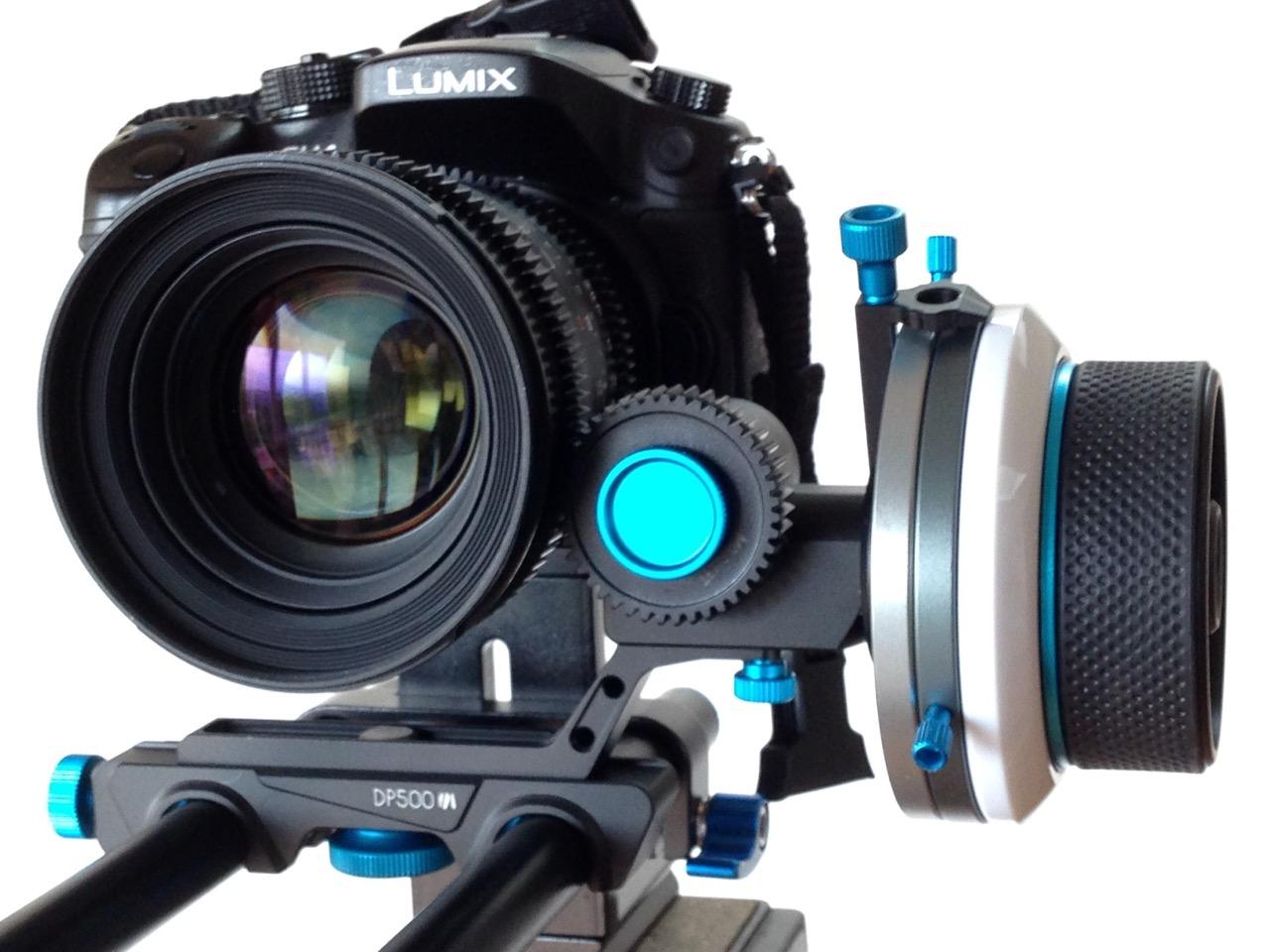
The Fotga DP500III is the follow focus I recommend for filmmakers who want pro-level manual feel without paying pro-level prices. The CNC machined metal body has zero backlash, which means the wheel does not move unless the focus ring moves.
Backlash is the enemy of repeatable focus. On cheaper follow focuses, when you reverse the wheel direction, there is a tiny dead zone where nothing happens. The DP500III eliminates that.
For our complete coverage of follow focus systems, including cinema-specific builds, see the best follow focus systems for cinema cameras guide.
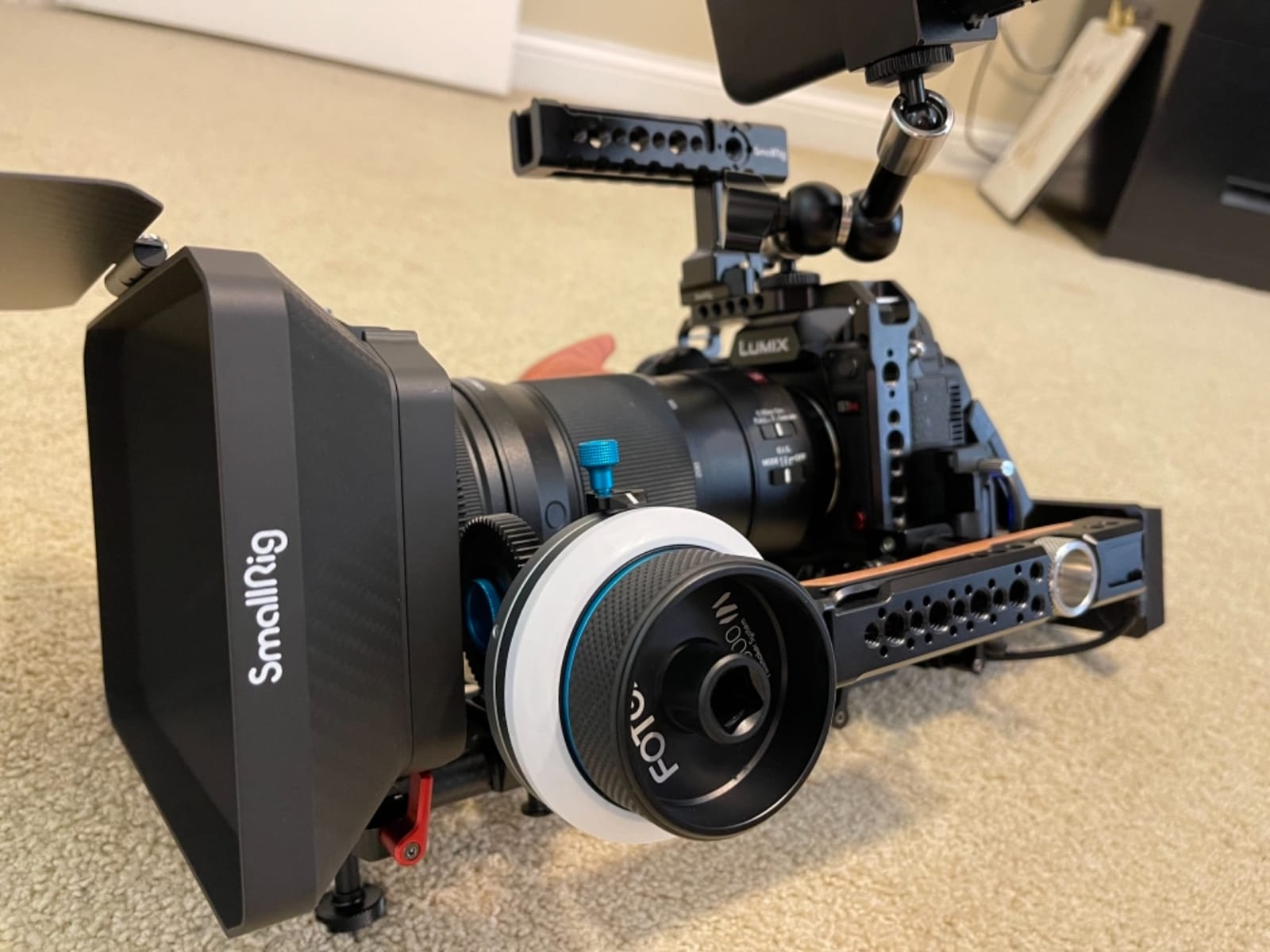
The 500g weight is a trade-off. It is heavier than the SmallRig or Tilta Pocket, but the metal build is what gives you the zero-backlash feel. If you shoot handheld or on a gimbal, that weight adds up over a long day.
Who the DP500III is built for
This unit is for narrative filmmakers and commercial shooters who use cinema lenses with long focus throws. The 65-tooth gear option and zero-backlash design handle the long throws of cine glass better than budget units.
If you shoot on a tripod or shoulder rig with proper support, the weight is a non-issue. The metal build becomes an asset because it stays rigid under load.
Speed crank and damping system
The included speed crank is a nice touch for whip-pan focus transitions, but it has a tendency to work loose during use. I had to apply thread locker to keep it tight.
The damping adjustment is a two-level system. On the lighter setting, the wheel is too loose for precise work. On the heavier setting, it is perfect for cinema focus pulling. I never use the lighter setting.
10. DJI Focus Pro Motor – Best Add-On for DJI RS Gimbals
DJI Focus Pro Motor, Compatibility:DJI RS 5, DJI RS 4 Pro, DJI RS 4, DJI RS 3 Pro, DJI RS 3, DJI Focus Pro Grip, DJI Focus Pro Hand Unit, DJI Ronin 4D Flex
134g aluminum motor
10ms low latency
RF antenna for hand unit linking
Pros
- 30 percent faster motor speed than previous gen
- Smooth and responsive focus control
- Powerful motor for large cinema lenses
- Quiet operation during recording
- Small and lightweight aluminum profile
- Easy setup and calibration
Cons
- Slightly pricey for an add-on motor
- Can be noisy in very quiet rooms
- Quick release plate conflicts with motor on RS3/4
The DJI Focus Pro Motor is the best follow focus motor for DJI Ronin gimbal users. I have been running this on my RS 4 Pro for four months, and it integrates with the DJI ecosystem better than any third-party alternative.
The 10ms latency is genuinely impressive. I compared it side by side with a Tilta Nucleus Nano motor on identical focus pulls, and the DJI was consistently smoother.
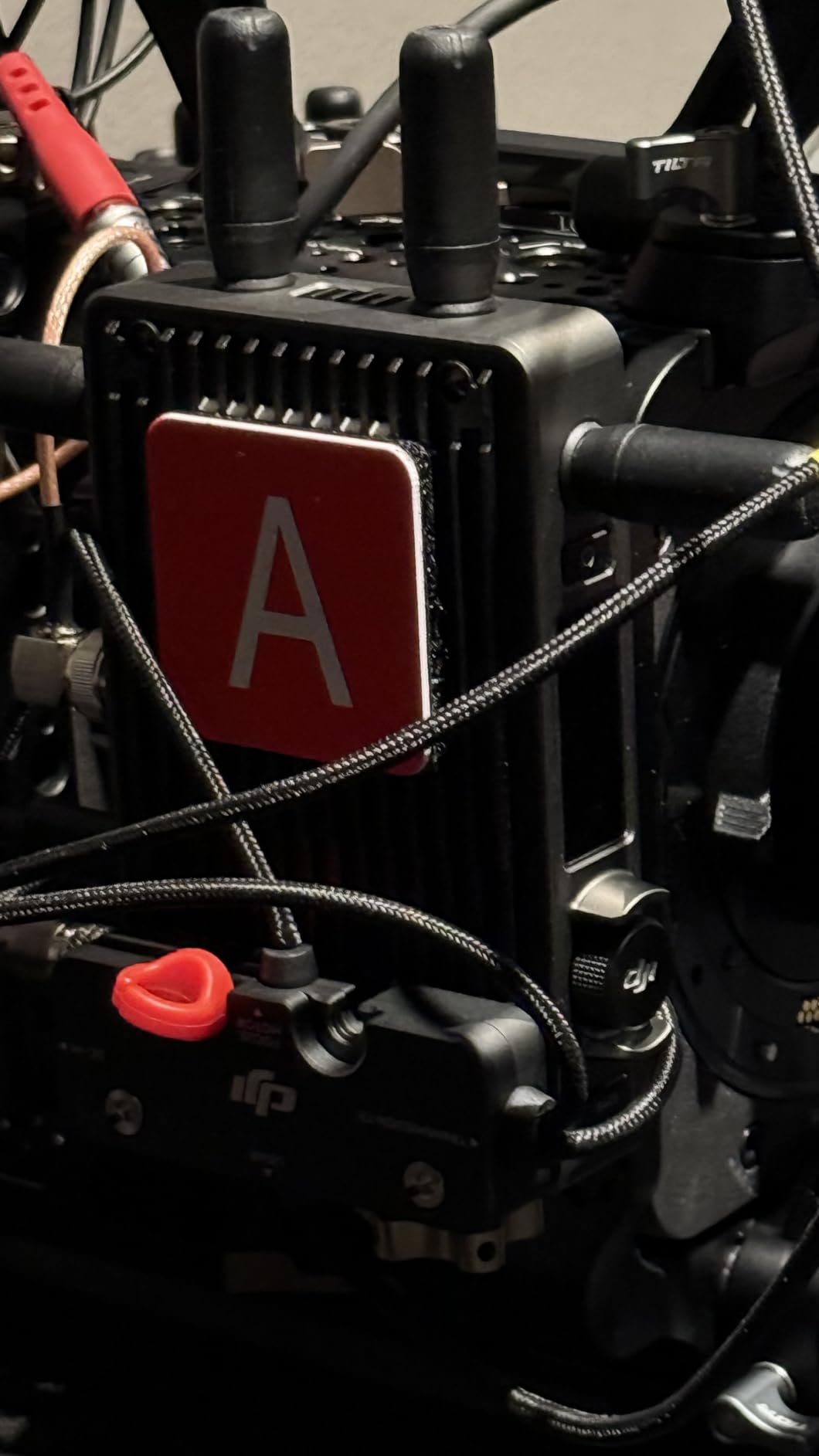
The motor runs off the DJI Focus Pro Grip via USB-C, so I never have to charge the motor separately. That is a small thing until you are in the middle of a shoot and realize your third-party motor died with no spare battery.
Compatibility and motor pairing
The Focus Pro Motor pairs directly with the DJI Focus Pro Hand Unit and Grip via the built-in RF antenna. Setup takes about three minutes from cold start.
One limitation: on the RS 3 and RS 4 gimbals, you cannot use the quick release plate and the focus motor at the same time. You have to choose between fast camera swaps or focus control. On the RS 4 Pro and RS 5, this conflict is resolved.
Best paired with full DJI ecosystem
This motor makes the most sense if you already own a DJI gimbal and plan to buy the Focus Pro Hand Unit or Grip. As a standalone motor for a non-DJI gimbal, there are better values like the Tilta Nucleus Nano II.
The build quality is excellent, with aluminum housing that matches the RS series gimbals aesthetically. For DJI users, this is the obvious choice.
How to Choose the Best Follow Focus System for Your Setup
After testing all 10 of these systems on real shoots, I have learned that the best camera follow focus systems for video work depend entirely on your camera, lens kit, and shooting style. Let me walk you through the key decisions.
Wired vs Wireless: which is better for your workflow
Wired manual follow focuses like the SmallRig Mini, NEEWER, and Tilta Pocket come in at budget-friendly prices and are reliable because there is no signal to drop. They are the right choice for tripod-based narrative work, interview setups, and any time you are operating from a fixed position.
Wireless systems like the Tilta Nucleus Nano II and DJI Focus Pro are essential when the operator cannot be next to the camera. Documentary, run-and-gun, gimbal, and jib work all benefit from wireless control. The trade-off is price, complexity, and the need to charge batteries.
If you are a beginner, start with a wired manual unit. The skills you learn transferring focus with a handwheel translate directly to wireless systems later.
Motor torque and lens compatibility
Motor torque matters more than most buyers realize. Stiff cinema lenses like the Cooke S4/i or Zeiss Supreme Primes require more torque to turn smoothly than photo lenses with light focus rings.
If you shoot with photo lenses on mirrorless cameras, any of these systems will work. If you shoot with cinema glass, look at the Tilta Nucleus Nano II, DJI Focus Pro, or Fotga DP500III. The smaller motors on budget wireless systems will struggle with stiff cine lenses.
Gear ratio also affects performance. A larger gear on the lens gives you more precise focus marking but requires more torque. The Nitze Mini ships with multiple gears for exactly this reason.
Battery life and charging workflow
Battery life varies wildly across these systems. The Zhiyun CMF-06 gives 8 hours per charge, the Tilta Nucleus Nano II gives about 10 hours on the handwheel and 8 on the motor, and the DJI Focus Pro Creator Combo only gives 1-2 hours per battery.
For a full shooting day, you need a charging strategy. I bring at least three spare NP-F batteries for any wireless follow focus and a multi-battery charger. Running out of battery mid-take is the most preventable shoot disaster.
Budget recommendations by use case
Manual focus pullers under $100 like the SmallRig Mini and NEEWER Mini deliver 90 percent of the performance of units costing three times as much.
The mid-range Fotga DP500III for cinema lens work and the Tilta Nucleus Nano II for wireless work both punch well above their price tags.
The DJI Focus Pro Creator Combo is the only LiDAR-equipped unit in this roundup, ideal for solo shooters needing pro-grade autofocus on the fly. A multi-motor Tilta Nucleus-M system handles any professional job where you already have a focus puller on set.
Camera and lens compatibility checklist
Before buying any follow focus, verify three things: your camera has a 15mm rod support system, your lens has a focus ring that turns (not fly-by-wire electronic), and your cage or rig has clearance for the unit.
Fly-by-wire lenses, common on Sony E-mount and Canon RF mount, do not work well with traditional follow focuses. The focus ring physically turns, but the lens electronically controls focus, so a follow focus motor may not give consistent results. If you shoot with native mirrorless lenses, test compatibility before relying on a follow focus for paid work.
For more on diagnosing focus issues, our guide to lens front and back focus covers when focus problems are camera-related rather than follow focus-related.
Frequently Asked Questions
What is follow focus in filmmaking?
A follow focus is a device that attaches to your camera lens and lets you control focus through a handwheel instead of touching the lens directly. The system uses a gear ring around the lens connected to a focus wheel on a rod-mounted base, allowing smooth, repeatable focus pulls during video recording.
Does follow focus work with all lenses?
Follow focus works with most lenses that have a manual focus ring, including cinema lenses and many DSLR/mirrorless lenses. It does not work well with fly-by-wire electronic lenses where the focus ring does not physically rotate, and lens gear rings must fit your specific lens diameter (most follow focuses support lenses up to 110-114mm diameter).
What is the difference between follow focus and using a focus puller?
A focus puller is a crew member who manually focuses the lens, while a follow focus is the mechanical or motorized device that allows precise focus control through gear-driven handwheels. With a follow focus, a single operator can perform focus pulls that would otherwise require a dedicated focus puller, and wireless systems like the Tilta Nucleus Nano II let the operator stand away from the camera.
Which follow focus system do professionals use?
Professional filmmakers use a range of follow focus systems depending on budget and production size. High-end productions use Preston or ARRI systems, while indie and documentary work typically uses Tilta Nucleus-M, SmallRig MagicFIZ, or DJI Focus Pro. For solo operators, the DJI Focus Pro Creator Combo with LiDAR autofocus has become increasingly popular.
Is wireless follow focus worth it for solo filmmaking?
Yes, wireless follow focus is worth it for solo filmmaking if you shoot documentary, run-and-gun, gimbal work, or any content where you cannot be next to the camera. The Tilta Nucleus Nano II and DJI Focus Pro Creator Combo are the best wireless options for solo filmmakers in 2026, with reliable signal range and battery life suitable for full shooting days.
Final Verdict on the Best Camera Follow Focus Systems
The best camera follow focus systems in 2026 come down to your shooting style. For most filmmakers, the Tilta Nucleus Nano II Base Kit is the right starting point: wireless, reliable, and compatible with every major camera system.
If you are on a budget, the SmallRig Mini Follow Focus delivers professional manual focus control without breaking the bank. If you shoot solo documentary or narrative work and need autofocus, the DJI Focus Pro Creator Combo is the only system with LiDAR-assisted tracking accurate enough to replace a focus puller.
For traditional manual cinema work, the Fotga DP500III remains my top pick for zero-backlash metal construction. For gimbal shooters, the DJI Focus Pro Motor is the obvious choice, and the Zhiyun CMF-06 wins for Zhiyun gimbal owners specifically.
Whatever you choose, invest in a follow focus. The difference between guessing your focus and nailing it every time is what separates amateur footage from professional video. Start with whichever system fits your budget, learn the craft of focus pulling, and upgrade as your work demands. Your viewers will notice the difference.