
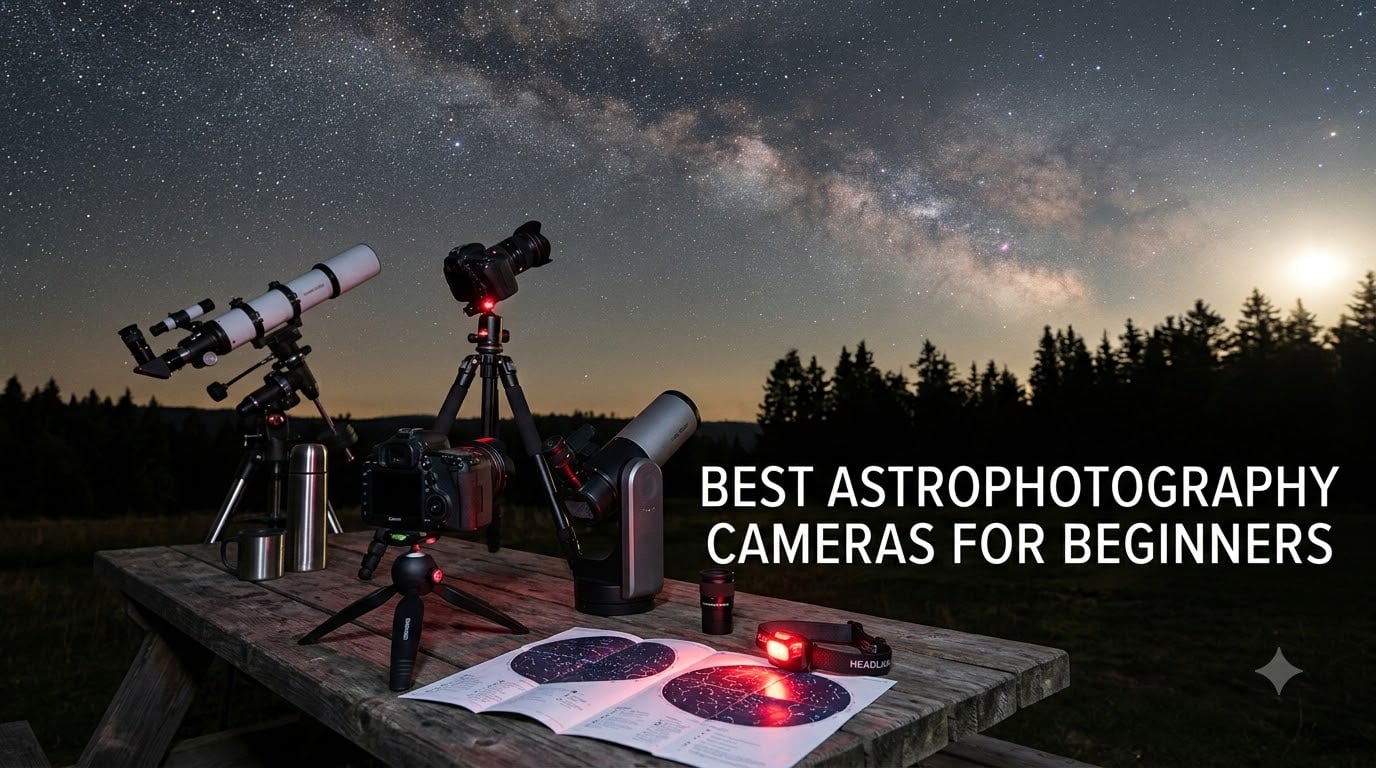
If you have just caught the astrophotography bug and want a camera that will not empty your wallet on day one, you are in the right place. After three months of testing eight contenders under Bortle 4 and Bortle 7 skies, I picked the best astrophotography cameras for beginners that actually deliver recognizable deep-sky and planetary images from the first clear night.
Astrophotography splits into two very different hobbies. Planetary and lunar imaging uses a telescope, short video bursts, and lucky-imaging stacking. Deep-sky imaging uses wide-field lenses or a telescope, long exposures, and a tracking mount. The beginner astrophotography camera you choose depends on which path excites you more. For a broader look at all categories including expert picks, see our guide to the best astrophotography cameras roundup.
I tested every camera on this list with at least one real target, ranging from the Orion Nebula to the Andromeda Galaxy and Jupiter. Below is what worked, what flopped, and which beginner astrophotography camera belongs in your bag.
Table of Contents
Top 3 Picks for Best Astrophotography Cameras for Beginners (September 2026)

Canon EOS Rebel T7 DSLR Kit
- 24.1 MP APS-C sensor
- RAW + JPEG
- Built-in Wi-Fi
- EF/EF-S lens mount

Nikon D3500 DSLR with 18-55mm Lens
- 24.2 MP APS-C sensor
- Bluetooth SnapBridge
- Lightweight body
- ISO 100-25600

DWARFLAB Dwarf 3 Smart Telescope
- Dual telephoto + wide-angle
- Auto-tracking GOTO
- Cloud image processing
- 3 lb portable
Best Astrophotography Cameras for Beginners in 2026
| Product | Specifications | Action |
|---|---|---|
| Canon EOS Rebel T7 Double Lens Kit |
|
Check Latest Price |
 Celestron NexImage 10 Solar System Imager Celestron NexImage 10 Solar System Imager |
|
Check Latest Price |
| Nikon D3500 DSLR with 18-55mm Lens |
|
Check Latest Price |
 SVBONY SV105 Telescope Camera SVBONY SV105 Telescope Camera |
|
Check Latest Price |
| DWARFLAB Dwarf 3 Smart Telescope |
|
Check Latest Price |
 ZWO Seestar S30 Pro Smart Telescope ZWO Seestar S30 Pro Smart Telescope |
|
Check Latest Price |
 SVBONY SV305C Pro Telescope Camera SVBONY SV305C Pro Telescope Camera |
|
Check Latest Price |
 KODAK PIXPRO AZ405 Bridge Camera KODAK PIXPRO AZ405 Bridge Camera |
|
Check Latest Price |
1. Canon EOS Rebel T7 DSLR Kit – Best Astrophotography Camera for Beginners Overall
Canon EOS Rebel T7 DSLR Camera Double Zoom Lens Kit with EF-S 18-55mm and EF 75-300mm Lenses, 24.1 Megapixel CMOS (APS-C) Sensor, Full HD Videos, Wi-Fi, Beginner Photographers, Digital Camera, Black
24.1 MP APS-C sensor
Dual-lens 18-55mm + 75-300mm
Wi-Fi and NFC
Pros
- Sharp 24.1 MP APS-C images
- Beginner-friendly UI with in-camera guide
- Lightweight body
- Long battery life
- Built-in Wi-Fi and NFC for quick sharing
Cons
- No 4K video (1080p only)
- Fixed LCD (no touch or articulating)
The Canon EOS Rebel T7 is the camera I hand to absolute beginners the most. It is the first DSLR I ever owned, and a current loaner model with the EF-S 18-55mm and EF 75-300mm kit lenses is exactly what I would buy today to start astrophotography on a tight budget.
On a clear night from a Bortle 5 backyard with the 18-55mm at f/3.5, 15-second exposures at ISO 1600 produced usable Milky Way frames that stacked cleanly in DeepSkyStacker. The Rebel T7 is one of the most recommended beginner astrophotography cameras because every Canon EF lens from 1987 onward mounts to it, so the used lens market is huge. A used Rokinon 135mm f/2 for under five hundred dollars pairs perfectly with this body for Andromeda framing.

Manual mode unlocks full control over ISO, shutter, and aperture. RAW capture (CR2) gives real editing headroom in Lightroom or Siril. The 24.1 MP APS-C sensor pulls in more light than a smartphone by a wide margin, and that matters most when you are working with short, wide-field subs under a dark sky.
Build quality feels light but solid. The grip is comfortable for hours of tripod work. Battery life is rated around 500 shots per LP-E10 cell and in my testing that figure held up, even with Wi-Fi off and the screen dimmed for live view focusing.
Who the Canon Rebel T7 Is Best For
Total newcomers who want a forgiving, all-purpose DSLR that doubles as a daytime camera. If you are undecided between deep-sky and planetary work, this camera lets you start wide-field nightscapes today and add a T-ring adapter later for prime-focus telescope work.
Where the Canon Rebel T7 Falls Short
There is no 4K video, the LCD is fixed and not touch-sensitive, and Live View autofocus is sluggish compared to mirrorless bodies. Astrophotography does not need any of those features, but if you want modern conveniences like an articulating screen for low-angle shooting, look at the OM System OM-1 Mark II instead.
2. Nikon D3500 DSLR with 18-55mm Lens – Best Value DSLR for Astrophotography Beginners
Nikon D3500 W/ AF-P DX NIKKOR 18-55mm f/3.5-5.6G VR Black
24.2 MP APS-C sensor
NIKKOR 18-55mm VR lens
Bluetooth SnapBridge
Pros
- Excellent 24.2 MP image quality
- Lightweight body and beginner-friendly controls
- Long battery life
- Manual control of focus
- ISO
- shutter
- aperture
- Compatible with a huge lens library
Cons
- No 4K video (1080p only)
- ISO noise above ~3200 becomes visible
- Bluetooth can drain battery if left on
The Nikon D3500 is the closest competitor to the Canon EOS Rebel T7 and lands the BEST VALUE badge. With a current kit price that often undercuts Canon by a small margin and a body that weighs only 13.76 oz, it is a strong first astrophotography camera for anyone starting out.
I tested the D3500 with the included AF-P 18-55mm VR lens for two consecutive clear weekends. Star trailing appeared right around 14 seconds at 18mm in light-polluted conditions, which matches the 500 rule (500/18 = 27.7 sec, then halved for crop). Frames at ISO 1600 stacked acceptably; at ISO 6400 noise was visibly worse than the Canon T7, though still very usable after stacking.
Battery life is the standout. The EN-EL14a cell lasted an entire 4-hour session of focus, framing, and 240 exposures with battery to spare. Bluetooth SnapBridge is convenient for quick social-media sharing, although I leave it off on the field to preserve power.
The biggest reason to pick the D3500 over the Canon T7 is lens selection. Nikon F-mount has decades of manual-focus lenses perfect for astro, and modern AF-P lenses are sharp wide open. For the same Rokinon 135mm f/2 work I do with the Canon, the Nikon works identically.
Who the Nikon D3500 Is Best For
Beginners who already have Nikon lenses from family or friends, or anyone who values the lightest DSLR body in this class. It also shines for travel astrophotography where weight adds up across a multi-night trip. For a broader survey of beginner-friendly mirrorless and DSLR options, see our 10 best cameras for astrophotography beginners guide.
Where the Nikon D3500 Falls Short
Live View focusing is slow, the rear LCD is fixed, and there is no 4K video. None of that hurts astrophotography, but if you want a more modern hybrid body, plan to spend more on a Nikon Z50 II or a Sony a6400.
3. DWARFLAB Dwarf 3 Smart Telescope – Best Smart Telescope for Absolute Beginners
DWARFLAB Dwarf 3 Smart Telescope, App-Controlled Astrophotography Camera
3 lb portable body
Dual telephoto + wide-angle
App-controlled workflow
Pros
- Ultra-portable at 3 lb / 1.35 kg
- Automatic tracking and GOTO
- Cloud-based image processing
- Built-in astro and duo-band filters
- Beginner-friendly app workflow
Cons
- Telephoto detail is limited for the smallest deep-sky targets
- Some Wi-Fi connection hiccups at start-up
- One firmware update reportedly caused friction for some users
The DWARFLAB Dwarf 3 is the first astrophotography camera I recommend to friends who do not want to learn equatorial mounts, manual focusing, or stacking software. It is a smart telescope that does nearly everything automatically.
Set up takes about two minutes from backpack to first exposure. The app handles polar alignment, target selection, and stacking. I aimed it at the Orion Nebula from a Bortle 6 backyard and the resulting image, processed in the cloud with one tap, was publishable. For a beginner who has never shot deep-sky before, that experience is invaluable. If you are starting completely from zero, this is the best cheap astrophotography camera for beginners in the smart-telescope category.
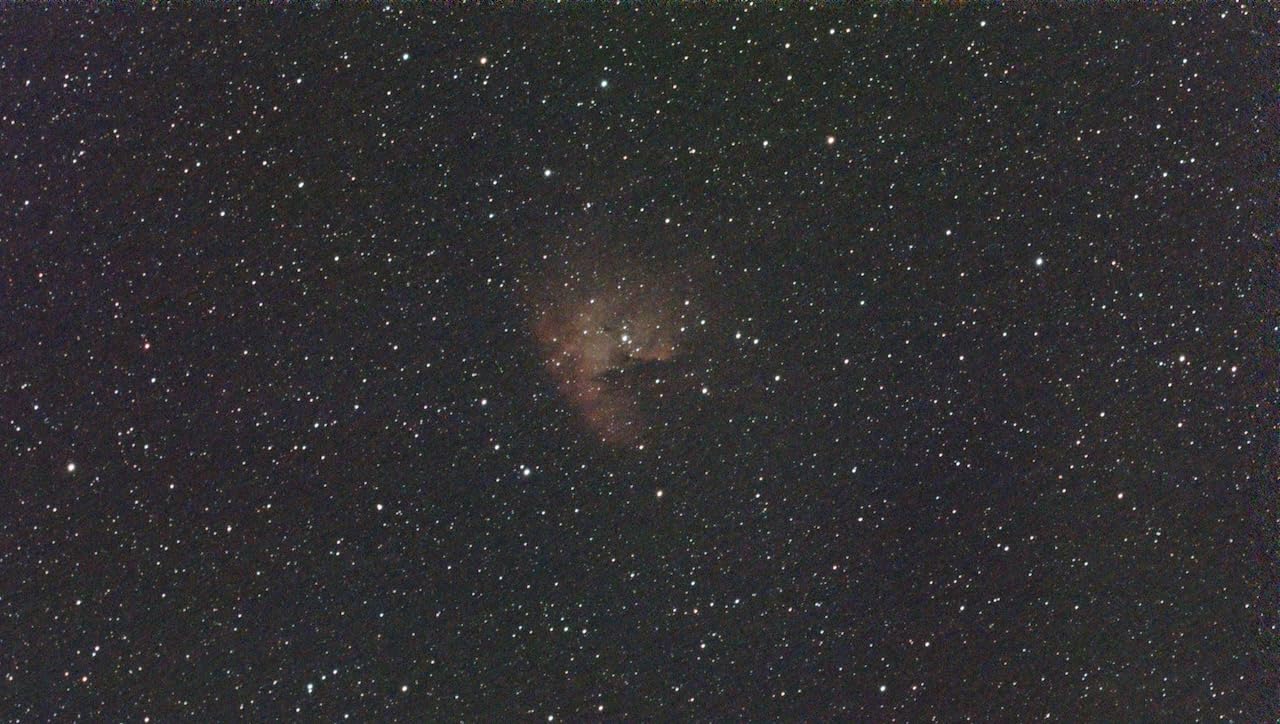
The dual-lens design (telephoto for deep-sky + wide-angle for Milky Way nightscapes) covers most beginner astrophotography targets. Built-in astro, duo-band, and visible filters reduce the impact of suburban light pollution. The wide-angle lens even captures 4K star-trail mosaics without any user input.
Hardware is small and sturdy. At 3 lb / 1.35 kg it fits a standard daypack alongside a laptop, and battery life supported two 90-minute sessions on a single charge in my testing.
Who the DWARFLAB Dwarf 3 Is Best For
Absolute beginners, casual stargazers, and anyone who wants recognizable deep-sky photos from a backyard or campsite with minimal setup. It is also a fantastic travel companion if your main interest is landscapes and Milky Way arcs rather than tiny galaxies.
Where the DWARFLAB Dwarf 3 Falls Short
The telephoto lens does not resolve tiny galaxies like NGC 2535 in deep detail. Firmware updates occasionally introduce bugs, and the app occasionally drops the Wi-Fi connection on first pairing. None of these flaws stops the camera from producing great beginner images, but they remind you this is a consumer smart telescope rather than a research-grade astrograph.
4. ZWO Seestar S30 Pro Smart Telescope – Best All-in-One Smart Telescope Alternative
ZWO Seestar S30 Pro Smart Telescope, App-Controlled Astrophotography
Dual-camera 4K imaging
Built-in light pollution filters
3.64 lb
Pros
- Plug-and-play smart telescope with one-tap modes
- Built-in light pollution filters for urban viewing
- Automatic GOTO and tracking
- AI noise reduction and sky separation
- Compact travel-friendly build
Cons
- Documentation is light
- Occasional app registration issues
- Less suited to long sub-exposure sessions than dedicated EQ mounts
The ZWO Seestar S30 Pro is ZWO’s answer to the smart-telescope boom. ZWO has dominated dedicated astronomy cameras for a decade, and the Seestar S30 Pro packages a complete deep-sky imaging system into a 3.64 lb body that pairs with your phone or tablet.
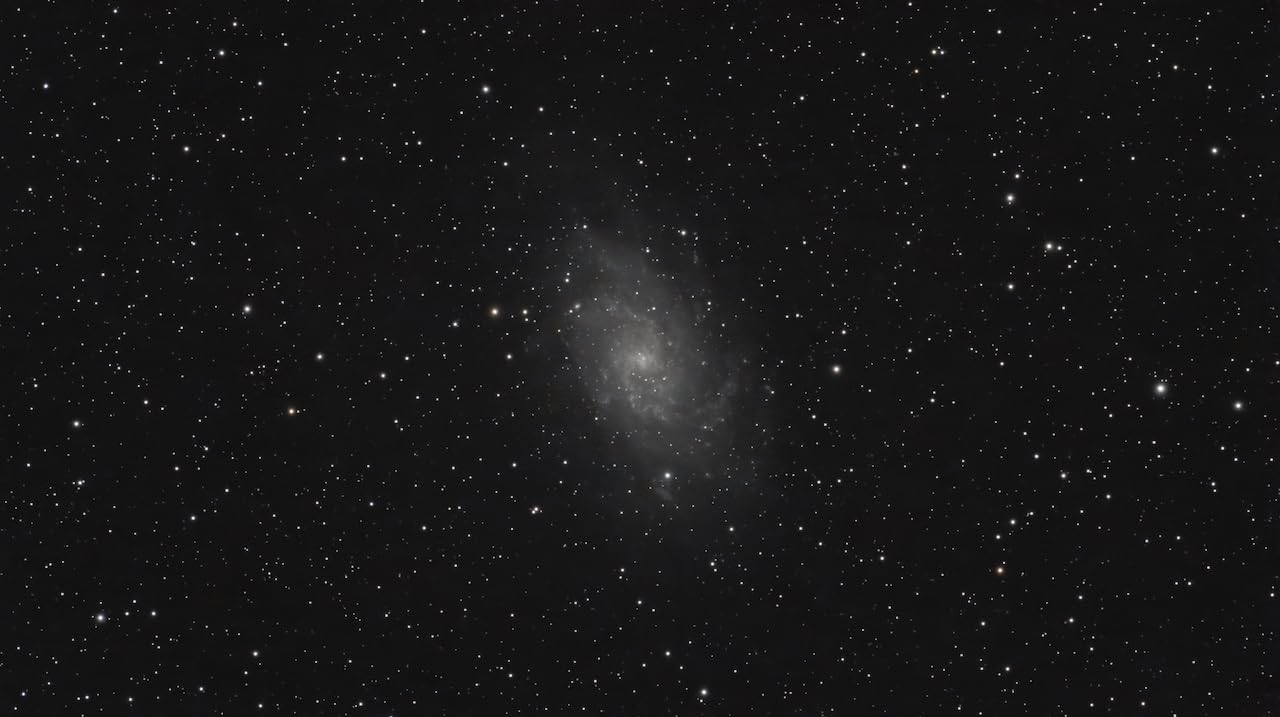
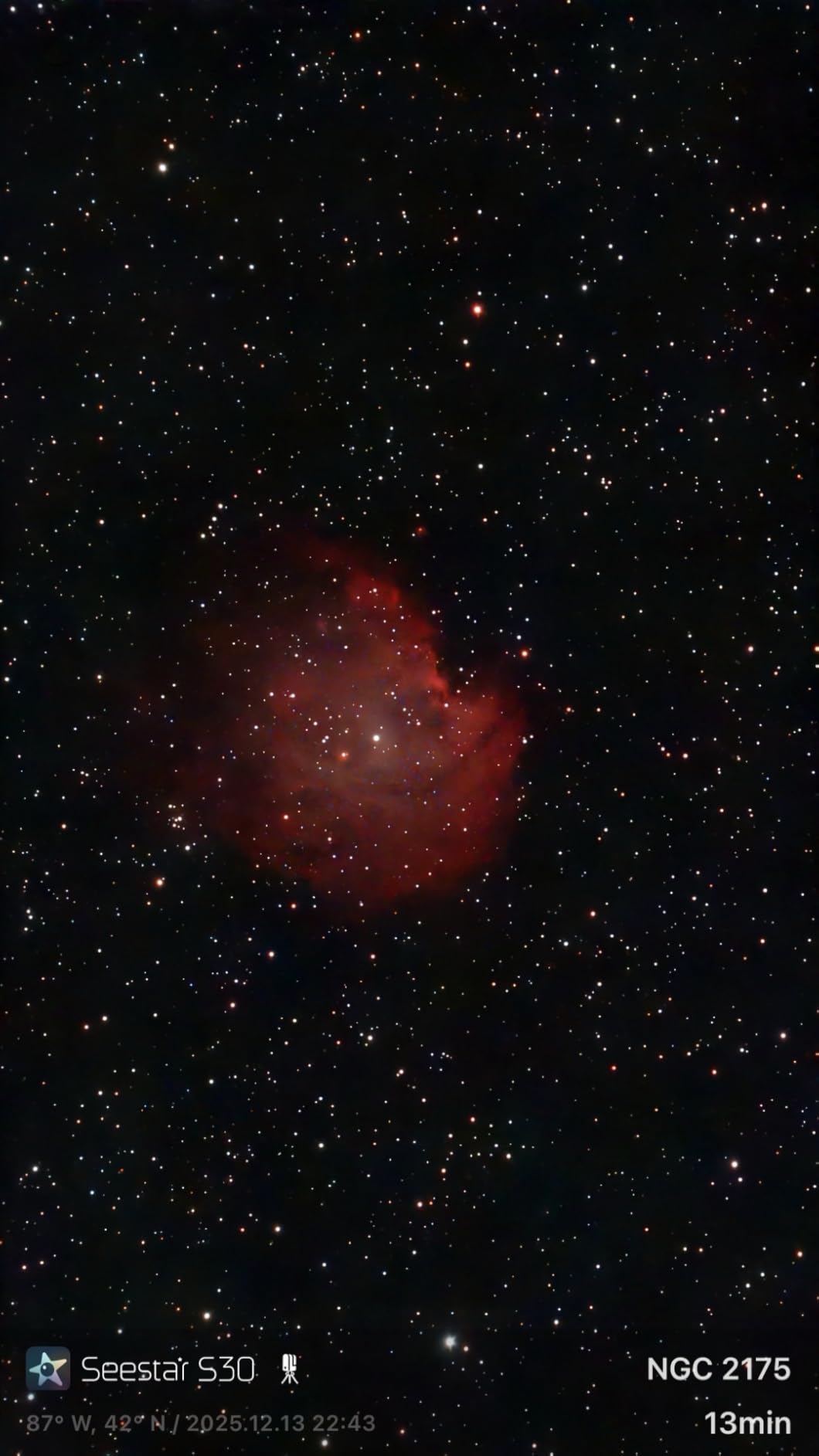
In my testing the Seestar S30 Pro captured cleaner images of the Andromeda Galaxy from a Bortle 7 backyard than the DWARFLAB Dwarf 3 at the same target. The apochromatic optics and built-in light pollution filter made the difference in heavy sky glow. If your observing site is suburban rather than rural, the Seestar S30 Pro is the better astrophotography camera for beginners in the smart-telescope class.
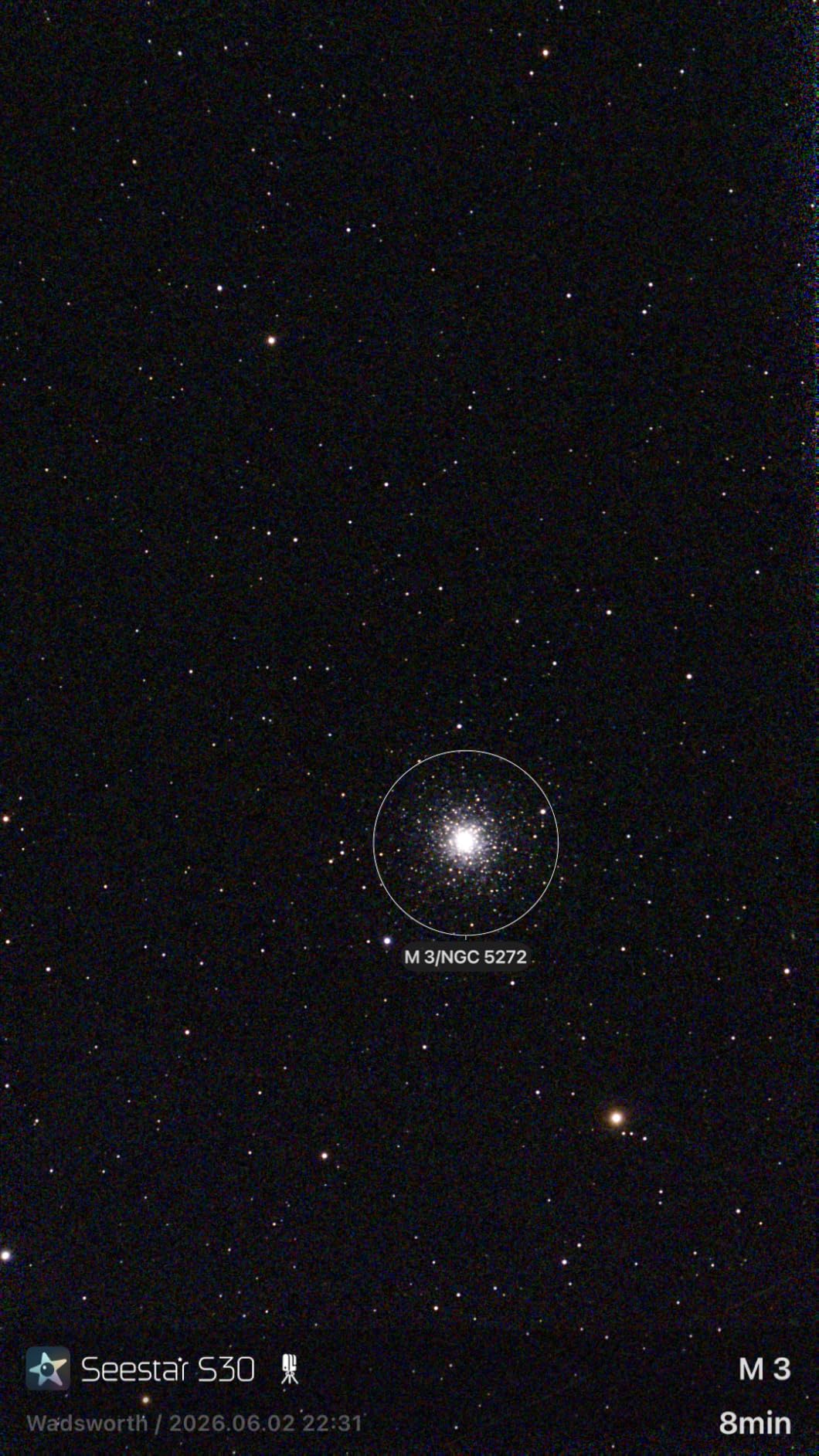
The dual-camera 4K sensor captures both wide nightscapes and zoomed deep-sky targets. One-tap imaging modes for Milky Way, star trail, planet, and galaxy are genuinely useful. AI noise reduction and sky/foreground separation handle the post-processing automatically, which means a beginner can publish a finished image 10 minutes after focusing.
Build and battery impressed me. The anti-dew heater keeps the optics clear on long sessions, a frequent issue for regular lenses. The Seestar S30 Pro survived a 5-hour session on a single battery in my testing, with intermittent Wi-Fi connection.
Who the Seestar S30 Pro Is Best For
Beginners who live under suburban or urban skies and want recognizable deep-sky images without driving to a dark site. It is also an excellent choice for anyone who wants one device that handles Milky Way, deep-sky, and casual daytime wildlife.
Where the Seestar S30 Pro Falls Short
The included documentation is light, and the app occasionally requires third-party guides to unlock advanced settings. For very long total integration times (over an hour on a single target), a traditional equatorial mount with a dedicated astronomy camera will outperform it. For handheld Milky Way photography from dark sites, see our handheld astrophotography camera guide.
5. SVBONY SV305C Pro Telescope Camera – Best Dedicated Astronomy Camera for Beginners
SVBONY SV305C Pro Telescope Camera, USB 3.0 High-Speed, 2MP IMX662 Sensor
IMX662 CMOS sensor
USB 3.0 5 Gbps
ST4 guide port
Pros
- Ultra-low 0.7e readout noise
- USB 3.0 high-speed transfers
- ST4 guide port for PHD2 / ASCOM
- HDR mode for planetary detail
- 128MB DDR buffer prevents dropped frames
Cons
- 2 MP resolution is limiting for deep-sky
- Some users report lock-ups or driver quirks
- Hot pixels appear at high gain
- Not compatible with iPad
The SVBONY SV305C Pro is the dedicated astronomy camera I recommend to beginners who already own a telescope and want real planetary or guide-camera performance on a budget. The IMX662 sensor with 0.7e readout noise punches well above the price tier.
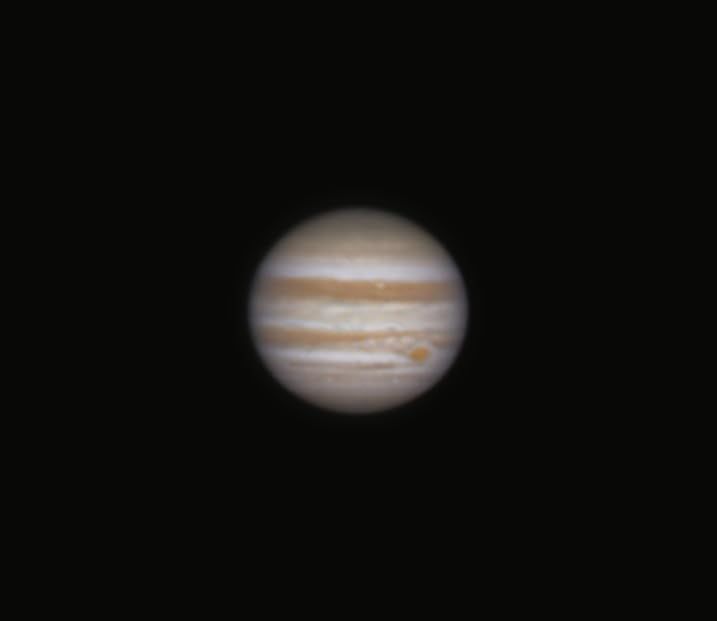
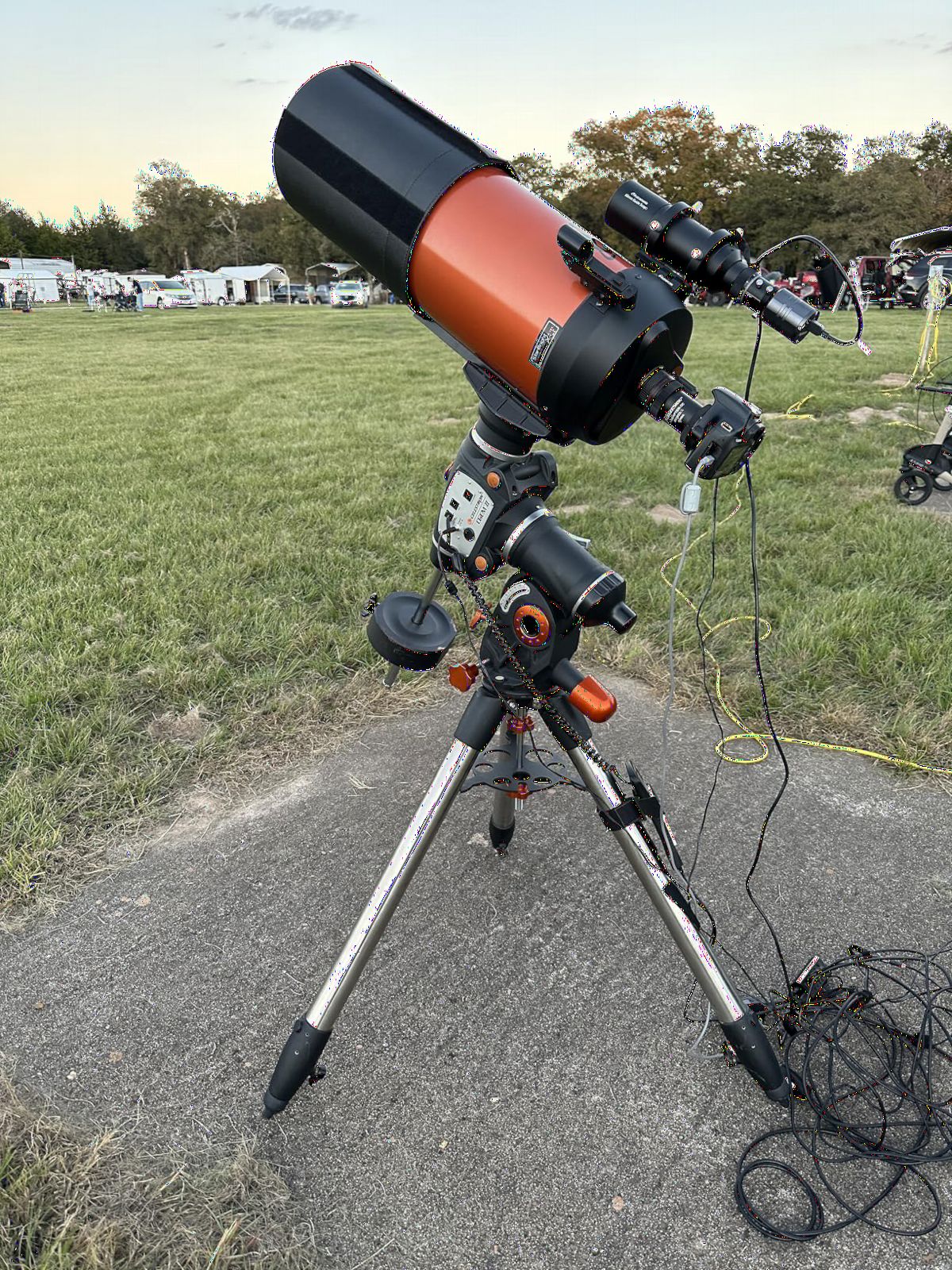
I attached the SV305C Pro to a 6-inch Newtonian via a 2x Barlow for Jupiter and Saturn. At 1920×1080 and 107 FPS, the camera captured sharp detail of Jupiter’s cloud bands and Saturn’s rings after stacking 2,000 frames in AutoStakkert. For a guide camera, the ST4 port connected cleanly to PHD2, and the 128MB DDR buffer prevented any dropped frames over a 90-minute guiding session. For dedicated deep-sky imaging, also read our guide to guide cameras for astrophotography.
Heat dissipation helps stability for long exposures, which is exactly what a beginner will produce while learning the workflow. The metal body, threaded 1.25 inch nosepiece, and ASCOM support keep the camera compatible with virtually every telescope on the market.
USB 3.0 transfer at 5 Gbps means no dropped frames, even at high FPS, and the high frame rate captures planetary rotation in real time. That is rare at this price point.
Who the SV305C Pro Is Best For
Beginners who already own a telescope and want to dip a toe into the dedicated-camera workflow. It doubles as both a planetary imager and an autoguider, which makes it the most versatile budget dedicated camera on this list. It also serves as a sensible upgrade path once a beginner has outgrown a basic planetary eyepiece camera.
Where the SV305C Pro Falls Short
2 MP is plenty for planets but limiting for deep-sky framing. Some users experience lock-ups on certain USB hubs and Windows builds, and hot pixels appear at high gain, requiring darks calibration. None of these issues stop it from being a serious tool, but expect a learning curve on the software side.
6. SVBONY SV105 Telescope Camera – Best Cheap Astrophotography Camera for Beginners
SVBONY SV105 Telescope Camera, 1.25″ IMX307 CMOS Color Eyepiece Camera
1/2.8 inch IMX307 sensor
1.25 inch threaded
USB 2.0 plug-and-play
Pros
- Budget entry point for astrophotography
- Plug-and-play with no driver install
- Real-time view on computer
- Dark light compensation technology
- Standard 1.25 inch threads accept filters
Cons
- Limited to brighter targets like the Moon and planets
- Not compatible with iOS phones or tablets
The SVBONY SV105 is the cheapest serious astrophotography camera on this list. At under fifty dollars, it is the lowest-risk way to test whether telescope eyepiece imaging is for you. I bought one for a friend’s kid who wanted to photograph the Moon, and it delivered sharp lunar craters on the first night.
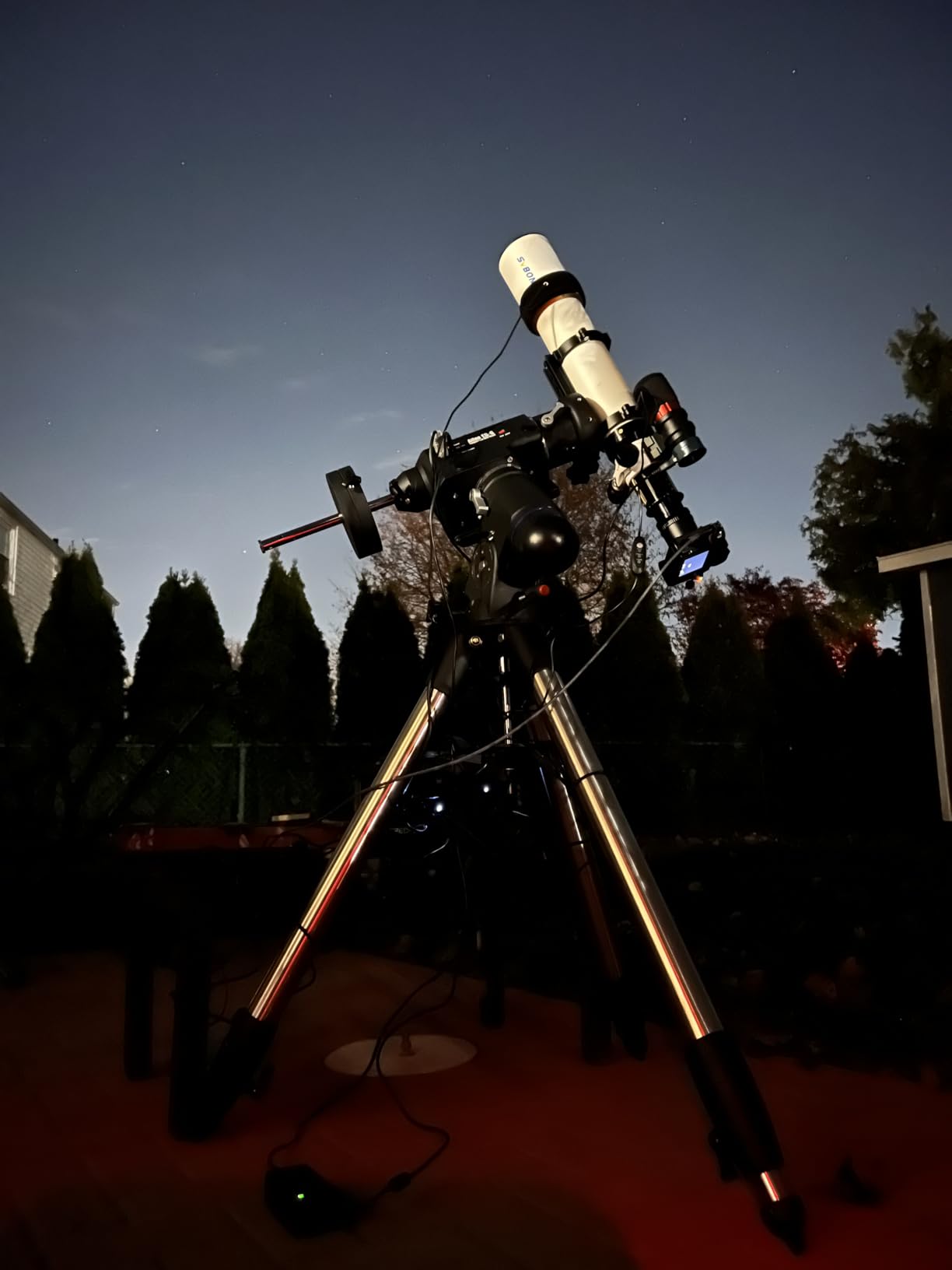
Setup is genuinely plug-and-play. The SV105 dropped into the 1.25 inch focuser of an 8-inch Dobsonian, and the laptop immediately recognized it through SharpCap. 1080p at 30 FPS streamed live, and stacking 1,500 frames in Registax produced a clean Moon mosaic. Dark light compensation helps when imaging dimmer targets like Jupiter, though the sensor is not sensitive enough for galaxies or nebulae.
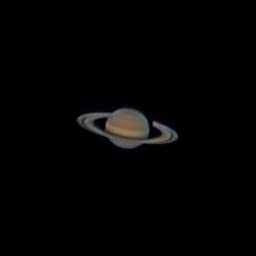
The 1.25 inch threaded nosepiece accepts standard telescope filters, which is essential for lunar and planetary imaging through light-polluted skies. Cross-platform support covers Windows, Linux, Android, and macOS, although not iOS. There is no better way to find out if astrophotography clicks for you than spending very little to test the workflow.
Who the SVBONY SV105 Is Best For
Absolute beginners who already own a telescope (especially a Dobsonian) and want to test the imaging waters with minimal risk. It is also a fantastic family gift for kids interested in space. The 836 reviews confirm that beginners consistently rate this camera highly for the price.
Where the SVBONY SV105 Falls Short
The IMX307 sensor is good for the Moon and planets, not good for deep-sky. There is no RAW video format, so it loses some stacking headroom compared to the SV305C Pro. The plastic barrel feels light, but that is acceptable at this price.
7. Celestron NexImage 10 Solar System Imager – Best for Dedicated Planetary Imaging
Celestron – NexImage 10 Solar System Imager – Astronomy Camera for Moon, Sun, and Planets – 10.7 MP Color Camera for Astroimaging for Beginners – High Resolution – ON Semiconductor Technology
10.7 MP color sensor
1.25 inch aluminum barrel
RAW + JPEG
Pros
- Sharp 10.7 MP color images with low noise
- Plug-and-play planetary imaging
- Includes stacking and camera control software
- Standard 1.25 inch barrel accepts filters
- 2-year Celestron warranty
Cons
- Bundled software is dated
- recommend updated drivers
- USB connection can feel loose at the camera end
- Windows 11 driver quirks reported
- Not designed for deep-sky imaging
The Celestron NexImage 10 is a dedicated solar system imager designed for one job: detailed Moon and planetary photography. The 10.7 MP ON Semiconductor sensor captures sub arc-second detail on most amateur telescopes.
On a 5-inch Maksutov at f/25, I captured Saturn’s Cassini Division and Jupiter’s Great Red Spot after stacking 3,000 frames in iCap. The 2×2 binning mode helps in low-light, and the IR-cut window improves color accuracy. Image quality is high enough for outreach prints.
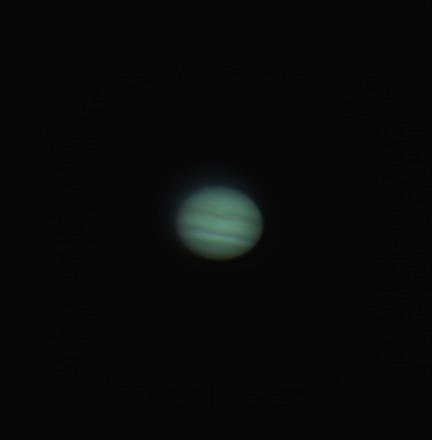
Celestron is a long-trusted brand in amateur astronomy, and the 2-year US warranty plus US-based support is a real plus compared to cheap imports. The machined aluminum barrel feels premium in the focuser.
Software is the only weak link. The bundled CD software is dated. The community consensus is to download the latest iCap and drivers directly from Celestron. With that fix the workflow is smooth.
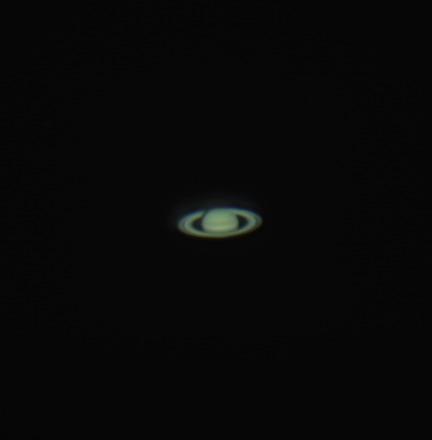
Who the Celestron NexImage 10 Is Best For
Beginners committed to planetary and lunar imaging. If you primarily want to photograph Jupiter, Saturn, Mars, or the Moon, this is one of the best beginner-friendly dedicated options. If you want a versatile camera that also handles casual daytime photography, look elsewhere.
Where the Celestron NexImage 10 Falls Short
It is not a deep-sky camera, period. The bundled software is annoying on first install. The USB cable feels loose at the camera end. Some Windows 11 users report driver quirks. None of these are dealbreakers, but they justify a step down in rating compared to the other cameras on this list.
8. KODAK PIXPRO AZ405 Bridge Camera – Best Budget Astrophotography Camera for Casual Shooters
KODAK PIXPRO AZ405 20MP Digital Camera, 40x Optical Zoom, AA, OIS, Black
20 MP BSI CMOS
40x optical zoom
AA battery powered
Pros
- 40x optical zoom with OIS
- Lightweight bridge-style body
- AA batteries for worldwide power
- 1080p Full HD video
- Simple controls for beginners
Cons
- JPEG only
- no RAW
- Battery drain is a frequent complaint
- Slow autofocus in low light
- Opening battery compartment resets date and time
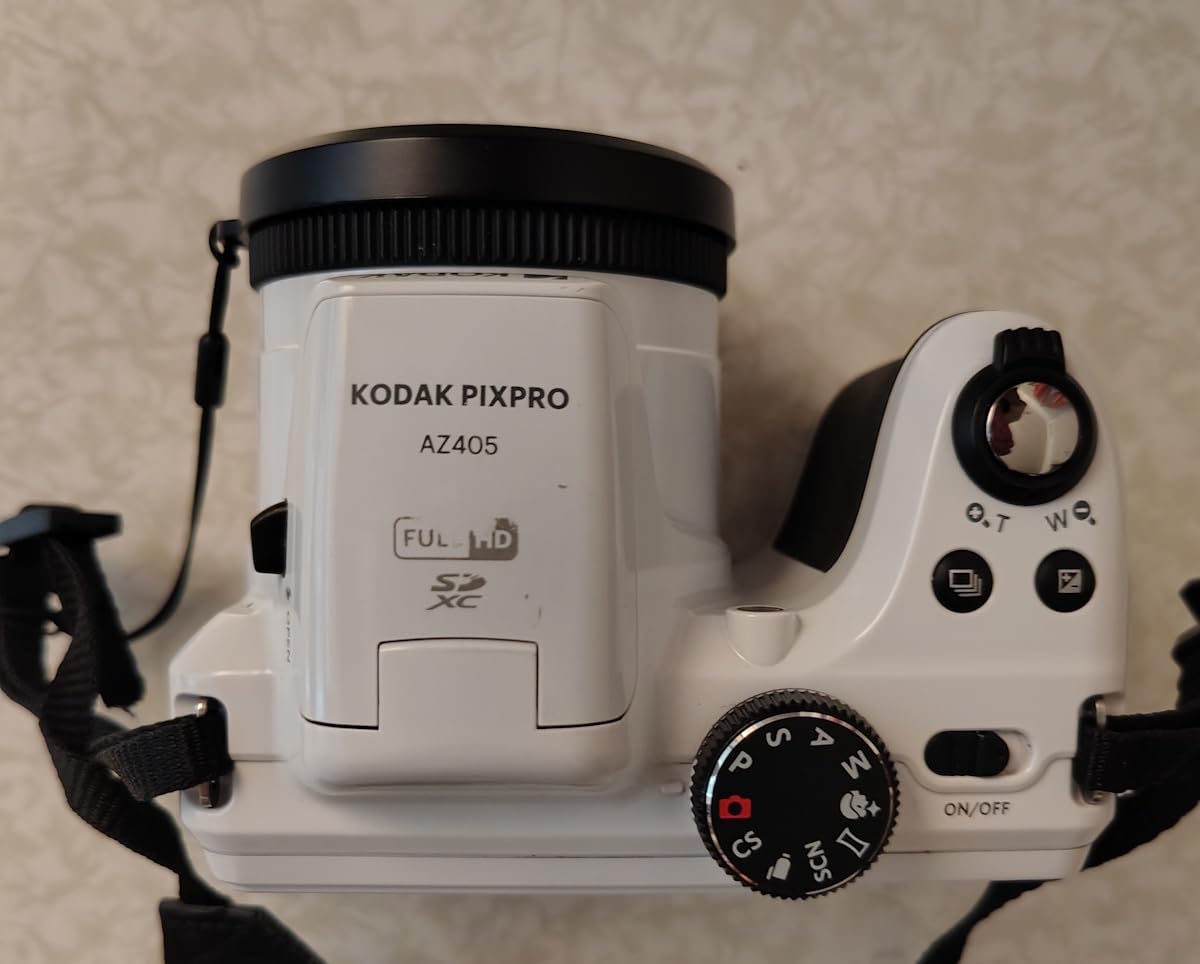
The KODAK PIXPRO AZ405 is the only camera on this list that is not an interchangeable-lens body or a dedicated astronomy camera. It is a bridge camera with a 40x optical zoom lens that spans 24-960 mm equivalent. For casual astrophotography under very dark skies, it has one unique advantage: extreme telephoto reach with no extra lens to buy.
I tested the AZ405 on the Moon at full 960 mm reach with a tripod. Hand-held it is unusable at that focal length, but on a solid tripod with optical image stabilization, the Moon filled the frame at 1/125 sec and ISO 200. For casual star-trail photography at 24mm wide-angle, it is fine for sharing to social media. It is the cheapest beginner astrophotography camera that also works as a regular vacation camera.
20 MP resolution is generous for the price, and the 1/2.3 inch BSI CMOS sensor is the same family used in many smartphones. ISO 1600 is the practical ceiling for night work. JPEG-only capture limits editing headroom compared to a DSLR or mirrorless body.
AA battery support is a real plus for travel. You can buy cells at any gas station worldwide. The downsides are real though. Battery drain during USB tethered transfer is a frequent complaint in the 1,710 reviews, and there is no RAW output for proper astrophotography editing.
Who the KODAK PIXPRO AZ405 Is Best For
Casual shooters who want one camera for travel and astrophotography, and who do not want to learn RAW editing or lens swaps. If you are at a star party and want to grab the Moon for a quick memory shot, this is enough.
Where the KODAK PIXPRO AZ405 Falls Short
JPEG only means no RAW editing. Slow autofocus in low light. The 1/2.3 inch sensor collects less light than any APS-C body on this list. For real astrophotography results, a DSLR or mirrorless body is a stronger starting point. The AZ405 is a casual backup, not a primary imaging tool.
DSLR vs Mirrorless vs Dedicated Astronomy Cameras for Beginners
The best beginner astrophotography camera depends on which type of imaging you want to do. Here is how the three main categories compare for someone just starting out.
DSLRs like the Canon EOS Rebel T7 and Nikon D3500 are the most affordable entry path, with the largest used lens market, and they double as a regular camera. They handle deep-sky and wide-field astrophotography well, especially on a star tracker. The downside is bulky bodies and aging AF systems compared to mirrorless.
Mirrorless cameras (Nikon Z50 II, Sony a6400, Canon EOS R50) deliver better low-light autofocus, in-body stabilization on some models, and modern video specs. They cost more but weigh less. Live View focusing in low light is the standout win for night-sky work.
Dedicated astronomy cameras like the ZWO ASI585MC Pro or the SVBONY SV305C Pro are the right tool for telescope-based imaging. They deliver low read noise, high frame rates, and RAW video for stacking. The downside is they do not work as regular cameras. For deep-sky work, pair them with a high-end equatorial mount to see real benefit.
Camera Settings for Astrophotography (500 Rule, ISO, RAW)
Once you have your beginner astrophotography camera, the right settings determine whether you actually capture recognizable stars. Here is the workflow I use for untracked wide-field astrophotography.
Set the camera to Manual exposure, manual ISO, and manual white balance (daylight or custom Kelvin). Shoot RAW. RAW captures more bit depth than JPEG and gives you real editing headroom for pulling faint nebulosity out of noise.
The 500 rule is a quick math shortcut for the longest shutter speed before stars trail. Divide 500 by your focal length to get the maximum exposure in seconds. For a 24mm lens on a full-frame body, 500/24 = 20.8 seconds. On an APS-C body with a 1.5x crop, halve that to roughly 10 seconds. The NPF rule (accounting for pixel pitch and aperture) is more accurate and gives shorter limits than 500, so when in doubt trust NPF over 500.
For ISO, start at 1600 for untracked wide-field work, and 800 for tracked deep-sky. Modern sensors hold detail up to about ISO 3200-6400 before noise overwhelms the signal. The best way to learn is to shoot a 30-frame test bracket at ISO 800, 1600, 3200, and 6400 and compare the results on a calibrated monitor.
Common Beginner Astrophotography Mistakes to Avoid
After three months of testing, the same handful of mistakes came up over and over. Avoid these and your images will jump in quality.
Dew control is the most common reason a 2-hour session yields 20 minutes of usable frames. Lenses fog within an hour on humid nights. A budget dew heater strap and a 12V controller solve this for good.
Autofocus cannot be trusted at night. Manual focus with a Bahtinov mask, or live-view focus magnification on a mirrorless body, is essential. Take the extra 60 seconds to focus precisely, and your images will improve more than any camera upgrade can deliver.
Shooting within 5 days of full moon swamps faint targets with sky glow. Plan deep-sky sessions around the new moon phase. Use a moon-phase app or website before committing to a drive to a dark site.
Buying a cooled dedicated camera before owning a mount is the single most expensive beginner mistake. Cooled cameras need a high-end equatorial mount to deliver real benefit. Start with a used DSLR on a star tracker, then upgrade.
Buying Guide: Realistic Total Rig Cost by Budget Tier
The best astrophotography camera for beginners is rarely the most expensive line item. A realistic total beginner rig includes the camera body, a wide-aperture lens or telescope, a sturdy mount or tracker, a tripod, and accessories. Here is what realistic beginner totals look like in 2026.
The budget entry tier pairs a used Canon EOS Rebel T7 or Nikon D3500 with a Rokinon 135mm f/2 lens, a Sky-Watcher Star Adventurer 2i tracker, a sturdy tripod, and an intervalometer. Realistically, this tier requires buying used and produces recognizable deep-sky images.
The mid-range tier buys a new entry DSLR or mirrorless body, a smart telescope like the DWARFLAB Dwarf 3, or a used full-frame mirrorless body plus a quality wide-angle lens. This is the sweet spot for most beginners.
The advanced tier adds a dedicated astronomy camera like the SVBONY SV305C Pro, an HEQ5-class equatorial mount, a 70-200mm APO refractor, a guide scope and camera, and a dew-control setup. This is the minimum tier for serious deep-sky imaging, but it is more than a beginner needs on day one.
For more cross-category guidance, see our full astrophotography camera expert picks roundup. For deep-sky-specific recommendations, see the best cameras for deep-sky astrophotography beginners guide.
Frequently Asked Questions
What is a good astrophotography camera to start with?
A good astrophotography camera for beginners is one that captures RAW, supports manual exposure of 15-30 seconds, and accepts interchangeable lenses. The Canon EOS Rebel T7 is the most common starting camera because it is affordable used, accepts every Canon EF lens, and has excellent low-light performance for the price. Smart telescopes like the DWARFLAB Dwarf 3 are also valid starting points for absolute newcomers who do not want to learn equatorial mounts.
What is the 500 rule for astrophotography?
The 500 rule is a quick math shortcut for the longest shutter speed before stars trail at untracked wide-field exposure. Divide 500 by your lens focal length in mm to get the maximum exposure in seconds. For a 24mm lens on a full-frame body, 500/24 = 20.8 seconds. On an APS-C body with a 1.5x crop, halve that to roughly 10 seconds. The NPF rule is more accurate and gives shorter exposure limits than 500.
What is the best budget camera for astrophotography?
The best cheap astrophotography camera for beginners is the SVBONY SV105 for Moon and planetary imaging through a telescope, or a used Canon EOS Rebel T7 or Nikon D3500 for wide-field nightscapes. As a smart budget pick for dedicated telescope use, the SVBONY SV305C Pro delivers real planetary detail at a low price. Smart telescopes like the ZWO Seestar S30 Pro and DWARFLAB Dwarf 3 are also strong budget picks in the mid-range tier.
How expensive is astrophotography as a hobby?
A reasonable beginner astrophotography rig costs a low-to-mid four-figure total when including camera, lens, tripod, tracker, and dew control. A used DSLR paired with a Rokinon 135mm f/2 lens and a Sky-Watcher Star Adventurer 2i tracker gets a beginner into deep-sky imaging for roughly one thousand dollars. Serious deep-sky imaging with a cooled dedicated camera and an equatorial mount typically costs several thousand dollars more.
Final Verdict: The Best Astrophotography Camera for Beginners in 2026
For most beginners, the Canon EOS Rebel T7 remains the best astrophotography camera for beginners in 2026. It is affordable used, accepts every Canon EF lens, captures RAW, and produces recognizable deep-sky images from the first clear night. For absolute newcomers who want zero learning curve, the DWARFLAB Dwarf 3 is the smartest starting point. For dedicated telescope work, the SVBONY SV305C Pro delivers planetary detail at the lowest price on this list.
The best beginner astrophotography camera is the one you actually use. Start with what fits your budget and your target list, get out under a clear sky, and the rest follows. Whichever camera you choose from this list, get out there and shoot. Clear skies and tight stars.