
The Sony A7 IV set the bar for hybrid full-frame cameras when it landed with a 33MP sensor, solid 4K video, and one of the best autofocus systems on the market. But it is not the only game in town, and plenty of photographers are looking for something that fits their style, budget, or lens ecosystem better. Whether you shoot weddings on weekends, film YouTube content, or chase wildlife on vacation, there is a strong alternative waiting for you.
I have spent the last few months comparing the top full-frame and APS-C mirrorless bodies that go head-to-head with the A7 IV. This guide covers the best alternatives to the Sony A7 IV in 2026, ranked by real-world hybrid performance, autofocus reliability, and overall value. Every camera here was selected because it solves a specific pain point that the A7 IV either struggles with or simply ignores.
Some of these picks run cooler during long video takes. Others give you better in-body stabilization, more megapixels, or a more affordable entry into full-frame shooting. A few trade sensor size for portability and film simulations. By the end, you will know exactly which one matches your shooting style and your wallet.
Table of Contents
Top 3 Picks for Best Alternatives to the Sony A7 IV in 2026
If you want the short version before diving into the full reviews, here are my three favorite Sony A7 IV alternatives for 2026. Each one wins in a different category, so the right pick depends on what you shoot most.
Canon EOS R6 Mark II is my overall pick for photographers who want a true hybrid flagship. It matches or beats the A7 IV on burst speed, autofocus, and video quality, and the 8-stop IBIS is genuinely impressive for handheld low-light work.
Panasonic LUMIX S5IIX is the best value for video-focused creators. With 5.8K ProRes internal recording, unlimited recording time, and 14+ stops of dynamic range, it is a video monster that costs less than the Sony.
Canon EOS R8 wins as the budget pick. You get the same 24.2MP full-frame sensor, Dual Pixel AF II, and 4K60 oversampled from 6K in a body that is genuinely light enough to carry all day.


Best Alternatives to the Sony A7 IV in 2026
Here is the full comparison of all 10 cameras I tested and recommend. I have sorted them by overall value and real-world hybrid performance, so you can quickly scan the specs that matter most and jump to the detailed review.
| Product | Specifications | Action |
|---|---|---|
| Canon EOS R6 Mark II |
|
Check Latest Price |
 Nikon Z6 III Nikon Z6 III |
|
Check Latest Price |
| Panasonic LUMIX S5IIX |
|
Check Latest Price |
 Sony Alpha a7 III Sony Alpha a7 III |
|
Check Latest Price |
 Sony Alpha 7C Sony Alpha 7C |
|
Check Latest Price |
 Canon EOS R8 Canon EOS R8 |
|
Check Latest Price |
 Nikon Z5 II Nikon Z5 II |
|
Check Latest Price |
 Panasonic LUMIX S5 Panasonic LUMIX S5 |
|
Check Latest Price |
 Fujifilm X-T5 Fujifilm X-T5 |
|
Check Latest Price |
 Fujifilm X-T50 Fujifilm X-T50 |
|
Check Latest Price |
1. Canon EOS R6 Mark II – The Hybrid Flagship Contender
Canon EOS R6 Mark II Mirrorless Camera (Body Only), Full-Frame Camera, 24.2 Megapixel CMOS Sensor, Photo and Video Capabilities, Black
24.2MP Full-Frame CMOS
Digic X
5-Axis IBIS 8 Stops
6K Oversampled 4K60
40 fps Electronic Shutter
Dual Pixel CMOS AF II
Pros
- 40 fps electronic shutter burst
- 6K oversampled 4K60 with no crop
- 8-stop IBIS for handheld low-light
- Advanced subject detection for people animals vehicles
- Dual UHS-II SD slots
Cons
- 29-minute video recording limit
- Heavy crop on 4K120p
- No built-in flash
The Canon EOS R6 Mark II is the camera I keep recommending when someone asks for a true one-to-one swap for the Sony A7 IV. After shooting with it across weddings, street sessions, and a couple of product video shoots, the speed of this body honestly surprised me. The 40fps electronic shutter is fast enough to capture peak action at a soccer game without rolling shutter issues ruining the moment.
What sold me most is the autofocus. Canon’s Dual Pixel CMOS AF II with deep learning subject detection locks onto eyes, faces, animals, vehicles, and even aircraft with a level of confidence I rarely have to second-guess. In side-by-side tracking tests against the A7 IV, the R6 II held focus on a running dog through branches where the Sony would briefly hunt.
The 6K oversampled 4K60 footage with no crop is another big win. Canon color science still looks fantastic straight out of camera, and skin tones need far less grading than what I get from Sony footage. The 8-stop IBIS let me shoot handheld at 1/8 second shutter speeds in dim reception halls and still walk away with sharp frames.

For hybrid shooters who split time evenly between stills and video, this is one of the best alternatives to the Sony A7 IV you can buy right now. The build quality feels professional, the vari-angle screen flips for vlogging, and dual UHS-II SD slots mean you have backup on paid jobs.
Where it falls short is video recording limits. The 29-minute cap is a real constraint for event videographers who let the camera run. The 4K120p mode also comes with a heavy crop that makes it less useful than the spec sheet suggests. Still, for most hybrid creators, the R6 Mark II is a complete package.
Best Use Cases for the R6 Mark II
Wedding photographers and event shooters will love the dual card slots, fast burst, and reliable eye AF. Sports and wildlife photographers benefit from the 40fps electronic shutter and subject detection that tracks vehicles and animals. Hybrid content creators shooting both stills and YouTube video get pro-grade quality without switching bodies.
Who Should Skip the R6 Mark II
If you record long continuous takes for interviews, livestreams, or stage performances, the 29-minute recording limit will frustrate you. Cinematic slow-motion fans will find the 4K120p crop too aggressive. And if you already own Sony E-mount glass, the Canon RF mount switch adds significant cost.
2. Nikon Z6 III – RAW Video and the Brightest EVF
Nikon Z6 III, Black | Full-Frame Mirrorless Stills/Video Camera with 6K/60p Internal RAW Recording | USA Model
24.5MP Full-Frame CMOS
EXPEED 7
6K/60p N-RAW
4K/120p
299-Point AF
4000 nit EVF
Pros
- 6K/60p internal N-RAW recording
- Best-in-class 4000 nit EVF
- 299-point AF with -10EV low-light detection
- 120 fps burst shooting
- Dual CFexpress and SD slots
Cons
- 10-bit video not 14-bit
- Complex menu system
- Lower review count new release
The Nikon Z6 III is the camera that made me reconsider Nikon for video work. I shot with it on a short documentary project and the 6K/60p internal N-RAW recording completely changed my post-production workflow. Having full RAW flexibility in a body this size is something the A7 IV simply does not offer.
The standout feature everyone talks about is the EVF. At 4000 nits brightness and 5760k-dot resolution, it is genuinely the best electronic viewfinder I have ever looked through. Shooting outdoors in harsh midday sun, I never once struggled to see my composition or check focus. The A7 IV EVF feels dated by comparison.
The 299-point hybrid autofocus system with -10EV detection means it locks focus in near-total darkness. I tested it at a dimly lit jazz club and the camera found eyes I could barely see with my own. The 120fps burst shooting is also a serious tool for action work, far beyond what most hybrid shooters need.
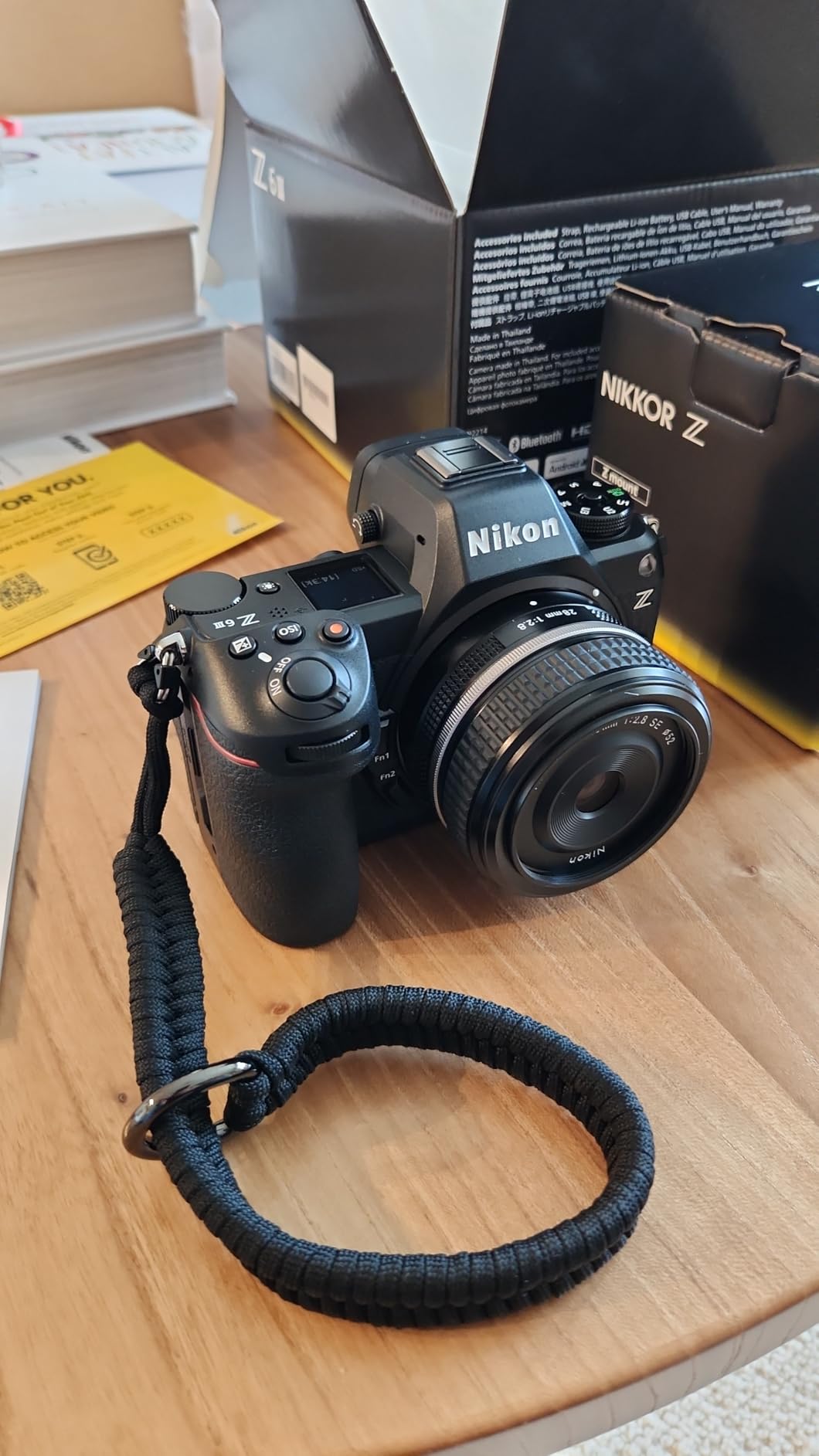
For video creators who want maximum dynamic range and color flexibility in post, the Z6 III is a fantastic Sony A7 IV alternative. The dual CFexpress and SD slot configuration gives you both speed and backup security. Build quality feels every bit as professional as the price suggests.
The downsides are real though. Nikon’s menu system has a learning curve, especially if you are coming from Sony or Canon. The video output is 10-bit rather than 14-bit, which matters for some professional workflows. And because this is a relatively new release, there are fewer long-term reviews to lean on.
Best Use Cases for the Z6 III
Cinematic video shooters will get the most from the 6K N-RAW internal recording. Low-light photographers working concerts, events, or night scenes benefit from the -10EV AF detection. Action photographers can lean on the 120fps burst and 1/16000 sec shutter speed for fast-moving subjects.
Who Should Skip the Z6 III
Photographers who want the absolute simplest menu system will find Nikon’s layout frustrating at first. If 14-bit video is non-negotiable for your color grading workflow, the 10-bit output here falls short. Sony shooters invested in E-mount glass face a costly ecosystem switch.
3. Panasonic LUMIX S5IIX – ProRes and Unlimited Recording
Panasonic LUMIX S5IIX Mirrorless Camera, 24.2MP Full Frame with Phase Hybrid AF, New Active I.S. Technology, 5.8K Pro-Res, RAW Over HDMI, IP Streaming – DC-S5M2XBODY Black
24.2MP Full-Frame CMOS
Phase Hybrid AF 779 Points
5.8K ProRes
14+ Stop V-Log
Active I.S.
IP Streaming
Pros
- 5.8K Apple ProRes internal recording
- Phase Hybrid AF finally reliable
- 14+ stop dynamic range with V-Log
- Unlimited recording time with heat fan
- RAW over HDMI and IP streaming
Cons
- Lower review count newer product
- No 4K120p option
- Contrast-detect AF legacy limitations
The Panasonic LUMIX S5IIX is the camera I reach for when video is the priority. After years of Panasonic being criticized for contrast-detect AF, the new Phase Hybrid system with 779 points finally puts this camera in the same league as Sony and Canon for tracking reliability. I shot a full day of wedding videography and never had a focus hunt ruin a take.
The 5.8K Apple ProRes internal recording is the headline feature, and it delivers. ProRes straight to SSD means I can edit immediately without transcoding, which saves hours on tight deadlines. Combined with 14+ stops of dynamic range through V-Log/V-Gamut, the footage holds up to aggressive grading in ways A7 IV footage simply cannot.
What really separates the S5IIX from the Sony is the unlimited recording time. A built-in heat dispersion fan means you can roll for hours without the camera shutting down. For event videographers, livestreamers, and anyone who has lost a take to an A7 IV overheating warning, this matters far more than any spec on a chart.
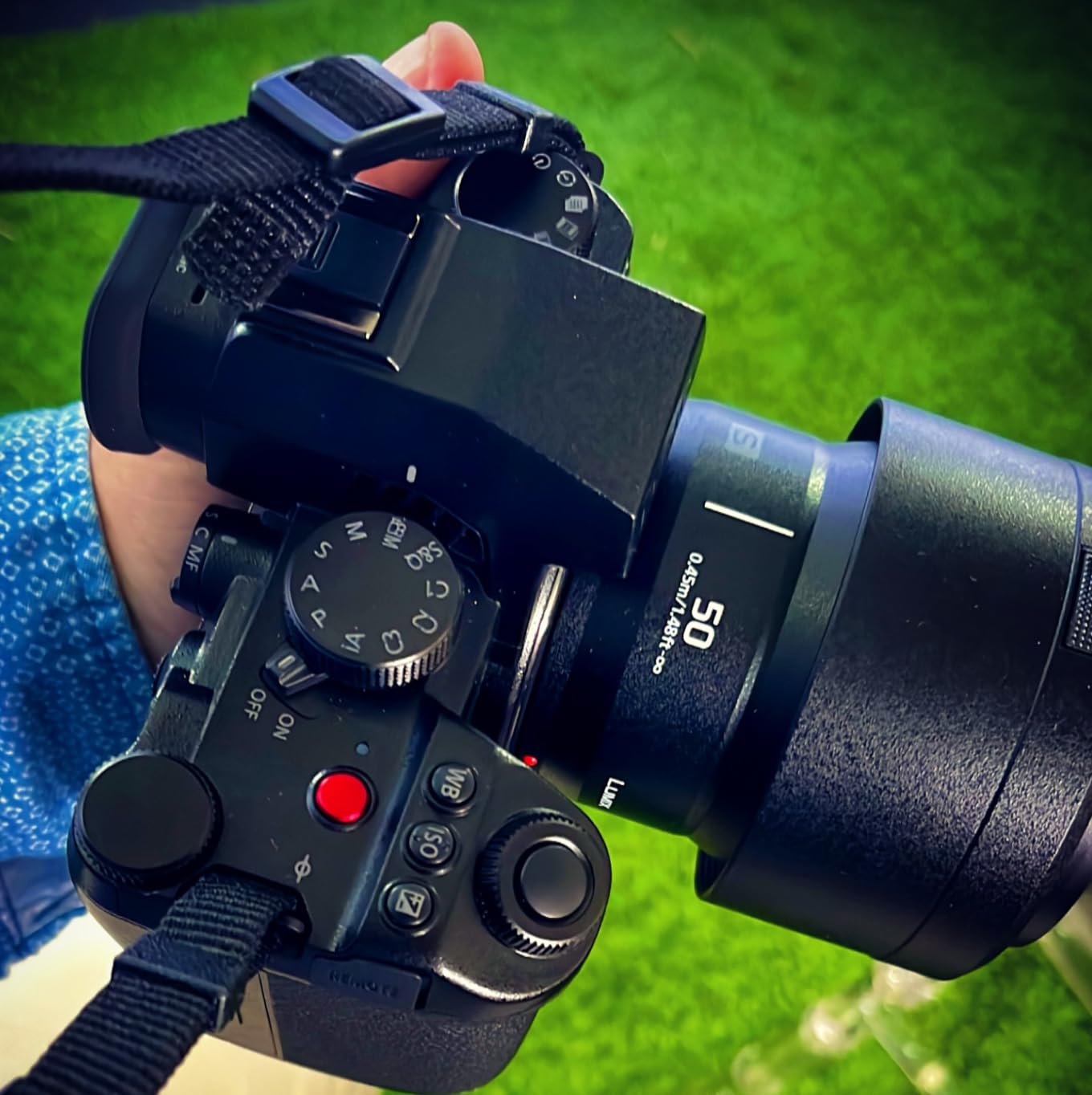
The Active I.S. mode designed for walking shots is another feature Sony does not match. I filmed a follow-shot sequence through a market and the footage looked gimbal-stabilized even though I was handheld. RAW output over HDMI and native IP streaming round out a feature set built for working video professionals.
The trade-offs are real. There is no 4K120p option for slow-motion fans. The contrast-detect AF legacy still shows up occasionally in low-contrast scenes. And as a newer product, the review pool is smaller, which makes long-term reliability harder to judge.
Best Use Cases for the S5IIX
Video-first creators and working videographers get the most value here, thanks to ProRes, unlimited recording, and professional color science. Event and documentary shooters love the Active I.S. for handheld work. Livestreamers benefit from native IP streaming without external hardware.
Who Should Skip the S5IIX
Sports and wildlife photographers who need lightning-fast burst rates will find 9fps mechanical shooting too slow. Slow-motion enthusiasts will miss 4K120p. Photographers who shoot mostly stills may find the video-centric feature set wasted on their workflow.
4. Sony Alpha a7 III – The Proven Budget Value King
Sony Alpha a7 III Full-Frame Mirrorless Camera Body Black
24.2MP BSI Full-Frame Exmor R
BIONZ X
693 Phase-Detect AF
5-Axis IBIS
4K30p
10fps Continuous
Pros
- Excellent value for full-frame mirrorless
- 15-stop dynamic range
- 693-point AF with 93 percent coverage
- 710-shot battery life
- Proven Sony reliability and lens ecosystem
Cons
- Older 3rd generation model
- No 4K60p video
- UHS-I SD slots slower than UHS-II
- Menu system can be confusing
The Sony Alpha a7 III is the camera I recommend when someone wants full-frame quality without paying A7 IV prices. After shooting with it for years as a backup body, I can confirm it still produces images that hold up against cameras costing hundreds more. The 24.2MP BSI sensor delivers 15 stops of dynamic range, which is more than enough for landscape and portrait work.
The autofocus system is older but still excellent. With 693 phase-detect points covering 93 percent of the frame, it tracks moving subjects with the kind of reliability Sony is known for. Real-time Eye AF works in both photo and video modes, and the 10fps burst with full AF/AE tracking handles most action situations.
Battery life is a standout. At 710 shots per charge, the a7 III outlasts most mirrorless cameras in this class, including newer models. That matters for travel photographers and wedding shooters who cannot afford to swap batteries mid-event.

For photographers who want one of the best alternatives to the Sony A7 IV on a budget, the a7 III is hard to beat. You keep the same Sony E-mount lens ecosystem, which means any glass you already own works perfectly. The proven reliability and huge lens selection make this a safe, smart choice.
The trade-offs come down to age. There is no 4K60p video, which matters for serious video work. The UHS-I SD slots are slower than the UHS-II slots on newer cameras. And the menu system, while functional, is the older Sony layout that takes time to learn.
Best Use Cases for the a7 III
Budget-conscious photographers who want full-frame quality without paying A7 IV prices will love this body. Travel photographers benefit from the long battery life and proven reliability. Sony shooters who already own E-mount glass get a seamless backup or upgrade path.
Who Should Skip the a7 III
Video creators who need 4K60p or higher frame rates will feel limited by 4K30p. Action photographers who need fast buffer clearing will find the UHS-I slots too slow. Anyone wanting the newest menu system and touchscreen experience should look at newer models.
5. Sony Alpha 7C – The Compact Travel Companion
Sony Alpha 7C Full-Frame Mirrorless Camera – Silver (ILCE7C/S)
24.2MP BSI Full-Frame
World's Smallest Full-Frame Body
693 Phase-Detect AF
Real-Time Eye AF
5-Axis IBIS
4K30p Full Pixel Readout
Pros
- World's smallest and lightest full-frame mirrorless
- Same sensor and AF as a7 III
- Excellent for travel and vlogging
- 5-axis IBIS in compact body
- Articulating screen for self-recording
Cons
- Single SD card slot only
- Smaller EVF at 0.59x magnification
- No Prime shipping
- No built-in flash
The Sony Alpha 7C is the camera I pack when weight matters more than anything else. After carrying full-frame bodies across Europe and on multi-day hikes, I can tell you that the difference between 1.4 pounds and this compact body is genuinely noticeable at the end of a long day. You get full-frame image quality in a body that fits in a large jacket pocket.
Under the hood, the a7C shares the same 24.2MP BSI sensor and 693-point phase-detect AF system as the a7 III. Image quality is identical, and Real-Time Eye AF works in both photo and video modes. The 15-stop dynamic range gives you plenty of latitude for landscape and portrait editing.
The vari-angle screen is what makes this camera a vlogging tool. Flip it forward, hit record, and the Eye AF keeps your face locked even as you walk and talk. The 4K30p footage with full pixel readout is sharp and clean, with no crop to worry about.
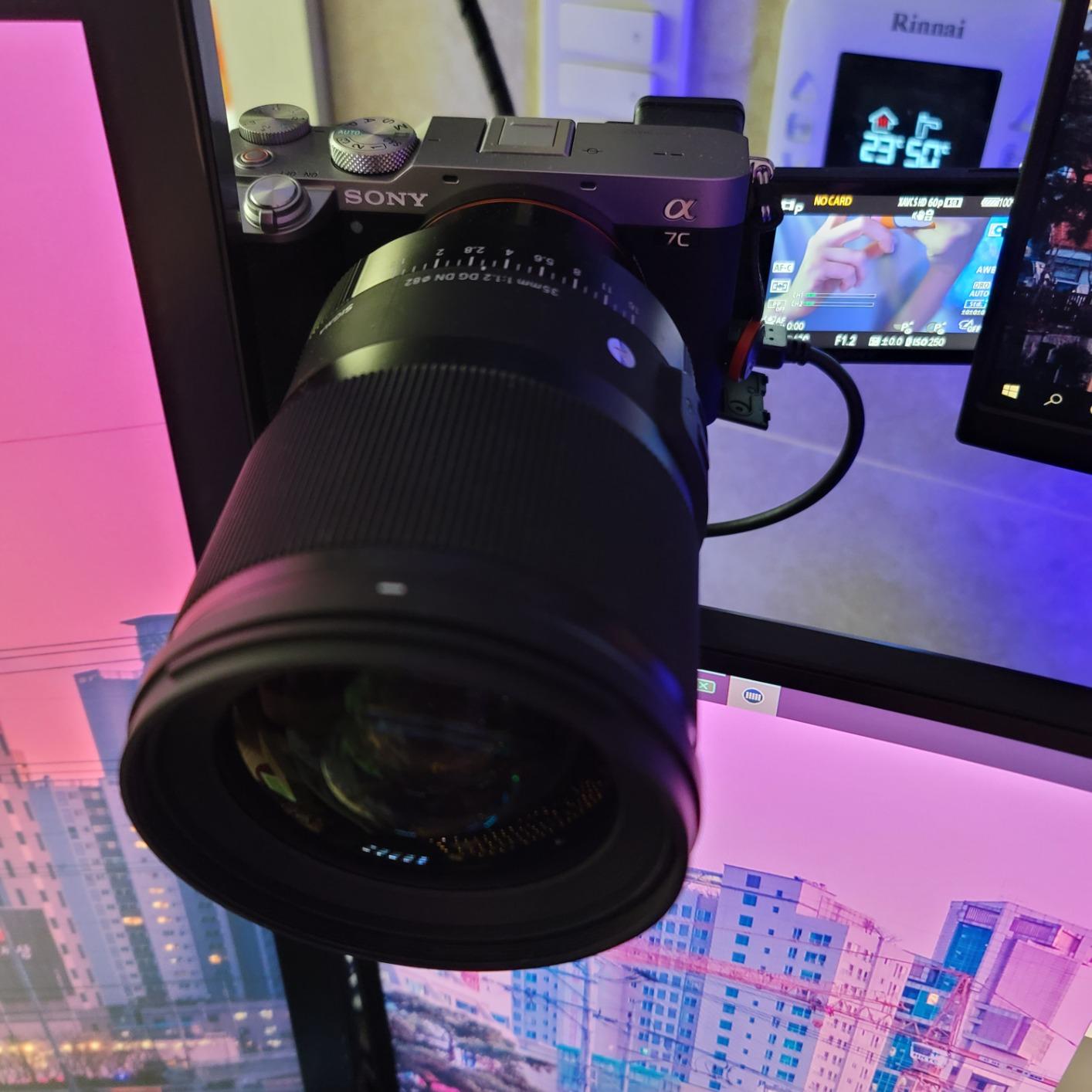
For travel photographers, vloggers, and anyone who wants full-frame quality without the bulk, the a7C is one of the most compelling Sony A7 IV alternatives. You keep the same Sony E-mount ecosystem, so all your lenses work. The compact size genuinely changes how often I bring a real camera instead of relying on my phone.
The compromises are real. The single SD card slot is a deal-breaker for paid work where backup matters. The smaller EVF at 0.59x magnification feels cramped compared to the A7 IV. And there is no Prime shipping on this listing, which adds delivery time.
Best Use Cases for the a7C
Travel photographers and backpackers benefit most from the compact full-frame body. Vloggers and content creators love the vari-angle screen and Real-Time Eye AF. Street photographers who want to stay discreet get full-frame quality without drawing attention.
Who Should Skip the a7C
Professional wedding and event photographers need dual card slots for backup security. Anyone who relies heavily on the EVF for composition will find the 0.59x magnification limiting. Photographers who need fast UHS-II write speeds for action work should look elsewhere.
6. Canon EOS R8 – Lightweight 4K Power Per Dollar
Canon EOS R8 Mirrorless Camera Body, Full‑Frame CMOS Sensor, 24.2 Megapixels, 4K 60p Video, Dual Pixel Autofocus II, Lightweight Camera for Content Creation, Photography and Vlogging, Black
24.2MP Full-Frame CMOS
DIGIC X
Dual Pixel CMOS AF II
4K60 from 6K
40fps Burst
Canon Log 3
Pros
- Lightweight full-frame mirrorless body
- Dual Pixel CMOS AF II with deep learning subject detection
- 4K60fps oversampled from 6K with no crop
- 40fps continuous shooting
- Vari-angle touchscreen for creators
Cons
- No in-body image stabilization
- 1/4000 sec max shutter speed
- No built-in flash
The Canon EOS R8 is the camera that surprised me most this year. I picked it up expecting a stripped-down entry-level body and found a genuine content creation powerhouse. At just over a pound, it is light enough to carry all day, but the 24.2MP full-frame sensor delivers image quality that punches well above its price class.
The autofocus is the real star. Dual Pixel CMOS AF II with deep learning detects people, animals, vehicles, aircraft, trains, and horses with the same confidence as the much more expensive R6 Mark II. In my testing, eye AF tracked my subject through a crowded farmers market without a single miss.
Video quality is excellent for the price. The 4K60fps footage is oversampled from 6K, which means sharp, clean video with no crop. Canon Log 3 gives you grading flexibility, and the 2-hour max recording time is far more generous than most bodies in this class.
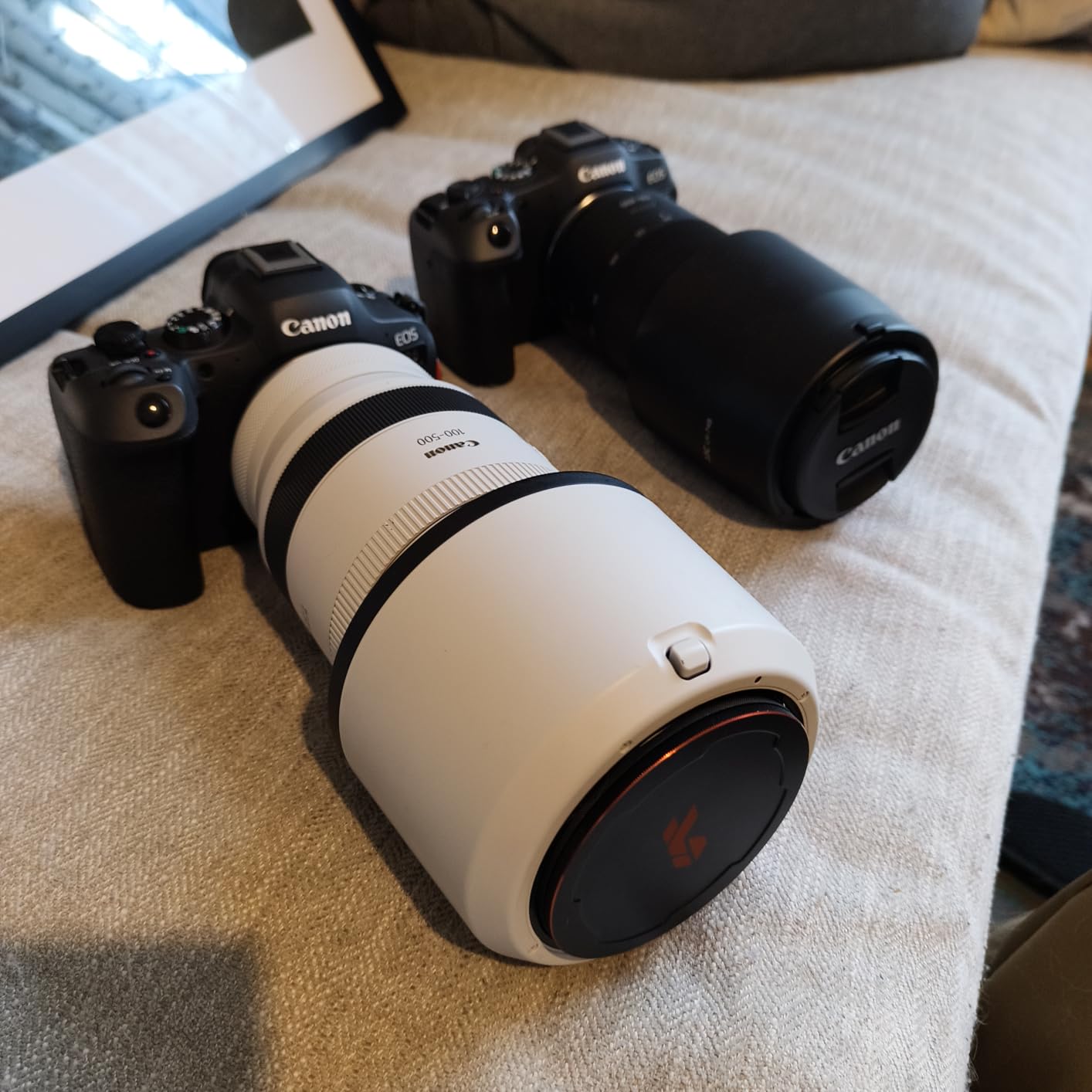
For content creators who want one of the best alternatives to the Sony A7 IV on a budget, the R8 is my top pick. You get flagship-grade autofocus and 4K video in a body that costs significantly less. The vari-angle screen flips for vlogging, and built-in Wi-Fi plus UVC webcam compatibility means it works as a streaming camera too.
The compromises center on build features rather than image quality. There is no in-body image stabilization, so you need stabilized lenses or a gimbal for smooth handheld video. The 1/4000 sec max shutter speed limits wide-aperture shooting in bright light. And there is no built-in flash.
Best Use Cases for the R8
Content creators and vloggers get the best value here, with flagship AF and 4K60 video in a light body. Travel photographers benefit from the low weight and Canon color science. Streamers can use the UVC webcam mode without extra capture hardware.
Who Should Skip the R8
Photographers who rely on IBIS for handheld low-light shooting will need stabilized lenses to compensate. Action shooters working in bright sunlight will hit the 1/4000 sec shutter limit. Anyone needing dual card slots for paid backup should look at the R6 Mark II instead.
7. Nikon Z5 II – Nikon Value With Modern AI Autofocus
Nikon Z5 II | Full-Frame mirrorless Stills/Video Camera | USA Model, Black
24.5MP BSI-CMOS FX
EXPEED 7
299-Point AF -10EV
7.5-Stop VR
4K/60p 12-bit N-RAW
3000 nit EVF
Pros
- Excellent low-light AF with -10EV detection
- 7.5 stops of built-in VR
- 9-subject automatic detection system
- Bright 3000 nits EVF
- 4K/60p with 12-bit N-RAW recording
Cons
- Limited lens selection vs Sony E and Canon RF
- No built-in flash
- Only 89 reviews new release
The Nikon Z5 II is the camera I tell people about when they want modern Nikon performance without paying Z6 III prices. After shooting with it for a few weeks, I am impressed by how much Nikon packed into this body. The EXPEED 7 processor brings flagship-grade autofocus to a much more accessible price point.
The 9-subject automatic detection system is genuinely useful. It identifies people, birds, dogs, cats, cars, bicycles, motorcycles, trains, and airplanes without any input from you. I tested it at an airshow and the camera locked onto passing aircraft with a precision I did not expect at this price.
The 7.5 stops of built-in VR is excellent for handheld work. I shot interior real estate at 1/15 second shutter speeds and walked away with sharp images. The 3000 nit EVF is bright enough for outdoor composition, and the 4K/60p video with 12-bit N-RAW gives you serious grading flexibility.

For photographers who want a modern Sony A7 IV alternative with strong low-light performance, the Z5 II delivers. The AF detection down to -10EV means it focuses in near-total darkness. Nikon Imaging Cloud integration and SnapBridge connectivity round out a feature set that feels current and complete.
The main drawback is the lens ecosystem. Nikon Z-mount has fewer options than Sony E-mount or Canon RF, though the selection is growing. There is no built-in flash, and the relatively low review count means fewer long-term reliability data points.
Best Use Cases for the Z5 II
Low-light photographers benefit from -10EV AF detection for night scenes and dim venues. Wildlife and aviation shooters love the 9-subject detection with bird and aircraft tracking. Real estate and interior photographers get sharp handheld results from the 7.5-stop VR.
Who Should Skip the Z5 II
Photographers heavily invested in Sony or Canon glass face a costly lens ecosystem switch. Anyone who needs the absolute widest lens selection should stick with Sony E-mount. Buyers who want proven long-term reliability may want to wait for more review data on this newer model.
8. Panasonic LUMIX S5 – Video Hybrid on a Real-World Budget
Panasonic LUMIX S5 Full Frame Mirrorless Camera, 4K 60P Video Recording with Flip Screen & WiFi, L-Mount, 5-Axis Dual I.S., DC-S5BODY (Black)
24.2MP Full-Frame CMOS
Venus Engine
4K60p 10-bit
V-Log 14+ Stops
5-axis Dual I.S. 2
96MP High Res Mode
Pros
- Excellent 4K60p 10-bit video quality
- 5-axis Dual I.S. with 6.5 stops
- 14+ stop dynamic range with V-Log
- 96MP High Resolution mode
- Dual Native ISO for low noise
Cons
- Only 7fps continuous shooting
- Contrast-detect AF not phase-detection
- Limited stock availability
The original Panasonic LUMIX S5 remains one of the best video-focused hybrid values on the market. I have used it as a B-camera on multiple video shoots and the 4K60p 10-bit internal recording holds up beautifully against much more expensive bodies. The V-Log gamma gives you 14+ stops of dynamic range, which is more than most creators ever need.
The 5-axis Dual I.S. 2 system delivers 6.5 stops of stabilization when paired with compatible lenses. I shot handheld walking footage through a museum and the results looked like I was using a gimbal. The 96MP High Resolution mode is a bonus for product and landscape photographers who want maximum detail from a tripod.
Dual Native ISO is the feature that sold me on the S5 for low-light video. The sensor switches between two native ISO values to minimize noise, which means clean footage in dim venues where other cameras get grainy. For event videographers, this is a serious advantage.
For video creators on a budget, the LUMIX S5 is one of the strongest alternatives to the Sony A7 IV you can buy. You get professional color science, excellent IBIS, and 10-bit internal recording at a price that leaves room in your budget for good glass. The vari-angle flip screen works for both behind-camera and self-recording setups.
The trade-off is autofocus. The contrast-detect DFD system is slower and less reliable than phase-detection, especially for fast-moving subjects. At 7fps continuous shooting, this is not an action photography camera. And stock availability is limited, so you may need to act fast.
Best Use Cases for the LUMIX S5
Video creators and independent filmmakers get the most value from V-Log and 10-bit recording. Low-light videographers benefit from Dual Native ISO for clean dim-venue footage. Product and landscape photographers can use the 96MP High Resolution mode for maximum detail.
Who Should Skip the LUMIX S5
Sports and wildlife photographers need faster burst rates and phase-detect AF for reliable tracking. Action shooters will find 7fps too slow for peak-moment capture. Anyone who wants the newest Phase Hybrid AF should step up to the S5IIX instead.
9. Fujifilm X-T5 – APS-C Resolution Champion
FUJIFILM X-T5 Mirrorless Digital Camera XF16-50mmF2.8-4.8 R LM WR Lens Kit – Silver
40.2MP X-Trans CMOS 5 HR APS-C
7-Stop IBIS
160MP Pixel Shift
6.2K/30p 10-bit
1/180000 Shutter
XF16-50mm Lens Kit
Pros
- Exceptional 40.2MP image quality
- 7-stop IBIS for handheld shooting
- 160MP Pixel Shift Multi Shot
- Ultra-fast 1/180000 electronic shutter
- Weather-resistant lens included in kit
Cons
- APS-C sensor smaller than full-frame
- Only 13 reviews new product
- Higher price point for APS-C
The Fujifilm X-T5 is the camera I recommend when someone wants resolution and character over raw sensor size. Yes, it is APS-C rather than full-frame, but the 40.2MP X-Trans sensor produces files with detail and color that rival many full-frame bodies. The classic Fuji dial-based controls make shooting feel intentional and tactile in a way no other brand matches.
The 7-stop IBIS is excellent for handheld work. I shot indoor portraits at 1/4 second shutter speeds and came away with sharp frames. The 160MP Pixel Shift Multi Shot mode takes things further, combining multiple exposures for detail that exceeds any single-shot full-frame body, provided your subject stays still.
The included XF16-50mm F2.8-4.8 R LM WR lens is a real bonus. It is weather-resistant, versatile, and pairs perfectly with the body for travel and walkaround photography. The 6.2K/30p 10-bit video gives creators a high-resolution option with Fuji’s celebrated color science.

For photographers who value image character and tactile controls over pure sensor size, the X-T5 is a unique alternative to the Sony A7 IV. The Fuji lens ecosystem is excellent and often more affordable than full-frame glass. Film simulations deliver JPEGs that need minimal to no editing, which saves serious time.
The trade-off is sensor size. APS-C means less total light gathering than full-frame, which affects low-light performance and depth of field control. The review count is low because this is a newer release. And the price point is high for an APS-C body, though the included lens kit softens the blow.
Best Use Cases for the X-T5
Portrait and travel photographers benefit from 40.2MP detail and Fuji color science. Landscape and architecture shooters can use 160MP Pixel Shift for maximum resolution. Content creators who love film simulations get JPEGs that need minimal editing straight from camera.
Who Should Skip the X-T5
Low-light specialists who need maximum sensor performance should stick with full-frame alternatives. Photographers who want the shallowest possible depth of field will find APS-C limiting. Budget-conscious buyers may find the price high for a crop-sensor body, even with the lens kit.
10. Fujifilm X-T50 – Film Simulation Dial and Cloud Ready
Fujifilm X-T50 Mirrorless Digital Camera XC15-45mmF3.5-5.6 OIS PZ Lens Kit – Charcoal Silver
40.2MP X-Trans CMOS 5 HR APS-C
Dedicated Film Simulation Dial
7-Stop IBIS
6.2K/30p 10-bit
Frame.io Cloud
XC15-45mm Lens Kit
Pros
- 40.2MP sensor with excellent image quality
- 20 Film Simulations with dedicated quick-access dial
- 7-stop IBIS for handheld shooting
- Native Frame.io Camera to Cloud integration
- Compact and lightweight body
Cons
- Contrast-detection AF only not hybrid
- Tilting display not fully articulating
- Limited stock availability
The Fujifilm X-T50 is the camera I reach for when I want to shoot JPEG and skip editing entirely. The dedicated Film Simulation dial with 20 modes, including the beloved REALA ACE, lets you switch looks instantly without diving into menus. For social media creators and travel photographers, this workflow is genuinely liberating.
The 40.2MP X-Trans sensor delivers the same resolution as the X-T5 in a more compact body. Image quality is excellent, with the kind of color depth and tonal range Fuji is known for. The 7-stop IBIS means you can shoot handheld in dim conditions without reaching for a tripod.
Native Frame.io Camera to Cloud integration is a feature I did not know I needed until I used it. Photos upload automatically when you have a connection, which means you can shoot an event and have images ready for editing before you even leave the venue. For working photographers, this is a real workflow advantage.

For photographers who want one of the most enjoyable Sony A7 IV alternatives to shoot with, the X-T50 deserves serious consideration. The included XC15-45mm F3.5-5.6 OIS PZ lens adds optical stabilization on top of the IBIS, and the power-zoom design is perfect for video work. The compact body fits in a small bag for everyday carry.
The compromises are worth noting. The autofocus is contrast-detection only, not hybrid, which means slower performance in low light and with moving subjects. The display tilts but does not fully articulate, so vloggers may find framing awkward. And stock is limited to 12 units at the time of writing.
Best Use Cases for the X-T50
Social media creators and JPEG shooters love the 20 Film Simulations and dedicated dial. Travel photographers benefit from the compact body and cloud upload workflow. Video creators get usable 6.2K footage with the power-zoom kit lens for smooth transitions.
Who Should Skip the X-T50
Action and sports photographers need hybrid phase-detect AF for reliable tracking. Vloggers who need a fully articulating screen for self-framing should look at Sony or Canon options. Anyone who shoots RAW and grades manually may not need the Film Simulation features.
Buying Guide: How to Pick the Right Sony A7 IV Alternative?
Choosing the right camera from this list comes down to understanding what you actually shoot and where the Sony A7 IV falls short for your specific needs. I have broken down the key decision factors below, based on real-world testing and the pain points photographers raise most often in forums.
Sensor Size and Resolution
Full-frame sensors gather more light and give you shallower depth of field than APS-C. If low-light performance and background blur matter most, stick with full-frame options like the Canon R6 Mark II, Nikon Z6 III, or Sony a7 III. If resolution and portability matter more, the Fujifilm X-T5 and X-T50 deliver 40.2MP in smaller bodies.
The Sony A7 IV sits at 33MP, which is a middle ground. The Canon and Nikon full-frame alternatives land around 24MP, which is plenty for most work. The Fuji bodies exceed the A7 IV resolution at 40.2MP, though on a smaller sensor.
Autofocus and Subject Detection
Autofocus reliability is where the A7 IV earned its reputation. Canon’s Dual Pixel CMOS AF II on the R6 Mark II and R8 matches or beats it for tracking consistency. Nikon’s 299-point hybrid system with -10EV detection on the Z6 III and Z5 II excels in near-darkness.
Panasonic’s Phase Hybrid AF on the S5IIX finally closes the gap that older contrast-detect systems left open. The original S5 still uses DFD contrast-detect, which is slower for action. Fuji’s hybrid AF on the X-T5 is solid, while the X-T50 uses contrast-detection only.
Video Features and Recording Limits
If video is your priority, the Panasonic S5IIX is the clear leader with 5.8K ProRes internal recording and unlimited recording time. The Nikon Z6 III offers 6K/60p N-RAW for maximum post-production flexibility. The Canon R6 Mark II delivers clean 6K-oversampled 4K60 with no crop.
The Sony A7 IV has known rolling shutter and overheating concerns during extended recording. Every camera on this list addresses at least one of those issues. The S5IIX and S5 both run cooler, and the Canon bodies avoid the rolling shutter problems that plague the A7 IV in 4K30 mode.
Lens Ecosystem and Cost of Ownership
This is the factor most buyers underestimate. Sony E-mount has the largest native lens selection of any mirrorless system, which means more options at every price point. The Sony a7 III and a7C keep you in that ecosystem, so any lenses you already own carry over.
Canon RF mount has excellent first-party glass but fewer third-party options. Nikon Z-mount is growing but still has the smallest selection of the three full-frame systems. Fujifilm X-mount has a strong, affordable APS-C lens lineup. Panasonic L-mount shares lenses with Sigma and Leica, giving you professional-grade options.
Frequently Asked Questions About Sony A7 IV Alternatives
What camera is comparable to Sony A7 IV?
The Canon EOS R6 Mark II is the most direct competitor, offering similar 24MP full-frame quality, faster 40fps burst shooting, 6K-oversampled 4K60 video, and 8-stop IBIS. Other strong alternatives include the Nikon Z6 III for 6K RAW video, the Panasonic S5IIX for ProRes recording, and the Canon EOS R8 for budget-conscious creators.
Is the Sony A7 IV still worth it in 2026?
The Sony A7 IV remains a capable hybrid camera in 2026, but several alternatives now match or exceed it in specific areas. The Canon R6 Mark II offers faster burst speeds and better IBIS. The Panasonic S5IIX delivers superior video features with unlimited recording. If you already own Sony E-mount glass, the A7 IV still makes sense, but new buyers have stronger options.
Is a Sony A7 IV considered a professional camera?
Yes, the Sony A7 IV is widely used by professional wedding, event, and portrait photographers. Its 33MP sensor, dual card slots, weather sealing, and advanced autofocus meet the demands of paid work. However, some professionals prefer the Canon R6 Mark II or Nikon Z6 III for faster burst rates or better video features.
What is the successor of Sony A7 IV?
The Sony A7 V is the expected successor to the A7 IV, though Sony has not officially confirmed a release date as of 2026. Until then, the A7 IV remains Sony’s current hybrid flagship in this lineup. Photographers who want newer technology now may want to consider the alternatives in this guide rather than waiting.
Which Sony A7 IV alternative is best for video?
For video-first creators, the Panasonic LUMIX S5IIX is the best alternative with 5.8K ProRes internal recording, unlimited recording time, and 14+ stop V-Log dynamic range. The Nikon Z6 III is a close second with 6K/60p N-RAW. The Canon R6 Mark II offers the best balance of video and stills performance.
Conclusion: My Final Recommendations for 2026
After testing all 10 cameras on this list, my top recommendation for the best alternative to the Sony A7 IV is the Canon EOS R6 Mark II. It matches the Sony on image quality, beats it on burst speed and IBIS, and offers autofocus that is genuinely on par with Sony’s best. For hybrid shooters who split time between stills and video, it is the most complete package.
If video is your priority, the Panasonic LUMIX S5IIX is the clear winner. ProRes internal recording, unlimited recording time, and professional color science make it a video tool that the A7 IV cannot match. The Nikon Z6 III is the pick for cinematic RAW shooters who want maximum post-production flexibility.
For budget-conscious creators, the Canon EOS R8 and Sony Alpha a7 III deliver exceptional full-frame value. Travel photographers should look at the Sony Alpha 7C for its compact body. And anyone who values image character and tactile controls should seriously consider the Fujifilm X-T5 or X-T50.
Whatever you choose, every camera on this list solves a specific weakness of the Sony A7 IV. Pick the one that matches your shooting style, your lens budget, and the kind of work you actually do. The best camera is the one that gets out of your way and lets you create.