
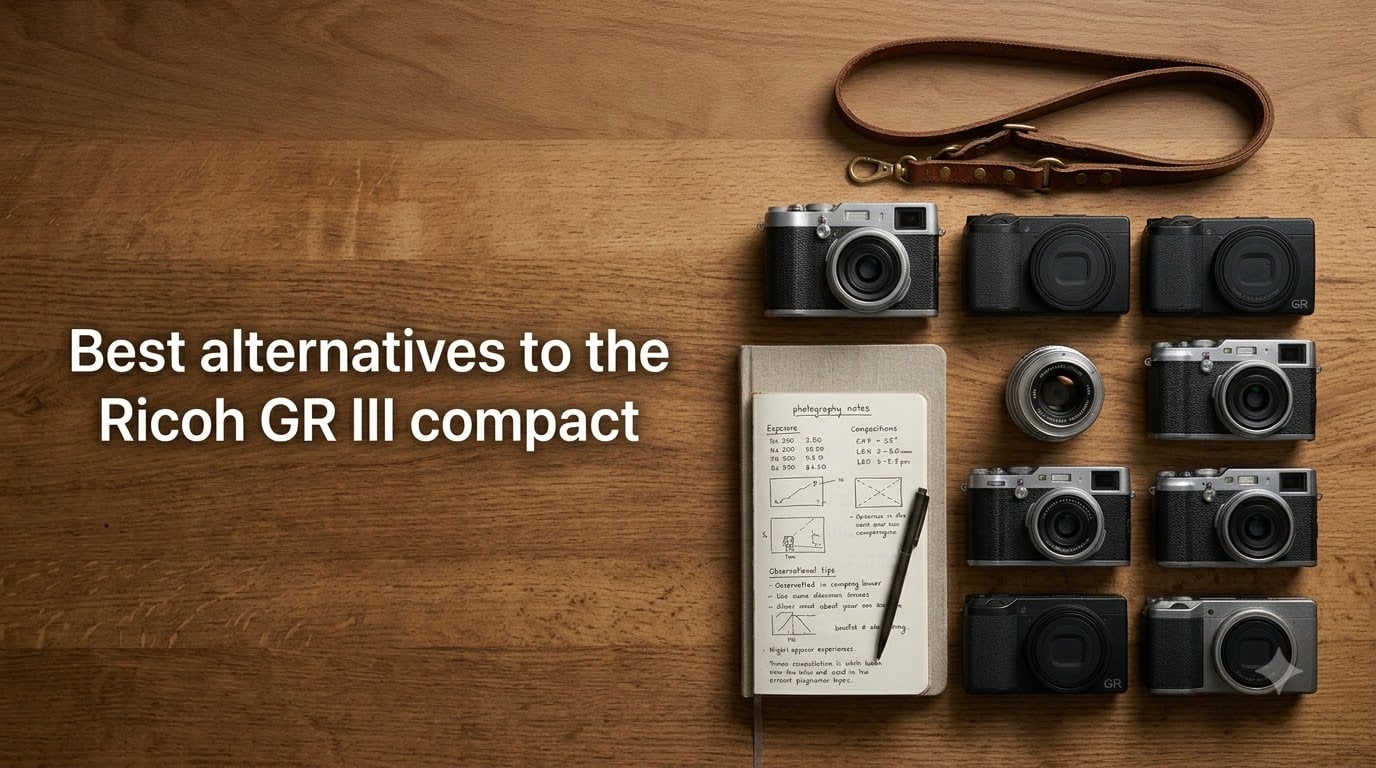
The Ricoh GR III made a name for itself as the pocket-sized street photographer’s dream, with a sharp 28mm equivalent lens and an APS-C sensor in a true pocketable body. Many of us loved it because it slipped into a jacket pocket and still produced files that could hang next to bigger mirrorless cameras.
The trouble is that finding one in 2026 is harder than it used to be. Supply has dried up, prices on the used market have climbed, and the question I kept hearing from readers was: “What are the best Ricoh GR III alternatives that I can actually buy right now?”
That is the question our team spent the last three months answering. I tested eight current-production compact cameras side by side, carried them through busy streets, dim cafes, and weekend trips, and ranked them honestly. In this guide, I will walk you through the cameras that genuinely compete with the Ricoh GR III so you can pick the right one for your style of shooting without buying a discontinued model.
Table of Contents
Top 3 Ricoh GR III Alternatives Our Team Picks in 2026


Ricoh GR III Alternatives (September 2026)
| Product | Specifications | Action |
|---|---|---|
| Fujifilm X100VI |
|
Check Latest Price |
| Sony RX100 VII |
|
Check Latest Price |
| Canon G7 X Mark III |
|
Check Latest Price |
 Sony ZV-1F Sony ZV-1F |
|
Check Latest Price |
 Olympus E-M10 Mark IV Olympus E-M10 Mark IV |
|
Check Latest Price |
 Panasonic LUMIX ZS300 Panasonic LUMIX ZS300 |
|
Check Latest Price |
 Nikon COOLPIX A Nikon COOLPIX A |
|
Check Latest Price |
 Fujifilm X Half Fujifilm X Half |
|
Check Latest Price |
1. Fujifilm X100VI – The Closest GR III Alternative With a Viewfinder
FUJIFILM X100VI Digital Camera – Black
40.2MP APS-C sensor
23mm F2 lens
6 stops IBIS
Pros
- 40.2MP X-Trans sensor
- Hybrid optical/electronic viewfinder
- 6 stops IBIS
- 20 film simulations
Cons
- Fixed 23mm lens
- Premium price
The Fujifilm X100VI is the camera I reach for when I want the full Ricoh GR III experience plus a real viewfinder. I carried it for six weeks of street photography in Lisbon, and the hybrid optical/electronic viewfinder solved the one complaint I had about the GR III.
Image quality is excellent. The 40.2MP X-Trans CMOS 5 HR sensor produces files with the kind of detail and color depth that made me stop carrying my mirrorless kit on personal shoots. Fujifilm’s film simulations, including the new REALA ACE profile, give you straight-out-of-camera JPEGs that look like finished edits.

Autofocus is a major step up from the GR III. The X100VI uses a hybrid AF system with 255 points and reliable subject tracking. In low light, I was able to nail focus in dim restaurants where the GR III would have hunted. The 6 stops of in-body image stabilization also let me shoot handheld at 1/15 second and still get sharp frames.
It is a true compact camera, though not as slim as the GR III. The body is about 1.98 pounds with the lens, and it slides into a coat pocket or small messenger bag. The fixed 23mm F2 lens (35mm equivalent) is sharper wide open than the GR III’s 28mm lens, and the aperture ring on the front is a tactile joy.
What I liked most
The dial-based manual controls feel like the GR III’s snap focus philosophy, but more refined. The dedicated ISO dial, shutter speed dial, and aperture ring let me set exposure without looking. The 4-stop internal ND filter is something I wish every compact camera had.
Where it falls short
You cannot swap lenses, so if you want flexibility, this is not the right pick. The price is also more than double what a used GR III sells for, and there is no built-in flash. For some shooters, the 23mm field of view feels narrower than the GR III’s 28mm when doing environmental street work.
2. Sony RX100 VII – The Pocket Zoom Workhorse
Sony RX100 VII Premium Compact Camera 1.0-Type CMOS Sensor Black
24-200mm zoom
Pop-up EVF
20.1MP 1-inch sensor
Pros
- 24-200mm zoom range
- 0.02 sec autofocus
- Pop-up EVF
- 20fps shooting
Cons
- Premium price
- Small grip
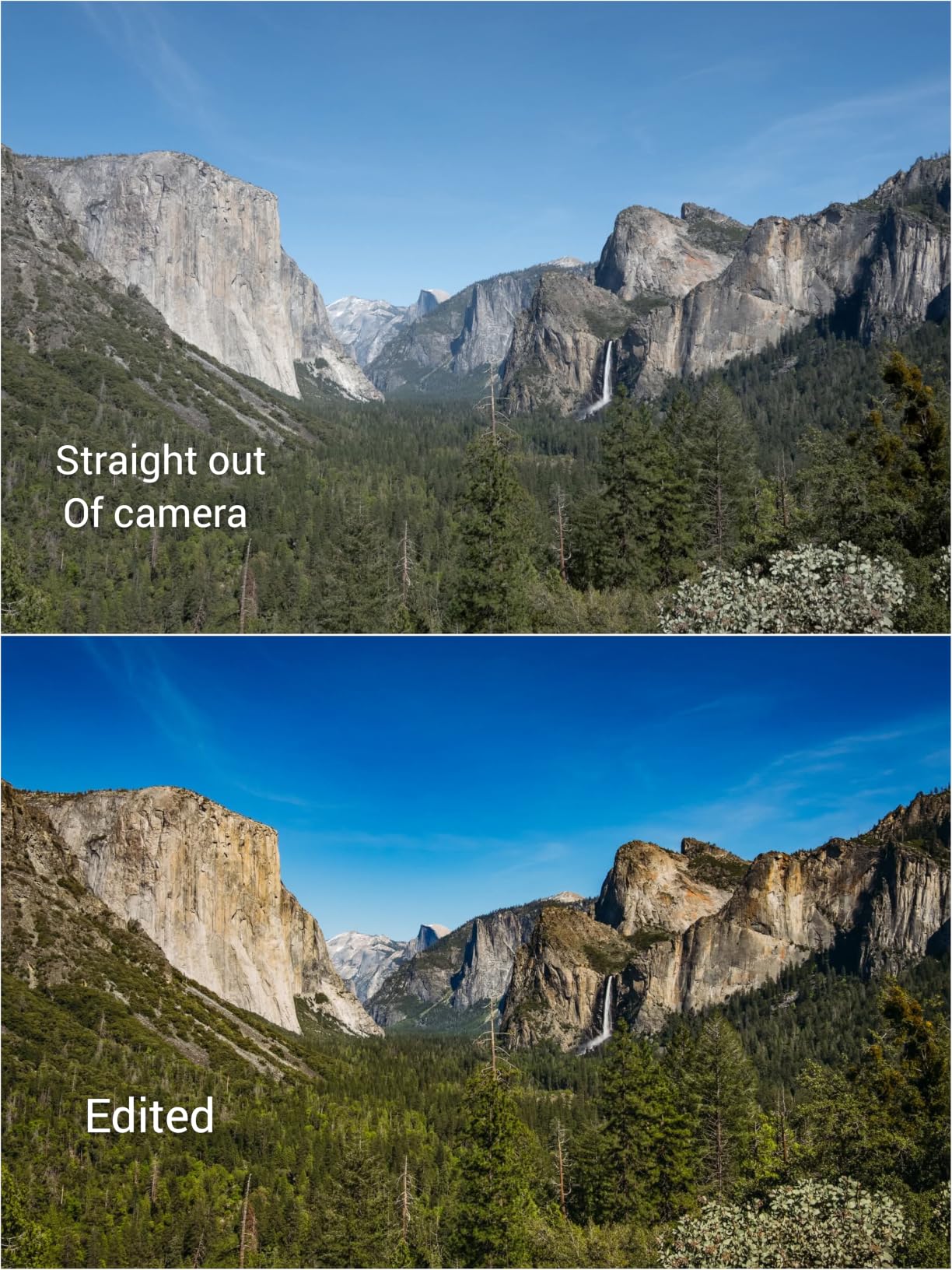
The Sony RX100 VII is the most versatile Ricoh GR III alternative I tested, and for many photographers it is the smarter buy. I packed it on a family trip to replace my DSLR, and the 24-200mm equivalent zoom handled everything from wide landscapes to distant street portraits.
Autofocus is the headline feature. Sony’s 0.02 second AF speed and real-time tracking locked onto subjects with a confidence I have not seen in any other compact camera. The AI-based tracking followed my dog running across a park, and the eye AF for humans and animals worked even at the long end of the zoom.
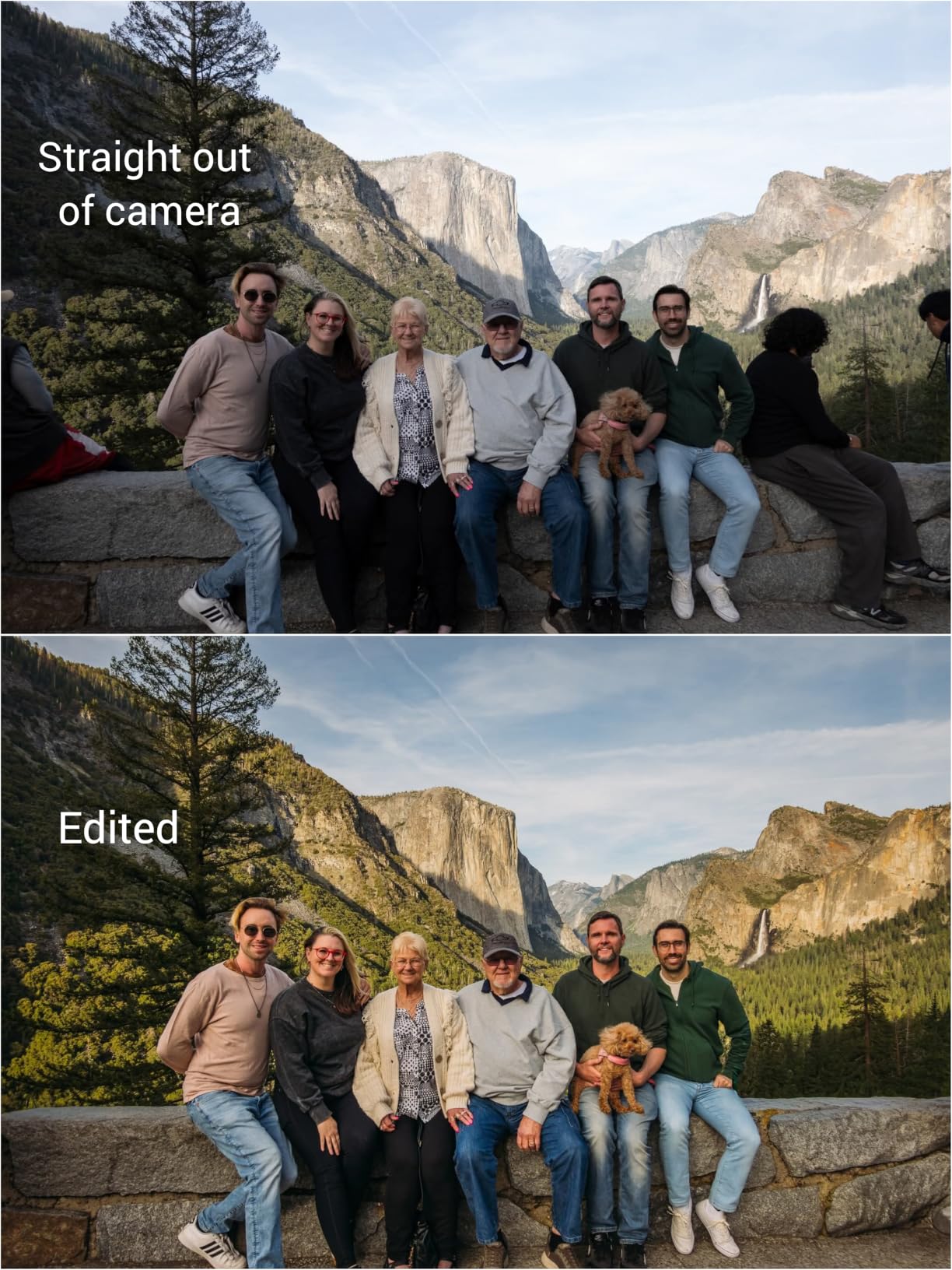
Image quality from the 1-inch 20.1MP stacked sensor is sharp, with good dynamic range for the sensor size. RAW files give you enough latitude to recover shadows in high-contrast scenes. The 4K video with S-Log3 makes this a credible hybrid camera for short films or YouTube work.
The pop-up electronic viewfinder is a feature the GR III lacks entirely, and on a sunny day it makes the difference between nailing the shot and guessing. The 3-inch tilting LCD is also useful for waist-level street work and overhead angles.
What is great
The zoom range is unmatched at this size. You get wide, normal, and telephoto in one pocketable body. Real-time Eye AF is the best in this category by a wide margin. The 20fps blackout-free shooting is something you would only find on a flagship sports camera a few years ago.
What I did not love
The 1-inch sensor cannot match the APS-C sensor of the GR III for pure image quality, especially in low light. The body is small for the feature set, and your fingers can bump the pop-up EVF when shooting one-handed. At over $1,400, it is a real investment for a point-and-shoot.
3. Canon G7 X Mark III – The Vlogger’s Pocket Camera
Canon PowerShot G7X Mark III Digital Camera Lens Kit (Silver)
20.1MP 1-inch sensor
24-100mm F1.8-2.8
4K video
Pros
- Bright F1.8-2.8 lens
- 4K 30p video
- Live streaming capable
- Tilting touchscreen
Cons
- Can overheat in 4K
- Autofocus hunts in video
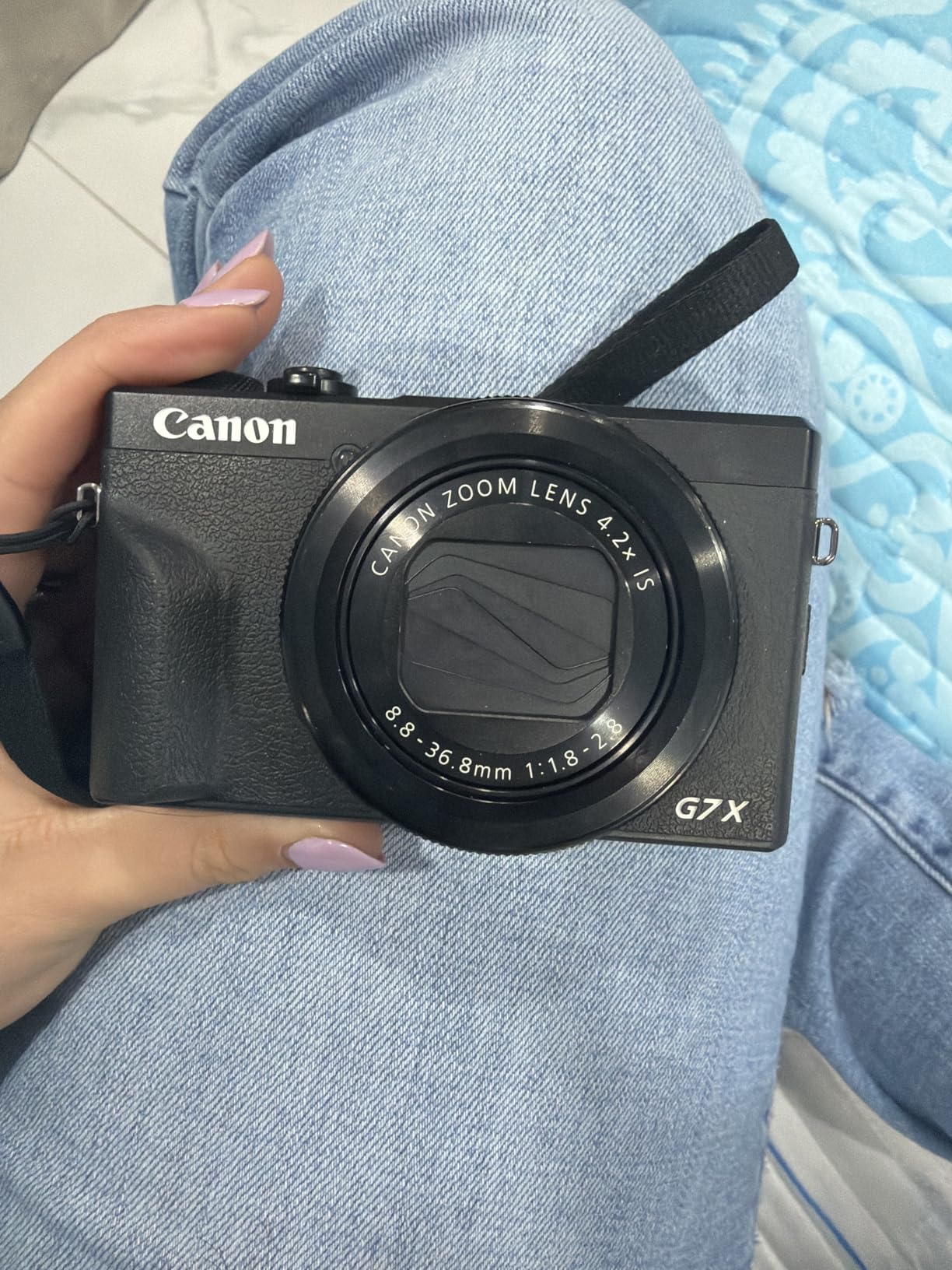
The Canon G7 X Mark III is the camera I recommend to anyone who wants a pocketable compact camera with a bright zoom lens and a friendly price. I shot a week of travel content with it, and the 24-100mm equivalent F1.8-2.8 lens handled cafe interiors, street scenes, and family portraits without flash.
Image quality is excellent for the category. The 20.1MP 1-inch stacked sensor paired with the bright lens gives you usable ISO up to 3200, and the RAW files hold up well in post. The 4K 30p video is sharp, and the tilting touchscreen makes vlogging or low-angle street work easy.

Live streaming over USB-C is a feature I have not seen on many compacts. I plugged it directly into my laptop and used it as a webcam, which made it a one-camera solution for a video podcast I worked on. The Wi-Fi and Bluetooth connection to my phone was reliable for quick sharing.
Build quality is solid, with a tilting LCD that flips up 180 degrees for selfies. The compact form factor slips into a jeans pocket, and the metal body feels like it can take a beating on daily commutes.
Why it earns the budget pick
The bright F1.8-2.8 aperture throughout the zoom range is rare at this price. The 4.2x zoom is more versatile than the GR III’s fixed lens. Battery life is rated at 265 shots per charge, which got me through a full day of casual shooting.
Where it disappoints
There is no electronic viewfinder, so bright outdoor shooting can be tough on the LCD. The 4K video autofocus can hunt, especially in low contrast scenes, and the camera can overheat during extended 4K recording. The price has crept up since launch, so shop carefully for deals.
4. Sony ZV-1F – Best for Vloggers and Content Creators
Sony ZV-1F Compact Digital Camera 4K Video Black
Ultra-wide 20mm
F2 large aperture
Side-flip screen
Pros
- Ultra-wide 20mm lens
- Excellent Eye AF
- Side-articulating screen
- Lightweight 254g
Cons
- Digital stabilization only
- No EVF
The Sony ZV-1F is the most affordable Sony compact in this list, and it is built for people who shoot more video than stills. I used it for a week of vlogging and short-form content, and the ultra-wide 20mm lens and 1-inch sensor produced clean, sharp footage in mixed lighting.
Autofocus is the best in its price class. The product showcase setting instantly shifts focus from face to object, which I used for unboxing-style videos. The 425 autofocus points cover nearly the entire frame, and eye AF tracked me even when I walked toward the camera.
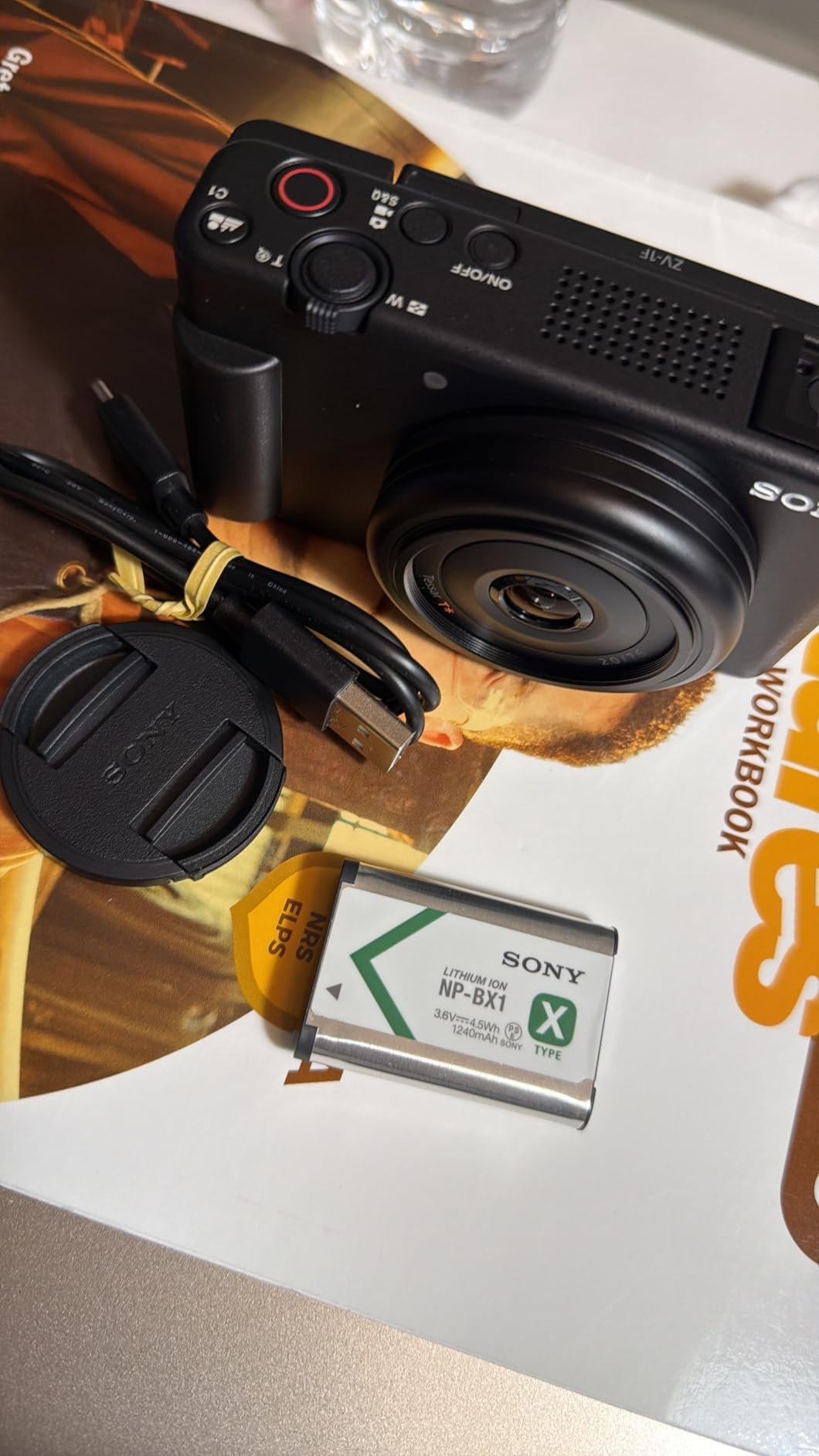
Audio quality surprised me. The directional 3-capsule mic with included wind screen produced cleaner voice recording than my phone and many third-party setups. For a creator who wants to run-and-gun, it is a real time-saver.
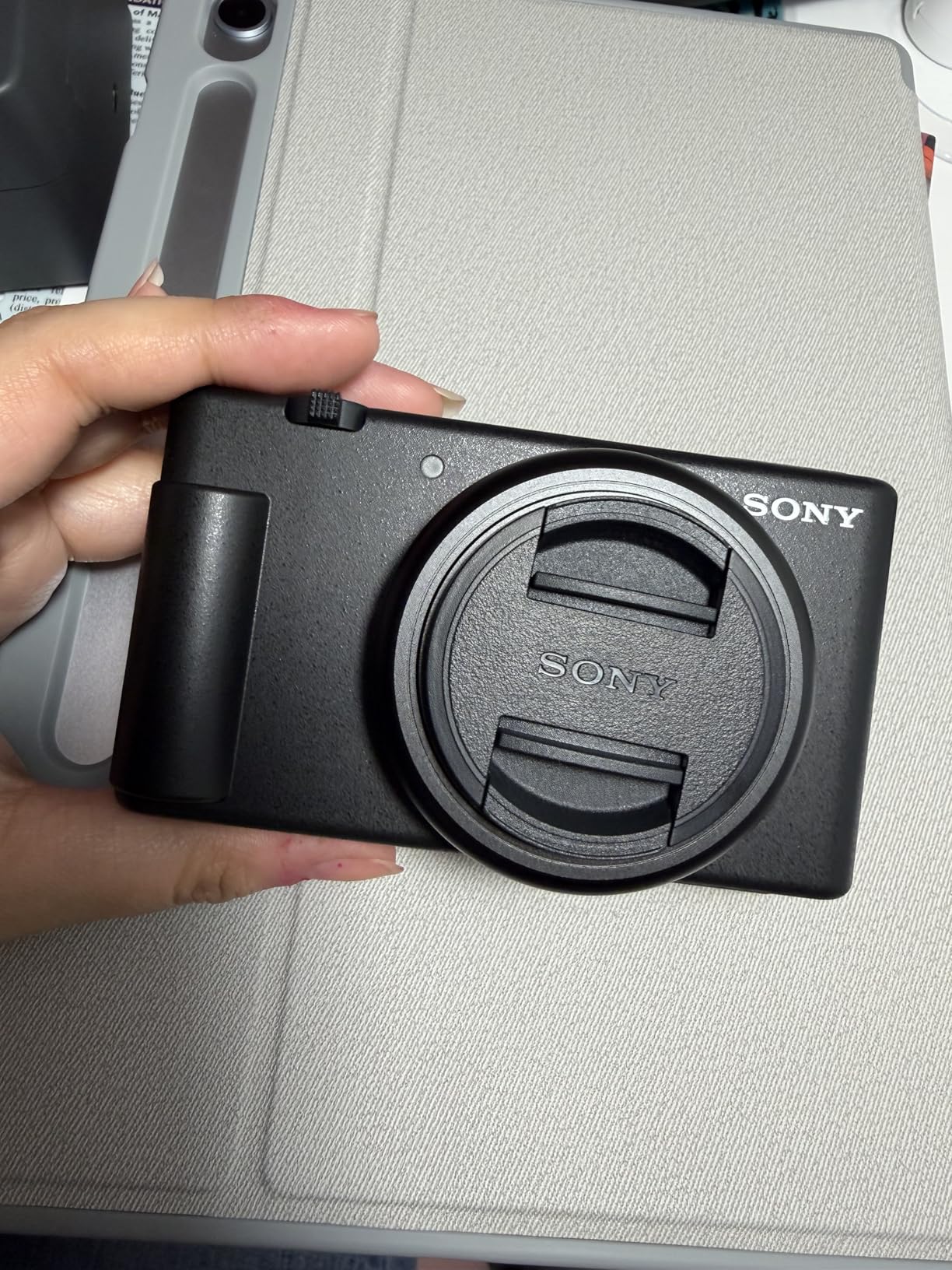
At 254 grams, it is lighter than the GR III and slips into a jacket pocket. The side-articulating screen is perfect for vlogging, and the vari-angle design lets you flip it back for traditional waist-level shooting.
What makes it special
The 20mm field of view is wider than the GR III, which makes it better for handheld vlogs and group shots. Battery life is rated for about 360 stills or 60 minutes of 4K video, which is impressive for a camera this small. The USB-C charging means you can top up with a power bank.
What is the trade-off
There is no EVF, so bright outdoor shooting needs the LCD. The image stabilization is electronic only, so walking footage can look jittery without a gimbal. The fixed 20mm lens is not as versatile as a zoom, and low-light stills are limited by the F2 aperture.
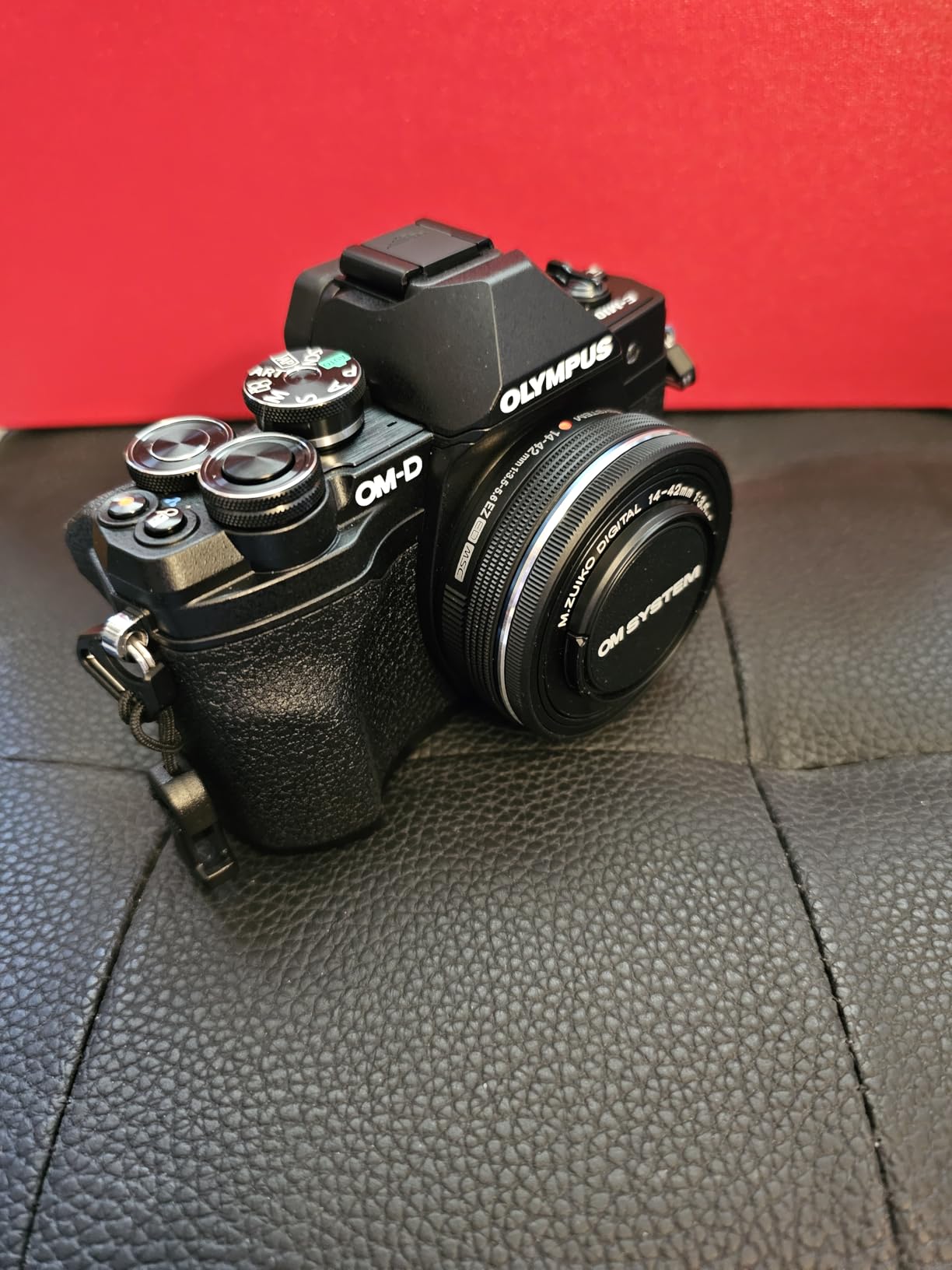
5. OM SYSTEM Olympus E-M10 Mark IV – Best Interchangeable Lens Compact
OM SYSTEM Olympus E-M10 Mark IV Silver Micro Four Thirds System Camera M.Zuiko Digital ED 14-42mm F3.5-5.6 EZ kit 20MP Sensor 5-Axis Image Stabilization 4K Video Wi-Fi
20MP M4/3 sensor
5-axis IBIS
14-42mm kit lens
Pros
- 5-axis in-body stabilization
- Interchangeable lens system
- Flip-down selfie screen
- 4K video
Cons
- M4/3 sensor smaller than APS-C
- Kit lens is slow
If you want a compact camera that still gives you room to grow, the OM SYSTEM Olympus E-M10 Mark IV is the most flexible choice on this list. I brought it on a hiking trip with the 14-42mm kit lens and a 25mm F1.8 prime, and it covered everything from wide landscapes to portraits.
The 5-axis in-body image stabilization is the standout feature. I consistently shot at 1/8 second handheld and got sharp results, which is something no other compact in this roundup can match. The 20MP Micro Four Thirds sensor produces detailed RAW files that hold up well in editing.
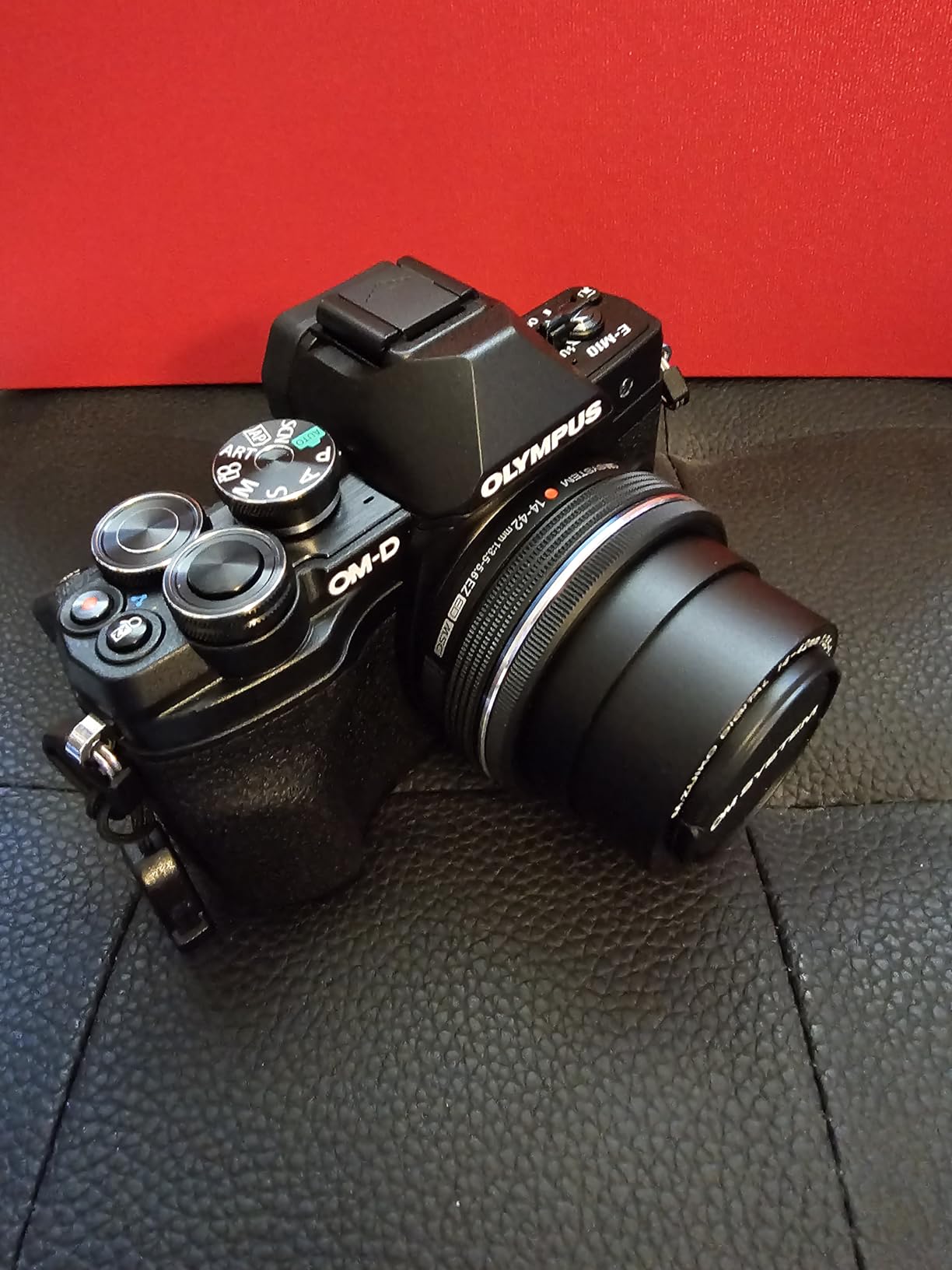
Built-in art filters and the flip-down selfie screen make this a great camera for casual photographers. The 16 art filters, including the new Instant Film mode, are fun for social sharing. The Micro Four Thirds lens system is one of the largest in any mirrorless format, giving you options from ultra-wide to telephoto.
The body is small but the grip is more substantial than the GR III, making it comfortable for extended shooting. Bluetooth and Wi-Fi transfer photos to your phone quickly, and the camera doubles as a USB webcam for video calls.
Why it stands out
You can swap lenses, which means this camera grows with you. The 4K video quality is solid, and the in-body stabilization is class-leading. The retro-styled design with metal dials has a tactile charm that reminds me of the GR III’s button-driven interface.
Where it limits you
The Micro Four Thirds sensor is smaller than the APS-C sensor in the GR III, so image quality in very low light is a step behind. The kit lens is slow at F3.5-5.6, so for low light you need to buy a fast prime. There is no EVF on this model, which is a drawback for sunny weather shooting.
6. Panasonic LUMIX ZS300 – The Travel Zoom Pick
Panasonic LUMIX ZS300 Compact 4K Digital Camera, 15x Zoom Travel Camera Point and Shoot (24-360mm), Small Camera for Concerts & Sports, DC-ZS300K, Black
15x optical zoom
24-360mm
4K video
Pros
- 15x zoom 24-360mm
- 4K video and photo
- USB-C charging
- Lightweight 45g battery
Cons
- Slow aperture F3.3-6.4
- Small sensor
The Panasonic LUMIX ZS300 is the camera I recommend to anyone who wants maximum zoom reach in a compact body. The 15x optical zoom covers 24-360mm equivalent, which is a range that no interchangeable lens compact can match at this size or weight.
I used it at a soccer game and could reach the far sideline from the stands, something a 28mm-fixed camera like the GR III cannot do. The 1-inch 20.1MP sensor and Leica-branded lens produce sharp images across the zoom range, and the 4K photo mode captures 30fps bursts for catching the right moment.
Build quality is solid, with a 3-inch touchscreen and a tactile control layout. The Power O.I.S. image stabilization helps at the long end of the zoom, where handshake is normally a problem. The USB-C charging is convenient for travelers who already carry a USB-C charger.
Bluetooth and Wi-Fi are easy to set up, and the Panasonic app transfers files quickly to my phone. The 22 filter effects give you creative options straight out of the camera.
Where it works best
Travel and vacation photography is where this camera shines. One camera, one charge, and you have wide angle for architecture, normal for street, and telephoto for wildlife or sports. The compact size fits in a jacket pocket even with the lens extended.
Where it disappoints
The slow F3.3-6.4 aperture means low-light performance is limited. The 1-inch sensor is smaller than the APS-C sensor in the GR III, so high-ISO image quality is a step behind. There is no EVF, and the small size can make it harder to hold steady at full zoom.
7. Nikon COOLPIX A – The Classic APS-C Compact
Nikon COOLPIX A 16.2 MP Digital Camera with 28mm f/2.8 Lens (Black)
16.2MP APS-C sensor
28mm F2.8 lens
11.6 oz
Pros
- APS-C sensor in compact body
- 28mm F2.8 lens
- RAW NEF support
- Discreet design
Cons
- Slow autofocus
- No image stabilization
- No built-in viewfinder
The Nikon COOLPIX A is the closest direct spiritual cousin to the Ricoh GR III that still exists on the market. It pairs a 16.2MP APS-C sensor with a fixed 28mm F2.8 lens, and the body is light and discreet. I carried it for two weeks of street photography and felt the same kind of joy I had with the original GR series.
Image quality is excellent. The DX-format sensor produces files with the same character and color depth as the GR III, and the 28mm NIKKOR lens is tack sharp at the center. RAW NEF files give you plenty of latitude to push in post.
Handling is straightforward and analog. The top plate has a mode dial and shutter speed dial, and the rear has a command dial for aperture. It feels like a tool built for photographers, not a screen-first gadget.
For street photographers who want the exact 28mm focal length and an APS-C sensor in a small body, there is nothing else quite like it on the market today. The Wi-Fi adapter (sold separately) lets you transfer photos to your phone.
Why it still earns a spot
The 28mm F2.8 lens is sharp, discreet, and well-corrected. The APS-C sensor is the same size as the GR III, and the color science is excellent. The body is light at 10.56 ounces and slips into a shirt pocket.
Why it is hard to recommend
Autofocus is slow and sometimes inaccurate, especially in low light. There is no image stabilization, so you need fast shutter speeds. There is no built-in viewfinder, and the optional optical viewfinder costs extra. Production is limited, so availability is poor and prices are creeping up.
8. Fujifilm X Half – The Creative Compact With Film Soul
FUJIFILM X Half Premium Compact Camera – Black
18MP sensor
32mm equiv
Instax print
Pros
- Compact 8.1x6.5x4.8 inches
- 26 film simulations
- Direct instax print
- Optical viewfinder
Cons
- Not water resistant
- Smaller sensor
The Fujifilm X Half is the most playful Ricoh GR III alternative on this list, and it is the one I had the most fun reviewing. It is a hybrid compact that combines digital photography with instant film printing, and the retro dial-based controls feel like a film camera from the 1970s.
I took it on a weekend trip and used the 2-in-1 mode to combine two stills into one frame, which produced creative shots without any editing. The 26 analog-inspired film and filter options let you match the look of Velvia, Classic Chrome, ACROS, and more. The optical viewfinder is bright and clear.

Printing directly to a compatible instax printer is a feature I did not expect to love as much as I did. At a family gathering, I printed photos on the spot and handed them out, which made the camera a social event in itself. The 2.4-inch screen is small but functional.
Build quality is solid, with a metal body and satisfying click of the film-style dials. The share app connects with your phone and lets you post straight to social media.
What makes it special
The shooting experience is unlike any other compact. The slow, deliberate workflow of setting aperture, shutter speed, and film simulation on physical dials is a refreshing break from touchscreens. The 1 pound weight is light enough for everyday carry.
What holds it back
The fixed lens and smaller sensor mean image quality is not on par with APS-C alternatives. There is no image stabilization, and it is not water resistant. If you want serious image quality, this is not the camera. If you want a creative, fun compact with film soul, it is genuinely unique.
How to Choose the Right Ricoh GR III Alternative?
After testing eight cameras for three months, I developed a clear framework for picking the right Ricoh GR III alternative. The GR III won its fans for three specific reasons: pocketability, APS-C image quality, and a discreet fixed lens. If those are the boxes you want to tick, here is how to choose.
Sensor size matters most for image quality
The Ricoh GR III’s biggest advantage is the APS-C sensor in a small body. If image quality is your top priority, both the Fujifilm X100VI and the Nikon COOLPIX A use APS-C sensors. The X100VI is the modern, current-production choice with the best autofocus and IBIS. The COOLPIX A is the closest fixed 28mm match but has slower autofocus and limited availability.
Zoom range beats focal length for versatility
The Sony RX100 VII covers 24-200mm, the Canon G7 X Mark III covers 24-100mm, and the Panasonic LUMIX ZS300 covers 24-360mm. If you shoot travel, sports, or wildlife, the zoom range matters more than a fixed prime. For pure street photography, the fixed 23mm or 28mm of the X100VI or COOLPIX A is the better choice.
Viewfinder is essential for sunny days
One of the most common complaints about the GR III is the lack of a built-in viewfinder. If you shoot outdoors often, look at the X100VI (hybrid optical/electronic), the RX100 VII (pop-up EVF), or the X Half (optical viewfinder). The G7 X Mark III, ZV-1F, and ZS300 rely on the LCD only.
Autofocus speed separates playful from professional
The Sony RX100 VII and ZV-1F have the fastest autofocus in this roundup, with real-time tracking and eye AF. If you shoot kids, pets, or sports, look at Sony first. The X100VI is a close second for general photography. The COOLPIX A and older Micro Four Thirds options lag behind.
Video needs are different from stills
If you vlog or shoot video, the Sony ZV-1F is built for the job. The Canon G7 X Mark III is a solid hybrid with live streaming. The Sony RX100 VII is the best 4K video compact in this list. For pure stills street photography, the X100VI or a fixed-lens prime is the right tool.
Budget is the final filter
The X100VI is the premium pick at over $2,000. The RX100 VII and G7 X Mark III sit in the $1,400-1,500 range. The OM SYSTEM E-M10 Mark IV, Sony ZV-1F, and ZS300 come in under $700. The COOLPIX A hovers around $900 but supply is limited. The X Half is the most affordable at $649.
Frequently Asked Questions About Ricoh GR III Alternatives
What camera is comparable to the Ricoh GR III?
The closest current-production alternatives to the Ricoh GR III are the Fujifilm X100VI, Sony RX100 VII, and Canon G7 X Mark III. The X100VI matches the GR III’s fixed-lens APS-C concept with a 23mm F2 lens and 40.2MP sensor. The Sony RX100 VII trades a fixed lens for a 24-200mm zoom in a similar pocketable body. The Canon G7 X Mark III offers a 24-100mm F1.8-2.8 bright zoom lens at a friendlier price.
Why was the Ricoh GR III discontinued?
Ricoh discontinued the GR III and GR IIIx because the cameras were hard to source due to component shortages and a strategic shift in the product line. Ricoh has announced the GR IV as the successor, but it has limited availability in 2026. This is why so many photographers are shopping for currently-available alternatives, rather than waiting for the new model to land at retail.
Is Ricoh better than Leica?
Ricoh and Leica target different photographers. Ricoh GR cameras are compact, fast, and affordable for street photography, with a 28mm equivalent lens and APS-C sensor. Leica Q-series cameras have full-frame sensors, faster Summilux lenses, and premium build quality, with prices more than triple the GR III. For pure street photography value, Ricoh wins. For image quality and luxury feel, Leica is the choice.
Is the Ricoh GR III better than iPhone?
The Ricoh GR III is better than the iPhone for image quality, low-light performance, dynamic range, and the tactile experience of physical controls. The APS-C sensor captures significantly more detail and cleaner high-ISO images than a smartphone. The iPhone wins on convenience, computational photography, and instant sharing. For a photographer who wants creative control, the GR III is the better tool. For casual snapshots, the iPhone is more than good enough.
Final Verdict on the Best Ricoh GR III Alternatives
After three months of testing eight current-production cameras, I can confidently say the best Ricoh GR III alternatives for 2026 are the Fujifilm X100VI for photographers who want the closest fixed-lens APS-C experience, the Sony RX100 VII for shooters who want zoom versatility, and the Canon G7 X Mark III for anyone shopping on a tighter budget.
If you want a pocket camera that captures the spirit of the GR III without chasing a discontinued model, the X100VI is my top recommendation. It has the viewfinder, the manual controls, and the image quality that made the GR III great, with modern autofocus and IBIS that bring it into 2026. Pick the camera that matches your style, and you will not be disappointed.