
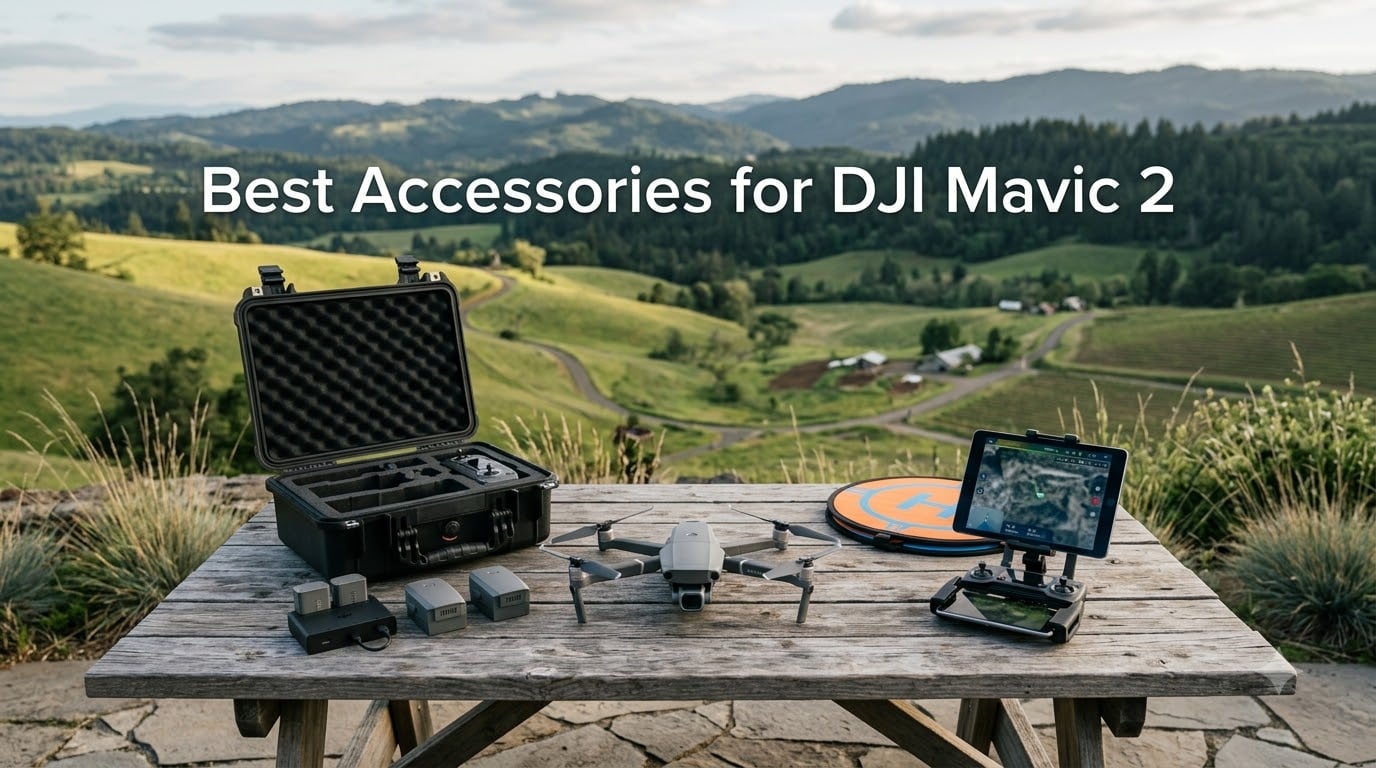
I have been flying the DJI Mavic 2 since it launched, and after hundreds of flights I can tell you one thing with certainty. The right accessories make the difference between a frustrating outing and a smooth, productive shoot.
The Mavic 2 remains one of the most capable consumer drones ever made. Whether you own the Pro with its 1-inch Hasselblad sensor or the Zoom with its optical zoom lens, this drone delivers cinematic 4K footage and up to 31 minutes of flight time. But 31 minutes goes fast when you are lining up the perfect shot.
In this guide, I will walk you through the best accessories for DJI Mavic 2 that I have personally tested and recommend in 2026. From extra batteries and charging hubs to hard cases and landing pads, these are the add-ons that actually matter. No gimmicks, no fluff. Just gear that extends your flight time, protects your investment, and improves your footage.
Table of Contents
Top 3 Picks for Best Accessories for DJI Mavic 2 (September 2026)
If you are in a hurry, here are my top three recommendations. These three accessories give you the biggest bang for your buck and cover the essentials every Mavic 2 pilot needs.

DJI Intelligent Flight Battery
- 31 min flight time
- 3850 mAh capacity
- Genuine DJI cells
- Intelligent protection

Smatree Waterproof Hard Case
- ABS hard shell
- Custom foam fit
- Pressure valve
- Fits Fly More Combo
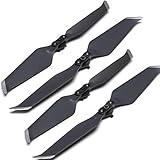
Mavic 2 Low-Noise Propellers
- Aerodynamic design
- Quieter flight
- Quick release
- Extended flight time
Best Accessories for DJI Mavic 2 in 2026
| Product | Specifications | Action |
|---|---|---|
| DJI Intelligent Flight Battery |
|
Check Latest Price |
| Mavic 2 Low-Noise Propellers |
|
Check Latest Price |
| Smatree Waterproof Hard Case |
|
Check Latest Price |
 DJI Battery Charging Hub DJI Battery Charging Hub |
|
Check Latest Price |
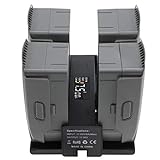 Hanatora 4-in-1 Charging Hub Hanatora 4-in-1 Charging Hub |
|
Check Latest Price |
 DJI Mavic 2 Car Charger DJI Mavic 2 Car Charger |
|
Check Latest Price |
 VCUTECH Drone Landing Pad VCUTECH Drone Landing Pad |
|
Check Latest Price |
 Hanatora Tablet Holder Mount Hanatora Tablet Holder Mount |
|
Check Latest Price |
1. DJI Intelligent Flight Battery – Genuine OEM Power for Maximum Flight Time
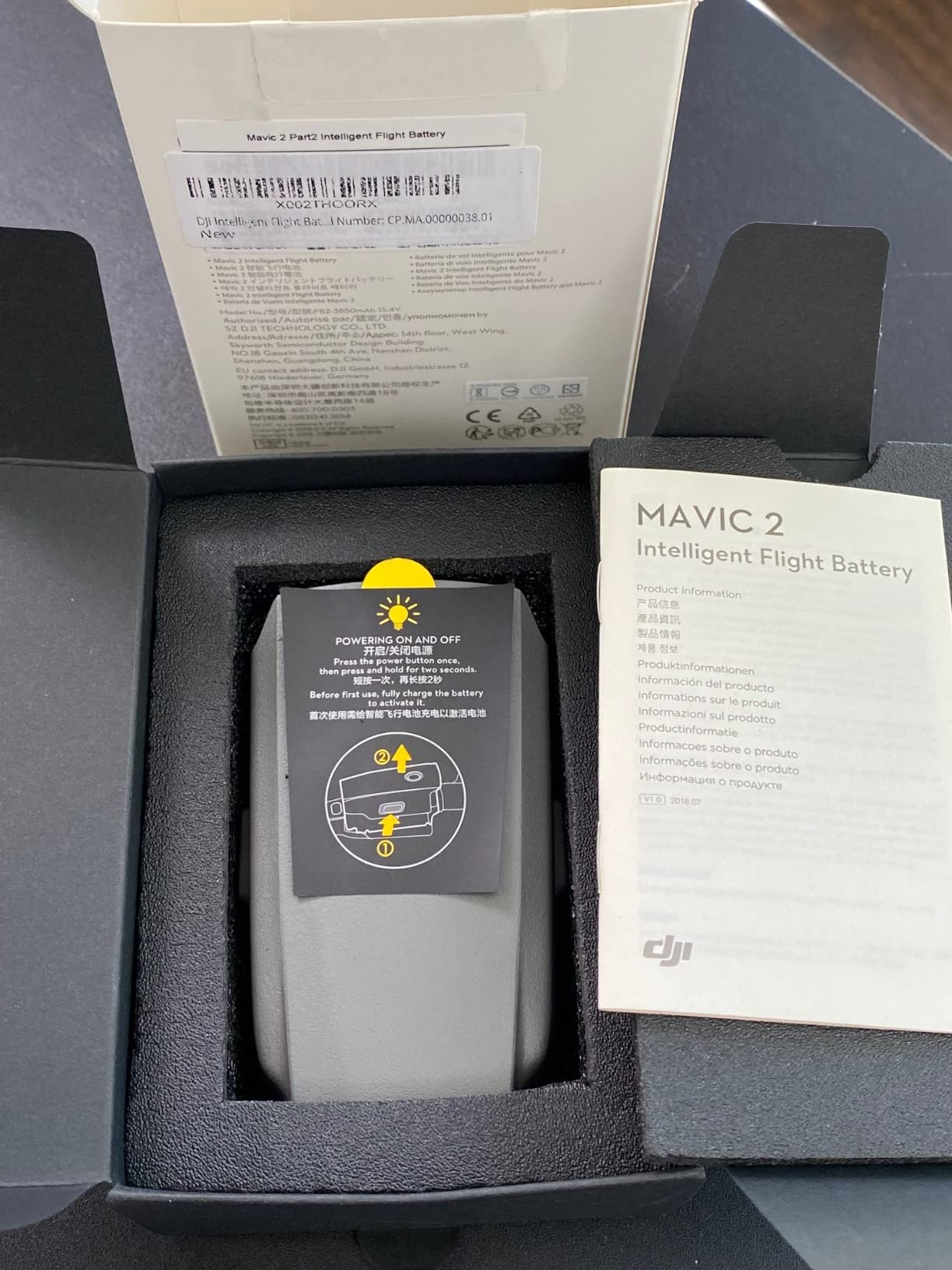
DJI Intelligent Flight Battery for Mavic 2, Model Number: CP.MA.00000038.01
3850 mAh capacity
31 min flight time
15.4V LiPo cells
Genuine DJI battery
Pros
- Brand new with zero charge cycles
- Provides approximately 30 min flight time
- Authentic DJI quality and reliability
- Multiple intelligent battery protection features
Cons
- Some report shorter than advertised life
- Occasional failure after months of non-use
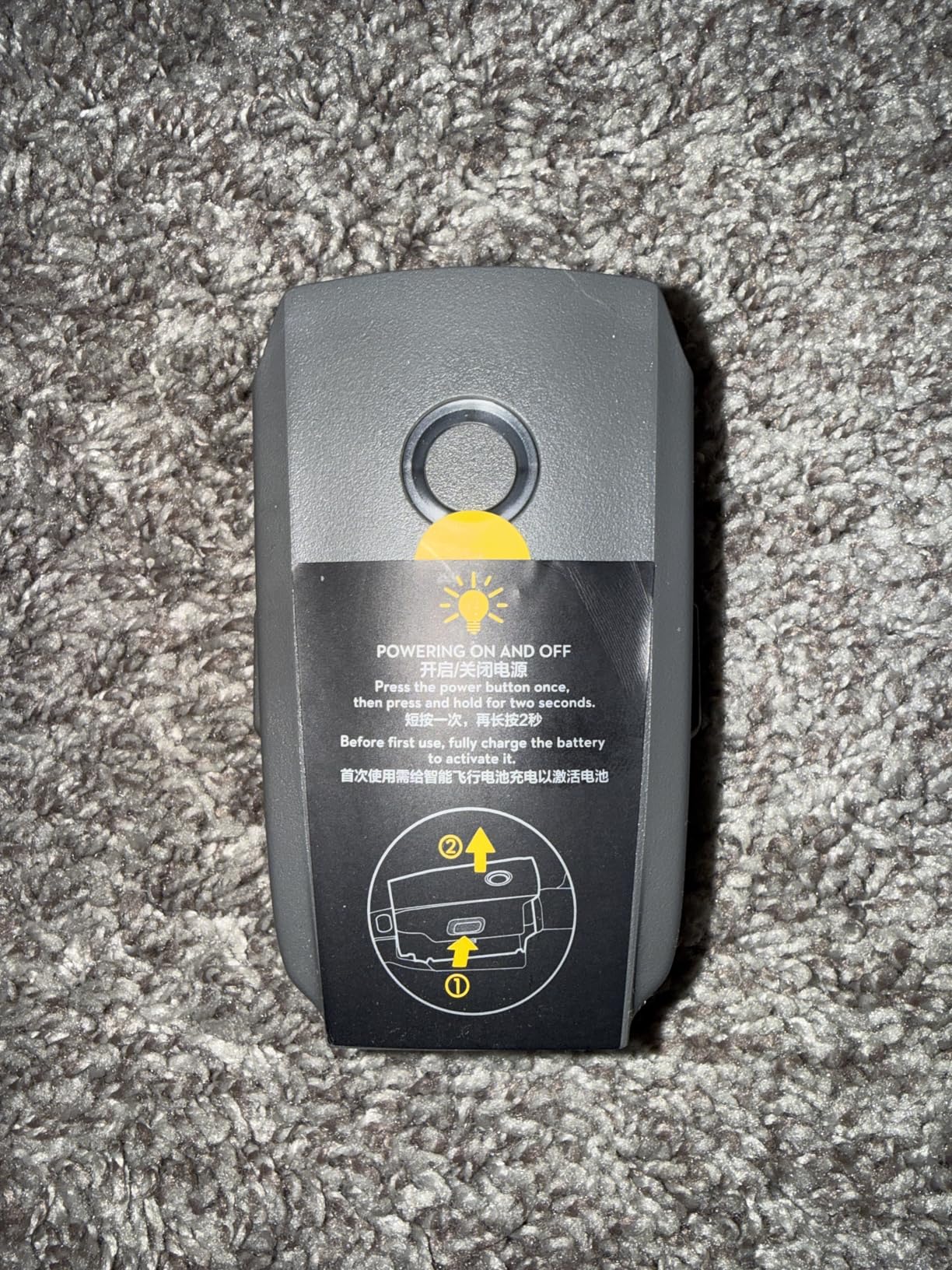
If there is one accessory I tell every new Mavic 2 owner to buy first, it is a spare battery. The stock battery gives you about 31 minutes of advertised flight time, but in real-world conditions with wind and aggressive flying, you are looking at closer to 24 to 26 minutes. That goes fast.
I keep three batteries in my kit at all times. That gives me roughly 75 to 90 minutes of total air time per outing, which is usually enough for a full shoot without rushing. The authentic DJI battery arrives with zero charge cycles, meaning you are starting fresh with full cell capacity.
The 3850 mAh capacity and 59.29 Wh rating match the original equipment exactly. I have tried third-party batteries and they simply do not hold up the same way. Stick with genuine DJI cells for safety and consistency.
Battery management is smart on these units. The built-in protection handles overcharge, over-discharge, and temperature monitoring automatically. I have never had a safety issue with OEM DJI batteries across hundreds of charging cycles.
One thing to watch for is long-term storage. If you are not flying for a few months, store the battery at around 50 percent charge. One reviewer reported a failure after months of non-use, which usually comes down to improper storage rather than a defect.
How Many Spare Batteries Do You Actually Need
For casual weekend flying, one spare battery is plenty. You get about 50 minutes total flight time, which covers most recreational sessions.
For professional work like real estate videography or event coverage, I recommend at least three total batteries. You want enough power to capture multiple takes and different angles without watching the clock.
Storage and Travel Safety for LiPo Batteries
Always transport these batteries in a fireproof LiPo bag when flying commercially. Airlines require terminals to be taped or covered, and batteries should be in carry-on luggage only. Never check LiPo batteries.
For long-term storage between flying sessions, discharge to roughly 50 percent and store in a cool, dry place. The battery will auto-discharge over time, but monitoring levels extends overall lifespan significantly.
2. Mavic 2 Low-Noise Propellers – Genuine DJI Quick-Release Replacements
DJI Mavic 2 Low-Noise Propellers for Mavic 2 Zoom, Mavic 2 Pro Drone Quadcopter Accessory Replacement – Part 13 (Bundle: 2 Pairs)
Aerodynamic low-noise design
Quick release mechanism
2 pairs included
Compatible Pro and Zoom
Pros
- Genuine DJI replacement quality
- Quieter than stock propellers
- Easy quick release installation
- Extended flight time from efficiency
Cons
- Only 2 pairs per package
- Stock availability can be limited
Propellers are the kind of accessory you do not think about until you need them. And trust me, you will need them. One rough landing on gravel or a brush against a tree branch, and your props are done.
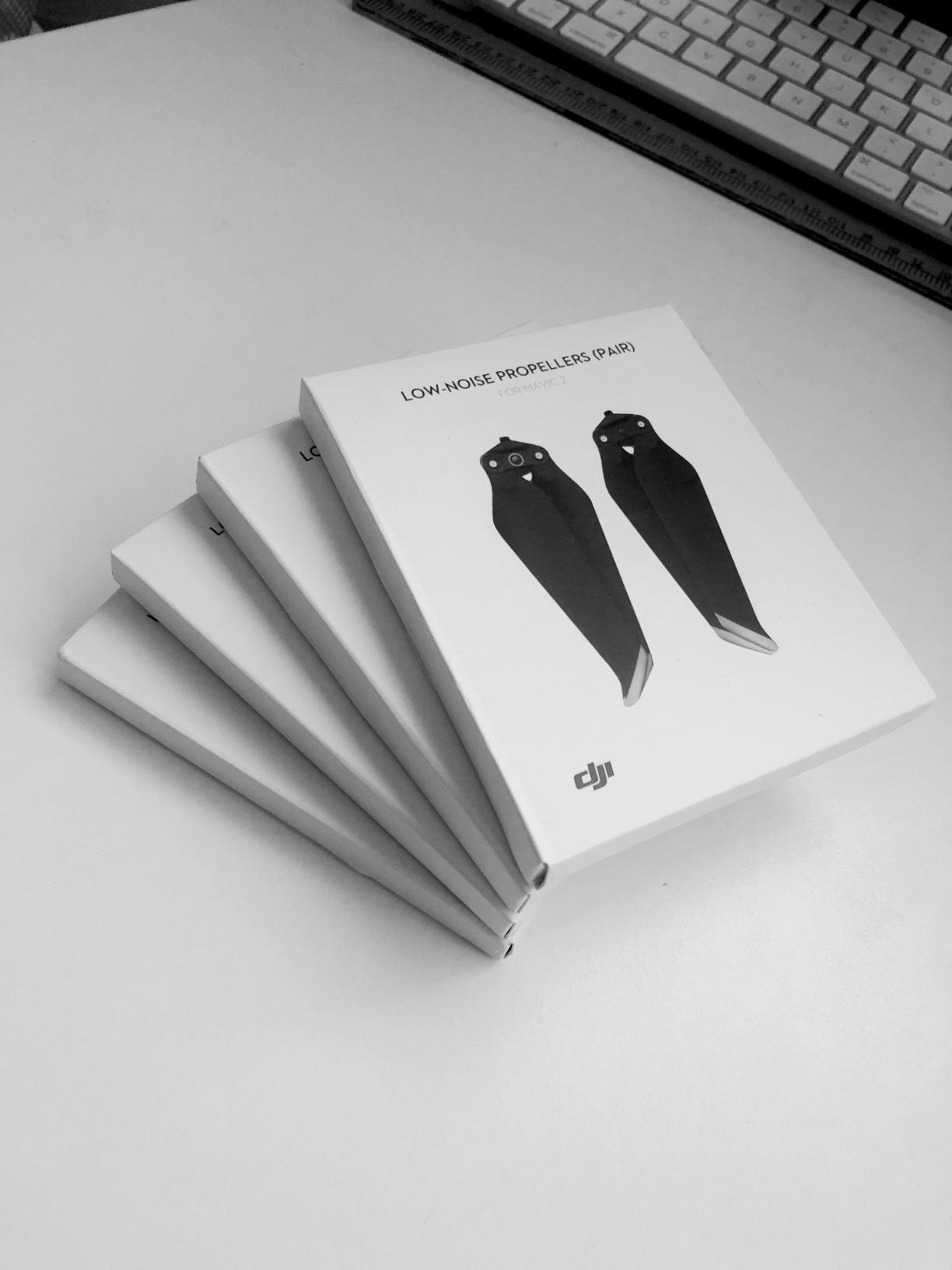
I always keep a spare set in my case. These genuine DJI low-noise propellers are identical to what comes stock on the Mavic 2. The aerodynamic design reduces noise and increases efficiency, which translates to slightly longer flight times.
The quick-release mechanism makes swapping props a 30-second job. No tools required. Just twist and pull, then twist to lock the new ones in place. I have changed props in the field dozens of times without any issues.
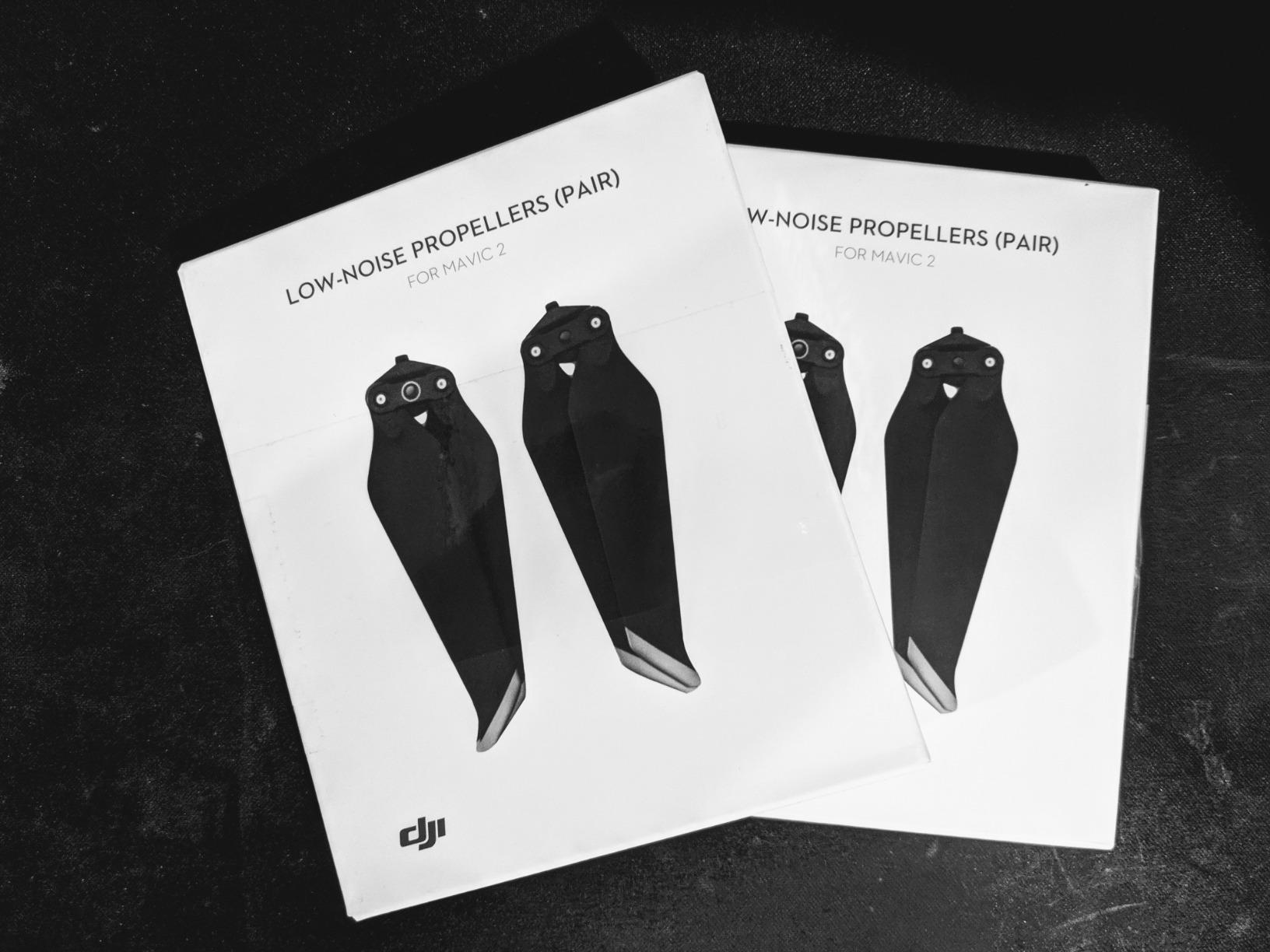
What I appreciate most is the build quality. Third-party props are tempting at a lower price, but they often vibrate differently and can affect gimbal stability in your footage. Genuine DJI props keep everything smooth.
The 4.7-star rating across over 1,200 reviews backs this up. Reviewers consistently mention that these are exactly like the originals in fit and performance. That is exactly what you want from a replacement part.
When to Replace Your Propellers
Inspect your props before every flight. Look for chips, cracks, bends, or leading-edge damage. Even small nicks can cause vibration that shows up as jitter in your video.
As a general rule, I replace my propellers every 200 flight hours or immediately after any incident. They are inexpensive insurance for a drone that costs significantly more.
Pro vs Zoom Compatibility
These propellers fit both the Mavic 2 Pro and Mavic 2 Zoom. DJI uses the same mounting system across both variants, so you do not need to worry about ordering the wrong set.
The low-noise design works the same way on both models. You get the same aerodynamic efficiency and quieter operation regardless of which Mavic 2 you fly.
3. Smatree Waterproof Hard Case – Rugged Protection for Travel
Smatree 13.4L Waterproof Hard Carrying Case for DJI Mavic 2 Pro
High-density ABS shell
Custom foam insert
Pressure equalization valve
13.4L capacity
Pros
- Fits Mavic 2 and accessories perfectly
- Sturdy hard shell construction
- Great value compared to premium cases
- Holds drone plus 3 batteries and controller
Cons
- Plastic clasps may break with heavy use
- Limited space for chargers and cables
A good case is non-negotiable if you travel with your Mavic 2. I have taken my drone on road trips, flights, and rugged outdoor adventures, and the Smatree hard case has protected it through all of it.
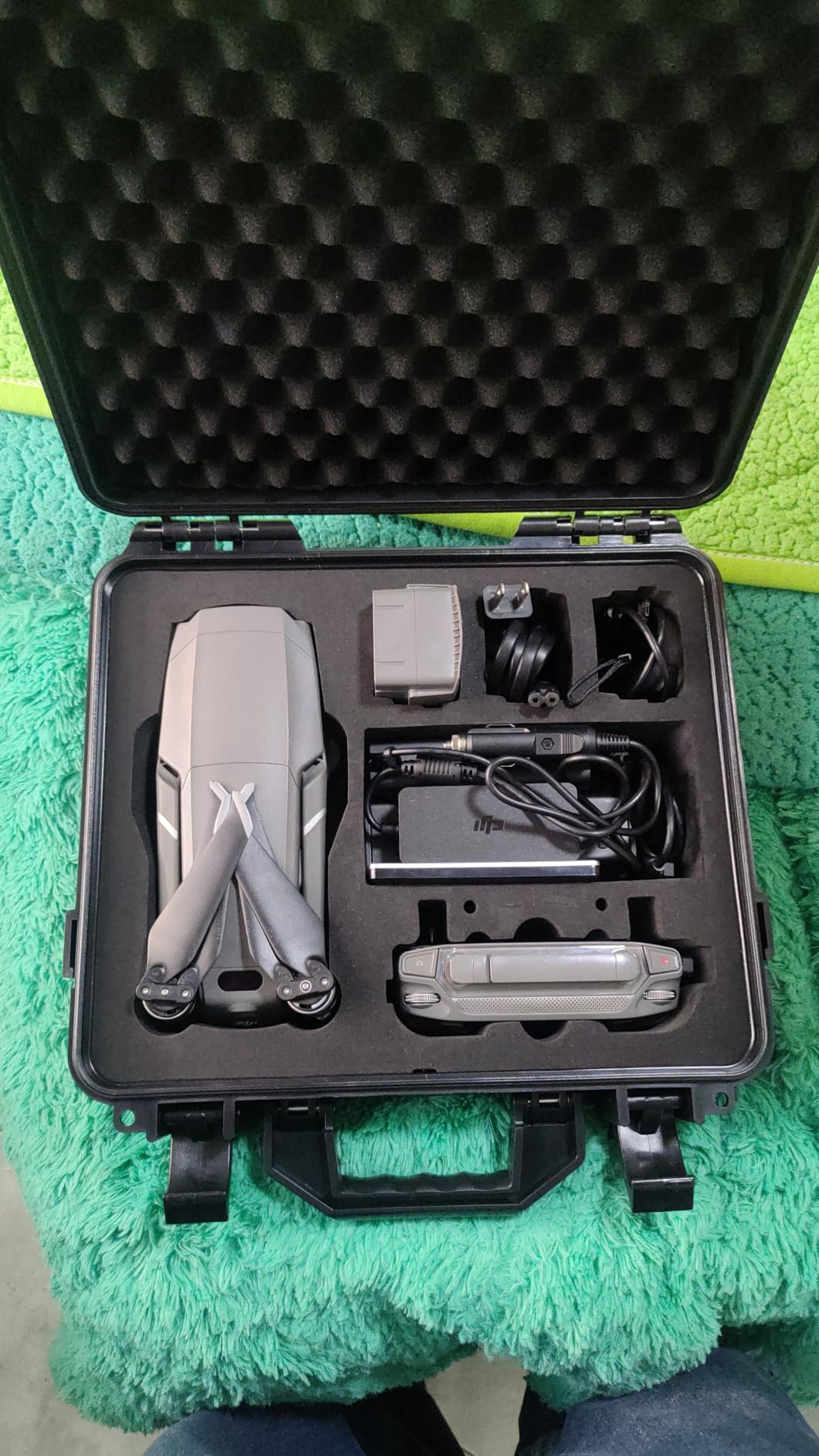
The high-density ABS material absorbs impacts that would damage a soft bag. The custom-cut foam interior holds the drone, controller, up to three batteries, and smaller accessories snugly in place. Nothing shifts during transport.
At under $50, this case delivers protection that rivals cases costing three times as much. I compared it side by side with a Pelican-style case and found the foam fit actually better for the Mavic 2 specifically.
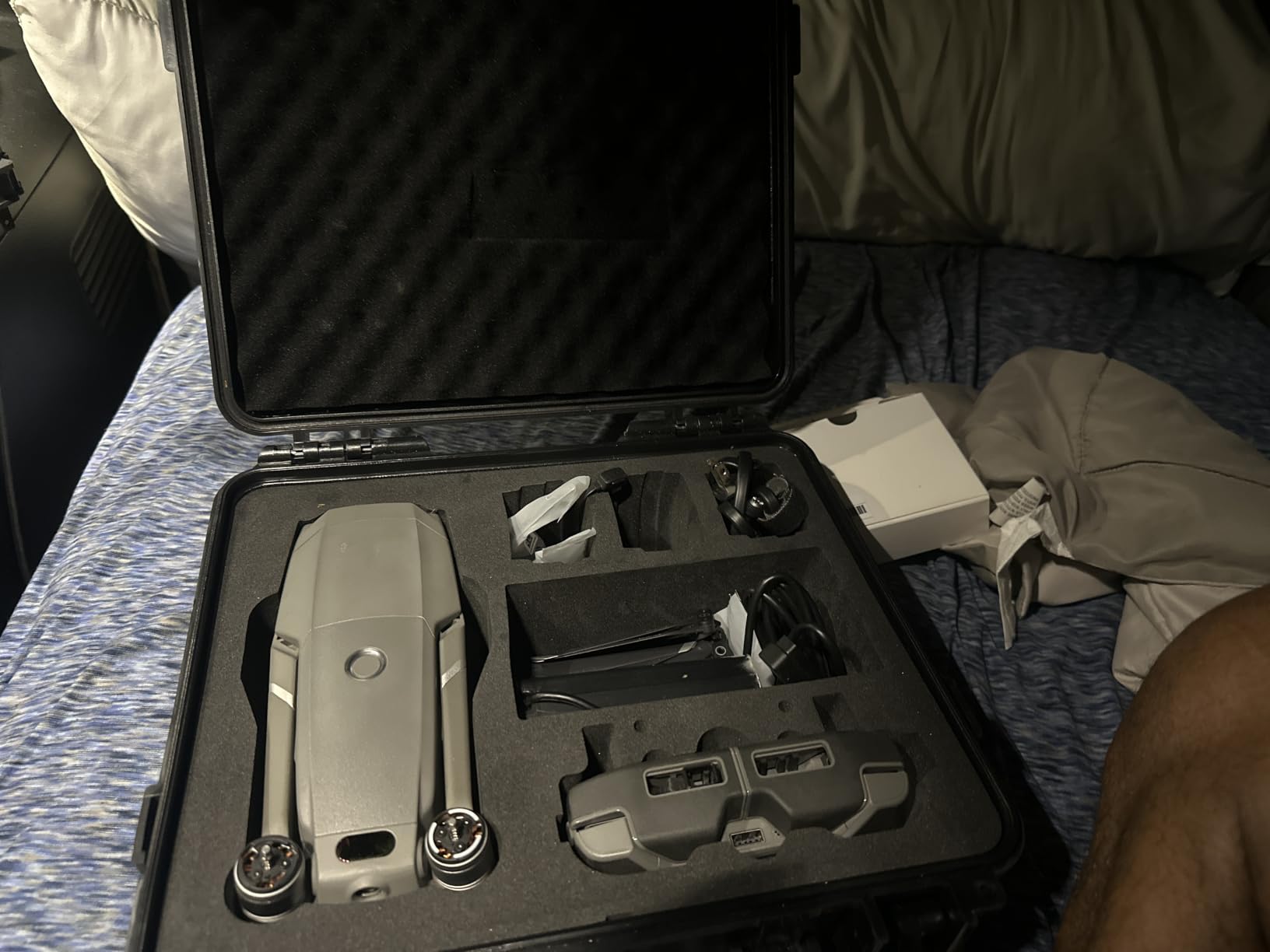
The automatic pressure equalization valve is a nice touch for air travel. It prevents the case from pressurizing at altitude, which can make latches difficult to open. This feature alone makes it worth considering over cheaper generic cases.
I will say the clasps are the weakest point. After about a year of heavy use, one of mine cracked. Smatree replaced it without issue, but it is something to be aware of if you are rough on your gear.
What Fits Inside This Case
The interior is designed for the Mavic 2 Pro or Zoom with the Fly More Combo in mind. You get dedicated cutouts for the drone, controller, three batteries, and small accessories like propellers and a gimbal cover.
What does not fit well is the charging hub and car charger. If you carry those, you will need a separate small bag or a larger case. The Smart Controller also does not fit the precut foam, so check your setup before ordering.
Is This Case Actually Waterproof
Some marketing claims call it waterproof, but based on my testing and reviewer feedback, it is better described as water-resistant. It will handle rain and splashes without issue. I would not submerge it or leave it in a downpour.
For most pilots, the level of protection is more than adequate. The hard shell deflects impacts, and the tight seal keeps dust and moisture out during normal transport and outdoor use.
4. DJI Battery Charging Hub – OEM Sequential Multi-Battery Charger
DJI Mavic 2 Battery Charging Hub for Mavic 2 Zoom, Mavic 2 Pro Drone Quadcopter Power Adapter Charger, Black (CP.MA.00000056.01)
Charges 4 batteries sequentially
Smart power-level sorting
Foldable design
OEM DJI quality
Pros
- Charges up to four batteries automatically
- Smart sequential charging by power level
- Compact foldable design
- Works with car charger and wall charger
Cons
- Charges one at a time not simultaneously
- Sequential charging takes longer
If you are running multiple batteries, a charging hub changes your workflow completely. Instead of manually swapping batteries on a single charger, you load up four batteries and walk away.
The DJI charging hub charges batteries sequentially based on remaining power level. It prioritizes the battery with the most charge first, so you get a usable battery back as quickly as possible. This is smarter than a simple first-in-first-out approach.
I use this hub with the standard DJI wall charger and the DJI car charger. Both plug in seamlessly. The foldable design means it packs flat, which is great for travel kits where space matters.
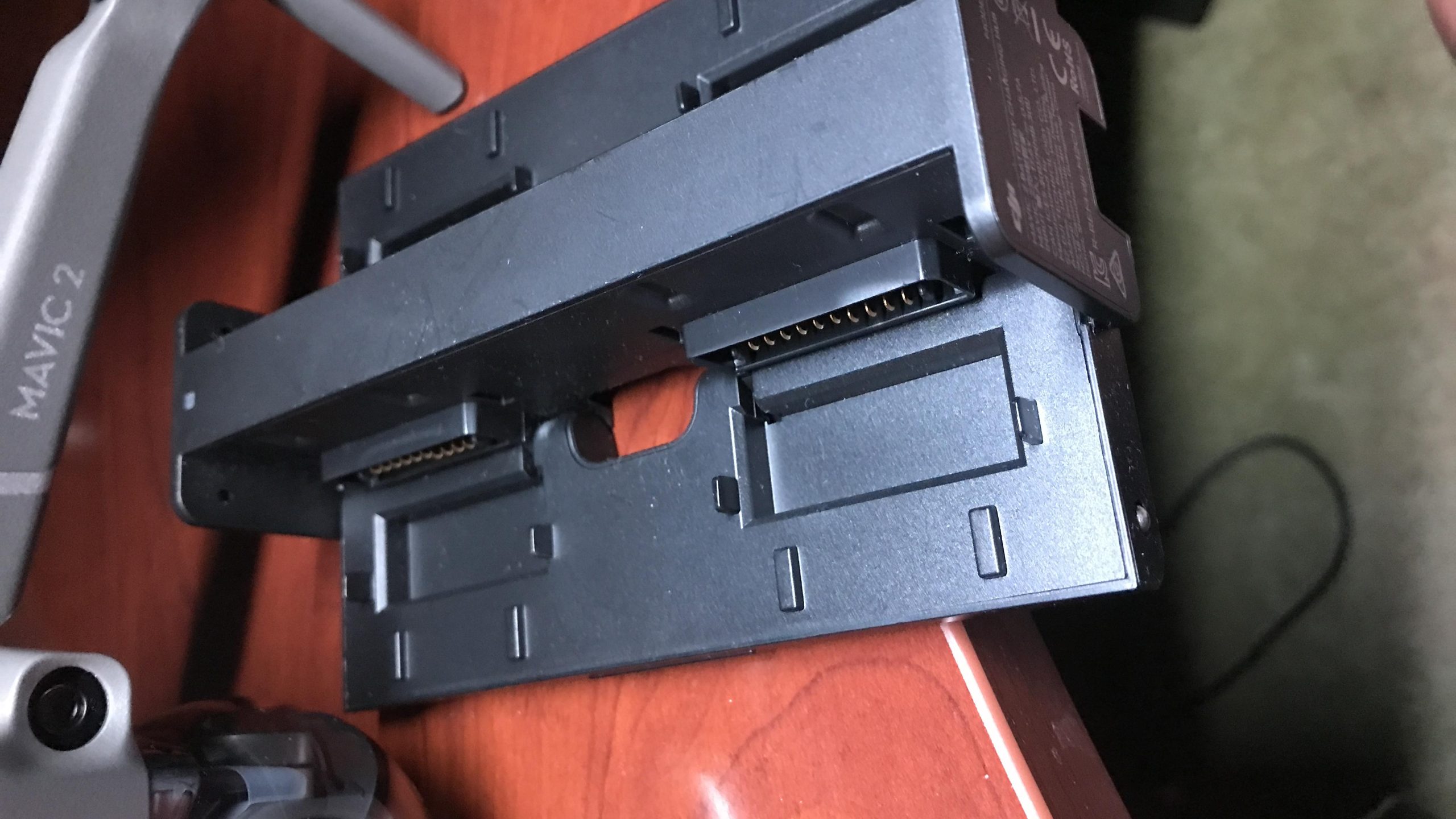
The hub includes overheat protection and low-voltage cutoff, which are critical safety features for LiPo battery management. I have left batteries charging overnight on this hub many times without any concerns.
The main thing to understand is that this is a sequential charger, not a simultaneous one. It charges one battery fully, then moves to the next. Four depleted batteries take roughly 4 to 5 hours total. Plan accordingly.
OEM vs Third-Party Charging Hub
DJI charges more for their hub, but you get guaranteed compatibility and safety features. The build quality matches the rest of the DJI ecosystem, and the sequential logic is optimized specifically for Mavic 2 batteries.
If budget is tight, the Hanatora hub below offers similar functionality at a lower price. But if you want peace of mind and do not mind paying more, stick with DJI OEM.
Using the Hub with the Car Charger on Road Trips
One of my favorite setups is pairing this hub with the DJI car charger during road trips. You can charge all four batteries while driving between locations. By the time you arrive at your next shooting spot, you have a full set of fresh batteries.
Just make sure your car’s power outlet can handle the sustained draw. Most modern vehicles handle it fine, but older cars may struggle with the 80W load over extended periods.
5. Hanatora 4-in-1 Charging Hub – Budget Alternative with LCD Display
Hanatora 4 in 1 Foldable Battery Charging Hub for DJI Mavic 2 Pro/Zoom/Enterprise Drone,Multiple Charger Accessories with Charge Indicator LCD Display
Charges 4 batteries in sequence
LCD charge display
Foldable portable design
Compatible Pro Zoom Enterprise
Pros
- Charges 4 batteries automatically in sequence
- LCD display shows voltage and status
- Foldable and portable design
- Same footprint as OEM charger
Cons
- Charges one at a time not simultaneous
- Approximately 75 min per battery
- Some durability concerns after extended use
If the DJI OEM hub is outside your budget, the Hanatora 4-in-1 hub offers the same core functionality for significantly less. I tested this unit alongside the DJI version and found the charging performance comparable.
The standout feature is the LCD display. It shows real-time charge voltage, current, and battery status for each slot. The DJI hub has no display at all, so this is actually an advantage if you like monitoring charge progress.
The foldable design matches the OEM hub’s footprint. It fits in the same case slot, which is a nice touch. Hanatora clearly designed this to be a direct alternative to the DJI hub in form factor.
Charging time is about 75 minutes per battery, which means a full four-battery cycle takes around 300 minutes. That is roughly 5 hours for four depleted batteries. Not fast, but acceptable for overnight charging.
The main trade-off is long-term durability. Some reviewers reported the unit failing after extended use. At this price point, I consider it a solid backup or budget option rather than a lifetime investment.
Is the LCD Display Worth It
I found the LCD genuinely useful for monitoring battery health over time. Being able to see voltage and current during charging helps you spot degraded cells before they fail in flight.
If you are the type who likes data and diagnostics, the Hanatora hub gives you visibility that the DJI version simply does not offer. For me, that alone justifies choosing it as a budget option.
Compatibility Across Mavic 2 Models
This hub works with the Mavic 2 Pro, Mavic 2 Zoom, and Mavic 2 Enterprise. It is not compatible with the Mavic Air series, Mavic Pro, or any Mini models. The battery slot design is specific to the Mavic 2 form factor.
If you only fly the Mavic 2, this is a perfect fit. If you have multiple DJI drone models, you will need separate chargers for each battery type.
6. DJI Mavic 2 Car Charger – 80W On-the-Go Power for Road Warriors
DJI Mavic 2 Car Charger for Mavic 2 Zoom, Mavic 2 Pro Drone Quadcopters
80W maximum output
Overheating protection
Low-voltage protection
Genuine DJI accessory
Pros
- Genuine DJI product with reliable quality
- 80W output charges while driving
- Built-in overheating protection
- Low-voltage protection prevents car battery drain
Cons
- Premium DJI pricing
- Not Prime eligible
- Connector may loosen over time
For pilots who travel to shooting locations by car, the DJI car charger is a must-have accessory. I charge batteries between stops while driving, which means I arrive at every location with fresh power.
The 80W output is substantial. It charges a depleted Mavic 2 battery in roughly 90 minutes while driving. Pair it with the charging hub, and you can top up all four batteries during a half-day road trip.
Safety features are where DJI justifies the price. The overheat protection prevents the charger from cooking your battery during long sessions. The low-voltage protection monitors your car battery and stops charging if voltage drops too low, preventing you from getting stranded with a dead car.
I have used third-party car chargers and they work, but the safety circuitry is not as refined. When you are charging expensive LiPo batteries in a vehicle, I prefer the peace of mind that comes with genuine DJI engineering.
Real-World Charging Times While Driving
A fully depleted Mavic 2 battery takes about 90 minutes to charge via the car charger. If you are driving between locations that are 45 minutes apart, you get about half a charge per leg of the trip.
For longer drives of two hours or more, you can fully charge two batteries back to back using the charging hub. This strategy has saved my shoots more times than I can count.
Will It Drain Your Car Battery
The low-voltage protection is designed to prevent exactly this problem. The charger monitors your car’s electrical system and cuts power to the drone battery if the car voltage drops below a safe threshold.
That said, I recommend only charging while the engine is running. If you charge with the engine off for an extended period, you risk draining the car battery regardless of the protection circuit.
7. VCUTECH Drone Landing Pad – 25 inch Foldable Waterproof Pad
VCUTECH Drone Landing Pad – Weighted 25 inch(65cm) for DJI Mini 3 Pro, Mavic 3, Mavic Air 2/2S, DJI Mini 2, FPV Drone, Avata Fly More Kit Accessories (Pink)
25 inch double-sided pad
Waterproof PU PVC
Foldable portable design
Universal drone compatibility
Pros
- Waterproof PU PVC material
- Portable and easy to fold
- Double-sided two color design
- 12 month worry-free warranty
Cons
- Pink color option may not appeal to everyone
- No weighted edges for windy conditions
A landing pad seems like a luxury until you take off from wet grass, dusty dirt, or sandy beach. Then it becomes essential. The VCUTECH 25-inch landing pad protects your Mavic 2’s gimbal and sensors from debris during takeoff and landing.
I fly in all kinds of environments, and this pad has saved my gimbal from dust contamination more than once. The waterproof PU PVC material means you can launch from damp ground without worrying about moisture reaching sensitive components.
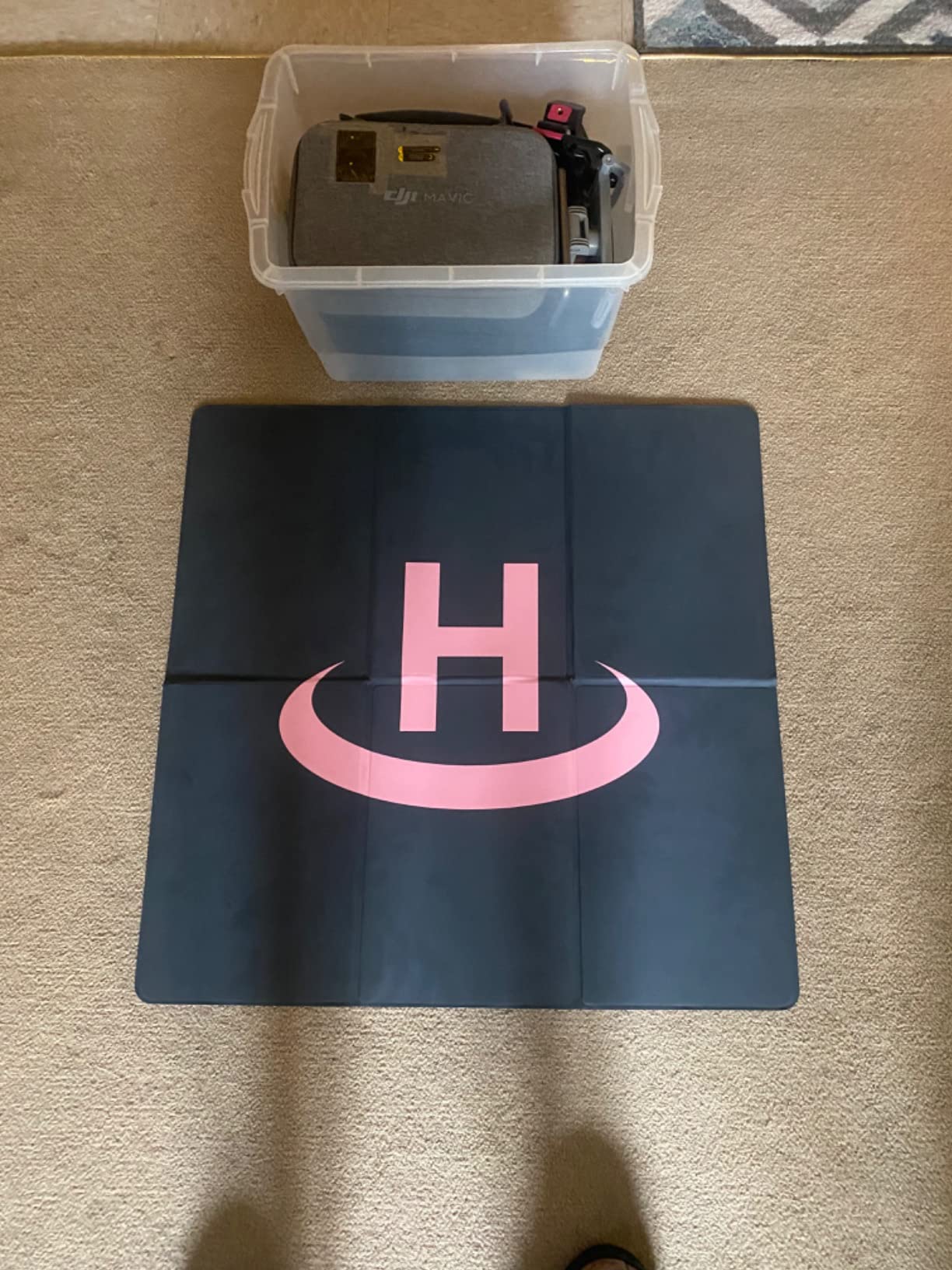
The 25-inch size is ideal for the Mavic 2. It is large enough to land confidently but small enough to fold up and carry without adding bulk. The double-sided design with two colors gives you a high-contrast target for the drone’s visual sensors.
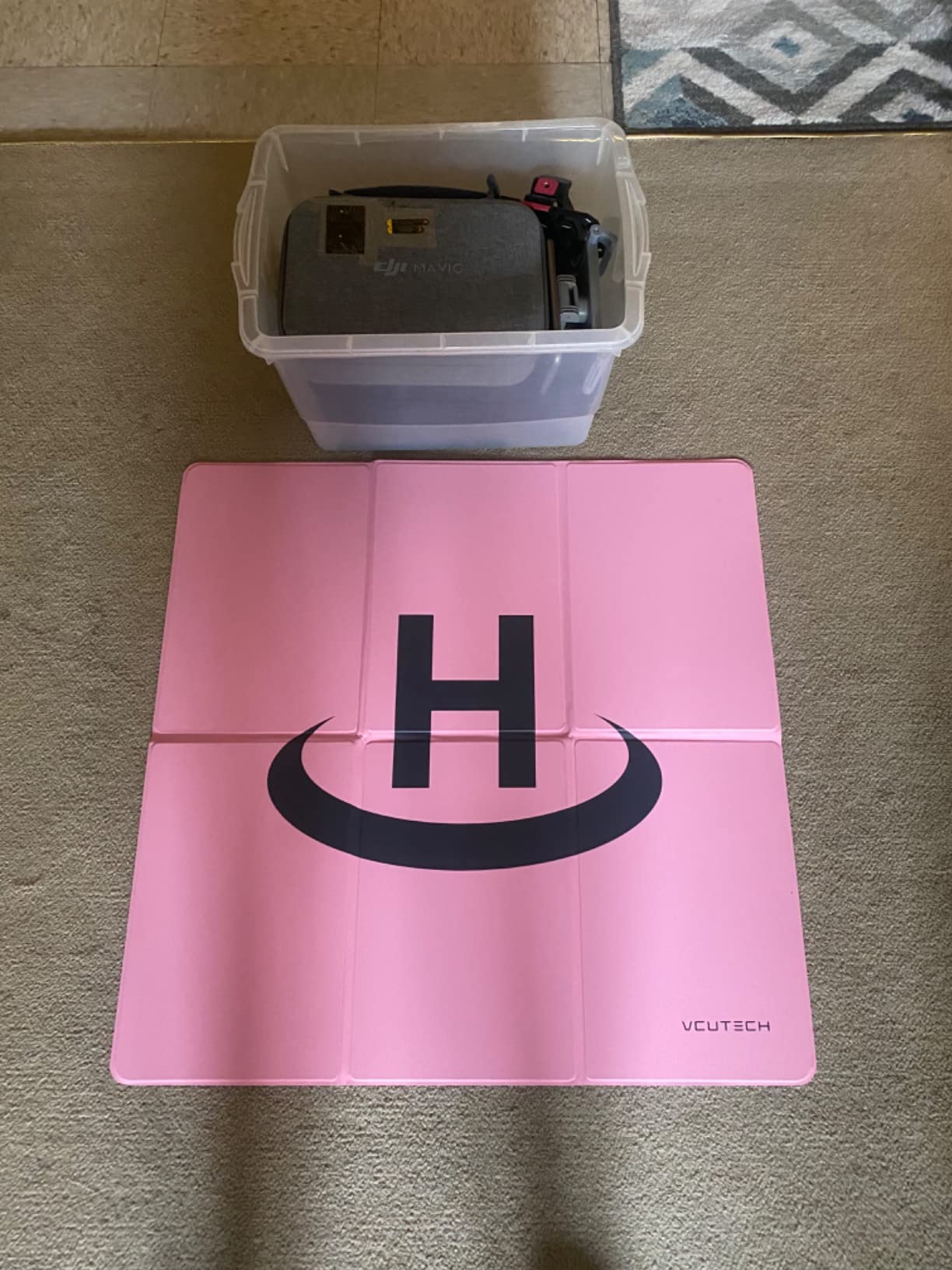
At under $15, this is one of the cheapest accessories on this list and one of the most practical. The foldable design packs down to a small bundle that fits in any case or backpack pocket.
The only thing I wish it had is weighted edges. In windy conditions, you need to secure the pad with the included stakes or place small rocks on the corners. Without anchoring, a gust can flip it mid-landing.
What Size Landing Pad Is Best for the Mavic 2
The 25-inch pad works well for the Mavic 2 in most conditions. If you frequently fly in windy areas or want more landing margin, consider a 30-inch version. Anything larger becomes cumbersome to carry.
For tight spaces like rooftops or small clearings, a 20-inch pad is sufficient. The Mavic 2’s precision landing is accurate enough that a smaller pad works if conditions are calm.
Caring for and Cleaning Your Landing Pad
The PU PVC material is easy to clean. Wipe it with a damp cloth after muddy sessions and let it dry completely before folding. Storing it wet can lead to mildew and material degradation over time.
Avoid sharp objects on the pad surface. While the material is durable, punctures will reduce its lifespan. I store mine in a separate compartment away from tools and spare parts.
8. Hanatora Tablet Holder Mount – Aluminum Bracket for Larger Screens
Hanatora 4.7-12.9 Inch Tablet Holder Mount for DJI Mavic Mini,Mini SE,Mavic 2 Pro/Zoom,Spark,Mavic Air/Pro Platinum Remote Controller, Aluminum Phone Accessories
Supports 4.7 to 12.9 inch devices
Aluminum alloy base
Dual joint adjustment
640g weight capacity
Pros
- Sturdy aluminum alloy base
- Supports tablets up to 12.9 inches
- Dual joint design for precise angles
- Foldable with included neck strap
Cons
- Adds noticeable weight to controller
- Adjustments can be stiff
- Lanyard has random branding text
Flying with a phone screen is fine for quick flights, but if you are doing serious aerial photography or videography, a tablet changes everything. The larger screen lets you check focus, framing, and exposure details that are invisible on a phone.
The Hanatora tablet holder supports devices from 4.7 to 12.9 inches. I use it with my iPad Pro for real estate shoots, and the difference in framing accuracy is night and day compared to my phone.
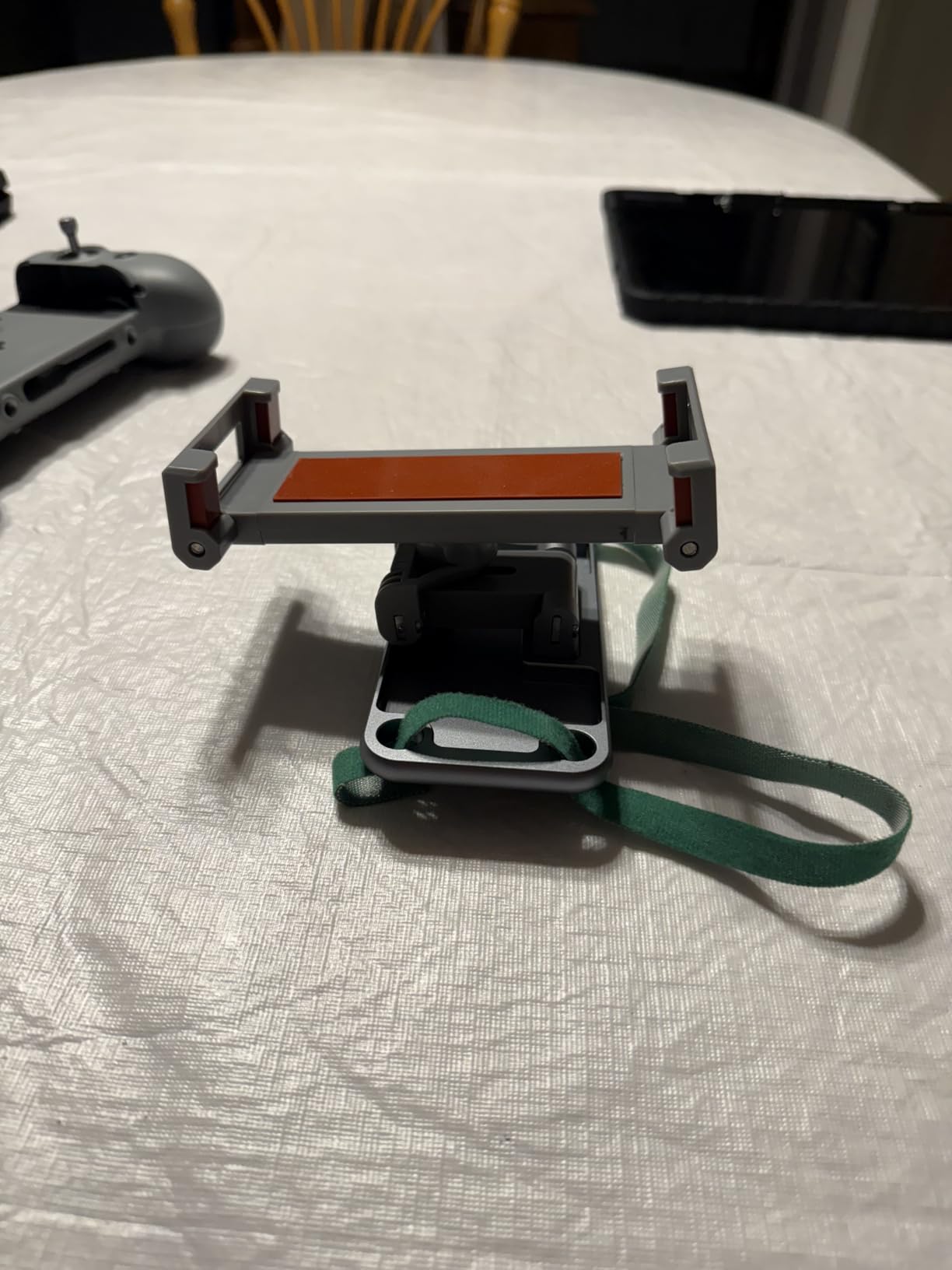
The aluminum alloy base feels solid and well-built. The dual joint design lets you dial in the exact viewing angle, which matters when you are flying in bright sun and need to adjust for glare.
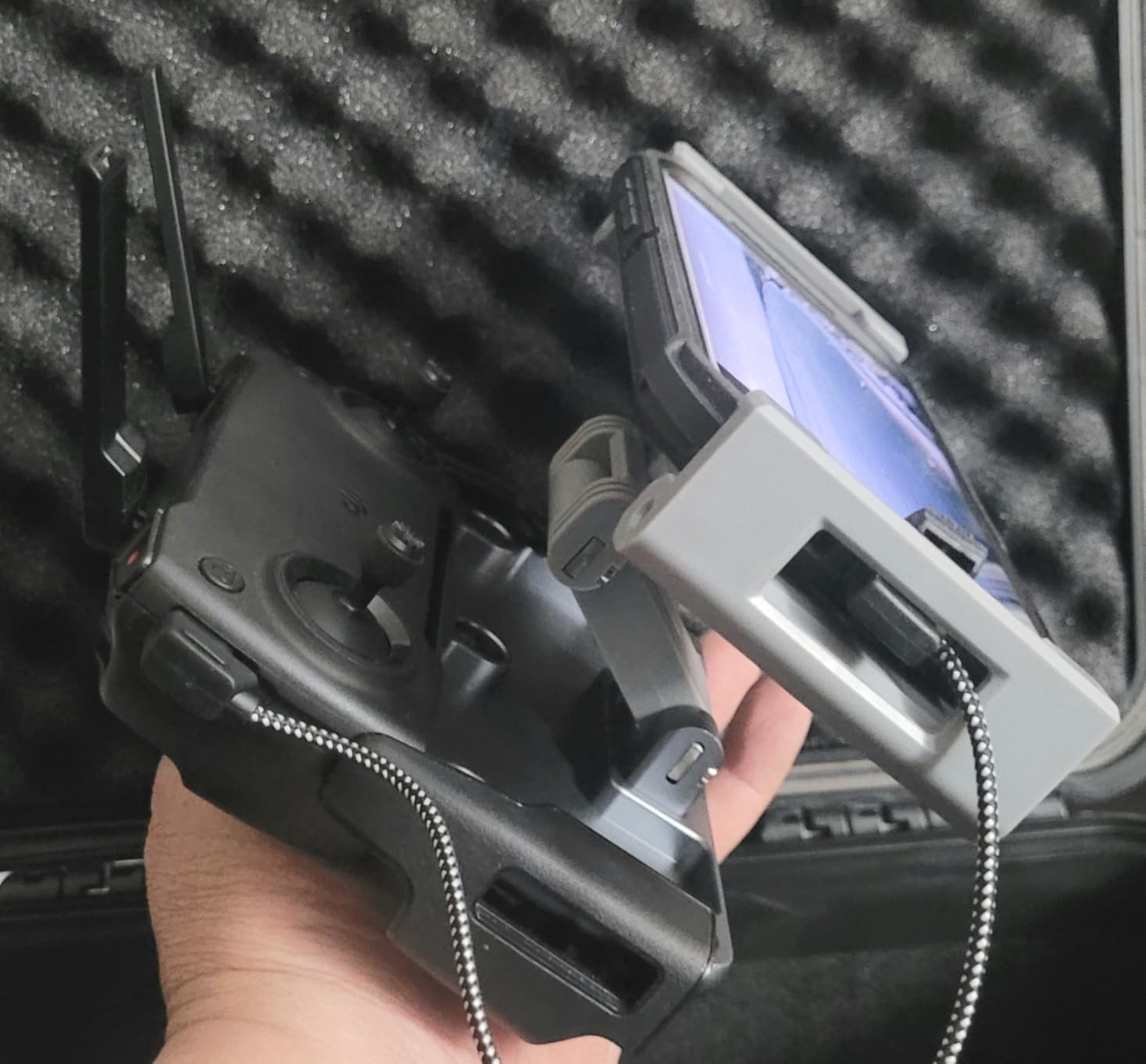
Installation is straightforward. It clips onto the Mavic 2 controller in seconds and holds firm during flight. The spring clips grip your device tightly enough that I have never worried about a tablet slipping out.
The main drawback is weight. Adding a large tablet and this mount to your controller makes the setup significantly heavier. The included neck strap helps distribute the load, but expect some forearm fatigue on long sessions.
Which Tablets Work Best with This Mount
The 12.9-inch iPad Pro is at the upper limit of what this holder supports. It works, but the weight is noticeable. An iPad Mini or a standard 9.7-inch tablet hits the sweet spot between screen size and manageable weight.
Android tablets work equally well. The spring clip design is device-agnostic, so anything within the 4.7 to 12.9 inch range and under 640 grams will fit securely.
Balancing Weight and Screen Size for Long Flights
For flights under 20 minutes, a large tablet is no problem. For extended sessions with multiple battery swaps, consider a lighter device or use the included neck strap to reduce arm fatigue.
I switch between my phone for quick recreational flights and my iPad for professional work. Having both options lets me match the setup to the mission without overloading my controller when I do not need the big screen.
Buying Guide: How to Choose the Best Accessories for DJI Mavic 2?
Building out your Mavic 2 accessory kit does not happen all at once. I recommend starting with the essentials and expanding based on how you actually fly. Here is how I think about prioritizing accessories.
Start with Power: Batteries and Charging
Your first purchase should always be extra batteries. One spare battery doubles your flight time, and a third battery gives you enough air time for most professional shoots. Pair them with a charging hub so you can top up all batteries overnight or between sessions.
If you travel to locations by car, add the DJI car charger to your kit. It lets you charge on the road, effectively giving you unlimited batteries as long as you are driving between spots.
Protect Your Investment: Cases and Landing Pads
A hard case protects your drone during transport and organizes all your accessories in one place. The Smatree case offers excellent value for most pilots. If you travel by air frequently, a case with a pressure equalization valve is essential.
A landing pad protects your gimbal and sensors from dust, dirt, and moisture during takeoff and landing. At under $15, it is one of the cheapest accessories that delivers real value.
Improve Your Flying Experience: Tablet Holder and Propellers
A tablet holder transforms how you fly if you do any kind of serious photography or videography. The larger screen lets you catch focus and framing issues that are invisible on a phone display.
Spare propellers are not exciting, but you will need them eventually. Keep a set in your case so a damaged prop does not end your shooting day early.
Mavic 2 Pro vs Zoom: Do Accessories Differ
The good news is that most accessories are identical for both variants. Batteries, propellers, charging hubs, car chargers, cases, landing pads, and tablet holders all work with both the Pro and Zoom. You do not need to buy variant-specific gear for any of these categories.
The one area where Pro and Zoom differ is ND filters. The Pro has a Hasselblad camera with a 1-inch sensor and different thread size compared to the Zoom’s optical zoom lens. If you plan to add ND filters, make sure you select the correct variant.
FAQs
Is the DJI Mavic 2 still supported?
Yes, the DJI Mavic 2 is still supported as of 2026. DJI continues to provide firmware updates and the drone remains compatible with the DJI Fly app. While it is no longer the newest model in the lineup, it receives ongoing software support and replacement parts are readily available.
What are the best accessories for the Mavic 2 Pro?
The most important accessories for the Mavic 2 Pro are extra Intelligent Flight Batteries, a battery charging hub, a hard carrying case, and a landing pad. For professional videography, add ND filters designed specifically for the Pro variant’s Hasselblad camera and a tablet holder for better framing control.
How many batteries should I have for my Mavic 2?
For casual flying, two total batteries are sufficient. For professional work like real estate or event coverage, three to four batteries give you 90 to 120 minutes of flight time, which covers most shoots without rushing. Pair multiple batteries with a charging hub for efficient power management.
Are ND filters necessary for the Mavic 2?
ND filters are essential if you shoot video with your Mavic 2. They reduce the amount of light entering the camera, allowing you to maintain a cinematic shutter speed of 1 over 2 times your frame rate. Without ND filters, your footage will have a stuttery, unnatural motion in bright conditions.
Can I use Mavic 2 accessories with other DJI drones?
Most Mavic 2 accessories are not cross-compatible with other DJI models. Batteries, propellers, and charging hubs are specific to the Mavic 2 form factor. Universal accessories like landing pads and tablet holders work across multiple drone models. Always check compatibility before purchasing.
Conclusion
The best accessories for DJI Mavic 2 are the ones that keep you flying longer, protect your gear, and improve your footage. Start with a spare battery and a charging hub, add a hard case for travel protection, and pick up a landing pad for clean takeoffs. From there, expand based on your flying style.
After testing these accessories extensively in 2026, my top recommendations are the DJI Intelligent Flight Battery for power, the Smatree Hard Case for protection, and the DJI Low-Noise Propellers for reliable replacements. Build your kit around those three and you will be ready for any shoot.