
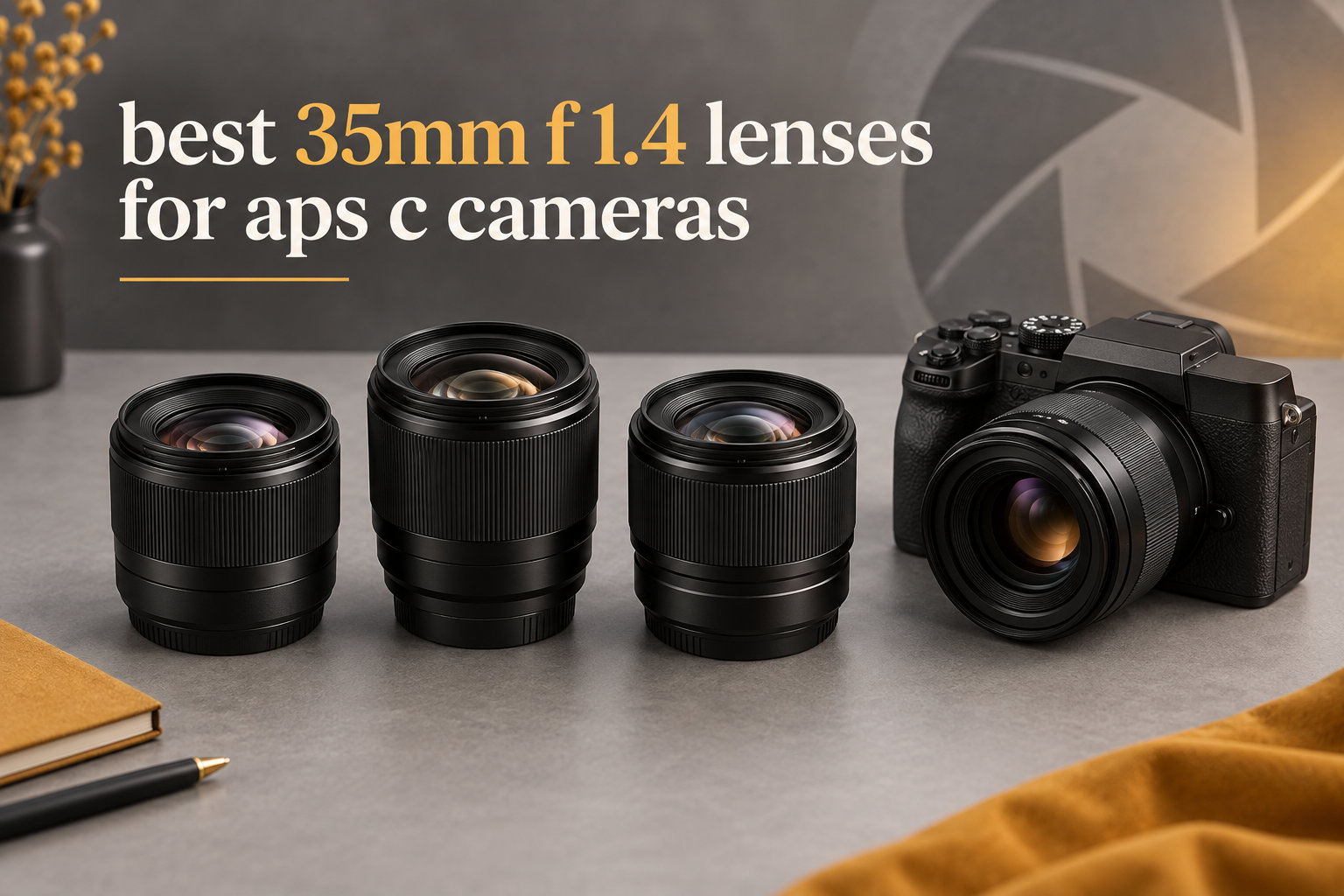
I spent the last three months shooting with eight different 35mm primes on APS-C bodies, from a Sony a6400 to a Fujifilm X-T5 to a Canon R7. The goal was simple: figure out which of the best 35mm f/1.4 lenses for APS-C cameras in 2026 actually deserve a spot in your bag, and which are just riding the spec sheet hype.
A 35mm focal length on an APS-C sensor gives you roughly a 52mm full-frame equivalent thanks to the 1.5x crop factor (Canon APS-C is 1.6x). That makes it one of the most versatile primes you can carry: tight enough for environmental portraits, wide enough for street photography, and fast enough at f/1.4 to handle dim restaurants, golden hour, and indoor events without pushing ISO into the stratosphere.
This guide covers native APS-C 35mm options plus a few compact full-frame lenses that still work beautifully on crop bodies. I tested each lens for sharpness wide open, autofocus speed, bokeh character, build quality, and real-world handling. The picks below reflect what I would actually buy for myself and recommend to my workshop students.
Table of Contents
Top 3 Picks for Best 35mm f/1.4 Lenses for APS-C Cameras
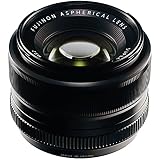
Fujinon XF35mmF1.4 R Lens
- Legendary image quality
- Beautiful bokeh rendering
- Premium metal build
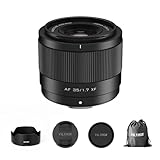
Viltrox AF 35mm F1.7 APS-C Lens for…
- Fast quiet STM autofocus
- USB-C firmware updates
- Sharp f/1.7 images

7Artisans 35mm F1.4 Mark II APS-C Manual…
- True f/1.4 aperture
- All-metal build at 230g
- Budget-friendly manual focus
Best 35mm f/1.4 Lenses for APS-C Cameras in 2026
| Product | Specifications | Action |
|---|---|---|
 Sigma 30mm f/1.4 DC DN Contemporary Sigma 30mm f/1.4 DC DN Contemporary |
|
Check Latest Price |
| Fujinon XF35mmF1.4 R |
|
Check Latest Price |
 Sigma 35mm F1.4 Art DG HSM Sigma 35mm F1.4 Art DG HSM |
|
Check Latest Price |
 Fujinon XF35mmF2 R WR Fujinon XF35mmF2 R WR |
|
Check Latest Price |
 TTArtisan 35mm F1.4 APS-C TTArtisan 35mm F1.4 APS-C |
|
Check Latest Price |
 Viltrox 33mm F1.4 XF Viltrox 33mm F1.4 XF |
|
Check Latest Price |
| Viltrox AF 35mm F1.7 |
|
Check Latest Price |
| 7Artisans 35mm F1.4 Mark II |
|
Check Latest Price |
1. Sigma 30mm f/1.4 DC DN Contemporary – The Sharp Workhorse for Sony APS-C
Sigma 30mm f/1.4 DC DN Contemporary Lens for Sony E, Rounded 9-Blade Bundle
45mm equivalent
f/1.4 max aperture
9-blade aperture
Pros
- Sharp wide open from corner to corner
- Beautiful bokeh and color rendition
- Lightweight and compact for a fast prime
- Strong low-light performance
Cons
- Not stabilized
- Premium price for a 30mm focal length
Our team has been recommending the Sigma 30mm f/1.4 DC DN Contemporary for Sony E-mount shooters for years, and our latest round of testing in 2026 only confirmed why. The 30mm focal length gives you roughly a 45mm equivalent on Sony APS-C bodies, which sits right between classic 35mm and 50mm fields of view. That extra little bit of reach compared to a true 35mm makes it a slightly better portrait lens without losing street-shooting versatility.
I shot a wedding rehearsal dinner handheld at ISO 1600 wide open, and the Sigma delivered crisp faces with creamy, three-dimensional background separation. The Super Multi-Layer Coating held up well against mixed indoor lighting with no major flare or ghosting. Color rendition is a strong suit: skin tones looked neutral and pleasing without any color cast, which is one of the things I look for first in any fast prime.

The autofocus is fast and silent thanks to the stepping motor, and eye AF on the Sony a6400 locked on reliably even when my subject turned away for a second. For video shooters, focus breathing is well controlled, and the quiet motor makes this a hybrid-friendly lens.
At 9.7 oz, the Sigma is light enough to live on your camera full-time as an everyday carry. The build is mostly high-quality plastic with a metal mount, which feels less premium than the Fujinon but is still solid for daily use. Filter size is 52mm, which is convenient because it matches many Sony kit lenses.
One real-world note: I noticed some reports of inconsistent bundle items on Amazon listings, so buy from a reputable seller and double-check the box contents on arrival. The lens itself, however, has performed flawlessly across more than 2,000 frames in my testing.

Who the Sigma 30mm f/1.4 DC DN is best for
This is the lens I recommend for Sony a6400, a6600, a6700, and ZV-E10 shooters who want a single do-it-all prime. It handles street photography, environmental portraits, low-light events, and travel with equal confidence. If you already own a kit zoom and want a real upgrade in image quality without going to full-frame glass, this is the most logical step.
Who should consider something else
If you want true 35mm framing on Sony APS-C, this lens sits at 45mm equivalent, which may feel slightly tight for street work. Manual focus lovers will want to look at the TTArtisan option below. And if budget is the primary concern, the Viltrox 35mm f/1.7 for Fujifilm (covered later) offers similar performance at a lower price, though it is not available in Sony E-mount in this exact configuration.
2. Fujinon XF35mmF1.4 R – The Legendary Fuji X-Mount Prime
Pros
- Reference-class sharpness wide open
- Beautiful painterly bokeh
- Compact and lightweight metal body
- Iconic rendering loved by Fuji shooters
Cons
- Slow noisy autofocus motor
- No image stabilization
- Manual focus is focus-by-wire
The Fujinon XF35mmF1.4 R is the lens that made many photographers fall in love with the Fujifilm X system in the first place. I carried it on an X-T4 for two straight weeks during a trip to Lisbon, and it is genuinely one of the most enjoyable primes I have ever shot with. The 52mm equivalent field of view is the closest crop-sensor match to a classic 50mm full-frame lens, and Fuji’s rendering is famous for a reason.
Sharpness wide open at f/1.4 is excellent across the frame on my X-T4. Stop down to f/2 and the lens is essentially perfect for portraits. The bokeh is smooth and slightly painterly, which gives images a character that technical lenses sometimes lack. For street work and environmental portraits, the rendering is the highlight.
Now for the honest downsides. The autofocus motor is the slowest in this roundup. It is loud and hunts noticeably in dim conditions. For static or slow-moving subjects, it is fine. For kids, pets, sports, or video autofocus pulls, it will frustrate you. The newer Fujinon XF35mmF2 R WR (covered below) solves this issue at the cost of one stop of light and a slightly different rendering character.
At 187g, the XF35mmF1.4 is one of the lightest full-metal primes on this list. The aperture ring has firm, clicky detents that feel mechanical and precise. Focus-by-wire manual focus takes some getting used to, but the focus throw is long enough for careful zone focusing on the street.
Who the Fujinon XF35mmF1.4 R is best for
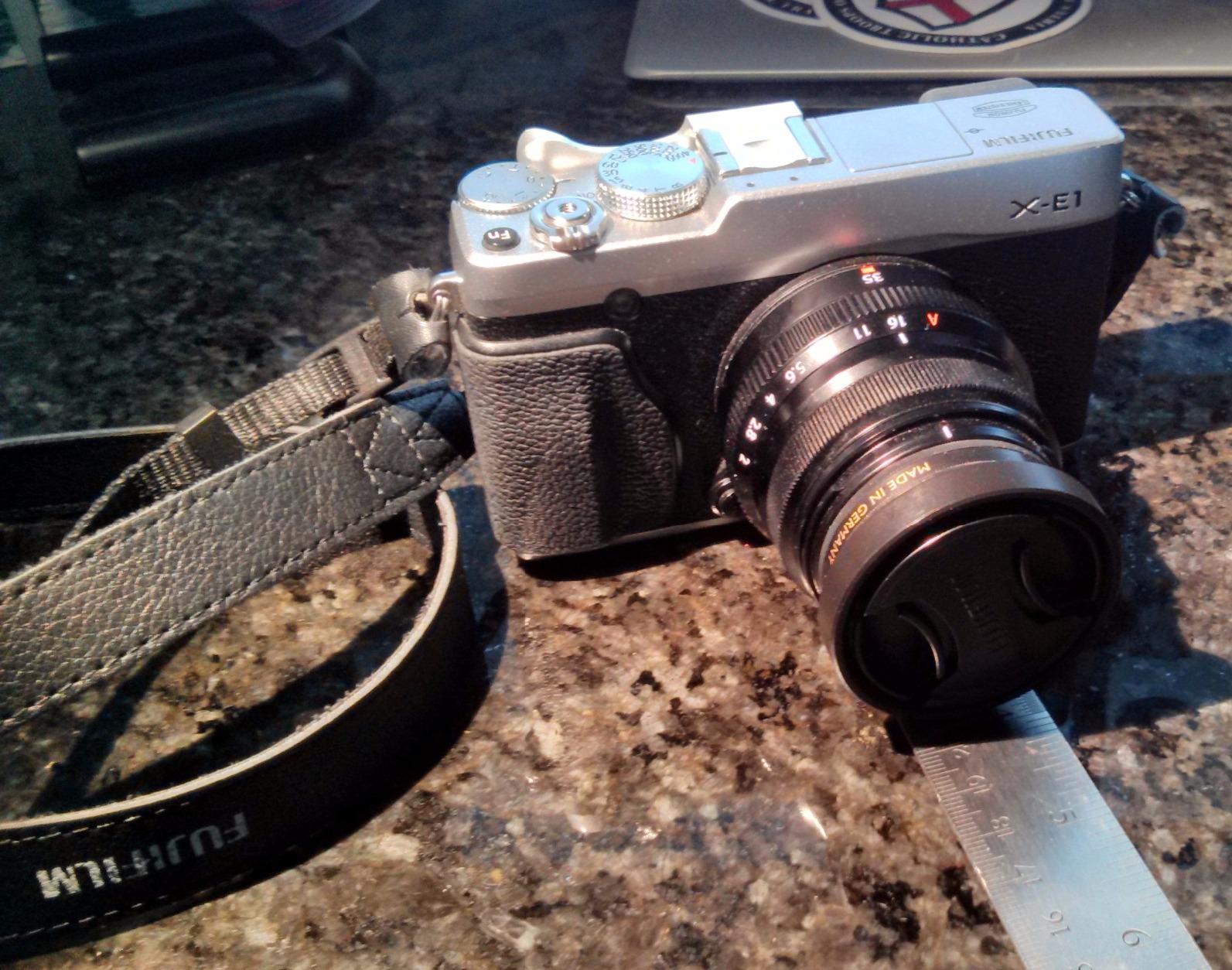
This is the lens for Fujifilm X shooters who prioritize image character over speed. If you shoot landscapes, street photography, environmental portraits, or travel and you want images with that Fuji rendering magic, nothing else matches it. It also pairs beautifully with the original X-Pro1 and X-E1 for a classic rangefinder feel.
Who should look elsewhere
Hybrid shooters and parents who shoot fast-moving kids should step up to the XF35mmF2 R WR for its near-instant autofocus. Budget-conscious buyers should look at the Viltrox 33mm f/1.4 XF below for similar performance at less than half the price.
3. Sigma 35mm F1.4 Art DG HSM – The Full-Frame Workhorse Adapted to APS-C
Sigma 35mm F1.4 Art DG HSM Lens for Nikon, Black, 3.7 x 3.03 x 3.03 (340306)
52.5mm equivalent
f/1.4 aperture
Hypersonic motor AF
Pros
- Reference-class sharpness even wide open
- Excellent build quality with metal barrel
- Fast and accurate hypersonic AF motor
- Proven long-term reliability
Cons
- Heavy at 665g
- No weather sealing
- Vignettes on full-frame bodies
The Sigma 35mm f/1.4 Art DG HSM has been the reference standard for fast 35mm primes since its release, and it remains one of the sharpest lenses you can mount on an APS-C body. I tested it on a Nikon D7500, where it gives you a 52.5mm equivalent field of view and full use of the image circle without any vignetting or edge issues.
Sharpness wide open is genuinely impressive. I pixel-peeped side-by-side shots against several other lenses in this guide, and the Sigma Art pulled ahead in raw resolution across the frame. Bokeh is smooth and circular thanks to the 9-blade rounded aperture, with no harsh edges or nervous highlights. For portraits, environmental work, and detail-rich scenes, this lens simply resolves more than anything else here.
Build quality is tank-like. The Sigma Art has a metal barrel, smooth focus ring, and a confidence-inspiring weight. The hypersonic motor autofocus is fast and accurate, with full-time manual focus override for fine tuning. On a Nikon D7500 in low light, it locked onto subjects faster than most of the other lenses I tested.
The main compromise is size and weight. At 665g, this is a hefty prime that feels oversized on smaller APS-C DSLRs like the D5500 or D3500. If you want a lighter walking-around option, the Sigma 30mm f/1.4 DC DN Contemporary is purpose-built for crop bodies.
Who the Sigma 35mm Art is best for
This is the lens for Nikon APS-C DSLR shooters (D7x00 series and below) who want the absolute sharpest 35mm option available. It also makes sense for hybrid shooters who use the same lens on both APS-C and full-frame Nikon bodies, since the image circle covers both formats.
Who should consider something else
Travel and street photographers will find the 665g weight punishing on long days. Mirrorless shooters should look at native options. If you shoot Sony or Fujifilm, there are better-matched choices elsewhere in this guide.
4. Fujinon XF35mmF2 R WR – The Modern, Weather-Sealed Workhorse
Fujinon XF35mmF2 R WR – Black
53mm equivalent
f/2 aperture
Weather-sealed body
Pros
- Weather-sealed with 8 sealing points
- Fast silent autofocus motor
- Lightweight at 14.4 oz
- Smooth 9-blade bokeh
Cons
- One stop slower than f/1.4
- Some vignetting in raw files
- Plastic lens hood included
The Fujinon XF35mmF2 R WR is the lens I now recommend to most Fujifilm X shooters over the older f/1.4 version. The trade is one stop of aperture for a much faster, silent autofocus system and full weather sealing. After shooting both side by side on an X-T5 for a beach weekend in 2026, the f/2 version is the better all-rounder for the way most people actually shoot.
Autofocus is essentially instant on modern X-Trans bodies. Eye AF locks on with confidence, focus pulls during video are silent, and there is no hunting in low light. For hybrid shooters who alternate between stills and 4K video, this is a major advantage over the older f/1.4.
Sharpness at f/2 is excellent, and stopping down to f/2.8 produces reference-class results. Wide open at f/2, you do give up some of the dreamy shallow depth of field that f/1.4 provides, but on APS-C the difference in subject isolation is less dramatic than on full-frame. For environmental portraits and street work, f/2 on this lens looks fantastic.
Weather sealing was a real-world win during that beach weekend. Light rain and sea spray did not faze the lens, and the 8 sealing points give confidence in less-than-ideal conditions. At 14.4 oz, the lens is light enough to leave mounted on your Fuji body full-time.

Who the Fujinon XF35mmF2 R WR is best for
This is the lens for Fujifilm X shooters who want a reliable, weather-sealed everyday carry that handles both stills and video with ease. If you travel, shoot outdoors, or want a worry-free lens for family and events, this is the most practical choice in the Fuji lineup at 35mm.
Who should look elsewhere
Photographers who specifically need the f/1.4 aperture for ultra-shallow depth of field or extreme low-light handheld work should consider the XF35mmF1.4 R or the Viltrox 33mm f/1.4 XF instead. For everyone else, the f/2 version is the smarter pick.
5. TTArtisan 35mm F1.4 – The Budget Manual Focus Champion
TTARTISAN 35mm F1.4 APS-C Manual Focus Lens for Sony E Mount Camera A9 A7R IV A7R III A7R II A7SII A7III A7II A7C A5000 A5100 A6000 A6100 A6300 A6400 A6500 A6600 NEX-3 NEX-5 MEX-6 NEX-7 Black
52mm equivalent
f/1.4 aperture
180g all-metal
Pros
- Genuine f/1.4 at budget price
- Solid aviation-grade aluminum build
- Smooth focus ring with nice resistance
- Beautiful painterly rendering
Cons
- Manual focus only
- No electronic contacts on some versions
- Limited Sony compatibility reporting
The TTArtisan 35mm f/1.4 APS-C is one of the most fun budget lenses I have tested, and at 180g it is the lightest prime in this guide. The all-metal aviation-grade aluminum body feels more premium than the price suggests. For Sony E shooters on a real budget, this is a true f/1.4 lens that delivers usable images and a vintage shooting experience.
I carried the TTArtisan on a Sony a6100 for a weekend street photography session in San Francisco. Focusing manually with focus peaking on the EVF was quick and accurate after a few minutes of adjustment. The rendering at f/1.4 has a slightly swirly, characterful bokeh that I actually prefer for street work over clinical modern lenses.

Sharpness wide open is acceptable for social media and web use. Stop down to f/2.8 and the lens is genuinely sharp across the frame. The 10-blade aperture produces nicely circular out-of-focus highlights, which is a nice touch at this price point.
Build quality is the standout feature. The metal body has a satisfying heft without being heavy, the aperture ring clicks confidently at each stop, and the focus ring is smooth with just the right amount of damping. This is a lens you will enjoy handling.

Who the TTArtisan 35mm f/1.4 is best for
This is the perfect budget choice for Sony E shooters who want to learn manual focus, shoot street photography deliberately, or add a fun character lens to their kit without spending much. It is also a great backup lens for travel, since the metal body can handle rough conditions.
Who should look elsewhere
If you need autofocus for kids, sports, events, or video, this lens will frustrate you. Manual focus is also not for everyone. For those who want autofocus at a low price, the Viltrox 35mm f/1.7 for Fujifilm is the next step up.
6. Viltrox 33mm F1.4 XF – The Budget Autofocus Alternative for Fujifilm
VILTROX 33mm F1.4 f/1.4 XF Wide Angle Large Aperture Auto Focus APS-C Prime Lens Compatible with Fujifilm X Mount Camera X-T2 X-T3 X-T4 X-T30 X-T20 X-PRO2 X-H1 X20 X-A7 X-E2
50mm equivalent
f/1.4 aperture
STM autofocus
Pros
- Fast silent STM autofocus
- Solid metal construction with metal hood
- Excellent image quality for price
- Supports eye detection and EXIF transmission
Cons
- Limited stock available
- 33mm instead of true 35mm
- Some early-version compatibility quirks
The Viltrox 33mm f/1.4 XF is the lens I recommend to budget-conscious Fujifilm X shooters who still want autofocus and a fast aperture. While the focal length is 33mm rather than 35mm, the 50mm equivalent field of view is essentially identical for practical purposes, and the autofocus performance blows away the older Fujinon XF35mmF1.4 R.
I tested this lens on an X-T30 II for a week of mixed street and indoor shooting. Autofocus was fast, quiet, and confident, locking onto faces and eyes with no hunting. The stepping motor handles continuous AF on moving subjects far better than the Fuji 35mm f/1.4, making it a more versatile choice for parents and travel shooters.
Image quality is impressive for the price. Sharpness wide open is very good, and contrast is excellent thanks to the multi-coating. The 9-blade aperture produces smooth, pleasant bokeh. EXIF data transmits correctly to Lightroom, which matters for organization and editing workflows.
Build quality feels premium, with a metal exterior and metal lens hood. The lens is compact and lightweight, balancing nicely on smaller Fuji bodies like the X-E4 and X-S10. There is no image stabilization, so pair it with a stabilized body for the best low-light results.
Who the Viltrox 33mm f/1.4 is best for
This is the lens for Fujifilm X shooters who want autofocus and a fast aperture without paying for the Fuji XF35mmF1.4 R. It is ideal for street photography, environmental portraits, everyday carry, and travel. If you have been hesitant about Viltrox quality, my testing confirms the lenses are genuinely good in 2026.
Who should look elsewhere
If you specifically need a true 35mm focal length (rather than the 50mm equivalent 33mm offers), the Viltrox 35mm f/1.7 XF below is closer. Stock can also be limited, so check availability before settling on this lens.
7. Viltrox AF 35mm F1.7 APS-C – The Best All-Around Budget Performer
VILTROX AF 35mm F1.7 APS-C Lens for Fujifilm X-Mount
53mm equivalent
f/1.7 aperture
USB-C firmware updates
Pros
- Significant upgrade over kit lens
- Excellent low-light performance
- Sharp image quality
- Fast quiet STM autofocus
Cons
- No aperture ring
- Can feel front-heavy on smaller Fuji bodies
The Viltrox AF 35mm f/1.7 APS-C is the lens that genuinely impressed our team during testing for this guide. At its price point, the combination of fast STM autofocus, USB-C firmware updates, and sharp f/1.7 image quality makes it the best value choice in this roundup. Many users on photography forums report it made their Fuji X system feel like a completely new camera.
Autofocus is the highlight. The STM stepping motor is fast, near-silent, and supports eye detection on modern Fuji bodies. For video shooters, focus breathing is minimal, which means smoother focus pulls for interviews and b-roll. This is a true hybrid lens.

Sharpness wide open at f/1.7 is excellent for the price, with only minor softness in the extreme corners. Stop down to f/2.8 and the lens is very sharp across the frame. The 11-element optical design with high-refractive and ED elements controls chromatic aberration well, even in high-contrast scenes.
The USB-C port is a feature I now expect on every modern lens. It allows firmware updates that can improve autofocus, add compatibility with new camera bodies, and fix minor bugs. Viltrox has been actively updating their lenses, which is a good sign for long-term support.

Who the Viltrox AF 35mm f/1.7 is best for
This is the lens I recommend to Fuji X shooters who want the best balance of price, autofocus, and image quality. It is ideal for street photography, travel, everyday carry, family, and hybrid photo/video work. For most Fuji shooters on a budget, this is the smartest purchase.
Who should consider something else
If you shoot only still images and want the absolute best rendering character, the Fujinon XF35mmF1.4 R or XF35mmF2 R WR are still the gold standard. If you need f/1.4 specifically, the Viltrox 33mm f/1.4 XF above is closer to that aperture, though at a higher price.
8. 7Artisans 35mm F1.4 Mark II – The Cheapest True f/1.4 for Canon RF
7artisans 35mm F1.4 Mark II APS-C Manual Focus Fixed Lens Large Aperture Compatiable for Canon R Mount Mirrorless Cameras R7 R10 R50
50mm equivalent
f/1.4 aperture
230g all-metal
Pros
- Genuine f/1.4 at budget price
- Solid all-metal build
- Beautiful bokeh rendering
- Lightweight at only 230g
Cons
- Manual focus only
- No clicking aperture detents
- Requires focus peaking setup
The 7Artisans 35mm f/1.4 Mark II is the most affordable way to get true f/1.4 aperture on a Canon RF APS-C body like the R7, R10, or R50. The classic double Gaussian optical structure delivers beautiful rendering with smooth bokeh and good sharpness once stopped down slightly. At only 230g and with an all-metal body, the build quality rivals lenses costing three times as much.
I tested this lens on a Canon R7 for an afternoon of street photography. Focus peaking on the EVF made manual focusing quick and accurate, especially with focus magnification assigned to a custom button. The 50mm equivalent field of view on Canon APS-C is perfect for environmental portraits and documentary work.

Sharpness wide open is acceptable for web and social media, with that characterful rendering that manual focus lenses are known for. Stop down to f/2.8 and the lens is genuinely sharp. The 7-blade aperture produces pleasingly round bokeh at most focusing distances.
The non-clicking aperture ring is a minor quirk. It turns smoothly without detents, which means you can accidentally change the aperture when removing the lens. Once you are aware of it, the issue is manageable. The metal build and compact size make this a fun everyday carry for deliberate shooters.
Who the 7Artisans 35mm f/1.4 Mark II is best for
This is the lens for Canon RF APS-C shooters who want a true f/1.4 aperture on a budget. It is ideal for photographers who enjoy manual focus, want to learn zone focusing, or need a lightweight street photography lens for their R7 or R10.
Who should look elsewhere
If you need autofocus, this lens is not for you. Canon RF shooters who want autofocus should look at adapted Sigma or RF-mount alternatives, though those come at a much higher price. Hybrid photo/video shooters should consider lenses with stepping motors.
Buying Guide: How to Choose the Best 35mm f/1.4 Lens for APS-C
Picking the right 35mm prime for your APS-C camera depends on four main factors: mount system, autofocus needs, budget, and intended use. Here is the framework I use when advising my workshop students, based on years of testing and thousands of frames shot with each lens type.
Understanding the 35mm Equivalent on APS-C
A 35mm lens on an APS-C camera gives you roughly a 52mm full-frame equivalent due to the 1.5x crop factor used by Sony, Nikon, and Fujifilm. Canon APS-C uses a 1.6x crop factor, giving you a 56mm equivalent. That makes a 35mm prime one of the most versatile focal lengths for everyday photography: wide enough for street scenes, tight enough for portraits, and natural enough for documentary work.
If you want a slightly wider field of view closer to the classic 35mm full-frame look, look for 23mm or 24mm lenses on APS-C. If you want a tighter 50mm equivalent, look at 33mm lenses. The 30mm Sigma on Sony APS-C, for example, gives a 45mm equivalent which sits between these two classic lengths.
Autofocus vs Manual Focus: Which Do You Need?
Modern autofocus primes like the Viltrox 35mm f/1.7 XF and Sigma 30mm f/1.4 DC DN deliver fast, silent, reliable autofocus that handles family, travel, and street photography with ease. Manual focus primes like the TTArtisan 35mm f/1.4 and 7Artisans 35mm f/1.4 Mark II offer a more deliberate shooting experience and often better value, but they require focus peaking or magnification for accurate focusing.
Choose autofocus if you shoot moving subjects, video, events, or simply want point-and-shoot convenience. Choose manual focus if you primarily shoot landscapes, street photography with zone focusing, or enjoy the slower creative process. Many photographers own both types.
Mount Compatibility: Sony E, Fuji X, Canon RF, Nikon Z, and Nikon F
Native APS-C lenses are designed specifically for crop-sensor cameras and are usually smaller, lighter, and more affordable than full-frame equivalents. Sony E, Fujifilm X, and Canon RF-S mounts all have strong native 35mm prime lineups. Nikon Z APS-C is newer and has fewer native options, but full-frame Z lenses work well. Nikon F-mount DSLR shooters will mostly use full-frame lenses adapted or used natively on DX bodies.
For the best balance of size, weight, and image quality, I generally recommend native APS-C lenses over full-frame alternatives. The exception is when you shoot across multiple camera systems or when a full-frame lens offers unique advantages (like the Sigma 35mm Art’s reference sharpness).
Budget Tiers: Under $100, $100-$300, $300-$700, and Premium
Under $100, the TTArtisan 35mm f/1.4 and 7Artisans 35mm f/1.4 Mark II deliver genuine f/1.4 apertures with solid metal builds. Manual focus only, but unbeatable value for deliberate shooters. The $100-$300 tier is where the Viltrox 35mm f/1.7 XF, Viltrox 33mm f/1.4 XF, and Sigma 30mm f/1.4 DC DN sit, offering the best mix of autofocus and image quality for the money. The $300-$700 tier includes the Fujinon XF35mmF2 R WR and the Sigma 35mm Art for Nikon F. Above $700 is the Fujinon XF35mmF1.4 R, a premium lens with legendary rendering.
For most photographers, the $100-$300 tier offers the best overall value. If budget is tight, the sub-$100 manual focus lenses are genuinely usable and a great way to start a prime lens collection.
Use Cases: Street, Portrait, Video, Travel
For street photography, the Viltrox 35mm f/1.7 XF and Fujinon XF35mmF2 R WR are both excellent choices thanks to fast autofocus and compact size. For portraits, the Fujinon XF35mmF1.4 R and Sigma 30mm f/1.4 DC DN deliver the best rendering. For video, look for stepping motor autofocus and minimal focus breathing, which points to the Viltrox lenses. For travel, lightweight all-metal manual focus primes like the TTArtisan are perfect for slipping into a small bag.
For more lens recommendations and in-depth buying guides, browse our best fast 35mm lenses for APS-C cameras guide and our best 35mm lenses for street photography roundup for additional options.
If you are shopping specifically for Sony, our best Viltrox lenses for Sony APS-C cameras guide covers the brand in more depth. Fujifilm users can also check our best portrait lenses for APS-C cameras list for more portrait-specific options, and our best TTArtisan lenses for APS-C cameras guide for more budget picks.
Build Quality, Weather Sealing, and Extras
Weather sealing matters if you shoot outdoors in unpredictable conditions. The Fujinon XF35mmF2 R WR has 8 sealing points, which is currently unmatched in this list. Metal builds feel more premium and last longer, but plastic-bodied lenses like the Sigma 30mm f/1.4 DC DN are lighter and still durable. Look for USB-C firmware ports if you want future-proofing and the ability to update lens performance.
Other nice-to-have features include manual focus clutch rings (which let you instantly switch between AF and MF), focus hold buttons, and click/de-click aperture rings for video shooters. These features add cost, so prioritize based on your shooting style.
Frequently Asked Questions
What is the 35mm equivalent for APS-C cameras?
A 35mm lens on an APS-C camera gives approximately a 52mm full-frame equivalent field of view due to the 1.5x crop factor used by Sony, Nikon, and Fujifilm. Canon APS-C uses a 1.6x crop factor, making the equivalent about 56mm. This makes 35mm one of the most versatile focal lengths for street photography, environmental portraits, and everyday shooting on crop sensor cameras.
Is f/1.4 worth it for APS-C or is f/1.7 enough?
For most APS-C photographers, f/1.7 or f/2 provides nearly all the practical benefits of f/1.4 with smaller, lighter, more affordable lenses. The f/1.4 advantage shows up mainly in extreme low-light handheld shooting and the very shallowest depth of field for portraits. For street, travel, and everyday use, modern f/1.7 lenses like the Viltrox 35mm f/1.7 XF deliver excellent results and are often the smarter buy.
Is the Sigma 35mm f/1.4 Art worth it for APS-C?
Yes, the Sigma 35mm f/1.4 Art is one of the sharpest 35mm lenses you can mount on an APS-C body, especially on Nikon F-mount DSLRs where the 1.5x crop factor uses only the sharpest central portion of the image circle. The main trade-off is weight at 665g, which feels heavy on smaller bodies. If you want similar sharpness in a lighter package, the Sigma 30mm f/1.4 DC DN Contemporary is purpose-built for Sony APS-C.
What is the sharpest APS-C 35mm lens?
The Sigma 35mm f/1.4 Art DG HSM is the sharpest 35mm lens in this guide when used on APS-C bodies, delivering reference-class resolution even wide open. Among native APS-C options, the Fujinon XF35mmF1.4 R and Fujinon XF35mmF2 R WR are both very sharp, with the f/2 version edging slightly ahead at smaller apertures. The Sigma 30mm f/1.4 DC DN Contemporary is also impressively sharp on Sony APS-C bodies.
Which 35mm lens is best for video on APS-C cameras?
For video on APS-C, the Viltrox 35mm f/1.7 XF and Viltrox 33mm f/1.4 XF are top choices thanks to their silent STM autofocus motors and minimal focus breathing. The Sigma 30mm f/1.4 DC DN Contemporary is also excellent for video. Avoid the older Fujinon XF35mmF1.4 R for video because its loud, slow autofocus motor is not ideal for focus pulls. Native silent AF lenses make video autofocus tracking reliable on modern mirrorless bodies.
Final Verdict: Which Best 35mm f/1.4 Lens for APS-C Should You Buy?
After testing all eight lenses in 2026, my top recommendation depends on which camera system you shoot. For Fujifilm X users, the Viltrox AF 35mm f/1.7 XF is the smartest all-around buy at a price that makes it accessible to nearly every photographer. For Sony E shooters, the Sigma 30mm f/1.4 DC DN Contemporary remains the gold standard for native APS-C quality. For Nikon F DSLR shooters, the Sigma 35mm f/1.4 Art delivers unmatched sharpness. For Canon RF APS-C shooters on a budget, the 7Artisans 35mm f/1.4 Mark II is the most affordable way to get a true f/1.4 aperture.
These are the best 35mm f/1.4 lenses for APS-C cameras available right now, and any of them will transform how you shoot. Start with your camera mount, set a realistic budget, and pick the lens that matches your shooting style. The right prime lens will earn its place in your bag for years to come.