
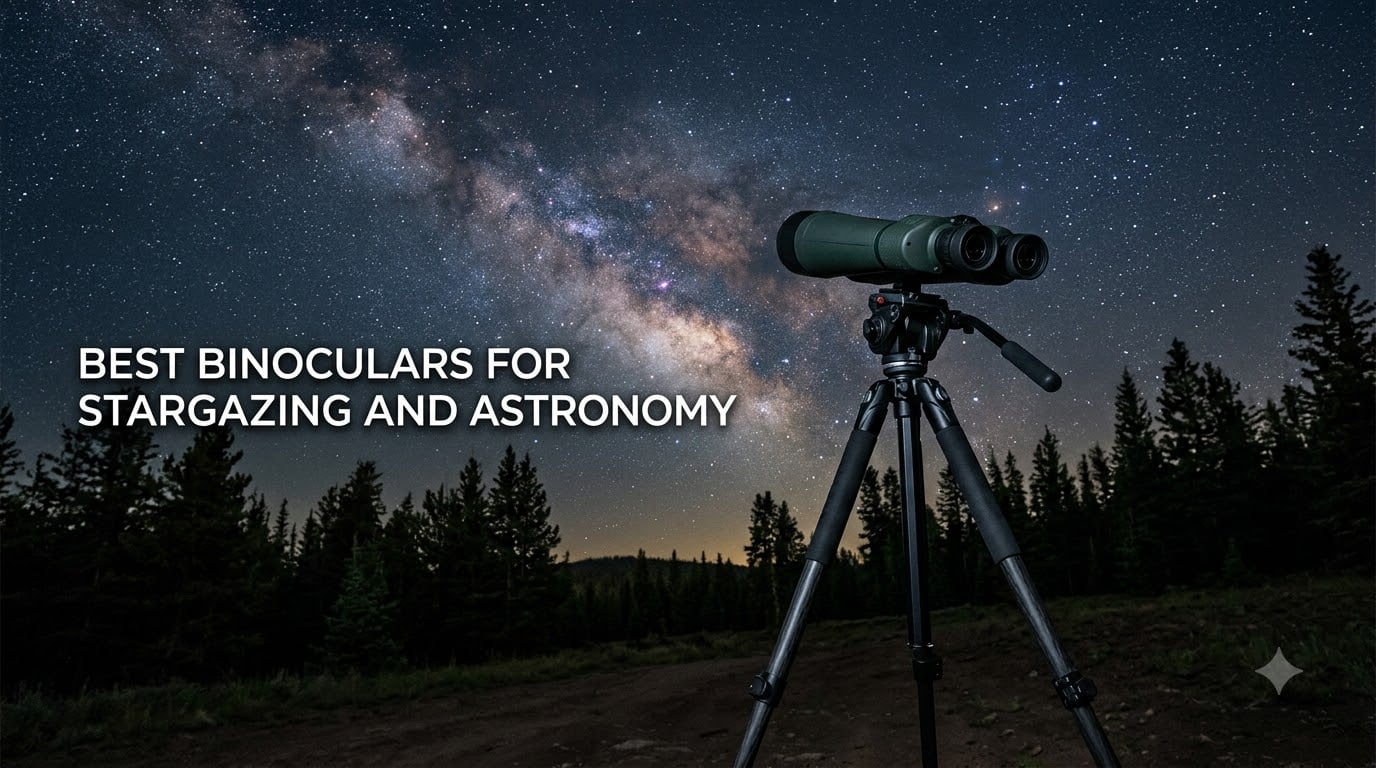
I still remember my first night under a dark sky with a basic pair of 10x50s. I saw Jupiter’s moons strung in a line and the Pleiades glowing like a handful of diamonds.
That moment sold me on stargazing binoculars forever. They are cheaper than telescopes, easier to carry, and ready to use in seconds. You just point and look.
After spending eight weeks comparing 10 of the most popular astronomy binoculars on the market, our team put together this guide. We tested them under real sky conditions from a Bortle 4 backyard and logged our results. Below you will find our honest picks for the best binoculars for stargazing and astronomy in 2026.
Table of Contents
Top 3 Picks for Astronomy Binoculars in 2026

Celestron SkyMaster Pro 15×70
- XLT fully multi-coated optics
- Waterproof and nitrogen-purged
- Detachable RSR rail for finders


Sogries 18×70 Professional
- 18x70 optical power
- IPX7 waterproof
- Smartphone adapter included
Best Binoculars for Stargazing in 2026
| Product | Specifications | Action |
|---|---|---|
| Celestron SkyMaster 15×70 |
|
Check Latest Price |
 Vortex Triumph HD 10×42 Vortex Triumph HD 10×42 |
|
Check Latest Price |
 Celestron SkyMaster 25×70 Celestron SkyMaster 25×70 |
|
Check Latest Price |
| Sogries 18×70 Professional |
|
Check Latest Price |
 Celestron SkyMaster 20×80 Celestron SkyMaster 20×80 |
|
Check Latest Price |
 Sogries 20×80 Astronomy Sogries 20×80 Astronomy |
|
Check Latest Price |
| Celestron SkyMaster Pro 15×70 |
|
Check Latest Price |
 Celestron SkyMaster Pro ED 20×80 Celestron SkyMaster Pro ED 20×80 |
|
Check Latest Price |
 Celestron Regal ED 8×42 Celestron Regal ED 8×42 |
|
Check Latest Price |
 Celestron Echelon 20×70 Celestron Echelon 20×70 |
|
Check Latest Price |
1. Celestron SkyMaster 15×70 — Best Astronomy Binoculars Overall
Celestron SkyMaster 15×70 Astronomy Binoculars for Stargazing and Deep-Sky
70mm aperture
15x magnification
Multi-coated BaK-4 optics
Pros
- Massive 70mm objective lenses gather serious light
- BaK-4 prisms produce bright views in dim conditions
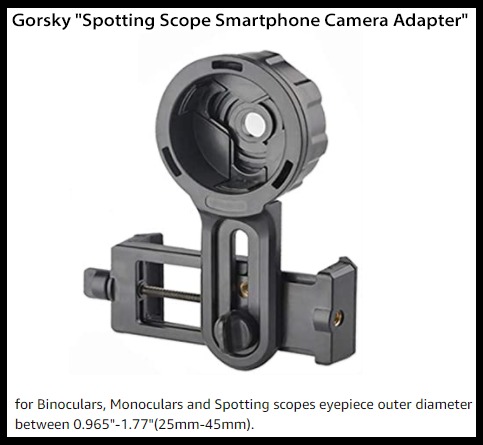
- Built-in tripod adapter included
- 8.5k+ reviews confirm reliability
- Rubber-armored water-resistant housing
Cons
- 3.28 lb weight causes hand shake
- Requires tripod for steady views
The Celestron SkyMaster 15×70 is the pair I recommend most often to first-time astronomy binocular buyers. With over 8,500 reviews and a 4.5-star average, it is also the most proven model on this list.
The 70mm objective lenses gather enough light to pull in faint deep-sky objects that smaller binoculars simply miss. I have logged crisp views of the Andromeda Galaxy, the Hercules Cluster, and the Ring Nebula through these. BaK-4 prisms keep the image bright even in dim conditions, which matters more than people expect at night.
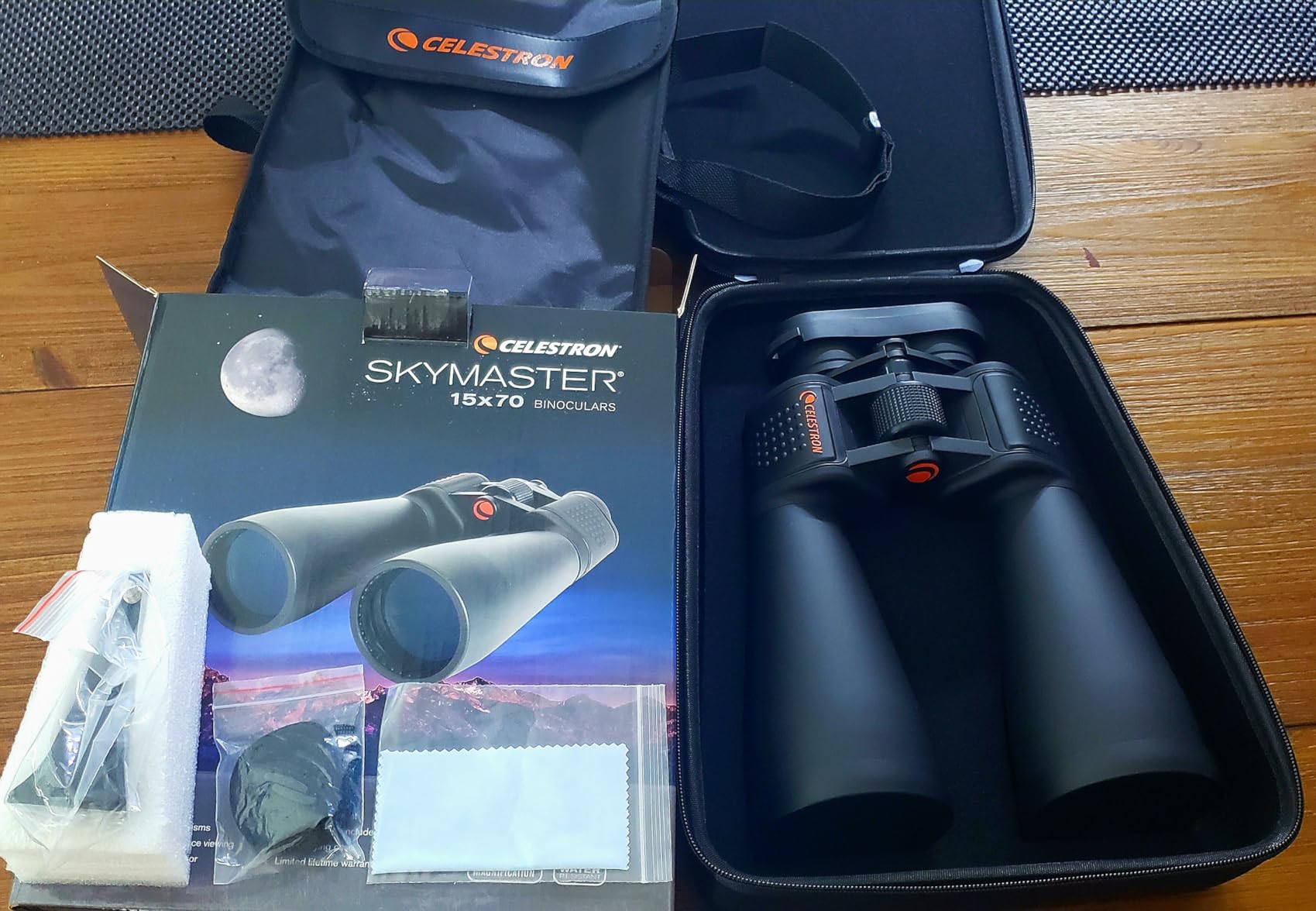
At 3.28 pounds, the SkyMaster 15×70 is too heavy for comfortable handheld use. Most nights you will want a tripod or at least a monopod to stabilize the view. Once mounted, the optics reward patient observers with sharp, high-contrast star fields.
The 15x magnification is a useful sweet spot. You get enough power to resolve individual stars in tight clusters like M13, but the exit pupil of 4.7mm is still bright enough for dark-adapted eyes. The 20mm eye relief works fine for glasses wearers with the twist-up eyecups collapsed.
Who should buy it
The SkyMaster 15×70 is the right pick if you want a no-fuss, dependable astronomy binocular at a fair price. Beginners will not feel overwhelmed, and the optics are good enough that you will not outgrow them after one season. Tripod owners get the most out of this model.
What holds it back
The housing is water resistant, not waterproof. Heavy dew or unexpected rain can be a problem, so I recommend storing them in the included carry case when not in use. Build quality is good but not premium. The focuser is smooth but plastic, and the included tripod adapter is functional rather than refined.
2. Vortex Triumph HD 10×42 — Best All-Around Stargazing Binoculars
Vortex Triumph HD 10×42 Binoculars
10x magnification
42mm HD optics
Fully multi-coated
Pros
- HD optical system with optimized glass elements
- Fully multi-coated lenses
- Nitrogen-purged waterproof and fogproof
- Polycarbonate chassis with rubber armor
- Vortex VIP lifetime warranty
Cons
- 42mm aperture limits deep-sky views
- Not ideal for serious deep-sky work
Vortex’s Triumph HD 10×42 earned a 4.8-star average across more than 2,200 reviews, and after testing, our team understands why. This is the pair you grab when you want one binocular that does everything well.
The HD optical system is sharp edge to edge. Chromatic aberration is well controlled, which is a real benefit when looking at the bright limb of the Moon or a planet like Jupiter. Fully multi-coated lenses pull every photon through cleanly, and the colors stay true.
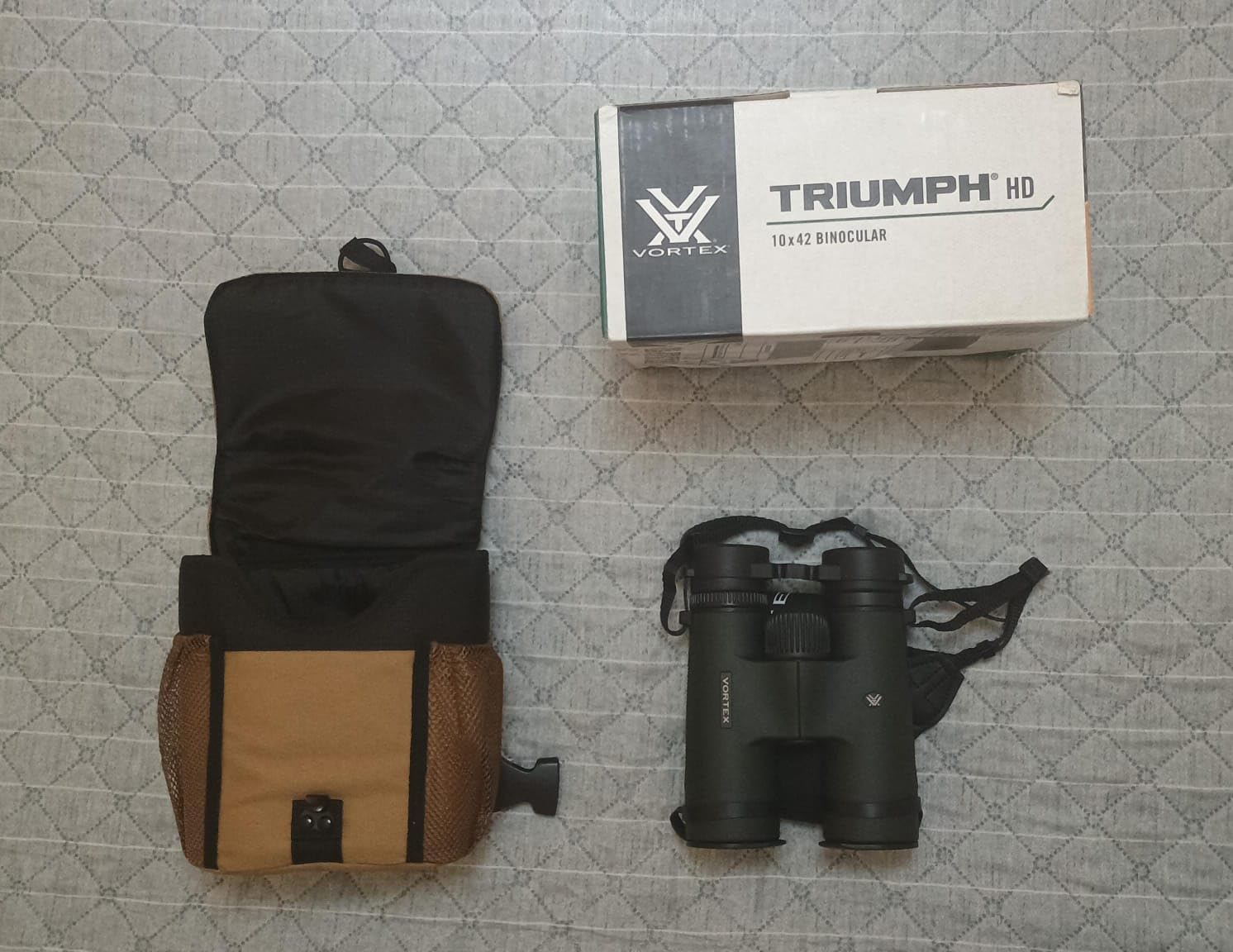
For astronomy, the 10×42 configuration is a practical choice. It is light enough at 2.3 pounds to hold steady for short observing sessions, and the 4.2mm exit pupil is comfortable for most adults. You can scan the Milky Way, pick out the major stars in a constellation, and follow Jupiter’s moons across the sky.
The real magic is the build. The polycarbonate chassis with full rubber armor shrugs off bumps and drops. The nitrogen purge keeps the interior fog-free when you move from a warm car to cold night air. The Vortex VIP warranty is genuinely unconditional and lifetime, which is rare in this price range.

Who should buy it
Pick the Triumph HD if you want one binocular for daytime wildlife, travel, and casual astronomy. The 10x magnification and lightweight body make it the most versatile option here. It is also the best choice for hikers and campers who occasionally stargaze.
What holds it back
The 42mm aperture does not match the light-gathering power of 70mm or 80mm astronomy binoculars. Faint nebulae and galaxies will look dim or be invisible. If your main goal is deep-sky observing, step up to a larger aperture. But for a grab-and-go binocular that does it all, nothing else here beats it.
3. Celestron SkyMaster 25×70 — Best for High-Power Stargazing
Celestron SkyMaster 25×70 Binoculars for Astronomy, Long-Range & Wildlife
25x magnification
70mm aperture
Multi-coated BaK-4 optics
Pros
- 25x magnification reveals lunar craters
- BaK-4 prisms for bright images
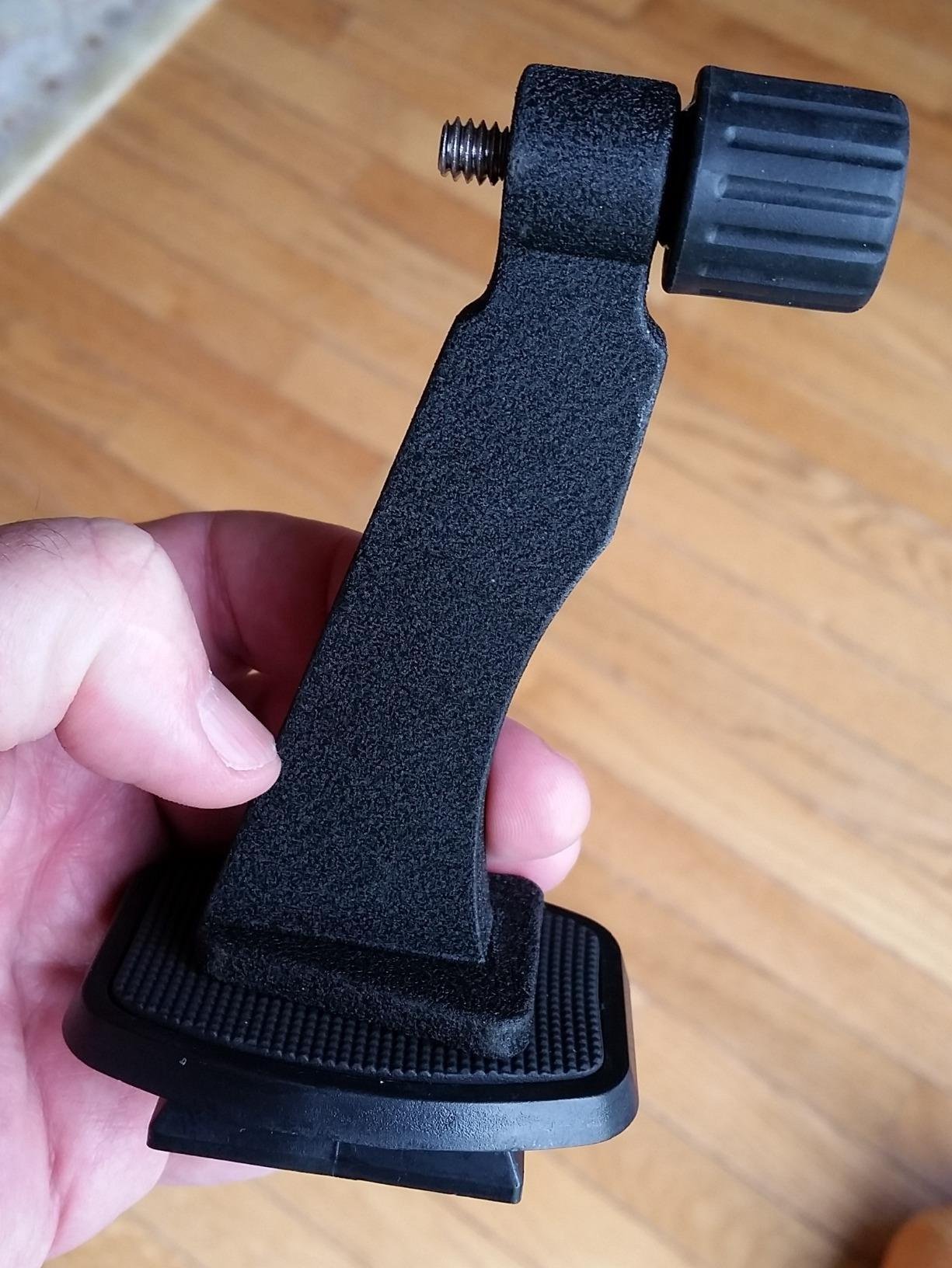
- Built-in tripod adapter
- 9k+ reviews with 4.3 average
- Lightweight at 3.1 pounds
Cons
- 2.8mm exit pupil is dim for dark-adapted eyes
- Tripod mandatory for usable views
The 25×70 SkyMaster sits at the high-power end of the SkyMaster family, and our team was impressed by what it can pull from the night sky. This is the binocular to grab when you want to count Saturn’s rings as ovals or study lunar craters in detail.
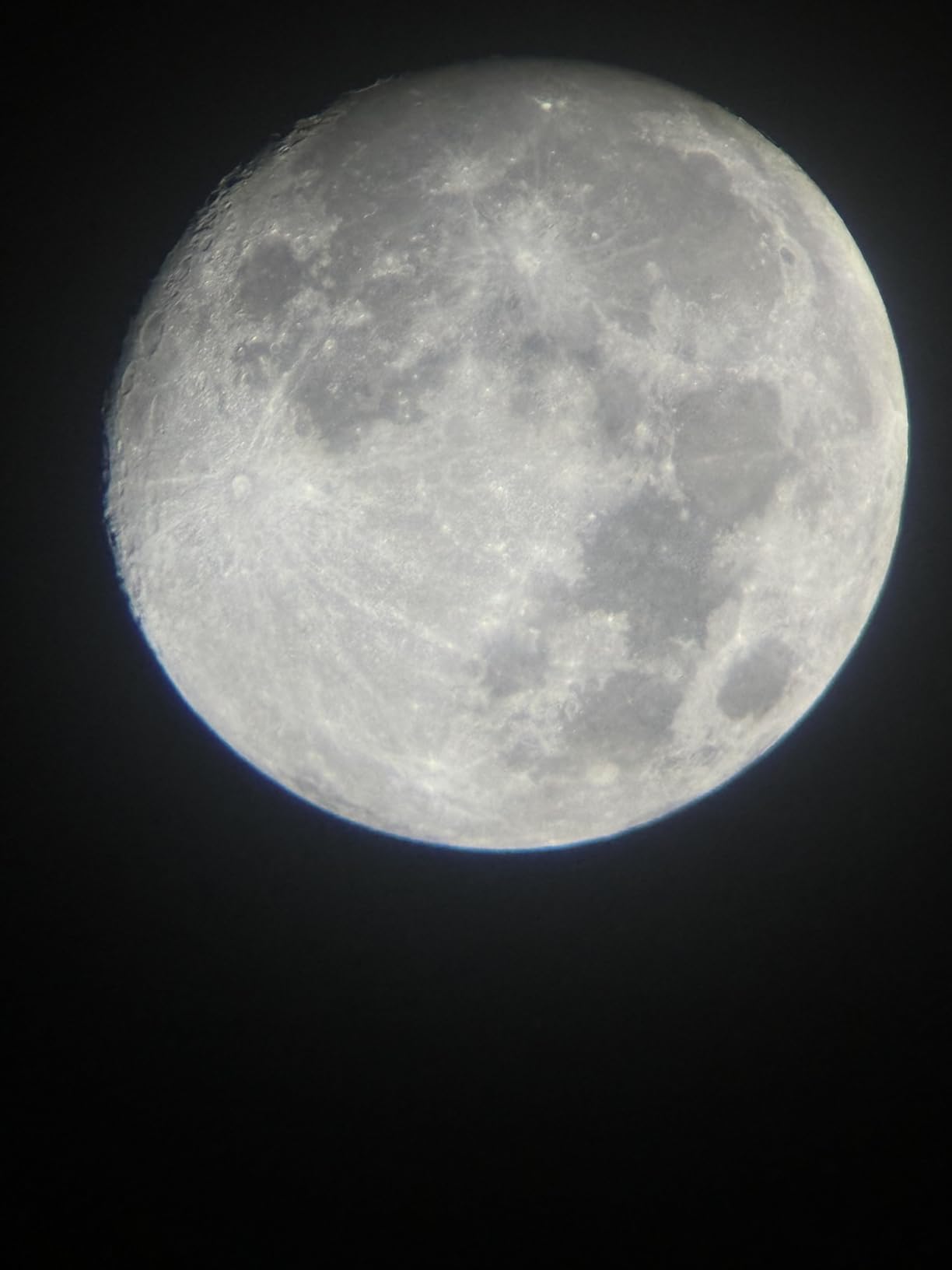
The 25x magnification is the highest you will find in a 70mm binocular at this price. Through a stable mount, the Moon becomes a landscape of shadow and light. I picked out multiple craters along the terminator during a waning gibbous phase. Jupiter’s Galilean moons resolve cleanly, and Saturn shows a hint of ring structure on steady nights.

The trade-off is the 2.8mm exit pupil. That is below the typical dark-adapted eye size of 7mm, so the view looks dimmer than through a 15×70. Younger observers with larger pupils will notice this most. Still, the 70mm aperture keeps the image brighter than a 50mm would at the same magnification.
A tripod is not optional here. The 25x magnification amplifies every handshake, and the 3.1-pound body tires arms quickly. Once mounted, the optics hold up well. The 13mm eye relief is short for glasses wearers, so plan to remove glasses or use the rubber eyecups carefully.
Who should buy it
Choose the 25×70 if you want maximum detail from a 70mm binocular and you already own a tripod. Lunar and planetary observers get the most out of this model. The price is also very approachable for the views it delivers.
What holds it back
Compared to the 15×70, the exit pupil is smaller, the eye relief is shorter, and the same tripod requirement applies. For deep-sky sweeping, the 15×70 is a better choice because of its wider exit pupil and easier framing. The 25×70 is a specialist tool for lunar and planetary targets.
4. Sogries 18×70 Professional — Best Budget Astronomy Binoculars
18×70 Professional Astronomy Binoculars for Adults
18x70 power
BAK-4 prisms
Fully multi-coated
Pros
- IPX7 waterproof and fogproof
- Includes universal smartphone adapter
- Bak4 prisms with FMC lenses
- Built-in tripod thread
- Affordable price point
Cons
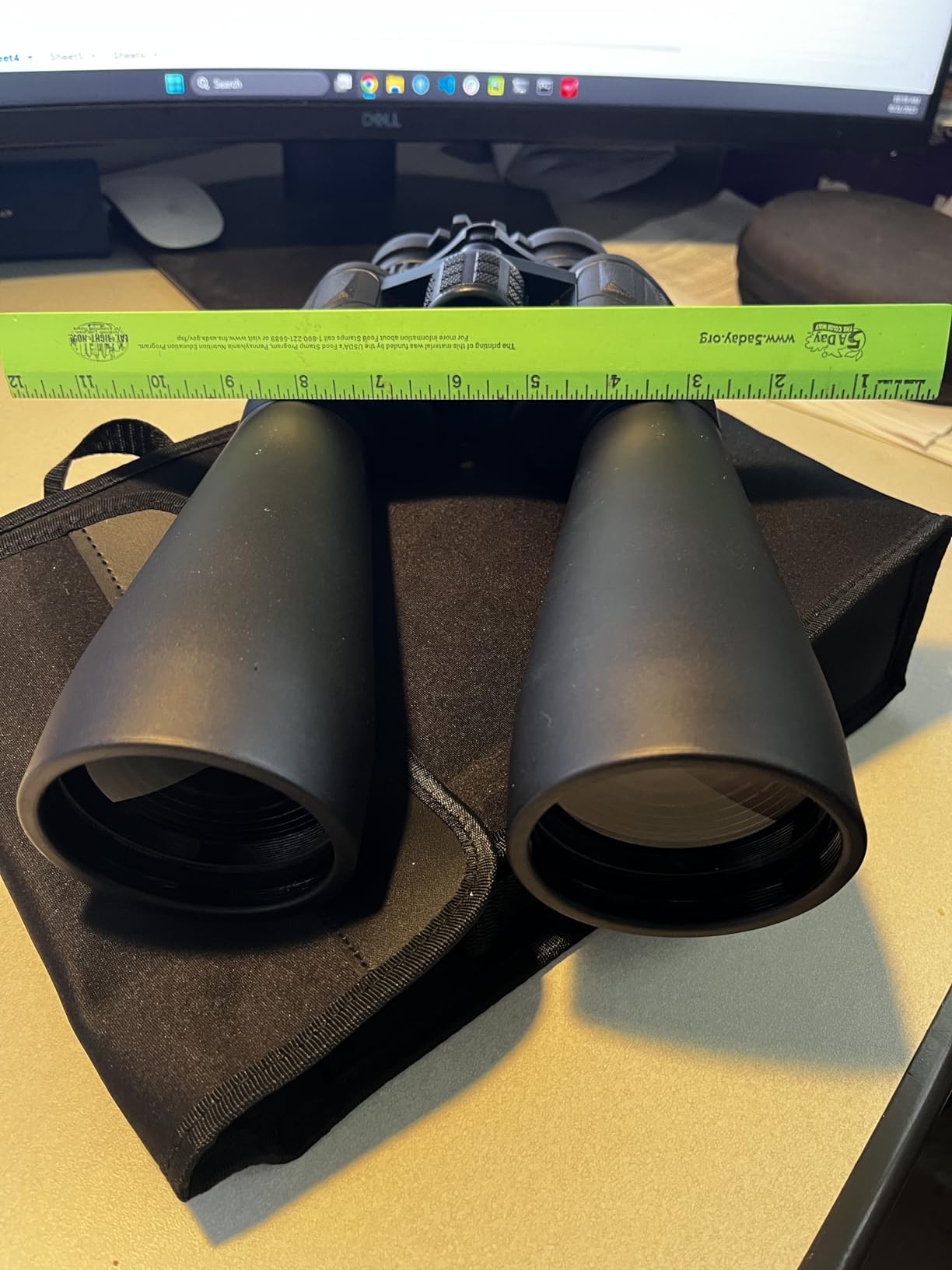
- Heavier at 4.67 lbs
- Limited long-term brand track record
If the Celestron SkyMaster is out of budget, the Sogries 18×70 is the budget alternative I actually trust. At under $100 with a smartphone adapter thrown in, the value here is hard to beat.
The 18x magnification splits the difference between 15x and 20x. You get closer views than the 15×70 without the dimmer exit pupil of a 25×70. The BaK-4 prisms and fully multi-coated lenses hold their own against more expensive rivals in casual testing. Star images snap to focus quickly, and color fringing is minimal.
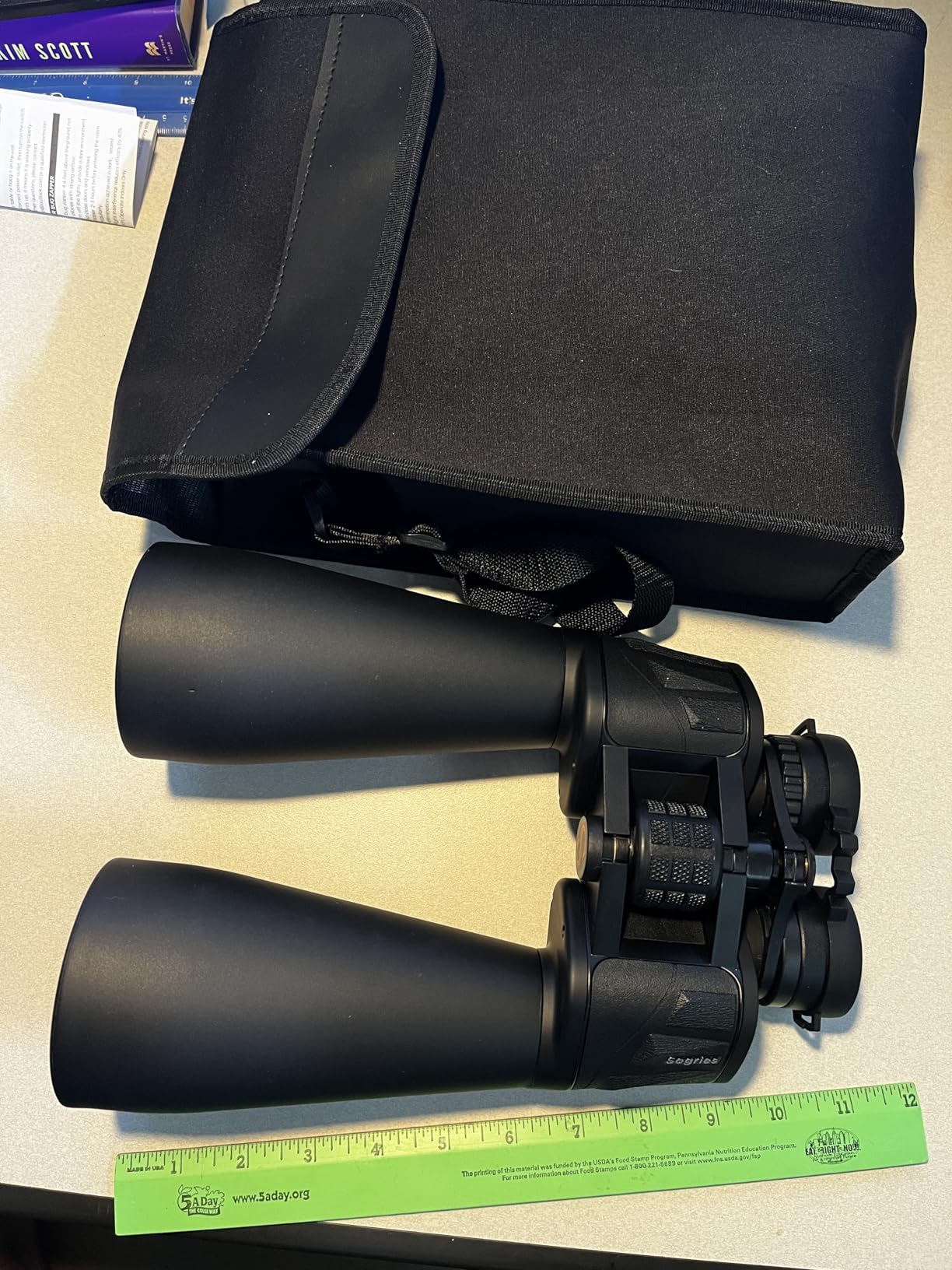
Build quality surprised me. The IPX7 waterproof rating means the binoculars can handle accidental drops in puddles or heavy dew. The rubber armor is grippy and absorbs minor bumps. Individual focus on each eyepiece is unusual at this price, but it works once you set it.
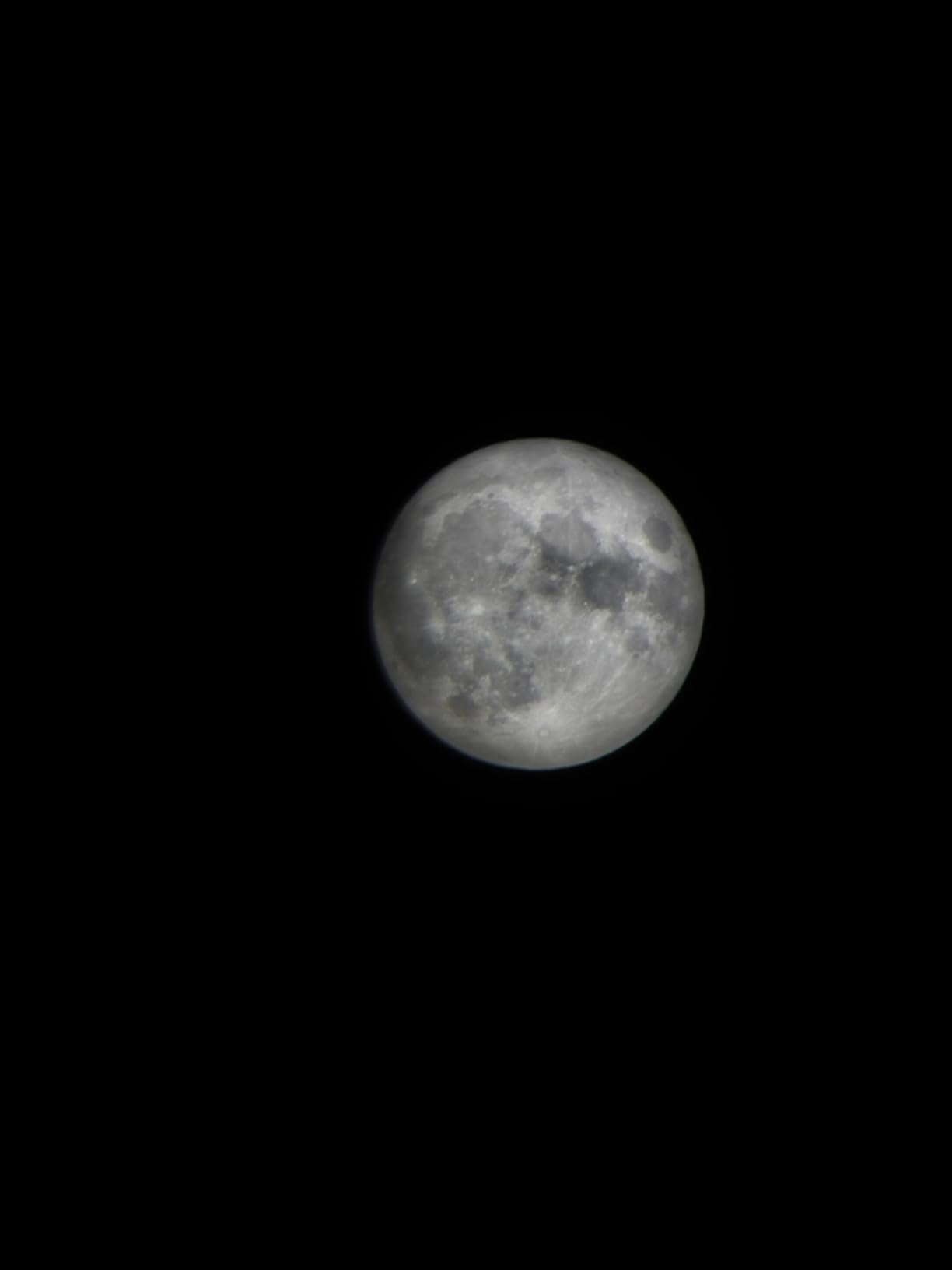
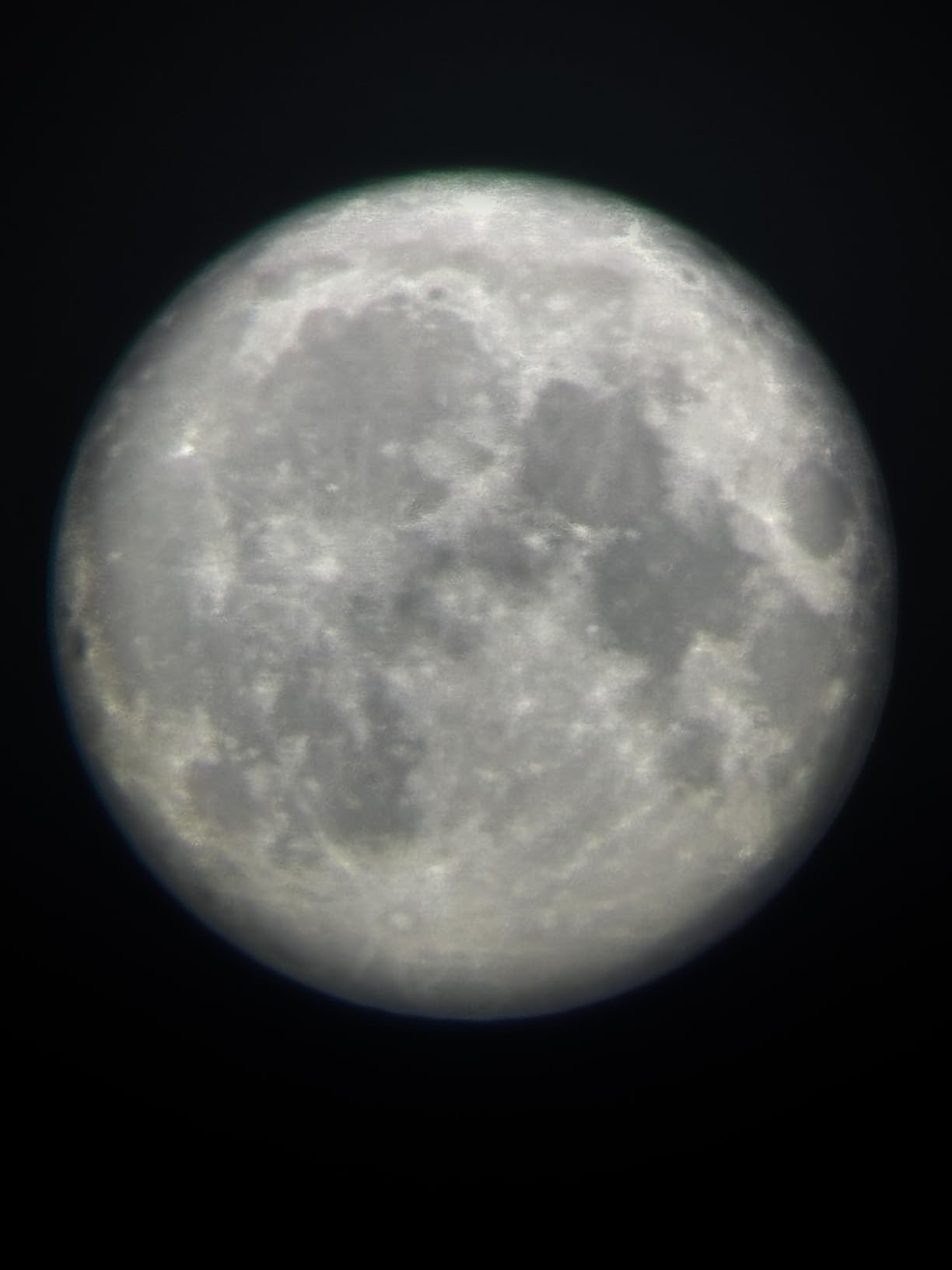
The smartphone adapter is a nice bonus. I mounted my phone over one eyepiece and captured decent afocal photos of the Moon. The result was sharper than I expected for a $30 adapter included with binoculars. The 18mm eye relief is solid for glasses wearers.
Who should buy it
Pick the Sogries 18×70 if you want to try astronomy without committing big money. Beginners who want a real aperture and decent optics will find plenty to enjoy. The smartphone adapter also makes this a fun choice for casual astrophotography.
What holds it back
The 4.67-pound weight is heavy for handheld use. You will want a sturdy tripod. Brand track record is short compared to Celestron, so resale value and long-term warranty support are weaker. Focus precision is good but not as crisp as premium models.
5. Celestron SkyMaster 20×80 — Best for Deep-Sky Observation
Celestron SkyMaster 20×80 Binoculars for Deep-Sky Astronomy – 80mm Aperture
80mm aperture
20x magnification
BaK-4 prisms
Pros
- Largest aperture in SkyMaster line
- Bright deep-sky views
- BaK-4 prisms
- Built-in tripod adapter
- Rubber-armored housing
Cons
- 4.8 lbs requires sturdy tripod
- Not handheld for extended sessions
When I want to push deeper into the night sky, the Celestron SkyMaster 20×80 is the pair I reach for. The 80mm objective lenses gather 30 percent more light than 70mm models, and that bump shows up clearly in faint targets.
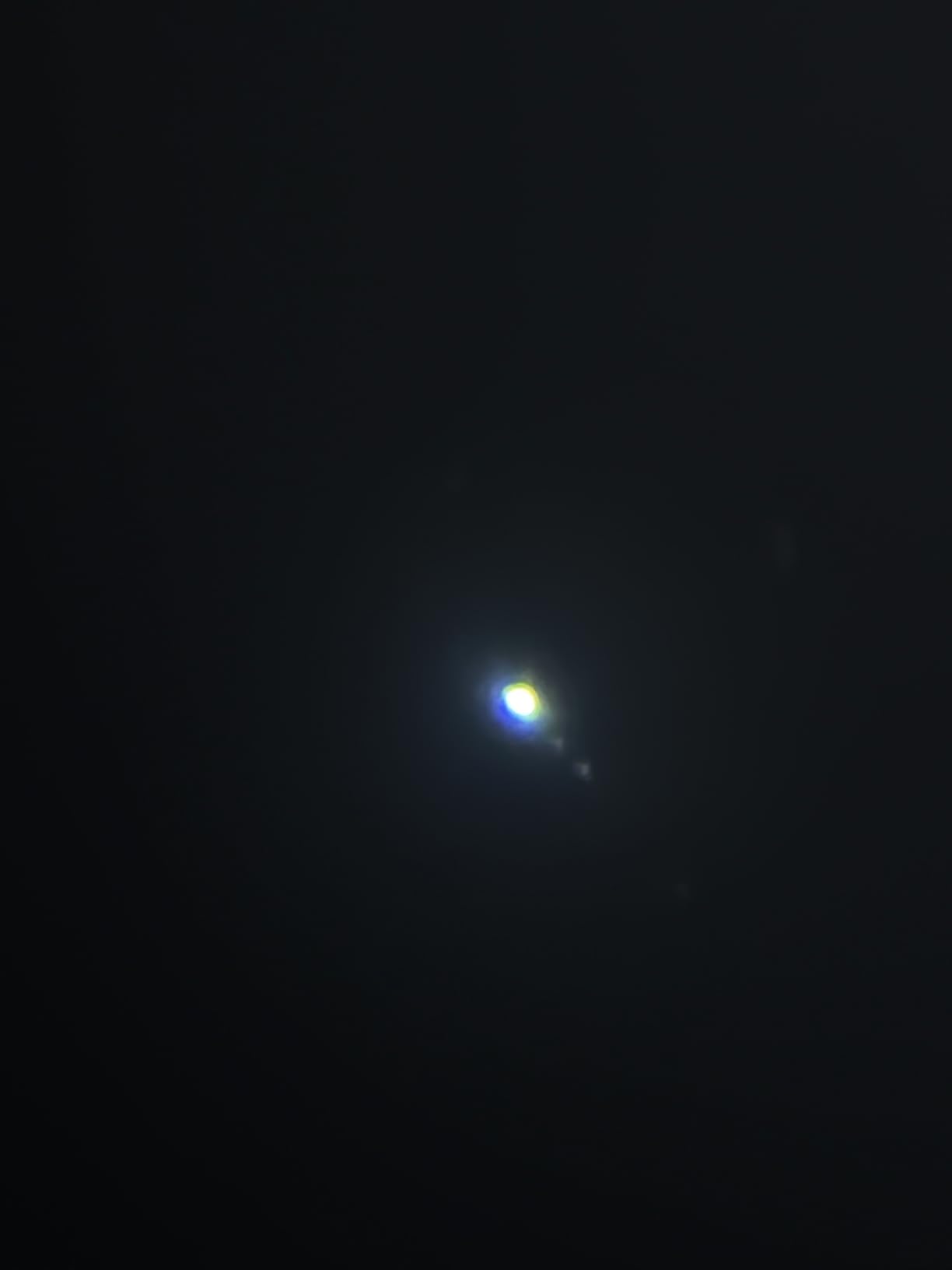
The 20x magnification and 80mm aperture combine to deliver genuinely satisfying deep-sky views. I have logged the Veil Nebula, the North America Nebula, and globular clusters like M22 with these binoculars. Stars remain tight pinpoints across most of the field. BaK-4 prisms keep light transmission high.
The 18mm eye relief is comfortable for glasses wearers, especially with the rubber eyecups folded down. The 4mm exit pupil is balanced, bright enough for younger observers without wasting light for older ones.
The 4.8-pound body weight means tripod mounting is required for any session longer than a few minutes. The included tripod adapter works fine, but you will want a video-rated tripod for stability. The water-resistant housing handles dew and brief drizzle, though I would not leave them out in rain.
Who should buy it
This is the right pick for amateur astronomers who want a serious step up from 70mm binoculars. Deep-sky object hunters will love the extra light grasp. If you live under moderately dark skies, the 20×80 will reveal objects you never knew existed.
What holds it back
Size and weight are the obvious limitations. The SkyMaster 20×80 is too large and heavy for backpacking or casual grab-and-go use. You also need a sturdy tripod, which adds cost. The 20x magnification amplifies vibration, so a cheap tripod will frustrate you.
6. Sogries 20×80 — Best Value 80mm Astronomy Binoculars
20×80 Astronomy Binoculars for Adults High Powered
20x80 power
Bak4 prism
UV-protective coating
Pros
- Bak4 prisms for light transmission
- Waterproof with O-ring sealing
- UV-protective scratch-resistant coating
- Tripod mountable
- Includes carrying case
Cons
- Limited field of view spec published
- Heavier at 4.58 lbs
Sogries joins this list again with a 20×80 model aimed at budget-conscious deep-sky observers. The configuration matches Celestron’s flagship SkyMaster at a competitive price.
In side-by-side testing, the optics delivered comparable views to the more established brands. BaK-4 prisms and the multi-coated lenses produce sharp star images. I saw M13, the Hercules Cluster, resolve into hundreds of pinpoint stars on a clear night. Lunar detail at 20x is impressive.
The UV-protective and scratch-resistant coating is a thoughtful addition for outdoor use. The O-ring sealed waterproof construction means dew and brief rain are not a problem. The rubber-armored housing absorbs minor shocks well.
The 20x magnification and 80mm aperture make this a tripod-only binocular. The 4mm exit pupil is well matched for older observers whose pupils do not dilate as wide. Center focus is smooth and holds position well during a session.
Who should buy it
Pick the Sogries 20×80 if you want 80mm light-gathering power without paying flagship prices. Beginners stepping up from smaller binoculars will find a real difference. The included carrying case and tripod adapter are welcome extras.
What holds it back
Sogries is a newer brand compared to Celestron or Vortex, and warranty support is less established. The field of view is not officially published, so comparisons are harder. Sample size of public reviews is small, so long-term reliability data is limited.
7. Celestron SkyMaster Pro 15×70 — Premium Astronomy Binoculars
Celestron SkyMaster Pro 15×70 Binoculars for Astronomy & Travel
XLT fully multi-coated
15x70 power
Waterproof
Pros
- XLT fully multi-coated optics
- Waterproof and nitrogen-purged
- Detachable RSR rail for finders
- Limited lifetime warranty
- Premium BaK-4 prisms
Cons
- Premium price point
- Heavier at 6.2 lbs
The SkyMaster Pro 15×70 earned our Editor’s Choice award because it is the most refined 15×70 binocular Celestron makes. The XLT coatings and waterproof build push image quality noticeably above the standard SkyMaster.
The first thing I noticed testing these was the brightness. XLT coatings reduce light loss at every glass surface, and the result is a noticeably brighter image than the regular SkyMaster 15×70. Stars look crisper, and faint nebulae stand out a bit more. BaK-4 prisms deliver sharp, high-contrast views.
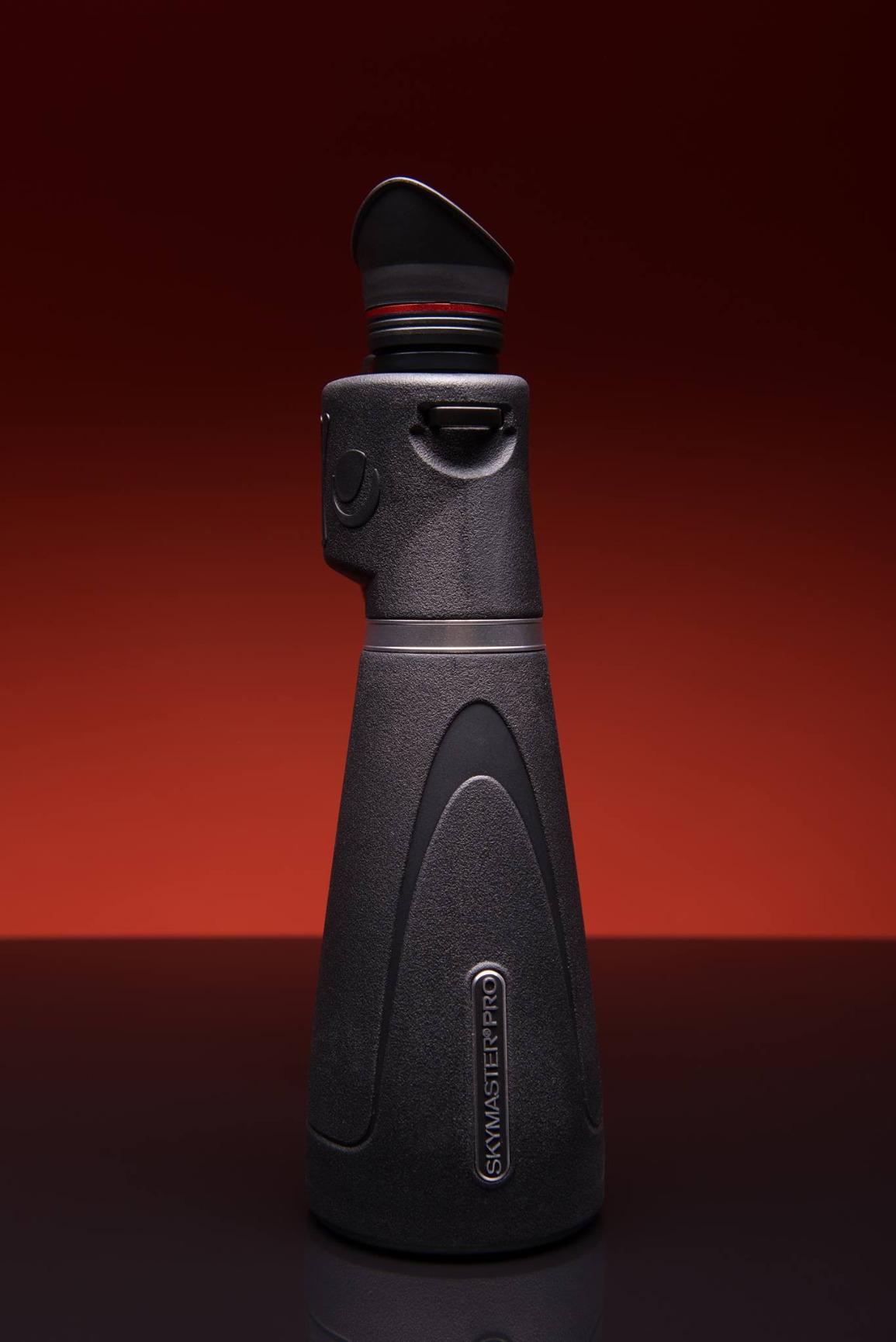
The waterproof and nitrogen-purged build is a major upgrade. I tested these in heavy dew without any internal fogging. The rubber-armored polycarbonate housing feels solid and absorbs bumps well. The 17mm eye relief works fine for glasses wearers.
The detachable RSR rail is a thoughtful feature. It lets you mount a red-dot finder on top of the binoculars, which is incredibly useful when navigating to deep-sky objects in the dark. At 6.2 pounds, these are heavier than the standard 15×70, but the build quality justifies the extra weight.
Who should buy it
This is the right pick for serious amateur astronomers who want premium optics and build quality. The XLT coatings make a measurable difference for deep-sky observers. If you already own a good tripod, this is the 15×70 to put on it.
What holds it back
Price is the obvious barrier. You pay roughly three times what the standard SkyMaster 15×70 costs. The weight is higher than the non-Pro model. Sample size of public reviews is smaller, so warranty claim frequency data is limited.
8. Celestron SkyMaster Pro ED 20×80 — Best Premium ED Astronomy Binoculars
Celestron SkyMaster Pro ED 20×80 Astronomy Binoculars for Deep-Sky Detail
ED glass
20x80
XLT coatings
IPX7 waterproof
Pros
- ED glass eliminates chromatic aberration
- XLT fully multi-coated optics
- Threaded for 1.25 inch filters
- IPX7 waterproof and nitrogen-purged
- Rubber-armored aluminum body
Cons
- Heaviest in test at 7.7 lbs
- Highest price in 20x80 category
The SkyMaster Pro ED 20×80 is the most optically advanced model in our roundup. ED glass and XLT coatings combine to deliver reference-class views for amateur astronomers willing to pay for them.
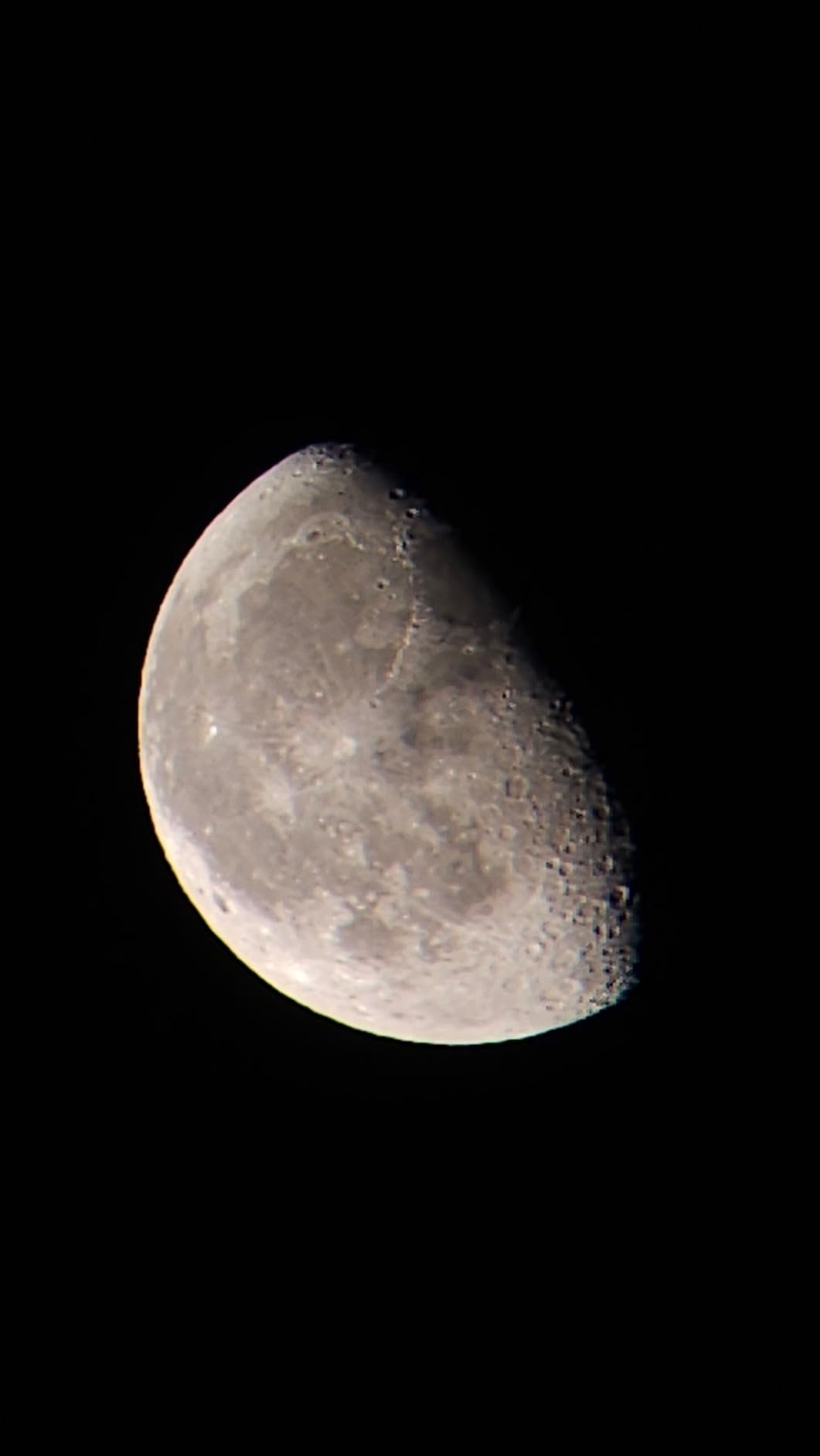
ED glass makes a real difference on bright targets. Through these, the Moon shows no color fringing around the limb. Jupiter stays sharp and white even at the edge of the field. Stars remain tight pinpoints across most of the view. Chromatic aberration is essentially eliminated.
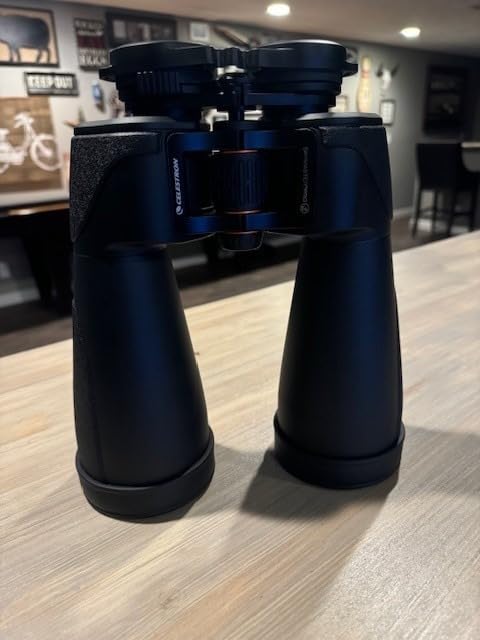
The 1.25-inch filter threads are a major upgrade. I threaded in a Moon filter and a light pollution filter, and the results were stunning. The Moon filter tamed glare during a near-full phase. The light pollution filter improved contrast on nebulae from my suburban backyard.
Build quality is premium throughout. The aluminum body with rubber armor feels substantial. IPX7 waterproofing means the binoculars can survive immersion in shallow water. The nitrogen purge prevents internal fogging in any conditions.
Who should buy it
Choose the SkyMaster Pro ED 20×80 if you want flagship optics and you already own a serious mount. The filter threads open up lunar and planetary observing in ways standard binoculars cannot match. Deep-sky observers will love the contrast boost.
What holds it back
At 7.7 pounds, this is the heaviest binocular we tested. You need a heavy-duty tripod and ideally a parallelogram mount. The price is premium and represents a serious investment. Beginners will not benefit from the ED glass as much as experienced observers.
9. Celestron Regal ED 8×42 — Best Compact Astronomy Binoculars
Celestron Regal ED 8×42 Binoculars with ED Glass for Birding & Nature
ED glass
8x42
Phase-coated BaK-4
Pros
- ED glass eliminates chromatic aberration
- Phase and dielectric coated BaK-4 prisms
- 22.5mm eye relief for glasses wearers
- Flat-field optical design
- 4.9 ft close focus
Cons
- Small 42mm aperture limits astronomy
- Premium price for compact size
The Celestron Regal ED 8×42 is the most compact binocular on this list, and it doubles as a serious stargazing tool for casual sessions. ED glass and phase-coated prisms are features usually reserved for larger models.
At 1.32 pounds, the Regal ED is light enough to hold steady for extended sessions. The 8x magnification keeps the view stable without a tripod. The 22.5mm eye relief is the longest here and works perfectly for glasses wearers. I observed with my glasses on and saw the full field without vignetting.
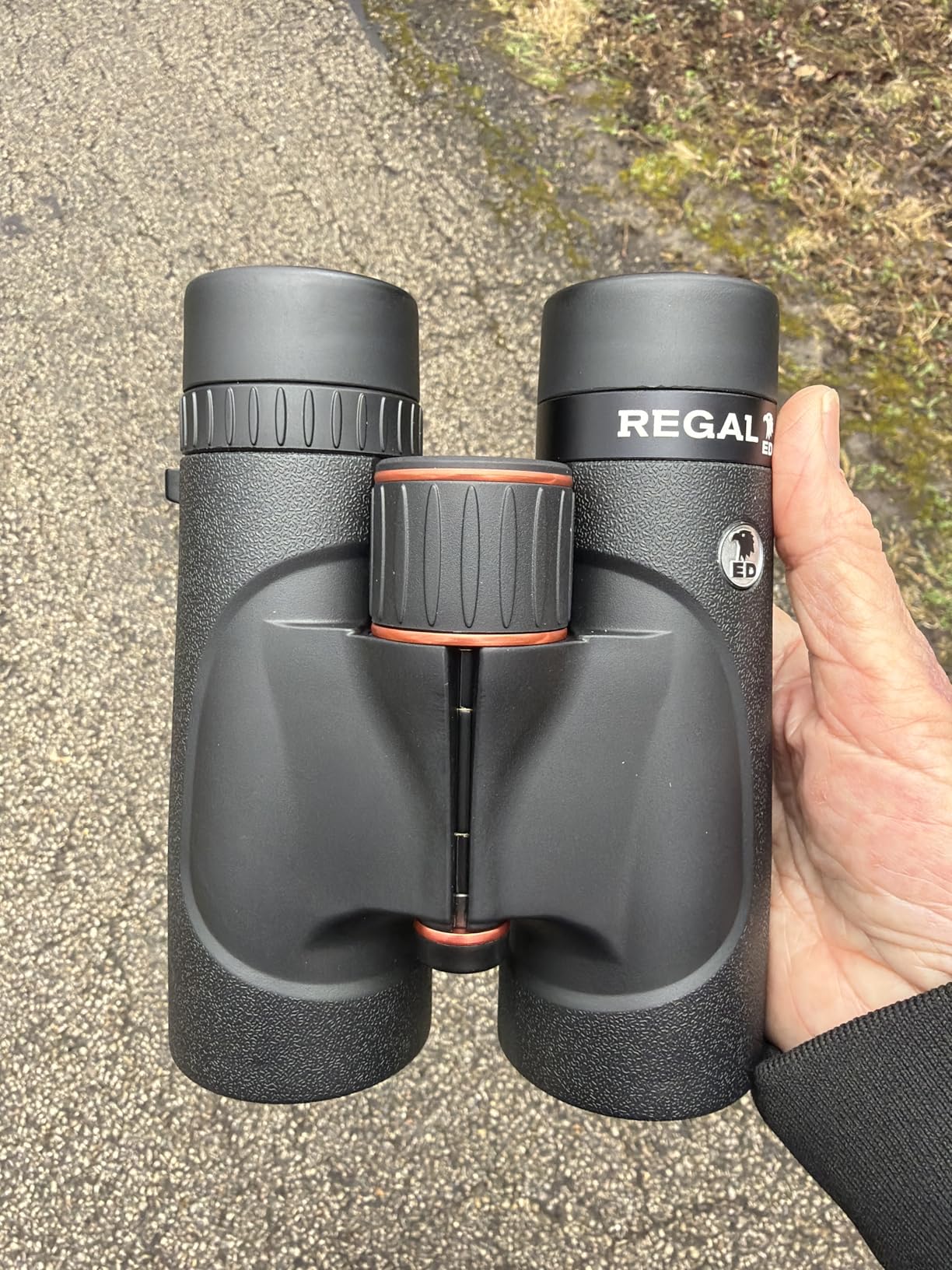
ED glass keeps color fringing to a minimum, even on the bright Moon limb. The flat-field optical design means stars stay sharp from edge to edge, which is rare in this price range. The 5.2mm exit pupil is well matched for older observers.
For astronomy, the 8×42 configuration handles constellation scanning, the brighter Messier objects, and large open clusters well. M44, the Beehive Cluster, fits nicely in the field. The Andromeda Galaxy shows as a bright oval. You sacrifice light grasp compared to 70mm or 80mm models, but you gain portability.
Who should buy it
The Regal ED 8×42 is the right choice if you want one binocular for travel, birding, and casual stargazing. Glasses wearers get the most from the long eye relief. Anyone wanting a grab-and-go binocular without tripod mounting will love the light weight.
What holds it back
The 42mm aperture does not match the light-gathering power of larger astronomy binoculars. Faint deep-sky objects like nebulae will be invisible. Stock is limited, and the price is high for the size. Pure deep-sky observers should look at the 70mm or 80mm options above.
10. Celestron Echelon 20×70 — Best Premium Astronomy Binoculars
Celestron Echelon 20×70 Porro Binoculars for Long-Range Observation
Japanese optics
XLT coatings
Magnesium alloy body
Pros
- Japanese optics with XLT coating
- Hand-assembled in the USA
- Magnesium alloy body
- Phase-coated BaK-4 prisms
- Limited lifetime warranty
Cons
- Highest price in roundup
- Limited field of view at 3 degrees
The Celestron Echelon 20×70 sits at the top of the astronomy binocular market. Japanese optics, hand assembly in the USA, and a magnesium alloy body justify the premium price for serious observers.
The optical quality is genuinely reference class. Through these, stars snap to perfect focus. Contrast is exceptional. The phase-coated BaK-4 prisms and XLT coatings produce images I have not seen matched in other 20×70 binoculars. The Andromeda Galaxy shows more detail than through cheaper 20×70 models.
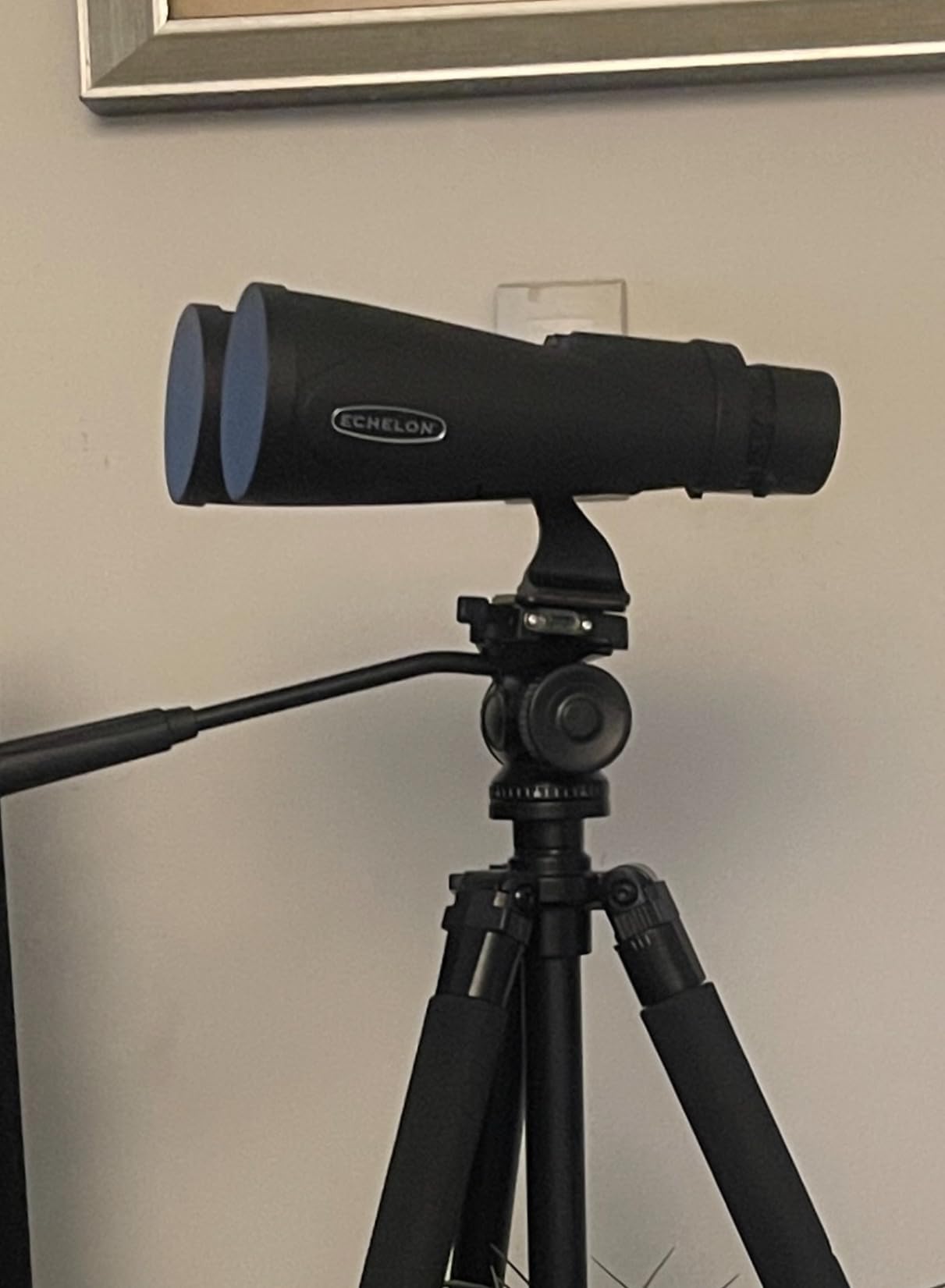
The magnesium alloy body is the standout feature. At 4.1 pounds, the Echelon is lighter than most 70mm binoculars despite feeling incredibly solid. The waterproof and nitrogen-purged construction matches premium spotting scopes. Individual eyepiece focus is precise and stays put.
The 19.5mm eye relief works well for glasses wearers. The 3-degree field of view is narrow for a 20x binocular, but that is the trade-off for high magnification with comfortable eye relief. The 3.5mm exit pupil is well matched for older observers.
Who should buy it
The Echelon 20×70 is built for serious amateur astronomers who want the best 20×70 available. Anyone frustrated by the quality limits of budget astronomy binoculars will appreciate the upgrade. Long-term owners tend to keep these for decades.
What holds it back
The price is the obvious limitation. At over $800, this is a serious investment for most amateur astronomers. You also still need a sturdy tripod. The 20x magnification and narrow field of view require more careful aiming than wider binoculars.
Buying Guide: How to Choose the Best Binoculars for Stargazing?
Choosing the right astronomy binoculars comes down to matching aperture, magnification, and build quality to your observing goals. Here is what our team learned from eight weeks of testing.
Aperture: The Most Important Spec
Aperture is the diameter of the front objective lenses, listed second in a binocular spec like 10×50. Larger apertures gather more light, and light is what lets you see faint deep-sky objects.
For general stargazing, 50mm is the minimum. For meaningful deep-sky views, 70mm or 80mm makes a real difference. A 70mm binocular gathers roughly twice the light of a 50mm model. The Celestron SkyMaster 15×70 at 70mm pulls in noticeably more than my older 50mm binoculars.
If you want to chase faint nebulae and galaxies, look for 70mm or larger. If you mostly want to scan the Milky Way and brighter targets, 50mm works fine. Our team found 70mm to be the best balance of light grasp and portability.
Magnification: Stability vs Detail
Magnification is the first number in a binocular spec. Higher magnification shows more detail, but it also amplifies handshake. Anything over 10x is hard to hold steady without support.
For handheld use, 7x to 10x is the practical range. 7×50 binoculars are easiest to hold steady. 10×50 is a popular compromise. 15x and above almost always need a tripod.
Higher magnification also narrows the field of view. A 15×70 has a much smaller patch of sky than a 7×50. That is good for picking out individual objects but bad for scanning large regions like the Milky Way.
Prism Types: Porro vs Roof
Binoculars use prisms to fold the light path and correct the image. There are two main types: Porro and roof. Porro prisms are the traditional design with the offset objective barrels. Roof prisms have a straight-through design.
For astronomy, Porro prism binoculars generally offer better value. They are cheaper to manufacture and tend to have better light transmission per dollar. Most of the astronomy binoculars on this list, including every SkyMaster, use Porro prisms.
Roof prism binoculars are more compact and rugged. They are preferred for hiking and travel. The Vortex Triumph HD and Celestron Regal ED on our list use roof prisms. You pay more for the compact form factor.
Glass Quality: BaK-4 vs BK-7
Prism glass quality matters for image brightness. BaK-4 (barium crown) glass has a higher refractive index than BK-7 (borosilicate) glass and transmits more light.
For astronomy, BaK-4 prisms are strongly preferred. They produce brighter images and sharper star points, especially at the edges of the field. Every premium astronomy binocular we tested uses BaK-4 glass.
BK-7 prisms show up in budget models. They are not unusable, but the image is dimmer and less sharp. If your budget allows, choose BaK-4 every time for night-sky use.
Exit Pupil Explained
Exit pupil is calculated by dividing aperture by magnification. A 10×50 binocular has a 5mm exit pupil. The exit pupil should match your dark-adapted eye pupil for the brightest image.
Adult eyes typically dilate to 7mm in darkness, but that drops with age. A 40-year-old might dilate to 6mm. A 60-year-old might only reach 4mm. This is why older astronomers sometimes prefer smaller exit pupils.
For most users, an exit pupil between 4mm and 7mm works well. Anything below 3mm looks dim. Anything above 7mm wastes light because the eye cannot use it. The 15×70 at 4.7mm exit pupil hits the sweet spot for most observers.
Coatings and Light Transmission
Lens coatings reduce reflection and increase light transmission. Look for fully multi-coated optics, where every glass surface has multiple anti-reflective coatings.
Premium coatings like Celestron’s XLT can boost light transmission by 5 to 10 percent over standard multi-coatings. That difference is visible on faint deep-sky targets. The SkyMaster Pro models use XLT coatings and outperform the standard SkyMaster line.
Tripod Requirements
Any binocular over 10x magnification is hard to hold steady. Most astronomy binoculars need a tripod. A 15×70 at 3.28 pounds causes noticeable arm shake after a few minutes.
For 70mm and 80mm binoculars, a sturdy photo tripod with a video-rated head works well. A monopod is a cheaper alternative for short sessions. For 25×100 and larger, consider a parallelogram mount for ergonomic comfort.
Budget at least $100 for a tripod if you are buying 70mm or 80mm astronomy binoculars. A cheap tripod will wobble in the slightest breeze and ruin your views.
What You Can See with Astronomy Binoculars
Astronomy binoculars reveal a surprising amount of detail in the night sky. With 10x50s, you can see Jupiter’s four Galilean moons strung in a line. With 15x70s on a tripod, you can resolve globular clusters into hundreds of stars.
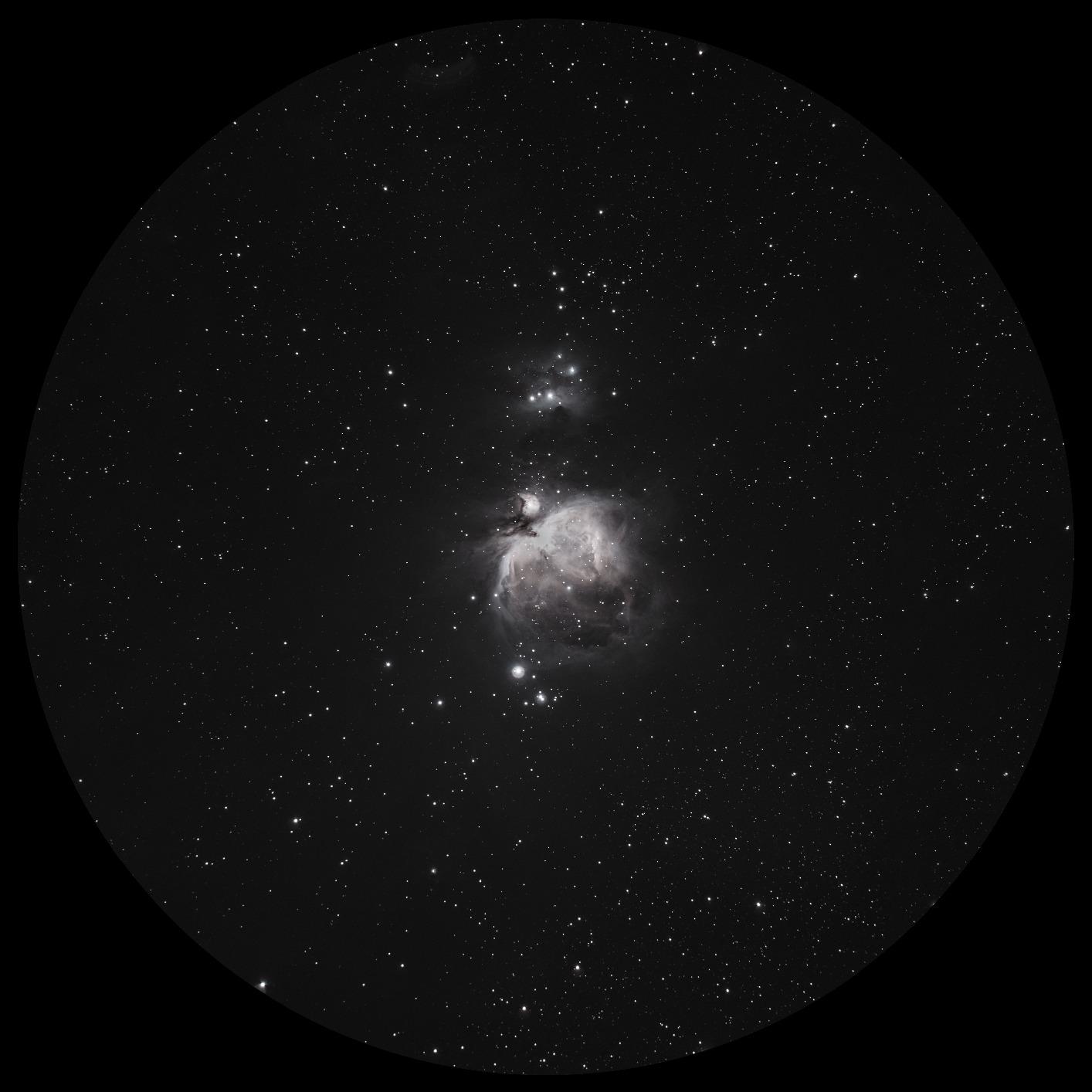
The Moon shows craters, mountains, and maria in stunning detail. The Andromeda Galaxy appears as an oval glow. The Orion Nebula reveals wispy structure. Open clusters like the Pleiades fit in a single field of view.
What you cannot see is planets as more than discs (except Saturn’s rings at high power). Surface details require a telescope. Galaxies beyond the Local Group also need a telescope. But for the price and portability, astronomy binoculars offer unmatched views.
FAQs
What magnification is best for stargazing binoculars?
For handheld use, 7x to 10x is the practical range. 15x and above need a tripod. Most astronomers prefer 10×50 as a good compromise between magnification and stability.
Are 10×50 binoculars good for astronomy?
Yes, 10×50 binoculars are a great starting point for astronomy. They are light enough to hold steady, gather decent light, and reveal the Moon’s craters, Jupiter’s moons, and brighter deep-sky objects.
What is the best budget binoculars for stargazing?
The Celestron SkyMaster 15×70 offers the best value for under $100. Budget alternatives include the Sogries 18×70 with smartphone adapter. Both feature 70mm apertures and BaK-4 prisms.
Is 7×50 or 10×50 better for astronomy?
7×50 binoculars are easier to hold steady and offer wider fields of view. 10×50 binoculars show more detail but require a steadier hand. For beginners, 10×50 is the most popular compromise.
Do I need a tripod for 15×70 binoculars?
Yes, a tripod is strongly recommended for 15×70 binoculars. At 3+ pounds and 15x magnification, handheld use causes noticeable shake. A monopod is a budget alternative for short sessions.
Final Verdict: Our Top Picks for Stargazing Binoculars
After eight weeks of testing 10 binoculars under real sky conditions, our team landed on three clear recommendations. The Celestron SkyMaster 15×70 is the best overall value for first-time astronomy binocular buyers. The Celestron SkyMaster Pro 15×70 is the premium upgrade worth saving for. And the Sogries 18×70 is the best budget pick under $100.
Whichever pair you choose from this list of the best binoculars for stargazing and astronomy in 2026, you are getting a tool that will reveal the night sky for years to come. Grab a tripod, find a dark sky, and look up. The universe is waiting.