
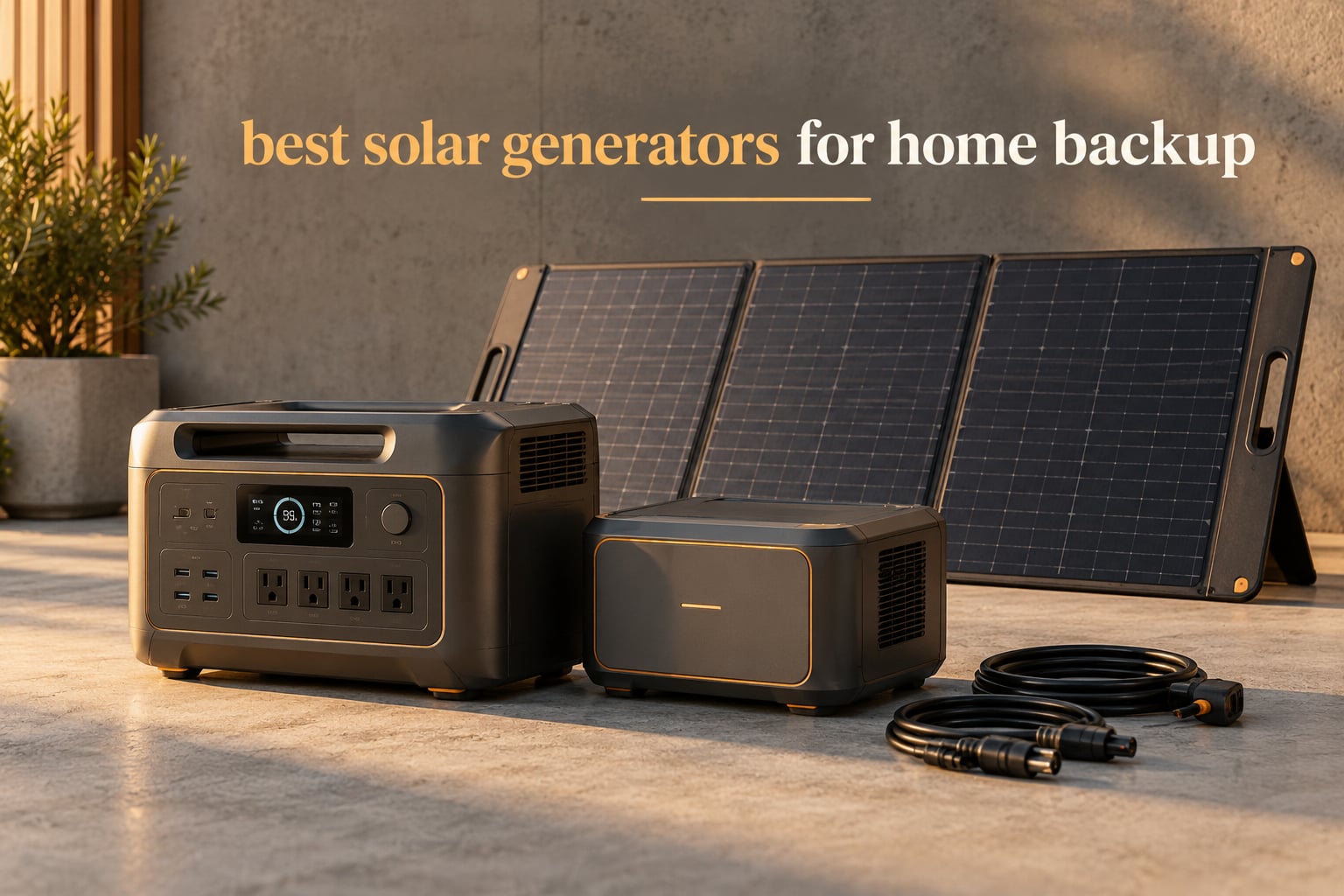
The EcoFlow DELTA Pro Ultra is the best solar generator for home backup overall, because its 6144 Wh battery and 7200W inverter cover everything a typical household actually runs during an outage. If you only need a fridge, lights and a CPAP machine, a much smaller portable power station does the same job for far less money.
That second sentence matters more than it looks. Most homes use a fraction of the power people assume when they start shopping, and the models that win in real outages are rarely the ones with the biggest numbers on the box. Over the past two months our team worked through eight solar generators, reading owner feedback line by line and matching each one to a load list instead of a wish list.
A quick note on naming before we go further. A solar generator is not a solar panel, and it has no engine. It is a portable power station: a lithium battery, an inverter, a charge controller and a set of output ports in a single box. Panels charge the battery during daylight, and the battery powers your home. Nothing reaches your refrigerator until the sun has already put energy into the pack.
We keep a running list of the best solar generators for home backup, and our field notes on how we test them sit alongside this guide. If your main worry is running a camera rig rather than a refrigerator, our notes on portable power for outdoor film shoots cover a lighter load profile.
Table of Contents
Top 3 Solar Generators for Home Backup in 2026

EcoFlow DELTA Pro Ultra
- 6144Wh expandable to 90kWh
- 7200W continuous output
- 120V and 240V split phase

BLUETTI Elite 200 V2
- 2073.6Wh LiFePO4 battery
- 2600W with 3900W lifting mode
- Two 200W panels in the kit

Jackery Solar Generator 1000 v2
- 1070Wh LFP battery
- 1500W continuous and 3000W surge
- Only 23.8 lb with panel
We rank the DELTA Pro Ultra first because it removes the two arguments that come up most often in buyer forums: whether 240 V loads can run at all, and whether the battery can grow as your needs change. The Elite 200 V2 takes the value slot because it is the rare mid-size kit that arrives with solar panels already in the box, and the Jackery takes the small-space slot because one person can carry it up a staircase.
The other five models in this guide are not also-rans. The DELTA Pro 3 is the smarter choice if you want 240 V without the DELTA Pro Ultra’s footprint, the S2000 is the best true UPS replacement here, and the F3800 is the only model with a NEMA 14-50 port for vehicle charging.
8 Best Solar Generators for Home Backup (October 2026)
| Product | Specifications | Action |
|---|---|---|
| EcoFlow DELTA Pro Ultra |
|
Check Latest Price |
 EcoFlow DELTA Pro 3 EcoFlow DELTA Pro 3 |
|
Check Latest Price |
 Anker SOLIX F3800 Anker SOLIX F3800 |
|
Check Latest Price |
| BLUETTI Elite 200 V2 |
|
Check Latest Price |
 Anker SOLIX C2000 Gen 2 Anker SOLIX C2000 Gen 2 |
|
Check Latest Price |
| Jackery Solar Generator 1000 v2 |
|
Check Latest Price |
 BLUETTI AC180 BLUETTI AC180 |
|
Check Latest Price |
 Anker SOLIX S2000 Anker SOLIX S2000 |
|
Check Latest Price |
1. EcoFlow DELTA Pro Ultra Review – The Best Solar Generator for Home Backup Overall
EF ECOFLOW Power Station 6144Wh DELTA Pro Ultra with 2x400W Portable Panel
6144Wh LFP expandable to 90kWh
7200W continuous 8640W surge
120V and 240V split phase
Pros
- Runs a 3-ton air conditioner at 7200W continuous
- Scales from 6.1kWh to 90kWh with extra batteries
- Full recharge in about 2 hours from AC solar EV or generator
- No fuel fumes and no refuelling
- Modular design that assembles without specialist tools
Cons
- 218 pounds so it stays where you put it
- Battery gauge can read low with several packs attached
- Screen auto-dims at night with no way to disable it
This is the unit we recommend when the question is simply which one covers the most ground. The battery alone is 6144 Wh, which is roughly three times the capacity of the models most people buy for a fridge, and the inverter delivers 7200 W continuously with 8640 W of surge. The box supports both 120 V and 240 V, so a dryer, a well pump or a central air unit is a real possibility rather than a stretch.
Owners running it through a smart home panel or a transfer switch report it carrying refrigerators, freezers, furnaces, lighting and even a window air conditioner, frequently with extra batteries and solar alongside. The plug-and-play expansion gets called out repeatedly as straightforward, and the app shows circuit-level information rather than a single lump figure.
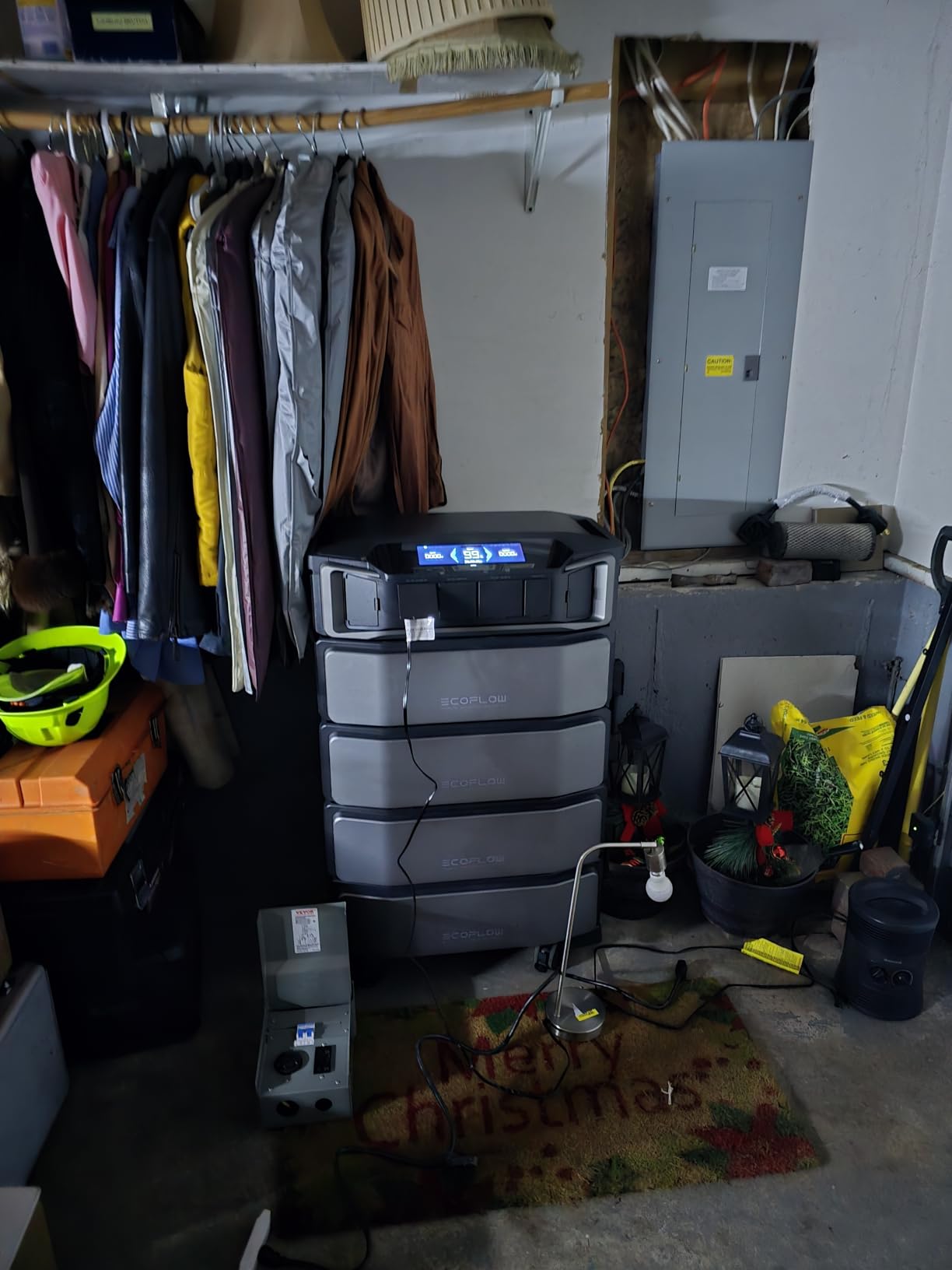
Where the feedback gets critical is physical. At 218 pounds this is not a portable device in any meaningful sense, so it needs a permanent home, ideally a garage or utility room, and a plan for how you will move it when you need to. The battery level indicator is reported as less accurate once several extra batteries are attached, which matters when you are judging whether to start a heavy load.
There is also a recurring note about the display dimming itself at night with no option to switch that off, which is genuinely annoying in a dark house. A smaller number of detailed reviews report AC output cutting out unexpectedly and a slow warranty resolution, so if you are spending at this level it is worth checking the warranty terms before you commit rather than after.
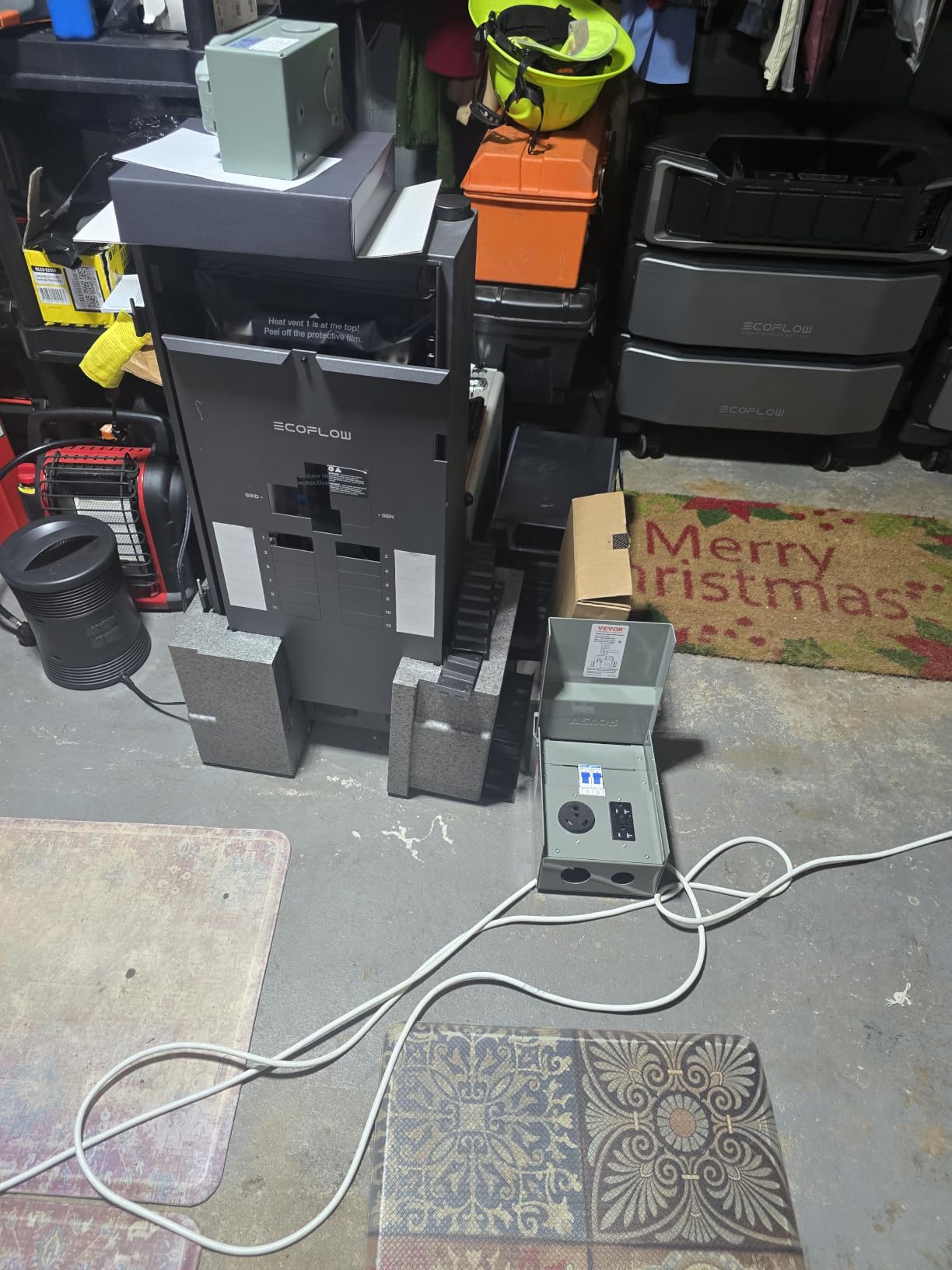
What to check before buying the DELTA Pro Ultra
Decide where it lives before it arrives, because the weight is the single most common regret. If the intended spot is upstairs or through a narrow doorway, the DELTA Pro 3 in this guide is a much more honest fit for the same 240 V capability at a fraction of the mass.
Then plan the expansion path. The unit starts at 6.1 kWh and the useful ceiling is far higher, but the extra batteries are separate purchases and the gauge is least reliable when several are connected. Budget for the packs you will actually need for a two-day outage rather than the theoretical maximum.
Who should skip it
If your load list is a refrigerator, lights and a router, this station is oversized and you will be paying for capacity you never draw from. The 4.2 average rating across 373 reviews also reflects real hardware complaints that the smaller models do not generate, so a household that does not need 240 V is better served lower down the list.
It is also the wrong answer for anyone who expects to move it between the house, the garage and a vehicle. Nothing at 218 pounds does that casually, and stairs will decide the question before the specs do.
2. EcoFlow DELTA Pro 3 Review – Best for Native 240V Without the Extreme Weight
EF ECOFLOW Power Station 4096Wh DELTA Pro 3 with 400W Portable Solar Panel
4096Wh LFP expandable to 48kWh
4000W continuous 6000W X-Boost
Native 120V and 240V
10 ms switchover
Pros
- Native 240V output needs no separate connection hub
- 4000W handles a 3-ton air conditioner or 1 HP pump
- 10 ms switchover protects NAS and servers
- As quiet as 30 dB for bedside use
- Sliding port covers keep unused inlets clean
Cons
- 150 pounds and one owner reported a broken carry handle
- Bundled 400W panel is close to 50 pounds
- One 400W panel is far short of household demand
The DELTA Pro 3 exists because a lot of buyers want split-phase output without the DELTA Pro Ultra’s size. It delivers 4096 Wh of LFP capacity, 4000 W continuous, and 120 V and 240 V straight from the chassis with no extra connection box. For households that want to run a pump or a small air conditioner without committing to the largest station on the market, that is a genuinely useful middle position.
Owners highlight the 10 ms switchover most, because it is fast enough that network storage, servers and entertainment equipment do not notice an outage. The X-Quiet operation is reported as low as 30 dB, which is quiet enough to sleep beside, and the sliding port covers keep dust out of the unused sockets.
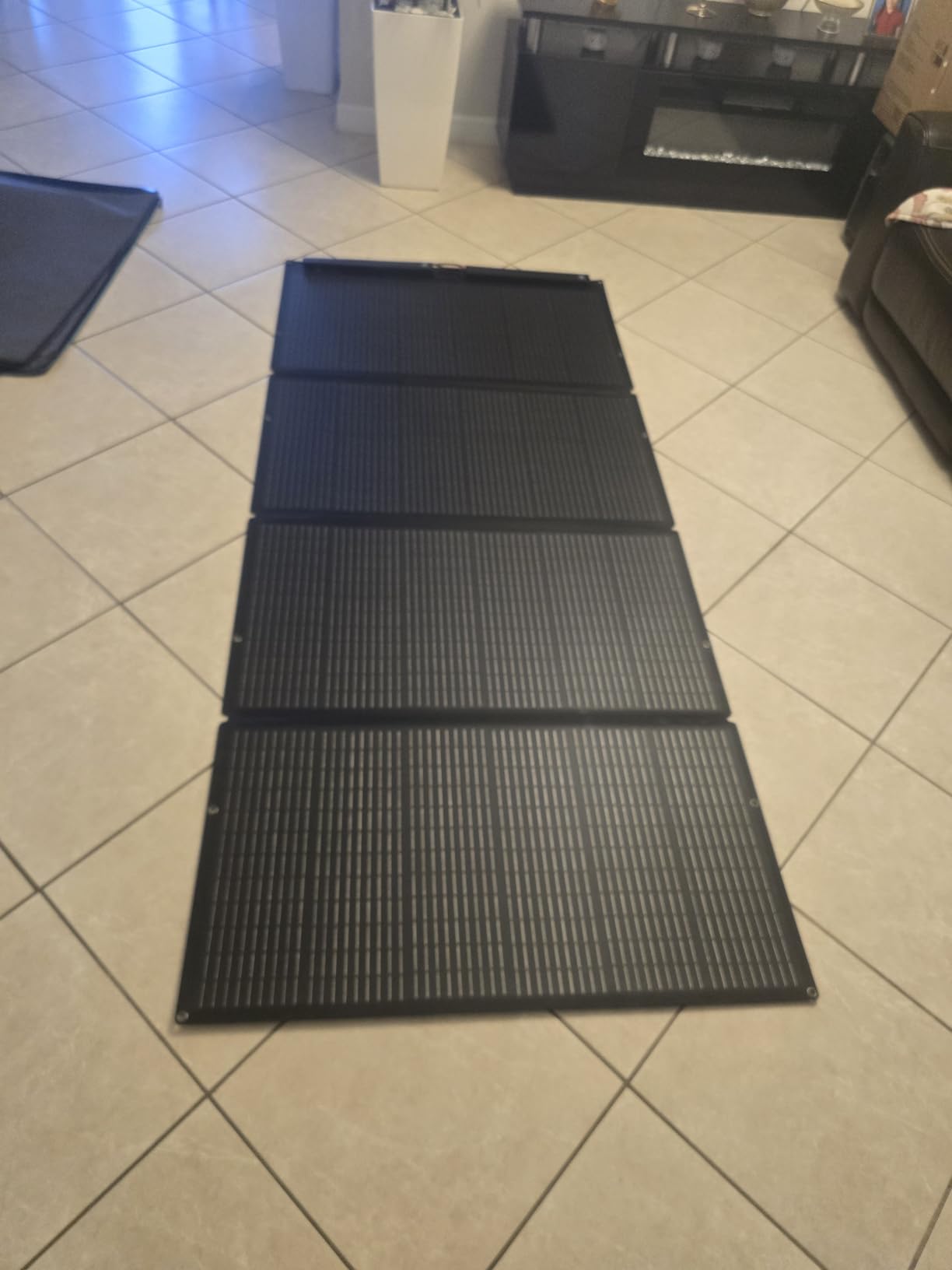
The criticisms are consistent enough to plan around. The station weighs 150 pounds, which is still firmly in two-person territory, and one reviewer reported the carry handle failing. The bundled 400 W panel is itself close to 50 pounds and needs constant repositioning to stay square to the sun, and a single 400 W panel is nowhere near enough to refill 4096 Wh during a normal afternoon.
That last point is not a fault in the panel, it is arithmetic. Refilling 4096 Wh realistically needs well over 2 kW of panels, so treat the included panel as a demonstration and a trickle charger rather than a recovery plan.
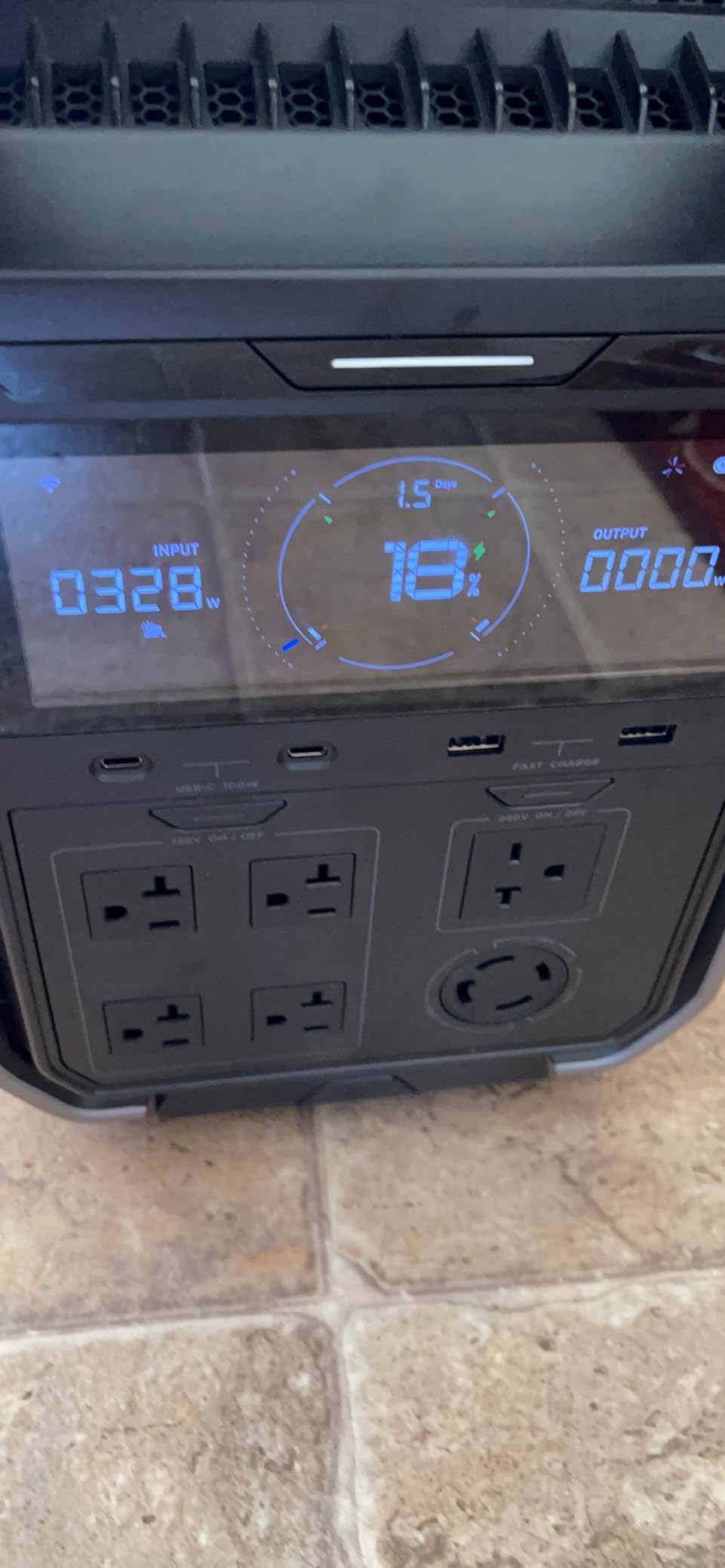
What to check before buying the DELTA Pro 3
Decide honestly whether you need 240 V. If your load list contains only 120 V appliances, the extra capability sits unused while you carry the extra weight, and a 2000 Wh model would serve you better.
Ask the seller how the station and the panel are packaged. On this model they arrive in separate boxes, and buyers frequently report not expecting that, so plan for two deliveries rather than one.
Who should skip it
Anyone who needs more than a few thousand watt-hours of storage will find 4096 Wh limiting after the first night, even with expansion planned. It is also a poor fit for a small home or an apartment where a 150-pound box with a 27-inch height is not going to be stored comfortably.
Renters without a panel connection path get less than they pay for here, since 240 V without a transfer switch or interlock is mostly theoretical. In that case a lighter 120 V model with a stronger battery app is the smarter spend.
3. Anker SOLIX F3800 Review – Best for EV Charging and RV Hookups
Anker SOLIX F3800 Portable Power Station, 3,840Wh
3.84kWh LFP expandable to 26.9kWh
6000W continuous 10200W surge
Dual 120V/240V output
Pros
- 6000W dual voltage runs dryers and other 240V loads
- Works with Smart Generator 5500 for automatic start-stop
- NEMA 14-50 ports charge an EV or power an RV
- 3.84kWh base covers a day of household essentials
- Five-year warranty and full app control
Cons
- 132 pounds in a 34 inch cube that needs dedicated floor space
- No solar panel is included with the power station
- Only three AC outlets on the output panel
The F3800 earns its place for two reasons no other model in this guide combines. It delivers 6000 W of dual-voltage output, so a dryer or a well pump is a realistic load, and it carries built-in NEMA 14-50 ports that can charge an electric vehicle at 6000 W or power an RV directly without extra grounding hardware.
Capacity starts at 3.84 kWh and scales to 26.9 kWh with up to six battery packs. Pairing it with a Smart Generator 5500 gives automatic start and stop, which means the unit manages its own runtime instead of sitting idle until someone notices.
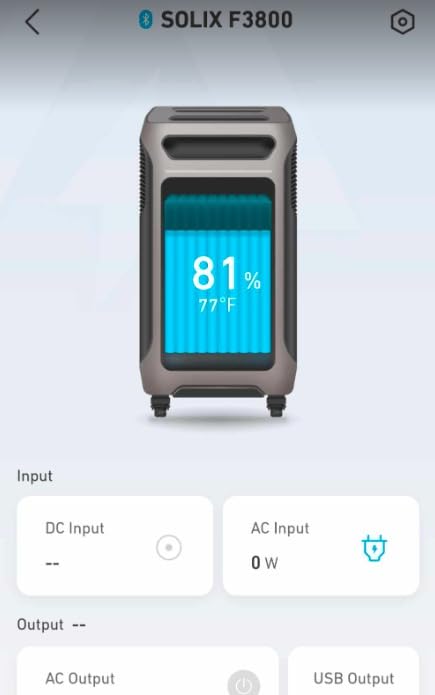
Reviews cluster strongly on capacity, app control and build quality, with a large share of five-star ratings. The most common complaints are physical and practical: 132 pounds in a 34-inch cube needs a dedicated space, and no solar panel is included, so anyone who wants a solar generator rather than a battery station has to add panels separately.
Three AC outlets on the output panel is also fewer than you might expect for a unit this size. If your plan is to run a fridge, a router, a freezer and lights simultaneously with a transfer switch behind them, the outlet count rather than the wattage becomes the constraint.
What to check before buying the F3800
Measure the intended location first, because a 34-inch cube at 132 pounds determines which room it can live in and whether you can get it there on a dolly. A unit you cannot move during an outage is a unit you will not use at its full capability.
Factor in the missing panels. With 2400 W of solar input available, you can attach serious array and refill this battery properly, but none of it arrives in the box and that is a real addition to the cost of a complete solar generator setup.
Who should skip it
Skip it if you have no EV, no RV and no 240 V loads, because the expensive part of this design is the vehicle-grade port and it will simply sit unused. A household that only needs a fridge and lights is overpaying for hardware built for a different job.
It is also a weak fit for a garage where floor space is tight or for anyone who expects to carry the unit between rooms. The DELTA Pro 3 covers similar continuous power at a lower weight, and the smaller Anker models cover the essentials at a fraction of the size.
4. BLUETTI Elite 200 V2 Review – Top Rated With Panels in the Box
BLUETTI Elite 200 V2 Solar Generator & 2x200W Solar Panel Included 2073.6Wh
2073.6Wh LFP with 6000+ cycles
2600W continuous 3900W lifting
Two 200W panels included
Pros
- Two 200W solar panels are included in the kit
- 2600W runs a microwave and air fryer at the same time
- Only 10W standby draw stretches small-load runtime
- 0-80% in 50 minutes and full in about 2 hours
- 6000-cycle cells rated for a 17-year lifespan
Cons
- 53 pounds is awkward to move up stairs
- Solar input capped at 1000W and 60V
- No expansion with external battery modules
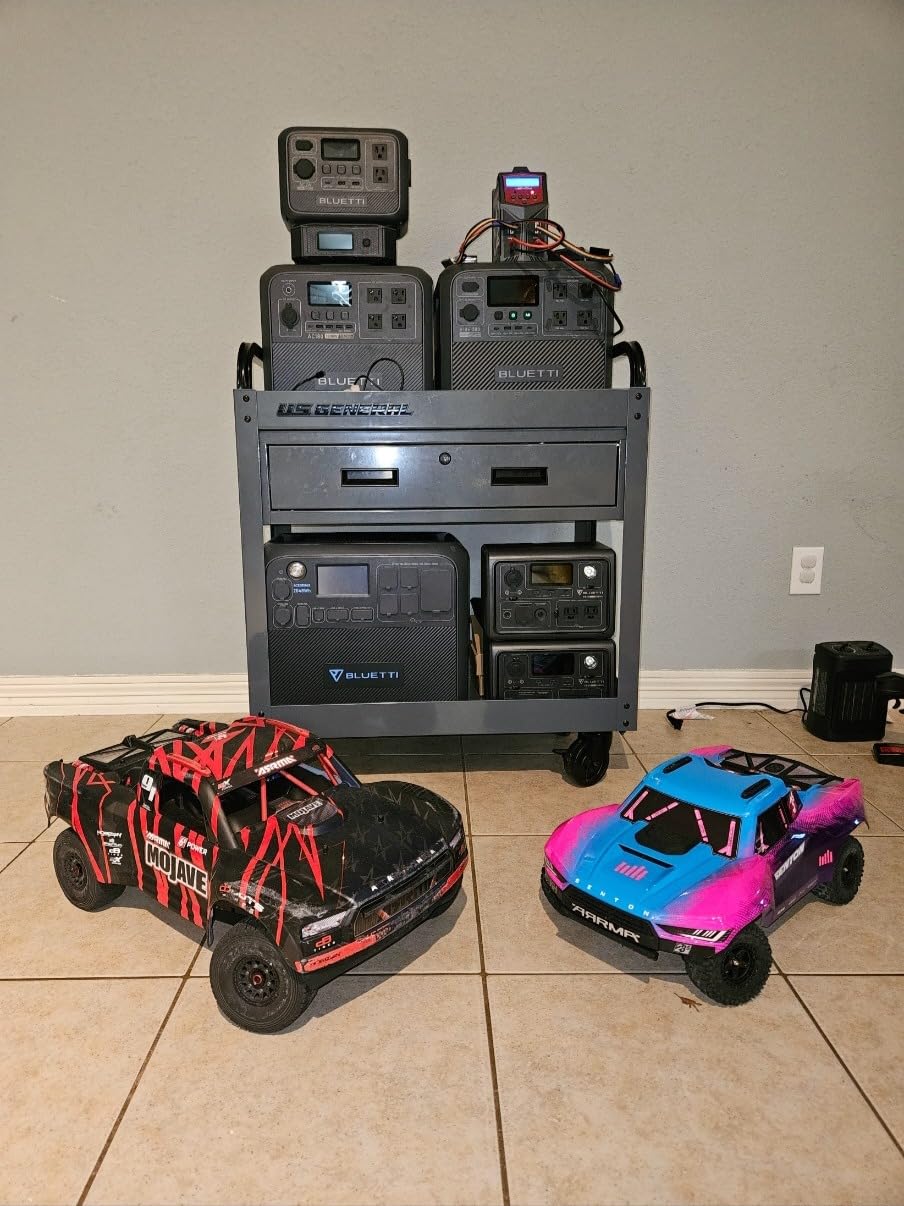
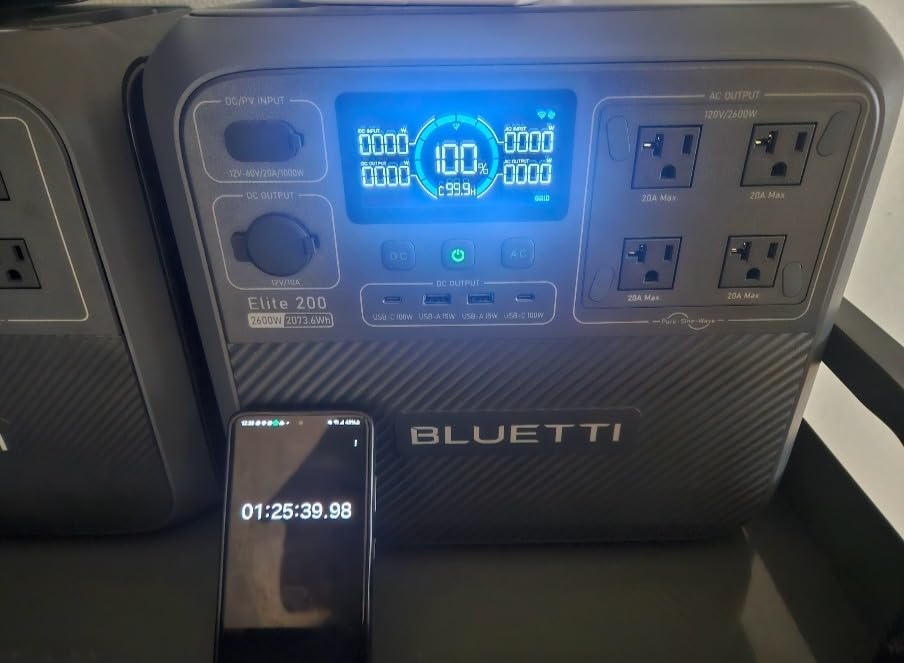
This is the model we send people who ask for one box that works out of the box. The kit includes the Elite 200 V2 plus two 200 W panels, so you can charge from sunlight on day one rather than researching panel compatibility. For most household load lists, 2073.6 Wh of LiFePO4 with a 2600 W inverter is the sweet spot in this whole category.
Owner feedback reports 29 cubic foot fridge and freezers running past 24 hours on a charge, and office users describe replacing a rack of small UPS boxes with a single unit. The 10 W standby draw is the quietly excellent number here, because on a small overnight load the inverter’s own consumption is what decides whether the battery is still useful in the morning.
Charging is fast for the class, with 0 to 80 percent in 50 minutes and a full charge in roughly two hours through the 1200 W alternator route. The under 15 ms UPS switchover has kept computers and refrigerators running straight through outages without a hiccup, which is the behaviour people expect from a unit this size.
The negatives are consistent. At 53 pounds it is not a one-hand carry, and the solar input is capped at 1000 W with a 60 V ceiling, so you cannot feed it a large array. Unlike the AC200L, it does not accept external battery modules, so 2073.6 Wh is the ceiling for the life of the unit.
What to check before buying the Elite 200 V2
Work out whether 2600 W is above your largest simultaneous load rather than your largest single appliance. Two high-draw kitchen devices on at once will test the inverter, and the 3900 W lifting mode covers a spike but is not a substitute for headroom.
Read the warranty terms for this specific model rather than the brand. BLUETTI’s coverage varies across the range, and users on support forums repeatedly point out that the fine print differs by model, so check the document that applies to the Elite 200 V2 before you rely on it.
Who should skip it
If you know your outage will run past two days, the lack of expansion is a genuine limit. There is no add-on battery path on this model, so your only recovery route is wall charging, car charging or whatever the included 400 W of panels can put back in a day.
It is also a poor choice for central air, a well pump or a dryer, since all of those are 240 V loads and this station is 120 V only. Households with a pump or a window air conditioner alongside a fridge are better served by a 4000 W model in this guide.
5. Anker SOLIX C2000 Gen 2 Review – Best for Fast Recharging and Light Carrying
Anker SOLIX C2000 Gen 2 Portable Power Station, 2,048Wh, 2,400W, Camping
2048Wh LFP expandable to 4kWh
2400W rated 4000W peak
9W standby draw
41.7 lb 120V only
Pros
- 9W standby draw gives up to 32 hours on a fridge
- Full recharge in 58 minutes on AC and solar together
- 800W alternator charging refills from a car in 3 hours
- Lightest frame in the group at 41.7 lb
- Handles window and RV air conditioners
Cons
- 120V only so 240V appliances cannot run
- 2048Wh base is modest for multi-day outages
- No solar panel is included
The C2000 Gen 2 is the fastest-recharging portable power station in this group, and for storm preparation that matters more than its spec sheet suggests. A full recharge in 58 minutes using AC and solar together means you can recover a usable charge overnight after a long outage rather than waiting out a day of cloud.
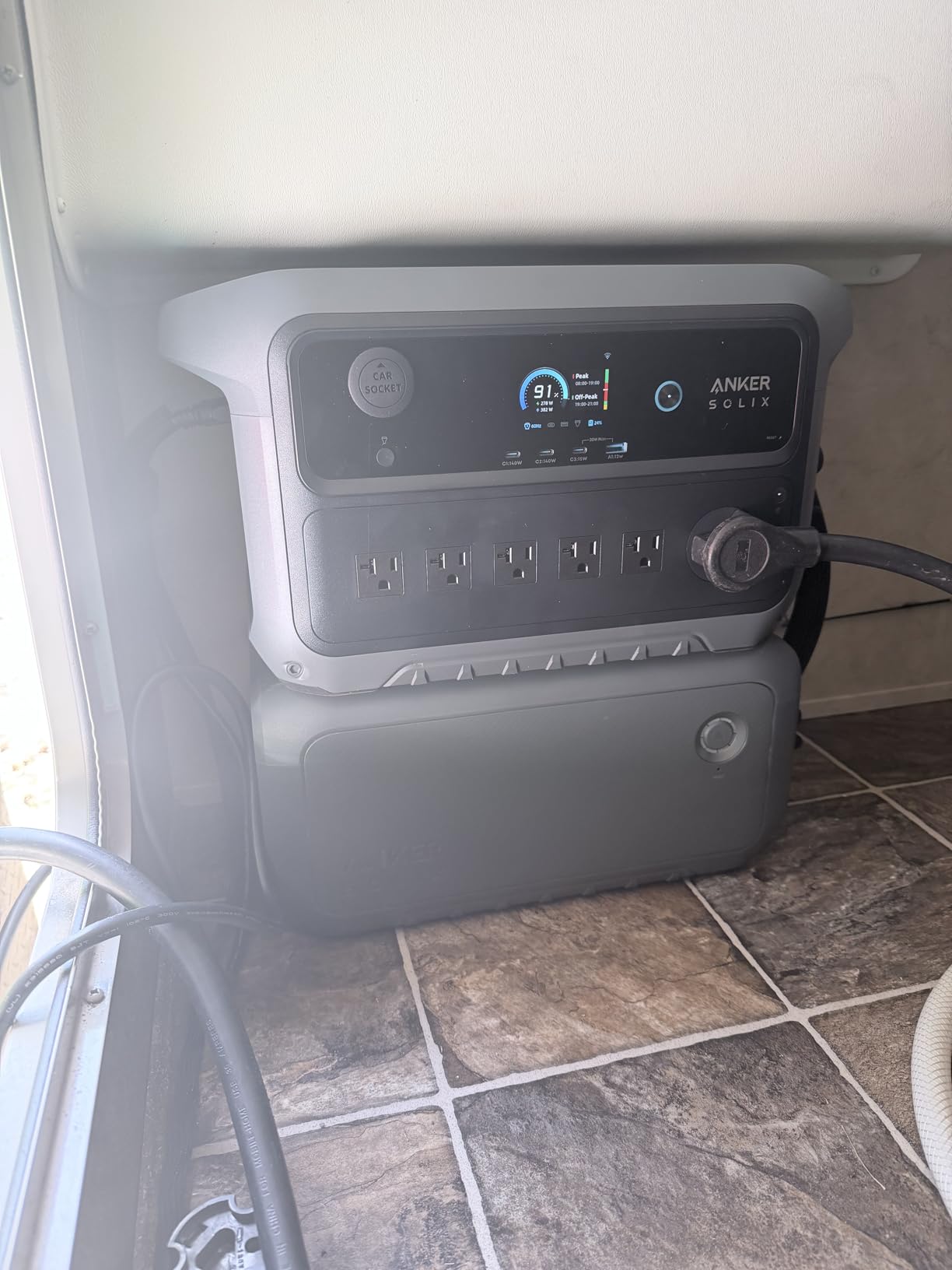
It is also the lightest of the eight at 41.7 pounds, with a footprint reviewers describe as 25 percent lighter and 29 percent smaller than similar products. The 9 W standby draw translates to a claimed 32 hours on a dual-door fridge on the base capacity, or 64 hours with the expansion battery attached.
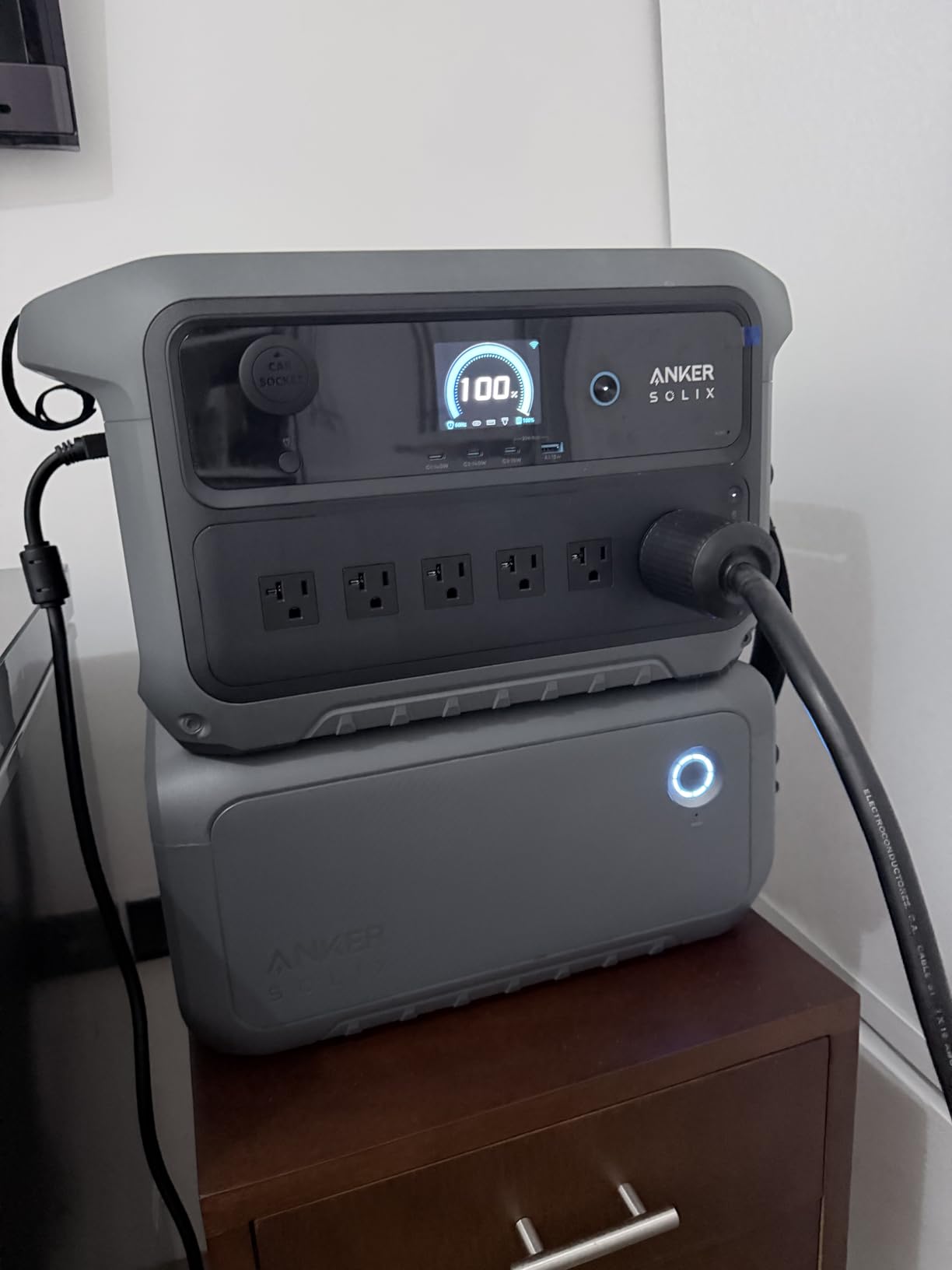
On output, 2400 W rated and 4000 W peak is more than enough for most homes, and reviewers confirm it handles window air conditioners and multi-appliance use for RV and camping. With 87 percent of reviews at five stars, satisfaction here is unusually concentrated, and the low idle draw is the reason most owners give.
The limits are the ones you would expect from a 120 V unit. No well pump, no electric dryer, no central air, because none of those split-phase appliances can be fed from it. The 2048 Wh base is also modest once a real household is running through it rather than a single fridge.
What to check before buying the C2000 Gen 2
Plan for the missing panel. This is a power station rather than a bundled solar generator, so if your goal is solar recharging you need to add panels and confirm the connector standard before ordering, because mixing brands is not always straightforward.
Check how the expansion battery changes the runtime math, since doubling the capacity to 4 kWh is the single most useful upgrade available to this model. Do that arithmetic against your outage length rather than buying it in the hope of needing it later.
Who should skip it
Skip it if any of your essential loads are 240 V. That is a hard wall, not a preference, and no amount of expansion changes it. Households with a sump pump of significant size, a well pump or a dryer need a different class of model.
It is also a weaker choice for a household that wants panels in the box, since you will be sourcing them separately. If an all-in-one kit matters more than recharge speed, the BLUETTI Elite 200 V2 arrives ready to charge from sunlight.
6. Jackery Solar Generator 1000 v2 Review – Best for Renters and Apartments
Jackery Solar Generator 1000 v2 and 200W Solar Panel,1070Wh,1500W AC
1070Wh LFP with 1500W output
3000W surge
23.8 lb with foldable handle
200W panel included
Pros
- Lightest model here at 23.8 lb with a foldable handle
- One-hour emergency charge toggled in the app
- Three pure sine wave AC outlets plus 100W USB-C
- Can charge from solar while powering a fridge
- 200W panel with magnetic clasps and alignment dial
Cons
- 1070Wh covers essentials rather than a household
- The one-hour charge is off by default to protect the battery
- 200W panel sags and tips over in wind
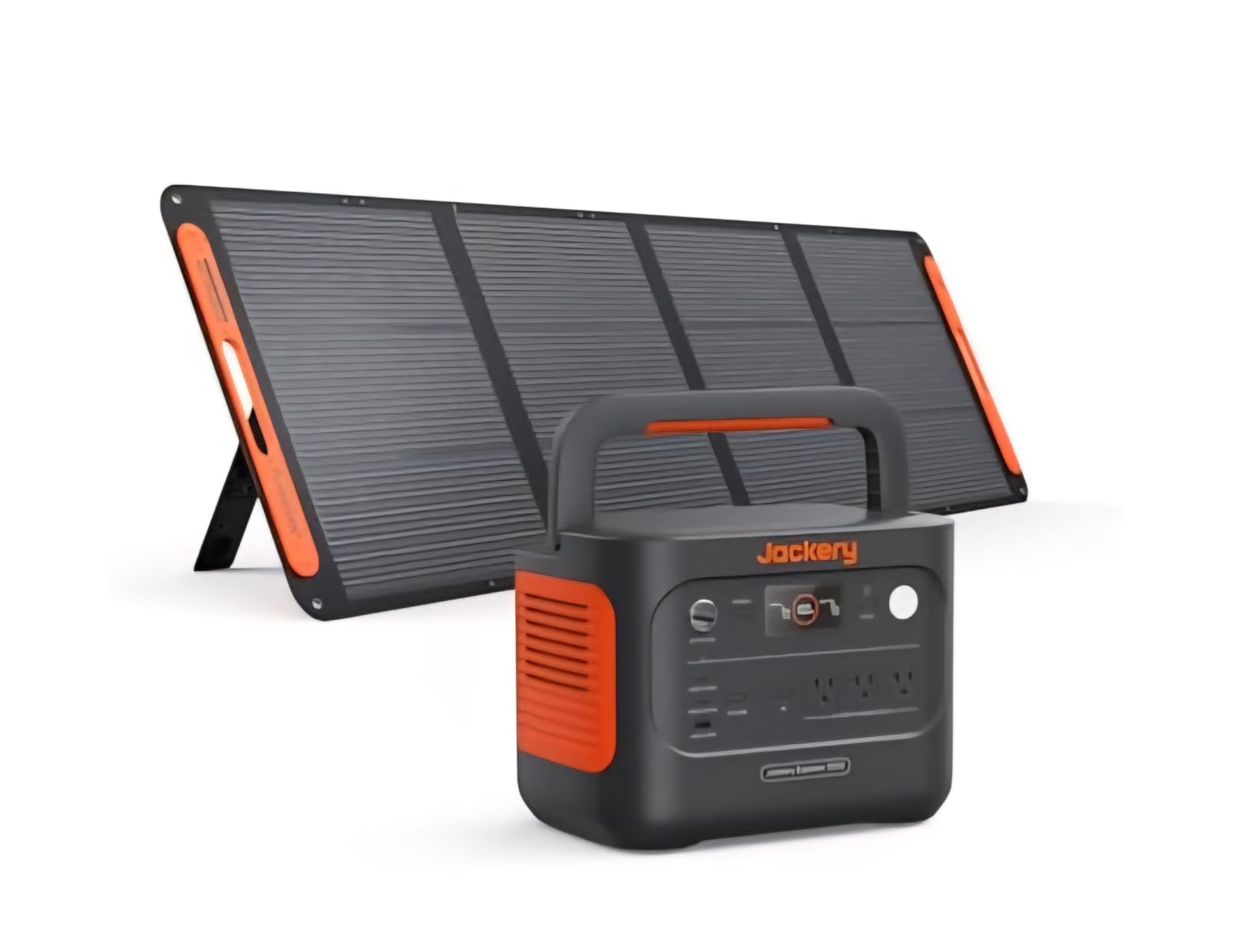
For an apartment, a rental or a first outage backup, this is the model that fits through the door and up the stairs. At 23.8 pounds with a foldable handle, one person can carry it, and 1070 Wh is enough for a refrigerator, several lights, a router and phone charging through a typical short outage.
Owner feedback is the largest in this guide at more than 1400 reviews, and it is consistently positive on portability, build quality and real outage performance. One owner describes running a fifteen-year-old side-by-side fridge for nine hours overnight and refilling it in sunlight the next day, which is exactly the use case this size is built for.
There is a genuinely useful feature most competitors leave out, which is the ability to charge from solar while powering a fridge at the same time. The three pure sine wave AC outlets and the 100 W USB-C ports also make it a credible desk backup, and the app adds emergency charging, 30 dB quiet overnight charging and an efficiency mode.
Be careful with the headline one-hour charge, because it is off by default and has to be enabled in the app. The default is 1.7 hours specifically to protect battery life, and the shorter mode ages the cells faster, so treat the one-hour figure as an emergency option rather than a normal operating mode.
What to check before buying the Jackery 1000 v2
Add up your essential loads and be honest if they exceed roughly 700 W. A refrigerator plus a freezer plus lights will exhaust this unit faster than most people expect, and the honest answer in that case is the AC180 or the Elite 200 V2, not a stretch on capacity here.
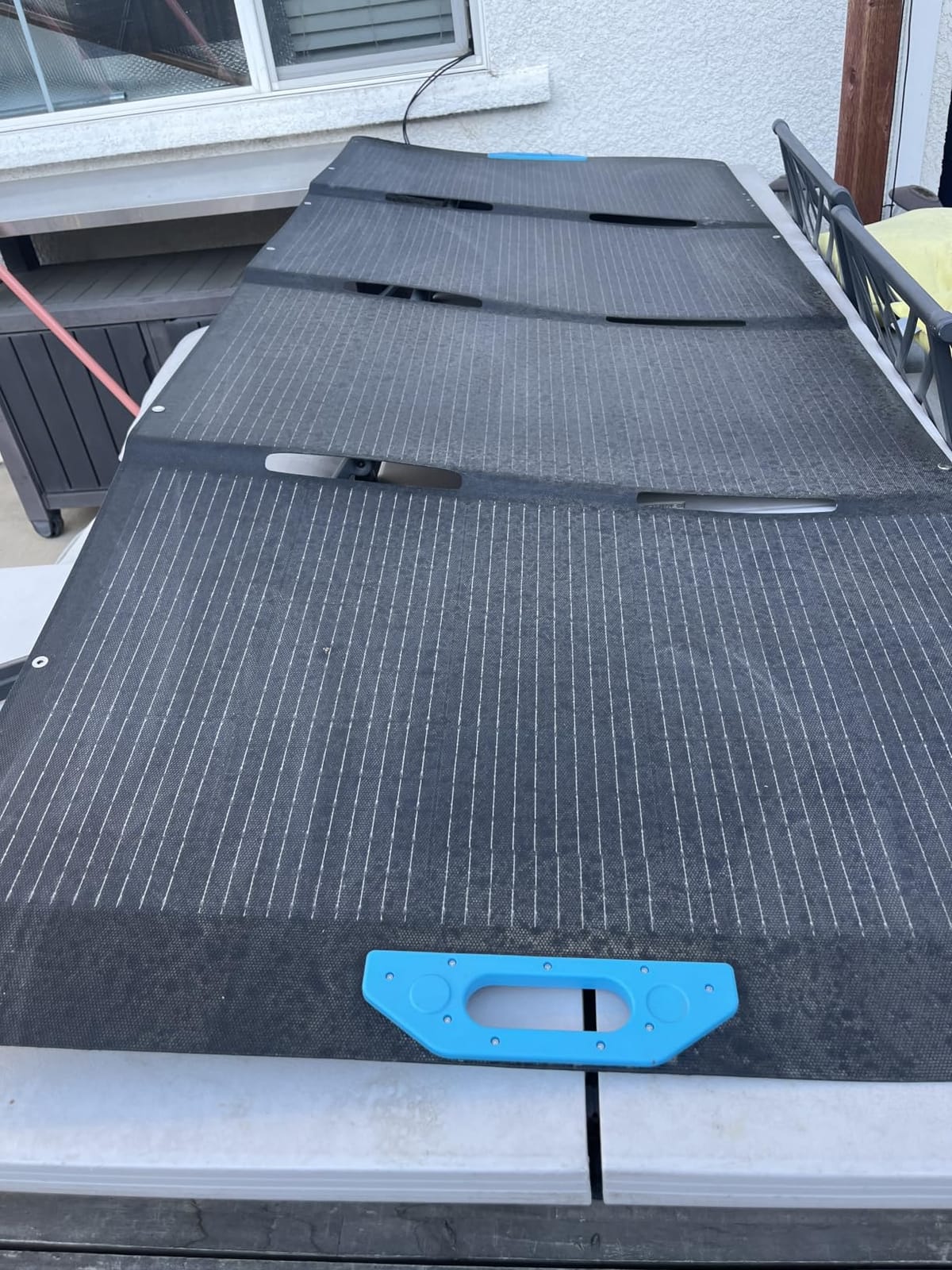
Understand the panel you are getting. The 200 W SolarSaga panel uses magnetic clasps and a sun-alignment dial, which is a nice design touch, but it sags and blows over in wind, has a short cable and needs constant repositioning.
Who should skip it
Skip it for multi-day outages. 1070 Wh is a one-night class capacity, and refilling it with a single 200 W panel takes longer than a day even in good sun, so a household expecting three or more days without grid power needs a different model.
It is also the wrong pick for any 240 V load and for anyone running a home office with a desktop and several monitors on a 1500 W ceiling. The exhaust side also runs hot, so give it ventilation rather than tucking it into a closed cupboard.
7. BLUETTI AC180 Review – Budget Pick With the Most Owner Feedback
BLUETTI Portable Power Station AC180, 1152Wh LiFePO4 Battery Backup w/ 2 1800W (2700W peak) AC Outlets, 0-80% in 45Min, Solar Generator for Camping, Off-grid, Power Outage
1152Wh LFP with 1800W output
2700W peak in lifting mode
20 ms UPS switchover
37.4 lb 500W solar
Pros
- Largest owner feedback base of any model here
- Full charge in one hour at 1440W AC input
- 500W solar input refills it in about 3 hours
- 20 ms switchover kept routers and TVs running
- Eight outlets plus a wireless charging pad
Cons
- About 20W of inverter self-consumption on every load
- Manual caps usable capacity at 90% of nameplate
- Wireless charging pad fails on some phones
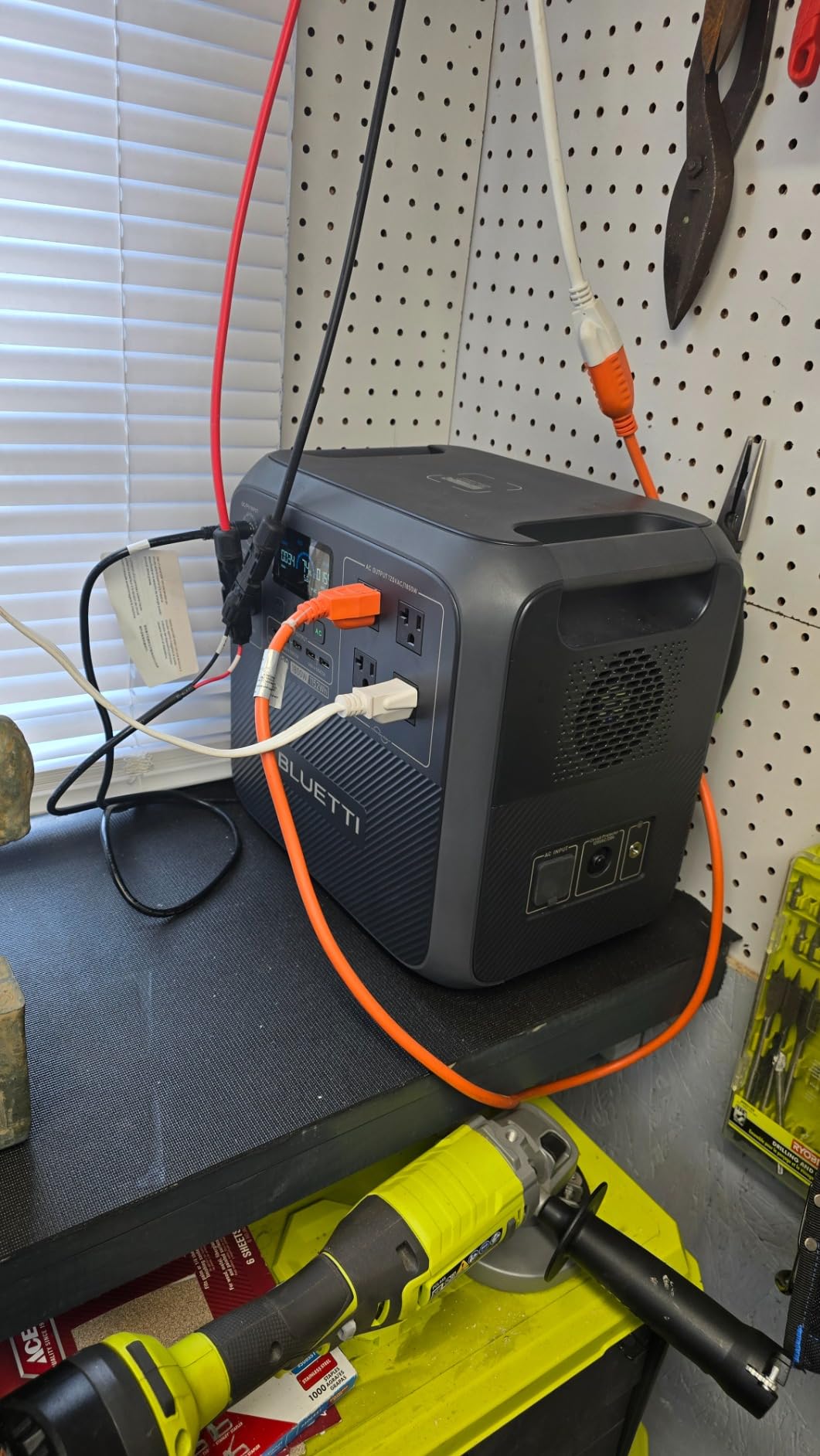
The AC180 is the entry point most people should start from, and it is the model in this group with by far the most owner feedback at over 2600 reviews. That matters, because a category this new benefits enormously from thousands of households reporting what actually happened during their outages rather than what the datasheet promised.
Homeowners use it as a plug-in UPS for a basement circuit covering a router, a television and lights, and report a switchover so fast they never noticed the outage. It also handles multi-day camping duty running portable fridges, and the 1800 W inverter with 2700 W of power lifting covers more than the nameplate class suggests.
Charging is the standout feature for a unit this size, with a full charge in one hour at 1440 W AC input and roughly 2.8 to 3.3 hours on 500 W of solar alone. The display is genuinely informative, showing live input and output watts, the current load and an estimated runtime, and firmware updates have fixed several reported runtime issues after purchase.
The most substantive criticism, repeated in detail by owners, is the roughly 20 W of inverter self-consumption sitting on top of whatever you draw, combined with a manual that caps usable capacity at 90 percent of the nameplate. On a small overnight load those two numbers matter more than the headline watt-hours, and several users resolved their runtime complaints with a firmware update and a calibration cycle.
What to check before buying the AC180
Do the runtime math with 20 W added to your load, and with 90 percent of the rated capacity in the tank. On a 60 W evening load the inverter overhead is a quarter of what you are actually consuming, which is exactly the scenario where small units disappoint people.
Update the firmware as soon as it arrives. Owners repeatedly report that runtime figures improved substantially after an update and a calibration cycle, so the unit you receive is not necessarily performing as its early reviews describe.
Who should skip it
Skip it if you need 240 V, or if a well pump or a larger sump pump is on your list, because 1800 W with 2700 W of peak will not carry a motor with a serious inrush. The Elite 200 V2 or the C2000 Gen 2 are the better fits for that kind of load.
It is also a mediocre choice for a household planning multi-day outages, since 1152 Wh with a 20 W overhead is a short night rather than a long weekend. The wireless charging pad fails often enough that you should not plan around it, and the 37.4 pound weight is real for a unit this compact.
8. Anker SOLIX S2000 Review – Best for UPS Backup and Fridge Runtime
Anker SOLIX S2000 Portable Power Station, 2,010Wh, 1,500W
2010Wh LFP on 314Ah cells
1500W continuous 3000W peak
6W idle in UPS mode
35.7 lb 120V only
Pros
- 35 hours of full-size fridge runtime on a 6W idle draw
- 10000-cycle cells rated for a 15-year lifespan
- App allows charge rates down to 100W with UPS modes
- Dual-sided outlets separate daily and always-on loads
- Under 10 ms switchover works as a true UPS
Cons
- Cooling fan drones loudly while charging at 1200W
- First charge produces a strong burn-off smell
- 120V only and no 12V DC port
The S2000 is the one to look at if your outages are short but frequent and you want your electronics to survive every one of them without fuss. At under 10 ms switchover it behaves like a real uninterruptible power supply, and owners describe network racks, desktops and streaming equipment riding through outages with no interruption at all.
The battery is the headline: 2010 Wh built on 314Ah cells rated for 10000 cycles and a 15-year lifespan, which is the highest cycle rating in this group by a wide margin. The 6W idle draw in UPS mode produces a measured 33 to 35 hours of full-size fridge runtime, matching the claim closely rather than approximately.
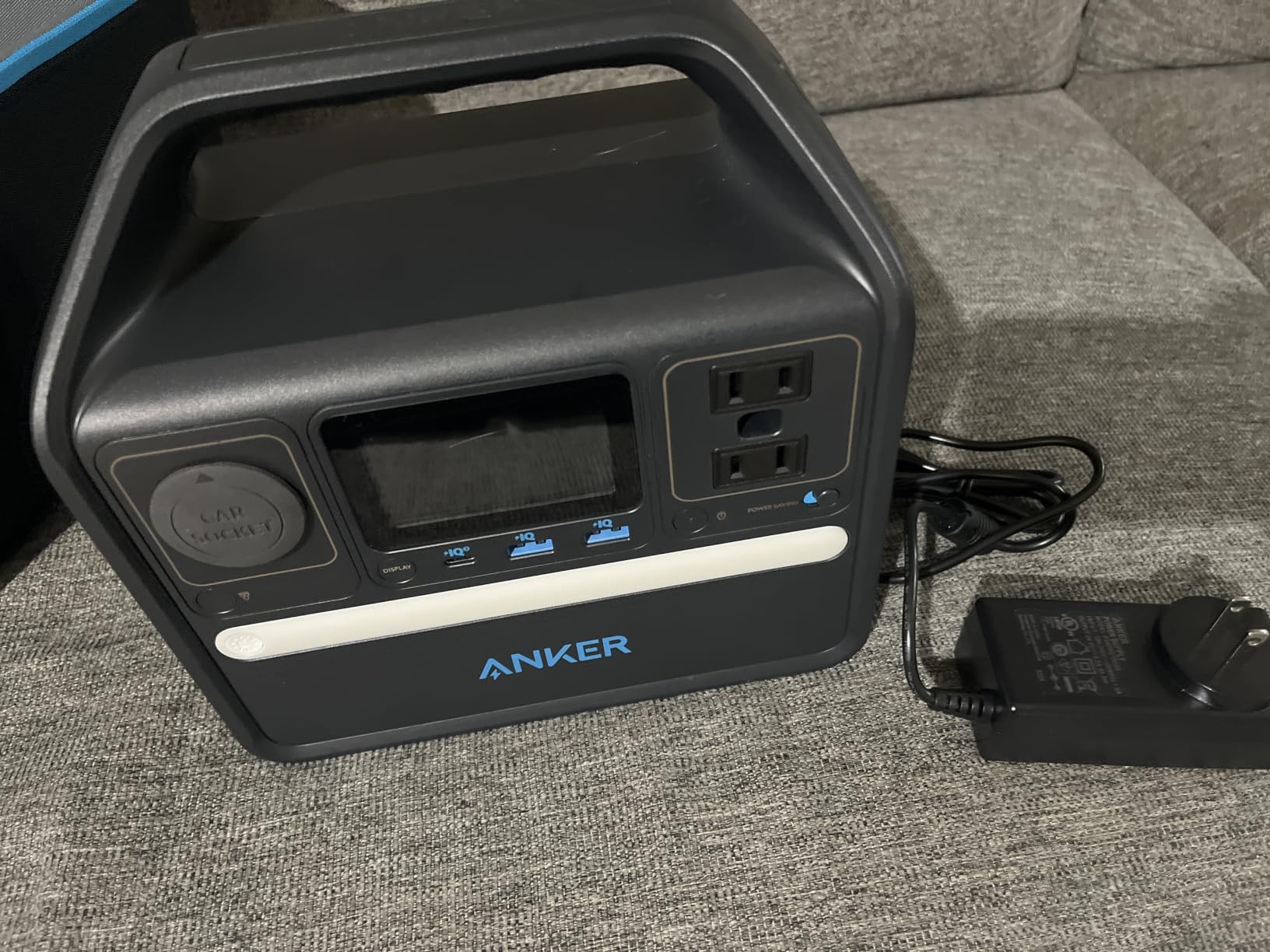
The Anker app is singled out repeatedly as the most granular in this class, with adjustable charge rates down to 100 W, dedicated UPS and time-of-use modes, kilowatt-hour tracking and charge and discharge limits. The dual-sided outlet layout is a small but real design win, keeping always-on devices at the rear and everyday plugs at the front.
At 35.7 pounds in an 8.2 by 11.1 by 12.7 inch box, it is the smallest footprint for a 2 kWh unit here. It is also 120 V only, and there is no 12 V DC port on this model, so if your load list includes a well pump, a dryer or anything you would plug into a cigarette lighter socket, that is a problem.
What to check before buying the S2000
Plan for the noise. The cooling fan is reported as loudly droning while charging at 1200 W, so this is not the unit to charge in a bedroom at full speed overnight. Charging it in a garage, a utility room or a basement while you sleep solves the problem completely.
Also expect an unpleasant first charge, with a strong burn-off smell that fills the room for hours. It is normal behaviour for a new lithium pack, but charge it somewhere ventilated the first time so it does not alarm the household.
Who should skip it
Skip it for 240 V loads and for anyone whose essential equipment needs a 12 V DC feed. It is also the wrong pick for a household expecting an expansion path, since the 2010 Wh figure is what you have.
And skip it if weight near stairs is a concern without a second person to help. There is no dedicated carry handle on this model, so the 35.7 pounds is a two-hand lift, and weight becomes decisive late in the buying process rather than early.
Runtime Expectations and Solar Panel Math
Runtime is simple arithmetic with one correction. Take the usable watt-hours, multiply by roughly 0.85 to account for inverter losses and a battery that is not completely full, then divide by your total load in watts. Add the inverter’s own idle draw on top, because on a 2 kWh unit that overhead can be 6 W or as much as 20 W.
What that looks like for a refrigerator alone, rated at 150 W running with a 100 W inverter overhead:
1070 Wh (Jackery 1000 v2): roughly 6 hours
1152 Wh (BLUETTI AC180): roughly 6 hours after the 90% usable cap
2010 Wh (Anker SOLIX S2000): roughly 34 to 35 hours with its 6W idle draw
2048 Wh (Anker SOLIX C2000 Gen 2): roughly 32 hours as rated
2073.6 Wh (BLUETTI Elite 200 V2): roughly 32 hours with its 10W standby draw
4096 Wh (EcoFlow DELTA Pro 3): roughly 23 hours
3840 Wh (Anker SOLIX F3800): roughly 21 hours
6144 Wh (EcoFlow DELTA Pro Ultra): roughly 34 hours
For a realistic essentials load of about 400 W, which is a fridge, lighting, a router and a CPAP machine together, halve those figures. A 2073.6 Wh station drops to roughly 4 hours, a 4096 Wh unit to about 8 hours, and the 6144 Wh DELTA Pro Ultra to around 12 hours. That is why the big units earn their place for multi-day events and the small ones earn theirs for overnight ones.
Solar recovery follows the same logic. A 200 W panel delivers roughly 160 W of real output on a clear day after conversion losses, which means around 1.3 kWh per full sun hour and a little under 8 kWh across a six-hour day. Refilling a 2073.6 Wh battery from empty takes about a day and a half of full sun with the two included panels running together.
To refill a 4096 Wh station in a single useful day you would need well over 2 kW of panels, and to refill 6144 Wh you would need closer to 3 kW. Panels and power stations frequently arrive in separate boxes, and bundled kits often ship panels that are simply too small for the battery they are sold with, so check the panel wattage against the capacity before you plan around it.
Winter and cloudy weather multiply all of these times. Forum discussion about outage planning repeatedly makes the point that a plan built on solar refilling the battery fails exactly when the weather is worst, so keep wall charging and car charging in your plan as the recovery path.
Transfer Switch vs Interlock vs Smart Home Panel
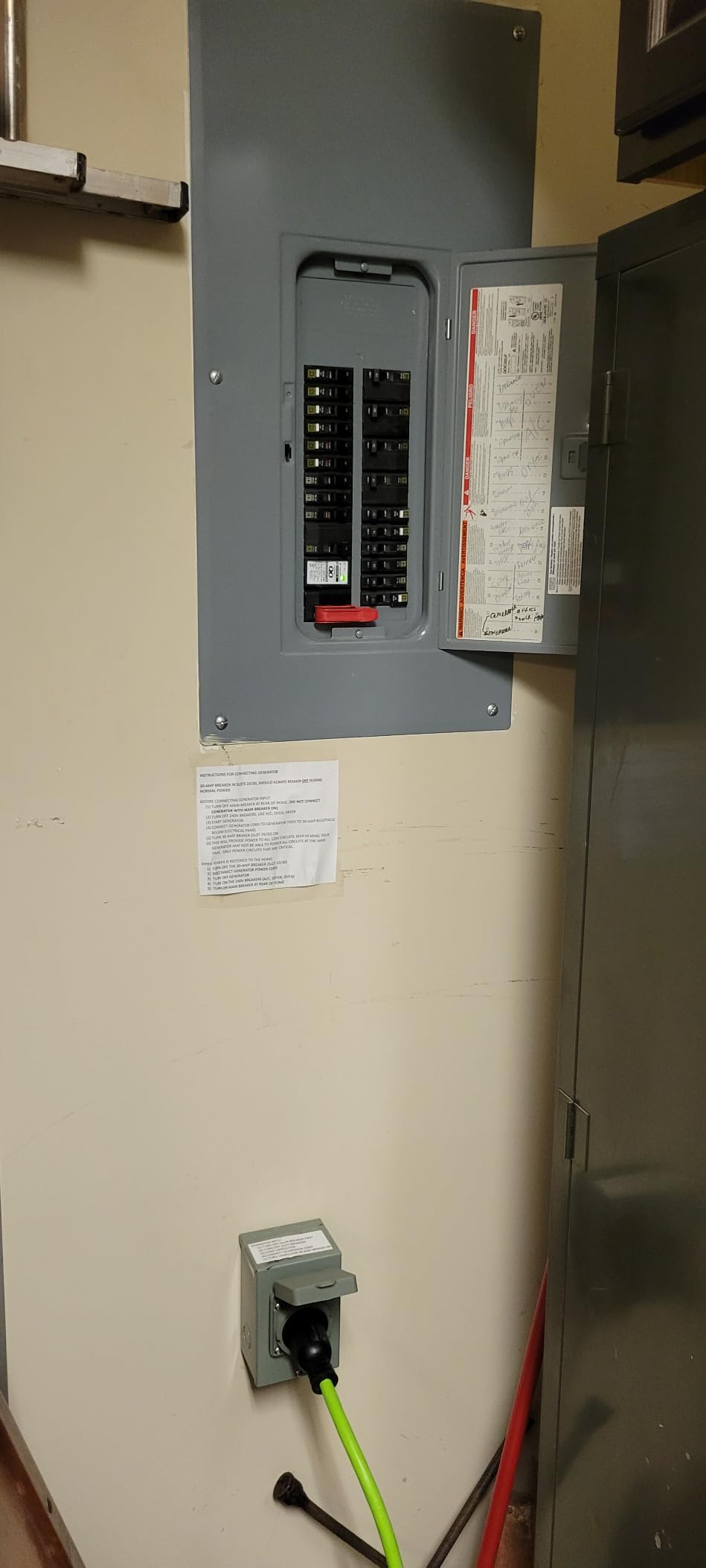
This is the part almost every roundup skips, and it is the part that determines whether a portable power station is a backup for one circuit or a backup for your house. All three options involve wiring into your electrical system, and all three should be installed by a licensed electrician.
Transfer switch. A manual transfer switch moves your main supply between the grid and the backup source with a single lever. It is the most familiar solution and the least flexible, because you can only use the backup when you physically turn it, and a large transfer of load on a lever mechanism is the arc flash risk that electricians raise repeatedly on professional forums.
Interlock. An interlock is a device fitted next to your main breaker that physically prevents the grid and the backup source from being energised at the same time. It is cheaper, it allows the backup to start automatically in many configurations, and it is the standard answer to which is better between an interlock and a transfer switch for most home backup plans.
Smart home panel. A smart home panel is a modern breaker panel that can start and stop a battery or generator automatically, prioritise which circuits get power, and show circuit-level monitoring. It is the most capable option and the most involved installation, and it is the route owners of the EcoFlow stations in this guide most often report using.
Whichever route you choose, the portable power station must output 240 V split phase. Four of the eight models in this guide are 120 V only, which means they can power your house through extension leads and a few outlets but cannot be connected to a breaker box at all. That distinction is worth checking before you buy, not after.
Safety is not negotiable here. Back-feeding a panel without proper isolation can injure or kill electricians working on your system later, and arc flash incidents on switchgear are exactly what the arc flash and backfeed warnings on contractor forums are about. Use a licensed electrician, and treat any instruction to wire a panel yourself as a signal to stop.
Buying Guide: Nine Specs That Decide the Purchase
1. Battery chemistry and rated cycles. Lithium iron phosphate is the only sensible choice for a unit that will sit in a garage for a decade. Look for a published cycle count, and treat any vague marketing on this point as a warning sign. R/preppers consensus treats 3000-plus cycles and a ten-year lifespan as the deciding factor, and we agree.
2. Continuous watts against your real load. Add up what you will actually run, then stay at 80 percent or below of the rated output. Manufacturers advertise the headline figure, and the useful question is what survives at that level.
3. Surge watts against your largest motor. Refrigerators, sump pumps, well pumps and air conditioners draw a large inrush for a second or two. Size surge at three times your largest motor’s running figure, because inverter trips on surge are the most common surprise in this category.
4. 120 V and 240 V support. If you plan to run central air, a dryer, a well pump or an electric range, 240 V is not optional. It is also the gate on whether panel integration is even possible later.
5. Pure sine wave output. Medical equipment, networking hardware and motorised appliances all behave better on pure sine wave. Modified sine wave is the single most common deal breaker among owners, and no model in this guide uses it.
6. Solar input wattage and connector type. A 400 W input ceiling on a 4000 Wh battery means your recovery plan is measured in days, not hours. Confirm whether the connectors are MC4 or a proprietary type before assuming you can mix panels from another brand.
7. Expandability and the ceiling it reaches. Check both the number of extra batteries allowed and the maximum total capacity. The BLUETTI Elite 200 V2 in this guide has no expansion path at all, which is a meaningful difference to a unit that scales to 48 kWh or more.
8. Ports and outlets. Smaller units run out of AC sockets immediately once a fridge, a laptop and a fan are connected. The AC180 with eight outlets and the S2000 with its dual-sided layout both solve a problem the F3800 creates with only three AC outlets.
9. Warranty length, registration terms and support reachability. Five years is common across the models here, but warranty terms vary by model within a brand, so read the document for your specific unit. Support responsiveness varies too, and independent review aggregators have reported slow responses from some BLUETTI channels even where the hardware itself is rated well.
On brand head-to-head, the pattern owners describe is consistent: EcoFlow is strongest on app control and charging speed, BLUETTI is strongest on capacity per dollar and inverter quality, Jackery is strongest on portability and recognition, and Anker SOLIX is strongest on battery cycle ratings and granularity in the app. None of that is universal, so the model-level review above is the more reliable guide.
On common pitfalls, the ones that cause the most disappointment are consistent across forums: overestimating runtime by ignoring inverter self-consumption, ignoring surge ratings on pumps and fridges, assuming solar panels are included when they are not, buying a kit whose panels are too small to refill the battery, and letting a stored battery sit empty for months before the season it was bought for. We keep our own field notes on running solar generators on lighter creative loads that double as a reasonable pre-season test routine.
And there is an honest case for buying nothing. If your outage history is one short event a year, your essential load is a refrigerator and some lights, and you have no plan to connect a portable power station to a panel, a compact 1000 Wh unit with a panel included covers it. The larger stations in this guide earn their cost only when the outage is long, the load is heavy, or the panel connection is real.
Frequently Asked Questions
Will a 2000 watt solar generator run a refrigerator?
Yes, easily. A refrigerator typically draws 100 to 400 W while running, with a start-up spike of roughly three times that. A 2000 W inverter has more than enough headroom, and a 2000 Wh battery will run a fridge alone for around 32 hours depending on idle draw, or about 4 hours if you add lighting, a router and a medical device.
What size solar generator do I need for my home?
Match the unit to your essential load list, not to your whole house. For a refrigerator, lights, a router and a CPAP machine you need roughly 400 W continuous and about 2000 Wh of storage, which is a mid-size portable power station. Add roughly 2000 Wh for each additional major appliance, and add 240 V capability the moment a pump, dryer or central air is on the list.
Can a solar generator power an entire house?
Not on its own. A portable power station covers essentials such as a fridge, lighting, internet and a medical device, and larger units can add a freezer, a window air conditioner or a well pump. Running central air, a dryer, an electric range and a water heater together needs an installed home battery with a proper panel connection, installed by a licensed electrician.
Can you use a transfer switch with a portable generator or solar generator?
Yes, and it is the standard way to let a portable power station feed a breaker box. The unit must output 240 V split phase, and a transfer switch, interlock or smart home panel must be installed by a licensed electrician to prevent back-feeding. 120 V-only units such as the Anker SOLIX S2000, C2000 Gen 2 and the Jackery 1000 v2 cannot be connected to a panel at all.
Which is better, an interlock or a transfer switch?
For most home backup plans an interlock is the better fit, because it is cheaper, allows automatic start of the backup source and prevents the grid and the backup from being energised together. A manual transfer switch is simpler and more familiar, but it requires someone to throw a lever and the large load transfer is the arc flash risk electricians raise most often.
What are the disadvantages of a manual transfer switch?
You must be physically present to switch it, so it does nothing during an outage while you are away. The lever transfer of a large load carries an arc flash risk, it gives you no monitoring of which circuits are live, and it cannot automatically start the backup source or manage load priorities. It also requires a licensed electrician to install.
What is the best backup power source for a CPAP machine?
Any current unit from this guide with a pure sine wave inverter and under 20 ms UPS switchover will run a CPAP machine and its humidifier, typically drawing 40 to 100 W. The Anker SOLIX S2000 has a 6W idle draw and under 10 ms switchover, while the Jackery 1000 v2 at 23.8 pounds is the easiest to keep beside the bed. Keep a backup battery for the machine itself and talk to your equipment supplier before any outage.
How long will a solar generator run a refrigerator?
Take usable watt-hours, multiply by about 0.85 for inverter losses, add the inverter’s own idle draw, then divide by the fridge’s running watts. A 1070 Wh unit covers roughly 6 hours of a 150 W fridge, a 2073.6 Wh unit covers about 32 hours, and a 4096 Wh unit covers about 23 hours. Every model also has inverter self-consumption of between 6W and 20W that shortens those figures on small loads.
Which is better, Jackery, EcoFlow or Bluetti?
It depends on the load rather than the brand. EcoFlow stations are generally strongest on charging speed and app control, BLUETTI is strongest on capacity per dollar and inverter build quality, and Jackery is strongest on portability and is the easiest model to carry. Compare the continuous and surge figures against your own load list, and check warranty terms for the specific model rather than the brand.
Do solar generators work in the rain and in cold weather?
The power stations themselves are sealed units designed for indoor use, and a garage or utility room is the right home for one. Solar panels are the part exposed to weather, so check the IP rating on the panels you buy, IP65 panels tolerate rain while IP68 panels tolerate submersion. Cold reduces battery performance and slows charging, so store a unit charged and keep it somewhere above freezing between seasons.
Conclusion: Which Solar Generator Fits Your Household
Our pick for the best solar generators for home backup in 2026 depends on one question: how much power do you actually need at 11pm during a storm. The EcoFlow DELTA Pro Ultra covers the widest range, including 240 V appliances and expansion to 90 kWh. The BLUETTI Elite 200 V2 covers the most households for the least money, with solar panels already in the box. The Jackery Solar Generator 1000 v2 fits through a rental door, and the Anker SOLIX S2000 is the most capable true UPS.
Match the unit to your load list, buy the battery chemistry you can live with for a decade, and be honest about whether a licensed electrician is ever going to connect it to your panel. Those three decisions matter far more than the largest number on the box.