
Outdoor security has one big advantage over indoor coverage: the camera is the only part of the job you cannot easily redo later. Once a cable is buried or a bracket is bolted into siding, changing your mind is expensive. That is why the best PoE security cameras for outdoor use are picked on weather sealing, night performance and power draw long before anyone talks about app polish.
PoE, short for Power over Ethernet, means the camera draws both power and video data from a single Ethernet run. Nothing needs a nearby outlet, so the installer is not weatherproofing a second power cable or hunting for a junction box behind the gutter. Under the IEEE 802.3 standard, a 802.3af port supplies up to 15.4 watts, 802.3at (PoE+) supplies up to 30 watts, and 802.3bt (PoE++) goes to 60 watts and beyond.
That wiring simplicity is only half the story. The other half is where the footage lives. Every camera in this roundup records to a local microSD card, an NVR you own, or a NAS on your own network, which means no monthly subscription, no cloud outage taking your evidence offline, and full-resolution recordings instead of compressed clips. If you are still comparing against wireless, our outdoor wireless security camera roundup covers the trade-offs from the other side.
Table of Contents
Top 3 Picks for Outdoor PoE Camera Picks in 2026
We compared ten wired cameras across the criteria that actually decide an outdoor install: ingress protection rating, night vision range and color capability, field of view, power draw, ecosystem flexibility and the number of owners reporting software problems. Three stood apart.
REOLINK RLC-810A 4K PoE Bullet
- 8MP 4K at 25fps
- IP67 weatherproof
- 100ft night vision
- human and vehicle detection

Amcrest IP8M-T2599EW 4K Turret
- 8MP 4K at 20fps
- 125 degree view
- IP67 metal housing
- 98ft night vision

REOLINK RLC-811A 5X Zoom 4K
- 8MP 4K with 5X optical zoom
- 123 degree view
- color night with spotlight
- IP66
10 Best PoE Security Cameras for Outdoor Use (October 2026)
This table is the fast version. It lists every camera below with the spec that most often decides the purchase, so you can narrow the field before reading the individual verdicts. Ratings and owner counts come straight from the verified review data, not from our own testing.
| Product | Specifications | Action |
|---|---|---|
| REOLINK RLC-810A 4K PoE Bullet |
|
Check Latest Price |
 Amcrest IP8M-2496EB-V2 4K Bullet Amcrest IP8M-2496EB-V2 4K Bullet |
|
Check Latest Price |
 REOLINK RLC-510A 5MP PoE REOLINK RLC-510A 5MP PoE |
|
Check Latest Price |
| REOLINK RLC-811A 5X Zoom 4K |
|
Check Latest Price |
 Amcrest IP8M-2796EW-AI 4K Bullet Amcrest IP8M-2796EW-AI 4K Bullet |
|
Check Latest Price |
 ANNKE 16-Channel 5MP PoE Kit ANNKE 16-Channel 5MP PoE Kit |
|
Check Latest Price |
 OOSSXX 8-Camera 4K PoE Kit OOSSXX 8-Camera 4K PoE Kit |
|
Check Latest Price |
 OOSSXX 16-Channel 4K PoE System OOSSXX 16-Channel 4K PoE System |
|
Check Latest Price |
| Amcrest IP8M-T2599EW 4K Turret |
|
Check Latest Price |
 ANNKE I91ET 8MP Dual-Lens Dome ANNKE I91ET 8MP Dual-Lens Dome |
|
Check Latest Price |
Before the individual reviews, one note on where these cameras sit in the wider outdoor market. Resolution alone does not separate them: nine of the ten shoot 4K-class or 5MP footage. What separates the list is weather sealing, night behavior, lens reach and how freely the footage can be pulled into other software. If night performance is your deciding factor, our night vision roundup goes deeper on sensor choices.
1. REOLINK RLC-810A – The Best Overall Outdoor PoE Camera
REOLINK RLC-810A PoE Security Camera, 4K Wired Outdoor Surveillance
8MP 4K at 25fps
IP67 weatherproof
100ft night vision
12W PoE draw
Pros
- 4K 8MP capture at 25fps
- Human and vehicle detection cuts false alarms
- Single-cable PoE with no WiFi dependency
- Reolink app and client with no subscription fee
- MicroSD up to 512GB plus NVR and FTP options
Cons
- PoE power supply or switch not included
- No optical zoom
- Ethernet cabling required for outdoor placement
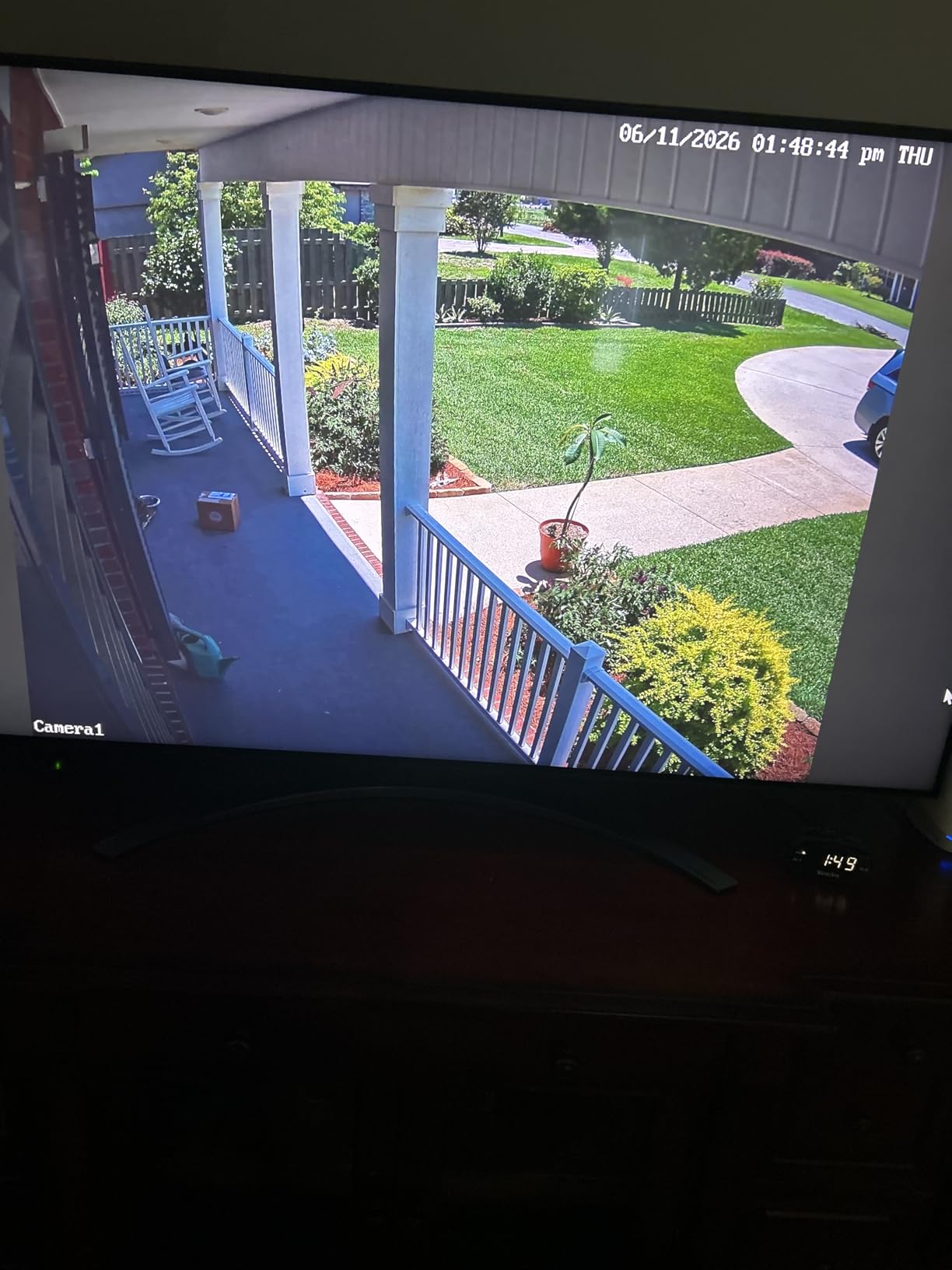
We put the RLC-810A on the front wall of a house with a long driveway and a street-facing corner, and it handled both jobs from one body. The sensor captures 8MP stills and 4K video at 25fps, which is a real advantage over the many 4K cameras in this roundup that record at 15fps and smear anything moving quickly across frame.
The 87-degree viewing angle is narrower than the Amcrest and OOSSXX models here, so this is a camera for covering a defined zone rather than blanketing a whole yard. In practice that works well: one unit on the driveway, one on the gate, one on the back corner. The housing is rated IP67, which means it is fully dust-tight and survives temporary immersion, and the listed night vision reach is 100 feet.
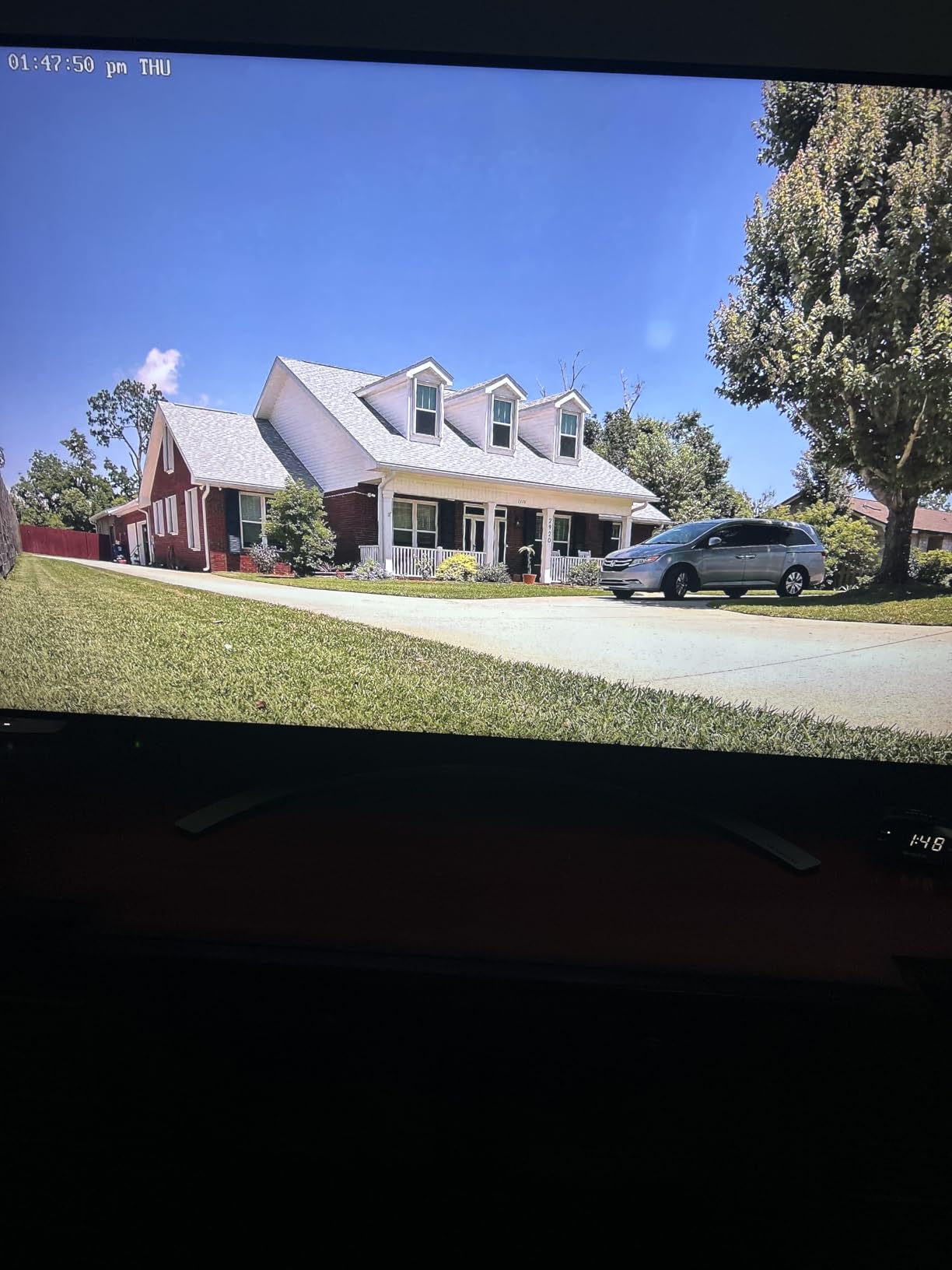
Night mode is listed as night color, and the body draws 12 watts with a 12V DC supply, which sits comfortably inside a 802.3at PoE+ port and inside the budget of most 802.3af injectors when the stream is not IR-lit at full tilt. Storage options are generous: a microSD slot up to 512GB, an FTP path, a Reolink PoE NVR, or the bundled 256GB capacity listed for the unit.
Human and vehicle detection runs on the camera rather than in the cloud, so filtering your timeline by event works with the app at no recurring cost. Owners rate it 4.5 across 1654 reviews, the highest average in this group, and the split is telling: 73 percent give five stars and 15 percent give four.
What you should check before installing it
Budget for the power hardware. The PoE switch, injector or NVR is not in the box, which is true of nearly every bare camera here, so treat it as a separate line in your install cost rather than a surprise. The mounting type is listed as ceiling mount, so under-eave placement is the intended use, and the body measures 4.25 by 4.8 by 7.72 inches at 488 grams, which is light enough for a standard soffit.
Know what you give up. There is no optical zoom on this model, so anything past roughly 40 feet will be digitally cropped and the detail will not hold up. For a license plate at the end of a long drive, the RLC-811A in this list is the better tool.
Who should skip it and why
Skip it if you want to mix brands on one NVR. The advanced detection features, time-lapse mode and firmware quirks live inside the Reolink app and client, so the best results come from Reolink hardware on both ends. Users running Home Assistant and Frigate through RTSP get reliable live view and recording, but the smart detection filters stay in the vendor app.
Also skip it if you are covering a very wide open area from a single mount. At 87 degrees the lens is honest and fairly narrow, so you will want more units rather than one stretched-out view. If you want the widest single view in this roundup without changing ecosystems, the ANNKE I91ET covers 180 degrees.
2. Amcrest IP8M-2496EB-V2 – Widest 4K View in the Lineup at 125 Degrees
Amcrest UltraHD 4K (8MP) Outdoor Bullet Security IP POE Camera, 98ft NightVision, 2.8mm Lens, IP67 Weatherproof, 256GB MicroSD Recording, Black (IP8M-2496EB-V2)
8MP 4K at 15fps
125 degree view
131ft night vision
IP67 metal housing
Pros
- 4K 8MP with an enhanced low-light CMOS sensor
- Very wide 125 degree viewing angle
- IP67 metal enclosure rated to 60 degrees C
- Works with Amcrest NVRs and Synology or QNAP NAS
- MicroSD recording up to 256GB
Cons
- PoE injector or switch sold separately
- Records at only 15fps
- Digital zoom only with no optical zoom
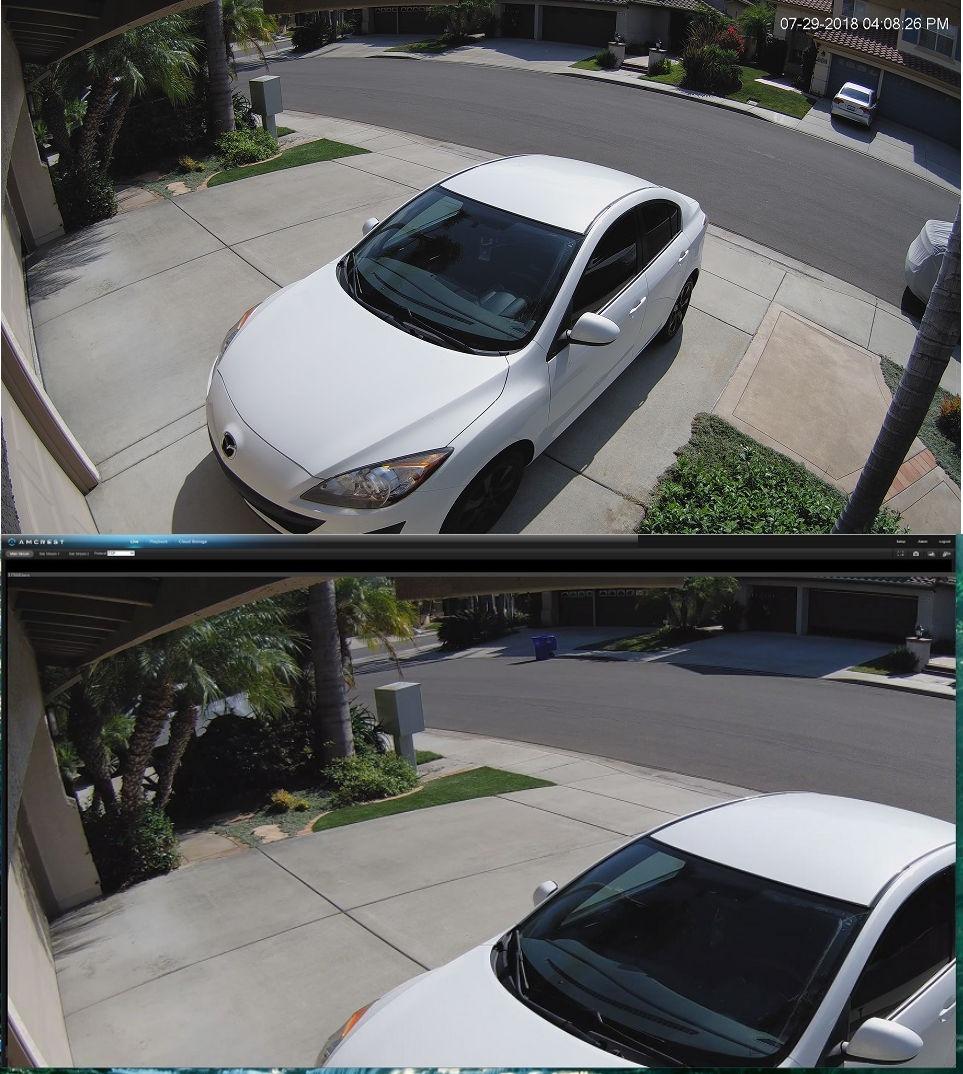
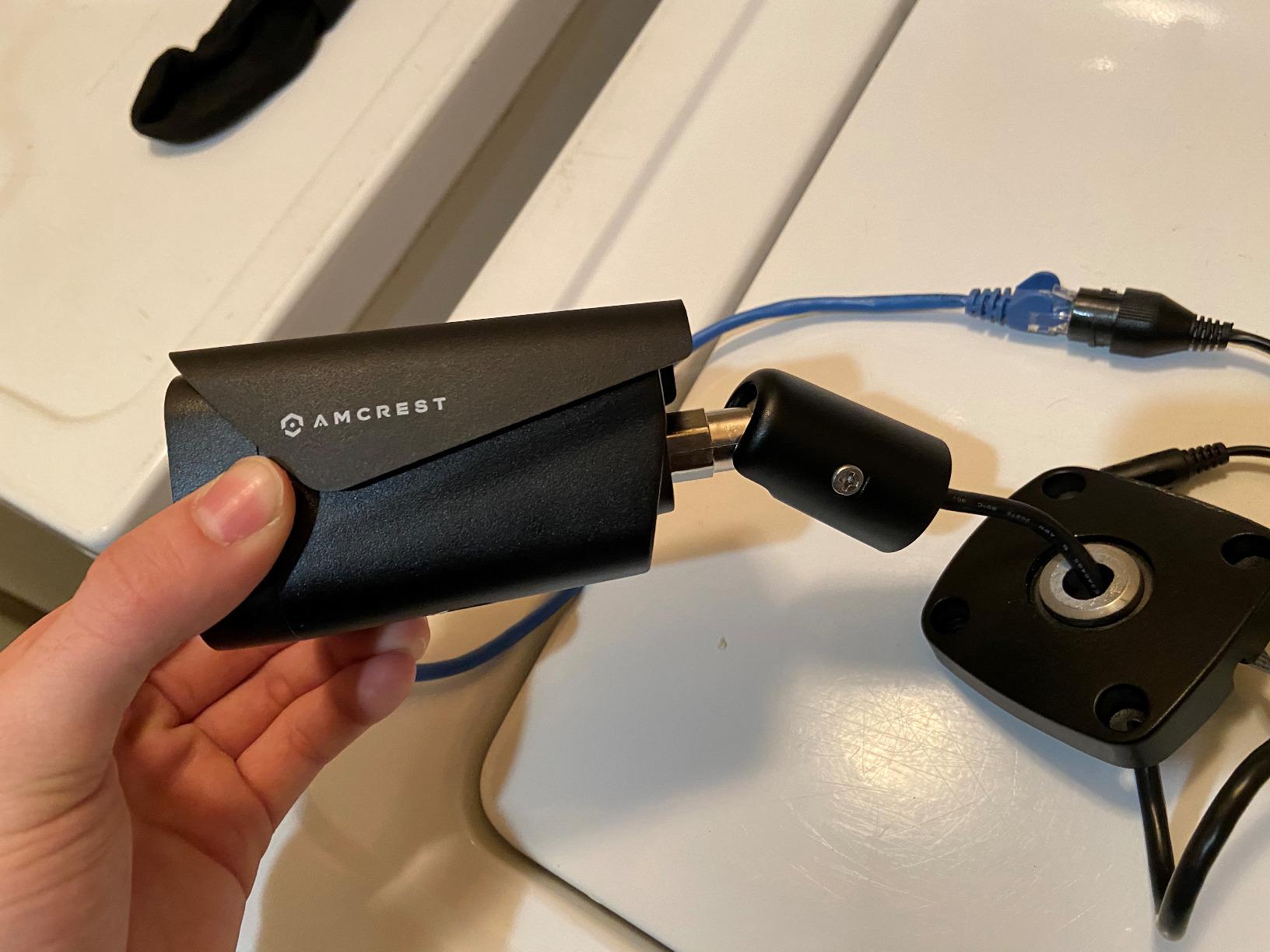
The Amcrest IP8M-2496EB-V2 is the camera you mount when you want one unit to see as much as possible. Its 125-degree viewing angle is among the widest in this roundup, and paired with 4K 8MP sensors it holds usable detail across that span rather than only in the center.
It is a metal-housing bullet rated IP67, and the specification sheet carries an upper temperature rating of 60 degrees C, which is a useful data point for a camera mounted in direct sun on a south-facing wall. Night vision reach is listed at 131 feet, the longest single figure among the individual bullets here, backed by IR LEDs.
Encoding is H.265 and H.264, so you can pick the codec that suits your storage budget, and the camera draws just 6 watts. That low draw means it will run on a 802.3af port, which matters when you are filling an eight-port switch and adding cameras later.
The integration story is the strongest in the group: it works with Amcrest NVRs, Synology and QNAP NAS, FTP, microSD up to 256GB and Blue Iris. Owners rate it 4.3 across 1006 reviews, with 69 percent at five stars. A fuller look at night performance is in our night vision camera guide.
What to verify before you commit
The 15fps frame rate is the compromise you accept for the wide field of view. It is fine for a person walking up a path, and it is not fine for someone running across the frame or for a vehicle pulling into the driveway at speed. If your scene has fast movement, either accept the smearing or step up to a 25fps body.
Plan the mount distance. At 125 degrees, a camera placed 30 feet from your porch produces noticeable barrel distortion at the edges, and digital zoom is the only zoom available, so center-weighted cropping will not rescue the corners.
Where it falls short
There is no bundled power hardware. A PoE injector or switch has to be purchased separately, and the same goes for any NVR beyond a microSD card. The camera itself is the strongest third-party integration story here, but the intelligence features are the plain motion alerts rather than the richer AI classification you get on the Reolink bodies.
If your priority is a color, identifiable face at 40 feet rather than raw coverage area, this is the wrong shape of camera and the RLC-811A with 5X optical zoom is the right one.
3. REOLINK RLC-510A – Best Budget Starter With No Monthly Fee
REOLINK 5MP PoE Security Camera RLC-510A, 100ft IR Night Vision
5MP at 25fps
IP67 rated
100ft IR night vision
80 degree view
Pros
- 5MP Super HD at 25fps with 3D-DNR
- Person vehicle and animal detection cuts false alarms
- 18 IR lights reach 100ft at night
- Records to 512GB microSD plus FTP plus NAS
- Free app and client for iOS Android Windows and Mac
Cons
- IR-only night vision gives black and white footage
- Narrow 80 degree field of view
- No support for third-party NVRs
- Needs a PoE switch or injector
The RLC-510A is the camera most people should start with. It records 5MP at 25fps, carries an IP67 rating, and covers 80 degrees, which is a narrower field but a genuinely sharp one at the distances that matter for a porch or a gate.
Eighteen IR lights deliver the listed 100-foot night reach, and the body draws 12 watts over a 12V DC feed. A 1/2.7-inch-class CMOS sensor with 3D-DNR keeps low-light noise down without destroying the detail you need to identify a face at the door.
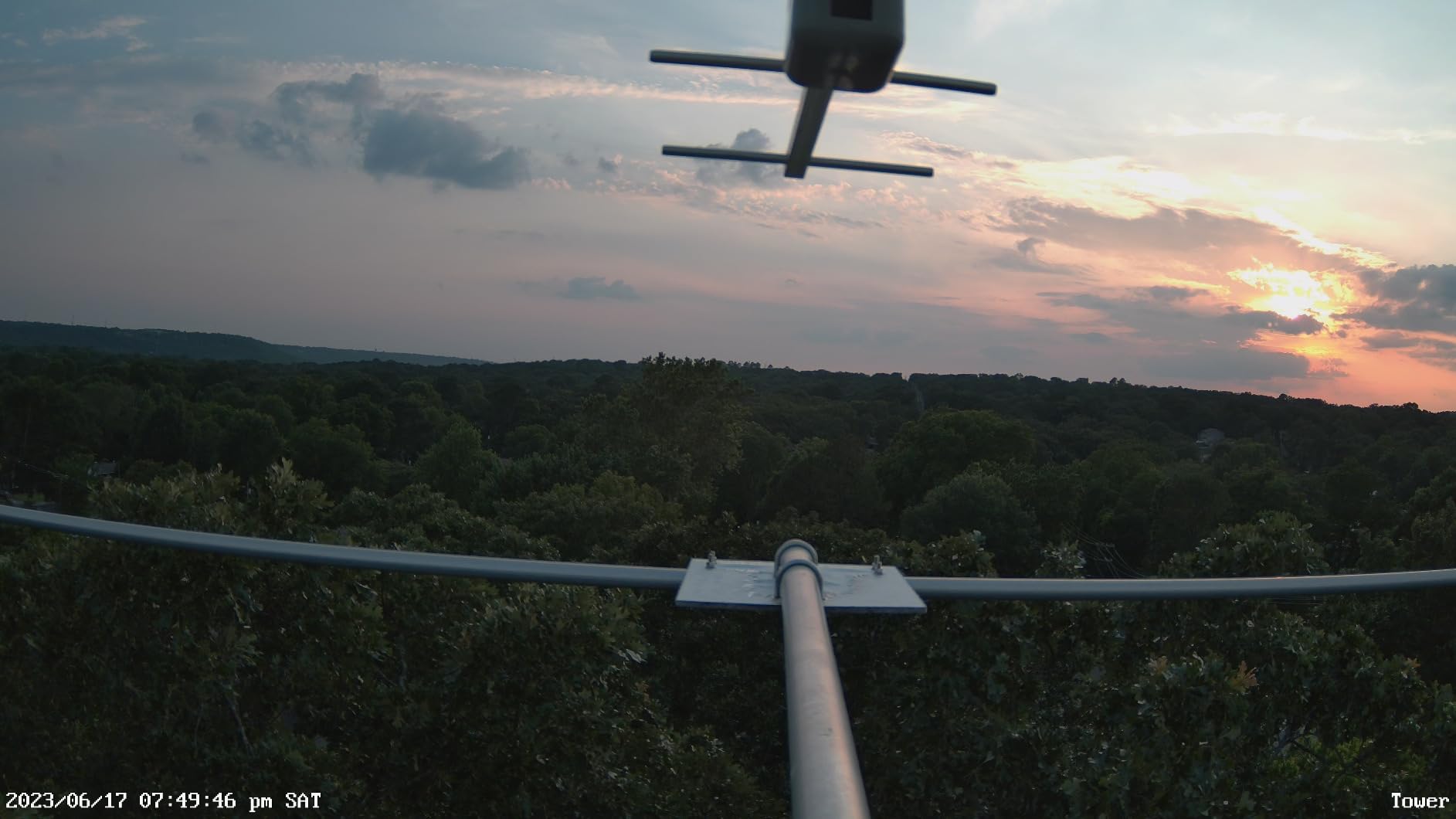
Detection is the part that surprised us. Person, vehicle and animal classification runs on-device, and animal detection needs the latest firmware, which is worth knowing before you mount six of these and wonder why the raccoon keeps setting off alerts. Recording goes to a 512GB microSD card, an FTP server, a NAS or a Reolink PoE NVR, all without a subscription.
Owners rate it 4.3 across 1440 reviews with 71 percent at five stars, and it carries a two-year manufacturer warranty, which is longer than the one-year terms listed on several kits in this roundup. Our broader outdoor security camera roundup covers how it compares with battery and wireless options.
What to check before buying
Set your expectation on night footage. This is an IR-only body, so anything past dusk comes back in black and white. That is not a defect, and monochrome IR is often sharper in low light than a color mode, but if you want to identify the color of a vehicle at night you need a different pick.
Count the cameras you plan to add first. The listed limitation that it does not support third-party NVRs is real, and it means your storage path is a Reolink NVR or standalone card, not a Synology box or an Amcrest unit you may already own.
Who should choose something else
Choose a wider body if you are covering a corner of a yard rather than a defined entry point. At 80 degrees you will need more units to cover the same ground, and each unit means another cable run and another port on the switch.
Choose a color-night model if your property has dark walkways where a black and white image is hard to read. The RLC-811A in this list uses spotlights and a starlight-class sensor to keep color at the same mounting height.
4. REOLINK RLC-811A – Best for Color Night Vision and Optical Zoom
REOLINK PoE Security Camera RLC-811A 5X Optical Zoom, 4K Color Night Vision
8MP 4K with 5X zoom
123 degree view
Color night with spotlight
IP66
Pros
- 5X optical zoom on a varifocal lens at full 8MP
- Full color night vision with built-in spotlights and siren
- 123 degree field of view covers a yard or driveway
- Human and vehicle detection with adjustable zones
- No subscription with microSD up to 512GB
Cons
- PoE NVR switch injector and DC adapter not included
- IP66 is one step below the IP67 on other Reolink bullets
- Costs more than entry-level 5MP PoE models
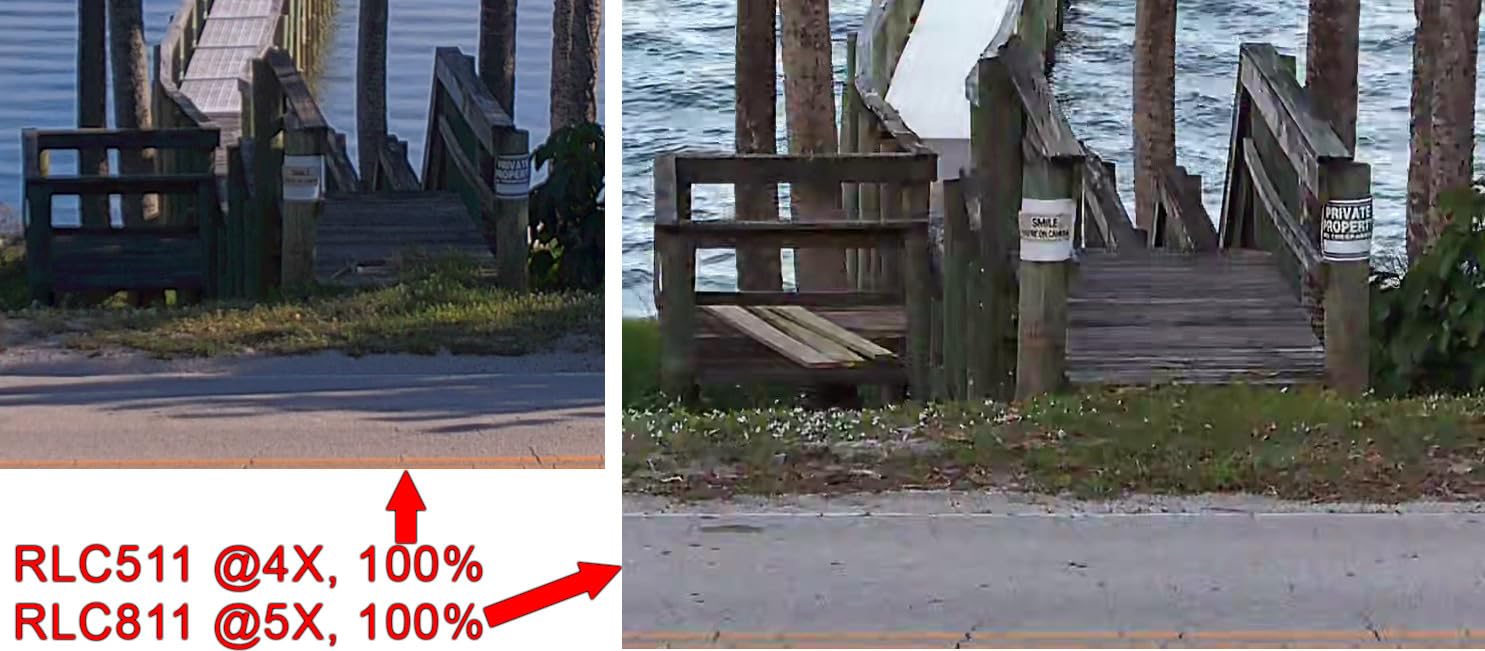
The RLC-811A solves the problem that makes most outdoor footage useless: distance. A 5X optical zoom on a varifocal lens lets you hold a recognizable face at the far end of a driveway, and because the zoom is optical rather than digital you keep the full 8MP behind it.
It also handles night better than anything else in this list. Rather than relying on IR alone, it uses spotlights plus a low-light sensor to hold full color after dark, and it carries a built-in light and siren so a detected intruder gets a visible and audible warning at the same time.
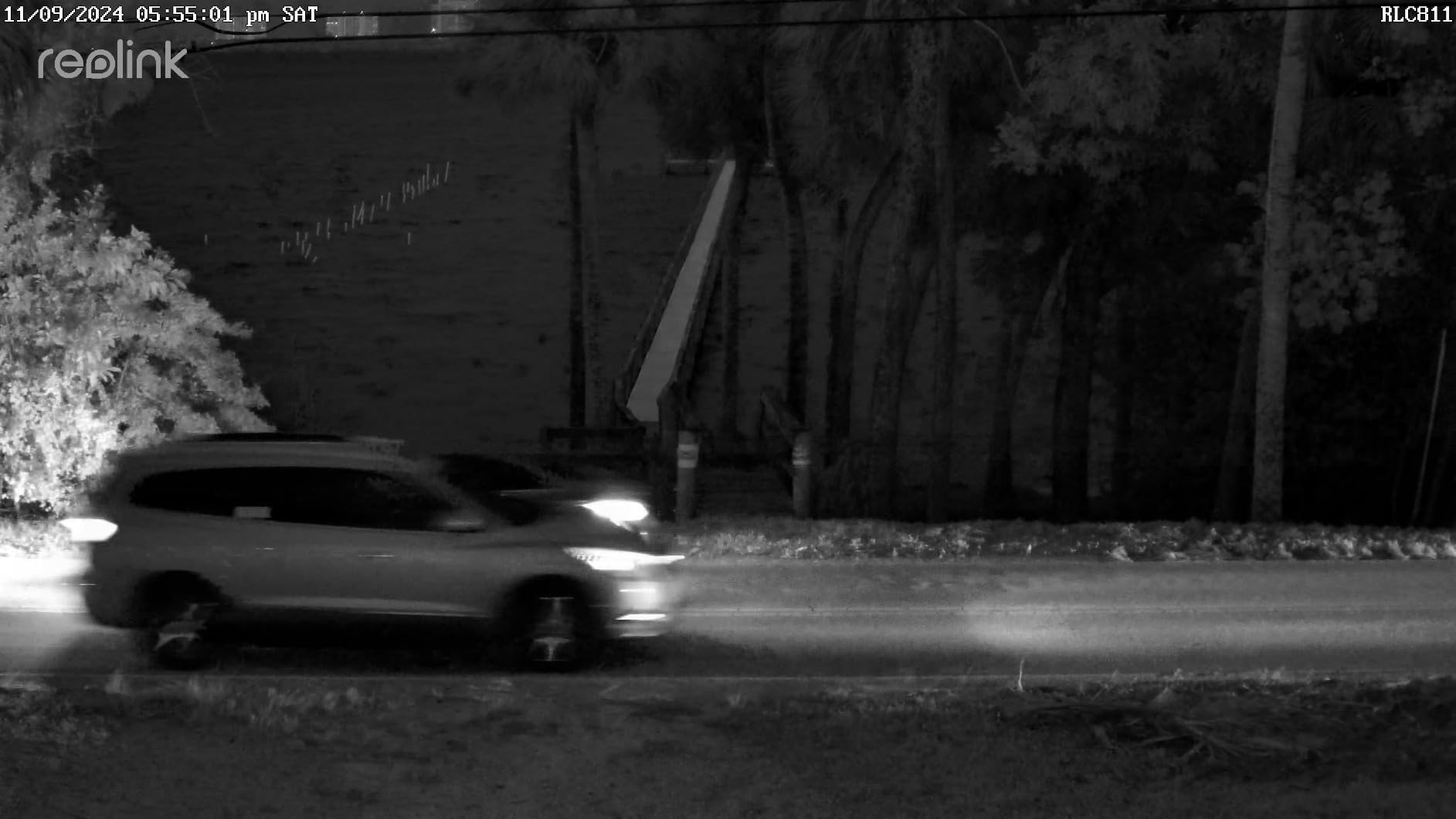
The 123-degree field of view means a single unit can still watch a wide yard, so zoom and coverage are not a trade-off here. Detection zones and sensitivity are adjustable, which is the setting you will tune first when a tree line keeps triggering the camera. It draws 6 watts, so a 802.3af port is enough.
Storage is flexible again: 512GB microSD, a Reolink NVR or FTP, with a 1m Cat5 test cable in the box for bench setup before you drill anything. Owners rate it 4.3 across 1412 reviews with 70 percent at five stars.
What to check before installing
Read the ingress rating carefully. This body is IP66, which is dust-tight and protected against powerful water jets, one notch below the IP67 on the RLC-810A and the RLC-510A. Under a covered eave or on a soffit that difference rarely matters, and on an exposed wall in heavy rain it occasionally does.
Budget for the whole power chain. The PoE NVR, switch, injector and the DC power adapter are all separate purchases, and this is the most common reason a first-time PoE install stalls halfway through.
Where it is the wrong choice
It is the heaviest body in this roundup at 2.5 pounds and measures 11.42 inches long, so a small fascia board or a thin soffit will not take it comfortably. Pick a turret for tight overhead mounting and move the zoom body to a wall or pole where the length is not a problem.
It is also over-specified for an indoor-facing porch where a 5MP unit would do the same job. The optical zoom and the spotlights earn their weight on long approaches, not at four feet from a door.
5. Amcrest IP8M-2796EW-AI – Best for AI Detection and a 129-Degree View
Amcrest UltraHD 4K (8MP) IP PoE AI Camera, FOV 129°, 49ft Color Nightvision, Security Outdoor Bullet Camera, Human & Vehicle Detection, Active Deterrent, 4K @15fps, IP8M-2796EW-AI (White)
8MP 4K at 15fps
129 degree view
Color night to 49ft
Human face vehicle AI
Pros
- AI human face and vehicle detection with event filtering
- Dual illumination with white light plus IR
- Very wide 129 degree viewing angle
- IP67 metal housing with built-in microphone
- Works with QNAP NAS and FTP and Blue Iris
Cons
- PoE injector or switch not included
- Color night vision limited to about 49 feet
- 15fps is modest for fast-moving subjects
The Amcrest IP8M-2796EW-AI is the pick when you want the widest view in the roundup plus real on-camera intelligence. It classifies humans, faces and vehicles, and it ships with tripwire and intrusion rules so you can draw the region that actually matters instead of alerting on every moving branch.
The 129-degree viewing angle is the widest of the ten, and the DORI figures published for the camera give you a realistic sense of reach: detection out to 280.5 feet, observation to 112.2 feet, recognition to 56.1 feet and identification to 28.2 feet. That last number is the honest one for face ID.
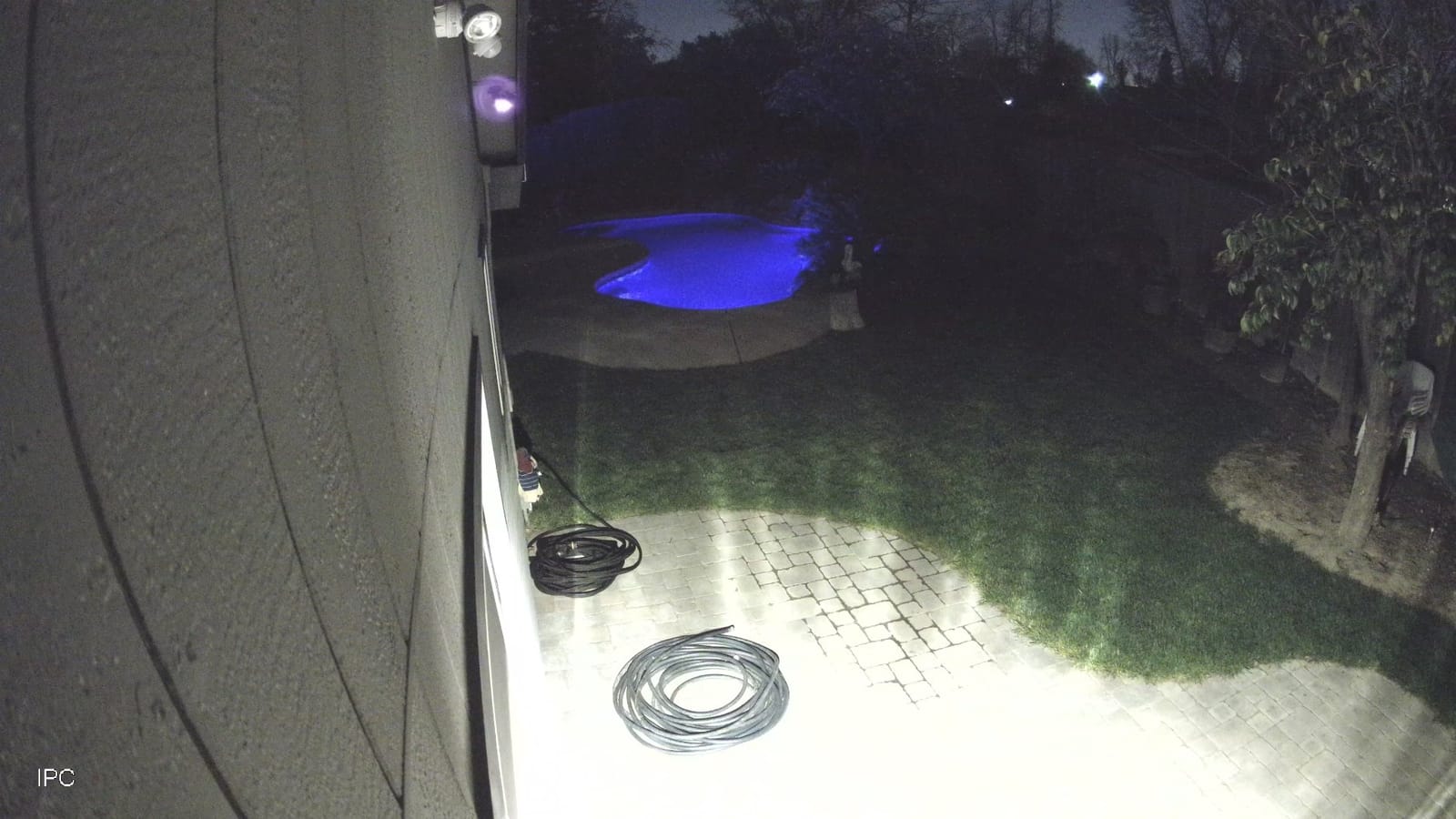
Illumination is dual. A warm white LED handles the color night range while IR LEDs cover beyond that, and the spec sheet puts color night vision at about 49 feet. The housing is IP67 metal with a built-in microphone, and the body is light at 1.5 pounds, which makes overhead work simpler.
It draws only 4.2 watts, the lowest consumption of any individual camera here, so power budget is never the constraint. Storage paths include Amcrest NVRs, microSD up to 256GB, QNAP NAS, FTP and Blue Iris. Owners rate it 4.3 across 729 reviews.
What to check before buying
Match the camera to your target distance. With 129 degrees of coverage and identification rated at roughly 28 feet, this is a wide-context camera. If you need a face at 60 feet, pair it with a zoom body like the RLC-811A rather than cranking digital zoom.
Decide about audio before you mount it. The built-in microphone records by default, and in many states recording conversations without two-party consent is a legal problem. Turning the mic off is a menu setting, but do it on day one rather than after an incident.
Where it falls short
Color night vision stops around 49 feet, so anything past that reads in black and white under IR even though the wide angle makes you want to cover the whole yard. If your property extends further, budget for a second camera with better low-light reach.
The 15fps frame rate also shows up on anything moving quickly. Combined with a very wide lens, fast vehicles at the edge of frame will streak, which matters for a street-facing mount.
6. ANNKE 16-Channel 5MP PoE Kit – Best for Large Properties
ANNKE 16 Channel Security Camera System 5MP PoE, Two-Way Audio, 2TB HDD
Eight 5MP cameras
16-channel PoE NVR
2TB HDD
120dB WDR
Pros
- Complete kit with eight 5MP cameras and a 2TB pre-installed drive
- Custom recorded voice warning played through the siren
- Two-way audio for instant talk through the app
- AI Motion Detection 2.0 with up to 99 percent accuracy
- 120dB WDR and 123 degree diagonal view
Cons
- Large and heavy at 26.5 pounds with a complex install
- Fixed 2.8mm lens with no optical zoom
- IR black-and-white night footage
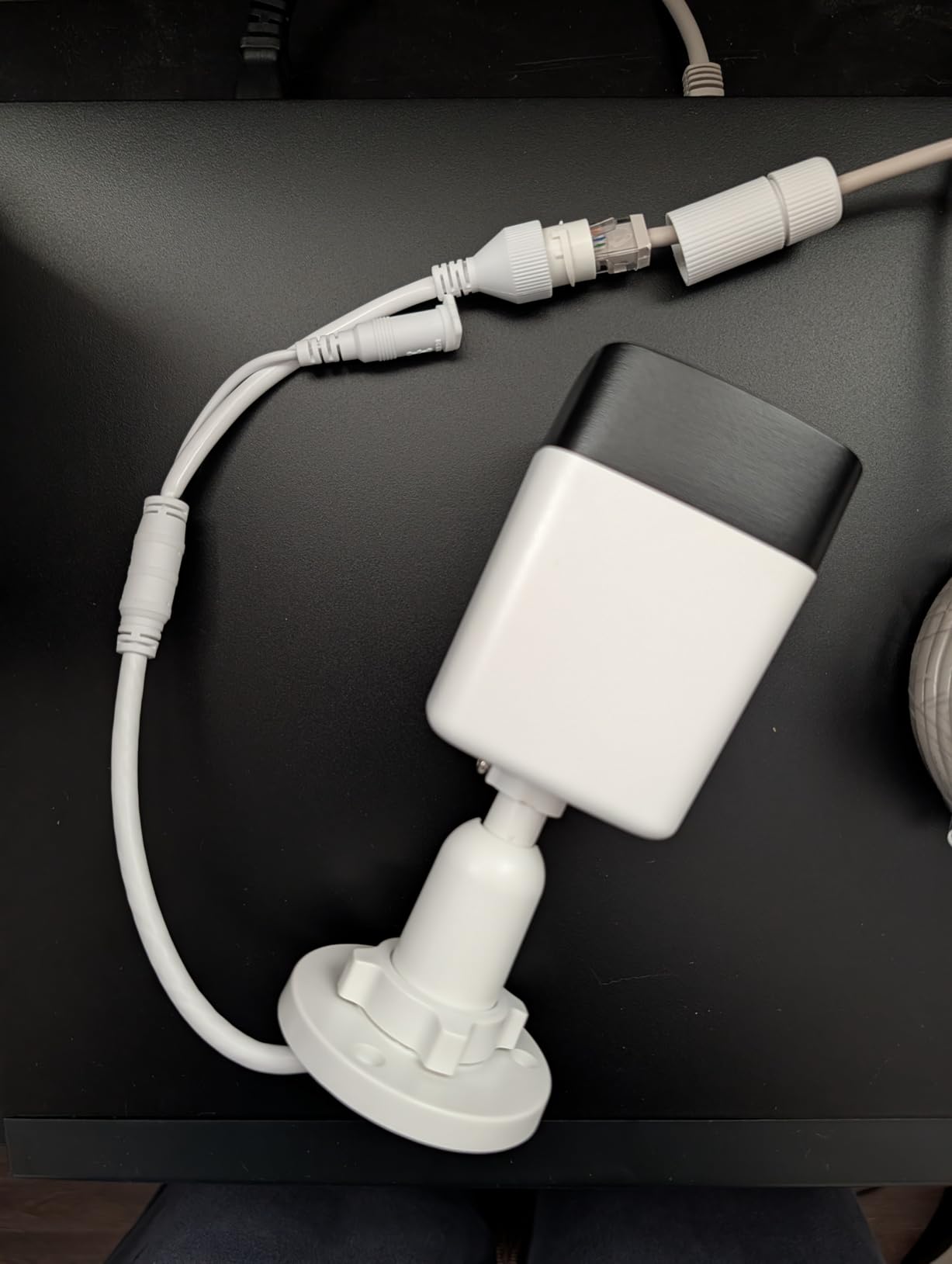
For a property that needs more than four cameras, the ANNKE 16-channel kit removes the hardest part of the job. The box contains a 16-channel PoE NVR, a pre-installed 2TB hard drive, eight 5MP bullet cameras, a USB mouse, HDMI and Ethernet cables, a power adapter, four network cables and screw kits, so the only thing you source separately is outdoor-rated cable.
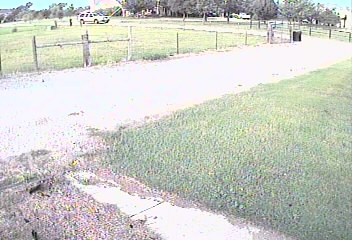
Each camera captures 3072×1728 at 20fps on a 1/2.8-inch BSI CMOS sensor, and the 120dB WDR is genuinely useful for a porch or gate where a person walks in from bright daylight into shadow.
The deterrent feature is the one we did not expect to care about. You record your own voice warning, and the NVR plays it through the siren when a person or vehicle trips the AI detection, which is a different and often more effective response than a generic alarm tone. Two-way audio is also included with no hidden fees.
Owners rate it 4.3 across 374 reviews with 69 percent at five stars. The 16-channel capacity is the point: you can start with eight cameras and add eight more later without replacing the recorder.
What to check before buying
Measure where the recorder will live. The unit is 21.26 by 19.29 by 10.63 inches and weighs 26.5 pounds, so it needs a real shelf or a locked cabinet with ventilation, and it needs a UPS on the same circuit as your network gear.
Understand the lens. A fixed 2.8mm lens with a 123-degree diagonal field of view is a wide, fixed look with no optical zoom, so every camera has to be aimed well at install time and this is not the kit for reading plates at a gate.
Where it falls short
Night footage is IR black-and-white, not color. For a property where color identification matters, this bundle delivers coverage and deterrence but not the low-light color the Reolink zoom body provides.
It is an all-in-one system, which is the point and also the limit. The NVR and the cameras are a closed pair, so this is not the route if your plan is to mix with gear you already own. Owners consistently report responsive support, which matters when a drive fails.
7. OOSSXX 8-Camera 4K PoE Kit – Best All-In-One Value for a Full House
OOSSXX 4K POE Wired Home Security Camera System, 8 Wired 4K Bullet Cameras
Eight 4K cameras
8-channel NVR
4TB HDD
130 degree view
IP66
Pros
- Eight 4K cameras with a 4TB drive supporting up to 60 days of recording
- AI human detection combined with a PIR sensor cuts false alarms
- 130 degree lens per camera limits blind spots
- Two-way audio with microphone and speaker
- IP66 housings for dependable outdoor use
Cons
- App and desktop connectivity reported as inconsistent
- Playback can fail to locate recorded footage
- Default usernames and passwords not changed at setup
- Included 60ft cables are short for many installs
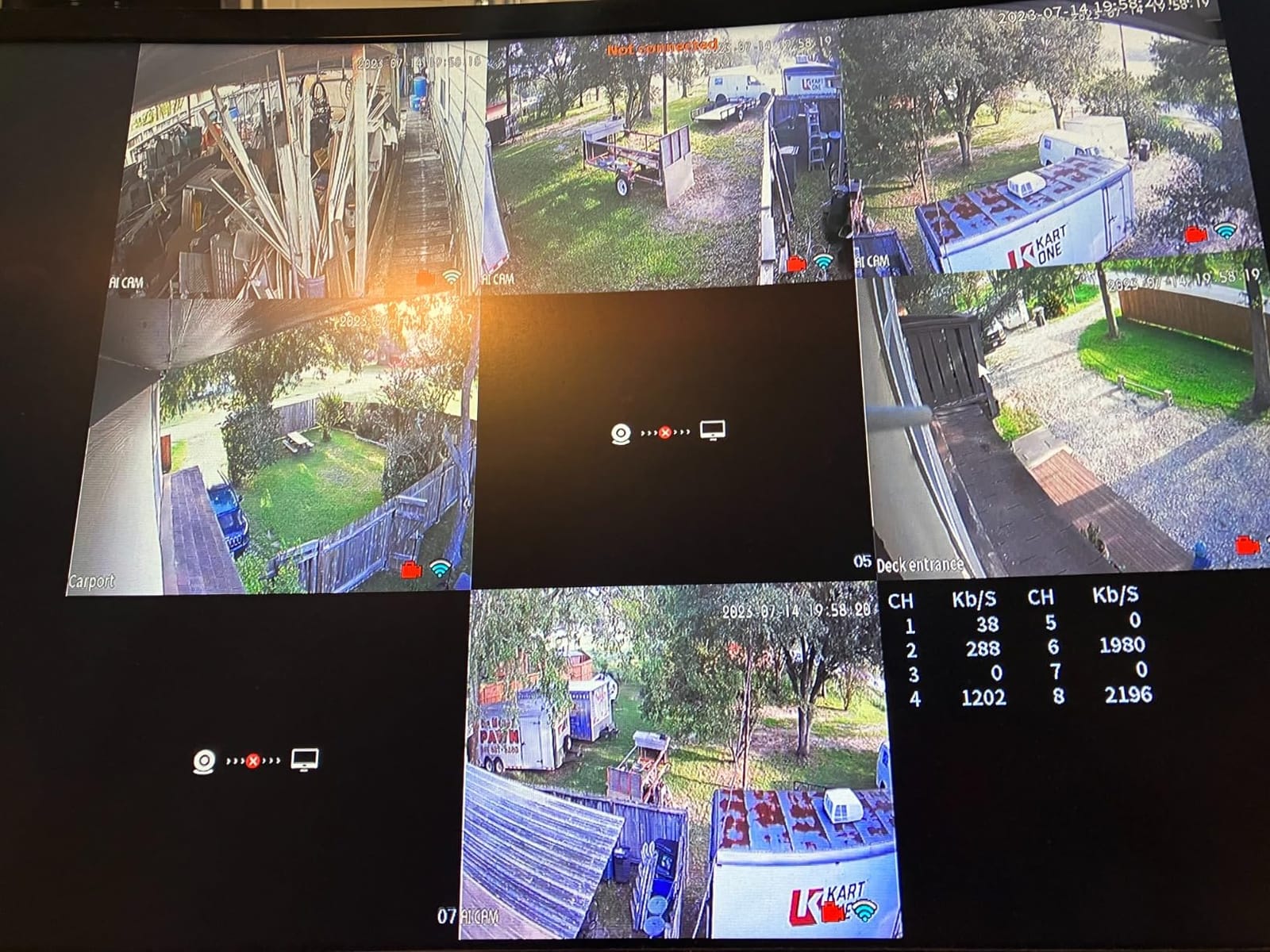
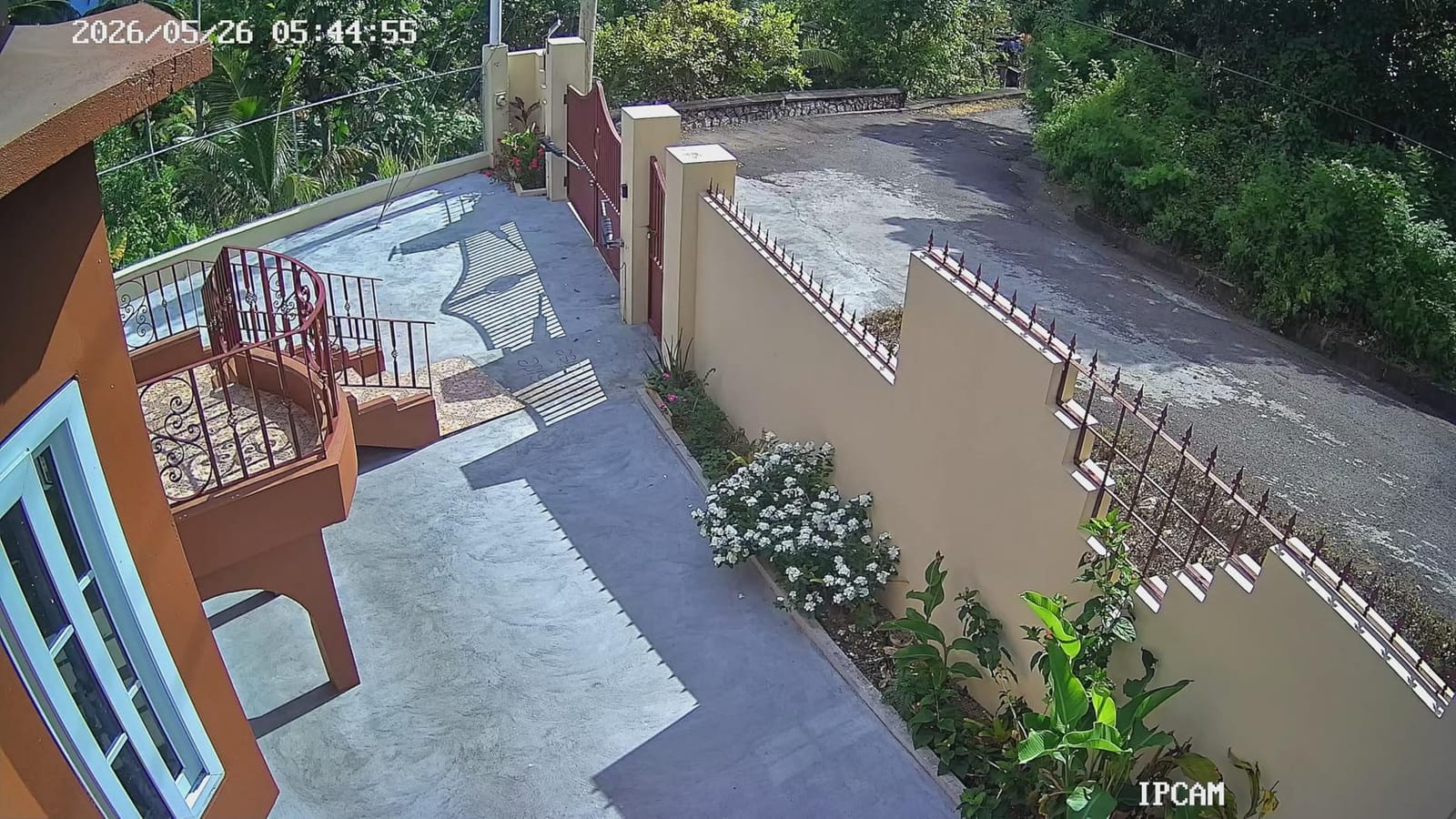
The OOSSXX 8-camera kit is the shortest path to covering an entire house. Eight 4K bullets at 4096×2160 come with an 8-channel 4K PoE NVR and a 4TB drive already installed, and the manufacturer states up to 60 days of continuous recording on that capacity. Everything you need to mount is in the box.
Each camera carries a 130-degree ultra-wide lens, which is close to the widest coverage in this roundup and means fewer cameras to cover a long property line. AI human detection is combined with a PIR sensor, so heat sources and moving foliage filter out better than on a plain motion-triggered camera.
Two-way audio works through a built-in microphone and speaker, and the app is free with no monthly fee. Owners rate it 4.3 across 444 reviews with 71 percent at five stars, and several mention that support shipped replacement power supplies quickly when a unit failed.
Encoding is H.265, which matters here because eight 4K streams on one recorder is the most bandwidth-hungry setup in this list. H.265 buys back meaningful retention for the same drive.
What to check before buying
Change the default credentials during setup, not later. Buyers report that the cameras ship with default usernames and passwords, and leaving them in place on an outdoor network-facing device is the single easiest mistake to make with this kind of kit.
Plan for longer cable. The kit includes 8 x 60ft network cables plus a 3ft cable and the 48V NVR power supply, and 60 feet rarely reaches from an exterior wall to a garage, a gate or a rear outbuilding. Our cabling notes below cover what to buy instead.
Where it falls short
Software reliability is the recurring complaint. Buyers report inconsistent app and desktop connectivity and playback that fails to locate recorded footage, which is exactly the moment you need the system most. Budget time to learn the interface before you depend on it.
Night reach is listed at 65 feet, the shortest of the individual cameras in this roundup, so the wide lens and the short IR throw are a fair trade. A large yard lit only by the camera will need a closer unit or a supplementary light.
8. OOSSXX 16-Channel 4K PoE System – Best for High Channel Counts on a Budget
OOSSXX 2026 Update 4K PoE IP Cameras Outdoor Video Surveillance System
Twelve 4K cameras
16-channel NVR
3TB HDD
H.265 plus
IP66
Pros
- Sixteen-channel NVR with twelve 4K cameras and a 3TB drive
- PIR plus AI human detection filters animals and moving objects
- 130 degree view per camera for large yards and warehouses
- Two-way audio with included remote for local control
- Single-cable PoE install with no subscription
Cons
- NVR fast-forward unreliable and night motion events may not record
- Camera connection joints are not sealed against water
- False person alerts from heat sources such as parked cars
- NVR playback is slow to open clips
- Poorly written instructions
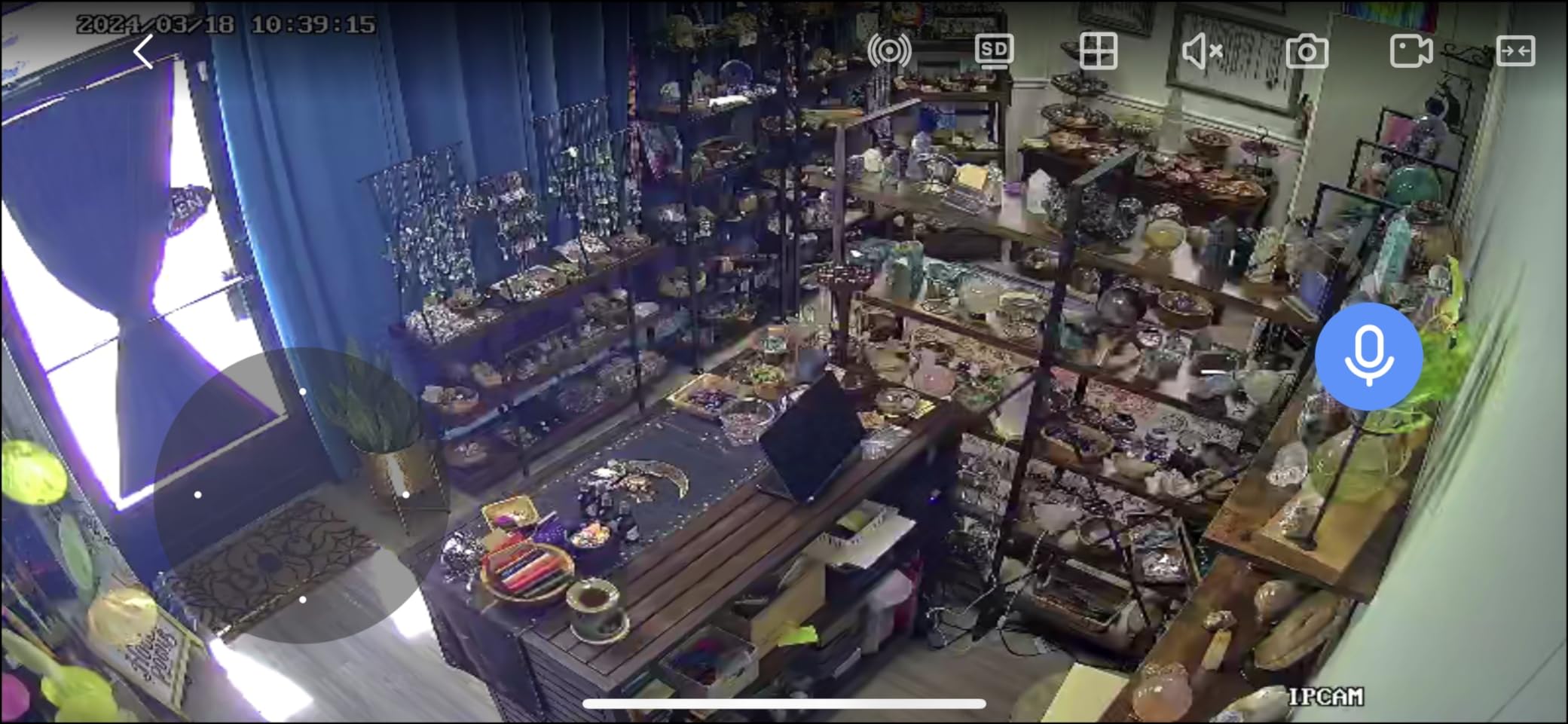
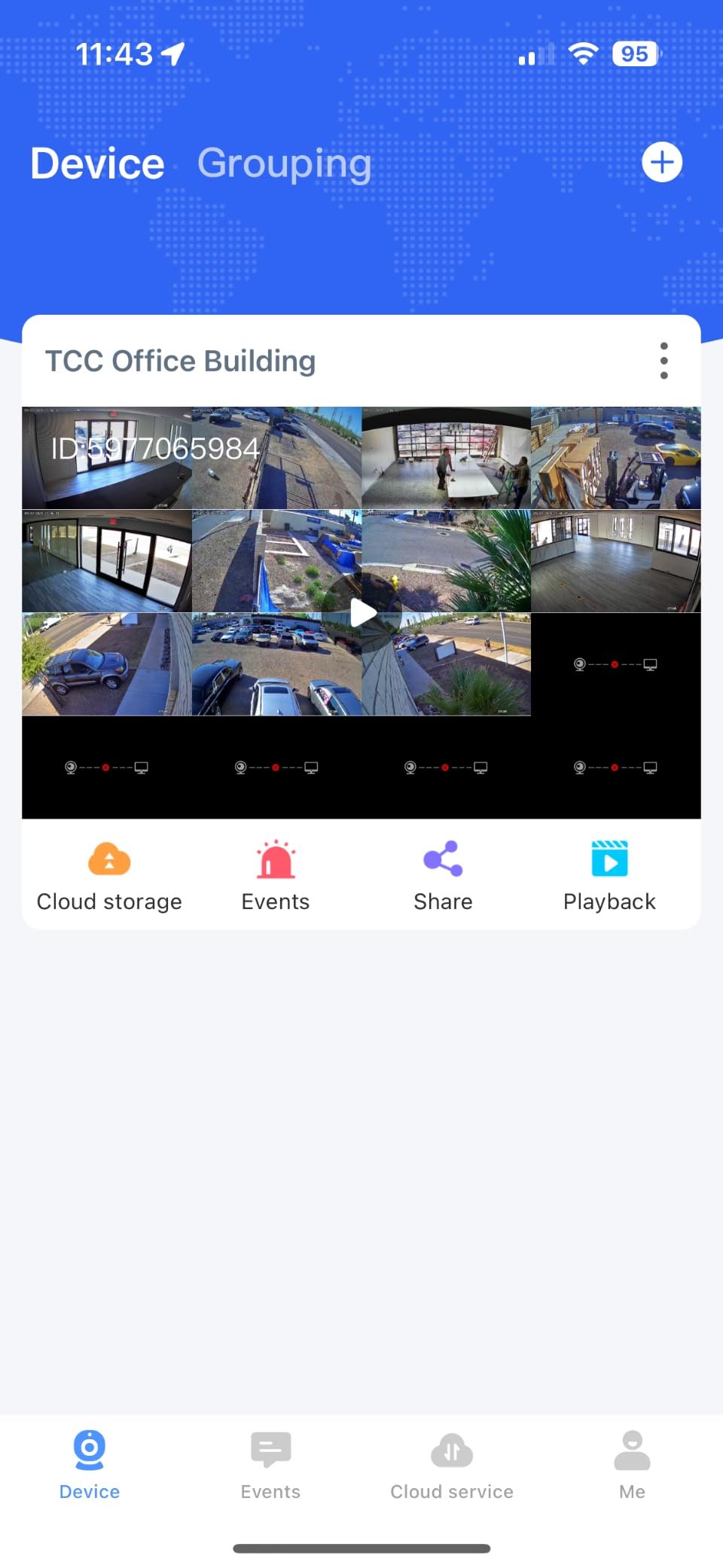
This is the channel-count play. Twelve 4K cameras, a 16-channel 4K PoE NVR, a 3TB drive giving up to 45 days of continuous recording, a 48V power supply, 12 x 60ft network cables and a remote, in one box. The camera bodies are metal rather than lightweight plastic, which is a genuine plus outdoors.
Detection pairs a PIR sensor with AI human classification, and the 130-degree lens per camera is aimed at covering yards, garages and warehouses with fewer units. H.265 plus encoding is used for the streams, and the recording path is entirely local.
Owners like the coverage and the year-round reliability, and 64 percent give five stars. What pulls the average down to 4.1 across 823 reviews is the recorder software, which is where most of the criticism lands.
We would still deploy this for a warehouse or a multi-building site where the sheer number of covered points matters more than interface polish, and where a separate UPS on the recorder protects twelve cameras at once.
What to check before buying
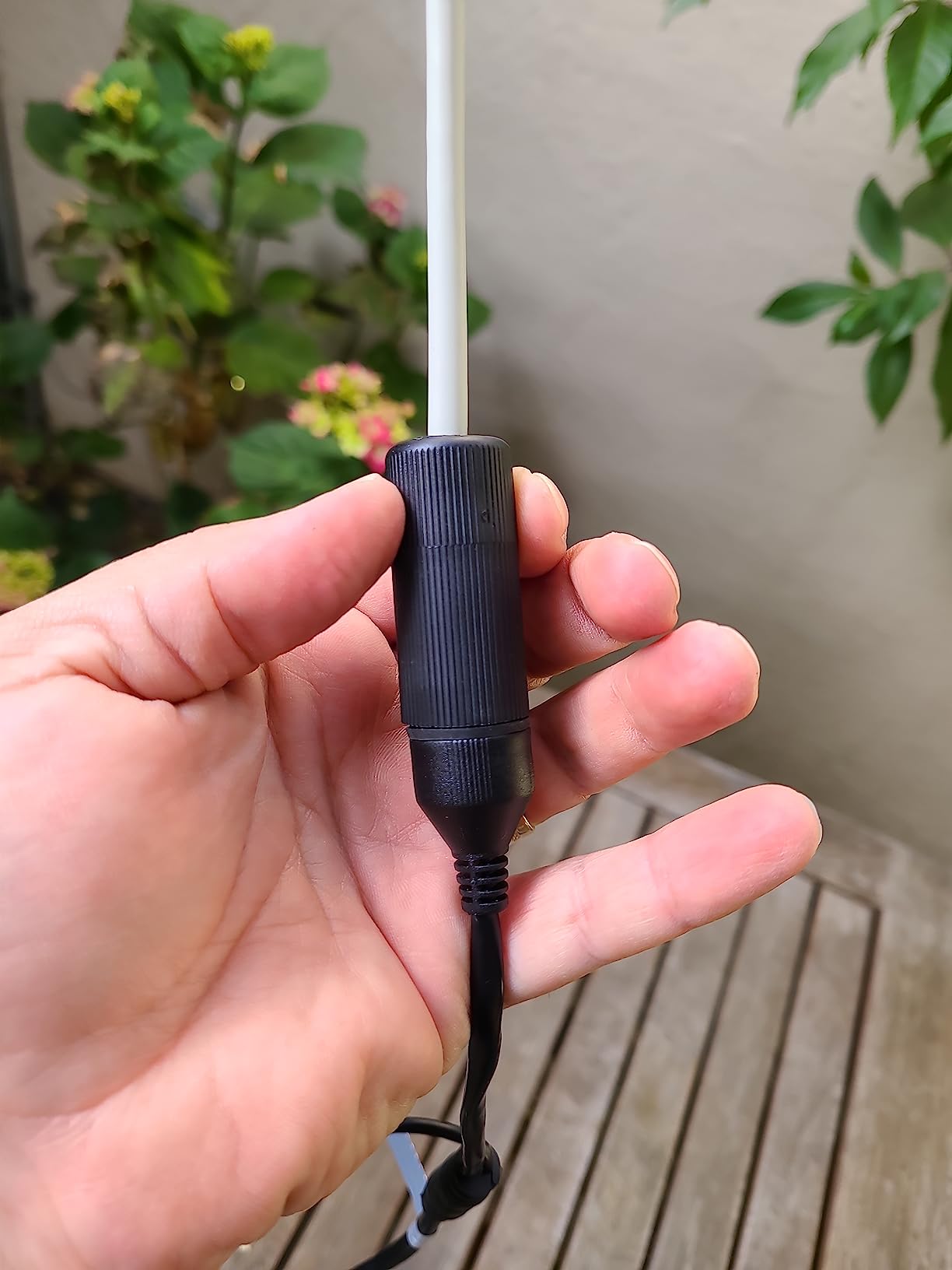
Inspect the camera joints at install. Owners report that the connection joints are not sealed and can let water in, which is a physical problem no software update fixes. Seal each entry point with outdoor-rated grommets or a junction box, and check them each spring.
Read the manual before the cameras go up. Buyers report poorly written instructions, and with twelve units to place, a clear mounting and addressing sequence will save more time than any feature on the box.
Who should choose something else
Choose something else if you need reliable event playback at 2am. Owners report that fast-forward is unreliable, that motion events may not record at night and that opening recorded clips is slow. Those are exactly the moments that matter for a security system.
Also consider tuning around heat sources. False person notifications from parked cars and other heat sources are a known issue, so position cameras to avoid engine bays and asphalt that heats up at midday.
9. Amcrest IP8M-T2599EW-AI – Top Rated 4K Turret for Under-Eave Mounting
Amcrest UltraHD 4K (8MP) Outdoor Security IP Turret PoE Camera, 3840×2160, 98ft NightVision, 125° FOV, IP67 Weatherproof, MicroSD Recording (256GB), IP8M-T2599EW-AI-V3 (White)
8MP 4K turret
20fps
125 degree view
IP67 metal
98ft night vision
Pros
- 4K 8MP at 20fps on a 1/2.7 inch CMOS sensor
- Very wide 125 degree viewing angle
- IP67 metal housing with 98ft IR night vision
- H.265 and H.264 dual compression
- Works with Amcrest NVRs and Synology or QNAP NAS and FTP and Blue Iris
Cons
- PoE injector or switch sold separately
- Turret form factor is more exposed to tampering than a bullet
- Microphone provides one-way audio only
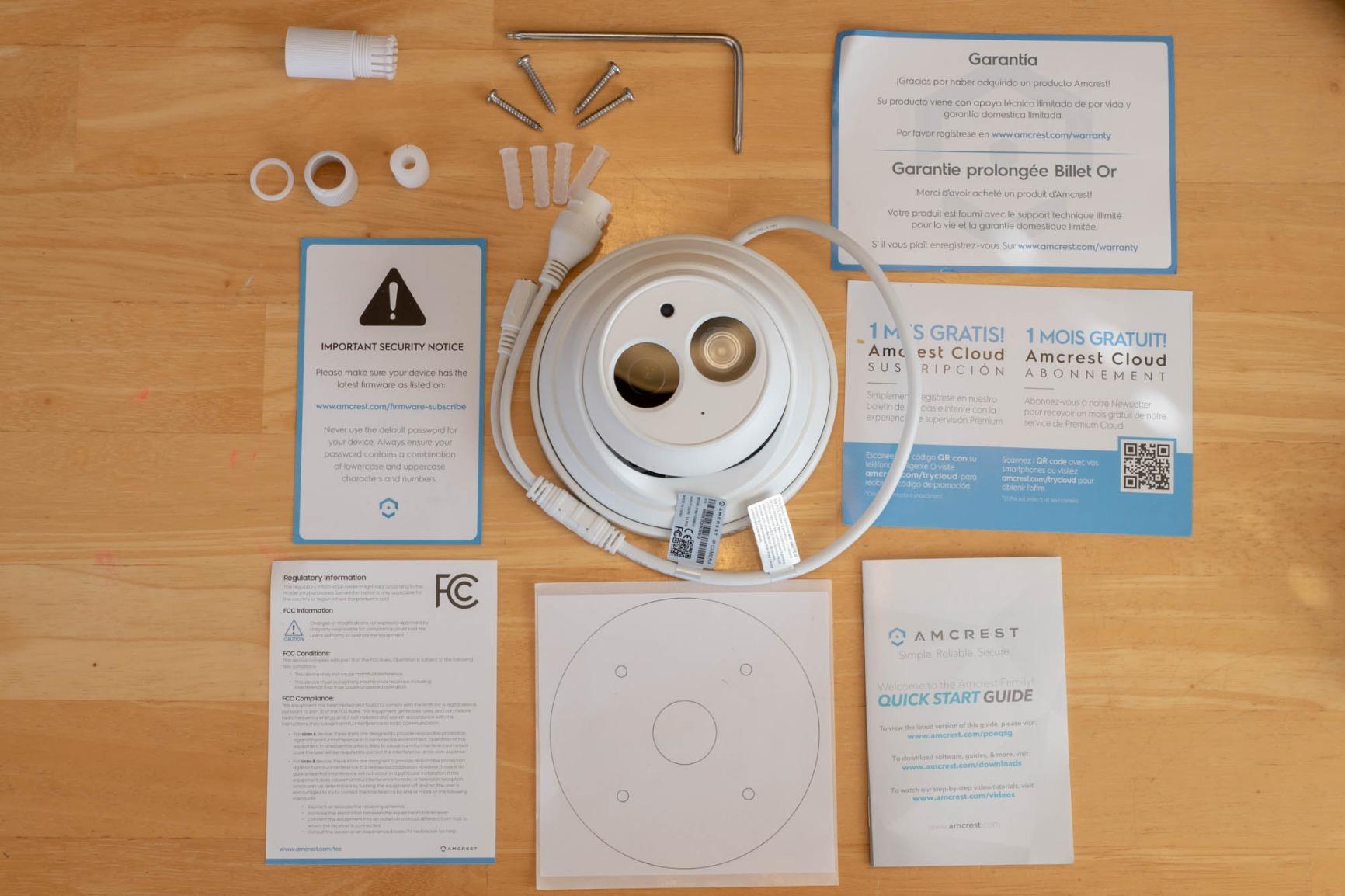
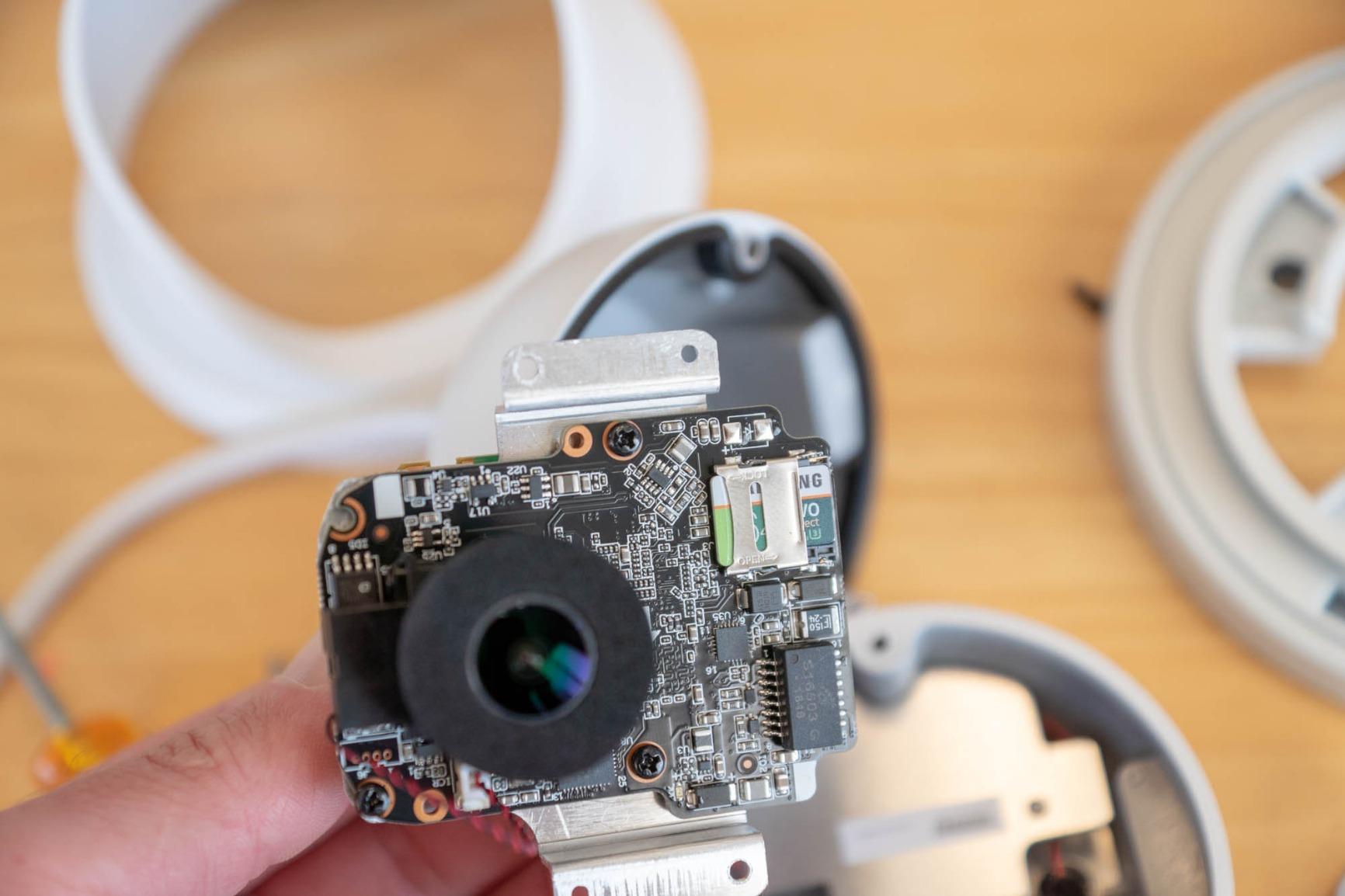
The Amcrest IP8M-T2599EW-AI is the most-proven camera in this roundup by owner count, with 1968 reviews. It is a turret, which is the form factor you actually want under a soffit or on a porch ceiling: compact, and it can be aimed after mounting.
Video is 8MP at 20fps on a 1/2.7-inch CMOS sensor with a 125-degree viewing angle, and the IP67 metal housing carries IR night vision to a listed 98 feet. The ceiling mount rating and a 1.1-pound body make it an easy overhead install.
It draws just 2.7 watts, the lowest consumption here, so it will sit on a 802.3af port without any power planning. Dual H.265 and H.264 compression means you can run the modern codec and fall back for older NVR firmware.
Storage and integration run deep: Amcrest NVRs, Synology and QNAP NAS, FTP, microSD up to 256GB, Amcrest Surveillance Pro on Windows and Mac, and Blue Iris. Owners rate it 4.3 with 69 percent at five stars. Cold-weather performance is covered separately in our cold climate camera guide.
What to check before buying
Think about tamper exposure. A turret that hangs below a ceiling line is easier to reach than a bullet on a wall bracket, so for a public-facing or low-light-access area, a bullet body mounted high is the safer shape. The metal housing helps, but geometry still matters.
Know the audio situation. The built-in microphone is one-way only, so you can capture sound but not talk back. If you need two-way talk for a delivery or a visitor, the ANNKE bodies in this list cover that.
Where it falls short
MicroSD tops out at 256GB, which is small for a 4K stream, and there is no optical zoom despite a 4x digital figure in the specs. If you plan to record continuously without an NVR, plan on a NAS or a recorder instead.
The PoE injector or switch is again a separate purchase. Across this whole roundup that is the norm rather than the exception, and it belongs in your install budget from the start.
10. ANNKE I91ET – Best Ultra-Wide 180-Degree Dual-Lens View
ANNKE 8MP PoE Security Camera Outdoor with Dual-Lens, 180° Filed of View
8MP dual lens
180 degree stitched view
Color night modes
512GB TF
IP67
Pros
- Dual 2.0mm F1.6 lenses produce a stitched 180 degree view at 4096x1840
- Full color night vision with three selectable lighting modes
- Motion Detection 2.0 with up to 99 percent accuracy
- Two-way audio intercom with 12 alarm sounds plus custom voice
- Up to 512GB TF card with cycle recording
Cons
- Works only with ANNKE NVRs
- Fixed 1x optical zoom
- RTSP and app access require the ANNKE Vision ecosystem
The ANNKE I91ET is built around a single idea: cover the maximum area possible from one mount. Two 2.0mm F1.6 lenses are stitched into a 180-degree view at 4096×1840, which means a single unit under a porch eave can see the full width of a front yard without the blind seams a single wide lens would leave.
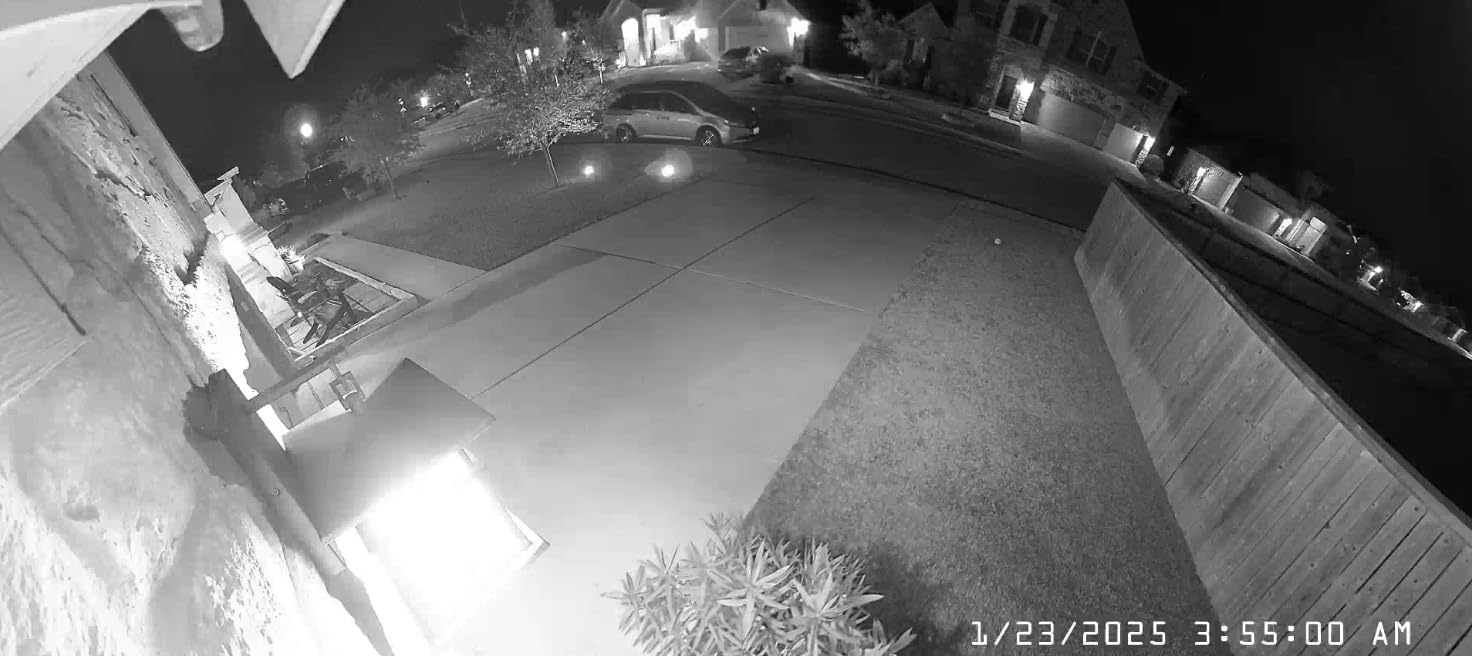
It is rated IP67 and rated for both indoor and outdoor use, and the 20:9 aspect ratio keeps the stitched image from looking squashed. Night handling is the interesting part: spotlight, white light and IR fill light give you three selectable modes, so you can choose full color on a driveway or monochrome where light spill would hit a neighbor’s window.
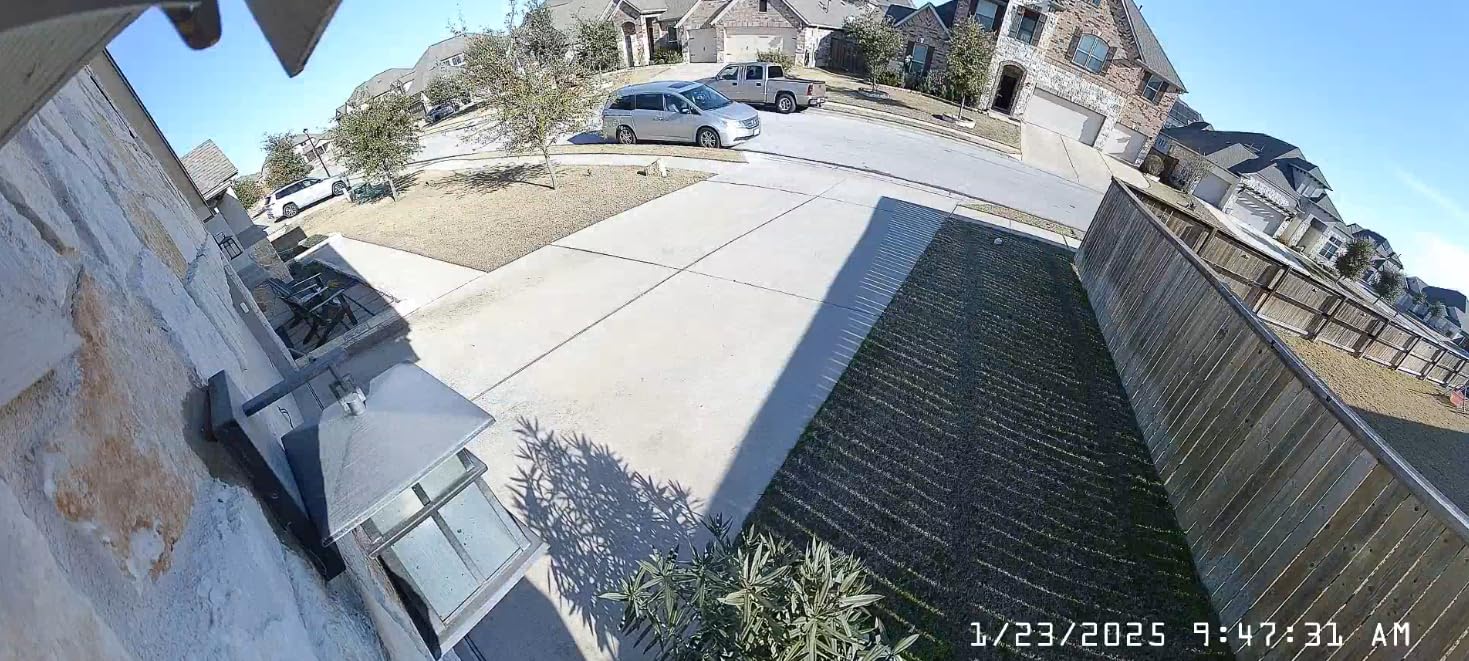
Detection and audio are both strong. Motion Detection 2.0 claims up to 99 percent human and vehicle accuracy, and the intercom offers two-way talk with 12 preset alarm sounds plus a custom recorded voice, which is a cheap and effective deterrent.
Storage runs to a 512GB TF card with automatic cycle recording, or an ANNKE NVR, with no monthly cloud fees. RTSP is supported for pulling a stream elsewhere, though access still routes through the ANNKE Vision app and client.
What to check before buying
Confirm your NVR before anything else. The stated compatibility list names specific ANNKE recorders, and third-party NVRs are not recommended. If you already own Amcrest or Reolink hardware, this camera will not join that system.
Set expectations on the review base. With 99 reviews this is the least-proven body in the roundup, and the rating sits at 4.1. The 180-degree concept is genuinely different, but there is less long-term field history behind it.
Where it falls short
Zoom is 1x optical with 8:1 digital. A stitched ultra-wide is built for coverage, not for detail, so anything you need to identify at distance should be a separate camera rather than a crop of this one.
It is a dome body at 1.8 pounds, which is more exposed in a reachable public area than a wall-mounted bullet. If the mount is below about 10 feet and passers-by can touch it, choose a bullet form factor instead.
How to Choose an Outdoor PoE Camera: 7 Decisions That Matter
Before comparing models, work through these seven decisions in order. Each one eliminates options that looked good on the spec sheet.
1. Power standard and draw. Match the camera to the port. A 802.3af port supplies 15.4 watts, 802.3at PoE+ supplies 30 watts, and 802.3bt PoE++ supplies 60 watts and up. Most of the individual cameras here draw between 2.7 and 12 watts, so a PoE+ switch gives you headroom for heated housings, IR illuminators and future PTZ models without a second power supply.
2. Ingress protection. The first digit of an IP rating is dust, the second is water. IP66 is dust-tight and jet-protected, IP67 adds temporary immersion, and IP68 is continuous immersion. IK10 is a separate impact scale for vandal resistance.
3. Field of view versus zoom. These fight each other. The 129-degree and 130-degree lenses here cover a lot of ground with low per-pixel detail, while the 5X optical zoom body covers a narrow slice with usable detail at distance. Decide what you are trying to identify before you pick the angle.
4. Night behavior. IR-only gives clean monochrome. Starlight-class sensors with a spotlight or warm light give color but throw less far and can light up a neighbor’s yard. The mixed approach in the RLC-811A is the middle path.
5. Frame rate versus resolution. 4K at 15fps and 5MP at 25fps cover the same scene very differently when something moves. For people walking, 15fps is acceptable. For vehicles and anything crossing frame quickly, 25fps is the floor.
6. Ecosystem and storage path. Native AI detection, time-lapse and firmware features live inside one vendor’s app. ONVIF and RTSP give you live view and recording in Home Assistant, Frigate, ZoneMinder or Blue Iris, but the smart detection filters usually stay in the native app. If you self-host, that trade is worth it; if you do not, buy into one ecosystem and use its NVR.
7. Channels versus cameras. Plan for the site you will have in three years, not the site you have today. Recorders here range from 8 to 16 channels, and buying a larger recorder upfront is cheaper than replacing one later.
If you want the broader picture before going deep on wired gear, our 4K outdoor security camera roundup compares resolution tiers across every connection type.
IP66 vs IP67 vs IP68 and IK10 Decoded for Outdoor Installs
IP66 is the correct minimum for an outdoor security camera in most of North America and Europe. The first digit, 6, means the enclosure is completely dust-tight, which matters more than it sounds because a camera mounted under an eave still breathes through its vents in summer. The second digit, 6, means it is protected against powerful water jets from any direction.
IP67 adds protection against temporary immersion, typically up to one meter for 30 minutes. Choose it for cameras exposed to driven rain from a specific angle, mounted low on a wall, or installed in a coastal or flood-prone location where water can pool. IP68 is continuous immersion and belongs to submerged deployments, not to a wall mount.
IK10 is a different scale entirely. It measures impact resistance, not water, and it is the rating to check for a camera at a gate, a parking entrance, a loading dock or any public area where something can be thrown at it. None of the ten cameras here publishes an IK figure, so for a genuinely exposed site, look for a metal-housed bullet rather than assuming.
One real-world caveat the ratings do not cover: a camera can be perfectly IP67 and still produce washed-out night footage. Mount it so the IR illuminator is not bouncing off an eave, soffit or wall directly in front of the lens. Spiders webs and dust on the glass do the same thing, which is why a lens wipe or a seasonal clean belongs in your maintenance schedule.
For cold regions, treat the operating temperature envelope as a separate decision from the IP rating. Our cold climate outdoor camera guide covers housings with built-in heaters and why frost on the dome ruins a night recording before the rating ever comes into it.
Cabling, NVR Storage and Local Integration
Use solid-copper Cat-6, not copper-clad aluminum, and buy outdoor-rated or UV-resistant jacket for any run exposed to sun. Ethernet has a 100 meter, or 328 foot, limit per run, and beyond that you need a switch or a media converter. Anything that ships in the box, such as the 60-foot leads in the OOSSXX kits, is a bench-test cable rather than an install cable.
Plan retention before you size the drive. A rough working figure is 4 megabits per second per 4K stream at 15fps, and about 2 megabits per second for a 5MP stream at 25fps, which works out to roughly 40GB per camera per day. Eight 4K cameras at that rate want about 1TB per week, so size for the number of days you actually need and use motion-only recording to stretch it.
Choose H.265 over H.264 when your recorder and cameras both support it. The codec delivers comparable image quality at a lower bitrate, which means more retention on the same drive, and the OOSSXX and Amcrest bodies here both encode in H.265.
For local control, three paths work. Native NVR plus native app gives you every vendor feature and no subscription. ONVIF or RTSP into Home Assistant, Frigate, ZoneMinder or Blue Iris gives you automation, local recording and no vendor cloud, but you trade away native AI detection. A NAS such as Synology or QNAP gives you storage on your own hardware and works with the Amcrest bodies in this roundup out of the box.
Two last practical points. Put the recorder and the PoE switch on a UPS, because a camera without a recorder records nothing during the outage you most want recorded. And change every default password before the cameras go outside, since an exposed camera with factory credentials is the softest target on your network.
Frequently Asked Questions
What is the disadvantage of a PoE camera?
The main disadvantage is installation effort: you have to run Ethernet to each camera, and that is real work if the location has no existing network wiring. PoE also ties you to a switch, injector or NVR for power, and that hardware is not included with most bare cameras. A port or injector has a wattage ceiling, so adding high-draw heaters, PTZ units or IR-lit cameras later means checking the power budget again. For rentals or finished walls with no attic access, wireless is genuinely easier.
Is PoE better for security cameras?
For outdoor coverage, PoE is usually better because it is more reliable than Wi-Fi in weather, it never competes with other wireless devices for bandwidth, and it powers the camera and delivers video over one cable with no nearby outlet required. It also removes the most common outdoor failure point, which is a separately weatherproofed power run. The trade-off is that installation requires cabling and a recorder or switch. If you cannot run Ethernet, a wireless outdoor camera is the more practical choice.
What IP rating do I need for an outdoor security camera?
IP66 is the minimum we recommend for any outdoor camera. The first digit means complete dust protection and the second means resistance to powerful water jets from any direction, which covers driven rain, sprinklers and ordinary storm conditions. Move up to IP67 if the camera sits low on a wall, faces a coast, or sits in a spot where water can pool. IP68 is for continuous submersion and is not needed on a wall mount. Pair the IP rating with an IK10 impact rating for public or vandal-prone locations.
Which is better, Reolink or Amcrest?
Reolink is stronger on built-in intelligence and ecosystem integration. Its cameras run person, vehicle and animal classification on the device, and its models reach full color night vision with spotlights and optical zoom, which the Amcrest bodies in this roundup do not. Amcrest is stronger on open integration: its cameras work with Synology and QNAP NAS, FTP, microSD, Amcrest NVRs and Blue Iris, and the wide-angle models give more coverage per camera. Choose Reolink for detection and color night, and Amcrest for NAS flexibility and the widest views.
Are ANNKE cameras any good?
ANNKE cameras are solid choices when you want deterrence and coverage rather than a polished app. The 16-channel kit in this roundup includes a pre-installed drive, a custom recorded voice warning played through the siren and two-way audio, and its Motion Detection 2.0 is rated up to 99 percent accuracy for person and vehicle classification. The main limitation is ecosystem lock-in, since these cameras are designed to work with ANNKE NVRs and third-party recorders are not recommended. The 8MP dual-lens model covers 180 degrees, but it has the smallest review base here at 99 reviews.
Which Outdoor PoE Camera Should You Buy?
Pick the REOLINK RLC-810A if you want one camera to handle most outdoor jobs: it shoots 8MP 4K at 25fps, carries an IP67 rating, reaches 100 feet at night and runs person and vehicle detection on the device with no subscription. Pick the Amcrest IP8M-T2599EW-AI if you need the most proven body in the group, the widest 125-degree view from a turret and the best NAS integration, and pick the REOLINK RLC-811A when you need to identify a face at distance in full color after dark.
For whole-property coverage, the ANNKE 16-channel kit gives you eight cameras, a recorder and 2TB in one box with a voice deterrent, while the OOSSXX kits cover more ground per camera and more channels at once. Budget the PoE switch, the outdoor-rated Cat-6 and a UPS as part of the purchase rather than an afterthought, and if you want the wider comparison first, our 4K outdoor camera guide breaks down resolution tiers across every connection type.
Whichever one you choose, change the default passwords, seal every cable entry point, and confirm the camera is on your own network rather than someone else’s cloud before you mount it. That is the version of the best PoE security cameras for outdoor use setup that still works at 2am.