
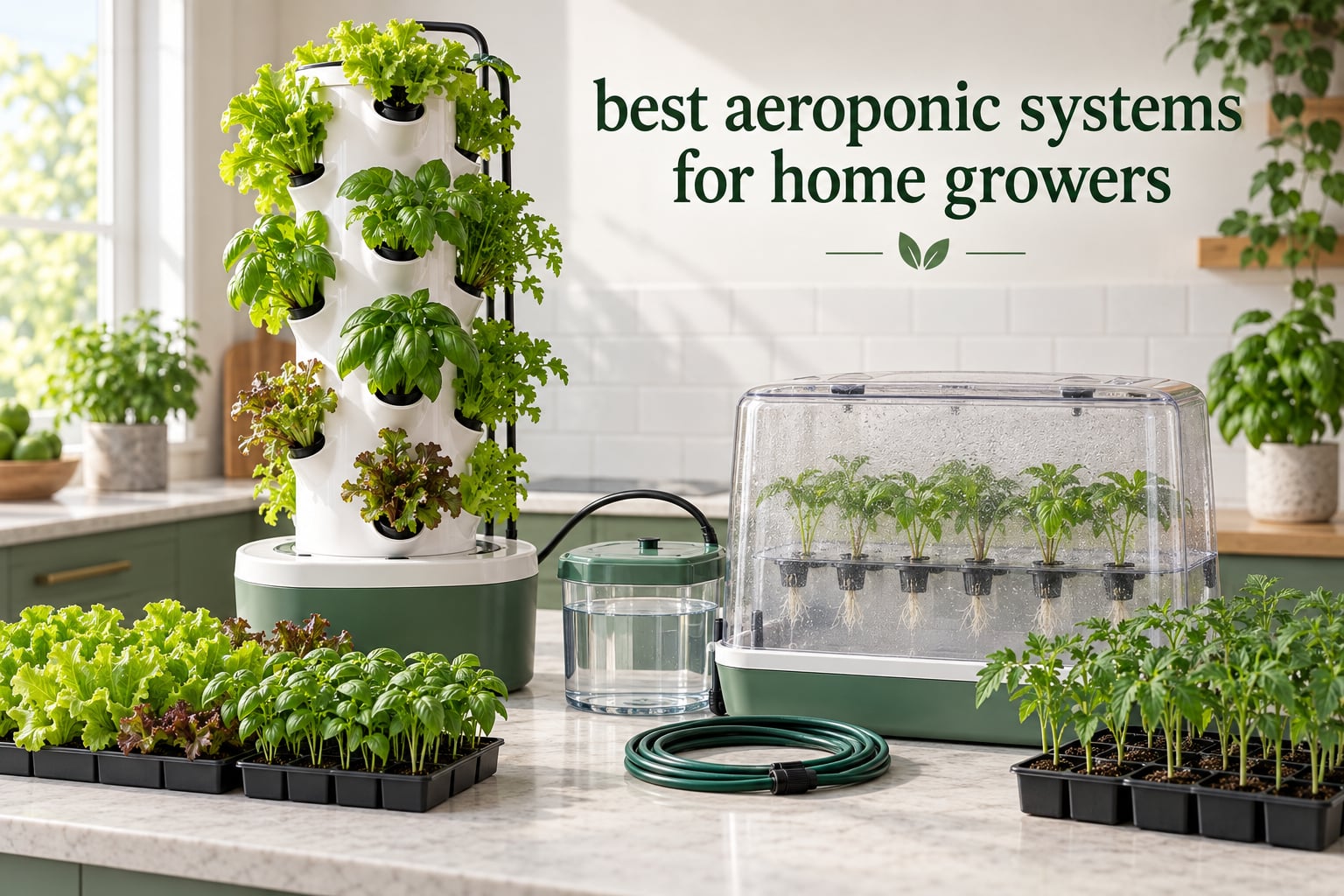
Straight answer: the best aeroponic system for most home growers in 2026 is the AeroGarden Harvest Elite, and the best true mist system is the CLONE KING 36 Site Cloner. Those two categories get constantly mixed up in this category, so the honest shortlist below covers both, plus eight more that earn their place.
An aeroponic system hangs plant roots in open air and feeds them with a fine mist of nutrient solution, so roots get far more oxygen than they would sitting in water or soil. A hydroponic system does something simpler: roots sit in nutrient water, or drip-fed from above. Aeroponics is a branch of hydroponics, not a rival to it, and several products sold under the aeroponic banner are countertop hydroponic gardens instead.
We compared 10 systems across the categories home growers actually buy, mixing true mist chambers used for cloning and propagation with food-growing units. We looked at plant capacity, pump and manifold design, whether a grow light is included, cleaning burden, noise, consumable lock-in, and the honest failure modes reviewers report after months of use. We also flag what we did not test, because nobody in this category publishes verifiable lab data.
Table of Contents
Top 3 Picks for Aeroponic Picks for Home Growers in 2026

AeroGarden Harvest Elite
- 6 plants up to 12 inch
- 20W full spectrum LED with timer
- Stainless steel countertop body

The Harvest Elite takes the top slot because it is the most reviewed and most proven unit in the group, and it removes the two decisions that trip up beginners: seeds and nutrients. The CLONE KING wins on mist quality and capacity if you are propagating rather than eating. The Bounty edges it out on value because it holds more plants and puts out more light for a similar outlay.
Best Aeroponic Systems for Home Growers (September 2026)
| Product | Specifications | Action |
|---|---|---|
| AeroGarden Harvest Elite |
|
Check Latest Price |
| AeroGarden Bounty Black |
|
Check Latest Price |
| CLONE KING 36 Site Cloner |
|
Check Latest Price |
 PowerGrow 21-Site Bucket Cloner PowerGrow 21-Site Bucket Cloner |
|
Check Latest Price |
 HORTIPOTS 35 Site Cloner HORTIPOTS 35 Site Cloner |
|
Check Latest Price |
 HORTIPOTS 70 Site Cloner HORTIPOTS 70 Site Cloner |
|
Check Latest Price |
 Psycloner Pro 35 Site Psycloner Pro 35 Site |
|
Check Latest Price |
 EZ Clone 16 Site EZ Clone 16 Site |
|
Check Latest Price |
 LYCereal 30 Plant Tower LYCereal 30 Plant Tower |
|
Check Latest Price |
 HORTIPOTS 24 Site Cloner HORTIPOTS 24 Site Cloner |
|
Check Latest Price |
One quick note before the reviews: every cloner in this table needs a grow light added separately, and the vertical tower excludes both light and nutrients. Buyers who plan a single system and forget the light are the most common disappointed group in this category.
1. AeroGarden Harvest Elite: Best Countertop System for First-Time Growers
AeroGarden Harvest Elite, Stainless Steel
6 plants up to 12 inch
20W full spectrum LED with automatic timer
Stainless steel, 6 pounds
Pros
- Stainless steel body that suits a kitchen counter
- Automatic light timer removes daily light management
- Control panel prompts for water and nutrient top-ups
- Vacation mode for unattended operation
- Seed pod kit and nutrients included
Cons
- Only 6 plants at a time caps harvest volume
- Needs periodic water bowl refills and nutrient top-ups
- Seedlings can show dry tips in the pods
This is technically a countertop hydroponic garden rather than a mist chamber, and we would rather say that plainly than let the marketing slide. What it is, though, is the most proven food-growing unit we reviewed, with over 5k reviews behind it, and it is the piece most first-time growers should start on.
Six plant sites is genuinely small. If your goal is a weekly salad habit, six is plenty. If you want to preserve herbs or feed a household, you will outgrow it in a season. The 20W light caps plant height at 12 inches, which suits lettuce, basil, chives and herbs and rules out anything that needs to get tall.
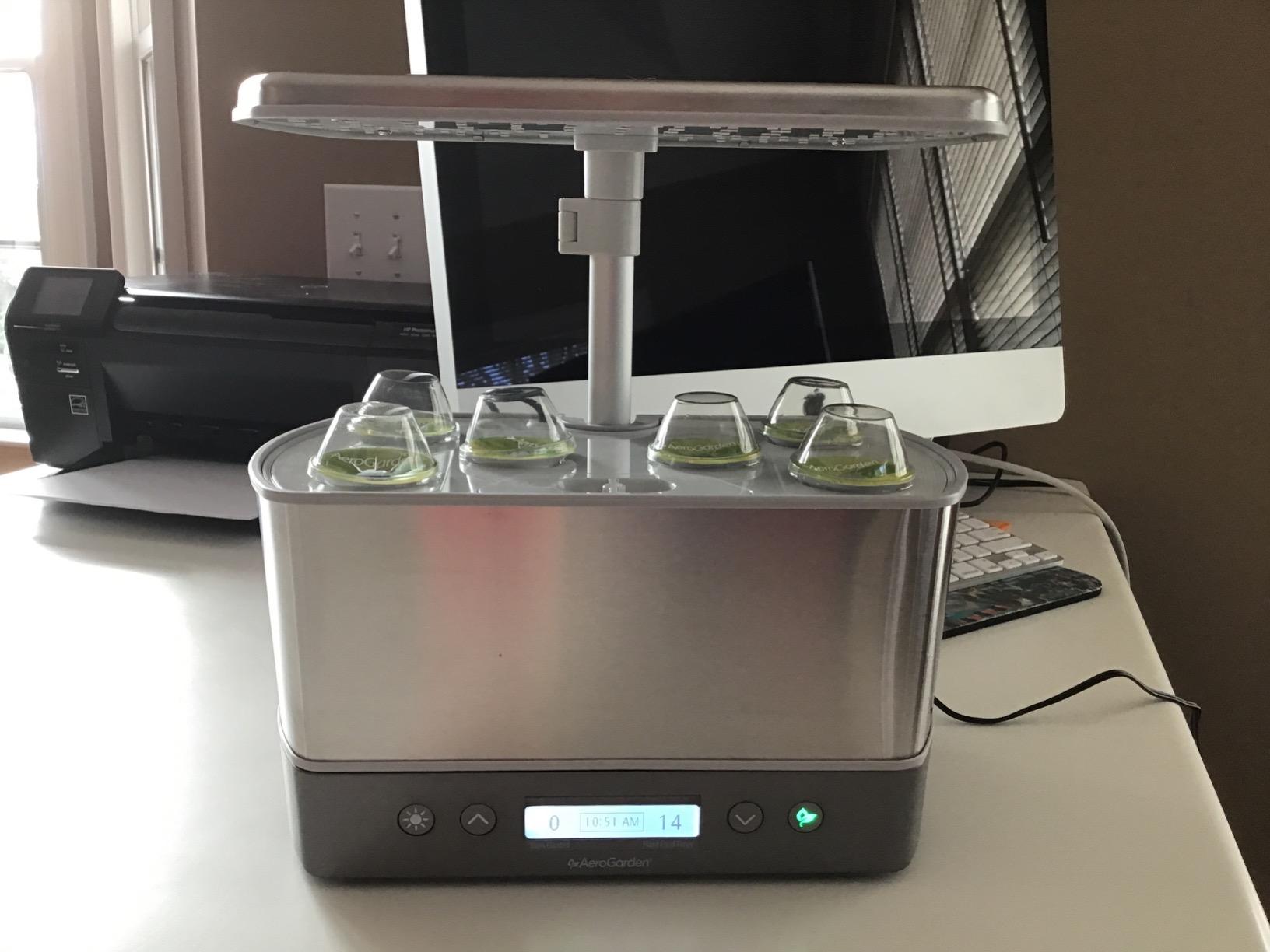
What impressed us most is how few decisions it asks of you. The illuminated touch panel tells you when water or nutrients are low, the light runs on its own timer, and vacation mode keeps things going when you travel. Reviewers with no gardening background describe setup as a single evening job and their first harvest inside a few weeks.
The stainless steel shell is the quiet winner here. Most plastic units of this size look like lab equipment, and this one looks like a small appliance you would leave out on the counter.
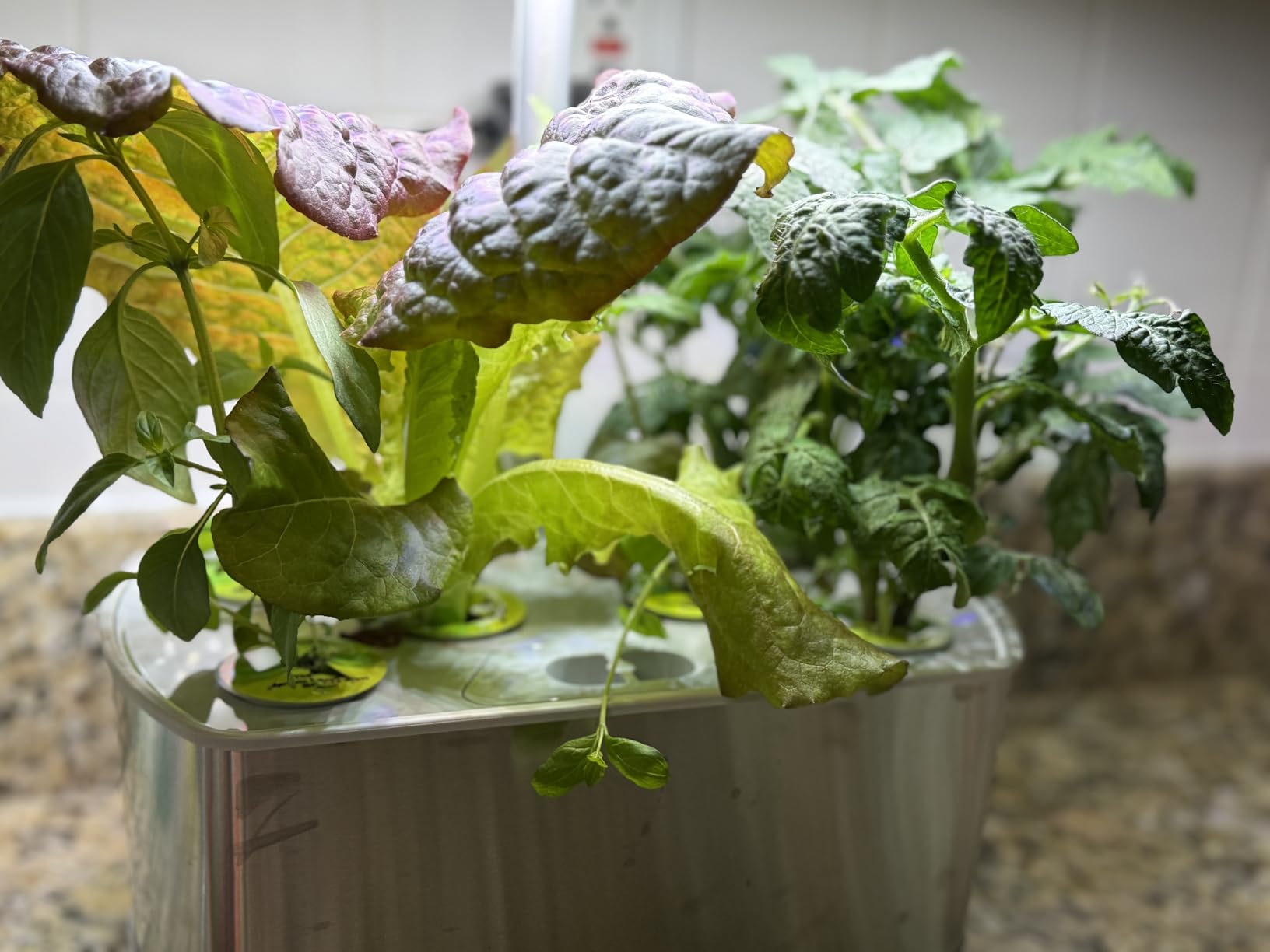
What to check before you buy the Harvest Elite
Count your ceiling on plant height, not floor space. At 12 inches, the light arm is the limiting factor, and a tomato in this unit will be a very small tomato. If you want anything above salad size, look at the Bounty instead.
Plan for the consumable rhythm rather than the sticker. Pods and liquid plant food are the ongoing cost, and the reminders only tell you when you have already started to run low. Buying the nutrient bottles in a multipack at first use is the difference between a smooth cycle and a wilted week three.
Who should skip the Harvest Elite
Skip it if you want to propagate cuttings. There is no mist chamber, so a cloner such as the CLONE KING 36 is the correct tool and this unit will not help you at all. Mixing the two use cases is the single most common buying mistake in this category.
Also skip it if you plan to grow a lot of one crop. At six sites, harvesting a full bowl of anything requires a nearly continuous replanting cycle. Home growers who actually cook daily usually end up wanting the nine-site Bounty within a few months.
2. AeroGarden Bounty Black: Best Value for Bigger Harvests
AeroGarden Bounty, Black
9 plants up to 24 inch
40W dimmable LED at 2000 lumens
Wi-Fi and Alexa, 1 year warranty
Pros
- Nine plant sites with a 24 inch light pole
- Dimmable 40W light gives strong growth
- Water level indicator and nutrient reminders on the panel
- Quick setup with harvests inside weeks
- Quiet pump and removable tank
Cons
- Wi-Fi and Alexa setup can be fiddly
- Some units arrive without the humidity domes
- Reservoir is awkward to clean after a cycle
The Bounty is the same idea as the Harvest Elite with roughly half again the capacity and twice the light output. If the Harvest Elite feels cramped, this is the version that does not. Nine sites plus a 24 inch pole is enough headroom for peppers and compact tomato varieties, which is a step change in what a countertop unit can actually produce.
The 40W lamp at 2000 lumens is dimmable, so you can drop intensity during the first two weeks of a seedling and raise it once plants stretch. Owners report that this alone noticeably reduces the leggy growth that plagues indoor growers. Smart scheduling through Wi-Fi and Alexa is a real convenience, and we would call it a nice-to-have rather than a reason to buy.
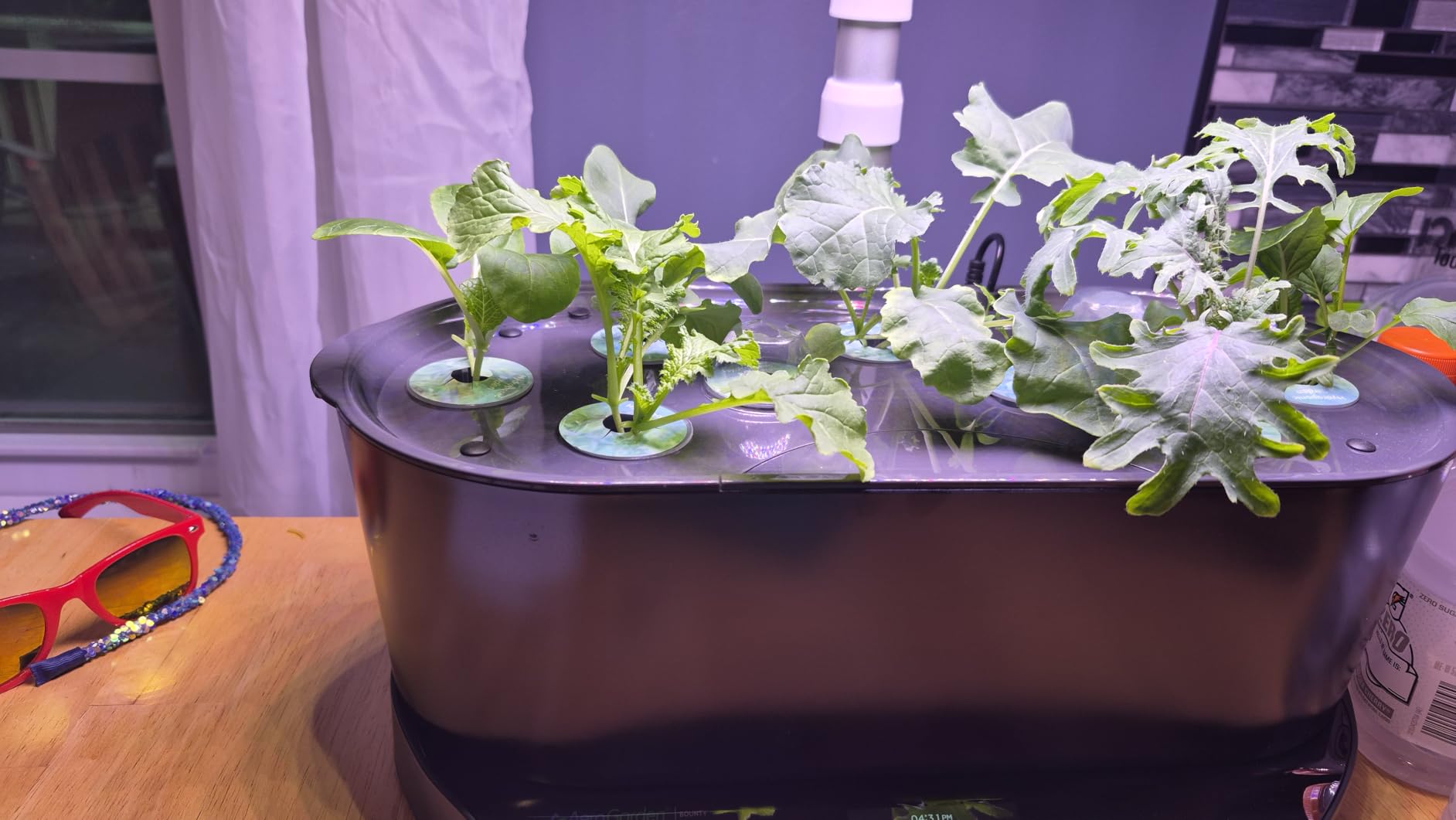
Like the Harvest Elite, this is a hydroponic recirculating unit, not a mist aeroponic chamber. The practical difference is where the roots sit: submerged in a reservoir rather than sprayed. That is easier to maintain, and it is also why a hydroponic unit will outlast a misting system in most homes.
Reviewers report fast, simple setup, with most people cutting their first lettuce or basil within weeks. The recurring gripes are small and fixable: the app connection is fiddly, especially outside the US, and some owners received units without the humidity domes the instructions mention. The one complaint we take seriously is reservoir cleaning, which is unpleasant after a full cycle no matter what brand you buy.
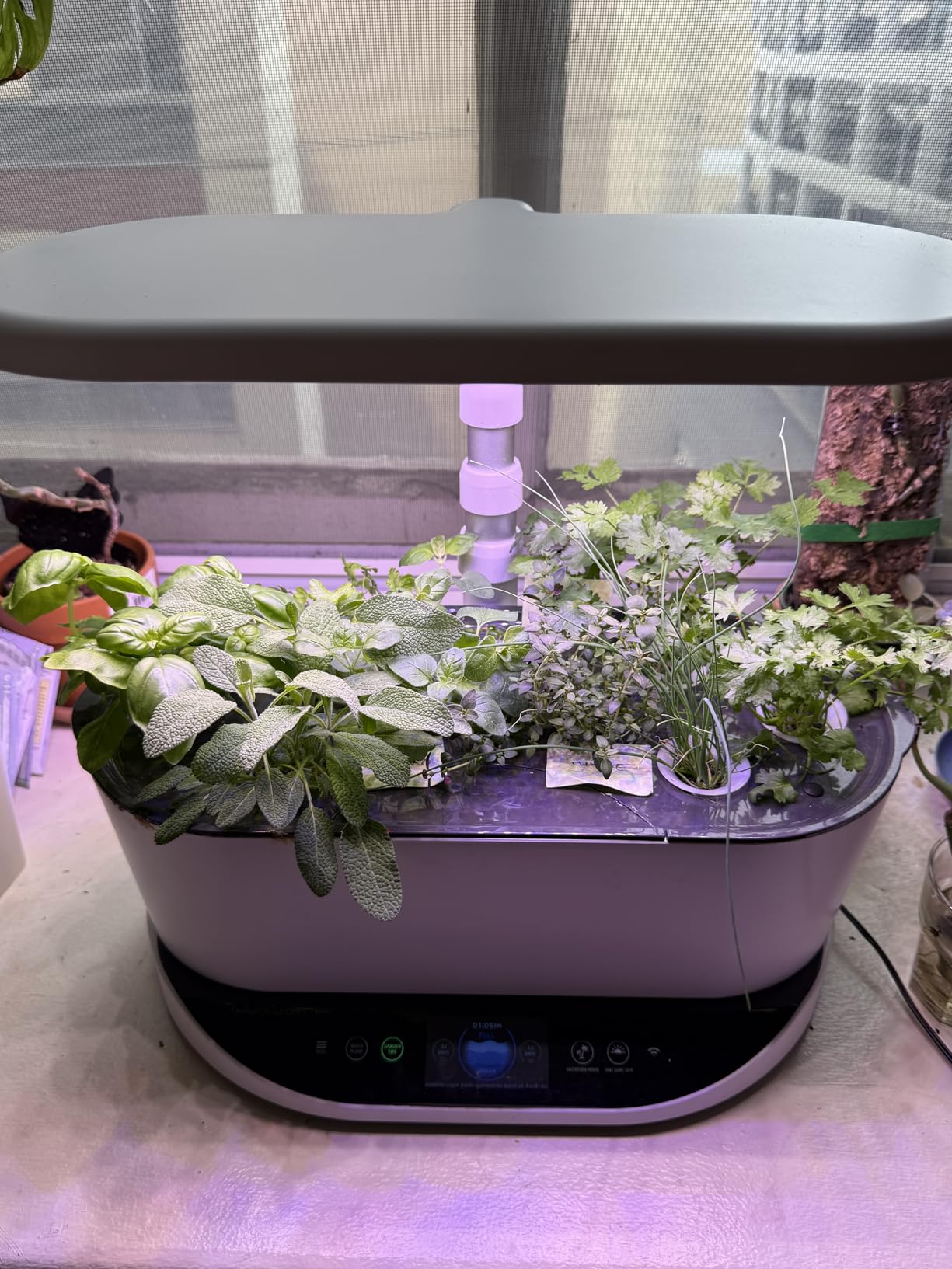
Why the Bounty suits more growers than the Harvest Elite
The deciding factor is plant height, not plant count. A 24 inch light pole and a dimmable 40W lamp change what fits in the unit, and a wider spread of crops means a longer harvest season. If you cook most days, the extra capacity pays for itself in the first couple of months.
The second factor is smart-home control, and it matters more in practice than the spec sheets suggest. Automatic light scheduling and a vacation mode remove the two daily chores that cause people to abandon countertop gardens. The Alexa link also makes it easy to monitor a grow room alongside the rest of your smart home camera and security setup if you already run one.
Where the Bounty falls short
Smart features are not a substitute for checking the water. The three-step indicator tells you the level, not whether the pH has drifted, and a reservoir that smells sour will not announce itself. Budget ten minutes every few days and this unit is genuinely low effort.
If you live in a flat with thin walls, note that the pump runs on a schedule rather than continuously, so it is far quieter than a mist manifold cycling around the clock. For that reason it is one of the better countertop options in shared housing, especially in a room you also keep under camera coverage for a larger home.
3. CLONE KING 36 Site Aeroponic Cloning Machine: Best True Mist System
CLONE KING 36 Site Aeroponic Cloning Machine. Expect 100% Success Rates!
36 site mist chamber
13 spray heads, 317GPH submersible pump
13.75 inch cube, 5 pounds
Pros
- High reported rooting success across many species
- 36 sites allows batch propagation
- 13 spray heads cover the whole chamber
- Reservoir lid manifold pump and inserts all included
- Compact 13.75 inch footprint
Cons
- No humidity dome or grow light included
- Insert choice limited to blue and red
- Manifold and pump need regular clog checks
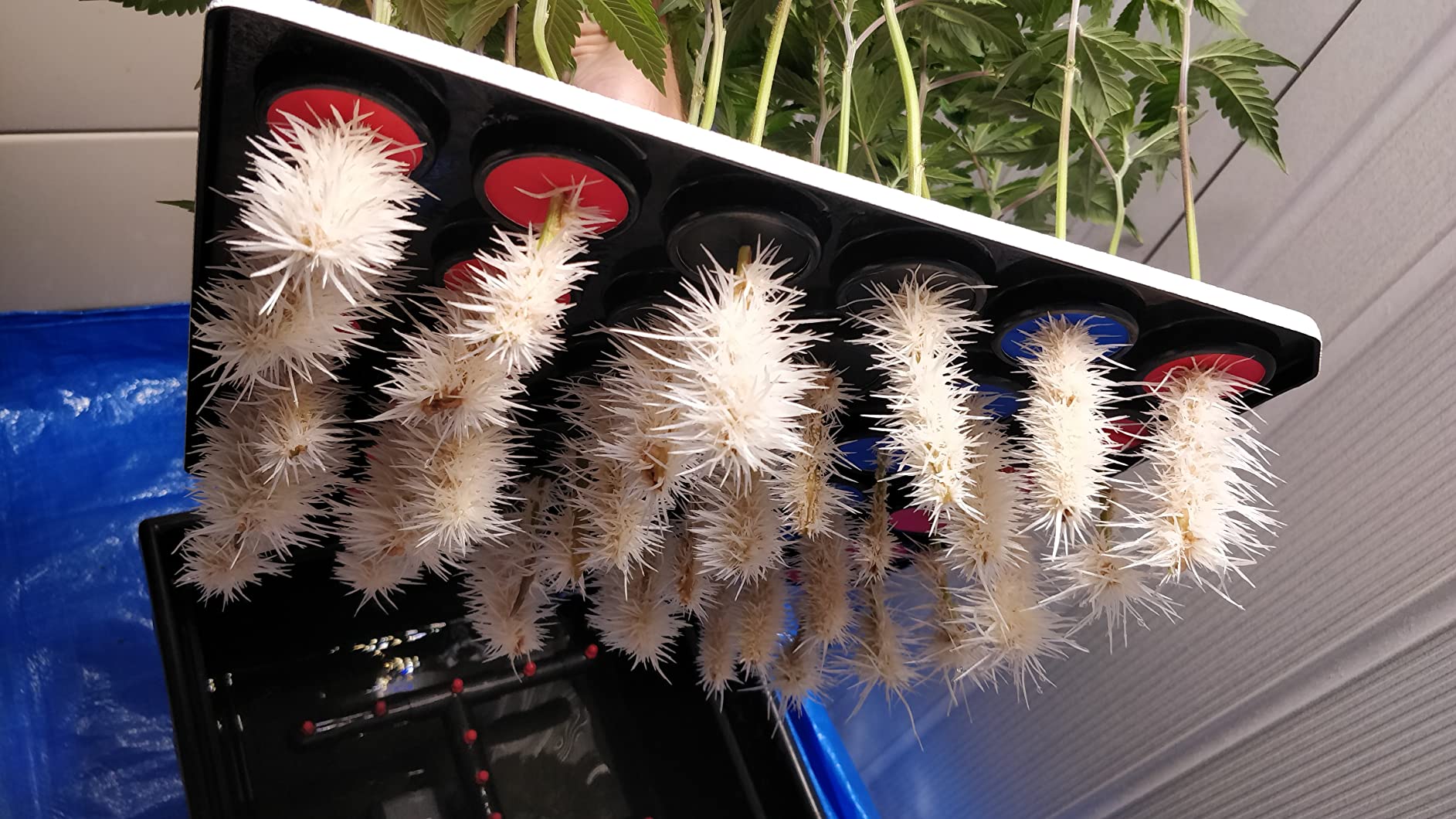
This is the system the search term is really about. A submersible 317GPH pump lifts nutrient solution to a spray manifold fitted with 13 heads, and those heads mist the suspended cuttings from every angle inside a sealed 36 site chamber. Nothing else in this list delivers mist across that much chamber area.
Buyer reports are unusually consistent for a product this size. Growers describe rooting inside 4 to 10 days across a wide range of species, and the strongest recurring comment is that the kit arrives complete and ready to run, with reservoir, lid, manifold, pump and neoprene inserts in the box.
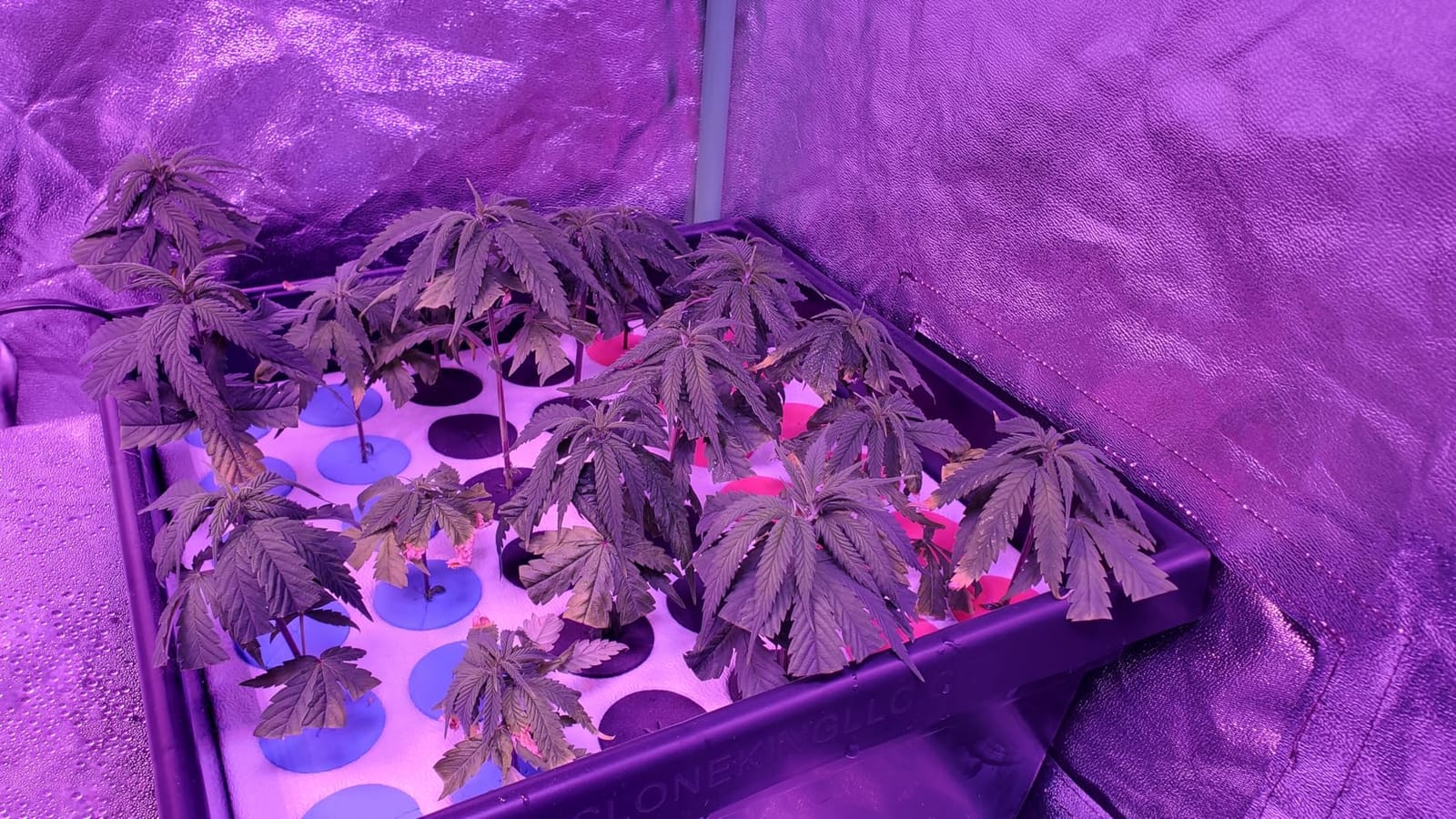
Capacity is the real strength. Thirty-six cuttings is a serious batch, and at a 13.75 inch square footprint the whole thing fits on a small bench or a shelf. You can run a full propagation round for an entire garden of tomatoes, peppers or houseplants without taking the chamber apart between cycles.
Mechanically it sits at the durable end of this category. The 317GPH pump has real headroom for the manifold, which is why this design has stayed in production and kept a 4.5 rating across nearly 1900 reviews. The trade-off is that 13 spray heads are 13 spray heads to keep clean, and there is no pre-filter housing to protect them. On a chamber this size that weekly flush is a genuine task, not a one-off.
What the CLONE KING gets right that most kits do not
Coverage. Thirteen heads on a 36 site chamber is unusual density, and it is the reason mist reaches the lower rows instead of only wetting the top layer. On a cheap cloner you routinely get roots at the top and bare cuttings at the bottom, and that uneven hit rate is what makes people give up on aeroponics.
Completeness. Everything needed to run the chamber is in the box, and the instructions are detailed enough for a first-timer. The only two things you must source separately are the humidity dome and the grow light, which is exactly the kind of add-on that catches people out on cheaper kits.
Who should look elsewhere
This is a propagation tool, not a food-growing appliance. There is no lighting, no nutrient dosing and no way to grow a plant to harvest here. If you want food, start with the Harvest Elite or the Bounty and add a cloner later.
The blue and red insert limitation is worth knowing before you order. If you clone something with an unusual stem diameter, the standard inserts may not grip it. Buying the EZ Clone 16 or one of the 2 inch collar systems gives you more flexibility on stem size, and the extra pumps and nozzles on the HORTIPOTS kits are a real advantage over this one.
4. PowerGrow Systems 21-Site Bucket Cloner: Best Budget Entry Into Aeroponic Cloning
Plant Cloning Machine – Deluxe 21-Site Bucket Cloner Kit by PowerGrow Systems
21 site chamber
360 degree spray nozzles
12 inch cube, uses a standard 5 gallon bucket
Pros
- Simplest way to test whether aeroponic cloning suits you
- Standard bucket reservoir is easy to swap and scrub
- 360 degree nozzles mist every cutting
- Kit includes pump collars and cloning gel
- Made in the USA with a long production history
Cons
- No humidity dome included
- 21 site capacity is small next to the 35 site chambers
This is the simplest way to find out whether aeroponic cloning is something you enjoy, and for a first batch of cuttings it is hard to argue with. The reservoir is a standard five gallon style bucket, so refilling, scrubbing and swapping it are all trivial with hardware store supplies.
That reservoir decision is the best engineering idea in the kit. Most sealed chambers give you a fixed tank welded to a fixed lid, and cleaning that combination is a chore. Here you lift the lid, pull the bucket, wash it, and put it back. Reviewers consistently mention the convenience of the bucket approach.
The 360 degree spray nozzles cover the cuttings from every direction rather than from a single top manifold, which suits a small round chamber well. Owners report solid rooting results and appreciate that the pump, clone collars and cloning gel are all included, so nothing else is needed except a dome and a light.
On the bench this unit also has the smallest footprint of anything in this guide at 12 inches square, which means it fits a corner of a countertop without taking space from anything else.
Honest framing: the review base is small at 159 ratings, so treat the claims with appropriate weighting. At 21 sites this is a compact chamber, so a big propagation round means two runs rather than one.
The missing humidity dome is the most frequent gap buyers mention, and it is not a trivial one. A fresh cutting has no functioning root system to drink through, so it relies on chamber humidity for the first days. Without a dome you will get transplant shock on a noticeable share of cuttings, which is why we rank this as a budget pick rather than a beginner pick.
Why the bucket design is worth the trade-offs
Sanitation is where most aeroponic failures start, and a chamber you can fully strip and clean in five minutes is a genuine advantage. A fixed tank has crevices around the pump housing and the lid seal that never get properly washed, and that is exactly where a biofilm and root rot get a foothold.
Cost of replacement parts is the second advantage. When something eventually fails, a bucket, a submersible pump and clone collars are all standard items you can buy anywhere. Nothing about this kit requires a manufacturer to keep selling you a part, which is the single biggest hidden cost in the branded consumer category.
Where the trade-offs bite
Buy a dome. It is the difference between a good success rate and a mediocre one, and skipping it is the most common reason people conclude that aeroponic cloning does not work. A foldable clear dome is inexpensive and takes seconds to fit.
Twenty-one sites is also a real constraint. If your plan is a full vegetable or houseplant propagation run in one pass, step up to the CLONE KING 36 or a HORTIPOTS 35. If you are learning on fifteen cuttings at a time, this capacity is genuinely fine.
5. HORTIPOTS 35 Site Cloner: Best for Beginners Who Want the Dome Included
Aeroponic Cloner Machine, Cloning Machine 35 Site for Cutting Rooting Germination Kit Using 1.625 inch Neoprene Clone Inserts
35 sites with 1.625 inch inserts
Humidity dome included, roots in 4-10 days
UL-listed pump with pre-filter housing
Pros
- Roots cuttings in 4-10 days
- Humidity dome included in the box
- Pre-filtered pump resists clogging and leaks
- Runs without a separate air pump
- ABS and PP construction
Cons
- Plastic feels light and flimsy in hand
- No grow light included
- Neoprene collars need periodic replacement
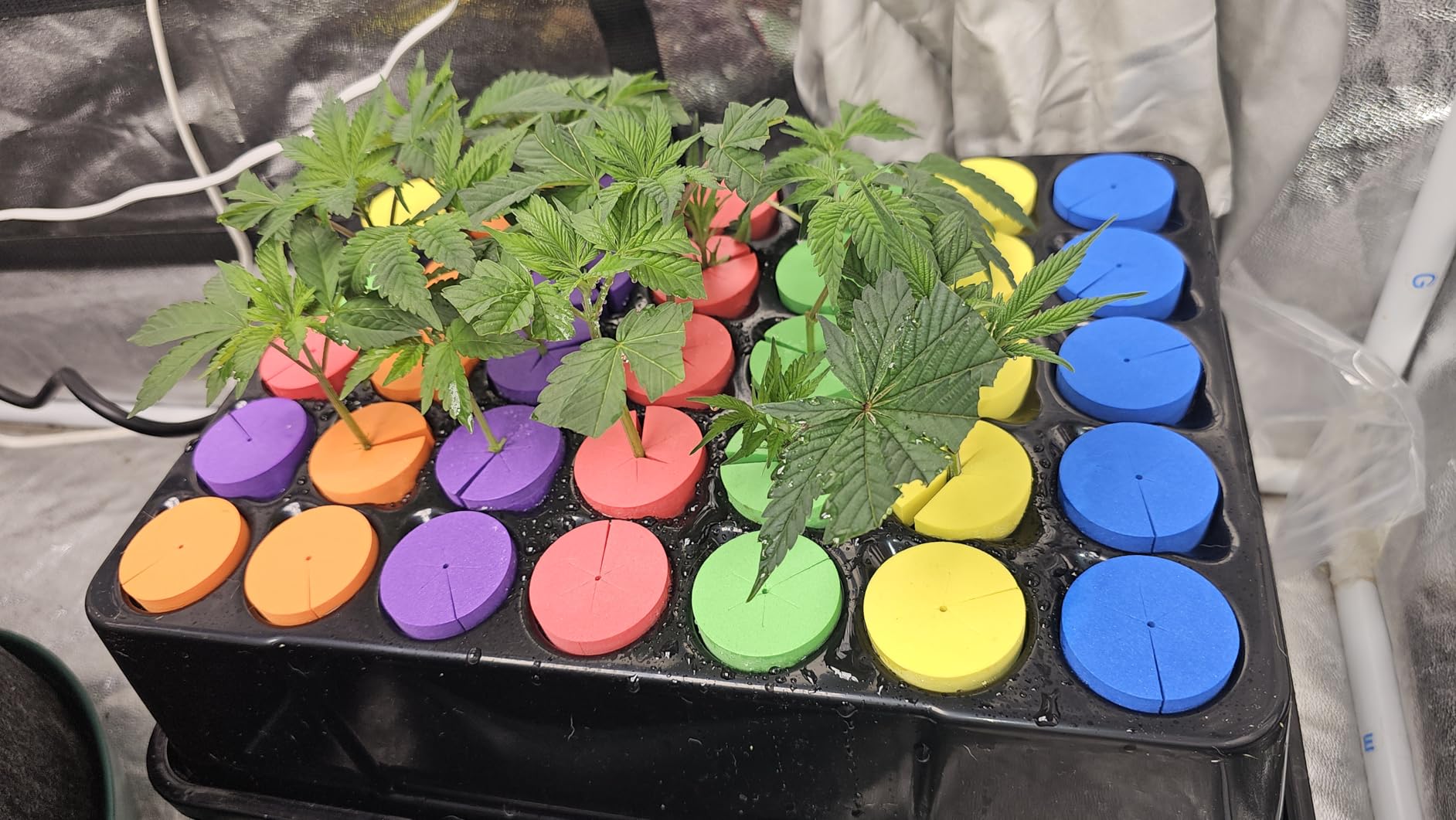
The 35 site HORTIPOTS is the kit we would hand to someone who has never propagated a cutting before, and the reason is simple: the humidity dome is in the box. That one inclusion removes the most common early failure in aeroponic cloning and takes about thirty seconds to fit.
Roots develop in 4 to 10 days according to both the manufacturer and buyer reports, and the venting design in the lid means you do not need to buy or plumb a separate air pump. That matters for beginners, because an extra air pump is another pump to service and another failure point you have to learn about.
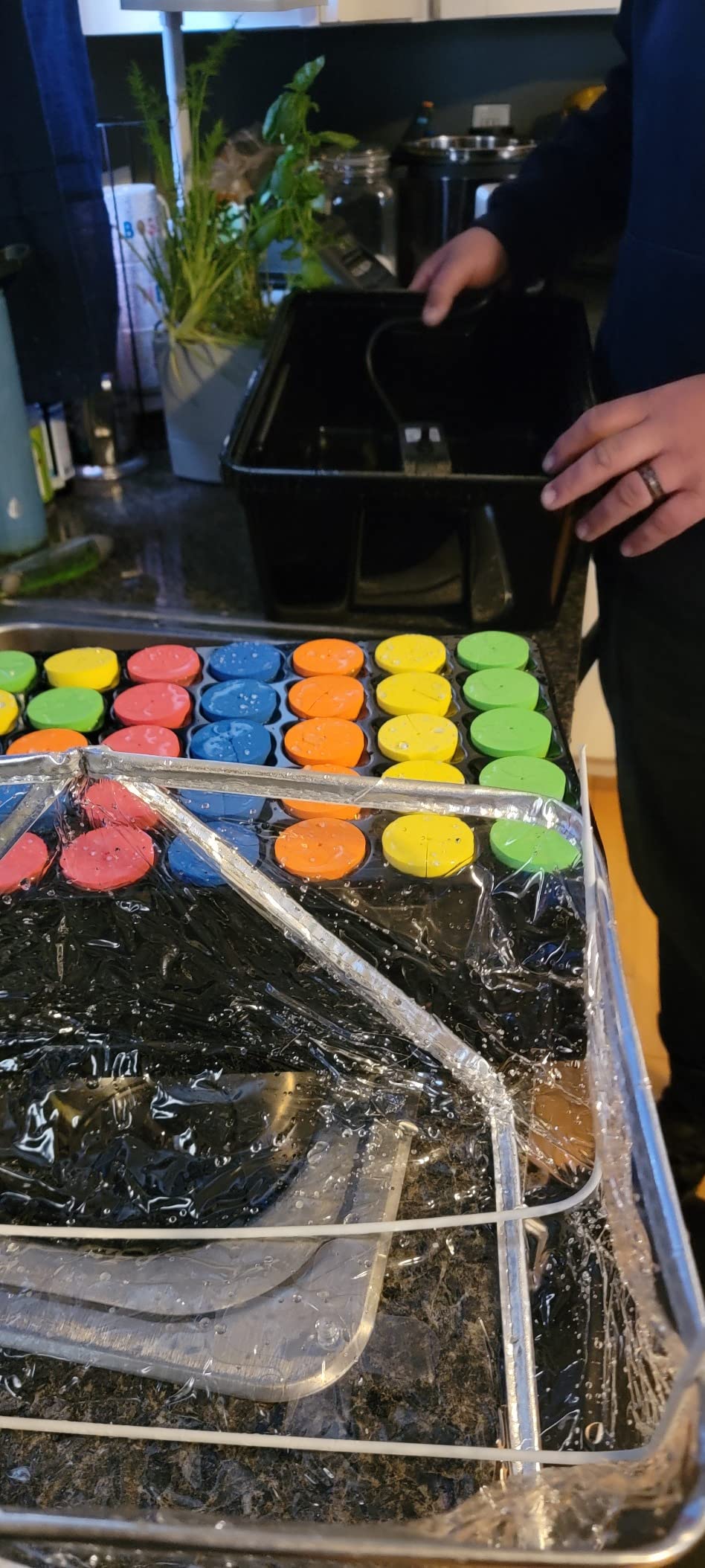
The pre-filtered pump is the sleeper feature. A pre-filter housing catches the mineral and root debris that would otherwise lodge in a spray head, and users report both fewer clogs and fewer leaks than with unfiltered designs. For a system you will refill repeatedly, that is the difference between a ten-minute clean and a twenty-minute one.
Construction is the weak point. The ABS and PP body is light and inexpensive, and reviewers describe it as feeling thin in the hand. The patent-pending manifold runs a smaller pump and generates less heat, which is a genuine advantage for a sealed chamber, but this is a bench-top hobby unit and it feels like one.
What beginners get right with this kit
Dome, pump and collars in one box means your first cost is the kit itself. The two other things you will need, a grow light and a rooting gel or clone nutrient, are easy to identify and easy to buy, and nothing here is proprietary or model-specific.
Thirty-five sites is a comfortable learning size. It is large enough that a full batch is satisfying and small enough that if you get it wrong, you have not wasted a month of propagation time. That balance is why this sits above the larger 70 site unit for anyone new to the method.
What to watch out for
Neoprene collars mould over time, especially in a warm chamber, and moulded collars are a root rot vector. Keep spares and replace them on a schedule rather than when they look bad. Reviewers who bought spares say this is the only recurring chore they would call mandatory.
You still need a grow light. The chamber roots cuttings in the dark by design, but a rooted cutting still needs light to grow on after it leaves the dome, and there is no lighting in this box. Plan on a simple full-spectrum lamp on a timer above the chamber for the later stage.
6. HORTIPOTS 70 Site Cloner: Best for High-Volume Propagation
HORTIPOTS Cloning Machine Aeroponic Cloner System 70 Site for Plant Cuttings Using 1.625 inch Neoprene Clone Inserts (1-5/8 inch)
70 site mist chamber, floor standing
Humidity dome included
UL-listed pre-filtered pump, 8.3 pounds
Pros
- Largest capacity in the group
- Roots cuttings in 4-10 days
- Humidity dome included
- UL-listed pre-filtered pump cuts clogging
- 100 percent new ABS resists warping
Cons
- Heaviest and largest unit at 8.3 pounds
- Demands the most space of any unit here
- Needs a floor or large bench rather than a shelf
When propagation is a project rather than a hobby, the 70 site chamber is the sensible pick. Seventy cuttings in a single run is the point at which you stop doing this plant by plant and start treating it like a production line, and this is the largest capacity chamber in our group.
It shares the design strengths of the smaller HORTIPOTS: a patent-pending spray manifold that runs a smaller pump and produces less heat, a pre-filtered UL-listed pump, and lid venting so no separate air pump is required. Roots form in 4 to 10 days and the foldable clear humidity dome is included.
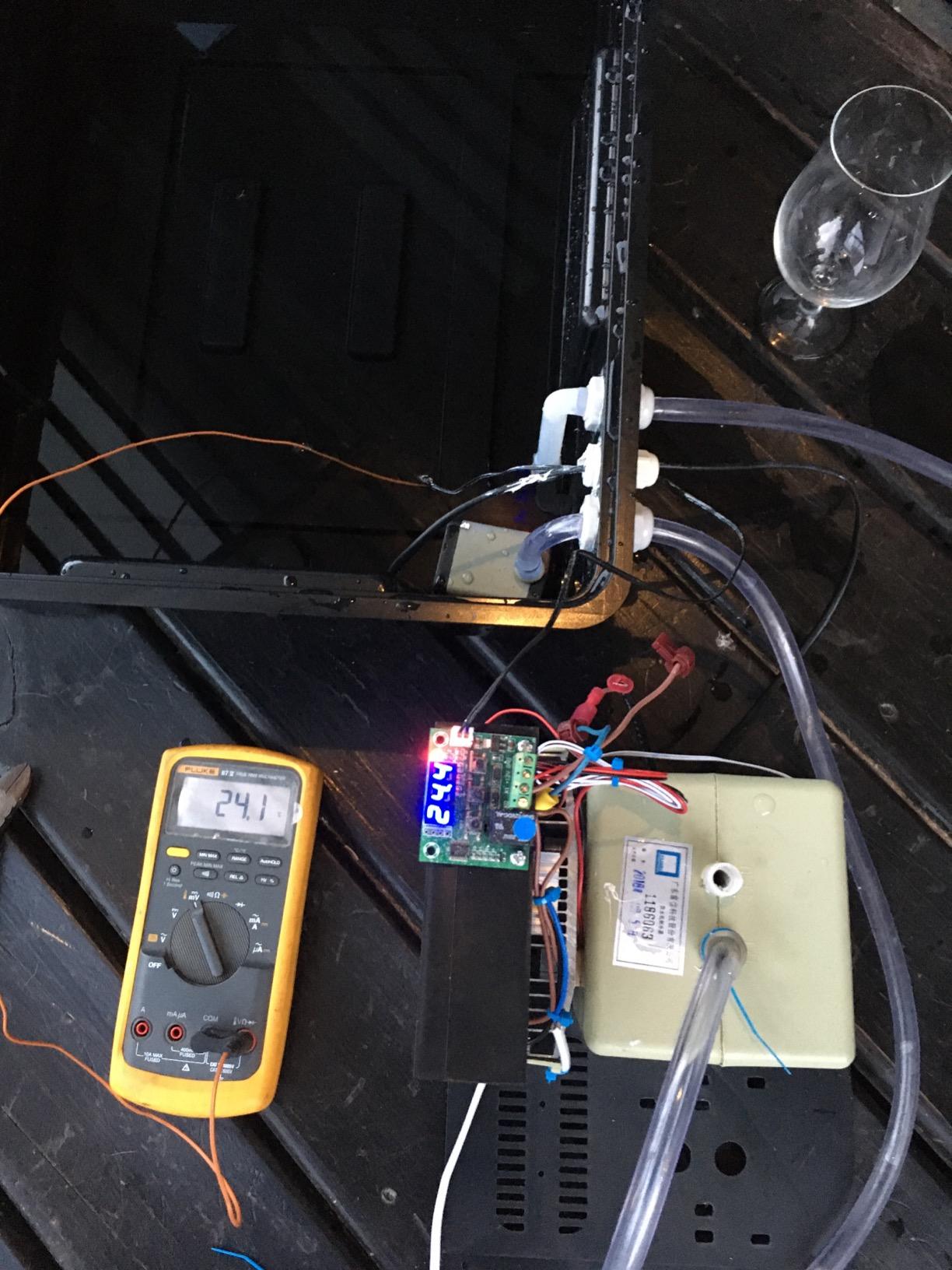
Construction is upgraded here. It is made from 100 percent new ABS engineering plastic rather than recycled content, and serious propagators point out that this is what resists warping and leaking over a long production life. On a chamber this size, plastic fatigue is a real failure mode and a real cost.
At 8.3 pounds and floor standing, it is not a shelf unit. Clear a patch of floor or a proper bench before you unbox it, because moving it full of solution is a two-person job. That is the whole trade-off: throughput in exchange for footprint.
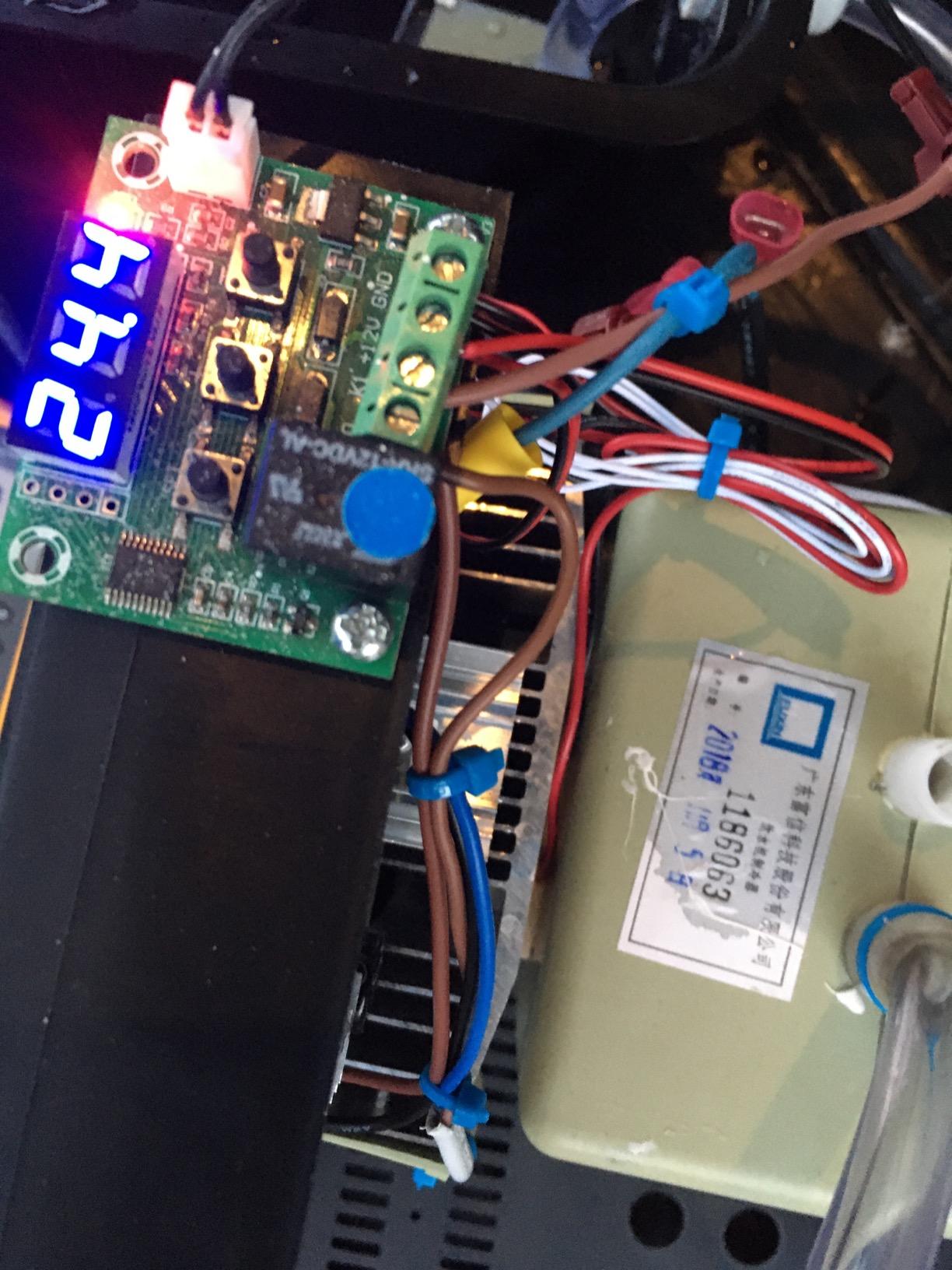
When a 70 site chamber pays for itself
It pays off when you have a steady stream of cuttings. Fruit growers propagating peppers, tomatoes and cucumbers, or anyone running a houseplant or nursery operation at hobby scale, will hit the limit of a 35 site unit within a single growing season. At that point a second small chamber costs more in bench space than a single larger one.
Energy also works in your favour at scale. One large chamber running one pump cycle uses roughly what two smaller ones would, and the manifold design keeps heat generation down inside the sealed box. Heat is the enemy of a propagation chamber, so that is a meaningful long-run saving.
Reasons to choose a smaller chamber instead
If you are experimenting with a few species, capacity is not the constraint, commitment is. An over-large chamber sitting half empty uses solution and electricity for nothing, and you will not get a full read on whether the method suits you.
The review base here is the thinnest of the group at 146 ratings, so we would temper the enthusiasm. What those reviews do support is build quality and throughput. If you are buying one chamber to last several seasons, this is the one we would choose, and we would accept the footprint to get it.
7. Psycloner Pro 35 Site: Best for the Fastest Rooting in a Small Case
Psycloner Pro Clone Machine, Aeroponics System, Cloner for Plant Cuttings, Propagation + Bonus (35 Site)
35 site mist chamber
Humidity dome included
Roots in about two weeks, 35 site footprint
Pros
- High reported rooting rate in about two weeks
- Humidity dome included
- Compact 35 site footprint
- Extra collars and cloning gel in the box
- Also offered in 70 and 140 site versions
Cons
- Flimsy warp-prone lid that can leak
- Not dishwasher safe
- Leaks can develop at the pump cord corner
- 120V pump only which limits international use
The Psycloner Pro is a compact unit with a fast reported rooting rate, with users seeing visible roots in under two weeks on a good batch. The sprayer manifold is engineered for efficient water delivery, and the ABS propagation tray doubles as root protection from light while adding a little evaporative cooling inside the chamber.
Out of the box you get the humidity dome, neoprene inserts, and bonus extra collars plus cloning gel. That is a complete first run for a beginner, and the 35 site chamber is compact enough to keep near a window where you will actually look at it.
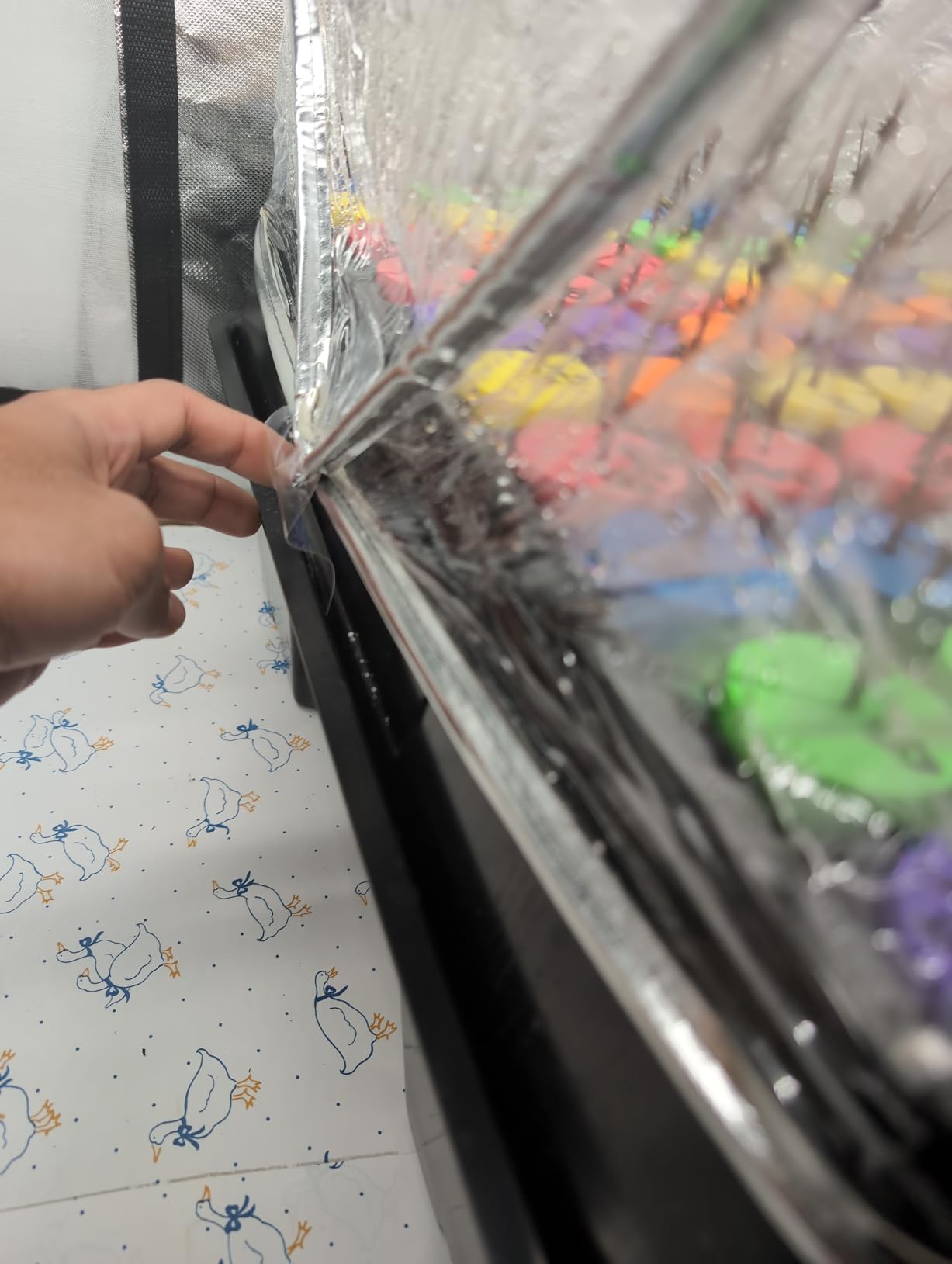
The important warning is the lid. A recurring cluster of reviews reports a warp-prone plastic lid that leaks if it is not seated perfectly, and a few buyers report leakage developing at the pump cord corner after light use. That is a real defect pattern rather than user error, so we treat it as a design weakness rather than a complaint about care.
Also check your mains voltage before ordering. The pump is 120V only, and several international buyers found that hard. The same caveat applies to the 2 inch collar HORTIPOTS later in this list, and it is the single most avoidable disappointment in this category.
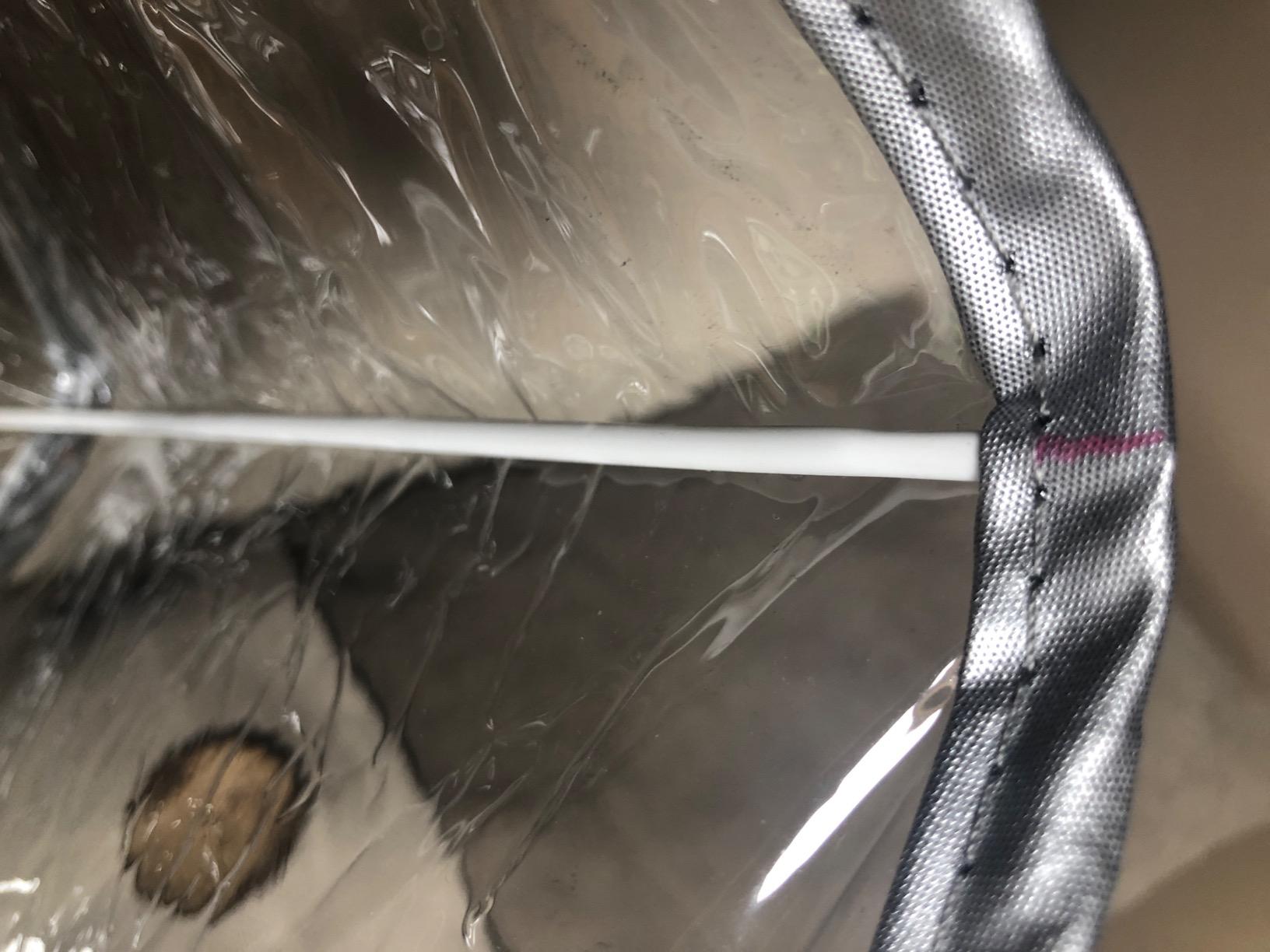
Why rooting speed matters more than site count
Fast rooting reduces the window in which cuttings are vulnerable. Every extra day in the chamber is a day at higher risk of mould, algae and rot, so a chamber that roots in under two weeks is meaningfully safer than one that takes three, even if the slower unit has more sites.
Scaling is the other argument. This system is also offered in 70 and 140 site versions, so if a modest batch feels too small you are not forced to buy a different brand. Buying the same design in a larger shell means the lid, the manifold and your workflow stay familiar.
Where this design falls down
The lid is the weak link, and it interacts with cleaning. This unit is not dishwasher safe despite some seller claims, so a warping lid is a replacement item rather than something you can straighten yourself. Clean the lid by hand, dry it fully, and reseat it in a consistent orientation each time.
If you are outside the US, skip it. A 120V-only pump is a hard blocker with no workaround short of a converter, and the 4.0 average rating already reflects a mixed experience across a very international customer base. In North America it is a fast, capable, compact machine, provided you can live with the lid issue.
8. EZ Clone 16 Cutting System: Best for Small Spaces and Tight Benches
EZ Clone 16 Cutting Cloning System
16 site mist propagation chamber
14.3 x 14.7 inch footprint
8 pounds, made in the United States
Pros
- Consistently roots cuttings
- Compact 16 site footprint fits small indoor spaces
- Made in the United States by Hawthorne Hydroponics
- Well suited to hobby-scale propagation
Cons
- Small capacity at 16 sites
- Weighs 8 pounds for its size
- Bulky 16 x 15 x 15 inch package relative to capacity
The EZ Clone 16 is the system to buy if your propagation space is a shelf rather than a basement. Sixteen sites in a 14.3 by 14.7 inch footprint is a genuinely compact mist chamber, and it carries a 4.5 rating from owners who mostly want reliable results at hobby scale.
It is made in the United States by Hawthorne Hydroponics, which matters more than the country of origin badge suggests. US-made plastic in a small chamber is generally tighter moulded, and this unit’s reviews are notably free of the warping and cracking complaints that appear elsewhere in the category.
Buyers rate the rooting results as dependable rather than spectacular, and the compact vertical footprint is the reason most of them keep it. It is a machine you will set up once on a shelf and leave alone for a fortnight at a time.
At 8 pounds this is also among the heavier items here relative to its capacity, so think about where the shelf sits before you buy. A chamber on a high shelf means lifting a full reservoir, and that is a two-handed job in a small room.
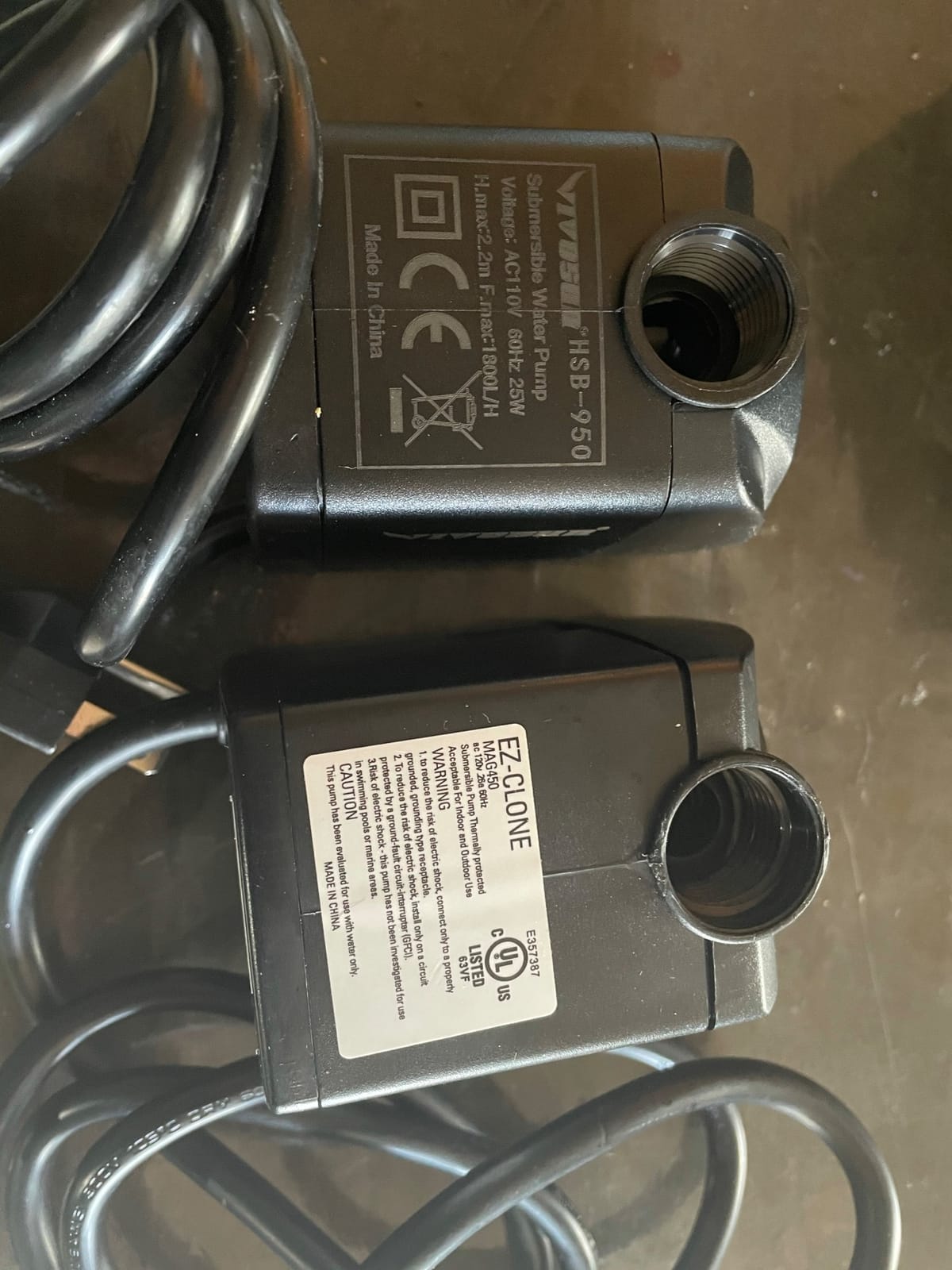
The odd trade-off is weight. At 8 pounds it is among the heaviest items in this guide relative to its capacity, which makes lifting it to empty and refill the reservoir an awkward job on a high shelf. If your propagation spot is above waist height, choose a lighter 21 or 24 site kit instead.
Sixteen sites is also a small batch. That is fine for houseplants, succulents and herbs, but a vegetable grower will run several rounds. Think of it as the machine you can keep in the corner of a small apartment, not the machine that covers a season of seedlings.
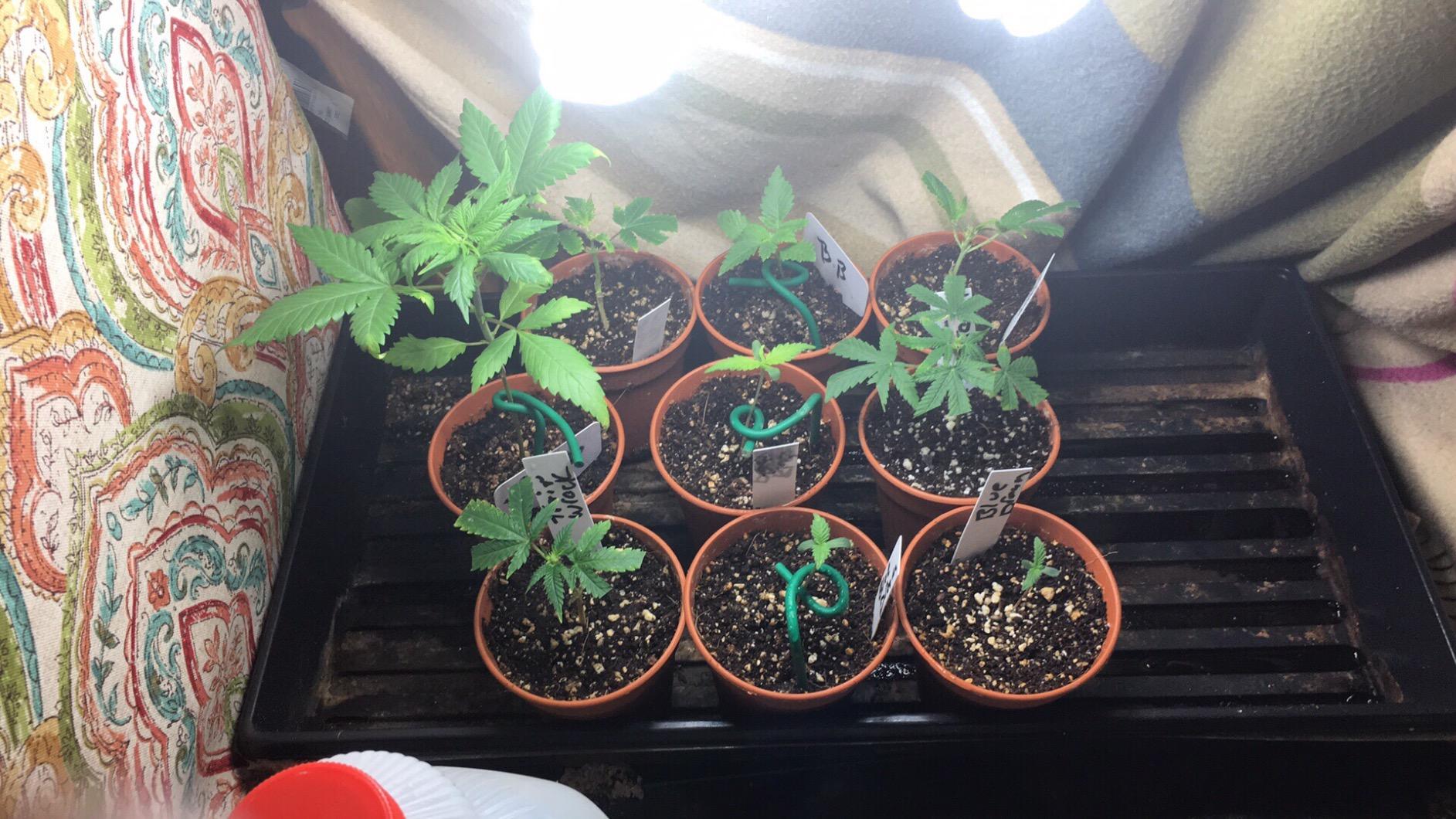
What the small footprint buys you
A complete working mist chamber with no guessing about parts. The 16 site layout is efficient because a small chamber needs less solution to keep the mist dense, so the mist is more concentrated around each cutting than in a 70 site unit running the same pump.
It also ages well in a small apartment. A low-volume chamber uses less solution, less electricity and less shelf space per cutting than any tower or large cloner, and the entire thing can be rinsed and refilled in a sink.
Who should skip it
Skip it if you want volume. Anyone propagating annual vegetables needs more than sixteen cuttings at once, and running three cycles to cover a garden costs you time and electricity. The CLONE KING 36 or the HORTIPOTS 35 is a better fit at a modest jump in size.
Also consider alternatives if your shelf is high. At 8 pounds, full, this is one of the least portable units we reviewed. Many buyers of compact cloners end up keeping the chamber low and using a separate light above, which is a plan worth making before the unit arrives rather than after.
9. LYCereal 30-Plant Vertical Hydroponic Tower: Best Vertical Growing in a Small Footprint
LYCereal Hydroponics Growing System, 30-Plant Indoor Hydroponic Tower with Pump System, Plants Germination Kit, Smart Aeroponic Herb Garden, Vertical Hydroponic System for Gardening Lover (No Seed)
30 plants on 6 tiers
Under 1 sq ft footprint, 10 liter tank
Timer-controlled pump, water level gauge
Pros
- Thirty plants in a footprint under one square foot
- Tower arrives mostly pre-assembled
- Timer-controlled pump with adjustable run duration
- Water level gauge makes top-ups obvious
- Sturdy base with tall top-heavy growth
Cons
- No grow light included
- No fertilizer or nutrients in the box
- Food-grade status of the plastic is undocumented
- Smallest review base at 48 ratings
This is the one true vertical system in the group, and the space claim is the point. Six tiers holding up to 30 plants in a 9.84 inch square footprint is roughly thirty plants under one square foot of floor, which no cloner and no countertop garden can approach.
Water circulates from a 10 litre tank through a timer-controlled pump, and the review consensus is that circulation genuinely improves root oxygenation and nutrient delivery. The timer with adjustable run duration is more useful than a fixed schedule, because you can shorten cycles in warm rooms and lengthen them in cool ones.
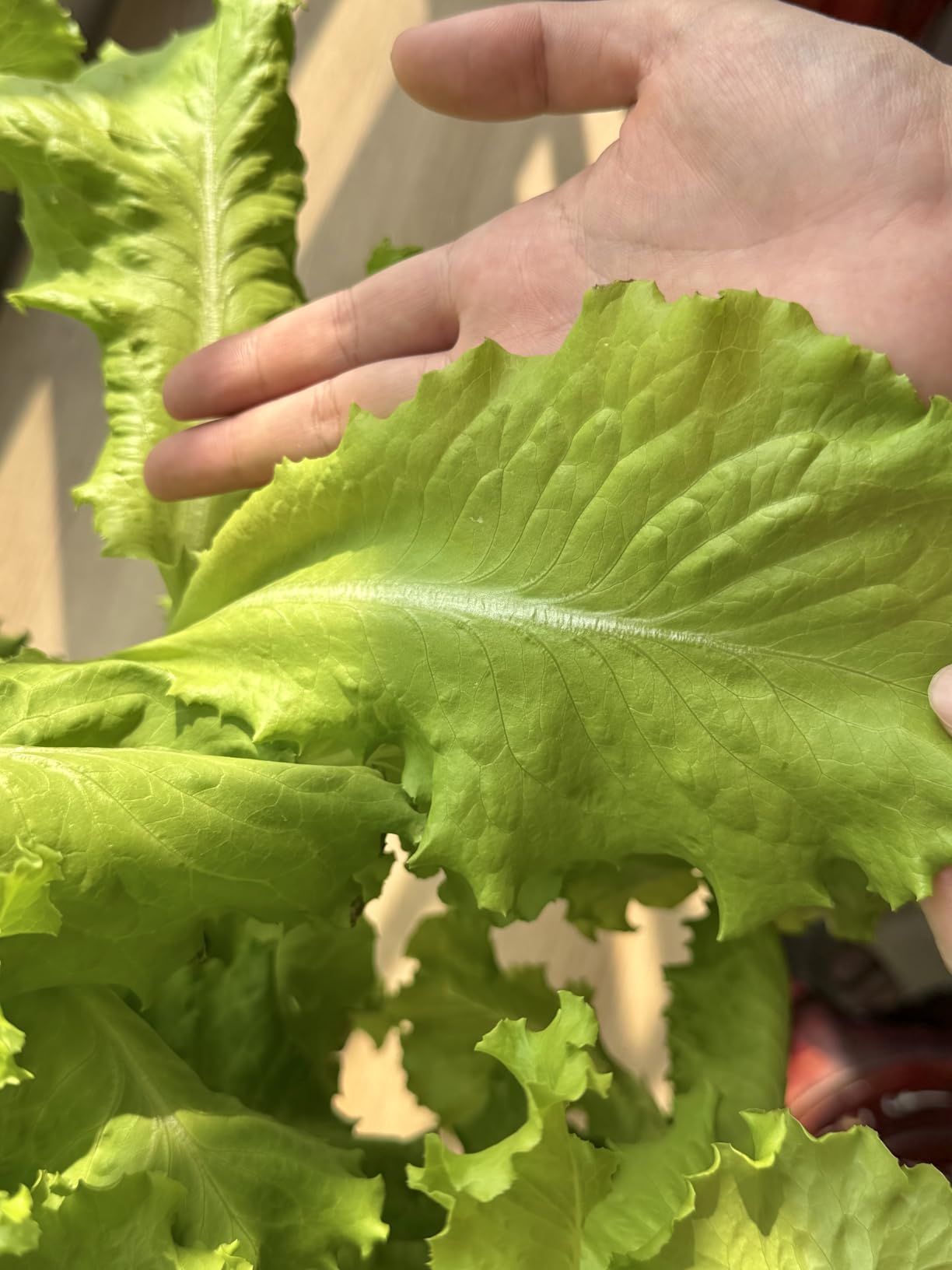
Two omissions define the experience. There is no grow light and no fertilizer in the box, so your real starting list is tower, lamp, nutrients and seeds. Owners find assembly quick, germination reliable and the base stable even when growth is heavy at the top, which is the failure mode that topples cheaper towers.
The honest caveat is the review base. Forty-eight ratings is thin, and buyers specifically note that the food-grade status of the plastic is not clearly documented. We would not use it for edible crops until you can confirm the material, which means checking with the manufacturer or choosing a tower with clearer food-grade documentation.
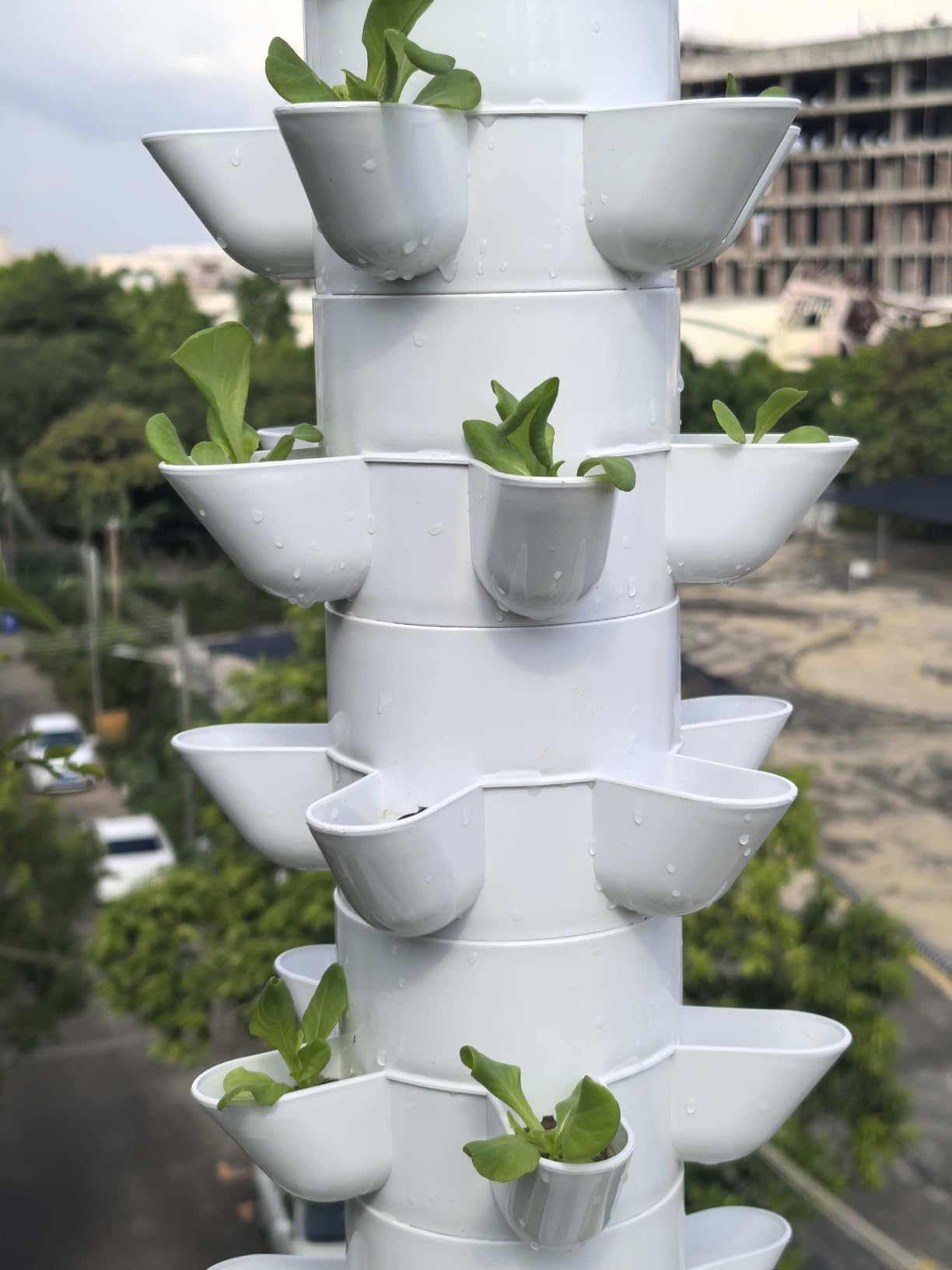
Why the vertical footprint changes the maths
Floor space is the constraint in most apartments, and this tower turns a floor area into a volume. Thirty sites stacked 34 inches tall means a single tower can hold more plants than several countertop units while occupying the footprint of one of them. That is the genuine advantage stackable designs have over flat benches, as builders in r/aeroponics and r/Hydroponics keep pointing out.
Sixty-four growth sponges, a filter, funnel, hose, shower cap, manual and power adapter are all in the box. Seeds are sold separately, which is a minor annoyance, but sponges and hardware being included is a genuine convenience over building a tower yourself.
Where the 30 plant tower disappoints
No light, no nutrients. A tower without a grow lamp is a very efficient way to grow nothing, and it is the most common buyer surprise in reviews. Budget for a full-spectrum lamp with a timer sized to cover all six tiers, and for a nutrient kit, before you commit.
It is also a recirculating hydroponic tower rather than a mist aeroponic system, despite the listing wording. That is not a criticism, it simply belongs to a different category: it will not root cuttings, and its crop list is greens and herbs rather than propagation. For anyone whose aim is propagation, go to the cloner sections above instead.
10. HORTIPOTS 24 Site Cloner: Best Pack of Spare Parts in the Box
Aeroponic Cloner Machine 24 Site for Cuttings Rooting Using 2 inch Neoprene Inserts or 2 inch Clone Collars
24 sites with 2 inch neoprene collars
Humidity dome plus spare filter and nozzles
UL-listed pre-filtered pump, roots in 4-10 days
Pros
- Reported rooting success is among the highest in the group
- Roots in 2-3 weeks with multiple roots per stem
- Humidity dome included
- Extra pump filter and spare nozzles in the box
- Clear cover channels stray fluid back to the reservoir
Cons
- Thin discs let light into the reservoir and encourage algae
- Clear dome can weep fluid down the chamber
- 2 inch plugs sit loosely so cuttings are held less firmly
- 120V pump only outside North America
This is the kit that comes closest to ready-to-run. Alongside the 24 site chamber, lid, pump, collars and foldable clear humidity dome, the box includes an extra pump filter and spare spray nozzles, which is the first thing every experienced grower tells beginners to buy separately.
Rooting performance is the strongest in the group by owner report, often described as near perfect on a first run with multiple roots per stem inside 2 to 3 weeks. The 2 inch neoprene collars accept a wider range of stem diameters than 1.625 inch systems, which matters if you clone anything other than uniformly sized cuttings.
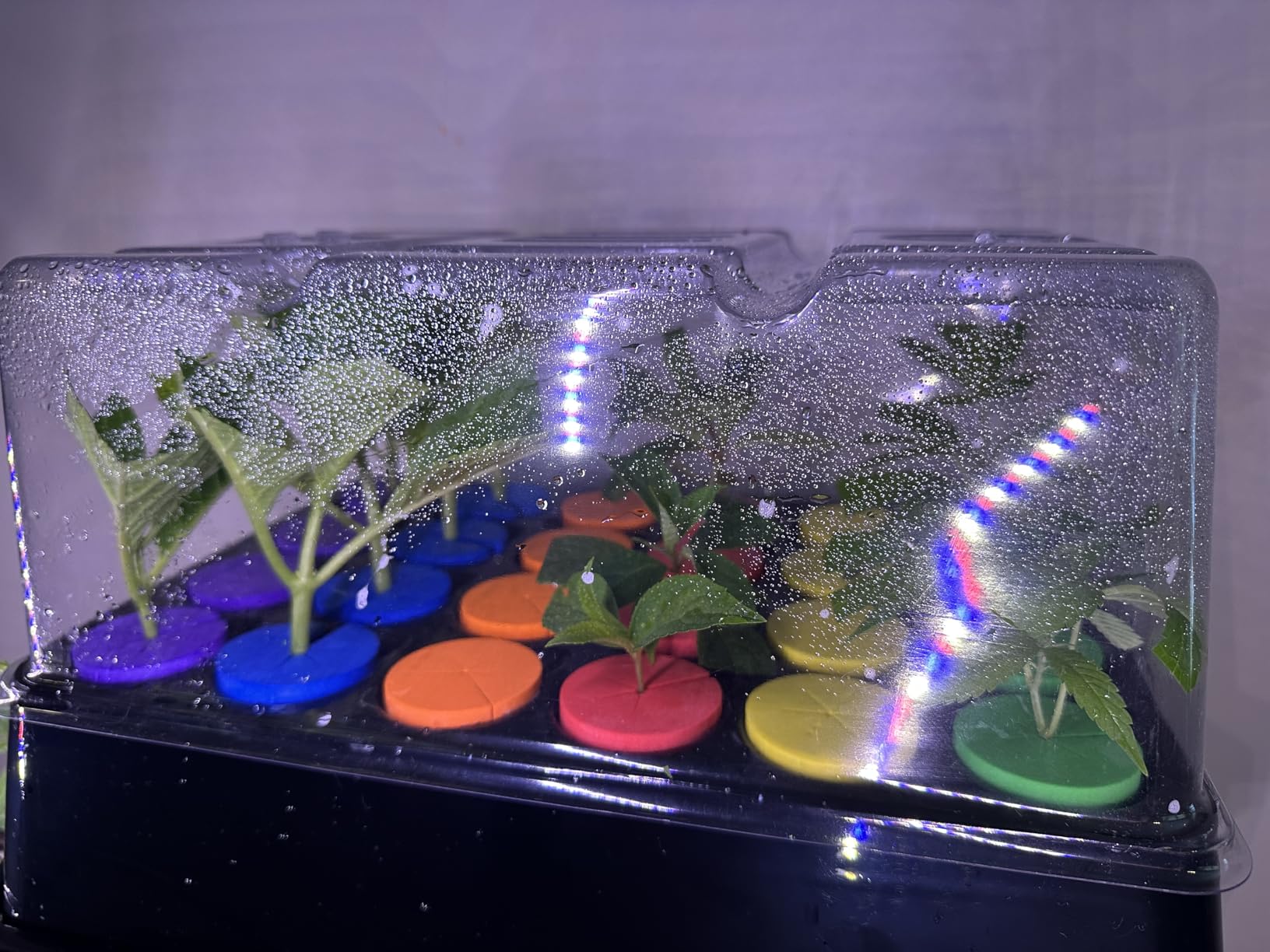
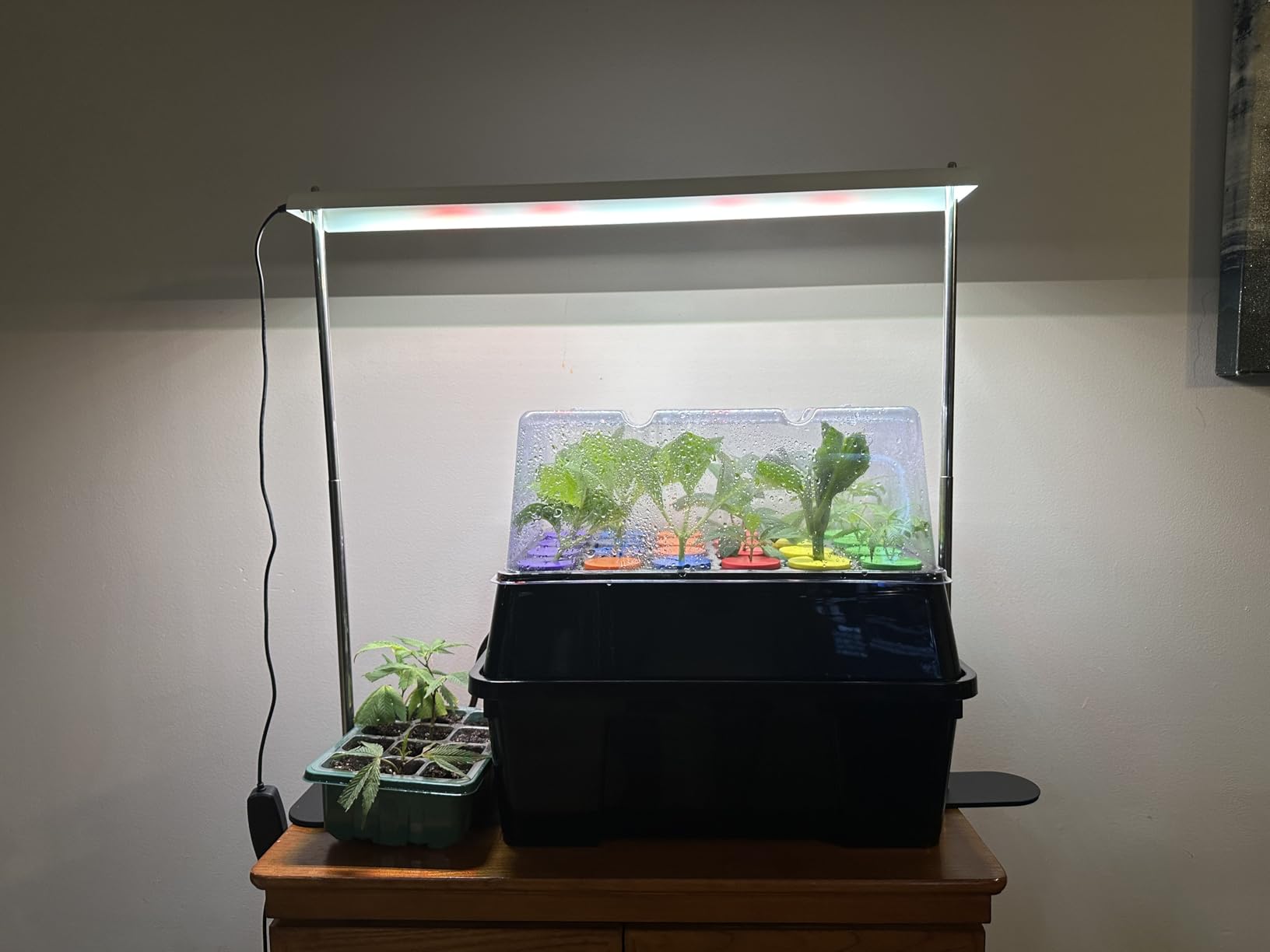
The clear acrylic cover is a thoughtful piece of design. It channels stray fluid back down to the lower reservoir rather than onto your bench, and the lid venting design means no air pump is needed. Made from BPA-free ABS and PP, and sold worldwide since 2016, this is a design with a long production track record.
The trade-offs are all known quantities. The thin discs let light into the reservoir, which encourages algae growth, and the clear dome can weep fluid down the outside of the upper chamber. Loose-fitting 2 inch plugs also hold cuttings less firmly than a snug collar, so a gentle adjustment after insertion is worthwhile.
Why the spare parts matter more than they sound
A spray nozzle that clogs is the defining failure of low-pressure aeroponics, and a blocked head usually means a wasted batch of cuttings. Having a spare filter and spare nozzles in the drawer turns a two-day recovery into a two-minute one, and this is the only kit in the group that includes them.
The pre-filtered pump reinforces the same idea. The filter catches debris before it reaches the manifold, and owners credit it with fewer clogs and fewer leaks than unfiltered designs. Over a season of propagation that is the difference between a system you maintain and one you avoid opening.
Who should choose a different kit
Outside North America, skip the 120V pump, and check the same issue on the Psycloner Pro. International buyers report the pump overheating or tripping breakers on 220V mains, and that is a deal-breaker with no clean workaround.
Algae management is the other consideration. If you run this in bright light or a greenhouse, the thin discs will admit enough light to green the reservoir. Either run it indoors out of direct sun, or use an opaque lid, and expect to clean more often than the two- to three-week cycle the dome suggests.
How to Choose: What Actually Matters Before You Buy
Start by deciding which job you are hiring the machine for, because aeroponic cloning and indoor food growing are different purchases. If you want to grow lettuce and basil, you want a countertop hydroponic garden or a vertical tower with a light. If you want to root cuttings, you want a mist cloner and you will source your own light. Trying to make one machine do both is the most expensive mistake in this category.
Capacity, honestly counted. Cloning capacity is site count, and site count should match your batch size rather than your ambition. Twenty-one sites is a learning batch, 35 is a comfortable working batch, 70 is production. For food growing, count plant sites against ceiling height, because a 6 site unit capped at 12 inches and a 9 site unit with a 24 inch pole produce very different harvests.
Grow light included or not. Every cloner in this guide excludes a light, and one vertical tower excludes both light and nutrients. Countertop gardens in the same list include theirs. This single check changes the real cost of a system more than any other specification, and it is the one buyers most often forget.
Consumable lock-in. Pre-seeded pod systems and branded nutrient refills are the quiet driver of ongoing cost over three years, because you must keep buying proprietary inputs. Cloning systems that use standard neoprene collars, standard pumps and general-purpose cloning nutrients are far cheaper to keep running, and for a home grower over a long horizon that difference is real.
Reservoir and cleaning. Ask one question: can I strip this thing and wash it in a sink? The bucket-based kit wins outright here. Sealed chambers with a welded tank have crevices around the pump housing and the lid seal that never get properly cleaned, and that is precisely where root rot begins.
Root rot is the defining failure. Growers on r/aeroponics report root rot even when the water is cool, which points at dissolved oxygen and sanitation rather than temperature alone. Keep the pH of your solution in the low sixes, keep the chamber or reservoir out of direct sun so light does not drive algae, empty and scrub the reservoir between cycles, and remove any brown or mushy root mass immediately rather than hoping it recovers.
Nozzle clogging is routine, not failure. A weekly flush with dilute white vinegar, plus picking stubborn deposits out with a dental pick, is the maintenance protocol experienced growers converge on independently. Build that fifteen minutes into your week before you buy, because a system you are not willing to clean is a system that will fail.
Noise, if you have thin walls. A mist manifold cycling every few minutes is audibly different from a pump that runs on a schedule for thirty seconds. If you share a flat, that difference matters, and it is the single most repeated complaint in reviews of continuous-cycle systems. Recirculating countertop units and towers with a timed pump are the quieter choices. If the noise question is really about monitoring your home while you are away, our home security system guide covers the alerting side of the same problem.
Mains voltage. Several units here use a 120V pump, which is a hard blocker outside North America. Check this before anything else if you are not in the US or Canada, because a converter adds cost and a failure point to every pump cycle.
When Not to Buy a Tower
The loudest voice in r/aeroponics is that towers are heavily marketed and widely useless, and there is a real argument underneath the negativity. Towers are the form factor most home buyers purchase, and the gap between what the marketing implies and what grows is where disappointment comes from. A grower in r/aeroponics put it plainly in a strawberry thread: fruiting crops underperform badly, and lettuce is the dependable crop.
So here is the honest redirect. Do not buy a vertical tower if you want tomatoes, cucumbers, peppers or strawberries. Those crops need root volume, support and light intensity that a tower site does not deliver, and you will spend a season learning that the hard way. If fruiting crops are the goal, a larger container or a raised bed beats a tower every time.
Do not buy a tower if nobody in the household will check the water. A reservoir that runs low for two days is a lost crop, and a tower is no more forgiving than a countertop unit despite being more expensive. The units that get abandoned are almost always the ones that were set up once and then ignored.
Do buy one if you mainly want leafy greens and herbs, you are short on floor space, and you will accept a ten to fifteen minute weekly maintenance routine. In that specific case a tower is a genuinely good tool, and the vertical footprint of the LYCereal 30 plant unit is the most space-efficient option in this guide.
And if your real interest is propagation rather than food, skip the tower entirely. Every product in the middle of this list is a purpose-built mist chamber that will root cuttings in days rather than weeks, and it will do it for a fraction of the money.
Frequently Asked Questions
Which aeroponic garden system is the best?
The AeroGarden Harvest Elite is the best overall for home growers in 2026 because it has the largest review base, includes seeds and nutrients, and runs a 20W full-spectrum light on a timer so there is no daily light management. For true mist aeroponics the CLONE KING 36 Site Cloner is the best pick, with 13 spray heads and a 317GPH pump. Budget buyers should read the small-budget section of this guide.
Are aeroponic towers worth it?
Aeroponic towers are worth it for leafy greens and herbs if you have limited floor space and will accept a weekly maintenance routine of flushing nozzles and checking water. They are not worth it for fruiting crops: strawberries, tomatoes and cucumbers underperform badly on tower sites because root volume and support are limited. For those crops a container or raised bed beats a tower.
What are the disadvantages of using an aeroponic tower?
The main disadvantages are nozzle clogging from mineral buildup, pump noise on a cycling timer, root rot when the reservoir is neglected, proprietary consumable lock-in on pod-based systems, a genuine pH and nutrient learning curve, and a poor yield-to-footprint ratio for anything larger than lettuce. Towers also frequently ship without a grow light, which adds cost buyers do not expect.
What is better, aeroponic or hydroponic?
Neither is better, because aeroponics is a branch of hydroponics. Hydroponics is the umbrella term for growing without soil. Aeroponics is the specific method where roots hang in open air and are fed by a mist, while other hydroponic systems submerge roots in water or drip-feed them. Aeroponics gives more oxygen, but it is harder to maintain, so most home growers do better with a simple recirculating unit.
What are the pros and cons of aeroponics?
Pros of aeroponics include very high root oxygenation, fast rooting of cuttings in 4 to 10 days, low water use compared with soil, and a compact footprint. Cons include mandatory monitoring of pump and mist nozzles, root rot risk when sanitation slips, no included grow light on most cloning kits, dependence on pumps that can fail, and the need to understand pH and nutrient dosing. Marketing often understates the maintenance load.
Do aeroponic systems need grow lights?
Yes, for anything beyond the first rooting stage. An aeroponic cloning chamber roots cuttings in the dark by design, and a humidity dome supplies the humidity they need. Once roots appear, cuttings need light to grow on, so a full-spectrum lamp above the chamber is needed. Every cloner in this guide excludes a light, and the vertical tower also excludes nutrients.
How do I stop nozzle clogging in my aeroponic tower?
Flush spray nozzles with dilute white vinegar once a week and pick stubborn deposits out with a dental pick. Keep the solution pH in the low sixes, avoid adding undiluted concentrate straight onto a nozzle, and run the pump long enough after refilling to purge air locks. A pump with a pre-filter housing, such as the HORTIPOTS designs, cuts clogging significantly on its own.
How often do I need to change the water in a tower?
Empty and scrub the reservoir every two to three weeks for active growth, and completely between crop cycles. Top up with plain water as the level drops, since topping up with plain water keeps the nutrient balance steadier than a full replacement. If roots are browning, change the water immediately and check sanitation, because cool water alone does not prevent root rot.
Bottom Line: Which Aeroponic System Should You Buy?
Choose the AeroGarden Harvest Elite if you want the lowest-risk way to start eating salad from a countertop, because it is the most proven unit we reviewed and it comes with seeds and nutrients already in the box. Move up to the AeroGarden Bounty Black if six sites feels tight or you want taller plants and a dimmable 40W lamp.
Choose the CLONE KING 36 Site Cloner if propagation is your real goal, since 13 spray heads across 36 sites gives the most even mist in this guide and the 317GPH pump has the headroom to keep it there. Add the HORTIPOTS 35 if you want the humidity dome included, the HORTIPOTS 24 if you want spare nozzles and a filter in the drawer, or the PowerGrow bucket cloner if entry cost is the priority and you will buy your own dome.
Choose the EZ Clone 16 for a small shelf and the HORTIPOTS 70 only if you are propagating in production volume. The LYCereal 30 plant tower is the right call for vertical greens in a genuine one square foot footprint, provided you budget a separate lamp and nutrients.
Whatever you pick, decide whether you are growing food or rooting cuttings, and buy for that job. In 2026 the aeroponic systems for home growers that earn repeat use are the ones you will actually clean every week, and every honest owner on the forums will tell you the same thing: the machine is the easy part, the routine is the commitment.