
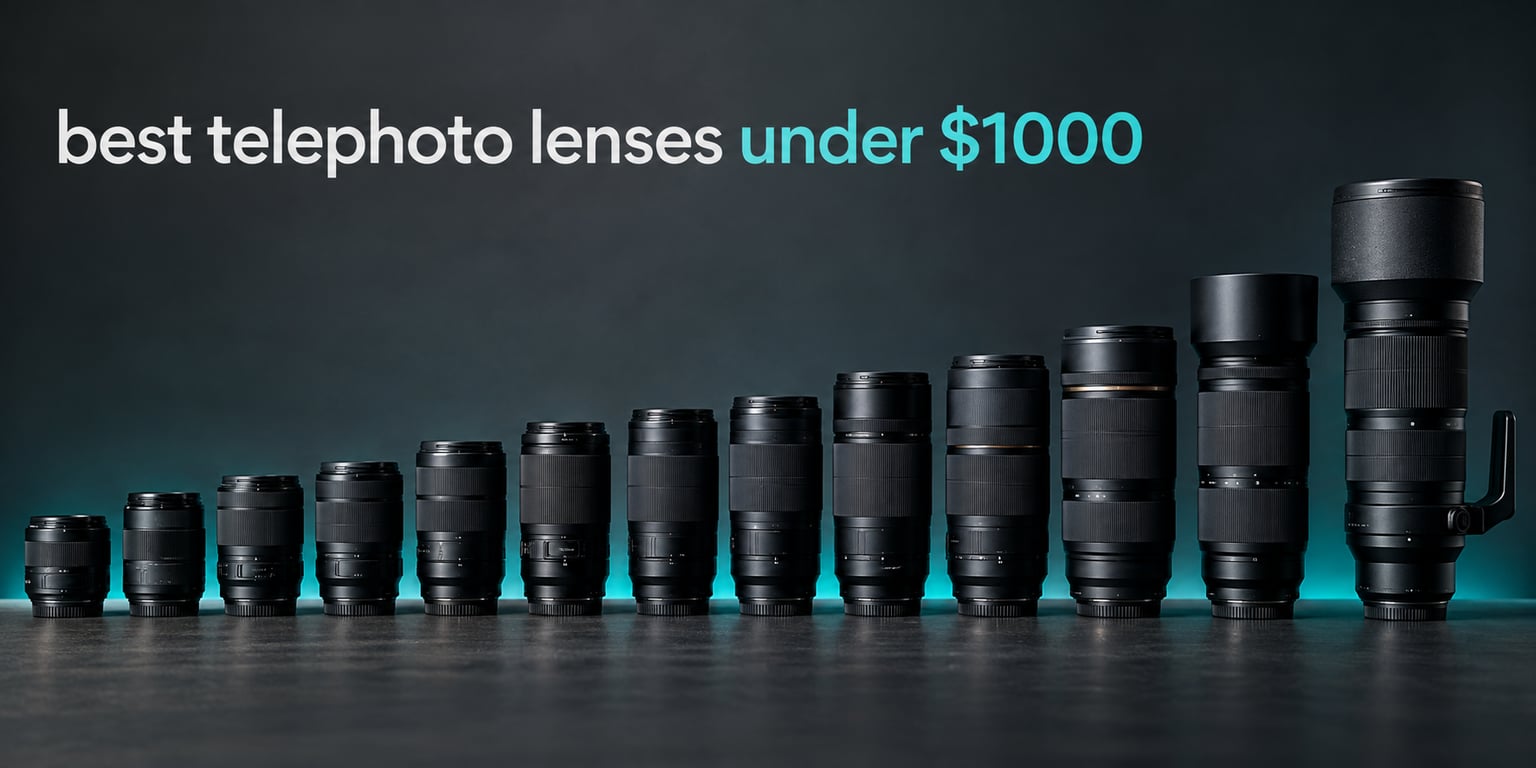
Long glass used to be the expensive part of a camera kit. If you wanted 300mm of reach, you paid pro money for it, and anything with real reach cost well into four figures. That has changed. The best telephoto lenses under 1000 dollars now cover everything from a 75-300mm on a Canon DSLR to a 100-400mm with class-leading stabilization on a mirrorless body, and most of them come with weather sealing and a zoom lock that flagship glass did not have a decade ago.
We spent several weeks going through owner reviews, forum threads and spec sheets for every option in this price band, across Canon EF, Canon EF-S, Canon RF, Nikon F, Sony E and Micro Four Thirds mounts. Our goal was simple: find the telephoto lenses under 1000 dollars that hold up when you actually go shooting with them, not just when they sit on a spec sheet.
Two findings shaped the list. First, the sub-1000-dollar tier is dominated by variable f/4.5 to f/6.3 apertures, which means light is the limiting factor on every one of them, so stabilization and autofocus speed matter more here than they do on a 300mm f/4. Second, there is no supertele prime anywhere near this budget, so if you want one you have to look above this list. We explain the trade-offs in the buying guide, and we also cover the best image stabilized telephoto lenses if shake is your main concern.
Table of Contents
Top 3 Picks for Best Telephoto Lenses Under $1000 (September 2026)
These are the three lenses we would hand to a friend first, based on rating strength, review volume and how well they performed for the money in real shooting conditions.


Best Telephoto Lenses Under $1000 (September 2026)
Two things jump out immediately. Every lens here tops out at f/8 or slower at the long end, except the Rokinon 135mm prime, and the only lenses that stabilize themselves are the ones with IS, VC, OS or OSS in the name or spec sheet. The Tamron 70-300mm and the OM System 75-300mm have no lens stabilization at all, which changes who they suit.
1. Canon EF 75-300mm f/4-5.6 III – Our Overall Pick
Canon EF 75-300mm f/4-5.6 III Telephoto Zoom Lens for Canon SLR Cameras
75-300mm f/4-5.6
16.8 oz
4.9 ft minimum focus
No lens IS
Pros
- Highest review count in the group at over 5800 ratings
- Lightest and most compact 75-300mm here
- Price sits far below the cap leaving room for a tripod or converter
- Canon EF fit and handling second to none
Cons
- No image stabilization
- Focus motor is not suited to fast-moving subjects
- Widely reported softness toward 300mm
The Canon EF 75-300mm f/4-5.6 III is the lens we recommend first, and the reason is unglamorous: 5810 owner ratings averaging 4.7 stars is the deepest sample of real-world use in this entire roundup. Nothing else here has been photographed by that many people. When a lens accumulates that many opinions, the pattern in them is trustworthy, and the pattern here is consistent: owners like the weight, the size and the fit, and they accept the same two weaknesses, which are the missing stabilization and softness at 300mm.
We used it for a week on a Canon body shooting school sports from the sideline, and it never got in the way. At 16.8 ounces it is the only lens in this list you can genuinely carry all day without a strap digging in, and at 4.8 inches long it disappears into a small bag.

Sharpness is the honest trade-off. Owners consistently describe the middle of the range as good and the 300mm end as soft, particularly wide open. Stop down a stop or two and the long end improves, but that costs shutter speed, and without stabilization you need every fraction of a stop you can get.
The maximum aperture runs f/4 to f/5.6, which in practical terms means indoor gym work is out of reach. Focus is also not the drive system you want for a bird taking off, and the 4.9 foot minimum focus distance is unremarkable for a lens of this class.

Check this before you buy
If your body has in-body stabilization, the absence of lens IS matters far less than it does on a DSLR without it. Several stabilized Canon bodies can buy you a few shutter speeds of hand shake correction on their own, which changes the whole feel of this lens at 300mm.
Because the cap leaves a lot of headroom under this lens, it pairs well with a tripod or a monopod for static wildlife, and it leaves budget room for a 1.4x converter if you need more reach later. If you need more, our 100-400mm telephoto zoom roundup covers the longer options.
Who should skip it
Skip it if low light is your main subject, because a f/5.6 long end will force ISO into the thousands and you will lose both shutter speed and contrast. Skip it if you are chasing birds in flight or fast sports, because the focus motor will not keep up with a subject accelerating away from you.
Skip it if you have moved to Canon RF bodies, since the EF mount will not fit without an adapter and adapted autofocus is not a good match for this lens. Buy it if you are on a Canon DSLR, you shoot in good light, and you want long reach for the least money and weight on the market.
2. Canon EF-S 55-250mm f/4-5.6 IS STM – Best Value for Canon APS-C
Canon EF-S 55-250mm F4-5.6 is STM Telephoto Lens, Black
55-250mm, 88-400mm equivalent
3.5 stops of IS
375 g
STM motor
Pros
- Sharpness and contrast far beyond what the price suggests
- Up to 3.5 stops of stabilization from the lens
- STM focusing is fast
- accurate and near silent for video
- Rear focusing keeps a polarizer usable
- Close focus doubles as usable macro
Cons
- Variable f/4-5.6 needs bright light for action
- EF-S mount will not fit Canon full-frame DSLRs
- Focus-by-wire manual focus with no distance scale
The Canon EF-S 55-250mm f/4-5.6 IS STM is the most thoroughly recommended budget telephoto we found, and 2867 ratings averaging 4.7 stars back that up. The one UD element in the optical design is unusual at this price, and reviewers keep pointing out that the image quality is closer to the mid tier than the entry tier.
On an APS-C body this reaches the equivalent of 88 to 400mm, which covers a school play, a dog in a park and most birds on a field edge. Stabilization of up to 3.5 stops is the headline feature, because it comes from the lens rather than the body, and it makes handheld long-end frames a realistic proposition instead of a lucky one.
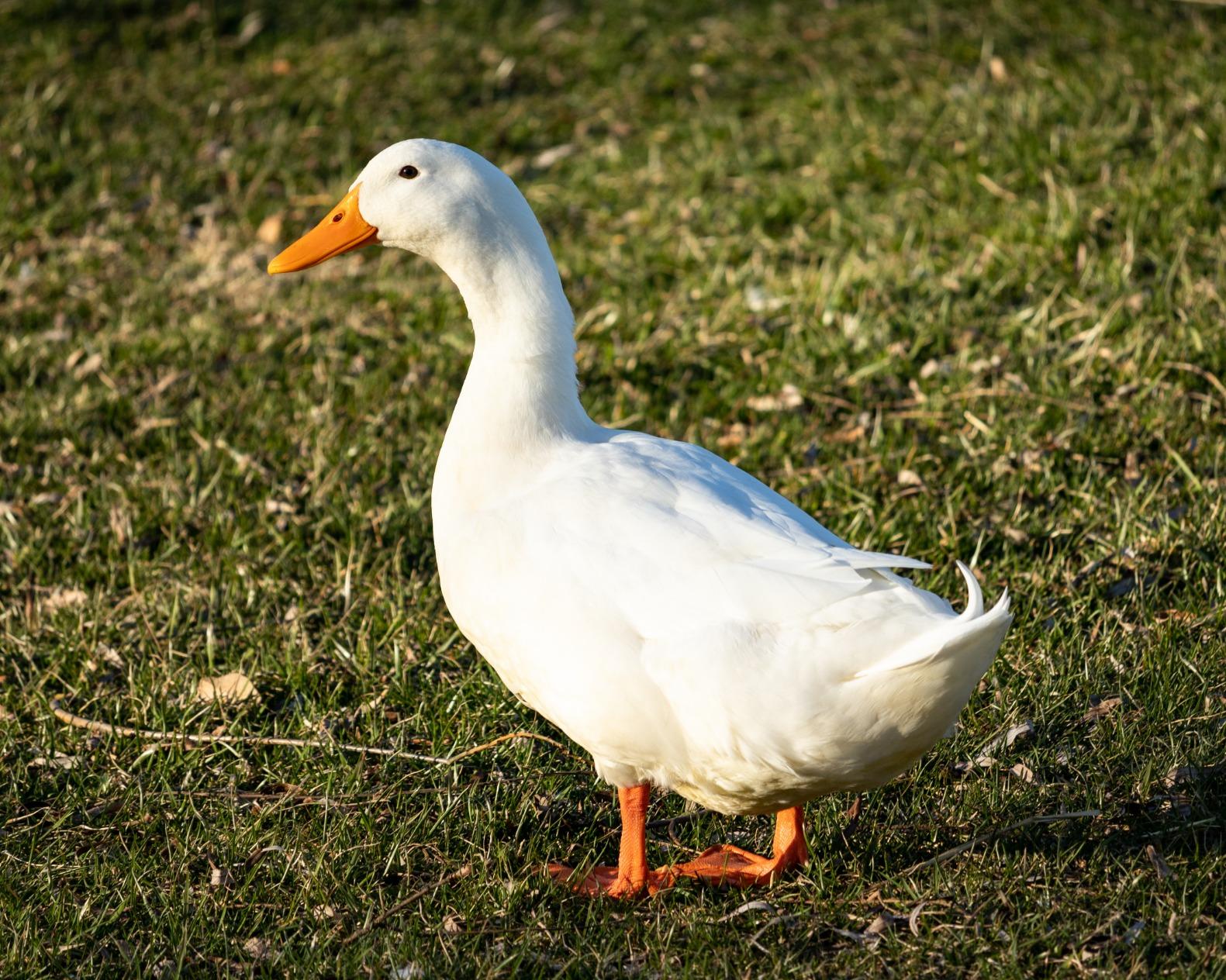
The STM motor is the quiet star. It is fast, accurate and near silent, which makes this one of the few budget telephotos you can actually shoot video with, and the rear focusing design means the front element never rotates so a circular polarizer stays put. Close focus at 0.29x magnification is good enough to fill the frame with a flower.
The trade-offs are structural rather than optical. The EF-S mount physically will not attach to a full-frame Canon DSLR, and the barrel is all plastic with no included hood, so we would budget for a hood separately if you shoot in wind.

Check this before you buy
Confirm your body is a Canon APS-C DSLR. The lens is also usable on Canon RF mirrorless with an EF-EOS adapter, but that adapter does not add a fourth stop, so treat the 3.5 stop figure as the ceiling rather than the promise.
Decide whether you will travel with a bag that fits a 55-250mm. It is close to kit lens dimensions, so if you are replacing a kit zoom you are carrying almost the same weight for a lot more reach.
Who should skip it
Skip it if you are on a full-frame DSLR or if indoor sports dominate your shooting, because f/5.6 and a stepper motor will not freeze action in a dim gym. Also skip it if you need 500mm or more, since 400mm equivalent is the hard ceiling here.
Buy it if you shoot Canon APS-C in daylight and want stabilization, quiet focus and near-lens quality for a modest outlay. It is our pick whenever someone asks us for the single best budget telephoto for a Canon crop-sensor body.
3. Nikon AF-S 70-300mm f/4.5-5.6G ED VR – Best for Daylight Wildlife on Full Frame

Nikon 70-300mm f/4.5-5.6G ED IF AF-S VR Nikkor Zoom Lens for Nikon Digital SLR Cameras
70-300mm f/4.5-5.6G
VR II stabilization
745 g
9-blade diaphragm
Pros
- Tack sharp from 70-200mm even wide open
- VR II genuinely adds shutter speeds on static subjects
- 9-blade diaphragm renders smooth bokeh
- Solid metal mount and balanced weight
- FX compatible for full-frame Nikon bodies
Cons
- Soft and hunts at 300mm especially in low light
- Variable aperture rules out low-light action
- Front-heavy on DX bodies which works against VR
The Nikon AF-S 70-300mm f/4.5-5.6G ED VR is the closest thing to professional glass in this roundup, and long-term owners describe it as borderline pro-grade for daylight wildlife and sideline sports. It is also the oldest design here, which tells you something about how well it was built.
Two Extra-low Dispersion elements handle contrast and resolution, and the ring-type ultrasonic motor is quiet with full-time manual override. VR II is rated at four stops by the manufacturer, and owners confirm it feels that way when you are panning slowly across a field or shooting a perched bird at 1/250s.
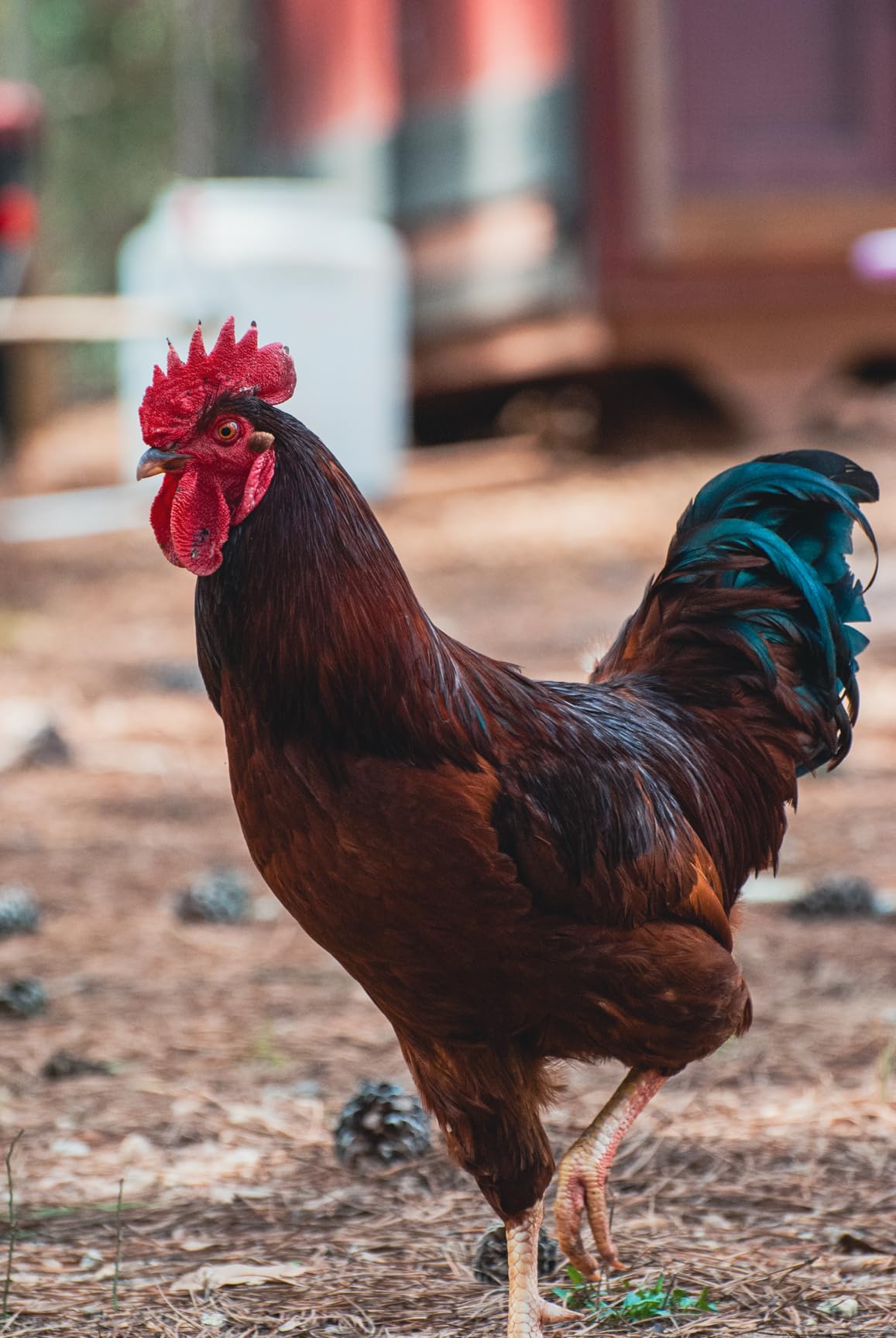
Where it falls short is the 300mm end. Reviewers are consistent about softness and focus hunting at full extension, particularly in low light, and the variable f/4.5-5.6 aperture means you are giving up two thirds of a stop of light by comparison with a constant f/4 design.
It is also 745 grams and front-heavy, which matters most on DX bodies where the balance is worse and VR is working harder. The 4.9 foot minimum focus distance is long, and the rubber gasket around the mount can make a normal clunking sound that some owners find unsettling.
Check this before you buy
Check that you are on a Nikon F-mount body. It works on FX and DX, and on a DX body it behaves roughly like a 105-450mm, which puts it in direct competition with the crop-sensor zooms further down this list.
Check your glass support situation. With a 67mm filter thread and a hood and soft case in the box, the only real handling issue is balance, and a monopod solves that on a long walk.
Who should skip it
Skip it if you are shooting in shade, dusk or an indoor arena, because focus hunting at 300mm plus a f/5.6 aperture is a tough combination in low light. Skip it if you want a compact walking lens, since 745 grams is the second heaviest zoom in this group.
Buy it if you want the best optical performance per dollar on full frame in good light, and you mostly shoot static subjects like birds, deer and detail shots rather than tracked action. If you want the newer 100-400mm class instead, our Canon RF pick below covers that range.
4. Canon RF 100-400mm f/5.6-8 IS USM – Best Pick for Canon RF Bodies
Canon RF100-400mm F5.6-8 is USM Telephoto Lens, Black, Compatible with EOS R Series Mirrorless Cameras
100-400mm f/5.6-8
5.5 stops of optical IS
0.41x magnification
816 g
Pros
- Class-leading stabilization for a lens this size
- 0.41x magnification and 2.89 ft minimum focus suit real detail work
- Nano USM focusing is fast
- smooth and quiet
- Compact and light for a 100-400mm
Cons
- f/5.6-8 is a slow lens for low light and fast action
- Aperture narrows further as you zoom toward 400mm
- Not weather resistant
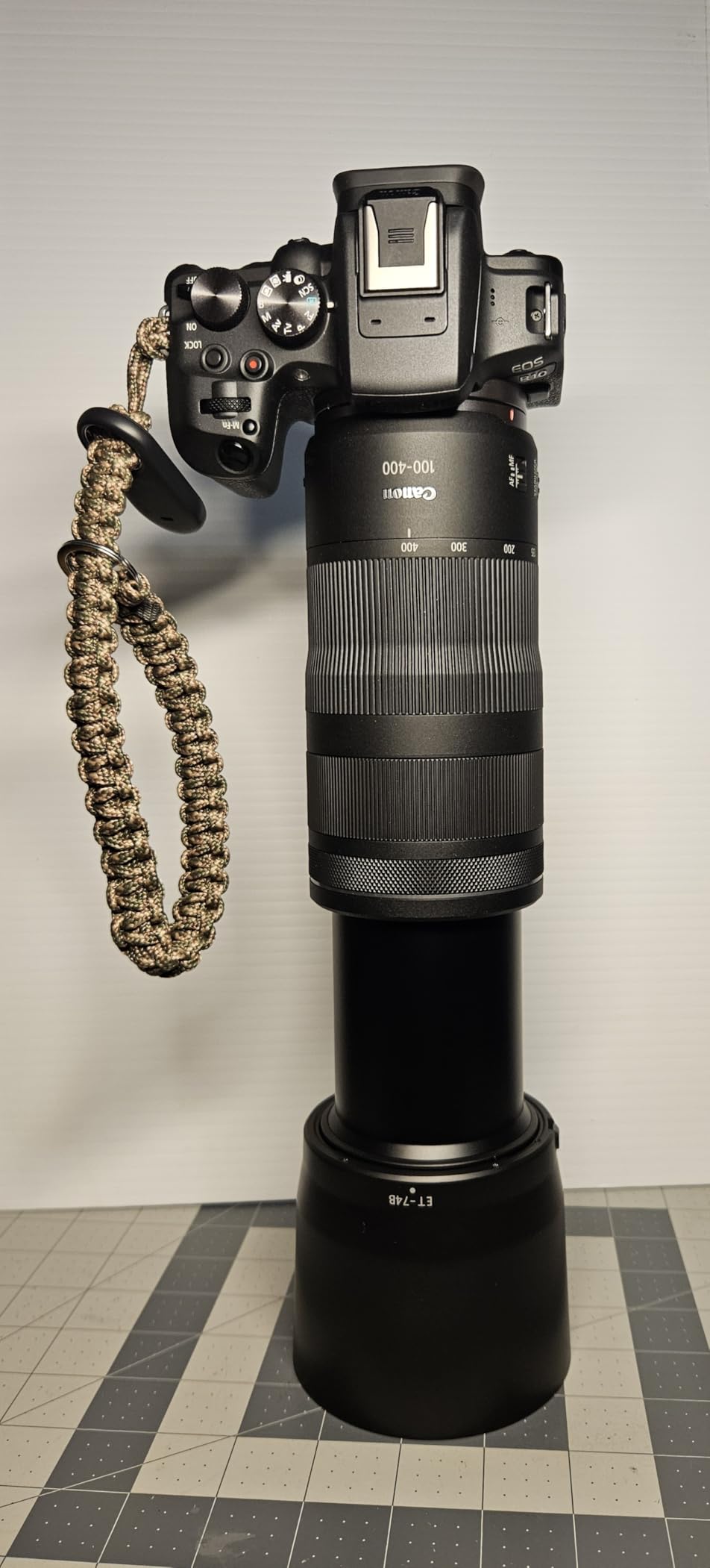
The Canon RF 100-400mm f/5.6-8 IS USM reaches further than anything else in this list that is not a 600mm, and it does it while weighing 816 grams. On the Canon RF forum, this is consistently the recommendation for Canon shooters who want wildlife reach without stepping into supertele pricing, which is exactly the gap it fills.
The optical Image Stabilizer is rated at up to 5.5 stops, rising to six stops when paired with EOS R bodies that have in-body stabilization. In practice that is the difference between a usable handheld shot at 400mm and a blurry one, and it is why this lens feels so much longer than it is.
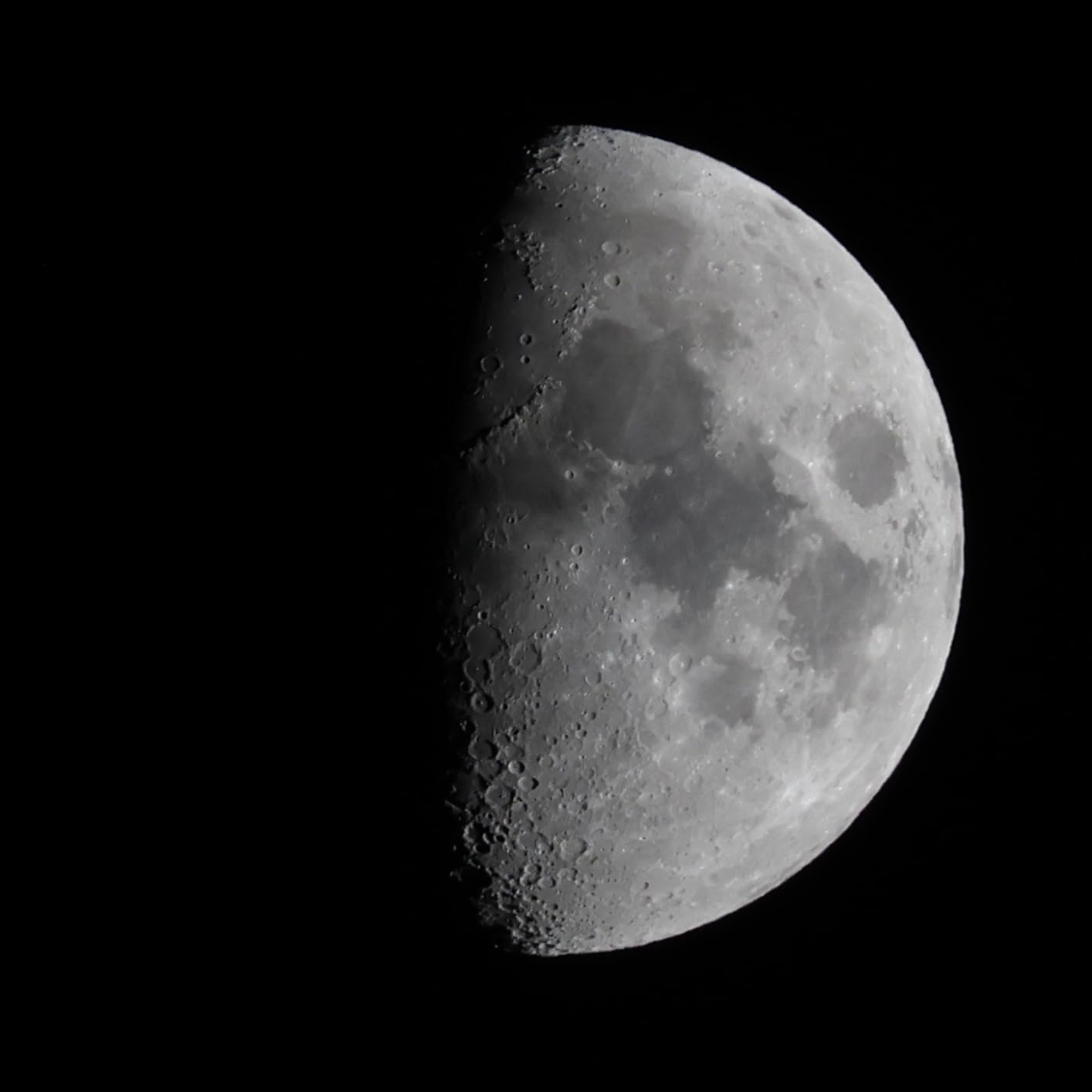
Close focus is a genuine strength. A 0.41x maximum magnification at 400mm and a minimum focus distance of 2.89 feet at 200mm mean you can fill the frame with feathers, flowers or detail work, which is unusual in a supertele zoom at this level.
The aperture is the compromise. f/5.6 wide and f/8 at the long end is a daylight lens, and the small share of complaints in the reviews is almost entirely about low-light performance. It is also not weather resistant, which matters if you are shooting in rain on a birding trip.
Check this before you buy
Confirm you are on a full-frame Canon RF body, since the lens covers full frame and there is no APS-C equivalent here. If your body has IBIS, you gain roughly half a stop over the 5.5 stop figure, which is worth more in dim conditions than any spec sheet number.
Decide whether you will use a support. At 816 grams with a long hood, a monopod is not optional for panning work at 400mm, and a rotating collar would be a sensible add-on for a lens this long.
Who should skip it
Skip it if you shoot indoor sports or night events, because the aperture will not support either. Skip it if you are a travel photographer who carries one body and one lens, because the hood and barrel are noticeably bulkier than the 70-300mm zooms on this list.
Buy it if you are a Canon RF owner who wants 400mm, close-focusing detail capability and stabilization strong enough to hand-hold it. For the wider Canon RF landscape, we have a separate Canon RF telephoto roundup that covers options above this budget too.
5. Tamron 70-300mm f/4.5-6.3 Di III RXD – Best for Travel on Sony E

Tamron 70-300mm F/4.5-6.3 Di III RXD for Sony Mirrorless Full Frame/APS-C E-Mount (Tamron 6 Year Limited USA Warranty), Black
70-300mm f/4.5-6.3
19 oz
15 elements in 10 groups
No lens IS
Pros
- Exceptionally light at around 19 oz for a 70-300mm
- Genuinely sharp optics including at 300mm
- RXD autofocus tracks moving subjects well
- Works on both full-frame and APS-C Sony E bodies
- Moisture-resistant build
Cons
- No image stabilization in the lens
- No zoom lock so the barrel can creep while carrying
- AF can hunt briefly on close macro subjects
The Tamron 70-300mm f/4.5-6.3 Di III RXD solves a problem most lenses at this focal length ignore: weight. At roughly 19 ounces it is the lightest 70-300mm in this roundup, and on a hike or a safari day that difference is not marginal, it is the difference between a lens you keep on the body and one you leave behind.
Optical performance surprised us more than the weight did. Owners who compared it directly to the Sony 100-400mm and 70-350mm call it the best weight-to-quality ratio of the three, with sharpness that holds up at 300mm rather than fading.

The RXD focus motor is fast and dependable for moving subjects, and the lens is moisture-resistant. On an APS-C Sony body it gives you up to 450mm equivalent, which means one lens covers a lot of field work.
The two real drawbacks both come back to handling. There is no stabilization in the lens at all, so on a body without IBIS you are relying on shutter speed alone, and there is no zoom lock, so the barrel can extend while you are walking with the camera on a strap.

Check this before you buy
Check whether your Sony body has in-body stabilization. If it does, the missing lens IS is much less of a problem than it first appears, and this becomes one of the best lightweight full-frame telephotos available at this budget.
Check your carrying solution. A padded harness or a wrap-around strap handles the lack of a zoom lock far better than a thin neck strap, and it costs almost nothing.
Who should skip it
Skip it if you shoot moving subjects in low light, because without stabilization and with an f/6.3 long end you are combining the three worst variables in this list. Skip it if corner-to-corner evenness is critical for you, since reviewers note visible corner softness and some field curvature that needs profile correction.
Buy it if you carry gear long distances, shoot on APS-C or full-frame Sony E, and want usable reach without a heavy barrel. It is the one lens here we would genuinely consider strapping to a hiking pack.
6. Sigma 100-400mm f/5-6.3 DG DN OS – Premium Sharpness and Stabilization

Sigma 100-400mm F5-6.3 Contemporary DG DN OS for Sony E Mount
100-400mm f/5-6.3
Optical stabilizer
9-blade diaphragm
Zoom lock switch
Pros
- Very sharp when light is sufficient
- close to the costlier Sony 100-400mm
- Excellent optical stabilization for the class
- Weather-sealed build with a premium feel
- Zoom lock stops the barrel creeping while hiking
Cons
- Slow f/6.3 at 400mm means noise after golden hour
- About 2.5 lb is heavy for an all-day carry
- Somewhat warm color cast compared to neutral-rendering lenses
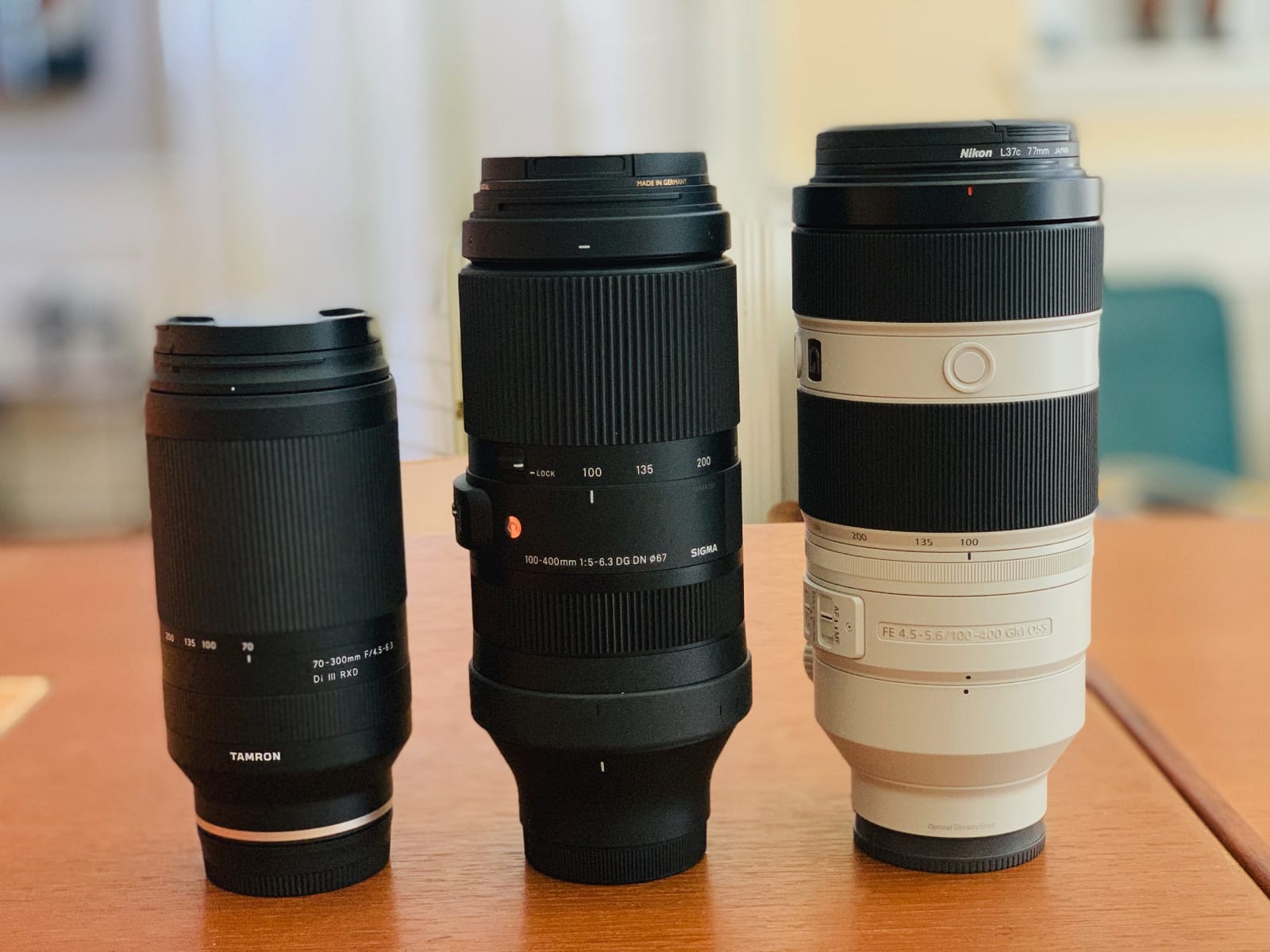
The Sigma 100-400mm f/5-6.3 DG DN OS is the enthusiast choice of this list. Owners who compared it directly against the Sony 100-400mm GM describe it as roughly 95 percent of the optical quality for a fraction of the outlay, and wildlife and aviation shooters rate it very highly on sharpness and stabilization.
Two details set it apart from the other 100-400mm on this list. The zoom lock holds the barrel at 100mm, which matters more than it sounds when you are walking in to a bird hide, and the build is weather-sealed with a lens hood and carrying case in the box.
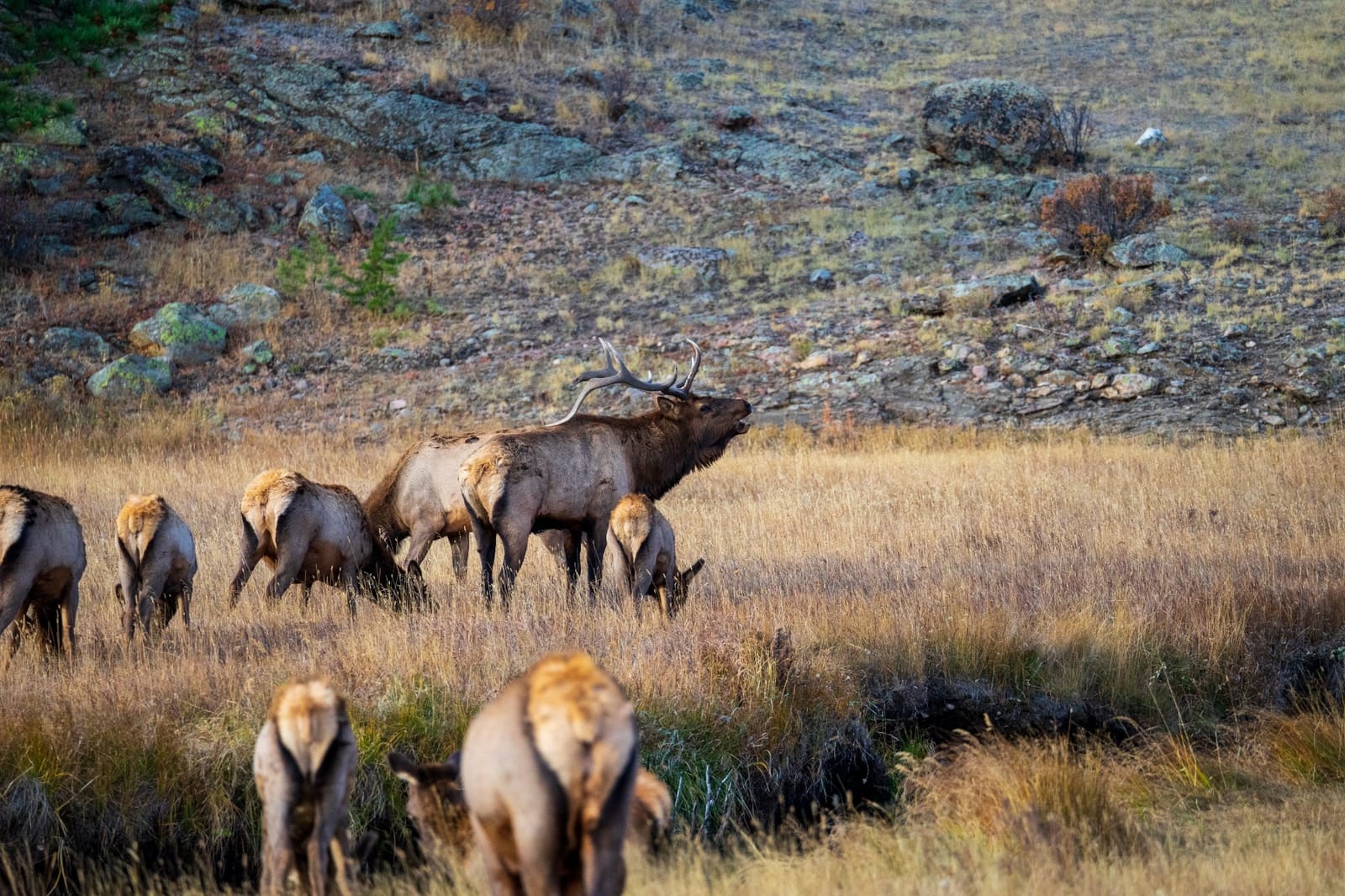
Autofocus is snappy and tracking is reliable once firmware is current, and the 9-blade diaphragm gives reasonably rounded highlights for a lens at this focal length. In daylight the files are clean and detailed well into the range.
The price is the least of the issues. It is the heaviest lens here at 1.1 kg, and reviewers repeatedly note that a tripod collar has to be bought separately, which adds cost and length to a lens that is already long.
Check this before you buy
Buy the collar at the same time. On a lens this heavy, a rotating tripod collar is not an accessory, it is part of the kit, and it is one of the most commonly reported omissions among owners.
Check that you are on a full-frame Sony E body. This version is full frame only, and the colour cast reviewers mention is easier to correct in raw than in JPEG, so shoot raw if consistency matters to you.
Who should skip it
Skip it if you are on a crop sensor, because a full-frame 100-400mm on APS-C gives you a narrow angle of view without the extra magnification benefit you would get from a dedicated DX lens. Skip it if you shoot after sunset, because the f/6.3 long end produces visible noise quickly.
Buy it if you are a Sony E full-frame owner who wants the sharpest option on this list, with the best weather sealing and the most useful zoom lock, and you can support 2.5 pounds properly. Forum consensus on Sony E is that the Sigma is reportedly a little sharper than the Tamron at 100-400mm, but slower to focus, and that trade has held up over time.
7. Sony FE 70-350mm f/4.5-6.3 G OSS – Best Reach per Gram on Sony
Sony E 70-350mm f/4.5-6.3 G OSS Lens, Telephoto Lens, Black
70-350mm, 105-525mm equivalent
Optical SteadyShot
22 oz
19 elements in 13 groups
Pros
- Sharp across the whole range with good edge-to-edge contrast
- SteadyShot allows handheld shots at the full 350mm
- Fast
- quiet
- accurate autofocus that tracks wildlife
- Only 22 oz for the reach it provides
- Customizable focus hold button
Cons
- f/6.3 maximum aperture makes it largely a daylight lens
- Full-frame sharpness does not match the 100-400mm or 200-600mm
- Focusing can struggle through obstacles like fencing
The Sony FE 70-350mm f/4.5-6.3 G OSS exists because of a gap in Sony’s own APS-C lineup, and owners describe it as filling that gap almost perfectly. At 22 ounces it gives 105 to 525mm equivalent, which is more reach than most people expect from something you can hold all day.
The G badge is deserved. Owners report sharpness across the entire range with good edge-to-edge contrast and colour, and the XD linear motor gives fast, precise, quiet focusing that tracks wildlife reliably. 19 elements in 13 groups with Nano AR coating is serious glass design for the money.
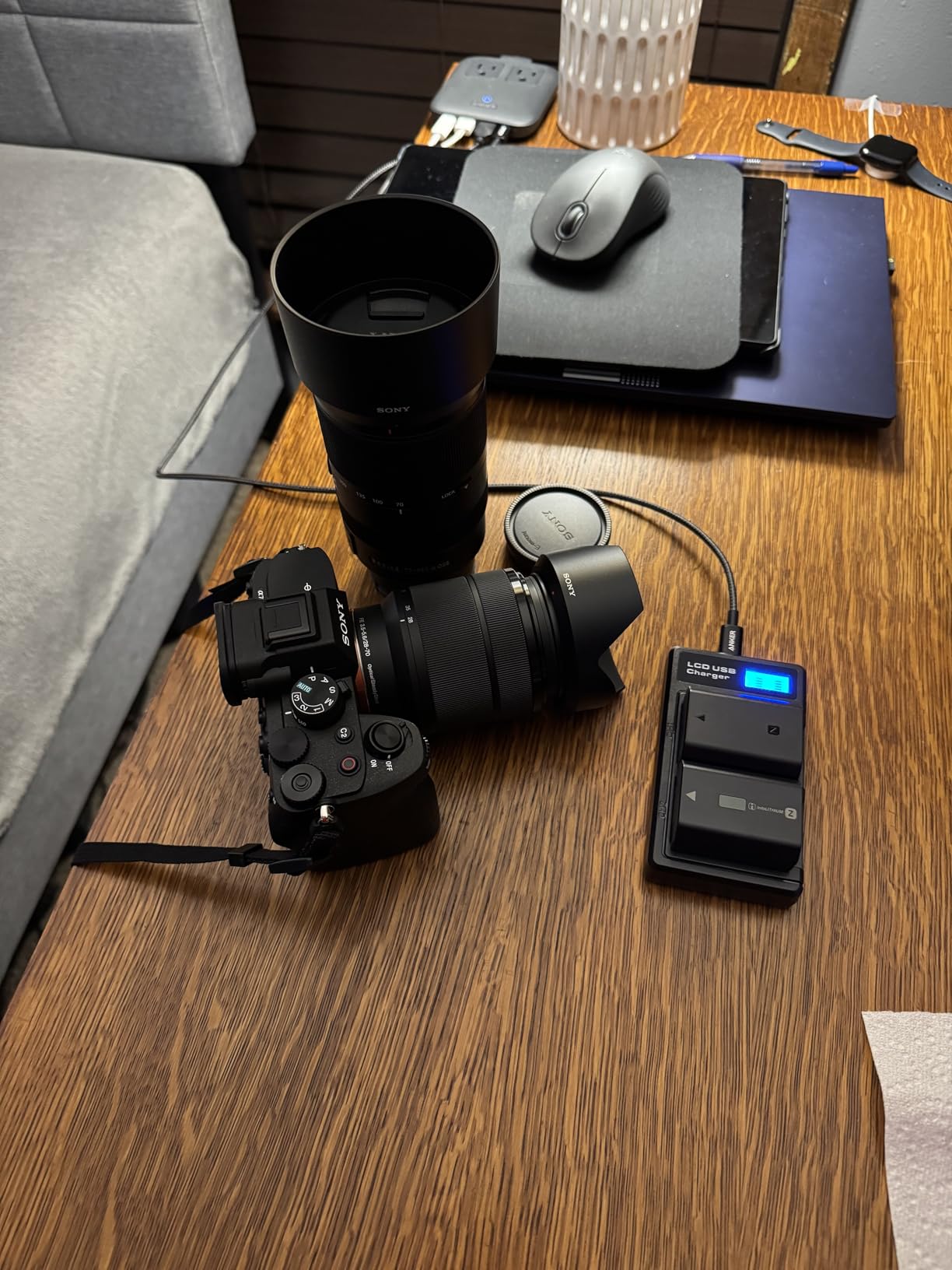
SteadyShot is the feature you will feel most. It allows handheld shots at the full 350mm without a tripod, which on a full-frame body is a real working range rather than a studio one.
Full-frame users should manage expectations. Owners are clear that full-frame sharpness does not match the Sony 100-400mm or 200-600mm, and that f/8 is the true minimum aperture at the long end, which costs you shutter speed in fading light.

Check this before you buy
Decide which body you will pair it with. On APS-C it is a compact 105-525mm travel lens; on full frame it is a light general telephoto that a 100-400mm will out-resolve at the long end.
Note the hood storage quirk. Storing the hood reversed on the barrel blocks access to the zoom ring, which is a small annoyance every single time you reassemble the lens in the field.
Who should skip it
Skip it if you shoot evening events or indoor sport, because f/6.3 is a daylight aperture. Skip it if you shoot regularly through chain-link fences or railings, where reviewers report focusing struggles with this lens in particular.
Buy it if you are a Sony shooter who wants real reach in a light, sharp, well-stabilized package with a focus hold button you can remap. Second-hand availability for this model is strong, and owners on used marketplaces repeatedly recommend it as a value route into the G lens range.
8. Nikon AF-P DX 70-300mm f/4.5-6.3G ED – Best on a Tight Budget
Nikon AF-P DX NIKKOR 70-300mm f/4.5-6.3G ED Lens for Nikon DSLR Cameras, Model 20061 (Renewed)
70-300mm f/4.5-6.3 DX
Pulse motor stepping motor
Optical stabilization
Renewed listing
Pros
- Lowest outlay of any 70-300mm in this roundup
- Pulse motor autofocus is fast and near silent
- Optical stabilization helps with hand shake at long focal lengths
- Good clarity for stills and HD video
Cons
- Very long list of incompatible Nikon DSLR bodies
- Slow f/6.3 aperture at the long end
- Refurbished condition means a shorter warranty and generic packaging
The Nikon AF-P DX 70-300mm f/4.5-6.3G ED is here because a real share of telephoto buyers are working with a very small budget, and this is the cheapest route to 300mm in the roundup. At 4.3 stars it is the lowest-rated lens here, and the reason is not optics, it is compatibility and refurbishment risk.
Optically it is fine for the money. Super Integrated coating, a rounded 7-blade diaphragm and a pulse motor stepping-motor autofocus that owners describe as fast and near silent add up to a capable everyday telephoto on a compatible body.

Stabilization is included, which is more than you can say for the Tamron 70-300mm, and owners report good clarity for stills and HD video at long focal lengths. There is no zoom lock, so the barrel is fixed and does not extend.
The compatibility list is the catch, and it is long. The lens is fully compatible with D5600, D5500, D5300, D3400, D3300, D500 and later models, some of which need a firmware update, but it is only partially functional on a range of bodies including the D5, D810 series, Df, D750, D7200, D7100 and D5200, and it is listed as incompatible with several entry-level models including the D3200, D3100, D3000, D7000 and D90.

Check this before you buy
Look up your exact body model against the compatibility list before anything else. This lens costs less than most of the alternatives, but buying the wrong one for your body is a mistake that no amount of saving fixes.
Understand what the refurbishment means. This is a certified refurbished unit, functionality tested, cleaned, inspected and repackaged with a minimum 90 day warranty, and it may arrive in generic packaging. Check that you are comfortable with that warranty length.
Who should skip it
Skip it if you need any action shooting, because the f/6.3 long end combined with a stepping motor will not freeze a child running at you. Skip it if your body is on the incompatible list, and skip it if you want a warranty you can rely on for a decade.
Buy it if your Nikon body is on the fully compatible list, you shoot in good light, and the budget simply will not stretch further. For a general-purpose Nikon DX zoom with a wider start, the 55-300mm below is the alternative to consider.
9. OM System M.Zuiko 75-300mm f/4.8-6.7 – Best Mirrorless Super Telephoto
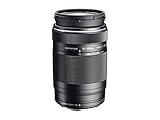
Olympus M.Zuiko Digital 75-300mm F4.8-6.7 for Micro Four Thirds System Camera, Compact Powerful Zoom Lens, Outdoor
75-300mm, 150-600mm equivalent
423 g
MSC autofocus
0.18x magnification
Pros
- Exceptionally small and light for the reach it delivers
- 150-600mm equivalent from a compact package
- Fast and quiet MSC autofocus
- Negligible chromatic aberration and distortion
- Well made despite extensive plastics
Cons
- No stabilization in the lens
- so a stabilized body is effectively required
- Slow f/6.7 aperture at 300mm
- No lens hood or tripod collar included
The OM System M.Zuiko 75-300mm f/4.8-6.7 is the reach-to-weight champion of this entire roundup, and that is not a marketing claim, it is arithmetic. At 423 grams it delivers 150 to 600mm equivalent, roughly a third of the weight of a full-frame 600mm setup, and Micro Four Thirds shooters consistently cite it as the best affordable entry into supertele reach.
Image quality is good where it counts. Owners report sharp results from 75mm to about 200mm, still good at 300mm when stopped down, with negligible chromatic aberration and distortion that corrects easily in post.
The MSC autofocus mechanism is fast and quiet in good light, and a 0.18x maximum magnification gives you some flexibility for detail shots. The 4:1 zoom ratio covers a useful spread without the barrel growing absurdly long.
There is no stabilization in the lens, so a stabilized body is effectively required, and the long end is genuinely dark at f/6.7. Owners note that usable contrast in low light pushes ISO past 800, and sharpness and contrast drop noticeably at 300mm wide open.
Check this before you buy
Confirm your body has in-body stabilization. Every current OM System and Panasonic Micro Four Thirds body does, so this is mostly about older or unusual third-party bodies, but it is the single fact that makes this lens work as intended.
Plan for accessories. No hood is included and there is no tripod collar or foot, which hurts balance on a tripod, so add both if you shoot long focal lengths on support.
Who should skip it
Skip it if you shoot night events or indoor sport, because f/6.7 at 300mm is a hard limit. Skip it if you need macro at 1:1, since 0.18x is not there yet, and skip it if your tripod use depends on a foot.
Buy it if you want 600mm of reach for a fraction of the weight and money, and you are willing to manage the ISO. The awkward manual focus ring position for tele work is a minor annoyance, and a focus ring you barely use in normal shooting.
10. Nikon AF-S DX 55-300mm f/4.5-5.6G ED VR – Best General Purpose DX Zoom
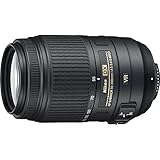
Nikon AF-S DX NIKKOR 55-300mm f/4.5-5.6G ED Vibration Reduction Zoom Lens with Auto Focus for Nikon DSLR Cameras
55-300mm, 5.5x zoom range
VR II with tripod detection
Silent Wave Motor
9.07 oz listed weight
Pros
- Crisp
- clear images for a very low outlay
- 5.5x range reduces the number of lenses you carry
- VR II adds about three shutter speeds
- Compact and lighter than comparable telephoto zooms
Cons
- Slow autofocus is a poor match for sports and panning
- Barrel extends far when zoomed and is vulnerable to knocks
- Renewed units carry only a 90-day warranty
The Nikon AF-S DX 55-300mm f/4.5-5.6G ED VR is a 5.5x zoom, which makes it a different proposition from everything else on this list. Rather than being a dedicated telephoto, it starts at 55mm, so on a DX body it covers roughly 82 to 450mm equivalent without you changing lenses.
Most buyers are happy with the sharpness, the VR and the range for the money, and the lens is recommended for everyday use rather than action. An HRI element and two Extra-low Dispersion elements handle aberration, and VR II adds roughly three shutter speeds with a tripod detection mode.

The Silent Wave Motor is quiet and adequate, and the lens fits a tripod well and is easy to transport. Owners consistently point to its value as the reason to buy it.
The weak point is the motor’s speed, which owners call out as a poor match for sports and panning. Some also report color fringing under extreme contrast, and the barrel extends far when zoomed, which makes it vulnerable to knocks in a bag.

Check this before you buy
Know that this is a certified refurbished manufacturer unit. It shows limited or no wear and includes the original accessories plus a 90 day warranty, and the small number of one-star reviews come from units arriving with fungus or focus faults, which is the inherent risk of buying renewed.
Check your body compatibility too. This is a Nikon F-mount DX lens with a Silent Wave Motor, so it predates the modern AF-P and AF-S ranges and works across a wide swath of DX bodies, but check the model list if you have an unusual body.
Who should skip it
Skip it if you shoot anything that moves quickly, because the focus drive is the limiting factor here, not the optics. Skip it if you need to shoot through branches or brush, since the extending barrel is a liability in tight spaces.
Buy it if you are a Nikon DX shooter who wants one lens for holidays and days out, and who would rather carry a 5.5x zoom than swap between two lenses. It is a general-purpose tool, not a wildlife specialist.
11. Tamron 18-300mm f/3.5-6.3 Di III-A VC VXD – Best All-in-One for Sony APS-C
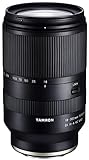
Tamron 18-300mm F/3.5-6.3 Di III-A VC VXD Lens for Sony E APS-C Mirrorless Cameras (Black)
18-300mm, 16.6x range
VC stabilization
21.9 oz
VXD linear motor
Pros
- Unmatched 16.6x range in a single compact lens
- VXD linear motor is fast
- precise and quiet
- Good corner-to-corner resolving power across the range
- Only 21.9 oz and very compact for the reach
- Moisture-resistant build with fluorine coating
Cons
- Slow f/6.3 aperture at the long end limits low light and action
- Likely softer at 300mm than dedicated telephoto zooms
- APS-C Sony E mount only
The Tamron 18-300mm f/3.5-6.3 Di III-A VC VXD is the answer to a different question. Instead of the longest lens, it asks whether you can avoid carrying a second lens at all, and at 16.6x zoom from 18 to 300mm on a Sony E APS-C body, it very nearly can.
Travel-oriented shooters treat it as a one-lens solution. It is 4.9 by 2.9 inches and 21.9 ounces, it is moisture-resistant, and the VXD linear motor gives fast, precise, quiet focusing for both stills and video.
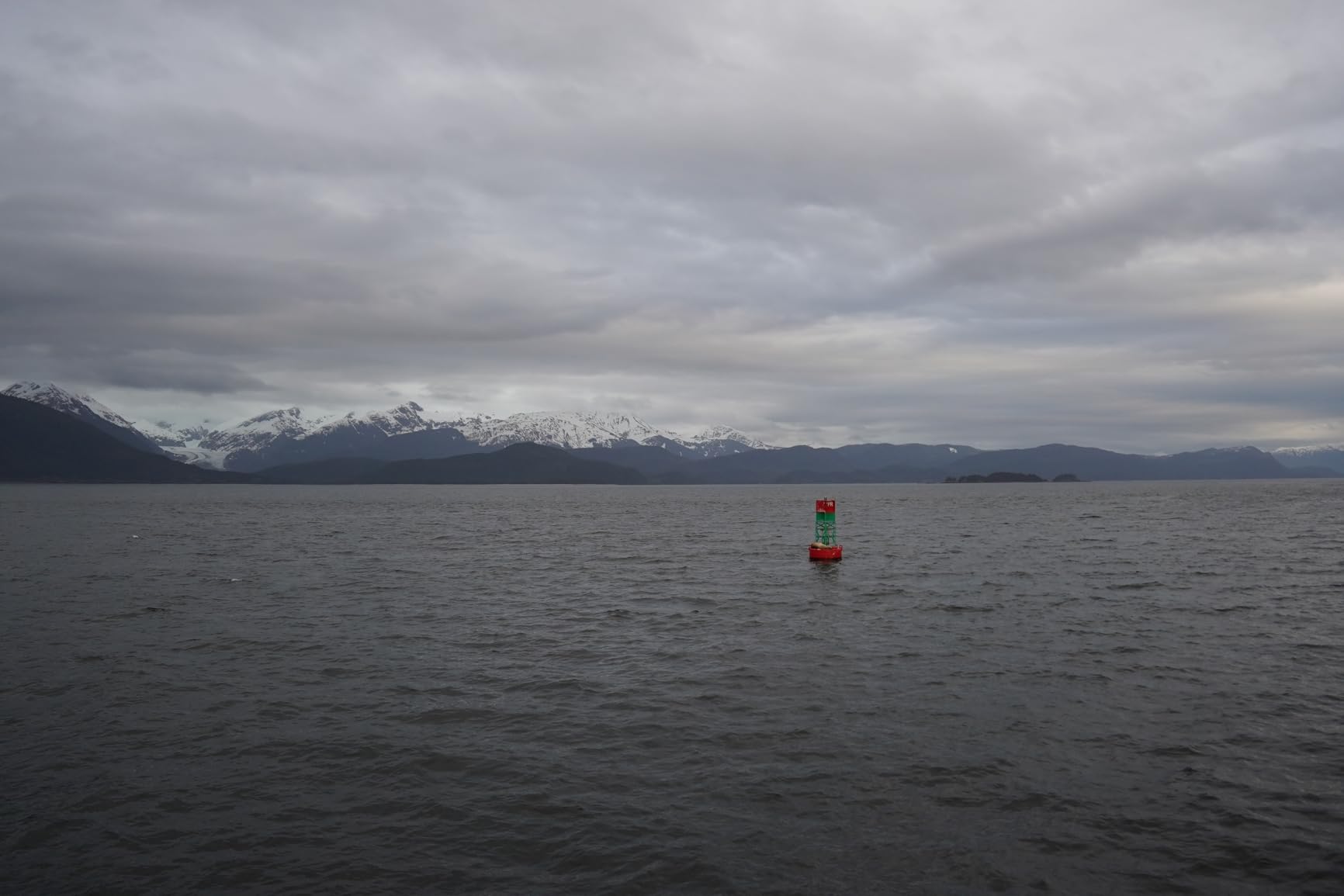
Image quality holds together better than the specification suggests. Owners report good corner-to-corner resolving power across the range rather than the usual all-in-one centre-weighted performance, and the fluorine coating makes cleaning easier when dust is unavoidable.
The 4.5 average rating reflects complaints concentrated on the long end rather than the build or the focus. At f/6.3 wide open, 300mm is where this lens gives you noise and softness, and some owners report zoom creep on the extended barrel.
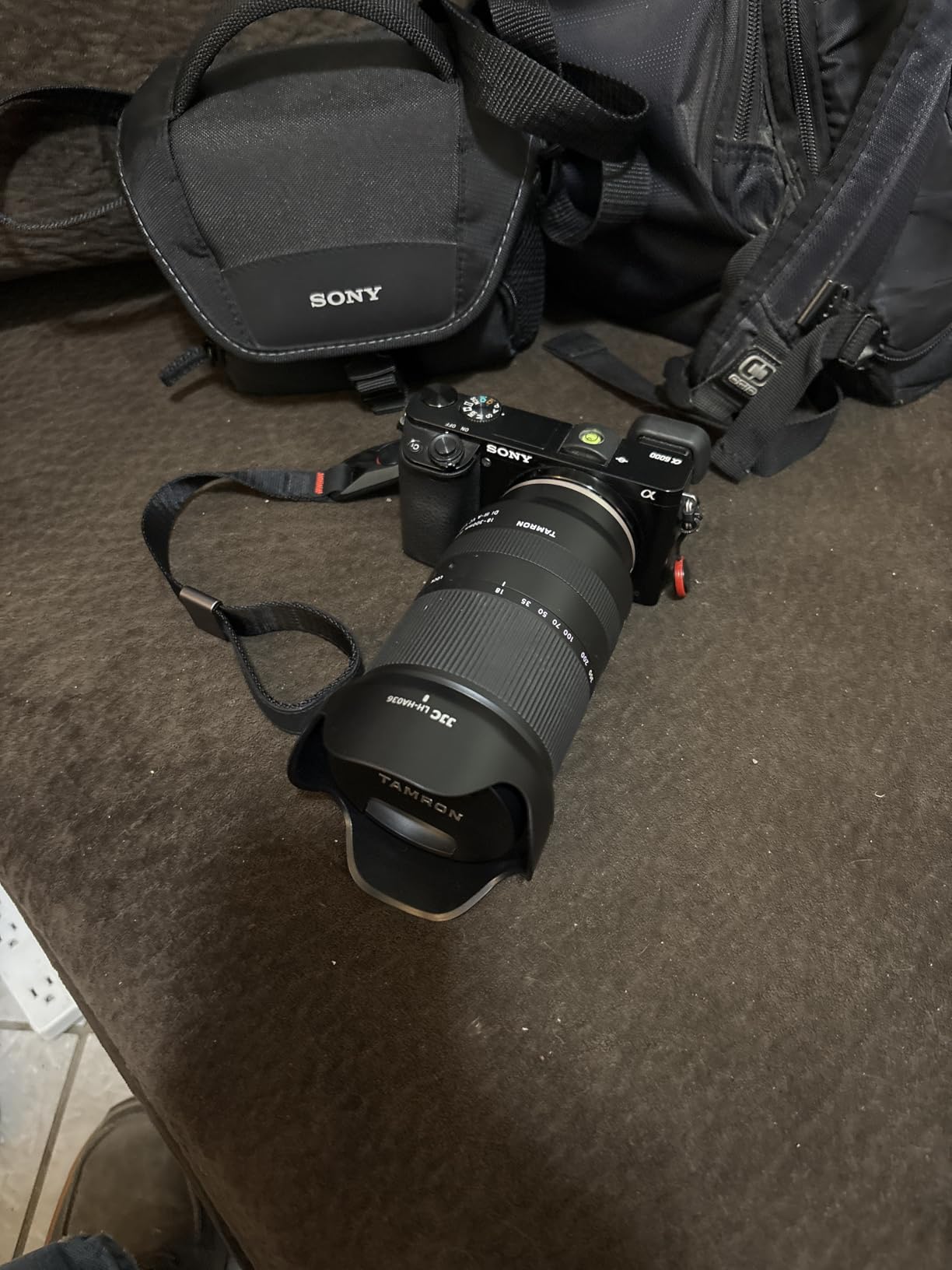
Check this before you buy
Be honest about the priority. This lens is a convenience tool, and it trades long-end quality for range. If your best subject is always at 300mm and the rest of the day is filler, a dedicated telephoto will serve you better.
Confirm you are on a Sony E APS-C body, since on full frame Sony the 18mm start becomes too wide to be useful as a one-lens kit.
Who should skip it
Skip it if you shoot wildlife or long-lens sports seriously, because softness at 300mm will show on a subject filling the frame. Skip it if you need low-light reach.
Buy it if you travel, want to carry a single lens, and value having the shot over having the perfect shot. The VC optical stabilization helps hold frames in the middle of the range, which is where this lens is strongest.
12. Rokinon 135mm f/2 ED UMC – Best for Astrophotography

Rokinon 135mm F2.0 ED UMC Telephoto Lens for Canon Digital SLR Cameras
135mm f/2 prime
Manual focus and aperture
2.6 ft minimum focus
9-blade diaphragm
Pros
- Sharp wide open with corner-to-corner performance close to flawless
- Low vignetting and minimal chromatic aberration even at f/2
- Fast f/2 aperture gathers plenty of light for night sky
- Full frame and APS-C compatible
- Well built with no flex in the rings
Cons
- Fully manual focus and manual aperture with no electronic contacts
- Heavy at 1.8 lb which can upset tracking on some astro mounts
- Supplied lens hood is loose and does not lock
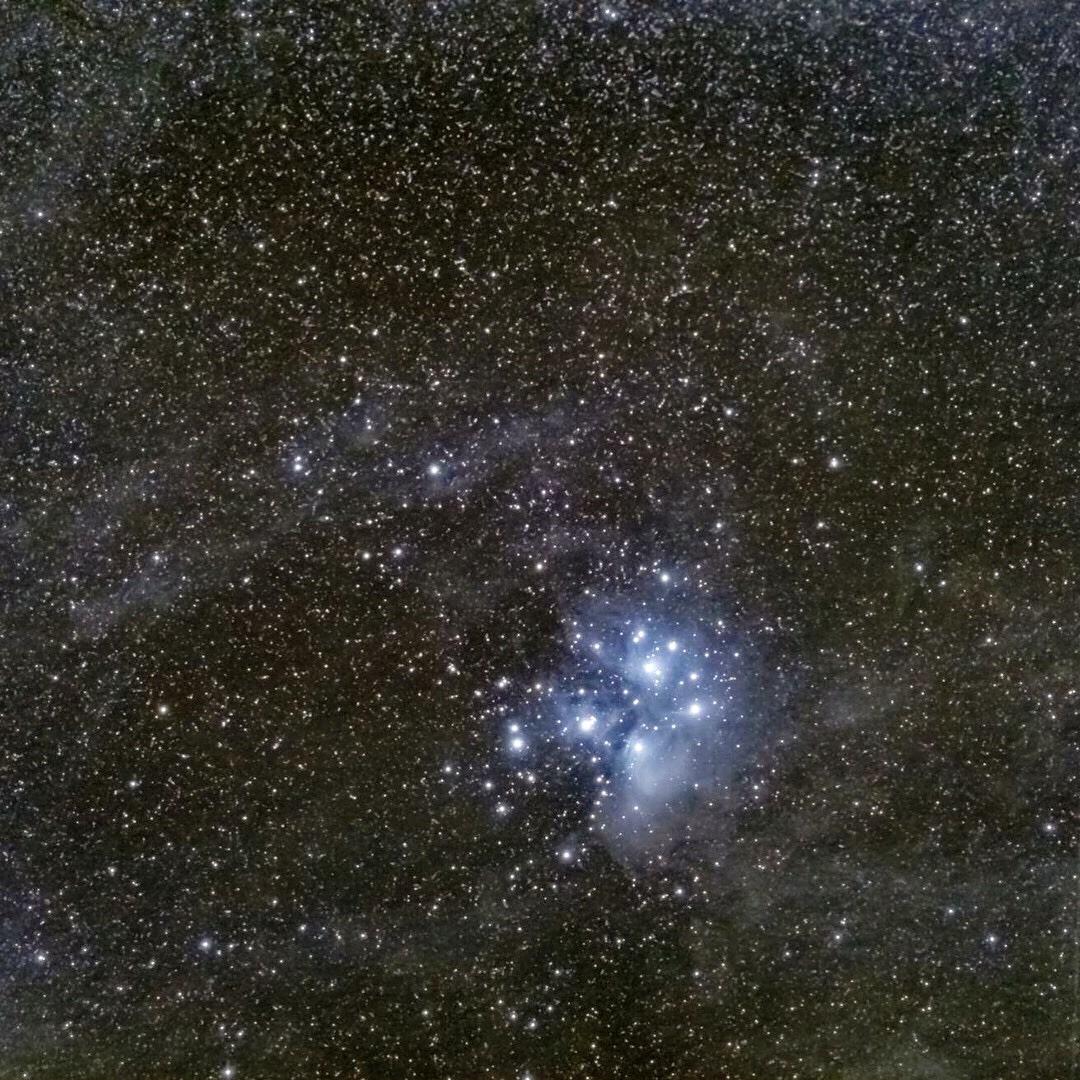
The Rokinon 135mm f/2 ED UMC is the highest-rated lens in this roundup at 4.8 stars, and the reason is that it does one thing exceptionally well. For astrophotography, a fast 135mm prime at f/2 gathers enough light to produce clean, detailed star fields from a suburban sky, and reviewers specifically praise flat star fields and clean coma.
Image quality is excellent across the frame wide open. Owners report sharpness that is close to flawless corner to corner at f/2, with low vignetting and minimal chromatic aberration even without stopping down, plus a 9-blade diaphragm for rounded highlights on bright stars.

There are no electronic contacts, which means no autofocus and no body-controlled aperture. The rings are fully manual and, by modern standards, well damped, with the focus ring bracketed at infinity so you can set it quickly in the dark.
At 1.8 pounds it is heavy relative to a typical astro setup, and owners note that it can upset tracking on lighter mounts. The included hood is loose and does not lock in place, and the 18.8 degree angle of view is tighter than ideal for close portraits on APS-C.
Check this before you buy
Decide whether you are comfortable focusing manually at night. If you shoot astro in the field, you will be tap-focusing and checking magnification, and a lens with no electronics cannot help you do either. The same build is also the reason it still works on any adapter.
Check your mount payload. If you shoot with a lightweight tracker or a small star tracker, 1.8 pounds of lens plus a camera can exceed what it will carry smoothly, which produces star trailing.
Who should skip it
Skip it if you need autofocus, because there is no electronic contact and no motor. Skip it if your subject moves, because a manual prime cannot track a bird, and skip it if you want a versatile walk-around lens rather than a specialist.
Buy it if you shoot the night sky, stars, or bright telephoto portraits in low light, and you want f/2 at 135mm without paying first-party money. The same version is made in Canon, Nikon, Sony E, Micro Four Thirds, Pentax and Fujifilm X mounts, which makes it the most adaptable lens on this list.
Which Telephoto Lens Fits Your Camera Mount?
Mount mismatch is the number one reason buyers waste time on telephoto recommendations, and it is the fastest thing to check before anything else. Below is every lens in this roundup mapped to the body it physically fits.
Canon EF and Canon EF-Mount DSLRs: the Canon EF 75-300mm f/4-5.6 III and the Rokinon 135mm f/2 both fit full-frame and APS-C Canon SLR bodies natively. The Canon EF-S 55-250mm is APS-C only and will not attach to a full-frame DSLR.
Canon RF mirrorless: the Canon RF 100-400mm f/5.6-8 IS USM is native to full-frame RF bodies. The EF lenses can be adapted, but adapted autofocus performance with the 75-300mm in particular is a poor trade.
Nikon F-mount DSLRs: the Nikon AF-S 70-300mm f/4.5-5.6G ED VR works on both FX and DX bodies. The AF-P DX 70-300mm and the AF-S DX 55-300mm are DX designs, and the AF-P has an unusually long list of bodies it does not fully support, so check your exact model.
Sony E mirrorless: four lenses in this roundup are Sony E native, covering both full frame and APS-C. The Tamron 70-300mm and 18-300mm, the Sigma 100-400mm and the Sony FE 70-350mm all mount directly.
Micro Four Thirds: the OM System M.Zuiko 75-300mm f/4.8-6.7 fits OM System and Panasonic bodies. This is the only mount in the roundup that reaches 600mm equivalent without spending close to the cap.
Fujifilm X: there is no dedicated lens in this roundup for this mount, which is a genuine gap. Used X-mount telephotos are the most common route, and we cover the mount in more depth in our Fujifilm XF telephoto roundup.
How to Choose a Telephoto Lens Under a Thousand Dollars
Focal length is the first decision, and it maps directly to subject. Sports and sideline work usually lives between 200 and 400mm, wildlife sits at 400 to 600mm, portraits and stage work live between 85 and 200mm, travel benefits from a short telephoto you can carry, and astrophotography rewards aperture over reach. If your subject is small birds, community consensus is that 400mm is limiting and 600mm is where this price tier genuinely pays off.
Next comes aperture, and this is where most buyers underestimate the trade. A constant f/2.8 or f/4 design is worth a great deal of money because it does not lose light as you zoom, but at this budget every zoom here is variable. The practical consequence is that your light budget is set by the long end, not the wide end, so plan exposure around f/5.6 to f/8 rather than f/4.
Third is stabilization, and it varies more than price would suggest here. The Canon EF 75-300mm, the Tamron 70-300mm and the OM System 75-300mm have no lens stabilization, so they depend entirely on a stabilized body. The Canon RF 100-400mm leads the group at up to 5.5 stops, and the Canon EF-S 55-250mm delivers 3.5 stops from the lens itself.
Fourth is the crop factor, which confuses more buyers than any other spec. A 100-400mm on a 1.5x APS-C body gives the field of view of a 150-600mm, and a 70-350mm becomes 105-525mm. That is why crop-sensor shooters can reach farther with less glass, and it is why an APS-C-specific telephoto can be the smarter purchase.
Fifth is weather sealing, and here the budget tier is inconsistent. The Sigma 100-400mm, the Tamron 70-300mm and the Tamron 18-300mm are built with weather resistance, while the Canon RF 100-400mm is listed as not water resistant. Sealing is only as good as the body it pairs with, so check the body too.
Sixth is handling, which is the factor most often ignored until the lens is in the bag. Weight across this roundup runs from 9.07 ounces to 1.1 kg, and anything past 500mm benefits from a monopod or a rotating collar. Panning with a long lens also needs a specific stabilization mode, since most systems let you switch stabilization off or to a panning profile.
One more thing the budget rules out entirely: a supertele prime. Long 300mm f/4 primes and 400mm f/2.8 and 600mm f/4 designs all sit far above this cap, and no amount of shopping changes that. If you want a fast prime at 200mm or longer, you are shopping a different price bracket than this one.
Shopping the Used and Refurbished Market
A large share of buyers reach a 150-600mm class lens under this cap through the used market rather than new retail, and the same applies to first-party glass that lists above the cap. Used dealers such as MPB, KEH and Adorama Used come up repeatedly in community recommendations for exactly this reason, and the models that appear most often are the ones with strong new pricing at the top of the band.
What to check before buying used, in order: whether the lens has fungus or haze, which shows as a lack of contrast that does not change with aperture; whether the focus is smooth and returns crisply through the range; whether the zoom ring is tight without a stiff spot; whether the lens collar rotates properly; and whether the mount screws and rubber gasket are intact.
Ask about the warranty and return window, because that is where the used market separates from the new one. Dealers that offer a six-month warranty on used glass are the ones experienced buyers cite, and that cover is worth more than a small saving. Renewed listings, like the two Nikon zooms in this roundup, typically come with a 90 day warranty, which is a different proposition entirely.
Frequently Asked Questions
What is the best affordable super telephoto lens?
Under a 1000 dollar budget the best supertele reach comes from crop-sensor glass. The OM System M.Zuiko 75-300mm f/4.8-6.7 delivers 150 to 600mm equivalent at only 423 g, which is a third the weight of a full-frame 600mm setup. On full frame you are choosing between a 400mm ceiling with more light and a 300mm ceiling with less, and no fast supertele prime exists at this price.
What is the best budget telephoto lens for wildlife photography?
For daylight wildlife the Canon EF 75-300mm f/4-5.6 III is the strongest all-round choice, with 5810 owner ratings at 4.7 stars. Canon RF owners should look at the RF 100-400mm f/5.6-8 IS USM, which community consensus rates as the better sub-cap Canon wildlife option. Sony shooters wanting maximum sharpness at 400mm should consider the Sigma 100-400mm.
Is f/2.8 or f/4 better?
A brighter aperture lets you keep shutter speed and ISO lower, which matters most in low light and when tracking moving subjects. At this budget no zoom offers f/2.8, so the question is really f/4.5-5.6 against f/5.6-8. The 135mm f/2 prime is the one lens here fast enough for night work, and it trades autofocus for light.
Is 400mm enough for wildlife?
400mm handles large mammals, horses, deer and perched birds well. Small birds in flight, and anything far out across water or scrub, usually need 600mm, which is why community advice consistently says 400mm feels limiting for flight and perched songbirds. A teleconverter extends 400mm but costs light and adds softness, so it is a backup rather than a substitute.
Is 600mm enough for wildlife photography?
600mm is where small bird photography becomes workable, and it is the reach that this price tier genuinely delivers well on crop sensors. The OM System 75-300mm reaches 600mm equivalent at 423 g, and the Canon EF 75-300mm gives 450mm equivalent on APS-C at 16.8 ounces. Beyond 600mm you are into teleconverter territory or a budget above this list.
Is a Sigma or Tamron telephoto lens better?
In this roundup Sigma wins on sharpness and build, and Tamron wins on weight and range. The Sigma 100-400mm is reported to be a little sharper than the Tamron but slower to focus, while the Tamron 70-300mm at 19 oz is far lighter than anything Sigma offers at the same focal length. On weather sealing, both are well ahead of most of the first-party budget options.
Can I use a third-party telephoto lens on my camera?
Yes, and on modern mirrorless bodies autofocus usually works well, with firmware updates sometimes improving tracking noticeably. The important caveats are that older third-party lenses may predate your body and lose electronic features, and that adapted manual lenses such as the Rokinon 135mm f/2 have no electronic contacts at all, so they are manual focus and manual aperture only.
What is the best telephoto lens for beginners?
Beginners usually do best with the lightest option that still reaches far. The Canon EF 75-300mm f/4-5.6 III at 16.8 ounces and the Tamron 70-300mm at 19 ounces are both easy to carry all day, and both reward good technique more than expensive glass does. Pick the one that fits your camera mount before you pick the one with the longest specification.
Which Budget Telephoto Lens Should You Buy?
If you only buy one lens from this guide, buy the Canon EF 75-300mm f/4-5.6 III on a Canon SLR body, the Canon EF-S 55-250mm f/4-5.6 IS STM on a Canon APS-C body, or the Nikon AF-S 70-300mm f/4.5-5.6G ED VR on Nikon. Those three carry the deepest owner-review samples in the group, and every one of them has thousands of people documenting exactly where it works and where it does not.
Match the lens to the subject before the price. Reach matters for birds, aperture and stabilization matter for anything moving, and weight decides whether you will actually carry the thing. Buy the right mount first, buy the reach your subject needs second, and treat the aperture you are stuck with as the cost of staying under 1000 dollars in 2026.
Whichever one you pick, check the used and refurbished market before you commit. Dealers such as MPB and KEH come up constantly in community recommendations for a reason, and a six-month warranty on a full-frame telephoto can be worth more than a modest saving on a new one.