
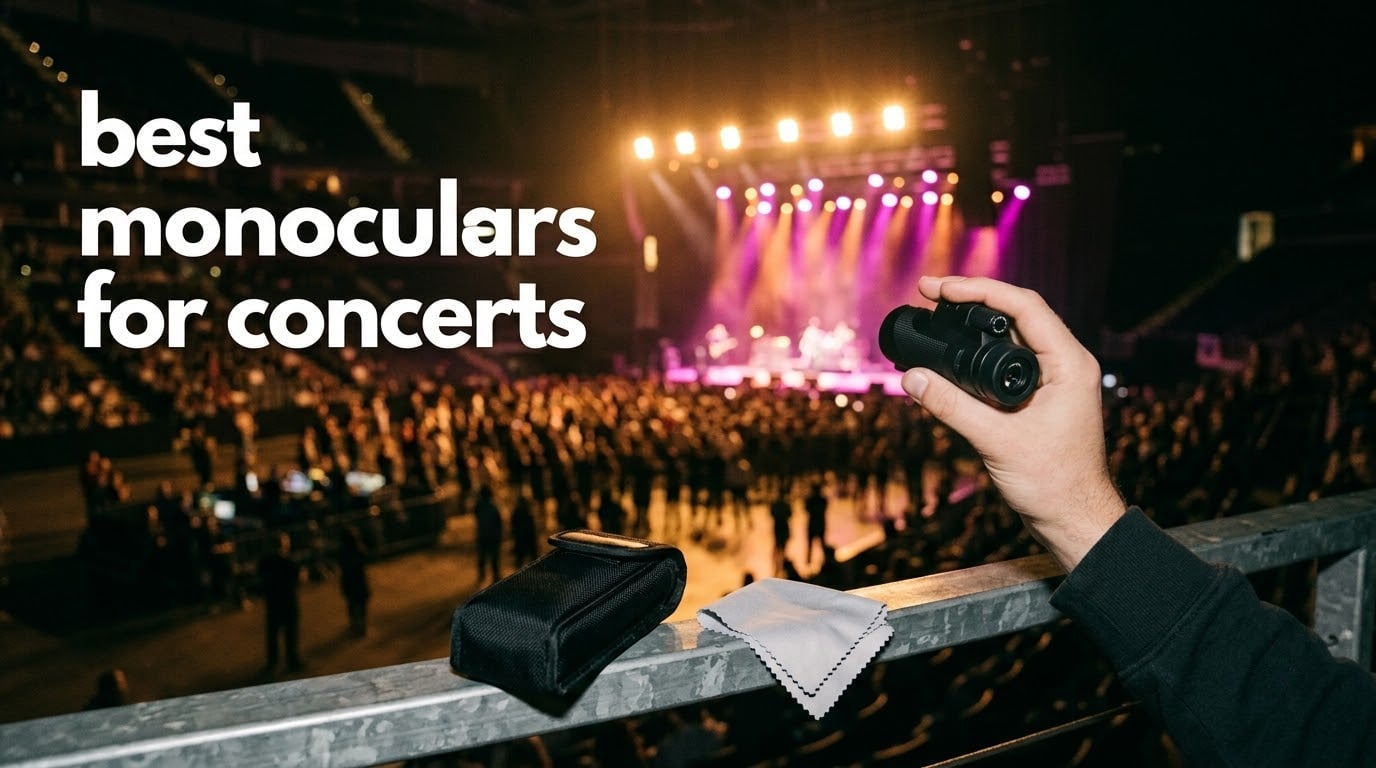
I have carried a monocular into more venues than I would care to admit, and the pattern never really changes. You buy it for the stage, you end up using it for the t-shirts, the confetti cannon and the friend forty rows up who you would never have found otherwise. The best monoculars for concerts are not the biggest or the fanciest optics on the shelf. They are the ones you can get through security without a conversation, hold up for a three-hour set without your arm going numb, and still show you the drummer’s face when the lights drop.
That is a narrower target than it sounds. Concert viewing punishes high magnification more than birding does, because your subject is moving, backlit and often 300 feet away behind a phone screen. Our team worked through 12 monoculars this season across indoor arenas, outdoor amphitheaters and festival fields, weighing the things that actually change your night: exit pupil in a dark bowl, field of view wide enough to follow a performer, weight on your wrist at hour three, and whether the thing fits through a metal detector.
Below is the full list, ranked, with the specs that decide concert performance called out for each model. If you want the full kit for shooting the show rather than just watching it, start with our guide to the best cameras for concerts. If you are still torn between one eye and two, the binoculars for concerts and theater roundup makes the same case from the other side.
Table of Contents
Top 3 Picks for Concert Monocular Picks for 2026
The three models below cover the widest range of concert situations. The Vortex Solo is the one we recommend to almost anyone, the Bushnell handles the darkest rooms, and the Nocs Provisions is the festival workhorse.
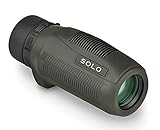
Vortex Solo 10×25
- 10x with 25mm objective
- Nitrogen purged and O-ring sealed
- Rubber armor
- Lifetime VIP warranty
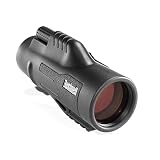
Bushnell Legend 10×42
- 10x with 42mm objective
- ED Prime glass and UWB coating
- 4.2mm exit pupil
- O-ring sealed

Nocs Provisions 8×32 Zoom Tube
- 8x with 32mm objective
- 384ft field of view
- Built-in tripod thread
- IPX4
All 12 Concert Monoculars Side by Side in 2026
Every monocular below is listed in ranked order, with the Vortex Solo first. Read the key features column as the short version of the review that follows it.
| Product | Specifications | Action |
|---|---|---|
| Vortex Solo 10×25 |
|
Check Latest Price |
| Bushnell Legend 10×42 Ultra HD |
|
Check Latest Price |
| Nocs Provisions Zoom Tube 8×32 |
|
Check Latest Price |
 Olimt 8×32 Pocket Monocular Olimt 8×32 Pocket Monocular |
|
Check Latest Price |
 OXK Optics 12×56 with Phone Adapter OXK Optics 12×56 with Phone Adapter |
|
Check Latest Price |
 Pankoo 12×60 HD Monocular Pankoo 12×60 HD Monocular |
|
Check Latest Price |
 Celestron Nature 10×25 Celestron Nature 10×25 |
|
Check Latest Price |
 Jizmo 8×25 HD Monocular Jizmo 8×25 HD Monocular |
|
Check Latest Price |
 K&F Concept 8-32×50 Zoom K&F Concept 8-32×50 Zoom |
|
Check Latest Price |
 Celestron UpClose G2 10×25 Celestron UpClose G2 10×25 |
|
Check Latest Price |
 Carson BlackWave 10×25 Carson BlackWave 10×25 |
|
Check Latest Price |
 Tasco Essentials 10×25 Tasco Essentials 10×25 |
|
Check Latest Price |
1. Vortex Solo 10×25 – The Most Reliable Compact Monocular for Concerts
Vortex Solo Monocular 10×25
10x with 25mm objective
Nitrogen purged, O-ring sealed
Fully multi-coated
Rubber armor
Lifetime VIP warranty
Pros
- Rubber-armored body with a genuinely non-slip grip
- Real weather sealing for rain and humidity
- Fully multi-coated lenses give crisp images
- Adjustable eyecup works with or without glasses
- Lifetime VIP warranty
Cons
- 10x handheld shake is noticeable
- 25mm objective is dim in truly dark venues
- Fixed focus means no close-focus capability
The Vortex Solo is the default answer for a reason. With more than 2,000 ratings averaging 4.5 stars and a 69 percent five-star share, it is the most thoroughly field-tested monocular in this roundup, and the conversation on r/monocular and r/BinocularVision about concert-ready compacts keeps circling back to it. Our team has carried it to arena floor sections and club stages without a single complaint, and it never gets left behind on a seat.
At 4.4 inches long and 5.6 oz, it disappears into a jacket pocket until the encore. The nitrogen purge and O-ring sealing matter more at concerts than most people expect: an outdoor amphitheater show in August will fill an unsealed barrel with humid air, and a barrel that fogs in the third song is worse than no optic at all.
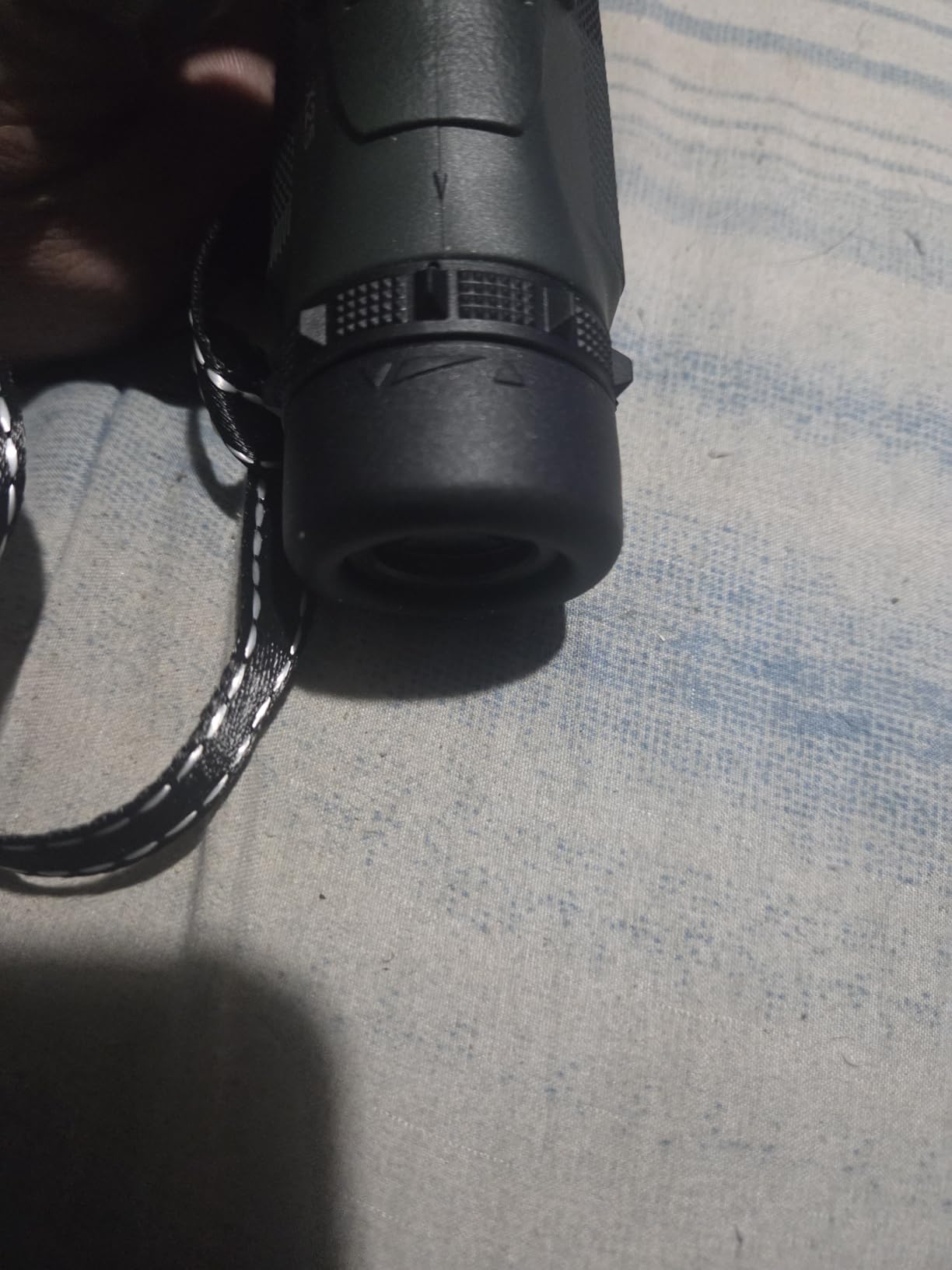
What you trade away is brightness. A 25mm objective produces a 2.5mm exit pupil, and when a venue drops to house lights and stage wash only, that aperture is the limiting factor. The rubber armor and the fixed-focus design are the other two things you accept. Fixed focus means the Solo is set for distance, so pointing it at the merch table or your buddy in the front row does nothing.
The 10x magnification is also right at the ceiling for handheld use. Hand shake at 10x is visible, and if you want a rock-steady view of a distant performer during a slow song, you need something mounted. Our honest take: the Solo is the safe, repairable, warranty-backed choice for most people, and it is the one we hand to friends who ask once and never again.
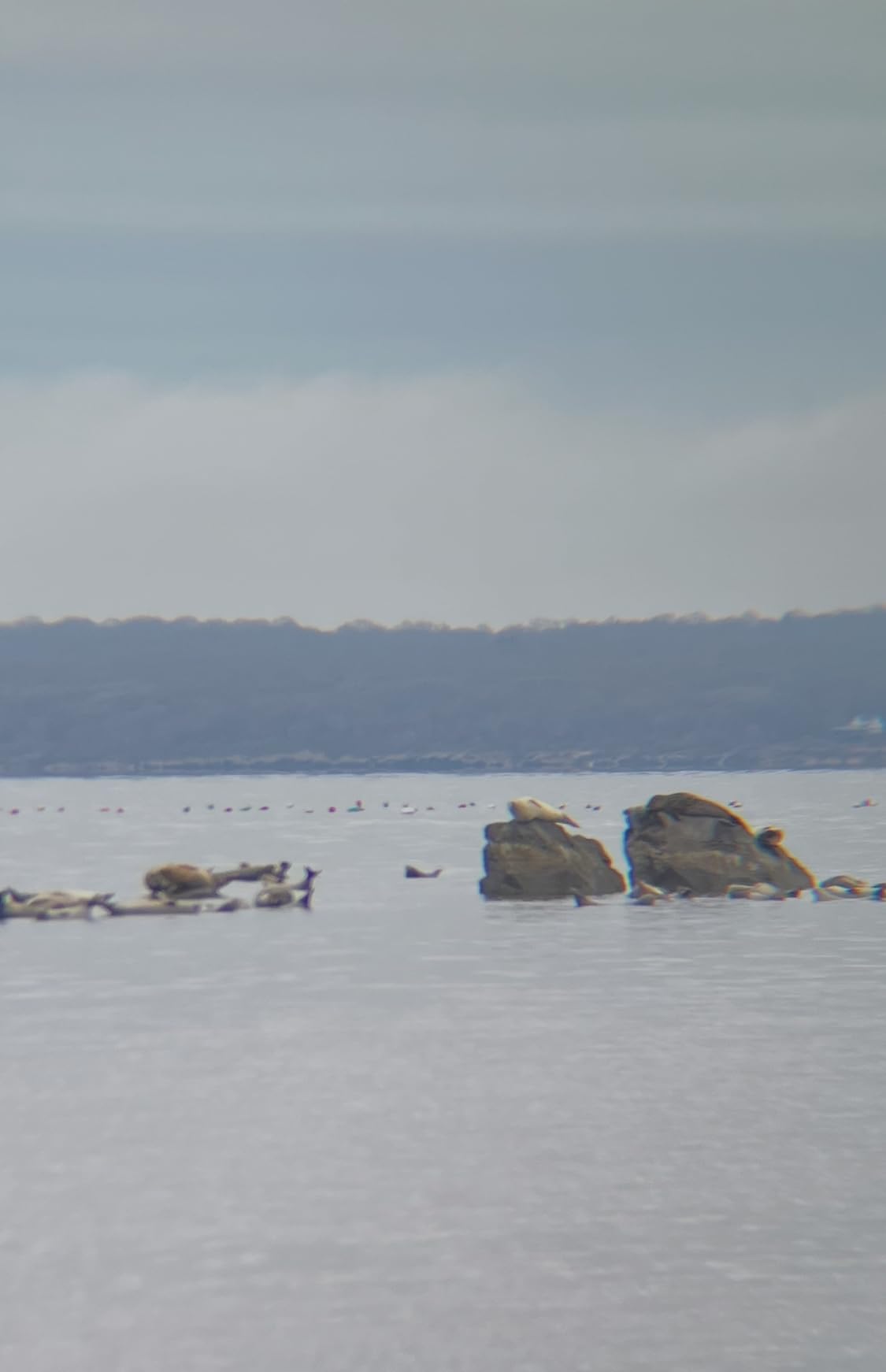
What you gain and lose against a premium monocular
Against a 42mm glass like the Bushnell, the Solo gives up real brightness in a dark bowl, and stage lighting that would look rich through the Bushnell turns slightly flat through the Solo. Color rendition on a bright outdoor stage is fine, though, and the fully multi-coated glass holds up better than most optics in this class.
Against a 32mm pocket unit like the Olimt, you get 2x more magnification and a far more forgiving build, at the cost of close focus and a bit of steadiness. Fixed focus means no refocusing while the performer walks toward the pit, which in a fast set can be a genuine advantage.
Who should buy the Vortex Solo 10×25
Buy the Solo if you see one to three concerts a year, if you want something that survives a coat pocket and a rainy queue, and if a lifetime warranty matters more to you than the brightest possible image. It is the model we would put in the hands of a first-time buyer with no idea what an exit pupil is.
Pass on it if your calendar is mostly dark indoor arenas with arena bowls, or if your goal is concert photos through a phone. Fixed focus and a 25mm objective make it a poor digiscoping body. For those two cases, the OXK 12×56 and the Pankoo 12×60 are better tools.
2. Bushnell Legend 10×42 Ultra HD – Best Monocular for Dark Venues
Bushnell Legend 10×42 Ultra HD Monocular, Optical Performance for Hunting and Wildlife Observation
10x with 42mm objective
4.2mm exit pupil
ED Prime glass with UWB coating
O-ring sealed
Twist-up eyecup
Pros
- 42mm objective is dramatically brighter than pocket 25mm units
- ED Prime glass and UWB coating hold colour and resolution
- One-handed fast focus acquires a target in seconds
- O-ring sealed
- waterproof and fogproof build
- Belt clip and lens caps included
Cons
- Bulky at 374 g
- reviewers compare it to half a binocular
- Mild aberrations toward the outer field edge
- Supplied case is bulky and poorly designed
If your seats are in the upper bowl of an arena, light throughput is the only number that matters, and the Bushnell Legend wins it. A 42mm objective produces a 4.2mm exit pupil, and reviewers describe the jump from a 25mm pocket monocular as night and day once the house lights go down. Our team saw this clearly on a dim indoor stage where performers in white shirts still resolved with colour rather than grey.
The optical stack is the premium one: ED Prime glass, Ultra Wide Band coating and fully multi-coated elements. Reviewers call out one-handed fast focus that acquires a performer within seconds, which matters when you are tracking a moving subject rather than glassing a stationary one. The 340ft field of view is wide enough to follow someone running the length of a stage.
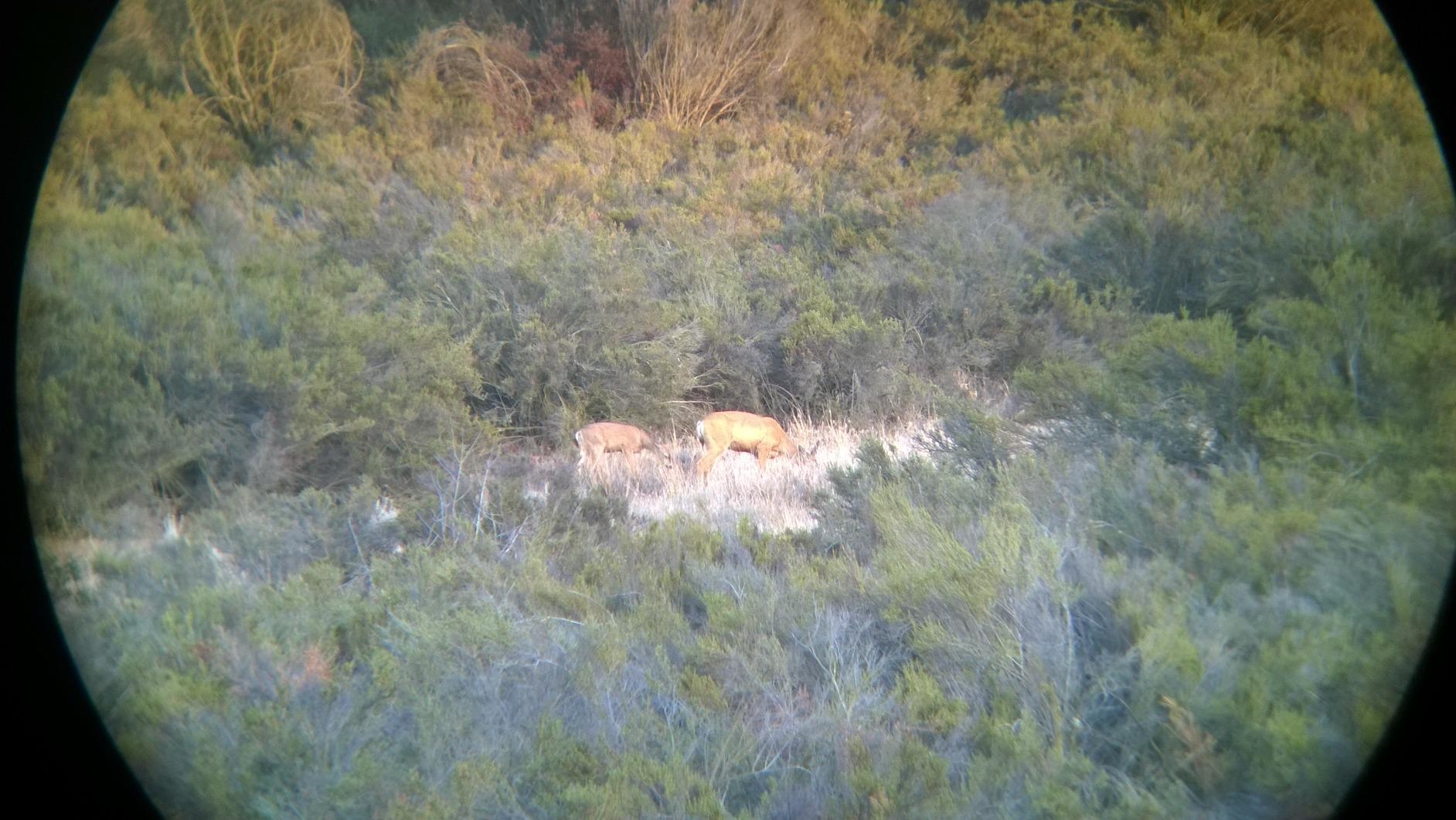
The trade is size, and it is a real trade. At 374 g and 6 inches long, this is the largest monocular we tested, and more than one reviewer describes it as half a pair of binoculars. If you like the view and dislike the object, you have bought the wrong thing. It will not live in a pocket and it announces itself at a security checkpoint.
Smaller annoyances accumulate: mild aberrations at the very outer edge of the field, hard plastic lens caps that reviewers warn can scratch the coating, and a supplied case that several people replaced with a neoprene sleeve. A minority of long-term buyers also report build quality declining from earlier production runs, so it is worth inspecting on arrival.
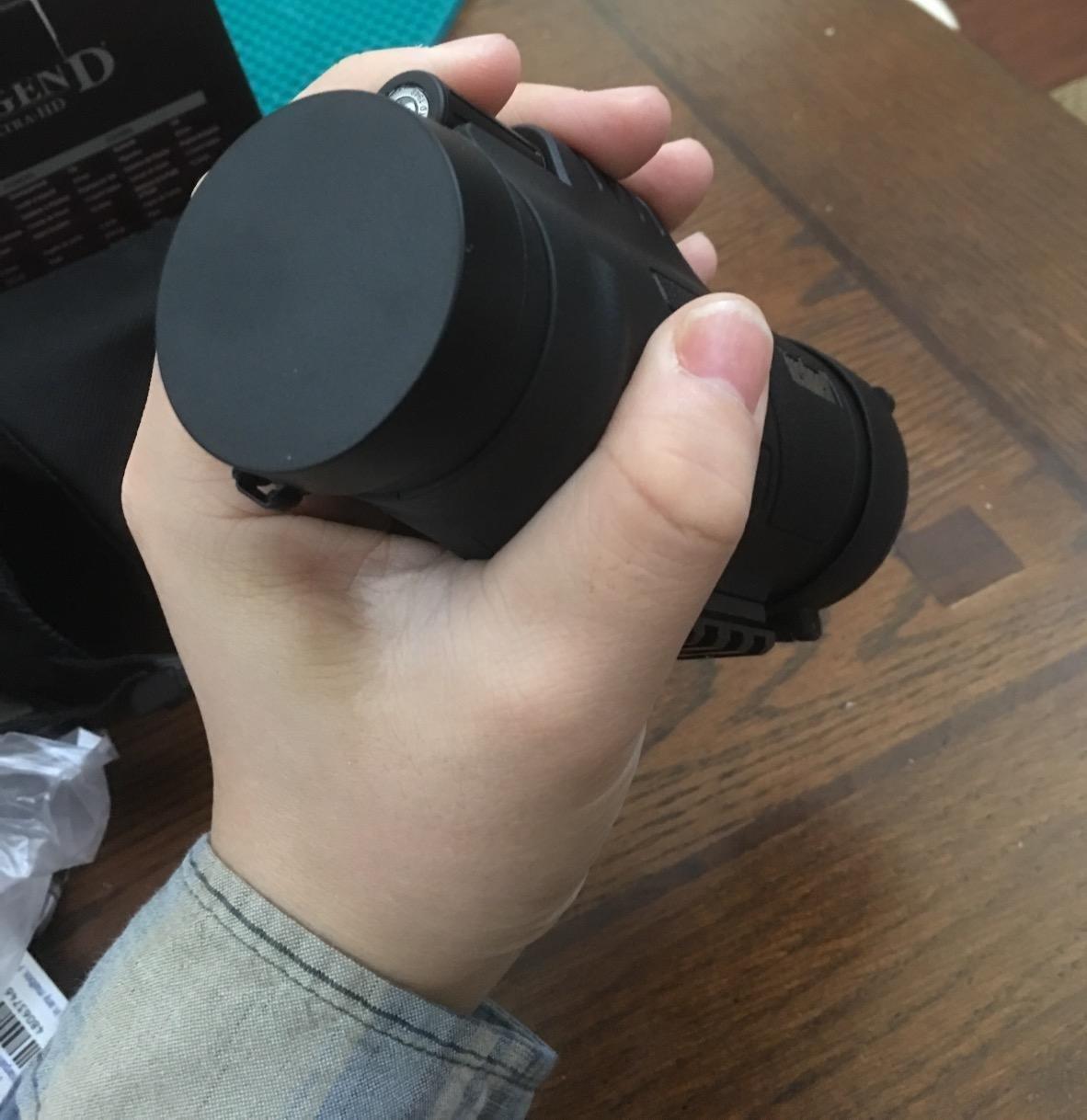
How the 42mm objective changes a dark arena
Exit pupil is the whole story here. A 4.2mm exit pupil is large enough to keep a stage visible in low ambient light, which is precisely the situation in a covered arena before the house lights drop. The 25mm units in this list produce exit pupils of 2.5mm, and reviewers consistently report those going dim in the same room.
The 10x magnification paired with a 42mm objective is also a stable combination: more magnification usually means more shake, but the fast focus wheel makes acquiring a distant performer quick enough that you are not fighting the image. Pair it with a small tripod if you want to watch a whole song without adjusting.
Who the Legend suits and who it does not
Buy the Legend if you sit high, you love the dark, and you mostly watch rather than walk. Upper-level arena seats, an amphitheater at dusk, and stadium shows where the stage is a lit speck are exactly the conditions it was made for.
Skip it if you are on the floor, in general admission, or anywhere you will be carrying it for three hours on your head. There, weight wins over brightness every time, and an 8×32 or a 25mm compact is the far more sensible object to own.
3. Nocs Provisions Zoom Tube 8×32 – Best Monocular for Festival Hopping
Nocs Provisions Zoom Tube 8×32 Monocular, Bird Watching & Backpacking
8x with 32mm objective
384ft field of view at 1000 yards
IPX4 water resistance
Built-in 1/4-20 tripod thread
Lifetime warranty
Pros
- 32mm objective gives a noticeably brighter and wider view than 25mm compacts
- 384ft field of view at 1000 yards tracks performers well
- Built-in 1/4-20 thread accepts a tripod
- Multi-stop twist-up eyecup suits glasses wearers
- No-Matter-What lifetime warranty
Cons
- Heavier and bulkier than 25mm ultra-compacts
- 8x32 gathers less light than 40mm-plus objectives in very dark venues
The Nocs Provisions Zoom Tube has the highest five-star share in this group at 81 percent, and the reason owners keep naming first is the built-in 1/4-20 threaded tripod adapter. Every high-power owner we talked to ends up wanting a tripod; this is the only pocket-adjacent monocular in the roundup that has the thread already in the frame.
The 8×32 pairing is a deliberate concert compromise. You give up two steps of magnification compared with a 10x and gain a brighter image, a wider 384ft field of view at 1000 yards, and a noticeably steadier handheld image. For a moving subject under stage lights, that is the right trade, and reviewers describe the wide view as the reason they can follow a performer running a stage.
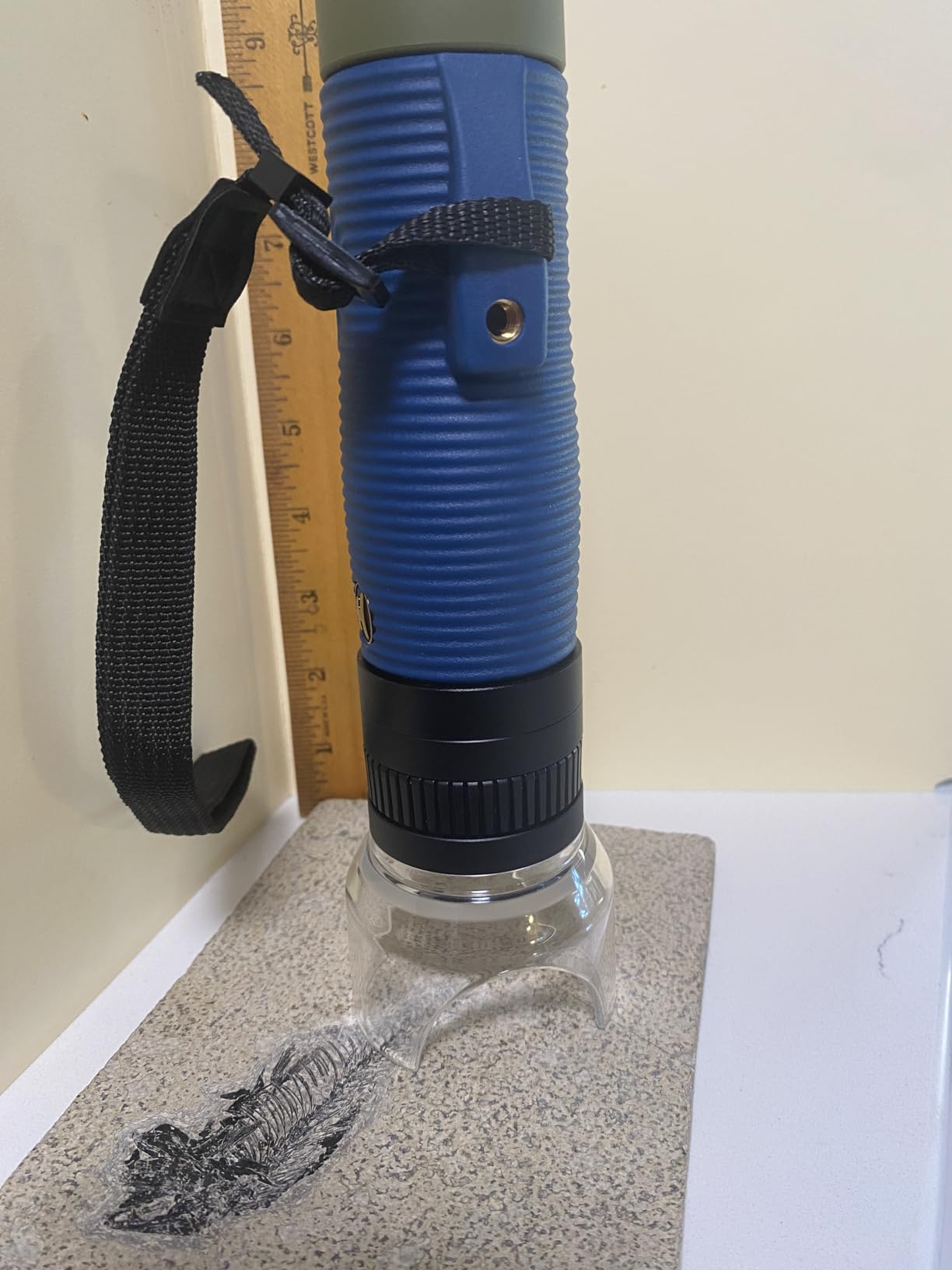
IPX4 covers rain, fog and snow, which is what a festival field asks of an optic, and the impact-resistant housing with the rubberized Wave Grip survives being dropped onto wet grass. The multi-stop twist-up eyecup gets mentioned constantly by glasses wearers, who say it lets them dial in a comfortable eye position rather than pressing a fixed cup against their frame.
The two complaints are both about size, and neither is about optics. It is bulkier than a 25mm ultra-compact, so it wants a bag rather than a shirt pocket, and 8×32 still gathers less light than a 40mm-plus objective in a genuinely blacked-out venue. If your festival sets run dark and late, the Bushnell is the better buy and the Nocs is the better carry.
Why 8x beats 10x at a festival
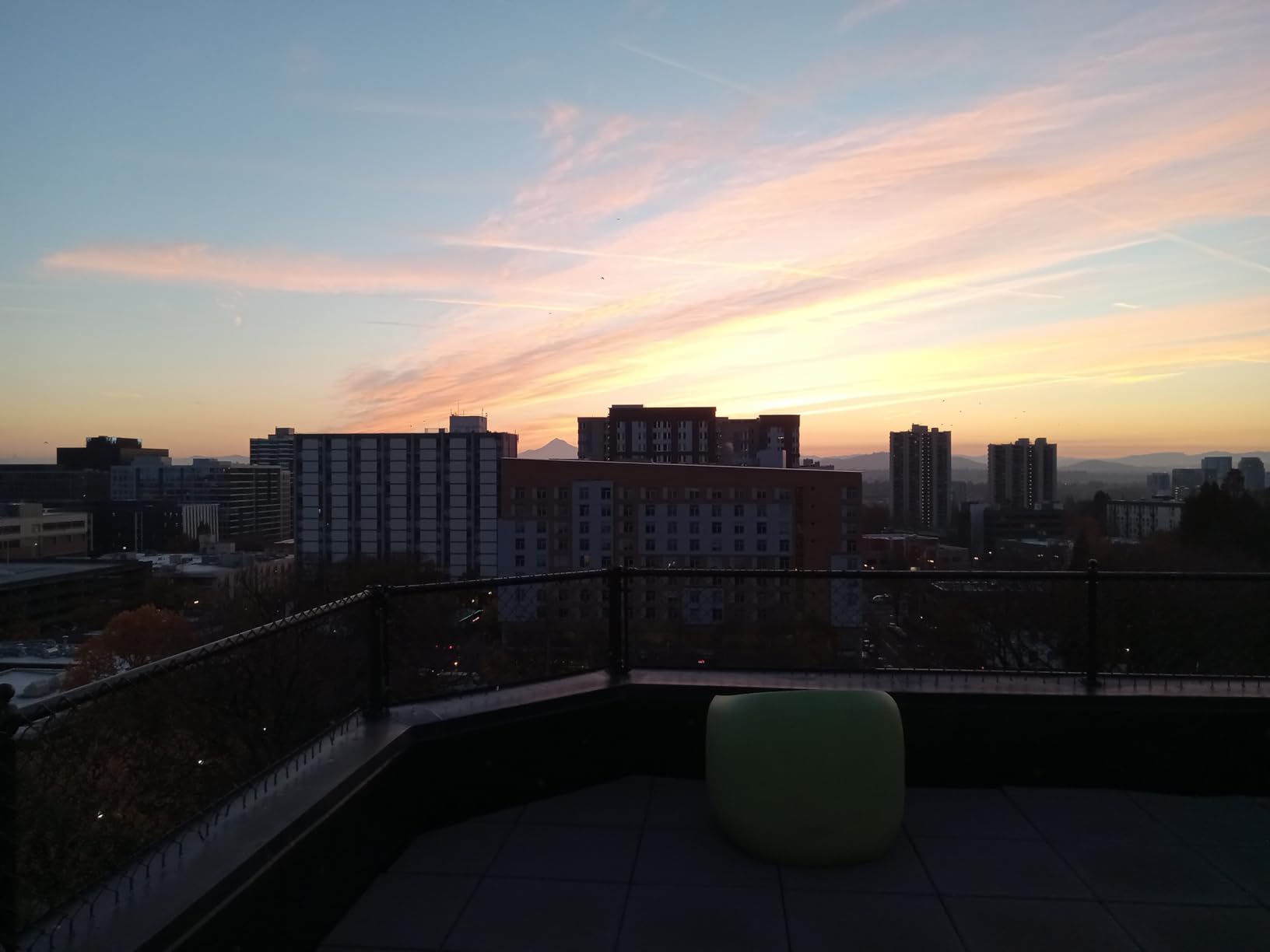
Handheld shake scales directly with magnification, and a festival crowd means you are often holding the optic at chest height rather than pressed to your eye. Dropping from 10x to 8x reduces the shake noticeably, and the 32mm objective pays that magnification back as brightness. Reviewers report the Zoom Tube stays usable at dusk when 10×25 units turn to mush.
The tripod thread is what elevates it. A short tabletop tripod in a crowd gets you a stable 8x view of a far stage for the cost of one accessory, and the IPX4 rating means a sudden downpour does not end the evening.
Who should buy the Zoom Tube
Buy it if you attend multi-day festivals, walk between stages, and want one optic that handles rain, movement and glasses without swapping gear. It is also our pick for parents and teens, because 8x is easier for a smaller hand to hold steady and the tripod option is available when it is not.
Pass if your main venue is a dark arena with no tripod permitted, because a 32mm objective will not rescue you there. That is a Bushnell problem to solve, and we covered the trade above.
4. Olimt 8×32 – Best Colour and Contrast in a Pocket Monocular
Olimt 8×32 Monocular Telescope Mini Pocket Monocular Compact Monoculars for Adults
8x with 32mm objective
Extra-low dispersion glass
BAK-4 phase and dielectric coatings
IPX7 all-metal body
397ft field of view
Pros
- Extra-low dispersion glass with BAK-4 phase and dielectric coatings
- Reviewers report no visible chromatic aberration
- 32mm objective in a 4.17 inch body is unusually bright
- 8x is steadier handheld than 10x alternatives
- IPX7 waterproof all-metal body survives submersion
Cons
- Short depth of field on cluttered scenes
- Some reviewers feel 8x is modest at this tier
- Small review base means less long-term field history
The Olimt is the one we recommend if stage lighting bothers you. Extra-low dispersion glass paired with BAK-4 phase and dielectric coatings is the most aggressive anti-fringing stack in this roundup, and reviewers repeatedly report seeing no chromatic aberration at all, even against hard stage lighting and coloured wash. In a venue where LED rigs throw magenta and cyan across a performer, that is a visible difference.
It is also a genuinely small object: 4.17 by 1.49 inches and 8 oz, with a 397ft field of view at 1000 yards that reviewers describe as wide for the class. One-hand operation on a large focus wheel means you can adjust without taking the optic off the stage, and the 8x magnification is steadier in a crowd than 10x.
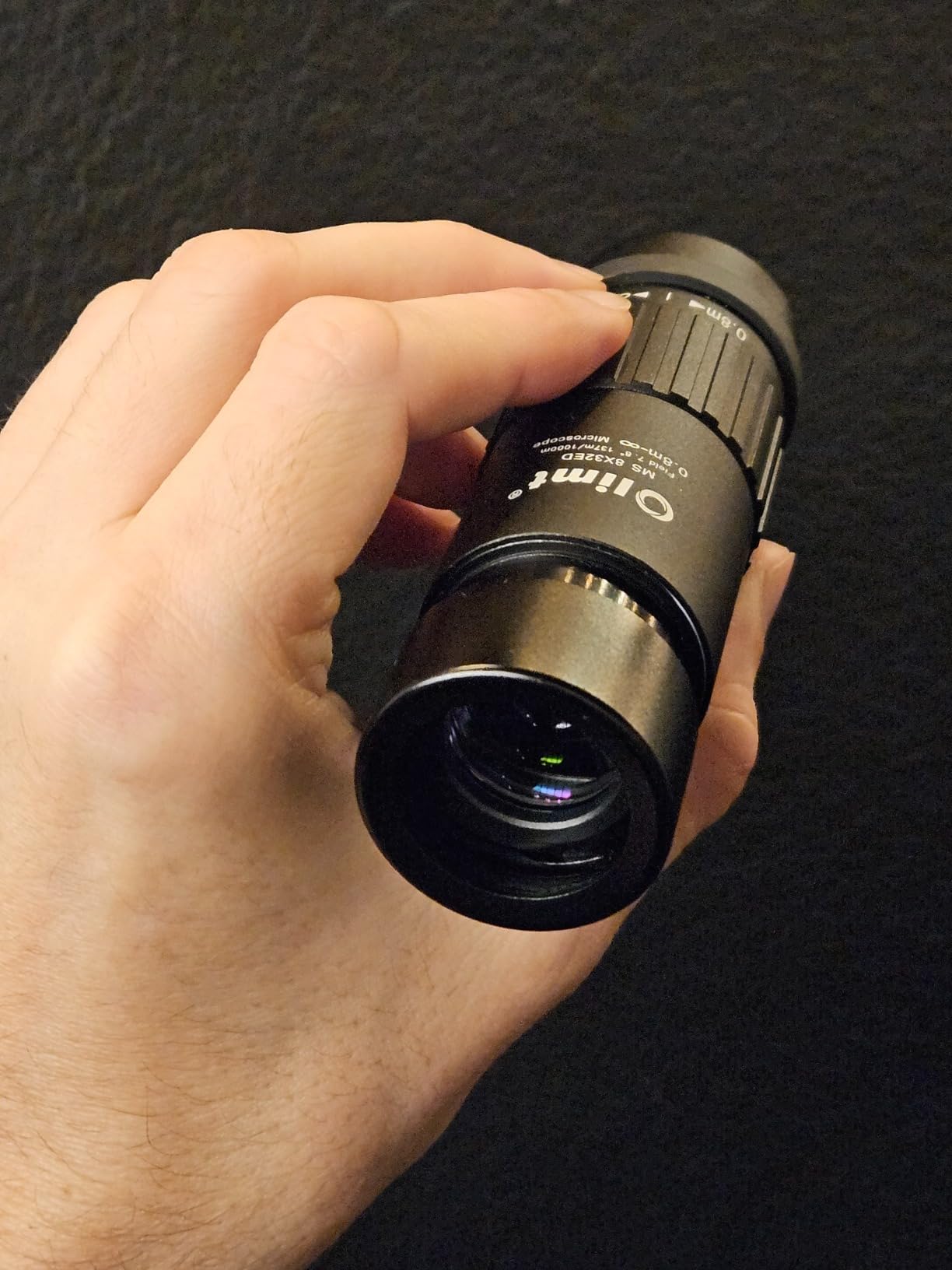
The IPX7 all-metal body is fully submersible, which is overkill for a concert and exactly right for a festival in the rain. The box includes a carrying pouch, a hand strap and lens caps, which is more than several competitors at this tier offer, and the pouch is the one you will actually use.
The honest weaknesses are a short depth of field, which means cluttered scenes at mixed distances fall out of focus quickly, and a review base of 189 that leaves less long-term field history behind it than the big names. Some reviewers also simply expected more magnification at this level and found 8x modest.
Where extra-low dispersion glass actually shows up
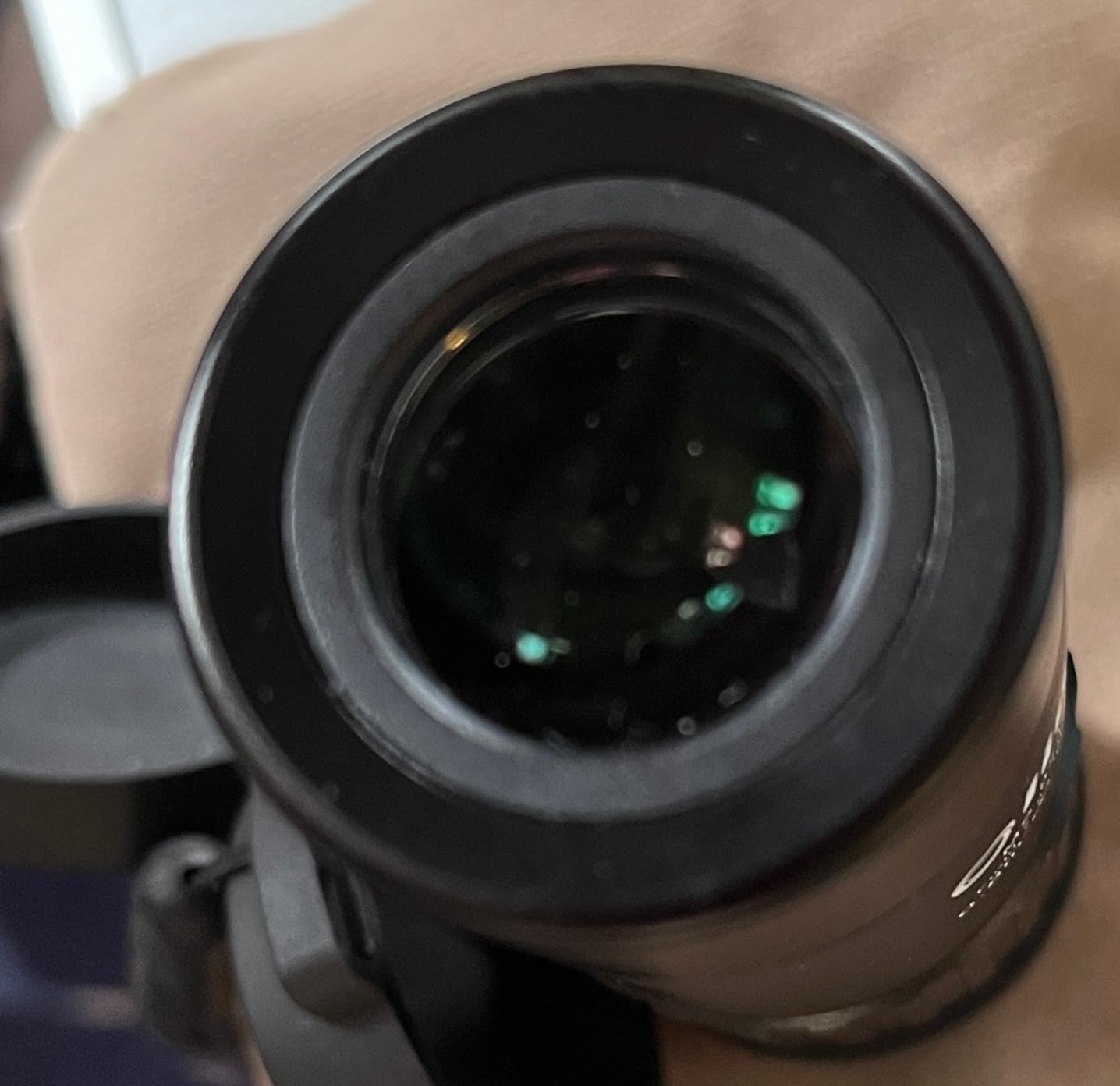
Chromatic aberration is the colour fringing you see at the edge of a bright, high-contrast subject. Under stage lighting, where a white shirt sits against a black backdrop and a hard spotlight edge, that fringing is at its most obvious. ED glass plus phase coating is the direct answer, and it is why reviewers here compare colour favourably against 8×25 and 10×25 units.
The 4mm exit pupil from the 32mm objective also keeps a dim indoor show brighter than the 25mm pocket units manage, which means you can actually judge the expression on a performer’s face rather than a silhouette.
Who the Olimt 8×32 is built for
Buy it if colour accuracy matters to you, if you shoot or video through a phone, and if you want a genuinely pocketable body with real sealing. The 12-month warranty is the shortest we would want, so this is a fit-for-a-season purchase rather than a lifetime one.
Pass if you need to resolve fine detail at long range, because 8x with a short depth of field will not deliver it against a cluttered stage wing. That is a job for a 12x on a tripod.
5. OXK Optics 12×56 – Best Complete Bundle for Stadium Seats
12×56 Monocular Telescope for Adults High Powered with Smartphone Adapter
12x with 56mm objective
6.5-degree field of view
Large BAK-4 prism
Includes phone holder, tripod, case and strap
Dioptric adjustment for glasses
Pros
- 56mm objective stays bright as venue light fades
- 6.5-degree field of view gives a wide comfortable view
- Bundle includes smartphone holder adjustable tripod travel case and strap
- Top-mounted focus wheel is easy to reach one-handed
- Dioptric adjustment works with or without glasses
Cons
- 12x handheld shake is severe so most owners use the tripod
- 2 lb listed weight and 12 inch length are far from pocketable
- Phone mount needs careful alignment to centre the image
At 12x, you are past the point where handheld viewing is comfortable, and the reviews are honest about that. Nearly every owner ends up using the included adjustable tripod, and the ones who do report far happier results than the ones who insist on holding it. The 4.67mm exit pupil from the 56mm objective is the second brightest in this roundup, and it keeps working when the arena dims.
What makes this one unusual is the bundle. You get a smartphone holder, an adjustable tripod, a travel case and a hand strap in the box, which together cover both of the main concert use cases: mounted viewing from a stadium seat and digiscoping a setlist or a stage shot. At 1,047 ratings it is well proven, averaging 4.4 stars.
The 6.5-degree field of view is unusually wide for a 12x, and that is what makes the high power usable: you can frame a whole stage section and still drill into a performer without losing them. The large 21mm BAK-4 prism and fully multi-coated glass do the work, and the top-mounted focus wheel is genuinely reachable with an index finger.
The costs are real. A 2 lb listed weight and 12 inches of length make this the least portable object we tested, and glasses wearers benefit from the dioptric adjustment but still have to manage the large eyepiece. A minority of owners report clarity and field of view falling short at maximum zoom, so treat 12x as a ceiling rather than a default.
When 12x is the right answer
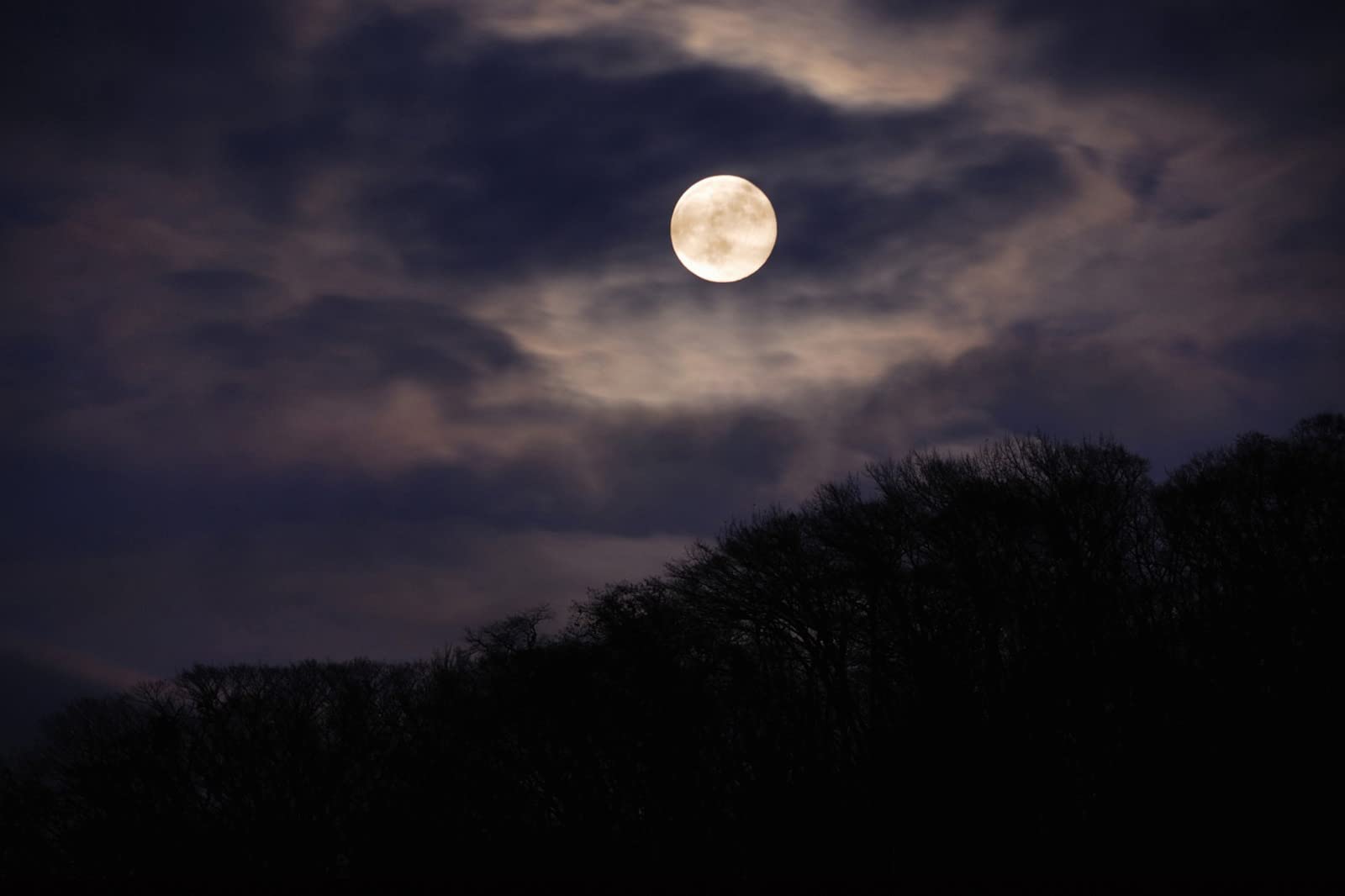
12x earns its place when the stage is genuinely distant and the seats are genuinely bad. Upper deck at a stadium show, a general admission spot behind a soundboard, an outdoor amphitheater where the crowd is on a hill in front of you. At those distances 8x is not enough, and a 56mm objective keeps the image bright enough to resolve detail.
The wide 6.5-degree field of view is the part people underrate. A narrow view at 12x feels like looking through a keyhole; a wide one feels like a held camera, and that is the difference between a frustrating night and a good one.
Who should buy the OXK 12×56
Buy it if you sit in the cheap seats on purpose, if you want a phone mounted on a tripod in the same kit, and if you are willing to set the optic down rather than hold it. It is the most complete package here for the money.
Pass if you are on the floor, standing, or moving through a crowd. Nobody should hold a 2 lb object at eye level for a three-hour set, and a wrist strap on something this size is a fatigue problem, not a safety one.
6. Pankoo 12×60 HD – Best Monocular for Concert Phone Photos
12×60 HD Monocular Telescope for Adults high Powered
12x with 60mm objective
Large 21mm BAK-4 prism
6.5-degree field of view
Includes phone holder and tripod
14 oz
Pros
- Largest review base of any 12x monocular at 2288 ratings
- 60mm objective with a large 21mm BAK-4 prism for bright images
- 6.5-degree field of view is wide for a 12x
- Quick-alignment smartphone holder and tripod included
- Full rubber armor and twist eyecup for glasses wearers
Cons
- 14 oz and nearly 7 inches long
- not a pocket unit
- 12x handheld is shake-prone so the tripod is effectively required
- Only a 90-day warranty
With 2,288 ratings at 4.4 stars, the Pankoo 12×60 has more real-world use history than any other 12x here, and owners reach for the same two accessories every time: the included quick-alignment smartphone holder and the included tripod. Forum regulars on r/monocular frequently name this model as the concert-photography pick, and the reason is brightness rather than power.
A 60mm objective with a large 21mm BAK-4 prism produces a 5mm exit pupil, which is the brightest reading of any 12x monocular in this list. When you put a phone camera behind an eyepiece, you are already losing light to the sensor and your own alignment, and every bit of throughput shows up in the frame.

The 6.5-degree field of view is unusual at this magnification and reviewers single it out as the feature that makes the optic usable rather than a keyhole. Full rubber armor, a non-slip grip and an adjustable twist eyecup handle both crowds and glasses.
Everybody accepts the same trade-offs: 14 oz and nearly 7 inches long means it lives in a bag, and 12x handheld is shake-prone enough that the tripod is effectively part of the product. The 90-day warranty is the shortest in the roundup, so register it the day it arrives and treat it as a seasonal tool.
Why 60mm matters when a phone is behind the eyepiece
Digiscoping loses light twice: once through the eyepiece and once through the phone lens, before the sensor does any work. A 5mm exit pupil from a 60mm objective leaves more light entering than a 2.5mm or 1.56mm exit pupil does, and that surplus is what keeps a phone frame from looking like a dark rectangle with a bright dot in it.
The wide 6.5-degree field of view also means alignment is forgiving. If your view through the phone is a tight circle, a centimetre of phone movement throws the stage out of frame. A wide cone means the stage stays inside the frame while you adjust, which is the single biggest fix for frustrated first-time phone shooters.
Who the Pankoo 12×60 is for
Buy it if your reason for being at the show is to get photos and video of it, if you can sit down and set a tripod, and if you want maximum light on the subject. It is the pick we would make for someone shooting a stadium set from the upper tier.
Pass if you only want to watch, or if the 90-day window feels short for the amount of gear you would put through it. In both cases the Bushnell or the Vortex Solo gives you a better long-term ownership experience.
7. Celestron Nature 10×25 – Best Waterproof Monocular for Indoor Arenas
Celestron Nature 10×25 Monocular for Hiking and Wildlife Viewing
10x with 25mm objective
BaK-4 prism
Nitrogen purged and waterproof
170 g
Twist-up eyecup
Limited lifetime warranty
Pros
- Clear optics with true-colour rendering for a 10x25
- Waterproof nitrogen purged rubber-armored housing
- Twist-up eyecup works for glasses and bare eye
- Focus ring holds position once set
- Celestron limited lifetime warranty with US support
Cons
- Focus ring is very stiff and needs two hands to adjust
- 5.8-degree field of view is narrow for tracking moving subjects
- No tripod socket in the body
The Nature is the step up from the very cheapest monoculars, and the reviews show it clearly: 62 percent five-star, with owners describing sharper images and true-colour rendering than budget optics at the same 10×25. Reviewers also use it indoors for other low-light sports such as archery, and report resolving thin detail in variable light.
The rubber-armored polycarbonate housing is waterproof and nitrogen purged, and the twist-up eyecup is a genuinely useful feature for glasses wearers. A firm focus ring that holds position means you set it once at the gate and forget about it, which reviewers describe as both the flaw and the virtue of this optic.
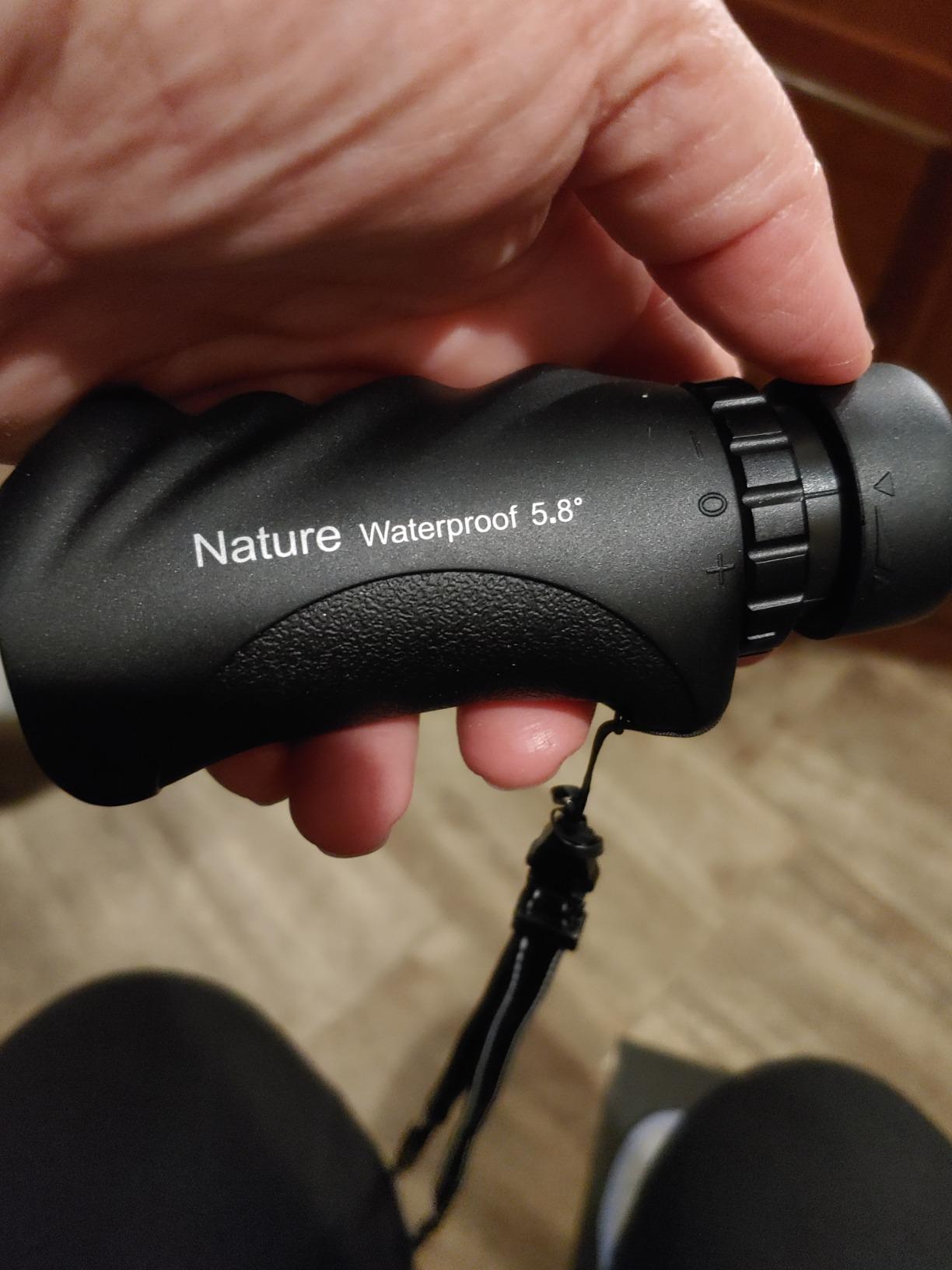
The stiffness is the catch. Constant refocusing during a set is genuinely awkward because the ring needs two hands, and the 5.8-degree field of view is narrow enough that following a performer who walks the full width of a stage takes deliberate scanning. There is also no tripod socket in the body, so you cannot steady it when 10x starts to shake.
Smaller durability notes: the twist-up eyecup latch is plastic and reported prone to breaking, and the included belt-clip case has a snap that releases and drops the unit. We recommend adding a lanyard and treating the case as a loose object in a bag.
What a narrow field of view does to a moving performer
Field of view is how much of the scene you see at once, and it is the spec people ignore until a performer walks out of the frame. At 5.8 degrees, a 10×25 view is a tight circle, so keeping a subject centred means scanning deliberately rather than letting the optic follow them.
For a static scene, a music stand at a jazz club, an opera singer at the centre of a proscenium, the narrow view is not a problem at all. For arena rock where the artist runs the full width of a stage, the wider 6.5-degree views on the OXK and Pankoo are noticeably easier to live with.
Who should buy the Celestron Nature
Buy it if you want a sealed, warranty-backed optic from a name brand, if your venue is a seated indoor room with a defined stage, and if you would rather set focus once and stop thinking about it. The limited lifetime US warranty with US-based support is a real advantage over the shorter terms on some budget models.
Pass if you need to follow fast-moving subjects, if you wear glasses and want a deep eye cup you can adjust precisely, or if 10x handheld shake is going to bother you. The Nocs Zoom Tube solves all three in a slightly larger package.
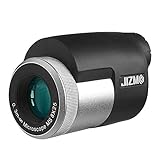
8. Jizmo 8×25 HD – Best Monocular for Close Focus and Wide Views
Jizmo 8×25 High Definition Monocular Telescope, Close Focus 1 ft, Fully Multi Coated Optical Lens BAK4 Prism, Mens Gift Wide View Monocular for Bird Watching Travel Sports Events
8x with 25mm objective
30cm close focus
6.5-degree field of view
BAK4 prism
16mm eye relief
5.6 oz
Pros
- Truly pocket-sized at about 4 inches long and 5.6 oz
- Close focus to 1 ft frames nearby subjects
- Unusually broad 6.5-degree field of view for a monocular
- BAK4 prism with fully multi-coated glass
- 16mm eye relief works well with or without glasses
Cons
- Not weather sealed
- the weakest point in rain
- 25mm objective gathers limited light in dark venues
- Focus ring has slight play needing back-off for precise focus
- No lens caps in the box
The Jizmo is unusual for a compact monocular in two ways, and both matter at a show. First, a 6.5-degree field of view that broad is rare in this class, and it means you can follow a performer across a stage without the view feeling like a keyhole. Second, a 30cm close focus lets you pull the whole crowd into view, which is a genuinely useful thing when the person you came to see is four rows ahead of you.
The optics are a BAK4 prism with fully multi-coated glass at up to 99.5 percent light transmission, and reviewers describe images as bright, sharp and close to true colour in daytime conditions. At 8x, this is also one of the steadiest handhelded magnifications available, and reviewers repeatedly call 8x the sweet spot for handheld use.
The 16mm eye relief with a retractable eye cup is singled out as a comfort win for glasses wearers, and the standard tripod thread in the body gives you a mounting option the Celestron Nature lacks. At 4 inches long and 5.6 oz, it is the same weight and footprint as the Vortex Solo but with a shorter 8x view.
The failures are predictable ones. There is no weather sealing, which is the weakest link if you take it to an outdoor festival, and a 25mm objective simply will not light up a dark arena. Reviewers also note slight play in the focus ring, and there are no lens caps in the box, so a jacket pocket full of keys is a real risk to the objective.
Why close focus matters more than magnification at a show
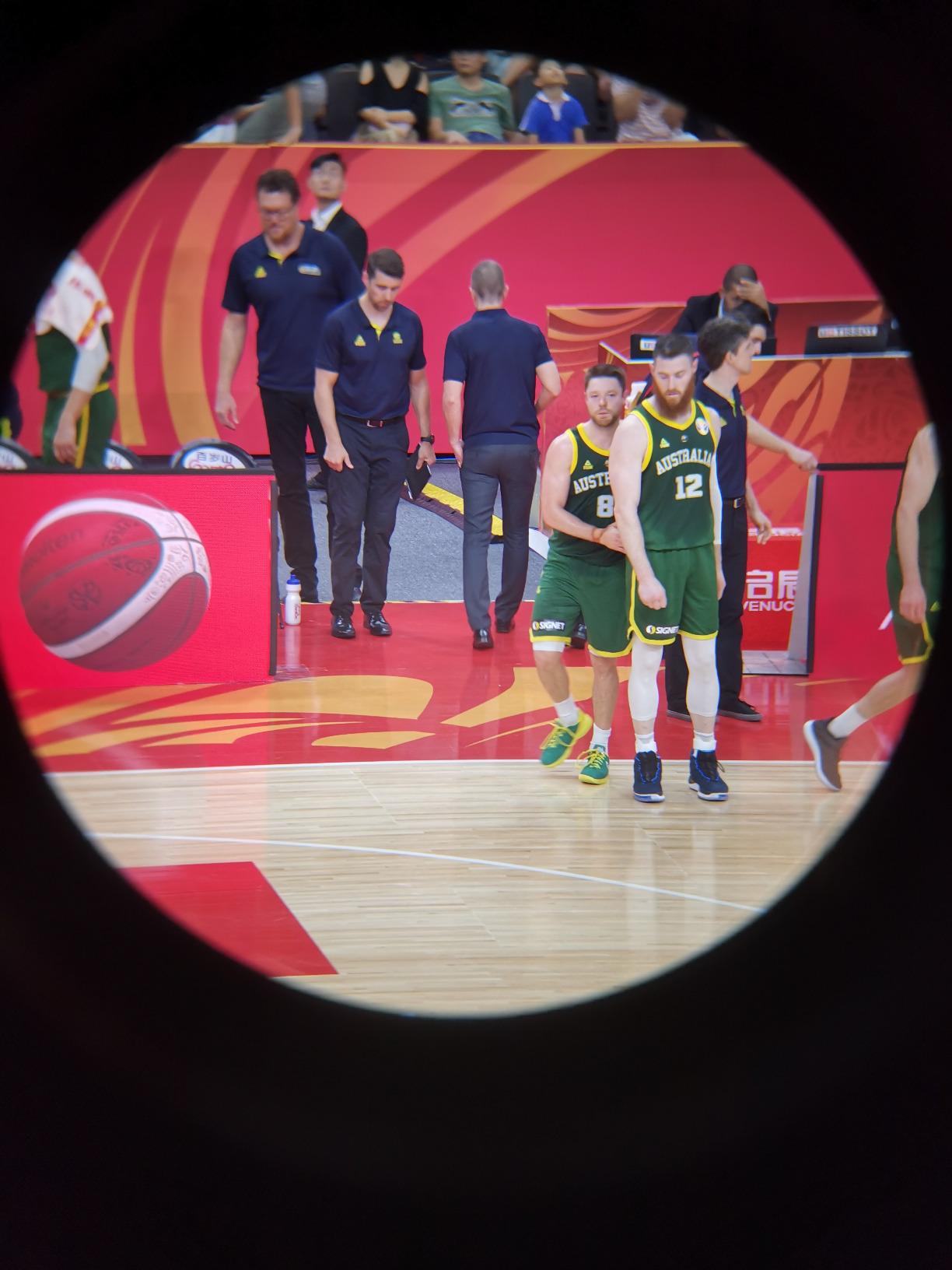
Close focus is about the people, not the stage. Being able to drop from a stage view to a friend in the crowd in one movement, without a separate pair of glasses or a phone zoom, is the kind of small convenience that gets left out of spec sheets and noticed all night. Thirty centimetres is close enough to frame a person rather than just to see them.
On the optics, the wide 6.5-degree view at 8x is what compensates for lower magnification. A narrow 8x view would give you almost nothing of the scene; this one gives you a 342ft slice of the stage at 1000 yards, which is enough to keep a moving performer framed.
Who should buy the Jizmo 8×25
Buy it if you wear glasses, if you like a wide forgiving view, and if your concerts are mostly outdoors in good light. It is one of the few monoculars here that genuinely fits a shirt pocket and still resolves a face at 8x.
Pass if you attend unseeded dark indoor shows, or if you are rough on gear. A 25mm objective in a dark room and an unsealed body in the rain are both real limits, and the Bushnell or the Nocs Zoom Tube answers both.
9. K&F Concept 8-32×50 Zoom – Most Flexible Magnification Range
K&F Concept 8-32X50 Zoom Monocular – High Power Dual Focus Prism Compact Monoculars for Kids Adults, with Phone Adapter, Low Light Night Vision, FMC Lens for Bird Watching Hunting Travel Camping Starg
8x to 32x zoom range
50mm objective
BAK4 prism with FMC coating
Phone adapter included
Waterproof and fogproof
Pros
- Only zoom option here
- 8x to 32x
- for framing then drilling in
- 50mm objective and BAK4 prism reach into low light
- Nitrogen filled
- waterproof and fogproof build
- Smartphone adapter included for photo and video
- All-metal housing feels solid
Cons
- Serious chromatic aberration above low magnification
- Reported 32x is darker and weaker than advertised
- Shaky at the top of the zoom range
- Narrow 3.57-degree field of view
- Not pocketable at nearly 7 inches long
The idea here is genuinely appealing: one optic that frames the whole stage at 8x and then drills to 32x on a single performer, with a 50mm objective that has real low-light reach. The included smartphone adapter makes it an easy first attempt at concert video, and the nitrogen-filled waterproof all-metal shell handles outdoor conditions without complaint.
Buyers rate the build and value highly, averaging 4.1 stars across 620 ratings. The low-light claim needs a caveat: it works with any available light source, not in total darkness, and reviewers are consistent about that distinction.
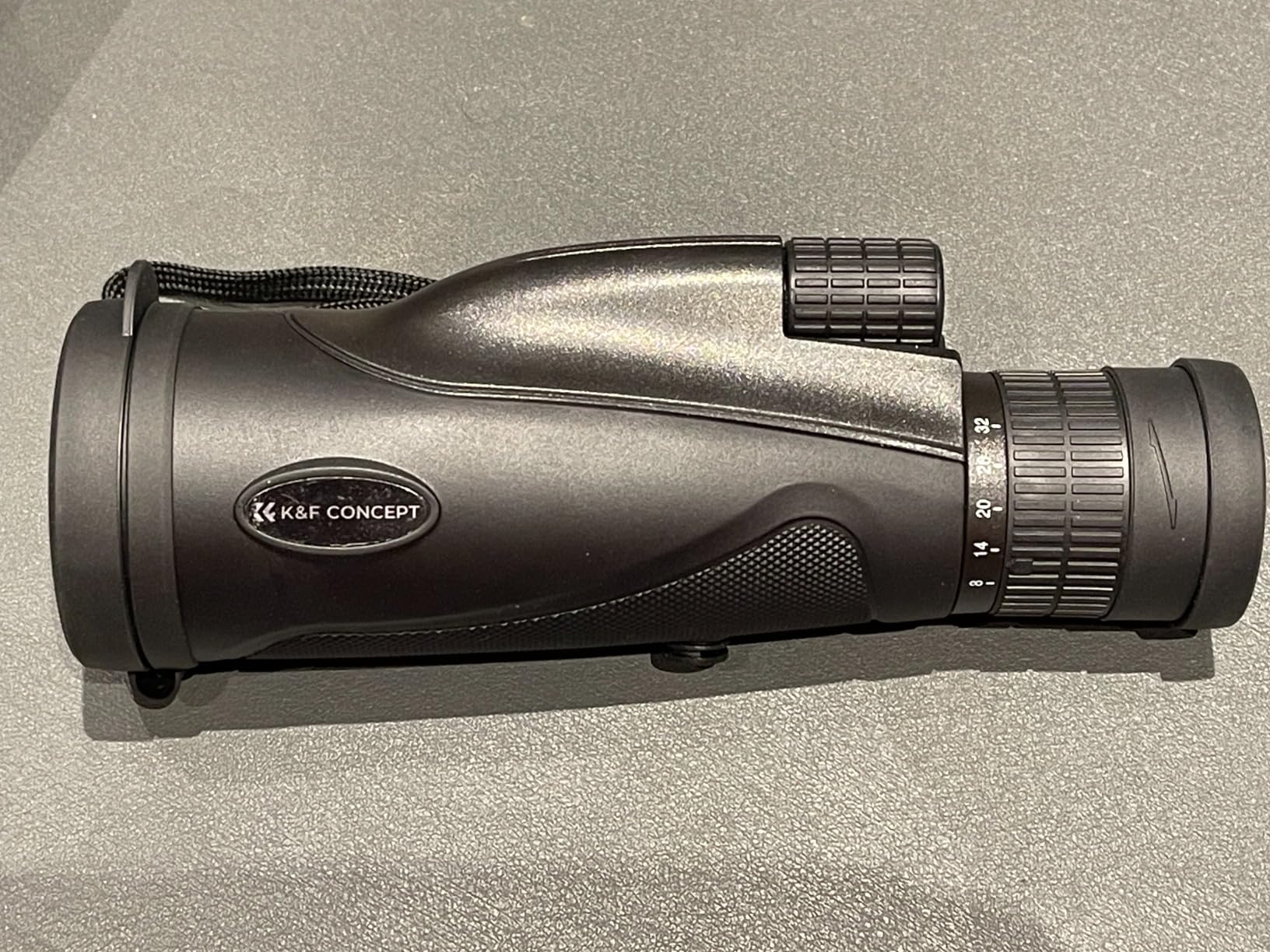
Where it disappoints is the top of the zoom range. Reviewers report serious chromatic aberration above low magnification, meaning visible colour fringing on high-contrast stage edges, and say the 32x setting produces a darker, less powerful image than the label implies. This is the same marketing-inflation problem that shows up across this whole category.
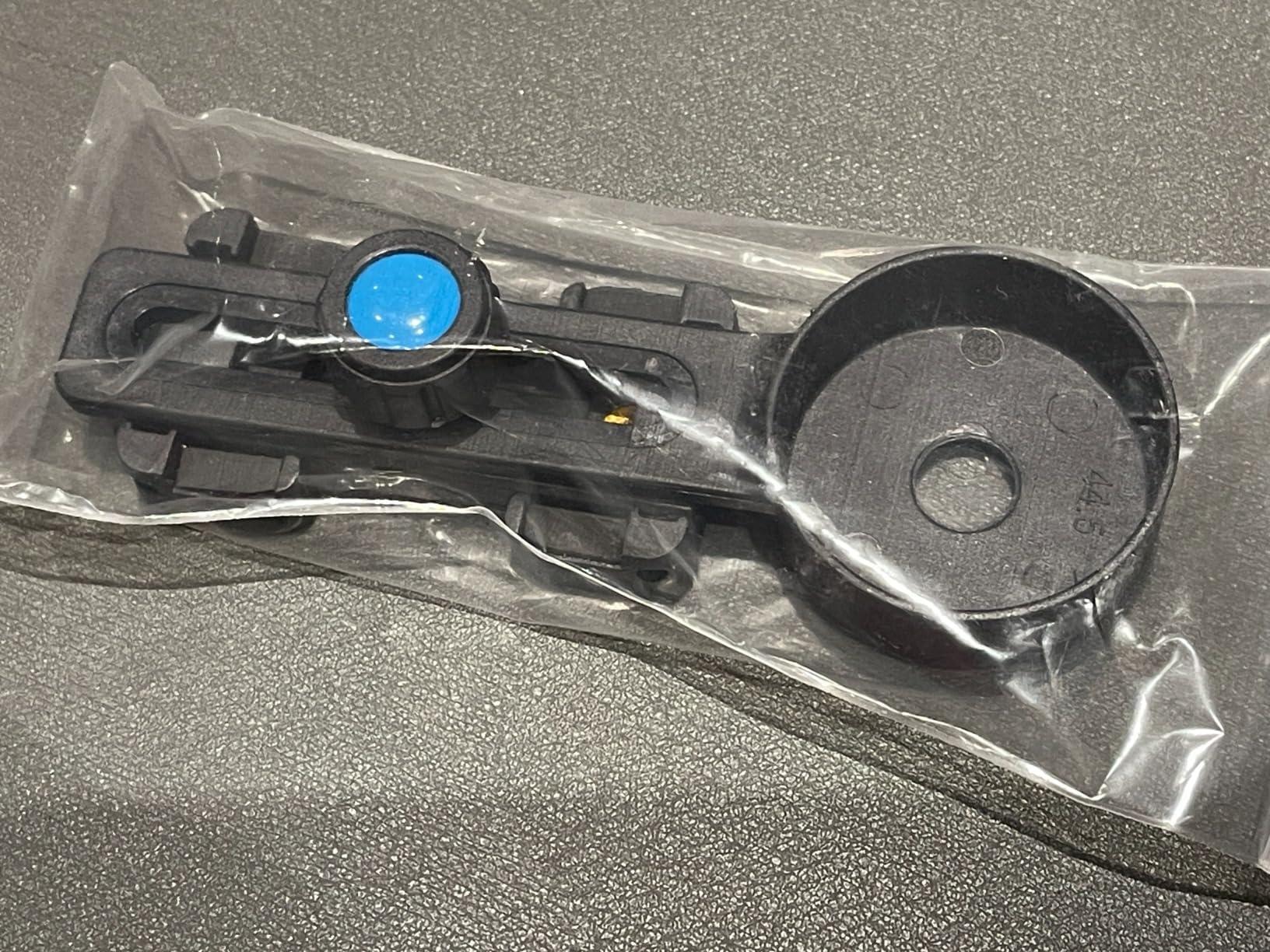
There is also shake at high zoom, a narrow 3.57-degree field of view that limits scene capture even at low power, and a body nearly 7 inches long that will never be a pocket item. The included phone adapter is also reported as fiddly to install correctly, which is the single most common complaint among first-time phone shooters.
What a zoom range really costs you at a concert
Every zoom monocular trades optical quality for flexibility, and this one pays for its 8x to 32x range with a fully coated rather than fully multi-coated element stack. That shows up as colour fringing and a narrower view than a fixed-power optic of the same size, which is why the 3.57-degree field of view feels tight even at 8x.
The practical lesson is to live in the lower half of the range. Most owners report the best results at 8x to 12x with the 50mm objective, and treat anything above that as a novelty you will use once in a blue moon. If you want that flexibility without the optical compromise, the OXK 12×56 with its included tripod is the smarter buy.
Who should buy the K&F Concept zoom
Buy it if you want a phone adapter in the box, if you want to try high power occasionally, and if you like owning a solid-feeling metal instrument. The 2-year warranty is a better term than most competitors in this roundup offer.
Pass if image quality matters more than range, if you shoot video through a phone and cannot tolerate alignment frustration, or if you want something pocketable. The 4.1 average is the lowest here, and the complaints are optical rather than incidental.
10. Celestron UpClose G2 10×25 – Best Low-Cost Name-Brand Monocular
Celestron UpClose G2 10×25 Monocular for Hiking, Travel & Birding
10x with 25mm objective
Multi-coated roof prism
Water resistant
113 g
Cleaning cloth and case
Pros
- Low cost for a name-brand monocular with a large review base
- Light at 113 g and small enough for a pocket
- Rubber-covered aluminum body feels more robust than the tier suggests
- Thumb indents and finger ridges give a secure grip
- Manufacturer explicitly lists concerts and sporting events
Cons
- Small aperture gives a narrow straw-like viewing window
- Marked flare and veiling glare toward a bright sky
- Reports of internal fogging needing a slight upward tilt
- Soft case is poorly sized and its closure does not hold
The UpClose G2 is the cheapest name on this list with a large review base behind it, and the manufacturer’s own use list includes concerts and sporting events, which tells you what class of optic it is. At 113 g it fits a hip-belt pocket or a glove box, and the rubber-covered aluminum body feels more substantial than the tier usually suggests.
Optically it is a multi-coated roof prism, and the roof prism layout is what keeps the barrel short enough to be genuinely compact. The thumb indents and finger ridges give a secure non-slip grip, which matters more than it sounds when you are holding it at chest height in a standing crowd. A larger eyepiece lens also avoids the black-circle effect some budget monoculars suffer from.
Where it loses is light. A 2.5mm exit pupil plus a small aperture gives a narrow, straw-like viewing window, and this is the model in the roundup with the lowest five-star share at 52 percent. Reviewers report marked flare and veiling glare when pointed toward a bright sky, and some report internal fogging that needs a slight upward tilt to clear.
The included soft carrying case is poorly sized and its velcro-style closure does not hold, and there are no lens caps in the box. We would put this in a top pocket with a small microfibre cloth and skip the case entirely. If you are buying a first monocular purely for daylight outdoor shows, it does the job for the least money here, and the reviews confirm that.
What roof prism construction buys you
A roof prism folds the optical path back on itself through two angled surfaces, which shortens the barrel dramatically compared with a porro design. That is the whole reason a monocular fits in a pocket at all, and it is why this model and the Tasco both achieve compact dimensions without a complex folding hinge.
The trade is a slightly shorter, sometimes less forgiving focus adjustment than a porro body. What you get in return is a rigid, pocketable instrument with no moving external parts to break, which is exactly what a festival queue requires.
Who should buy the Celestron UpClose G2
Buy it if your concerts are daylight outdoor events, if you want a known brand with a large installed base of reviews, and if you want to spend as little as possible while still buying something with a name on it. It is a fine bag filler and a poor indoor-arena optic.
Pass if you attend dark indoor shows, because the narrow aperture and the reported fogging are exactly the failure modes that show up in a dim venue. The Celestron Nature sits one step up and fixes most of them.
11. Carson BlackWave 10×25 – Best for Long Festival Days
Carson BlackWave 10x25mm Waterproof Monocular, Black (WM-025)
10x with 25mm objective
4.4 oz and 4.5 inch tube
Nitrogen filled and waterproof
4 ft close focus
12mm eye relief
Pros
- Exceptionally light at 4.4 oz with a pocket-friendly 4.5 inch tube
- Close focus to 4 ft is tighter than most 10x25 monoculars
- Nitrogen filled waterproof build for outdoor use
- 12mm eye relief and 273ft field of view give a forgiving view
- Backed by a No Fault No Hassle warranty
Cons
- BK-7 prism and simple coating give duller images than BAK-4 optics
- 273ft field of view is narrow for tracking moving subjects
- 10x handheld shake persists despite the small size
The BlackWave is bought for size and weight, and at 4.4 oz it is one of the few units here that genuinely disappears into a pocket. For a three-day festival where you are carrying water, a rain jacket and a phone, the difference between 4.4 oz and 14 oz is the difference between an optic you bring and an optic you leave at the tent.
It also focuses closer than most of its class at 4 feet, and the 12mm eye relief with a 273ft field of view gives a forgiving, easy-to-hold view. The nitrogen-filled waterproof build and the No Fault No Hassle warranty round out a package that is clearly designed to be carried rather than admired.
Image quality is the compromise, and it is optical rather than incidental. The BK-7 prism with basic blackening coating produces duller images than the BAK-4 multi-coated units here, with less contrast and less colour pop under stage lights. Buyers describe it as adequate rather than impressive, and that is the honest summary.
The 273ft field of view is the narrowest of any monocular in this roundup, which makes it harder to follow a moving performer on a wide stage, and 10x handheld shake is still present despite the small body. A pouch, strap and lens cloth are included, which is more than some competitors at this size manage.
When a narrow field of view is actually fine
A 273ft field of view at 1000 yards is a small circle, and on a big stage that means the performer can walk out of it. But if your venue puts performers in a defined area, a seated theatre, a jazz club, a small amphitheater stage, a tight view is not a weakness. It is more like a frame, and it keeps the image larger and easier to read.
The trade is always the same: small, cheap, pocketable and adequate, versus larger, brighter, sharper and a bit more demanding to carry. For a festival you walk through all day, that trade is usually worth making.
Who should buy the Carson BlackWave
Buy it if you attend long outdoor weekends, if you want something that costs almost nothing in terms of attention, and if you mostly want to check out the stage, the crowd or a distant friend rather than resolve a performer’s expression.
Pass if you care about contrast, colour and edge sharpness, because the BK-7 prism will remind you of the difference on the first dark show. The Jizmo 8×25 is the better-looking image in a similarly small body.
12. Tasco Essentials 10×25 – The Simplest First Monocular
Tasco Essentials 10×25 Compact Roof Prism Monocular (Black)
10x with 26mm objective
Roof prism
Fully coated lens
70 g
Rubber armor
Hand strap and pouch
Pros
- Entry-level optic from a long-established optics brand
- Roof prism with fully coated lens gives solid basic clarity
- Ultra-compact and lightweight at 70 g
- Black rubber armor plus hand strap and carrying pouch
- Large eyepiece keeps the view usable
Cons
- Fully coated gathers less light than multi-coated glass
- 1-year warranty is the shortest in this roundup
- 10x handheld shake limits how much detail you can resolve
The Tasco Essentials is the budget floor of this roundup and the simplest object in it. It is a 10×25 roof-prism monocular with a fully coated lens, black rubber armor, 70 g of weight and a hand strap and pouch in the box. Reviewers want a durable, no-frills monocular from a known brand, and that is exactly what this is.
The roof prism configuration is worth noting for a simple reason: it keeps the optical path straight, which is how a monocular stays short enough to be compact in the first place. At 288ft of field of view the view is usable, and the 26mm objective is a touch larger than the 25mm units it competes with.
It is also fully coated rather than fully multi-coated, which means it gathers less light than the premium glass in the higher-priced models. In a dim venue that is the limiting factor, and it is the reason this is a daylight-and-twilight optic rather than an indoor-arena one.
A few reviewers also note that the listed dimensions do not match the compact positioning, so check the physical size against your bag before you commit.
Our take is that this is a genuinely fine first monocular, and a poor lifetime one. If you buy one concert with it, you will learn whether optical hobbies interest you. If you catch that bug, you will replace it within two seasons, and you will know at that point that you want more light than a coated lens can give you.
Coated versus fully multi-coated, in plain terms
Coating is how manufacturers reduce light loss at each air-glass surface. A single coating does it on one surface. Fully multi-coated puts a coating on every surface where light enters and exits the optical path, and each additional surface you protect is light you keep. That is why the Tasco sits at the dim end of this list.
For a bright outdoor festival set, that difference is minor. For a dark arena, it is the difference between seeing a performer’s face and seeing a bright shirt against a black stage.
Who should buy the Tasco Essentials
Buy it if you are buying your first monocular, if your budget is genuinely tight, and if your concerts are mostly daytime outdoor events. It is light, simple and it will not break, which is a fair trade at this level.
Pass if you plan to use this beyond a season. The 1-year warranty and the coated optics both point to a short relationship, and for a small upgrade in brightness and reliability the Celestron Nature or the Jizmo is a better place to start.
How to Choose a Concert Monocular: Magnification by Venue Type
The most common mistake in this category is buying magnification instead of brightness. A high-power monocular looks impressive on a listing and shows you a blurry, shaky, dim image of a stage, which is the same as showing you nothing. Venue type decides the right power far more than your eyesight does.
The short answer: stay in the 8x to 10x range for almost every concert, and step up to 12x only when your seats are genuinely bad and you have somewhere to mount the optic. The forum consensus we found across optics communities is a 6x to 8x sweet spot for most venues, and 8x is the number we would put at the centre of the range.
Here is the breakdown we use:
Indoor theatre and opera house. 6x to 8x, ideally with a moderate objective. Seats are close, the lighting is designed, and a low power keeps the whole stage framed. This is the one venue type where opera glasses at 3x are genuinely sufficient, though they are still not enough to resolve a singer in a large house.
Jazz club and small music venue. 6x to 8x with a wide field of view. There is very little light and a very small stage, so brightness and a wide view beat power. The Olimt 8×32 and the Jizmo 8×25 both work well here.
Indoor arena, lower and upper bowl. 8x to 10x with a 25mm to 32mm objective. This is the range the Vortex Solo and the Nocs Zoom Tube were built for. If you are in the upper bowl of a dark arena, move up to a 42mm objective instead, which is the Bushnell’s entire reason to exist.
Outdoor amphitheater. 10x with 32mm to 42mm. Dusk sets lose ambient light fast, and the exit pupil number decides whether you can still see faces when the sun goes down.
Stadium show, upper tier. 12x on a tripod, no exceptions. The OXK 12×56 and the Pankoo 12×60 are the two tools for this, and both should be mounted. Handheld 12x in a stadium is a wasted purchase.
Festival field. 8x to 10x, pocketable, and weather sealed if you can manage it. You will be walking, standing in the sun and hoping for rain, and the Nocs Zoom Tube’s IPX4 rating plus tripod thread is built for exactly that.
One warning that applies to all of it: marketing magnification claims in this category are frequently inflated. A 25x label on a 10x body is a common trick, and so is a 32x setting that delivers noticeably less. Read the magnification and the objective diameter off the specification list, not off the product photo.
Exit Pupil, Low Light Performance and Eye Relief for Glasses Wearers
Exit pupil is the number that explains why an expensive monocular shows you a dim stage and a cheap one shows you a bright one. The calculation is simple: divide the objective diameter by the magnification. A 25mm objective at 10x gives a 2.5mm exit pupil; a 42mm objective at 10x gives 4.2mm.
Here is where each of our twelve lands, and it is worth memorising the shape of the list rather than the individual numbers. Every 25mm unit in this roundup produces a 2.5mm exit pupil. Every 32mm unit produces 4mm. The 42mm and 56mm and 60mm bodies produce 4.2mm, 4.67mm and 5mm respectively, and the 50mm zoom at its top magnification setting collapses to 1.56mm, which is why reviewers warn against using it there.
For concert use, we would set a floor of 3mm exit pupil for an indoor arena and 4mm if you regularly attend unseeded shows. That rules the 25mm pocket units out of dark indoor duty and pushes you toward the 32mm, 42mm and 56mm bodies.
Eye relief is the other glasses-specific number, and it is the one that decides whether you can use a monocular at all. Eye relief is the distance between the eyepiece lens and your eye, and you need enough of it to fit a frame between the two. The Jizmo has 16mm, the Carson has 12mm and the Celestron UpClose has 11mm. Anything at or above 14mm is comfortable for most frames.
Where eye relief is not published, the type of eyecup is the best proxy. Twist-up eyecups, like the ones on the Celestron Nature, the Bushnell Legend and the Nocs Zoom Tube, let you dial the eye position in and out, which is the practical feature glasses wearers care about. A fixed or retractable cup, like the Jizmo’s, is simpler and usually fine but gives you no adjustment range.
If you wear strong prescription glasses, test before you commit. Bring the frames you would actually wear, check that you can see the full field of view rather than a black circle, and if the frame is thick at the temple, favour a deep twist-up eyecup. A monocular you cannot see through comfortably will end up in a drawer by the second show.
Venue Security, Portability and Monocular vs Binocular
Monoculars and binoculars are not equally welcome at concerts, and the difference comes down to how they look to a security officer. A monocular reads as a small handheld optical device, similar to a compact camera. Binoculars, particularly large ones, frequently draw a question, and at some venues they are refused outright as potential disruption equipment.
Forum users report the same pattern repeatedly: being stopped at the checkpoint, explaining what the device is, and being allowed through. The explanation that works is short and factual. Say it is a personal monocular for viewing the stage, and hand it over for inspection without argument. Problems start when people get defensive or when the optic is cased in something that looks like a weapon.
Policies vary by venue and by event, and no article can tell you the rule at your local arena on the night. Check the venue’s website before you go, keep the monocular in an open pocket or a visible pouch rather than a clipped belt, and expect to take it out at the gate.
On the monocular versus binocular question specifically: binoculars win on comfort for long sessions, because two eyes halve the effective strain and give you depth perception. Monoculars win on everything else at a concert. They are lighter, they take up a fraction of the space, you can raise one to your eye without a second object to manage in a crowd, and they are far less likely to be challenged at security. If you have never used a monocular, the first show will feel slightly odd, and it stops feeling odd by the second.
For people who want to be sure they are making the right call, our binoculars roundup covers the two-eye case in full, and the thermal monocular guide covers night and low-light wildlife viewing if that is a use case you also care about. For pure day hiking use, the hiking monocular roundup is the right reference.
Portability has a simple rule that most people break: the best concert monocular is the one you will actually bring. A 2 lb optic that stays in the car because carrying it is tiring loses to a 4.4 oz optic that comes with you every time. We weighted weight heavily in this ranking for that reason.
Shooting Concert Photos and Video Through a Monocular
Shooting through a monocular, usually called digiscoping, is how you get past the phone’s digital zoom and get a usable image of a performer from the cheap seats. The optics that ship with a phone holder and a tripod are the ones built for it, which in this roundup means the OXK 12×56, the Pankoo 12×60 and the K&F Concept zoom.
The process itself is simple. Set the tripod first, roughly level and stable, because at 8x or above any hand contact ruins the frame. Then attach the phone to the holder with its rear camera over the eyepiece, and adjust until the stage is centred in the phone’s viewfinder.
Alignment is where most people give up. The stage should sit in the middle of the phone frame with dark edges around it, and it will take several small nudges. Use the widest field of view your optic offers, because a wide cone gives you margin to adjust; the 6.5-degree views on the OXK and Pankoo are far more forgiving than a narrow one.
For settings, the lighting at a concert changes by orders of magnitude across a song. Start in night mode and let the phone pick exposure, and if you want manual control, raise the ISO rather than slowing the shutter, because a slow shutter on a handheld monocular produces blur rather than atmosphere. Stabilisation helps most on video at high magnification, which is another reason to mount the optic rather than hold it.
Two etiquette rules save you problems. Recording video of other people in the crowd is restricted or banned at many venues, and the stage is frequently not yours to film at all. Check the policy before you set up, and keep the rig small and quiet. A phone and a mini tripod on a seat back draws far less attention than a phone on a monopod.
Realistically, expect distant and soft. Digiscoped concert shots look like very long lens shots, which means small, grainy and often over-sharpened. The value is that you have a record of a face you could not otherwise see, not a publishable concert photo. If your priority is photographs, compare our best cameras for concerts guide instead, and keep the monocular for watching.
Frequently Asked Questions
What is the best magnification for a concert monocular?
Stay between 8x and 10x for most venues, because higher magnification adds shake and darker images without adding much usable detail. Step up to 12x only when your seats are genuinely distant and you can mount the optic on a tripod. For a dark indoor arena, prioritise a larger objective lens over magnification, because a 42mm objective at 10x gathers far more light than a 25mm objective at 10x.
Are monoculars allowed at concert venues?
Most venues allow monoculars, and forum users report being stopped at security and then allowed through after a short explanation. Policies vary by venue and event, and large binoculars are far more likely to be questioned. Check the venue website before you go, keep the monocular visible in a pocket or pouch, and be ready to hand it over for inspection.
Can I use a monocular with glasses?
Yes, provided the monocular has enough eye relief to fit a frame between the eyepiece and your eye. The Jizmo 8×25 has 16mm and the Carson BlackWave has 12mm, and models with twist-up eyecups, such as the Celestron Nature, Bushnell Legend and Nocs Zoom Tube, let you dial the eye position in and out. If the view is a black circle rather than a full image, you need more eye relief or a deeper eyecup.
Are monoculars or binoculars better for concerts?
Binoculars are more comfortable over long sessions because two eyes reduce strain and give depth perception. Monoculars are lighter, far more compact, easier to raise in a crowd and less likely to be challenged at security. For most concert-goers the monocular wins on practicality, especially if you only attend shows occasionally.
How do I attach my phone to a monocular for concert photos?
Set the tripod level and stable first, then fit the phone into the holder with the rear camera over the eyepiece. Adjust in small nudges until the stage is centred in the phone viewfinder with dark edges around it, and use the widest field of view your optic offers because it makes alignment far more forgiving. Raise ISO rather than slowing the shutter, and check the venue filming policy before you start.
How do I clean a monocular lens without scratching it?
Use a blower or a soft brush to remove dust before you touch the glass, then wipe with a microfibre cleaning cloth and a drop or two of lens fluid. Never use a shirt hem, a paper towel or alcohol, and never rub in a circle across a coated surface. A smear of fingerprints is easier to fix than a scratch in a multi-coated element.
Final Recommendations by Concert Goer Type
If you read nothing else, take the Vortex Solo 10×25. It is sealed, rubber-armored, backed by a lifetime warranty and proven across more than 2,000 ratings, which makes it the safest single recommendation in the best monoculars for concerts roundup. It is not the brightest optic here, and that is an acceptable trade for the reliability.
Buy the Bushnell Legend 10×42 if you sit high in a dark venue and brightness is your priority. Buy the Nocs Provisions Zoom Tube if you walk between festival stages in the rain. Buy the OXK 12×56 or the Pankoo 12×60 if your seats are poor and you will mount the optic on a tripod.
For the long festival days and the shirt pocket, take the Carson BlackWave or the Jizmo 8×25. For colour-accurate viewing under stage lights, the Olimt 8×32 is the one nobody else in this list matches. Check your venue’s policy before you pack, and give it a full show before you decide it was not for you.