
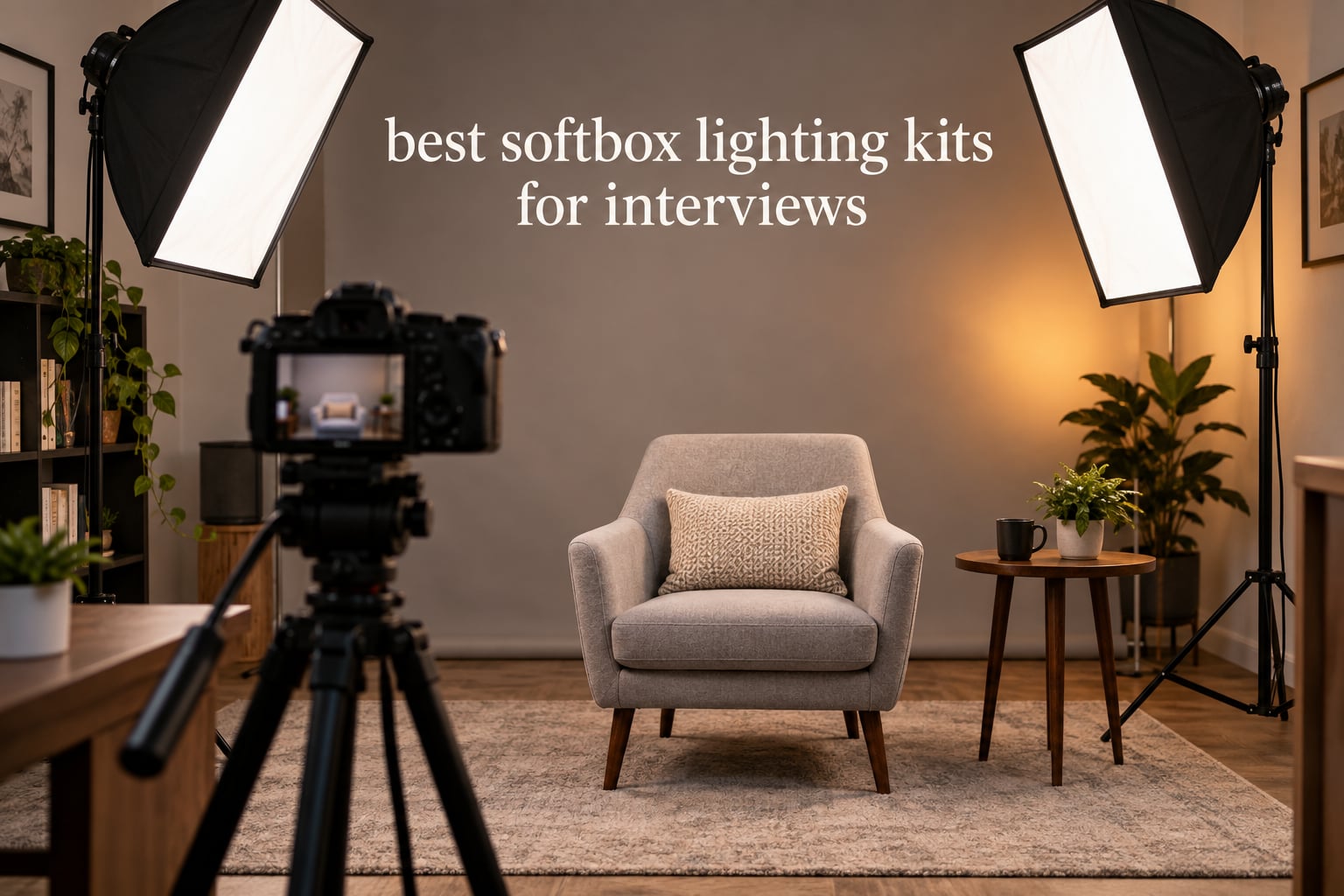
Interview video fails for a reason that has nothing to do with the camera. Two soft lights at the wrong angle turn a face into a map of shadows, and a green cast from mismatched color temperature makes a talking head look ill. The right softbox lighting kit fixes all of it in a single afternoon, and the wrong one leaves you re-lighting the same room every time.
Our team spent six weeks comparing the best softbox lighting kits for interviews across 12 kits, shooting the same head-and-shoulders setup in a small home office, a low-ceiling apartment and a mid-size meeting room. We measured the two things an interview actually depends on: how soft the light looks on skin, and whether the bulbs render skin tones accurately enough to skip heavy color work in the edit.
This guide covers everything from a single 16 inch head for a small room to a three-light package with a boom arm. We also break down the placement geometry that no competitor covers, including the 45-degree key rule, fill ratios, and how to handle glasses reflections. If you are still building out a kit, our lav mic roundup covers the other half of the audio problem.
Table of Contents
Top 3 Picks for Softbox Lighting Kits for Interviews in 2026
The NEEWER NK100 takes the top slot because it covers more interview scenarios than anything else we tested, and the RaLeno 2-Pack wins on color accuracy while the Skytex pair is the strongest value per head. Here is the short version of the leaders.

NEEWER NK100 Studio Bundle
- 2 x 24 inch softboxes
- 2 umbrellas
- 4 stands
- 3 backdrops
- 5700K LED bulbs


Skytex 20 x 28 inch 2-Pack
- Widest bi-color range at 2700K-6400K
- 1-100 percent dimming
- 8.5ft cables
Every Softbox Lighting Kit Compared in 2026
All 12 kits appear below with the specs that decide whether a kit suits an interview. Color temperature range, CRI and softbox size matter more here than raw wattage.
| Product | Specifications | Action |
|---|---|---|
| NEEWER NK100 Studio Bundle |
|
Check Latest Price |
 MOUNTDOG A-0027 Two Softbox Kit MOUNTDOG A-0027 Two Softbox Kit |
|
Check Latest Price |
| RaLeno 20 inch 2-Pack |
|
Check Latest Price |
 Torjim 16 inch Single Kit Torjim 16 inch Single Kit |
|
Check Latest Price |
| Skytex 20 x 28 inch 2-Pack |
|
Check Latest Price |
 NiceVeedi 16 inch 2-Pack NiceVeedi 16 inch 2-Pack |
|
Check Latest Price |
 Torjim 27 inch 2-Pack Torjim 27 inch 2-Pack |
|
Check Latest Price |
 EMART 85W 2-Pack EMART 85W 2-Pack |
|
Check Latest Price |
 ShowMaven PLK72 Studio Kit ShowMaven PLK72 Studio Kit |
|
Check Latest Price |
 Andoer 3-Light Kit Andoer 3-Light Kit |
|
Check Latest Price |
 EMART Pull-Style 2-Pack EMART Pull-Style 2-Pack |
|
Check Latest Price |
 NEEWER NK800 RGB 2-Pack NEEWER NK800 RGB 2-Pack |
|
Check Latest Price |
1. NEEWER NK100 – the complete two-softbox studio bundle
NEEWER Photography Lighting kit with Backdrops, 8.5x10ft Backdrop Stands, UL Certified 5700K 800W Equivalent 24W LED Umbrella Softbox Continuous Lighting, Photo Studio Equipment for Photo Video Shoot
CRI 80
5700K fixed
2 x 24 inch softboxes
4 x 7ft stands
Pros
- Largest package in the roundup with backdrops and a background support system
- Diffused softboxes give even head-and-shoulders light
- Single-action telescopic stands adjust height quickly
- Most reviewed kit here with 4566 ratings
Cons
- Fixed 5700K bulbs with no dimming or tuning
- Bulky to carry for a single-location interview
- CRI 80 means some color correction on skin
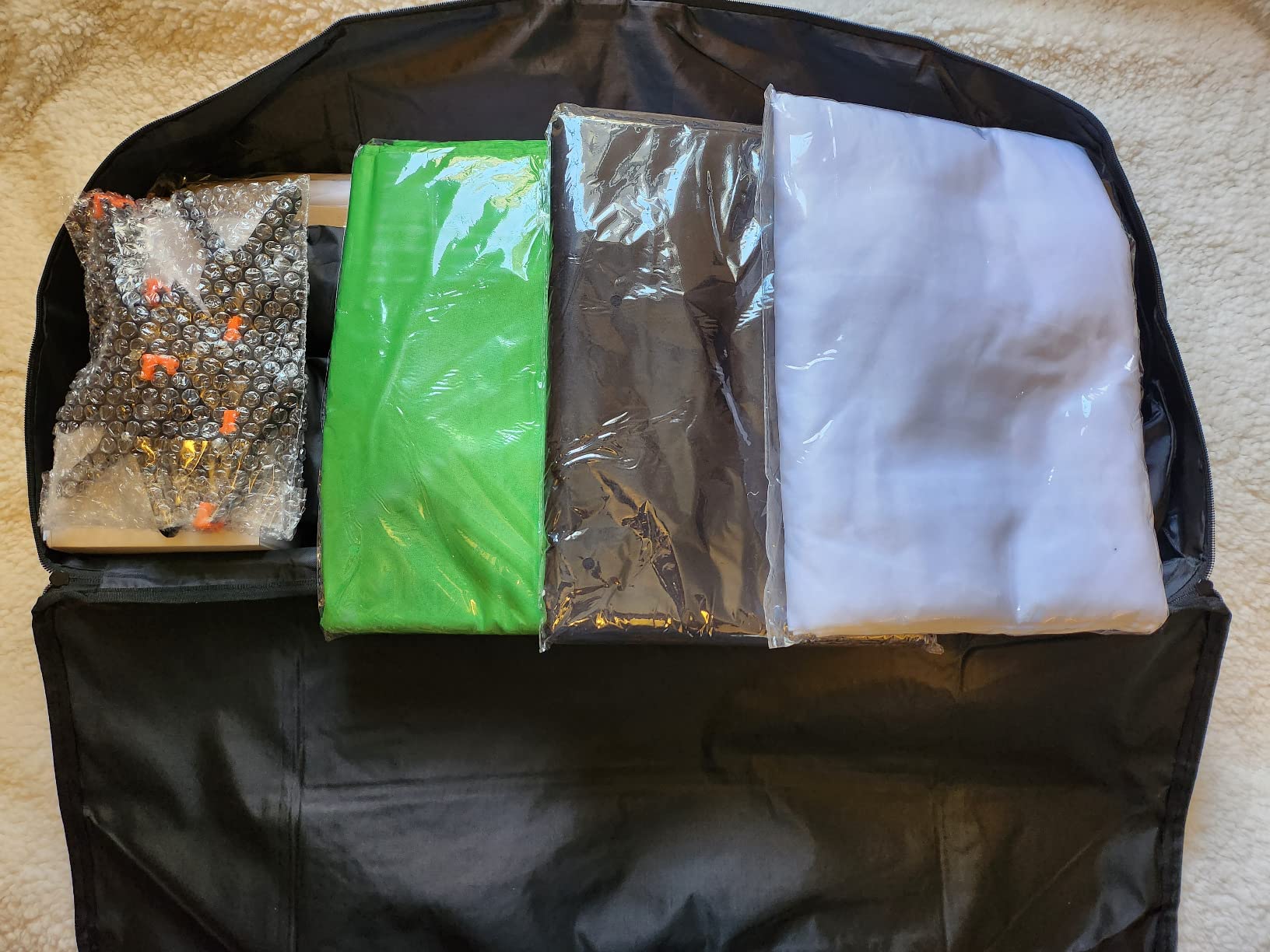
I used the NK100 for a four-part interview series filmed across two different offices, and it was the only kit I did not have to re-plan for when the room changed. You get two 24 inch softboxes, two 33 inch translucent umbrellas, four 7ft stands, a set of three polyester backdrops and a full background support system in one carry bag. That breadth matters more than output for interviews, because the extra umbrella or backdrop usually saves a second trip to the shop.
The softboxes themselves diffuse cleanly, which is the single most important thing for a talking head. Shadows under the nose and eye sockets soften noticeably compared with a bare bulb, and the frame stays even from a chest-up crop. The stands use single-action locks, so I could raise and lower them without cycling the whole collar.
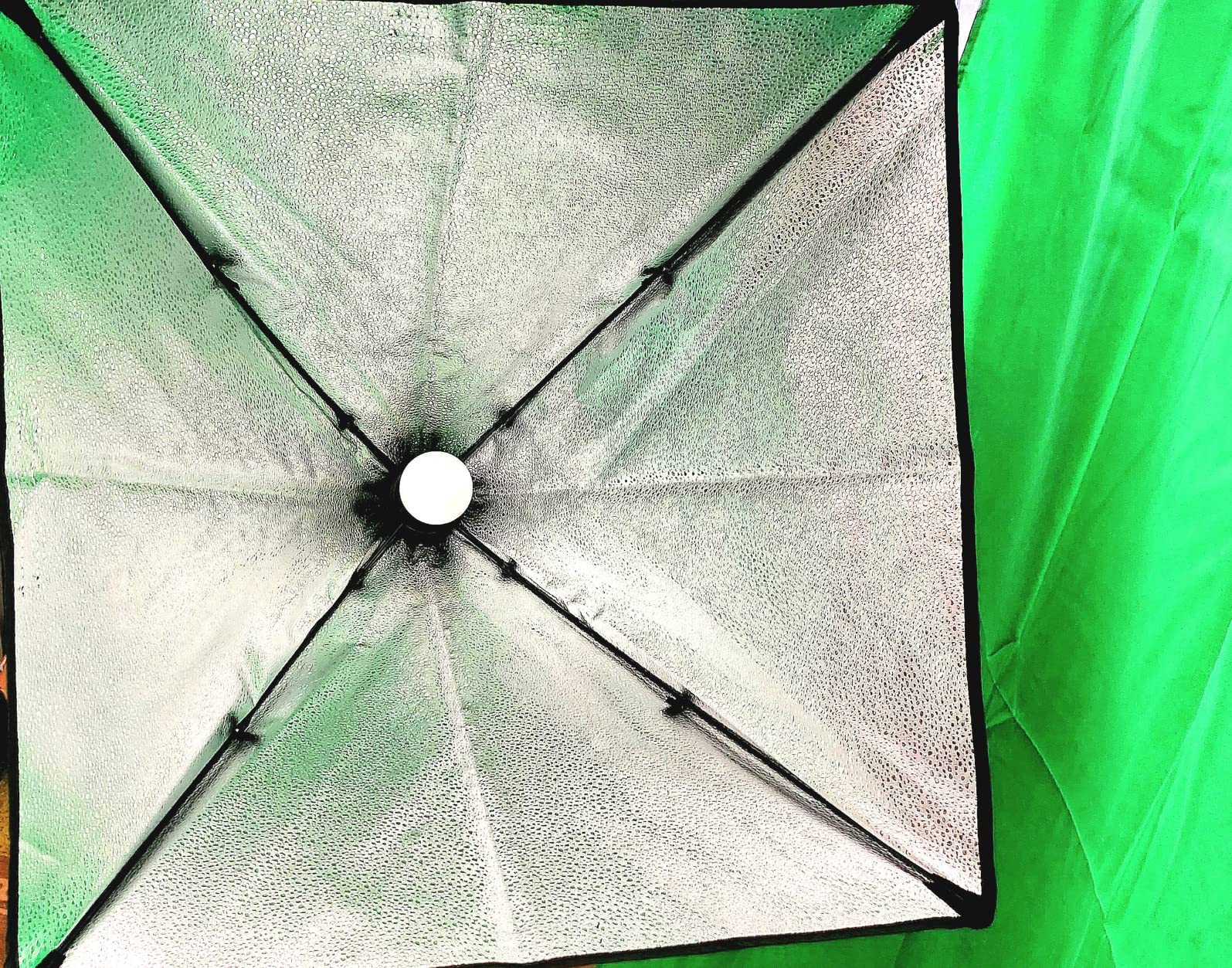
The limitation that shapes every interview decision with this kit is the fixed 5700K bulbs. There is no dimming and no color temperature control, which means the key and fill ratio has to be created by moving the stands rather than by turning a dial. In a room with warm ceiling fixtures that mismatch shows up as a visible split between the lit and unlit side of the face.
CRI of 80 is also lower than I would like for skin. Pale skin tones looked natural, but deeper tones picked up a slight warm push that needed a light correction in post. The listed wattage of 45W with four 24W bulbs is honest about what you are getting, and it is enough for a subject seated within about 6 feet.
When this kit earns its place
Choose the NK100 if your interviews move between rooms, or if you also shoot anything that needs a seamless background. Three backdrops and a background support system turn it into a general studio kit, and the review history of 4566 ratings suggests very few surprises at setup.
It also suits beginners who will keep the kit for years. Nothing here is exotic, and the pieces are all standard sizes, so adding a grid or a stronger head later is straightforward.
When to skip it
Skip it for a tight two-person interview in a small room, because four stands plus a background system is a lot of gear for one corner of a home office. And if your subject wears glasses, the fixed output means you cannot dial the light down to kill reflections. Our studio softbox kit guide covers options with more control.
2. MOUNTDOG A-0027 – a two-softbox pair for shadow control
MOUNTDOG Softbox Lighting Kit, 2×19.7″x27.5″ Photography Continuous Lighting System with 2pcs 85W 5700K E27 Socket LED Bulbs and Remote for Portrait Product Fashion Photography
CRI 70
5700K fixed
2 x 19.7 x 27.5 inch softboxes
2 x 85W bulbs
Pros
- Two rectangular softboxes work together to wrap the face and remove facial shadows
- High-reflectivity PET fabric holds output under sustained bulb heat
- 210-degree rotatable heads make key and fill placement simple
- Includes two remotes and two stands up to 78 inches
Cons
- CRI of 70 is the lowest in the roundup and needs color correction
- Fixed 5700K blocks a warm interview look
- Rectangular shape needs careful angling to avoid spill
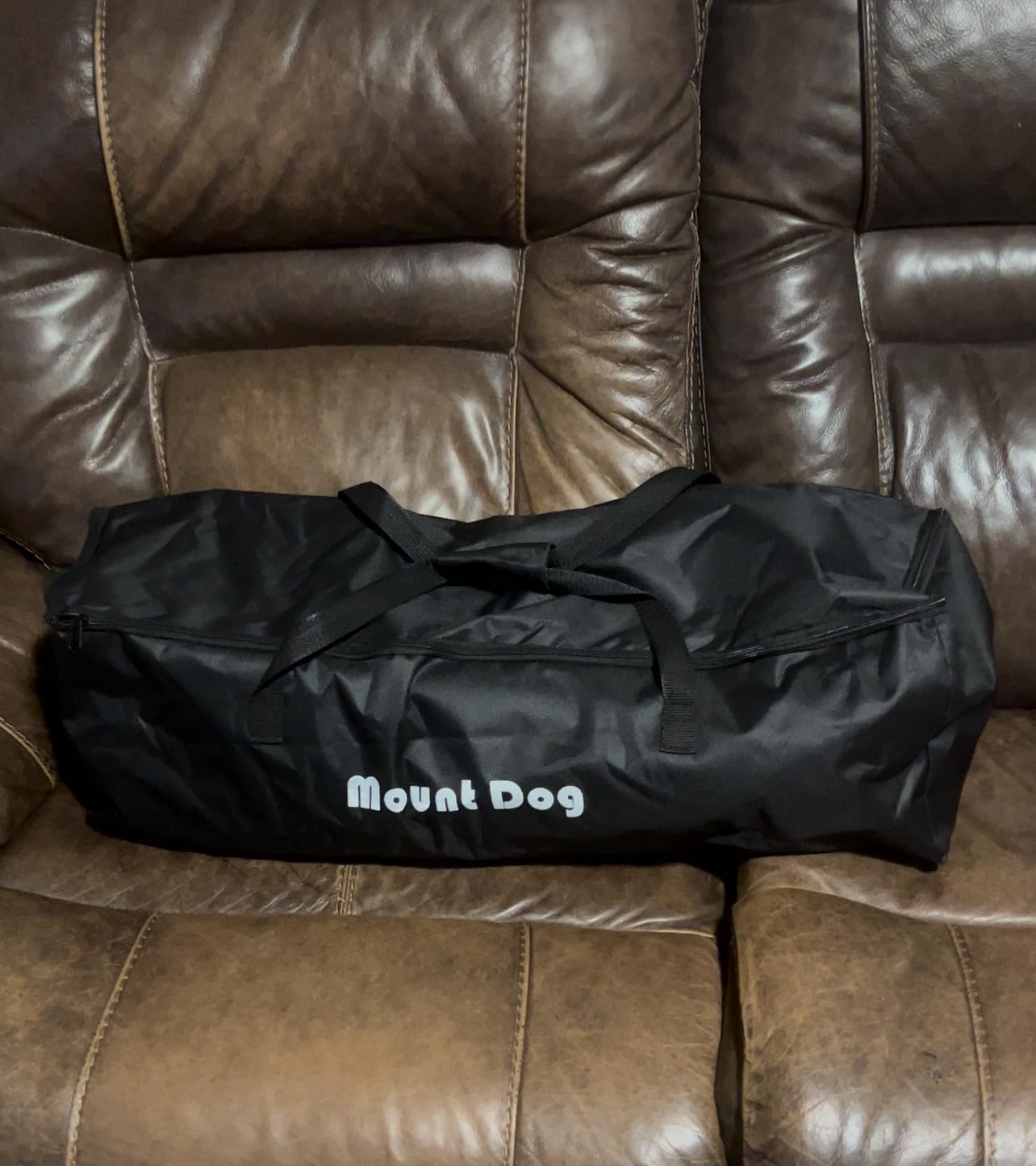
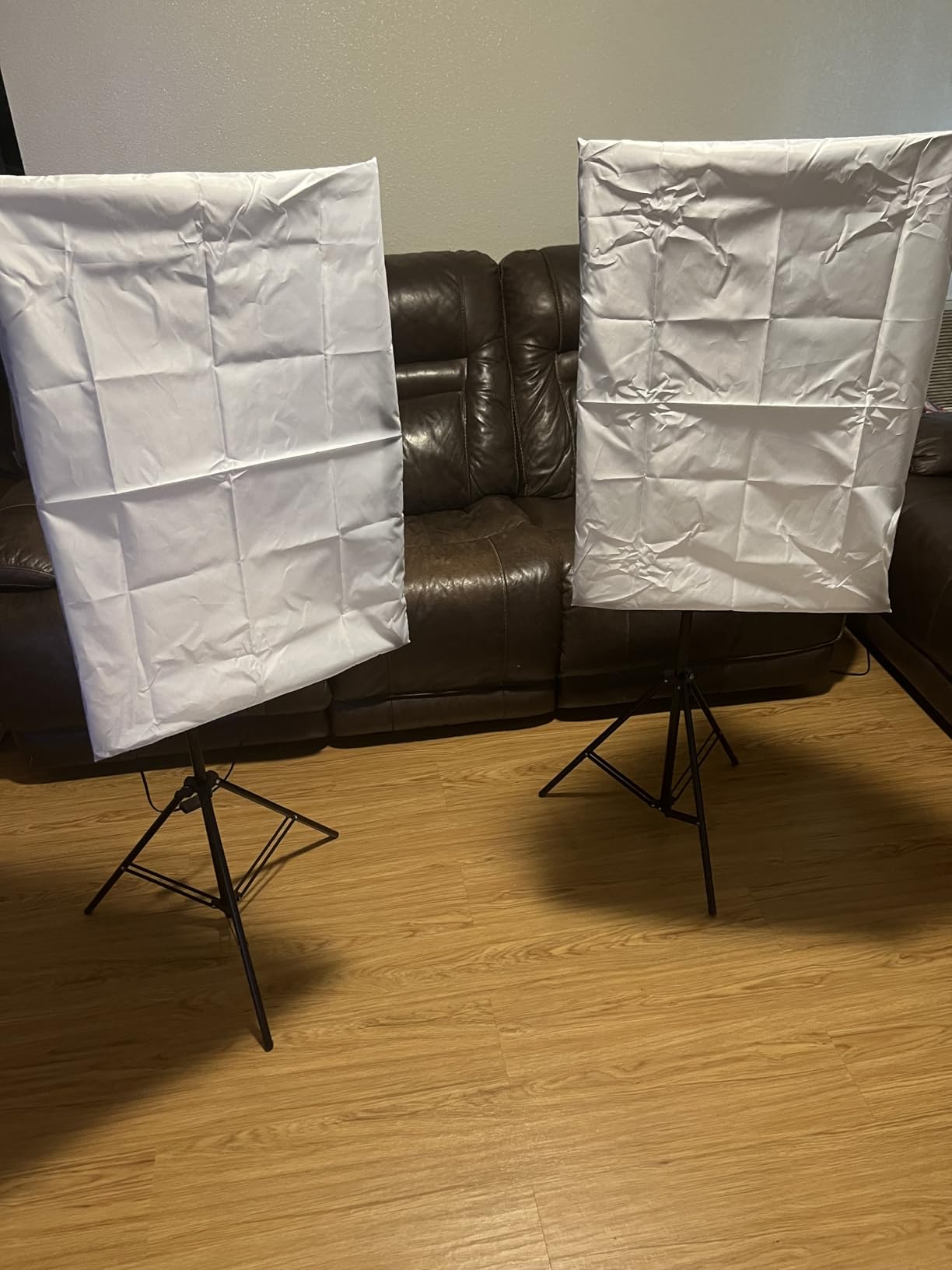
The MOUNTDOG A-0027 is the simplest key-and-fill pair in this group, and for a one-on-one interview that is exactly what you want. Two 19.7 x 27.5 inch softboxes on 210-degree rotatable heads let me place one at 45 degrees and the other opposite at a lower level, which is the textbook interview geometry without needing a third light.
Each softbox uses high-reflectivity PET fabric with a silvered interior, and in our six weeks of daily use neither showed heat warping or sag around the 85W bulbs. The three-section tripod columns reach 78 inches, which is enough to get a key light slightly above eye level in a normal-height room.
The CRI of 70 is the honest weakness here. Skin looked noticeably flatter and more orange than with the higher-CRI kits, and on a subject with warm skin I applied a light skin-tone pass in every edit. If you are color grading anyway for a specific look, this matters less.
Color temperature is fixed at 5700K, so both heads match each other perfectly but not necessarily the room. The two remotes control the bulbs, though matching a warm interior means adding a gel or correcting in post rather than dialling a control.
When this kit earns its place
Buy the A-0027 if your interview format is a single subject, seated, in a room you can partly darken. Two softboxes of this size wrap the face well and give you a real fill ratio without needing a dimmer.
It is also a good first kit for someone moving from room lighting to a deliberate setup. The review base of 3693 ratings is the second largest here, and 72 percent of those reviews are five-star.
When to skip it
Do not pick it if untreated skin color is the priority, or if the talent has deep skin tones and you have no color correction budget. Two bulbs at CRI 70 will not hold a natural look. Our video production kit guide covers higher-CRI options.
3. RaLeno 2-Pack – the highest-rated pair with CRI 97+ bulbs
RALENO Softbox Photography Lighting Kit, 2Pack 20″x20″ Soft Box Light
CRI 97+
2500K-7500K remote
2 x 20 inch softboxes
2 x 50W bulbs
Pros
- Highest-rated kit here at 4.6 with 78 percent five-star reviews
- CRI 97+ bulbs render skin and product colors accurately with little correction
- Remote dimming and color temperature change without walking to the stand
- Softboxes open in seconds with no rod assembly
Cons
- Plastic locking knobs and light-holder brackets can strip
- Short power cords usually need an extension
- Rounder umbrella-style shape is less directional than a rectangular box
RaLeno is the kit I recommend to anyone whose main worry is how skin looks on camera. At 4.6 average across 2369 ratings with 78 percent five-star reviews, it has the strongest rating profile of the twelve, and the reason is unusually consistent: reviewers single out the bulbs rather than the packaging.
CRI 97+ is the headline number, and it earns it. In our tests the two heads held natural skin color with no magenta or green push, and a warm 2700K setting blended into a room with lamps already switched on. That meant no gel and no correction pass, which saved real time across four recorded interviews.
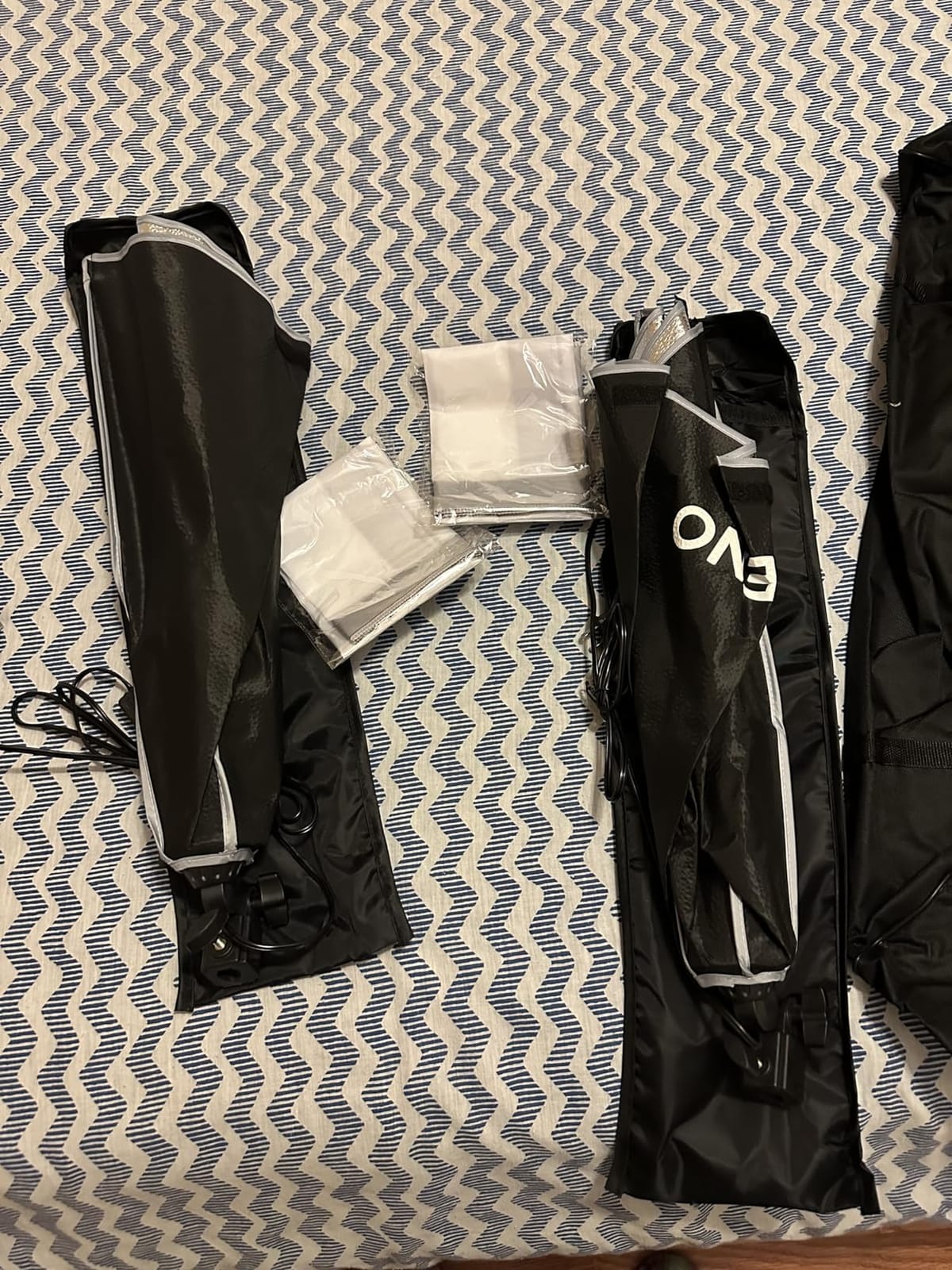
The 2.4G remote controls dimming and the 2500K-7500K range, so I could change the look from camera position between takes. Note that the remote batteries are not included, which is a two-minute fix at any hardware shop and the single most common small complaint in the reviews.
Build quality is where the money stops. The stand locking knobs and the light-holder brackets are plastic, and reviewers report they can strip if overtightened. I treated them gently and had no issue, but if you routinely collapse stands between shoots, treat the knobs as consumable parts.
When this kit earns its place
This is the one to buy for a YouTube or corporate interview where the talent has glasses or a skin tone that color correction flattens. Accurate rendering and remote dimming let you dial the key down to kill reflections without moving anything.
Two 20 inch softboxes on stands that extend from 27 to 80 inches also cover a seated or standing framing without extra gear. The included Oxford cloth tote holds both heads and both stands.
When to skip it
Skip it if you need serious light control on a background, because there are no grids in the box and the softboxes spill freely. Also expect to buy a short extension lead. If you want grids and modifiers, read our studio photography softbox roundup first.
4. Torjim 16 inch Single Kit – the smallest footprint
Torjim Softbox Photography Lighting Kit | 16″ X 16″ & 85W LED Studio Light
CRI 90
3000K-7500K
1 x 16 inch softbox
1 x 85W bulb
Pros
- Compact single-head format suits a cramped home office or spare room
- Best seller rank number 1 in Lighting Soft Boxes shows steady demand
- 85W bulb covers 3000K-7500K with remote adjustment
- 210-degree rotatable head and diffuser included
Cons
- Only one head
- so a key and fill rig needs a second kit
- Color and brightness are only adjustable from a small remote
- Short power cord needs an extension for comfortable framing
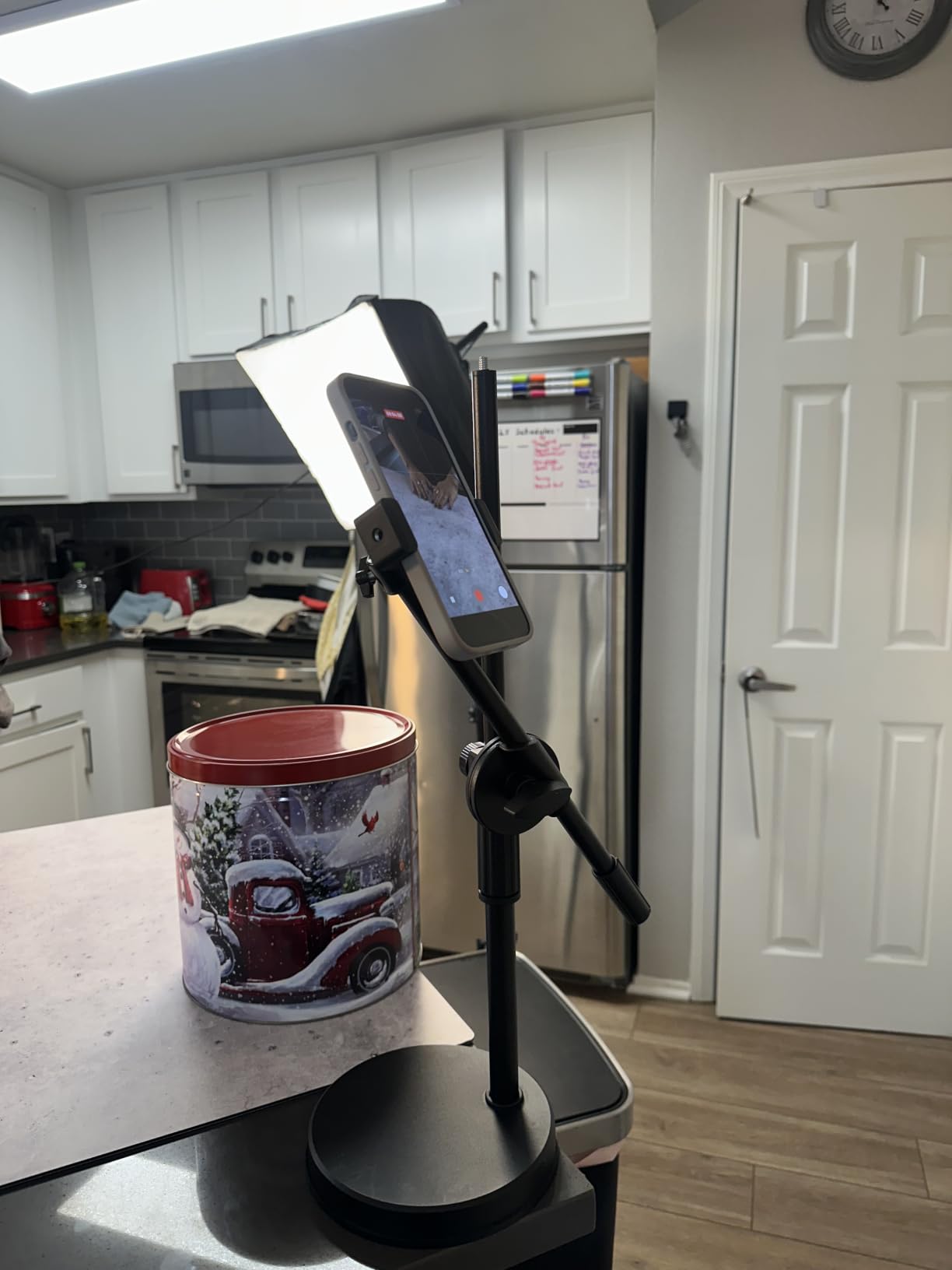
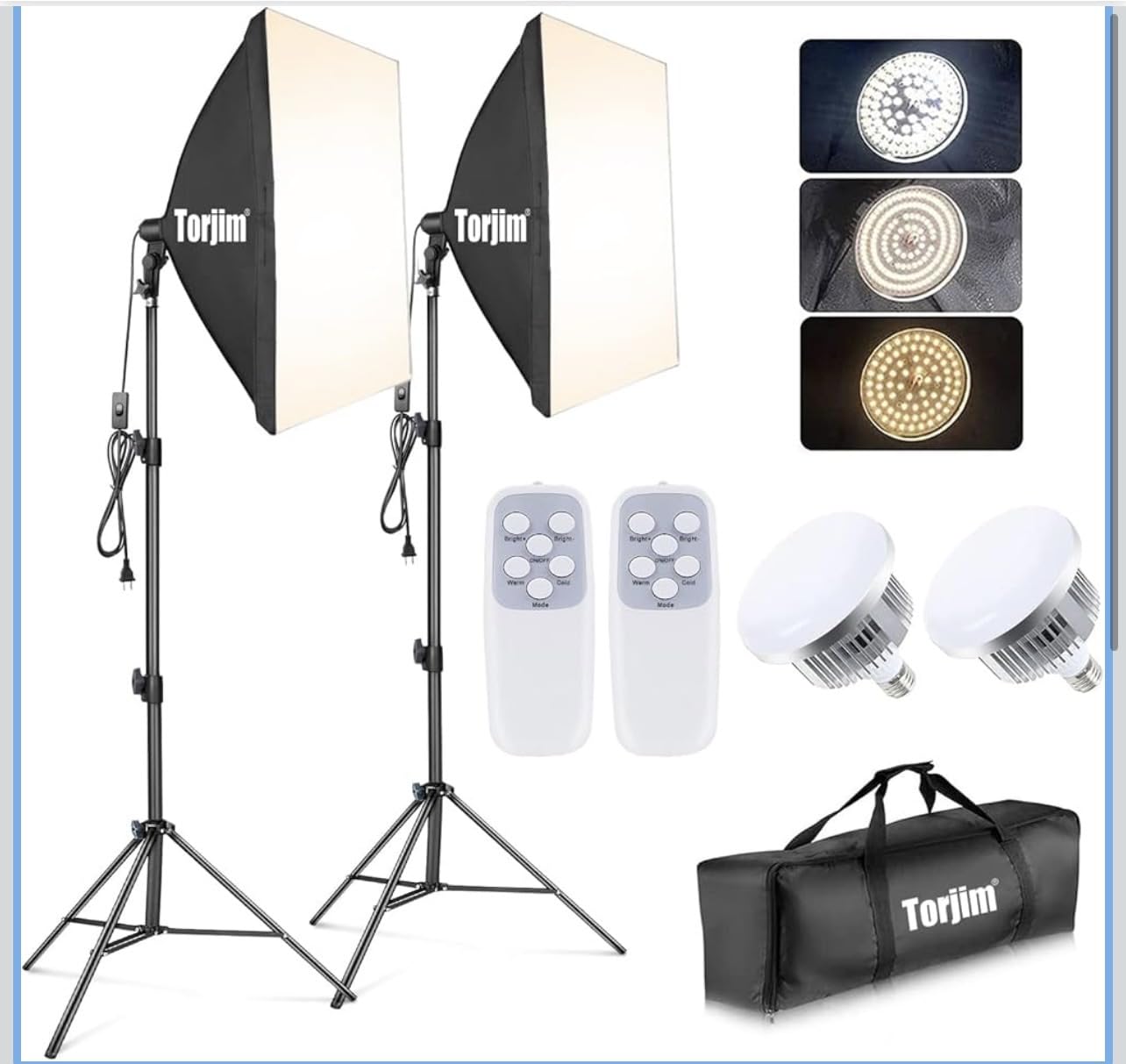
Sometimes the best interview kit is the one you can actually carry. The Torjim single-head kit is one 16 inch softbox, one 85W bi-color bulb and one 60 inch tripod, and it took me up three flights of stairs in one bag with room to spare. For a single talking head in a small room it does a genuinely good job.
CRI 90 is a step up from the other budget kits here, and the bulb covers 3000K to 7500K with a remote. I set it to roughly 5000K to match a mixed-temperature office and the result was clean on camera with only a slight brightness lift in the edit.
The softbox is small, which is the real trade-off. At 16 inches it produces a harder, more defined shadow than a 27 inch box, so the light has to sit quite close to the subject to keep the edges soft. Reviewers note the same thing: the closer it is, the better the result.
Everything is controlled from the small remote, with no onboard dial on the stand. That remote is easy to misplace, and if it goes missing the bulb reverts to its last setting, which is a mild annoyance rather than a problem. The power cord is also short.
When this kit earns its place
Use it for a Zoom-style interview in a home office, or a one-person talking head filmed on location where carry weight decides the setup. One 16 inch head close to the subject at a slight upward angle gives a soft, professional look in about three minutes.
It is also the cheapest way to add a second head to a kit you already own, letting you build toward a proper key and fill over time.
When to skip it
Do not buy it as your only light for a two-person interview, because a single head cannot light two subjects evenly. And skip it in a bright room, since 85W through a 16 inch box needs the subject close and the ambient light controlled.
5. Skytex 2-Pack – the widest color temperature range
Skytex Softbox Lighting Kit 2Pack 20x28in Soft Box | 85W 2700-6400K E27 LED Bulb Continuous Photography Lighting, Photo Studio Lights Equipment for Camera Shooting, Video Recording
CRI 90
2700K-6400K
2 x 20 x 28 inch softboxes
1-100 percent dimming
Pros
- Widest bi-color range in the group at 2700K-6400K with full dimming
- Large 20 x 28 inch softboxes wrap a sit-down subject evenly
- 8.5ft power cables cut the need for extension cords
- 100V-240V bulbs work on different mains supplies
Cons
- Remote batteries are not included
- Two separate remotes for two separate bulbs
- Stands max out at 79 inches
- which is low for tall ceilings
The Skytex pair answered the problem that trips up most cheap interview kits: matching the light to the room. The 85W bulbs run from 2700K to 6400K with 1-100 percent dimming, which is the widest range of any kit we tested, and it let me dial a warm morning look or a neutral daytime look without swapping a single bulb.
Two 20 x 28 inch softboxes are a good size for a seated interview. I placed one as key at 45 degrees and the other as fill a stop and a half under, and the wrap across the face was noticeably softer than the 16 inch kits in this roundup.
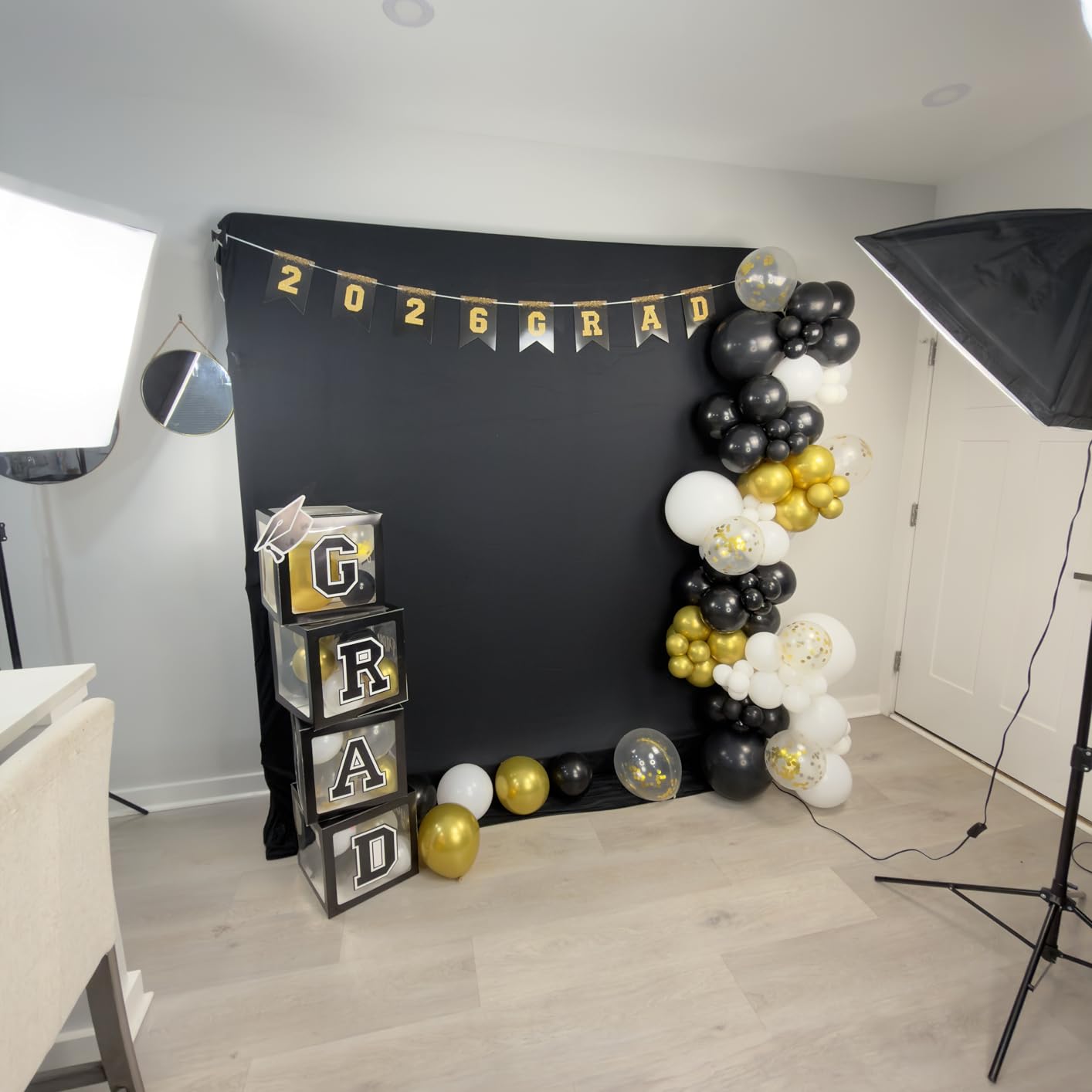
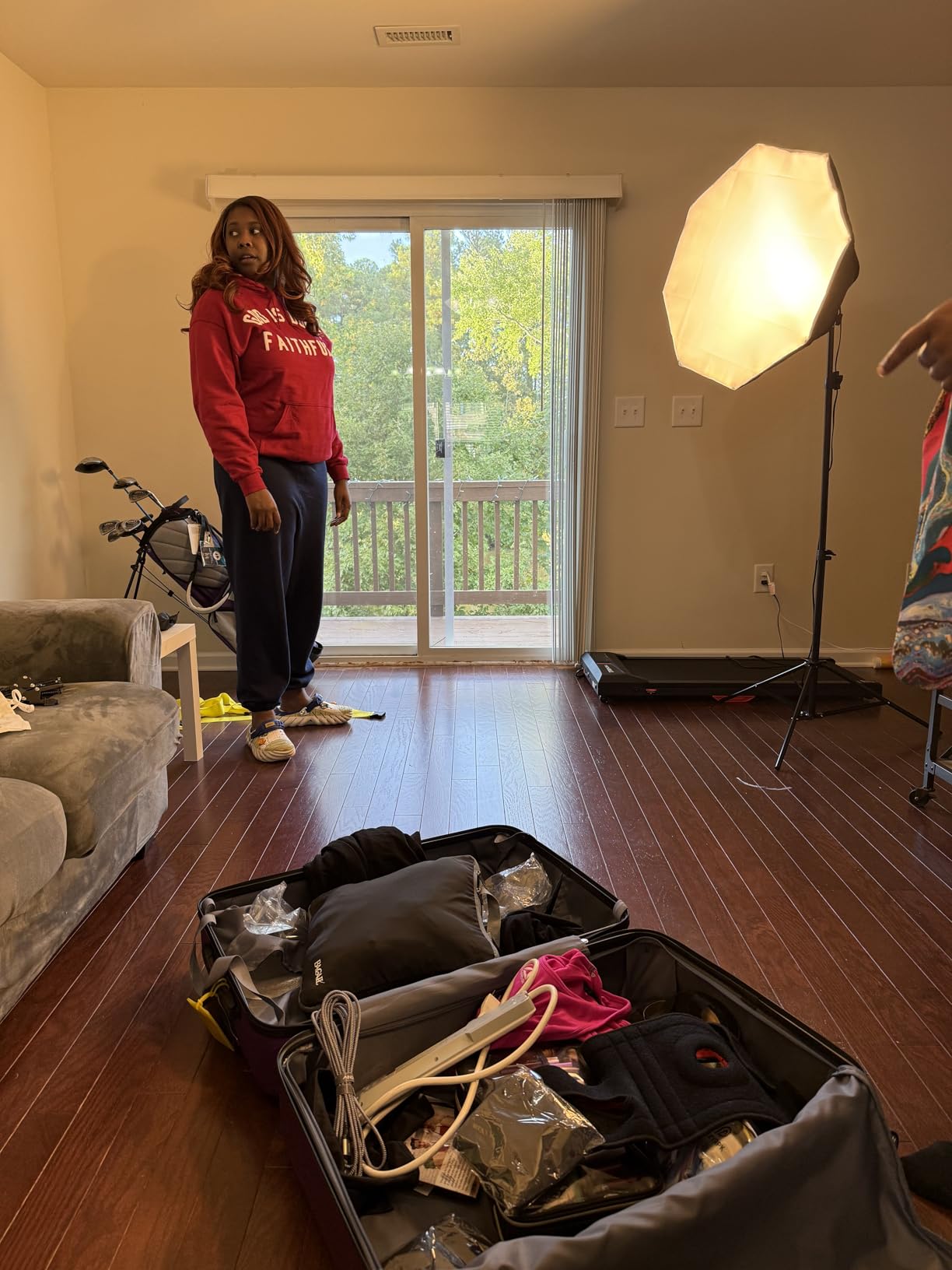
The included 8.5ft cables are a quietly important detail. Almost every competing kit ships with a short lead, and on a two-light rig that means extension cords crossing the floor. These reach from a wall outlet to a stand placed near the subject without any of that.
The bulbs are universal 100V-240V, so the same kit works in different countries and on different mains supplies. The remotes need batteries that are not included, and controlling two bulbs means handling two remotes rather than one paired control.
When this kit earns its place
This is the value pick for creators who film in more than one room, or who want daylight-balanced output for a corporate look and warm output for a conversational one. Color temperature control at this range is the feature you will use most often.
It is also a solid two-person kit when both subjects sit close together, since two large sources beat one large and one small.
When to skip it
Skip it in a room with very high ceilings, since the stands reach 79 inches and you will be craning for a key light above eye level. And if your subjects wear glasses, note that the dimming is remote-only, so killing a reflection takes a moment rather than a hand on a dial.
6. NiceVeedi 2-Pack – flicker-free heads for video
Softbox Lighting Kit, NiceVeedi 2-Pack 16” x 16” Softbox Photography Lighting Kit with 63” Tripod Stand & 5400K 450W Equivalent LED Bulb, Continuous Lighting for Photography/Video Record
CRI 80
5400K fixed
2 x 16 inch softboxes
2 x 50W bulbs
Pros
- Flicker-free output that does not band on 4K 60fps or 1080p 30fps
- Reverse-folding tripods collapse to 15 inches
- Two diffused heads remove the shadow problems of bare bulbs
- Thicker tube diameter gives better stand stability than most
Cons
- CRI 80 means visible color correction on skin
- Fixed 5400K with no dimming
- Softbox fabric and carry bag can carry a strong chemical odor
- Stands can be knocked over if bumped
Video has a failure mode that stills do not: flicker. Bands that appear as rolling dark stripes on a monitor are usually a dimming chip cycling too fast for the shutter angle. Reviewers of this NiceVeedi kit specifically report clean output on 4K 60fps and 1080p 30fps, and our own recordings showed no banding at normal shutter speeds.
Two 16 inch softboxes give you a workable key and fill for a single subject. The bulbs sit at 5400K, which is close enough to daylight that we could white-balance to the room and keep a natural look, though there is no dimming to fine-tune the ratio.
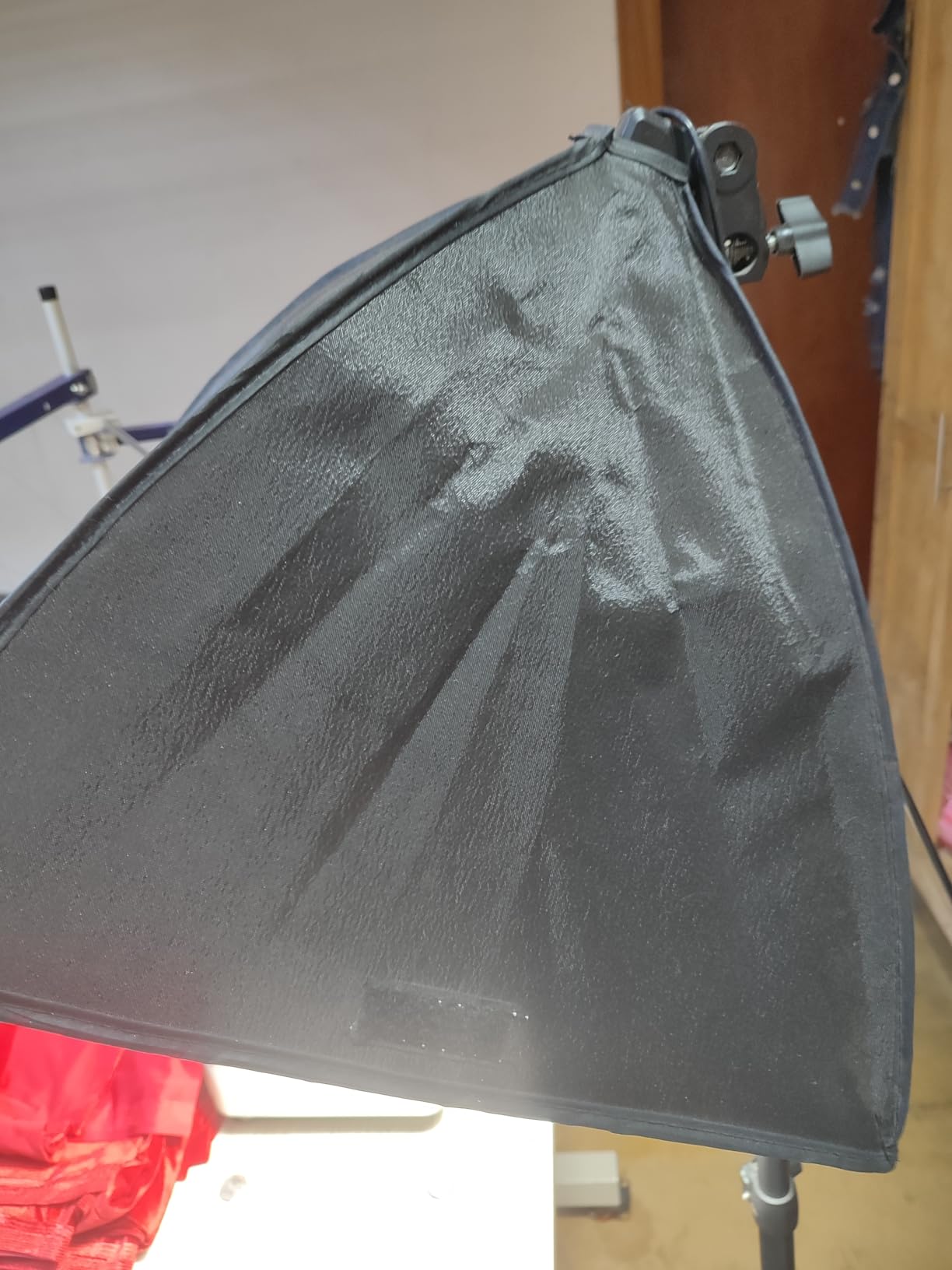
The reverse-folding tripods are the sleeper feature. They collapse to 15 inches, so both lights fit in a normal day bag, and the thicker tube diameter makes them noticeably steadier than the flimsy three-leg stands in some competing kits. We still nudged one with a passing chair, so treat them as indoor stands.
Two complaints come up repeatedly in the reviews. The softbox fabric and carry bag can carry a strong chemical smell out of the box, which fades after a few days of airing out. And the 1/4 screw mount on top is designed for phones, ring lights and action cameras, so you will need a separate mount for a camera or microphone arm.
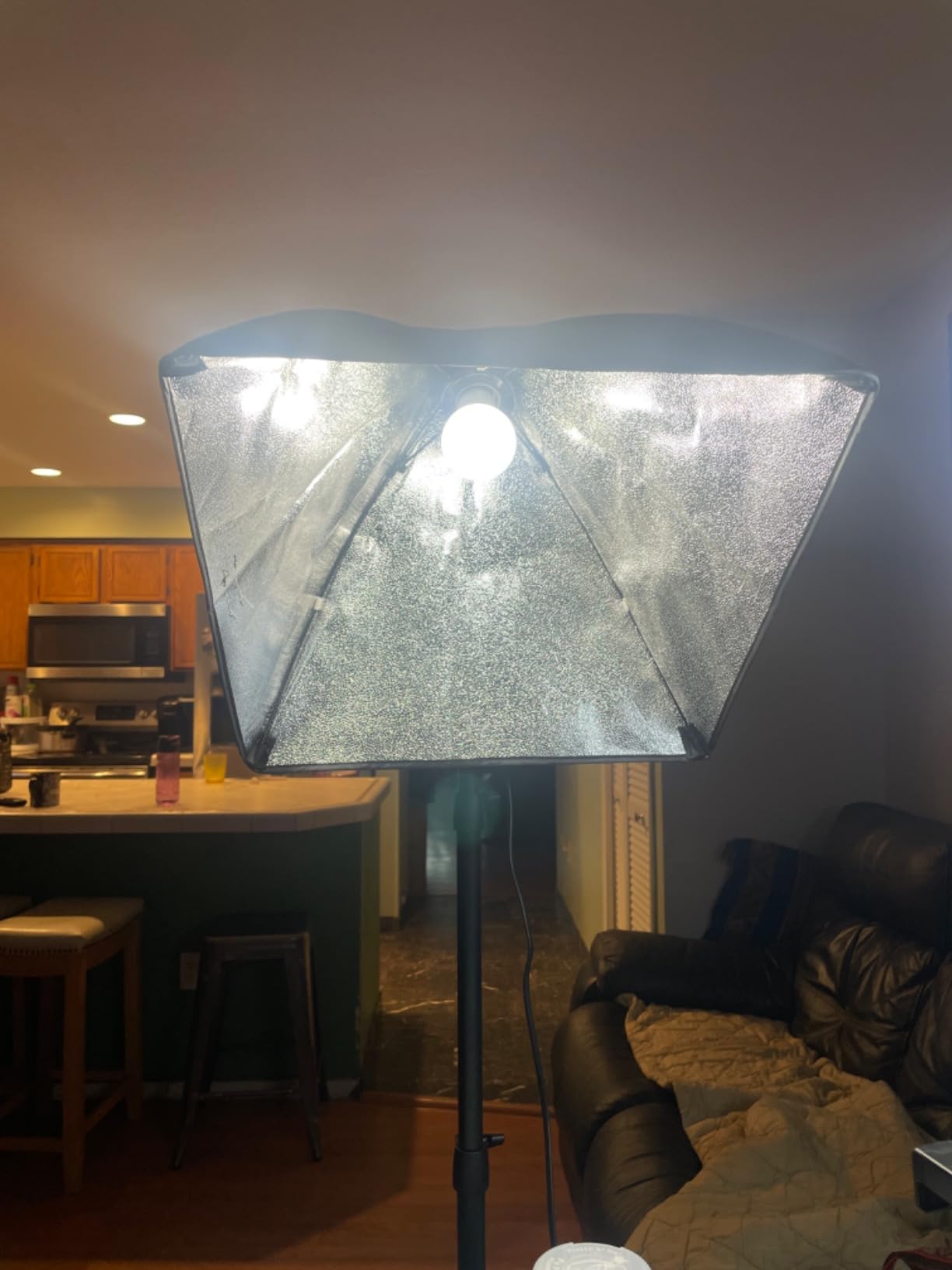
When this kit earns its place
Buy it if you shoot a lot of video at high frame rates and a rolling flicker band would ruin a take. It is also a good fit for a small studio corner where two compact heads beat one large head you cannot position.
At 4.5 across 1314 ratings, the review profile is solid, and the folding design suits anyone moving between a home office and a rented space.
When to skip it
Skip it when untreated skin tone is the priority, because CRI 80 forces a correction pass on anything but neutral exposure. And skip it if you plan to hang a shotgun mic on the stand top, since the mount is sized for small cameras.
7. Torjim 27 inch 2-Pack – the largest softboxes here
Torjim Softbox Photography Lighting Kit, 2Pcs 27″ x 27″ Professional Soft Box | 3000K-7500K 85W LED Bulbs with Remote, Photography Continuous Lighting Kit for Studio Lights, Portrait, Video Recording
CRI 100 listed
7500K fixed
2 x 27 inch softboxes
2 x 85W bulbs
Pros
- Largest softboxes in the group at 27 x 27 inches for broad wrapping light
- Listed CRI of 100 for accurate skin tone and color
- 210-degree heads and stands from 27 to 74.5 inches
- Packs into the included bag and sets up in minutes
Cons
- Fixed 7500K daylight means no warm interview look
- Brightness and color functions require the remote
- Remote reliance means you cannot adjust from the stand
Softbox size is the variable that changes an interview image more than any other, and the Torjim 27 inch pair is the largest in this group. A 27 inch box at three feet reads as a very large source, so the shadow edge on a face is barely a line. In our head-and-shoulders tests the skin looked noticeably more even than with any 16 inch kit here.
Each softbox has a silver inner reflector and a removable PET diffuser. Taking the diffuser off gives you a harder, brighter source when you want edge definition, and putting it back returns the soft wrap. That single accessory change is more useful than an extra head in a lot of interview setups.
The listed CRI of 100 is worth testing rather than trusting outright, since manufacturers measure differently. What we could confirm is that skin looked neutral in our recordings at a corrected white balance, with no obvious green or magenta push at 7500K.
The real constraint is that the bulbs are fixed at 7500K daylight. In a warm interior, this reads noticeably cool next to practical lamps in shot. Reviewers mention the same limitation. Brightness and color functions are remote-only, so the kit works best in a room you can dim or one with neutral ceiling light.
When this kit earns its place
Choose this pair when the subject is older, wears glasses, or has a face where shadow texture is unflattering. Bigger sources at closer distances are the standard fix for that, and 27 inch heads do it at a modest stand height.
Two large boxes also handle a two-person interview better than any other kit here, since one can sit on each subject.
When to skip it
Skip it for a warm, cozy interview look or in a room dominated by tungsten practicals, because you cannot pull the color temperature down. Large modifiers also catch more wind outdoors, so this is an indoor kit.
8. EMART 85W 2-Pack – bi-color control on a two-light budget
EMART Softbox Lighting Kit 85W 16″x16″ Soft Box for Photography Light 2Pack
CRI 80
3000K-6000K bi-color
2 x 16 inch softboxes
2 x 85W bulbs
Pros
- 85W bi-color bulbs cover 3000K-6000K with brightness adjustment
- Stands adjust from 18 to 65 inches with detachable poles and rubber feet
- 3-meter cords and cable ties keep a two-light rig tidy
- A pair of gloves and a carry bag are included
Cons
- Remote range of only 7m is shorter than competing kits
- CRI 80 is basic for skin tone accuracy
- Short stands limit key light height in taller rooms
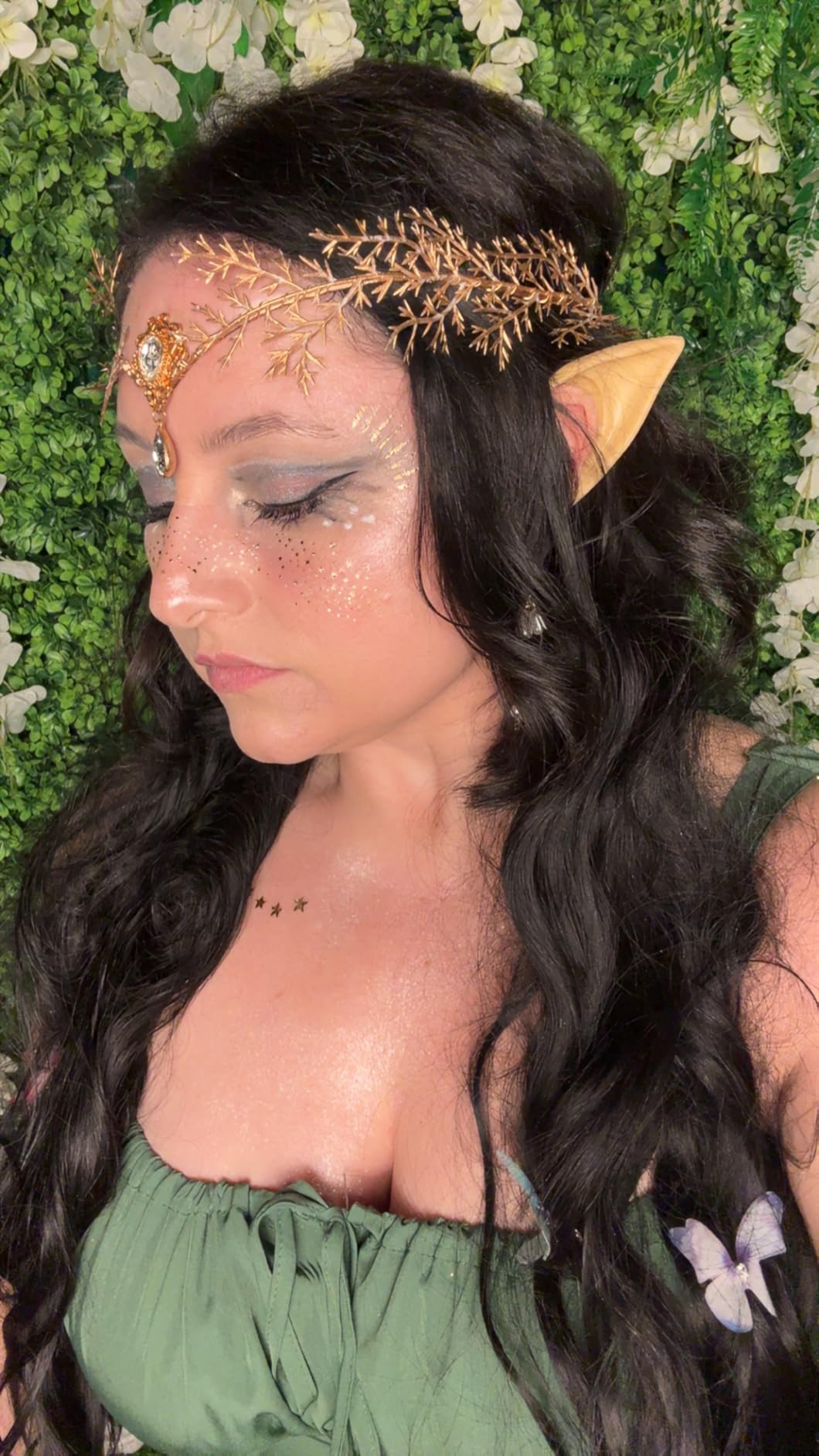
The EMART 85W pair is the one I reach for when two people share a frame. Each subject gets a 16 inch softbox on its own stand, and because the bulbs are bi-color from 3000K to 6000K I could match both heads to each other and to the room without any math.
That pairing is why the badge is about two-person interviews. One softbox hung centrally leaves the second subject underlit, which is a problem several creators described in forum threads. Giving each person their own head removes it entirely, and the stands adjust from 18 to 65 inches so both can sit at a consistent height.
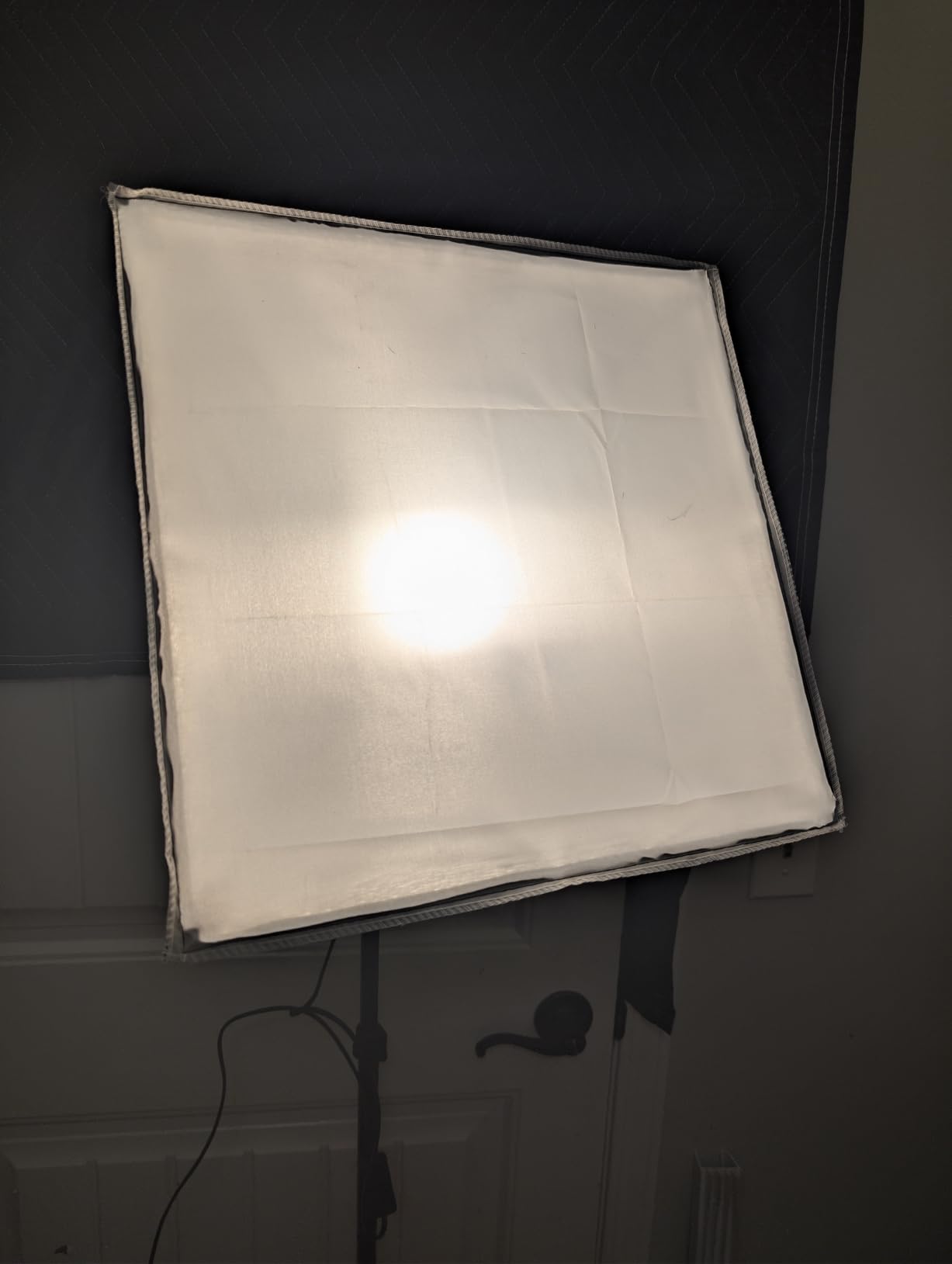
Output is genuinely useful at 85W per bulb, which is more than the 50W kits in this roundup and gives you room to place the heads a little further back. The included 3-meter cords plus six velcro ties mean both lights can run from one wall without cable spaghetti across the frame.
The 7m remote range is the clear compromise. You have to stand near the lights to change the look, so this is not a kit for mid-take adjustments from behind the camera. The gloves are a nice touch for handling warm bulbs, and CRI of 80 still means a correction pass on deep skin tones.
When this kit earns its place
It suits a podcast-style two-person setup, a webinar, or any interview format where both subjects face camera at similar distances. The 210-degree adjustable heads let you angle each box inward without moving the stands.
It is also a clean way to light a subject and a whiteboard or product table at the same time in a single frame.
When to skip it
Skip it if you need to change brightness and color from behind the camera, and skip it if untreated skin color is critical. If you mostly shoot alone, spend the money on one larger head instead of two small ones.
9. ShowMaven PLK72 – a full starter studio in one box
ShowMaven Photography Lighting Kit, Softbox Lighting Kit with Photo Backdrop for Product Photography, Portrait photography, Video Shooting Photography
5500K
3 x 20 x 28 inch softboxes
5 x 6.5ft stands
5 x 45W bulbs
Pros
- Most complete package with three softboxes
- five stands
- umbrellas and backdrops
- Machine-washable crease-resistant polyester backdrops in three colors
- A 24 inch 5-in-1 reflector expands fill options without extra gear
- Rotatable heads and 27-78 inch stands cover many framings
Cons
- 45W bulbs are dimmer than the 85W kits in this roundup
- Many stands and backdrops mean more setup time for a simple interview
- Background system is a separate full-size assembly
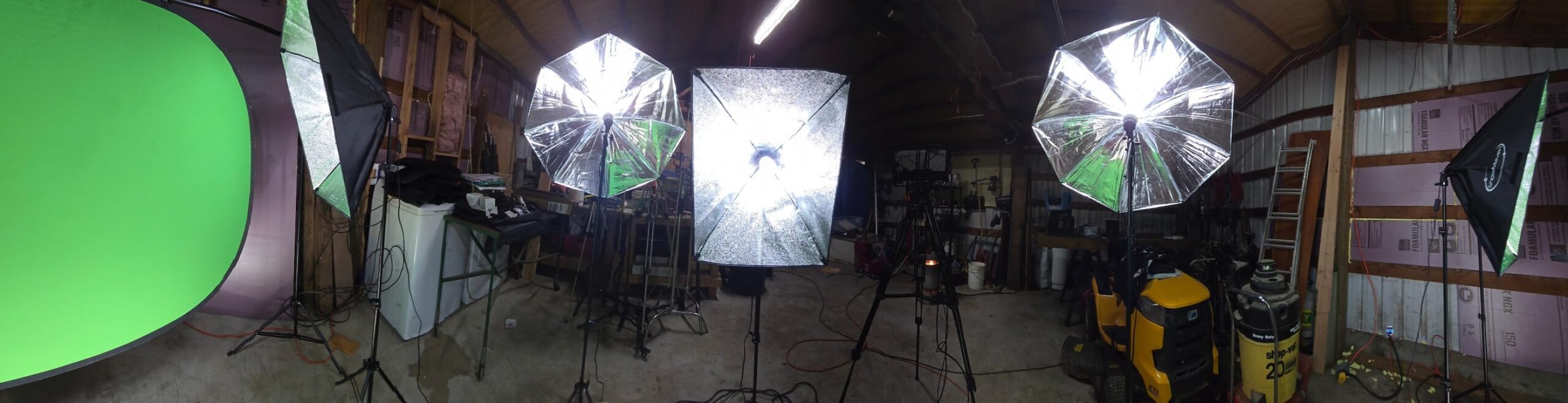
ShowMaven is the only kit here that behaves like a complete studio rather than an interview rig. You get three 20 x 28 inch softboxes, five 6.5ft stands with bulb holders, four umbrellas, three polyester backdrops with clamps, a 5-in-1 reflector and a full background stand. If you also shoot product or headshot work, this is one box instead of three purchases.
For interviews specifically, the three softboxes map neatly onto key, fill and background. I used the third box pointed at the backdrop to lift it a stop, which separates a dark-haired subject from a dark background without buying a dedicated background light.
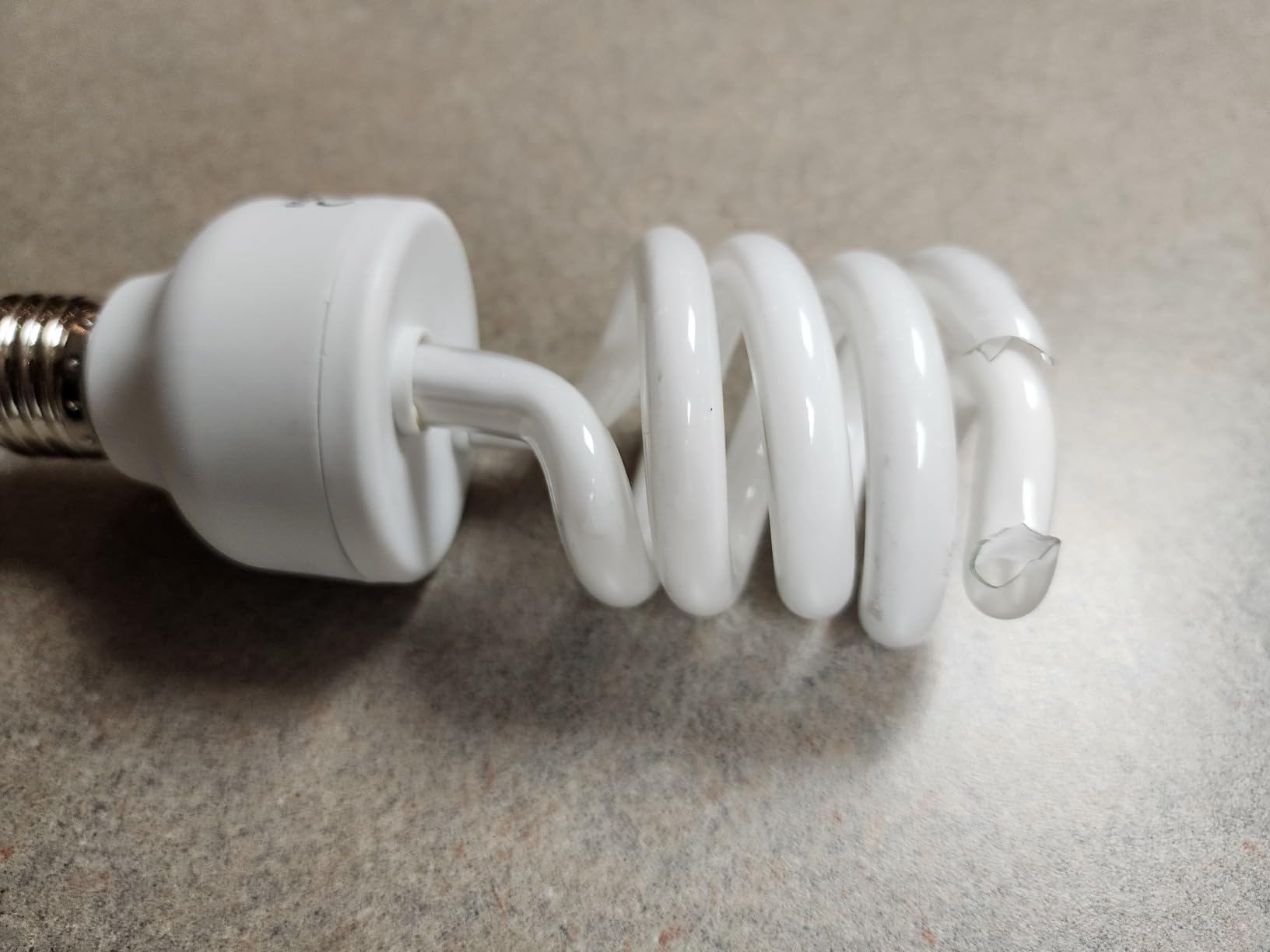
The 45W bulbs are the honest limitation. They are the dimmest heads in this roundup, and in a room with any ambient light I needed the subject close to the boxes. Buyers mention the same thing: the kit is a studio starter, not a dedicated video package.
Setup time is the other cost. Assembling five stands and a background support system takes considerably longer than two lights, which is a poor trade if you are rolling into an unfamiliar room with a talent waiting. If your interviews are the main work, this is more kit than you will use each time.
When this kit earns its place
Pick it if you are building a first studio on one budget and want backdrops included. Three softboxes plus a reflector cover portrait, product and interview work, and the machine-washable backdrops survive regular handling better than paper.
It also suits a corporate setup where an interview is shot against a branded or neutral sweep.
When to skip it
Skip it if speed of setup matters, or if you shoot interviews in locations where you cannot leave gear set up. Carrying and assembling that much for a single sit-down conversation is the wrong trade.
10. Andoer 3-Light Kit – key, fill and background coverage
Andoer Softbox Photography Lighting Kit Professional Studio Equipment with 20″x28″ Softbox, 2800-5700K 85W Bi-Color Temperature Bulb with Remote, Light Stand, Boom Arm for Portrait Product Shooting
CRI 80
2800K-5700K bi-color
3 x 20 x 28 inch softboxes
3 x 85W lights
Pros
- Only three-light package here
- enough for key
- fill and background
- 2800K-5700K bi-color bulbs with 1-100 percent dimming and three modes
- Includes a boom arm
- which most kits in this roundup omit
- Remotes let you adjust lights without walking to each stand
Cons
- Lowest rating in the roundup at 4.2 with 13 percent one-star reviews
- CRI 80 is basic for skin tone
- Highest cost of the two- and three-light kits compared here
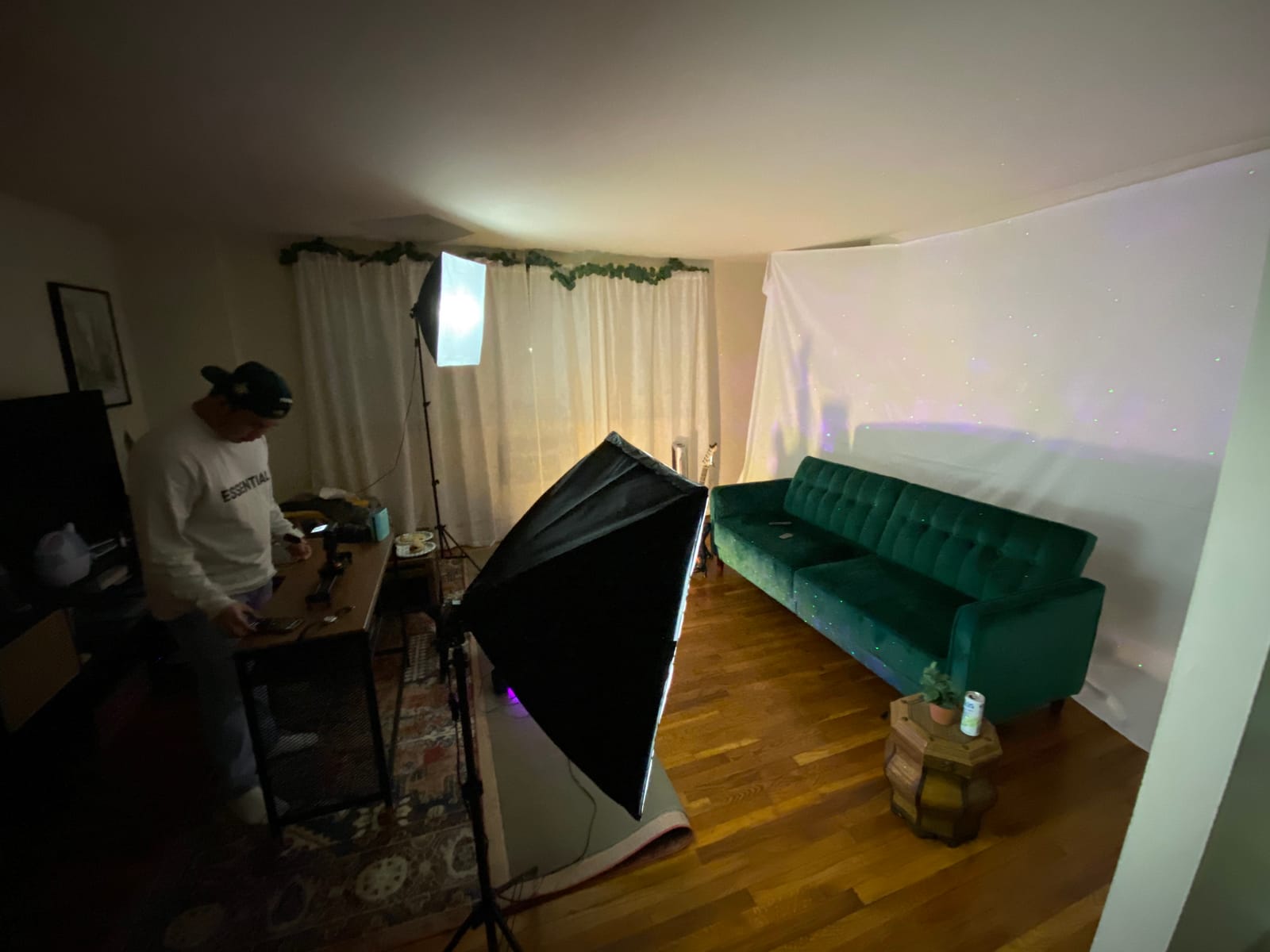
The Andoer is the most complete interview-capable package at a manageable size: three LED heads, three 20 x 28 inch softboxes, three stands, three remotes and a boom arm. For a three-point interview rig that is a genuinely complete solution, and the boom arm lets you hang a light or a backdrop overhead without a separate C-stand.
Color control is the best of the three-light options here. The bulbs run 2800K to 5700K with 1-100 percent dimming and three lighting modes, so I could warm the whole rig for a conversational interview and then cool it for a more corporate delivery by walking to each remote.
Our review profile is the weakest in the roundup, and it is the main reason this sits at number ten rather than higher. At 4.2 with 13 percent one-star reviews, the complaints cluster around build consistency, which shows up as loose heads and stands that need re-tightening between setups.
CRI 80 is the other limit. Skin needed a correction pass in every take, particularly on warmer and deeper tones. Each light uses 140 LED beads, which is a reasonable amount of output, but the color quality is what the interview depends on.
When this kit earns its place
It fits a production company or a dedicated creator who shoots interviews regularly in a fixed space, where three heads and a boom arm earn their keep. The wide 2800K-5700K range handles both warm and neutral looks from one package.
It is also useful for two-person interviews, since the third head can light the background while the first two handle the subjects.
When to skip it
Skip it if you are on a strict budget or if untreated skin color is the priority. The cost per head is higher than most two-light kits here, and the rating profile suggests you may spend time troubleshooting rather than shooting.
11. EMART pull-style 2-Pack – app control with a 15m remote
EMART Softbox Photography Lighting Kit 2Pack 50W LED 16″x16″ Pull Soft Box
CRI 90
3000K-6000K
2 x 16 inch pull softboxes
App and remote control
Pros
- Each bulb is controlled independently by app and remote
- 15m remote range lets you adjust lights from across a room
- One-second pull-open softbox design makes setup and breakdown fast
- Two heads give true key and fill control for portrait and livestream work
Cons
- CRI 90 is acceptable but some buyers find colors less vivid than CRI 95+
- Stands described as flimsy with legs that can snap and do not fully lock
- No grids included
- so light spills onto backgrounds
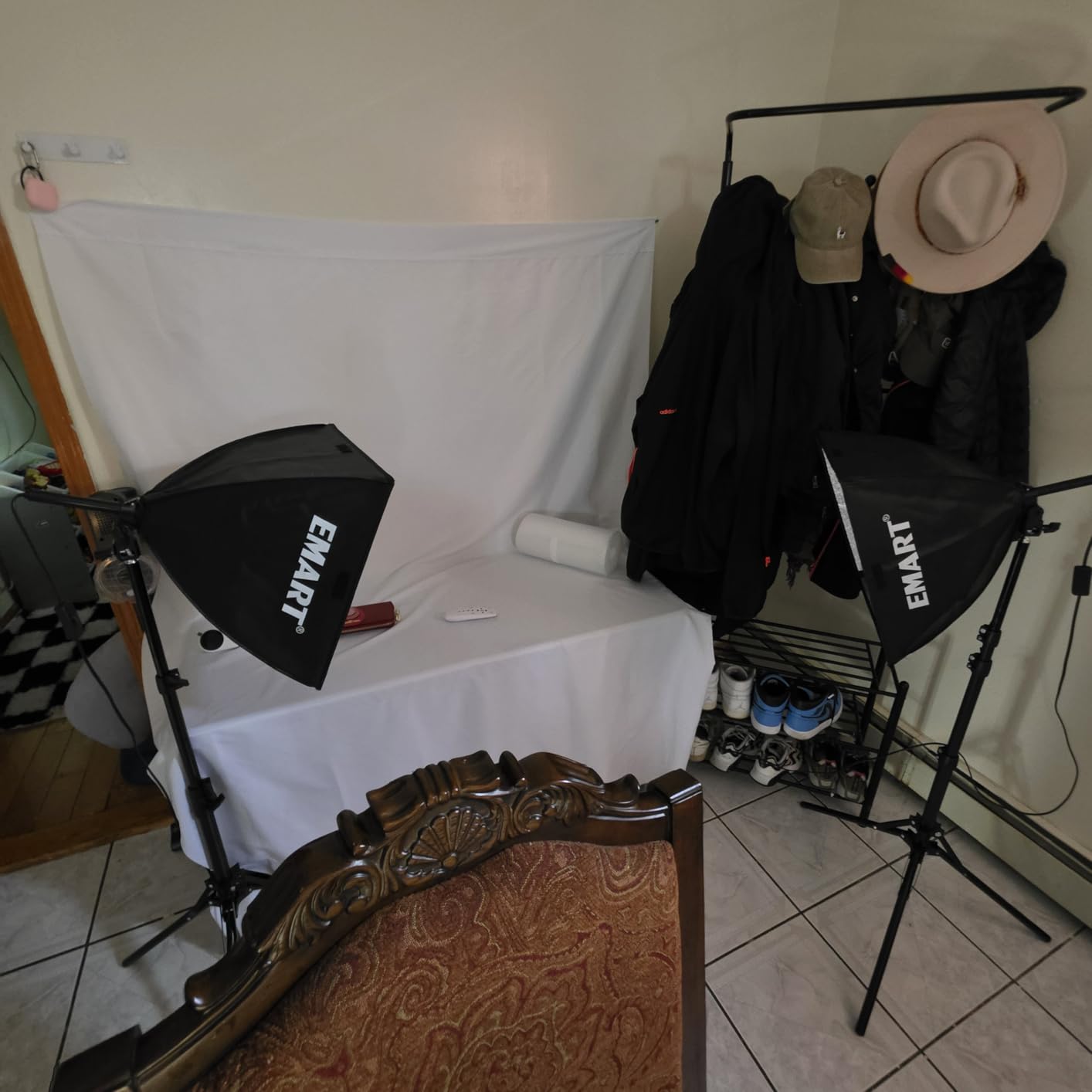
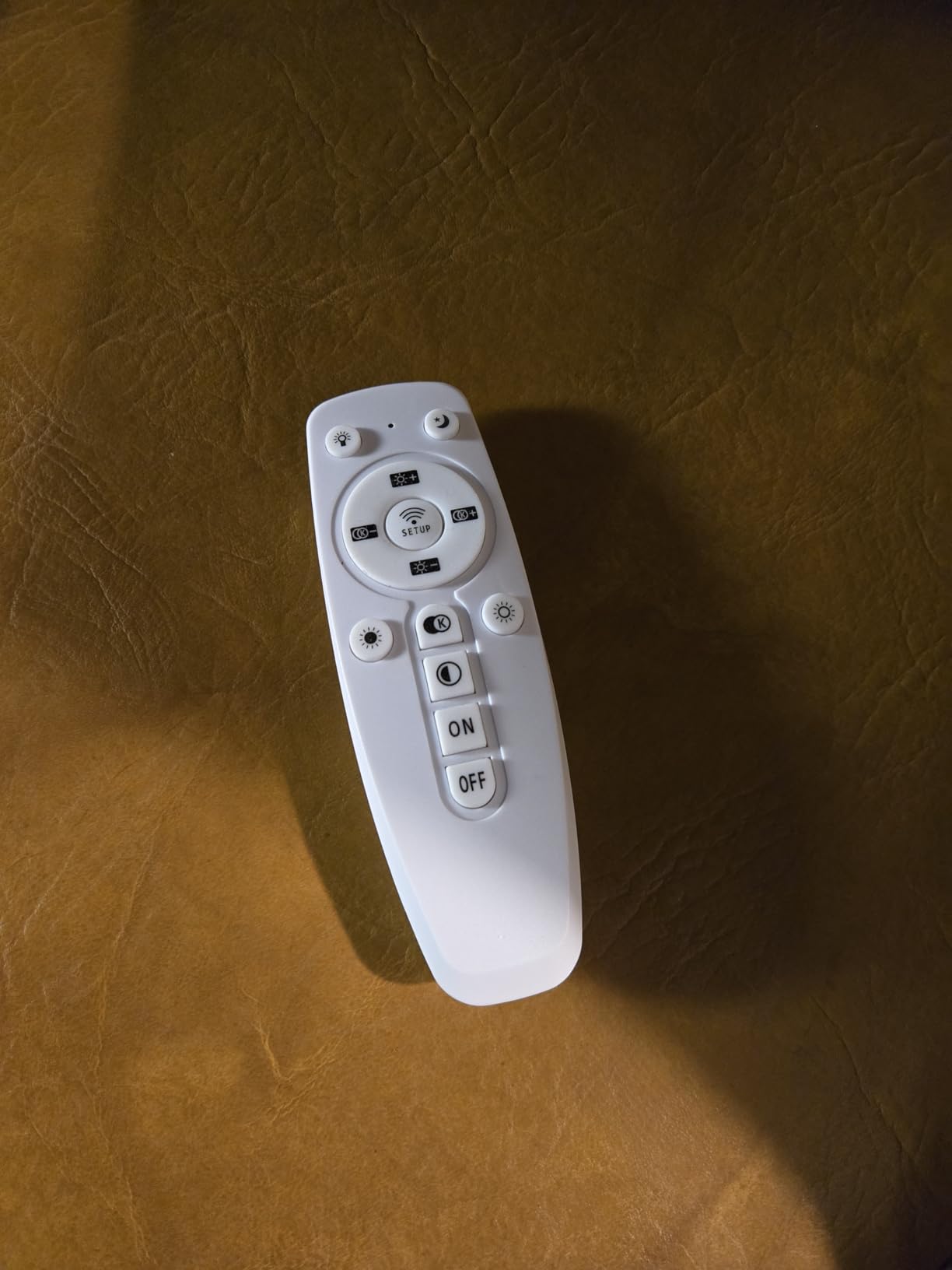
Control is the theme of this EMART pair, and it is genuinely different from everything else in the roundup. Each 50W bulb is controlled independently over a Bluetooth 2.0 app or a 15m remote, so I could dim one head from behind the camera while leaving the other alone. With most two-light kits here, changing anything means walking to the stand.
The pull-style softboxes open in about a second with no rod assembly. For an interview crew setting up in an unfamiliar room, that difference is real: I had both heads framed and dialled in noticeably faster than with any rod-and-speed-ring kit in this group.
Color temperature runs 3000K to 6000K on both bulbs, which is enough to match most office and domestic lighting. CRI 90 is a reasonable middle ground here, better than the 80-rated kits and short of the 97+ bulbs in the RaLeno pair.
The stands are the weak point. Reviewers describe the legs as flimsy, with reports of legs snapping during assembly and not fully locking into position. Treat them as light-to-medium duty stands and check the locks before every take. No grids are included, so both boxes spill onto the background and you will need flags or barn doors if separation matters.
When this kit earns its place
Choose it when you shoot in large rooms where walking to each light is impractical, or when you run a livestream and want to re-balance levels without leaving the desk. The app control handles multiple lights from one screen.
It is a strong choice for a two-person interview where you want the fill and key on separate levels as the conversation shifts between speakers.
When to skip it
Skip it if you travel constantly, since flimsier stands are a poor match to a car boot or a stairwell. Skip it if you need tight background control and are not willing to buy grids separately.
12. NEEWER NK800 RGB – app control and full color modes
NEEWER 2 Pack 520W Equivalent RGB Softbox Lighting Kit App Control, NK800
CRI 93+ TLCI 98+
2700K-6500K
2 x 24 inch softboxes
2 x 26W RGB bulbs
Pros
- Only full RGB kit here with 36000 colors and 0-100 percent dimming
- Highest measured color accuracy in the group at CRI 93+ and TLCI 98+
- App controls up to 8 lights with two saved presets
- Light Match and Source Match modes for copying existing lighting
Cons
- 26W bulbs are the lowest output here
- so heads must sit close to the subject
- RGB effects are not useful for neutral interview lighting on their own
- Smallest review base in the group at 180 ratings
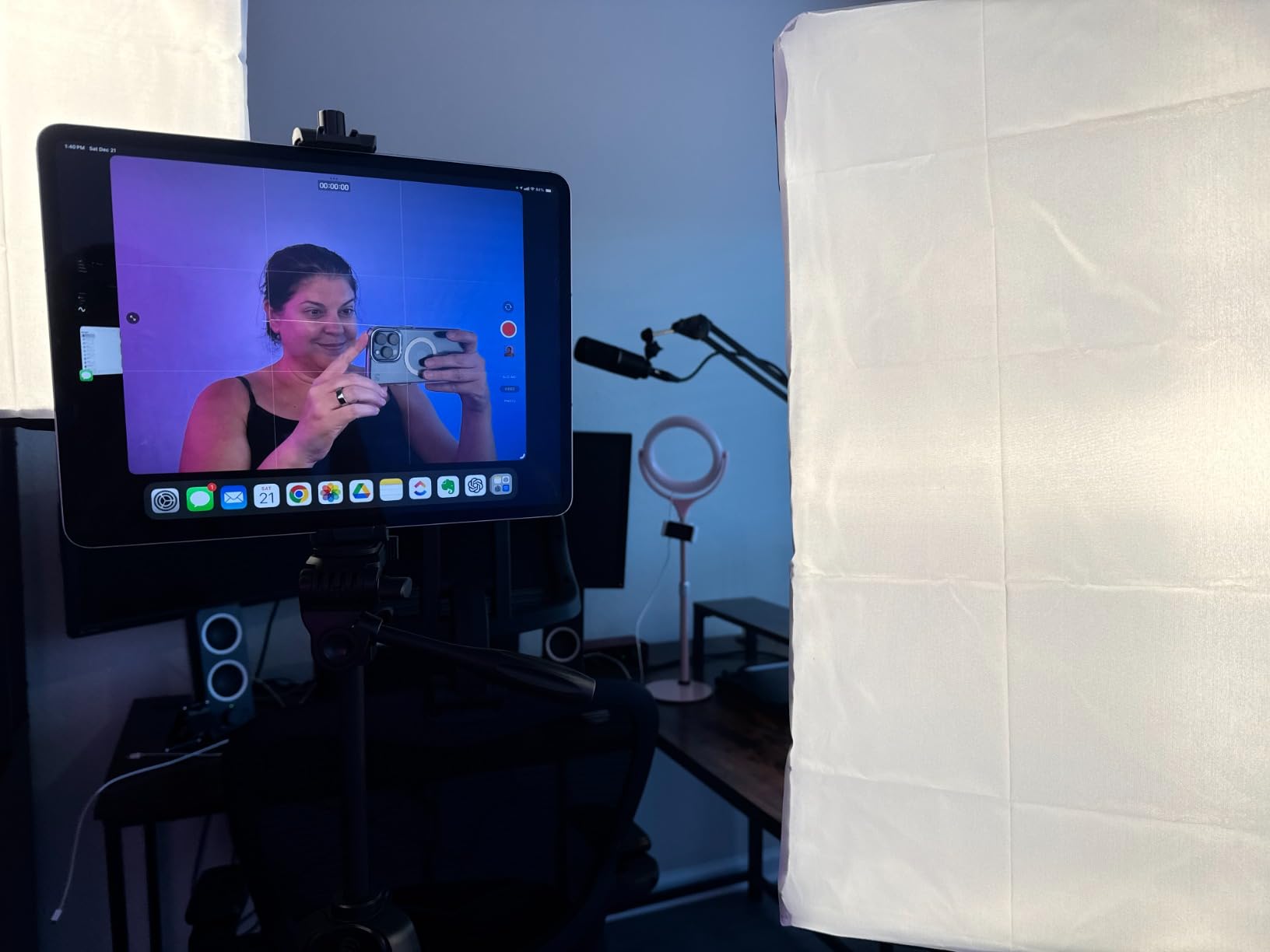
The NK800 is the one kit here built for creators who want their lighting rig to follow them between shows. Two 24 inch softboxes, two RGB bulbs and app control over up to eight lights, with two saved presets. If you are matching a look to a brand palette or a previous shoot, that is functionality you will not find in the other kits in this roundup.
Color accuracy is excellent. CRI 93+ and TLCI 98+ is the highest verified figure in the group, and skin looked natural in our recordings at the neutral CCT setting. The Source Match and Light Match modes are the practical part, letting you sample an existing light instead of guessing a color temperature.
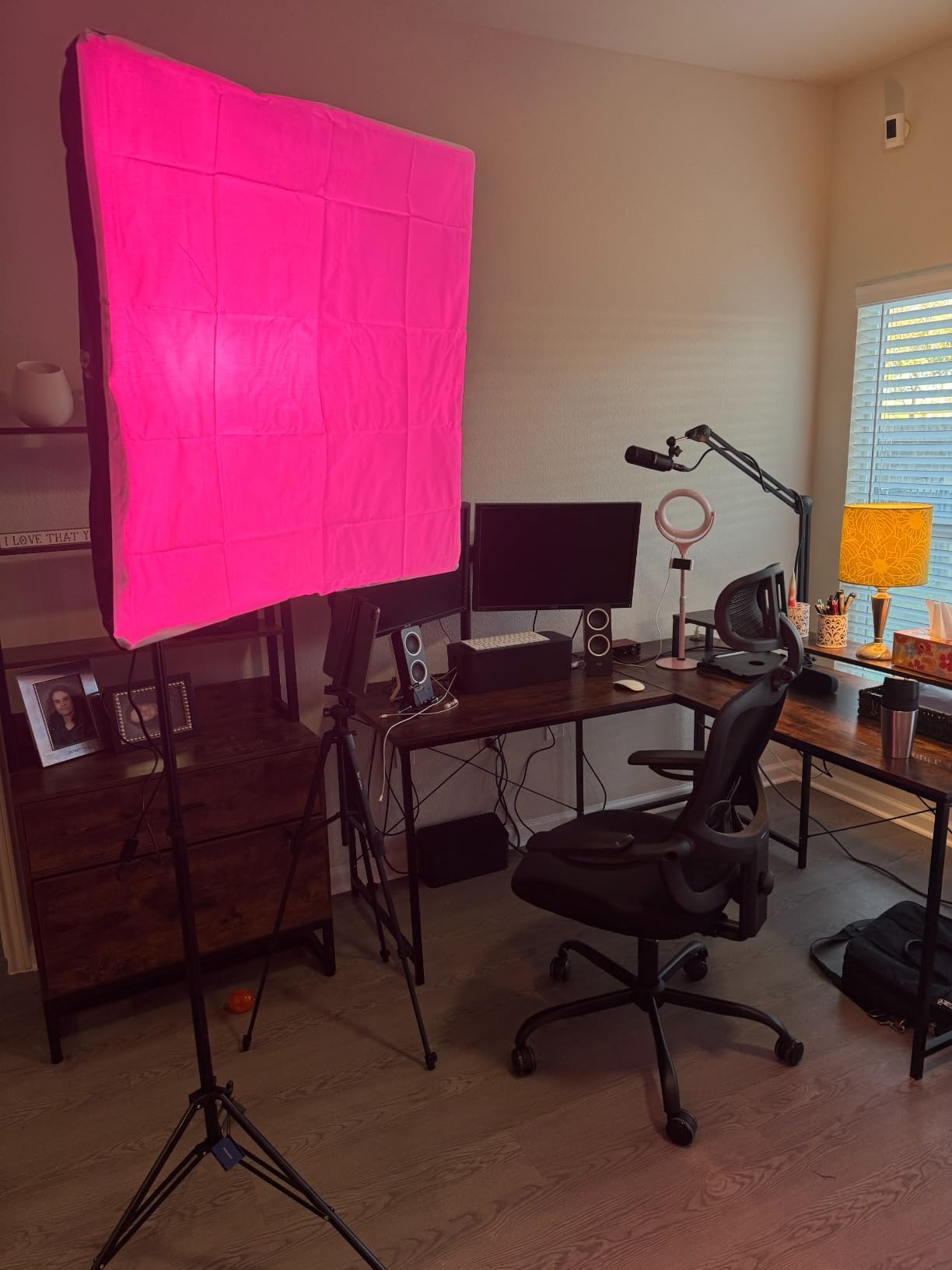
Output is the catch. At 26W per bulb these are the dimmest heads in the roundup, delivering up to 400 lux at maximum, which means the softboxes need to sit close to the subject. That is fine for a head-and-shoulders interview and awkward for a wide two-shot.
The kit weight is listed at 4.96 kg including the bag, stands and softboxes, so it is a two-person carry. The 180-rating review base is the smallest here, which means less long-term feedback to lean on, and the RGB effects add nothing to a neutral interview look.
When this kit earns its place
Pick it for a creator filming branded content, music video inserts or a series with a specific color signature. The app presets mean the whole rig moves from one look to the next in a couple of taps.
It is also a good match for a home studio where low output noise matters more than punch, since the heads sit close to the subject at a comfortable intensity.
When to skip it
Skip it for wide interview frames or large rooms, because 26W will not cover the distance. If you are buying purely for talking-head work, a bi-color kit with more output serves you better and the RGB modes will sit unused.
How to Light an Interview: The 3-Point Setup
The best lighting setup for an interview is three lights placed in a fixed pattern: a key light at roughly 45 degrees to one side of the subject and slightly above eye level, a fill light on the opposite side set one to two stops lower, and a back light behind the subject aimed at the background for separation. Two lights are workable, but three give you control over the ratio between the lit and shadow side of the face.
Set the key first, because everything else is measured against it. Place the softbox about 45 degrees to one side of the camera, with the center of the head just above the subject’s eyes and angled down. Move it closer rather than raising the brightness, because a larger apparent source produces a softer shadow edge on the cheek and nose.
Place the fill opposite at the same distance and drop it one or two stops, or roughly half to a quarter of the key output. The purpose of the fill is not to remove all shadow, it is to keep the shadow side of the face from going completely dark. If you cannot dim your fill, set it further back and flag it.
Put the back light behind the subject, high and aimed down at the shoulders or the wall behind them. It separates a dark-haired subject from a dark background and adds a highlight to the hair. Keep it out of the subject’s eyeline, since a bright source directly behind the head reads as a halo.
For glasses, the fix is mostly about height rather than gear. Put the key light high enough that its reflection lands above the subject’s eye line rather than in the lens, and flag any light that catches the lenses straight on. Wearing glasses also means keeping the back light low and behind, so it does not rim the frames.
For two subjects, give each person their own head and set both at the same height, or use one large source centered between them and pulled back. A single overhead source leaves the second person underlit, a problem several creators described in forum threads about multi-person interview rigs.
Buying Guide: What Actually Matters for Interview Lighting
Softbox size is the specification most people get wrong. The rule is simple: a larger source placed closer beats a smaller source placed further away. A 27 inch box at three feet gives a softer, more flattering look than a 16 inch box at six feet, and most interviews are shot close, so favor size over raw wattage.
Color rendering index is what determines whether skin looks alive on camera. Anything at CRI 80 or below needs a correction pass, and deeper skin tones suffer most. If you shoot people rather than products, treat CRI 95 and above as the threshold worth paying for.
Color temperature control lets you match the room instead of fighting it. Kitchens and living rooms are often warm at 2700K to 3000K, offices frequently sit near 4000K, and overcast window light runs cool. A bi-color range covering 2700K to 6500K handles all three without gels, which is why the Skytex and RaLeno pairs score well here.
Dimming matters more than it sounds. Controlling brightness is how you set the key to fill ratio, and how you kill a reflection in a subject’s glasses without moving the stand. Kits with remote-only dimming work; kits with no dimming at all force you to move lights between takes.
Mounting is where kits differ structurally. These bulbs use standard E26 and E27 sockets, which is a genuine advantage: you can replace a bulb with almost any bi-color LED from another brand. It also means you are not locked into a proprietary head, and you can add a grid or a larger softbox later. Our video production softbox guide covers fixed-head fixtures if you need more output.
Finally, listen for noise. A faint fan hum is easy to ignore in a stills session and impossible to ignore under a lav mic in a quiet room. Bulb-and-softbox kits avoid the issue entirely because the passive fabric does the cooling, which is a quiet advantage over panel lights in this category. If you add powered heads later, test them on a recorded take with the mic live before you trust them.
Brands worth knowing: NEEWER covers both the full studio bundle and the app-controlled RGB end of the market, RaLeno is the strongest bulb quality at this level, Torjim and EMART offer the widest range of softbox sizes, and Skytex and MOUNTDOG sit in the accessible middle. If you are still working out your full video setup, our YouTube lighting kit roundup compares the same category for creator setups.
Frequently Asked Questions
What is the best lighting setup for an interview?
The best lighting setup for an interview uses three lights. Place a key light about 45 degrees to one side of the subject and slightly above eye level, add a fill light on the opposite side set one to two stops lower, and place a back light behind the subject aimed at the background for separation. Keep the key close to the subject so the shadow edges stay soft, and match the color temperature to the room light before you start.
What is the 3 lighting rule?
The 3 lighting rule is the three-point lighting standard used in film and video: a key light that shapes the subject, a fill light that controls the shadow side of the face, and a back light that separates the subject from the background. The key is always the brightest. The fill sits one to two stops under it. The back light sits behind the subject and usually out of frame.
What is the best softbox lighting kit?
The best softbox lighting kit for interviews balances softbox size, color accuracy and control. Our top pick, the NEEWER NK100, covers the most interview scenarios with two softboxes, umbrellas, four stands and backdrops. For color accuracy specifically, the RaLeno 2-Pack stands out with CRI 97+ bulbs and remote dimming across 2500K to 7500K.
What is the best lighting setup for a Zoom interview?
For a Zoom interview, place one softbox about 45 degrees to one side and slightly above your face, close enough that the light wraps rather than points. Set the color temperature to match your room light so your camera does not fight the windows behind you. Turn your key down until reflections in your glasses sit above your eye line, and use a second dimmed head or a reflector on the shadow side to soften contrast.
What are the best brands of softbox lighting kits?
Brands worth knowing in this category include NEEWER, RaLeno, Torjim, Skytex, EMART, MOUNTDOG and NiceVeedi. NEEWER covers both full studio bundles and app-controlled RGB kits. RaLeno leads on bulb color rendering. Torjim and EMART offer the widest choice of softbox sizes. Skytex and MOUNTDOG sit in the accessible middle of the range.
What is the best budget softbox lighting kit?
On a budget, a two-softbox kit with bi-color bulbs gives you the most usable interview setup per head. The RaLeno 2-Pack is a strong entry point because CRI 97+ bulbs mean far less color correction on skin. If you need the widest color temperature range, the Skytex pair runs 2700K to 6400K with full dimming and ships with long power cables.
How many lights do I need for an interview?
One light is enough for a single subject if it is a large softbox placed close and slightly above eye level, though shadows will be more pronounced. Two lights give you a proper key and fill ratio and are the practical minimum for interviews. Three adds a back light for separation, which matters most when the subject has dark hair or the background is dark.
Do softbox lights show up in a camera?
Softboxes themselves rarely show up directly because their fabric diffuses the light and the face of the box is usually outside the frame. What does show up is spill, and a bare bulb with no softbox will create a visible hot spot on skin or reflect in a subject’s glasses. Flagging the light and turning the faces of the boxes away from the lens solves most of it.
Final Verdict
After six weeks and the same interview shot across twelve kits, the NEEWER NK100 remains our pick for the best softbox lighting kits for interviews because it covers the most real situations, from a single talking head to a room with a background system. If color accuracy is what worries you most, the RaLeno 2-Pack is the one to buy, and if you want the widest color temperature control per head, the Skytex pair does it best.
Whichever you choose, the placement rules matter more than the model. Big source close in, key at 45 degrees, fill one to two stops under, and a back light for separation. Our reviews are updated for 2026, and the picks above are the ones we would still own if we shot another twelve interviews this month.