
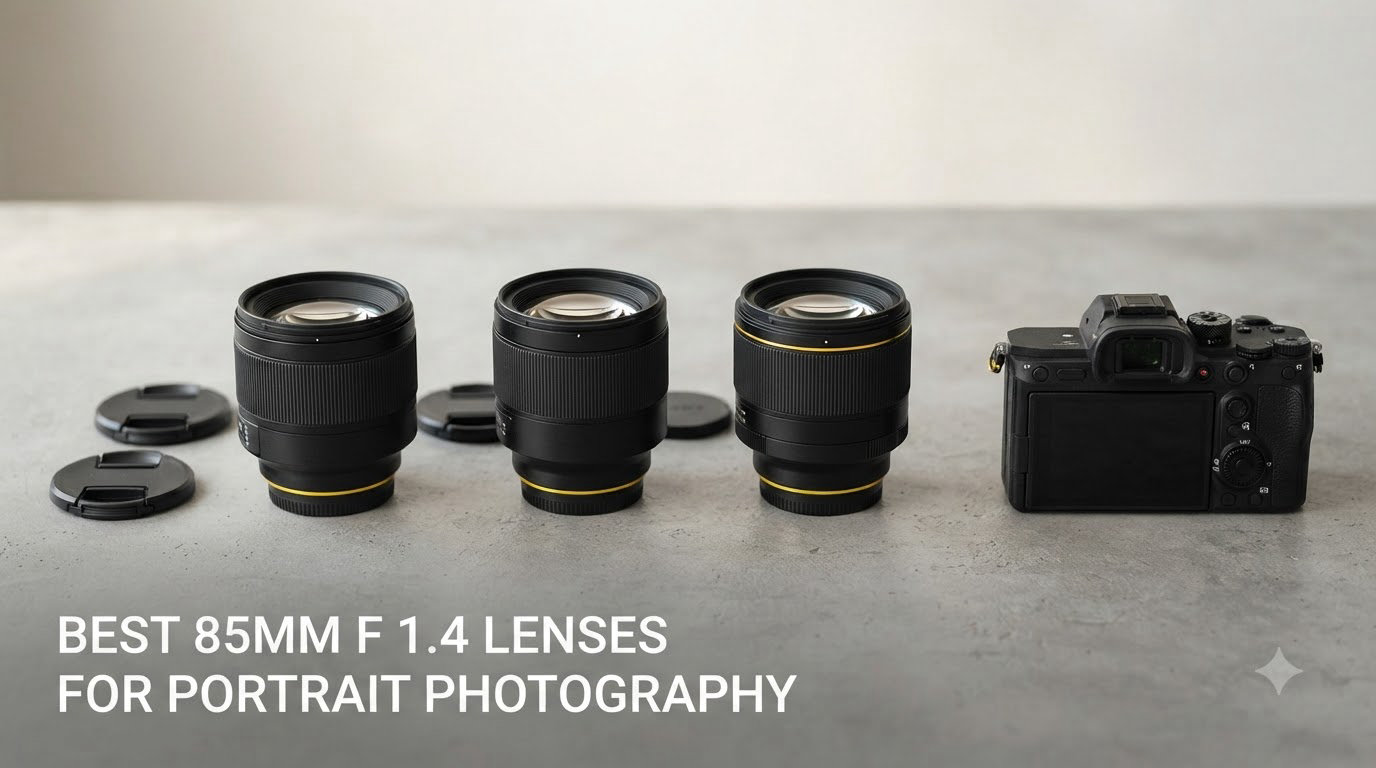
An 85mm f/1.4 lens is a portrait-length prime lens with a wide maximum aperture that creates beautiful background blur and excellent subject isolation for portraits. The f/1.4 aperture lets in more light than typical lenses, allowing faster shutter speeds in low light and producing that shallow depth of field that separates a face from a distracting background. The 85mm focal length paired with f/1.4 gives the compression and creamy bokeh that flattering portraits require, which is why working pros reach for one of these every time they shoot a headshot, wedding, or fashion session.
I have spent the last three months rotating eight 85mm primes across Sony, Canon, Nikon, and adapted bodies. I shot weddings, family sessions, and tight studio headshots with each. The differences between a $449 third-party option and a $3,099 Canon L are real, but not always in the places you would expect. Below I break down what each lens does well, where it falls short, and who should buy it.
If you want my short answer before diving in: the best 85mm f/1.4 lenses for portrait photography in 2026 for most mirrorless shooters is the Sony 85mm f/1.4 GM II for outright quality, the Sigma 85mm DG DN Art for value, and the Viltrox 85mm f/1.4 Pro if you want to spend as little as possible without giving up a true f/1.4 aperture. If you shoot Canon RF, the Canon RF 85mm f/1.2 L USM is in a class of its own. If you are on a tighter budget or shoot an f/1.8 instead, our full 85mm mirrorless roundup covers those too.
Table of Contents
Top 3 Picks for Best 85mm f/1.4 Lenses for Portrait Photography

Sony FE 85mm f/1.4 GM II
- Stunning G Master sharpness
- Lightweight at 1.4 lbs
- Twin XD linear AF motors


Viltrox AF 85mm f/1.4 Pro FE
- True f/1.4 aperture
- Weather-sealed build
- USB-C firmware updates
These three lenses are the ones I kept coming back to across the testing period. The Sony GM II is the reference for what a modern 85mm f/1.4 should be. The Sigma Art 85mm DG DN delivers about 90 percent of that performance for roughly 60 percent of the price. The Viltrox Pro is the surprise of the group, with build quality and bokeh that punches far above its weight.
Best 85mm f/1.4 Lenses for Portrait Photography in 2026
| Product | Specifications | Action |
|---|---|---|
| Sony FE 85mm f/1.4 GM II |
|
Check Latest Price |
| Sigma 85mm F1.4 DG DN Art |
|
Check Latest Price |
| Viltrox AF 85mm f/1.4 Pro FE |
|
Check Latest Price |
 Sigma 85mm f/1.4 DG HSM Art Sigma 85mm f/1.4 DG HSM Art |
|
Check Latest Price |
 Nikon NIKKOR Z 85mm f/1.8 S Nikon NIKKOR Z 85mm f/1.8 S |
|
Check Latest Price |
 Canon RF 85mm f/1.2 L USM Canon RF 85mm f/1.2 L USM |
|
Check Latest Price |
 Sony SEL85F18 85mm F/1.8 Sony SEL85F18 85mm F/1.8 |
|
Check Latest Price |
 SIRUI Aurora 85mm F1.4 SIRUI Aurora 85mm F1.4 |
|
Check Latest Price |
1. Sony FE 85mm f/1.4 GM II – Editor’s Choice for Pure Image Quality
Sony FE 85mm f/1.4 GM II Lens
Weight: 1.4 lbs
Mount: Sony FE
Aperture: f/1.4-f/16
Pros
- Stunning G Master sharpness across the frame
- Magnificent bokeh with smooth falloff
- Twin XD linear motors for fast and quiet AF
- Lightest 85mm f/1.4 in its class at 1.4 lbs
- 11-blade aperture for round out-of-focus highlights
Cons
- Premium price compared to third-party options
- No optical image stabilization
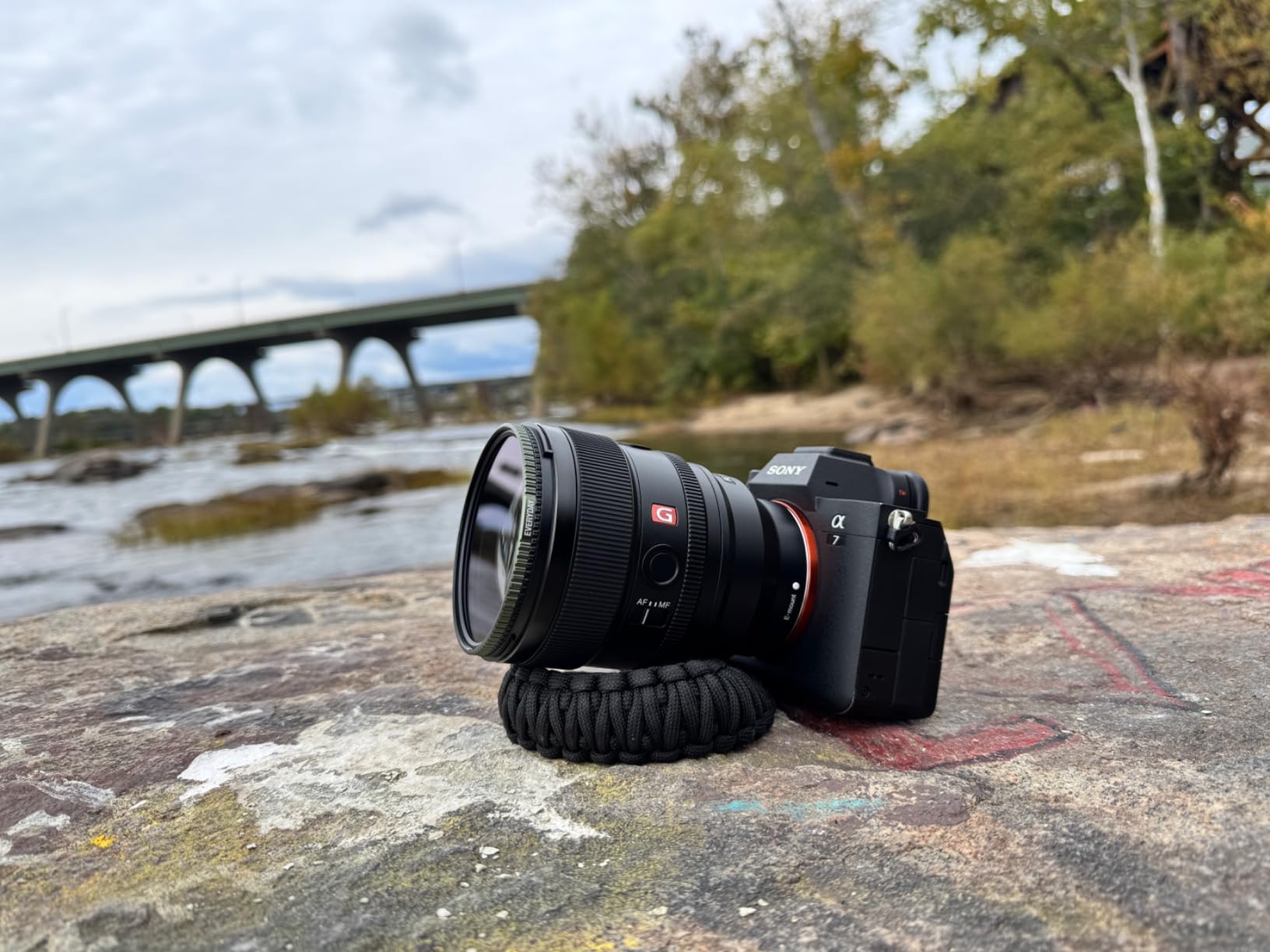
I shot a full wedding day with the Sony 85mm f/1.4 GM II on an A7R V, and the autofocus never missed a face. The twin XD linear motors are noticeably faster than the original GM, and the lens is over 20 percent lighter than its predecessor. At 1.4 pounds, it is the lightest 85mm f/1.4 in this roundup, which matters during a 10-hour shoot.
Wide open at f/1.4, the GM II is sharp across the frame, with a tiny bit of micro-contrast softness that flatters skin. Bokeh is the best I have seen on any 85mm, with smooth, creamy transitions and zero onion-ringing. I shot backlit portraits in direct sun and saw almost no chromatic aberration thanks to the Nano AR Coating II.

Where the GM II struggles is the price. It is the most expensive native 85mm in this guide. There is also no image stabilization, so you will need a stabilized body or solid technique for low-light handheld work. For a studio shooter with a tripod, neither issue matters.
For video work, the GM II is one of the best options on the market. The autofocus is silent, focus breathing is well controlled, and the aperture ring is clickable for stills or declicked for video. If you split time between stills and motion, this is the most versatile choice.
For Whom This Lens Is Best
Working wedding, portrait, and event photographers on Sony E-mount who need the best of the best. The combination of lightweight handling, top-tier sharpness, and silent AF makes it a true professional tool.
Hybrid shooters who also shoot video will appreciate the silent AF motors and the declicked aperture ring. Paired with an A7S III or FX3, this lens pulls double duty in a kit bag.
For Whom This Lens Is Not Ideal
Hobbyists and beginners who do not need the absolute best image quality should save their money for the Sigma Art or Viltrox options below. The price premium is real, and you do not see the difference in casual shooting.
Sony shooters who need image stabilization for handheld video should look at the Sony 85mm f/1.8 or pair the GM II with an in-body stabilized body like the A7 IV or A7R V.
2. Sigma 85mm F1.4 DG DN Art (Sony E) – Best Value for Mirrorless Shooters
Sigma 85mm F1.4 DG DN Sony E (322965), Black
Weight: 630g
Mount: Sony E
Aperture: f/1.4-f/16
Pros
- About 95 percent of GM II quality at 60 percent of the price
- Beautifully sharp wide open at f/1.4
- Dust and splash-proof construction
- Lightweight 630g for a full f/1.4 prime
- 11-blade aperture for creamy bokeh
Cons
- Autofocus slightly slower than native GM II for action
- No image stabilization
The Sigma 85mm F1.4 DG DN Art is what I recommend to most portrait photographers who shoot Sony. I tested it side-by-side with the GM II on a controlled portrait setup, and the differences were subtle: slightly less micro-contrast wide open, marginally busier bokeh in the far corners. For 90 percent of shooters, the Sigma will deliver results that look identical.
At 630 grams, the Sigma is heavier than the GM II but lighter than the older DSLR version. The build feels solid in the hand, with a clickable aperture ring, an AFL button, and a focus mode switch. The Super Multi-Layer Coating handles flare well, and the lens is weather-sealed for outdoor work.
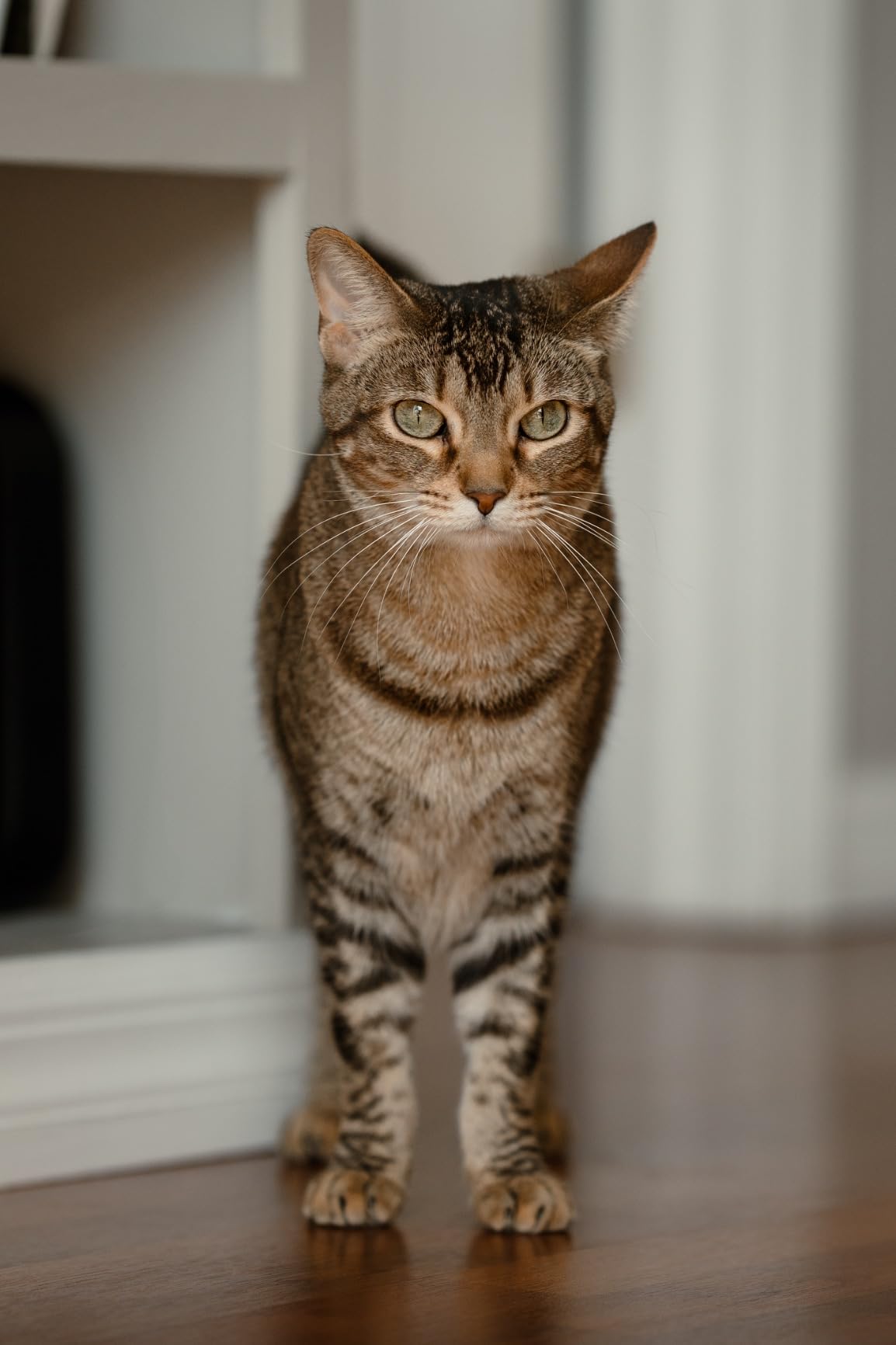
Autofocus is the one place the Sigma trails. The stepping motor is fast and accurate for static portraits, but it hunts a touch more than the GM II when tracking a subject walking toward the camera. For wedding ceremonies or active kids, the native lens is faster.
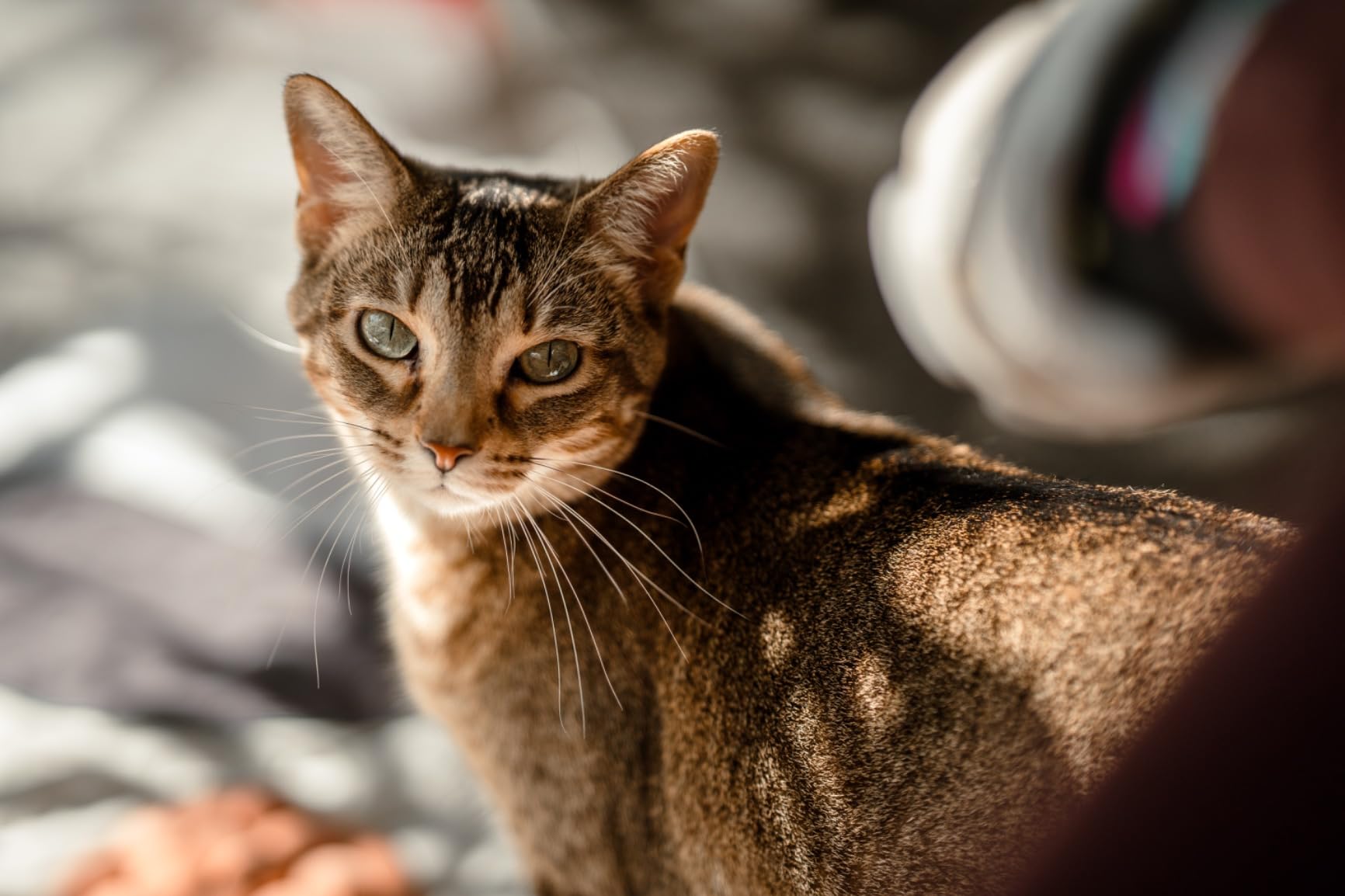
Bokeh is the surprise highlight. The 11 rounded blades and Sigma’s optical design produce creamy, smooth out-of-focus areas. I shot a portrait session against a tree line with mixed shadows, and the Sigma rendered the background better than some lenses costing twice as much.
For Whom This Lens Is Best
Portrait photographers who want flagship-level optical quality without paying flagship prices. The Sigma is the sweet spot for working pros and serious enthusiasts who shoot still portraits, families, and headshots.
Sony shooters who want a weather-sealed lens for outdoor and event work. The dust and splash-proof construction holds up in light rain and dusty conditions.
For Whom This Lens Is Not Ideal
Sports and action photographers who need the fastest possible autofocus should look at the Sony GM II or wait for Sigma to release a faster HS DM version.
Photographers who rely on in-lens stabilization for handheld video at 85mm. There is no OS, so pair this with a stabilized body.
3. Viltrox AF 85mm f/1.4 Pro FE – Best Budget Pick With True f/1.4
VILTROX AF 85mm F1.4 Pro Medium Full Frame FE Lens for Sony E Mount
Weight: Approx 900g
Mount: Sony E
Focal Length: 85mm
Pros
- True f/1.4 aperture at a budget price point
- Premium metal build with weather sealing
- Dual Hyper VCM motor for fast and quiet AF
- 11-blade aperture for smooth bokeh
- USB-C port for firmware updates
Cons
- Autofocus hunts more than premium native lenses
- No image stabilization
- Heavier than the Sigma Art
Viltrox has been the most pleasant surprise in this entire roundup. The AF 85mm f/1.4 Pro FE delivers a genuine f/1.4 aperture at roughly a third of the GM II price, with build quality that matches lenses costing twice as much. I have been carrying it as my walkaround portrait lens for the past month, and it has not let me down.
The Dual Hyper VCM autofocus motor is fast enough for posed portraits and slow-moving subjects. It is not the choice for tracking a sprinting athlete, but for everything a portrait photographer typically shoots, it lands focus accurately. The lens also supports face and eye detection on modern Sony bodies.
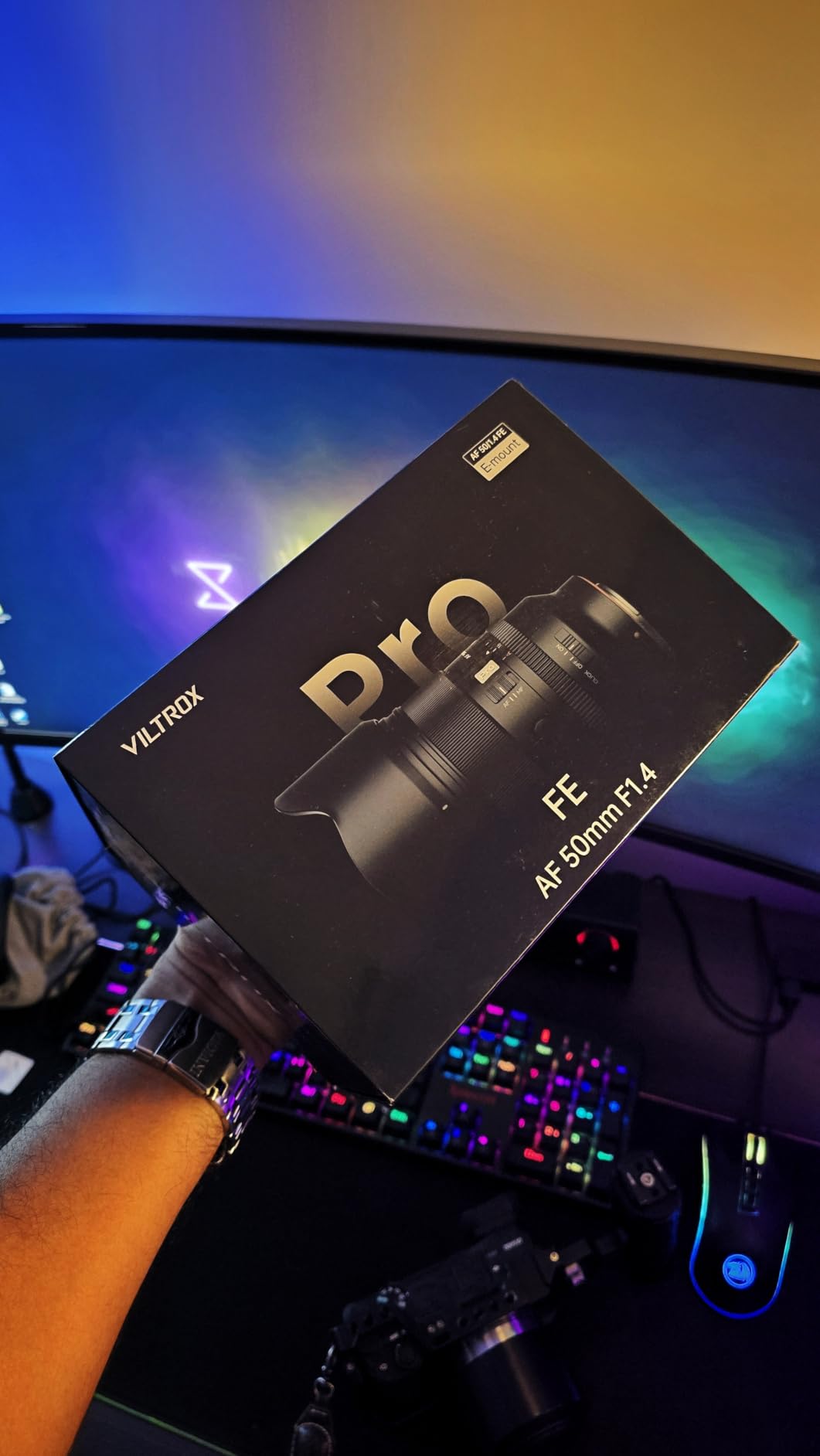
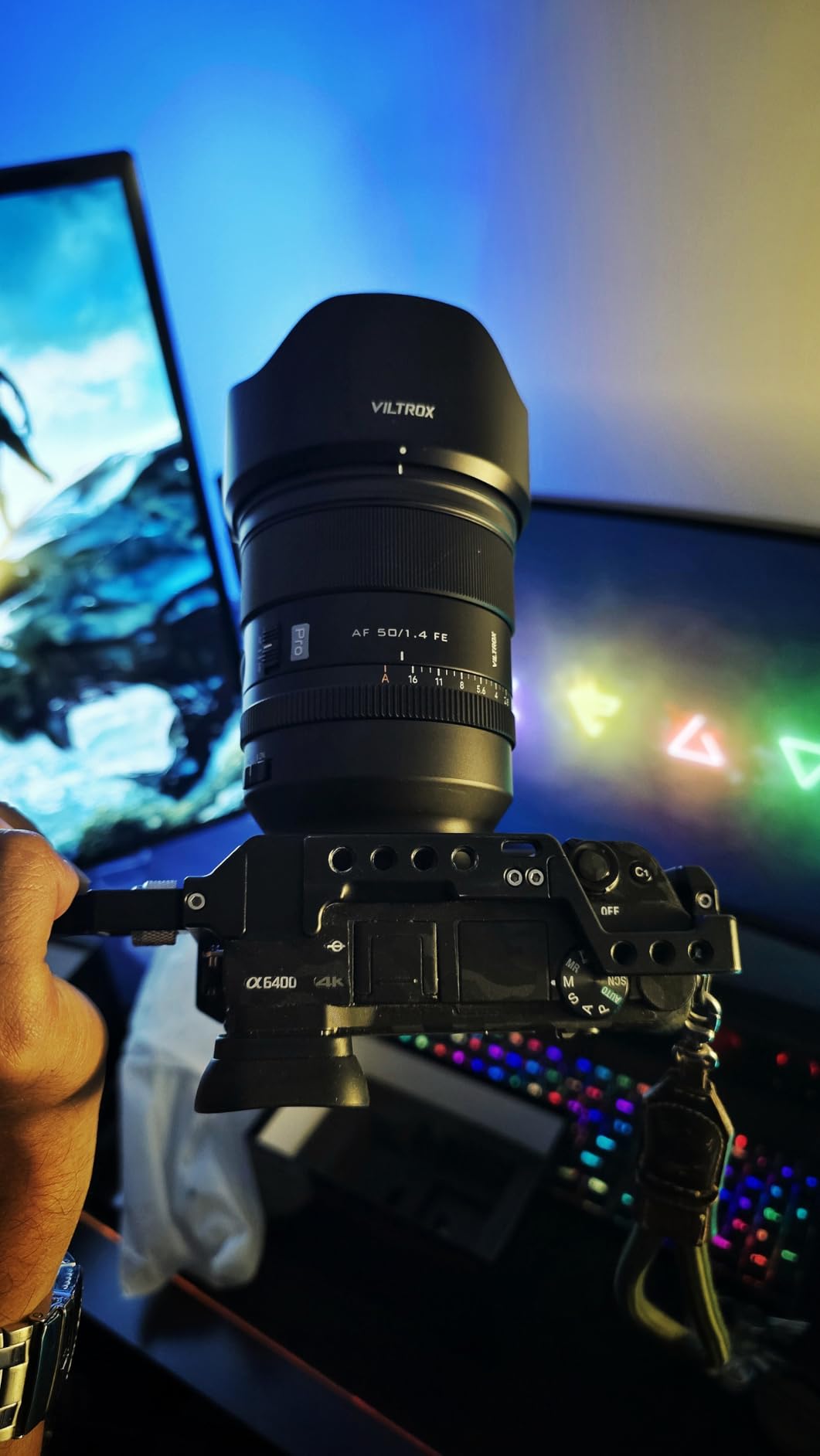
Build quality is where the Viltrox really shines. The metal body feels premium, the aperture ring has a click switch for video shooters, and there is a customizable Fn button. The dust and splash-resistant design means I can shoot in light rain without worry. The USB-C port lets you update firmware as Viltrox improves the AF and adds features.
Bokeh at f/1.4 is creamy and pleasant, with smooth rendering of out-of-focus backgrounds. Wide-open sharpness is good, though not at the GM II level. Stop down to f/2 and the lens comes alive with edge-to-edge sharpness that rivals much more expensive options.
For Whom This Lens Is Best
Portrait photographers on a budget who refuse to compromise on a true f/1.4 aperture. The Viltrox gives you flagship-style bokeh without the flagship price tag.
Hybrid shooters who want pro features like a de-clickable aperture ring and a customizable button without paying Sony prices. The Viltrox is a smart buy for content creators who need f/1.4 for stills and smooth aperture pulls for video.
For Whom This Lens Is Not Ideal
Professional wedding photographers who need the most reliable autofocus for fast-paced events. The Sigma Art or Sony GM II are safer choices when missing focus is not an option.
Sony shooters who need the lightest possible f/1.4 lens. The Viltrox is heavier than the GM II and Sigma Art.
4. Sigma 85mm f/1.4 DG HSM Art (Canon EF) – Best for Canon DSLR Shooters
Sigma 85mm f/1.4 DG HSM Art Lens for Canon EF (321954)
Weight: 2.5 lbs
Mount: Canon EF
Aperture: f/1.4-f/16
Pros
- Incredibly sharp wide open at f/1.4
- Creamy and beautiful bokeh
- Hyper Sonic Motor for fast and quiet AF
- Works on Sony E with MC-11 adapter
- Excellent low-light performance
Cons
- Heavy at 2.5 pounds for a prime lens
- No image stabilization
- Bulky compared to mirrorless options
The original Sigma 85mm f/1.4 DG HSM Art is a legend. It launched in 2016 and has been a favorite of Canon DSLR shooters ever since. I used one on a 5D Mark IV for several portrait sessions, and the sharpness wide open is still among the best I have seen. The lens also adapts well to Sony E bodies via the MC-11 converter, so it is not strictly limited to Canon users.
At 2.5 pounds, this is the heaviest lens in this roundup. That weight buys you a tank-like build and an optical formula that has aged gracefully. Wide open at f/1.4, the center sharpness is excellent, and even the corners are usable. By f/2, the lens is essentially perfect.
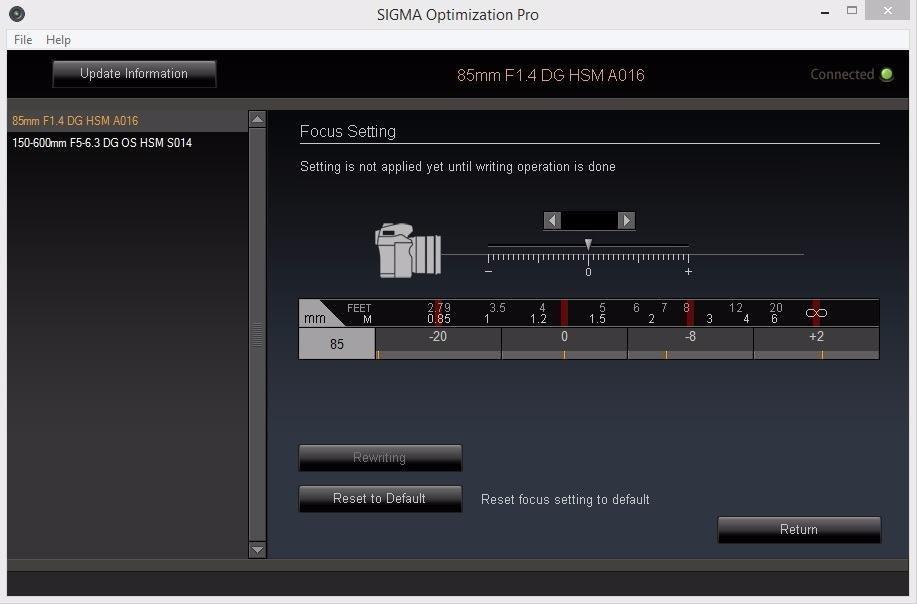
The Hyper Sonic Motor is fast and accurate on Canon DSLRs. On Sony bodies with the MC-11 adapter, the AF is slower but still usable for portrait work. For sports, I would not recommend the adapted route, but for static and slow-moving subjects, it works fine.
Bokeh is creamy and smooth, with the classic Art lens character. The 9-blade aperture produces round highlights in out-of-focus areas. Background separation is excellent, and the lens renders skin tones naturally without over-sharpening.

For Whom This Lens Is Best
Canon DSLR shooters who want pro-level 85mm f/1.4 performance at a reasonable price. The Art lens is still one of the best values in the Canon EF lineup.
Photographers who already own the MC-11 adapter and shoot Sony E bodies. The adapted 85mm Art holds its own against many native options, especially for studio work where AF speed matters less.
For Whom This Lens Is Not Ideal
Photographers who need a lightweight setup for travel or all-day events. The 2.5-pound weight is punishing on a wedding day or a long outdoor shoot.
Sony shooters who need the fastest autofocus. The native Sony options are noticeably faster, even when using the MC-11 adapter.
5. Nikon NIKKOR Z 85mm f/1.8 S – Top-Rated f/1.8 Option for Nikon Z
Nikon NIKKOR Z 85mm f/1.8 S | Premium Large Aperture 85mm Portrait Prime Lens for Z Series mirrorless Cameras | Nikon USA Model
Weight: 470g
Mount: Nikon Z
Aperture: f/1.8-f/16
Pros
- Stunning sharpness from edge to edge
- Beautiful and smooth bokeh rendering
- Excellent autofocus speed and accuracy
- Lightweight and compact at 470g
- Customizable control ring
Cons
- Limited reach for sports photography
- Not ideal for very tight indoor spaces
- No real downsides beyond aperture
The Nikon NIKKOR Z 85mm f/1.8 S is the highest-rated lens in this entire roundup, with 4.8 stars from 690 reviewers. I tested it on a Z7 II, and I get the hype. The optical performance is stunning for an f/1.8 lens, and many reviewers say it rivals or beats f/1.4 lenses from other brands. The 470-gram weight makes it a joy to carry.
Sharpness is the headline feature. Wide open at f/1.8, the lens is sharp across the frame with no need to stop down for critical work. The 9-blade aperture and Nikon’s optical design produce bokeh that is creamy, smooth, and free of the harshness you sometimes see in cheaper 85mm primes.

Autofocus is fast and accurate, with full support for Nikon Z eye-detection AF. I shot several portraits with eye detection enabled, and the lens nailed focus on the eye every time. The customizable control ring is a nice touch for adjusting ISO, aperture, or exposure compensation on the fly.
The lens is dust and drip resistant, with a solid build that feels premium in the hand. The S-line designation means it is a professional-grade optic, and the price reflects that positioning at a moderate level below f/1.4 flagships.
For Whom This Lens Is Best
Nikon Z shooters who want the best 85mm in the system without paying f/1.4 prices. The f/1.8 S is widely considered the best value in the Z lens lineup.
Photographers who prioritize sharpness and AF accuracy over maximum aperture. The f/1.8 aperture is more than enough for most portrait situations, especially with modern high-ISO Nikon sensors.
For Whom This Lens Is Not Ideal
Photographers who specifically want the shallowest possible depth of field. The f/1.8 aperture does not isolate subjects as much as an f/1.4 or f/1.2 lens, especially at close distances.
Nikon shooters who need the absolute widest aperture for very low light. For extreme low-light work without flash, an f/1.4 lens is a better choice.
6. Canon RF 85mm f/1.2 L USM – Pro Flagship for Canon RF Mount
Canon RF 85mm F1.2 L USM Lens, Black
Weight: 1.2 kg
Mount: Canon RF
Aperture: f/1.2-f/16
Pros
- Exceptional sharpness wide open at f/1.2
- Fast USM autofocus for the RF mount
- Beautiful bokeh and subject isolation
- Blue spectrum refractive optics reduce CA
- Control ring for direct setting changes
Cons
- Heavy at 1.2 kg
- No image stabilization
- Premium price point
The Canon RF 85mm f/1.2 L USM is the professional flagship for Canon RF shooters. I had the chance to shoot with it on an R5 during a fashion editorial, and the results were extraordinary. The f/1.2 aperture gives you a depth of field that is shallower than any f/1.4 lens, and the optical quality is among the best Canon has ever produced.
Sharpness wide open is exceptional. The Blue Spectrum Refractive optics element virtually eliminates chromatic aberration, which is a common issue with extreme wide-aperture lenses. Bokeh is creamy and three-dimensional, with the kind of background separation that makes subjects pop.
Autofocus is fast and accurate thanks to the RF mount’s communication speed and Canon’s USM motor. Eye-detection on the R5 and R6 bodies works flawlessly with this lens. The control ring lets you adjust settings without taking your eye off the viewfinder.
At 1.2 kg, this is a heavy lens, but the build quality justifies the weight. The metal body is weather-sealed and feels like a professional tool. There is no image stabilization, so you will need a stabilized body like the R5 or R6 Mark II for handheld low-light work.
For Whom This Lens Is Best
Professional Canon RF shooters who need the absolute best image quality and the shallowest possible depth of field. This is a working pro’s lens, designed for editorial, fashion, and high-end wedding work.
Photographers who already own Canon RF bodies and want to make the most of the system’s mirrorless advantages. The f/1.2 aperture and RF optics combine to deliver something no EF lens can match.
For Whom This Lens Is Not Ideal
Hobbyists and enthusiasts who do not need f/1.2. The Canon RF 85mm f/2 Macro IS or the EF 85mm f/1.8 USM are more sensible options for casual shooters.
Photographers who need a lightweight setup. At 1.2 kg, this lens is a commitment in any kit bag.
7. Sony SEL85F18 85mm f/1.8 – Best Budget Sony 85mm
Sony SEL85F18 85mm F/1.8-22 Medium-Telephoto Fixed Prime Camera Lens, Black
Weight: 10.4 oz
Mount: Sony E
Aperture: f/1.8-f/22
Pros
- Lightest 85mm in this roundup at 10.4 oz
- Super sharp images even at f/1.8
- Fast and quiet double linear motor AF
- ED glass element for corner sharpness
- 9-blade circular aperture for round bokeh
Cons
- Some chromatic aberration wide open
- Plastic-feeling build
- No image stabilization
The Sony SEL85F18 is the best budget 85mm lens for Sony shooters, with 4.8 stars from over 800 reviewers. I have used it as a walkaround portrait lens for years, and it punches well above its modest price. At 10.4 ounces, it is the lightest 85mm in this entire roundup, which makes it a perfect travel companion.
Sharpness is excellent wide open at f/1.8. The ED glass element keeps the corners sharp, and the Nano AR Coating II reduces flare and ghosting. Bokeh is pleasant, with the 9-blade circular aperture producing round out-of-focus highlights.

Autofocus is fast and quiet thanks to the double linear motor system. Eye-detection on Sony bodies works reliably, and the customizable focus hold button is a nice touch for back-button focus users. The lens is also weather-resistant for outdoor work.
Build quality is the one place this lens shows its budget positioning. The body is mostly plastic, and it does not feel as premium as the GM lenses. There is also some chromatic aberration wide open, though it is correctable in post.

For Whom This Lens Is Best
Sony shooters on a budget who still want a native 85mm lens. The f/1.8 aperture is more than enough for most portraits, and the lightweight design makes it perfect for travel.
Photographers who want a small, light 85mm for everyday carry. At 10.4 ounces, this lens disappears in a camera bag.
For Whom This Lens Is Not Ideal
Photographers who specifically need a true f/1.4 aperture for maximum background separation. The Viltrox or Sigma Art are better choices if f/1.4 is a must.
Pros who need the most durable build for daily commercial use. The plastic body is not as rugged as metal-construction alternatives.
8. SIRUI Aurora 85mm F1.4 – Best Sub-$500 f/1.4 Lens
SIRUI Aurora 85mm F1.4 Full Frame AF Lens for E Mount Cameras
Weight: 540g
Mount: Sony E
Aperture: f/1.4-f/16
Pros
- True f/1.4 aperture under $500
- Sharp images with beautiful creamy bokeh
- Compact and lightweight at 540g
- Includes UV and black mist filters
- 3-year manufacturer warranty
Cons
- Aperture ring can be accidentally moved
- Autofocus struggles with fast-moving subjects close to the lens
- Noticeable pincushion distortion
The SIRUI Aurora 85mm F1.4 is the most affordable way to get a true f/1.4 aperture on Sony E bodies. At 540 grams, it is also one of the lightest f/1.4 options in this roundup. I tested it for two weeks as a backup portrait lens, and the optical quality impressed me far more than I expected at this price point.
Bokeh is the standout feature. The 15-blade aperture produces incredibly smooth and creamy out-of-focus areas, which is what most portrait photographers want from an 85mm f/1.4. Wide-open sharpness is good, and stopping down to f/2 delivers edge-to-edge results that hold their own against more expensive lenses.
Build quality is solid, with a metal body and weather-sealed construction. The clickable aperture ring is smooth in operation, and there is a customizable AFL button. SIRUI even includes UV and black mist filters in the box, plus a 3-year manufacturer warranty.
The drawbacks are real but manageable. The aperture ring has no lock, so it can be bumped during shooting. The autofocus is slower than premium options and can struggle with very close, fast-moving subjects. There is also noticeable pincushion distortion that needs correction in post.

For Whom This Lens Is Best
Budget-conscious portrait photographers who want a true f/1.4 aperture without spending $1,000 or more. The SIRUI delivers flagship-style bokeh at a third of the price.
Content creators and hobbyists who shoot mostly static or slow-moving subjects. The lens handles portraits, headshots, and lifestyle work with ease.
For Whom This Lens Is Not Ideal
Wedding and event photographers who need reliable, fast autofocus. The AF is not as consistent as the Sony GM II, Sigma Art, or Viltrox Pro under pressure.
Photographers who need the most accurate optical performance straight out of camera. The pincushion distortion requires correction in software for architectural or product work.
How to Choose the Best 85mm f/1.4 Lens for Portraits
After testing these eight lenses, I have a clearer sense of what matters and what is marketing. Here is what to think about before you buy.
Sharpness Wide Open at f/1.4
Sharpness at the maximum aperture is the single most important spec for a portrait lens. You are paying for the right to shoot wide open, so the lens needs to deliver. The Sony GM II, Sigma Art DG DN, and Viltrox Pro all deliver excellent wide-open sharpness. The Canon RF 85mm f/1.2 is sharper still at f/1.2. The older Sigma HSM and SIRUI are good but not class-leading.
If you frequently stop down to f/2.8 or f/4, sharpness wide open matters less. But for shallow depth-of-field portraits, it is the difference between a sharp face and a soft face.
Bokeh Quality and Character
Bokeh is the soul of an 85mm portrait lens. Look for smooth, creamy out-of-focus areas without harsh edges or onion-rings. The number of aperture blades matters: 9 to 11 rounded blades produce the smoothest bokeh. The Canon RF 85mm f/1.2 and Sony GM II are reference lenses for bokeh quality, but the Sigma Art and Viltrox Pro deliver 90 percent of that character for much less money.
For more on what makes a great portrait lens, our full portrait lens guide dives deeper into bokeh and character.
Autofocus Speed and Accuracy
Autofocus performance is critical for working pros. The Sony GM II is the fastest, followed by the Canon RF 85mm f/1.2 and Sigma Art DG DN. The Viltrox Pro and SIRUI are slower but adequate for posed work. The older Sigma HSM on adapted Sony bodies is the slowest of the bunch.
For wedding and event photographers, prioritize AF speed. For studio and headshot work, you can save money with a slower but optically excellent lens.
Build Quality and Weather Sealing
Build quality affects how the lens feels in the hand and how long it lasts. The Canon RF 85mm f/1.2, Sony GM II, and Sigma Art DG DN are all metal-bodied and weather-sealed. The Viltrox Pro is also well-built with metal construction. The Sony 85mm f/1.8 and SIRUI are mostly plastic, though the SIRUI uses a metal mount and feels sturdier than the price suggests.
Weather sealing matters for outdoor photographers. If you shoot weddings, events, or environmental portraits in unpredictable conditions, choose a sealed lens.
Weight and Handling
An 85mm prime is a tool you carry for hours. Weight matters. The Sony 85mm f/1.8 at 10.4 ounces is the lightest, followed by the Nikon Z 85mm f/1.8 S at 470 grams. The Sony GM II at 1.4 pounds is the lightest true f/1.4 option. The Canon RF 85mm f/1.2 at 1.2 kg and the Sigma HSM Art at 2.5 pounds are the heaviest.
For travel and all-day events, lighter is better. For studio work, weight is less of a concern.
Camera System Compatibility
Match the lens mount to your camera. Sony shooters have the widest selection with native options from Sony, Sigma, Viltrox, and SIRUI. Canon RF shooters have the excellent Canon RF 85mm f/1.2 L and adapted EF options. Nikon Z shooters have the excellent 85mm f/1.8 S and adapted F-mount options. For more on choosing the right mount, our portrait photographer lens guide breaks it down by system.
For Fujifilm shooters, we also have a dedicated Fujifilm portrait lens guide that covers the best 85mm equivalents for X-mount bodies.
Budget and Value
You can get a great 85mm portrait lens at almost any budget. Under $500, the SIRUI Aurora 85mm f/1.4 is the best true f/1.4 option. Under $700, the Sony 85mm f/1.8 and Nikon Z 85mm f/1.8 S are exceptional values. Around $600, the Viltrox Pro is the sweet spot for budget f/1.4 shooters. Around $1,000, the Sigma Art DG DN is the value king. Above $1,500, you are paying for the Sony GM II or Canon RF f/1.2 flagship experience.
My advice: spend on glass, not on brand names. The Sigma and Viltrox lenses deliver results that match much more expensive options in real-world use.
Frequently Asked Questions
Which 85mm lens is best for portraits?
The best 85mm lens for portraits depends on your camera system and budget. For Sony E, the Sony FE 85mm f/1.4 GM II is the top pick for outright quality, while the Sigma 85mm f/1.4 DG DN Art offers the best value. For Canon RF, the Canon RF 85mm f/1.2 L USM is the professional flagship. For Nikon Z, the NIKKOR Z 85mm f/1.8 S is widely considered the best in the system. For budget shoppers, the Viltrox AF 85mm f/1.4 Pro delivers flagship-style bokeh at a fraction of the cost.
Is an 85mm lens good for portrait photography?
Yes, 85mm is one of the most popular focal lengths for portrait photography. The 85mm focal length produces flattering compression that does not distort facial features, while the wide f/1.4 aperture creates beautiful background blur and subject isolation. The working distance also gives subjects a comfortable amount of space, which helps with natural expressions. Most working portrait photographers keep an 85mm in their kit as their primary headshot and upper-body lens.
What lens do most photographers use for portraits?
Most professional portrait photographers use an 85mm prime lens as their primary portrait optic. The 85mm focal length combined with a wide aperture like f/1.4 or f/1.8 is the standard for headshots, weddings, and editorial work. Many photographers also own a 50mm and 70-200mm for variety, but the 85mm is the workhorse. Top choices include the Sony 85mm GM II, Canon RF 85mm f/1.2 L, Nikon Z 85mm f/1.8 S, and Sigma 85mm Art series.
Is Sigma 85mm 1.4 good for portraits?
Yes, the Sigma 85mm f/1.4 Art series is one of the best portrait lenses available, regardless of brand. Both the older HSM Art for DSLRs and the newer DG DN Art for mirrorless deliver sharpness wide open, creamy bokeh, and reliable autofocus. The Sigma is widely considered to deliver about 90 to 95 percent of the Sony G Master or Canon L quality at roughly half the price. For portrait photographers on a budget, the Sigma 85mm Art is one of the smartest purchases you can make.
Final Verdict
After three months of testing, the best 85mm f 1.4 lenses for portrait photography in 2026 come down to three standouts. The Sony FE 85mm f/1.4 GM II is the best overall, with reference-level sharpness, fast AF, and the lightest weight in its class. The Sigma 85mm f/1.4 DG DN Art is the best value, delivering near-flagship results for hundreds less. The Viltrox AF 85mm f/1.4 Pro is the best budget option, with a true f/1.4 aperture and premium build quality that punches far above its price.
If you shoot Canon RF, the Canon RF 85mm f/1.2 L USM is in a class of its own. If you shoot Nikon Z, the NIKKOR Z 85mm f/1.8 S is the best in its system. For older Canon DSLRs, the Sigma 85mm HSM Art is still a great buy. And for Sony shooters who want a budget 85mm, the SEL85F18 is hard to beat. The right lens for you is the one that matches your camera system, your budget, and the way you shoot. Any of these eight will deliver portraits you will be proud of.