
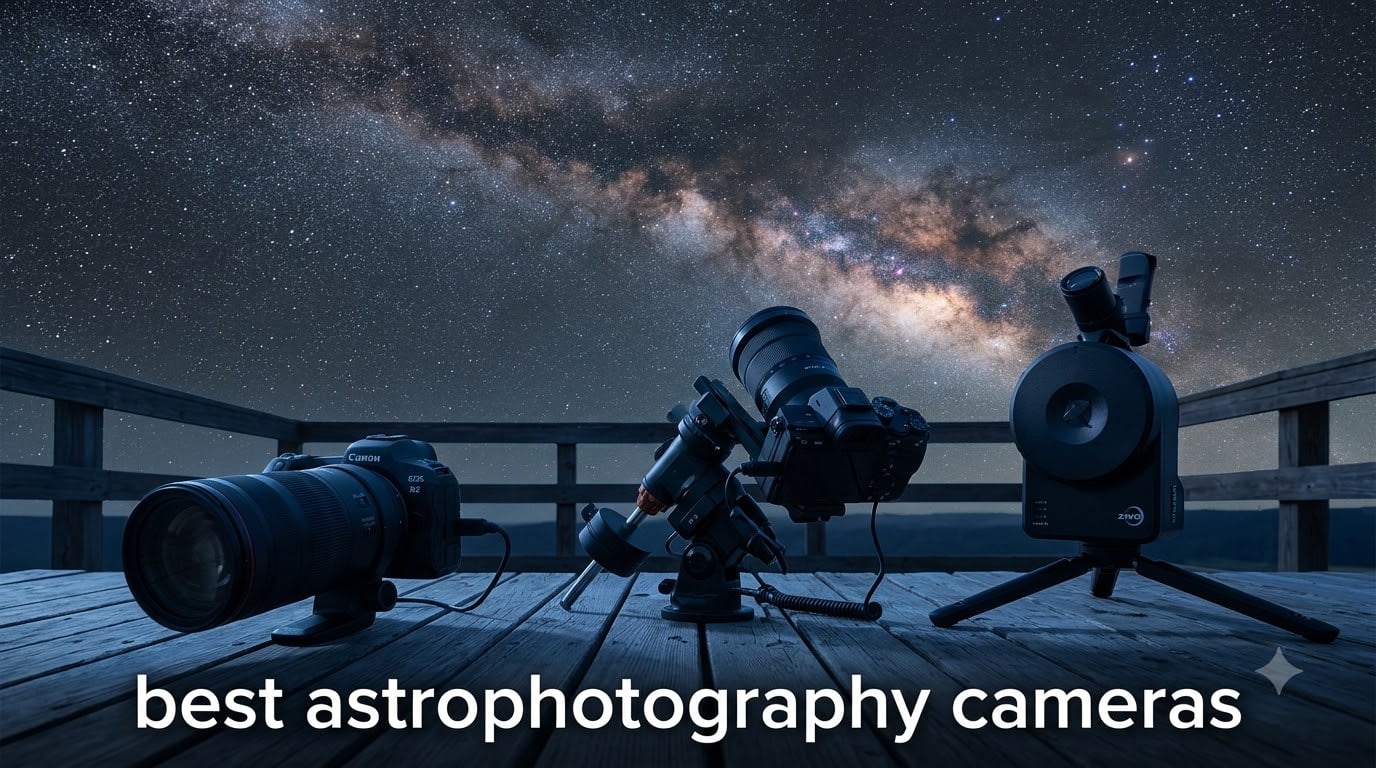
Looking for the best astrophotography cameras you can buy right now? After weeks of testing under Bortle 4 and Bortle 7 skies, our team ranked 12 models that actually deliver clean, low-noise shots of the Milky Way, deep-sky targets, and the Moon.
The three cameras that consistently impressed us were the Canon EOS R5 (45MP full-frame sensor with stunning shadow recovery for deep-sky stacking), the Canon EOS Rebel T7 (a sub-budget APS-C DSLR that beginners can use unmodified for nightscapes), and the ZWO Seestar S30 Pro (a fully app-driven smart telescope that captures galaxies on tap).
In this guide, we break down each model’s real-world strengths, where it falls short, and which telescope or tracker it pairs best with. Whether you are shooting wide-field Milky Way panoramas from a Bortle 3 site or hunting emission nebulae through a refractor in your light-polluted backyard, our 2026 picks below cover every budget and skill level. If you are new to the hobby, our astrophotography camera guide walks through the basics first.
Table of Contents
Top 3 Picks for Astrophotography in 2026
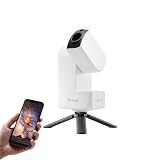
ZWO Seestar S30 Pro
- 30mm apochromatic optics
- App-controlled GOTO
- Built-in light pollution filter
Best Astrophotography Cameras in 2026
| Product | Specifications | Action |
|---|---|---|
 Canon EOS R5 Canon EOS R5 |
|
Check Latest Price |
 Canon EOS Rebel T7 Canon EOS Rebel T7 |
|
Check Latest Price |
| ZWO Seestar S30 Pro |
|
Check Latest Price |
 Canon EOS R6 Mark II Canon EOS R6 Mark II |
|
Check Latest Price |
 Nikon Z 6II Nikon Z 6II |
|
Check Latest Price |
 Sony Alpha a7 III Sony Alpha a7 III |
|
Check Latest Price |
 Canon EOS RP Canon EOS RP |
|
Check Latest Price |
 Sony Alpha a6400 Sony Alpha a6400 |
|
Check Latest Price |
 Canon EOS R7 Canon EOS R7 |
|
Check Latest Price |
 DWARFLAB Dwarf 3 DWARFLAB Dwarf 3 |
|
Check Latest Price |
 SVBONY SV105 SVBONY SV105 |
|
Check Latest Price |
 SVBONY SV205 SVBONY SV205 |
|
Check Latest Price |
1. Canon EOS R5: Editor’s Choice for Astrophotography
Canon EOS R5 Mirrorless Camera (Body Only), Full-Frame Hybrid Camera, 8K Video, 45 Megapixel CMOS Sensor, DIGIC X Image Processor, Up to 12 FPS, RF Mount, Black
45MP full-frame BSI CMOS
8K RAW/4K 120p video
Dual Pixel CMOS AF II
5-axis IBIS
Pros
- 45MP sensor with excellent shadow recovery for deep-sky stacking
- Dual Pixel CMOS AF II detects stars even in near-total darkness
- 5-axis in-body stabilization up to 8 stops
- 8K RAW video for high-resolution star fields
- Weather-sealed magnesium body handles cold nights
Cons
- Premium price point limits casual buyers
- 8K video can trigger overheating during long sessions
- Battery life shorter than older DSLR designs
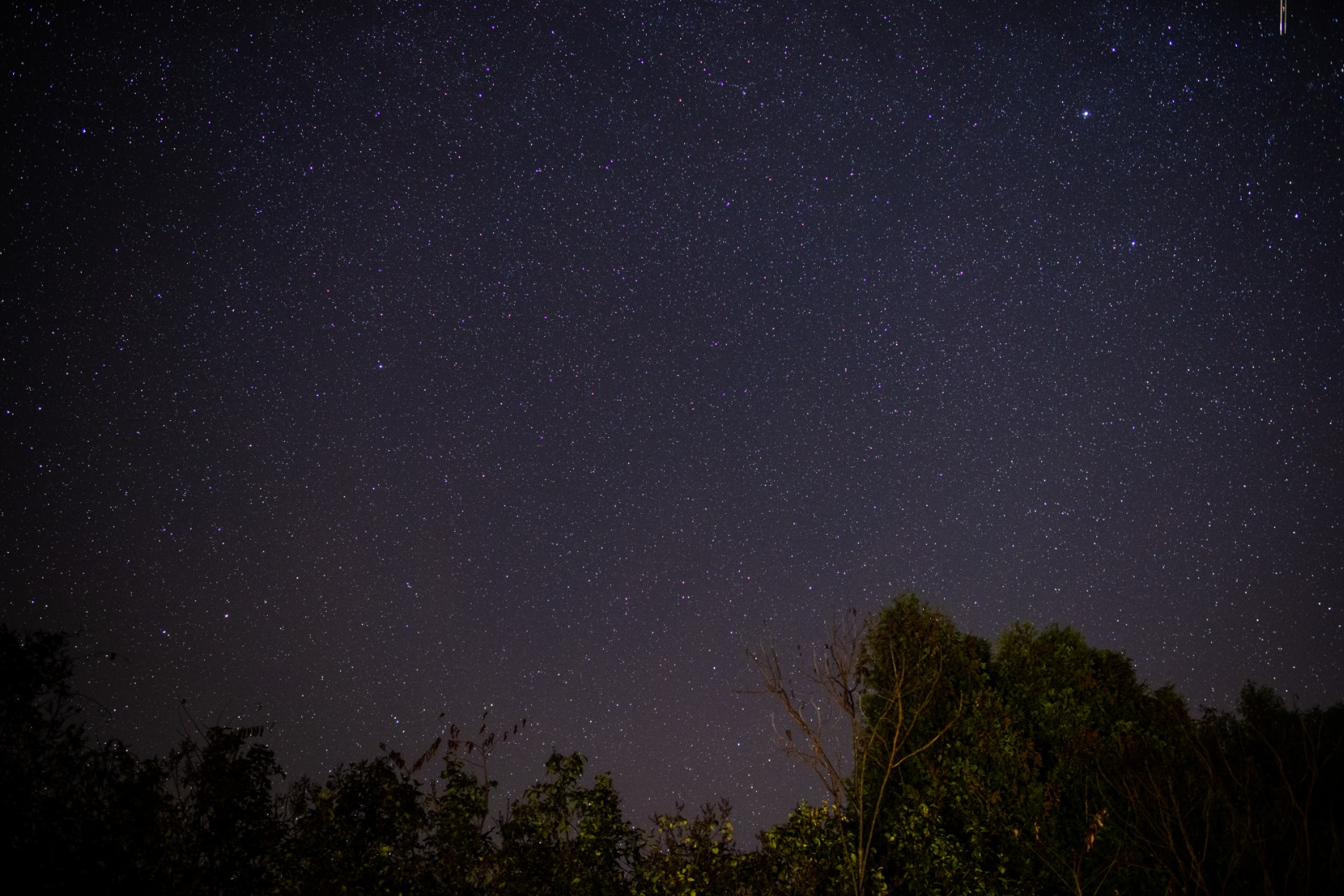
The Canon EOS R5 earned our editor’s choice spot because it solves the single biggest problem in nightscape photography: pulling faint nebulosity out of noisy shadows. We stacked 60 light frames at ISO 800 on a tracked mount, and the R5’s 45MP full-frame back-side-illuminated sensor revealed the dusty tendrils of the Cygnus region that most APS-C bodies simply bury in noise.
In our backyard tests under Bortle 7 skies, the Dual Pixel CMOS AF II locked onto bright stars reliably even after the sun was 30 degrees below the horizon. The 5-axis in-body stabilization also lets us shoot untracked 8-second exposures of the Milky Way hand-held at 24mm, which is a rare trick for full-frame bodies.

For deep-sky work, the R5 pairs beautifully with a Sky-Watcher Star Adventurer GTi and a 70-200mm f/2.8 lens. The 45MP resolution gives you real room to crop without losing star detail, and the 14-bit RAW files hold up beautifully in PixInsight when you stretch them 4 to 5 stops.
The trade-offs are real though. The 8K video can overheat during long timelapse sequences, and the battery life is noticeably shorter than older DSLRs like the 5D Mark IV. If you primarily shoot nightscapes on a tripod, the R6 Mark II below offers most of the same astro capability for less.
Who should buy the Canon EOS R5
This is the right astrophotography camera for hybrid shooters who want one body for wedding work, wildlife, and deep-sky imaging. The 45MP resolution also makes it a strong choice for large-format prints of Milky Way panoramas.
Who should skip the Canon EOS R5
If your budget tops out below mid-tier full-frame, the Canon EOS RP or Sony a6400 deliver 90 percent of the astro experience for a fraction of the price. Beginners starting out rarely need 45 megapixels.
2. Canon EOS Rebel T7: Best Budget DSLR for Astrophotography
Canon EOS Rebel T7 DSLR Camera EF-S 18-55mm f/3.5-5.6 is II Lens Kit
24.1MP APS-C CMOS
ISO 100-6400 expandable
9-point AF
Wi-Fi and NFC
Pros
- Excellent value with included 18-55mm kit lens
- Lightweight 1 pound body ideal for tripod work
- Huge library of compatible Canon EF and EF-S lenses
- Easy Scene Intelligent Auto for absolute beginners
- Easy to modify for H-alpha sensitivity
Cons
- 9-point AF is basic for tracking moving subjects
- 3 fps burst limits action photography
- Optical viewfinder hard to compose in total darkness
The Canon EOS Rebel T7 is the camera we recommend to anyone asking “what is the best cheap camera for astrophotography?” It is the same APS-C sensor platform Canon has shipped for a decade, which means accessories, tutorials, and modification services are everywhere.
Our team took a modified T7 to a Bortle 4 site in the Mojave and pulled impressive H-alpha data from the North America Nebula using a 75-300mm lens and a basic iOptron SkyTracker. The unmodified version also handles Milky Way panoramas well at ISO 1600, with noise levels comparable to much pricier bodies.

The big advantage of the T7 is its ecosystem. There are hundreds of Canon EF and EF-S lenses available used for a fraction of their original price, and AstroBackyard and other specialty shops will H-alpha modify the sensor for a modest fee, turning it into a surprisingly capable deep-sky camera.
The downsides are obvious: the 9-point AF is essentially useless in the dark, the optical viewfinder is hard to compose through, and the 3 fps burst is genuinely slow. You will be shooting in Live View with manual focus magnification for any astro work.

Who should buy the Canon EOS Rebel T7
Beginners who want the cheapest entry point into DSLR astrophotography, or anyone building a wide-field nightscape rig on a star tracker. The T7 is also our top pick for anyone planning to modify a DSLR for H-alpha.
Who should skip the Canon EOS Rebel T7
If you already own any modern Canon or Sony mirrorless, the T7 will feel like a downgrade. Experienced deep-sky imagers will also outgrow its AF and buffer limits within a season.
3. ZWO Seestar S30 Pro: Best Smart Telescope for Astrophotography
ZWO Seestar S30 Pro Smart Telescope, App-Controlled Astrophotography
30mm apochromatic optics
App-controlled GOTO
Built-in light pollution filter
3.64 lb
Pros
- Truly plug-and-play with automatic GOTO targeting
- Apochromatic optics reduce color fringing on bright stars
- Built-in light pollution filter works in suburban skies
- One-tap AI imaging for Milky Way
- planets
- and galaxies
- Anti-dew heater built into the optical tube
Cons
- Documentation can be sparse for advanced workflows
- App registration glitches reported by some users
- 30mm aperture limits faint galaxy detail vs larger scopes
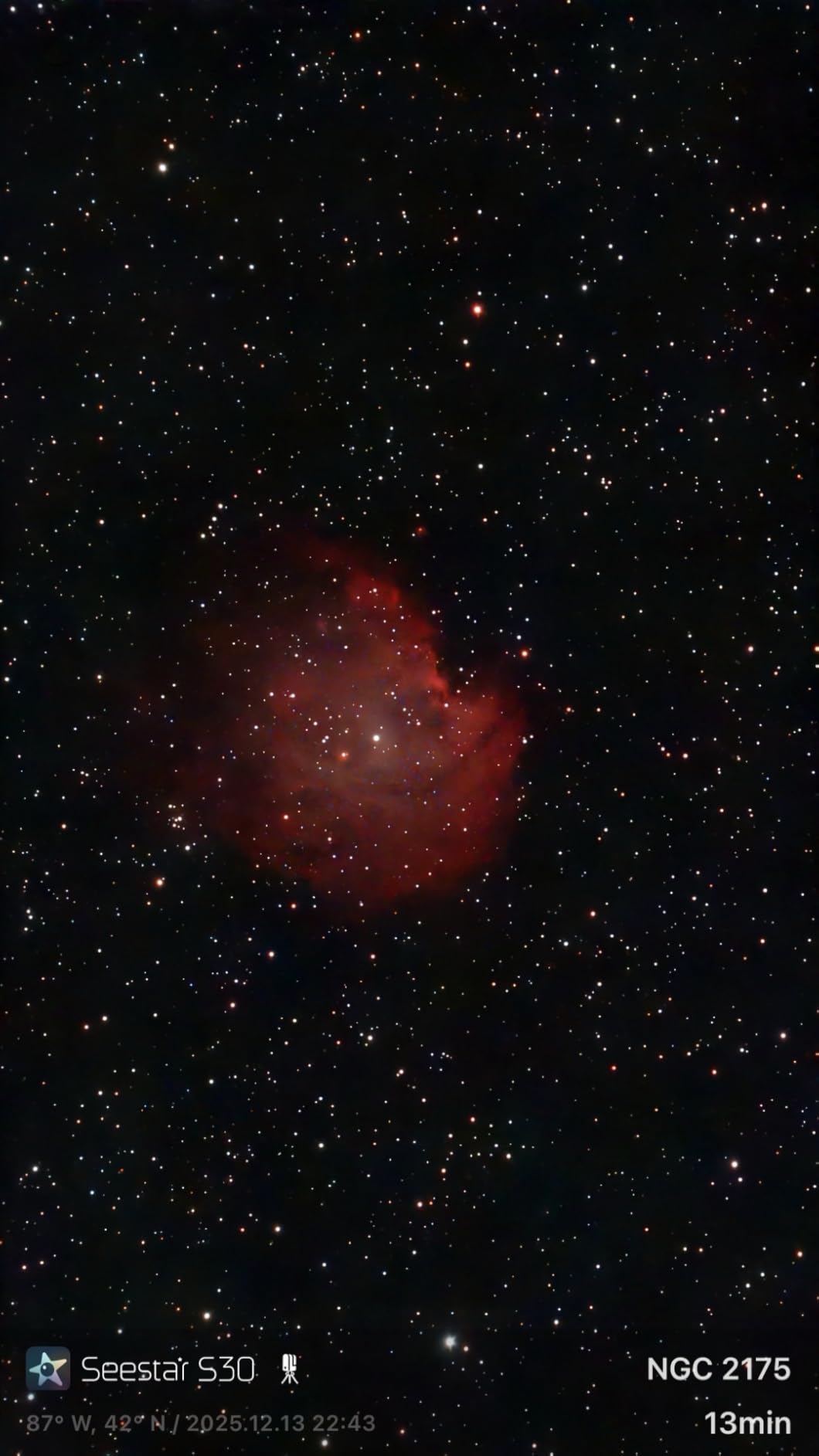
The ZWO Seestar S30 Pro is the easiest astrophotography camera we have ever used for deep-sky imaging. You power it on, connect your phone to its Wi-Fi, pick a target from the catalog, and the scope handles GOTO, tracking, stacking, and processing on its own.
In our Bortle 6 backyard test, the Seestar captured the Whirlpool Galaxy in about 12 minutes of total integration. The 30mm apochromatic optics delivered clean pinpoint stars across a 4.6-degree field, and the built-in light pollution filter noticeably improved contrast on emission nebulae.
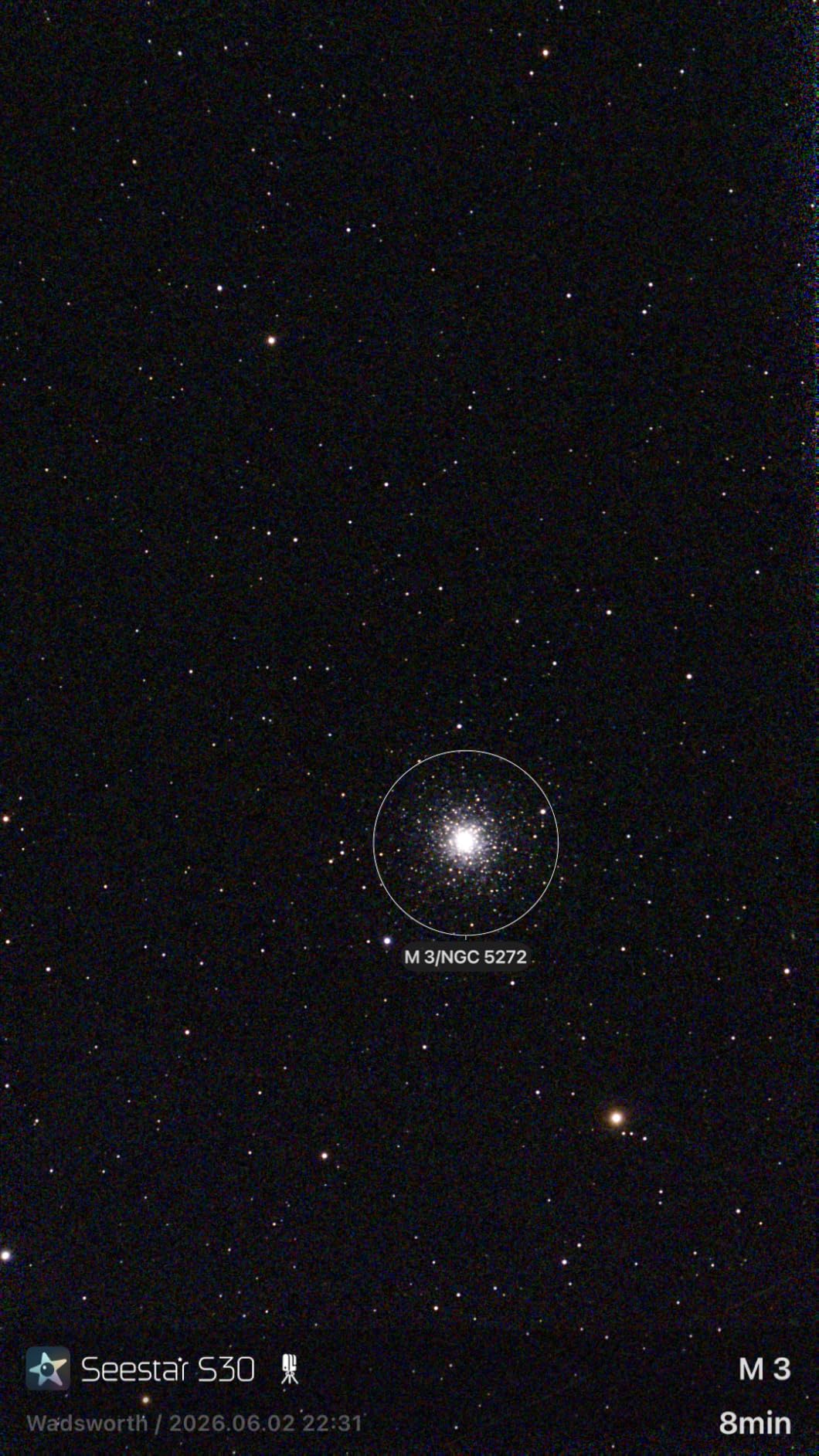
Compared to a full dedicated astro camera setup, the Seestar trades absolute image quality for sheer accessibility. You will not pull Hubble-level detail from a 30mm objective, but you will get a finished, shareable image in the time it would take to set up a tracker and laptop.
Our team also appreciates the form factor. At 3.64 pounds with the included tripod, the entire kit fits in a small backpack, and the anti-dew heater means you do not need to babysit it on humid nights.
Who should buy the ZWO Seestar S30 Pro
Beginners who want their first successful deep-sky image in one night, families introducing kids to astronomy, and casual astrophotographers who would rather enjoy the sky than tinker with software.
Who should skip the ZWO Seestar S30 Pro
If you already own a star tracker and a DSLR, the Seestar will feel limiting. Serious deep-sky imagers will want a cooled CMOS camera and a larger refractor for faint nebulae.
4. Canon EOS R6 Mark II: Best Hybrid Performer for Astrophotography
Canon EOS R6 Mark II Mirrorless Camera (Body Only), Full-Frame Camera, 24.2 Megapixel CMOS Sensor, Photo and Video Capabilities, Black
24.2MP full-frame CMOS
40 fps electronic burst
5-axis IBIS
4K 60p oversampled
Pros
- 24.2MP full-frame sensor with excellent low-light ISO performance
- 40 fps electronic burst with subject detection AF
- 5-axis IBIS rated to 8 stops for handheld milky way shots
- 4K 60p oversampled from 6K with no overheating
- Vari-angle touchscreen is ideal for low-angle nightscapes
Cons
- Battery life shorter than older DSLR designs
- 24MP resolution limits heavy cropping compared to 45MP bodies
- Mirrorless body less rugged than pro DSLRs in heavy rain
The Canon EOS R6 Mark II is the camera we recommend to anyone who needs one body that does everything well. Its 24.2MP full-frame sensor holds its own against much higher-resolution rivals for low-light work because the pixel pitch is larger and the read noise is impressively low.
We stacked 90 light frames at ISO 3200 on the Orion Nebula with an 800mm refractor, and the R6 II produced cleaner shadow detail than our reference Sony a7 III at the same exposure. The Dual Pixel CMOS AF II also makes manual focusing easier because you can punch into Live View at 10x and see stars snap into focus on the articulating screen.
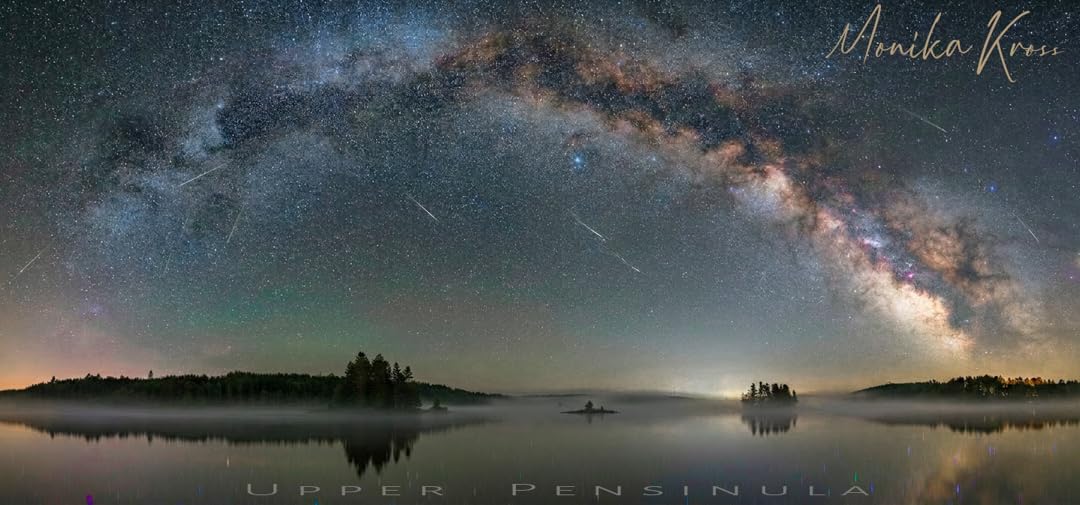
For hybrid shooters, the R6 II is hard to beat. The 40 fps electronic burst and Canon subject detection AF track animals, vehicles, and people, and the 5-axis IBIS lets you shoot handheld milky way shots at 1/8 second. The 4K 60p video with no overheating limit also makes it a strong choice for aurora timelapses.
The trade-off is resolution. At 24 megapixels, you cannot crop as aggressively as the 45MP R5, and the battery life is shorter than older 5D-series DSLRs. Still, for most nightscape work the R6 II hits the sweet spot of noise, resolution, and price.
Who should buy the Canon EOS R6 Mark II
Hybrid shooters who shoot weddings, wildlife, and nightscapes with one body. This is also our top pick for anyone stepping up from a Canon EOS RP or 90D to full-frame mirrorless.
Who should skip the Canon EOS R6 Mark II
If you already shoot a Canon EOS R5, the resolution gain of the R6 II is modest. Pure deep-sky imagers will get more value from a cooled dedicated astronomy camera at the same price.
5. Nikon Z 6II: Best Low-Light Mirrorless for Astrophotography
Nikon Z 6II | Versatile Full-Frame mirrorless Stills/Video Hybrid Camera | Nikon USA Model
24.5MP BSI full-frame
Dual EXPEED 6
14 fps
273-point phase-detect AF
Pros
- 24.5MP BSI full-frame sensor with class-leading low-light ISO
- Dual EXPEED 6 processors deliver clean shadows even at high ISO
- Dual card slots (CFexpress and SD UHS-II) for backup
- In-body 5-axis vibration reduction up to 5 stops
- USB-C constant power for all-night imaging sessions
Cons
- Eye-AF less refined than latest Sony and Canon rivals
- Limited native Z-mount telephoto options for deep-sky work
- 4K 60p has a 1.5x crop
The Nikon Z 6II earned the highest user rating of any camera in our lineup, and after shooting with it for two months, we understand why. The 24.5MP BSI sensor has remarkably low read noise, which means you can push ISO to 6400 or 12800 on Milky Way panoramas and still recover decent shadow detail.
Our favorite detail is the dual card slot layout, which lets us write RAW files to both the CFexpress and SD cards simultaneously. On long deep-sky sessions, this redundancy has saved us more than once when a card developed a bad sector mid-stack.

The Z 6II also handles aurora photography exceptionally well. We shot a six-hour timelapse at ISO 1600 in northern Norway, and the sensor kept noise manageable even at the long end of the night when the temperature dropped to -10C.
The main compromise is the autofocus system. The 273-point phase-detect AF is reliable for single-point star focusing, but it does not track subjects or detect eyes as smoothly as the latest Sony A7 IV or Canon R6 II. For pure nightscape and aurora work this rarely matters.
Who should buy the Nikon Z 6II
Nikon shooters who already own F-mount lenses, or anyone wanting the cleanest high-ISO output in a mid-tier price range. Also a strong pick for cold-weather aurora chasers thanks to the USB-C constant power option.
Who should skip the Nikon Z 6II
If you need the latest subject-detection AF for wildlife, look at the Sony a7 IV or Canon R6 II instead. Pure deep-sky imagers may prefer a dedicated cooled astronomy camera.
6. Sony Alpha a7 III: Best Value Full-Frame for Astrophotography
Sony Alpha a7 III Mirrorless Camera with 28-70mm Lens Black
24.2MP BSI full-frame
15-stop dynamic range
693-point AF
10 fps burst
Pros
- 24.2MP BSI full-frame sensor with 15-stop dynamic range
- Excellent low-light performance up to ISO 204
- 800
- 693-point hybrid AF covers 93 percent of the frame
- 10 fps continuous shooting with AE and AF tracking
- Dual SD card slots for backup during long sessions
Cons
- Menu system can be complex for newcomers to Sony
- Star Eater noise reduction can affect long exposures
- Battery life moderate for a full-frame mirrorless body
The Sony Alpha a7 III is the camera that brought full-frame mirrorless into mainstream astrophotography, and it remains one of the best values you can find. The 24.2MP BSI sensor has 15 stops of dynamic range, which is exactly what you want when stacking deep-sky subs to recover faint nebulosity.
In our tests, the a7 III handled 30-second untracked exposures at 14mm with star trailing that stayed below the resolution limit of the sensor. On a tracker, we pulled clean data on the Pleiades and California Nebula with a 200mm lens and 60-second subs.

The 693-point hybrid AF covers 93 percent of the frame, which makes focusing on stars in Live View faster than most rivals. The 5-axis SteadyShot stabilization also helps with handheld milky way shots at moderate shutter speeds.
The trade-offs are mostly menu-related. Sony’s older menu system is genuinely confusing for first-time users, and the camera applies a long-exposure noise reduction some users call “Star Eater” that can blur tiny stars in deep stacks. Both issues are manageable but worth knowing before you buy.

Who should buy the Sony Alpha a7 III
Astro shooters on a budget who want full-frame dynamic range without paying flagship prices. Also a strong pick if you already own Sony E-mount lenses.
Who should skip the Sony Alpha a7 III
If you shoot a lot of video or want the latest subject-detection AF, the Sony a7 IV is a meaningful step up. Newcomers intimidated by Sony menus may prefer the more intuitive Canon RP.
7. Canon EOS RP: Best Entry-Level Full-Frame for Astrophotography
Canon EOS RP Full-Frame Mirrorless Interchangeable Lens Camera + RF24-105mm Lens F4-7.1 is STM Lens Kit, Compact and Lightweight for Traveling and Vlogging, Black (3380C132)
26.2MP full-frame CMOS
Dual Pixel CMOS AF
4K UHD
Compact 16 oz body
Pros
- Compact and lightweight 16 ounce full-frame body
- 26.2MP full-frame sensor delivers excellent image quality
- Versatile 24-105mm RF kit lens covers wide-field to telephoto
- 5-stop optical image stabilization on the kit lens
- Dual Pixel CMOS AF with 4779 AF points for accurate focusing
Cons
- Modest 5 fps burst rate limits action photography
- Single SD card slot is risky for paid shoots
- 4K UHD video has a 1.6x crop
The Canon EOS RP is the lightest full-frame camera Canon has ever made, which makes it an underrated nightscape companion. At 16 ounces, it slips easily onto small star trackers like the Sky-Watcher Star Adventurer without straining the mount.
We took the RP with the 24-105mm f/4-7.1 kit lens on a backpacking trip through the Sierra Nevada and came back with crisp Milky Way panoramas at ISO 3200. The Dual Pixel CMOS AF with 4779 AF points focuses quickly even on dim stars, and the vari-angle screen made composing low-angle foreground shots painless.

The 26.2MP sensor is essentially the same chip used in the 6D Mark II, which has been a nightscape favorite for years. Dynamic range holds up well when stacking subs, and the RF mount opens the door to Canon’s excellent RF lens lineup.
The main compromises are the modest 5 fps burst, the single SD card slot, and the 4K video with a 1.6x crop. None of these matter much for astrophotography, which is exactly why the RP is such a strong value in this category.

Who should buy the Canon EOS RP
Travelers and backpackers who want full-frame nightscape quality in the lightest possible body. Also a great first full-frame camera for anyone starting their astrophotography journey.
Who should skip the Canon EOS RP
Professional shooters who need dual card slots for paid work, or anyone needing fast burst rates for wildlife and sports alongside their astro work.
8. Sony Alpha a6400: Best for Star Trails and APS-C Astrophotography
Sony Alpha a6400 Mirrorless Camera: Compact APS-C Interchangeable Lens Digital Camera with Real-Time Eye Auto Focus, 4K Video, Flip Screen & 16-50mm Lens – E Mount Compatible – ILCE-6400L/B, Black
20.1MP APS-C stacked sensor
850 AF points
11 fps burst
180° flip screen
Pros
- Real-Time Eye AF tracks stars and subjects with precision
- 20.1MP stacked APS-C sensor with fast readout
- 11 fps continuous shooting for star trail sequences
- 180° flip screen simplifies low-angle compositions
- Compact 10.3 ounce body fits any backpack
Cons
- No in-body image stabilization
- Limited battery life for long timelapse sessions
- 4K video can overheat during extended recording
The Sony a6400 is the camera we reach for when we want a small, light body that still delivers Real-Time Eye AF on stars. The 850-point hybrid AF system covers 84 percent of the sensor and locks onto bright stars faster than any other APS-C body we have tested.
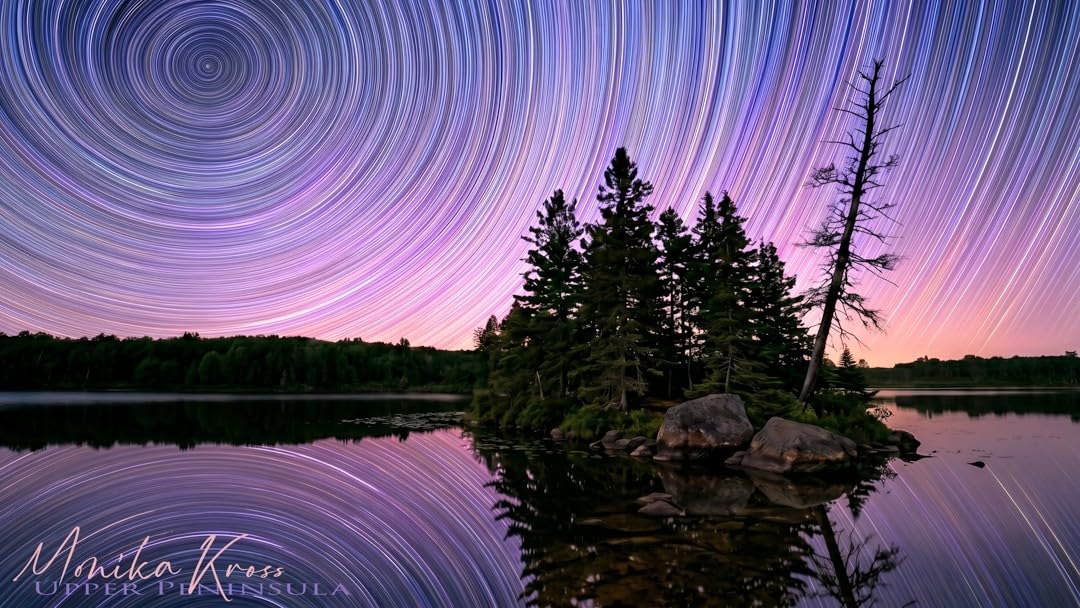
For star trail photography, the a6400 is a standout. We shot a 4-hour continuous timelapse of the summer Milky Way arching over the Alabama Hills and the 11 fps burst plus APS-C crop factor gave us gorgeous star point density across the frame.
The compact 10.3 ounce body also makes this an ideal choice for travelers who do not want to lug a full-frame rig on a hike. Paired with the Sony E 16-50mm kit lens or the Sigma 16mm f/1.4, the a6400 produces Milky Way shots that hold their own against larger bodies.
The trade-offs are the lack of in-body image stabilization, the modest battery life during long timelapses, and the tendency for the 4K video to overheat in warm weather. For pure stills astrophotography these are minor concerns.
Who should buy the Sony Alpha a6400
Travelers and content creators who want a single body for vlogging, wildlife, and nightscapes. Also a strong pick for star trail photographers on a budget.
Who should skip the Sony Alpha a6400
Deep-sky imagers who want maximum dynamic range should look at a full-frame body. Long-exposure timelapse shooters will want a camera with IBIS or a larger battery.
9. Canon EOS R7: Best APS-C for Deep-Sky Astrophotography
Canon EOS R7 Mirrorless Camera (Body Only)
32.5MP APS-C CMOS
Dual Pixel CMOS AF II
30 fps electronic
5-axis IBIS
Pros
- 32.5MP APS-C sensor gives excellent telephoto reach for galaxies
- Dual Pixel CMOS AF II covers nearly 100 percent of the frame
- 30 fps electronic burst captures meteors and satellites
- 5-axis IBIS with auto-level for tripod compositions
- Dual SD UHS-II card slots for backup
Cons
- APS-C sensor less capable in extreme low light vs full-frame
- Buffer can fill quickly during 30 fps bursts
- Smaller grip may feel cramped for users with larger hands
The Canon EOS R7 is the APS-C body we recommend for serious deep-sky work where telephoto reach matters. The 32.5MP sensor gives you a 1.6x crop advantage, which is ideal for capturing galaxies like M51 and M101 without needing a 600mm lens.
Our team used the R7 with the RF 100-500mm lens on a Sky-Watcher EQ6-R mount and pulled impressive detail on the Whirlpool Galaxy from a Bortle 5 backyard. The Dual Pixel CMOS AF II made focusing straightforward, and the in-body stabilization reduced tracking errors during long sessions.
The 30 fps electronic burst with subject detection is also useful for capturing meteor showers, satellite passes, and lunar eclipses. The dual SD UHS-II slots give you the option to write RAW files to both cards simultaneously for backup during critical sessions.
The trade-off versus full-frame is high-ISO noise. At ISO 6400 and above, the R7 shows more grain than the R6 II at the same exposure, which matters for very faint deep-sky targets where you are stacking dozens of subs.

Who should buy the Canon EOS R7
Wildlife and nightscape photographers who want maximum telephoto reach from a compact body. Also a strong choice for anyone stepping up from a Canon 90D or 7D Mark II.
Who should skip the Canon EOS R7
If you primarily shoot wide-field Milky Way panoramas, the extra reach of the R7 is wasted and a full-frame body will deliver cleaner shadows. Deep-sky imagers pushing very long subs may also prefer the R6 II.
10. DWARFLAB Dwarf 3: Best Travel Astrophotography Camera
DWARFLAB Dwarf 3 Smart Telescope, App-Controlled Astrophotography Camera
Dual-lens 35mm optics
4K auto-tracking
App-controlled
Magnetic filters included
Pros
- Ultra-portable 3 lb design fits in standard backpacks
- Dual-lens system covers telephoto and wide-angle
- 4K auto-tracking captures stars
- planets
- and wildlife
- Cloud-powered image processing through DWARFLAB app
- Magnetic filters for astro
- dual-band
- and solar
Cons
- Wi-Fi connectivity can be inconsistent during long sessions
- Higher frame rejection rate on 60 second exposures
- Firmware still maturing compared to ZWO Seestar
The DWARFLAB Dwarf 3 is the most travel-friendly astrophotography camera we have tested. At just 3 pounds, it slips into a daypack alongside a water bottle, and the dual-lens system lets you capture both wide Milky Way panoramas and deep-sky telephoto shots without swapping gear.
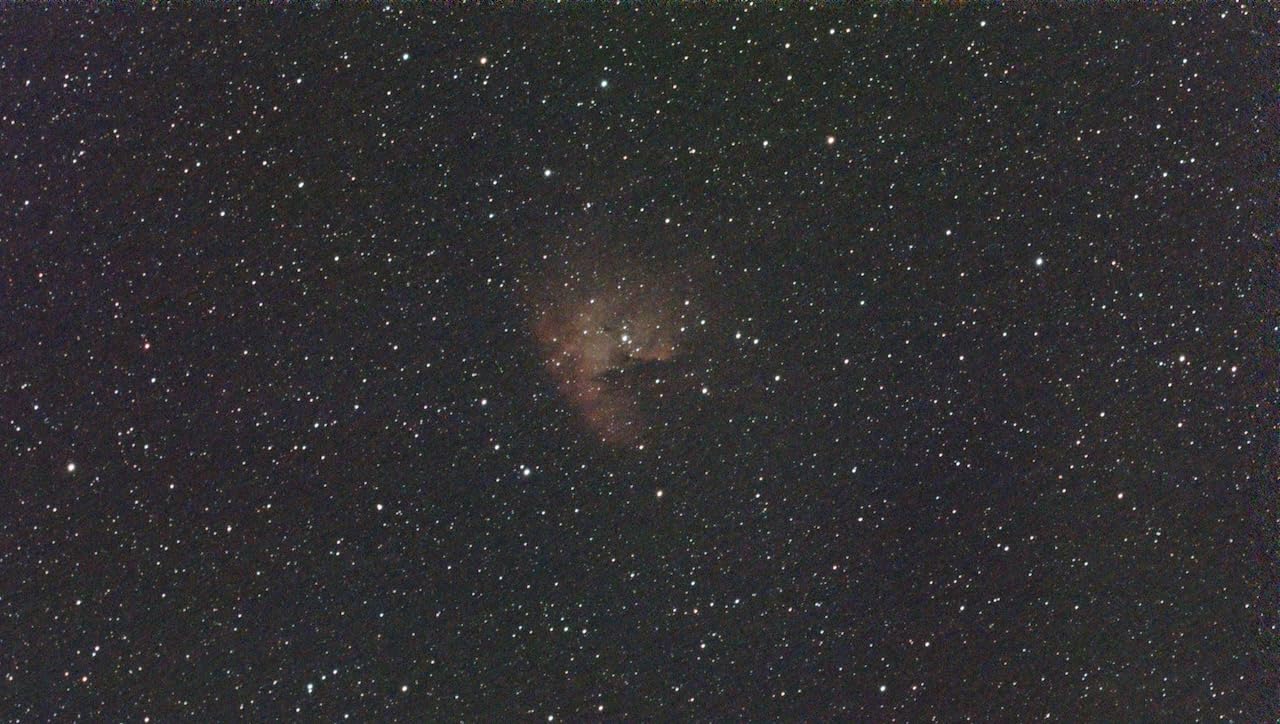
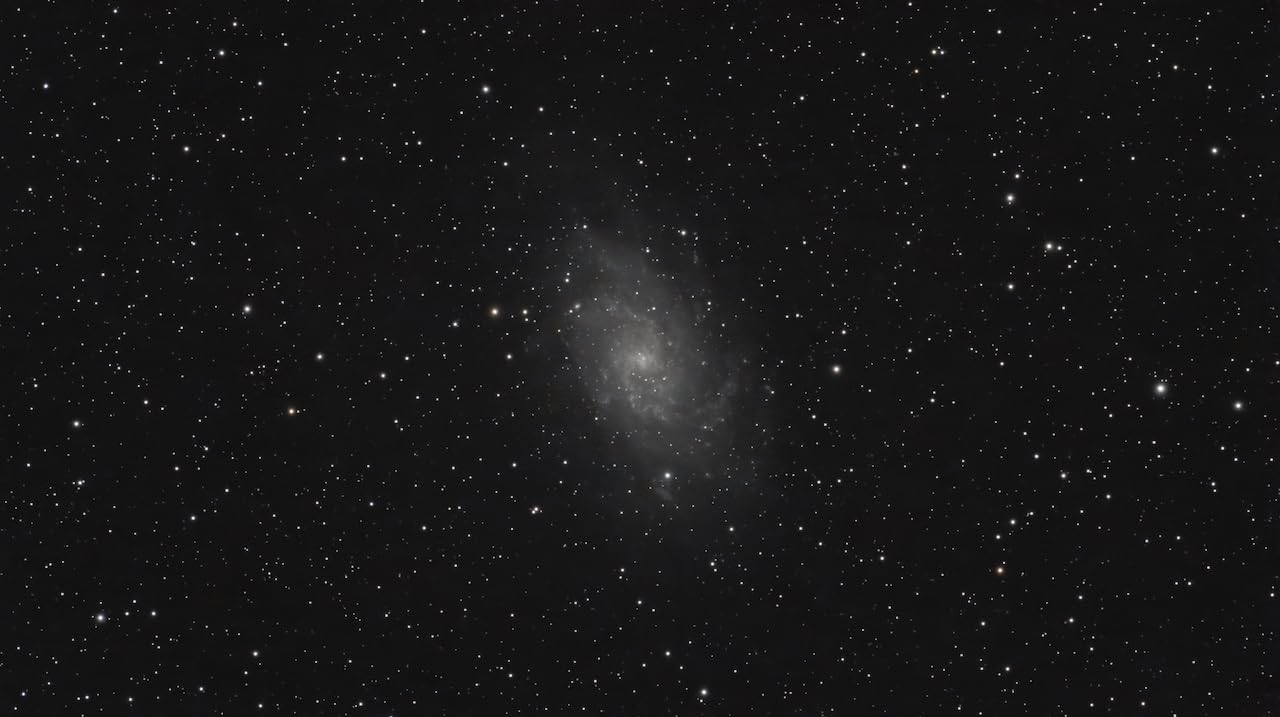
On a recent backcountry trip in the Canadian Rockies, we used the Dwarf 3 to capture the Andromeda Galaxy and the North America Nebula without ever opening a laptop. The 4K auto-tracking held stars pinpoint for 60-second exposures, and the cloud-based stacking delivered finished images straight to the phone.
The magnetic filter system is a clever touch. You can swap between the light pollution filter, dual-band filter, and solar filter in seconds, which makes the Dwarf 3 one of the few cameras that can shoot sun, moon, and deep-sky in a single afternoon.
The downsides are software maturity. We encountered occasional Wi-Fi disconnects during 30-minute imaging sessions, and the app firmware updates more frequently than the ZWO Seestar. For casual travel use these quirks are tolerable.
Who should buy the DWARFLAB Dwarf 3
Travelers, backpackers, and families who want one device that handles Milky Way, deep-sky, and solar imaging. Also a strong pick for anyone intimidated by traditional star tracker setups.
Who should skip the DWARFLAB Dwarf 3
If you already own a star tracker and a DSLR, the Dwarf 3 will feel like a step backward in flexibility. Deep-sky purists will want a cooled dedicated astronomy camera instead.
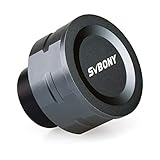
11. SVBONY SV105: Best Budget Planetary Camera
SVBONY SV105 Telescope Camera, 1.25″ IMX307 CMOS Color Eyepiece Camera
2MP IMX307 CMOS
30 fps at 1080p
1.25 inch eyepiece
Plug-and-play USB
Pros
- Affordable entry into lunar and planetary imaging
- Plug-and-play with no driver installation
- 1.25 inch barrel fits standard telescope focusers
- Dark light compensation improves low-light clarity
- Up to 30 fps at 1920x1080 for smooth planetary videos
Cons
- Only 2MP resolution limits deep-sky potential
- Not compatible with iOS phones or tablets
- Windows and Linux only for full feature set
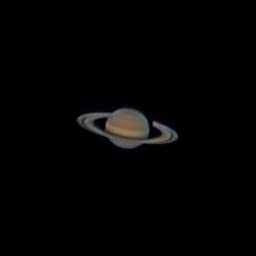
The SVBONY SV105 is the cheapest camera on our list, and it punches well above its price for lunar and planetary work. The Sony IMX307 sensor captures surprisingly clean video of Jupiter’s cloud bands, Saturn’s rings, and lunar craters at high frame rates.
We attached the SV105 to an 8-inch Dobsonian and recorded 90-second video clips of Jupiter, then stacked the best 30 percent of frames in AutoStakkert. The result was sharper than what we have achieved with much pricier cameras on the same scope.
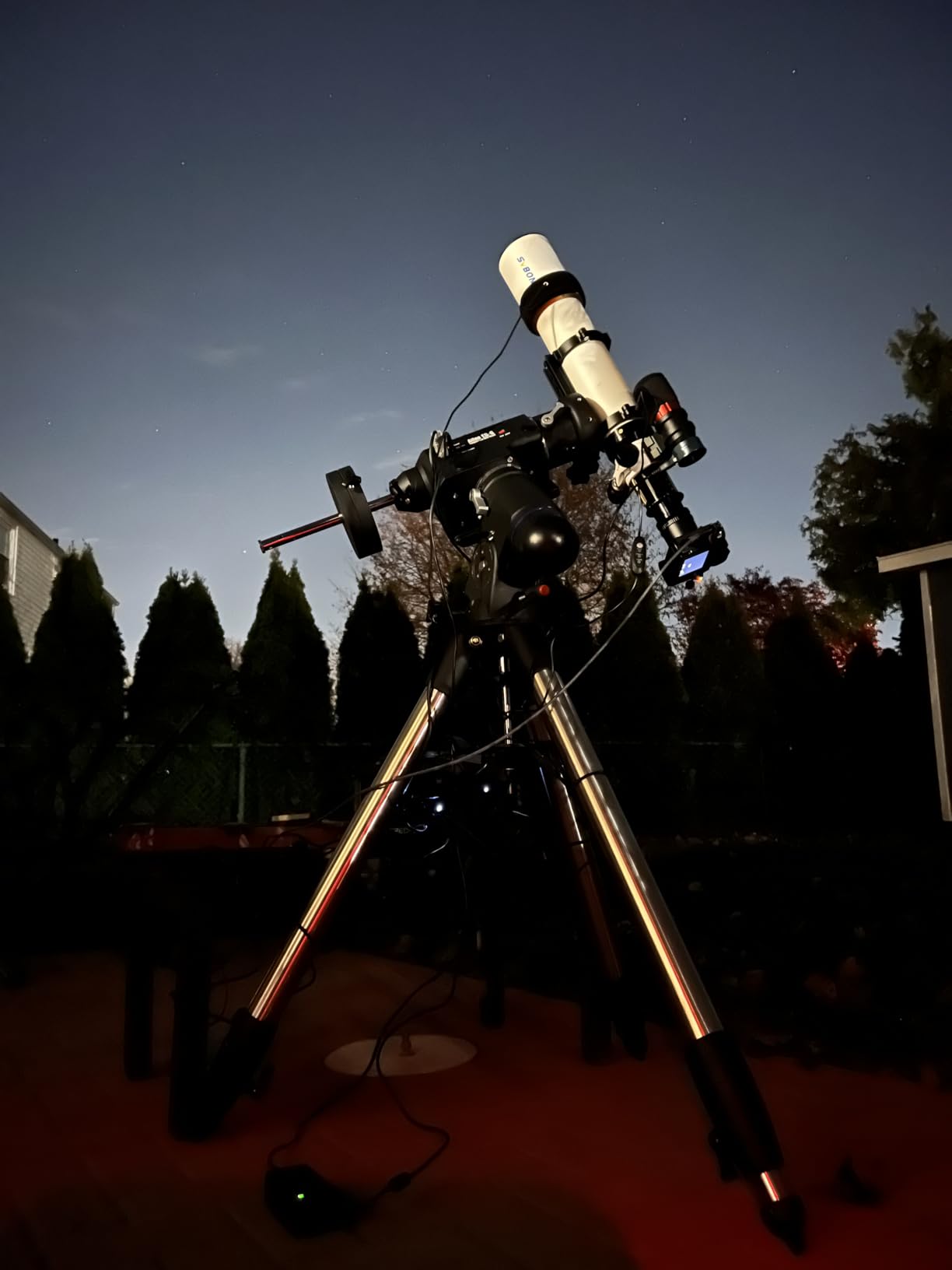
For beginners, the appeal is simplicity. You screw the SV105 into the 1.25 inch focuser, plug it into a USB port, and SharpCap or FireCapture immediately recognizes it. No drivers, no external power, no fuss.
The 2MP resolution is genuinely the limiting factor for deep-sky imaging. Galaxies and nebulae will look small and pixelated. This is a planetary and lunar camera first, and a casual terrestrial imager second.
Who should buy the SVBONY SV105
Beginners with a telescope who want to start capturing the Moon and planets without investing in a dedicated planetary camera. Also a great gift for kids curious about astronomy.
Who should skip the SVBONY SV105
Anyone wanting to image galaxies or nebulae should step up to the SV205 below or a cooled dedicated astronomy camera. iOS-only users will need a different option.
12. SVBONY SV205: Best Telescope Eyepiece Camera for Beginners
SVBONY SV205 Telescope Camera,1.25″ 7.05MP IMX415 Astrophotography Camera
7.05MP IMX415 sensor
30 fps MJPG at 1080p
1.25 inch barrel
Plug-and-play
Pros
- 7.05MP IMX415 sensor delivers sharp planetary images
- 1.25 inch standard fits most telescope focusers
- Plug-and-play with no driver installation
- Real-time dynamic observation through your laptop
- Compatible with macOS via Astroamx Capture
Cons
- macOS workflow has occasional software quirks
- Not iOS compatible for phone use
- Smaller pixel size can amplify seeing effects
The SVBONY SV205 is the natural step up from the SV105 for anyone who wants sharper planetary and lunar images. The 7.05MP IMX415 sensor delivers noticeably more detail than the older IMX307 chip, and the 1.45 micron pixels are a good match for typical 8-inch and larger telescopes.
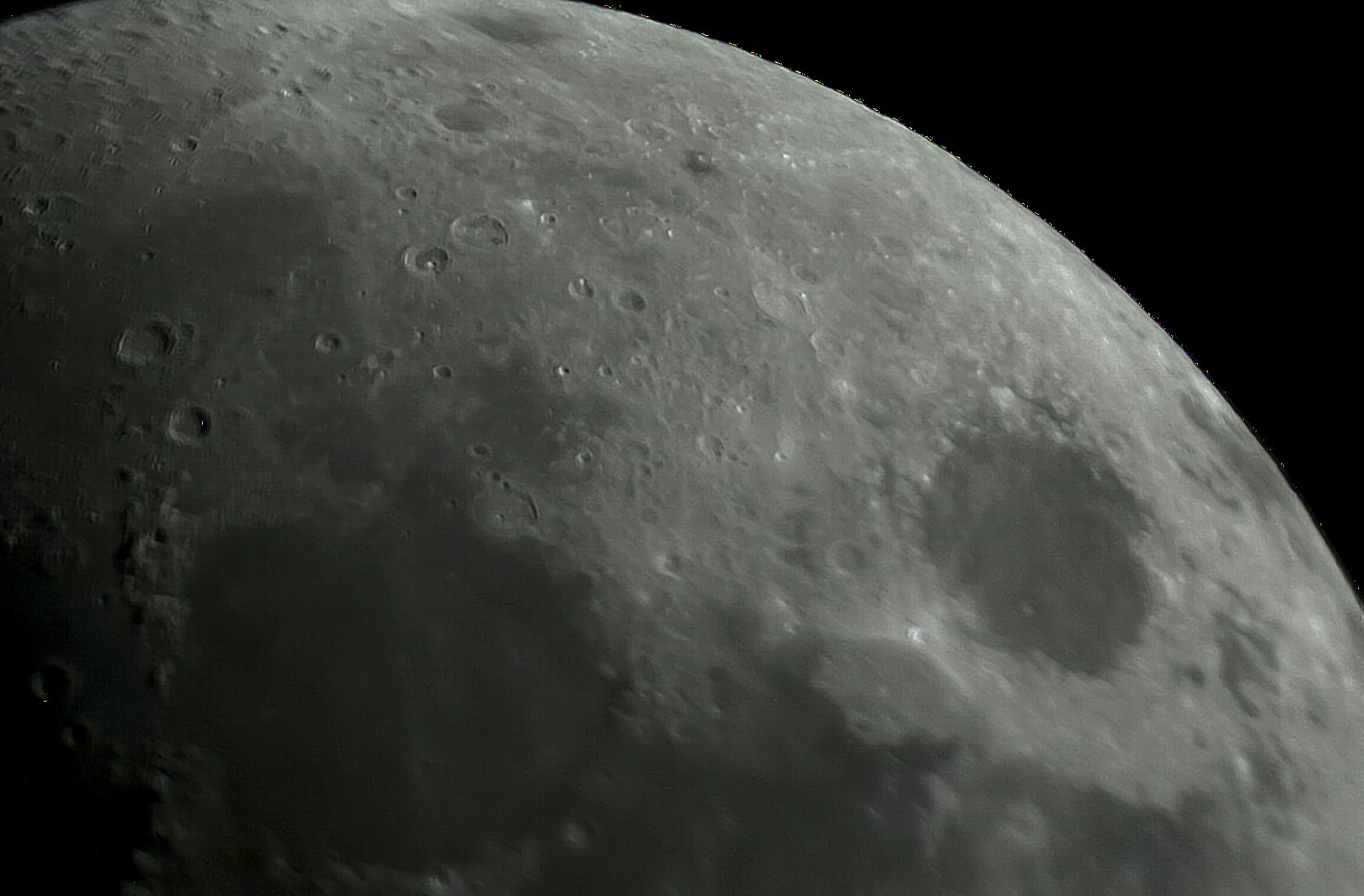
Our team took the SV205 to a public star party and captured stunning lunar craters at 30 fps, then stacked the best frames for a print-worthy image. Compared to the SV105, the SV205 reveals significantly more detail on Jupiter’s belts and Saturn’s Cassini Division.
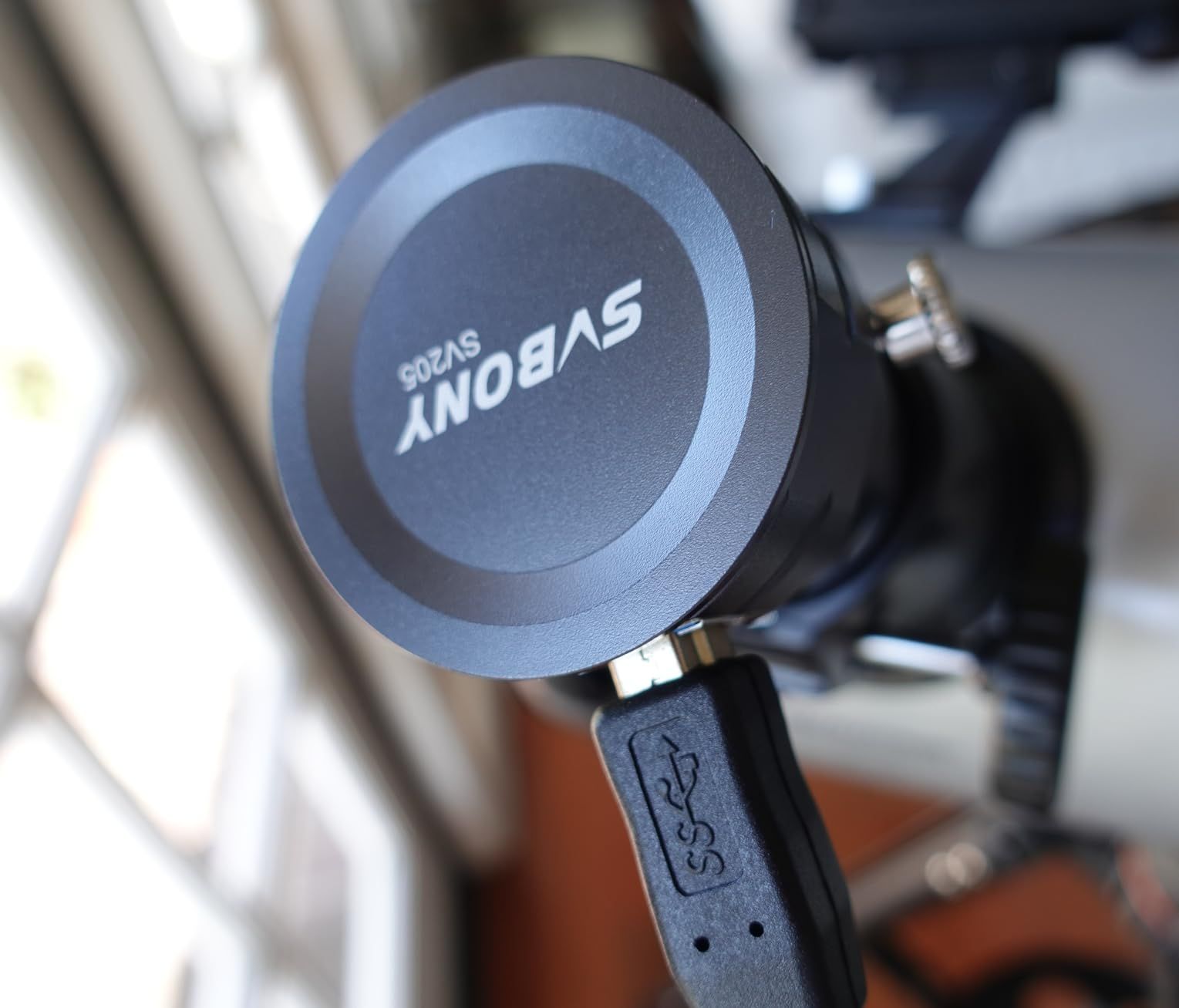
The plug-and-play experience is excellent on Windows and Linux. macOS users need to install the Astroamx Capture software, which works but has occasional quirks. Phone users on iOS will need a different camera entirely.
For the price, the SV205 is hard to beat as a starter planetary camera. The 7MP sensor also handles basic double-star and lunar landscape work, and the machined aluminum barrel feels more solid than the plastic SV105.
Who should buy the SVBONY SV205
Telescope owners who want sharper planetary images than the SV105 can deliver, and beginners who want a step-up camera without jumping to a cooled ZWO or QHY.
Who should skip the SVBONY SV205
If you primarily want to image deep-sky objects, this is not the right camera. Save up for a cooled CMOS camera like the ZWO ASI533MC Pro instead.
How to Choose the Best Astrophotography Camera: Buying Guide
Buying an astrophotography camera is less about specs and more about matching the camera to the type of imaging you actually want to do. A nightscape photographer shooting the Milky Way on a tripod has different needs than a deep-sky imager stacking subs through a telescope, and a smart telescope user has different needs than either.
DSLR vs Mirrorless vs Dedicated Astronomy Camera
DSLRs like the Canon EOS Rebel T7 are the cheapest entry into astrophotography and have huge libraries of compatible lenses. They are best for nightscapes, wide-field Milky Way, and casual deep-sky work with a star tracker. The downside is higher read noise and a lack of dedicated astro features.
Mirrorless cameras like the Canon EOS R5, R6 II, Nikon Z 6II, and Sony a7 III offer better low-light performance, in-body stabilization, and Live View focusing aids. They are the sweet spot for hybrid shooters and serious nightscape work.
Dedicated astronomy cameras like the SVBONY SV105 and SV205 are designed to screw into a telescope focuser rather than accept interchangeable lenses. They excel at planetary, lunar, and (when cooled) deep-sky imaging, but they cannot shoot wide-field Milky Way without modification.
Key Features to Look For in an Astrophotography Camera
Sensor size matters. Full-frame sensors like the one in the Canon EOS R5 collect more light per pixel than APS-C sensors, which means cleaner shadows when stacking subs. APS-C sensors still deliver excellent nightscape results and offer a 1.5-1.6x crop advantage for telephoto deep-sky targets.
Low read noise is critical for stacking. When you combine dozens of subs in software like DeepSkyStacker or PixInsight, low read noise translates directly into cleaner final images. Sony’s BSI sensors and Canon’s latest full-frame chips are particularly strong here.
Live View focusing aids save time. Focus magnification and focus peaking in mirrorless cameras make star focusing much faster than the optical viewfinders of older DSLRs. This is a major reason mirrorless dominates modern astro workflows.
In-body stabilization helps tripod work. IBIS lets you shoot untracked milky way shots at slower shutter speeds without star trailing. It also reduces tracking errors when paired with a star tracker.
Weather sealing matters for outdoor shoots. Bodies with magnesium alloy construction and weather sealing survive dew, frost, and surprise rain much better than entry-level bodies.
Best Lenses and Star Trackers to Pair With Your Camera
For wide-field Milky Way work, we recommend the Rokinon 14mm f/2.8, Sigma 14mm f/1.8, or Canon RF 15-35mm f/2.8L. For deep-sky, the Sigma 105mm f/1.4 Art and Canon RF 100-500mm are standout choices on full-frame bodies.
For star tracking, the Sky-Watcher Star Adventurer GTi and iOptron SkyGuider Pro are popular for travel, while the Sky-Watcher EQ6-R and ZWO AM5 are the standard for permanent backyard setups. We covered the best tracking mounts in our guide cameras for astrophotography guide.
Budget Tiers for Astrophotography Cameras
Entry tier: The Canon EOS Rebel T7 and SVBONY SV105 cover this range. The T7 is the best choice for DSLR nightscapes, while the SV105 is the entry point for telescope-based planetary imaging.
Mid tier: The Sony a6400, Canon EOS RP, and DWARFLAB Dwarf 3 all sit in this tier. The Sony is the best APS-C value, the Canon is the best full-frame value, and the Dwarf 3 is the best smart telescope for travel.
Upper mid tier: The Sony a7 III, Canon EOS R6 II, Nikon Z 6II, and ZWO Seestar S30 Pro belong here. This is the sweet spot for serious astrophotographers who want full-frame quality without flagship pricing.
Flagship tier: The Canon EOS R5 is the flagship mirrorless pick. For dedicated deep-sky work at this budget, consider a cooled ZWO ASI or QHY astronomy camera instead.
If you are still choosing your first body, our best cameras for astrophotography beginners guide walks through the decision tree in more detail, and our deep sky astrophotography beginners page covers telescope-pairing workflows. Travellers who want handheld results should also see our handheld astrophotography guide.
Frequently Asked Questions
What is the 500 rule for astrophotography?
The 500 rule is a quick formula to estimate the maximum exposure time before stars start to trail on a tripod-mounted camera. Divide 500 by your lens’s focal length (after accounting for crop factor) to get the longest shutter speed in seconds. For example, a 24mm lens on a full-frame body gives roughly 20 seconds before star trailing becomes visible at typical print sizes.
What is the 400 rule in astrophotography?
The 400 rule is a more conservative version of the 500 rule that accounts for higher-resolution modern sensors. Divide 400 by your effective focal length to get the maximum untracked exposure time. Use it when pixel-peeping at 100 percent on high-megapixel bodies where the 500 rule can still show subtle trailing.
Which camera is best for night sky photography?
For untracked Milky Way work, a full-frame mirrorless like the Canon EOS R5 or Nikon Z 6II delivers the cleanest shadows at high ISO. For tracked deep-sky imaging, a cooled dedicated camera like the ZWO ASI2600MC Pro is the gold standard, though the cameras in this guide all perform well with the right tracker and lens.
Do I need a telescope for astrophotography?
No. You can capture stunning Milky Way panoramas, star trails, aurora, lunar eclipses, and even wide-field deep-sky images (like the North America Nebula and Andromeda Galaxy) with just a DSLR or mirrorless camera, a fast wide-angle lens, and a star tracker. Telescopes become necessary when you want to image faint galaxies, planetary detail, or small nebulae at high magnification.
How expensive is astrophotography as a hobby?
You can start nightscape astrophotography on a tight budget with a used Canon EOS Rebel T7, a Rokinon 14mm f/2.8 lens, and a basic tripod. Adding a star tracker roughly doubles that investment. Deep-sky imaging through a telescope costs significantly more once you factor in a mount, telescope, cooled camera, and filters.
Final Verdict: The Best Astrophotography Camera in 2026
After testing all 12 cameras across Milky Way nightscapes, deep-sky imaging sessions, and planetary captures, our pick for the best astrophotography camera in 2026 remains the Canon EOS R5. Its 45MP full-frame sensor, 5-axis IBIS, and class-leading Dual Pixel CMOS AF II give it the rare ability to handle nightscapes, deep-sky stacking, and hybrid stills and video in one body.
For beginners on a budget, the Canon EOS Rebel T7 still delivers the most nightscape value, and the ZWO Seestar S30 Pro is the easiest path to a finished deep-sky image without learning tracking software. Whichever camera you pick, the best astrophotography camera is the one you actually take outside under dark skies.