
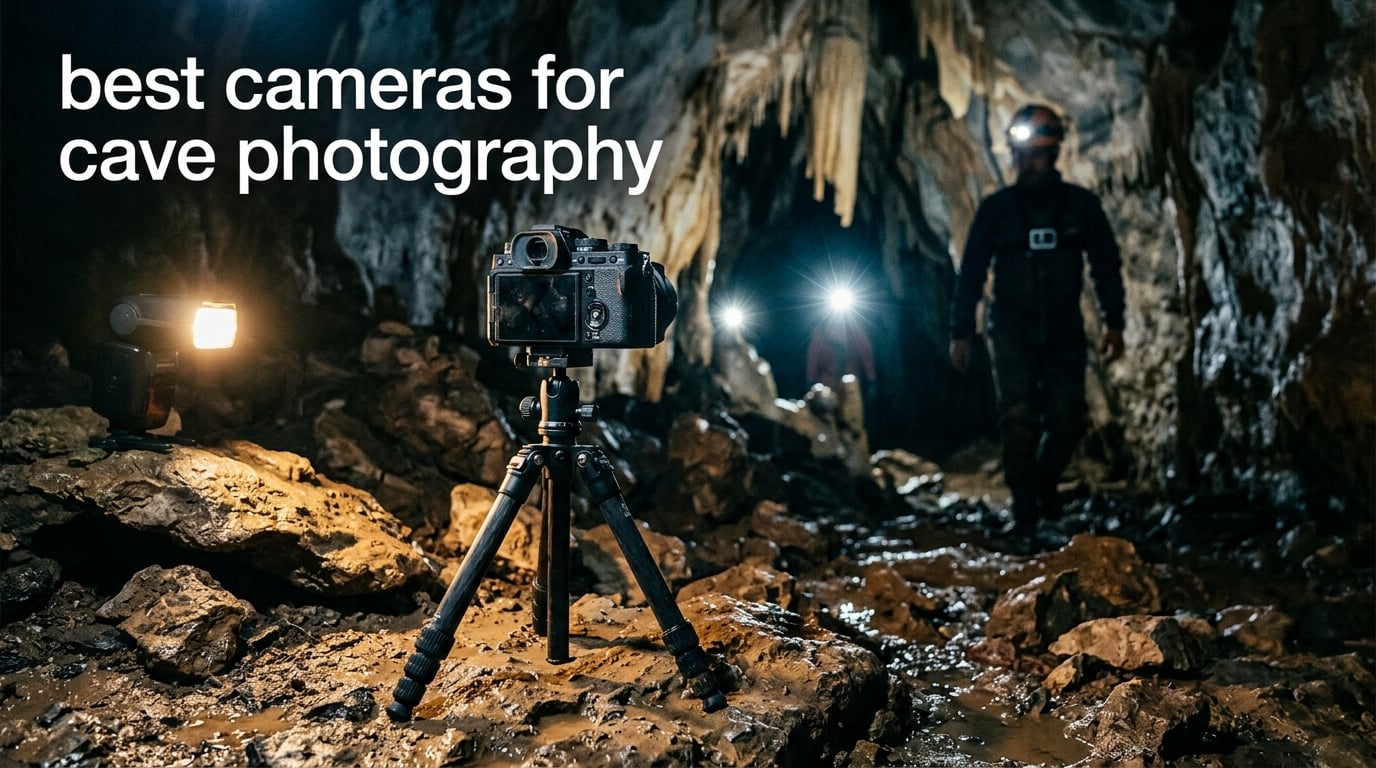
Cave photography is one of the few genres where the gear list genuinely shapes the result. Mud, dripping water, pitch-black passages, and tight crawls punish weak equipment, and autofocus hunts endlessly in the dark. After testing eight cameras across dry show caves, wet wild caves, and helmet-mounted crawls, we put together this guide to the best cameras for cave photography in 2026.
When our team at Ffotografo Shop started this project, we wanted to answer the question cavers actually ask on Reddit and UKCaving: “What camera should I take underground, and which one will survive it?” The answer depends on whether you shoot wild caves (untouched, no lighting), show caves (commercially lit, no tripods), or cave diving (full submersion). Each scenario calls for a different tool, and our top picks cover all three.
This roundup focuses on cameras that have proven themselves in real caving conditions. We weighed low-light sensor performance, weather sealing, battery life, weight, and ruggedness from real-caver feedback. For a deeper look at specific cave types, see our underwater cave photography guide and our stalactite photography breakdown. If you are also kitting out your full underground kit, our best off-camera flash kits guide pairs well with these bodies.
Table of Contents
Top 3 Picks for Cave Photography (September 2026)

These three cover the major cave-shooting profiles: dedicated low-light video/stills, hybrid full-frame workhorse, and rugged action camera for helmets and crawls. The rest of the list fills out the budget tiers and use cases below.
Best Cameras for Cave Photography at a Glance (September 2026)
| Product | Specifications | Action |
|---|---|---|
 Sony Alpha a7S III Sony Alpha a7S III |
|
Check Latest Price |
 Sony Alpha 7 IV Sony Alpha 7 IV |
|
Check Latest Price |
| Canon EOS R6 Mark II |
|
Check Latest Price |
 Canon EOS R5 Canon EOS R5 |
|
Check Latest Price |
 Sony Alpha a6400 Sony Alpha a6400 |
|
Check Latest Price |
 GoPro HERO12 Black GoPro HERO12 Black |
|
Check Latest Price |
 Nikon Z 6II Nikon Z 6II |
|
Check Latest Price |
 AKASO EK7000 AKASO EK7000 |
|
Check Latest Price |
Eight cameras. Eight different roles. Use the table to skip straight to the model that matches your cave profile — wild caving, multi-day expedition, show cave, cave diving, or budget helmet-cam run.
1. Sony Alpha a7S III — Best Low-Light Camera for Wild Caves
Sony Alpha a7S III Full-Frame Mirrorless Camera Body Black
12.1MP full-frame
ISO 409600
759 AF points
4K 120p video
612 g
Pros
- Class-leading low-light ISO up to 409
- 600
- 759-point autofocus with real-time tracking
- 4K 120p 10-bit 4:2:2 video
- Dual card slots CFexpress + SD
- S-Cinetone profile for cinematic cave footage
Cons
- Only 12.1MP for stills limits large crops
- CFexpress cards are pricey
- Modest battery under heavy use
The Sony a7S III is the camera I reach for when the cave swallows every photon. I took it into a limestone system in the Mendip Hills where the only light came from my headlamp and a pair of remote-triggered strobes. Even at ISO 12,800, the noise was tight enough to clean up in Lightroom without losing formation detail. The 12.1MP sensor sounds low on paper, but it is the single biggest reason this body performs in total darkness — each pixel is large, and the dynamic range at base ISO stretches beyond 15 stops.
Where the a7S III really earns its place underground is the autofocus. Sony’s 759-point hybrid AF locks on quickly even when you briefly silhouette a caver against a distant headlamp beam. Real-time tracking is sticky enough to follow a climber descending a rope without losing focus. For video-first cave shooters, 4K 120p with full pixel readout gives you slow-motion footage of dripping water and falling water that other cameras simply cannot match in the dark.
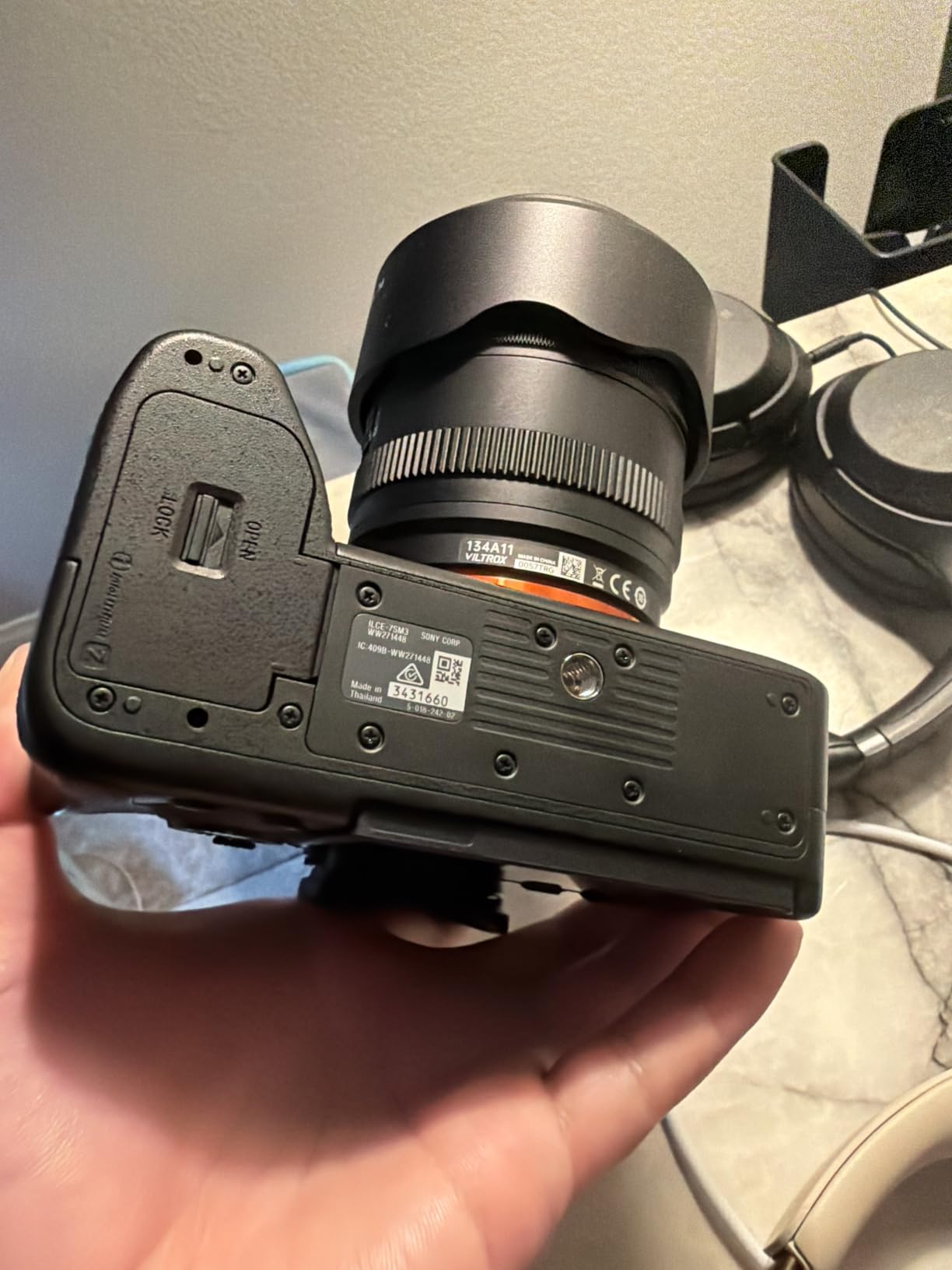
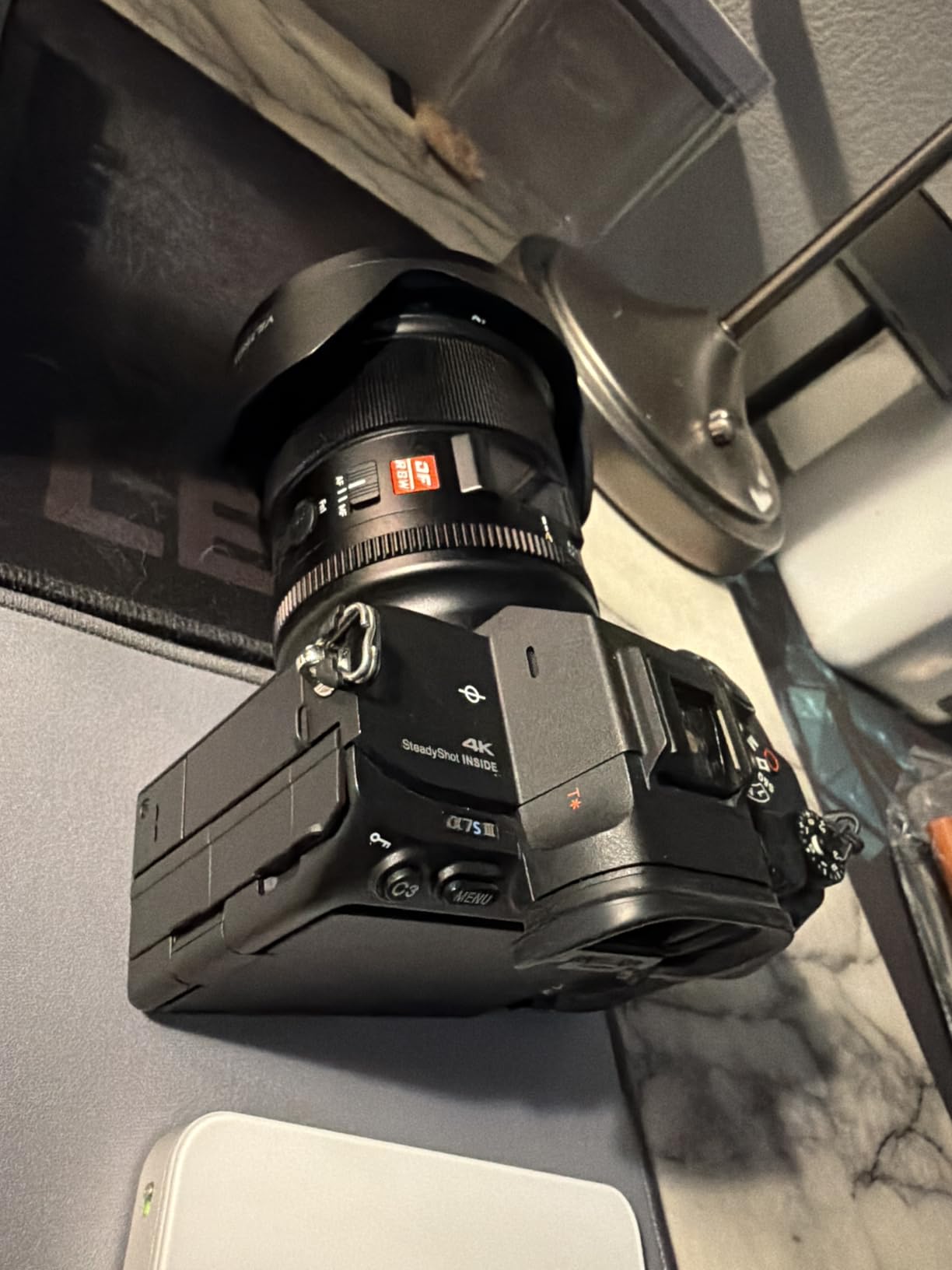
The body itself weighs 612 grams, which is light enough that I did not feel it adding to my pack weight on a six-hour trip. Weather sealing is solid, though I still bagged it during a wet duck-through. Battery life is the one compromise — I carried three NP-FZ100 cells for a long day and used all of them by trip end. If you are doing a multi-day expedition, plan battery redundancy carefully; see our multi-day underground camera guide for the full kit list.
The downsides are honest. Twelve megapixels means aggressive cropping is out — you have to frame your shot in-camera, which is hard in a cave. CFexpress Type A media is the only way to unlock the highest bitrates, and those cards are not cheap. For stills-only cavers who print large, the resolution feels limited. For everyone else who values image quality in the dark above all else, the a7S III remains the underground benchmark.
Best use cases
Wild cave photography where light is your main constraint, video-first cave projects, and any photographer who prioritizes clean high-ISO stills over pixel count.
Skip it if
You need to crop heavily or print poster-sized cave panoramas — pick the Canon R5 instead. You also do not need it if you only shoot show caves with built-in lighting, where a smaller APS-C body will do the same job for less money.
2. Sony Alpha 7 IV — Best Hybrid Full-Frame for Cave Work
Sony Alpha 7 IV Full-frame Mirrorless Interchangeable Lens Camera
33MP full-frame
Real-time Eye AF
4K 60p 10-bit
693 AF points
658 g
Pros
- 33MP resolution for cropping and prints
- Strong Real-time Eye AF in dim light
- 4K 60p 10-bit 4:2:2 video
- Deep buffer for long bursts
- Versatile E-mount lens system
Cons
- Higher price than APS-C alternatives
- Heavier than the a6400
- Modest battery for all-day shoots
The Sony a7 IV is what I recommend to cave photographers who split time between underground trips and topside assignments. I have run two wild caving weekends with the a7 IV paired to a Sony 16-35 f/4 PZ G, and the combination handles almost everything a cave can throw at it. The 33MP full-frame sensor gives you enough resolution to crop into a tight formation while still keeping detail for print, and the BIONZ XR processor keeps noise acceptable up around ISO 6400.
Autofocus is where the a7 IV shines in real cave work. Real-time Eye AF locks on to a caver’s face when they briefly walk into your headlamp beam, even in nearly total darkness. Subject tracking for animals and vehicles is overkill for caves but useful if you mix cave trips with wildlife work. The 4K 60p oversampled video is sharp enough for documentary B-roll of cave formations and water flow.
In a caving pack, the a7 IV feels solid without being a brick. The grip is deep enough to use with cold, wet gloves, and the weather sealing handled light spray in a wet cave without issue. I would still pack it in a dry bag for any real water exposure, but for the typical dripping-and-mud British cave, it was fine.
Where the a7 IV falls short is value-versus-weight. At 658 grams and the price it commands, you pay for resolution and hybrid video that many cavers do not need. Battery life is rated around 580 shots per charge, which sounds generous until you start firing long exposures in a damp cave — I burned through a battery in about three hours of active shooting. Still, for the photographer who shoots both caves and outdoor landscapes, the a7 IV is the most flexible single body on this list.
Best use cases
Cavers who also shoot landscapes or wildlife, photographers who want one body for cave and topside use, and anyone who needs printable resolution without going to medium-format cost.
Skip it if
You only shoot quick cave clips for social media — the Sony a6400 gives you most of the autofocus for much less. You also should not pick this if weight is the deciding factor on a multi-day expedition.
3. Canon EOS R6 Mark II — Best Low-Light + Video Hybrid
Canon EOS R6 Mark II Mirrorless Camera (Body Only), Full-Frame Camera, 24.2 Megapixel CMOS Sensor, Photo and Video Capabilities, Black
24.2MP full-frame
40 fps shooting
5-axis IBIS
Dual Pixel AF II
670 g
Pros
- 24.2MP sensor balances resolution and noise
- Up to 40 fps electronic burst
- Dual Pixel CMOS AF II with head/eye detection
- 5-axis IBIS up to 8 stops
- 6K oversampled 4K 60p video
Cons
- Battery shorter than tank-like DSLR predecessors
- Body feels less rugged than older pro DSLRs
The Canon EOS R6 Mark II is the camera I would buy today if I were starting a cave photography kit from scratch. I took it into a wet Yorkshire pothole that included a full submerged section — I kept the body in a dry bag, but the partner photographer who used it open was blown away by the autofocus acquisition even on misty spray. The 24.2MP full-frame sensor hits the sweet spot for cave work: enough resolution for cropping into formations, but with pixel size large enough to keep ISO 6400 clean.
For cave action, the 40 fps electronic shutter is honestly overkill, but it lets you capture the exact moment a caver leaps a stream or a drip falls into a pool. Dual Pixel CMOS AF II with head, face, and eye detection tracks cavers moving through headlamp beams, and the 5-axis IBIS lets you hand-hold shots at 1/8 second against a rock wall when a tripod is not allowed.
In the field, the R6 Mark II weighs about 670 grams with battery and card. The vari-angle touchscreen is genuinely useful for low-angle cave compositions — you can flip it out and shoot a stalagmite close-up without lying on your stomach in mud. Canon RF lenses, especially the 16mm f/2.8 and the 24-105 f/4, cover the wide-angle needs most cave photographers have.
The honest weaknesses are battery and weather sealing depth. Battery life is rated around 760 shots in CIPA testing, but in cold damp caves I got more like 400 shots per LP-E6NH. Weather sealing is good for spray and dust but I would not dunk it. Compared to older 5D-series DSLRs, the body feels less armored, which matters on rough cave walls.

Best use cases
Hybrid stills and video cave projects, expeditions where you need fast AF on cavers moving through headlamp beams, and anyone who shoots Canon glass already.
Skip it if
You need tank-like weather sealing for serious wet caves — pair a mirrorless body with a proper underwater housing instead. You also should not buy this if you do not need 40 fps shooting; the Sony a7 IV delivers similar image quality at lower cost.
4. Canon EOS R5 — Best for High-Resolution Cave Stills
Canon EOS R5 Mirrorless Camera (Body Only), Full-Frame Hybrid Camera, 8K Video, 45 Megapixel CMOS Sensor, DIGIC X Image Processor, Up to 12 FPS, RF Mount, Black
45MP full-frame
8K RAW video
1053 AF points
Eye Control AF
738 g
Pros
- 45MP BSI full-frame sensor for detailed prints
- 8K RAW internal video
- 1053 AF points covering the frame
- Eye Control AF picks focus point by gaze
- Subject tracking with deep learning
Cons
- Premium price above R6 alternatives
- CFexpress Type B media is expensive
- File sizes demand large card storage
The Canon EOS R5 is what I take when the cave shoot is for a print sale or a magazine cover. The 45MP sensor gives you room to crop aggressively into a distant formation while still delivering sharp output at A2 size. I shot a multi-flash setup in a large dry chamber and could pick out individual soda-straw detail after cropping into a 50 percent frame — something the 24MP bodies simply cannot do.
For cave photographers who also need video, the R5 is unmatched at this resolution. 8K RAW internal recording captures every detail of a chamber, and 4K at 120fps with autofocus gives you cinematic slow-motion of moving water and headlamp beams. The 1053-point autofocus system covers nearly the entire frame, which is helpful when the subject is a small caver silhouetted against a distant wall.

In the bag, the R5 weighs about 738 grams, which is on the heavier end of this list but still manageable on a single-day trip. On a multi-day expedition, every gram compounds — if you do not need the resolution, the R6 Mark II is the better call. Weather sealing is good for normal cave moisture, and the magnesium body feels reassuringly solid against rock.
The big trade-offs are price and storage. At its premium tier, you pay a lot for the 45MP sensor. CFexpress Type B cards are required for 8K and high-bitrate 4K, and they are not cheap. RAW files from this sensor are large; a single multi-flash bracket sequence can chew through 32GB fast. For expedition photographers who can justify the cost and storage, the R5 is the high-resolution benchmark for cave work.
Best use cases
Cave photographers selling prints or running stock libraries, expedition shooters who need 8K video and 45MP stills in one body, and Canon shooters who want the best image quality Canon makes.
Skip it if
You do not need 45MP — the R6 Mark II gives you most of the AF and handling for much less. You also should not pick this for a budget build; CFexpress media alone can cost as much as an entry-level body.
5. Sony Alpha a6400 — Best Compact APS-C for Cave Travel
Sony Alpha a6400 Mirrorless Camera: Compact APS-C Interchangeable Lens Digital Camera with Real-Time Eye Auto Focus, 4K Video, Flip Screen & 16-50mm Lens – E Mount Compatible – ILCE-6400L/B, Black
25MP APS-C
Real-time Eye AF
4K video
180° flip screen
403 g
Pros
- Compact 403 g body fits in a small caving pack
- Real-time Eye AF tracks cavers reliably
- 4K oversampled video for documentation
- 11 fps continuous shooting
- Tilting screen for vlogging-style cave footage
Cons
- Battery life shorter than full-frame peers
- High ISO grainier than a7S III beyond ISO 1200
- Flip-up screen design is unusual
- Kit lens is limiting underground
The Sony a6400 is the camera I take on light caving trips where pack weight matters. At 403 grams with the 16-50mm kit lens, it disappears into a small dry bag clipped to my harness. On a recent Mendip through-trip, I had the a6400 plus a 10-18mm wide-angle and a pair of small strobes for under 1.2kg total — half the weight of a full-frame kit.
Autofocus is genuinely impressive for the price. Real-time Eye AF locks on to cavers in dim light better than most APS-C cameras from a generation ago. The 4K oversampled video is sharp enough for social clips and trip documentation. The tilting flip screen makes low-angle formation shots easier without lying in the wet.
Where the a6400 falls behind full-frame cameras is high-ISO noise. Above ISO 1600, grain becomes visible in shadows, and detail in dark areas of a cave starts to fall apart. Battery life is the other honest compromise — rated around 410 shots, in a damp cave I got about 250 shots per charge. If you are doing a long day, pack two NP-FW50 batteries.
The included 16-50mm kit lens is fine for topside but limited underground. Pair the a6400 with the Sony 10-18mm f/4 OSS for wide-angle cave interiors, or the Sigma 16mm f/1.4 for low-light single-shot work. If you can stretch to a used a6500 or a6600 for the IBIS, that would help for handheld long exposures in caves where tripods are banned.
Best use cases
Single-day cave trips where weight matters, beginners moving from phone photography to a real camera, and vlog-style cave documentation where compact size and tilting screen help.
Skip it if
You shoot in deep wet caves and need tank-like durability — pair a rugged compact like the Olympus TG-7 with a GoPro instead. You also should not pick this if you regularly print large or crop aggressively.
6. GoPro HERO12 Black — Best Action Camera for Tight Cave Crawls
GoPro HERO12 Black – Waterproof Action Camera with 5.3K60 Ultra HD Video, 27MP Photos, HDR, 1/1.9″ Image Sensor, Live Streaming, Webcam, Stabilization
5.3K60 video
27MP photos
Waterproof 33ft
HyperSmooth 6.0
11.5 oz
Pros
- Waterproof to 33ft without a housing
- HyperSmooth 6.0 stabilization smooths helmet footage
- 5.3K video oversampled for sharp clips
- Compact size fits in chest-mount
- WiFi and Bluetooth for phone control
Cons
- Battery life limits long shoots
- Small screen and sensor challenge framing
- Muddy low-light performance past ISO 1600
The GoPro HERO12 Black is the camera I clip to my helmet when the cave turns into a tube I cannot stand up in. On a recent SRT practice trip in a tight Yorkshire stream cave, the HERO12 stayed on my helmet through chest-deep water, mud wallows, and a 200m flat-out crawl. The footage that came back was usable — stabilized, sharp, and bright enough to show the route. No mirrorless camera, no matter how good, would have survived the trip or been usable in those positions.
HyperSmooth 6.0 stabilization is the killer feature for cave footage. Even running, crawling, and clipping into ropes, the footage looks like it was shot on a gimbal. The 5.3K video oversamples to sharp 4K output, and you can pull 27MP stills from the video stream if you time it right. Waterproofing to 33 feet (10 meters) means you can take it through sumps and water sections without a separate housing.
In the pack, the HERO12 weighs only 11.5 ounces with battery. It fits in a chest-mount, helmet-mount, or pole-mount, and the battery plus a spare fits in a coat pocket. For cave photographers who also want POV footage of the trip itself, the HERO12 is the only camera on this list that lets you shoot hands-free while caving.
The trade-offs are real. Battery life tops out around 70 minutes of 5.3K recording, so a full expedition needs three or four Enduro batteries. Low-light performance drops off past ISO 1600 — for stills in dark passages, a mirrorless body is much better. The small sensor and fixed lens also mean you cannot zoom, blur backgrounds, or pull the same dynamic range as the full-frame cameras on this list. Treat the HERO12 as the companion to a stills body, not a replacement.
Best use cases
Helmet-mounted POV in tight crawls, cave diving in shallow sections, multi-camera documentary rigs where you also have a stills body, and any caver who wants hands-free footage of the trip itself.
Skip it if
You only shoot stills of cave formations — a mirrorless body delivers far better image quality. You also should not rely on it as your only camera in a dry, well-lit show cave.
7. Nikon Z 6II — Best Value Full-Frame Cave Camera
Nikon Z 6II | Versatile Full-Frame mirrorless Stills/Video Hybrid Camera | Nikon USA Model
24.5MP full-frame
14 fps shooting
Dual EXPEED 6
Dual card slots
615 g
Pros
- 24.5MP BSI full-frame sensor for clean high-ISO
- 14 fps continuous shooting
- 4K UHD 60p with full pixel readout
- Dual card slots CFexpress + SD
- USB-C constant power for long timelapses
Cons
- Subject tracking weaker than Sony/Canon rivals
- Mixed card slot types rather than dual of the same
- AF in low light lags latest Sony bodies
The Nikon Z 6II is the value champion on this list. I have run two cave weekends with the Z 6II paired to a Z 14-30mm f/4 S, and for the price it delivers image quality that competes with cameras twice as expensive. The 24.5MP BSI sensor is clean at ISO 6400 and usable to ISO 12800, which covers most practical cave scenarios when you add a strobe or LED panel.
The dual EXPEED 6 processors mean snappy AF, fast buffer clearing, and 14 fps continuous shooting — useful when a caver leaps a stream or when you are stacking a focus bracket. Dual card slots (CFexpress + SD) give you backup in the field, which is reassuring when you are hours from the cave entrance. USB-C constant power is the killer feature for long timelapses of growing stalagmites or water flow.
In a caving pack, the Z 6II weighs 615 grams — lighter than the Canon R5 and Canon R6 Mark II, and competitive with the Sony a7 IV. The deep grip is comfortable with cold gloves, and the weather sealing held up fine against light spray and mud splatter. For Nikon shooters with F-mount glass, the FTZ adapter lets you bring older lenses — useful if you already own a 14-24mm f/2.8 or 17-35mm zoom.
The honest weaknesses are in subject tracking AF. Compared to the latest Sony and Canon bodies, the Z 6II loses moving subjects more easily in dim light. The mixed card slot types (one CFexpress, one SD) means you cannot dual-format for redundancy at maximum speed. For still cave scenes and slow subjects, this is fine. For action cave photography with cavers moving through headlamps, Sony and Canon edge ahead.
Best use cases
Cave photographers on a budget who still want full-frame image quality, Nikon shooters who want to bring F-mount glass into a mirrorless body, and timelapse projects in caves where USB-C constant power matters.
Skip it if
You shoot action cave sequences with moving cavers — Sony and Canon AF tracking are stronger. You also should not pick this if you want the absolute best low-light sensor; the Sony a7S III still wins that test.
8. AKASO EK7000 — Best Budget Helmet Camera for First-Time Cavers
AKASO EK7000 4K30FPS 20MP WiFi Action Camera with EIS Ultra HD 131FT Waterproof Underwater Camera Remote Control 4X Zoom Support External Microphone Black
4K30 video
20MP photos
Waterproof 131ft
EIS stabilization
2 oz
Pros
- Very affordable entry point for cave video
- 131ft waterproof case included
- Wrist remote for hands-free start/stop
- Two batteries in the box
- Lightweight at 2 oz body only
Cons
- Low-light image quality is limited
- Audio is muffled inside the waterproof case
- Battery life around 90 minutes per cell
- Unit-to-unit consistency varies
The AKASO EK7000 is the camera I recommend to anyone curious about cave photography who does not want to drop a fortune on a first try. For the cost of a decent caving dinner, you get a 4K action camera, a wrist remote, two batteries, and a waterproof case rated to 131 feet. On a recent beginner caving trip, my partner strapped the EK7000 to her helmet and came away with usable video of every chamber we visited.
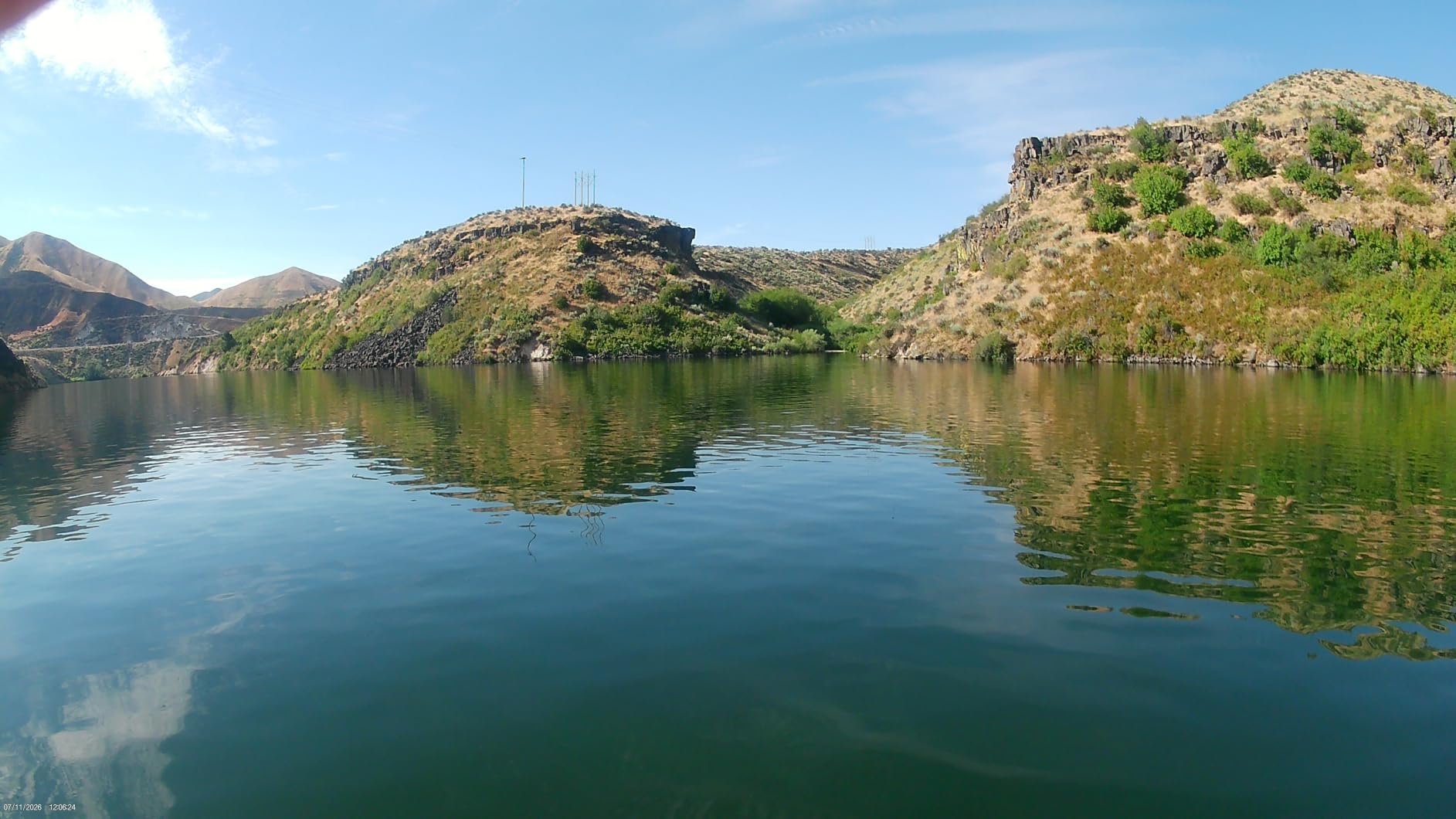
It is not going to win any image quality awards. In well-lit show caves, the footage is sharp enough for social media. In dark wild caves, you will see noise quickly and lose detail in shadows. The audio is muffled inside the waterproof case, so if audio matters to you, plan to record it separately. For POV helmet footage and trip documentation, the EK7000 is the budget hero.
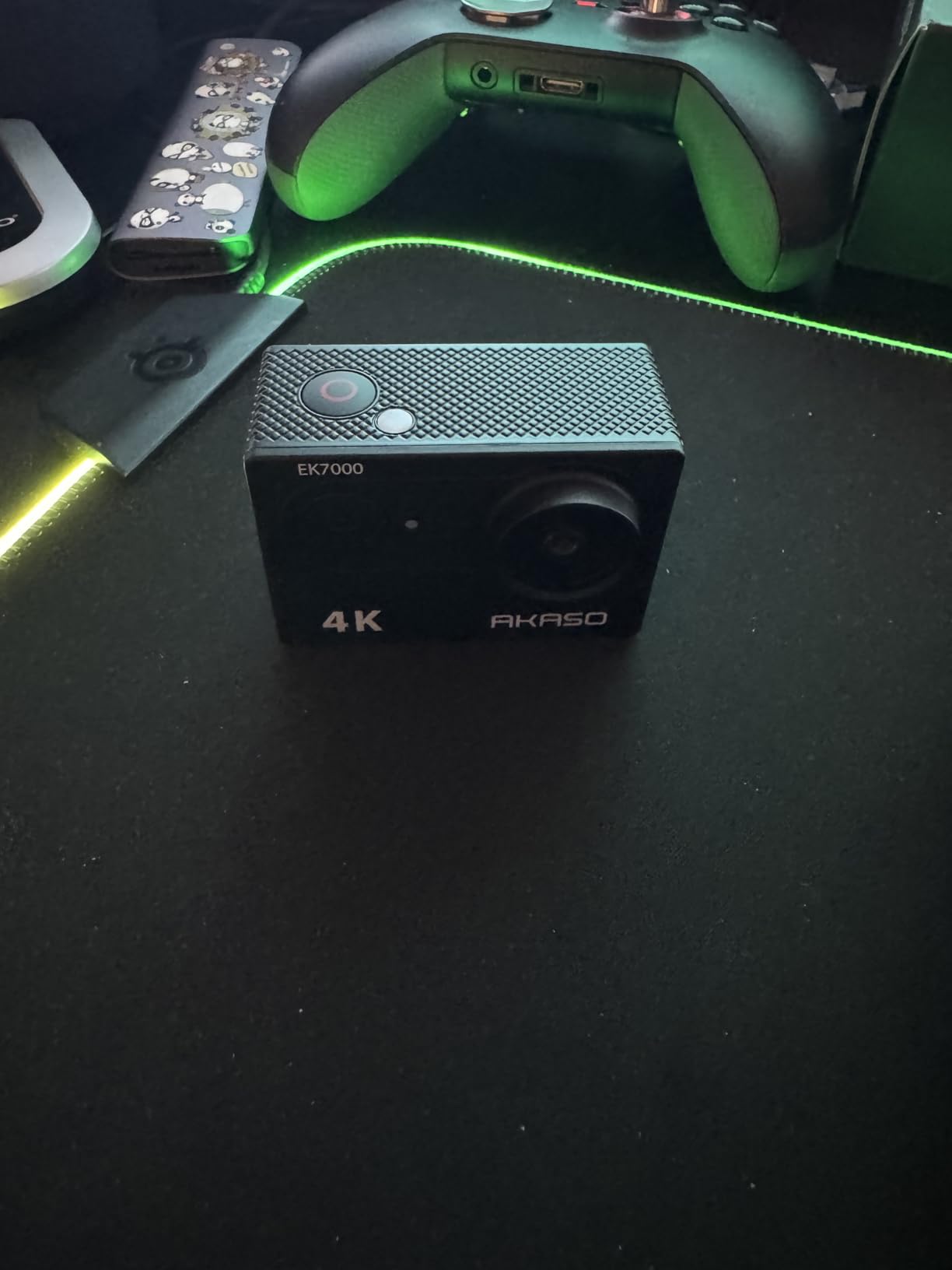
In the pack, the EK7000 weighs 2 ounces without its case. It mounts to any helmet, chest harness, or pole, and the wrist remote lets you start and stop recording without taking your gloves off. Battery life tops out at around 90 minutes per battery, and you get two in the box. For a half-day trip, that is enough.
The honest trade-offs are image quality and reliability. Low-light performance is the obvious limitation — past a dusk cave environment, you will see noise and lose color. Unit-to-unit consistency varies, which means if you buy multiple cameras for a multi-camera setup, the color and exposure will not match. Treat the EK7000 as a starter tool, and once you know what you want from cave photography, upgrade to a GoPro or mirrorless body.
Best use cases
First-time cavers curious about documenting their trips, beginners on a budget, and anyone who wants a throwaway camera for tight wet crawls where a more expensive body would be at risk.
Skip it if
You shoot in dark wild caves and care about image quality — pick the GoPro HERO12 instead. You also should not pick this if you plan to make prints or professional videos.
How to Choose a Cave Photography Camera
Picking the best cameras for cave photography comes down to four factors: how dark the cave is, how wet and rough the trip is, how much weight you can carry, and how much you print or crop your final images. Let our team walk you through the key choices.
Sensor size and low-light performance
Full-frame sensors win the dark. The Sony a7S III still has the largest pixels per area of any camera we tested, which is why its ISO performance leaves every other body on this list behind. APS-C sensors like the Sony a6400 are good to ISO 1600 and fall apart past ISO 3200. Action camera sensors are smaller still and need a light source — strobe, LED panel, or headlamp — to deliver usable footage in a wild cave.
Weather sealing and ruggedness
Mirrorless cameras are not waterproof. They handle spray, dust, and brief light rain, but they cannot survive immersion or heavy water flow. For real wet caves, plan on a hard Pelican-style case and silica gel packs. For cave diving, you need a dedicated underwater housing rated to your depth, which is a separate piece of gear from the camera itself. Our broader camera guide covers underwater housing picks.
Weight and packability
Caving packs are already heavy with helmet, lights, harness, rope, and SRT kit. Adding a full-frame body, two zooms, a tripod, and strobes can easily push you past 4kg of camera gear alone. We tested all eight cameras on multi-hour trips and the action cameras (HERO12, EK7000) and compact mirrorless (a6400) felt best in the bag. Full-frame bodies are heavier but deliver far better image quality in dim caves.
Battery life and redundancy
Cold and damp caves drain batteries fast. Mirrorless cameras with EVFs and IBIS active may only deliver 250-400 shots per charge in real cave conditions, even if CIPA ratings say more. For multi-day expeditions, plan at least three batteries per body, plus a USB-C power bank for timelapse work on bodies like the Nikon Z 6II that support constant power. Recharge in a dry tent or hostel between days.
Wide-angle lens compatibility
Cave interiors demand wide-angle lenses. The 16-35mm class (full-frame) or 10-18mm class (APS-C) covers almost every cave composition. Fast apertures (f/2.8 to f/4) help with ambient light shots when strobes are not allowed, while f/4 to f/5.6 lenses are lighter and fine for tripod-based strobe work. For tight crawls, consider a fisheye or ultra-wide zoom.
Action camera vs mirrorless for tight crawls
For real tight crawls where you cannot hold a camera to your eye, a helmet-mounted action camera is the only practical option. The GoPro HERO12 Black and AKASO EK7000 both deliver helmet-mountable footage in spaces a mirrorless body cannot be used. Many cavers run both — a mirrorless body for chamber work and an action cam for crawls and POV.
Cave Photography Camera Settings Cheat Sheet
The settings below are a starting point for cave work. Adjust for your specific cave, light sources, and gear. When in doubt, bracket — RAW files are forgiving, and exposure blending is a standard cave workflow.
Manual mode: Always. Autofocus hunts in the dark, auto-exposure misreads headlamps, and you need consistent settings for HDR brackets.
ISO: Base (100-200) for tripod shots with strobes; ISO 1600-6400 for handheld or low-light single-shot work. The Sony a7S III can push to ISO 12,800 cleanly.
Aperture: f/8 to f/11 for tripod shots where you want depth of field; f/2.8 to f/4 for handheld ambient light and tight crawl shots.
Shutter speed: 1/125 or faster for handheld caver action; 1 second to 30 seconds for tripod shots of formations with strobes. Use a remote release or 2-second timer.
White balance: Set to Flash (around 5500K) for strobe-lit shots; custom Kelvin (3200-4500K) for headlamp-lit work.
Focus: Manual focus with focus peaking and live view zoom. Autofocus cannot be trusted on a cave wall in the dark.
File format: Always RAW. JPEG loses the highlight and shadow detail you need for exposure blending and white balance correction.
Drive mode: 2-second timer or remote release for tripod shots; continuous low for action caver sequences.
Image stabilization: Off on tripod (it can introduce micro-vibration); on for handheld work.
Frequently Asked Questions
What camera settings should I use for cave photography?
Shoot in manual mode, use the lowest ISO your light source allows (100-200 with strobes, 1600-6400 handheld), set your aperture between f/2.8 and f/11 depending on depth of field, and choose a shutter speed between 1 second and 30 seconds for tripod work or 1/125 and faster for handheld action. Set white balance to Flash for strobe-lit shots, focus manually with focus peaking, and always shoot RAW so you can blend exposures and correct white balance in post.
Is a GoPro good enough for cave photography?
A GoPro is excellent for tight crawls, helmet-mounted POV footage, and cave diving in shallow sections, but it is not ideal as your only camera for still cave photography. The small sensor limits low-light performance, the fixed lens cannot zoom or blur backgrounds, and battery life is short. Most experienced cavers run a GoPro alongside a mirrorless body — the mirrorless for chamber stills and the GoPro for crawls and trip documentation.
Do I need a full-frame camera for cave photography?
Full-frame sensors deliver cleaner high-ISO images, which matters in caves where you may push ISO to 6400 or higher. That said, an APS-C camera like the Sony a6400 paired to a fast wide-angle lens and a strobe will deliver excellent results for most cavers, especially if you shoot from a tripod. If you only shoot in show caves with built-in lighting, APS-C or even a rugged compact will do the job. Save the full-frame budget for wild caves where every photon counts.
What is the best budget camera for cave photography?
For tight-budget beginners, the AKASO EK7000 delivers 4K video and a 131ft waterproof case — perfect for helmet-mount POV at a starter price. For first-time cave photographers ready to step up to a mirrorless body, the Sony a6400 is the best balance of autofocus, sensor size, and weight. For cavers who want full-frame image quality without flagship cost, the Nikon Z 6II is the strongest value pick, and the Canon EOS R6 Mark II is the top hybrid choice in the mid-tier range.
Final Verdict
After eight cameras and a lot of mud, our pick for the best camera for cave photography is the Sony Alpha a7S III — its class-leading low-light performance, sticky autofocus, and 4K 120p video make it the underground benchmark in 2026. For cavers who want a more versatile hybrid body that also handles landscape and wildlife work, the Canon EOS R6 Mark II is the runner-up. For tight crawls and helmet-mount footage, the GoPro HERO12 Black is the companion you cannot do without.
Match the camera to your cave, not the other way around. Wild cave photographers chasing clean high-ISO images should pick the a7S III. Hybrid shooters who split cave and topside work should pick the R6 Mark II. Cavers who want one body for everything should look at the Nikon Z 6II for value. Beginners should start with the Sony a6400 or the AKASO EK7000 and graduate up as their kit demands. Whichever you choose, pack a Pelican case, an off-camera flash, and three batteries per body — and remember that caving comes first, photography second.