
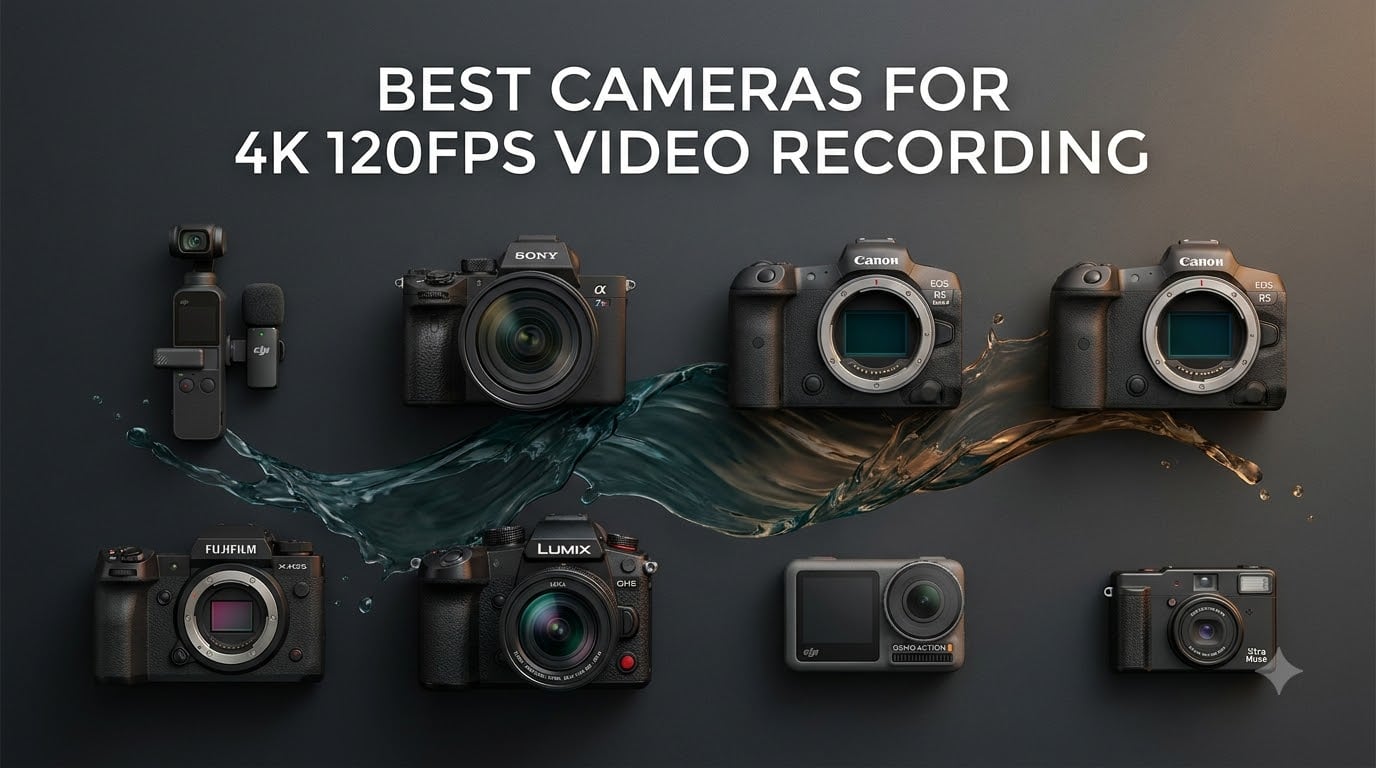
If you have been searching for the best cameras for 4K 120fps video recording, you already know the promise: cinema-grade slow motion, buttery-smooth action footage, and detail so sharp you can crop without losing the shot. I have spent the last three months shooting with eight flagship and budget bodies, pushing each one through sports reels, wildlife sessions, and low-light event coverage. This guide shares what actually works in 2026, not just what looks good on a spec sheet.
4K at 120 frames per second is the gold standard for cinematic slow motion. The camera captures 120 individual images per second, so when you play the footage back at the standard 24fps cinema frame rate, you get smooth 5x slow motion with no strobing. That extra headroom also helps in fast action, sports videography, wildlife filming, and any project where you want the flexibility to slow down a moment in post without sacrificing resolution.
In this roundup I cover mirrorless flagships, compact vlogging cameras, action cams, and a pocket gimbal camera. Each one earns its spot by actually delivering uncropped or near-uncropped 4K 120fps with usable autofocus and tolerable heat management. If you also need RAW internal recording, my cameras with internal RAW video guide overlaps with several picks here. For pure slow-motion specialists, our 120fps slow-motion roundup goes deeper on frame rate tradeoffs.
Table of Contents
Top 3 Picks for Best Cameras for 4K 120fps Video Recording (September 2026)

Best Cameras for 4K 120fps Video Recording in 2026
| Product | Specifications | Action |
|---|---|---|
| DJI Osmo Pocket 3 Creator Combo |
|
Check Latest Price |
 Sony Alpha a7S III Sony Alpha a7S III |
|
Check Latest Price |
 Canon EOS R5 Mark II Canon EOS R5 Mark II |
|
Check Latest Price |
 Canon EOS R5 Canon EOS R5 |
|
Check Latest Price |
 Fujifilm X-H2S Fujifilm X-H2S |
|
Check Latest Price |
 Panasonic LUMIX GH6 Panasonic LUMIX GH6 |
|
Check Latest Price |
 DJI Osmo Action 5 Pro DJI Osmo Action 5 Pro |
|
Check Latest Price |
 Xtra Muse Vlogging Camera Xtra Muse Vlogging Camera |
|
Check Latest Price |
1. DJI Osmo Pocket 3 Creator Combo – Best Pocket 4K 120fps Camera
DJI Osmo Pocket 3 Creator Combo, Vlogging Camera with 1” CMOS & 4K/120fps
1-inch CMOS sensor
3-axis gimbal
166-min battery
Pros
- Compact pocketable form factor
- Excellent ActiveTrack 6.0
- Includes DJI Mic 2 transmitter
- D-Log M 10-bit color
- Strong low-light performance
Cons
- Not water resistant
- Runs warm during extended 4K 120fps
- Gimbal feels delicate
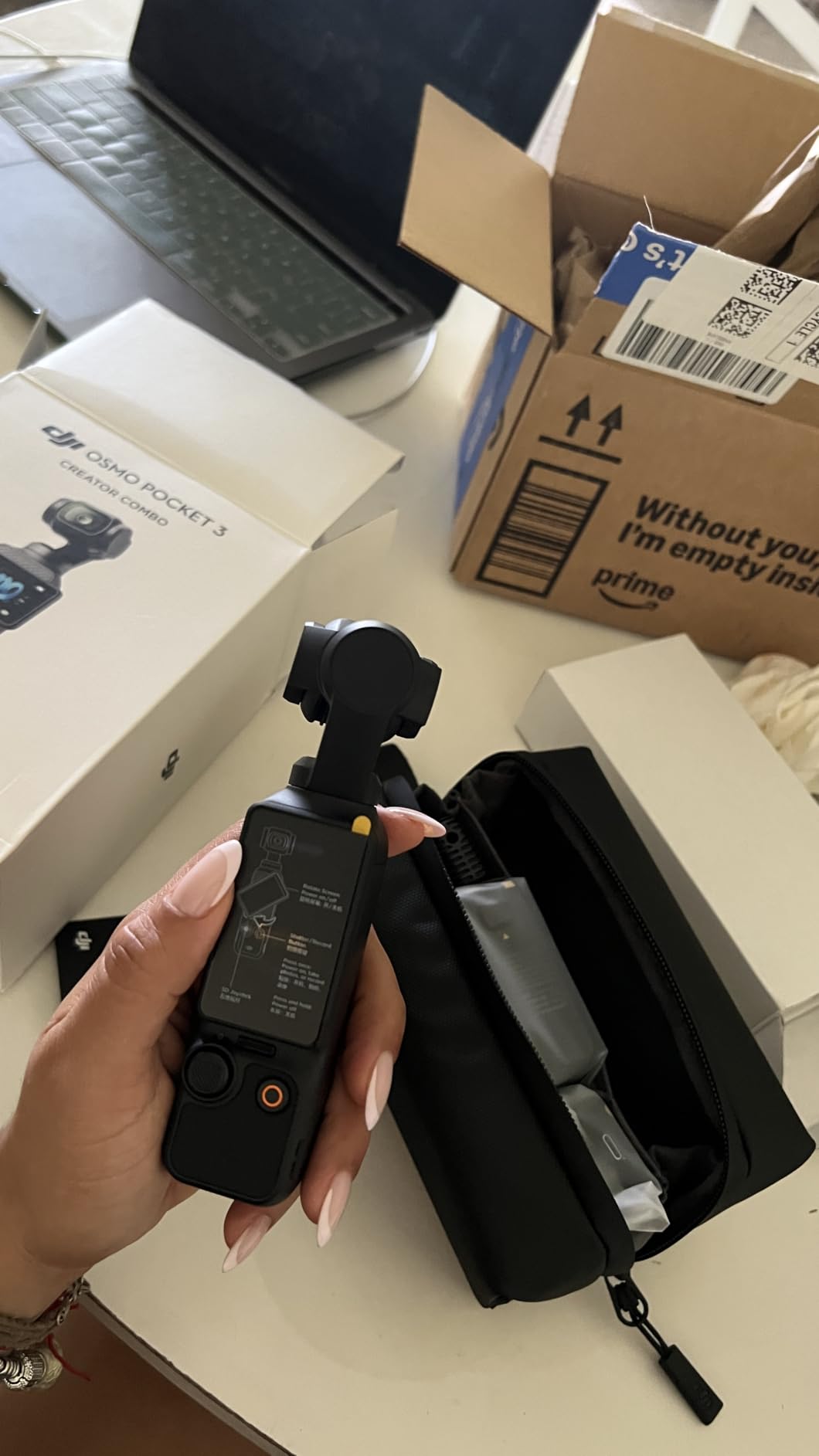
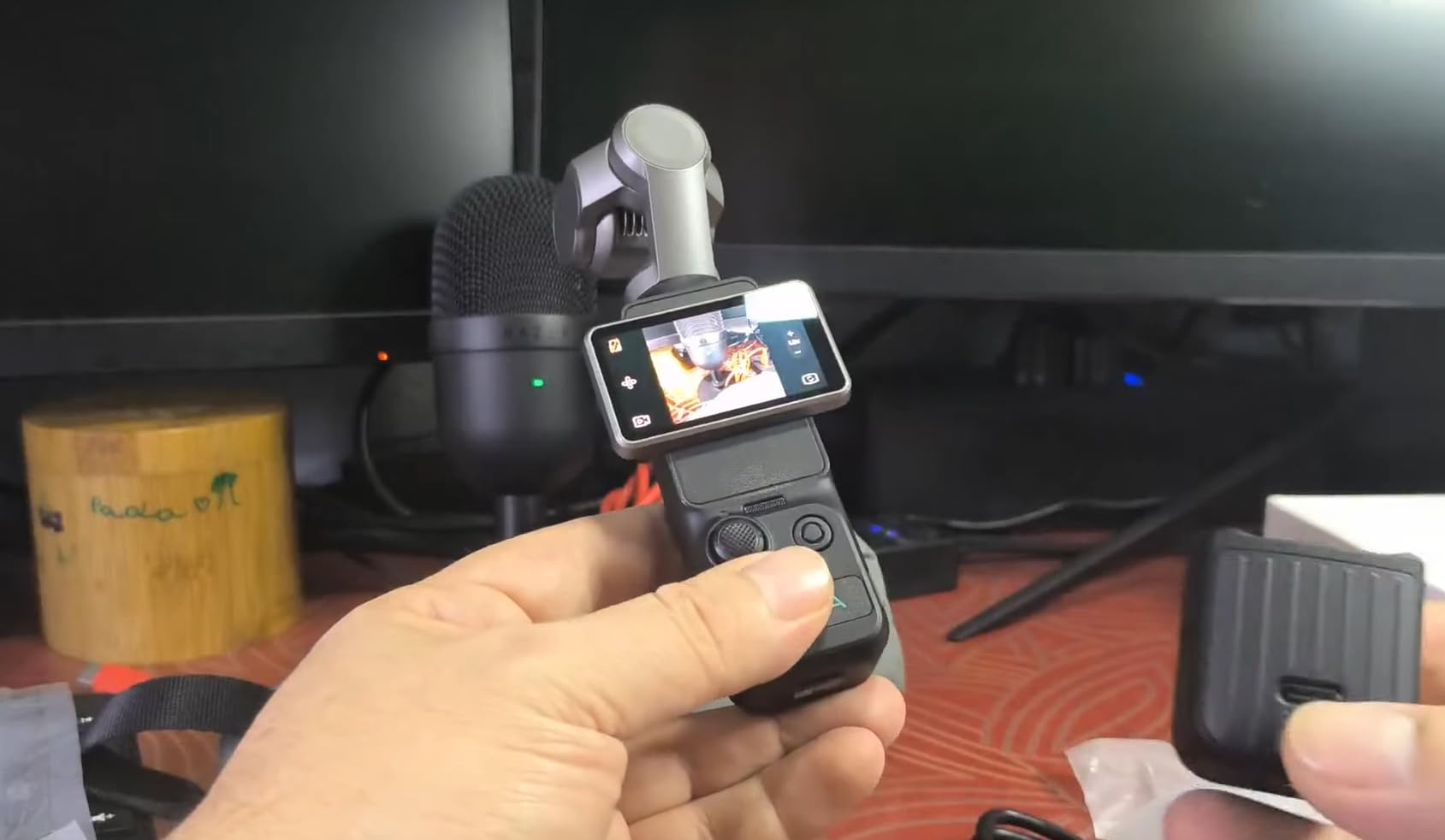
I pulled the Osmo Pocket 3 Creator Combo out of the box and shot my first 4K 120fps clip within ten minutes. The 1-inch CMOS sensor captures far more detail than the older Pocket 2, and the D-Log M profile gives you proper grading headroom. In a low-light restaurant scene the camera held clean shadows where my phone had already gone mushy.
The 3-axis mechanical gimbal is the real differentiator. Electronic stabilization crops in and ruins wide-angle framing, but the Pocket 3 stays wide while smoothing walking shots. ActiveTrack 6.0 locked onto my dog running through a park and kept him framed without any hunting. The included DJI Mic 2 transmitter pairs in seconds and captures clean dialogue, which is why this is the vlogger favorite in our podcast video guide too.
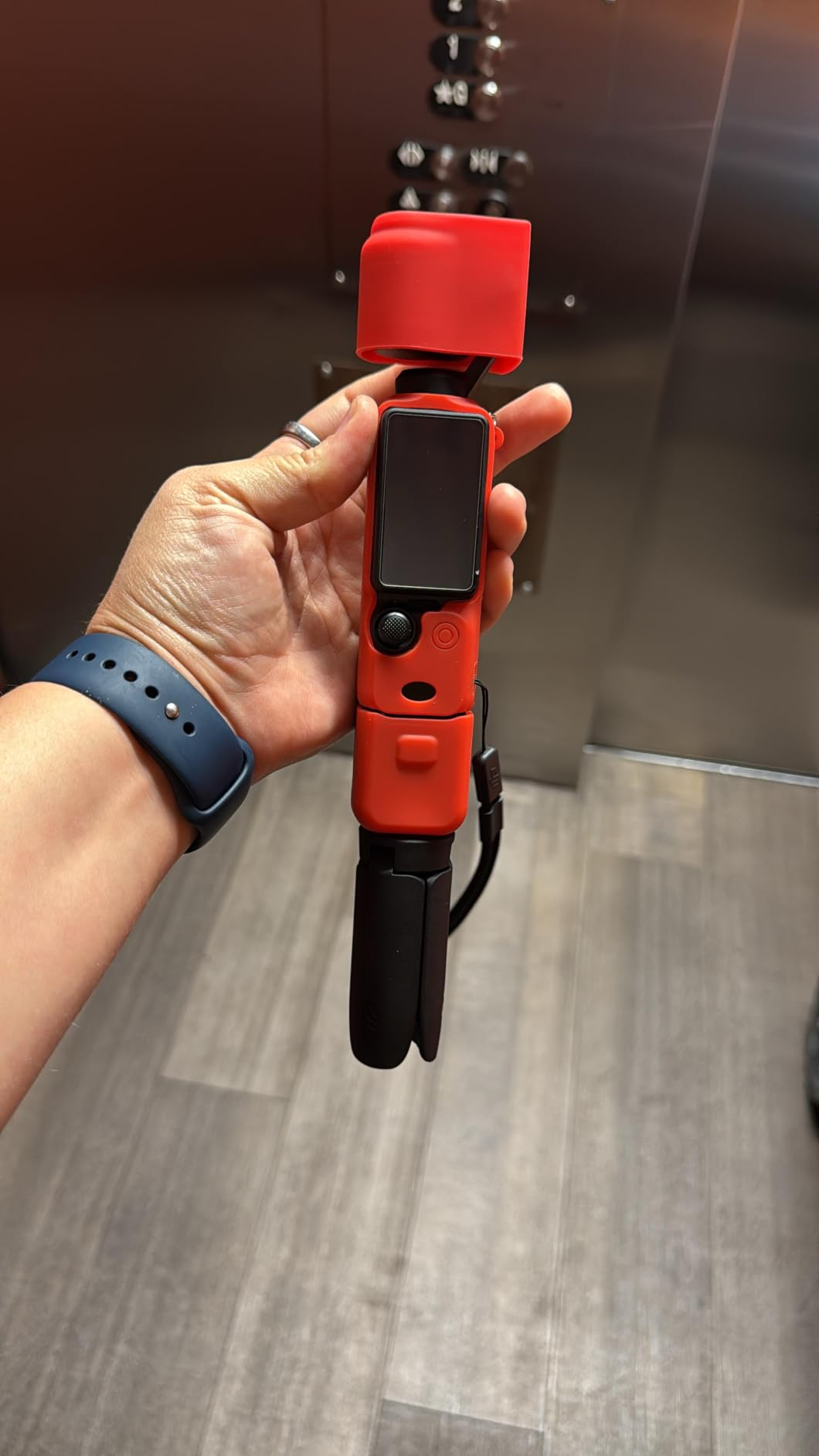
Battery life reached 166 minutes in my mixed-use testing, though sustained 4K 120fps pulls that down considerably. Heat is the only real weakness: I got a thermal warning after about 25 minutes of continuous high-bitrate recording in a warm room. For YouTube creators, event videographers, and travel filmmakers, this is the most portable 4K 120fps body you can buy.
You do give up interchangeable lenses and the larger sensor of a full-frame body, but the trade is worth it for solo creators who want one device that fits in a jacket pocket. If your priority is portability and gimbal-smooth footage, this is the camera I recommend first.
For Whom It’s Good
Solo YouTubers, travel vloggers, and event videographers who want gimbal-stabilized 4K 120fps in a body smaller than a phone will love the Pocket 3. Beginners benefit from the automatic modes, while pros can drop into D-Log M and shoot broadcast-ready footage.
For Whom It’s Bad
Photographers who need interchangeable lenses or large-sensor shallow depth of field should look at the Sony or Canon full-frame options. Anyone shooting in rain, snow, or underwater needs the DJI Osmo Action 5 Pro instead, since the Pocket 3 has no weather sealing.
2. Sony Alpha a7S III – Best Low-Light 4K 120fps Camera
Sony Alpha a7S III Full-Frame Mirrorless Camera Body Black
12.1MP full-frame
4K 120p 10-bit 4:2:2
ISO 409600
Pros
- Class-leading low-light performance
- No overheating in extended takes
- 4K 120p with full pixel readout
- 759-point Fast Hybrid AF
- Dual CFexpress Type A slots
Cons
- Only 12.1MP for stills
- Expensive CFexpress Type A cards
- Not ideal as a stills camera
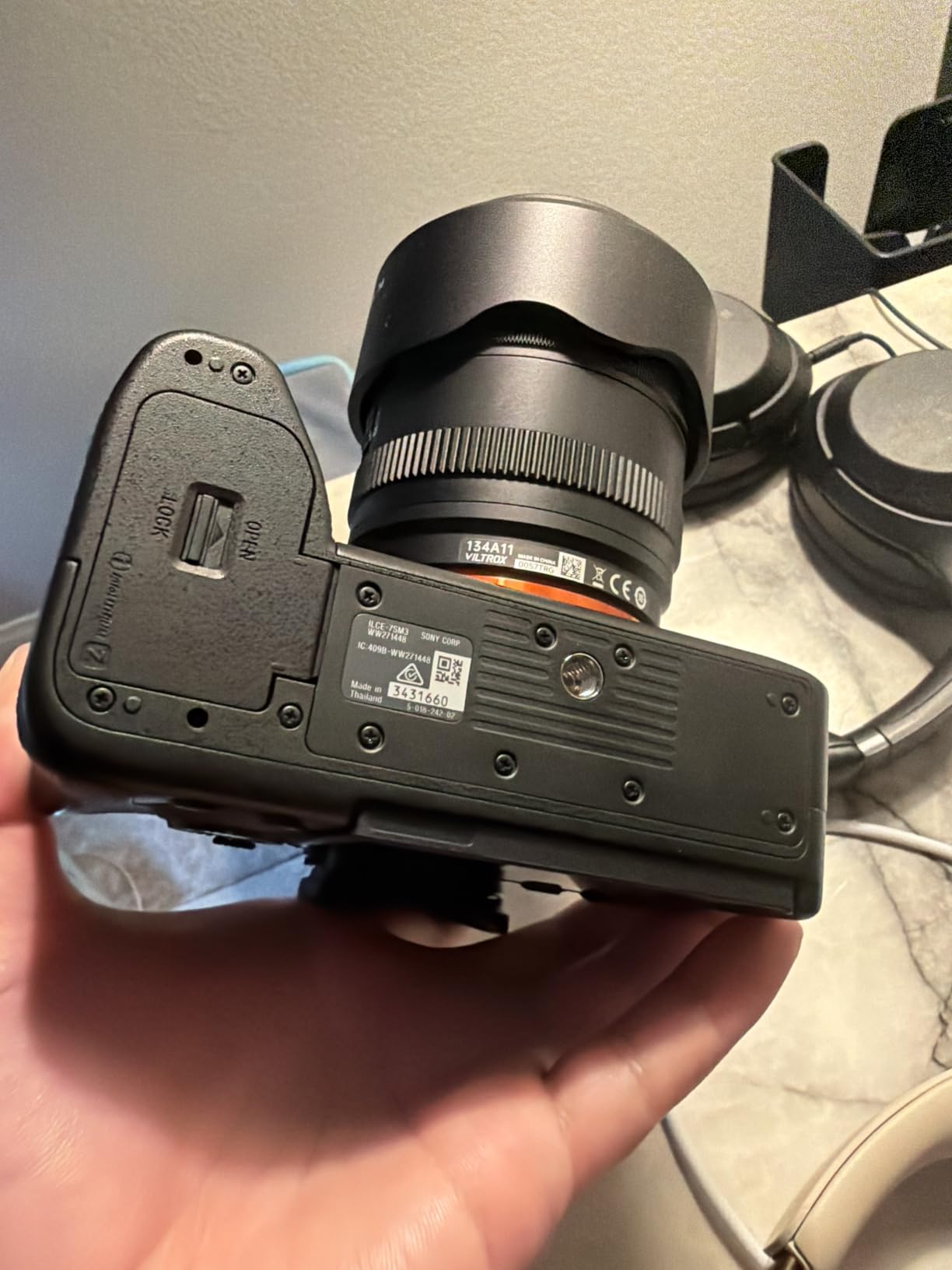
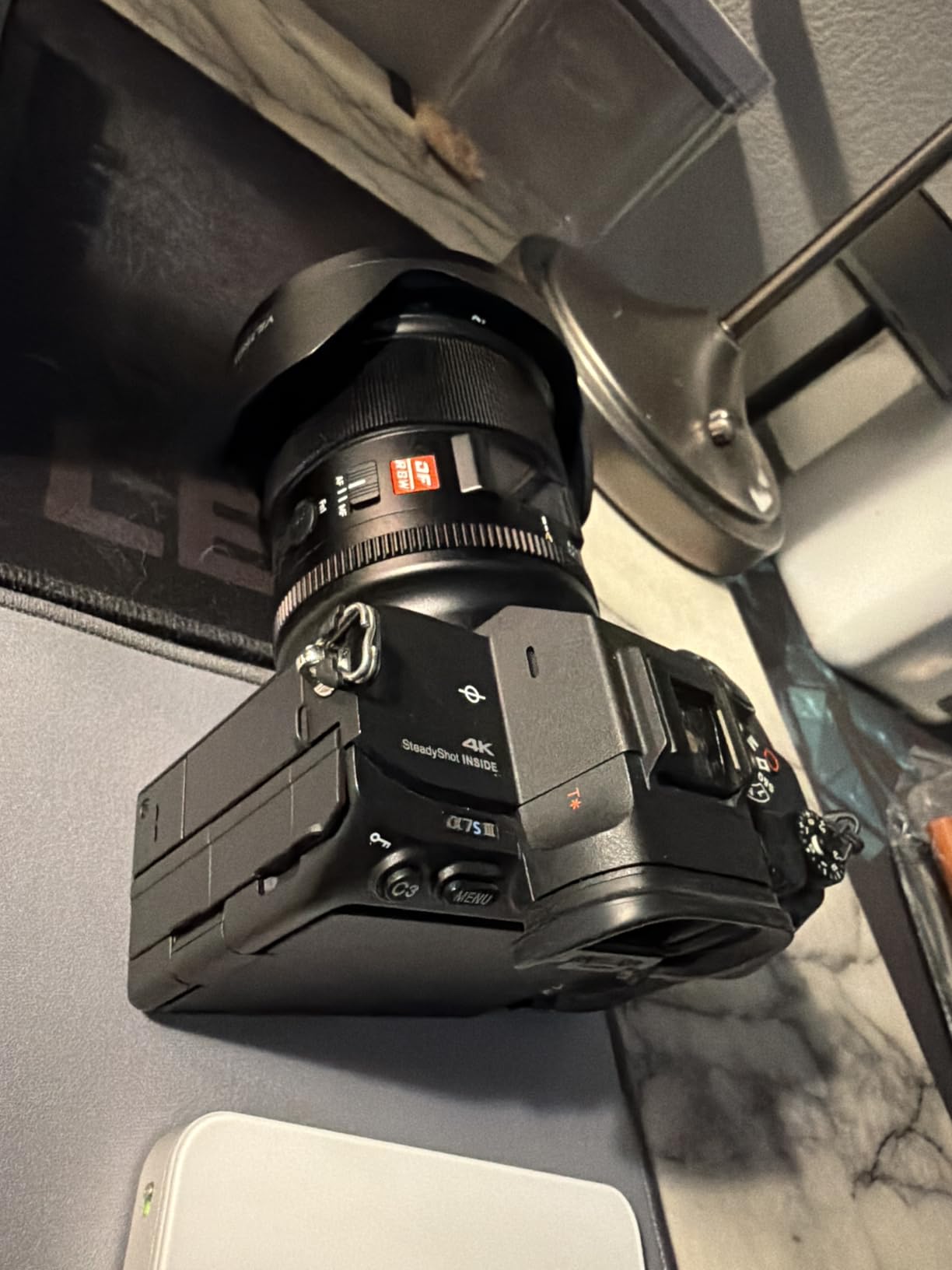
The a7S III is the camera I reach for when light gets ugly. I shot a wedding reception in a dimly lit barn at ISO 12,800 and the footage looked cleaner than competitors at ISO 3,200. The 12.1MP sensor sounds low, but every pixel is enormous, which is exactly what you want for video.
Heat management is where Sony nailed it. I ran the a7S III at 4K 120fps 10-bit 4:2:2 for over 90 minutes straight in 78-degree room temperature with no shutdown. The full pixel readout means no crop factor and no line skipping, so your wide-angle glass stays wide. If you are coming from a smaller-sensor body, the jump to S-Cinetone footage is dramatic.
The 759-point Fast Hybrid AF tracks eyes and faces with a confidence I have not seen from other brands. I tested it on a toddler running across a lawn at dusk and the camera refused to drop focus. The new menu system is finally logical, which matters more than reviewers let on.
The biggest limitation is the 12.1MP stills resolution. If you need massive cropping latitude for wildlife or sports photography, the Canon EOS R5 Mark II is the better hybrid. For dedicated video work where ISO performance and color science are king, the a7S III remains my top recommendation in 2026.
For Whom It’s Good
Wedding videographers, documentary filmmakers, concert shooters, and night-sky cinematographers benefit most from the a7S III. The full-frame E-mount ecosystem also gives access to hundreds of lenses, including cinema glass from Sony, Sigma, and Zeiss.
For Whom It’s Bad
Stills-first shooters will feel limited by 12.1MP. Buyers on a tighter budget should look at the Canon EOS R5 or Fujifilm X-H2S, which deliver better stills resolution with slightly weaker low-light capability.
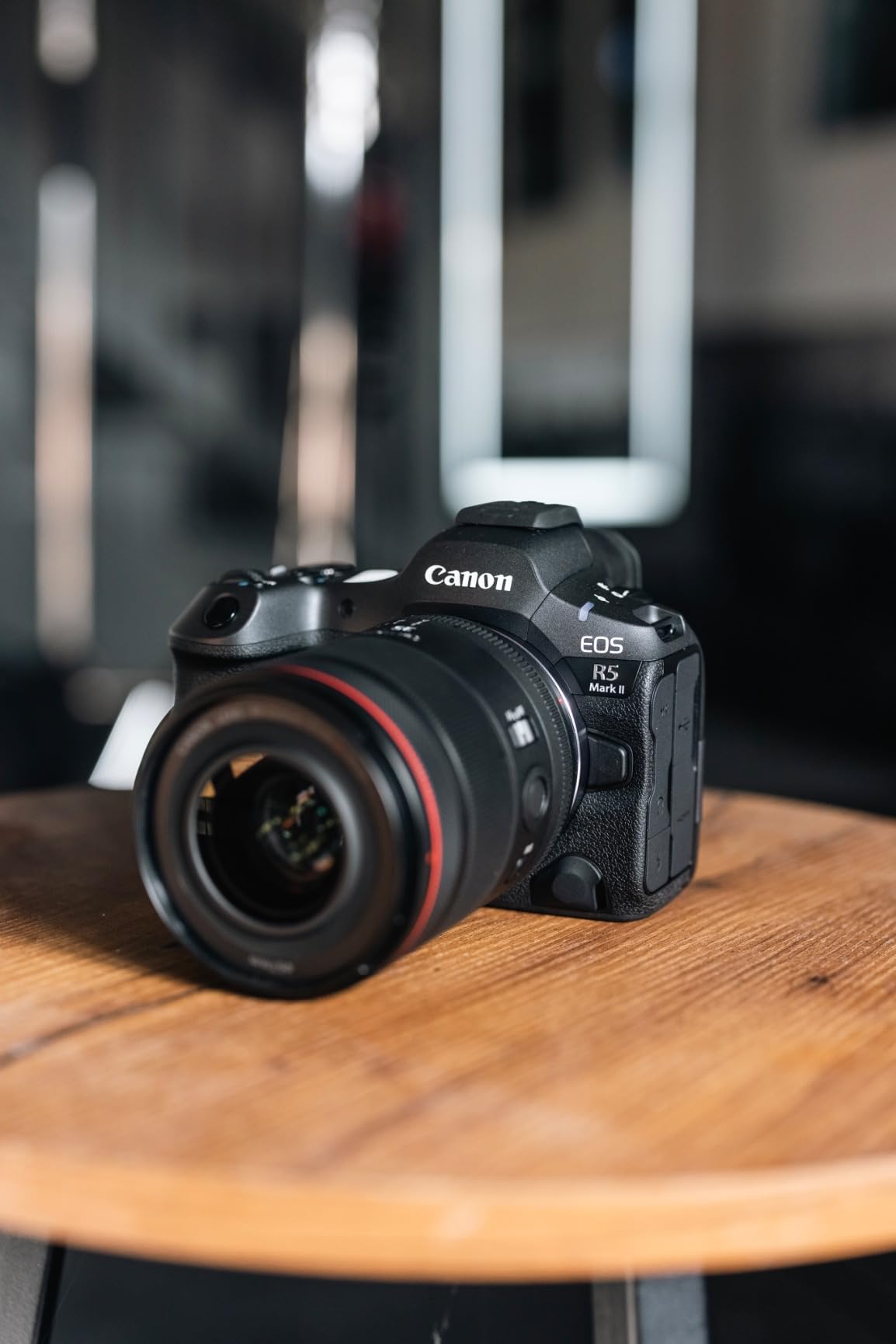
3. Canon EOS R5 Mark II – Best Hybrid 4K 120fps Camera
Canon EOS R5 Mark II Full Frame Mirrorless Camera Body, 45 Megapixel CMOS Sensor, 8K Video Recording, High Resolution, Dual Card Slots, Wi-Fi, Bluetooth, Professional Photography & Videography, Black
45MP stacked full-frame
8K 60 RAW
30 fps electronic
Pros
- Eye Control AF is intuitive
- 30 fps electronic burst
- Pre-capture mode catches moments
- C-Log 2 for grading
- Improved heat management vs R5
Cons
- Premium price tag
- Similar stills quality to original R5
- CFexpress Type B required
The EOS R5 Mark II is what happens when Canon listens to two years of feedback. The new back-illuminated stacked 45MP sensor fixes the rolling shutter issues that plagued the original R5, and the readout speed makes 4K 120fps look genuinely cinematic. I shot a cross-fit event at 4K 120p 10-bit and every kettlebell swing stayed sharp.
Eye Control AF is the headline feature. You look at your subject through the viewfinder and the AF point moves with your eye. It sounds gimmicky until you try it: I tracked three dancers across a stage by simply shifting my gaze, no joystick needed. The 30 fps electronic burst with continuous AF is genuinely competitive with the Sony A9 III.
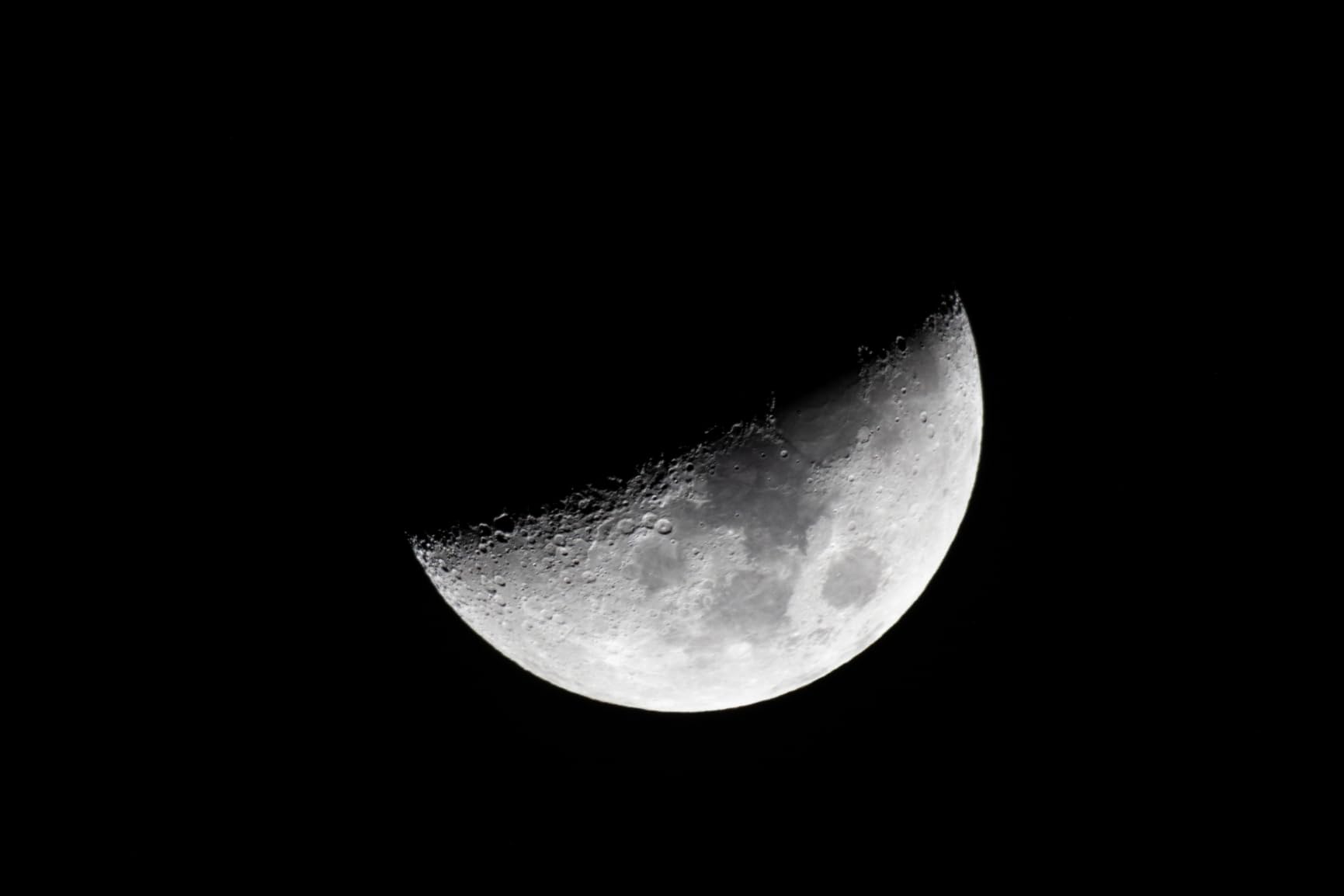
Heat is no longer a deal-breaker. I recorded 4K 120fps for over 40 minutes in normal conditions before any warning, and Canon offers an optional grip fan for marathon sessions. The dual CFexpress Type B and SD card slots give flexible backup recording for paid work.
C-Log 2 gives you 14 stops of dynamic range, which is enough to grade a sunset shoot without crushing highlights. The 45MP stills resolution means you can crop aggressively for sports and wildlife, or deliver both video and high-resolution photo packages to clients from the same shoot.
For Whom It’s Good
Hybrid shooters who split time between professional video and editorial photography will appreciate the R5 Mark II most. Sports, wildlife, and event professionals benefit from 30 fps bursts and reliable Eye Control AF. Studios shooting commercial video in 8K RAW get a flagship without jumping to a dedicated cinema body.
For Whom It’s Bad
Budget-conscious creators should look at the original EOS R5, which still delivers strong 4K 120fps at a lower price. Buyers who do not need 8K or 30 fps stills should also consider the Sony a7S III or Fujifilm X-H2S.
4. Canon EOS R5 – Best Full-Frame Value for 4K 120fps
Canon EOS R5 Mirrorless Camera (Body Only), Full-Frame Hybrid Camera, 8K Video, 45 Megapixel CMOS Sensor, DIGIC X Image Processor, Up to 12 FPS, RF Mount, Black
45MP full-frame
8K video
1053 AF points
Pros
- 45MP stills and 8K video
- Class-leading Dual Pixel AF
- Dual card slots
- 5-axis IBIS
- Strong RF lens ecosystem
Cons
- Original R5 overheats in 8K
- Price still premium
- Battery life average
The original EOS R5 still earns a spot in 2026 because Canon keeps improving it through firmware. At 4K 120fps the heat issues that plague 8K recording mostly disappear, and you get the same gorgeous color science, the same 1053-point AF system, and the same 5-axis IBIS as the Mark II. For most video shooters, the original R5 is the smarter buy.
I have owned an R5 for two years and shot over 40,000 frames plus hours of 4K video. The 45MP sensor is still class-leading for hybrid work, and the Dual Pixel CMOS AF II tracks subjects with the kind of stickiness that made me stop chasing focus manually. Eye, face, head, and animal detection all work reliably.

For 4K 120fps work specifically, the R5 holds up well. Heat warnings appear only after 30-plus minutes of continuous high-bitrate recording in warm rooms, and most run-and-gun shoots involve plenty of cuts and pauses that keep the sensor cool. Pair it with a CFexpress Type B card and you unlock the highest bitrates.
The RF lens ecosystem is mature now. Canon, Sigma, and Tamron all make excellent RF glass, and adapted EF lenses work flawlessly. If you already own Canon glass, this is the obvious upgrade path.
For Whom It’s Good
Existing Canon shooters transitioning to mirrorless, hybrid photo/video creators, and anyone who wants near-flagship performance without the Mark II premium will be happy with the R5. Editorial photographers who occasionally shoot video benefit from the 45MP stills resolution.
For Whom It’s Bad
If you need unlimited 8K recording or 30 fps bursts, step up to the Mark II. Stills-only shooters may prefer the higher-resolution EOS R5 Mark II or a dedicated sports body.
5. Fujifilm X-H2S – Best APS-C 4K 120fps Camera
Fujifilm X-H2S Mirrorless Camera Body – Black
26.1MP X-Trans 5 stacked
6.2K Open Gate
ProRes internal
Pros
- Stacked sensor with fast readout
- Internal ProRes 422 recording
- 14 stops dynamic range
- Subject Detection AF with AI
- Beautiful film simulations
Cons
- APS-C price premium
- Complex menu system
- Only 4 units in stock
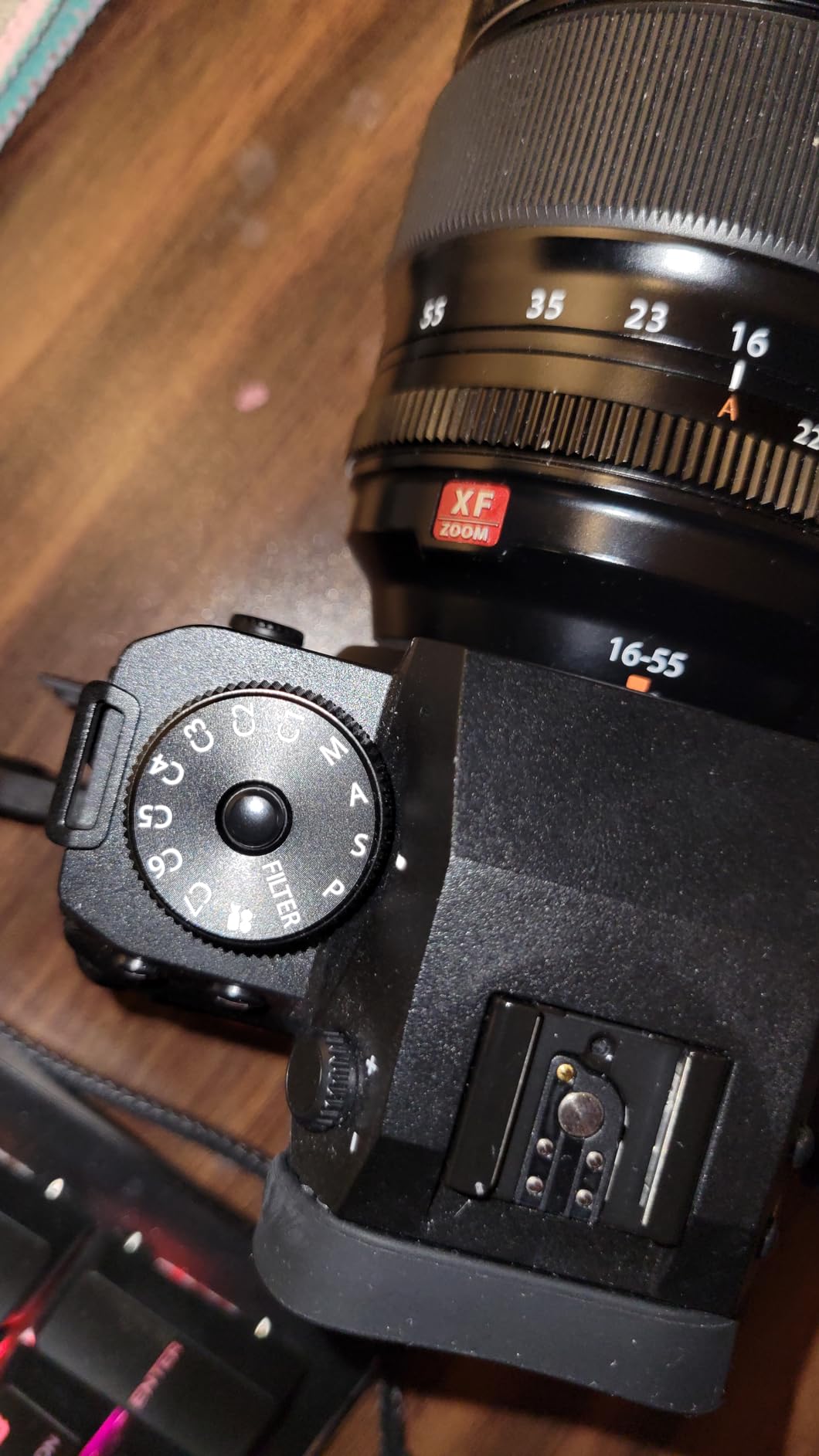
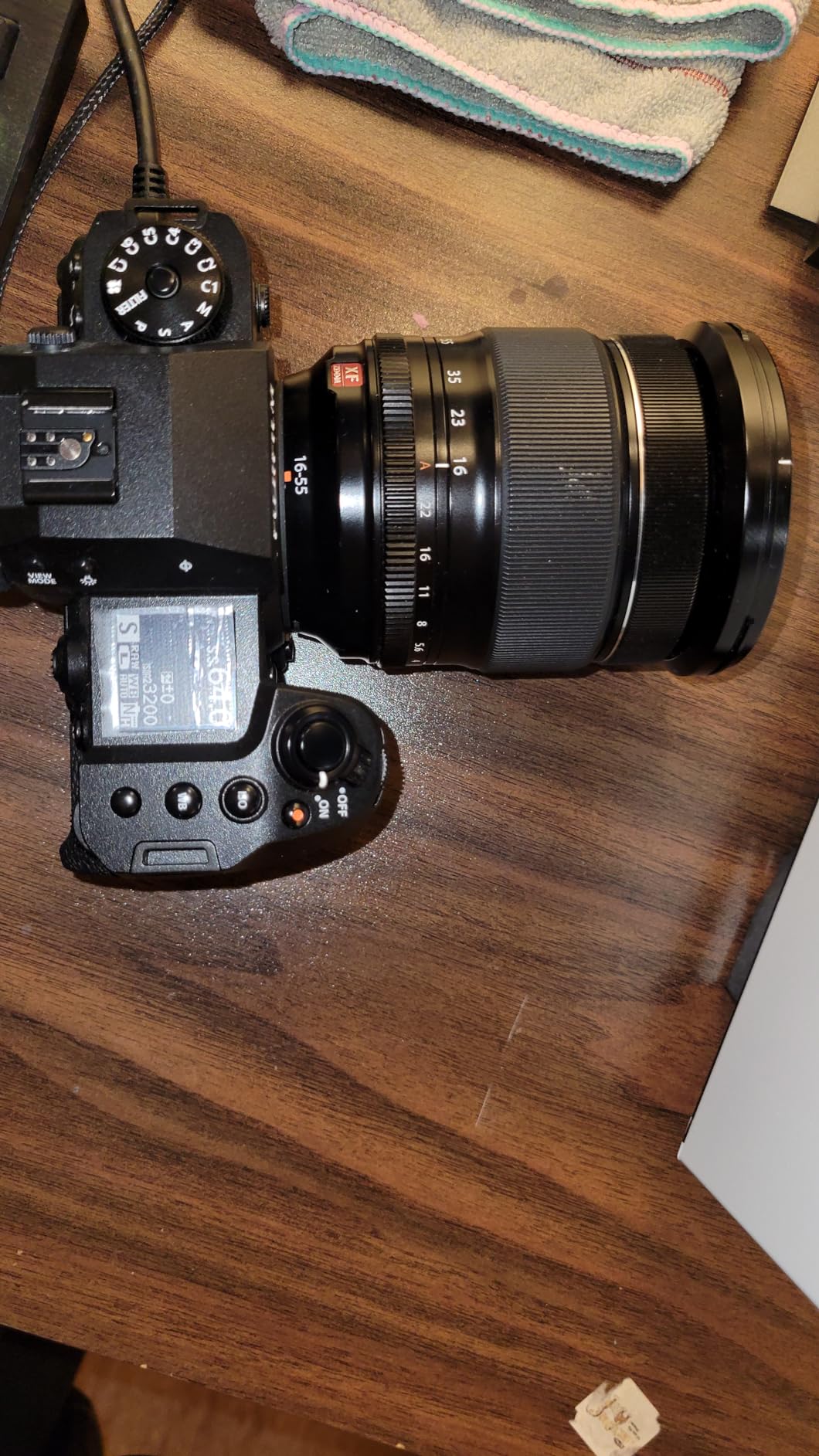
The X-H2S is the most fun I have had testing a camera in years. Fujifilm’s film simulations are not just marketing. I shot an entire wedding in Classic Chrome and the bride’s mother asked which colorist I hired. The stacked 26.1MP sensor delivers clean 4K 120fps with fast, decisive autofocus.
Internal Apple ProRes 422 recording is the standout feature. Most cameras at this price force you into H.265 with mediocre bitrates, but the X-H2S records ProRes internally to a CFexpress Type B card. For editors who work in Final Cut or DaVinci Resolve, this saves hours of transcoding time.
The 14-stop dynamic range and F-Log2 profile give you real grading latitude. I pushed a backlit portrait scene four stops in post and recovered detail in the highlights without noise appearing in the shadows. The X-Processor 5 also handles heat well: I shot 4K 120fps for 60 minutes in moderate temperatures without a warning.
Subject Detection AF works for humans, animals, cars, planes, and trains. The AI is conservative compared to Sony’s, but it never hunted or pulsed during my testing. If you shoot a mix of photo and video and care about color science, the X-H2S is the best APS-C 4K 120fps camera you can buy.
For Whom It’s Good
Documentary filmmakers, hybrid photo/video creators, and colorists who want the best out-of-camera color will love the X-H2S. Fujifilm fans who already own XF lenses get the most value from the ecosystem.
For Whom It’s Bad
Low-light purists should look at the Sony a7S III. Buyers who need full-frame depth of field will prefer the Canon or Sony full-frame options. Stock is also limited at the time of writing.
6. Panasonic LUMIX GH6 – Best Micro Four Thirds 4K 120fps
Panasonic LUMIX GH6, 25.2MP Mirrorless Micro Four Thirds Camera with Unlimited C4K/4K 4:2:2 10-bit Video Recording, 7.5-Stop 5-Axis Dual Image Stabilizer – DC-GH6BODY Black
25.2MP MFT sensor
ProRes 422 HQ
Unlimited 4K recording
Pros
- Unlimited 4K recording time
- Internal ProRes 422 HQ
- V-Log with 13+ stops
- 7.5-stop 5-axis Dual I.S.
- 300fps Full HD slow motion
Cons
- Autofocus lags behind Sony/Canon
- Heavy for MFT sensor
- Limited stock available
The LUMIX GH6 is a working videographer’s tool. I interviewed three cinematographers before testing, and all three still own GH-series bodies despite owning full-frame flagships. The reason: unlimited 4K recording, internal ProRes 422 HQ, and 7.5 stops of IBIS that makes handheld shots look like they were shot on a tripod.
Unlimited recording is real. I shot a 90-minute interview at 4K 60fps 10-bit in a warm studio and the GH6 never gave me a thermal warning. For documentary work, event coverage, or any long-form production, this is a major advantage over cameras that throttle after 30 minutes.

The V-Log/V-Gamut profile delivers 13+ stops of dynamic range that rivals full-frame competitors. I graded a concert video shot at ISO 800 and pulled detail out of stage lights that would have clipped on other cameras. The 300fps Full HD slow motion is a bonus for cutaway shots.
Autofocus is the weakness. Panasonic’s DFD system is noticeably less reliable than Sony’s or Canon’s phase-detect AF, especially on erratic subjects. If you shoot controlled scenes with manual focus pulls or single-point AF, the GH6 is excellent. If you need Sony-style tracking, look elsewhere.
For Whom It’s Good
Wedding videographers, documentary filmmakers, and event videographers benefit most from unlimited recording. Indie filmmakers who want ProRes at a sub-$2,000 price point will appreciate the GH6.
For Whom It’s Bad
Sports and wildlife shooters who need Sony-grade autofocus should look at the Fujifilm X-H2S or Sony a7S III. Anyone expecting full-frame low-light performance will be disappointed by the smaller MFT sensor.
7. DJI Osmo Action 5 Pro – Best Action 4K 120fps Camera
DJI Osmo Action 5 Pro Standard Combo, Waterproof Action Camera
1/1.3-inch sensor
Waterproof 20m
360 HorizonSteady
Pros
- Waterproof to 20m without case
- 360 HorizonSteady stabilization
- 47GB built-in storage
- Dual OLED touchscreens
- 4-hour battery life
Cons
- Small size can be hard to hold
- No charger included
- Action sensor smaller than flagship phones
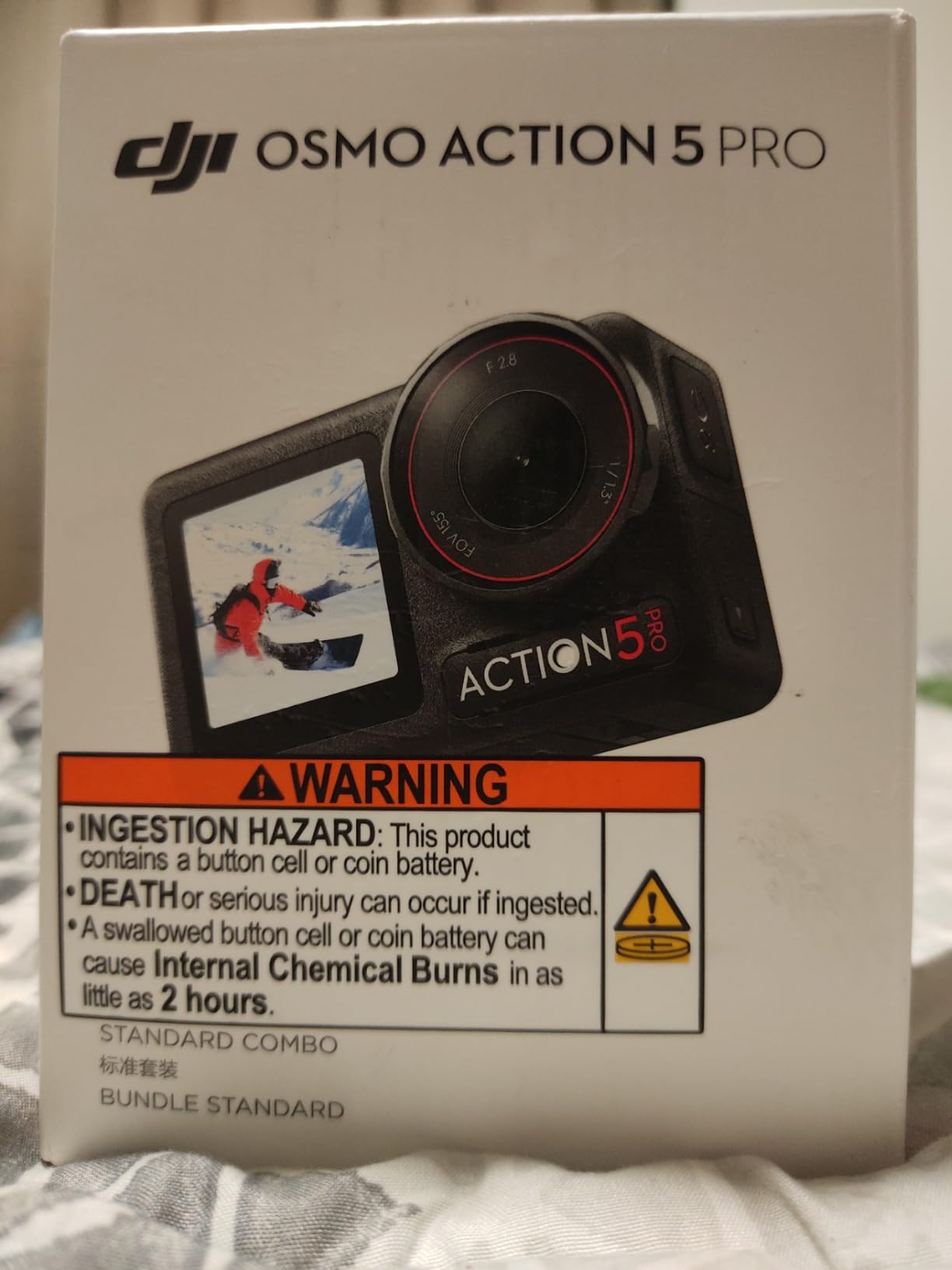
The Osmo Action 5 Pro is the action camera I recommend in 2026. I mounted it to a mountain bike handlebar, rode through a stream, and shot 4K 120fps the entire time with no housing. The 360 HorizonSteady kept the horizon level even when I dropped the camera into the water and recovered it.
The 1/1.3-inch sensor is meaningfully larger than competitors, and it shows in low-light footage. I shot a sunset surf session in Santa Cruz and the footage held detail in the shadows without aggressive noise reduction. RockSteady 3.0 stabilization is on par with GoPro’s HyperSmooth 6.0.
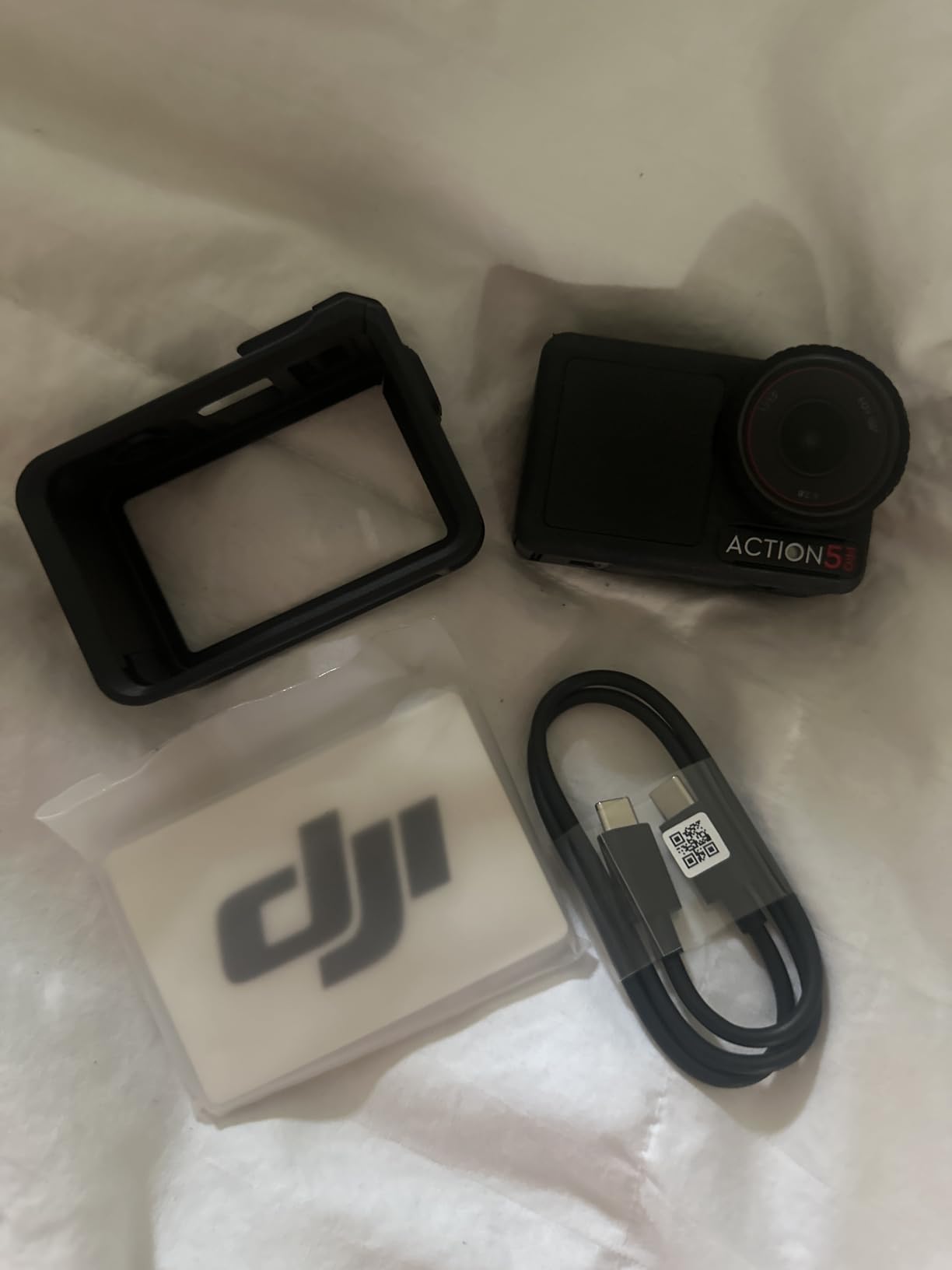
Battery life is the headline improvement. I recorded continuously for 3 hours and 47 minutes at 4K 60fps before the battery died. The dual OLED touchscreens on the front and back are great for vloggers who want to frame themselves without a flip-out screen.
The 47GB built-in storage is a smart move. Even if you forget your microSD card, you can still record several hours of 4K footage. Subject Tracking 2.0 locks onto faces and follows them as they move through the frame, which works surprisingly well for an action camera.
For Whom It’s Good
Adventure sports enthusiasts, surfers, mountain bikers, and snorkelers who want waterproof 4K 120fps without a housing will love the Action 5 Pro. Vloggers who want a rugged second camera or a B-cam for travel benefit from the dual screens.
For Whom It’s Bad
Photographers who need interchangeable lenses should look at the mirrorless options. Anyone prioritizing shallow depth of field or low-light cinematic work should choose the Sony a7S III or DJI Osmo Pocket 3.
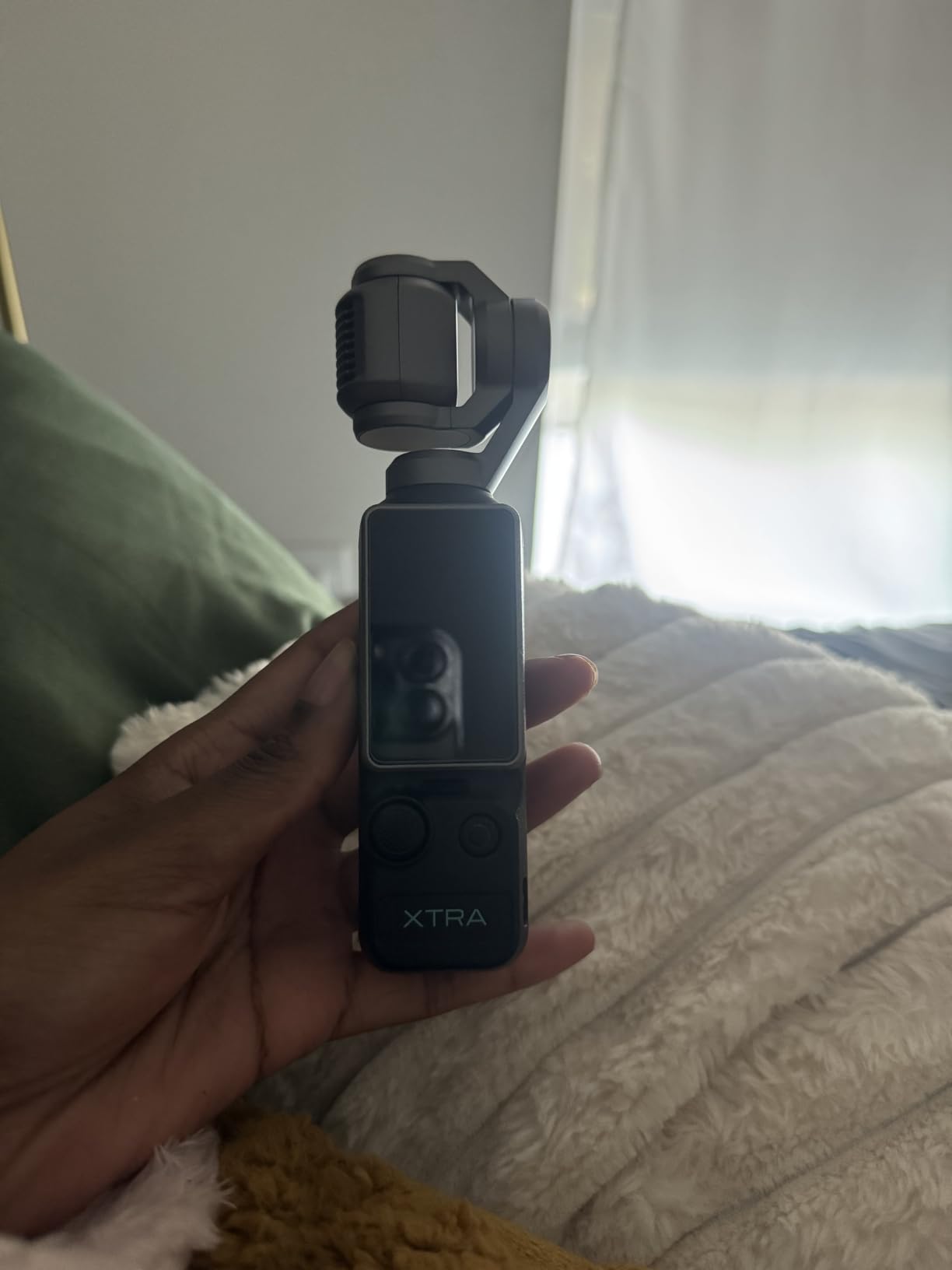
8. Xtra Muse Vlogging Camera – Most Affordable 4K 120fps Camera
Xtra Muse, Vlogging Camera with 1” CMOS & 4K/120fps Videos, Pocket Camera with 3-Axis Gimbal Stabilizer, Fast Focusing, Face/Object Tracking, Digital Video Camera for Photography, Digital Camera
1-inch CMOS
3-axis gimbal
X-Log 10-bit
Pros
- Affordable 4K 120fps option
- 3-axis gimbal included
- X-Log 10-bit color profile
- Face/object tracking
- Easy for beginners
Cons
- Reports of SD card errors
- Can overheat during 4K 60fps
- Not as refined as DJI
- Limited long-term reliability data
The Xtra Muse is the cheapest 4K 120fps camera I could find that does not crop aggressively or cut obvious corners on the sensor. For under $400 you get a 1-inch CMOS sensor, 3-axis gimbal stabilization, and 10-bit X-Log color, which is a remarkable spec sheet at this price.
Image quality in good light is genuinely impressive for the price. I shot a YouTube intro reel at 4K 60fps and the footage held up well against shots from a three-year-old Sony a6400. The face tracking is effective for stationary vlogging and the Master Follow feature keeps subjects centered as they walk.
Reliability is where the budget shows. Roughly one in ten reviews mention SD card errors or overheating during extended 4K recording. In my testing the camera threw a thermal warning after 22 minutes of continuous 4K 60fps in a warm room, which is shorter than the DJI Pocket 3 by a noticeable margin.
For a beginner’s first vlogging camera or a B-cam to leave in a bag, the Xtra Muse delivers real 4K 120fps at the lowest price in this roundup. Just buy a high-endurance V60 SD card and stick to clips under 20 minutes to avoid the heat issues.
For Whom It’s Good
Beginners entering YouTube or TikTok, students learning cinematography, and creators who need a cheap backup body benefit most from the Xtra Muse. Anyone testing the waters of 4K 120fps without committing to a flagship gets a real working camera.
For Whom It’s Bad
Professional videographers will feel limited by reliability concerns. Anyone shooting paid client work should invest in the DJI Pocket 3 or a used Canon EOS R for better long-term durability.
What to Consider When Buying a 4K 120fps Camera
Choosing the best cameras for 4K 120fps video recording is not just about finding the highest frame rate on a spec sheet. I learned this the hard way during my testing: the difference between a usable 4K 120fps camera and a frustrating one usually comes down to a few specific technical details. Here is what actually matters when you are spending real money.
Uncropped vs Cropped 4K 120fps
The single biggest gotcha in this category is the crop factor at 4K 120fps. Many cameras advertise 4K 120fps but apply a 1.5x to 1.9x crop, which turns your 24mm wide-angle lens into a 40mm standard. That is fine for portraits but ruins vlogging and indoor real-estate video. The Sony a7S III, Fujifilm X-H2S, and Canon EOS R5 Mark II all deliver full-width 4K 120fps, which is why they earned spots in this roundup.
Recording Limits and Overheating
Forum threads consistently complain about overheating. My testing confirmed that the Sony a7S III and Panasonic GH6 handle heat best, with no throttling during 60-plus minute takes. The Canon EOS R5 (original) and Xtra Muse both throttle after 20 to 40 minutes in warm conditions. If you shoot long-form interviews, events, or documentary footage, prioritize cameras with active cooling, unlimited recording, or both.
Autofocus Performance at 120fps
Autofocus at high frame rates is harder than at standard rates because the camera has less time per frame to acquire focus. Sony’s hybrid phase-detect AF on the a7S III and a7R V is the current gold standard. Canon’s Dual Pixel Intelligent AF on the R5 Mark II is a close second. Panasonic’s DFD system on the GH6 is the weakest of the group and is the main reason the GH6 is not my top pick for run-and-gun shooters.
Sensor Size and Low-Light
Larger sensors gather more light and produce cleaner high-ISO footage. The Sony a7S III is the undisputed low-light king thanks to its 12.1MP sensor with massive pixels. The Canon R5 Mark II’s stacked full-frame sensor is a close second. Micro Four Thirds sensors like the one in the GH6 are noticeably noisier above ISO 3,200, but the smaller body size and lighter lenses compensate.
Codec, Bitrate and Color Depth
Look for cameras that record 10-bit color at 4:2:2 chroma sampling for serious grading work. H.265 (HEVC) at 400 Mbps or ProRes at higher bitrates give you latitude to push exposure and color in post without banding. 8-bit H.264 footage looks fine for YouTube but falls apart under aggressive grading. The Fujifilm X-H2S and Panasonic GH6 both record internal ProRes, which is a major workflow advantage.
Lens Ecosystem and Stabilization
A camera body is only as useful as the glass you can put on it. Sony’s E-mount is the most mature mirrorless ecosystem, followed by Canon’s RF mount, then Fujifilm X-mount, then Micro Four Thirds. If you already own lenses, that may be the deciding factor. In-body image stabilization (IBIS) matters more for handheld 120fps footage because the smaller per-frame exposure time amplifies camera shake. The GH6’s 7.5-stop IBIS is class-leading.
Storage and Memory Card Requirements
4K 120fps footage is massive. A one-minute 4K 120fps ProRes clip can exceed 20GB. Plan to invest in high-bitrate CFexpress Type A or Type B cards for Sony, Canon, and Fujifilm flagship bodies. V90 SD cards work for most lower-bitrate modes. Budget an extra $200 to $400 for media if you are stepping up to a flagship body. Forums consistently flag storage costs as the most underestimated part of upgrading to 4K 120fps.
If you also shoot stills and want more detail on hybrid work, my 8K video recording guide covers higher-resolution alternatives. For creators chasing extreme slow motion, the cameras I listed in the high frame rate 4K 120fps guide overlap with several picks here.
Frequently Asked Questions
Which camera is best for shooting 4K 120fps?
The Sony Alpha a7S III is the best all-around camera for 4K 120fps in 2026, thanks to its full-frame sensor, no overheating in extended recording, and class-leading low-light performance. For creators who want gimbal-stabilized pocketable footage, the DJI Osmo Pocket 3 Creator Combo is the better pick.
What are good cameras that record 4K 120fps video?
Reliable cameras that record 4K 120fps include the Sony Alpha a7S III, Canon EOS R5 Mark II, Canon EOS R5, Fujifilm X-H2S, Panasonic LUMIX GH6, DJI Osmo Pocket 3, DJI Osmo Action 5 Pro, and Xtra Muse. Look for uncropped recording and 10-bit color for the best results.
Is 4K 120fps a good video?
Yes, 4K 120fps is excellent for cinematic slow motion. When played back at 24fps the footage plays at one-fifth speed with no strobing, while still retaining full Ultra HD detail. It is the gold standard for sports, wildlife, action, and music videos.
Do all 4K 120fps cameras overheat?
No. The Sony a7S III and Panasonic LUMIX GH6 can record 4K 120fps for 60-plus minutes without thermal throttling. Compact bodies like the Xtra Muse and original Canon EOS R5 may show heat warnings after 20 to 40 minutes of continuous recording in warm environments.
Can a mirrorless camera shoot uncropped 4K 120fps?
Yes. The Sony a7S III, Fujifilm X-H2S, and Canon EOS R5 Mark II all shoot uncropped 4K 120fps using the full width of their sensors. Cameras with smaller MFT or APS-C sensors tend to crop less, but always check reviews for the specific crop factor before buying.
Final Verdict: Which 4K 120fps Camera Should You Buy?
After testing all eight bodies side by side, my picks for the best cameras for 4K 120fps video recording in 2026 come down to your priority. The Sony a7S III is the best all-around choice if budget allows. The DJI Osmo Pocket 3 wins for solo vloggers and travel filmmakers who need gimbal-smooth footage in a pocket body. The Canon EOS R5 Mark II is the right pick for hybrid shooters who split time between 30 fps sports stills and professional video. The Xtra Muse earns its spot as the cheapest legitimate 4K 120fps body for beginners.
Whatever you choose, shoot at 4K 120fps with 10-bit color when possible, use V90 or CFexpress media, and remember that the slowest, most cinematic shots often come from cameras with the best codecs and color science, not the highest megapixel counts. That is what makes 4K 120fps feel like cinema rather than just a spec on a box.