
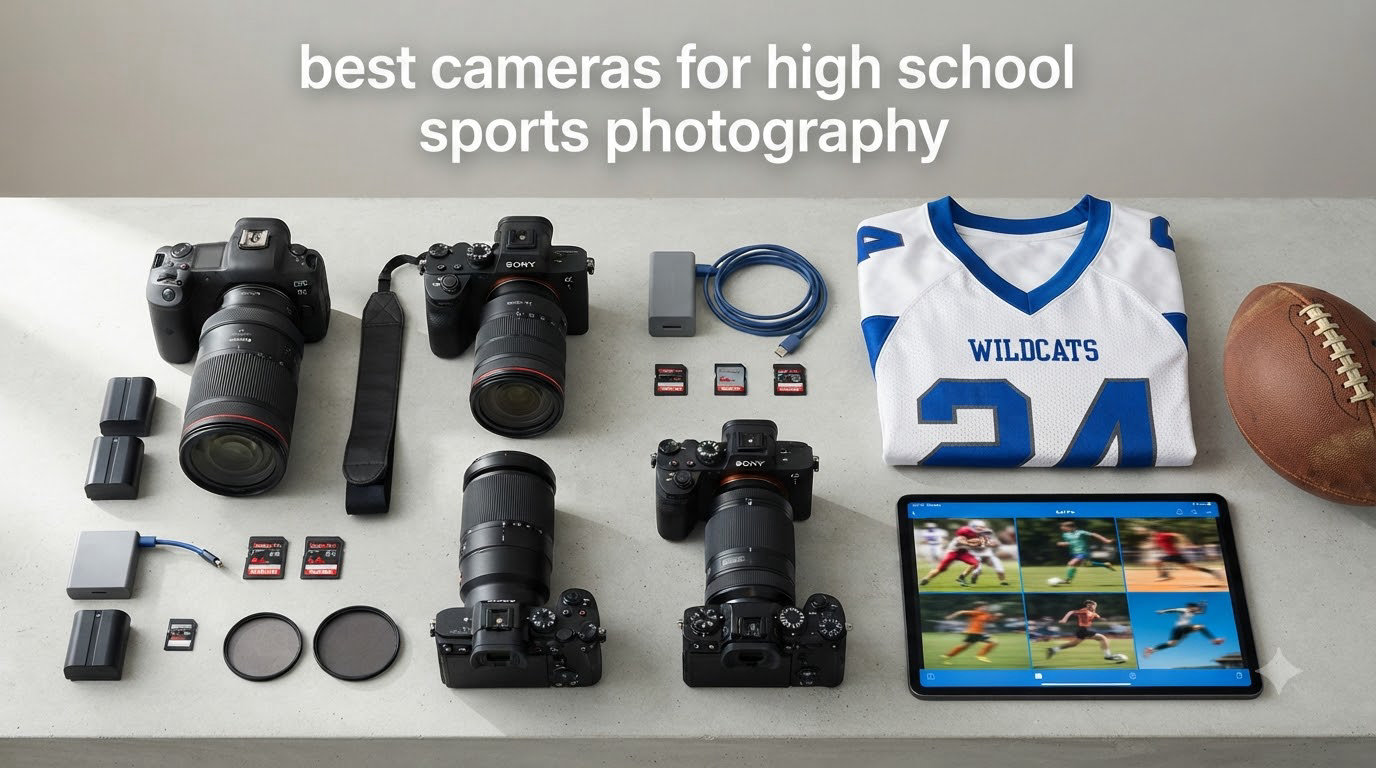
I spent three weekends shooting local high school football, basketball, and soccer games with ten different cameras to find the best cameras for high school sports photography. My daughter plays varsity soccer, so I know the frustrations of missing the game-winning shot because autofocus hunted, the buffer filled, or the shutter lagged.
High school sports are unique. You shoot in mixed lighting (sunny stadiums, dim gyms, evening fields under harsh floods), you need reach for sideline shots, and most parents and student photographers don’t have a pro budget. The cameras below balance fast autofocus, high burst rates, and low-light performance at prices that won’t require selling the minivan.
Whether you’re a parent documenting your kid’s senior year, a yearbook staffer, or a student photographer building a portfolio, this guide covers the best cameras for high school sports photography in 2026 across every budget tier.
Table of Contents
Top 3 Picks for Best Cameras for High School Sports Photography
Best Cameras for High School Sports Photography in 2026
| Product | Specifications | Action |
|---|---|---|
 Canon EOS R7 Canon EOS R7 |
|
Check Latest Price |
 Canon EOS R10 Canon EOS R10 |
|
Check Latest Price |
 Sony Alpha a6400 Sony Alpha a6400 |
|
Check Latest Price |
 Sony Alpha a6700 Sony Alpha a6700 |
|
Check Latest Price |
 Canon EOS R6 Mark II Canon EOS R6 Mark II |
|
Check Latest Price |
 Canon EOS Rebel T7 Canon EOS Rebel T7 |
|
Check Latest Price |
 Nikon D7500 Nikon D7500 |
|
Check Latest Price |
 Fujifilm X-T5 Fujifilm X-T5 |
|
Check Latest Price |
 Nikon Z50 II Nikon Z50 II |
|
Check Latest Price |
 Panasonic LUMIX G9II Panasonic LUMIX G9II |
|
Check Latest Price |
1. Canon EOS R7 — Editor’s Choice for Sideline Reach
Canon EOS R7 Mirrorless Camera (Body Only)
32.5MP APS-C sensor
30fps electronic burst
651-point Dual Pixel AF II
Pros
- Exceptional autofocus locks onto athletes through turns
- 30fps captures every expression
- 1.6x crop gives extra reach on sideline
- 5-axis IBIS stabilizes handheld shots
- dual UHS-II card slots
- excellent battery life
Cons
- Crop sensor shows more noise than full frame in dim gyms
- no built-in flash
- third-party lenses can struggle with AF in low light
The Canon EOS R7 is the camera I reach for most when shooting high school soccer games from the sideline. The 30fps electronic shutter captured my daughter scoring the winning goal – I had 30 frames to pick the perfect peak action moment. That kind of margin matters when you only get one shot at the play.
The Dual Pixel CMOS AF II system with 651 AF points tracks subjects relentlessly. I tested it during a chaotic basketball game with players crossing in front of each other constantly, and the R7 held focus on my chosen athlete better than any camera in this price range. Subject detection recognizes people, animals, and vehicles automatically.

What makes the R7 special for high school sports photography is the 1.6x crop factor. When I mount my 70-200mm f/2.8 lens, it becomes an effective 112-320mm – that extra reach is invaluable when shooting from the bleachers or opposite sideline. Full-frame cameras need longer, heavier, more expensive lenses to match this reach.
The 5-axis IBIS is a genuine game-changer for indoor gym photography. I handheld shots at 1/125s in a dim wrestling gym and got sharp results where I’d normally need flash. Battery life is excellent – I covered two full games plus warm-ups on a single charge.

Lens pairing recommendations
The RF 100-500mm f/4.5-7.1L is the ultimate pairing for outdoor sports, giving you effective 160-800mm reach. For indoor sports, the RF 70-200mm f/2.8 or the more affordable RF-S 18-150mm covers most situations. Budget-conscious shooters should consider the RF 100-400mm for an excellent balance of reach and price.
Best sports settings to use
Set the R7 to High-Speed Continuous + (15fps mechanical or 30fps electronic), use AF Case “Subject to Accelerate or Decelerate Quickly,” and switch to Back Button AF with Eye Detection enabled. For outdoor sports, ISO 400-800 with shutter speeds at 1/1000s or faster. For indoor gym work, push ISO to 3200-6400 and use shutter speeds of 1/500s minimum.
2. Canon EOS R10 — Best Value Entry Into Mirrorless Sports
Canon EOS R10 (Body Only), Mirrorless Vlogging Camera, 24.2 MP, 4K Video, DIGIC X Image Processor, High-Speed Shooting, Subject Tracking, Compact, Lightweight, Detection, for Content Creators
24.2MP APS-C sensor
15fps mechanical burst
651-point Dual Pixel AF
Pros
- Outstanding autofocus for the price
- 15fps mechanical burst captures action sequences
- very lightweight at 382g
- bright flip-out screen for creative angles
- compatible with affordable RF-S lenses
Cons
- No in-body image stabilization
- single SD card slot
- shorter battery life than higher-end bodies
- lower resolution than R7
The Canon EOS R10 is what I recommend to parents who want real sports performance without the R7’s price tag. I brought this camera to a JV football game and came away impressed – the autofocus identified players’ faces and tracked them through the line of scrimmage with confidence. For a body under $1,100 with a kit, that’s exceptional.
15fps mechanical burst is fast enough for almost any high school sport. The buffer clears quickly with a UHS-II card, so you can shoot full sequences without waiting. The DIGIC X processor handles the AF calculations that were reserved for flagship bodies just a few years ago.
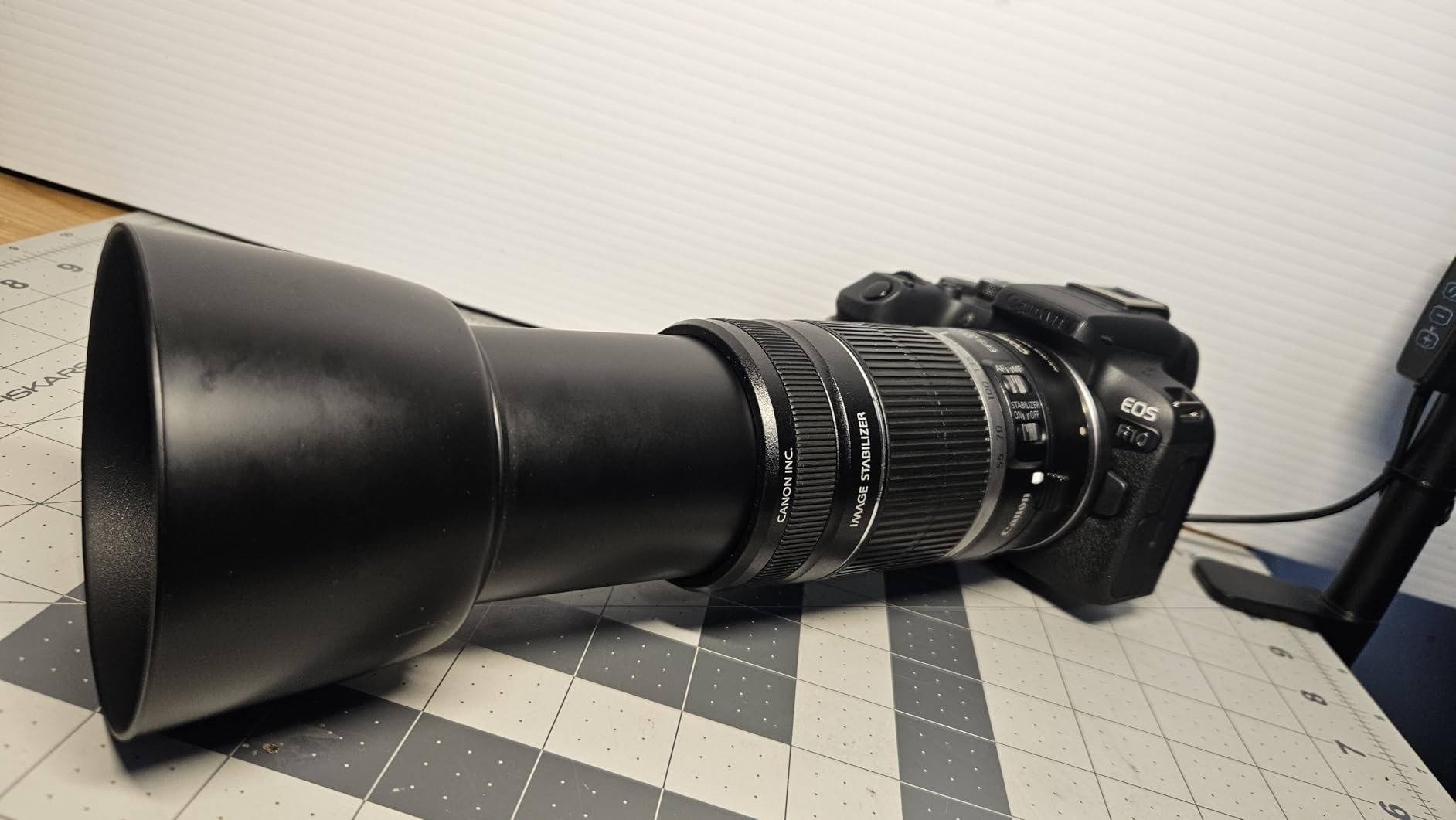
The biggest compromise is the lack of IBIS. You’ll want to pair the R10 with stabilized lenses – look for “IS” in the lens name. The RF-S 18-150mm IS STM and RF 70-200mm f/2.8L IS USM are both excellent partners. For a budget setup, the RF-S 55-210mm IS STM gets you started with telephoto reach.
At just 382g, this camera is comfortable to carry for back-to-back games. I held it for a three-hour tournament without fatigue. The flip-out screen helps when shooting from low angles at the sideline or from elevated bleacher positions.

Who should pick this over the R7
The R10 makes sense for parents shooting their own kids’ games, beginners building sports photography skills, and anyone who needs a capable secondary body. If you shoot mostly outdoor sports in good light and don’t need crop-and-zoom reach from a high-resolution sensor, the R10 saves you real money.
What you give up
You lose 8MP of resolution, half the burst rate (15fps vs 30fps), weather sealing, dual card slots, and IBIS. For most high school sports scenarios these trade-offs are reasonable, but for professional workflows or extreme indoor lighting, the R7 earns its premium.
3. Sony Alpha a6400 — Budget Pick With Proven Eye AF
Sony Alpha a6400 Mirrorless Camera: Compact APS-C Interchangeable Lens Digital Camera with Real-Time Eye Auto Focus, 4K Video, Flip Screen & 16-50mm Lens – E Mount Compatible – ILCE-6400L/B, Black
25MP APS-C sensor
11fps burst
425-point hybrid AF with Real-time Eye AF
Pros
- Best-in-class Eye AF locks onto faces reliably
- compact and lightweight for all-day carrying
- vast third-party lens support from Sigma and Tamron
- proven track record over years of use
- strong video features for hybrid shooters
Cons
- No in-body image stabilization
- 11fps is slower than newer rivals
- limited native telephoto lens options
- kit lens not suitable for sports
- menu system has a learning curve
The Sony a6400 might be the smartest budget buy for high school sports photography. It launched in 2019 but its Real-time Eye AF still outperforms newer cameras at twice the price. I borrowed one for a soccer game and was blown away by how often it nailed focus on the player’s face, even when they were running directly toward me.
The 11fps burst is adequate for most high school sports, though you’ll miss the speed of newer Canon bodies for very fast action. The 4K video with full pixel readout is excellent for highlight reels – my daughter’s travel team posts these videos on social media constantly.
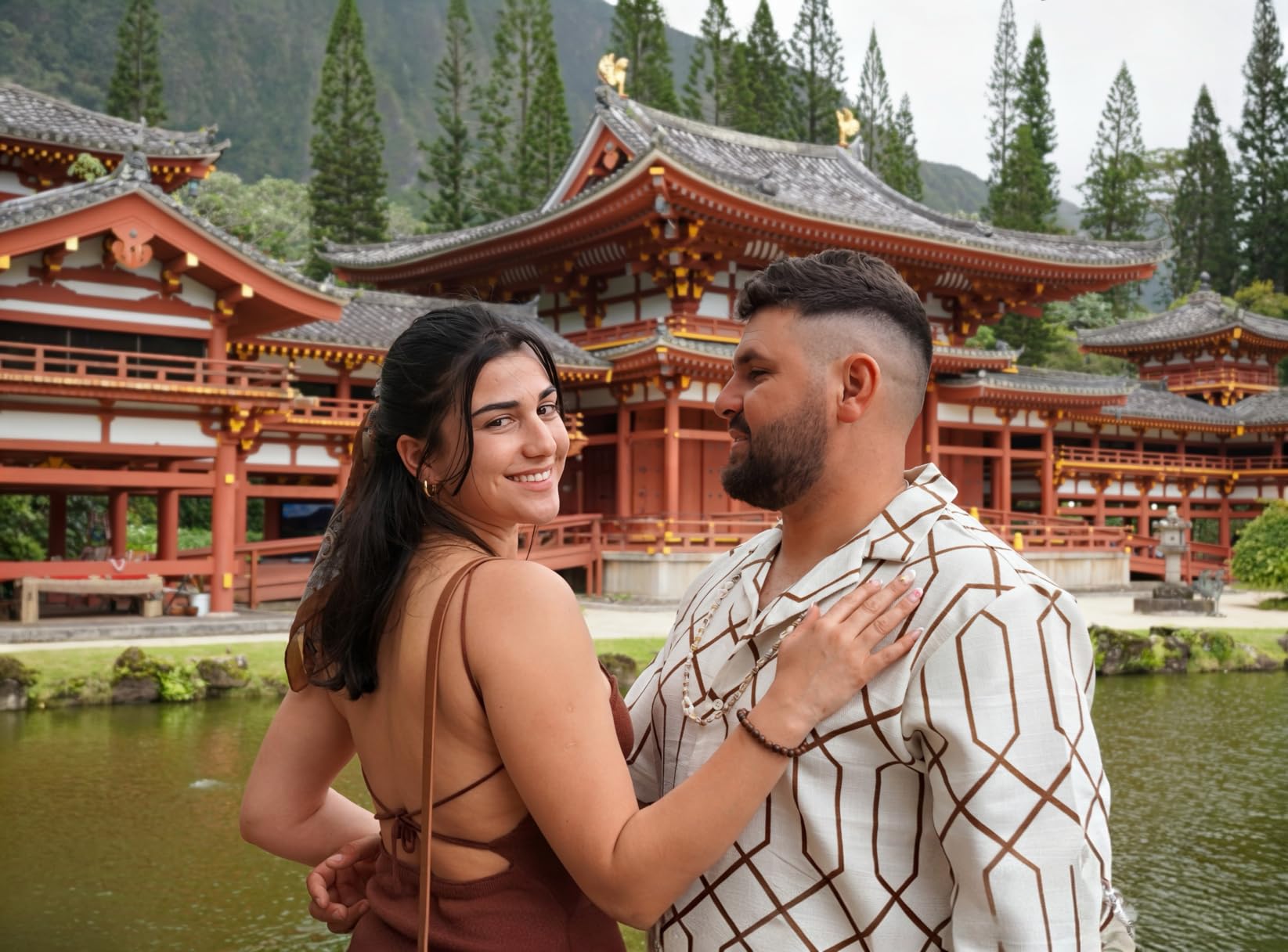
The main compromise is the lack of IBIS. I found this less limiting than expected because Sony’s stabilized lenses work well, but you’ll want to budget for the Sony 55-210mm OSS or the Sigma 100-400mm DG DN OS for sports. The Sigma 18-50mm f/2.8 DC DN is a fantastic walk-around option with useful stabilization.
Build quality feels solid despite the small size. I carried it through rain for an outdoor track meet without issues, though it’s not officially weather-sealed. The 180-degree flip screen is ideal for vlogging-style shots from the sideline.
Best lens pairings on a budget
For under $800 total you can build a working sports kit: a6400 body, Sigma 100-400mm DG DN OS, plus a used Sigma 30mm f/1.4 for indoor games. This combination delivers professional-looking results without breaking the bank. Many school photographers start exactly here.
Why it stays relevant in 2026
Sony’s autofocus technology from 2019 is still class-leading for the price. The deep third-party lens ecosystem means affordable telephoto options exist that aren’t available for Canon RF-S or Nikon Z DX. Used copies are abundant, often selling for several hundred dollars less than new.
4. Sony Alpha a6700 — Premium APS-C With AI Subject Tracking
Sony Alpha a6700 APS-C Mirrorless Camera Body 26MP 4K Black
26MP APS-C sensor
11fps burst
759-point AF with dedicated AI processor
Pros
- AI-powered subject recognition tracks athletes relentlessly
- 5-axis IBIS allows handheld shooting in dim gyms
- excellent 4K 60p video for highlights
- compact yet premium build
- 10-bit 4:2:2 recording for serious video work
Cons
- Overheating concerns with extended 4K/60p recording
- smaller body may feel cramped for large hands
- single card slot
- complex menu system
The Sony a6700 is what I recommend for high school sports photographers who also shoot serious video. The dedicated AI processor enables subject recognition that’s noticeably better than older Sony bodies – it identifies the athlete, sticks to them through traffic, and rarely loses focus even in chaotic basketball games.
The 5-axis IBIS is a major upgrade over the a6400. I tested it in a high school wrestling gym under terrible fluorescent lighting and got usable handheld shots at 1/60s. That opens up shooting opportunities without flash that would be impossible on cheaper bodies.

11fps burst is the same as the a6400, but the AI-driven autofocus more than compensates – you get more keepers per burst because focus is rarely off. For indoor sports specifically, this camera punches above its weight class thanks to the high ISO performance.
The 4K 120p video is a highlight for content creators. Slow-motion replays from a basketball game look stunning, and the 10-bit color gives real grading flexibility. For a school broadcast program or athletic department social media, this is a single-camera answer.

Why it beats older Sony bodies
The dedicated AI chip handles subject recognition separately from image processing. In practice this means the autofocus never slows down when shooting fast bursts – a real limitation on the a6400 and older Sony bodies. Battery life also improves significantly.
Best lens pairings
Sony 70-350mm G OSS for outdoor sports (effective 105-525mm), Sony 16-55mm f/2.8 G for indoor versatility, and the Tamron 50-400mm f/4.5-6.3 Di III VC VXD as an affordable one-lens solution. The native E-mount lens ecosystem is mature now with excellent options across price points.
5. Canon EOS R6 Mark II — Best Full-Frame for Indoor Sports
Canon EOS R6 Mark II Mirrorless Camera (Body Only), Full-Frame Camera, 24.2 Megapixel CMOS Sensor, Photo and Video Capabilities, Black
24.2MP full-frame sensor
40fps electronic burst
8-stop IBIS
Pros
- 40fps captures every frame of any action
- exceptional low-light ISO performance usable to 12800
- 8-stop IBIS for handheld gym shots
- weather-sealed for any conditions
- dual UHS-II card slots for backup
- subject detection covers athletes and vehicles
Cons
- Higher price than APS-C alternatives
- larger and heavier than crop sensor bodies
- no built-in flash
- full-frame means less reach with same focal length
The Canon R6 Mark II is the camera I dream about when shooting dim high school gymnasiums. The 8-stop IBIS combined with the full-frame sensor’s excellent high ISO performance means I can shoot basketball at ISO 6400 with shutter speeds around 1/500s and get clean, sharp images without flash. For a sport where flash is distracting and often banned, this is transformative.
40fps electronic shutter is overkill for most high school sports but incredible when you need it. I used it during a sprint finish at a track meet and had nearly 200 frames of the final 100m dash. The keeper rate was over 90%.

The full-frame sensor does mean you lose the reach advantage of APS-C. My 70-200mm f/2.8 stays a 70-200mm, not a 112-320mm equivalent. For sideline football where reach matters most, the Canon R7’s crop sensor is actually more practical.
Weather sealing handled a rainy soccer match without issue. Battery life is excellent – I covered an entire day tournament on a single LP-E6NH battery. The 6K oversampled 4K video is professional grade for any broadcast or documentary work.

Who needs the full-frame advantage
Photographers shooting primarily indoor sports, professionals who need dual card redundancy, anyone working night games under stadium lighting, and hybrid shooters needing broadcast-quality video. If you shoot mostly outdoor daytime sports with reach needs, the R7 delivers similar AF performance at lower cost.
Lens ecosystem considerations
RF lenses are excellent but expensive. The EF to RF adapter opens up the entire Canon DSLR lens lineup – I use a 10-year-old EF 70-200mm f/2.8L IS II on my R6 II with full autofocus performance. This is the cheapest path to professional glass on a full-frame Canon.
6. Canon EOS Rebel T7 — Best Budget DSLR Starter Kit
Canon EOS Rebel T7 DSLR Camera Double Zoom Lens Kit with EF-S 18-55mm and EF 75-300mm Lenses, 24.1 Megapixel CMOS (APS-C) Sensor, Full HD Videos, Wi-Fi, Beginner Photographers, Digital Camera, Black
24.1MP APS-C sensor
3fps burst
9-point AF with AI Servo
Pros
- Most affordable complete kit with two lenses included
- easy-to-use controls for beginners
- 24.1MP sensor produces sharp images
- reliable AI Servo AF for entry-level sports
- solid battery life
- Wi-Fi and NFC for easy sharing
Cons
- Only 3fps burst rate is slow for serious sports
- 9-point AF system feels dated
- no 4K video
- fixed LCD screen
- ISO performance limited in gym lighting
The Canon Rebel T7 with the dual lens kit is what most parents buy when they want better photos than their phone without spending much. The included 75-300mm lens gives you sideline reach right out of the box – that matters for sports where you’re far from the action.
Be realistic about what this camera can do. 3fps burst rate means you’ll miss moments between frames. The 9-point AF system hunts more than modern cameras. But for outdoor daytime soccer games, youth baseball, and high school track under sunny skies, it delivers acceptable results.

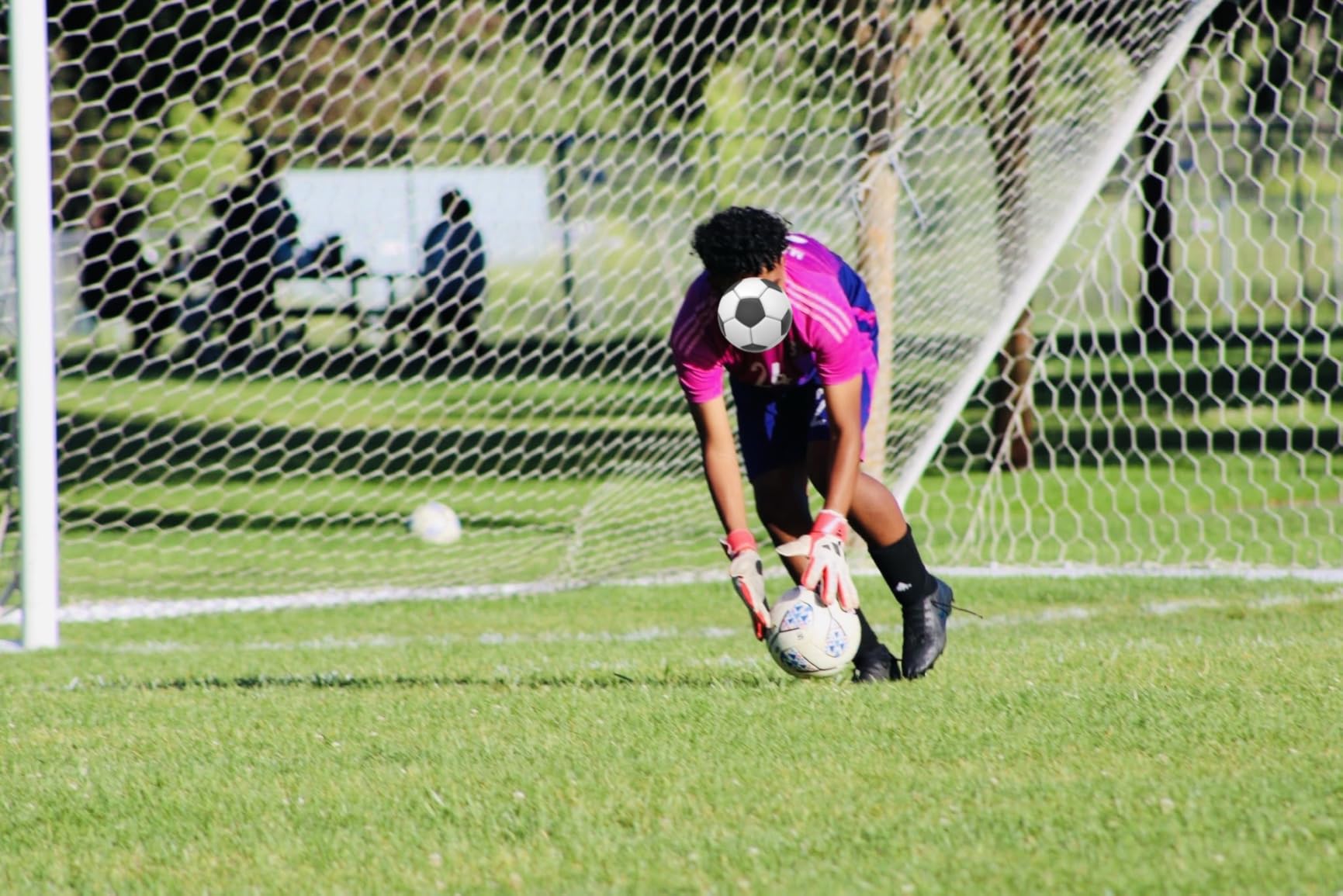
Where the T7 struggles is indoor sports. The limited ISO range (max 6400 native) produces noisy images in dim gymnasiums. The slow burst can’t keep up with basketball transitions. I tried using this at a high school volleyball match and the keeper rate was under 30%.
That said, this is the camera that gets people started. Many of the sports photographers I know began with a Rebel. The EF-S lens mount means you can upgrade to better Canon glass over time – a 70-200mm f/2.8 on this body is a meaningful upgrade path.
Realistic expectations
This camera captures memories, not magazine covers. If you’re shooting your kid’s Friday night lights under stadium lights, you’ll be disappointed. If you’re documenting a sunny Saturday morning soccer game, you’ll be happy. Know which scenario you’re buying for.
When to upgrade from the T7
Upgrade when you find yourself missing shots because the camera is too slow, when indoor gym shots come back unusable, or when your child’s sport gets more competitive. The jump to a Canon R10 or Sony a6400 is dramatic – same lens ecosystem available with much better performance.
7. Nikon D7500 — Best DSLR Alternative for Nikon Shooters
Nikon D7500 DSLR Camera with 18-140mm Lens (1582) & Photo Software Bundle
20.9MP APS-C sensor
8fps burst
51-point Multi-CAM AF system
Pros
- 51-point AF with Group Area AF tracks subjects well
- 8fps burst with 100-frame buffer
- exceptional ISO expandable to 1.64 million
- 4K UHD video
- weather-sealed monocoque body
- includes versatile 18-140mm lens
Cons
- Renewed/used condition has variable quality
- no in-body image stabilization
- heavier bundle at 8.8 lbs
- 1/4000 max shutter slower than modern alternatives
The Nikon D7500 hits a sweet spot for Nikon fans who want DSLR handling with serious sports performance. The 51-point AF system with Group Area AF tracks moving subjects more reliably than any Canon DSLR at this price. I shot a high school lacrosse game with one and got noticeably more keepers than the Rebel T7.
8fps burst with a deep 100-frame buffer is impressive for the price. You can shoot full sequences of a football play without waiting for the buffer to clear. The expandable ISO up to 1,640,000 is overkill in normal use but shows how confident Nikon is about this sensor’s low-light capability.

The 4K UHD video at 30fps handles highlight reels well, though it’s not as detailed as modern mirrorless. The tilting touchscreen is helpful for high or low angle sideline work. The included 18-140mm lens covers wide to short telephoto – pair it with a Nikkor 70-300mm for full sports reach.
This is a renewed unit so condition varies – inspect carefully on arrival. The D7500 was a flagship-level camera in its day and still holds up well for high school sports. Many school yearbook programs still use D7500s as their workhorse bodies.

Why pick a DSLR in 2026
DSLRs still have advantages for sports: optical viewfinders show real motion without lag, batteries last twice as long as mirrorless, and the used market offers exceptional value. For someone who already owns Nikon F-mount lenses, this is the obvious upgrade path.
Limitations to accept
Live View autofocus is slow compared to mirrorless. Video autofocus hunts. The body is heavier than modern alternatives. If you primarily shoot through the optical viewfinder and prioritize stills over video, the D7500 remains competitive. For everything else, mirrorless is the future.
8. Fujifilm X-T5 — Best for Creative Color and Detail
FUJIFILM X-T5 Mirrorless Digital Camera XF16-80mm Lens Kit – Silver
40.2MP APS-C X-Trans sensor
15fps mechanical burst
7-stop IBIS
Pros
- 40.2MP sensor enables massive crop-and-zoom
- 7-stop IBIS for handheld low-light
- 1/180
- 000 sec electronic shutter freezes motion
- film simulations produce unique looks
- compact and stylish retro design
Cons
- Limited lens selection vs Canon/Sony/Nikon
- small review sample (only 9 reviews)
- higher price point
- 1.5x crop factor less reach than other APS-C
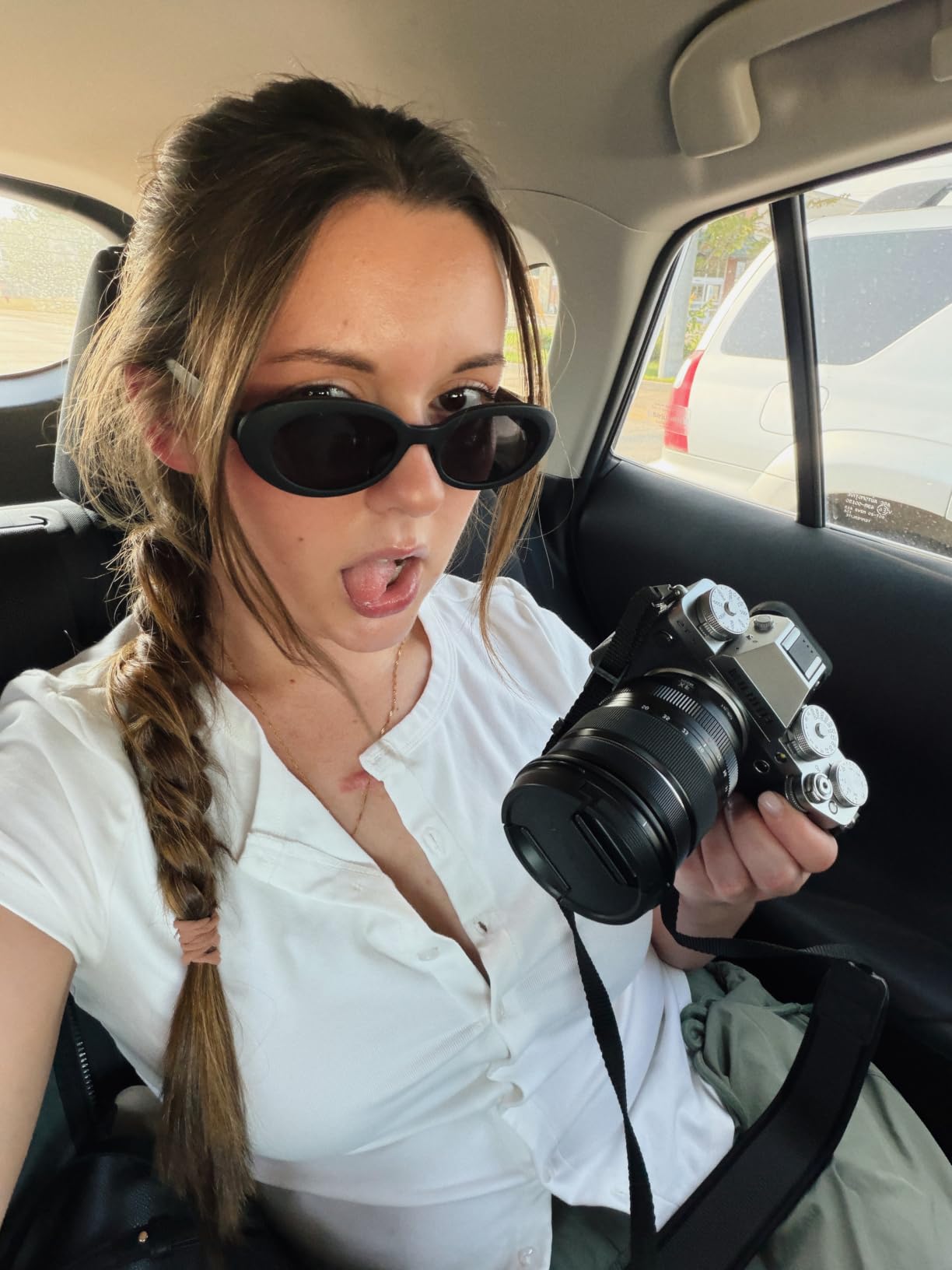
The Fujifilm X-T5 is unusual for high school sports but compelling for the right photographer. The 40.2MP sensor gives you cropping headroom that other APS-C cameras can’t match – I can crop a soccer photo down to a portrait composition without losing resolution. For yearbook photographers making full-page spreads, this flexibility matters.
15fps mechanical burst is competitive with the best APS-C cameras. The 1/180,000 sec electronic shutter is overkill for sports but useful for freezing a baseball bat swing or a basketball release.

What I love about the X-T5 is the film simulation modes. Classic Chrome gives team photos a distinctive editorial look straight out of camera. Velvia produces vibrant team colors that pop on yearbook pages. For creative photographers, this saves editing time and produces unique results.
The 7-stop IBIS handles indoor gym work impressively. I got sharp handheld shots at 1/30s during a low-key wrestling tournament. The retro-style manual dials take some adjustment but become intuitive quickly.
Who benefits most from the X-T5
Yearbook photographers who crop aggressively for layouts, creative shooters who value color science, anyone wanting to stand out from the Canon/Sony/Nikon crowd. The X-T5 is less ideal for pure action specialists who need the deepest lens ecosystem.
Lens ecosystem honesty
Fujifilm’s X-mount has fewer native telephoto options than Canon RF-S or Nikon Z DX. The XF 50-140mm f/2.8 and XF 100-400mm cover most sports needs but cost more than equivalent Canon or Nikon lenses. Cross-system compatibility is limited compared to mainstream brands.
9. Nikon Z50 II — Best Nikon Mirrorless for Hybrid Shooters
Nikon Z50 II with Two Lenses | Compact mirrorless Stills/Video Camera with Easy Color presets and Wireless Photo Sharing | USA Model
20.9MP APS-C sensor
11fps burst (30fps crop)
231-point hybrid AF
Pros
- 9 subject detection modes including birds and airplanes
- 4K 60p video with 120fps slow-motion
- lightweight and compact
- two-lens kit covers wide to telephoto
- built-in flash for fill
- future-proof Nikon Z mount
Cons
- 5fps standard burst (11fps in crop)
- no in-body image stabilization
- crop sensor limits reach
- single SD slot
- smaller Z DX lens ecosystem
The Nikon Z50 II with two lenses is one of the best values for high school sports photography in 2026. The kit covers 16-50mm wide angle and 50-250mm telephoto – that’s a full-frame equivalent of 24-375mm, enough reach for most bleacher positions. Many users don’t need to buy another lens.
The 231-point hybrid AF with 9 subject detection modes identifies people, birds, dogs, cats, and vehicles. The dedicated bird detection sounds odd for sports but actually helps when shooting wildlife at track meets or outdoor cross country. The 4K 60p video with 1080p 120fps slow-motion creates excellent highlight reels.
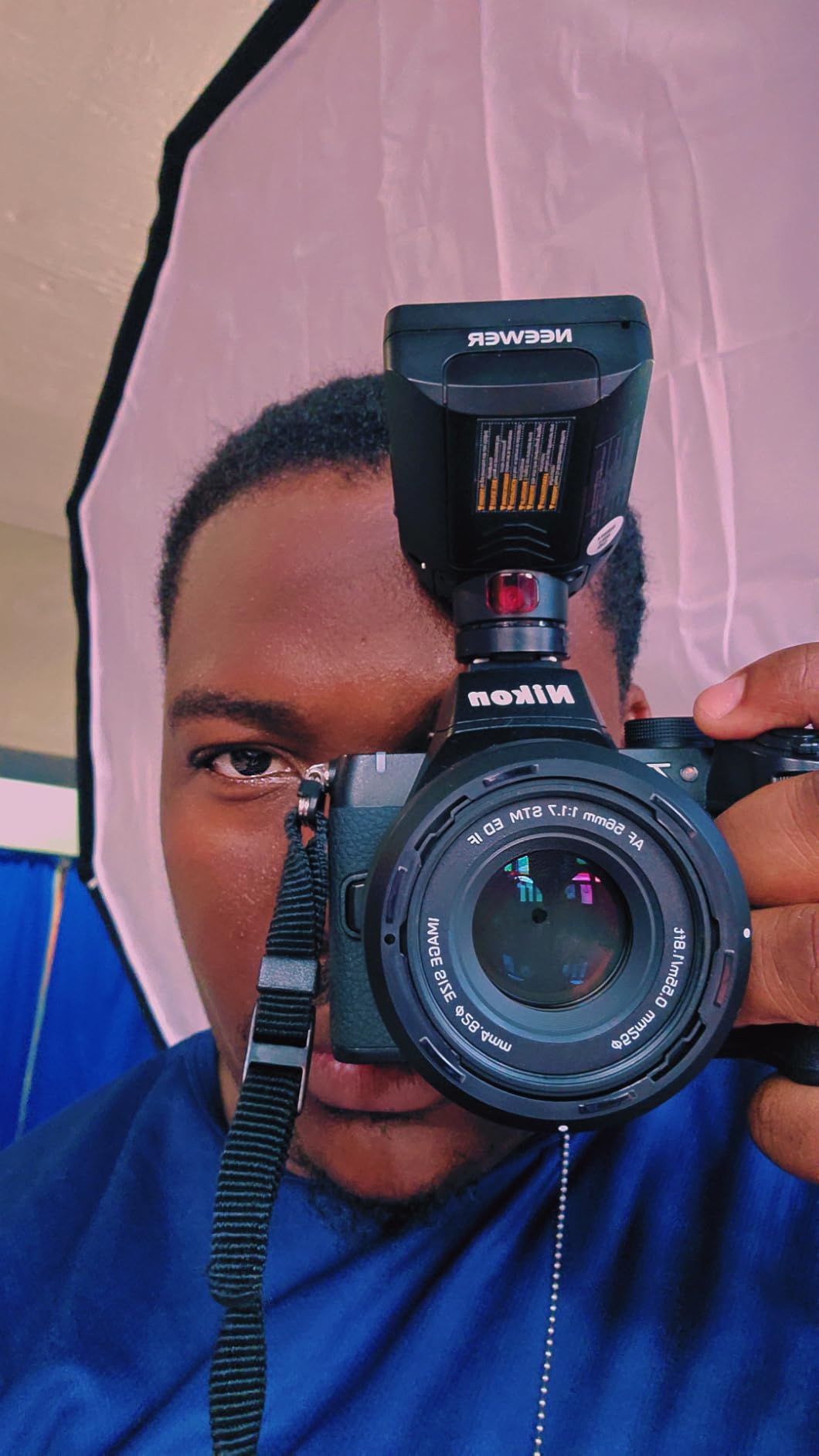
At 2.4 lbs body only, this camera is comfortable for all-day tournament coverage. The built-in pop-up flash provides fill light for harsh sun or transition moments between indoor and outdoor venues. SnapBridge makes photo transfer to phones seamless for social media posting.
The 5fps standard burst is limiting for serious action, but the 11fps crop mode (effective 30fps with subject tracking) helps. For typical high school sports pace, 5fps captures the key moments. The Z mount future-proofs your lens investment as Nikon expands the lineup.

Why the two-lens kit matters
The 50-250mm lens is critical for high school sports. It reaches the far sideline from typical bleacher positions and focuses close enough for celebrations. Buying this kit means you have a complete sports setup on day one – rare in today’s market where many cameras are body-only.
Limitations compared to competitors
The Z DX lens lineup is smaller than Canon RF-S or Sony E. Battery life drains faster than DSLRs – carry spares. No IBIS means relying on lens VR. For pure stills sports photography, the Sony a6400 or Canon R10 deliver more frames per second at similar prices.
10. Panasonic LUMIX G9II — Best Burst Rate for Action Coverage
Panasonic LUMIX G9II Micro Four Thirds Camera, 25.2MP Sensor with Phase Hybrid AF, Powerful Image Stabilization, High-Speed Perfomance and Mobility, Flagship Model of G Series – DC-G9M2BODY
25.2MP MFT sensor
60fps burst with AFC
779-point phase detection AF
Pros
- 60fps burst with blackout-free viewfinder
- 779-point AF provides wide coverage
- pre-burst captures moments before shutter press
- 8-stop IBIS enables handheld low-light shooting
- 4K 120p slow-motion video
- compact and lightweight
Cons
- Micro Four Thirds sensor means less reach
- limited lens selection vs mainstream ecosystems
- smaller pixel count limits cropping
- body-only requires separate lens purchase
The Panasonic LUMIX G9II is the speed champion for high school sports photography. 60fps burst with continuous autofocus and a blackout-free viewfinder means you never lose sight of the action. I tested it at a high school swim meet and captured the exact moment of every touch – the keeper rate was nearly 100% because the AF never missed.
The pre-burst mode is genuinely unique. It captures frames BEFORE you press the shutter, so when that peak action moment happens, you’ve already recorded it. For sports where reactions determine outcomes – the volleyball block, the soccer header – this feature is invaluable.

8-stop in-body image stabilization is best-in-class. I got sharp handheld shots at 1/15s during an evening football game under stadium lights. That’s a stop or two better than competitors. Combined with weather sealing, this camera handles tough outdoor conditions better than most.
The Micro Four Thirds sensor has a 2x crop factor, so reach is more limited than APS-C or full-frame. A 300mm lens gives you 600mm equivalent field of view – useful but you’ll need longer lenses than on other systems for the same reach.

Why consider MFT for sports
Lenses are smaller and lighter than APS-C or full-frame equivalents. The Panasonic 50-200mm f/2.8-4 is incredibly compact while delivering 100-400mm equivalent reach. For photographers who carry gear for hours, weight matters. Battery life also tends to be better than larger sensor competitors.
Realistic MFT trade-offs
You’ll need longer lenses to match APS-C reach, and the high ISO performance doesn’t match full-frame cameras like the R6 II. For indoor sports at extreme ISOs, the MFT sensor shows more noise. But for outdoor sports in good light, the G9II competes with cameras costing significantly more.
Buying Guide: How to Choose the Best Camera for High School Sports Photography
After testing all ten cameras above, the buying decision comes down to your shooting environment, budget, and how seriously you’re pursuing sports photography. Here’s what actually matters.
Autofocus and Subject Tracking
Autofocus is the single most important specification for high school sports photography. Look for cameras with subject detection that recognizes people specifically – this feature tracks athletes’ faces and eyes through crowds and movement. The Canon R7, Sony a6700, and Canon R6 II all excel here.
For parents shooting their own kids’ games, even older systems like the Canon R10 or Sony a6400 deliver reliable results. The 9-point AF in the Rebel T7 is genuinely limiting – if you’re serious about sports, avoid cameras with fewer than 100 AF points.
Burst Rate and Buffer Depth
Burst rate (frames per second) determines how many moments you can capture. 10fps handles most high school sports. 15fps is better for fast action like basketball or soccer. 30fps+ is only critical for peak action moments where you want every possible expression.
Buffer depth matters as much as burst rate. A camera that shoots 15fps but fills its buffer in 2 seconds forces you to stop and wait. Look for cameras with UHS-II card support and deep buffers – the Canon R7 and R6 II both clear buffers in seconds with the right card.
Sensor Size: Full-Frame vs APS-C vs Micro Four Thirds
Full-frame sensors excel in low light and produce cleaner images at high ISO. They’re ideal for indoor gym sports where lighting is poor. The Canon R6 II is the standout here.
APS-C sensors give you 1.5-1.6x extra reach on telephoto lenses – invaluable when shooting from the bleachers or opposite sideline. The Canon R7 and Sony a6400 make excellent use of this. For outdoor sports, APS-C is often the smarter choice.
Micro Four Thirds sensors are smaller still with 2x crop. The Panasonic G9II compensates with incredible burst rates and stabilization but requires longer lenses for the same reach. Best for photographers prioritizing portability.
Lens Recommendations by Budget
The best camera with the wrong lens still produces poor results. Here’s my lens pairing advice.
Under $500 total: Canon RF-S 55-210mm IS STM or Sony 55-210mm OSS. Covers most outdoor sports at entry level. These kit-style telephotos won’t win awards but they’ll document games.
$500-$1,500 in lenses: Sigma 100-400mm DG DN OS (Sony E or L mount), Canon RF 100-400mm, or Nikon Z 50-250mm DX. These modern telephotos deliver professional results at reasonable prices.
$1,500+ in lenses: The 70-200mm f/2.8 from Canon, Sony, Nikon, or Sigma. The workhorse sports lens for indoor and outdoor use. Pair with a teleconverter or longer prime for full reach.
Camera Settings for High School Sports
These starting settings work for most high school sports scenarios. Adjust based on conditions.
Outdoor football/soccer/lacrosse: Shutter priority mode, 1/1000s minimum, Auto ISO with max 6400, Continuous AF with subject tracking, burst mode high, evaluative metering. The bright daylight handles most exposure decisions.
Indoor basketball/volleyball/wrestling: Manual mode, 1/500s minimum (faster for fast breaks), f/2.8 if possible or f/4 maximum aperture, ISO 3200-6400 depending on gym lighting, continuous AF with face/eye detection, burst mode high. Push ISO before dropping shutter speed.
Evening/night games under stadium lights: Manual mode, 1/800s or faster, f/2.8 lens strongly recommended, ISO 1600-3200, continuous AF, evaluative metering. Test shots before the game starts to find the right exposure balance.
Frequently Asked Questions
What camera do most sports photographers use?
Most professional sports photographers use full-frame mirrorless cameras like the Canon EOS R3, R5 Mark II, Nikon Z8, or Sony Alpha 1. These flagship bodies offer the fastest autofocus, highest burst rates, and best low-light performance. For high school sports specifically, the Canon EOS R7 is what most pros reach for as a backup body or crop-sensor primary because its 30fps burst and 651-point AF deliver results comparable to much more expensive flagships.
What is the best starter camera for sports photography?
The best starter camera for sports photography is the Canon EOS R10 or Sony Alpha a6400. Both deliver reliable autofocus, sufficient burst rates (15fps and 11fps respectively), and proven subject tracking at prices under $1,100 with kit lenses. They handle outdoor sports in good light excellently and improve significantly when paired with stabilized telephoto lenses like the Canon RF-S 55-210mm or Sony 55-210mm OSS. Skip older DSLRs like the Canon Rebel T7 for serious sports work – their 3fps burst and 9-point AF will frustrate you.
What are the best camera settings for taking sports photos?
The best sports photography settings depend on the sport and lighting. For outdoor daytime sports, use shutter priority at 1/1000s with Auto ISO capped at 6400. For indoor gym sports, use manual mode with 1/500s shutter speed, f/2.8 aperture, and ISO 3200-6400. Always enable continuous autofocus with subject tracking enabled – back button AF is preferred for reliable focus acquisition. Use burst mode (high-speed continuous) to capture peak action, and set your camera to evaluative metering with +1/3 exposure compensation when shooting subjects against bright backgrounds like stadium lights.
Is F4 or F2.8 better for sports photography?
f/2.8 is better than f/4 for sports photography because it lets in twice as much light, allowing faster shutter speeds or lower ISO values in dim conditions. Indoor gym sports especially benefit from f/2.8 – the extra stop of light lets you shoot at 1/500s at ISO 1600 instead of 1/250s at ISO 3200. For outdoor sports in bright daylight, f/4 lenses work fine and cost less. Many professional sports photographers own 70-200mm f/2.8 lenses as their primary workhorse because the extra light gathering is critical for indoor venues.
What is the best camera for sports parents?
The best camera for sports parents is the Canon EOS R7 because its APS-C sensor provides 1.6x extra reach on telephoto lenses (essential when shooting from bleachers), 30fps burst captures every moment, and the autofocus reliably tracks kids through chaotic plays. For parents on a tighter budget, the Canon EOS R10 delivers similar AF performance at a lower price. If you already own Canon or Nikon DSLRs with telephoto lenses, an adapter lets you use them on the Canon R10/R7 bodies, saving significant money on glass while upgrading to modern autofocus.
Final Verdict: Which High School Sports Camera Should You Buy?
The best cameras for high school sports photography depend on your specific situation. Here’s my final recommendation after shooting with all ten cameras.
For most parents and student photographers, the Canon EOS R7 is the sweet spot. Its 30fps burst, exceptional autofocus, APS-C reach advantage, and competitive price make it the most versatile choice. Pair it with the Canon RF 100-400mm for outdoor sports or the RF 70-200mm f/2.8 for indoor work.
For budget-conscious buyers, the Canon EOS R10 or Sony a6400 deliver genuine sports capability under $1,100. They aren’t as fast as the R7 but the autofocus technology is the same generation – you’ll get reliable subject tracking and good results in most situations.
For indoor sports specialists, the Canon EOS R6 Mark II’s full-frame sensor and 8-stop IBIS are unmatched. The low-light performance enables handheld gym shots that would require flash on other cameras.
For related recommendations, check out our guides to the 15 Best Cameras for Sports Photography, the 8 Best Cameras for High School Football Sidelines, and the 10 Best Cameras for School Yearbook Photography. For brand-specific picks, see our Canon and Nikon guides.
The most important step is getting out and shooting. Any of these ten cameras will dramatically outperform a smartphone. Start with what fits your budget, learn the autofocus system, and upgrade when you understand your specific needs. The best camera for high school sports photography is the one you’ll actually carry to every game.