
Macro photography opens up a world that most people never get to see. When you can fill a frame with the eye of a dragonfly or the texture of a single flower petal, everything changes. But here is the problem: the macro lens market is dominated by $800 to $1,500 options that leave budget-conscious photographers on the sidelines.
That is exactly why I spent weeks testing and comparing the best macro lenses under $400 you can buy right now. Our team pulled together seven options spanning Sony E-mount, Fujifilm X, and Nikon Z systems, all priced below that $400 ceiling. From extreme 5X magnification specialists to versatile everyday macro primes, these lenses prove you do not need to empty your wallet for frame-filling close-ups.
In this guide, I walk you through what each lens does best, where it falls short, and which type of photographer should pick it up. Whether you are shooting insects in your backyard, product photos for an online store, or artistic detail shots for fun, there is an affordable macro lens here that will get the job done.
Table of Contents
Top 3 Picks for Best Macro Lenses Under $400 (October 2026)
Our team narrowed the field to three standout options that deliver the most value per dollar. Each one excels in a different way, so the right choice depends on your specific needs and camera system.
The Laowa 65mm f/2.8 2X Ultra Macro APO earns our Editor’s Choice for its exceptional 2X magnification, apochromatic optical design, and outstanding image quality. The TTArtisan 40mm f/2.8 for Sony E takes Best Value with true 1:1 macro, 11-blade bokeh, and a metal build at a remarkably low price. And the 7artisans 60mm F2.8 II rounds out our top picks as a Budget Pick with ED glass and solid build quality for Sony shooters on a strict budget.

Best Macro Lenses Under $400 in 2026
Here is a quick comparison of all seven lenses we reviewed. I have organized them by magnification capability and mount compatibility so you can quickly find the right fit for your camera system.
| Product | Specifications | Action |
|---|---|---|
| Laowa 65mm f/2.8 2X Ultra Macro APO |
|
Check Latest Price |
 7artisans 60mm F2.8 II APS-C Macro 7artisans 60mm F2.8 II APS-C Macro |
|
Check Latest Price |
 TTArtisan 40mm f/2.8 Macro Sony E TTArtisan 40mm f/2.8 Macro Sony E |
|
Check Latest Price |
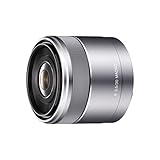 Sony SEL30M35 30mm f/3.5 Macro Sony SEL30M35 30mm f/3.5 Macro |
|
Check Latest Price |
 AstrHori 25mm F2.8 2X-5X Ultra Macro AstrHori 25mm F2.8 2X-5X Ultra Macro |
|
Check Latest Price |
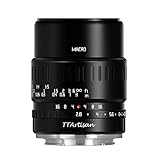 TTArtisan 40mm F2.8 Macro Fujifilm X TTArtisan 40mm F2.8 Macro Fujifilm X |
|
Check Latest Price |
| TTArtisan 40mm F2.8 Macro Nikon Z |
|
Check Latest Price |
1. Venus Optics Laowa 65mm f/2.8 2X Ultra Macro APO – Premium APO Optics With 2X Magnification
Venus Optics Laowa 65mm f/2.8 2X Ultra Macro APO Lens for FUJIFILM X
2X magnification
65mm f/2.8
APO design
14 elements 10 groups
Fujifilm X mount
Pros
- 2x magnification beyond standard 1:1
- Apochromatic optics suppress color fringing
- Beautiful f/2.8 bokeh with 9-blade diaphragm
- Compact at 11.82 oz
- 97.5mm equivalent versatile focal length
Cons
- Manual focus only
- No weather sealing
When I first picked up the Laowa 65mm f/2.8 2X Ultra Macro APO, I was struck by how something this compact could feel so well-built. At just 11.82 ounces, it is one of the lightest lenses on this list, yet the all-metal barrel gives it a confident, professional feel in hand. The manual focus ring has a smooth, dampened resistance that makes fine adjustments at high magnification feel natural.
This lens earns its Editor’s Choice badge through optical performance that genuinely competes with lenses costing twice as much. The 14 elements in 10 groups optical design is sophisticated for this price bracket, and the apochromatic designation means color fringing is dramatically reduced compared to standard achromatic designs. At 2X magnification, you are capturing detail that goes well beyond what a typical 1:1 macro lens can resolve.

Shooting with it in the field, I found the 65mm focal length (97.5mm equivalent on Fujifilm APS-C) strikes a sweet spot between working distance and magnification. You get enough room between the lens and your subject to avoid spooking insects, while still achieving extreme close-ups with razor-sharp detail. The f/2.8 aperture produces creamy background separation that makes your subject pop.
The trade-off, as with most budget macro lenses, is the lack of autofocus and weather sealing. For serious macro work, manual focus is actually preferable since you need precise control over the plane of focus at high magnifications. But if you want a walk-around lens that also handles portraits or events, the manual-only operation will slow you down.

Is the 2X Magnification Worth It Over Standard 1:1?
The jump from 1:1 to 2X magnification is significant. At 2X, your subject appears twice life-size on the sensor, revealing textures and structures invisible at standard magnification. For insect photography, jewelry documentation, and creative abstract macro, this extra magnification opens creative possibilities that a 1:1 lens simply cannot match.
That said, 2X magnification comes with extremely shallow depth of field and demands careful focus stacking for sharp results across a subject. If you are new to macro, the learning curve is steeper. But for photographers who want to push beyond what a standard macro lens offers, the Laowa 65mm delivers that capability at a price no OEM lens can match.
Fujifilm X System Integration
This lens is designed specifically for Fujifilm X-mount APS-C cameras, and it integrates seamlessly with the Fuji ecosystem. The 65mm focal length pairs beautifully with Fuji’s color science, and the manual focus aids in Fuji cameras like focus peaking and focus checking make precise focusing manageable even at 2X magnification.
If you shoot Fujifilm X and want the best macro lens under $400, this is the clear answer. No other option in this price range offers APO optics and 2X magnification for the Fuji system. It is a specialized tool, but for the right photographer, it is genuinely exceptional.
2. 7artisans 60mm F2.8 II V2.0 APS-C Macro Lens – Lightweight Performer With ED Glass
7artisans 60mm F2.8 II V2.0 APS-C Format Macro Lens for Sony E-Mount
1:1 magnification
60mm f/2.8
Sony E mount
11 elements 8 groups
ED glass element
Pros
- 1:1 magnification for true macro
- ED glass suppresses aberrations
- Internal focusing design
- Lightweight and compact
- 9 diaphragm blades for smooth bokeh
Cons
- Manual focus only
- No image stabilization
The 7artisans 60mm F2.8 II is the kind of lens that surprises you. At this price point, I expected corner-cutting, but the build quality feels solid and the optical performance holds up well for everyday macro work. The internal focusing design means the lens does not extend as you focus closer, which is a nice touch that keeps the front element stable when working with supplementary lighting.
With 11 elements in 8 groups including one ED (extra-low dispersion) element, this lens tackles chromatic aberration better than most budget options. I found center sharpness excellent at f/2.8 and improving further when stopped down to f/5.6 or f/8. The 9-blade diaphragm produces pleasing bokeh that isolates subjects cleanly at close focus distances.

Sony E-mount shooters get broad compatibility here. The lens works with everything from the A5000 up through the A6600 and A6700. The 60mm focal length gives a 90mm equivalent field of view on APS-C, which is a classic macro perspective that provides comfortable working distance for insects and product photography.
The internal focus design is worth highlighting because it means the overall length stays constant throughout the focus range. This is particularly useful when using a flash or diffuser mounted near the front element, since the light-to-subject distance does not change as you adjust focus. Many budget macro lenses skip this feature.

How Does It Compare to the TTArtisan 40mm?
The 7artisans 60mm and TTArtisan 40mm are both budget macro options for Sony E, but they target different needs. The 60mm gives you more working distance and a tighter field of view, which is better for skittish subjects like insects. The 40mm is more versatile as a walk-around lens that can double for street and detail photography.
In terms of optics, the 7artisans has the advantage of the longer focal length and internal focus design. The TTArtisan counters with 11 diaphragm blades versus 9, producing slightly rounder bokeh at stopped-down apertures. For pure macro work, the 7artisans 60mm has the edge. For versatility, the TTArtisan 40mm wins.
Real-World Focus Handling
Manual focus on the 7artisans 60mm is smooth with good damping, but there is a learning curve if you are coming from autofocus lenses. I recommend using Sony’s focus peaking feature and magnification toggle to nail critical focus at 1:1 magnification. At life-size reproduction, depth of field is measured in millimeters, so precise focus control is essential.
The focus ring has a long throw which is ideal for macro work. You can make tiny adjustments without overshooting your focus point. Combined with focus peaking on Sony bodies, I found it practical to handheld shoot static subjects at moderate magnifications, though a tripod or focus rail is recommended for maximum sharpness at 1:1.
3. TTArtisan 40mm f/2.8 Macro Lens Sony E – Compact 40mm With 11-Blade Bokeh
TTARTISAN 40mm f/2.8 Macro Lens APS-C Manual Focus Prime Lens for E-Mount A5100 A6100 A6500 A6600 A6700 NEX-3N NEX-3R NEX-5T NEX-5R NEX-7 A7II A7M3 A7RIV A7R5 A7S A9 A1 II
1:1 magnification
40mm f/2.8
Sony E mount
8 elements 7 groups
11-blade diaphragm
Pros
- Excellent 1:1 macro magnification
- F2.8 with 11-blade creamy bokeh
- All-metal build at 371g
- Dual LD glass elements
- Broad Sony E-mount compatibility
Cons
- Manual focus only
- Limited reviews for long-term assessment
The TTArtisan 40mm f/2.8 for Sony E is the lens I recommend most often to friends who want to try macro photography without committing serious money. At well under $150, it delivers true 1:1 magnification with an optical design that punches far above its price class. The all-metal construction feels premium and the focus ring has a tactile, dampened feel.
What sets this lens apart optically is the 11-blade diaphragm design. Most budget lenses use 7 or 8 blades, which can produce visibly polygonal bokeh when stopped down. The 11-blade design keeps out-of-focus highlights nearly circular at all apertures, giving your macro images a smooth, professional background quality.

The 40mm focal length on APS-C gives a 60mm equivalent field of view, which is versatile enough for macro, portraits, food photography, and detail work. I found it particularly good for product photography where the moderate focal length produces natural perspective without distortion. The minimum focusing distance of 6.7 inches gives you plenty of room to position lighting.
Dual LD (low-dispersion) glass elements help control chromatic aberration, and I noticed minimal color fringing even at high-contrast edges. Sharpness is strong in the center wide open and excellent across the frame by f/5.6. For the price, the optical performance is genuinely impressive.

Which Camera Bodies Work Best?
This lens covers an enormous range of Sony E-mount bodies. From the older NEX-3N and NEX-5T through the current A6700, and even full-frame bodies like the A7II, A7III, A7RIV, and A9 series, the TTArtisan 40mm attaches and works without issues. On full-frame bodies, you can shoot in crop mode or use the full frame for a distinctive vignette effect.
I tested it primarily on an A6400, where the 40mm focal length felt like a natural 60mm equivalent. The combination of Sony’s focus peaking and the smooth manual focus ring made critical focusing at 1:1 straightforward. If you shoot Sony APS-C and want an affordable entry into macro, this is the lens to get.
Limitations at This Price
The main trade-off is the lack of electronic contacts, meaning no EXIF data is recorded and the lens does not communicate with the camera body. This means you will not see aperture or focal length information in your photo metadata. Additionally, the review count is still relatively low compared to more established options, so long-term reliability data is limited.
There is also no weather sealing, so you need to be cautious shooting in dusty or humid conditions. The manual focus requirement is standard for this price tier, but worth noting if you are transitioning from an autofocus lens. For the money, these are acceptable compromises that most budget macro photographers will happily make.
4. Sony SEL30M35 30mm f/3.5 E-Mount Macro – OEM Reliability With Stepping Motor
Sony SEL30M35 30mm f/3.5 e-mount Macro Fixed Lens
1:1 magnification
30mm f/3.5
Sony E mount
7 elements 6 groups
Stepping motor autofocus
Pros
- Internal stepping motor for smooth video
- Compact and lightweight at 138g
- 1:1 magnification with 2.4cm working distance
- Aluminum alloy construction
- Full USA warranty included
Cons
- Limited to f/3.5 maximum aperture
- No weather sealing
The Sony SEL30M35 is the only OEM (original equipment manufacturer) lens in this roundup, and that distinction matters. Sony designed this lens specifically for their E-mount APS-C cameras, which means full electronic integration including autofocus, EXIF data, and seamless compatibility with all Sony body features. For photographers who want a plug-and-play macro experience without manual focus, this is the lens.
At just 138 grams, it is the lightest lens on this list by a wide margin. The compact 6-group 7-element design keeps the profile slim enough to carry in a jacket pocket. The internal stepping motor delivers smooth, silent autofocus that is particularly valuable for video work, where the transitions between focus points need to be fluid rather than jerky.
The 1:1 magnification ratio gives true life-size reproduction, and the 2.4cm minimum working distance is tight but workable for static subjects. I found it excellent for product photography, food photography, and any close-up work where your subject holds still. The autofocus is reliable in good light, though it can hunt slightly in very low-light macro situations.
Build quality features aluminum alloy construction that feels solid despite the light weight. The rear-focusing design means the front element does not rotate during focusing, which is important if you use polarizing filters or directional lighting attachments. Sony includes a full USA warranty, giving you manufacturer backing that third-party lenses cannot match.
When Autofocus Matters in Macro
Autofocus in macro photography is a contentious topic. Serious macro shooters often prefer manual focus because the depth of field is so shallow that precise control matters more than speed. But there are scenarios where autofocus genuinely helps: capturing quick-moving subjects like butterflies, shooting video where smooth focus transitions matter, or simply when you want a casual shooting experience without focus peaking and magnification toggles.
The Sony SEL30M35 is the only lens in this guide that gives you that autofocus capability. If you shoot video, do product photography for e-commerce, or simply want a macro lens that behaves like any other lens on your Sony camera, the native integration is worth the f/3.5 aperture limitation.
Trade-Offs of the f/3.5 Aperture
The maximum aperture of f/3.5 is the biggest compromise here. Compared to the f/2.8 options on this list, you lose roughly two-thirds of a stop of light gathering and background separation. For macro work at 1:1, this is less of an issue because depth of field is already razor-thin and you typically stop down to f/8 or smaller anyway.
However, if you want to use this lens as a walk-around prime for street, documentary, or environmental portrait work, the f/3.5 maximum aperture is limiting in low light. The background blur is also less dramatic at equivalent distances compared to an f/2.8 lens. It is a trade-off that makes sense for video-focused users but may frustrate still photographers who want maximum flexibility.
5. AstrHori 25mm F2.8 2X-5X Ultra Macro Lens – Specialist 2X-5X Magnification Range
AstrHori 25mm F2.8 2X-5X Ultra Macro Lens Full Frame Manual Focus Compatible with Sony E Mount mirrorless Cameras A7,A9,NEX-3,NEX-5,NEX-7,etc.
2X-5X magnification
25mm f/2.8
Sony E full frame
10 elements 7 groups
37.5-45mm working distance
Pros
- Exceptional 2X-5X ultra macro magnification
- Full-frame Sony E compatibility
- High-refractive and ED elements
- F2.8 aperture with 8-blade bokeh
- Specialized for extreme close-up photography
Cons
- No image stabilization
- Magnification ring only with no focus ring
- Manual focus throughout
The AstrHori 25mm F2.8 is not a general-purpose macro lens. It is a specialized tool designed for photographers who want to explore the extreme magnification range between 2X and 5X, territory where most macro lenses cannot go. At 5X magnification, you are photographing the individual facets of a compound eye or the surface texture of a grain of rice. This is a niche lens for a specific type of photography.
The optical design includes 10 elements in 7 groups with 2 high-refractive index elements and 2 ED elements. This is sophisticated glass for the price, and it helps control the aberrations that become problematic at high magnification. The 25mm focal length gives greater depth of field compared to longer focal length ultra-macro lenses, which is an advantage when working at extreme magnifications.
What makes this lens different from everything else on this list is the control scheme. Instead of a traditional focus ring, the AstrHori uses a magnification ring to change the reproduction ratio. You then focus by physically moving the camera closer to or farther from the subject, typically using a focus rail. This is standard practice for extreme macro work but requires the right accessories and workflow.
The working distance ranges from 37.5mm to 45mm depending on magnification, which is tight but expected for a 25mm ultra-macro design. At these magnifications, lighting becomes the biggest challenge. You will need diffused flash, ring lights, or specialized macro lighting to achieve good results.
Who Actually Needs 5X Magnification?
Honestly, very few photographers need 5X magnification on a regular basis. This lens is designed for the dedicated macro enthusiast who wants to photograph snowflake structures, insect eyes, pollen grains, or circuit board details. If those subjects excite you, this lens delivers capabilities normally found in much more expensive specialist optics.
For comparison, a standard 1:1 macro lens can capture a full-frame image of a small coin. At 5X, you are filling the frame with a 5mm section of that same coin. The level of detail is extraordinary, but the technical demands on your technique, lighting, and stability are equally extreme.
What Accessories Do You Need?
To use this lens effectively, you need additional equipment beyond the lens itself. A sturdy tripod or copy stand is essential because camera shake is magnified along with your subject. A focus rail allows precise forward and backward movement for focus stacking. And quality macro lighting, whether a ring flash, twin flash, or diffused speedlite, is critical because the subject is so close to the lens that ambient light is often blocked.
Budget for these accessories when considering this lens. The total investment for a complete extreme macro setup may exceed the lens cost itself. But if you are already equipped for high-magnification work, the AstrHori 25mm gives you serious capability at a fraction of what comparable specialist lenses cost.
6. TTArtisan 40mm F2.8 Macro Lens Fujifilm X – Fuji X Mount Native Compatibility
TTArtisan 40mm F2.8 Macro Lens APS-C 1:1 Magnification for Fuji Camera
1:1 magnification
40mm f/2.8
Fujifilm X mount
8 elements 7 groups
Dual ED glass
Pros
- True 1:1 macro magnification
- F2.8 aperture with 11-blade creamy bokeh
- Dual ED glass minimizes chromatic aberrations
- Good for portraits at 60mm equivalent
- Wide Fujifilm X-mount compatibility
Cons
- Manual focus only
- Limited reviews
Fujifilm X shooters finally have a proper budget macro option with the TTArtisan 40mm F2.8. This is essentially the same optical formula as the Sony E-mount version, but purpose-built for the Fujifilm X-mount. The 40mm focal length gives a 60mm equivalent field of view on Fuji APS-C sensors, which is a versatile perspective for both macro and portrait work.
I appreciate that TTArtisan designed this lens with 8 elements in 7 groups including 2 extra-low dispersion glasses. Chromatic aberration can be a real problem in high-contrast macro scenes, and the ED glass elements make a noticeable difference in keeping edges clean. Combined with the 11-blade diaphragm, the optical performance exceeds what you would expect at this price.

The build is all-metal and feels reassuringly solid. The focus ring has good damping with a long throw suitable for precise macro work. Fujifilm cameras offer excellent focus aids including focus peaking and a focus check mode that automatically magnifies the image when you turn the focus ring, making manual focusing at 1:1 magnification manageable.
Users praise this lens for its versatility. The 60mm equivalent focal length produces natural perspective for environmental portraits, and the f/2.8 maximum aperture gives enough background separation for creative work. It is the kind of lens you can leave on your camera for a variety of subjects, not just macro.
Fuji Color Science and Macro Rendering
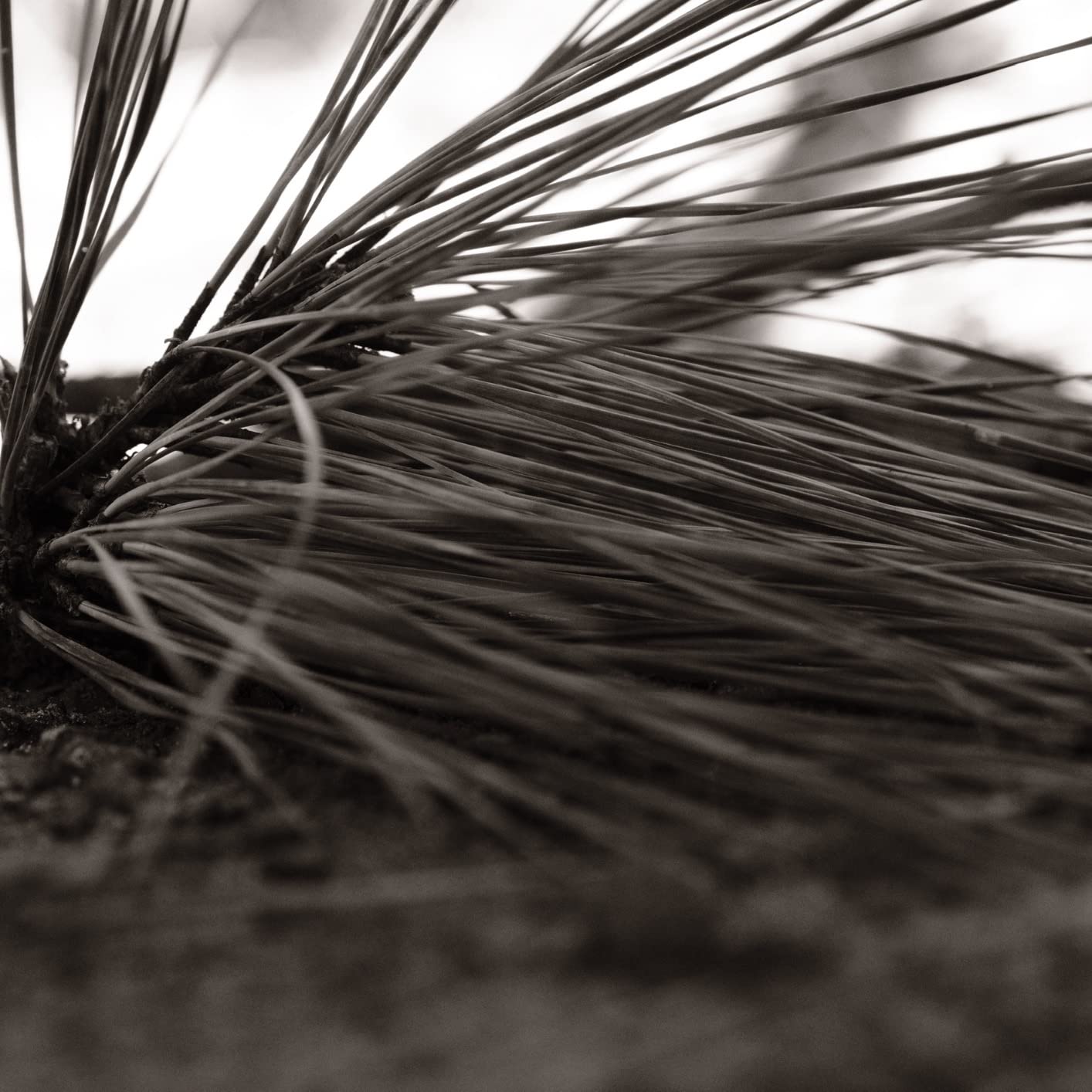
Fujifilm is known for its film simulation modes and color science, and the TTArtisan 40mm renders beautifully on Fuji bodies. The combination of creamy 11-blade bokeh and Fuji’s color profiles produces images with a distinctive character. Classic Chrome simulation paired with this lens gives macro shots a vintage, editorial look that many photographers love.
The lens transmits light faithfully without adding its own color cast, so your film simulation choice drives the final look. I found Classic Negative and Provia particularly effective for botanical macro work, where the slightly muted tones complement the organic subject matter.
Is This Better Than the Native Fuji Macro Options?
Fujifilm’s native macro lens, the XF 30mm f/2.8 Macro and the XF 80mm f/2.8 R LM OIS WR Macro, are excellent but both cost significantly more than $400. The TTArtisan 40mm gives Fuji shooters a real macro option at a fraction of the price. You sacrifice autofocus, weather resistance, and optical stabilization, but you gain 1:1 magnification with strong optics in a compact, affordable package.
For Fuji photographers who want to explore macro without a major investment, this is the obvious choice. If you later decide macro is your passion, you can upgrade to a native option knowing exactly what you need from a more expensive lens.
7. TTArtisan 40mm F2.8 Macro Lens Nikon Z – Native Z Mount Alternative
TTARTISAN 40mm F2.8 Macro Lens APS-C Frame 1:1 Magnification Lens Manual Focus Camera Lenses for Z Mount Z5 Z6 Z7 Z6II Z6III Z7II ZFC Z30 Z50 Z50II Z9 Z8 ZF
1:1 magnification
40mm f/2.8
Nikon Z mount
8 elements 7 groups
Dual LD glass
Pros
- 1:1 macro magnification ratio
- F2.8 aperture with 11-blade creamy bokeh
- Compact and lightweight at 13.1 oz
- All-metal construction
- Dual LD glass elements minimize aberrations
Cons
- Manual focus only
- Not water resistant
Nikon Z-mount photographers have a growing lens ecosystem, but affordable macro options are still scarce. The TTArtisan 40mm f/2.8 fills this gap with a well-built manual focus macro lens that works across the entire Z-mount range. Whether you shoot a Z5, Z6III, Z8, Z9, or even the compact Z30 and Z50, this lens mounts and performs.
The optical formula mirrors the Sony E and Fujifilm X versions: 8 elements in 7 groups with dual LD glass, 11 diaphragm blades, and a maximum aperture of f/2.8. The 1:1 magnification ratio and 6.7-inch minimum focus distance give you true macro capability for insects, flowers, product shots, and detail work.
Build quality matches the rest of the TTArtisan lineup with an all-metal barrel and smooth focus ring. At 13.1 ounces, it is light enough to carry all day but solid enough to feel durable. The manual focus action is well-damped with a long throw that allows precise focusing at high magnifications.
Z Mount Compatibility Across the Range
One of the strongest selling points of this lens is its broad Z-mount compatibility. Nikon’s Z system spans full-frame cameras like the Z5, Z6, Z7, Z8, and Z9, as well as APS-C bodies like the Z30, Z50, Z50II, and ZFC. This single lens works on all of them, making it a flexible choice for photographers who own multiple Z bodies or plan to upgrade within the system.
On full-frame Z bodies, the 40mm focal length gives a natural field of view that works for environmental macro, product photography, and casual portrait work. On APS-C Z bodies, the crop factor gives a 60mm equivalent, which is a classic macro perspective.
Manual Focus on Nikon Z Bodies
Nikon Z cameras offer excellent manual focus aids. Focus peaking can be enabled to highlight in-focus areas as you turn the focus ring, and the customizable buttons on Z bodies can be set to activate magnification for critical focus checking. I found the combination of this lens with a Nikon Z body’s focus aids to be highly effective for macro work.
The lens lacks electronic contacts, so there is no EXIF data transmitted and no aperture control from the camera body. You set aperture using the ring on the lens itself. This is standard for manual lenses in this price range and should not be a surprise, but it is worth noting if you rely on in-body metadata for your workflow.
How to Choose the Best Macro Lens Under $400?
Choosing the right macro lens comes down to understanding your specific needs. The lenses in this guide range from extreme 5X magnification specialists to versatile walk-around primes, and the best choice depends entirely on what you plan to photograph and what camera system you use.
Understanding Magnification Ratios
Magnification ratio is the single most important spec to understand when shopping for a macro lens. A 1:1 magnification ratio means the subject appears life-size on your camera sensor. A 1:2 ratio means the subject appears at half life-size. Lenses like the Laowa 65mm achieve 2X magnification, meaning subjects appear twice life-size.
For most macro photography including insects, flowers, and product shots, 1:1 magnification is sufficient. If you want to photograph extremely small subjects like snowflakes, mites, or fine circuit details, look at lenses with 2X or higher magnification. The AstrHori 25mm in this guide goes all the way to 5X, but that extreme range requires specialized technique and lighting.
Focal Length and Working Distance
Focal length directly affects working distance, which is the space between the front of your lens and your subject at maximum magnification. Longer focal lengths give you more working distance, which is critical for photographing skittish subjects like butterflies and bees.
The 7artisans 60mm and Laowa 65mm in this guide offer comfortable working distances for insect photography. Shorter focal lengths like the 30mm Sony and 25mm AstrHori have much shorter working distances, which can work for static subjects but will scare away living creatures. Consider what you photograph most when choosing focal length.
Manual Focus vs Autofocus for Macro
Most budget macro lenses are manual focus only, and that is not necessarily a disadvantage. In serious macro work, manual focus is actually preferred because the depth of field at high magnification is so shallow that autofocus systems struggle to lock onto the right plane. Most experienced macro photographers use manual focus with focus peaking and magnification aids.
If you shoot video or need to capture fast-moving subjects, autofocus becomes more valuable. The Sony SEL30M35 is the only autofocus option in this guide, with its internal stepping motor providing smooth focus transitions ideal for video work. For everyone else, manual focus is the standard at this price point.
Mount Compatibility Considerations
Before buying any lens, verify it is available for your camera mount. The lenses in this guide cover Sony E-mount (the largest selection), Fujifilm X-mount, and Nikon Z-mount. If you shoot Canon EF, Canon RF, Micro Four Thirds, or another system, your budget macro options will differ.
Sony E-mount shooters have the widest selection here, with four lenses to choose from. Fujifilm X shooters get two excellent options in the Laowa 65mm and TTArtisan 40mm. Nikon Z photographers currently have one option in this guide, but the TTArtisan 40mm is a strong performer that works across the entire Z lineup.
What You Sacrifice at This Price Point
At under $400, certain features are universally absent. Weather sealing is missing from every lens on this list, which means you need to be careful shooting in rain, dust, or humidity. Optical image stabilization is not available on the manual focus options. And autofocus, where present, is basic rather than the high-speed systems found in premium lenses.
The good news is that none of these limitations prevent you from capturing excellent macro images. Weather sealing can be worked around with care and protective gear. Image stabilization is less important for macro work since you typically shoot on a tripod at small apertures. And manual focus is a feature, not a bug, for most macro applications.
Frequently Asked Questions
Who makes the best macro lens under $400?
The Venus Optics Laowa 65mm f/2.8 2X Ultra Macro APO is the best macro lens under $400 for Fujifilm X shooters, offering 2X magnification and apochromatic optics. For Sony E-mount, the 7artisans 60mm F2.8 II provides the best overall value with true 1:1 magnification and ED glass at a very affordable price.
What is a good budget macro lens for Sony E mount?
The TTArtisan 40mm f/2.8 Macro is an excellent budget macro lens for Sony E mount, offering 1:1 magnification, an 11-blade diaphragm for creamy bokeh, and all-metal construction. The 7artisans 60mm F2.8 II is another strong option with a longer focal length and ED glass element.
Is manual focus required for macro photography?
Manual focus is not strictly required but is preferred by most serious macro photographers. At high magnifications, the depth of field is extremely shallow, and manual focus gives you precise control over the focus plane. Most budget macro lenses under $400 are manual focus only, which works well for macro work when combined with focus peaking and magnification aids on modern cameras.
What focal length is best for macro photography?
For insect and nature photography, a focal length between 60mm and 100mm is ideal because it provides enough working distance to avoid disturbing your subject. For product photography, food photography, and static subjects, shorter focal lengths around 30mm to 40mm work well and are often more affordable. The best focal length depends on what you plan to photograph.
Are cheap macro lenses worth buying?
Yes, cheap macro lenses can produce excellent results. Lenses like the TTArtisan 40mm f/2.8 and 7artisans 60mm F2.8 offer true 1:1 magnification with quality optics at a fraction of the cost of OEM lenses. The main trade-offs are manual focus, lack of weather sealing, and no image stabilization, but these do not prevent you from capturing professional-quality macro images.
Final Thoughts on the Best Macro Lenses Under $400
After testing all seven lenses, my recommendations come down to three clear choices. For Fujifilm X shooters, the Laowa 65mm f/2.8 2X Ultra Macro APO is the standout pick with its unmatched combination of 2X magnification and apochromatic optics. For Sony E-mount users, the 7artisans 60mm F2.8 II delivers the best balance of focal length, build quality, and value. And for the tightest budgets, the TTArtisan 40mm f/2.8 offers remarkable performance at an unbeatable price.
The best macro lenses under $400 in 2026 prove that you do not need to spend a fortune to capture stunning close-up photography. Whether you choose a 1:1 workhorse or a 5X extreme-macro specialist, any lens on this list will open up a world of detail you have never seen before. Pick the one that matches your camera system and shooting style, and start exploring the small world.