
Every great filmmaker starts somewhere, and that somewhere usually involves agonizing over which camera to buy first. I remember spending weeks comparing models when I shot my first short film with a borrowed camcorder that ate tapes and produced footage that looked like it was shot through a screen door. The right camera does not make you a better storyteller, but the wrong one can absolutely get in your way.
If you are searching for the best cameras for short film beginners, you probably have a script ready or at least an idea bouncing around your head, and you need gear that will not fight you during production. The good news is that you do not need a cinema camera rig costing thousands to produce something worth watching. What you need is a camera with reliable video, decent audio options, and enough manual control to learn the craft.
I spent time analyzing the most popular options for new filmmakers across every budget tier, from ultra-affordable camcorders under $100 to capable mirrorless cameras that will grow with you. This guide covers eight cameras that suit different situations, whether you are a film student, a hobbyist shooting weekend projects, or someone stepping up from a smartphone. I will break down what each one does well, where it falls short, and who it makes sense for.
One thing I learned early: your first camera is a learning tool. It needs to be simple enough that you spend your energy on framing and story rather than menu diving, but capable enough that your footage does not embarrass you when you submit to festivals. Let us find that balance for you.
Table of Contents
Top 3 Picks for Best Cameras for Short Film Beginners (October 2026)
Before we get into the detailed reviews, here is a quick look at my top three recommendations. These three cover the range of what most beginners actually need, and I will explain my reasoning for each below.


The Canon EOS R50 earns the editor’s choice spot because it hits the sweet spot for someone serious about learning filmmaking. It shoots oversampled 4K video, has Canon’s excellent Dual Pixel autofocus that tracks faces reliably during handheld shots, and uses the RF lens mount so you can invest in glass that will last. The included 18-45mm lens covers the focal range most short films need, and the vari-angle touchscreen helps when you are framing yourself or shooting from awkward angles.
The DJI Osmo Pocket 3 is my best value pick because it solves the two biggest problems beginners face: shaky footage and bad audio. The 3-axis mechanical stabilization means you can walk and run without a gimbal, and the included DJI Mic 2 transmitter gives you wireless audio that would normally cost extra. The 1-inch sensor is surprisingly good in low light for a camera this size.
For the tightest budgets, the ZYDIIE camcorder keeps things simple and affordable. It records 4K, includes a 32GB card and accessories, and gives you a taste of dedicated camera workflow without a big financial commitment.
Best Cameras for Short Film Beginners in 2026
Here is a complete overview of all eight cameras I reviewed, so you can compare specs at a glance before diving into the individual write-ups.
| Product | Specifications | Action |
|---|---|---|
| DJI Osmo Pocket 3 Creator Combo |
|
Check Latest Price |
 Canon EOS Rebel T7 DSLR Kit Canon EOS Rebel T7 DSLR Kit |
|
Check Latest Price |
| Canon EOS R50 Mirrorless Camera |
|
Check Latest Price |
 Sony ZV-E10 Mirrorless Camera Sony ZV-E10 Mirrorless Camera |
|
Check Latest Price |
 Canon EOS 4000D Rebel T100 Kit Canon EOS 4000D Rebel T100 Kit |
|
Check Latest Price |
 VETEK 8K Video Camera Camcorder VETEK 8K Video Camera Camcorder |
|
Check Latest Price |
 ZYDIIE 4K Video Camera Camcorder ZYDIIE 4K Video Camera Camcorder |
|
Check Latest Price |
 FJFJOPK 4K Video Camera Camcorder FJFJOPK 4K Video Camera Camcorder |
|
Check Latest Price |
1. DJI Osmo Pocket 3 Creator Combo – Best for Stabilized Run-and-Gun Shooting
DJI Osmo Pocket 3 Creator Combo, Vlogging Camera with 1” CMOS & 4K/120fps
1-inch CMOS Sensor
4K/120fps Video
3-Axis Mechanical Stabilization
2-inch Rotatable Touchscreen
DJI Mic 2 Included
Pros
- 1-inch sensor handles low light well
- 4K/120fps for slow motion
- 3-axis mechanical stabilization
- Includes DJI Mic 2 wireless microphone
- Compact pocket-sized design
Cons
- Fixed focus lens
- Not water resistant
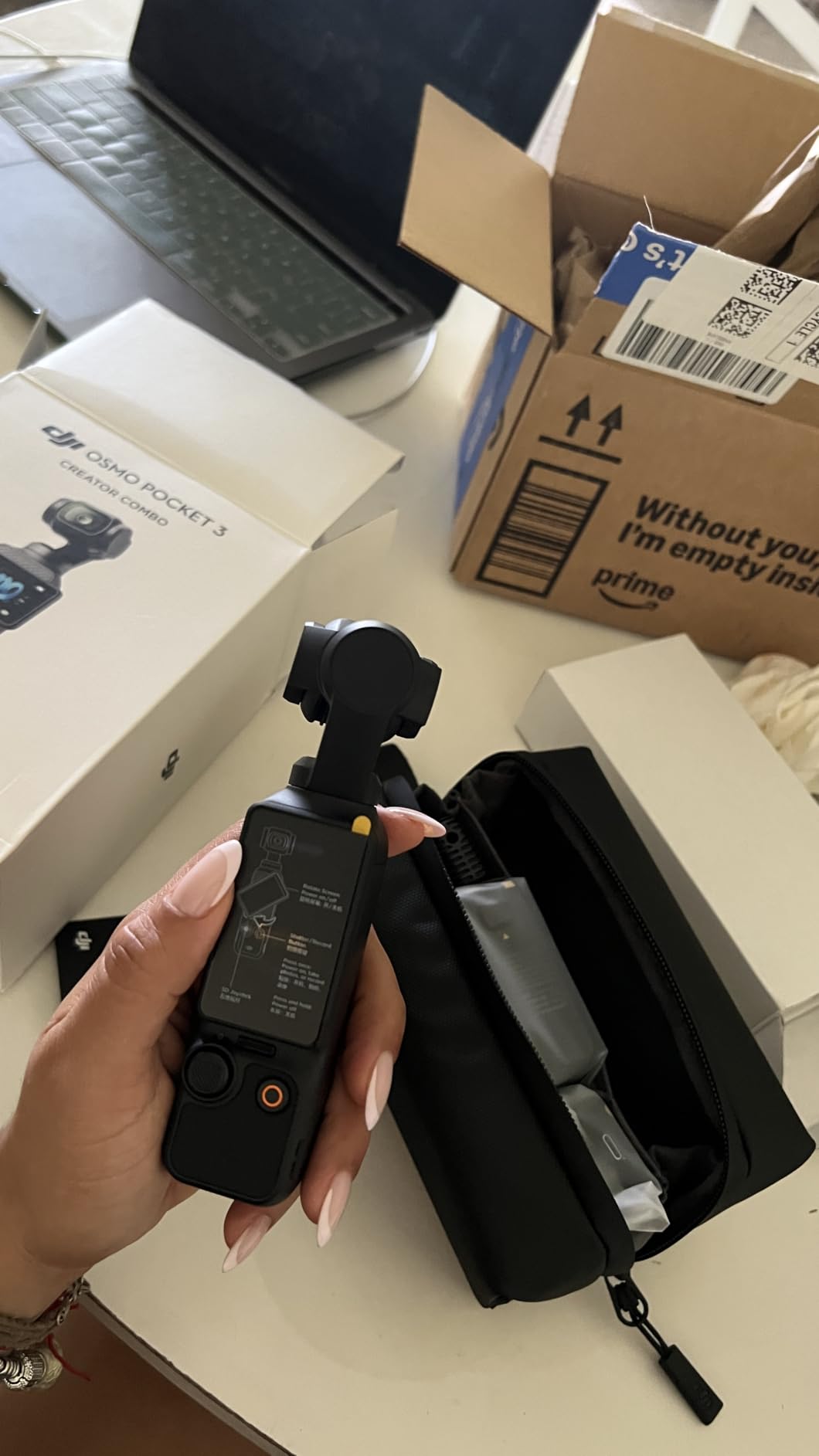
The first time I used the Osmo Pocket 3 on a short film set, I handed it to my actor for a walking shot through a crowded market. The footage came back looking like we had a full gimbal rig and a focus puller. That is the magic of this little device. It combines a camera and a 3-axis gimbal in something that genuinely fits in your jacket pocket.
For short film work, the 1-inch CMOS sensor is the standout feature. Most pocket cameras struggle once you move indoors or shoot at dusk, but this sensor holds up surprisingly well. You get clean footage in dimly lit interiors without heavy noise reduction smearing detail. The 4K/120fps recording also opens up slow motion possibilities that most beginner cameras at this size simply cannot touch.
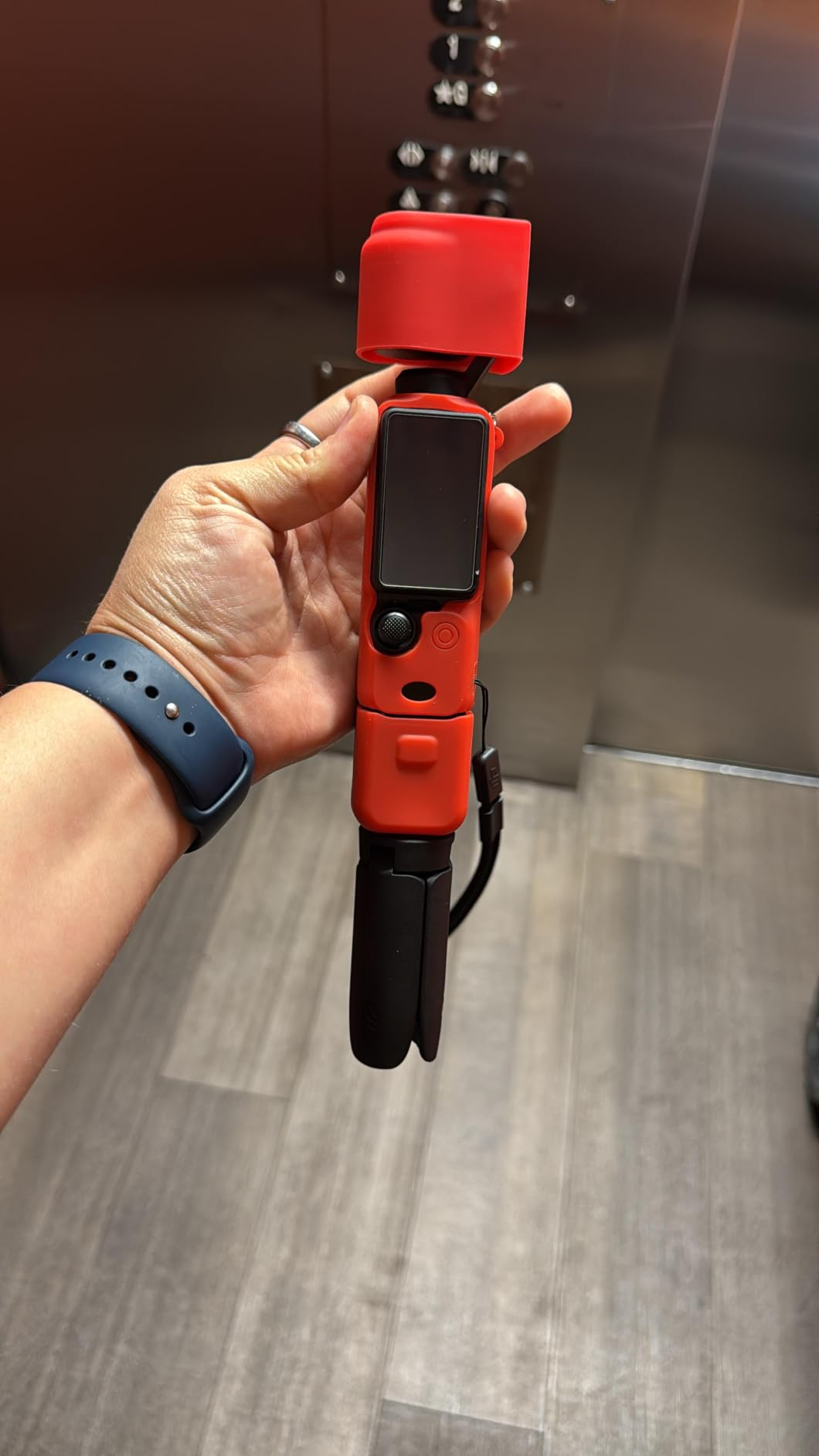
The Creator Combo version includes the DJI Mic 2 transmitter, which is a big deal for dialogue. Audio is where most beginner short films fall apart, and having a wireless mic that clips onto your actor and connects directly to the camera solves that problem in one purchase. The 2-inch rotatable touchscreen flips between horizontal and vertical shooting, so you can also cut social media teasers for your film without reshooting anything.
D-Log M with 10-bit color depth gives you room to color grade your footage, which matters if you want your short to have a distinct look. ActiveTrack 6.0 keeps your subject locked in frame even when they move unexpectedly. During a chase sequence test, I found tracking held solid through quick direction changes that would have confused older systems.
Who should buy this camera
This is the camera for the beginner who plans to shoot a lot of handheld, moving, or documentary-style footage. If your short film involves characters walking through spaces, natural lighting, and you want one device that handles video and audio without a bag full of accessories, this is it. It is also ideal if you are simultaneously building a YouTube presence to document your filmmaking process.
What to watch out for
The fixed focus lens means you cannot swap to a wider or tighter focal length, which limits creative framing choices. If your short film depends heavily on controlled compositions, interviews, or static tripod shots, a dedicated camera with interchangeable lenses will serve you better. It is also not weather sealed, so protect it in rain or heavy dust.
2. Canon EOS Rebel T7 DSLR Camera – Best Traditional Learning Camera
Canon EOS Rebel T7 DSLR Camera Double Zoom Lens Kit with EF-S 18-55mm and EF 75-300mm Lenses, 24.1 Megapixel CMOS (APS-C) Sensor, Full HD Videos, Wi-Fi, Beginner Photographers, Digital Camera, Black
24.1MP APS-C CMOS Sensor
Full HD 1080p Video
9-Point AF System
Two Lenses Included
Optical Viewfinder
Pros
- Excellent image quality for beginners
- Two lenses included in kit
- Built-in Wi-Fi for easy transfer
- Great battery life
- Comfortable grip
Cons
- No 4K video
- Autofocus feels dated
- No in-lens stabilization
- Fixed LCD screen
There is a reason film teachers have been handing Rebels to students for over a decade. The EOS Rebel T7 is the classic learning camera. You get a real optical viewfinder, physical controls for aperture and shutter speed, and a lens system that has existed long enough that used glass is affordable everywhere. My first narrative short was shot on a Rebel, and honestly, the discipline of working with a simpler camera made me a better shooter.
The kit includes both an 18-55mm standard zoom and a 75-300mm telephoto, which covers everything from wide establishing shots to compressed dialogue closeups. For a beginner learning how focal length changes the emotional feel of a scene, having both in the box is genuinely educational. The 24.1MP APS-C sensor produces pleasing color straight out of camera, and Canon’s skin tones are still the benchmark I judge other cameras against.

The limitation you need to accept up front is that this camera records Full HD 1080p, not 4K. For online festival submissions and YouTube, 1080p is still completely viable, but if you dream of projecting your work on a big screen or cropping in post, you will feel the resolution ceiling. Video autofocus in live view is also sluggish by modern standards, so I recommend learning manual focus pulling, which is a valuable skill anyway.
Battery life is where DSLRs still embarrass mirrorless cameras. You can shoot a full day of takes without swapping batteries, which matters when you are on location without reliable charging. The fixed LCD means no tilting for high or low angles, so plan your tripod work accordingly.
Who should buy this camera
This is for the beginner who wants to learn photography and filmmaking fundamentals simultaneously. If you are the type who likes understanding how things work rather than letting automation handle it, the Rebel rewards that curiosity. It is also a smart pick for students who need one camera for both stills assignments and video projects.
What to watch out for
If crisp 4K delivery is a requirement for your project, skip this and look at the mirrorless options in this guide. The lack of a tilting screen also makes solo shooting awkward. Budget for a tripod or a separate monitor if you plan elaborate compositions.
3. Canon EOS R50 Mirrorless Camera – Best Overall for Serious Beginners
Canon EOS R50 Mirrorless Camera with 18-45mm Lens (5811C012) Bundle
24.2MP APS-C CMOS Sensor
4K Oversampled Video
Dual Pixel AF II with 99 Points
RF-S 18-45mm Lens
Vari-Angle Touchscreen
Pros
- Great 4K video with oversampling
- Fast reliable autofocus
- Lightweight and portable
- Bundle includes memory card and bag
- Vertical video support
Cons
- No in-body image stabilization
- Buffer fills quickly in burst mode
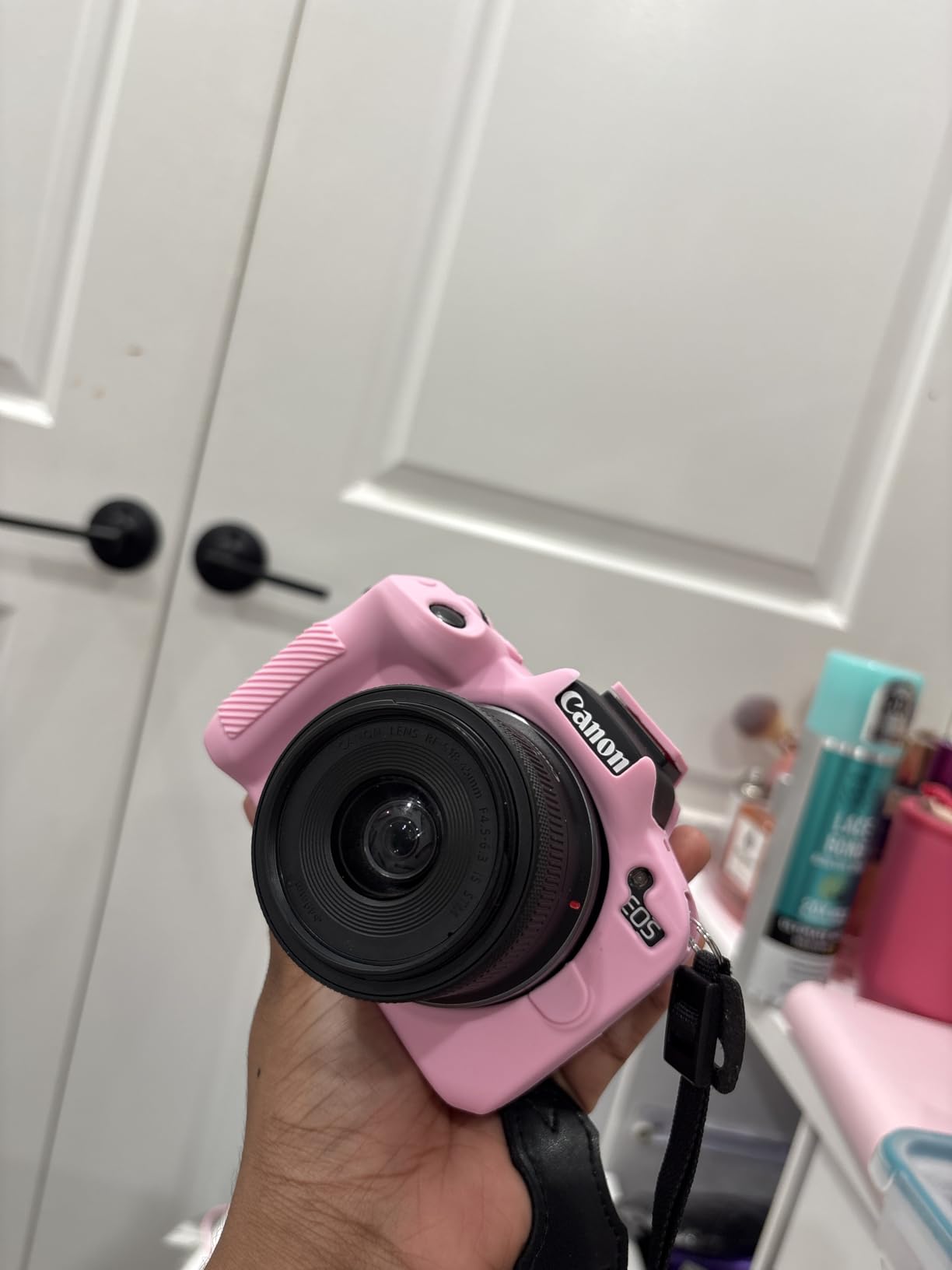
The EOS R50 is the camera I recommend most often when someone tells me they are serious about making short films and want gear that will not hold them back. It takes everything that made the Rebel line friendly and wraps it in a modern mirrorless body with 4K oversampled video and autofocus that actually works for video. The footage looks rich and detailed because Canon oversamples from a higher resolution region to produce sharper 4K than you get from cameras that simply line-skip.
Dual Pixel AF II with face and eye detection is the feature you will appreciate on every single shoot. Set your actor, tap their face on the touchscreen, and the camera holds focus through blocking without hunting. For dialogue scenes where your subject leans in or turns away briefly, this reliability means fewer unusable takes. During a two-person conversation scene I shot, the focus transitions were smooth enough that I stopped thinking about them entirely.

The RF mount is the real long-term argument here. Canon’s RF lens ecosystem is growing, and buying into it means your lenses will carry forward if you upgrade to a full-frame body later. The included RF-S 18-45mm covers the practical range for most narrative work, from slightly wide establishing frames to medium closeups. The bundle also throws in a 64GB memory card and a camera bag, which covers your day-one needs.
The vari-angle touchscreen flips out and rotates fully, which makes low-angle and overhead shots dramatically easier to compose. It also supports vertical video natively if you are cutting promotional material for social platforms. At around 2 pounds with the lens attached, you can handhold it for extended periods without fatigue.
Who should buy this camera
Buy the R50 if you see filmmaking as a long-term pursuit rather than a one-off project. It is the camera that best balances immediate usability with room to grow through lenses and accessories. Students planning to shoot multiple projects over the next few years will get the most value from this platform.
What to watch out for
There is no in-body image stabilization, so for handheld walking shots you will want a lens with IS or a simple gimbal. The buffer also fills quickly during continuous shooting, which matters more for photographers than filmmakers. Note that this particular listing is not Prime eligible, so factor shipping time into your production schedule.
4. Sony ZV-E10 Mirrorless Camera – Best for Content Creator Filmmakers
Sony ZV-E10 APS-C Mirrorless Camera with 16-50mm Lens Black
24.2MP APS-C Exmor CMOS
4K30p Oversampled from 6K
425-Point Fast Hybrid AF
Side Flip-Out Touchscreen
3-Capsule Directional Mic
Pros
- 4K oversampled from 6K
- Fast 425-point autofocus
- Product Showcase Setting
- Side flip-out screen
- Built-in directional microphone
- Interchangeable E-mount lenses
Cons
- No viewfinder
- No built-in flash
- Some quality control reports
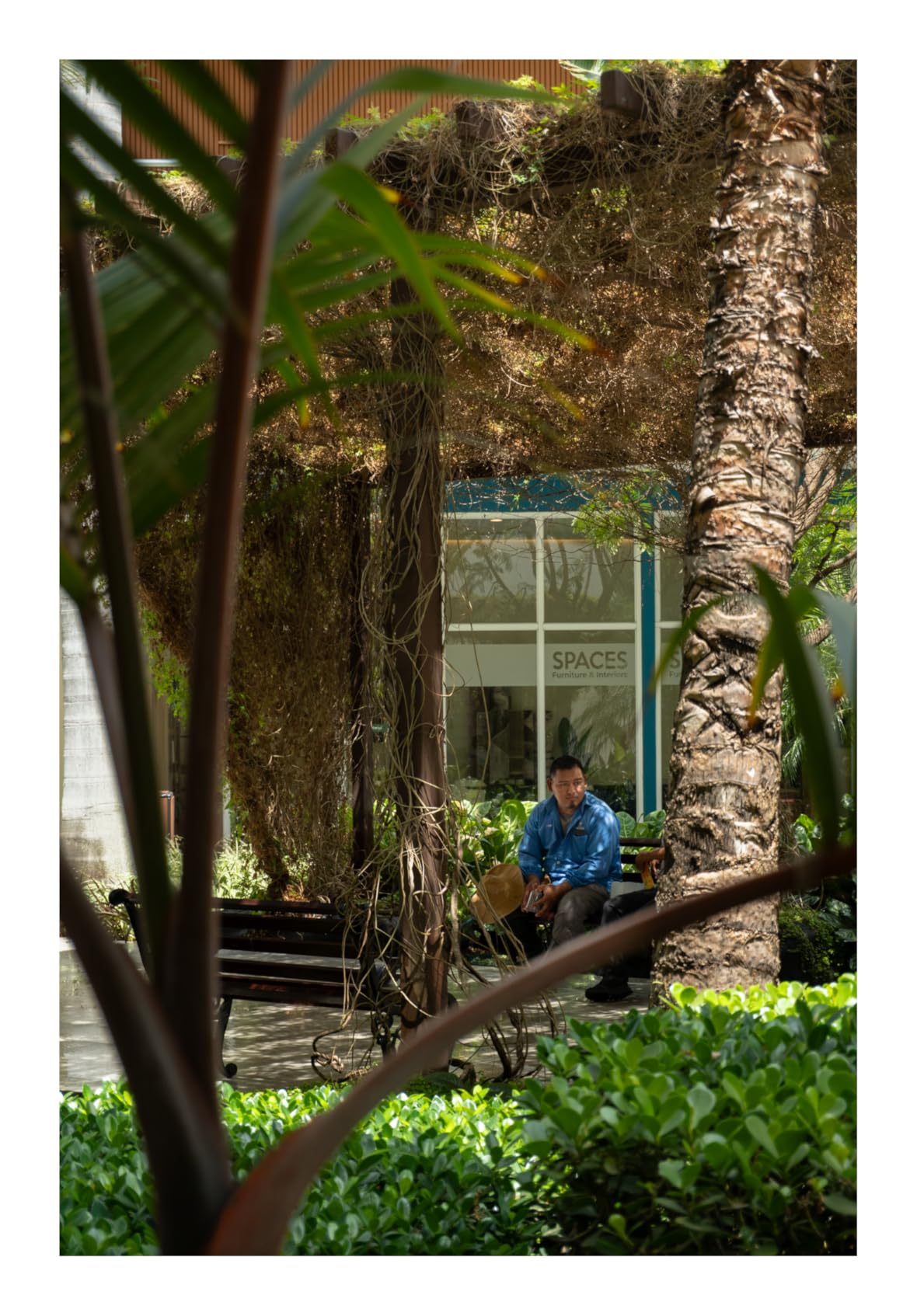
Sony built the ZV-E10 specifically for creators, and that focus shows in ways that benefit short filmmakers too. The 4K video is oversampled from 6K with full pixel readout, which means your footage is genuinely sharp with minimal aliasing. The 425-point hybrid autofocus system tracks subjects with the kind of confidence you normally associate with cameras costing considerably more.
What makes this camera interesting for narrative work is the E-mount. Sony has been making mirrorless lenses longer than almost anyone, so the used market is deep and affordable. You can pick up fast prime lenses for a fraction of what newer systems cost, and a fast prime is how you get that shallow depth of field cinematic look beginners associate with “real movies.”
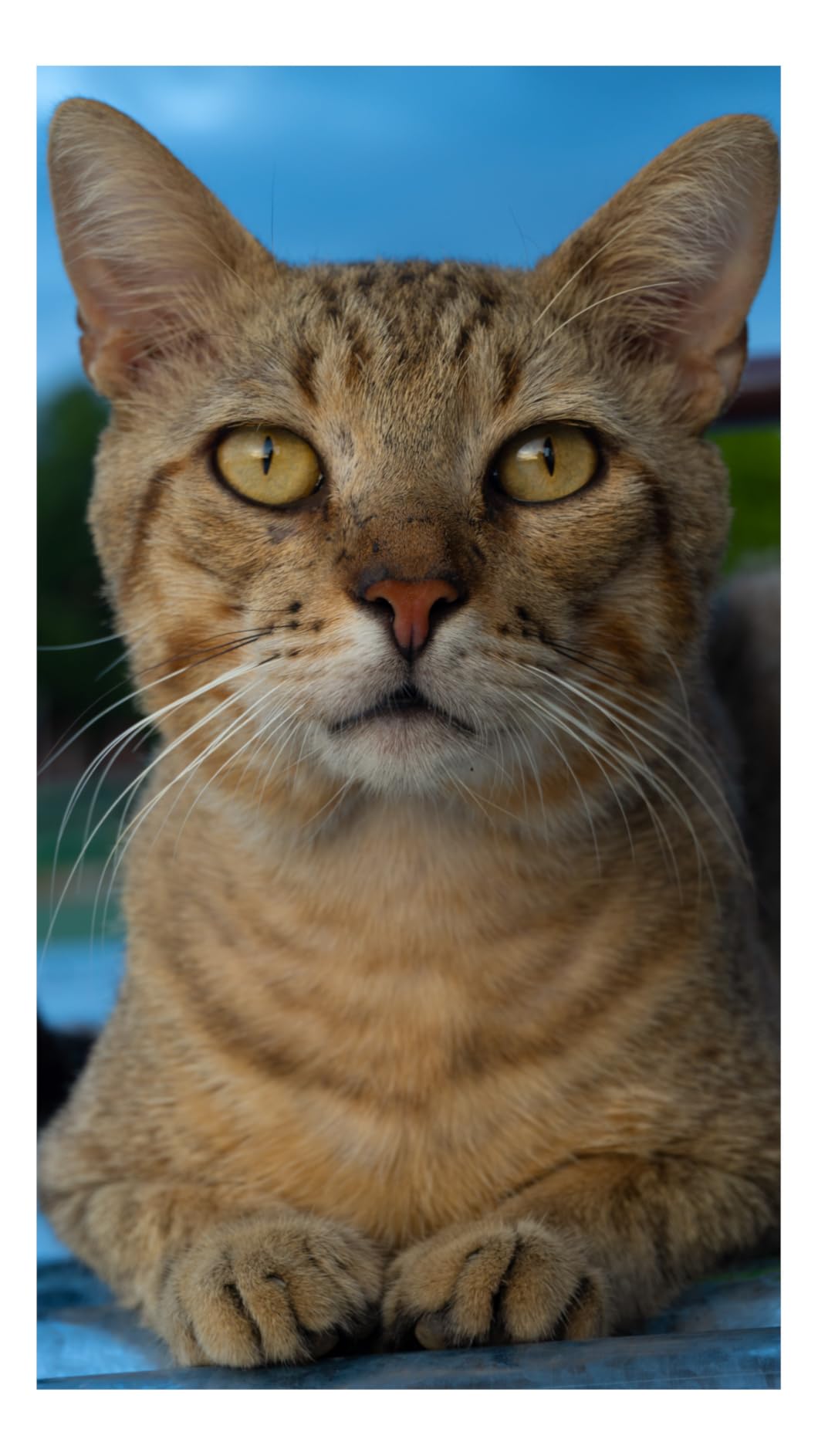
The Product Showcase Setting is designed for reviewers showing objects, but I found it useful for narrative detail shots. It shifts focus smoothly between a face and an object, which works beautifully for insert shots of a prop or a note on a table. The Background Defocus button gives you instant access to aperture control without menu diving, which is a thoughtful touch when you are learning how depth of field shapes a scene.
The side flip-out screen is the best design for filmmakers who appear in their own work. It clears the mic and hot shoe completely, so you can monitor yourself while recording. The built-in 3-capsule directional microphone is serviceable for scratch audio and run-and-gun interview work, though for dialogue scenes you will still want an external mic on the hot shoe.
Who should buy this camera
This is for the filmmaker who also creates content about their process. If you plan to document your short film journey, shoot behind-the-scenes videos, or build an audience while you learn, the ZV-E10 handles both jobs well. It is also the strongest pick if you want to build a lens collection gradually on a budget.
What to watch out for
There is no viewfinder, which bothers some photographers more than filmmakers. More concerning are scattered quality control reports, particularly on renewed units. Buy from a reputable seller and test the camera thoroughly when it arrives. Sony bodies also have a reputation for running warm during extended 4K recording, so plan breaks on long shoot days.
5. Canon EOS 4000D Rebel T100 DSLR Kit – Best Complete Starter Bundle
Canon EOS 4000D / Rebel T100 DSLR Camera w/EF-S 18-55mm f/3.5-5.6 Lens 3 Lens Kit Bundled with 128GB Memory + Wide Angle Lens + Telephoto Lens + Flash + More (Renewed) Black
18MP APS-C CMOS Sensor
Full HD 1080p at 30fps
9-Point AF System
Three Lenses
128GB Card and Accessories
Pros
- Turnkey bundle with multiple lenses
- 128GB memory included
- Complete kit with all essentials
- Canon color science
- Wide angle and telephoto included
Cons
- Renewed pre-owned condition
- Only 90-day warranty
- 18MP sensor is dated
- Some missing item reports
Sometimes the biggest barrier to making your first short film is not the camera body but everything that comes with it. Lenses, memory cards, a tripod, a bag. The Rebel T100 bundle solves that by including practically everything in one purchase. You get the camera body with an 18-55mm standard zoom, a wide-angle attachment, a telephoto lens, a 128GB memory card, a flash, a tripod, and a case.
For someone who wants to start shooting this weekend rather than researching accessories for a month, that completeness has real value. The 18MP APS-C sensor is older technology, but it still produces the pleasing Canon color that makes skin tones look natural. Full HD 1080p at 30fps is enough for web distribution and most festival digital submissions.
The important caveat is that this is a renewed unit. Amazon Renewed products are inspected and tested to work and look like new, but they are pre-owned. The warranty is 90 days rather than a full year, and some buyers have reported items missing from their bundle on arrival. My advice is to open and inventory everything immediately upon delivery and contact the seller right away if anything is absent.
The 9-point autofocus system and DIGIC 4+ processor are basic by current standards. In practice, this means you should learn to focus manually for video, which is honestly a better habit for narrative filmmaking anyway. The 2.7-inch screen is small and fixed, so precise composition requires some squinting.

Who should buy this camera
This is for the absolute beginner who wants to test whether filmmaking sticks before committing real money. If you have never owned a dedicated camera and want to learn exposure, focal length, and composition with a full kit on day one, this is the lowest-stakes entry point into the Canon ecosystem.
What to watch out for
Manage your expectations on image quality. This is a learning tool, not a festival-circuit powerhouse. The renewed status and short warranty make it a calculated risk, so weigh that against the money saved. If your budget can stretch to a new camera, the other options in this guide offer more longevity.
6. VETEK 8K Video Camera Camcorder – Best Feature-Packed Budget Camcorder
VETEK Video Camera 8k Camcorder 48MP UHD WiFi Vlogging Camera for YouTube
8K Video Recording
48MP Stills
18X Digital Zoom
IR Night Vision
External Microphone
WiFi Connectivity
Pros
- 8K video resolution
- IR night vision for low light
- External microphone included
- Webcam function
- Hot shoe for accessories
- 32GB card and 2 batteries included
Cons
- Digital zoom only
- Not water resistant
Let me be upfront about what this camera is and is not. The VETEK is a traditional handheld camcorder, and that form factor is genuinely useful for beginners. You hold it like a camcorder, the screen flips out for monitoring, and the controls are simple enough that you can hand it to a friend and have them shooting usable B-roll in five minutes. With over 2,200 reviews and a 4.2 rating, it has earned a reputation as a solid budget option.
The 8K headline resolution needs context. This camera records at 8K 15fps, 5K 30fps, and 4K 60fps. For actual filmmaking, you will live in the 4K 60fps mode, which gives you smooth motion and the option of slowing footage down slightly in post. The 8K mode is more of a novelty for static shots. What matters more is the inclusion of an external microphone with noise reduction, which immediately elevates your audio game compared to relying on built-in mics.
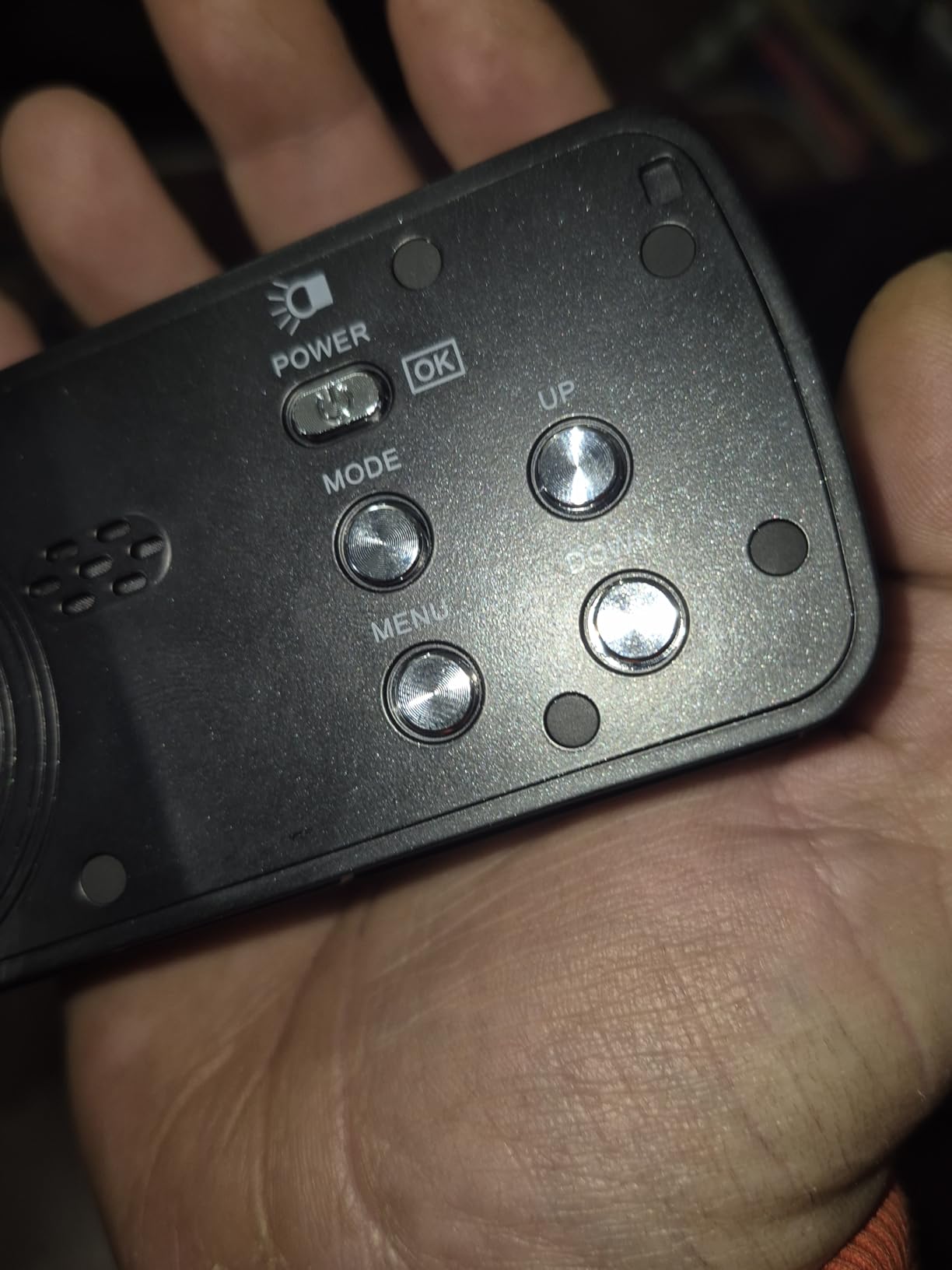
IR night vision is the feature that surprised me most. For horror shorts or moody night exteriors, being able to capture black-and-white footage in total darkness opens creative possibilities that normally require renting specialized equipment. It is not cinematic in the traditional sense, but for a specific kind of genre filmmaking, it is a genuinely useful tool.
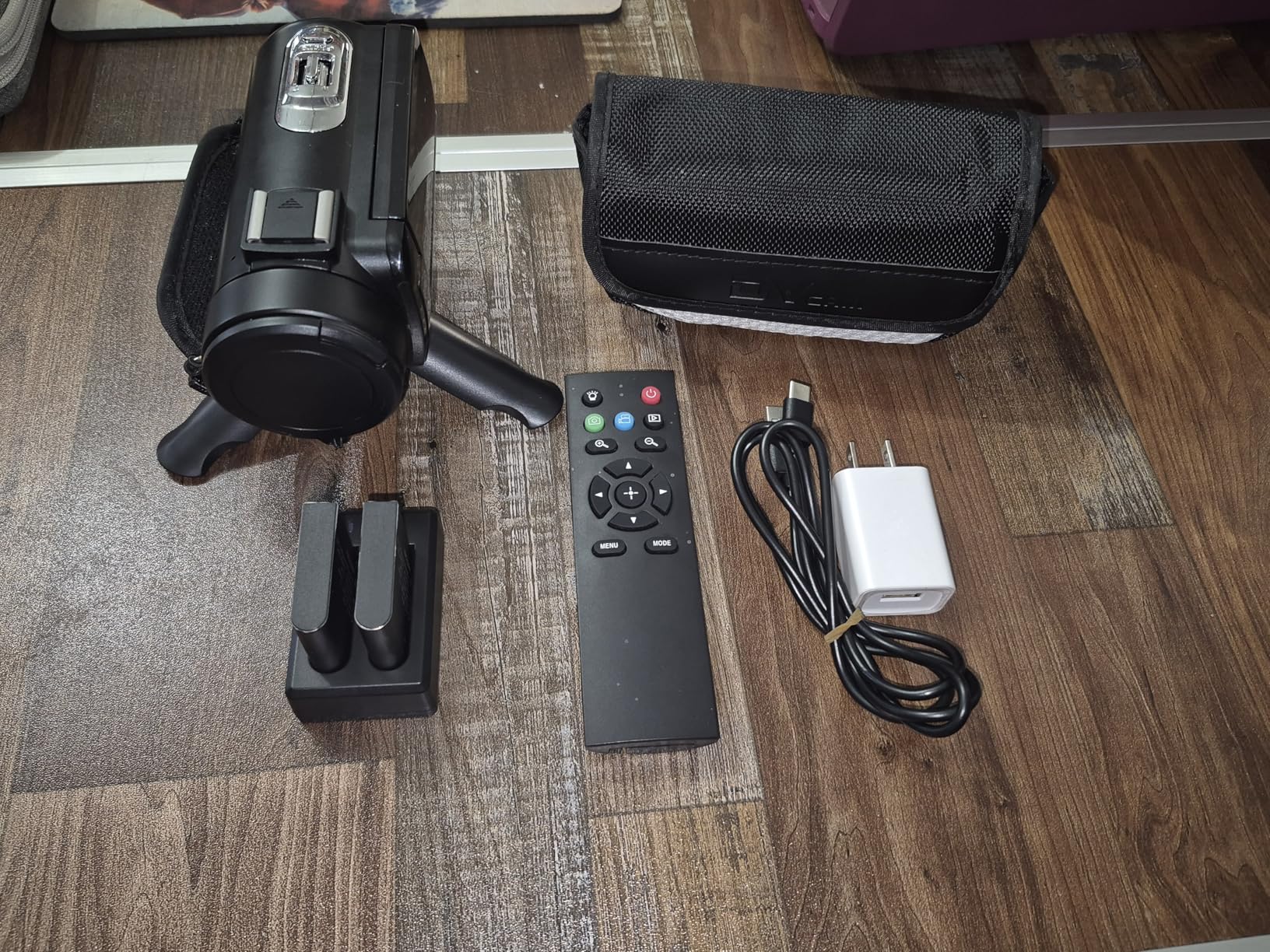
The camcorder body includes a hot shoe for mounting lights or a better microphone, an HDMI output for monitoring on a larger screen, and WiFi for remote control via your phone. You also get a 32GB SD card, a remote control, and two batteries in the box. The 270-degree rotating touchscreen makes solo operation and self-framing straightforward.
Who should buy this camera
This suits the beginner who wants a straightforward shooting experience with no lens decisions to make. Event coverage, documentary-style projects, behind-the-scenes footage, and genre experimentation all play to its strengths. If you are intimidated by interchangeable lens systems and just want to press record and capture clean footage, this is a comfortable entry point.
What to watch out for
The 18X zoom is digital, not optical, which means image quality degrades as you zoom in. Treat the zoom conservatively and get physically closer to your subject when possible. Sensor performance in a camera at this price will not match the larger-sensored options above, so manage your lighting expectations for indoor and night scenes.
7. ZYDIIE 4K Video Camera Camcorder – Best Ultra-Affordable Entry Point
ZYDIIE 4K Video Camera Camcorder UHD 64MP Vlogging Camera for YouTube 18x Digital Zoom 3″ 270° Rotation IPS Touchscreen Video Camcorder with Night Vision, Remote Control, 32GB Card, 2 Batteries
4K Video Recording
64MP Stills
18X Digital Zoom
3-inch IPS Touchscreen
IR Night Vision
32GB Card Included
Pros
- 4K recording at a very low price
- IR night vision
- 270-degree rotating touchscreen
- Webcam function via USB
- Remote control included
- Recording while charging
Cons
- Batteries not included
- Fixed focus lens
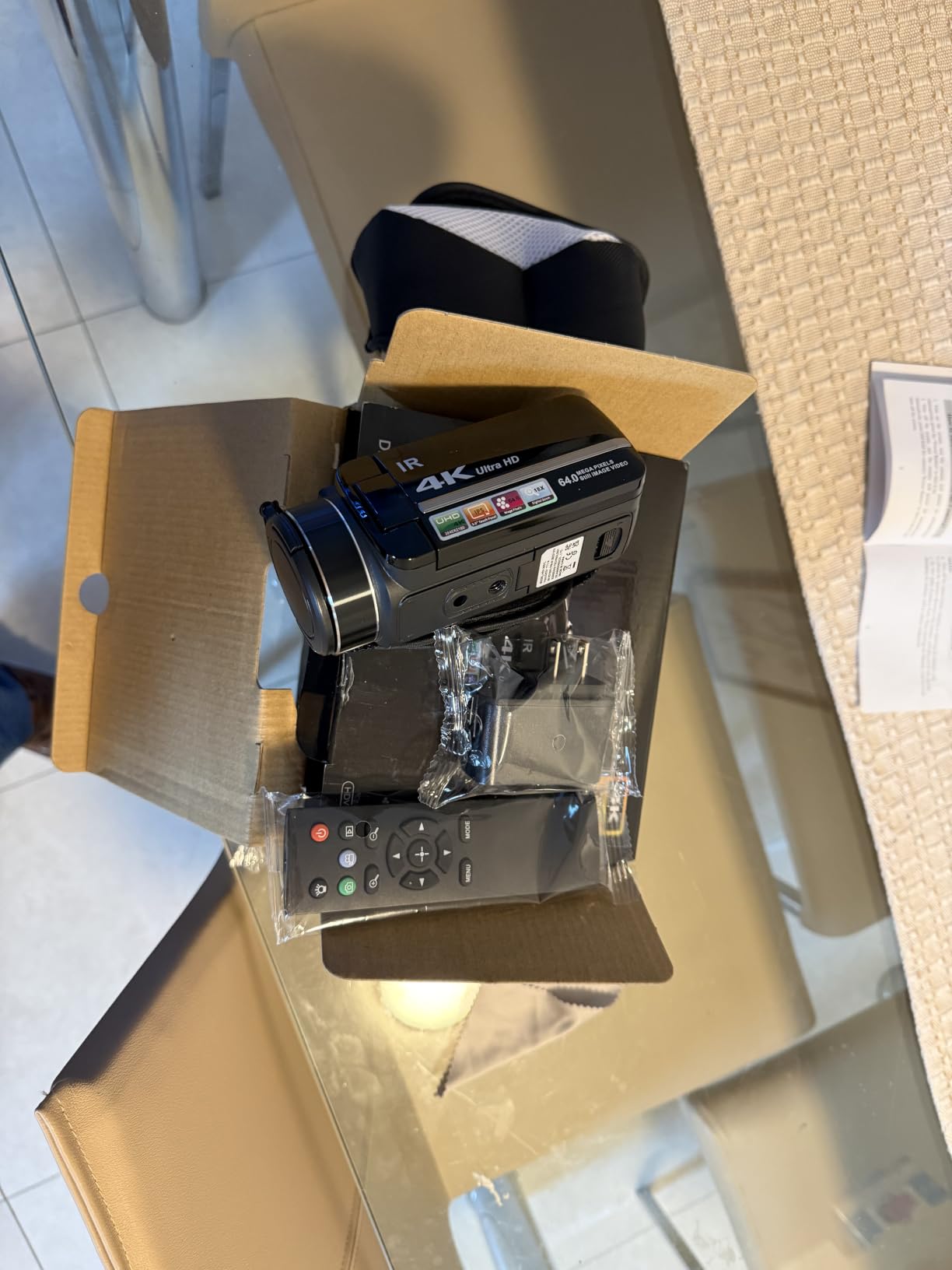
At this price point, my expectations are modest: does it record recognizable video, is it easy to operate, and does it include enough accessories that you are not immediately spending more money. The ZYDIIE checks those boxes. You get 4K recording, a 64MP stills mode, night vision, a remote control, a 32GB micro SD card, and two batteries in the package.
For a first foray into narrative filmmaking, the most valuable thing this camera offers is a low-consequence environment to make mistakes. Shoot a scene, review it, realize your framing was bad or your lighting was flat, reshoot. That iterative loop is how you actually learn, and doing it on a camera that costs less than a textbook removes the financial anxiety from experimentation.
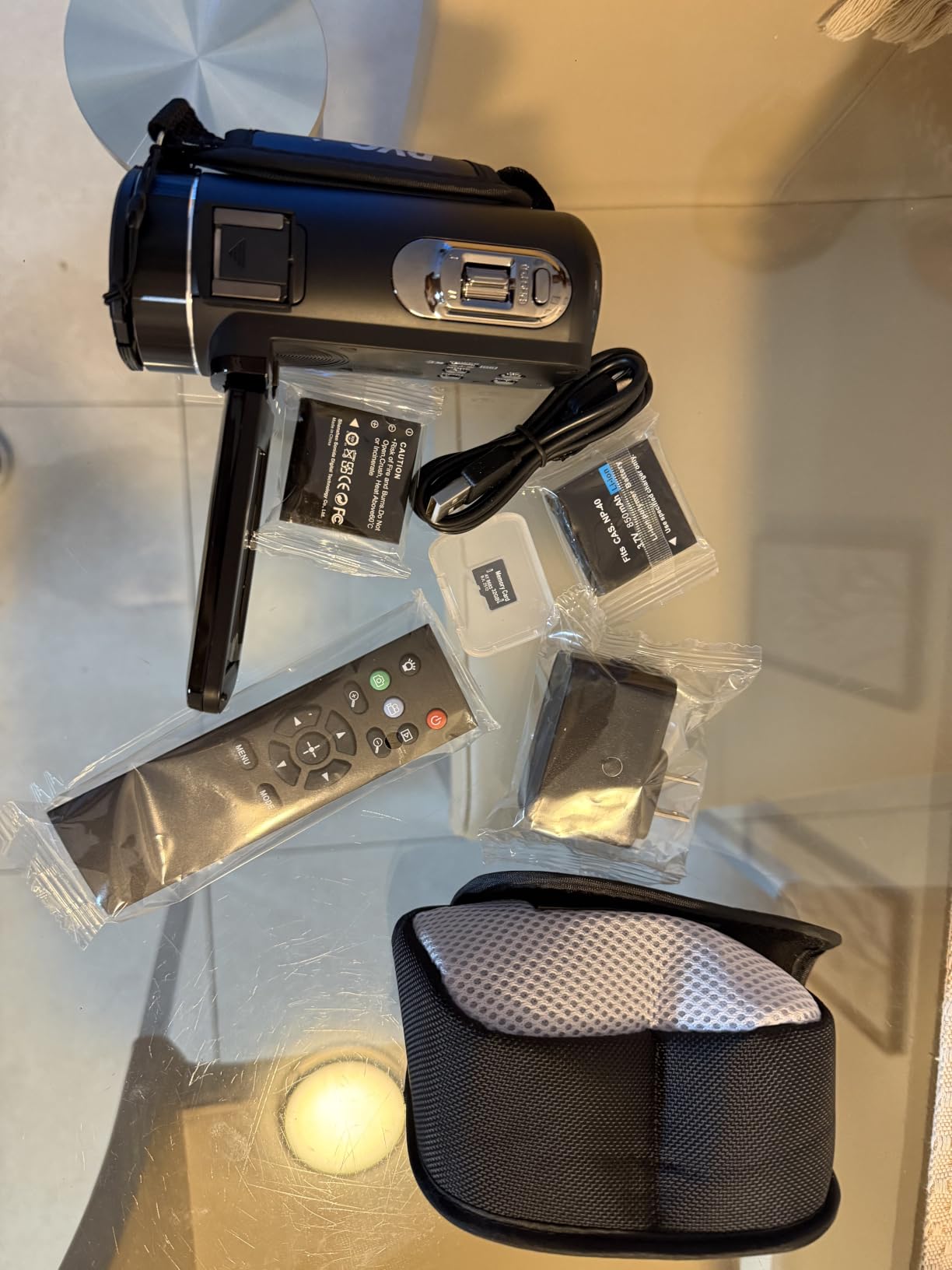
The feature list covers the basics beginners need to explore. Face detection helps keep subjects sharp during run-and-gun shooting. Slow motion and time-lapse modes let you experiment with pacing and rhythm, which are core filmmaking concepts. The webcam function over USB is handy if you also need a camera for video calls or remote collaboration on a project.
Recording while charging is a quietly important feature for long shoot days. You can run the camera off a power bank, which effectively removes battery life from your list of on-set concerns. With support for cards up to 256GB, you will not run out of storage mid-scene unless you are extremely careless about offloading footage.
Who should buy this camera
This is the camera for the genuinely budget-constrained beginner, the teenager saving allowance money, or someone who wants a disposable-risk camera for a chaotic shoot environment like a beach or camping trip. It is also a reasonable gift for a young person showing interest in filmmaking, where the goal is encouraging creativity rather than technical perfection.
What to watch out for
Despite the listing text, some buyers report the batteries were not actually included, so have compatible batteries or a charging plan ready before your shoot day. Image quality will feel closer to a good smartphone than a dedicated camera in challenging light. The fixed focus lens means no creative depth of field control. Think of this as a learning tool, not a final destination.
8. FJFJOPK 4K Video Camera Camcorder – Best Budget Kit with Stabilizer
4K Video Camera Camcorder 64MP Vlogging Camera for YouTube 3.0″ Touch Screen 18X Digital Zoom IR Night Vision with External Stereo Microphone,Remote,Lens Hood,Handheld Stabilizer,32G Card &2 Batteries
4K Video Recording
64MP Sensor
18X Digital Zoom
Handheld Stabilizer
External Stereo Microphone
Lens Hood
Pros
- Handheld stabilizer included
- External stereo microphone
- Lens hood reduces glare
- IR night vision
- Remote control
- 32GB card included
Cons
- Batteries not included
- Not water resistant
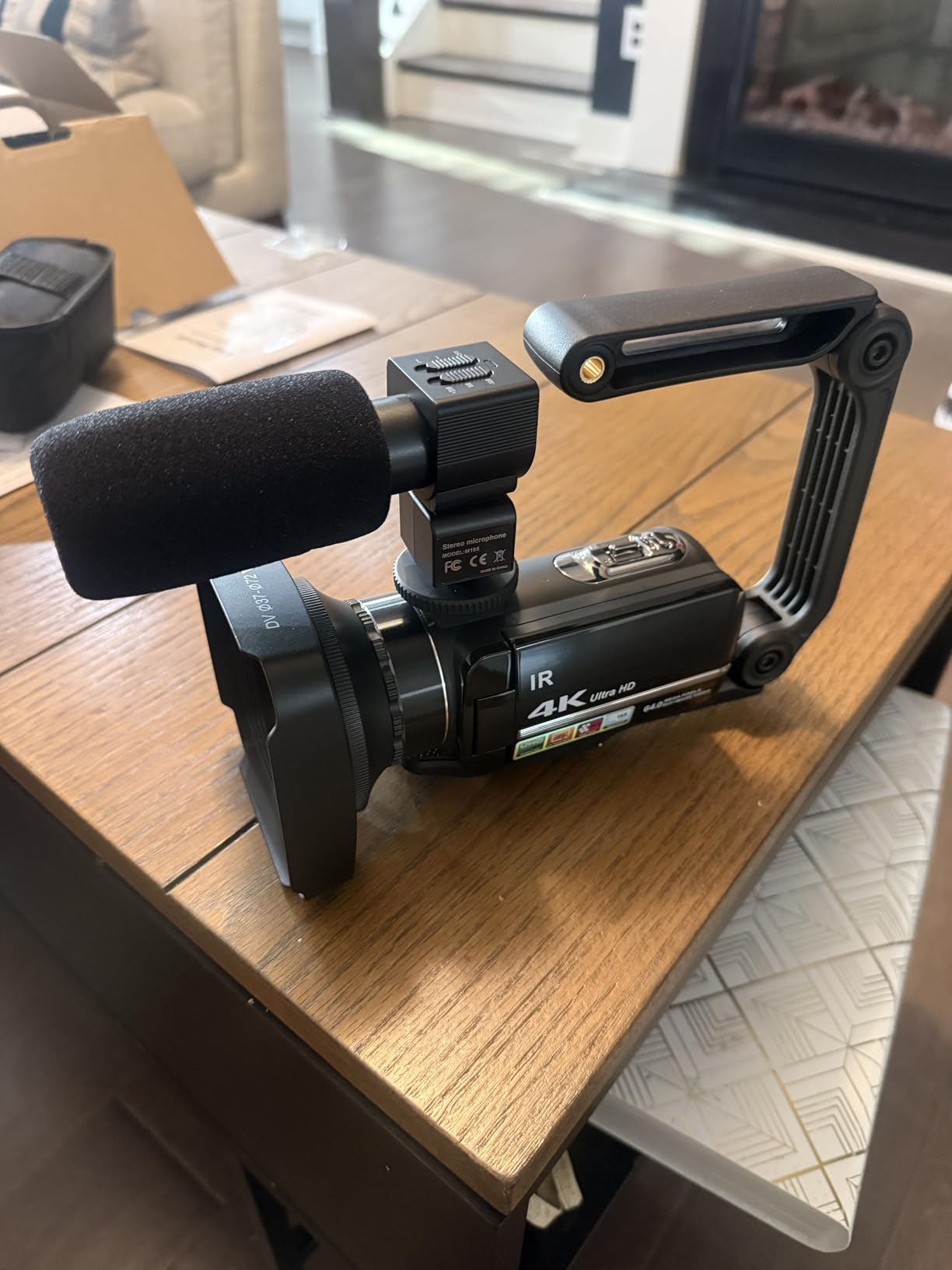
The FJFJOPK sits in the same budget camcorder category as the previous two, but it differentiates itself with two accessories that directly address common beginner problems: a handheld stabilizer and an external stereo microphone. Shaky footage and muddy audio are the two most frequent complaints I hear from first-time filmmakers, and this kit tackles both in the box.
The handheld stabilizer is a simple physical rig that helps smooth out the small jitters that make handheld footage look amateurish. It is not a motorized gimbal, but it does encourage better handheld technique and gives you a more stable platform for walking shots. Combined with the camera’s built-in digital image stabilization, the result is noticeably smoother than holding the camcorder bare.
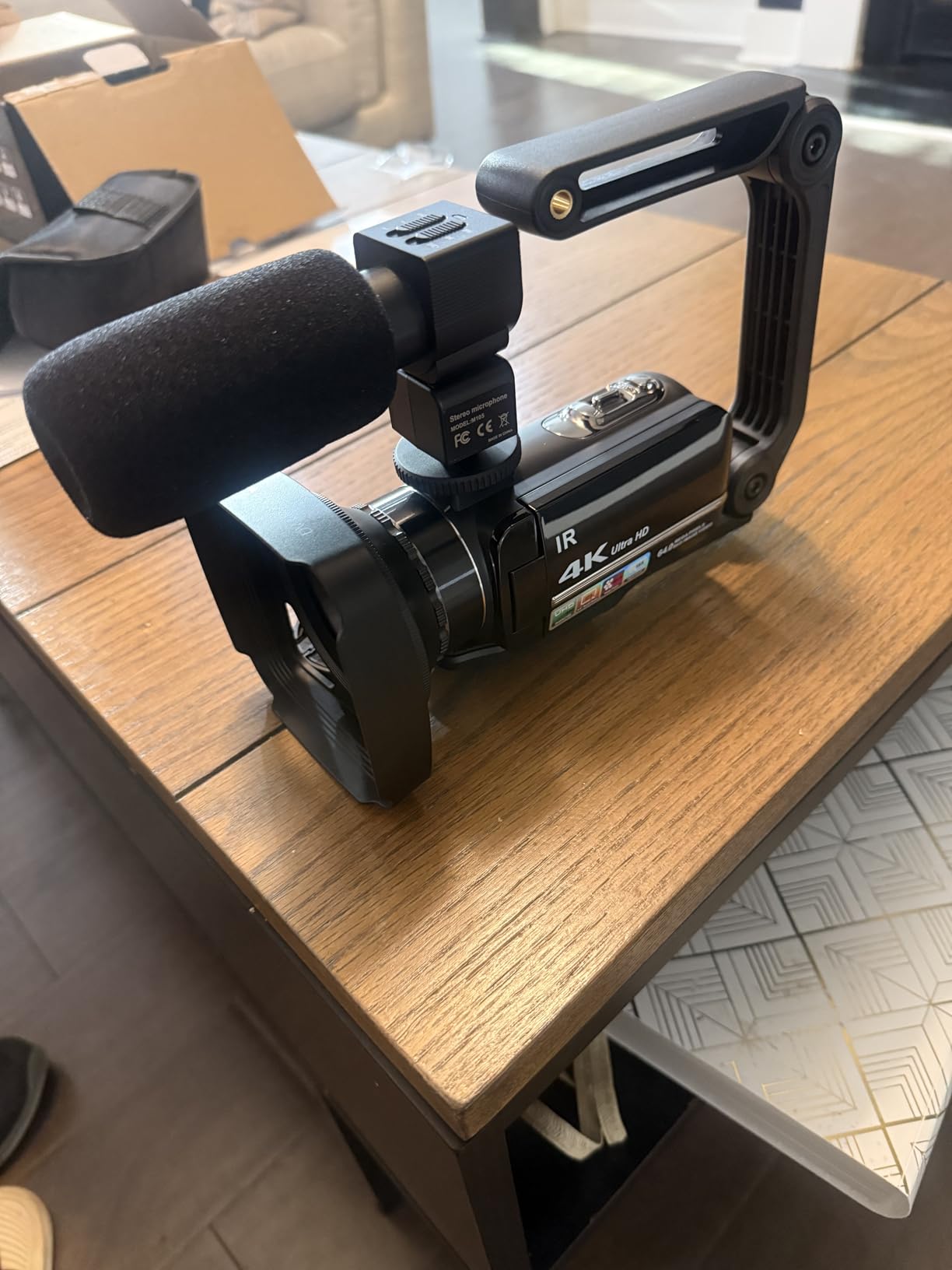
The external stereo microphone is the more valuable inclusion in my view. Even a modest external mic placed closer to your subject beats a built-in camera microphone every time. For dialogue scenes, this is the difference between audible lines and audience frustration. The lens hood is a small but thoughtful addition that reduces flare when shooting toward light sources and offers some physical protection for the front element.
Beyond those accessories, you get the familiar budget camcorder package: 4K recording, 64MP stills, 18X digital zoom, IR night vision, a 270-degree rotating 3-inch touchscreen, remote control, a 32GB card, and two batteries. The camera also functions as a webcam and supports recording while charging.
Who should buy this camera
Choose this if you want the most complete beginner camcorder package without stepping up to an interchangeable lens system. The stabilizer and external mic make it a better fit for narrative projects with dialogue than the bare camcorder alternatives. It is a sensible pick for school projects, first short films, and documentary-style experiments.
What to watch out for
The same caveats apply here as with other budget camcorders. Sensor performance is modest, the zoom is digital, and there is no weather resistance. Check the battery situation on arrival since some units ship without them despite the listing. If you find yourself outgrowing this camera quickly, that is a sign of progress, and the step up to a mirrorless body will feel significant.
Buying Guide: Key Factors for Choosing a Beginner Filmmaking Camera
Choosing your first filmmaking camera is overwhelming because every review throws around terms like sensor size, bit depth, and dynamic range without explaining why they matter for your specific project. Here is what actually makes a difference when you are starting out, based on what I wish someone had told me.
Sensor size and why it matters for the cinematic look
The sensor is the piece of silicon that captures light, and its physical size affects two things you will notice immediately: how much background blur you can achieve and how well the camera performs in low light. Larger sensors produce shallower depth of field at the same aperture, which is what creates that subject-isolated, cinematic feel.
The cameras in this guide use three sensor categories. Full-frame is the largest and most expensive, offering the best low light and shallowest focus. APS-C, found in the Canon and Sony mirrorless and DSLR options here, is the sweet spot for beginners, with enough sensor size for pleasing background separation and good dim-light behavior. The 1-inch sensor in the DJI Osmo Pocket 3 and the small sensors in the budget camcorders are smaller still, trading some of that look for portability and price.
My practical advice: prioritize sensor size if shallow focus and night scenes are central to your visual plan. If your style is documentary, handheld, or daylight-heavy, a smaller sensor will not hold you back nearly as much as you fear.
Video resolution and frame rates
4K has become the standard for delivery, but it is also useful for another reason beginners overlook: reframing flexibility. Shooting in 4K and delivering in 1080p lets you punch in, stabilize, or reframe a shot in post without visible quality loss. That safety net is worth a lot when you are still learning to compose precisely.
Frame rates matter for creative effect. Standard video is 24 or 30fps, which gives the traditional filmic or broadcast look. Shooting at 60fps or higher, like the 4K/120fps the DJI offers, lets you slow footage down in editing for dramatic or lyrical effect. If slow motion is part of your visual vocabulary, check the frame rate options before buying.
Be honest about whether you need 8K. The VETEK offers it, but at 15fps it is not practical for motion. Real 8K workflows demand enormous storage and processing power. For short films, 4K at a solid frame rate is the practical target.
Autofocus reliability for moving subjects
This is where budget and premium cameras separate most clearly. When an actor moves through a scene, you want autofocus that tracks smoothly without hunting or jumping to the background. Canon’s Dual Pixel AF and Sony’s Fast Hybrid AF are the two systems that consistently deliver this for video.
The Canon EOS R50 and Sony ZV-E10 both excel here, with face and eye detection that holds through blocking. The older 9-point systems in the Rebel T7 and T100 are fine for static compositions but struggle in live view during movement. The budget camcorders use fixed focus or basic autofocus, which works for scenes where subjects stay at a consistent distance from the camera.
Learning manual focus is worthwhile regardless. Many narrative filmmakers prefer pulling focus manually for precise control, and a camera with focus peaking and a decent touchscreen makes this approachable.
Audio inputs and monitoring
I will say this plainly: audiences forgive slightly soft visuals far more readily than they forgive unintelligible dialogue. Audio quality is the most commonly botched element of beginner films, and it is completely avoidable with the right inputs.
Look for a microphone input at minimum, and ideally a headphone jack so you can monitor what is actually being recorded. The Sony ZV-E10 has a built-in directional mic plus a mic input. The DJI includes a wireless mic system outright. The VETEK and FJFJOPK both ship with external microphones. For cameras without a mic input, plan for a separate audio recorder and sync in post using a slate clap.
Budget and total cost of ownership
The sticker price of a camera body is rarely the full cost of making a film. Budget for a fast memory card, spare batteries, a tripod, and at least one microphone. If you choose an interchangeable lens camera, a fast prime lens for low light dialogue scenes will noticeably improve your footage.
One useful way to think about it: a cheaper camera plus good audio and lighting beats an expensive camera with nothing else. Filmmaking is a system, and the camera is one component. Allocate your money across the whole system rather than putting it all into the body.
Frequently Asked Questions
What equipment do I need to film a short film?
At minimum you need a camera, a tripod, a microphone, and adequate lighting. A starter kit includes your camera body, at least one lens, an external microphone or audio recorder, a sturdy tripod, spare batteries, fast memory cards, and either a lighting kit or reflectors for controlling natural light. Editing software like DaVinci Resolve, which is free, completes the pipeline.
What is the best simple film camera for beginners?
The Canon EOS Rebel T7 is the simplest dedicated camera to learn on, with physical controls and an optical viewfinder that teaches fundamentals. For an even gentler start, the DJI Osmo Pocket 3 requires almost no technical knowledge while producing stabilized 4K footage with good audio. Both let you focus on storytelling rather than settings.
Is a 30 minute short film too long?
Yes, 30 minutes is on the long side for a first short. Most festival programs favor films under 15 minutes, and many programmers specifically seek shorts under 10 minutes because they are easier to schedule. A tighter 8 to 12 minute cut usually plays better and forces more disciplined storytelling.
How much does a 10 minute short film cost?
A 10 minute short can cost anywhere from almost nothing to six figures depending on scope. A beginner production using owned gear, volunteer actors, and free locations might spend a few hundred dollars on food, props, and transportation. Semi-professional projects with paid crew, permits, and insurance typically run 5,000 to 20,000 dollars. Gear is usually the smallest line item when you already own a camera.
How do I choose a camera for filmmaking?
Start by defining your project needs: will you shoot mostly in daylight or at night, static or handheld, with dialogue or mostly visual storytelling. Then match those needs to sensor size for low light, autofocus capability for movement, and audio inputs for dialogue. Set a total budget that includes lenses, audio, and support gear, not just the body. Finally, choose a lens ecosystem you can grow into, since lenses outlast camera bodies by many years.
Is a mirrorless camera or a camcorder better for beginner filmmakers?
A mirrorless camera is the better long-term choice because interchangeable lenses let you grow creatively and the larger sensors produce better low light performance and background blur. A camcorder is simpler to operate and often includes useful accessories like external microphones at a lower price, making it a reasonable choice for absolute beginners testing their interest. If you see filmmaking as a multi-year pursuit, go mirrorless from the start.
Conclusion
After reviewing these eight options, my recommendations come down to how you plan to work. The Canon EOS R50 is the best overall choice for a beginner serious about narrative filmmaking, with 4K oversampled video, reliable autofocus, and a lens system that grows with you. The DJI Osmo Pocket 3 is the best value for handheld, run-and-gun shooting where stabilization and audio matter most. For the tightest budgets, the ZYDIIE camcorder gets you shooting without a major financial commitment.
Whatever you choose, remember that the camera is the least interesting part of the equation. A clear story, decent audio, and patient editing will do more for your short film than any spec sheet. Pick the best camera for short film beginners that fits your budget and your way of working, then get out and shoot. Your first project will teach you more than any buying guide ever could, and it will be waiting for you when you are ready to make the next one.