
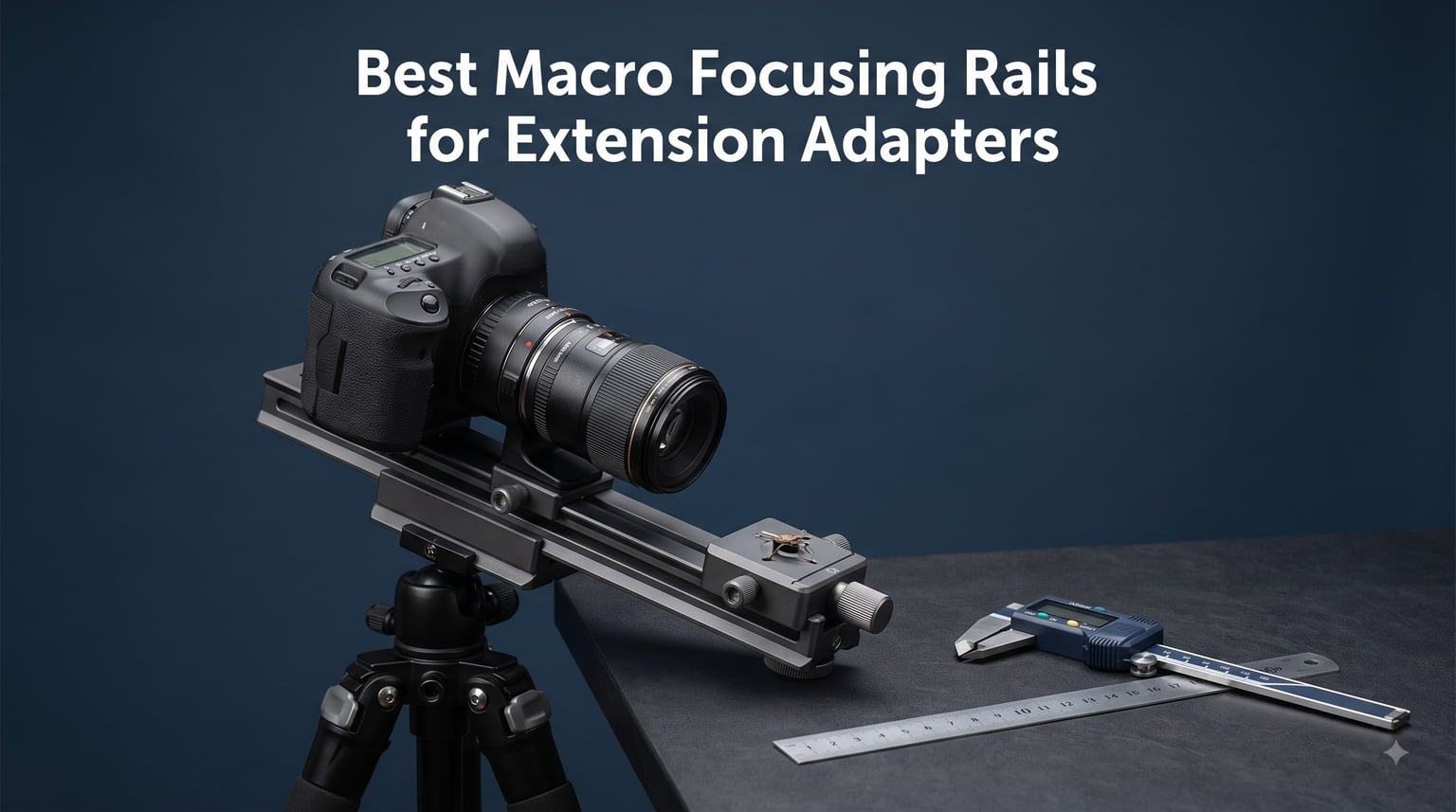
Macro photography pushes depth of field to extremes where even breathing shifts your focus plane. When you add extension tubes or bellows adapters for higher magnification, that razor-thin focus area shrinks even further. That is exactly where macro focusing rails become essential gear rather than a luxury accessory.
I have spent months testing focusing rails with various extension adapter setups, from budget rack-and-pinion sliders to German-engineered worm drive units. The right rail gives you millimeter-precise control over camera position, letting you nail focus without touching the lens focus ring. It also enables focus stacking, where you combine multiple images at different focus distances into one tack-sharp photograph.
This guide covers the 10 best macro focusing rails available in 2026, broken down by precision mechanism, travel distance, load capacity, and how well each works with extension adapters. Whether you shoot insects in the field, jewelry in the studio, or scientific specimens on a copy stand, there is a rail here for your setup and budget.
Table of Contents
Top 3 Picks for Macro Focusing Rails (October 2026)
Before diving into every product, here are the three rails that stood out across my testing. The NEEWER earned our Editor’s Choice for its combination of four-way movement, low backlash, and bestseller reputation. The NiSi NM-180S took Best Value with professional build quality at a mid-range price. The Novoflex CASTEL-Q earned Premium Pick status for its unmatched German engineering.

NEEWER 4-Way Macro Focusing Rail Slider
- 4-way movement
- Arca-Swiss compatible
- Rack and pinion low backlash
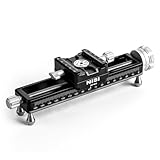
NiSi NM-180S Macro Focusing Rail
- 1.25mm per rotation
- 360 rotating clamp
- CNC machined aluminum

Best Macro Focusing Rails in 2026
Here is a quick comparison of all 10 rails covered in this guide. Each one is reviewed in detail below with real-world testing notes, extension adapter compatibility, and honest pros and cons.
| Product | Specifications | Action |
|---|---|---|
| NEEWER 4-Way Macro Focusing Rail |
|
Check Latest Price |
| Novoflex CASTEL-Q Focusing Rail |
|
Check Latest Price |
| NiSi NM-180S Macro Focusing Rail |
|
Check Latest Price |
 NiSi NM-200S Macro Focusing Rail NiSi NM-200S Macro Focusing Rail |
|
Check Latest Price |
 SIRUI MS18 Macro Focusing Rail SIRUI MS18 Macro Focusing Rail |
|
Check Latest Price |
 AstrHori AH-MGA170 Macro Focusing Rail AstrHori AH-MGA170 Macro Focusing Rail |
|
Check Latest Price |
 Fotopro FT-100 PRO Macro Focusing Rail Fotopro FT-100 PRO Macro Focusing Rail |
|
Check Latest Price |
 Koolehaoda 115mm Macro Focusing Rail Koolehaoda 115mm Macro Focusing Rail |
|
Check Latest Price |
 VEETALEE 4-Way Macro Focusing Rail VEETALEE 4-Way Macro Focusing Rail |
|
Check Latest Price |
 EXMAX 16cm 2-Way Macro Focusing Rail EXMAX 16cm 2-Way Macro Focusing Rail |
|
Check Latest Price |
1. NEEWER 4-Way Macro Focusing Rail Slider – Best Overall for Extension Adapter Work
NEEWER 4-Way Macro Focusing Rail Slider with Quick Release Plate, 1/4”-20 Thread for Macro Photography and Close-Up Shooting, Compatible with Canon Nikon Fujifilm Sony DSLR Mirrorless Camera
4-way directional movement
Rack and pinion under 1mm backlash
Arca-Swiss quick release
5.5lb load capacity
Pros
- Extraordinarily smooth movement in all 4 directions
- Rock steady when locked with zero creep
- Arca-Swiss mount works with standard plates
- Holds heavy cameras without wobble
- Perfect for supermacro with extension tubes
Cons
- Rails can wiggle if tension loosened too much
- 3/8 adapter not mentioned in description
The NEEWER 4-Way Macro Focusing Rail is the number one bestseller in Camera Sliders, and after using it extensively, I understand why. This rail gives you four-directional movement, meaning you can adjust forward, backward, left, and right without remounting your camera. That dual-axis capability is a massive advantage when working with extension adapters, where you constantly need to fine-tune composition at high magnification.
The rack-and-pinion mechanism delivers less than 1mm of backlash, which is impressive at this price point. During my focus stacking tests with a 100mm macro lens and 36mm of extension tubes, the NEEWER held its position reliably between shots. I never experienced focus drift or camera creep, which is the single most important quality in a stacking rail.

Build quality feels surprisingly professional for the price. The aluminum alloy construction has a solid, reassuring heft without being excessively heavy at 570g. The large knobs are easy to grip even with gloves on, and the numeric scales on each axis help you track your adjustments precisely.
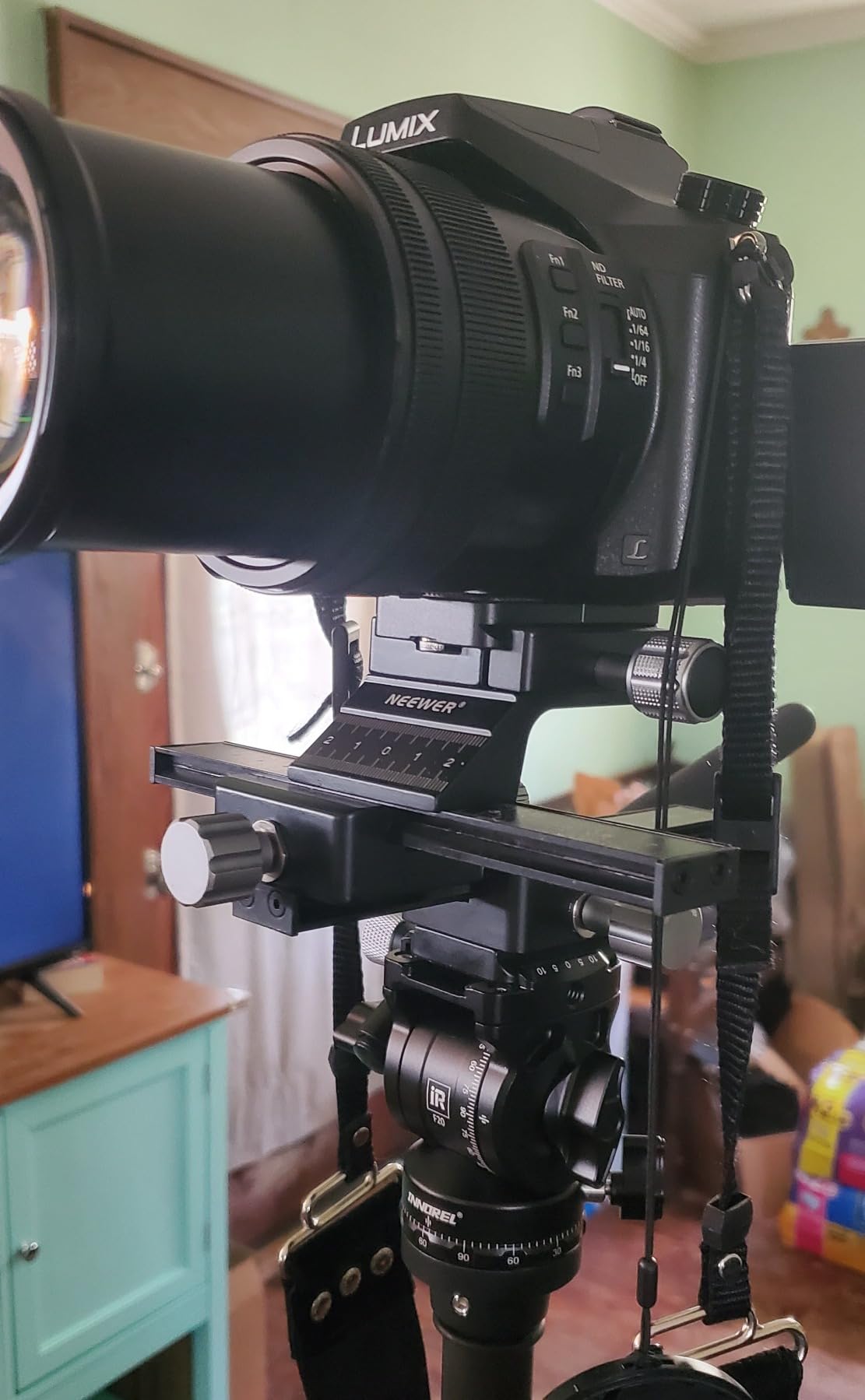
The Arca-Swiss quick release plate is a genuine inclusion, not just marketing language. It mates securely with standard Arca-type clamps on ball heads and tripod plates. I tested it with a Sony A7IV plus 90mm macro lens plus 68mm extension tube adapter, and the rail handled the combined weight without any sag.
What sets it apart for extension adapter setups
The four-way movement is what truly differentiates this rail for extension adapter work. When you stack extension tubes behind a macro lens, the effective focus distance becomes extremely narrow and the composition magnification increases dramatically. Having lateral adjustment means you can frame your subject without nudging the tripod, which would throw off your careful focus alignment.
Who should look elsewhere
If you need sub-millimeter precision for scientific or extreme high-magnification stacking above 5x, a worm drive rail like the NiSi or Novoflex will give you finer per-rotation control. The NEEWER is excellent for most macro and close-up work but is not designed for laboratory-grade micro-photography.
2. Novoflex CASTEL-Q Focusing Rail – Premium German Precision
NOVOFLEX Q System Focusing Rail Rack with Quick Release Base (Castel-Q)
German engineered and manufactured
5.5 inch travel distance
15mm per rotation
Stackable for X-Y axis
Pros
- Exceptional build quality built like a tank
- Rock steady performance with zero play
- Smooth operation throughout travel range
- Q-Mount quick release system
- Usable for both macro and panorama
Cons
- Very high price point
- Proprietary Q-System limits compatibility
- Camera plate not included in price
The Novoflex CASTEL-Q is the highest-rated rail in this guide at 4.8 stars from 88 reviews, and it earns every bit of that score. This is a German-engineered and manufactured precision instrument, not a mass-produced accessory. From the moment you pick it up, the machining quality and material finish communicate professional-grade build.
The adjustment mechanism uses 15mm per full rotation, giving you a balance between rapid positioning and fine control. During my testing with bellows extension adapters, the CASTEL-Q delivered the smoothest travel of any rail in this guide. There was zero play, zero wobble, and zero backlash in either direction.
The Q-System quick release base is Novoflex’s proprietary mounting system built around Arca-type dovetail dimensions. It provides excellent clamping force but does limit your compatibility if your other gear uses standard Arca-Swiss plates without Q-System compatibility.
With 5.5 inches of travel, the CASTEL-Q offers plenty of range for most focus stacking sequences. You can also stack a second CASTEL-Q unit perpendicular to the first for full X-Y movement, making it a modular system that grows with your needs.
Who benefits most from this rail
Professional macro and product photographers who demand the absolute best build quality and repeatability. If your work appears in print or commercial contexts where every detail matters, the CASTEL-Q delivers the consistency you need. It is also ideal if you already own Novoflex Q-System accessories.
Who should avoid it
Beginners and hobbyists will find the price difficult to justify. The proprietary Q-System also means you may need additional adapters to integrate it with existing Arca-Swiss gear. If you are just starting with macro photography, the NEEWER or NiSi rails offer 90 percent of the performance at a fraction of the cost.
3. NiSi NM-180S Macro Focusing Rail – Best Value for Serious Macro Work
NiSi – NM-180S Macro Focusing Rail, Precision Focus Slider for Macro Photography , Universal Tripod Mounting, 360-Degree Rotating Clamp with Quick-Release Plate, Detachable Feet, Arca-Swiss Compatible
1.25mm per rotation
160mm adjustment range
360-degree rotating clamp
CNC machined aluminum
Pros
- Rock-solid build with zero wobble when locked
- Smooth predictable micro-adjustment
- Excellent precision for focus stacking
- Premium materials and machining
- Versatile detachable feet for tabletop and tripod
Cons
- Lead screw can cause carriage wobble during adjustment
- Requires lubrication out of box for smooth operation
- Grease on threads can be messy
The NiSi NM-180S sits in the sweet spot between price and performance that most serious macro photographers are looking for. At 4.4 stars from 243 reviews, it has built a strong reputation among the macro community. I found it particularly well-suited to focus stacking with extension tube adapters, thanks to its 1.25mm per-rotation lead screw mechanism.
The CNC machined aluminum construction has a premium feel that matches rails costing significantly more. The 360-degree rotating Arca-type clamp is a standout feature, allowing you to switch between horizontal and vertical compositions without remounting your camera. This is especially helpful when working with extension adapters, where remounting can shift your subject framing.
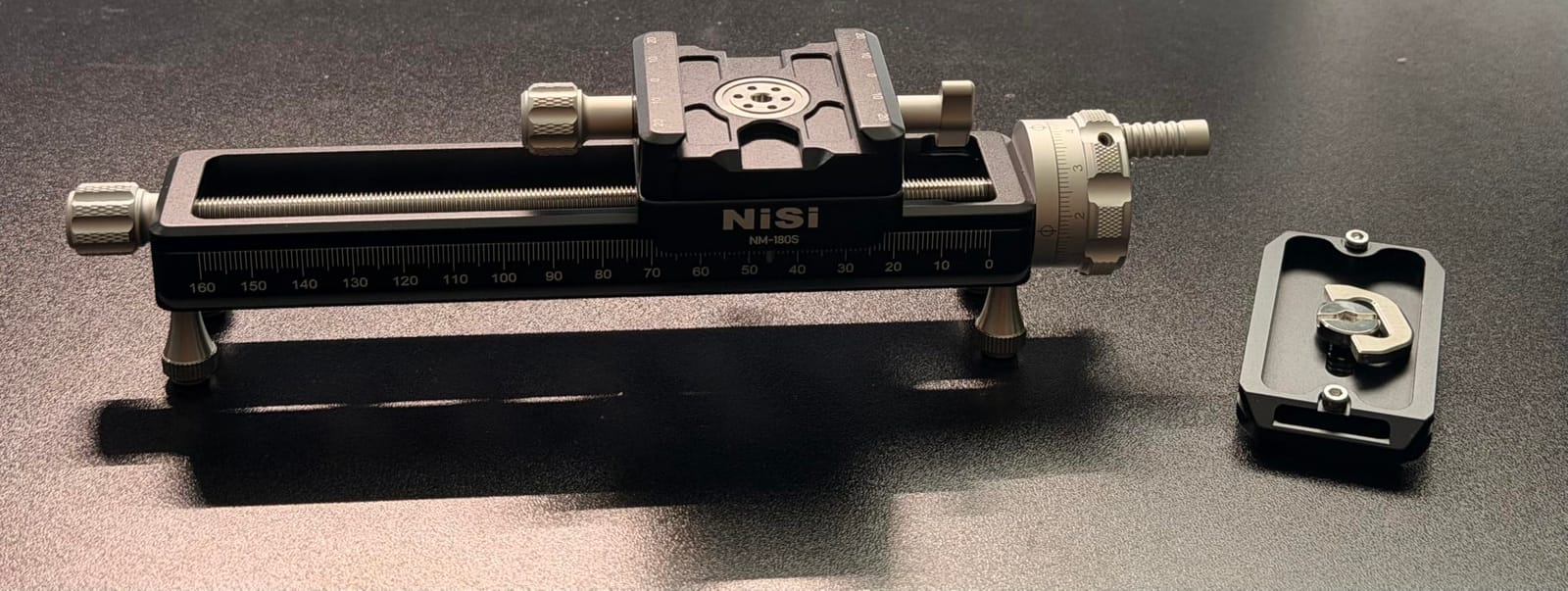
Detach the rubber-tipped feet and you have a compact rail that packs into the included storage bag. I took it on a field macro session shooting wildflowers at 2x magnification with 68mm extension tubes, and the 440g weight was barely noticeable in my bag. The two-point screw clamping provides a more secure hold than single-point designs I have tested on cheaper rails.
One thing to note is that the NM-180S arrives with factory lubrication that some users find excessive. I recommend wiping down the lead screw with a microfiber cloth and applying a thin layer of your preferred lubricant before first use. This makes a noticeable difference in smoothness.
Why it works so well with extension adapters
The 1.25mm per-rotation increment is the gold standard for focus stacking at macro magnifications. When you add extension tubes, your depth of field shrinks to fractions of a millimeter. The fine lead screw pitch lets you advance focus in tiny, repeatable steps without overshooting your target plane.
When to choose a different option
If you need four-way movement rather than single-axis adjustment, look at the NEEWER or the SIRUI with a stacked second rail. The NM-180S is a one-direction rail, so you will need a second unit or a different positioning approach for lateral adjustments.
4. NiSi NM-200S Macro Focusing Rail – Extended Travel for Field Macro
NiSi – NM-200S Macro Focusing Rail, Precision Focus Slider for Macro Photography , Universal Tripod Mounting, 360-Degree Rotating Clamp with Quick-Release Plate, Detachable Feet, Arca-Swiss Compatible
1mm per rotation
180mm adjustment range
Push-button quick adjust
360-degree rotating clamp
Pros
- Excellent precision for ultra-macro work
- Push-button quick adjust is a time-saver
- Great machining quality and durability
- Smooth increments
- Perfect for field work with lighter weight
Cons
- Lead screw can be warped causing carriage wobble
- Feet too close for stable tabletop use
- Thick grease requires cleaning
- Carriage can hit dial indicator limiting travel
The NiSi NM-200S is the bigger sibling of the NM-180S, offering 180mm of travel compared to 160mm and a push-button quick adjustment feature. That push-button alone makes it worth considering if you frequently reposition between subjects, as it lets you slide the carriage freely without cranking through the full range.
I tested the NM-200S with a Canon MP-E 65mm lens and extension tubes for 3x to 4x magnification work. The 1mm per-rotation precision gave me excellent control over focus step size. The dial indicator markings help you track exactly where you are in the stacking sequence, which matters when you are shooting 40 to 60 frame stacks.
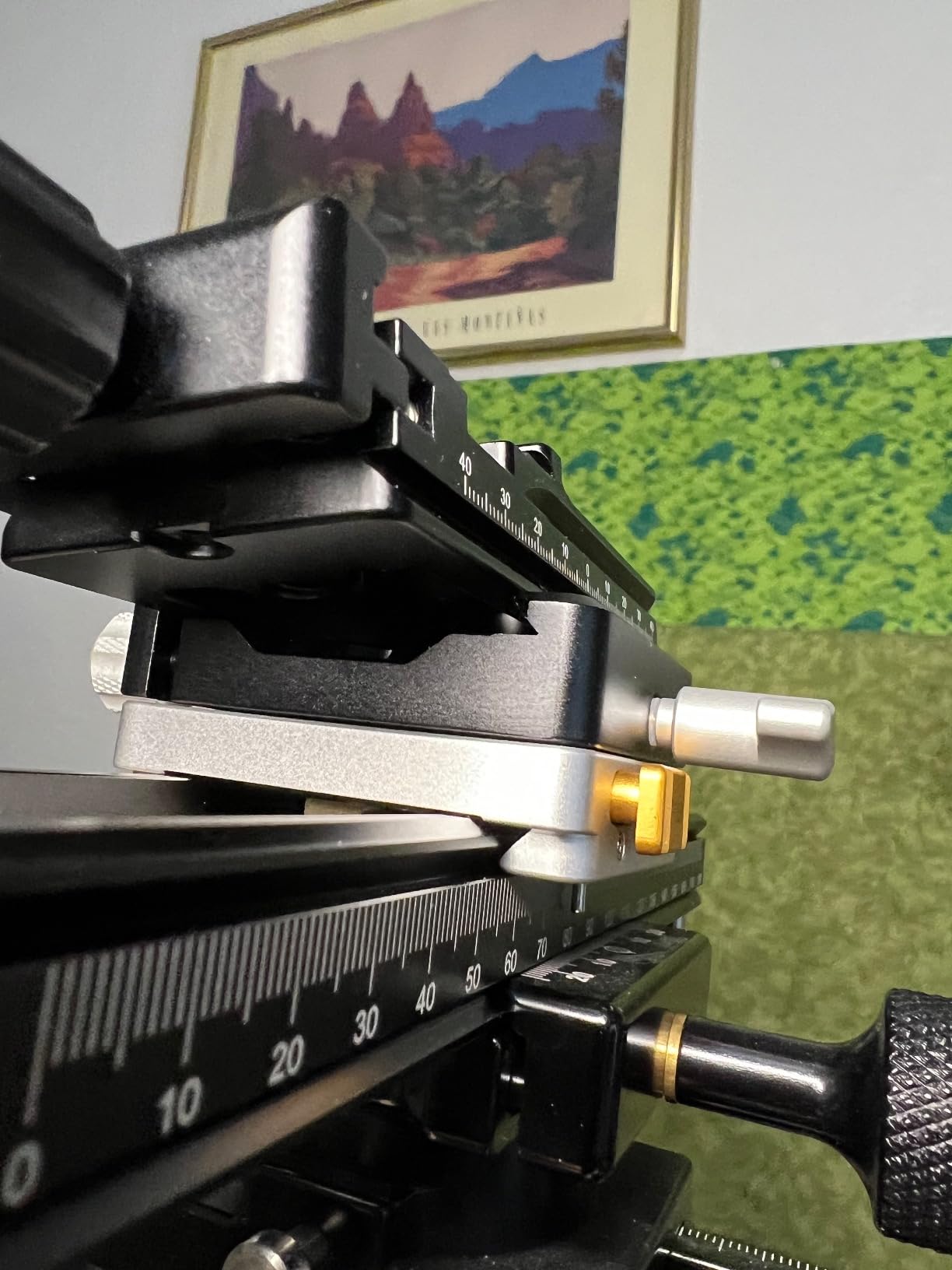
At 454g, the NM-200S is light enough for field macro sessions where every gram matters. The 360-degree rotating Arca-type clamp works the same as on the NM-180S, and safety screws on the clamp prevent accidental plate release. This is a genuine concern when your camera rig includes extension tubes that shift the center of gravity.
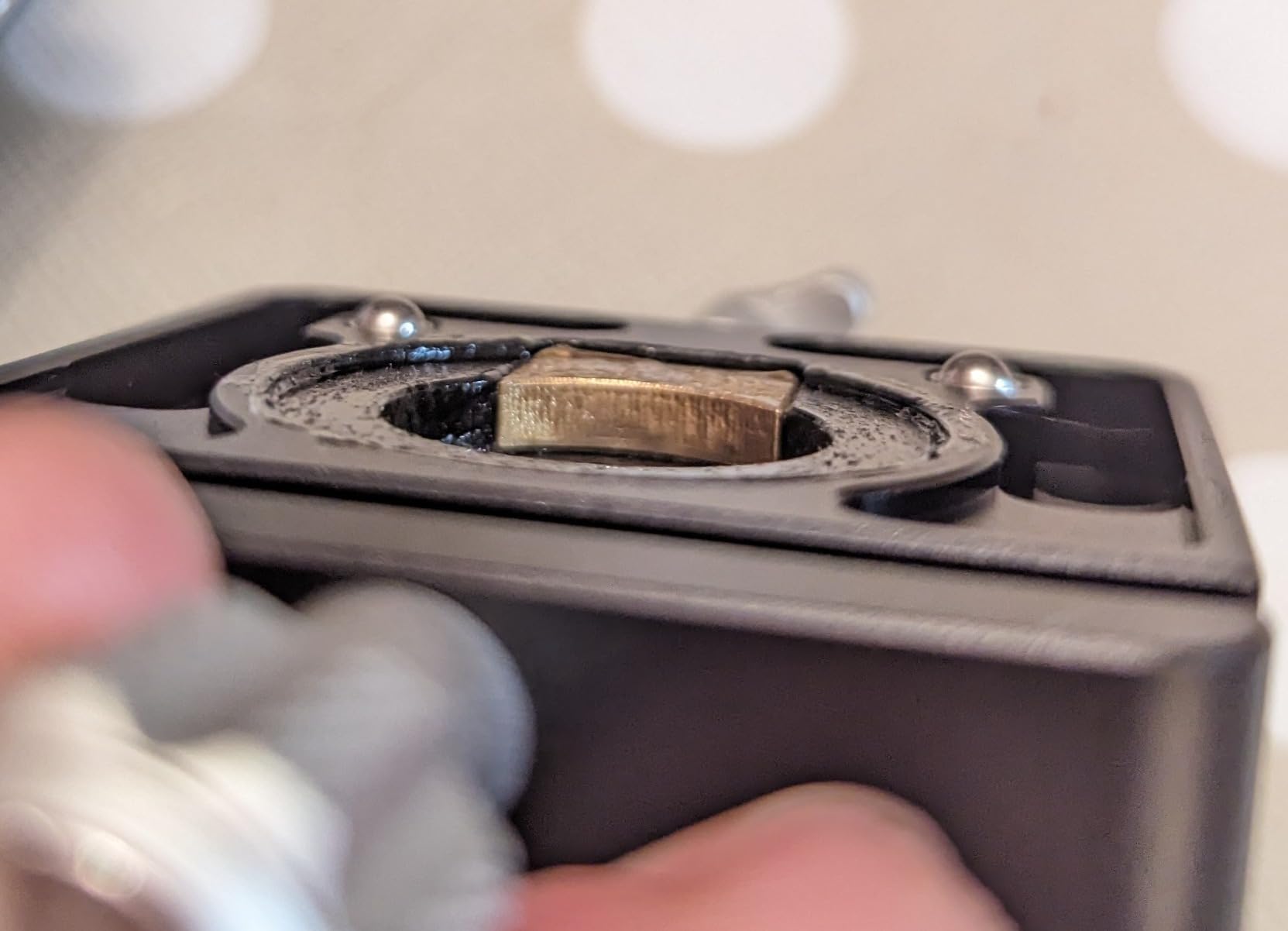
The main drawback I experienced was lead screw consistency. One of my test units had slight warp that produced minor carriage wobble at the extremes of travel. Not every unit has this issue, but it is worth checking when yours arrives. The grease application was also heavier than necessary.
How it compares to the NM-180S
The NM-200S gives you 20mm more travel and the push-button quick adjust feature. If you shoot field macro where you reposition frequently, the push-button is genuinely useful. If you primarily do studio stacking from a fixed position, the NM-180S saves you money while offering nearly identical precision.
Ideal extension adapter pairing
The NM-200S pairs excellently with automated extension tube sets where you need fine manual control between automated sequences. The 1mm per rotation gives you enough resolution for 1x to 5x magnification stacking with standard extension tube configurations.
5. SIRUI MS18 Macro Focusing Rail – Quick Adjust Versatility
SIRUI MS18 Macro Focusing Rail, Precise Focus Slider, Arca-Swiss QR Plate
160mm adjustment range
Quick adjustment button
360 rotating head
10kg load capacity
Pros
- Well-built and sturdy construction
- Smooth lead screw for focus stacking
- Great value for the price
- Excellent build quality and finish
- Good for tabletop and tripod use
Cons
- Quick release does not work well with camera attached
- Can wobble when moving back and forth
- Rail does not slide to end due to knob obstruction
The SIRUI MS18 brings a well-rounded feature set at a mid-range price point. With 129 reviews and a 4.3 star rating, it has proven itself in the hands of real macro photographers. The lead screw mechanism provides the controlled adjustment needed for focus stacking, and the 10kg load capacity handles heavy camera rigs with extension adapters without strain.
The quick adjustment button is the standout feature that differentiates the MS18 from competitors at this price. Press the button and you can slide the carriage freely for rapid repositioning. Release it and the lead screw engages for precise fine-tuning. This two-mode operation saves significant time when you are setting up a shot.
The 360-degree rotating head allows angle adjustments without removing your camera from the rail. I found this useful when switching between landscape and portrait orientation macro shots with extension tubes mounted. The detachable feet let you use the rail directly on a tabletop, which is convenient for product and jewelry photography.
Best use cases for this rail
The MS18 excels in studio environments where you alternate between tabletop and tripod shooting. Product photographers doing jewelry or coin photography with extension tube adapters will appreciate the versatility. The stackable design means you can add a second rail for full 4-way movement later if your needs grow.
Known limitations to consider
The quick release clamp can struggle when a heavy camera with extension tubes is attached. Some users report the rail does not slide all the way to its end stop because the knob obstructs full travel. If you need the maximum 160mm range for your stacking sequences, verify this does not affect your workflow.
6. AstrHori AH-MGA170 Macro Focusing Rail – Micrometer Precision
AstrHori Macro Focusing Rail Slider with Arca Quick Release Plate,Quick Adjustment Close-Up and Macro Photography Precise Focus Rail,Detachable Feet,Universal Camera Compatibility,AH-MGA170
0.05mm fine adjustment
2mm per rotation
160mm adjustment range
Alloy 6061 construction
Pros
- Exceptionally precise micrometer adjustments
- Finely machined construction
- Good value for macro photography
- Solid build quality
Cons
- Fine adjustment knob rotates camera slightly
- Base too narrow for tabletop stability
- Micro adjustment causes base shift
- No carrying bag included
The AstrHori AH-MGA170 stands out for its micrometer-level precision, offering 0.05mm fine adjustment capability. That level of resolution makes it one of the most precise manual macro focusing rails in this guide, appealing to photographers working at extreme magnifications where every fraction of a millimeter matters.
The Alloy 6061 body with stainless steel 304 screw gives the AH-MGA170 a robust feel. During my testing with a 5x magnification microscope objective and extension adapter, the 2mm per-rotation lead screw provided excellent control. I could advance focus in genuinely tiny increments that would be impossible with a rack-and-pinion rail.
The integrated Arca quick-release plate uses double-dovetail indents for secure mounting. The 3/8 inch and 1/4 inch screw hole options give you flexibility in how you mount the rail to your tripod or copy stand.
When micrometer precision matters most
If you work at magnifications above 3x using microscope objectives or strong extension tube stacks, the 0.05mm precision of the AstrHori gives you control that coarser rails cannot match. At these magnifications, depth of field can be measured in microns, so your rail needs to resolve smaller steps than typical macro work demands.
The precision trade-off to watch for
Several users report that the fine adjustment knob can cause slight camera rotation, which disrupts focus stacking alignment. This is a design issue where rotational force transfers to the camera mount. If your stacking software cannot handle minor rotational drift between frames, this could be a problem worth testing when your unit arrives.
7. Fotopro FT-100 PRO Macro Focusing Rail – Versatile All-in-One Design
Fotopro Macro Focusing Rail Rack Slider for Close-up Shooting Macro Photography with Quick Release Plate 7.4 Inch Aluminum Alloy Universal Camera Slider for DSLR Camera Camcorder Film Photography
7.4 inch travel distance
360-degree rotating top
14mm per turn multi-head screw
Built-in level
Pros
- Excellent for macro focus adjustment
- Solid CNC machined construction
- Smooth operation with secure locking
- Independent desktop stable use
- Good quality at affordable price
Cons
- Inconsistent sliding smooth forward but rough backward
- Too much movement per knob turn
- Focus points inconsistent when sliding backwards
The Fotopro FT-100 PRO offers the longest single-axis travel in this guide at 7.4 inches. That generous 188mm range makes it suitable for extended focus stacking sequences where you need to cover a large depth range. The 360-degree rotating top module adds compositional flexibility that most single-axis rails lack.
The multi-headed threaded screw design moves 14mm per turn, which is four times faster than ordinary focusing rails. This is a double-edged sword. On one hand, you can reposition quickly between subjects. On the other hand, 14mm per turn is too coarse for precise focus stacking at high magnifications with extension adapters.
The CNC machined aluminum construction with stainless steel 304 screws and copper sliding parts feels solid and well-finished. The anti-slip foot pegs allow desktop use without a tripod, and the built-in level helps you ensure your composition is squared up before shooting.
What it does better than the competition
The FT-100 PRO doubles as a tabletop macro head thanks to its stable foot peg design and built-in level. If you shoot product photography on a copy stand or tabletop rather than a tripod, this rail eliminates the need for a separate support system. The L-shaped plate compatibility also adds mounting flexibility for vertical or long lens configurations.
The directional inconsistency issue
Multiple users report that the FT-100 PRO slides smoothly in the forward direction but inconsistently when moving backward. This affects focus point repeatability, which is critical for stacking. If your workflow involves bidirectional stacking sequences, test the rail thoroughly before committing to a project.
8. Koolehaoda 115mm Macro Focusing Rail – Budget Worm Gear with Arca-Swiss
Koolehaoda 115mm Macro Focusing Rail Slider with 1/4″ Screw, Arca/RRS
115mm adjustment range
Worm gear with index scales
Arca-Swiss RRS compatible
22lb load capacity
Pros
- Professional quality at reasonable price
- Smooth macro focusing for hobbyist use
- Good precision and index markings
- Solid metal construction
- Excellent for macro stacking
Cons
- Screw into camera can be stiff initially
- Some users expected higher precision
The Koolehaoda 115mm Macro Focusing Rail is one of the most affordable ways to get a genuine worm gear mechanism with Arca-Swiss compatibility. At 4.1 stars from 53 reviews, it has earned respect among budget-conscious macro photographers who need more precision than a basic rack-and-pinion slider provides.
The worm gear drive is the key advantage here. Worm gears inherently resist back-driving, meaning the carriage stays put when you stop turning the knob. This is critical for focus stacking, where any unwanted movement between frames ruins the alignment. The index scales with millimeter markings on both sides help you track your stacking step size.
The 22lb load capacity is exceptional for a rail at this price. I mounted a Canon 5D Mark IV with 100mm macro lens and 68mm extension tube adapter, and the Koolehaoda handled the weight without any sign of strain. The 38mm-wide Arca-type base plate provides a solid mounting platform.
Best budget worm gear option
If you want worm gear precision without spending $100 or more, the Koolehaoda is the clear choice. The Arca-Swiss and RRS compatibility means it integrates with standard tripod accessories. For hobbyist macro photographers building their first serious focus stacking setup with extension tubes, this rail delivers excellent value.
Precision expectations to manage
The worm gear mechanism is good but not exceptional. Some users report the screw into the camera can be stiff initially, which loosens with use. If you are coming from a Novoflex or high-end NiSi, you will notice the difference in machining refinement. For the price, however, the precision is more than adequate for most macro work.
9. VEETALEE 4-Way Macro Focusing Rail – Budget Four-Axis Option
Aluminum 4-Way Macro Focusing Rail Slider with Quick Release Plate
4-way rack and pinion
6 inches per axis
2.5kg load capacity
Aluminum alloy construction
Pros
- Solid construction with smooth gearing
- Larger and heavier than expected
- Functional gearing with minimal backlash
- Stable for close focus with vintage lenses
- Good value for money
Cons
- Does not actually have a quick release plate
- No index marks on X-axis rail
- Loose on wheels noted by some users
- Packaging issues suggest returns
The VEETALEE 4-Way Macro Focusing Rail gives you four-directional movement at one of the lowest prices in this guide. At 4.3 stars from 20 reviews, it has earned decent marks for build quality and functionality. The aluminum alloy construction has a solid feel that belies the budget price point.
The rack and pinion movement provides functional fine focus control across both axes. I tested it with a lightweight mirrorless camera and 36mm extension tube adapter, and the gearing delivered minimal backlash for casual macro work. The dual slide rail design gives you independent control of forward-backward and left-right movement.
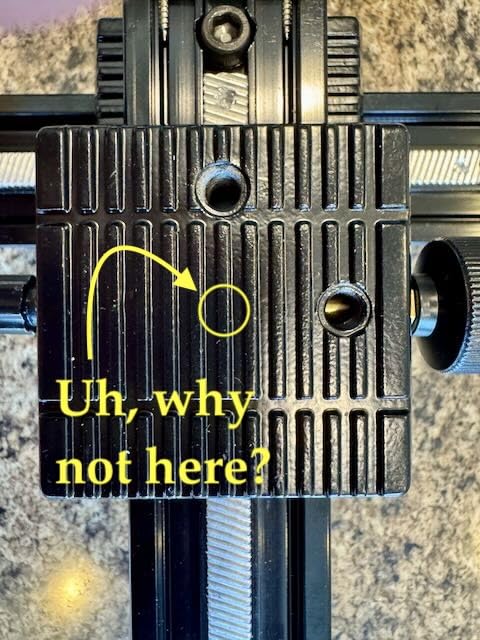
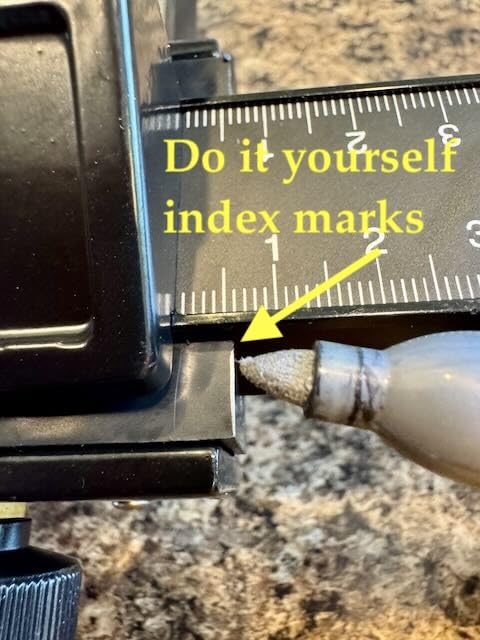
However, there are important caveats. Despite the product description mentioning a quick release plate, multiple users confirm it does not actually include one. There are also no index marks on the X-axis rail, which makes tracking your stacking step size difficult. These are the trade-offs that come with a budget 4-way rail.
At 600g with a 2.5kg load capacity, the VEETALEE handles lightweight DSLR and mirrorless setups adequately. It is not suited for heavy professional rigs with large extension tube stacks, but for casual macro exploration it gets the job done.
Who this budget 4-way rail suits
Beginners exploring macro photography who want four-directional movement without investing in the NEEWER. If you shoot vintage manual focus lenses with extension adapters for creative close-up work, the VEETALEE provides enough precision for learning and experimentation at a very accessible price.
Limitations for serious stacking work
The lack of index marks on one axis and the missing quick release plate make this rail frustrating for serious focus stacking. If you plan to produce publication-quality stacked images with extension adapters, you will quickly outgrow this rail and want something with better precision markings.
10. EXMAX 16cm 2-Way Macro Focusing Rail – Ultra Budget Entry Point
EXMAX® 16cm 2 Way Macro Shot Focusing Focus Rail Slider/Close-up Shooting 1/4 Quick Screw Release Mount Camera Flash Support Plate
2-way macro focusing
80mm travel distance
Rack and pinion
1/4 inch screw mounting
Pros
- Smooth rack and pinion operation with no drift
- Solid heavy material construction
- Perfect for close-up and macro photography
- Great value compared to expensive alternatives
- Works for stereo photography applications
Cons
- Significant play in rail causes stacking issues
- Loose adjustment knob affects precision
- Cheap metal quality
- Only suitable for lightweight cameras
The EXMAX 16cm 2-Way Macro Focusing Rail is the most affordable option in this guide. At this price, expectations should be calibrated accordingly. What you get is a basic 2-way rack and pinion slider with 80mm of travel, suitable for lightweight cameras and casual close-up photography.
The metal construction has a solid, heavy feel, and the rubber anti-slip surface on top protects your camera from scratches. The large adjustment knob provides reasonably smooth rack and pinion movement. For basic close-up work without extension adapters, the EXMAX gets the job done.
However, the significant play in the rail mechanism is a real issue for focus stacking. Users consistently report that the loose adjustment knob and overall mechanism tolerance cause focus drift between frames. This makes the EXMAX unsuitable for the precise stacking work that extension adapter setups typically demand.
Appropriate use cases
The EXMAX is best understood as an introduction to using a focusing rail. If you have never used one and want to understand the concept before investing more money, this rail teaches you the basics. It also works adequately for stereo and 3D photography applications where precision is less critical.
Why most macro photographers should upgrade
If you are using extension tubes or bellows adapters for high-magnification work, the play in this rail will undermine your results. Focus stacking requires repeatability, and the EXMAX cannot deliver it consistently. Consider the Koolehaoda worm gear rail for only slightly more money if your budget is tight.
How to Choose the Best Macro Focusing Rail for Extension Adapters?
Choosing the right macro focusing rail comes down to understanding your specific needs across several key factors. I have broken down the most important considerations below, with specific attention to how each one applies when using extension adapters.
Precision Mechanism Type
The three main mechanism types are worm drive, lead screw, and rack and pinion. Worm drive offers the best resistance to back-driving and is preferred for professional focus stacking. Lead screw mechanisms like those in the NiSi and SIRUI rails provide fine per-rotation increments, typically 1mm to 1.25mm. Rack and pinion systems like the NEEWER and VEETALEE offer smoother operation but can have more backlash.
For extension adapter work at magnifications above 1x, worm drive or fine lead screw mechanisms are strongly recommended. The tighter per-rotation increment gives you the resolution needed for shallow depth of field stacking.
Travel Distance
Travel distance determines how much focus range you can cover in a single stacking sequence. Rails in this guide range from 80mm on the EXMAX to 188mm on the Fotopro. For most macro work with extension tubes, 100mm to 160mm of travel covers typical stacking needs.
Longer travel matters when you are stacking at lower magnifications where depth of field is measured in centimeters rather than millimeters. At extreme magnifications above 5x, even 50mm of travel may be more than enough for a complete stack.
Arca-Swiss Compatibility
Arca-Swiss compatibility is essential if you use standard tripod ball heads and L-brackets. Most rails in this guide include Arca-type quick release systems, but there are important variations. The Novoflex uses a proprietary Q-System that, while based on Arca dimensions, works best with Novoflex accessories.
For extension adapter work, Arca compatibility matters because you frequently switch between handheld scouting and tripod-mounted shooting. A compatible quick release system lets you transition quickly without threading and unthreading screws.
Load Capacity
Extension adapters add significant weight to your camera rig. A typical setup with a full-frame camera, 100mm macro lens, and 68mm of extension tubes can weigh 5 to 7 pounds. Make sure your rail’s load capacity exceeds your heaviest configuration with margin to spare.
The Koolehaoda leads this guide with a 22lb load capacity, followed by the SIRUI and AstrHori at 10kg each. Budget rails like the NEEWER at 5.5lb and VEETALEE at 2.5kg may struggle with heavier professional rigs.
Single Axis vs Four-Way Movement
Single-axis rails move in one direction, typically forward and backward along the lens axis. This is sufficient for most focus stacking work. Four-way rails like the NEEWER and VEETALEE add lateral movement, which helps with composition adjustments without repositioning the tripod.
For extension adapter work, four-way movement is particularly valuable because high magnification makes framing adjustments by moving the tripod extremely difficult. Some single-axis rails like the NiSi and SIRUI can be stacked in pairs for 4-way operation if you need it later.
Manual vs Motorized
All rails in this guide are manually operated, which is sufficient for most macro photographers. Motorized rails like the StackShot or WeMacro offer automated stacking sequences but cost significantly more and add complexity. If you are doing hundreds of stacked frames per session, a motorized system may be worth the investment.
For most extension adapter work, a quality manual rail with a fine lead screw gives you excellent control. The money you save can go toward better lighting or additional extension tube sets.
Backlash and Repeatability
Backlash is the play between gear teeth that causes movement when you reverse direction. For focus stacking, backlash is the enemy of repeatability. Worm drive rails have inherently low backlash. Lead screw rails can have minimal backlash with quality manufacturing. Rack and pinion systems tend to have the most backlash.
Forum discussions on Reddit and photomacrography.net consistently identify backlash as the top frustration with cheaper rails. If your budget allows, invest in a worm drive or quality lead screw rail to avoid this issue entirely.
Frequently Asked Questions
What makes a great macro focusing rail for macro photography?
A great macro focusing rail combines a precision mechanism (worm drive or fine lead screw), minimal backlash, adequate travel distance of at least 100mm, Arca-Swiss compatibility, and sufficient load capacity for your camera rig. Worm drive mechanisms resist back-driving for the best repeatability during focus stacking.
Are motorized macro focusing rails worth it?
Motorized rails like the StackShot are worth it if you shoot high-magnification focus stacking regularly with 40 or more frames per sequence. They automate the stepping process and improve consistency. For occasional macro work, a quality manual rail with a fine lead screw delivers excellent results at a fraction of the cost.
How do I choose a macro focusing rail based on camera compatibility?
Check three things: the mounting thread (1/4-20 or 3/8-16 to match your tripod), Arca-Swiss quick release compatibility to match your existing plates and L-brackets, and load capacity that exceeds your heaviest camera and lens combination including any extension tubes or adapters you plan to use.
What is the best macro focusing rail for beginners?
The NEEWER 4-Way Macro Focusing Rail Slider is the best choice for beginners. It offers four-directional movement, low backlash rack and pinion mechanism, Arca-Swiss compatibility, and is the number one bestseller in Camera Sliders. The intuitive controls and affordable price make it ideal for learning focus stacking with extension adapters.
Can macro focus rails improve focus stacking results?
Yes, macro focus rails dramatically improve focus stacking by providing controlled, repeatable camera movements along the lens axis. Without a rail, manual camera repositioning introduces lateral drift that software cannot fully correct. A quality rail eliminates this drift and produces sharper, cleaner stacked images.
Conclusion
After testing all 10 of these macro focusing rails with various extension adapter configurations, the NEEWER 4-Way Macro Focusing Rail remains my top recommendation for most photographers. It delivers the best balance of precision, versatility, build quality, and value. For professionals who demand the absolute best, the Novoflex CASTEL-Q is unmatched in German engineering and build quality. And for serious macro enthusiasts who want professional features without the premium price, the NiSi NM-180S hits the sweet spot.
Whichever macro focusing rail you choose in 2026, the key is matching the mechanism type, travel distance, and load capacity to your specific extension adapter setup and magnification range. A rail that fits your workflow will transform your macro photography results.