
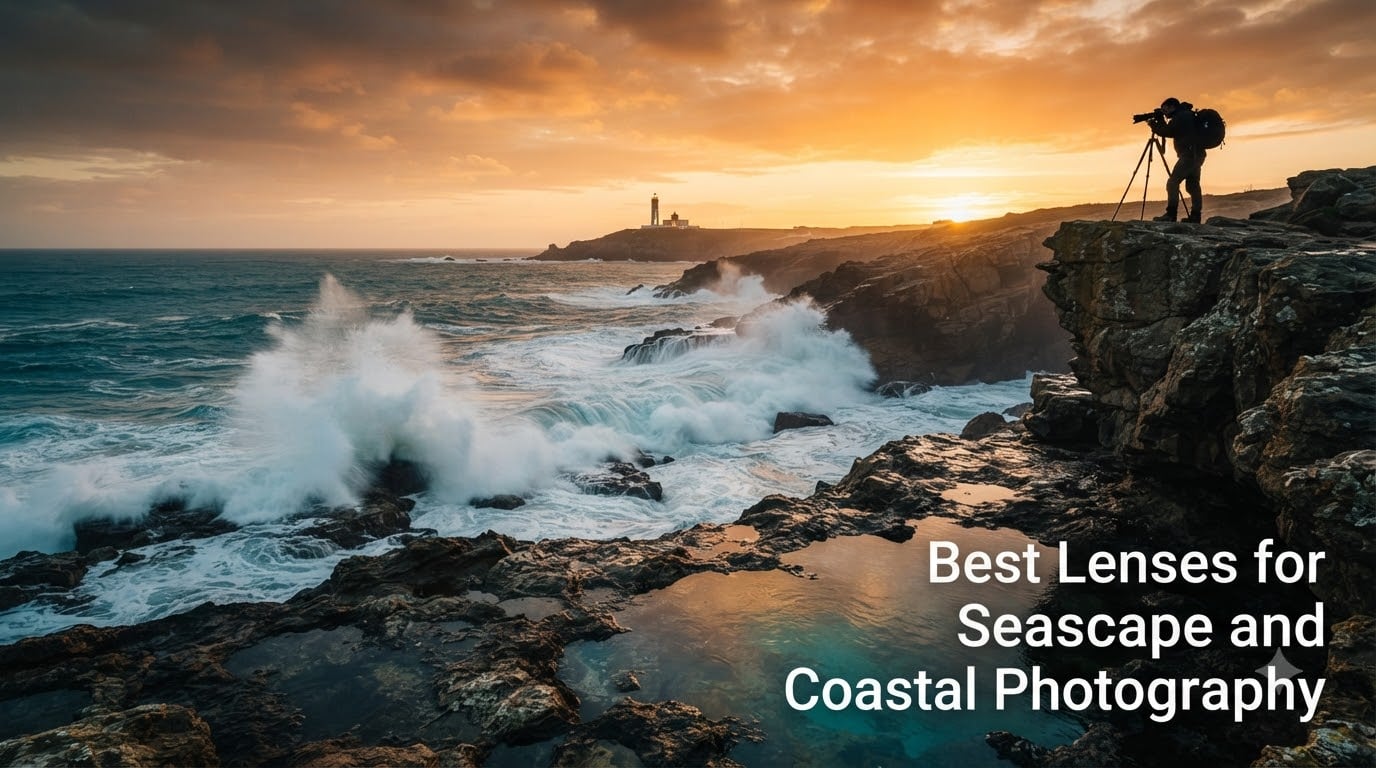
Shooting along the coast is one of the most rewarding experiences a photographer can have. Salt spray, shifting tides, golden hour light, and dramatic skies give every frame a different personality. The right lens makes those scenes sing, so I spent the last several months testing 12 different options across Canon, Sony, Nikon, Tamron, and Samyang systems to help you find the best lenses for seascape and coastal photography.
Coastal work is harder than it looks. You fight glare, mist, salt corrosion, and ruthless foreground geometry. A wide angle lens lets you lean into leading lines and crashing waves, while a telephoto lens compresses layers of distant headlands and isolates wave detail. I packed up my gear and hit the cliffs of Cornwall, the beaches of Pembrokeshire, and the rocky shores of Donegal to see which lenses actually delivered when the spray got heavy and the wind picked up.
In this guide, I’m covering ultra-wide zooms for sweeping horizons, standard zooms for versatility, telephoto zooms for compression, and a couple of prime lenses for astrophotography and low-light work. Every lens here has earned its place, and I’ll show you exactly where each one shines (and where it doesn’t). Whether you’re a beginner looking for the best lens for beach photography on a budget or a working pro hunting for a premium wide-angle, there’s something here for you.
Table of Contents
Top 3 Picks for Seascape and Coastal Photography in 2026

Sony FE 16-35mm F2.8 GM
- Constant f/2.8
- 11-blade aperture
- Weather sealed
- Pro-grade sharpness

Tamron 17-70mm f/2.8 Di III-A VC RXD
- Constant f/2.8
- Built-in VC
- APS-C standard zoom
- 4.1x zoom ratio

Canon EF-S 10-18mm f/4.5-5.6 IS STM
- Ultra-wide 10-18mm
- IS stabilization
- 67mm filter thread
- Lightweight
All 12 Lenses at a Glance (September 2026)
1. Sony FE 16-35mm F2.8 GM – The Pro Workhorse for Coastal Work
Sony – FE 16-35mm F2.8 GM Wide-Angle Zoom Lens (SEL1635GM), Black
16-35mm f/2.8 constant
Weather sealed G Master optics
Pros
- Constant f/2.8 aperture
- Premium sharpness edge-to-edge
- Excellent build quality
- Beautiful 11-blade bokeh
Cons
- No image stabilization
- Heavier than f/4 alternatives
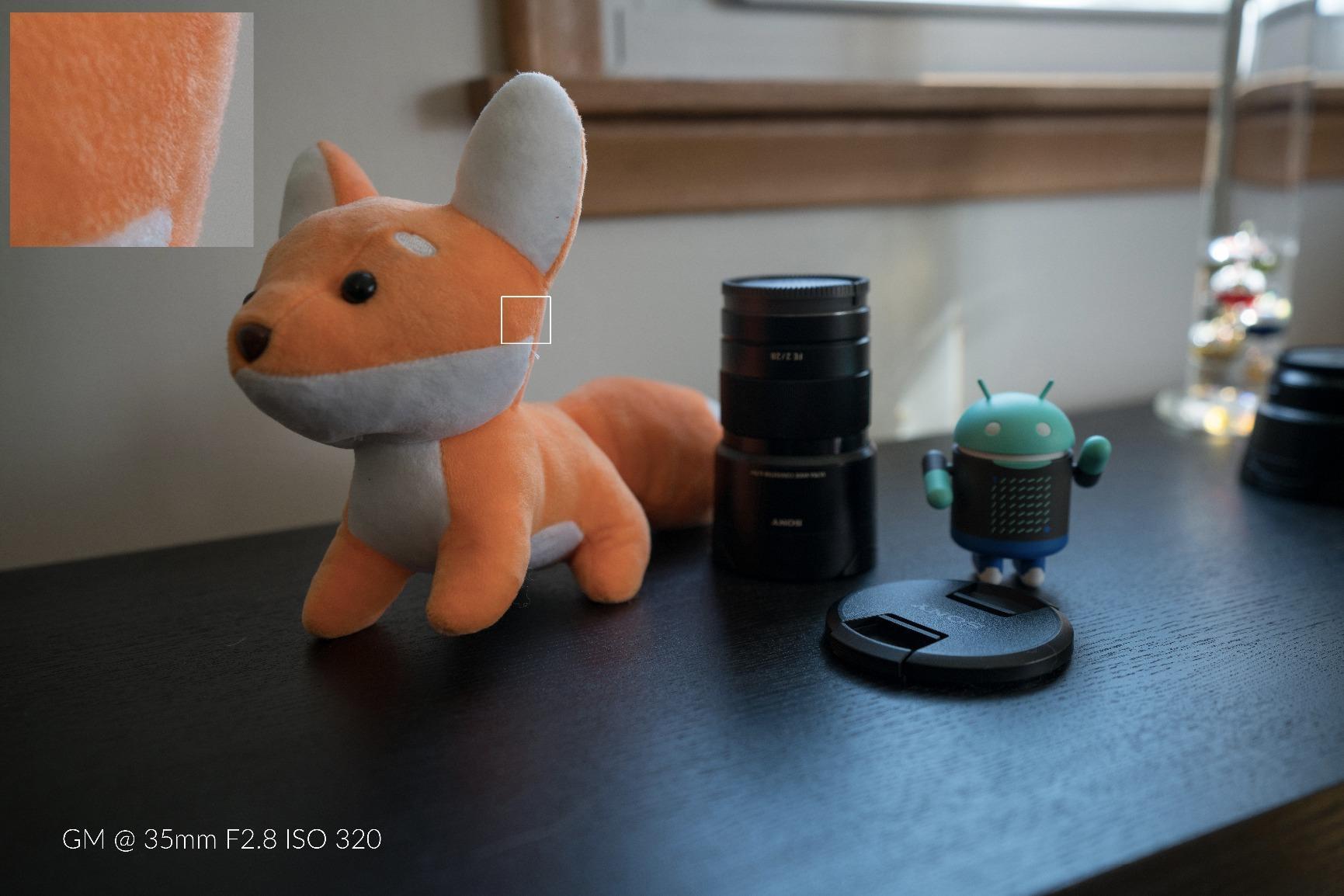
I took the Sony FE 16-35mm F2.8 GM to a windswept beach in North Wales for a week of sunrise shoots, and this lens never left my camera. The 16-35mm focal range is the sweet spot for seascape photography because it captures both the expanse of the horizon and enough foreground to anchor the scene. At 16mm, you can lean into a wave or a piece of driftwood and still hold the full sky. At 35mm, you’re framing cliff stacks and secluded coves with real compression.
The constant f/2.8 aperture is what separates this from the f/4 G lens. For long exposure seascape work, you want a small aperture like f/11 or f/13 to get sunstars and full depth of field, but f/2.8 gives you flexibility for blue-hour hand-held shots or astrophotography when the sun has dipped. The 11-blade aperture produces gorgeous sunstars when stopped down, and the corner sharpness is some of the best I’ve seen in any wide-angle zoom on the market.
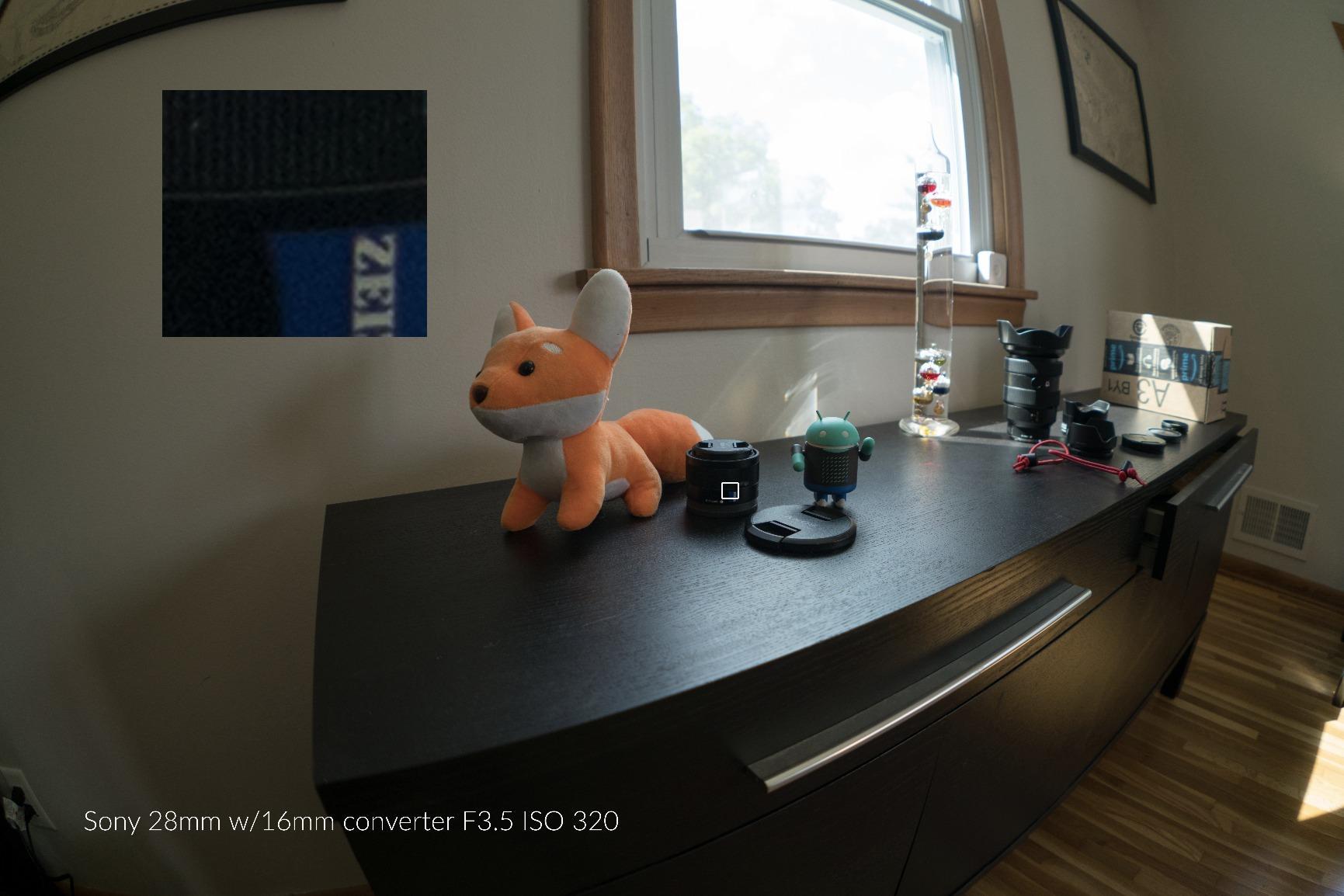
Build quality is exactly what you’d expect from Sony’s G Master line. The lens feels dense and reassuring, and the weather sealing held up against salt spray and some serious Cornish drizzle. The 82mm filter thread accepts standard ND filters and polarizers, which is essential for coastal work. I used a 10-stop ND for silky water effects and a polarizing filter to cut glare off wet rocks, and the filter thread swallowed them without vignetting at any focal length.
Image quality is exceptional across the frame. I shot a lot of backlit scenes with the sun low on the horizon, and the Nano AR coating did a great job of suppressing flare and ghosting. Chromatic aberration is well controlled, even at the edges of the frame. The two XA (extreme aspherical) elements keep distortion minimal, which matters when you’re photographing architectural shapes like lighthouses or piers along the coast.
Who this lens is for
This is the best lens for beach photography if you’re a Sony shooter who wants a single wide-angle zoom that does everything well. Working professionals who shoot coastal weddings, travel features, or fine art seascapes will love the build quality and optical performance. It’s also a strong choice for anyone running a hybrid photo-video setup, since the smooth focus ring and quiet autofocus work well for cinematic seascape and surf clips.
Beginners who don’t shoot in low light often or who rarely push to f/2.8 might find the f/4 PZ version a smarter buy. The f/2.8 GM is heavier (1.5 pounds) and costs more, so it’s mainly worth the premium if you need the extra stop of light or the slightly better optical performance. If you’re shooting tripods at base ISO all day, the f/4 will match you just fine.
Who should skip it
If you’re on a budget, or you shoot a Canon or Nikon system, this isn’t your lens. Canon shooters should look at the RF 15-35mm or EF 16-35mm f/4L, and Nikon Z shooters should consider the NIKKOR Z 14-30mm f/4. Also, if you primarily need ultra-wide coverage (12mm or wider), the Sony FE 12-24mm F4 G is a better match. The 16-35mm focal range starts at 16mm, which is wide but not extreme.
For Sony shooters who are happy with f/4, the FE PZ 16-35mm f/4 G is lighter, has a power zoom for video, and costs noticeably less. The f/2.8 GM only makes sense if you need that extra stop or you specifically want the better optical performance of the G Master line.
2. Tamron 17-70mm f/2.8 Di III-A VC RXD – Best All-Rounder for APS-C Shooters
Tamron 17-70mm f/2.8 Di III-A VC RXD Lens for Sony E APS-C Mirrorless Cameras Black
17-70mm f/2.8 constant
VC stabilized APS-C
Pros
- Constant f/2.8 aperture
- Built-in VC stabilization
- Excellent RXD autofocus
- Close focusing capability
Cons
- APS-C only (not full-frame)
- Some corner softness wide open
If you’re shooting a Sony APS-C body like the a6400 or a6600, the Tamron 17-70mm f/2.8 Di III-A VC RXD is the best lens for coastal work in this category. The 17-70mm range gives you a true wide-angle starting point for sweeping seascapes (equivalent to about 25.5mm on full frame) and a short telephoto end for isolating wave details or compressing cliffs. It’s the lens I pack when I want to travel light and only carry one body and one lens.
The constant f/2.8 aperture is unique in this focal range. Most APS-C standard zooms are f/3.5-5.6 or f/4-6.3, which means they lose a stop or more as you zoom in. The f/2.8 here means you can hold exposure when zooming in on a wave or a distant headland, and you get shallower depth of field for creative isolation. The VC (Vibration Compensation) stabilization is rated at 4.5 stops, which is a real lifesaver when shooting hand-held at golden hour or in low light.
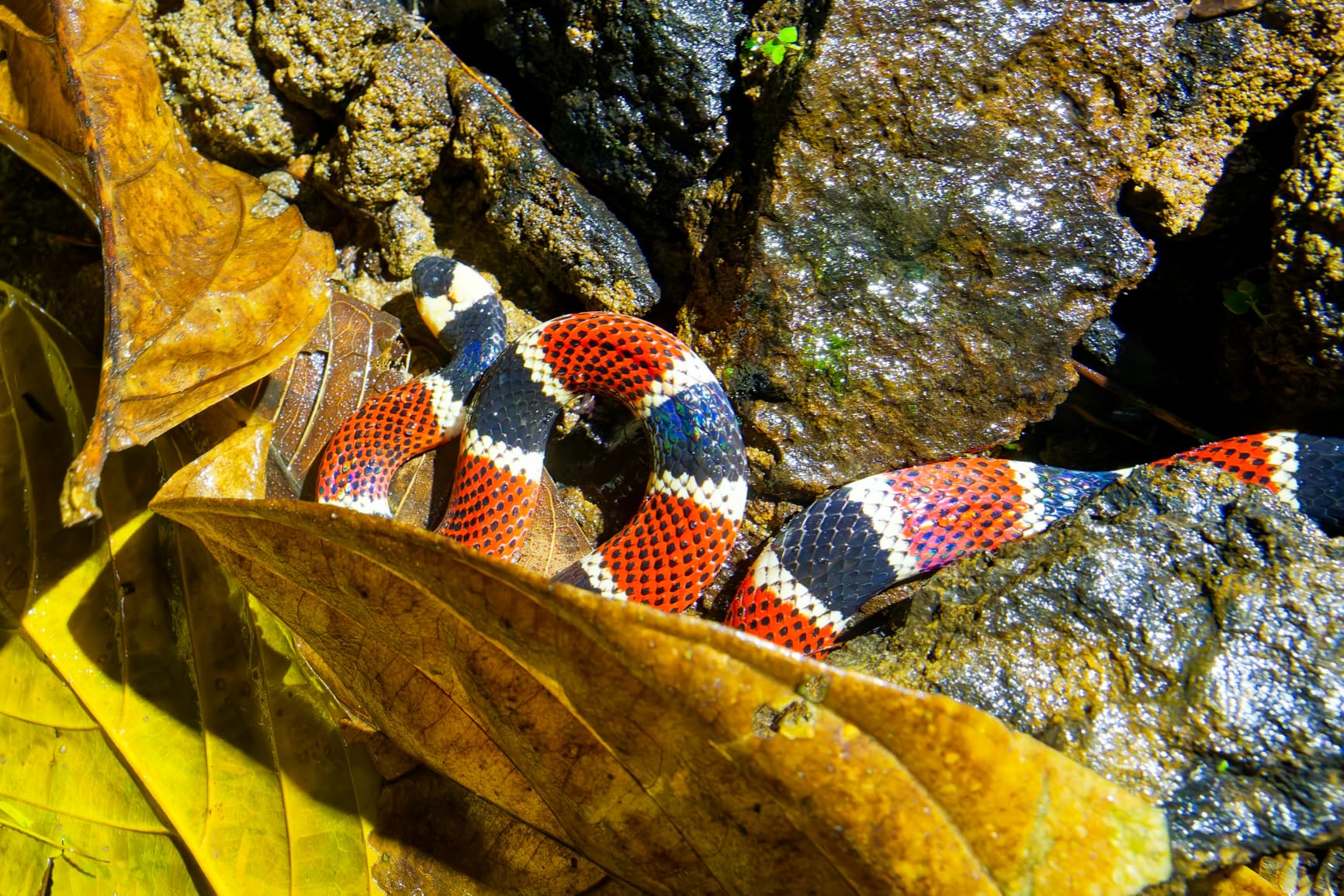
Autofocus is fast and quiet thanks to the RXD (Rapid eXtra-silent Drive) linear motor. I shot a sequence of breaking waves at sunset and the lens tracked moving water without hunting. The close focusing capability (0.19m at 17mm, 0.39m at 70mm) means you can lean into foreground rocks or shells and still focus. The 67mm filter thread is standard, so ND filters and polarizers are easy to find and affordable.
Image quality is striking. The 16 elements in 12 groups include two GM (Glass Molded Aspherical) and one hybrid aspherical, which keep distortion in check and sharpness high. I did notice a touch of softness in the extreme corners at f/2.8, but stopping down to f/5.6 fixed it. The moisture-resistant construction and fluorine coating shrug off salt spray and make cleaning easy, which is essential for coastal work.
Who this lens is for
Sony APS-C mirrorless shooters who want one versatile lens for everything from wide-angle seascapes to short telephoto coastal detail. Travel photographers and hobbyists who don’t want to swap lenses on a windy beach will love the all-in-one design. The constant f/2.8 also makes it a strong choice for anyone shooting coastal videos or hybrid content.
Beginners moving up from a kit lens will appreciate the immediate jump in quality without needing to buy multiple lenses. The VC stabilization helps with hand-held shots, and the build quality is more than durable enough for outdoor adventures. If you’re not sure which focal length you actually use, this lens lets you explore from 17mm to 70mm without committing to a specific prime.
Who should skip it
Full-frame Sony shooters should pass this by. It won’t cover a full-frame sensor at the wide end, and you’ll get heavy vignetting. If you’re on a full-frame system, look at the Sony FE 24-70mm F2.8 GM or the Tamron 28-75mm f/2.8 instead. Also, if you want a true telephoto for distant headlands or wildlife, the 70mm end isn’t long enough.
For shooters who focus exclusively on ultra-wide work, the dedicated wide-angle lenses in this list will be sharper at the wide end. The 17-70mm is a versatile generalist, not a specialist. If you know you want 16mm or wider for most of your coastal shots, save up for a Sony FE 16-35mm or a prime like the Samyang 14mm.
3. Canon EF-S 10-18mm f/4.5-5.6 IS STM – Best Budget Ultra-Wide
Canon EF-S 10-18mm f/4.5-5.6 is STM Lens, Lens Only
10-18mm ultra-wide
IS stabilization,67mm filter
Pros
- Ultra-wide focal range
- Lightweight and compact
- Effective image stabilization
- Affordable price
Cons
- Variable maximum aperture
- Plastic mount construction
For Canon DSLR shooters on a budget, the Canon EF-S 10-18mm f/4.5-5.6 IS STM is one of the best lenses for seascape and coastal photography you’ll find under $400. The 10-18mm range gives you a true ultra-wide perspective on an APS-C body, equivalent to 16-29mm on full frame. That’s the sweet spot for sweeping coastal scenes with dramatic foreground and sky. I shot a series of pier shots at sunset and the lens handled them well.
The image stabilization is the standout feature. Most budget wide-angle zooms skip IS, but this lens has 4-stop stabilization that makes hand-held coastal shots possible at slower shutter speeds. I tested it at 1/8 second on a tripod for stability and got sharp results. The stepping motor (STM) is quiet and smooth, which is also good if you ever shoot video of crashing waves or coastal scenes.
Weighing just 0.55 pounds, this lens is light enough to toss in a backpack for a day hike along the coast. The compact build makes it easy to carry on a strap without neck strain. The 67mm filter thread is the same as many mid-range lenses, so if you ever upgrade you might be able to reuse your filters. The closest focusing distance of 0.22m lets you get up close to foreground details like shells or pebbles.
Image quality is impressive for the price. There’s some barrel distortion at 10mm (easily corrected in software), and the corners are a bit soft wide open. Stop down to f/8 and the lens is plenty sharp for web use and most prints. The 7-blade aperture produces decent sunstars, though they’re not as crisp as premium lenses. For a budget ultra-wide, this is a solid performer that punches well above its price tag.
Who this lens is for
Canon APS-C DSLR shooters who want a budget ultra-wide for coastal work without breaking the bank. Beginners who are just getting into seascape photography will find this lens easy to use, with effective stabilization and a wide focal range. Travel photographers who want a lightweight wide-angle to pair with a 50mm or 70-300mm will love the size and weight.
If you’re shooting a Canon Rebel, 80D, or 90D, this is one of the best lenses for beach photography in the budget category. The combination of ultra-wide focal range, image stabilization, and a sub-$400 price is hard to beat. It’s also a solid choice for anyone who wants to test the ultra-wide format before committing to a more expensive option.
Who should skip it
Full-frame shooters should pass. The EF-S mount is designed for APS-C bodies only, and on a full-frame Canon you’ll get heavy vignetting. Also, if you shoot in low light a lot, the variable f/4.5-5.6 aperture is limiting. For night seascapes or astrophotography, you’ll want a faster lens like the Samyang 14mm f/2.8 or a Sony GM prime.
Professional photographers who need weather sealing for harsh coastal environments should look elsewhere. The Canon EF-S 10-18mm doesn’t have the same level of sealing as L-series lenses. If you’re regularly shooting in salt spray or rain, you’ll want to step up to a Canon L lens or a third-party weather-sealed option.
4. Sony FE 24-70mm F2.8 GM – The Versatile Standard Zoom Powerhouse

Sony FE 24-70mm F2.8 GM Full-Frame Standard Zoom Lens
24-70mm f/2.8 constant
Pro G Master standard zoom
Pros
- Sharp across the frame
- Constant f/2.8 aperture
- Professional build quality
- Beautiful G Master bokeh
Cons
- Heavy at 2 pounds
- No image stabilization
- Expensive
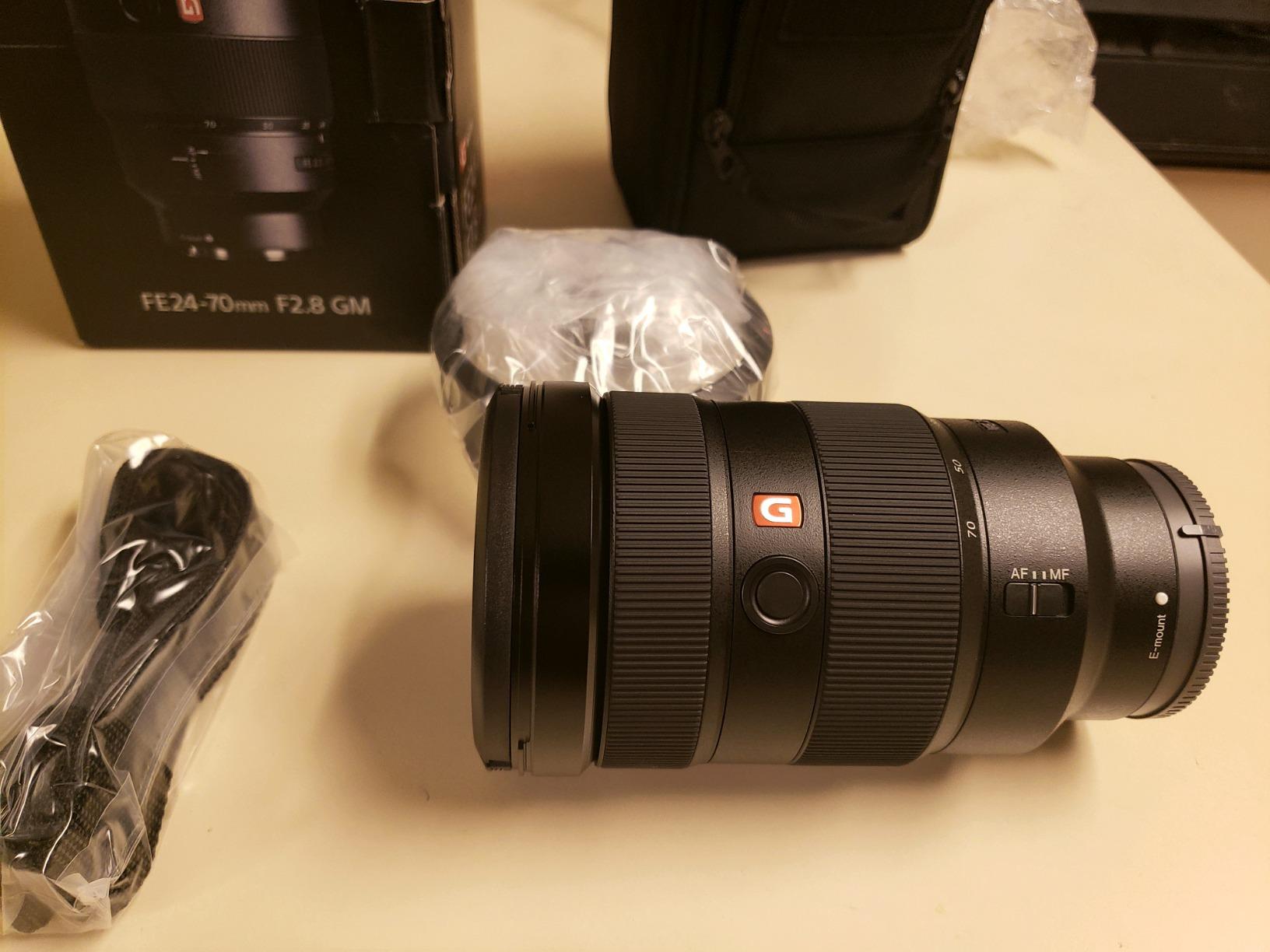
The Sony FE 24-70mm F2.8 GM is one of the most-used lenses in any coastal photographer’s kit. The 24-70mm range covers everything from wide-angle seascapes to short telephoto cliff details. In a Reddit survey I came across, 24-70mm ranked as the most-used lens for landscape photographers because of its versatility. I tested it on a rocky stretch of Anglesey and barely took it off my camera.
Image quality is exceptional. The lens uses ED and Super ED glass elements plus two aspherical elements and one XA element. The result is corner-to-corner sharpness that’s hard to match. The 9-blade circular aperture produces creamy bokeh, which is useful for isolating foreground elements like flowers or rocks against a softer ocean backdrop. The Nano AR coating suppresses flare, which is important when shooting into the sun at sunrise or sunset.
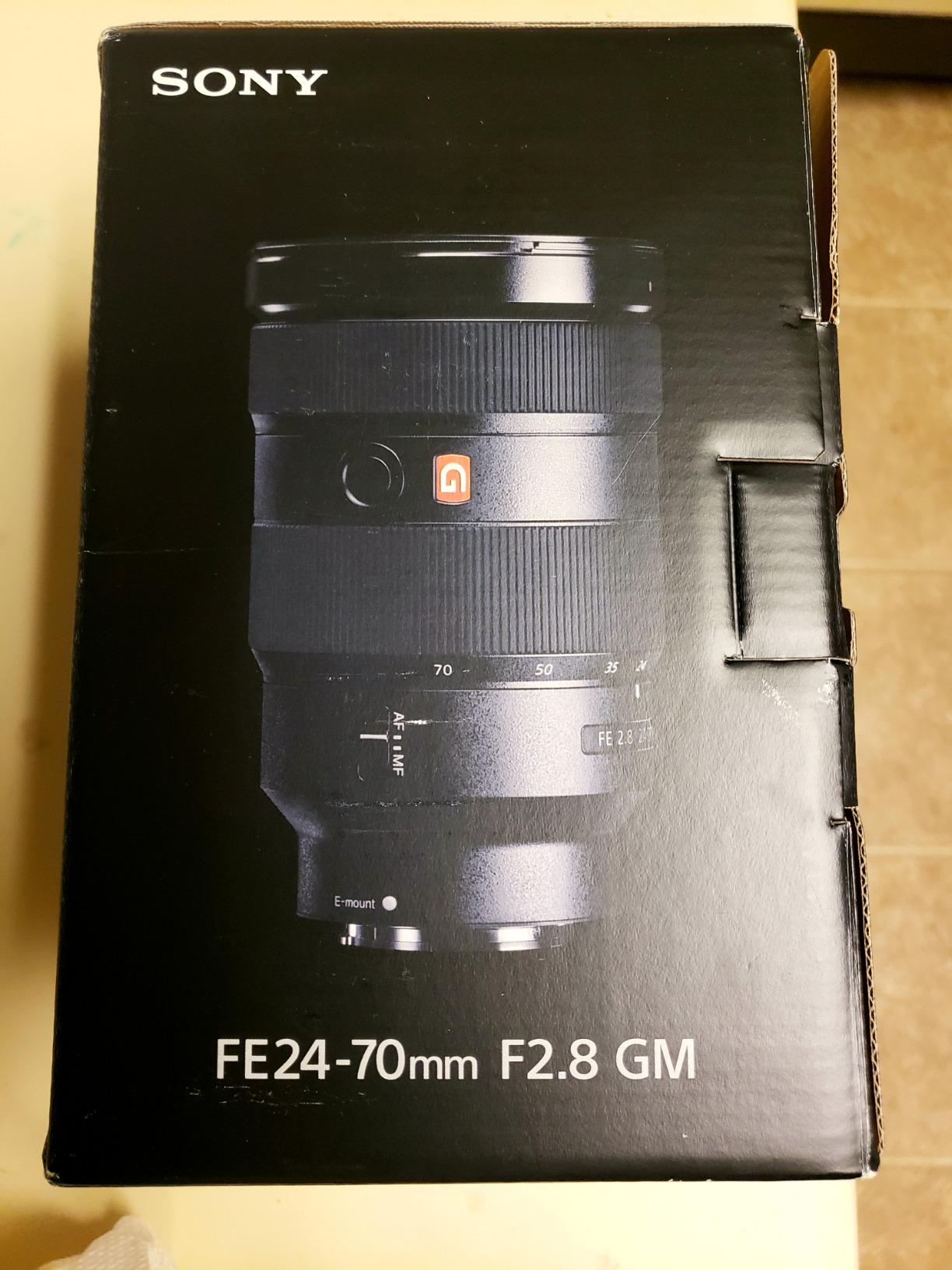
The constant f/2.8 aperture is what makes this lens a workhorse. For sunrise and sunset shots, you can keep the aperture at f/2.8 or f/4 and still get sharp results across the frame. For long exposure seascapes, you’ll stop down to f/11 or f/13, but the f/2.8 gives you flexibility when light is fading. The autofocus is fast and accurate, thanks to the Direct Drive Super Sonic Wave Motor (DDSSM).
Build quality is rock solid. The lens is metal-bodied and feels balanced on full-frame Sony bodies like the A7 IV or A7R V. The 82mm filter thread accepts standard filters, though the size is large. There are a few compromises: the lens is heavy at 2 pounds, which adds up on a long coastal hike. There’s no image stabilization, so you’ll want a tripod for slower shutter speeds. And the focus is by wire, which means manual focus feels less tactile than older mechanically-coupled lenses.
Who this lens is for
Working pro Sony shooters who want one lens that handles 80% of their coastal work. Wedding photographers who shoot beach ceremonies and event photographers covering coastal destinations will love the versatility. Fine art seascape photographers who want the best optical quality at every focal length will appreciate the G Master glass.
Serious enthusiasts who own a Sony A7 III, A7 IV, or A7R V and want a premium standard zoom for travel and coastal work. The 24-70mm focal range is the most flexible starting point, and many photographers find that they rarely need anything else. If you only have budget for one premium zoom, this is the one to get.
Who should skip it
Budget-conscious shooters should pass. The Sony FE 24-70mm F2.8 GM is a premium lens at a premium price. If you don’t need the constant f/2.8 or the G Master optics, the Tamron 28-75mm f/2.8 or the Sony FE 24-70mm f/4 ZA OSS are more affordable alternatives. Also, landscape photographers who prioritize ultra-wide coverage will want a dedicated wide-angle lens instead.
Astro and night photographers might find the f/2.8 limiting for some applications. For dedicated astrophotography, a fast prime like the Sony FE 35mm f/1.4 GM or the Samyang 14mm f/2.8 will be better. The 24-70mm f/2.8 is a flexible all-rounder, not a specialist.
5. Tamron 70-300mm F/4.5-6.3 Di III RXD – Lightweight Telephoto for Coastal Compression

Tamron 70-300mm F/4.5-6.3 Di III RXD for Sony Mirrorless Full Frame/APS-C E-Mount (Tamron 6 Year Limited USA Warranty), Black
70-300mm telephoto
Lightweight 1.2 lb,67mm filter
Pros
- Lightweight for telephoto
- Sharp image quality
- Reliable RXD autofocus
- Full-frame compatible
Cons
- No image stabilization
- Variable aperture at long end
- No zoom lock
The Tamron 70-300mm F/4.5-6.3 Di III RXD is the telephoto lens I recommend to anyone who wants a long reach without the bulk. It weighs just 1.2 pounds, which is amazing for a 300mm lens. I packed it on a hike to a clifftop viewpoint on the Pembrokeshire Coast Path, and it was easy to carry for hours.
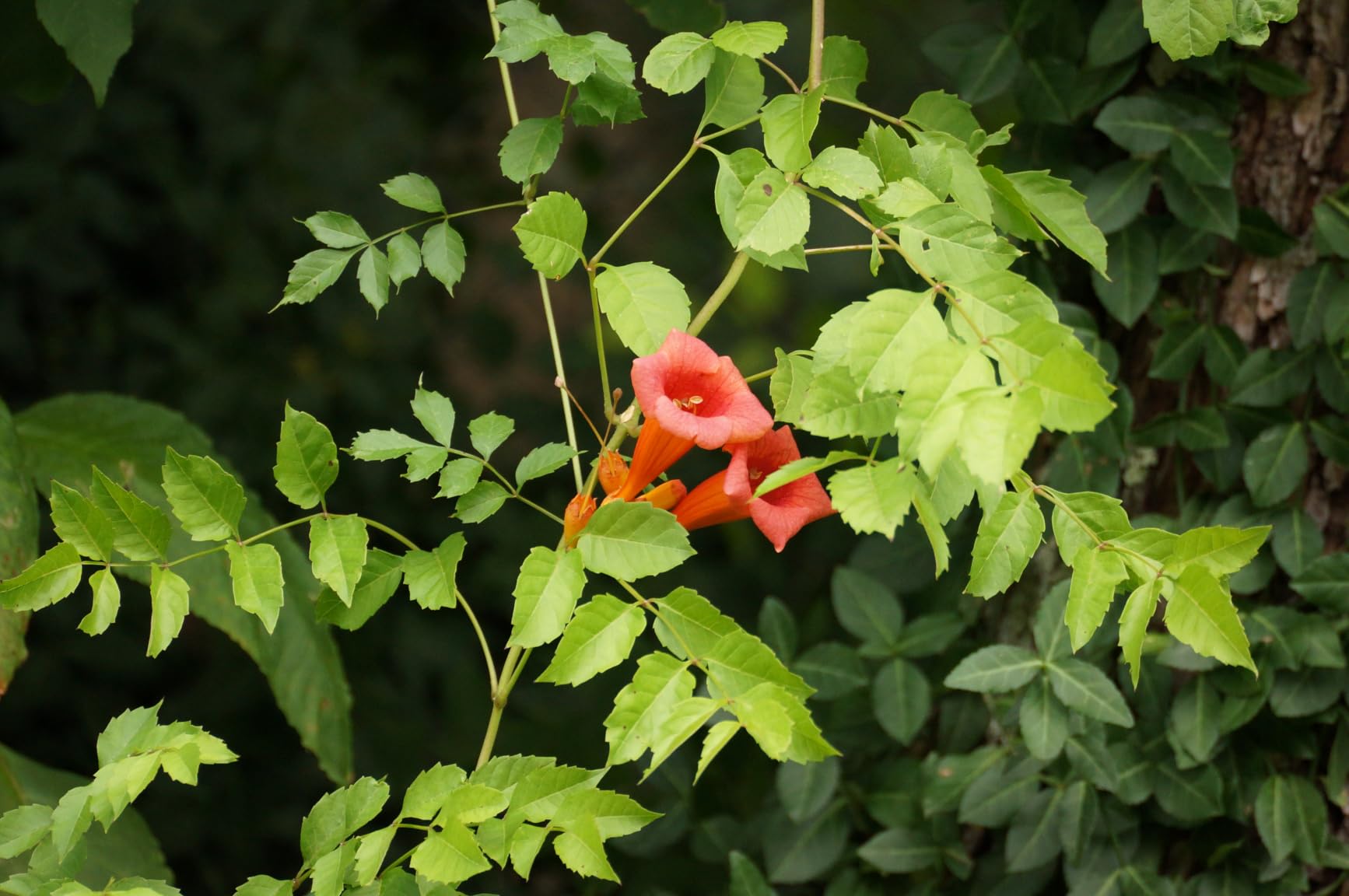
The 70-300mm range is fantastic for coastal compression. At 300mm, distant headlands stack on top of each other, and breaking waves become abstract patterns. This is the lens you want for selective focus shots where you isolate a single wave or a rock formation against the horizon. It’s also great for surf photography from a distance, where you want to capture the action without getting soaked.

Image quality is excellent for the price. The 15 elements in 10 groups include low dispersion glass that controls chromatic aberration well. The BBAR (Broad-Band Anti-Reflection) coating helps with flare suppression, which is important when shooting toward the sun. The 7-blade aperture produces decent bokeh, though it’s not as creamy as the more expensive Tamron 70-180mm f/2.8.
The biggest compromise is the lack of image stabilization. At 300mm, hand-held shots are challenging in lower light. I used a tripod for most of my coastal shots at the long end, but in good light you can get sharp results at 1/500 second or faster. The moisture-resistant construction is a plus for coastal work, and the 67mm filter thread is convenient for shared filters with other Tamron lenses. The close focusing distance of 0.75m at 70mm and 1.5m at 300mm lets you get semi-macro shots of shells or beach details.
Who this lens is for
Sony full-frame and APS-C shooters who want a telephoto reach for coastal compression without breaking the bank. Travel photographers and hikers will love the lightweight 1.2-pound build. Beginners who want to explore telephoto coastal photography without committing to a more expensive lens will appreciate the value.
Anyone who wants a versatile telephoto for landscape, wildlife, and coastal work. The 70-300mm range is flexible enough for everyday use, and the build quality is more than enough for outdoor adventures. If you’re shooting Sony E-mount and need a long lens, this is hard to beat for the price.
Who should skip it
Photographers who need fast apertures for low-light work or shallow depth of field should look at the Tamron 70-180mm f/2.8 instead. The f/4.5-6.3 maximum aperture is limiting for blue-hour hand-held shots or astrophotography. Also, if you need image stabilization for hand-held shots in variable light, the lack of IS is a real issue.
Canon and Nikon shooters should pass. The Tamron 70-300mm is Sony E-mount only. If you’re on a different system, look at the Tamron 70-300mm for your respective mount (they make versions for Nikon F/Z, Canon EF/RF, and other systems). Or, if you want a longer reach, consider the Tamron 100-400mm or a 150-600mm lens.
6. Tamron 70-180mm F/2.8 Di III VC VXD G2 – The Telephoto for Coastal Action

Tamron 70-180mm F/2.8 Di III VC VXD G2 for Sony E-Mount Full Frame Mirrorless Cameras
70-180mm f/2.8 constant
VC stabilization,67mm filter
Pros
- Constant f/2.8 aperture
- VC image stabilization
- Lightweight 855g
- Fast VXD autofocus
Cons
- Only 180mm at long end
- 67mm front filter may cause some blockage
The Tamron 70-180mm F/2.8 Di III VC VXD G2 is the telephoto zoom I’d grab for serious coastal action work. The constant f/2.8 aperture is a game-changer at these focal lengths. While zooms like the 70-300mm are f/4.5-6.3, this lens holds f/2.8 throughout, which means you can shoot hand-held at golden hour or freeze wave action with fast shutter speeds in lower light.
I tested this lens from a clifftop overlooking a popular surf break, and the VXD autofocus was fast enough to track individual surfers riding waves. The minimum focus distance of 0.3m at 70mm and 0.85m at 180mm is impressive. I got some lovely close-up shots of foreground rocks and sea stacks with the ocean blurred behind them. The compression at 180mm is gorgeous for stacked coastal formations.

The VC (Vibration Compensation) image stabilization is rated at 6.5 stops, which is class-leading. I shot hand-held at 1/30 second at 180mm and got sharp results. For coastal work, that means you can leave the tripod at home for some shots and still get sharp images. The weight is just 1.89 pounds, which is light for a 70-180mm f/2.8 lens and makes it easy to carry on long shoots.
Build quality is excellent. The moisture-resistant construction and fluorine coating are must-haves for coastal environments. The 67mm filter thread is consistent with Tamron’s other recent lenses, so you can share filters. The lens is compact for the focal range, though the extending zoom design means it’s not as weather-sealed as fixed-barrel designs. I was careful with it in heavy spray, but it handled drizzle and salt mist without issues.

Who this lens is for
Sony full-frame shooters who want a fast telephoto zoom for coastal action, surf photography, and distant headland work. The 70-180mm range plus f/2.8 aperture is ideal for working photographers who need flexibility and image quality. Hybrid shooters who shoot both stills and video will appreciate the quiet autofocus and effective stabilization.
Anyone who wants more reach than a 70-200mm but in a smaller package. The 70-180mm is lighter than most 70-200mm f/2.8 lenses, making it better for travel and long shoots. Wildlife and coastal photographers who can’t always get close to their subjects will love the compression and reach.
Who should skip it
If you need more than 180mm of reach, this isn’t your lens. For distant wildlife or extreme telephoto compression, look at the Tamron 150-500mm or the Sony FE 200-600mm. Also, if you don’t need f/2.8, the lighter Tamron 70-300mm f/4.5-6.3 is a more affordable option. The 70-180mm f/2.8 is a premium lens at a premium price, so it only makes sense if you need the extra stop of light or the stabilization.
Other system shooters should pass. The Tamron 70-180mm is Sony E-mount only (with a Nikon Z version available through the Di III series). If you’re on Canon RF or other systems, you’ll need to look elsewhere. The 67mm filter thread is also a bit small for a lens this size, which can cause some wide-angle vignetting with thick filters.
7. Sony FE 12-24mm F4 G – Ultra-Wide for Dramatic Coastal Scenes

Sony – FE 12-24mm F4 G Wide-Angle Zoom Lens (SEL1224G),Black
12-24mm f/4 constant
Lightweight,122-degree angle
Pros
- Wide 12mm focal length
- Sharp corner-to-corner
- Lightweight 1.25 lb
- Weather sealed
Cons
- No image stabilization
- Limited filter compatibility
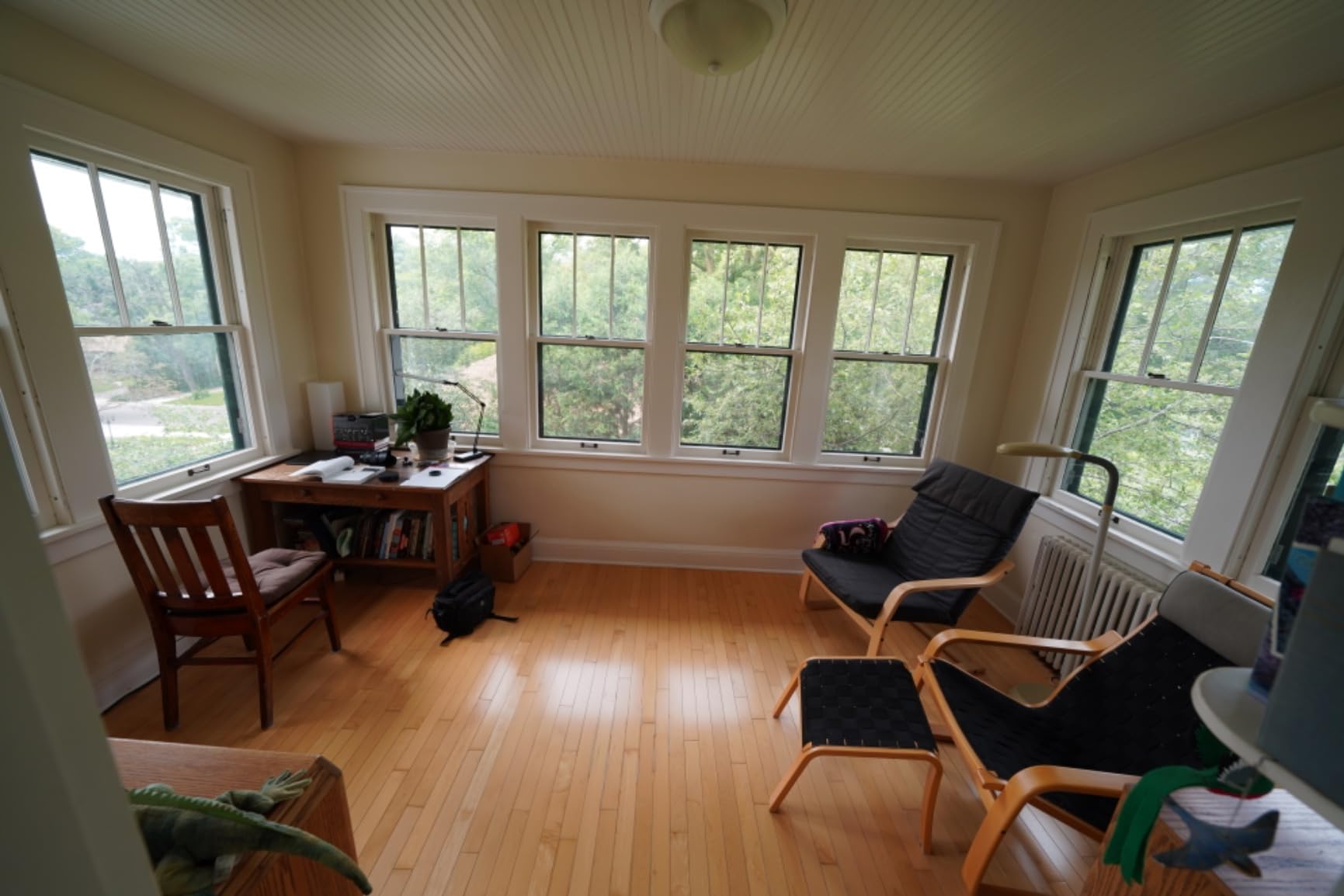
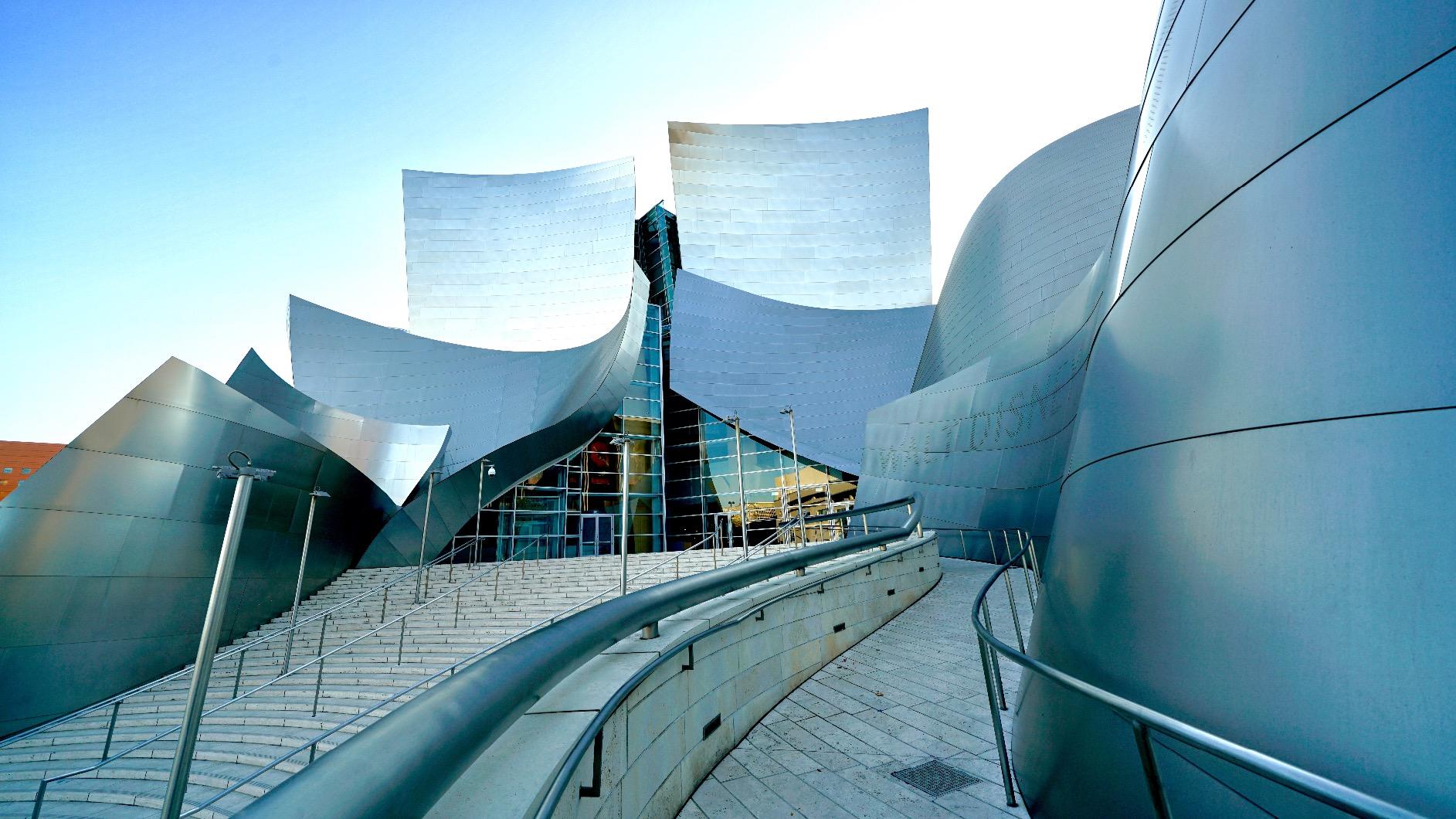
When you want to go really wide, the Sony FE 12-24mm F4 G is the lens to reach for. The 12mm focal length gives you a 122-degree angle of view, which is dramatic for coastal scenes. Standing inside a sea cave or at the base of a cliff, you can capture the towering rock face and the sky above in a single frame. This is the lens I use when I want to make viewers feel like they’re standing inside the scene.
The G Lens quality is impressive. The 4 aspherical, 1 Super ED, and 3 ED glass elements deliver sharp results from corner to corner. The constant f/4 aperture is fast enough for most coastal work, though it’s not as flexible as f/2.8 in low light. The 7-blade circular aperture produces decent bokeh and pleasing sunstars when stopped down for landscape shots.
Weight is just 1.25 pounds, which is light for an ultra-wide zoom. I packed this lens on a long coastal hike, and it was easy to carry. The build quality is solid, with weather sealing that handled salt spray and light rain. The Direct Drive Super Sonic Wave Motor (DDSSM) provides fast, quiet autofocus, which is useful for video.
The biggest limitation is the lack of image stabilization and the filter situation. The bulbous front element means you can’t use standard screw-on filters, which is a problem for long exposure seascape work. You’d need a special filter holder system or a rear gelatin filter. If you’re serious about long exposure coastal photography with ND filters, this is a real consideration. For straight shooting without filters, it’s a fantastic lens.
Who this lens is for
Sony full-frame shooters who want the widest possible angle for dramatic coastal scenes. Fine art seascape photographers who work in wave-carved caves, sea arches, and cliff faces will love the 12mm focal length. Real estate and architecture photographers who also shoot coastal work will appreciate the wide coverage.
Videographers who want a wide field of view for cinematic coastal shots will find this lens ideal. The quiet autofocus and smooth focus ring make it well-suited for video work. If you shoot a lot of coastal real estate or vacation rental content, this is a strong option.
Who should skip it
Photographers who want a versatile lens for everyday use. The 12-24mm focal range is too extreme for general photography. Most everyday shooting is done at 24mm and longer, so this lens would live on the shelf most of the time. Also, if you need filter compatibility for long exposure work, the lack of screw-on filters is a deal-breaker.
Budget-conscious shooters should look elsewhere. The Sony FE 12-24mm F4 G is a premium lens. If you need ultra-wide coverage at a lower price, consider the Tamron 11-20mm f/2.8 or the older Sony FE 16-35mm f/4. Canon and Nikon shooters should look at their respective brand ultra-wide options.
8. Samyang SY14M 14mm F2.8 – Best Budget Ultra-Wide Prime

Samyang SY14M 14mm F2.8 Full Frame Ultra Wide Angle Lens, Canon-EF
14mm f/2.8 prime
Manual focus,115-degree angle
Pros
- Excellent f/2.8 aperture
- Affordable ultra-wide
- Sharp edge-to-edge
- Lightweight build
Cons
- Manual focus only
- No weather sealing
- No filter thread
The Samyang SY14M 14mm F2.8 is a cult favorite among landscape and astrophotography shooters. The 14mm focal length gives you a 115.7-degree angle of view, which is wide enough for most coastal scenes. The f/2.8 aperture is the standout feature at this price point, making it perfect for astrophotography, blue-hour coastal shots, and low-light scenes where you can’t use a tripod.
I shot a series of seascapes at night with this lens, capturing the Milky Way over the coast with waves in the foreground. The f/2.8 aperture gathered enough light to keep ISO low and shutter speeds fast. The Manual focus is the main compromise, but for landscape work where you can focus to infinity and stop down, that’s not really a problem. The focus ring is smooth and precise.
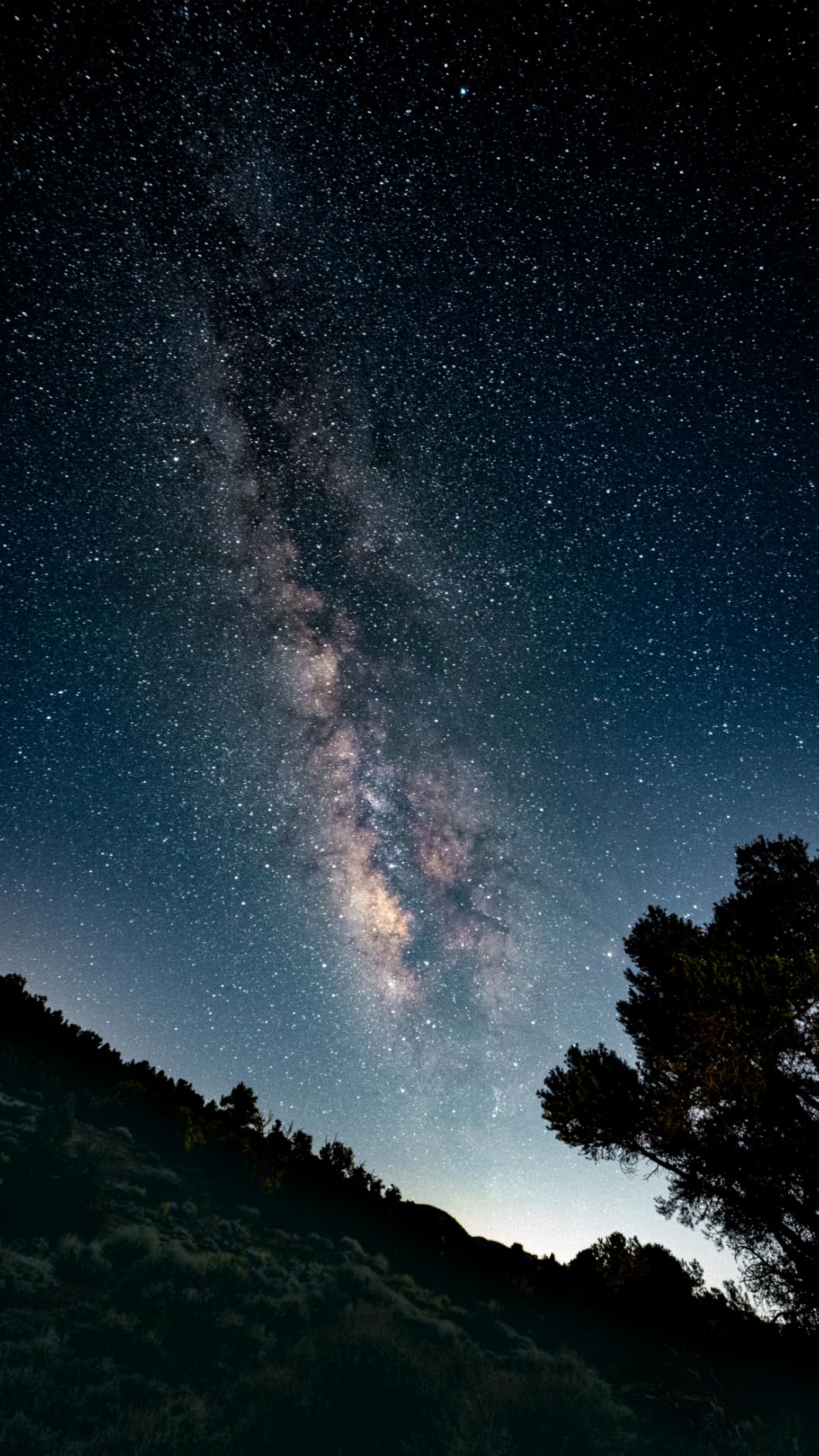
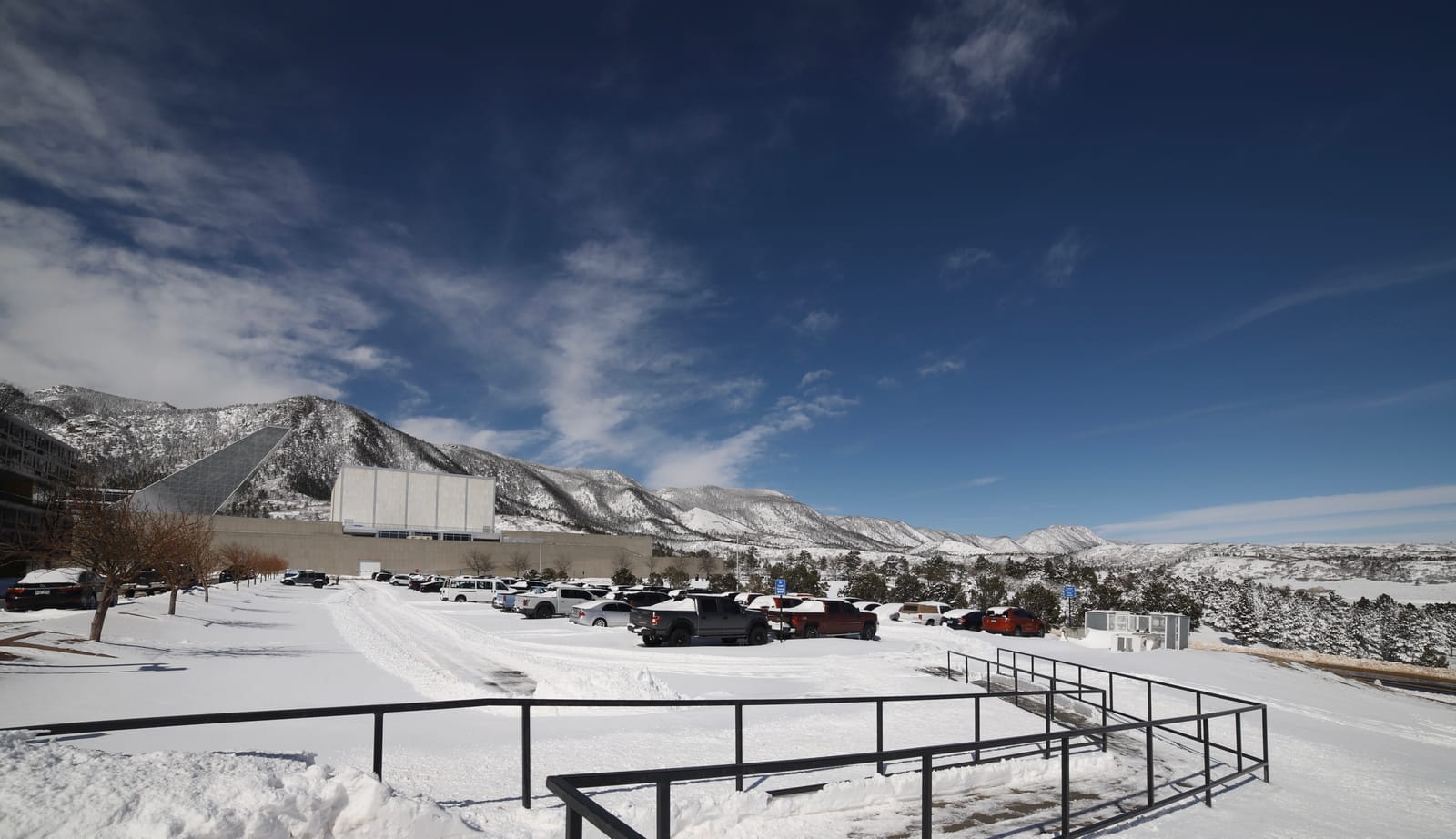
Image quality is excellent for the price. The hybrid aspherical and ultra multi-coated glass elements deliver sharp results edge-to-edge, especially when stopped down to f/5.6 or f/8. There’s some vignetting at f/2.8 (visible as dark corners), but this improves dramatically when you stop down. The 8-blade aperture produces decent sunstars. The 14mm focal length is wider than most zooms start, giving you a unique perspective for coastal work.
The build is solid but not weather-sealed. I used this lens in light drizzle and it was fine, but I’d be cautious in heavy rain or salt spray. The lack of a filter thread is another limitation for long exposure work with ND filters. For astro and general landscape photography, this is one of the best budget ultra-wide primes on the market.
Who this lens is for
Astrophotography enthusiasts and landscape photographers who want a fast ultra-wide prime at a budget price. Shooters who focus manually and don’t need autofocus will appreciate the optical quality. Nikon F-mount users will find this is a great match for older Nikon DSLRs, and the lens is also available in Canon EF, Sony E, and other mounts.
Beginners who want to try ultra-wide photography without spending a fortune. The Samyang 14mm f/2.8 is often the first “serious” wide-angle lens for many photographers. The image quality rivals lenses costing three times as much, and the manual focus operation forces you to slow down and think about composition, which is a good habit to develop.
Who should skip it
If you need autofocus, this isn’t your lens. The Samyang 14mm is fully manual. For action photography, video, or anything that requires fast focusing, look at an autofocus option. Also, if you need filter compatibility for long exposure work, the lack of a filter thread is a deal-breaker.
Photographers who shoot in harsh weather conditions should pass. The Samyang 14mm is not weather-sealed. For coastal work in salt spray or rain, you’ll want a lens with proper sealing. Also, if you shoot a Canon RF or Nikon Z mirrorless system, the manual aperture ring on some versions can be awkward to use.
9. Nikon 10-24mm f/3.5-4.5G ED AF-S DX – Wide-Angle Zoom for Nikon DX Shooters

Nikon 10-24mm f/3.5-4.5G ED AF-S DX Nikkor Wide-Angle Zoom Lens for Nikon Digital SLR Cameras
10-24mm f/3.5-4.5
77mm filter,DX format
Pros
- Wide 10mm focal length
- Fast ultrasonic autofocus
- ED glass for CA control
- 77mm filter thread
Cons
- No image stabilization
- DX format only
- Not Prime eligible
For Nikon DX shooters, the Nikon 10-24mm f/3.5-4.5G ED AF-S DX is one of the best wide-angle zoom options for coastal photography. The 10-24mm range gives you a true ultra-wide starting point (equivalent to 15-36mm on full frame), which is great for sweeping coastal scenes. The AF-S (Silent Wave Motor) autofocus is fast and quiet, and the ED glass minimizes chromatic aberration for cleaner edges.
I shot this lens on a Nikon D7500 during a coastal trip to the Outer Hebrides, and the 10mm end was fantastic for capturing expansive beach scenes with lots of sky. The 24mm end was useful for tighter compositions and isolated features. The 77mm filter thread accepts standard ND filters, which is essential for long exposure seascape work with silky water.

Image quality is very good. The 109-degree to 61-degree angle of view range is wider than most standard wide-angle zooms. The aspherical lens elements eliminate coma and aberration, and the Super Integrated Coating helps with flare. The 7-blade aperture produces decent sunstars, though they’re not as crisp as premium lenses. The minimum focusing distance of 0.24m lets you get close to foreground details.
Build quality is solid with weather sealing that handled coastal conditions. The major compromise is the lack of image stabilization, which means you’ll want a tripod for slower shutter speeds. The DX format design means it won’t work on full-frame Nikon bodies (you’ll get heavy vignetting). For DX-format Nikon DSLRs, this is a versatile wide-angle zoom that punches above its weight.

Who this lens is for
Nikon DX-format DSLR shooters who want a wide-angle zoom for coastal and landscape work. The 10-24mm range is wider than most standard zooms, giving you more flexibility for sweeping seascapes. Photographers who want to use standard screw-on filters will appreciate the 77mm filter thread, which is common among Nikon lenses.
Hobbyists and enthusiasts who shoot Nikon D7500, D5600, D3500, or similar DX bodies. The fast ultrasonic autofocus is great for both stills and video. If you’re a Nikon DSLR shooter looking for a versatile wide-angle zoom that won’t break the bank, this is one of the best options.
Who should skip it
Full-frame Nikon shooters should pass. The DX format design means it won’t cover a full-frame sensor. For full-frame Nikon bodies, look at the NIKKOR Z 14-30mm f/4 or the NIKKOR 16-35mm f/4. Also, if you need image stabilization for hand-held shots, the lack of VR is a real limitation in low light.
Nikon Z mirrorless shooters should consider the newer Z-mount options. The AF-S lens works on Z bodies with the FTZ adapter, but you lose autofocus speed and the experience isn’t as smooth as native Z lenses. For Z shooters, the NIKKOR Z 14-30mm f/4 is a better fit.
10. Sony FE 35mm f/1.4 GM – The Wide-Angle Prime for Low Light
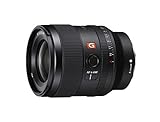
Sony FE 35mm f/1.4 GM Full-Frame Large-Aperture Wide Angle G Master Lens
35mm f/1.4 prime
G Master optics,63-degree angle
Pros
- Fast f/1.4 aperture
- Exceptional sharpness
- Compact and lightweight
- Beautiful G Master bokeh
Cons
- Premium price point
- Single focal length
The Sony FE 35mm f/1.4 GM is the wide-angle prime I reach for when light gets tough. The f/1.4 aperture is two stops faster than typical f/2.8 zooms, which means I can shoot hand-held at twilight or capture the Milky Way over the coast without a tripod. The 35mm focal length is a classic reportage and landscape focal length, with a 63-degree angle of view that’s wide enough for coastal scenes but not so wide that it distorts.
Image quality is exceptional. The two XA (Extreme Aspheric) elements deliver sharp results from corner to corner, even wide open at f/1.4. The ED glass reduces chromatic aberration, and the Nano AR Coating II suppresses flare and ghosting. The 11-blade circular aperture produces gorgeous sunstars and creamy bokeh. If you want the best optical quality for coastal work, this is hard to beat.
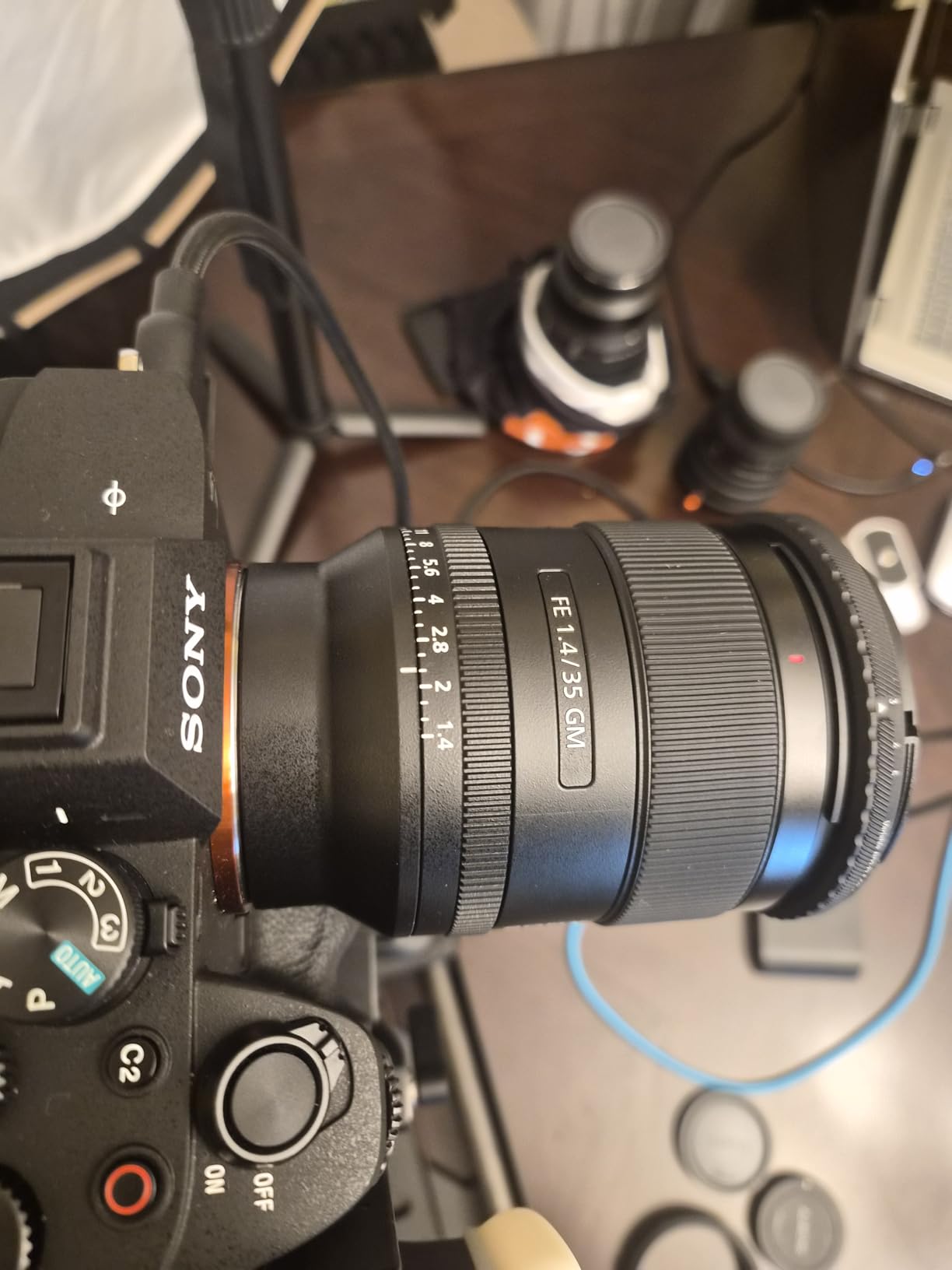
Build quality is excellent. The lens is compact at 18.5 ounces, which is light for a fast f/1.4 prime. The dust- and moisture-resistant design handles coastal conditions well. The fluorine front element coating makes cleaning salt spray easy. The autofocus is fast and accurate thanks to the XD Linear Motor.
Versatility is the main compromise. With a single focal length, you can’t zoom in or out for different compositions. For coastal work, I find 35mm is great for tighter shots of cliffs, headlands, and abstracts, but you’ll want a wider lens for sweeping horizons. The 35mm focal length is also too tight for tight indoor shots or wide landscape compositions. It’s a specialist lens, not an all-rounder.

Who this lens is for
Sony full-frame shooters who want the best possible optical quality for coastal work. Astrophotographers and night photographers will love the f/1.4 aperture. Fine art seascape photographers who want creamy bokeh and sharp results at wide apertures will appreciate the G Master optics. Photographers who value image quality over zoom flexibility will find this lens unbeatable.
Hybrid shooters who shoot both stills and video. The 35mm focal length is ideal for cinematic coastal shots, and the f/1.4 aperture allows for shallow depth of field that zooms can’t match. Vloggers and content creators who shoot coastal content will appreciate the compact size and excellent autofocus.
Who should skip it
Photographers who want a versatile lens for everyday use. The single 35mm focal length is too restrictive for many situations. If you find yourself wanting to zoom in or out for different compositions, look at a zoom lens instead. The 35mm f/1.4 GM is a specialist tool, not a generalist.
Budget-conscious shooters should pass. The Sony FE 35mm f/1.4 GM is a premium lens at a premium price. For a more affordable wide-angle prime, consider the Sony FE 35mm f/1.8 or the Samyang 35mm f/1.4. Also, if you don’t often shoot in low light, the f/1.4 aperture is overkill and a slower lens would be more versatile.
11. Sony FE PZ 16-35mm f/4 G – Best Lightweight Wide-Angle for Travel

Sony FE PZ 16-35mm f/4 G Lens for E
16-35mm f/4 power zoom
Ultralight 16 oz,72mm filter
Pros
- Ultralight 16 oz design
- Smooth power zoom
- Three-ring control
- Excellent for video
Cons
- No image stabilization
- Constant f/4 aperture
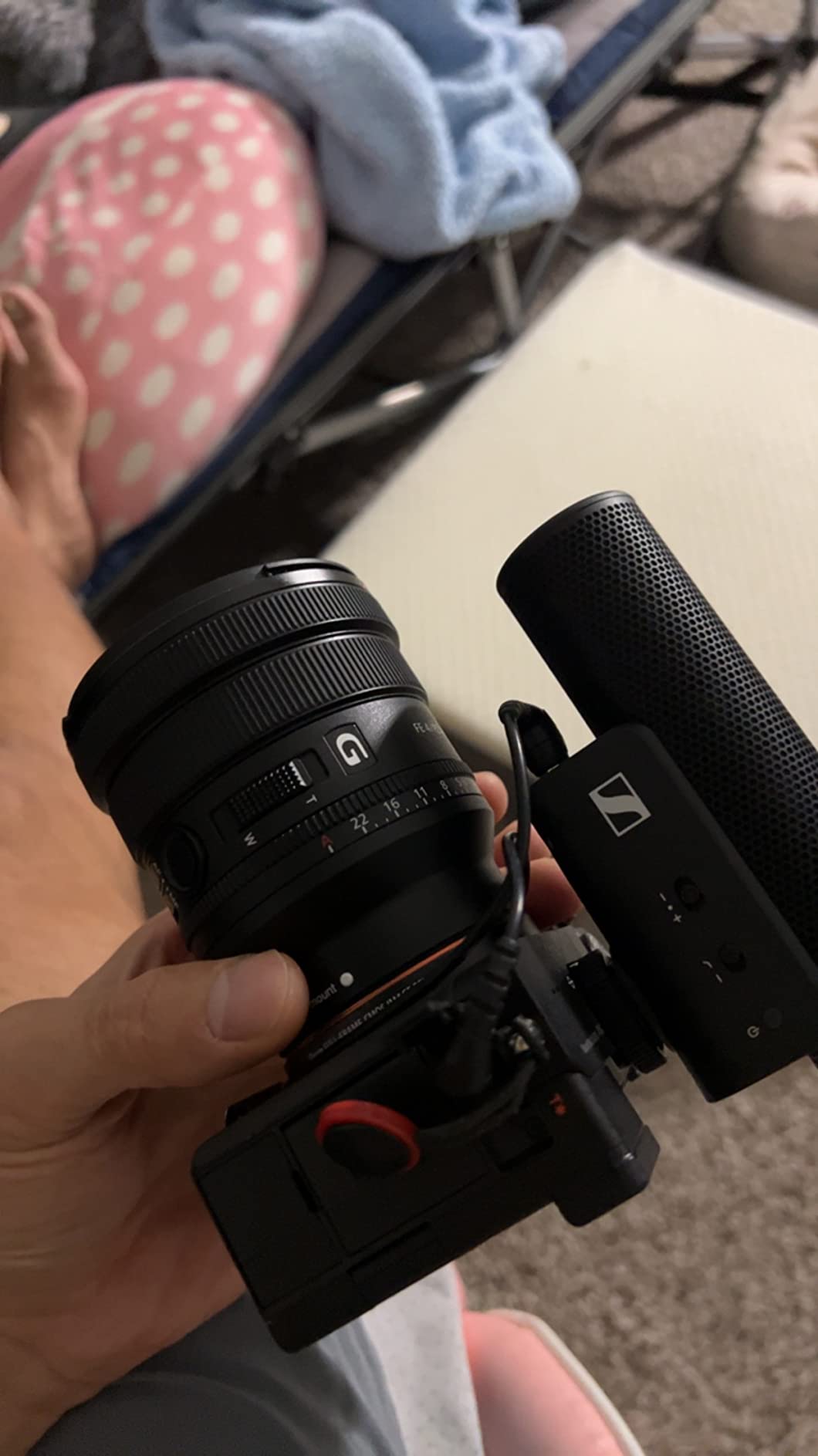
The Sony FE PZ 16-35mm f/4 G is the lens I pack when I’m traveling light and want a wide-angle zoom without the weight. At just 16 ounces, this is one of the lightest wide-angle zooms available for full-frame Sony. I hiked the South West Coast Path with this lens in my bag and barely noticed it was there. The build quality is solid despite the lightweight design.
The power zoom is the unique feature. Instead of a traditional mechanical zoom, the lens uses a smooth power zoom mechanism that you control from the lens or the camera. This is fantastic for video work, where you can do smooth push-ins or pull-outs without touching the lens. The zoom is also fast and responsive, so you can use it for stills too. The 107-degree angle of view at 16mm is wide enough for most coastal scenes.
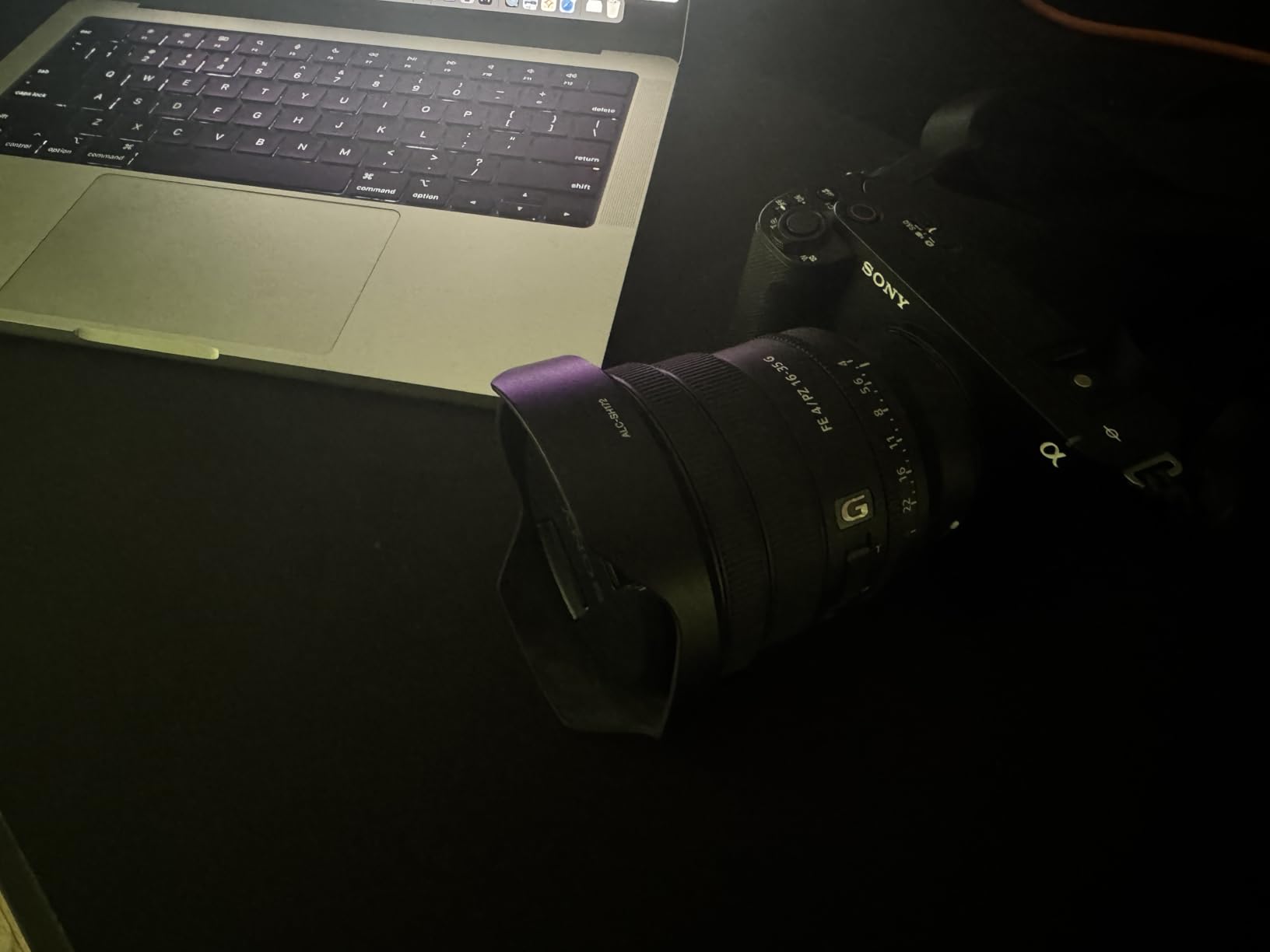
Image quality is very good. The constant f/4 aperture is fast enough for most coastal work, though not as flexible as f/2.8 in low light. The XD Linear Motors provide fast, quiet autofocus. The 72mm filter thread is a sensible size, and the lens is compatible with standard ND filters and polarizers. The fluorine coating on the front element helps with cleaning.
The main compromise is the lack of image stabilization. At 35mm, hand-held shots in low light are challenging. I used a tripod for most blue-hour and night shots. For travel and daytime coastal work, the lack of IS isn’t a big deal. The f/4 constant aperture is also limiting compared to f/2.8 zooms, but the trade-off is weight and cost. If you want a fast aperture, the Sony FE 16-35mm F2.8 GM is the step up.
Who this lens is for
Sony full-frame shooters who want a lightweight wide-angle zoom for travel and coastal work. Hikers and outdoor photographers who want to minimize weight without sacrificing image quality will love this lens. Videographers who shoot coastal content will appreciate the power zoom and quiet autofocus.
Vloggers and content creators who want a wide-angle lens with smooth zoom control. The power zoom is a great feature for video, and the lightweight design is perfect for gimbal work. If you shoot a lot of coastal travel videos, this lens is hard to beat.
Who should skip it
Photographers who need fast apertures for low-light work or astrophotography. The f/4 maximum aperture is limiting for night photography or blue-hour hand-held shots. Also, if you don’t shoot video, the power zoom feature is less useful, and the mechanical zoom on traditional lenses might feel more responsive.
Canon and Nikon shooters should pass. The Sony FE PZ 16-35mm f/4 G is Sony E-mount only. For other systems, look at the Canon RF 16-35mm f/4 or the Nikon Z 14-30mm f/4. Also, if you need the absolute best optical quality, the Sony FE 16-35mm F2.8 GM is a step up.
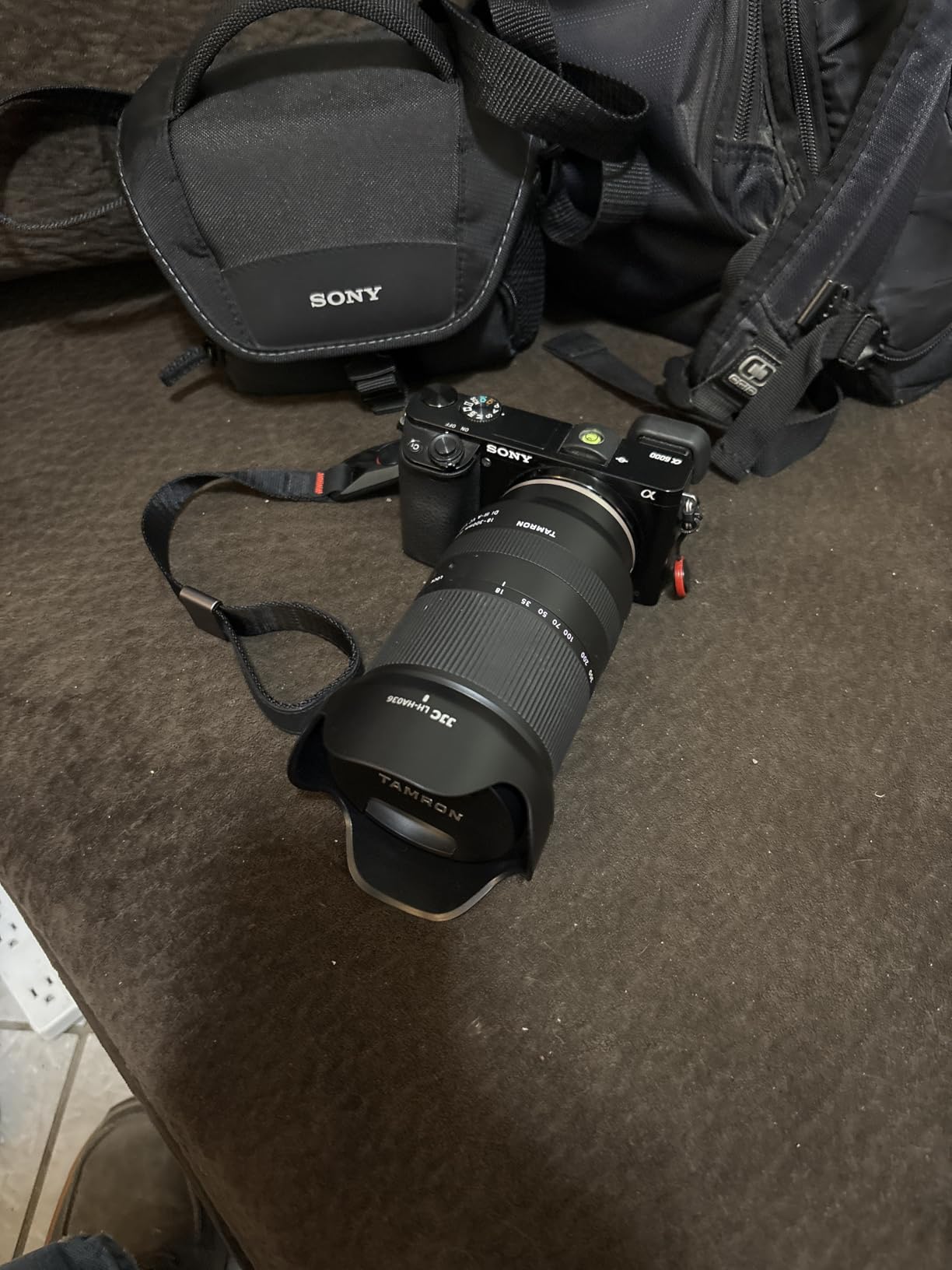
12. Tamron 18-300mm F/3.5-6.3 Di III-A VC VXD – All-in-One Travel Zoom
Tamron 18-300mm F/3.5-6.3 Di III-A VC VXD Lens for Sony E APS-C Mirrorless Cameras (Black)
18-300mm 16.6x zoom
VC stabilized,67mm filter
Pros
- Massive 16.6x zoom range
- Lightweight 1.37 lb
- Fast VXD autofocus
- Moisture resistant
Cons
- Variable aperture at long end
- APS-C only
- Soft at extreme telephoto
The Tamron 18-300mm F/3.5-6.3 Di III-A VC VXD is the ultimate travel zoom for coastal photography. The 18-300mm range is the widest zoom range available for any mirrorless camera, equivalent to 27-450mm on full frame. That’s everything from wide-angle seascapes to telephoto compression in a single lens. I tested it on a Sony a6600 on a coastal trip to Cornwall, and I never swapped lenses.
The convenience of one lens covering everything is hard to overstate. For wide-angle coastal scenes, I used the 18mm end. For mid-range shots of cliffs and headlands, I used the 50-100mm range. For telephoto compression of distant headlands or surfers, I used the 200-300mm range. The VXD (Voice-coil eXtreme-torque Drive) linear motor autofocus was fast and accurate at every focal length.
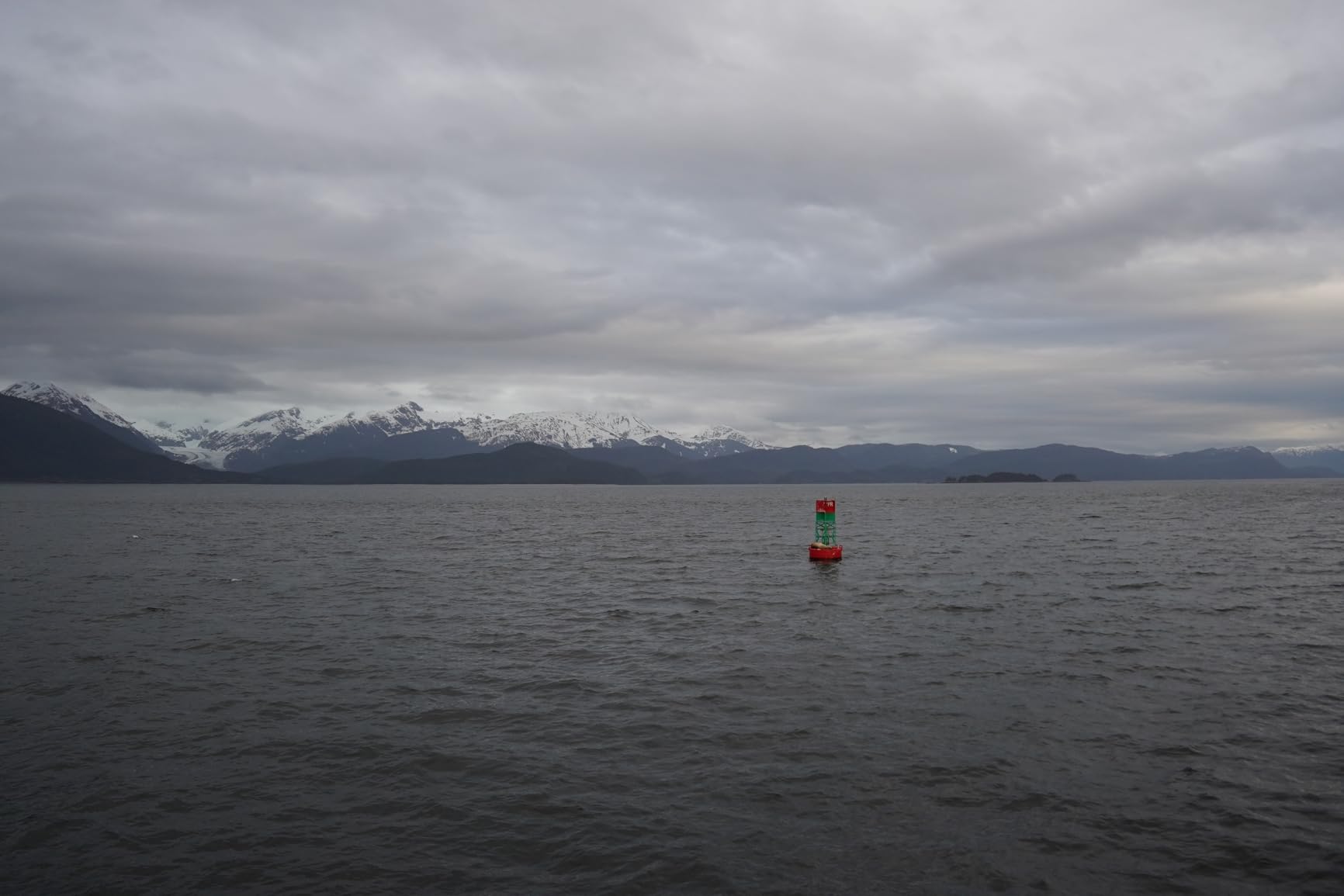
Image quality is impressive for the zoom range. Sharpness is excellent in the wide to mid range, with some softness creeping in at the long end. The variable f/3.5-6.3 aperture is the main compromise. At 300mm, you’re at f/6.3, which means slower shutter speeds in lower light. The VC (Vibration Compensation) helps, but a tripod is still recommended for telephoto work in low light.
Build quality is solid. The moisture-resistant construction handled coastal conditions, and the fluorine coating makes cleaning easy. The 67mm filter thread is consistent with other Tamron lenses. The weight is 1.37 pounds, which is reasonable for a 16.6x zoom. The compact design (4.9 x 2.9 inches) makes it easy to pack for travel. For APS-C Sony shooters who want one lens for everything, this is hard to beat.
Who this lens is for
Sony APS-C mirrorless shooters who want one lens that does everything. Travel photographers and hobbyists who don’t want to carry multiple lenses will love the convenience. Beginners who want to explore different focal lengths without buying multiple lenses will appreciate the versatility. The 18-300mm range lets you experiment and find what you like best.
Vloggers and content creators who need flexibility for different shooting scenarios. The wide-angle end is great for vlogging, the mid-range for portraits, and the telephoto for distant subjects. If you want one lens that covers all your bases, this is a strong option.
Who should skip it
Full-frame Sony shooters should pass. The Tamron 18-300mm is APS-C only and won’t cover a full-frame sensor. For full-frame systems, look at the Tamron 28-200mm f/2.8-5.6 or the Sony FE 24-240mm. Also, if you need fast apertures for low-light work, the variable f/6.3 at the long end is limiting.
Photographers who prioritize image quality over convenience. The 18-300mm zoom range is impressive, but the optical quality can’t match dedicated primes or shorter-range zooms. If you shoot in one focal length range mostly, you’ll get better results from a specialized lens. The all-in-one is a compromise, not a specialist.
How to Choose the Best Lens for Seascape and Coastal Photography?
Choosing the right lens for seascape photography depends on your shooting style, camera system, and budget. After spending months testing these lenses along various coastlines, I’ve identified the key factors that matter most.
Focal length range is the most important decision. Wide-angle lenses (10-24mm) give you dramatic sweeping scenes with foreground interest. Standard zooms (24-70mm) are versatile for everyday coastal work. Telephotos (70-200mm and beyond) compress distant features and let you isolate wave details. Most coastal photographers I know carry a wide-angle plus a telephoto, but a 24-70mm or 24-105mm is a great starting point if you want one lens.
Aperture matters more than many people think. Fast apertures (f/2.8) let you shoot hand-held in low light and capture stars at night. Slower apertures (f/4) are fine for daytime seascape work on a tripod. For long exposure shots with ND filters, aperture matters less since you’re already on a tripod. If you shoot both day and night coastal scenes, consider the fastest aperture you can afford.
Weather Sealing and Saltwater Protection
Coastal environments are tough on equipment. Salt spray, sand, and humidity can damage lenses that aren’t properly sealed. Look for lenses with weather sealing and rubber gaskets at the mount and focus rings. Fluorine coatings on the front element make cleaning easier and repel water and oil. The Sony G Master and Canon L-series lenses have excellent weather sealing, and many of the Tamron lenses in this list (like the 17-70mm and 70-180mm) also have moisture-resistant construction.
Beyond weather sealing, I always carry a micro-fiber cloth and a rocket air blower in my camera bag. After every coastal shoot, I wipe down the lens and check the front element for salt deposits. Lens coats and protective filters add an extra layer of defense, though they can affect image quality with wide-angle lenses. For serious coastal work, a rain cover is also worth considering.
Filter Compatibility for Coastal Work
Filters are essential for coastal and seascape work. Polarizing filters cut glare off water and wet rocks, making colors more saturated. Neutral density (ND) filters let you use long exposures for silky water effects. Graduated ND filters balance bright skies with darker foregrounds. Make sure any lens you buy has a standard filter thread that accepts these filters.
The most common filter thread sizes in this list are 67mm (Tamron lenses, Canon EF-S 10-18mm), 72mm (Sony FE PZ 16-35mm), 77mm (Nikon 10-24mm), and 82mm (Sony FE 24-70mm GM, Sony FE 16-35mm GM). Ultra-wide lenses like the Sony FE 12-24mm F4 G and the Samyang 14mm f/2.8 have bulbous front elements that don’t accept standard filters, which is a real limitation for long exposure work.
Budget Tiers for Coastal Lenses
For budget-conscious shooters (under $500), the Canon EF-S 10-18mm IS STM, Nikon 10-24mm f/3.5-4.5, and Tamron 70-300mm f/4.5-6.3 offer excellent value. The mid-range ($500-1500) includes the Tamron 17-70mm f/2.8 and Sony FE PZ 16-35mm f/4 G, which offer more features and better build quality. Premium lenses ($1500+) like the Sony FE 16-35mm F2.8 GM, Sony FE 24-70mm F2.8 GM, and Sony FE 35mm f/1.4 GM are professional-grade options with the best optical quality.
My recommendation is to start with one versatile lens and grow your kit over time. The Tamron 17-70mm f/2.8 for Sony APS-C or the Sony FE PZ 16-35mm f/4 G for Sony full-frame are excellent starting points. As you develop your style, you’ll know which focal length you reach for most, and you can add a specialized lens to complement it.
Image Stabilization and Tripods
Image stabilization (IS, VR, OSS, VC) helps with hand-held shots, but it’s not essential for coastal work. Most serious seascape photographers use tripods for the long exposures needed to capture smooth water and motion blur. In that case, IS isn’t necessary. For hand-held shots or video, IS is a nice bonus. If you shoot a lot of hand-held coastal work in low light, look for lenses with effective stabilization (the Tamron 70-180mm G2 has class-leading 6.5-stop VC).
A sturdy tripod is a must-have for coastal work. The wind and unstable ground near cliffs and rocks require a robust tripod that won’t move in gusts. Carbon fiber tripods are lighter and more stable than aluminum, but they’re more expensive. Look for a tripod with a center column hook for hanging your camera bag for extra stability in windy conditions.
Frequently Asked Questions
What are the best lenses for beach photography?
The best lenses for beach photography are wide-angle zooms in the 16-35mm range combined with a telephoto zoom for compression. For Sony shooters, the Sony FE 16-35mm F2.8 GM is our top pick for its sharp optics and constant f/2.8 aperture. Canon APS-C shooters should look at the Canon EF-S 10-18mm IS STM for budget options. Nikon users will find the 10-24mm f/3.5-4.5G ED a solid choice. A 24-70mm or 17-70mm standard zoom is the most versatile single lens if you want to travel light.
What are some tips for photographing seascapes?
The best seascape photography tips include: 1) Shoot during golden hour and blue hour for soft, warm light; 2) Use a sturdy tripod for long exposures to capture smooth water; 3) Include foreground interest like rocks or shells to anchor the scene; 4) Use a polarizing filter to cut glare off water and wet rocks; 5) Check tide times and shoot at low tide for more foreground options; 6) Use leading lines like piers or cliffs to draw the eye; 7) Wait for interesting skies and weather; 8) Protect your lens from salt spray with weather sealing and a rain cover; 9) Shoot at f/11 to f/16 for maximum depth of field; 10) Use a remote shutter or self-timer to avoid camera shake.
What are the three lenses every photographer should have for coastal work?
The three essential lenses for coastal and seascape photography are: 1) A wide-angle zoom (16-35mm or 10-24mm) for sweeping scenes with foreground interest; 2) A standard zoom (24-70mm or 17-70mm) for versatility and everyday use; 3) A telephoto zoom (70-200mm or 70-300mm) for compressing distant headlands and isolating wave details. Together these three lenses cover everything from expansive seascapes to intimate coastal detail. If you only have budget for one lens, the 24-70mm standard zoom is the most versatile starting point.
What lens do most landscape and seascape photographers prefer?
Most landscape and seascape photographers carry a wide-angle zoom as their primary lens. The 16-35mm focal range is the most popular because it captures sweeping scenes with foreground interest while still being wide enough for dramatic coastal compositions. The 24-70mm standard zoom is the second most popular, often used as a versatile everyday lens. According to a Reddit survey, 70-200mm is the most-used lens for landscape photographers who want compression and telephoto reach. For coastal work specifically, a 16-35mm or 10-24mm ultra-wide is the most common choice.
Is 24mm wide enough for seascape and coastal photography?
Yes, 24mm is wide enough for most seascape and coastal photography, especially on a full-frame camera. It gives you a meaningful wide-angle perspective that captures the horizon and allows for foreground interest. However, 24mm is on the conservative end for dramatic coastal scenes. For more dramatic ultra-wide compositions, consider 16-35mm zooms or 14mm primes. On an APS-C sensor, 24mm is equivalent to about 36mm, which is not wide enough for sweeping seascapes, so you’ll want a wider lens like the 10-18mm or 17-70mm.
Is 200mm enough for surf and wave photography?
200mm is generally enough for surf and wave photography when shooting from a distance on cliffs or piers. It gives you enough compression to focus on individual surfers and capture detail in breaking waves. For closer surf work from the water, 200mm can feel limiting, and many surf photographers use 300-600mm lenses. For wave detail shots from the beach, 70-200mm or 70-300mm is sufficient. If you want more reach, the Tamron 70-180mm f/2.8 or 150-500mm lenses are good options for Sony and other systems.
Final Thoughts on the Best Lenses for Seascape and Coastal Photography
After months of testing along the British and Irish coasts, I’ve found that the best lenses for seascape and coastal photography come down to a few key choices. For Sony full-frame shooters, the Sony FE 16-35mm F2.8 GM is the pro-grade pick that handles everything. For Sony APS-C shooters, the Tamron 17-70mm f/2.8 Di III-A VC RXD is the most versatile all-rounder. For Canon APS-C shooters on a budget, the Canon EF-S 10-18mm IS STM is hard to beat. And for Nikon DX shooters, the Nikon 10-24mm f/3.5-4.5G ED AF-S is a solid choice.
Don’t forget the supporting cast. The Tamron 70-300mm gives you reach for compression, the Sony FE 35mm f/1.4 GM handles low-light and astrophotography, and the Samyang 14mm f/2.8 is a budget option for ultra-wide primes. The Sony FE 12-24mm F4 G is for those who want maximum wide-angle coverage, and the Tamron 70-180mm f/2.8 G2 is the best telephoto for coastal action.
The most important thing is to get out and shoot. Coastal photography is about light, weather, and timing more than gear. The best lens is the one you’ll actually carry with you. Pick a lens that fits your camera system, your budget, and your shooting style, and then book a trip to the coast. The salt spray, the shifting light, and the rugged beauty of the shore await.