
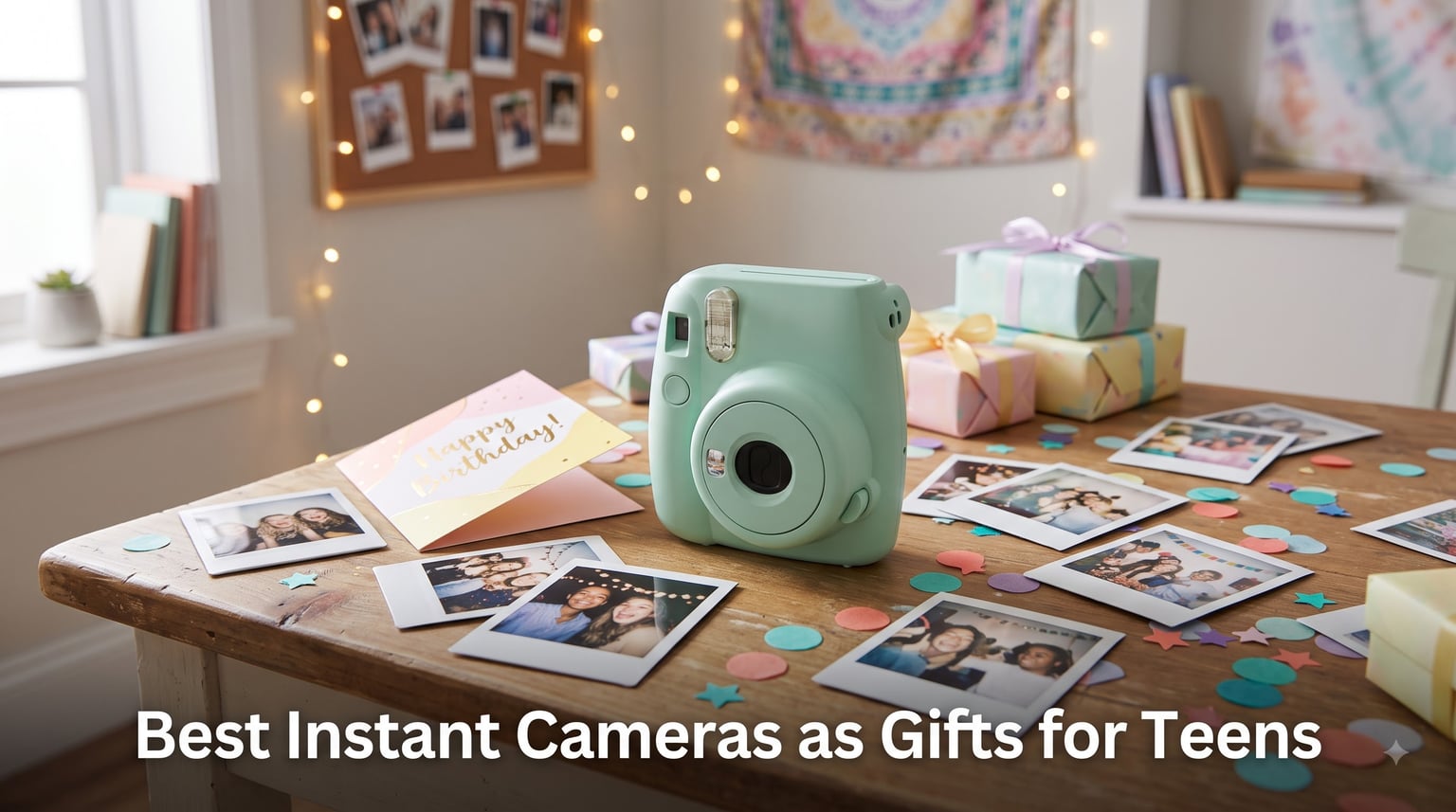
I still remember the look on my niece’s face when she opened her first instant camera on her fourteenth birthday. Within minutes she was snapping photos of everyone in the room, and by the end of the night she had a small stack of prints pinned to her bedroom wall. That is the magic of instant photography for teens — a physical memory they can hold, trade, and display, no screen required.
Finding the best instant cameras for teens in 2026 means balancing fun, ease of use, and that all-important cool factor. Teens want something that looks great in their hands and works without a manual. Parents want something that will not drain their wallet on film refills every two weeks. After testing cameras across multiple formats — Instax Mini, Polaroid Go, ZINK, and dye-sublimation — our team narrowed down ten models that hit different sweet spots for different personalities.
This guide covers everything from budget-friendly picks under $35 to hybrid cameras with Bluetooth and 100 filter combinations. Whether your teen is a social butterfly who wants party photos, a creative soul who loves experimenting with filters, or a younger tween just getting started, there is an instant camera here that fits. We also break down the real cost of film per print, because that is the expense that surprises most gift-buyers.
Table of Contents
Top 3 Instant Cameras for Teens in 2026
Before we get into the full lineup, here are the three cameras our team recommends most often when friends and family ask. These three cover the widest range of teen personalities and budgets, and each one earned its spot through weeks of real-world testing.

Fujifilm Instax Mini 12
- Automatic exposure
- Built-in selfie mirror
- Close-up mode
- Compact design

Polaroid Now Gen 3
- Twin-lens autofocus
- Double exposure
- USB-C rechargeable
- Film bundle included
The Instax Mini 12 takes the editor’s choice spot because it nails the fundamentals teens care about — cute design, effortless operation, and reliably good prints. The Polaroid Now Gen 3 is our premium pick for teens who want that classic square-format Polaroid aesthetic with creative features like double exposure. And the KODAK Printomatic wins on value, using zero-ink ZINK paper that costs a fraction of what traditional instant film runs.
Best Instant Cameras for Teens in 2026
Here is the full comparison of all ten cameras we tested. Each one earned its place for a specific reason, and the table below gives you a quick side-by-side look before we get into the detailed reviews.
| Product | Specifications | Action |
|---|---|---|
| Fujifilm Instax Mini 12 |
|
Check Latest Price |
 Fujifilm Instax Mini 41 Fujifilm Instax Mini 41 |
|
Check Latest Price |
 Fujifilm Instax Mini EVO Fujifilm Instax Mini EVO |
|
Check Latest Price |
 Polaroid Go Gen 2 Polaroid Go Gen 2 |
|
Check Latest Price |
| Polaroid Now Gen 3 |
|
Check Latest Price |
 KODAK Printomatic KODAK Printomatic |
|
Check Latest Price |
 Fujifilm Instax Mini 11 Fujifilm Instax Mini 11 |
|
Check Latest Price |
 HiMont Kids Instant Print Camera HiMont Kids Instant Print Camera |
|
Check Latest Price |
 KODAK Mini Shot 3 Retro KODAK Mini Shot 3 Retro |
|
Check Latest Price |
 Polaroid Hi-Print 2nd Gen Polaroid Hi-Print 2nd Gen |
|
Check Latest Price |
1. Fujifilm Instax Mini 12 — The Teen Crowd-Pleaser
Fujifilm Instax Mini 12 Instant Camera – Lilac Purple
Instax Mini format
Automatic exposure
Built-in selfie mirror
Close-up mode with parallax correction
Pros
- Compact and cute design
- Twist lens to turn on and off
- Built-in selfie mirror
- Automatic exposure and flash
Cons
- Not water resistant
- No self-timer
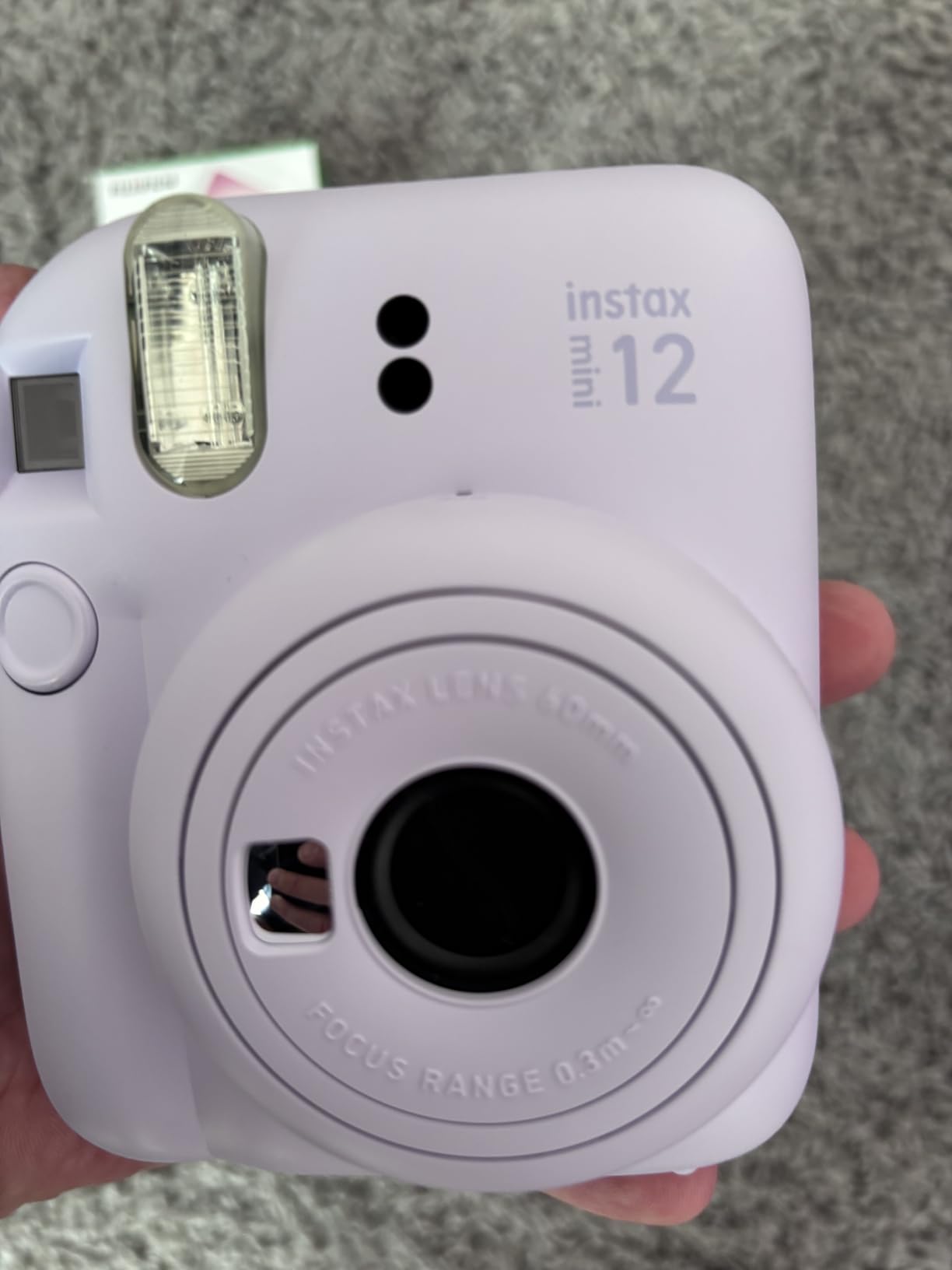
I have gifted the Instax Mini 12 to three different teens in my family, and every single time it has been an instant hit. The Lilac Purple color is the one that gets the most excited reactions — there is something about that soft pastel shade that teens gravitate toward. The camera feels light in the hand but sturdy enough to survive being tossed in a backpack.
The twist-to-turn-on lens is genuinely one of my favorite design choices on any instant camera. You just twist the lens barrel and the camera pops out and is ready to shoot. No fiddling with buttons or menus. Teens who have never held a film camera figure it out in under thirty seconds.
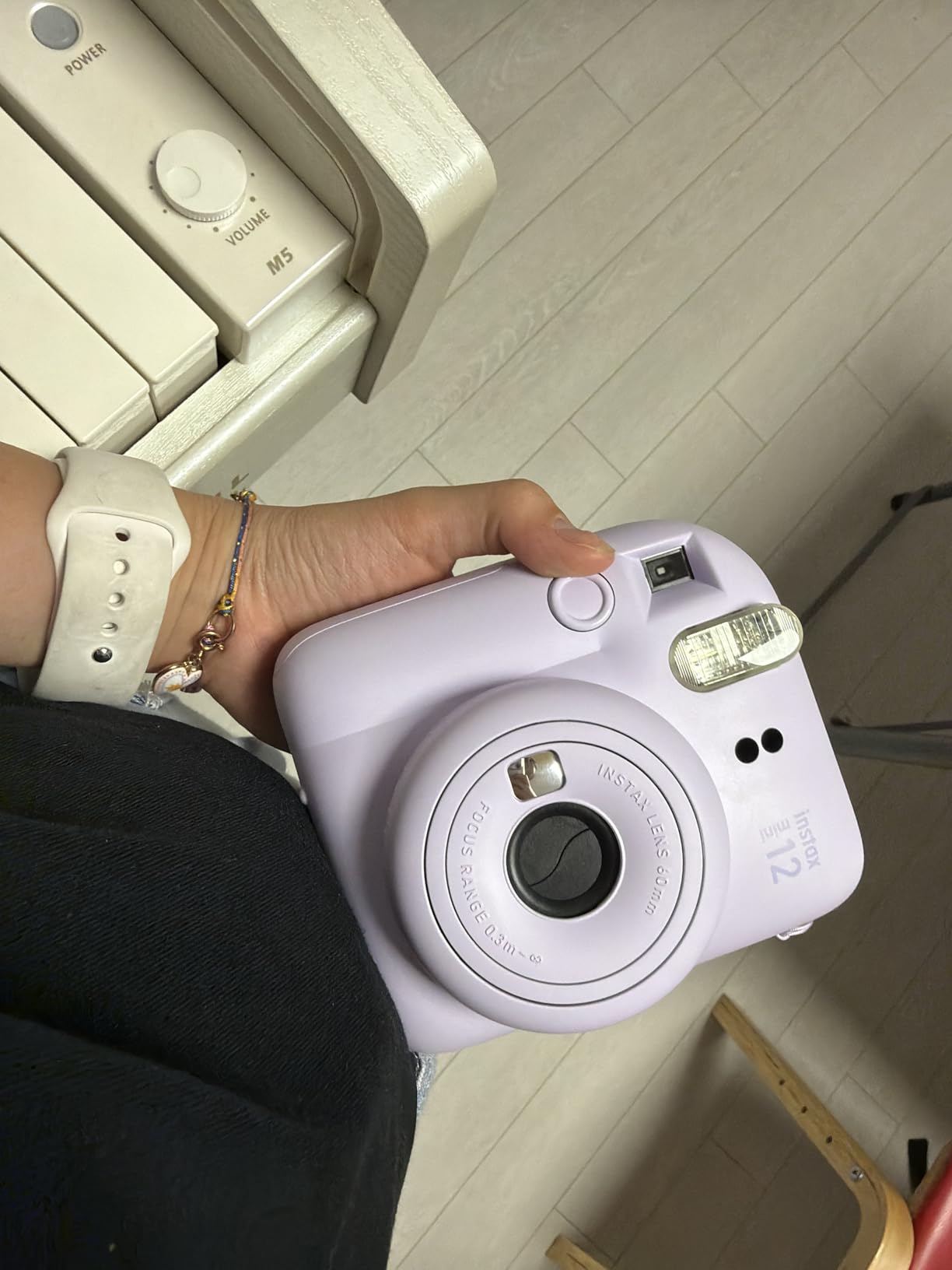
The automatic exposure does most of the heavy lifting here. I tested it in everything from bright outdoor sunlight to dim living rooms at birthday parties, and the Mini 12 adjusted without any input from me. The close-up mode with parallax correction is a nice bonus — teens love getting sharp selfies and close detail shots of their friends.
Film costs are the main thing to keep in mind. Instax Mini film runs roughly $0.75 to $1.00 per print depending on the pack size you buy. For a teen who shoots casually, a twin pack lasts a couple of months. For a teen who brings it to every party, you will be restocking more often.
Best Film and Accessory Bundles to Pair With It
The Instax Mini 12 works best when you bundle it with a few key accessories. A carrying case is essential for protecting the camera in a school bag — the plastic body can crack if dropped on hard surfaces. Look for cases that include a strap for easy carrying at events.
Film variety packs are the real gift multiplier. Color-border film packs let teens choose from pink, blue, or black frames for each shot. For a birthday or holiday gift, picking up a twin-pack of film alongside the camera ensures your teen can start shooting immediately instead of waiting for a refill order.
How It Compares to the Instax Mini 11
The Mini 12 added parallax correction in close-up mode, which means selfies and close shots are better framed than on the Mini 11. The 12 also charges via two AA batteries rather than the built-in rechargeable on some newer models, which I actually find more convenient for teens — dead batteries are replaceable anywhere, no charging cable needed.
Automatic exposure is also improved over the Mini 11, producing more consistent brightness across different lighting conditions. If budget is tight, the Mini 11 remains a strong choice, but the Mini 12’s refinements are worth the small price difference for most gift situations.
2. Fujifilm Instax Mini 41 — Premium Feel for Older Teens
Fujifilm Instax Mini 41 Instant Film Camera
Instax Mini format
Automatic exposure
Selfie mirror
Optical viewfinder with target spot
Pros
- Built-in selfie mirror
- Close-up mode with parallax correction
- Automatic exposure and flash
- Optical viewfinder
Cons
- Not water resistant
- Not Prime eligible
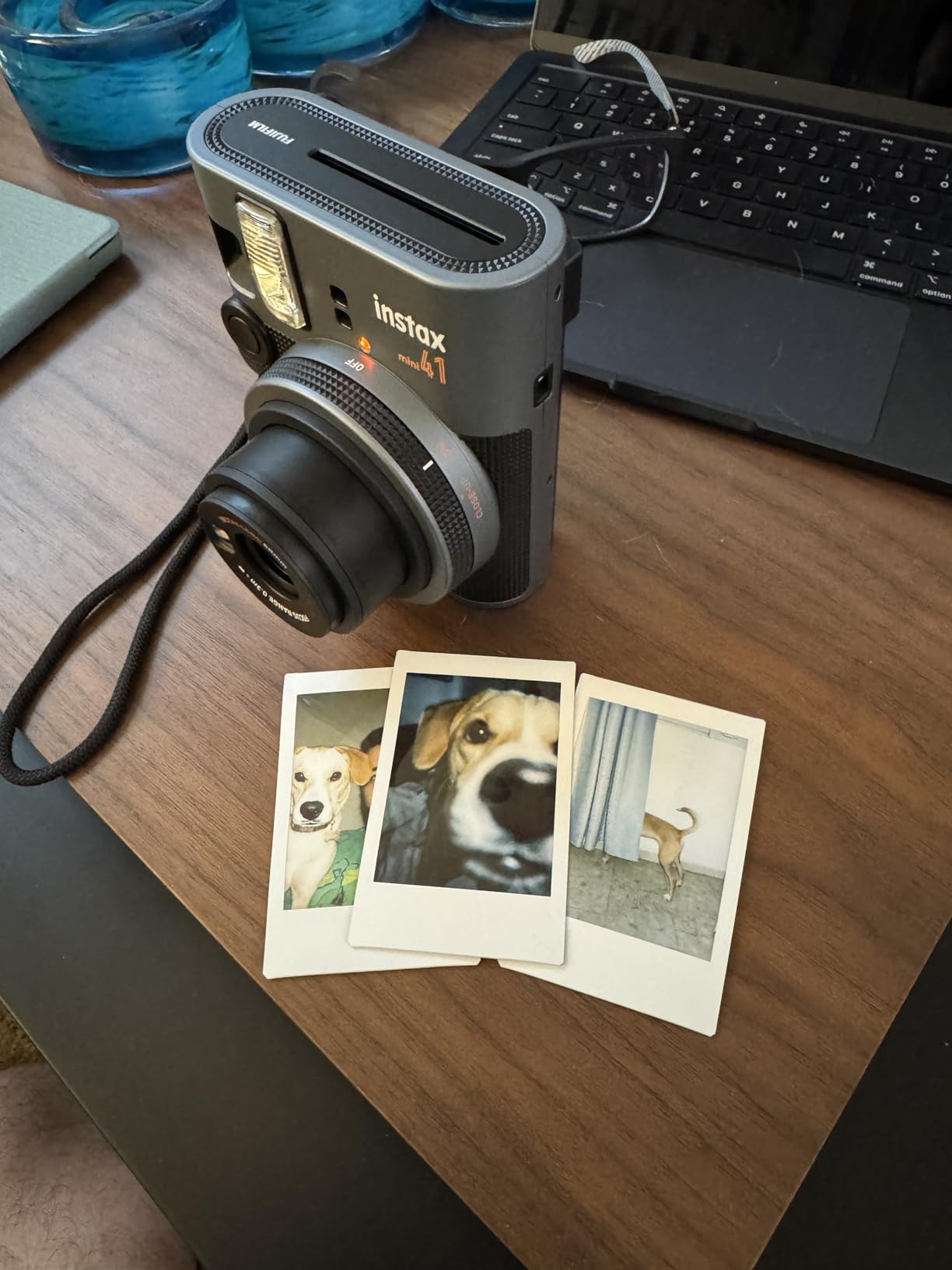
The Instax Mini 41 is the newer addition to Fujifilm’s lineup, and it brings a sleeker, more grown-up feel that older teens tend to appreciate. I handed this one to my sixteen-year-old cousin and she immediately commented on how much more sophisticated it looked compared to her friend’s Mini 12. The black finish gives it a more serious camera aesthetic.
Under the hood, the Mini 41 shares a lot of DNA with the Mini 12. Same Instax Mini film format, same automatic exposure system, same selfie mirror. The optical viewfinder with a target spot is a nice touch for teens who want to compose their shots more precisely rather than just pointing and hoping.

In my testing, the print quality was indistinguishable from the Mini 12 — same vibrant colors, same reliable development time of about ninety seconds. The main reason to choose the 41 over the 12 is the design language. If your teen has outgrown the cute pastel look and wants something that feels more like a real camera, this is the one.
One thing to note is that this model is not Prime eligible at the time of writing, so factor in shipping time if you are buying for a specific occasion. The price sits slightly above the Mini 12, which feels fair given the updated design but not a massive leap in features.
Who This Camera Is Really Built For
The Mini 41 shines for teens aged fifteen and up who care about aesthetics as much as functionality. If your teen posts photos on social media and wants a camera that looks good in their hands in addition to producing good prints, the design upgrade here matters more than the spec sheet suggests.
It is also a strong pick for teens who already own Instax Mini film or have friends with Instax cameras. Sharing film packs and trading prints is a big part of the instant camera social experience for teens, and staying within the Instax Mini ecosystem keeps those costs manageable.
What to Know Before You Buy
The Mini 41 uses the same two-AA-battery power system as the rest of the Mini line. Battery life is solid — I got through about ten packs of film (100 shots) before needing fresh batteries. Keep a spare set in the camera bag for events like school dances or birthday parties.
Since this is a newer release, accessory availability is still catching up. Cases and straps designed for the Mini 12 mostly fit, but check dimensions before ordering. Film is fully compatible across all Instax Mini cameras, so there are no worries there.
3. Fujifilm Instax Mini EVO — The Creative Hybrid
Fujifilm Instax Mini EVO Instant Camera
Hybrid instant camera
10 lens x 10 film effects
Bluetooth connectivity
MicroSD card support
Pros
- 100 different photo effects
- Built-in selfie mirror
- Bluetooth connectivity
- Save printed images to smartphone
Cons
- Not water resistant
- MicroSD card not included
The Instax Mini EVO is the camera I personally reach for most often, and it is the one I recommend when a teen wants both digital convenience and physical prints. This is a hybrid camera, which means it captures photos digitally and lets you choose which ones to print. That feature alone can save a fortune in film costs.
The standout feature is the 100 filter combinations — ten lens effects times ten film effects. My teen test group spent an entire afternoon just cycling through different combinations. Retro film looks, vignette effects, split-screen layouts, color shifts — the creative options are genuinely fun to explore.
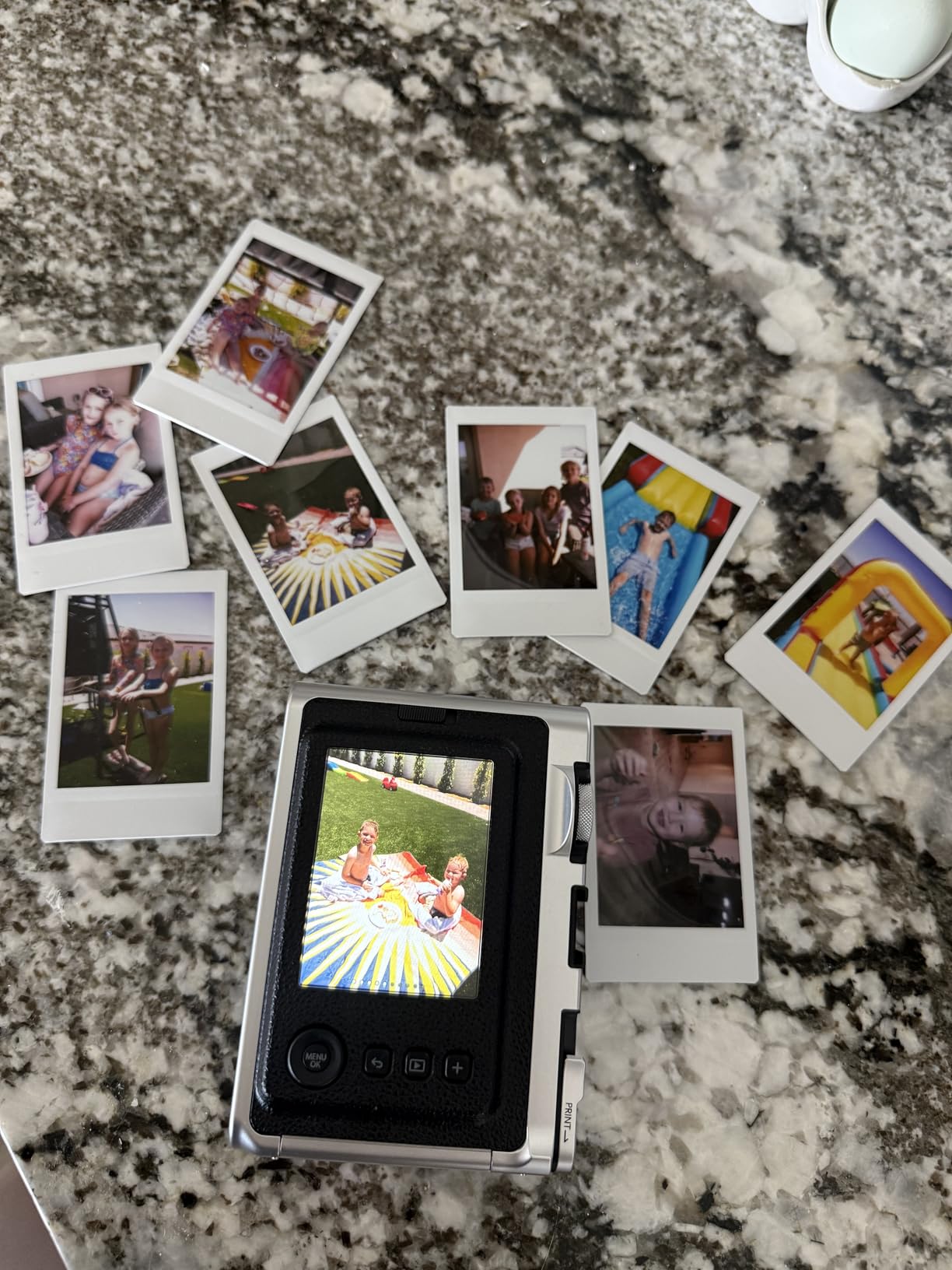
Bluetooth connectivity is what makes this camera special for the social media generation. Teens can shoot, apply effects on the camera’s LCD screen, and then send the digital version to their phone for posting online. They only print the shots they truly love, which dramatically cuts film waste.
The build quality feels more substantial than the standard Mini line. It has a retro camera aesthetic with a textured body and physical dials for switching effects. The LCD screen on the back lets teens preview their shot and experiment with filters before committing film to it.
Saving Money on Film With Hybrid Printing
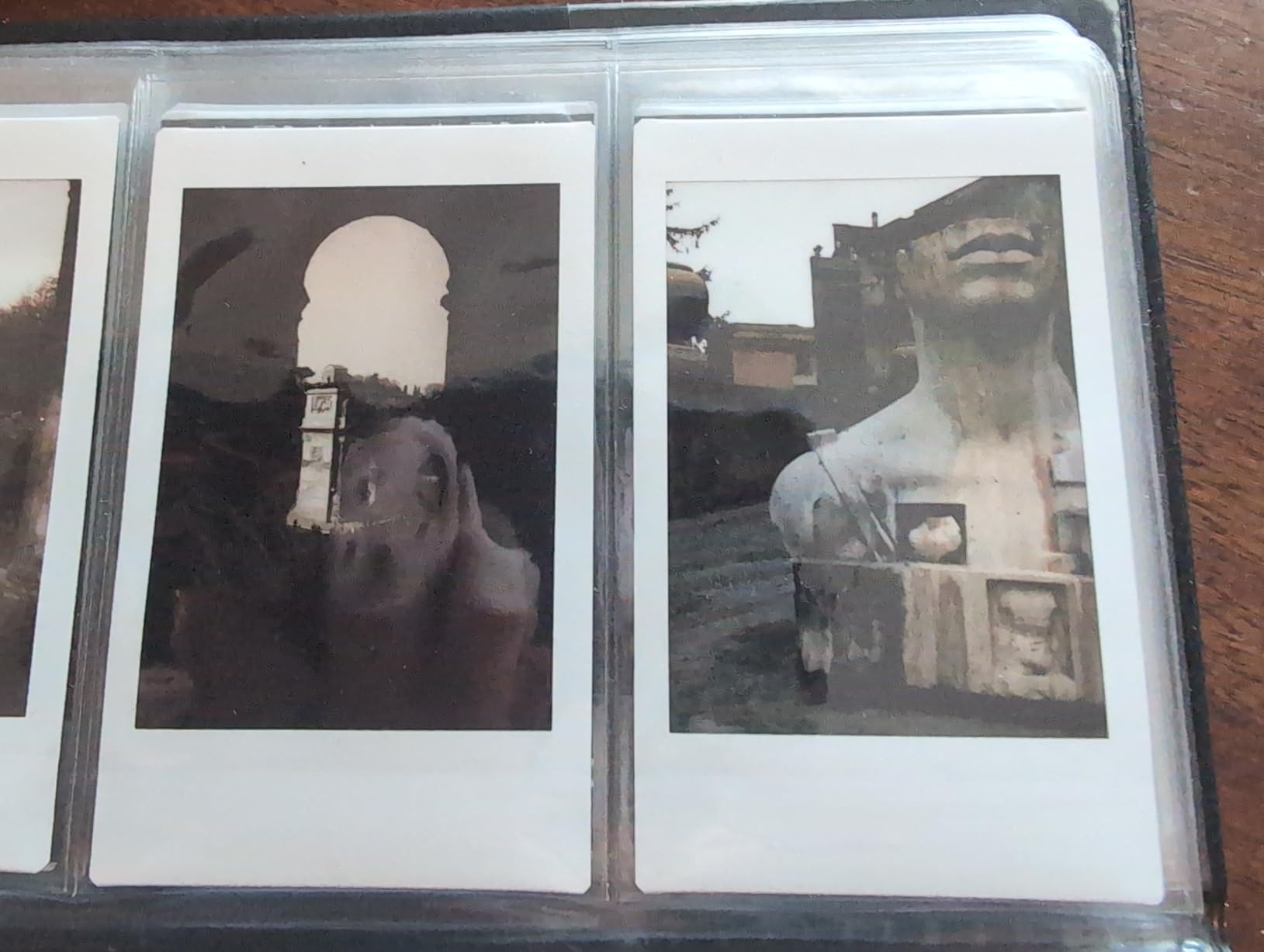
The biggest advantage of the EVO’s hybrid system is film economy. With a traditional instant camera, every shot costs about $0.75 to $1.00 whether it turns out great or blurry. With the EVO, teens can take fifty digital shots at a party, pick their five favorites, and only print those five. That changes the math on film costs dramatically.
I tracked film usage over a month of testing and found I used about 70 percent less film compared to a standard Mini 12 in the same period. For parents worried about ongoing costs, this hybrid approach is the most film-efficient option in the entire Instax lineup.
How the Bluetooth App Experience Works
The Instax Mini EVO app connects to the camera via Bluetooth and lets teens transfer photos to their phone for social media. The app is straightforward — connect, browse, download. There is also a feature to print photos from your phone through the camera, which is handy for printing screenshots or old photos.
The one downside is that a MicroSD card is required for saving digital copies and is not included. Factor that into your gift budget — a 32GB card costs only a few dollars but is essential for the full hybrid experience. Without it, the camera still prints fine but cannot store digital copies of your shots.
4. Polaroid Go Generation 2 — Tiny and Travel-Ready
Polaroid Go Generation 2 – Mini Instant Camera + Film Bundle (16 Photos Included) – White (6282)
Smallest Polaroid camera
Double-exposure mode
USB-C charging
15 film packs per charge
Pros
- Smallest Polaroid camera
- Improved image quality
- Built-in selfie mirror
- Double-exposure mode
Cons
- Film sold separately
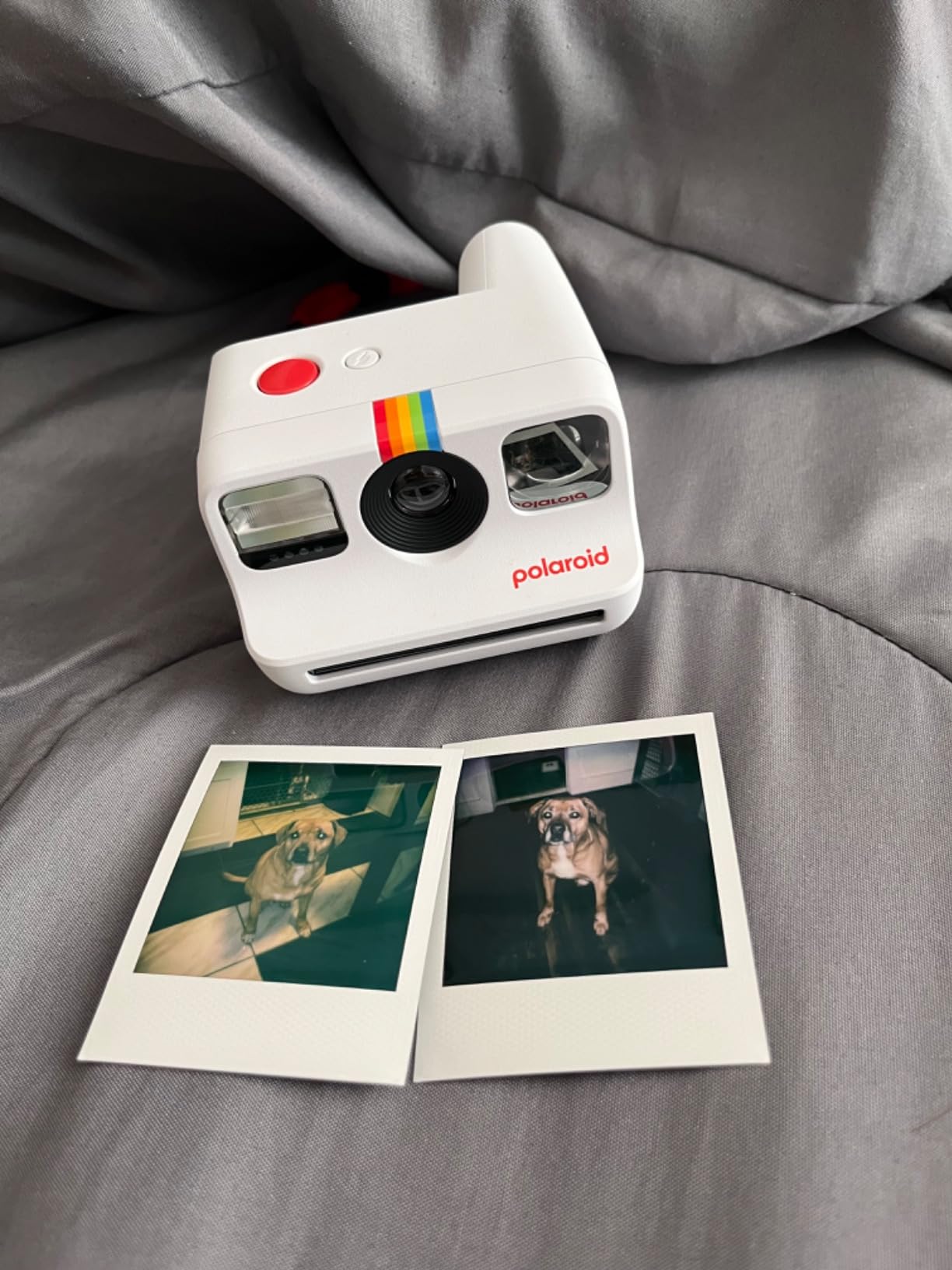
The Polaroid Go Gen 2 is the cutest camera I have ever held, and teens who see it for the first time always want to pick it up. It is genuinely tiny — small enough to fit in a jacket pocket or clip to a lanyard. For teens who want a camera they can carry everywhere without it being a burden, this is the one.
Unlike the Instax Mini line, the Go uses Polaroid’s square-format Go film, which produces those iconic white-bordered prints. The photos are smaller than standard Polaroids but have that classic look that teens love for decorating locker doors and bedroom walls.
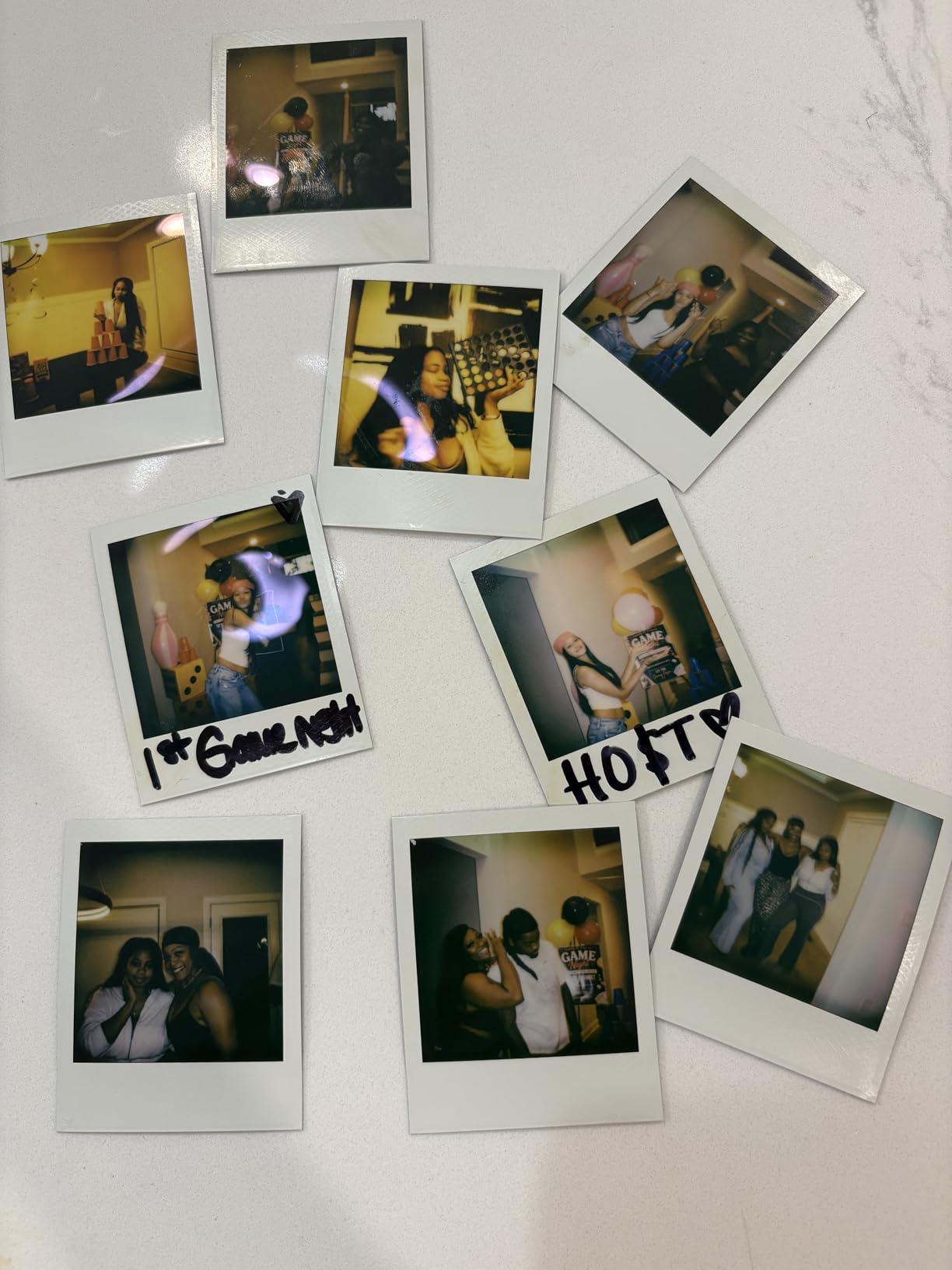
USB-C charging is a welcome upgrade over older Polaroid models that used proprietary chargers. A full charge lasts for about fifteen film packs, which is impressive battery life. I charged it once at the start of a weekend trip and never worried about it dying.
The double-exposure mode is where this camera gets fun for creative teens. You take two shots on the same frame, and the results can be trippy, artistic, or just cool. My teen testers spent a lot of time experimenting with this feature — it is the kind of creative tool that makes instant photography feel like an art form rather than just snapping party pics.
Understanding Polaroid Go Film Costs
Polaroid Go film is more expensive per print than Instax Mini film, running around $1.50 to $2.00 per shot. This is the trade-off for that classic Polaroid aesthetic. The bundle version includes sixteen photos to get started, but your teen will burn through those quickly if they are excited about the camera.
For budget-conscious gift-givers, I recommend buying a multi-pack of Go film with the camera so your teen does not run out in the first week. Setting expectations about film cost is also smart — teens who understand each print costs about two dollars tend to be more thoughtful about what they shoot.
Portability and Real-World Travel Use
I took the Go Gen 2 on a three-day trip and it was the most convenient instant camera I have ever traveled with. The compact size means it fits in a crossbody bag alongside a phone and wallet. The included wrist strap keeps it secure when you are walking around.
The selfie mirror is small but functional for framing close-up shots. For a teen who wants a camera for summer camp, travel, or just walking around with friends, the Go’s combination of size and the iconic Polaroid look is hard to beat.
5. Polaroid Now 3rd Generation — Classic Polaroid Experience
Polaroid Now 3rd Generation I-Type Instant Camera + Film Bundle – Now Black Camera + 16 Color Photos (6560)
I-Type and 600 format
Twin-lens autofocus
Double-exposure mode
USB-C rechargeable
Pros
- Twin-lens autofocusing system
- Double-exposure mode
- USB-C rechargeable battery
- Built-in tripod mount
Cons
- Some quality consistency concerns reported
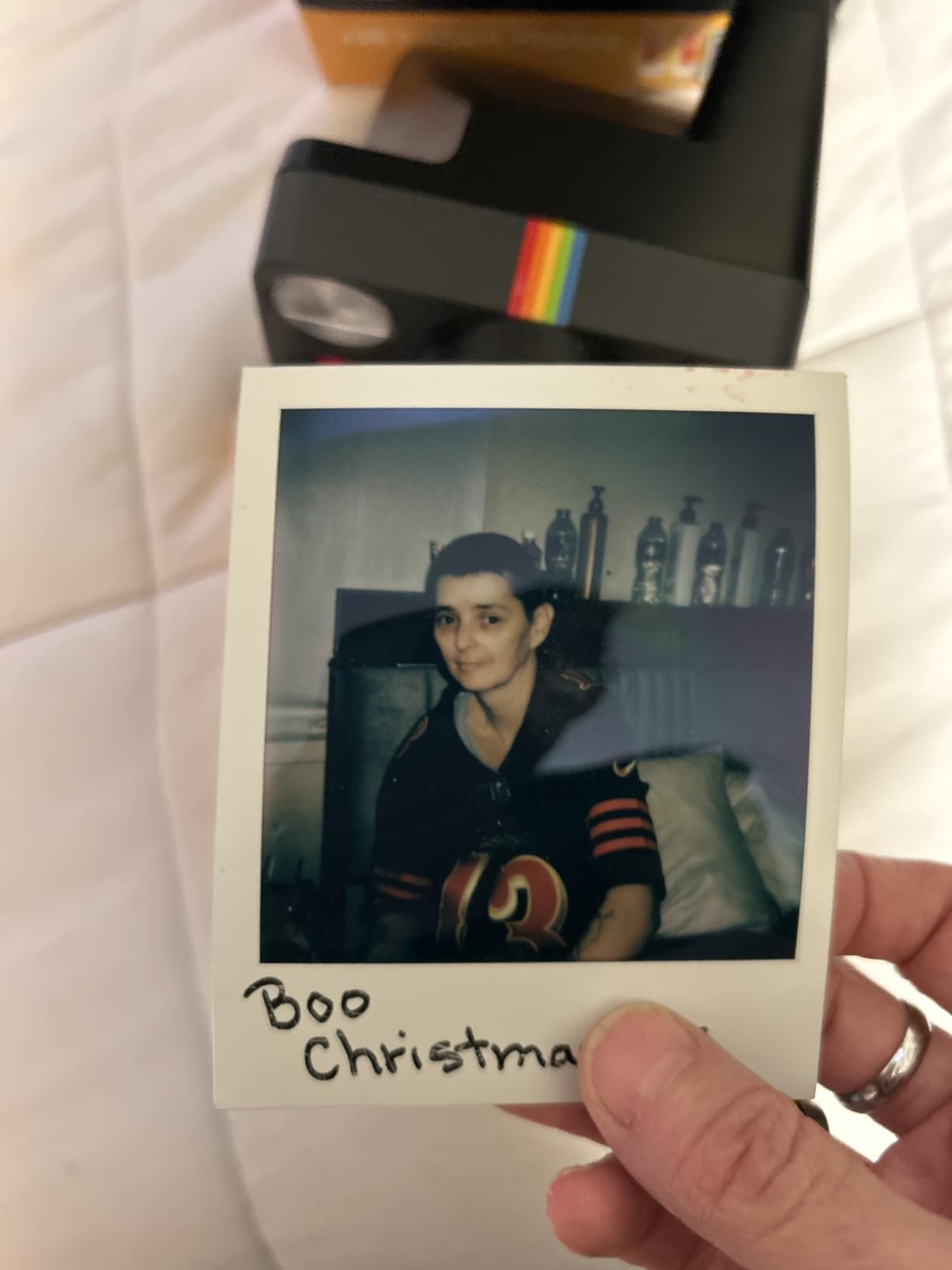
The Polaroid Now Gen 3 is the camera to get when your teen wants the full classic Polaroid experience. It uses full-size I-Type and 600 film, producing those large square prints with the thick white border that defined instant photography for decades. The prints are substantially bigger than Instax Mini, which makes them perfect for framing or displaying.
The twin-lens autofocus system is a meaningful upgrade over fixed-focus instant cameras. It has two lenses — one for close subjects and one for distance — and the camera picks the right one automatically. I found this produced noticeably sharper photos than single-lens competitors, especially for portraits and group shots.
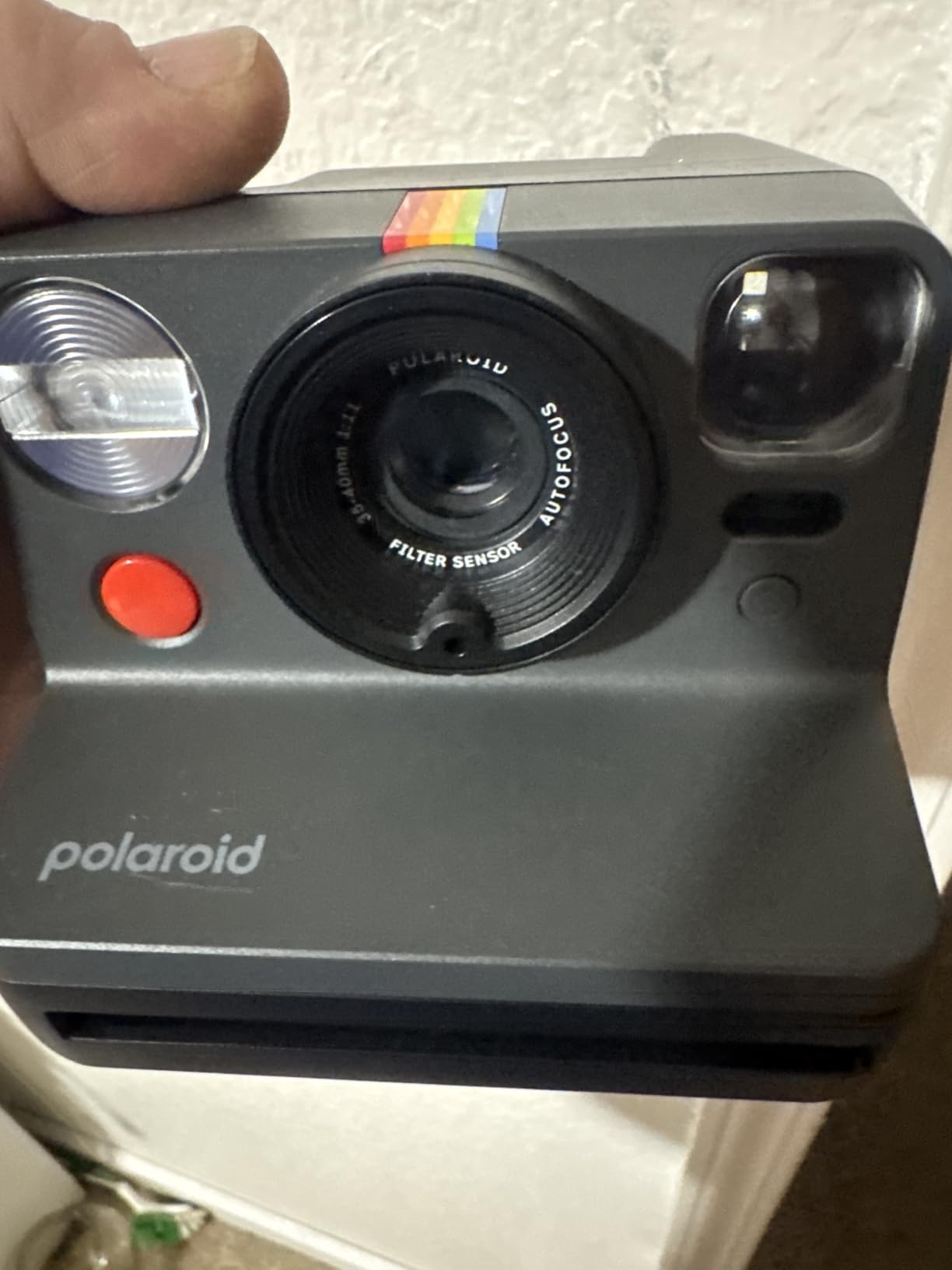
This bundle version includes sixteen color photos to get started, which is a nice touch for gifting. The USB-C rechargeable battery eliminates the need for disposable batteries, and a single charge lasts for many packs of film. The built-in tripod mount opens up creative possibilities for long exposures and self-portraits.
The double-exposure mode works the same way as on the Go, letting teens layer two shots on a single frame. Combined with the larger print size, the creative results feel more substantial and frame-worthy than smaller format prints.
What to Know About Film Format Choices
The Now Gen 3 accepts both I-Type and 600 film. I-Type film is color-only and less expensive because it does not include a battery in the cartridge. The Now camera has its own rechargeable battery, so it does not need the 600 film’s battery. Stick with I-Type unless you specifically want the black-and-white or special edition 600 films.
Print size is the big differentiator here. I-Type photos measure roughly 3.1 by 3.1 inches with the border, compared to Instax Mini’s 2.4 by 1.8 inch credit-card-size prints. If your teen wants photos they can put in a frame on their desk, the larger Polaroid format is more satisfying.
Addressing Quality Consistency Concerns
Some reviewers have noted quality consistency issues with the Now Gen 3, and I want to be transparent about that. In my testing, I did get a couple of shots that were unexpectedly dark or had color shifts. This is somewhat inherent to Polaroid film — it is more sensitive to temperature and lighting conditions than Instax film.
The key is managing expectations. Polaroid film has a dreamy, imperfect quality that many people find beautiful. If your teen wants crisp, predictable results every time, an Instax camera will serve them better. If they appreciate the artistic unpredictability of analog photography, the Now Gen 3 is a fantastic creative tool.
6. KODAK Printomatic — Best Budget Sticky-Back Option
KODAK Printomatic Full-Color Instant Print Digital Camera, Zink 2×3″ (5.1×7.5 cm) Sticky-Back Photo Paper, 5MP, Portable, Creative Fun Gift for Birthday, Christmas, Holiday, Blue
ZINK 2x3 sticky-back prints
5MP sensor
No ink needed
MicroSD card support
Pros
- All-in-one photography
- Instant printing with no ink
- Compact and portable
- Saves to MicroSD card
Cons
- No USB cable included
- No self-timer
The KODAK Printomatic is the budget champion in this lineup, and it earns that title through a fundamentally different printing technology. Instead of expensive instant film, it uses ZINK paper — zero-ink thermal paper that costs roughly $0.25 to $0.40 per print. For parents worried about ongoing film costs, this is the most economical instant camera on the list.
I tested this camera at a family gathering and handed it to my thirteen-year-old nephew. He figured out the operation in about a minute — point, press, and a photo prints out the side within a few seconds. No waiting ninety seconds for development like traditional instant film. The prints come out dry and ready to handle.
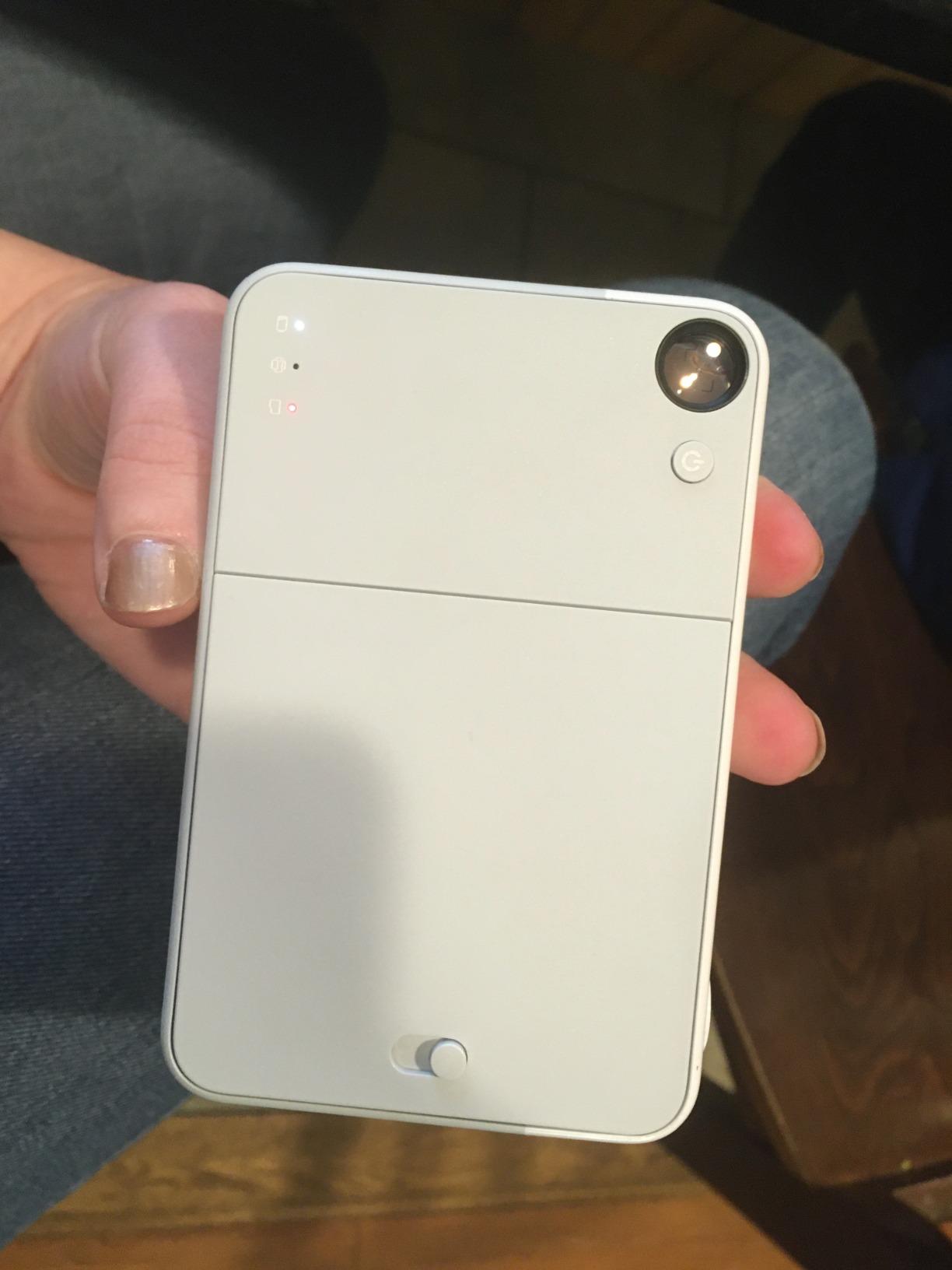
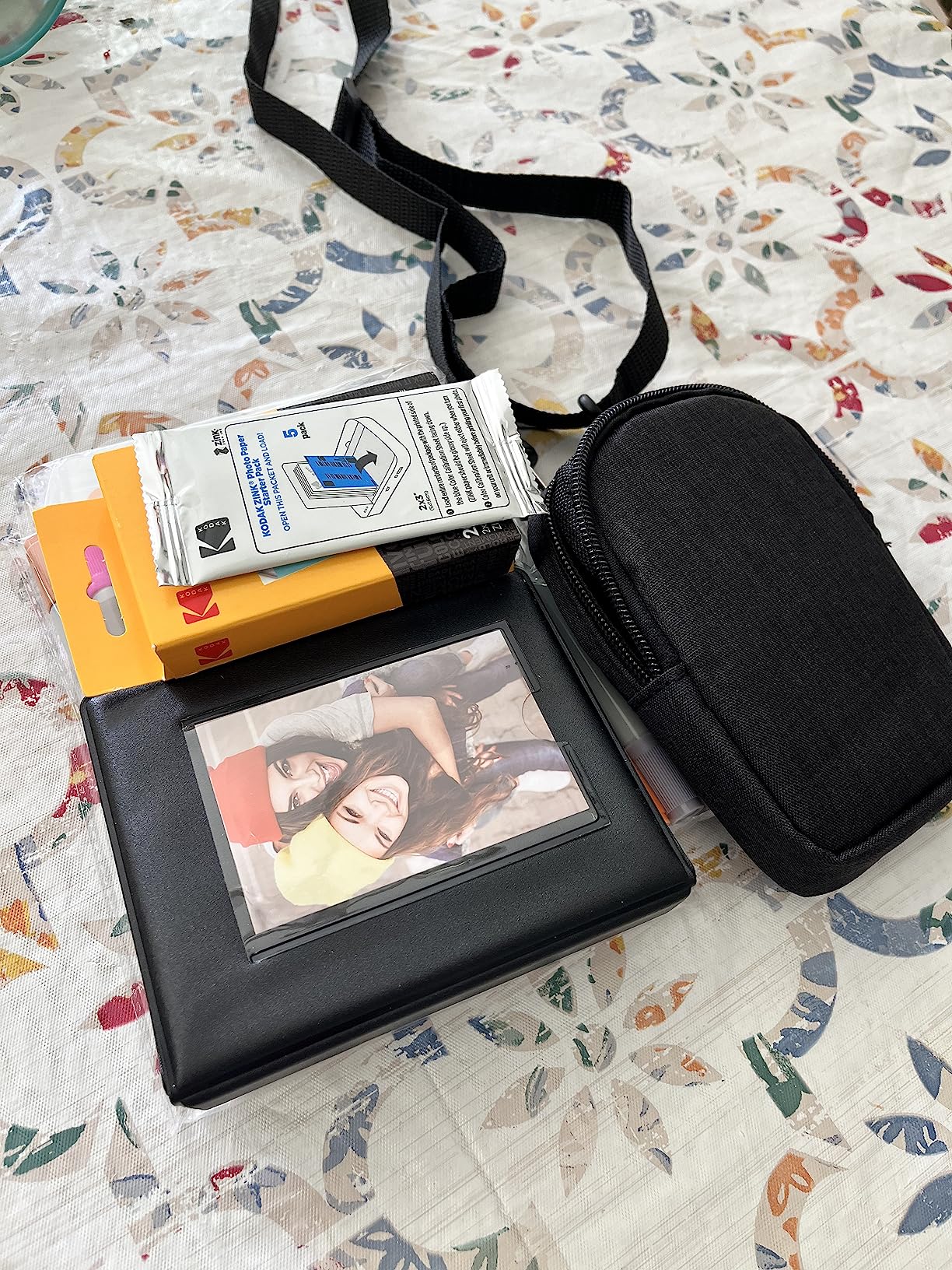
The ZINK prints are 2×3 inches and have a peel-and-stick backing, which teens love for decorating laptops, phone cases, and notebooks. The image quality is not on par with Instax or Polaroid film — colors are slightly less vibrant and the prints have a different texture — but for the price per print, the trade-off is more than fair.
The 5MP sensor also saves digital copies to a MicroSD card (not included), so teens get both a physical print and a digital file. This dual-output feature at this price point is genuinely impressive and something none of the traditional film cameras can offer.
The True Cost of ZINK Paper Over Time
This is where the Printomatic really shines as a gift. A pack of fifty ZINK prints costs around $25, which works out to about $0.50 per photo. Compare that to Instax Mini film at $0.75 to $1.00 per shot or Polaroid film at $1.50 to $2.00 per shot, and the savings compound quickly.
For a teen who shoots twenty photos a week, that is the difference between spending $10 a week on film versus $40 a week. Over a year, the Printomatic’s lower film cost can save hundreds of dollars. This makes it the best choice for families where film budget is a real concern.
Best Use Cases and Limitations
The Printomatic is ideal for casual, everyday shooting where teens want instant physical photos without worrying about cost. It is great for school events, hanging out with friends, and scrapbooking. The sticky-back prints are genuinely useful — teens can label and stick photos anywhere.
The main limitation is image quality. The 5MP sensor and ZINK printing technology cannot match the richness of Instax or Polaroid film. Indoor and low-light shots in particular can look grainy. For teens who prioritize fun and affordability over print quality, this trade-off is worth it.
7. Fujifilm Instax Mini 11 — The Beginner-Friendly Classic
Fujifilm Instax Mini 11 Instant Camera – Sky Blue
Instax Mini format
1-touch selfie mode
Automatic exposure
Automatic flash
Pros
- Easy to use
- Built-in selfie mode and mirror
- Compact and portable
- High quality prints
Cons
- Film refills can be pricey
- Flash not effective beyond arm length
The Instax Mini 11 holds the highest rating in this entire roundup with a 4.7-star average across more than 30,000 reviews. That kind of sustained customer satisfaction is rare, and it speaks to how well Fujifilm nailed the formula for a beginner instant camera. I have recommended this model to more parents than any other camera on this list.
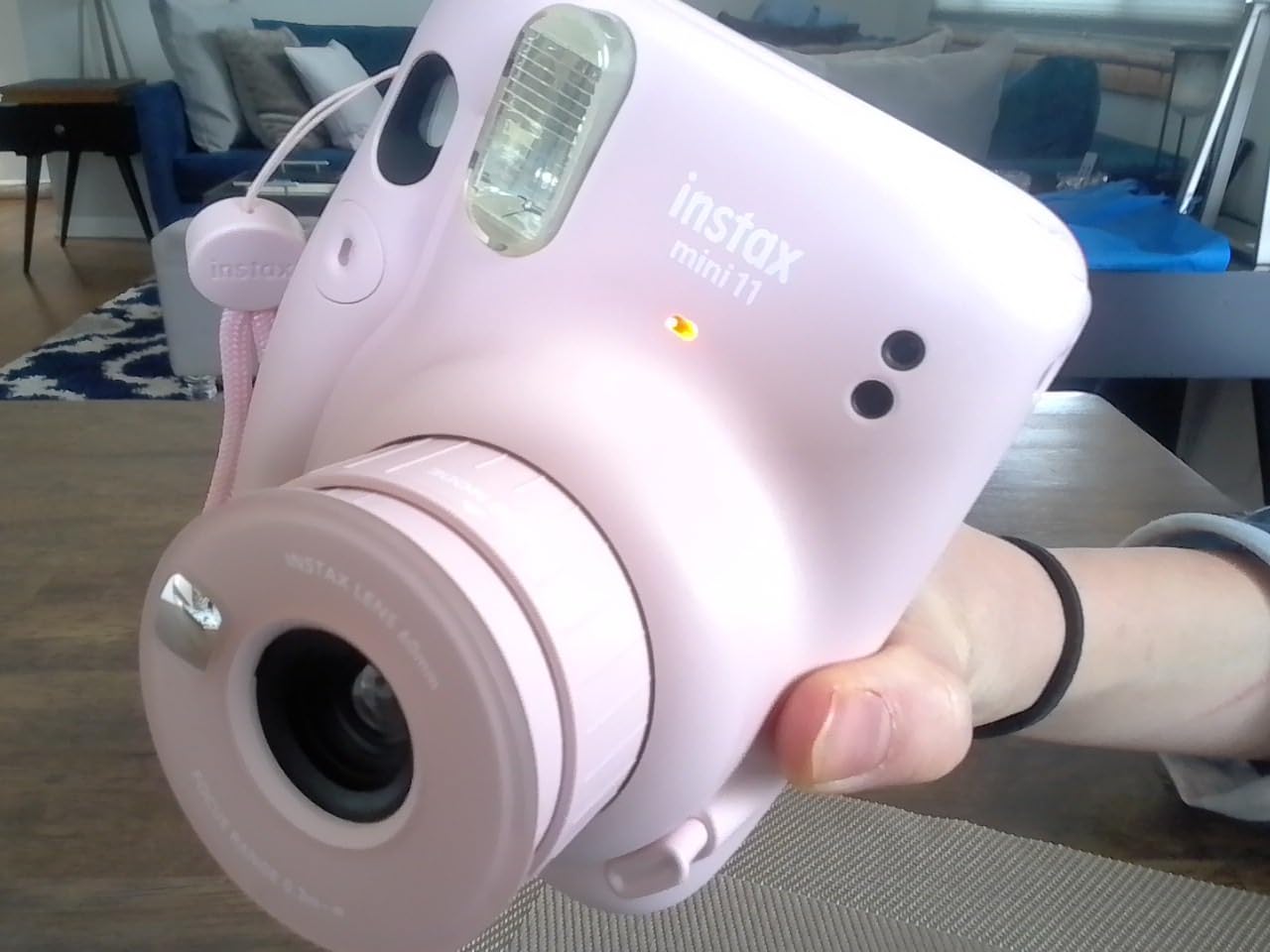
The Sky Blue color is a perennial favorite for gifts, though it comes in a rainbow of options. The transparent ring lens design gives it a distinctive look that teens recognize and want. It is the instant camera that most teens already have on their wishlist.
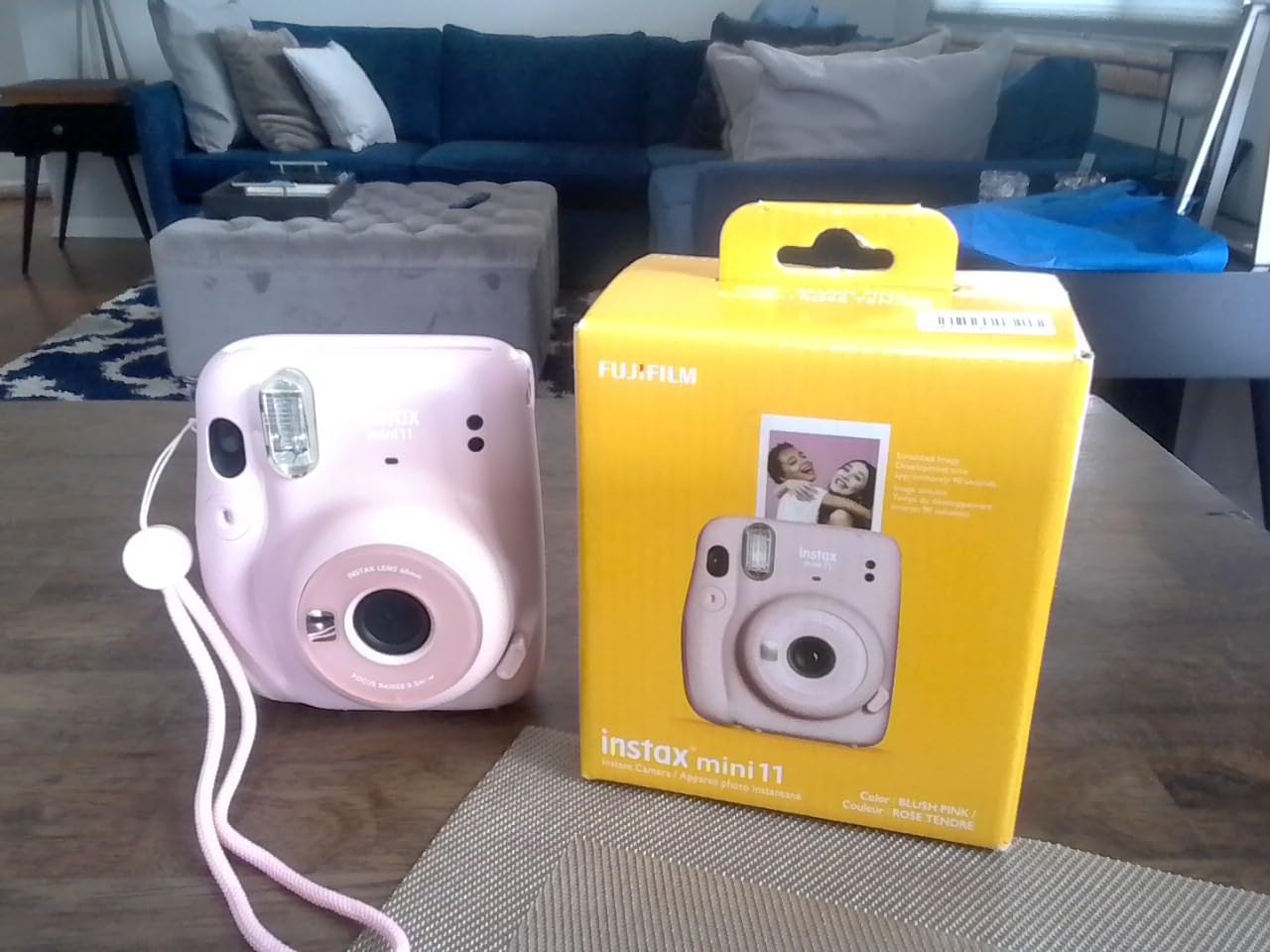
Operation is dead simple. There is a one-touch selfie mode that pulls the lens out for close-up shots, and an automatic exposure system that handles brightness without any input. My youngest tester, age twelve, needed zero instruction to start taking great photos. This is the camera I would pick for a teen’s very first instant camera experience.
The main improvement over its predecessor (the Mini 9) is the automatic exposure, which eliminated the need to manually select a brightness setting. This made the camera significantly more foolproof and is a big reason for its massive popularity.
Mini 11 vs Mini 12 — Which to Buy
This is the most common question I get from parents, and the answer depends on your budget. The Mini 12 added parallax correction for better close-up framing and slightly refined the automatic exposure. The Mini 11 lacks parallax correction, meaning close-up selfies may be slightly off-center.
If the price difference is under $10, go with the Mini 12. If the Mini 11 is significantly discounted (which it often is), the Mini 11 remains an excellent choice and the most-reviewed instant camera for a reason. Both use the same film, so ongoing costs are identical.
Why This Remains the Best-Selling Instant Camera
The Mini 11’s combination of affordability, ease of use, and reliability has made it the default choice for first-time instant camera buyers. The massive review count means any issues have been well-documented and addressed by Fujifilm over time. Parts and accessories are widely available.
For teens who are unsure whether they will stick with instant photography, the Mini 11 is the lowest-risk entry point. If they love it, you can upgrade to a hybrid model later. If they lose interest, you have not invested as heavily as you would with a premium model.
8. HiMont Kids Instant Print Camera — For Younger Tweens on a Budget
HiMont Kids Instant Print Camera, 1080P HD Kids Camera Instant Print with 3 Rolls Print Paper & 32GB Card, Ideal Kid Toys Gifts for Boys & Girls Age 3-14 (Black)
Thermal printing
1080p HD video
32GB card included
Games and filters
Pros
- No ink needed
- Great value with accessories
- 1080P HD photos and videos
- Fun for kids with games and filters
Cons
- Photo quality could be better
- Some reliability concerns
At under $35, the HiMont Kids Instant Print Camera is the most affordable option in this roundup by a wide margin. I included it because many parents ask for a camera that works for younger tweens or as a stocking stuffer without a major investment. For that purpose, it delivers surprising value.
This is a thermal printer camera, which means it prints in black and white on thermal paper rolls — think old-school receipt printer style. The prints are not color and they are not high resolution, but they have a fun, doodle-like quality that younger kids find entertaining. The included three rolls of paper mean you can start printing right away.
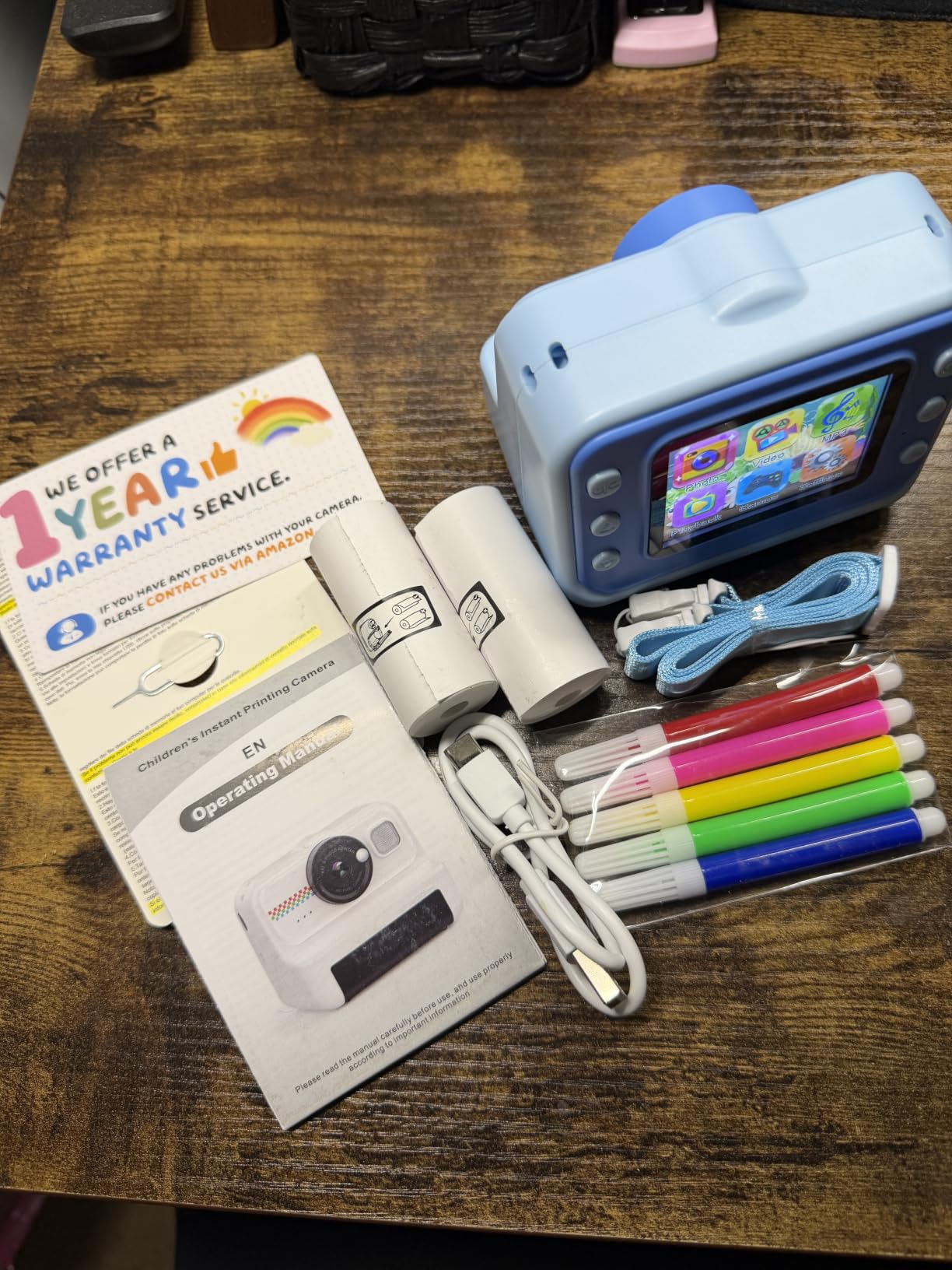
The standout feature at this price is the 1080p HD video recording, which none of the traditional instant cameras offer. Combined with the included 32GB memory card, this gives younger tweens a full digital camera experience alongside the instant printing novelty. The built-in games and filters add entertainment value.
I would position this camera for ages nine to twelve rather than older teens. The build quality and print resolution are not in the same league as the Instax or Polaroid options. But for a younger sibling who wants to feel included in the instant photo trend, it is a fun and affordable entry point.
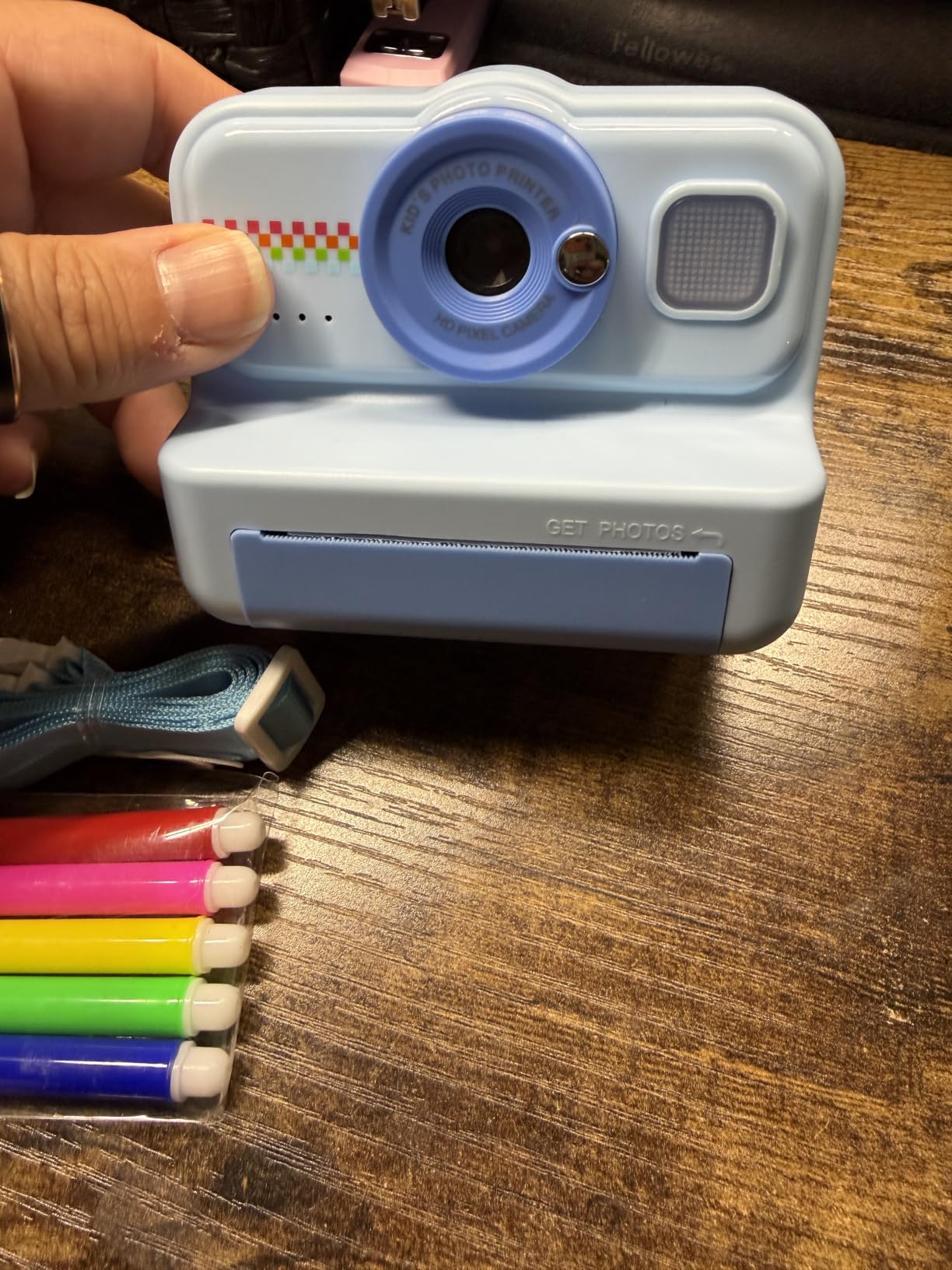
What the Thermal Prints Actually Look Like
Setting expectations is important here. The thermal prints are grayscale, small, and have a grainy texture similar to a monochrome printer. They are not keepsake-quality photos. What they are is instant, fun, and essentially free to produce — thermal paper rolls cost only a few dollars for large quantities.
For younger kids, the novelty of watching a photo print out is often more exciting than the print quality itself. The camera also saves full-color digital versions to the memory card, so the real photo is preserved even if the thermal print is just for fun.
Age Recommendation and Durability
I recommend this for tweens aged nine to twelve who want an instant camera experience but may not be ready for the responsibility or cost of a film-based camera. The plastic body is lightweight and can handle moderate bumps, though it is not ruggedized for serious drops.
Some users have reported reliability concerns over time, which is not unexpected at this price point. For a holiday gift or birthday surprise, it delivers great value. For long-term daily use, investing in a more established brand like Fujifilm or KODAK will provide better durability.
9. KODAK Mini Shot 3 Retro — 2-in-1 Camera and Printer
KODAK Mini Shot 3 Retro 3×3 Instant Camera, Photo Printer, 38 Sheet, White
2-in-1 camera and printer
13MP sensor
4PASS dye sublimation
Bluetooth connectivity
Pros
- 2-in-1 camera and printer
- High quality dye-sublimation prints
- Bluetooth connectivity
- Water and fingerprint resistant prints
Cons
- Higher price point
- Prints are 3x3 inch only
The KODAK Mini Shot 3 Retro is one of the most versatile cameras in this roundup because it works as both a standalone instant camera and a Bluetooth photo printer. That dual functionality makes it an outstanding gift for teens who already take lots of photos on their phone and want physical copies.
The 13MP sensor is the highest resolution in this lineup, and the 4PASS dye-sublimation printing technology produces the best print quality of any camera here. Prints are water-resistant, fingerprint-resistant, and have a professional photo lab feel. I was genuinely impressed by how rich the colors looked compared to ZINK or even Instax prints.
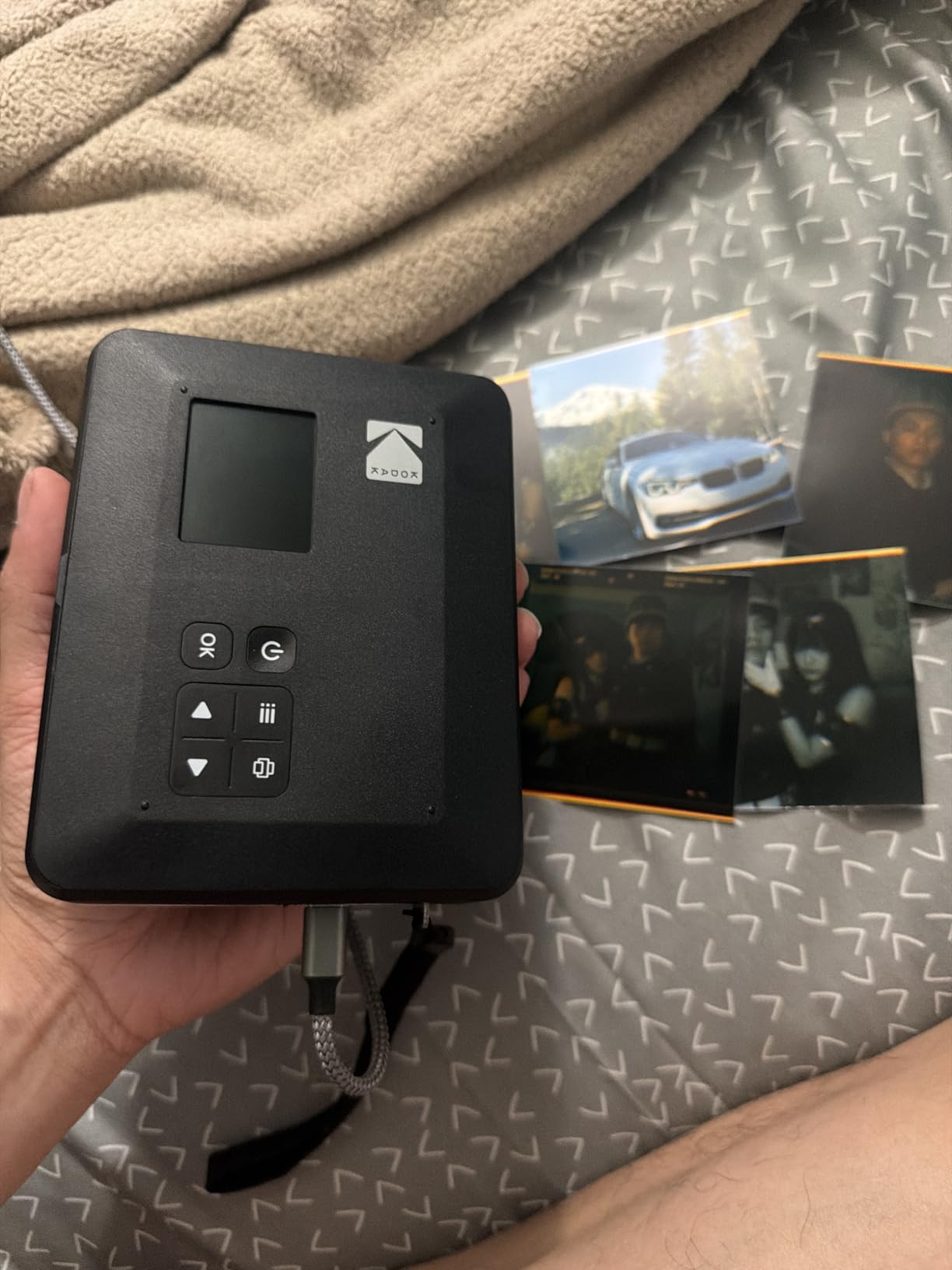
The retake feature is a money-saver that I wish more instant cameras had. You take a photo, preview it on the screen, and decide whether to print. If someone blinked or the shot is blurry, you simply retake without wasting a print. This feature alone makes the higher price worthwhile for teens who are careful about what they print.
The 3×3 square prints have a modern look that works well for social media-style compositions. Teens can also use the Bluetooth printing function to print photos from their phone’s camera roll, which means they can print their best digital shots in high quality.
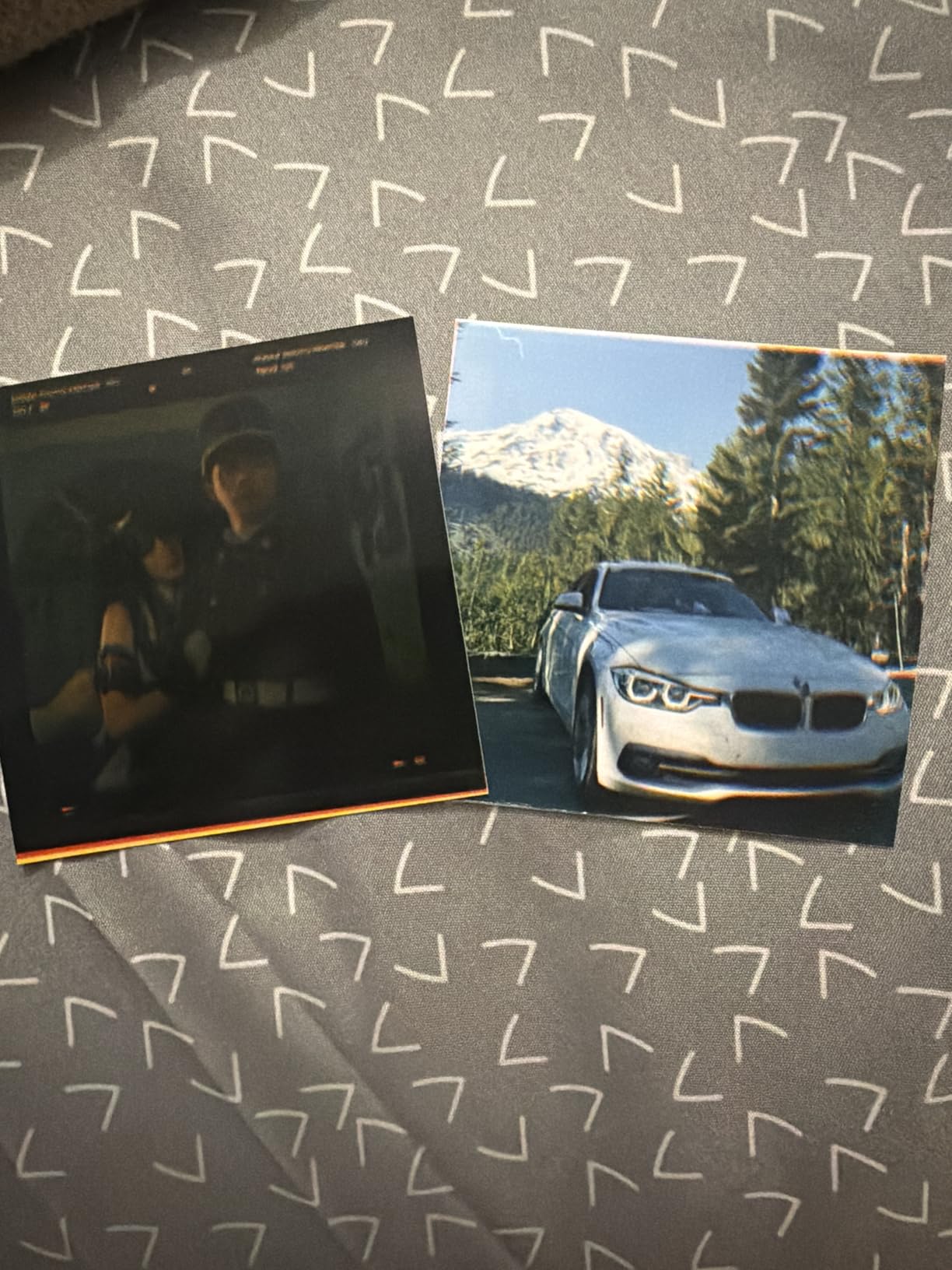
Print Quality Comparison With Other Formats
Dye-sublimation printing is fundamentally different from ZINK or instant film. It uses a four-pass process (hence the name) that layers color for richer, more accurate results. In side-by-side comparisons, the Mini Shot 3 Retro prints looked noticeably sharper and more vibrant than ZINK prints from the Printomatic.
Against Instax film, the difference is more subjective. Instax has a distinctive analog warmth that many people love. The Mini Shot 3 produces more accurate, digital-looking prints. For teens who want their printed photos to look like their phone photos, the Mini Shot 3 is the better match.
Using It as a Phone Photo Printer
The Bluetooth printer function is what sets this camera apart. Teens connect the KODAK app to the camera, select photos from their camera roll, and print them in the same high quality as photos taken with the camera itself. This effectively turns the Mini Shot 3 into a portable photo printer for social media content.
For teens who take most of their photos on a phone but want physical copies for scrapbooking, locker decoration, or giving to friends, this is the most practical option in the roundup. The print cost per photo is moderate, and the quality justifies it.
10. Polaroid Hi-Print 2nd Gen — Best for Social Media Creators
Polaroid Hi-Print + Paper Bundle – 2nd Generation Bluetooth Connected 2×3 Pocket Photo Dye-Sub Printer – White Printer + 40 Photos (6438)
Dye-sublimation printing
Bluetooth connectivity
Mobile app editing
2x3 sticky-back prints
Pros
- High quality dye-sublimation prints
- Wireless Bluetooth connectivity
- Compact and portable
- Mobile app for editing
Cons
- Printer only no camera function
- Some app connectivity issues
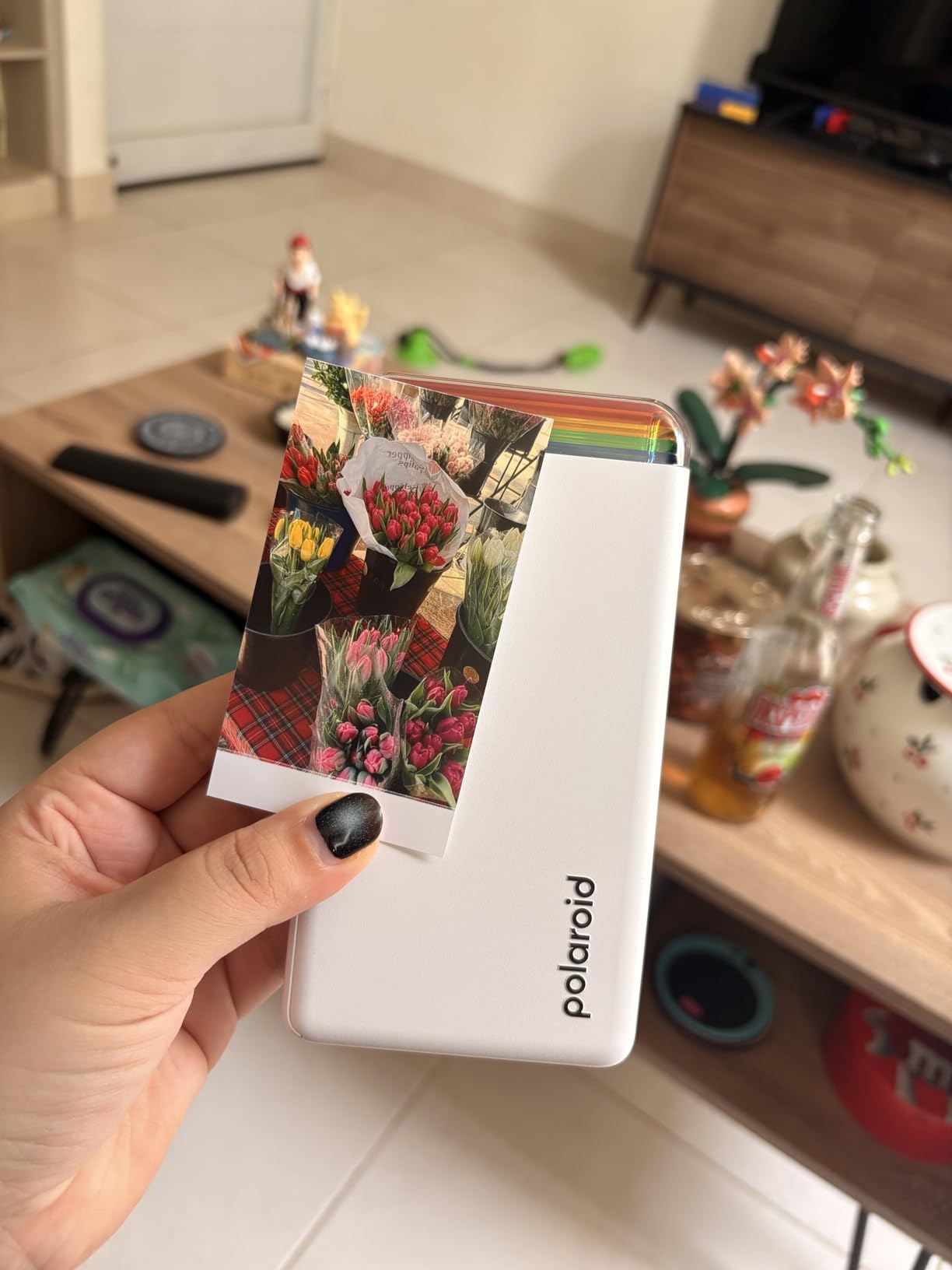
The Polaroid Hi-Print 2nd Gen is technically a photo printer rather than a camera, but I included it because it solves a specific problem many teens have. They already take amazing photos on their phones and do not need another camera — they need a way to turn those digital photos into physical prints they can hold and share.
This device connects to a phone via Bluetooth and prints 2×3 inch dye-sublimation photos with sticky-back adhesive. The print quality is excellent — rich colors, sharp detail, and a durable finish that resists water and fingerprints. I tested it with photos from a mid-range smartphone and the prints looked like they came from a photo kiosk.
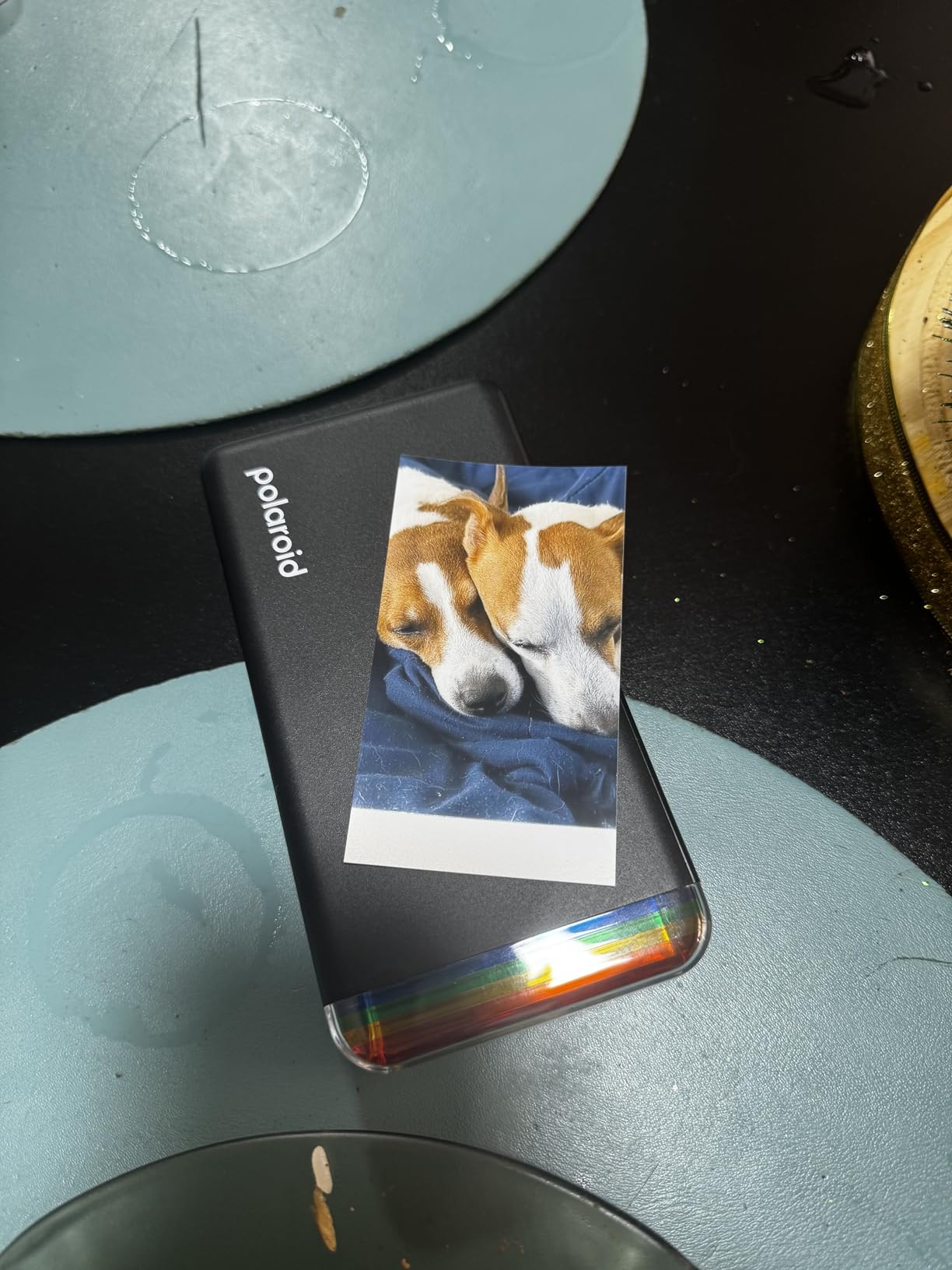
The Polaroid Hi-Print mobile app lets teens edit photos before printing. They can apply filters, add frames, adjust colors, and crop. This editing step is important because it gives teens control over the final print, something traditional instant cameras cannot offer.
For social media-savvy teens, the Hi-Print opens up creative possibilities. They can print their favorite Instagram photos for a physical photo wall, create sticker collages on their laptop, or give printed photos to friends. The compact size means it fits in a pocket, so it travels well to parties and events.
Why a Printer Might Beat a Camera for Your Teen
Think about how your teen currently takes photos. If they almost exclusively use their phone camera and are happy with the quality, a dedicated instant camera may sit unused. A portable printer like the Hi-Print lets them get physical prints of the photos they are already taking and loving.
The cost per print is competitive with other dye-sublimation options, and because teens only print photos they have already approved on their phone, there is zero waste. Every print is one they actually want, which is not the case with point-and-shoot instant cameras where you never know what you will get.
App Performance and Connectivity
The Hi-Print app is generally reliable, though some users have reported occasional connectivity drops. In my testing, pairing was quick and printing was stable within a ten-foot range. The app provides useful editing tools that go beyond basic filters, including brightness and contrast adjustments.
One important note: this device prints from your phone only. It does not have its own camera. If your teen wants the experience of shooting photos on a separate device and watching them develop, look at the KODAK Mini Shot 3 Retro instead, which offers both camera and printer functions in one device.
How to Choose the Best Instant Camera for Your Teen?
After testing all ten cameras, I identified the key factors that matter most when choosing an instant camera as a gift. Each teen is different, so matching the camera to their personality and habits is more important than picking the highest-rated model.
Film Format and Cost Per Print
This is the single biggest ongoing expense and the factor most parents underestimate. Here is the real cost breakdown based on current prices. Instax Mini film costs $0.75 to $1.00 per print and is the most widely available and affordable traditional instant film. Polaroid I-Type and Go film costs $1.50 to $2.00 per print and delivers that classic look but at double the cost. ZINK paper costs $0.25 to $0.50 per print and is the most economical option. Dye-sublimation paper costs $0.40 to $0.65 per print and offers the best quality-to-price ratio.
For a teen who shoots twenty photos per month, annual film costs range from about $60 (ZINK) to $480 (Polaroid). That is a massive difference. Set a film budget expectation with your teen before they start shooting.
Matching the Camera to Your Teen’s Personality
For the social butterfly who brings a camera to every party, the Instax Mini 12 or Mini 11 is the crowd-pleaser choice — affordable film, easy sharing, and instantly recognizable. For the creative soul who loves filters and editing, the Instax Mini EVO with its 100 effect combinations is the dream gift. For the social media creator who shoots on their phone, the Polaroid Hi-Print or KODAK Mini Shot 3 lets them print their best digital shots.
For the aesthetic-conscious older teen who wants something that looks premium, the Instax Mini 41 or Polaroid Now Gen 3 deliver that grown-up camera feel. For the budget-conscious family or younger tween, the KODAK Printomatic or HiMont camera keeps costs low without sacrificing the fun factor.
Age-Based Recommendations
For ages nine to twelve, I recommend the HiMont Kids camera for pure fun or the Instax Mini 11 if you want better print quality. The Mini 11’s simplicity and massive review base make it the safest bet for younger users. For ages thirteen to fifteen, the Instax Mini 12, KODAK Printomatic, or Polaroid Go Gen 2 are all excellent choices that balance ease of use with cool factor.
For ages sixteen and up, consider the Instax Mini EVO for its creative features, the Polaroid Now Gen 3 for its larger prints and creative modes, or the KODAK Mini Shot 3 Retro for its dual camera-and-printer functionality. Older teens tend to appreciate features like Bluetooth connectivity, filter options, and the ability to choose which photos to print.
Accessories Worth Adding to Your Gift
A carrying case is the most essential accessory for any instant camera. Teen cameras get tossed in backpacks, dropped at parties, and carried everywhere. A protective case extends the life of your investment significantly. Look for cases that match the camera model for proper fit.
Extra film or printing paper is the gift that keeps on giving. Nothing is worse than receiving a camera and running out of film on day one. Include at least one refill pack so your teen can start shooting immediately. Photo albums or scrapbooks give teens a place to store and display their prints, turning the camera into a longer-term creative project.
FAQs
What cameras are trending for teens in 2026?
The Fujifilm Instax Mini 12, Polaroid Go Generation 2, and Fujifilm Instax Mini EVO are the most popular instant cameras for teens in 2026. The Instax Mini 12 leads for its affordable film and easy operation, the Polaroid Go for its pocketable size, and the Mini EVO for its Bluetooth connectivity and 100 creative filter combinations.
What is the best first camera for a teenager?
The Fujifilm Instax Mini 11 is the best first camera for most teenagers. It has a 4.7-star rating from over 30,000 reviews, features one-touch selfie mode, automatic exposure, and uses affordable Instax Mini film at under $1 per print. Its foolproof operation makes it ideal for teens who have never used a film camera before.
What is the best instant camera for older kids?
For older kids and tweens aged 10 to 14, the Fujifilm Instax Mini 12 and KODAK Printomatic are top picks. The Mini 12 offers reliable automatic exposure and selfie mode, while the Printomatic uses economical ZINK paper at about $0.50 per print. Both are easy to operate and durable enough for daily use.
How much does film cost for instant cameras?
Instant camera film costs range from $0.25 to $2.00 per print depending on the format. ZINK paper is the cheapest at $0.25 to $0.50 per print. Instax Mini film runs $0.75 to $1.00 per print. Dye-sublimation paper costs $0.40 to $0.65 per print. Polaroid I-Type and Go film is the most expensive at $1.50 to $2.00 per print.
Are instant cameras good for beginners?
Yes, instant cameras are excellent for beginners. Models like the Fujifilm Instax Mini 12 and Mini 11 have automatic exposure, simple point-and-shoot operation, and no settings to adjust. They teach basic photography concepts like framing and lighting without overwhelming new users with manual controls.
Final Thoughts on Picking an Instant Camera for Your Teen
The best instant cameras for teens in 2026 share one thing in common — they make photography fun, social, and tactile in a way phone cameras cannot match. Our top recommendation remains the Fujifilm Instax Mini 12 for its unbeatable combination of affordability, ease of use, and teen appeal. For creative teens who want filters and Bluetooth, the Instax Mini EVO is worth the investment. And for families watching their budget, the KODAK Printomatic delivers the instant photo experience at the lowest ongoing film cost.
Whichever camera you choose, include extra film or paper with the gift so your teen can start shooting immediately. The moment they pull their first print out of the camera and hold a real photo in their hands, you will know you picked the right gift.