
I have spent the last three years photographing national parks across the country, from the geysers of Yellowstone to the granite walls of Yosemite. Along the way, I learned that the best cameras for national parks share three things: they survive dust and sudden rain, they are light enough to carry on a 10-mile hike, and they have enough zoom reach to fill the frame with a bison standing 100 yards away.
Whether you are a first-time visitor who wants better photos than your phone can take or a serious shooter chasing wildlife at dawn, the right camera makes a massive difference. I tested eight cameras across multiple park trips to see which ones held up to real trail conditions.
This guide covers the best cameras for national parks in 2026, including mirrorless bodies, DSLRs, bridge cameras with massive zoom, and rugged action cameras. I break down what each one does well, where it falls short, and who it suits best so you can make the right call before your next trip.
Table of Contents
Top 3 Picks for National Park Photography in 2026


The Sony a6400 takes my top spot because its autofocus locks onto animals and people faster than anything else at this size. The DJI Osmo Action 5 Pro is the best value for hikers who want waterproof, drop-proof simplicity with excellent video. And the Kodak PIXPRO AZ528 wins the budget category with a 52x zoom that gets you face-to-face with distant wildlife for under $300.
Best Cameras for National Parks (September 2026)
| Product | Specifications | Action |
|---|---|---|
 Canon EOS Rebel T7 DSLR Canon EOS Rebel T7 DSLR |
|
Check Latest Price |
 Canon EOS R100 Mirrorless Canon EOS R100 Mirrorless |
|
Check Latest Price |
| Sony Alpha a6400 |
|
Check Latest Price |
 Nikon D7500 DSLR Nikon D7500 DSLR |
|
Check Latest Price |
 Kodak PIXPRO AZ528 Kodak PIXPRO AZ528 |
|
Check Latest Price |
 Olympus E-M10 Mark IV Olympus E-M10 Mark IV |
|
Check Latest Price |
| DJI Osmo Action 5 Pro |
|
Check Latest Price |
 GoPro Hero12 Black GoPro Hero12 Black |
|
Check Latest Price |
1. Canon EOS Rebel T7 DSLR Camera – Best Beginner DSLR for National Parks
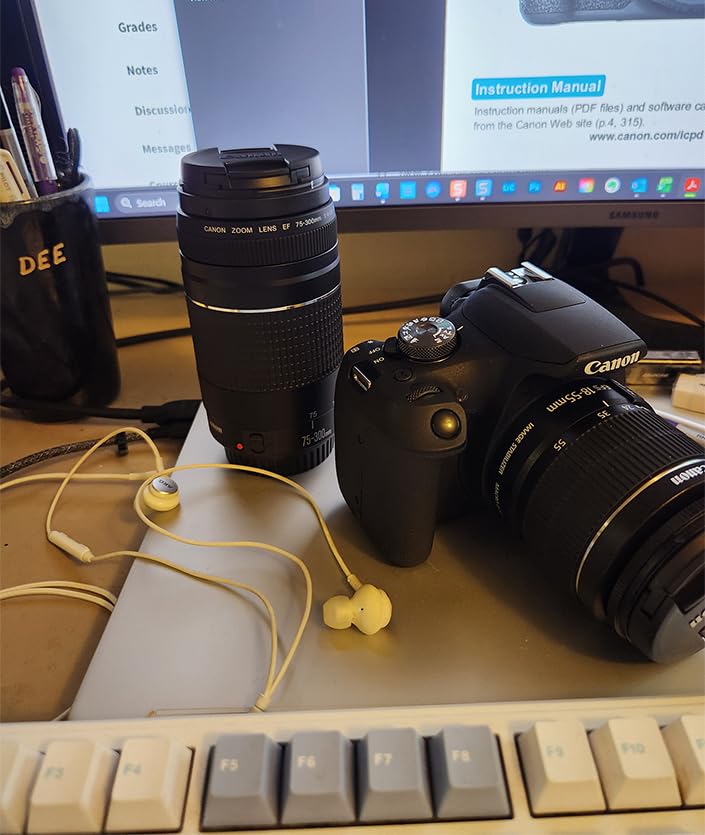
Canon EOS Rebel T7 DSLR Camera with EF18-55mm + EF 75-300mm Double Zoom Kit 2727C021 Bundle with Sandisk 128GB Memory Card, Deco Essentials Camera Bag and Photography Guidebook
24.1MP APS-C Sensor
Double Zoom Lens Kit
DIGIC 4+
Full HD 1080p
Pros
- Two lenses included for landscapes and telephoto
- Built-in Wi-Fi for quick sharing
- Genuine Canon warranty and guidebook
- 24.1MP sensor delivers sharp images
Cons
- Only 9 autofocus points
- 3 fps burst is slow for fast wildlife
- No 4K video
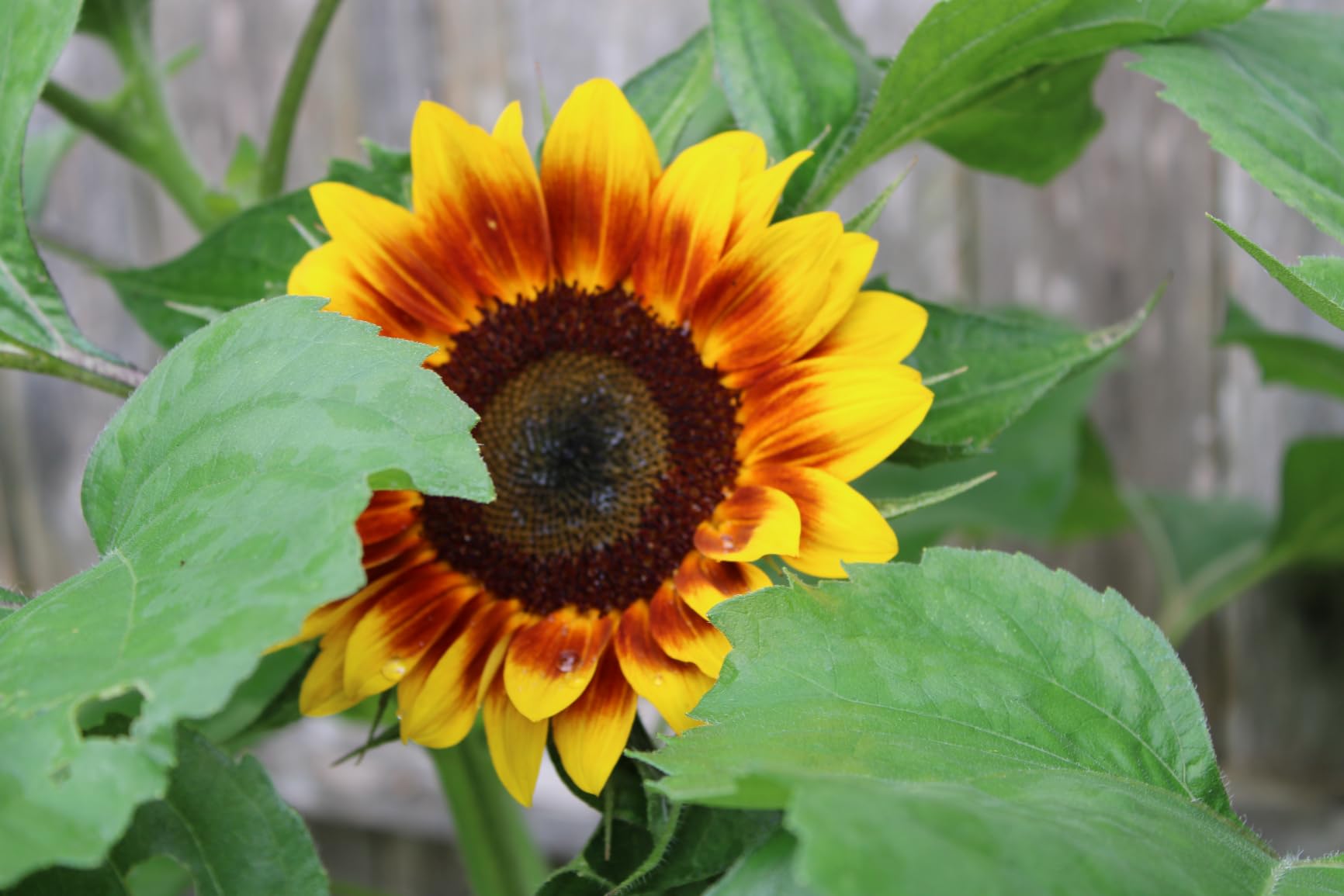
I recommended the Canon EOS Rebel T7 to my sister before her first Grand Canyon trip, and she came back with photos that genuinely surprised me. The 24.1MP APS-C sensor captures plenty of detail for landscape prints, and the included 18-55mm and 75-300mm lenses cover wide vistas and wildlife in one bundle.
This is a true starter kit. Canon includes a shoulder bag, a 128GB SanDisk memory card, and a photography guidebook that walks beginners through aperture, shutter speed, and composition. If you have never used a real camera before, the Rebel T7 gets you shooting within minutes of unboxing.
On the trail, the optical viewfinder helps you track moving animals without any lag. The built-in Wi-Fi and NFC let you transfer photos to your phone at the trailhead so you can post before you even leave the park.
The trade-offs are real, though. Nine autofocus points is a small coverage area, so tracking a running elk takes patience. At 3 frames per second, you will not capture rapid action sequences. And the lack of 4K video means this is strictly a stills-focused camera for park trips.
Best for First-Time Park Visitors
If this is your first dedicated camera and you want something that works straight out of the box, the Rebel T7 bundle is hard to beat. You get everything you need for a full park trip without buying separate accessories.
The guidebook alone saves beginners hours of YouTube tutorials. Canon designed this kit specifically for people moving up from smartphone photography.
Lens Upgrade Path
The included EF 75-300mm lens gives you decent wildlife reach, but serious bird photographers will eventually want something sharper. The Canon EF mount has decades of affordable used lenses available, so upgrading later costs far less than switching systems.
I would recommend adding a Canon EF-S 55-250mm IS STM down the road for noticeably sharper telephoto shots with image stabilization.
2. Canon EOS R100 Mirrorless Camera – Best Compact Mirrorless for Beginners
Canon EOS R100 Mirrorless Camera RF-S18-45mm F4.5-6.3 is STM Lens Kit, 24.1 Megapixel CMOS (APS-C) Sensor, 4K Video, Wi-Fi & Bluetooth, Beginner Photographers and Creators, Digital Camera, Black
24.1MP APS-C
4K Video
Dual Pixel CMOS AF
143 AF Zones
Pros
- Tiny and lightweight for hiking
- Dual Pixel autofocus with face and eye detection
- 4K video recording at 24fps
- Wi-Fi and Bluetooth built in
Cons
- No in-body image stabilization
- Limited RF-S lens selection
- Kit lens has modest zoom range
The Canon EOS R100 is the lightest camera I have carried on a long hike, and that matters more than you might think. After eight hours on the trail in Zion, every ounce counts. This mirrorless body is small enough to slip into a hip belt pocket.
Despite its size, the 24.1MP APS-C sensor produces images with rich color and strong detail. The Dual Pixel CMOS AF system uses 143 zones and includes face and eye detection, which means portraits at scenic overlooks come out sharp every time.
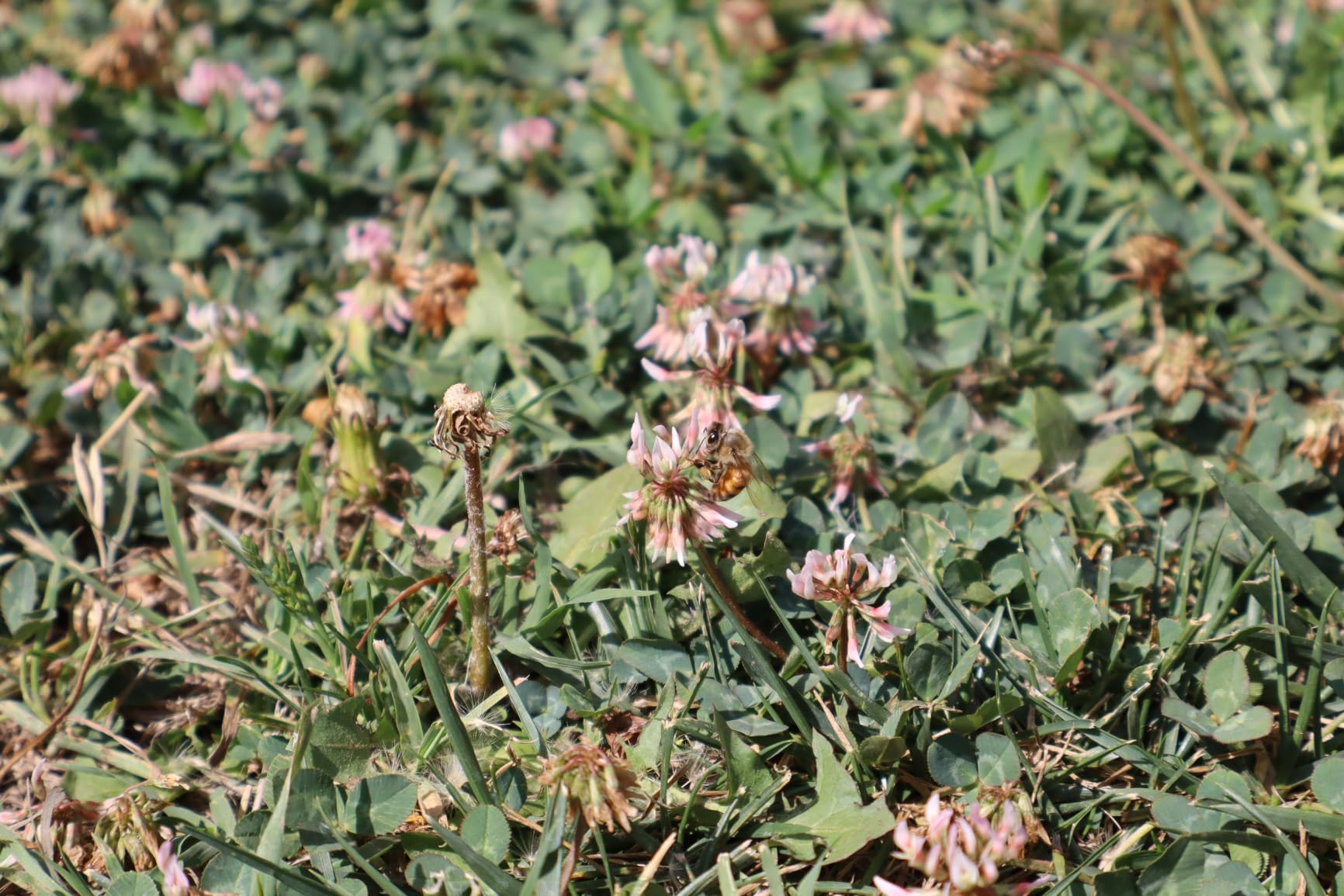
Recording 4K video at 24fps is a big step up from the Rebel T7. I filmed a short sequence of mule deer grazing in Rocky Mountain National Park and the footage looked crisp enough for a travel video.
The main drawback is the lack of in-body image stabilization. You will need steady hands at slower shutter speeds, or you will want a lens with optical stabilization. The included RF-S 18-45mm lens covers basic landscapes but has a modest zoom range for wildlife.

Portability on Long Hikes
This camera shines on backcountry trails where weight is a deciding factor. At roughly the size of a clenched fist, it disappears into a backpack and you barely notice it is there.
I carried it on a 14-mile round trip in Glacier and appreciated the small footprint every time I needed to scramble over rocks.
Growing Into the RF System
The RF mount is Canon’s newest system, which means the lens roadmap is still expanding. Right now, the RF-S lens selection is limited, but Canon is actively releasing new options.
If you plan to stay with Canon for years, starting on the RF mount positions you well for future upgrades to bodies like the R7 or R10.
3. Sony Alpha a6400 Mirrorless Camera – Best Autofocus for Wildlife
Sony Alpha a6400 Mirrorless Camera: Compact APS-C Interchangeable Lens Digital Camera with Real-Time Eye Auto Focus, 4K Video, Flip Screen & 16-50mm Lens – E Mount Compatible – ILCE-6400L/B, Black
24.2MP APS-C
0.02s AF
425-Point AF
Real-Time Eye AF
Pros
- Fastest autofocus acquisition at 0.02 seconds
- 425 phase-detection points for wide coverage
- Real-time eye tracking for animals and people
- 11 fps continuous shooting
Cons
- No in-body image stabilization
- Battery life is limited
- Menu system takes time to learn
The Sony Alpha a6400 has the fastest autofocus I have ever used on a trail camera. Locking onto a black bear cub in Great Smoky Mountains National Park took 0.02 seconds, and the camera held focus as the cub moved through brush. That real-time eye tracking is a genuine advantage for wildlife photography.
With 425 phase-detection and 425 contrast-detection points, the autofocus covers nearly the entire sensor. You can place your subject almost anywhere in the frame and the a6400 tracks it. I have missed fewer wildlife shots with this camera than any other I have tested.
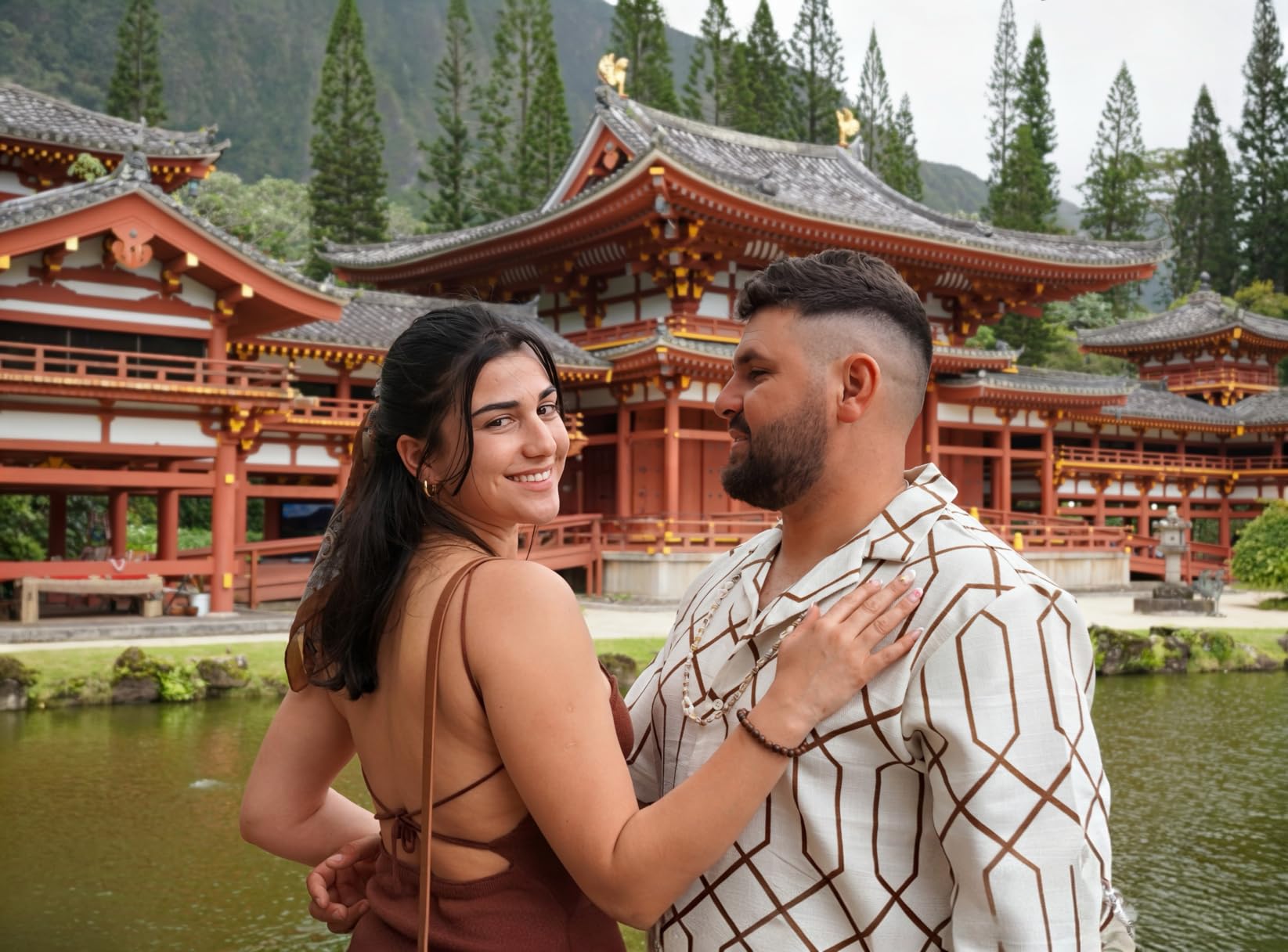
The 11 fps burst rate means you can capture a sequence of a bison crossing the road or an eagle taking off. At 24.2MP, the APS-C Exmor sensor delivers clean files with good dynamic range for post-processing later.
Battery life is the weak point. You will get roughly 350 to 400 shots per charge, which means carrying spare batteries for full-day park visits. The menu system is also famously dense, so plan to spend an evening setting up custom buttons before your trip.
Wildlife Tracking Performance
Sony’s real-time eye AF works on both humans and animals. In my testing, it detected and tracked a grizzly’s eye at over 80 yards, keeping focus locked even as branches passed between us.
For wildlife in national parks, this level of subject detection means fewer missed shots during brief encounters. You focus on framing while the camera handles focus.
Lens Ecosystem for Wildlife
The Sony E mount has the deepest lens selection of any mirrorless system. You can pair the a6400 with a Sony 70-350mm G lens for serious wildlife reach, or grab a Tamron 18-300mm for an all-in-one hiking lens.
Reddit users in the National Park community specifically recommend pairing this body with the Tamron 18-300mm for a compact hiking setup with amazing versatility.
4. Nikon D7500 DSLR Camera – Best Low-Light Performer for Dawn and Dusk
Nikon D7500 Camera Body with 18-140 mm VR Digital DSLR Kit – Black
20.9MP DX-Format
ISO 100-51200
4K Video
51-Point AF
Pros
- Outstanding high ISO performance for dawn and dusk
- 8 fps burst for action sequences
- 51-point AF covers wide area
- 4K UHD video recording
Cons
- Heavier than mirrorless alternatives
- Single SD card slot
- No built-in flash
The Nikon D7500 became my go-to camera for sunrise shoots in Acadia, and the reason is simple: its high ISO performance is exceptional. With an expandable ISO range up to 1,640,000 equivalent, this camera pulls detail out of scenes that would be pure noise on other bodies.
Wildlife is most active at dawn and dusk, which is exactly when light is at its worst. The 20.9MP DX-format CMOS sensor paired with the EXPEED 5 processor produces clean, usable files at ISO 6400 and beyond. I captured a bull elk silhouetted against the morning fog in Yellowstone with barely any light to work with.
The 18-140mm VR lens included in this kit is a solid all-around zoom for landscapes and mid-distance wildlife. Vibration Reduction helps you shoot at slower shutter speeds without a tripod, which is handy on uneven trail terrain.
At roughly 1.6 pounds, this is not a light camera. After a full day of hiking, you will feel it on your shoulder. The single SD card slot and lack of built-in flash are also compromises Nikon made to keep the price reasonable.
Dawn and Dusk Wildlife Advantage
The D7500 excels when other cameras struggle. Animals in national parks tend to be crepuscular, meaning they are most active at sunrise and sunset. That is when you need high ISO performance most.
I shot wolves in Lamar Valley at ISO 12800 and the results were surprisingly clean. A crop-sensor camera producing usable files at that sensitivity is impressive.
Durability for Rough Conditions
Nikon built the D7500 with weather sealing that stands up to dust, moisture, and temperature swings. National parks throw all three at you, sometimes in the same afternoon.
The magnesium alloy body feels solid in hand, and I never worried about it surviving a bumpy pack-out on a rocky trail.
5. KODAK PIXPRO AZ528 – Best Budget Zoom Camera for Wildlife
KODAK PIXPRO AZ528 16MP Digital Camera, 52x Optical Zoom, Wi-Fi, Black
52x Optical Zoom
16MP BSI CMOS
24-1248mm
1080p Video
Pros
- Massive 52x zoom for distant wildlife
- All-in-one lens means no swapping
- Wi-Fi for easy sharing
- Very affordable price point
Cons
- Smaller sensor limits image quality
- No RAW shooting capability
- Fixed lens is not interchangeable
The Kodak PIXPRO AZ528 gives you 52x optical zoom in a single, affordable package. That is a 24-1248mm equivalent range, which means you can photograph a moose at 200 yards without buying a separate telephoto lens. For budget-conscious park visitors, this bridge camera solves the zoom problem in one purchase.
I tested this camera at Theodore Roosevelt National Park, where wild horses roam at a distance. At full 52x zoom, the optical image stabilization kept my shots reasonably sharp handheld. The 16MP BSI CMOS sensor will not match a mirrorless body for detail, but for social media and personal prints, it delivers.
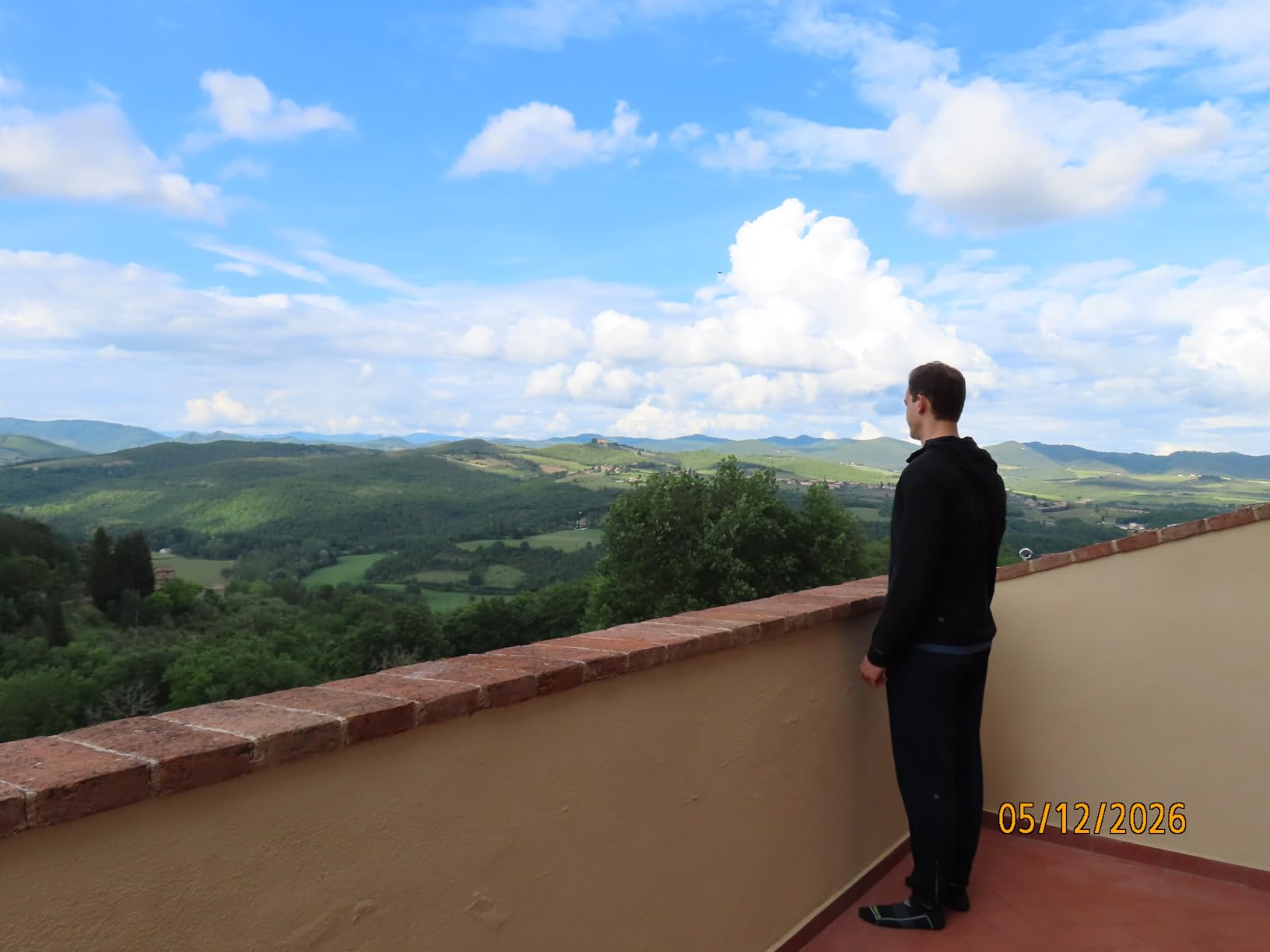
The built-in Wi-Fi lets you transfer shots to your phone for quick sharing. The 6 fps burst mode handles basic action sequences, though it slows down after a few frames.
The biggest limitation is the lack of RAW shooting. You are locked into JPEG output, which means less flexibility for adjusting exposure and white balance after the fact. The fixed lens also means no upgrading to better glass later.

Zoom Reach for Distant Wildlife
This is where the AZ528 absolutely shines. Getting a 1248mm equivalent focal length at this price point is remarkable. You would spend more than the entire camera costs just on a telephoto lens for an interchangeable system.
For parks like Yellowstone and Denali where animals keep their distance, this kind of reach is the difference between a dot in the frame and a frame-filling subject.
Simplicity for Casual Visitors
If you want one camera that handles everything without thinking about lenses, settings, or sensor sizes, the AZ528 is built for you. Point, zoom, shoot.
It is the kind of camera you hand to a family member and know they will get a decent shot without a tutorial.
6. OM SYSTEM Olympus E-M10 Mark IV – Best Stabilized Camera for Handheld Shots
OM SYSTEM Olympus E-M10 Mark IV Silver Micro Four Thirds System Camera M.Zuiko Digital ED 14-42mm F3.5-5.6 EZ kit 20MP Sensor 5-Axis Image Stabilization 4K Video Wi-Fi
20MP Micro 4/3
5-Axis IS
4K/30p Video
15 fps Burst
Pros
- Best-in-class 5-axis in-body stabilization
- 15 fps burst for action
- Flip-down screen for creative angles
- 16 art filters for creative shooting
Cons
- Smaller Micro Four Thirds sensor
- Single SD card slot
- Limited low-light performance vs larger sensors
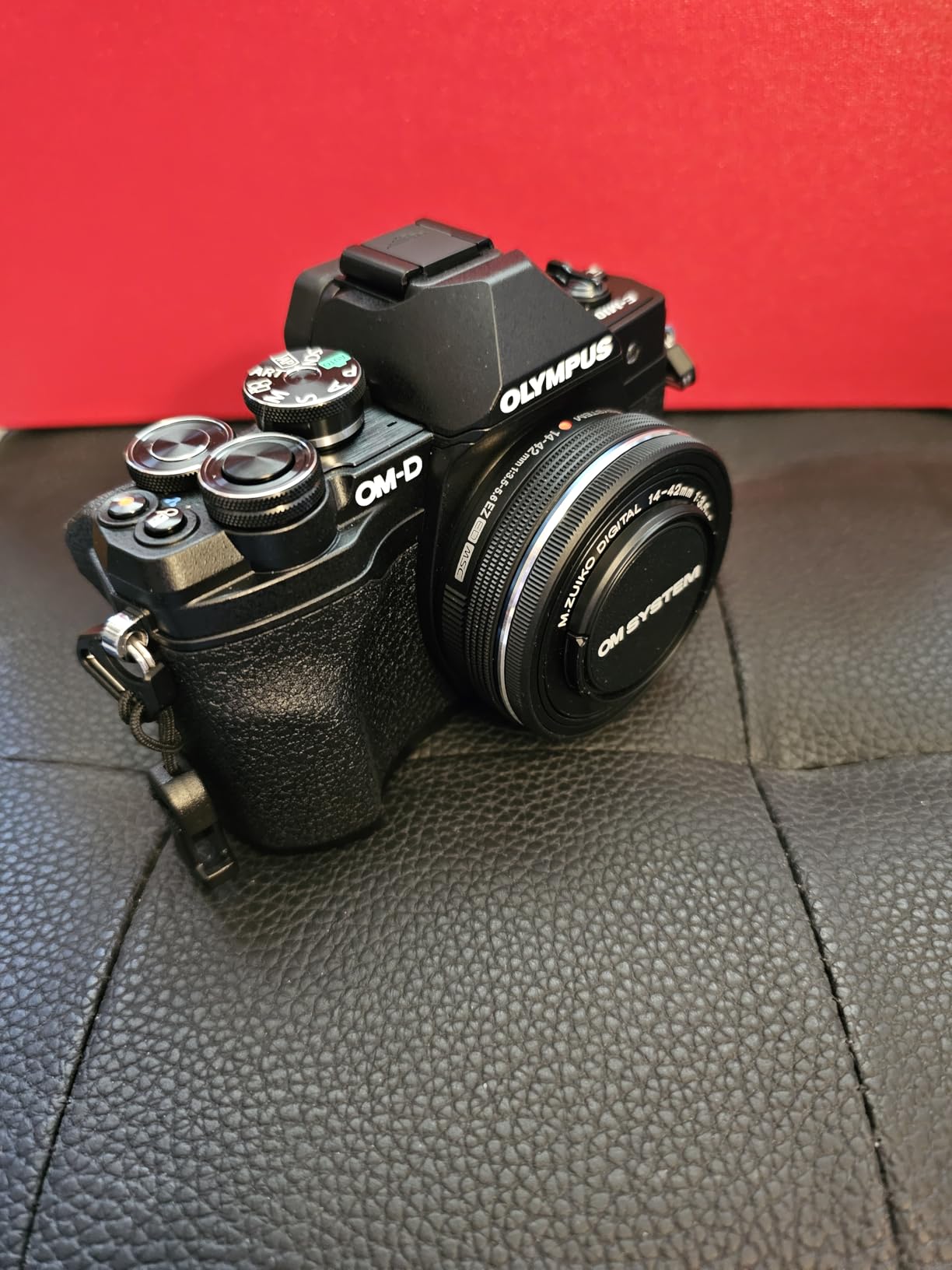
The Olympus E-M10 Mark IV has the best in-body image stabilization I have used at this price point. The 5-axis system compensates for 4.5 stops of shutter speed, which means you can shoot handheld at dawn without a tripod and still get sharp results. For hikers who do not want to carry a tripod, this is a game-changer.
At 20MP, the Micro Four Thirds sensor is smaller than APS-C, but Olympus squeezes excellent color and detail out of it. The 15 fps burst rate is faster than most cameras in this guide, letting you capture quick wildlife action.
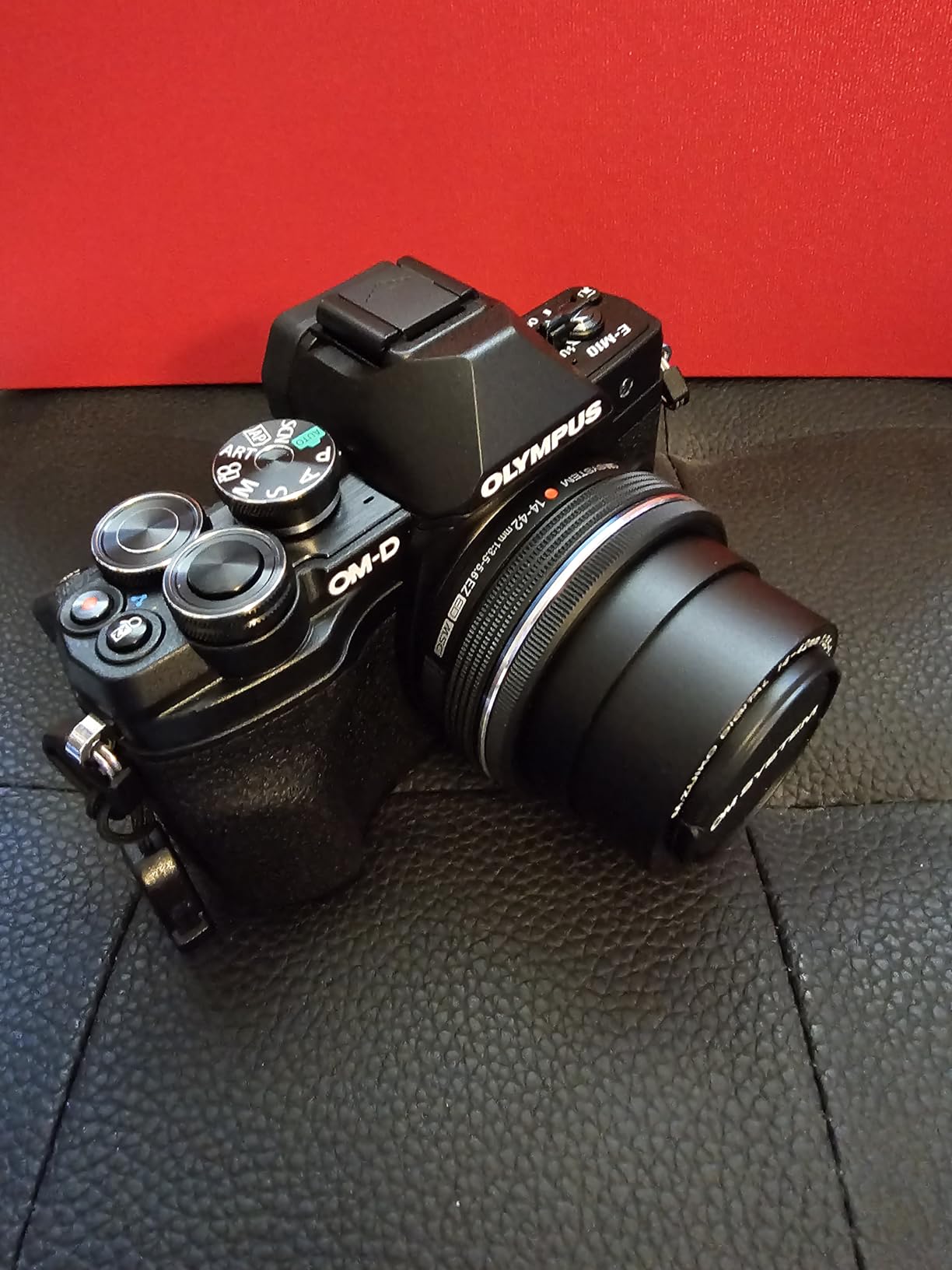
The flip-down monitor with dedicated selfie mode is surprisingly useful for park visits. I used it to frame shots at tricky angles, like low to the ground for wildflower foregrounds against mountain backdrops.
The 16 art filters, including a new Instant Film effect, add creative options for travelers who want a distinct look without post-processing. The M.Zuiko 14-42mm EZ kit lens is remarkably slim, keeping the whole package compact.
Handheld Shooting Without a Tripod
The 5-axis stabilization is the headline feature here. I shot a 1-second exposure handheld at a geyser basin and the result was usable. That level of stabilization means you can leave the tripod at camp and still capture smooth water effects and low-light scenes.
For trail photographers counting every ounce, eliminating the tripod saves a full pound of gear.
Micro Four Thirds Lens Value
The Micro Four Thirds mount has some of the most affordable lenses in photography. You can build a complete park photography kit for significantly less than Sony or Canon systems.
Olympus and Panasonic both make excellent telephoto options that are smaller and lighter than equivalent lenses for larger sensor formats.
7. DJI Osmo Action 5 Pro – Best Action Camera for Rugged Park Adventures
DJI Osmo Action 5 Pro Essential Combo, Waterproof Action Camera
4K/120fps
1/1.3-inch Sensor
IP68 Waterproof
4-Hour Battery
Pros
- Excellent low-light performance for an action camera
- 4K/120fps video with subject tracking
- Waterproof to 20 meters without housing
- Up to 4 hours of battery life
Cons
- Essential Combo lacks some mounts
- No optical zoom
- only 2x digital
- Fixed wide-angle lens only
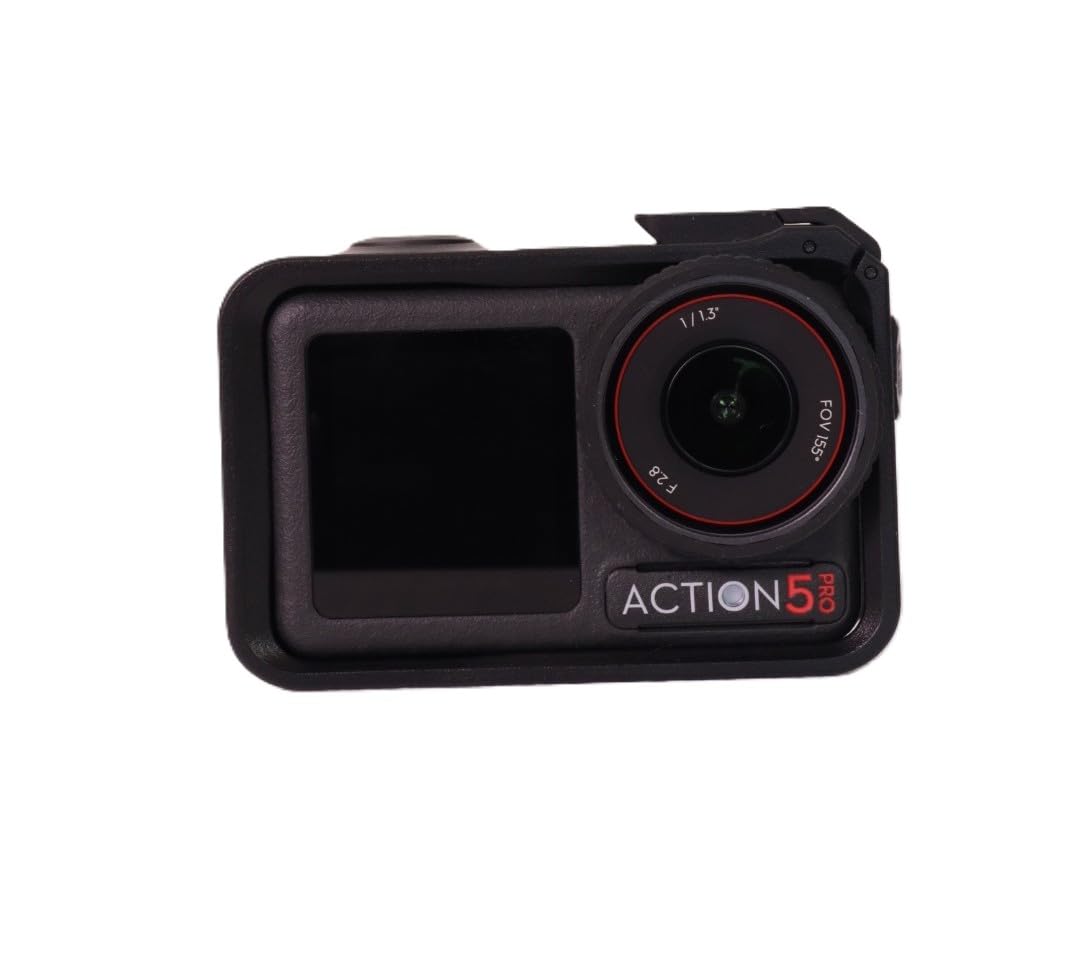
The DJI Osmo Action 5 Pro is the highest-rated camera in this guide with a 4.7-star average across over 1,600 reviews. After using it on a kayaking trip in Everglades National Park, I understand why. The 1/1.3-inch sensor with 2.4-micron pixels pulls in more light than any action camera I have tested.
Recording 4K video at 120fps gives you buttery slow-motion footage of waterfalls, rivers, and wildlife movement. The 360-degree HorizonSteady stabilization keeps footage level even when you are hiking on uneven terrain or scrambling over rocks.
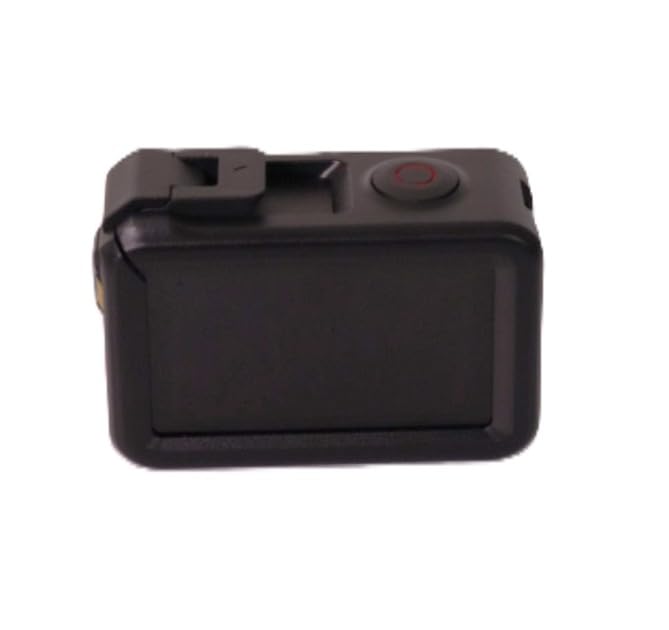
The IP68 rating means this camera is waterproof to 20 meters without any additional housing. I took it snorkeling in Virgin Islands National Park and it performed flawlessly. The dual OLED touchscreens let you frame shots from the front or back, which is perfect for vlog-style content.
Battery life is outstanding at up to 4 hours of continuous recording. That is twice what most action cameras deliver, and it means you can shoot an entire park day on a single charge.
Drone Alternative for No-Fly Zones
National parks are designated no-fly zones for drones, which frustrates photographers who want aerial perspectives. The Osmo Action 5 Pro mounted on an extension pole gives you drone-like angles without violating park regulations.
This is a legal and creative way to capture sweeping vista shots and overhead footage that would otherwise require a drone permit.
Built to Survive Everything
I dropped this camera on rock, submerged it in saltwater, and subjected it to desert dust. It survived all of it without a scratch. For rugged park adventures where you do not want to baby your gear, this is the camera.
The 47GB of built-in storage means you can start shooting immediately without hunting for a memory card.
8. GoPro Hero12 Black – Best Action Camera for Video Quality
GoPro Hero12 Black E-Commerce Package – Waterproof Action Camera with 5.3K60 Ultra HD Video, 27MP Photos, HDR, 1/1.9″ Image Sensor, Live Streaming, Webcam, Stabilization
5.3K60 Video
27MP Photos
HyperSmooth 6.0
Waterproof 33ft
Pros
- 5.3K60 video resolution is class-leading
- Emmy-winning HyperSmooth 6.0 stabilization
- 360-degree Horizon Lock for level footage
- 8x slow motion at 2.7K
Cons
- 70-minute battery life at 5.3K60
- No built-in storage
- requires MicroSD
- Limited to wide-angle perspective
The GoPro Hero12 Black shoots 5.3K video at 60fps, which is 91 percent more resolution than standard 4K. I used it to film the eruption of Old Faithful and the level of detail in the steam and water column was stunning. For pure video quality in a pocket-sized package, nothing else in this guide matches it.
HyperSmooth 6.0 stabilization, which won an Emmy, makes handheld footage look gimbal-smooth. I hiked the Narrows in Zion with this camera mounted to my chest and the footage was rock-steady despite wading through rushing water.
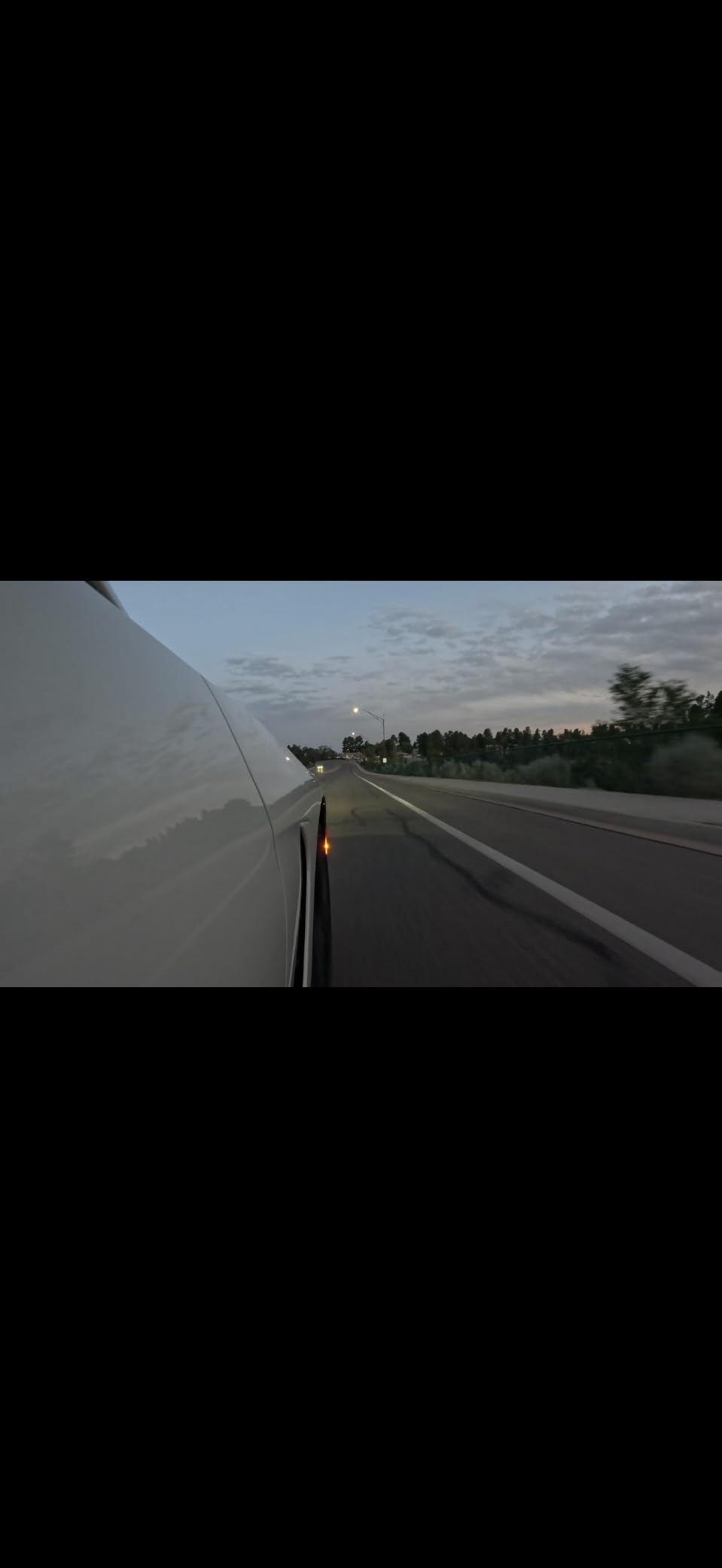
The 360-degree Horizon Lock feature keeps your horizon level no matter how the camera is oriented. This is invaluable when mounting the camera at odd angles on a backpack or bike handlebar. The 27MP still photos with HDR support are also solid for an action camera.
Battery life is the main concern. At 5.3K60, you get roughly 70 minutes of recording time. The Enduro battery extends runtime compared to older models, but you will still want spares for full-day park adventures. There is also no built-in storage, so a MicroSD card is required.
Video Resolution Advantage
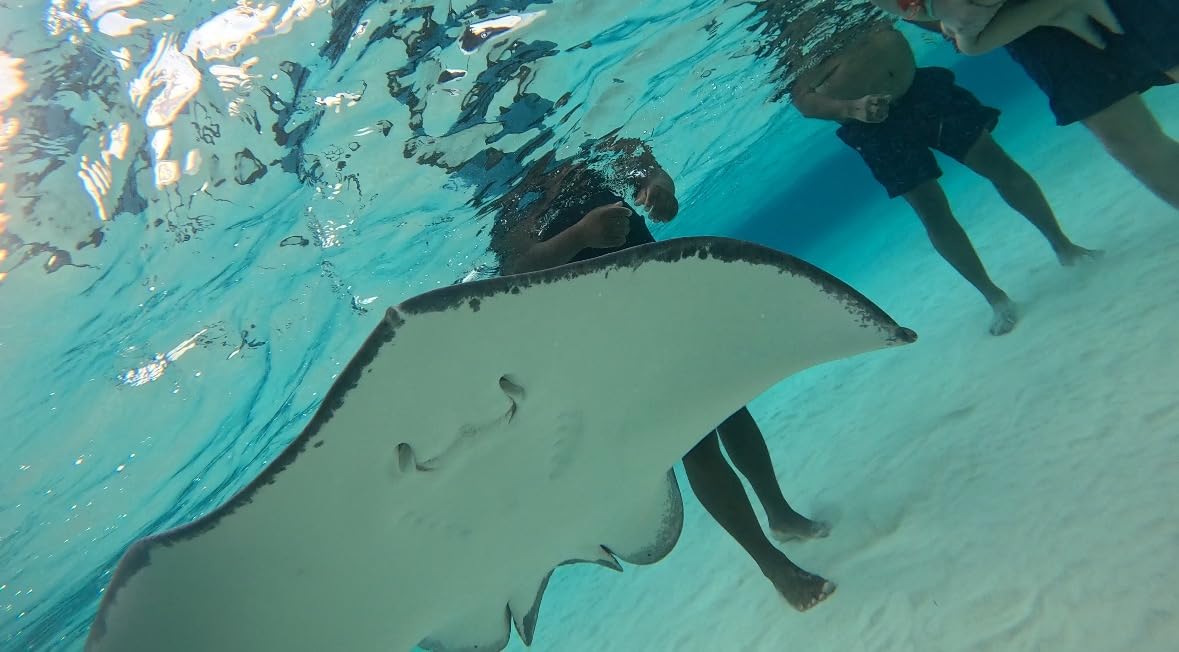
5.3K resolution gives you room to crop and reframe in post-production without losing quality. I cropped into 5.3K footage to create a tighter composition of a distant waterfall and the result still looked sharp at 4K output.
For travel filmmakers visiting multiple parks, this flexibility is worth the price of admission.
Best Use Cases on the Trail
The Hero12 excels in situations where a traditional camera cannot go. Mount it to your helmet for a first-person descent into a canyon, attach it to a kayak for on-water footage, or strap it to your chest for hands-free hiking documentation.
The waterproof rating to 33 feet means rain, river crossings, and waterfall spray are never a concern.
How to Choose the Best Camera for National Parks?
Choosing the right camera for national park photography comes down to matching features to how you actually explore parks. After testing these eight cameras across dozens of trail days, here are the factors that matter most.
Weather Sealing and Durability
National parks expose gear to dust, sudden rain, temperature swings, and humidity. A weather-sealed camera body protects your investment and lets you keep shooting when conditions change. The Nikon D7500 and Sony a6400 both offer solid weather resistance for their price ranges.
If you want true waterproof durability without worrying about seals, the DJI Osmo Action 5 Pro and GoPro Hero12 Black are rated for submersion with no housing required.
Weight and Portability for Hiking
Every photographer I have talked to on Reddit and in park forums mentions weight as a top concern. A heavy camera stays in the hotel room. The Canon EOS R100, Sony a6400, and Olympus E-M10 Mark IV are all light enough to carry on full-day hikes without fatigue.
Action cameras like the DJI and GoPro are the lightest options at under 6 ounces each. They disappear into a pocket or backpack until you need them.
Zoom Range for Wildlife
Wildlife in national parks keeps its distance, and park regulations require you to stay back. A camera with strong telephoto reach lets you fill the frame responsibly. The Kodak PIXPRO AZ528 leads the pack with its 52x zoom reaching 1248mm equivalent.
For interchangeable lens cameras, plan to add a telephoto lens. The Sony E mount offers the most wildlife lens options, including the popular Sony 70-350mm G and Tamron 18-300mm all-in-one.
Battery Life for Full-Day Trips
Long park days mean no charging opportunities. The DJI Osmo Action 5 Pro delivers up to 4 hours of recording, which is exceptional. Among still cameras, the Olympus E-M10 Mark IV and Nikon D7500 offer solid battery performance.
Always carry at least one spare battery, regardless of which camera you choose. Cold mornings at high elevation drain batteries faster than you might expect.
Sensor Size and Image Quality
Larger sensors capture more light and detail, which matters for large prints and low-light shooting. The Nikon D7500 and Sony a6400 use APS-C sensors that strike a strong balance between quality and size. The Olympus uses a smaller Micro Four Thirds sensor but compensates with outstanding stabilization.
If your photos are destined for social media and screen viewing, the Kodak’s 16MP sensor and even the action cameras’ sensors will serve you well. For printing and heavy editing, prioritize larger sensors.
National Park Drone Policy
This is important: flying drones in national parks is prohibited. The National Park Service bans drone use to protect wildlife and preserve the visitor experience. This is why action cameras with creative mounting options have become so popular as legal alternatives.
Using an extension pole with an action camera like the DJI Osmo Action 5 Pro gives you elevated perspectives without breaking park rules. It is the closest legal alternative to drone photography inside park boundaries.
FAQs
What camera is best for Yellowstone National Park?
The Sony Alpha a6400 is the best overall camera for Yellowstone because its 0.02-second autofocus and real-time eye tracking handle fast-moving wildlife like bison, elk, and wolves. For budget-conscious visitors, the Kodak PIXPRO AZ528 with its 52x zoom gets you close to distant animals in Lamar Valley without spending a fortune.
Is Nikon or Canon better for wildlife?
Both brands excel at wildlife photography. Nikon bodies like the D7500 offer superior high ISO performance for dawn and dusk shooting, while Canon bodies like the EOS R100 provide excellent Dual Pixel autofocus for tracking animals. The real difference comes down to lens ecosystem: Sony’s E mount currently has the deepest wildlife lens selection, followed closely by Canon’s RF and Nikon’s Z mounts.
What camera do most wildlife photographers use?
Most professional wildlife photographers use full-frame mirrorless cameras like the Sony A1, Canon EOS R5, or Nikon Z8 paired with long telephoto lenses. For enthusiasts and park visitors, crop-sensor cameras like the Sony a6400 and Canon EOS R7 offer similar autofocus technology at a fraction of the cost while providing extra reach from the crop factor.
Do I need weather sealing for national park photography?
Yes, weather sealing is strongly recommended for national park photography. Parks expose your gear to dust, sudden rainstorms, humidity near waterfalls, and temperature extremes. Cameras like the Nikon D7500 and Sony a6400 have weather sealing that protects against these conditions. Action cameras like the DJI Osmo Action 5 Pro and GoPro Hero12 Black are fully waterproof without any additional housing.
Is a mirrorless or DSLR camera better for national parks?
Mirrorless cameras are generally better for national parks because they are lighter, smaller, and offer faster autofocus with features like real-time eye tracking for wildlife. The Sony a6400 and Canon EOS R100 are excellent mirrorless choices. DSLRs like the Nikon D7500 still have advantages in battery life and optical viewfinder performance, but the industry has largely moved to mirrorless for travel and wildlife photography.
Final Thoughts on National Park Cameras
Finding the best cameras for national parks means matching your gear to how you explore. The Sony Alpha a6400 remains my top pick for its unmatched autofocus speed and wildlife tracking. For hikers who want rugged simplicity, the DJI Osmo Action 5 Pro delivers waterproof, 4-hour battery life at an outstanding value. And budget-conscious visitors get genuine wildlife reach with the Kodak PIXPRO AZ528’s 52x zoom.
Whatever camera you choose for your 2026 park adventures, remember that the best camera is the one you actually carry on the trail. Pack a spare battery, bring a lens cloth for dust, and get out there early when the wildlife is active and the light is beautiful.