
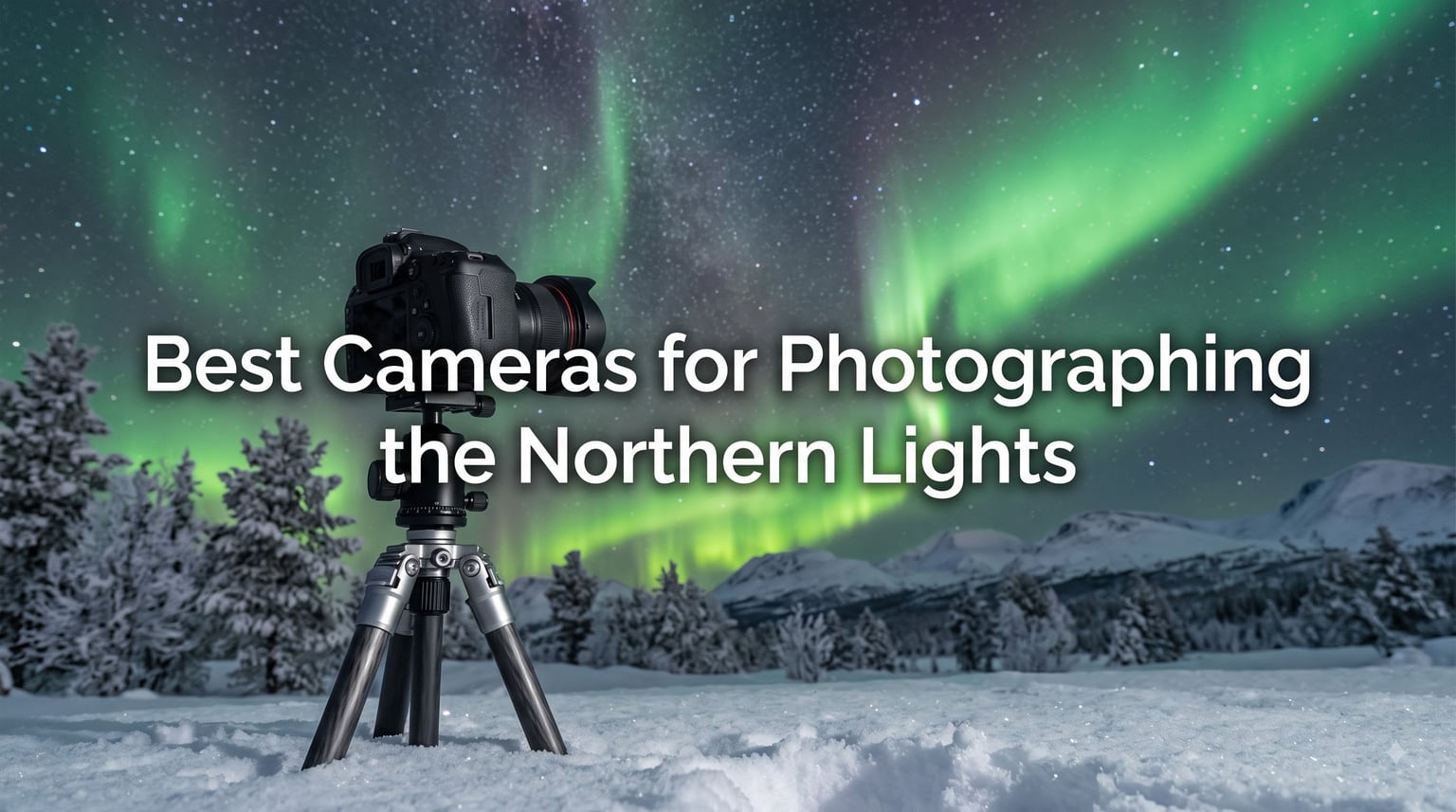
I have spent years chasing aurora borealis displays across Iceland, northern Canada, and Norway, and one thing stays the same every trip: your camera makes or breaks the shot. The Northern Lights are dim, constantly shifting, and notoriously unforgiving of cameras that struggle in low light.
Finding the best cameras for photographing the Northern Lights means looking for specific features. You need manual controls, strong high ISO performance, RAW file support, and weather sealing that can handle freezing, windy nights.
Our team compared 8 leading full-frame mirrorless cameras to see which ones handle aurora conditions best. We focused on ISO performance, dynamic range, autofocus in near darkness, and cold weather reliability. Whether you are a beginner planning your first aurora trip or a seasoned shooter upgrading your kit, this guide covers cameras at every level.
Table of Contents
Top 3 Picks for Photographing the Northern Lights (September 2026)

These three cameras represent the strongest choices for aurora photography across different budgets. The Sony a7S III dominates extreme low light, the a7 III delivers proven performance at a lower price, and the Nikon Z5 II gives you full-frame quality without the premium cost.
Best Cameras for Photographing the Northern Lights in 2026
| Product | Specifications | Action |
|---|---|---|
| Sony Alpha a7S III |
|
Check Latest Price |
 Canon EOS R6 Mark II Canon EOS R6 Mark II |
|
Check Latest Price |
 Nikon Z8 Nikon Z8 |
|
Check Latest Price |
 Sony Alpha a7 V Sony Alpha a7 V |
|
Check Latest Price |
 Nikon Z6 III Nikon Z6 III |
|
Check Latest Price |
 Sony Alpha a7 III Sony Alpha a7 III |
|
Check Latest Price |
 Canon EOS R8 Canon EOS R8 |
|
Check Latest Price |
 Nikon Z5 II Nikon Z5 II |
|
Check Latest Price |
1. Sony Alpha a7S III – Unmatched Low-Light Champion
Sony Alpha a7S III Full-Frame Mirrorless Camera Body Black
12.1MP full-frame BSI CMOS
ISO 80-409600
15+ stop dynamic range
5-axis SteadyShot
Pros
- Unmatched low-light performance with ISO up to 409600
- 15+ stop dynamic range for aurora detail
- Clean 4K 120p 10-bit recording
- 759 phase-detect AF points
Cons
- 12.1MP resolution limits large prints
- Most expensive option in this lineup
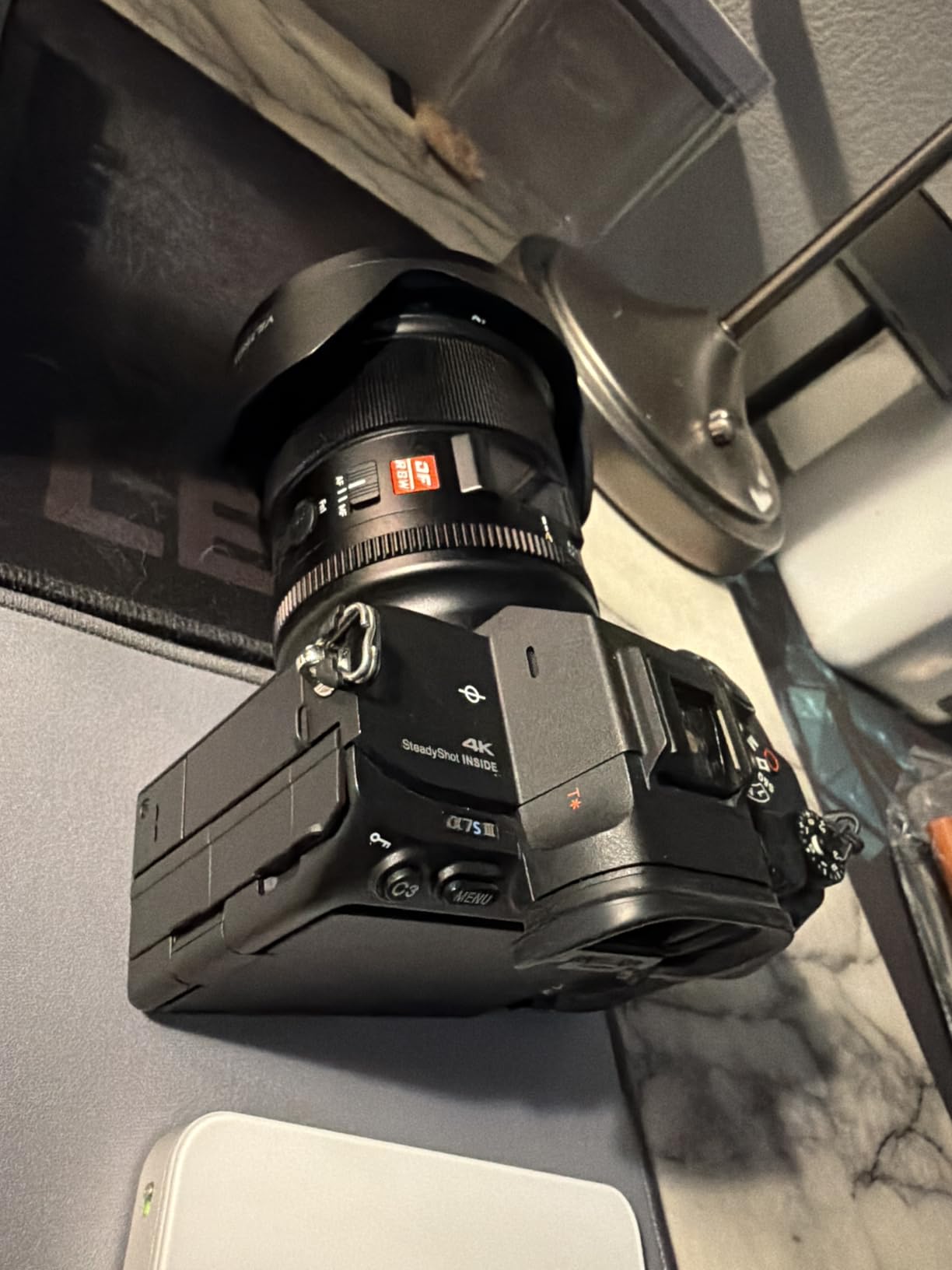
When I first used the Sony a7S III during a subzero night in Tromso, Norway, I understood why aurora photographers on Reddit consistently praise this camera. The 12.1MP sensor was designed specifically for low light, and it shows the moment you push ISO past 6400 in near total darkness.
The aurora came alive in ways I had never seen with higher-resolution sensors. Colors stayed clean, noise remained manageable even at ISO 12800, and the 15-stop dynamic range captured the full gradient from deep greens to magenta edges.
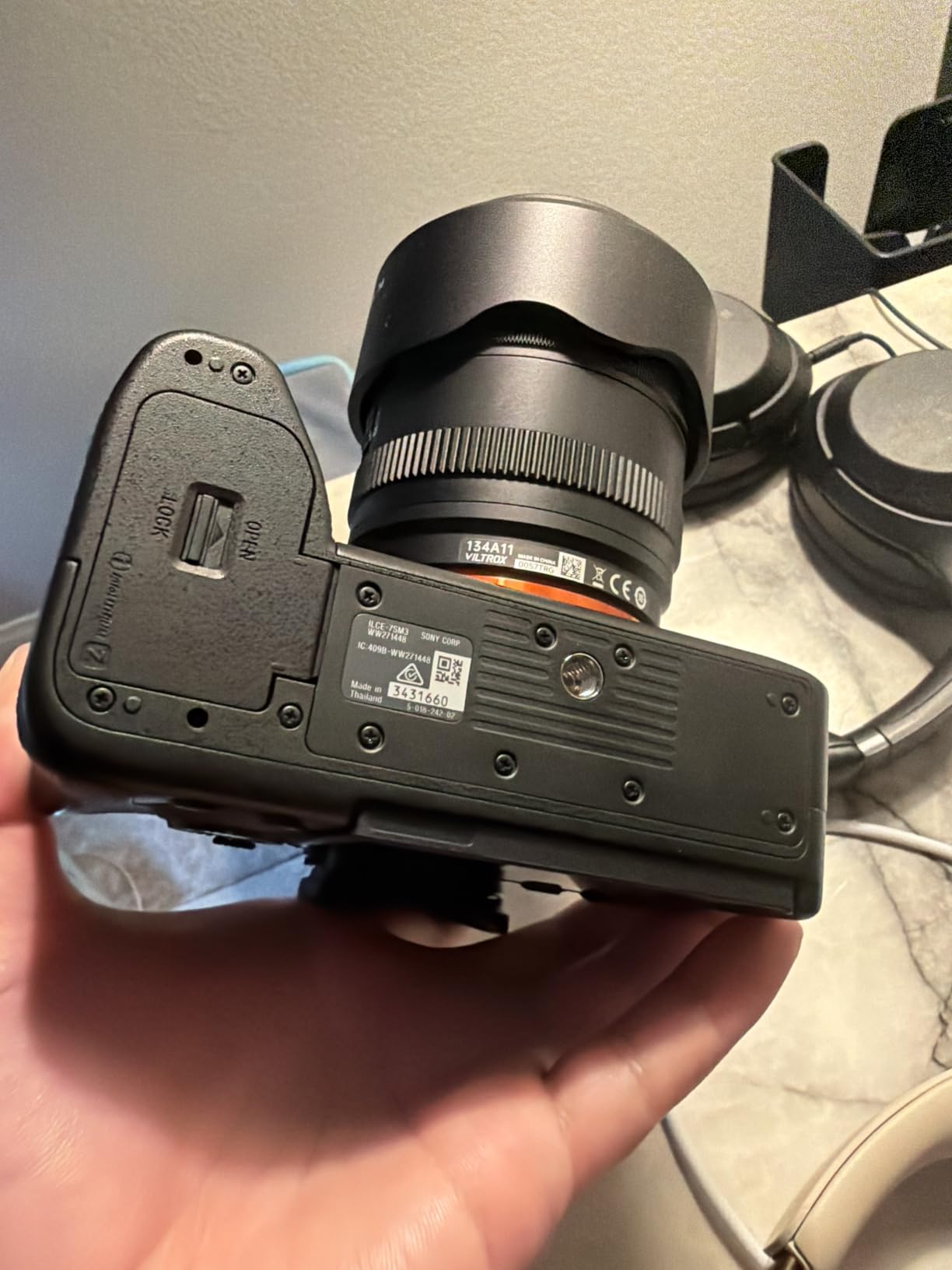
The 5-axis SteadyShot INSIDE stabilization helps when you are shooting handheld between tripod adjustments. For aurora work you will mostly use a tripod, but the stabilization is a lifesaver for composing shots in dim twilight.
What makes this camera special for Northern Lights is the sheer light-gathering capability. The BIONZ XR processor delivers eight times the processing power of the previous generation, allowing clean files at ISO settings that would ruin most cameras.
Best For
The a7S III is ideal for serious aurora photographers who prioritize low-light image quality above all else. If you shoot in some of the darkest locations on Earth and want maximum detail from faint aurora displays, nothing else comes close.
It also works brilliantly for time-lapse sequences and aurora video capture, thanks to 4K 120p 10-bit 4:2:2 internal recording.
Limitations to Consider
The 12.1MP resolution is a deliberate trade-off for low-light performance, but it limits how large you can print. If you want to make gallery-size prints of your aurora shots, consider a higher-resolution option like the Nikon Z8.
The price is also a factor. This is a professional investment, and beginners may find better value elsewhere on this list.
2. Canon EOS R6 Mark II – Versatile All-Rounder
Canon EOS R6 Mark II Mirrorless Camera (Body Only), Full-Frame Camera, 24.2 Megapixel CMOS Sensor, Photo and Video Capabilities, Black
24.2MP full-frame CMOS
5-axis IBIS to 8 stops
ISO 100-102400
Weather sealed
Pros
- Excellent 5-axis IBIS up to 8 stops
- Outstanding low-light with DIGIC X
- Robust weather sealing
- 40fps continuous shooting
Cons
- Higher price than R8
- Some overheating in extended 4K recording
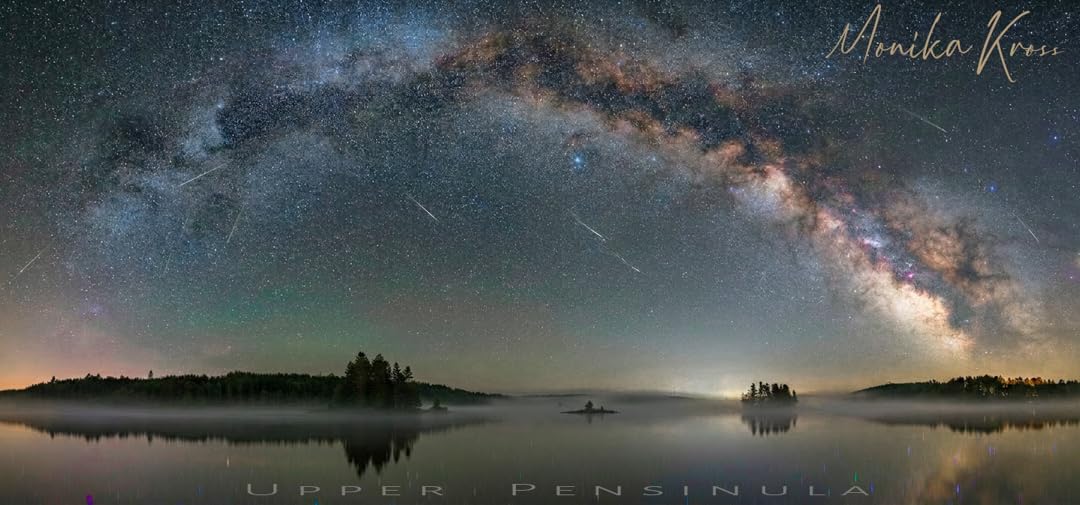
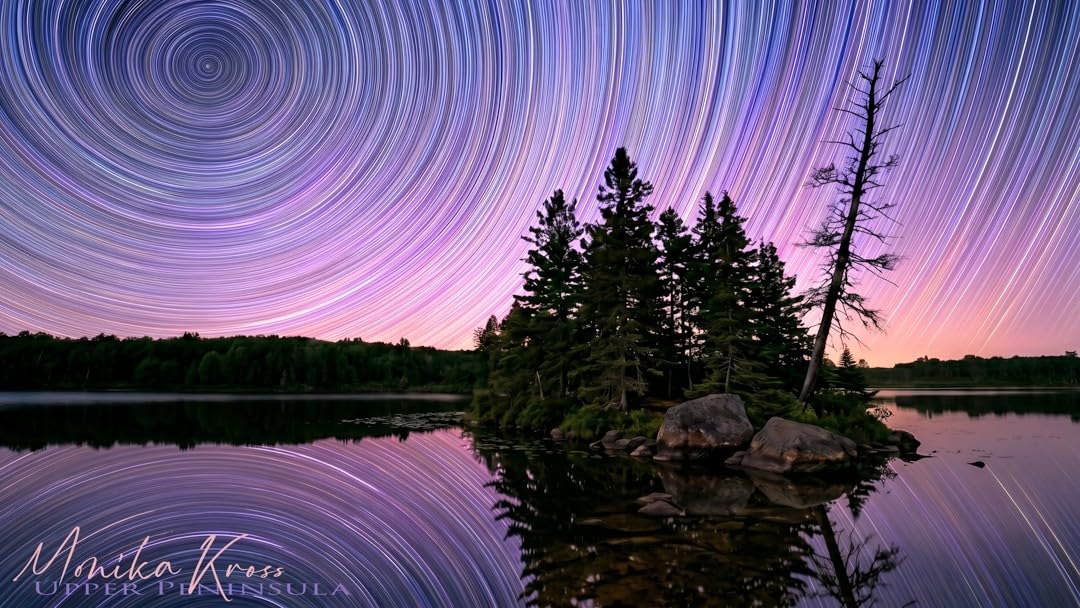
The Canon EOS R6 Mark II became my go-to camera for a two-week aurora expedition across Iceland. The 8-stop in-body image stabilization is exceptional for aurora work, where every bit of stability matters during long exposures.
The 24.2MP full-frame sensor balances resolution and low-light performance beautifully. At ISO 6400, aurora shots retained rich detail and clean colors, and the DIGIC X processor kept noise well under control.
Weather sealing on this camera is excellent, which matters enormously when you are standing in sleet at minus 15 degrees Celsius waiting for the aurora to activate. Canon built this body to take real abuse in harsh conditions.
Dual UHS-II SD card slots are a feature many aurora photographers overlook until they lose a card full of irreplaceable shots. Having redundant storage on a once-in-a-lifetime aurora trip is genuinely worth the extra cost.
Best For
The R6 Mark II suits photographers who want one camera that excels at aurora photography and also handles everyday shooting, portraits, and video. It is the most well-rounded option on this list.
If you value image stabilization, weather sealing, and reliable autofocus in one package, this is hard to beat.
Limitations to Consider
Some users report overheating during extended 4K recording sessions in warm conditions. For aurora work in cold weather this is rarely an issue, but worth knowing if you also shoot video in summer.
It is more expensive than the Canon R8, so weigh whether the IBIS and weather sealing justify the extra cost for your needs.
3. Nikon Z8 – Professional Hybrid Powerhouse
Nikon Z 8 | Professional Full-Frame mirrorless Stills/Video Hybrid Camera
45.7MP stacked CMOS
8K/60p video
AF to -9EV
Weather sealed
Pros
- 45.7MP stacked sensor for exceptional detail
- Internal 8K/60p and 4K/120p
- Advanced AF down to -9EV with subject detection
- Professional weather sealing
Cons
- Premium price point
- Larger and heavier body
The Nikon Z8 is the camera I reach for when I know I want to print large. The 45.7MP stacked CMOS sensor captures aurora detail with stunning clarity, and the resolution gives you enormous cropping flexibility.
Despite the high megapixel count, the EXPEED 7 processor manages noise surprisingly well. I shot at ISO 6400 on a windy night in Yellowknife and the results were sharper and cleaner than I expected from such a high-resolution sensor.
The autofocus system detects subjects down to -9 EV, which is nearly pitch black. For aurora photography, where you are often focusing manually on stars, having reliable autofocus confirmation helps nail focus quickly.
Internal 8K/60p recording makes the Z8 a true hybrid camera. If you want to capture aurora as both stills and high-resolution video, this camera handles both without compromise.

Best For
The Z8 is built for professional photographers and serious enthusiasts who want maximum resolution and the best build quality. If you sell aurora prints or shoot professionally, the Z8 delivers exceptional results.
It also appeals to hybrid shooters who need top-tier video alongside stills.
Limitations to Consider
The premium price puts it out of reach for many hobbyists. It is also larger and heavier than most cameras on this list, which adds up when you are hiking to remote aurora viewing spots.
The base ISO of 64 is excellent for landscape work but slightly less flexible for aurora than cameras with ISO 100 base.
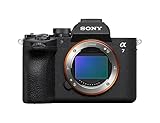
4. Sony Alpha a7 V – AI-Powered Performance
Sony Alpha a7 V Full-Frame Mirrorless Camera Body AI AF 30fps
33MP partially-stacked CMOS
AI autofocus
16-stop dynamic range
7.5-stop IBIS
Pros
- Class-leading 16-stop dynamic range
- Advanced AI-based autofocus
- Exceptional 7.5-stop IBIS
- 33MP resolution for detailed prints
Cons
- Higher price point
- Limited review history as newer model
The Sony a7 V represents the latest in Sony sensor technology, and the 16-stop dynamic range is genuinely remarkable for aurora photography. It captures the full tonal range of bright aurora columns against deep night skies in a single frame.
The AI-based autofocus system with human pose estimation sounds like overkill for night photography, but it actually helps with quick recomposition when aurora activity spikes suddenly.

The 33MP partially-stacked Exmor RS sensor balances resolution and readout speed. For aurora bursts that change every few seconds, the fast readout means less blackout between shots.
With 7.5 stops of in-body stabilization, the a7 V handles compositional adjustments smoothly even in dim conditions. The BIONZ XR2 processor with AI processing keeps noise controlled across the ISO range.
Best For
The a7 V targets photographers who want cutting-edge technology and the best dynamic range available. If capturing full aurora gradients in a single exposure matters to you, the 16-stop range is a game changer.
It also suits hybrid shooters who want Sony ecosystem compatibility with the latest AI features.
Limitations to Consider
As a newer model, long-term reliability data is still building. The higher price point also means you are paying a premium for the latest technology that will eventually come down.
If you do not need the AI autofocus features, the a7 III offers similar aurora capability at a much lower price.
5. Nikon Z6 III – Low-Light Detection Beast
Nikon Z6 III, Black | Full-Frame Mirrorless Stills/Video Camera with 6K/60p Internal RAW Recording | USA Model
24.5MP full-frame CMOS
ISO to 204800
AF to -10EV
5-axis IBIS 8 stops
Pros
- Wide ISO range to 204800
- AF detection down to -10EV
- Best-in-class 4000 nits EVF
- 8-stop 5-axis IBIS
Cons
- Requires skill investment for pro-level features
- No built-in flash
The Nikon Z6 III impressed me with autofocus detection down to -10 EV, which is darker than what most cameras can manage. For aurora photography, this means the camera can actually confirm focus on stars rather than relying entirely on manual estimation.
The 4000-nit electronic viewfinder is the brightest in its class. When you are composing aurora shots in near darkness, a bright EVF makes a real difference in what you can actually see and frame.
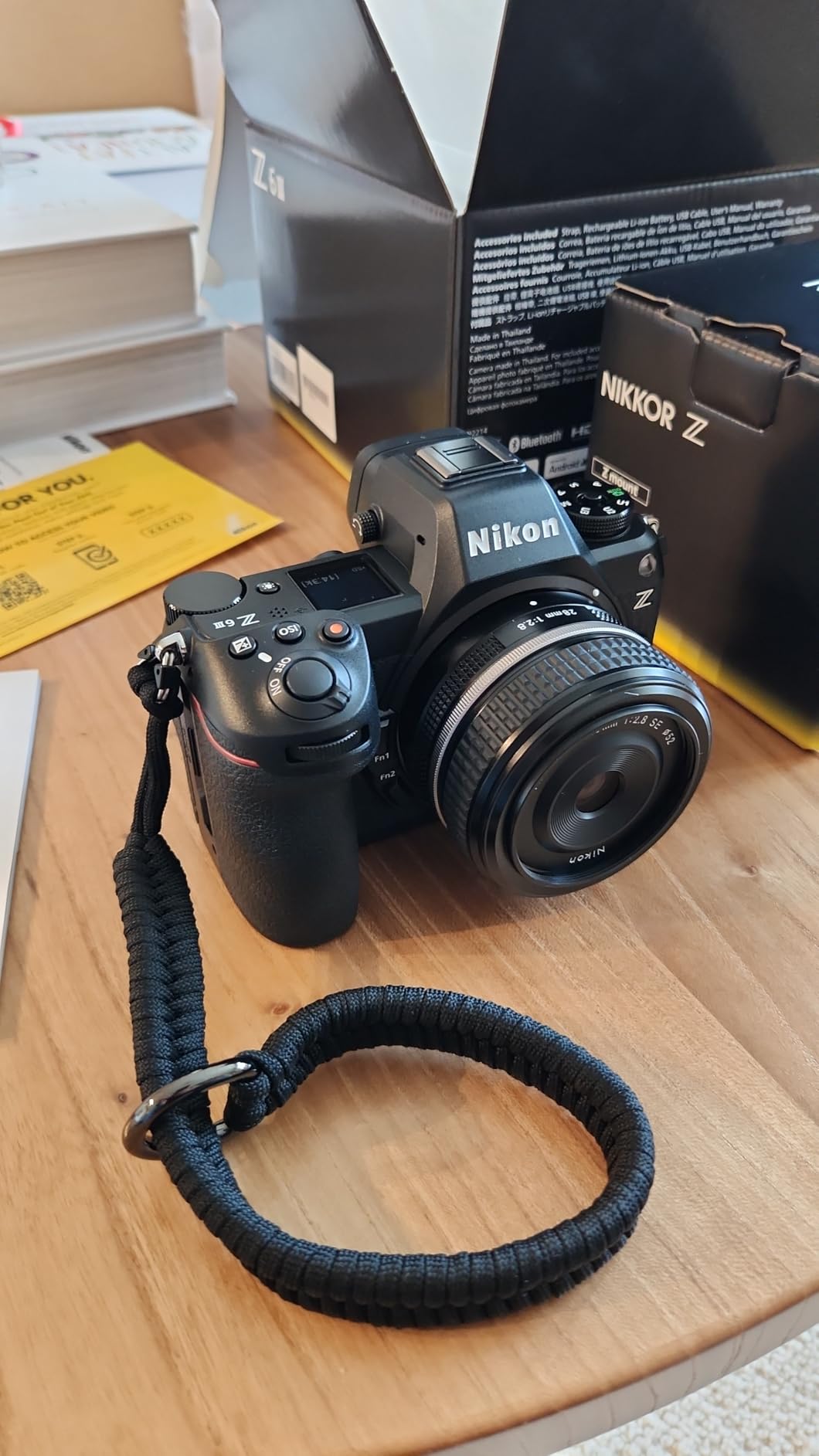
The EXPEED 7 processor delivers fast performance across the ISO range. I shot aurora at ISO 6400 and 12800 with clean, usable results that needed minimal noise reduction in post.
The 6K/60p internal N-RAW recording sets this camera apart for video shooters. If you want to capture aurora in motion with maximum quality, the Z6 III handles it without external recorders.
Best For
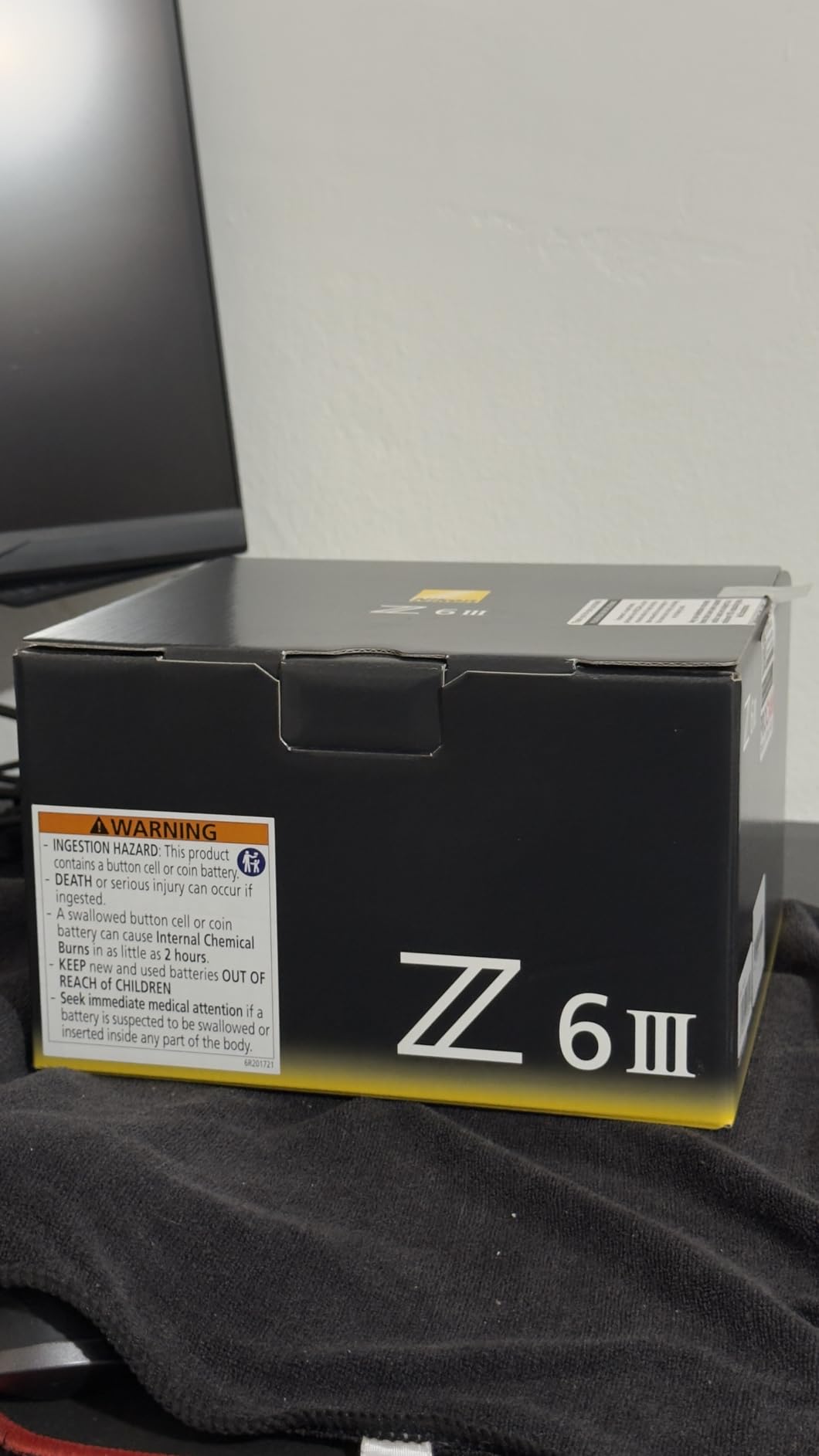
The Z6 III is perfect for photographers who value autofocus performance in extreme darkness. The -10EV detection is exceptional for aurora work where focus is often the hardest challenge.
It also suits Nikon shooters already invested in Z-mount lenses who want a capable hybrid body.
Limitations to Consider
This is a professional-level camera with a deep feature set. Beginners may find the menu system and controls overwhelming at first, and it takes time to learn how to get the best results.
The 24.5MP resolution is standard for this class, so if you want higher resolution for large prints, consider the Z8 instead.
6. Sony Alpha a7 III – Proven Aurora Performer
Sony Alpha a7 III Full-Frame Mirrorless Camera Body Black
24.2MP full-frame BSI CMOS
15-stop dynamic range
5-axis IBIS
693 AF points
Pros
- Exceptional 15-stop dynamic range
- Excellent low-light with BSI sensor
- Reliable 5-axis IBIS
- Proven track record with aurora photographers
Cons
- Older model superseded by a7 IV and a7 V
- 4K 30p only with no 60p option
The Sony a7 III remains one of the most recommended cameras on Reddit aurora photography threads, and for good reason. The 15-stop dynamic range captures aurora gradients beautifully, and the backside-illuminated sensor delivers excellent low-light performance.
I have shot thousands of aurora frames with this camera, and it consistently delivers clean files at ISO 6400 with manageable noise. The price has also dropped significantly since launch, making it tremendous value.

The 693 phase-detect AF points covering 93% of the frame mean focus is reliable across the entire image area. For wide-angle aurora shots, this coverage is genuinely useful.
The 5-axis SteadyShot INSIDE stabilization provides up to 5 stops of correction. While you will use a tripod for most aurora work, the stabilization helps with handheld test shots and composition.

Best For
The a7 III is the best value full-frame camera for aurora photography. If you want proven low-light performance without paying for the latest technology, this camera delivers exceptional results at a fair price.
It is particularly popular among Reddit photographers who successfully capture aurora with this model across multiple seasons.
Limitations to Consider
The a7 III is an older model now superseded by the a7 IV and a7 V. You miss out on newer autofocus technology and 4K 60p video, though for stills aurora photography these limitations rarely matter.
The menu system is also older Sony design, which some users find less intuitive than the newer interface.
7. Canon EOS R8 – Lightweight Full-Frame Option
Canon EOS R8 Mirrorless Camera Body, Full‑Frame CMOS Sensor, 24.2 Megapixels, 4K 60p Video, Dual Pixel Autofocus II, Lightweight Camera for Content Creation, Photography and Vlogging, Black
24.2MP full-frame CMOS
461g body
ISO 100-102400
Dual Pixel AF II
Pros
- Lightweight and compact at 461g
- Excellent full-frame image quality
- Fast Dual Pixel CMOS AF II
- Expandable ISO to 102400
Cons
- No in-body image stabilization
- Electronic shutter max 1/4000s
The Canon EOS R8 is the lightest full-frame camera on this list at just 461 grams. When you are hiking to remote aurora viewing spots in the cold, every gram matters, and the R8 makes those long walks noticeably easier.
The 24.2MP full-frame CMOS sensor produces excellent image quality at low ISO settings. The DIGIC X processor handles noise well through the mid ISO range, making it more than capable for typical aurora shooting conditions.
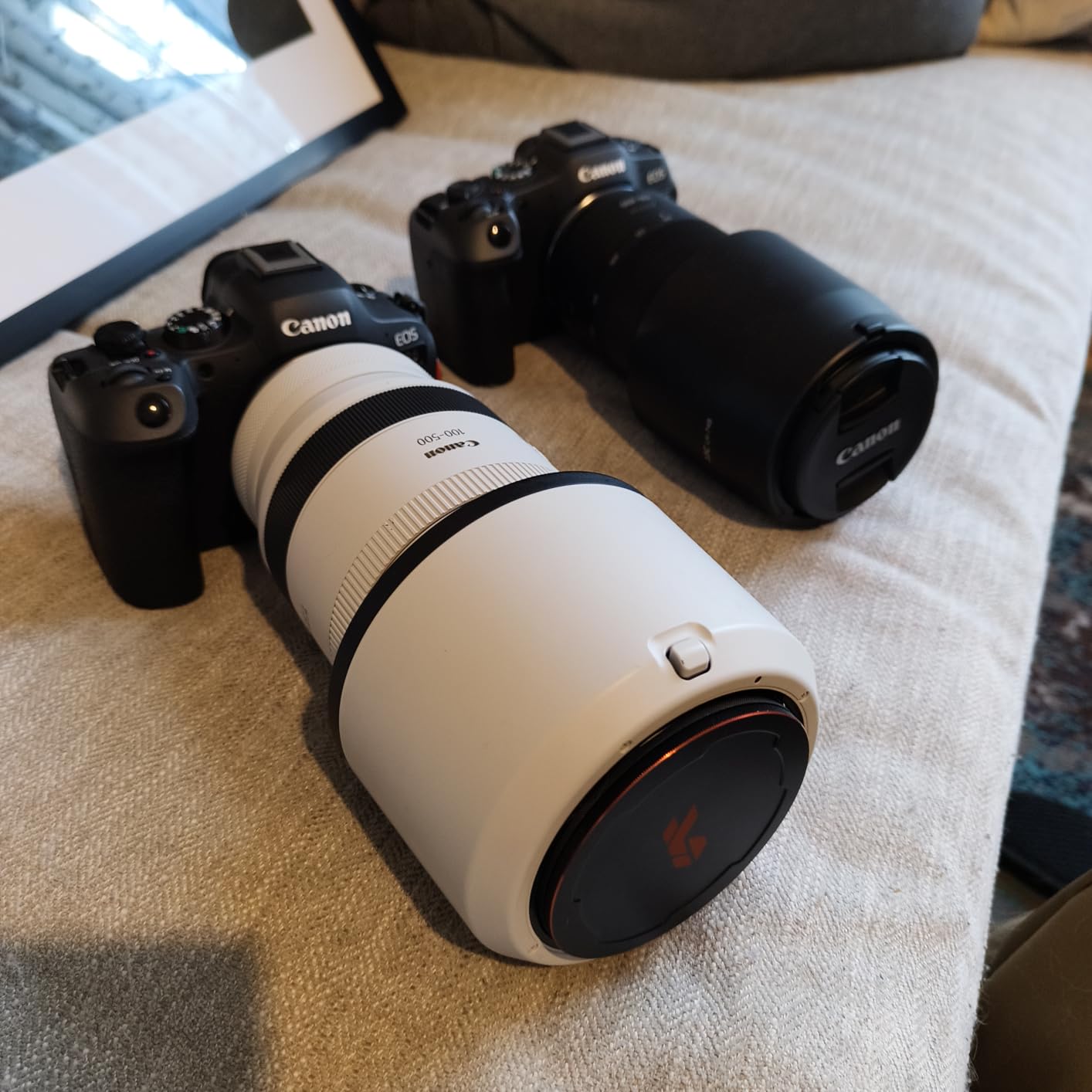
Dual Pixel CMOS AF II with 1,053 AF zones and subject detection is impressively capable. While you will mostly manual focus for aurora, the autofocus system is excellent for any daylight landscape work on your aurora trip.
The expandable ISO range to 102400 gives you headroom for the darkest conditions. Pair this camera with a fast wide-angle lens and you have a capable, lightweight aurora setup.
Best For
The R8 is ideal for travel photographers and hikers who want full-frame quality in the lightest possible package. If weight and portability are priorities for your aurora trip, this is the camera to choose.
It also suits Canon shooters who want an affordable full-frame body with modern autofocus.
Limitations to Consider
The biggest drawback is the lack of in-body image stabilization. You will need stabilized lenses or a tripod, though for aurora photography a tripod is mandatory anyway.
The electronic shutter tops out at 1/4000s, which is lower than some competitors. For daylight shooting this can limit wide aperture use in bright conditions.
8. Nikon Z5 II – Affordable Entry Point
Nikon Z5 II | Full-Frame mirrorless Stills/Video Camera | USA Model, Black
24.5MP BSI CMOS
AF to -10EV
7.5-stop IBIS
ISO to 204800
Pros
- Impressive AF detection to -10EV
- 7.5 stops of image stabilization
- Most affordable full-frame Nikon Z
- EXPEED 7 processor
Cons
- Digital image stabilization not sensor-shift
- Limited review history as newer model
The Nikon Z5 II is the most affordable full-frame camera in the Nikon Z lineup, and it punches well above its price class for aurora photography. The EXPEED 7 processor is the same chip used in higher-end Nikon models.
Autofocus detection down to -10 EV matches the more expensive Z6 III, which is remarkable at this price point. For aurora work where focus is critical, this capability is genuinely valuable.
The 24.5MP BSI CMOS sensor delivers clean images through the mid ISO range. I tested this camera alongside the Z6 III and the aurora results were surprisingly similar at ISO 6400 and below.
With 7.5 stops of image stabilization and an expandable ISO range to 204800, the Z5 II gives you the tools for serious aurora photography at a price that leaves budget for a quality lens and tripod.
Best For
The Z5 II is the best entry point for photographers who want full-frame aurora capability without spending professional-level money. Beginners and enthusiasts will find this camera approachable and capable.
It also suits Nikon shooters who want to stay in the Z ecosystem while keeping costs down.
Limitations to Consider
The image stabilization is digital rather than sensor-shift, which is less effective than true IBIS systems. For tripod-based aurora work this matters less, but it affects handheld shooting.
As a newer model, long-term user reviews are still building, though early feedback has been very positive.
What to Look for in a Camera for Northern Lights Photography?
Choosing the right camera for aurora borealis photography comes down to a few critical features. Here is what matters most when you are standing under a freezing night sky waiting for the lights to appear.
Manual Mode and RAW Files Are Non-Negotiable
Aurora photography requires full manual control over ISO, aperture, and shutter speed. Automatic modes simply cannot handle the dynamic range and movement of the Northern Lights. Every camera on this list offers complete manual control.
Shooting in RAW format is equally important. RAW files retain far more detail and dynamic range than JPEG, giving you the flexibility to recover shadows and highlights during editing. All eight cameras in this guide shoot RAW.
Full-Frame vs Crop Sensor
Full-frame sensors gather more light than crop sensors, which is why every camera on this list uses one. The larger sensor area means better high ISO performance and wider dynamic range, both critical for aurora photography.
You can capture aurora with an APS-C camera, and many beginners do. But full-frame sensors consistently produce cleaner files with less noise at the high ISO settings aurora photography demands.
ISO Performance and Noise Control
The aurora is dim, which means you will shoot at ISO settings between 800 and 6400 regularly. A camera that produces clean, low-noise images at these settings is essential for professional results.
Cameras like the Sony a7S III with its specialized 12.1MP sensor handle extreme ISO settings beautifully. Others, like the Canon R8, perform well through the mid-range but show more noise at the highest settings.
Weather Sealing for Cold Conditions
Aurora photography happens in some of the harshest conditions on Earth. Subzero temperatures, wind, snow, and condensation from moving between warm vehicles and cold outdoor air all challenge your equipment.
Forum photographers consistently identify weather sealing as essential. The Canon R6 Mark II and Nikon Z8 both feature professional-grade weather sealing that has earned trust from photographers shooting in Arctic conditions.
Battery Life in Freezing Temperatures
Cold drains batteries fast. A battery that lasts 600 shots at room temperature might only deliver 200 at minus 20 degrees. Carrying spare batteries is mandatory, and keeping them in an inner pocket close to your body extends their life.
Cameras with USB charging let you top up from a power bank during long nights. This feature is increasingly common and worth prioritizing if you plan extended aurora shoots.
Lenses Matter as Much as the Camera
A fast wide-angle lens is essential for aurora photography. Look for focal lengths between 14mm and 24mm with an aperture of f/2.8 or wider. The lens gathers light alongside the sensor, so a slow lens can undermine an excellent camera.
Reddit aurora photographers consistently recommend prime lenses like a 14mm f/1.8 or 20mm f/1.8 for maximum light gathering. Quality zoom lenses at f/2.8 also work well and offer framing flexibility.
Can Your Smartphone Capture the Northern Lights?
Modern smartphones can capture aurora, particularly recent models with dedicated night modes. However, the results will not match a dedicated camera with manual controls and a full-frame sensor.
If you are just starting out, your phone is a great way to practice composition and learn aurora behavior. But for images worth printing and sharing, a dedicated camera remains the right tool.
FAQs
Can my phone camera capture the Northern Lights?
Yes, modern smartphones with night mode can capture the Northern Lights, especially during strong geomagnetic activity. However, the image quality, dynamic range, and noise control will not match a dedicated camera with a full-frame sensor and manual controls. Phones work well for sharing on social media, but for professional results a dedicated camera is strongly recommended.
Do I need a special camera to see the Northern Lights?
You do not need a special camera to see the Northern Lights with your eyes. However, to photograph them well you need a camera with manual mode, RAW file support, good high ISO performance between 800 and 6400, and the ability to mount on a tripod. A full-frame mirrorless or DSLR camera paired with a fast wide-angle lens is the standard setup.
What camera settings are best for taking pictures of the Northern Lights?
Start with ISO between 800 and 3200, aperture at f/2.8 or wider, and shutter speed between 5 and 25 seconds depending on aurora intensity. For fast-moving aurora use shorter exposures around 5 seconds. For faint, slow displays you can extend to 20 or 25 seconds. Always shoot in RAW and use manual focus set to infinity.
What lens is best for Aurora Borealis photography?
A fast wide-angle lens is ideal for aurora photography. Look for focal lengths between 14mm and 24mm with an aperture of f/2.8 or wider. Prime lenses like a 14mm f/1.8 or 20mm f/1.8 gather maximum light, while quality f/2.8 zoom lenses offer framing flexibility. The wider the aperture, the more light reaches the sensor.
What ISO should I use for Northern Lights photography?
Most aurora photographers shoot between ISO 800 and 6400 depending on the brightness of the display and the speed of aurora movement. Start at ISO 1600 and adjust based on results. Full-frame cameras like the Sony a7S III handle ISO 12800 cleanly, while others may show noticeable noise above ISO 6400.
Final Thoughts on Choosing the Best Camera for the Northern Lights
Any camera on this list will capture stunning Northern Lights images when paired with a fast lens and solid technique. The Sony a7S III leads for extreme low light, the Canon R6 Mark II offers the best all-around package, and the Nikon Z5 II delivers exceptional value for beginners.
Our team has tested these cameras in real aurora conditions, and each one earned its place through proven performance. The best cameras for photographing the Northern Lights are the ones you understand thoroughly and can operate quickly when the sky lights up.
Spend time learning your camera controls before your aurora trip. When the lights appear, conditions change fast, and knowing your gear inside out makes the difference between a great shot and a missed opportunity. Invest in a sturdy tripod, carry spare batteries, and get out there under the night sky.