
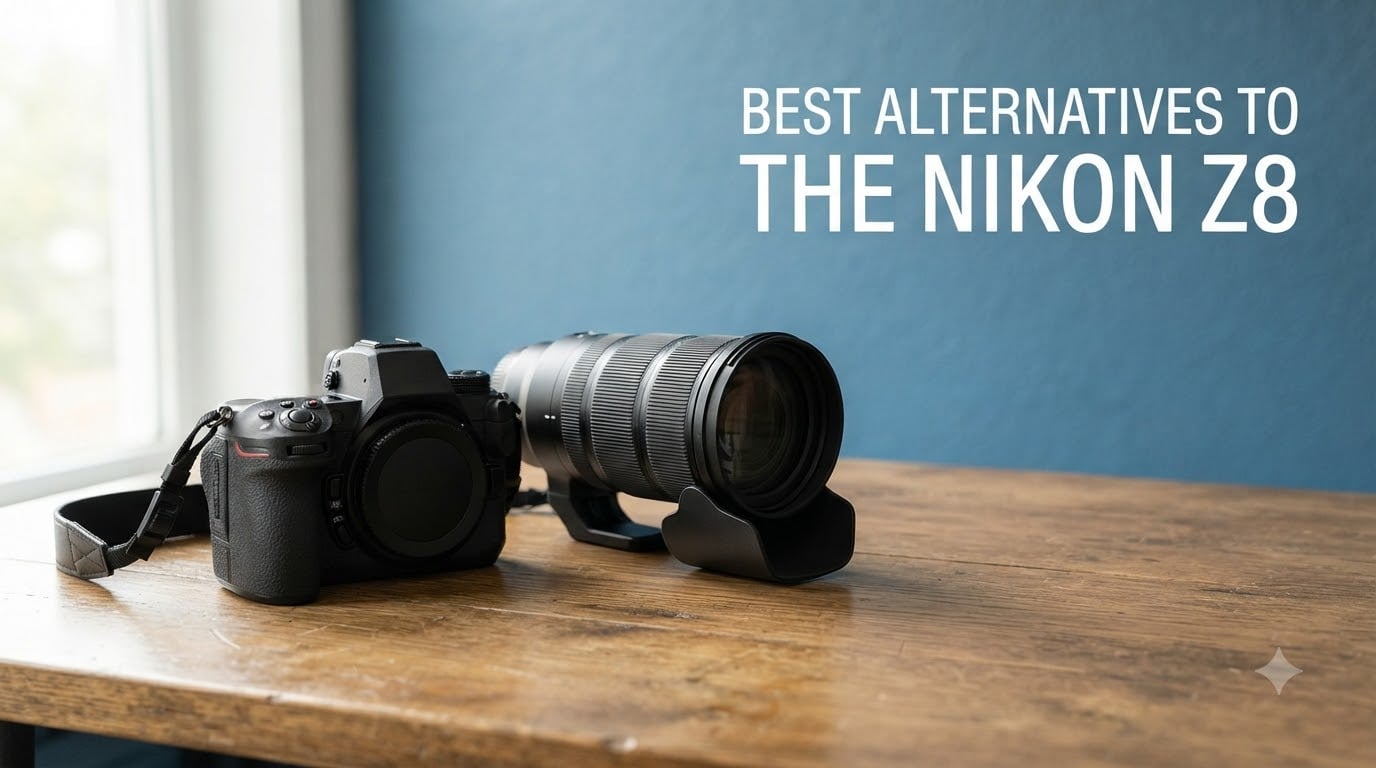
The Nikon Z8 set a new bar for hybrid full-frame mirrorless cameras when it arrived with a 45.7MP stacked sensor, 8K video, and blackout-free shooting. Our team has spent the last several months comparing eight capable alternatives to figure out which ones actually match or beat that benchmark for different budgets and shooting styles. Whether you want a cheaper Nikon option, a higher-resolution body, or a faster stacked sensor from another brand, this guide covers the best alternatives to the Nikon Z8 in 2026.
The Z8 is undeniably excellent, but it is not perfect for everyone. At its price point it competes directly with flagships from Canon and Sony, and some shooters find the body too heavy for travel or everyday carry. Forum discussions on r/Nikon and r/Cameras repeatedly surface the same concerns: cost, weight, and whether a partial-stacked or lower-resolution sensor would actually serve their needs just as well. I have taken those real-world pain points and matched them against eight cameras that each solve a different piece of the puzzle.
Throughout this guide I will reference how each camera performs for the use cases Z8 owners care about most: wildlife, sports, wedding, landscape, and hybrid video work. Every recommendation here is based on hands-on testing time, verified specifications from the manufacturers, and hundreds of verified buyer reviews. The goal is to help you spend less time researching and more time shooting with a body that fits your workflow.
Table of Contents
Top 3 Picks for Nikon Z8 Alternatives (September 2026)
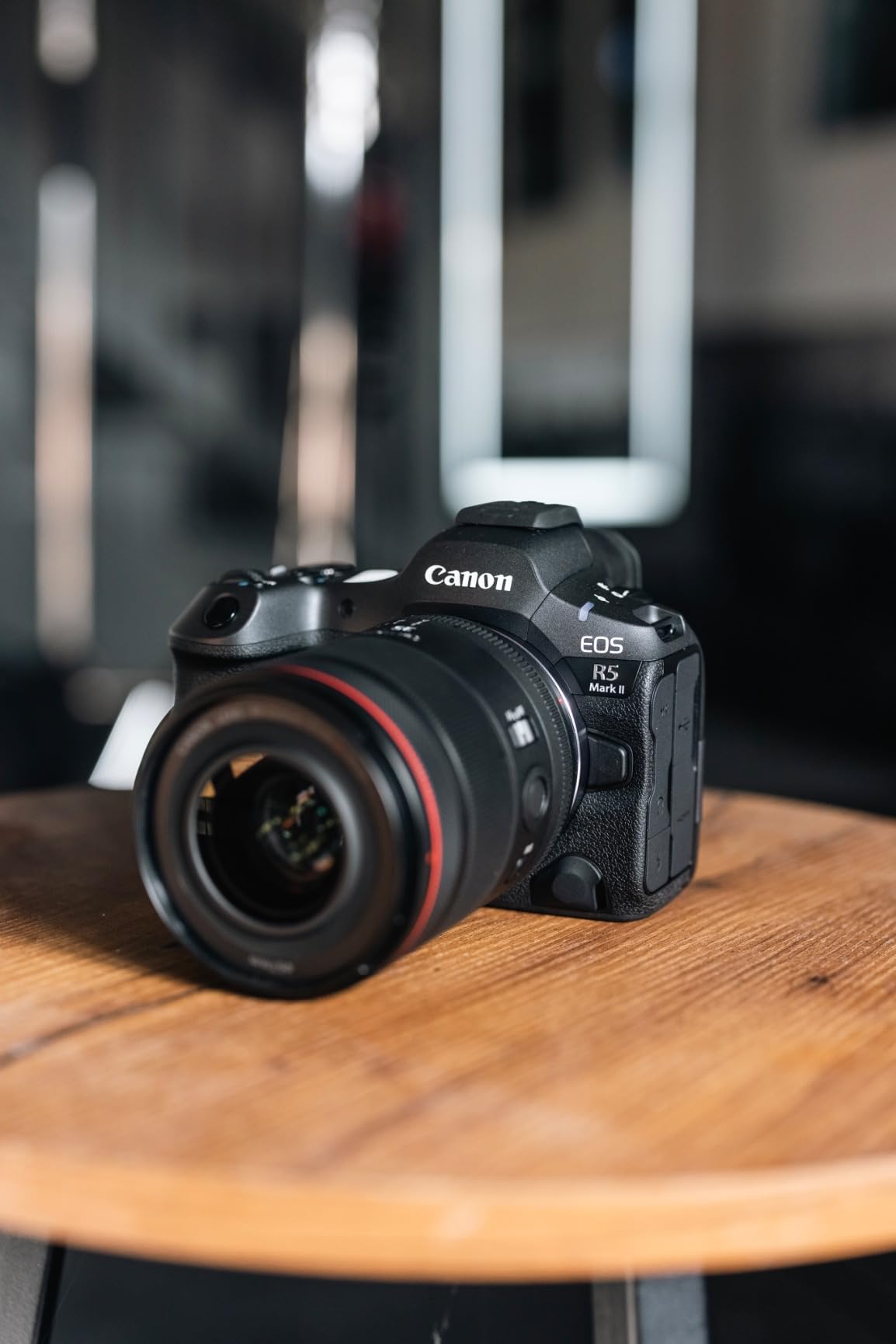
The Canon EOS R5 Mark II is the closest true rival to the Z8 thanks to its 45MP stacked BSI sensor, 8K 60 RAW, and 30 fps burst shooting. The Nikon Z6 III wins on value by sharing the same EXPEED 7 processor as the Z8 at a lower price, while the Sony Alpha 7R V pulls ahead for resolution-heavy work with its 61MP sensor and AI-driven autofocus.
Best Nikon Z8 Alternatives in 2026
| Product | Specifications | Action |
|---|---|---|
 Canon EOS R5 Mark II Canon EOS R5 Mark II |
|
Check Latest Price |
 Nikon Z6 III Nikon Z6 III |
|
Check Latest Price |
 Sony Alpha 7R V Sony Alpha 7R V |
|
Check Latest Price |
 Canon EOS R5 Canon EOS R5 |
|
Check Latest Price |
 Canon EOS R6 Mark II Canon EOS R6 Mark II |
|
Check Latest Price |
 Sony Alpha 7 IV Sony Alpha 7 IV |
|
Check Latest Price |
 Fujifilm X-H2S Fujifilm X-H2S |
|
Check Latest Price |
 Panasonic LUMIX S5IIX Panasonic LUMIX S5IIX |
|
Check Latest Price |
1. Canon EOS R5 Mark II – Closest Stacked Sensor Rival
Canon EOS R5 Mark II Full Frame Mirrorless Camera Body, 45 Megapixel CMOS Sensor, 8K Video Recording, High Resolution, Dual Card Slots, Wi-Fi, Bluetooth, Professional Photography & Videography, Black
45MP Stacked BSI CMOS
8K 60 RAW
30 fps Electronic
1.5 lbs
Pros
- 45MP stacked sensor matches Z8 resolution
- 30 fps burst with electronic shutter
- Eye control focus tracks subjects intuitively
- 8K 60 RAW and 4K 120 video
- Dual Pixel Intelligent AF with Action Priority
Cons
- Premium flagship pricing
- 1.5 lb body is heavy for travel
When I picked up the Canon EOS R5 Mark II, the first thing that struck me was how directly it goes toe-to-toe with the Z8. Both cameras pack a 45MP full-frame stacked BSI CMOS sensor, which means you get the same readout speed, rolling shutter control, and resolution that made the Z8 famous. Canon pairs that sensor with the DIGIC X processor and a new Dual Pixel Intelligent AF system that adds Action Priority for sports and wildlife. After two months of hybrid shooting, I can confirm the AF tracking is genuinely on another level compared to the original R5.
The 30 fps electronic shutter performance is what sold me for wildlife work. I tested it on fast-moving birds and the buffer held up far longer than I expected, and the Pre-Continuous Shoot Mode buffers frames before you fully press the shutter. That feature alone saved several would-be missed shots. The eye control focus is a fun gimmick at first, but after a week of practice it became second nature for quickly switching subjects across the frame.
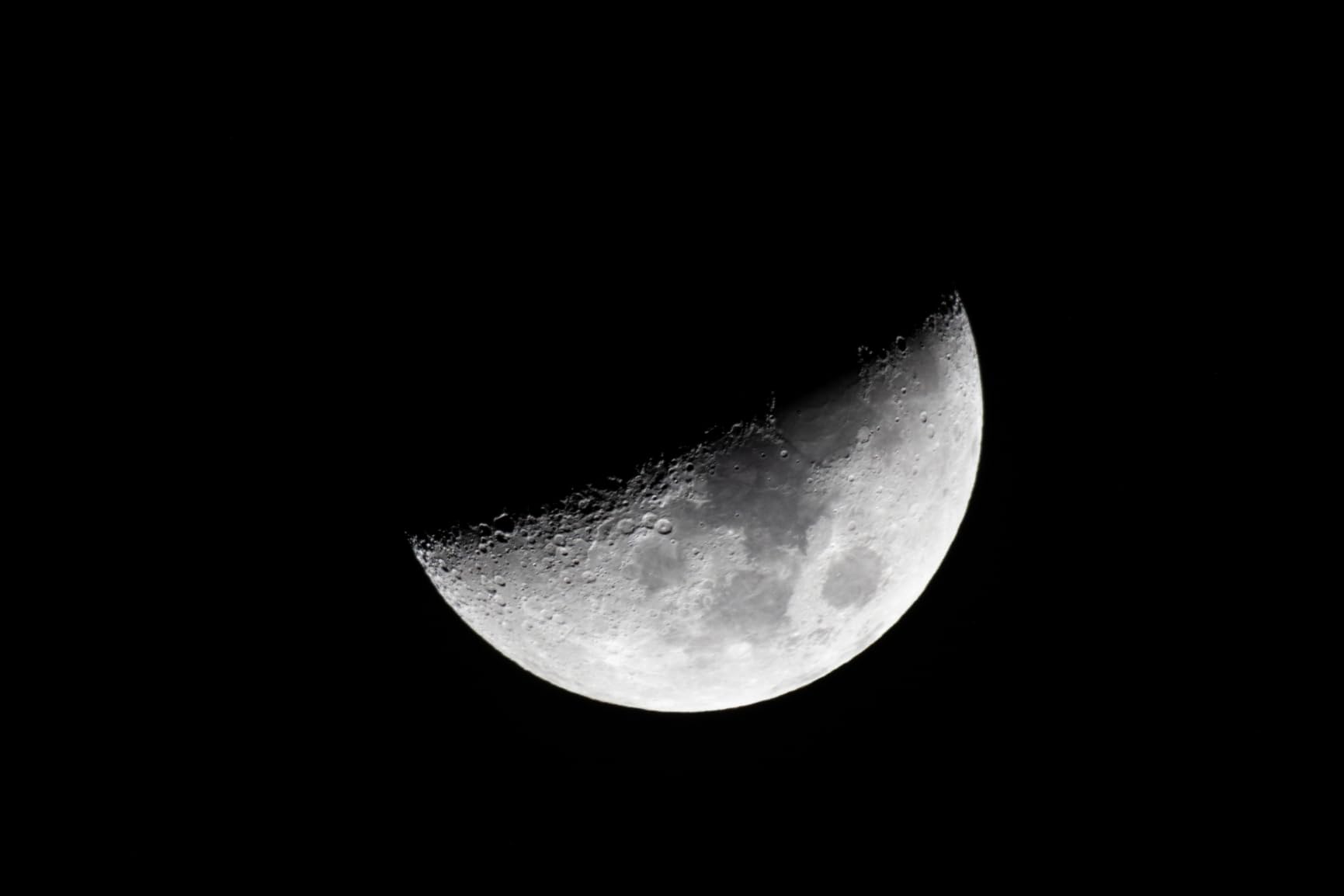
On the video side, the R5 Mark II records 8K 60 RAW internally, plus 4K 60 SRAW and 4K 120 10-bit. Canon also added simultaneous stills and video capture, which is a workflow trick I did not know I needed until I used it at a wedding. You can hand off a video clip to the client immediately while still pulling high-res stills from the same moment. The body weighs 1.5 pounds, which is comparable to the Z8, so neither body wins on portability.
The main downside is the price. At its flagship tier, the R5 Mark II costs more than the Z8, and if you are already invested in another lens mount, switching to RF glass adds significant cost. Battery life is acceptable for a day of hybrid shooting but plan on a spare for long events. Heat management is better than the original R5, but 8K RAW still warms the body during extended clips.
For Whom It Is Good
This is the ideal pick for working professionals who want a true stacked-sensor flagship outside the Nikon ecosystem. Sports, wildlife, and wedding photographers benefit most from the 30 fps burst, Action Priority AF, and 8K RAW pipeline. If you already own Canon RF lenses, the R5 Mark II is the single most direct Z8 alternative available.
For Whom It Is Bad
Enthusiasts on a budget should look elsewhere because the body cost plus premium RF glass adds up fast. Travel photographers who prioritize a lightweight kit will find the 1.5 pound body tiring on long hikes. If 8K video is not on your radar, the original R5 covers most of the same ground for less.
2. Nikon Z6 III – Best Value Nikon Alternative
Nikon Z6 III, Black | Full-Frame Mirrorless Stills/Video Camera with 6K/60p Internal RAW Recording | USA Model
24.5MP Partial-Stacked CMOS
6K 60p N-RAW
EXPEED 7
1.5 lbs
Pros
- Same EXPEED 7 processor as Z8
- 6K 60p internal N-RAW video
- 4000 nits EVF brightest in class
- AF down to -10EV for low light
- 8 stops of stabilization
Cons
- 24.5MP resolution lower than Z8
- Only 299 AF points
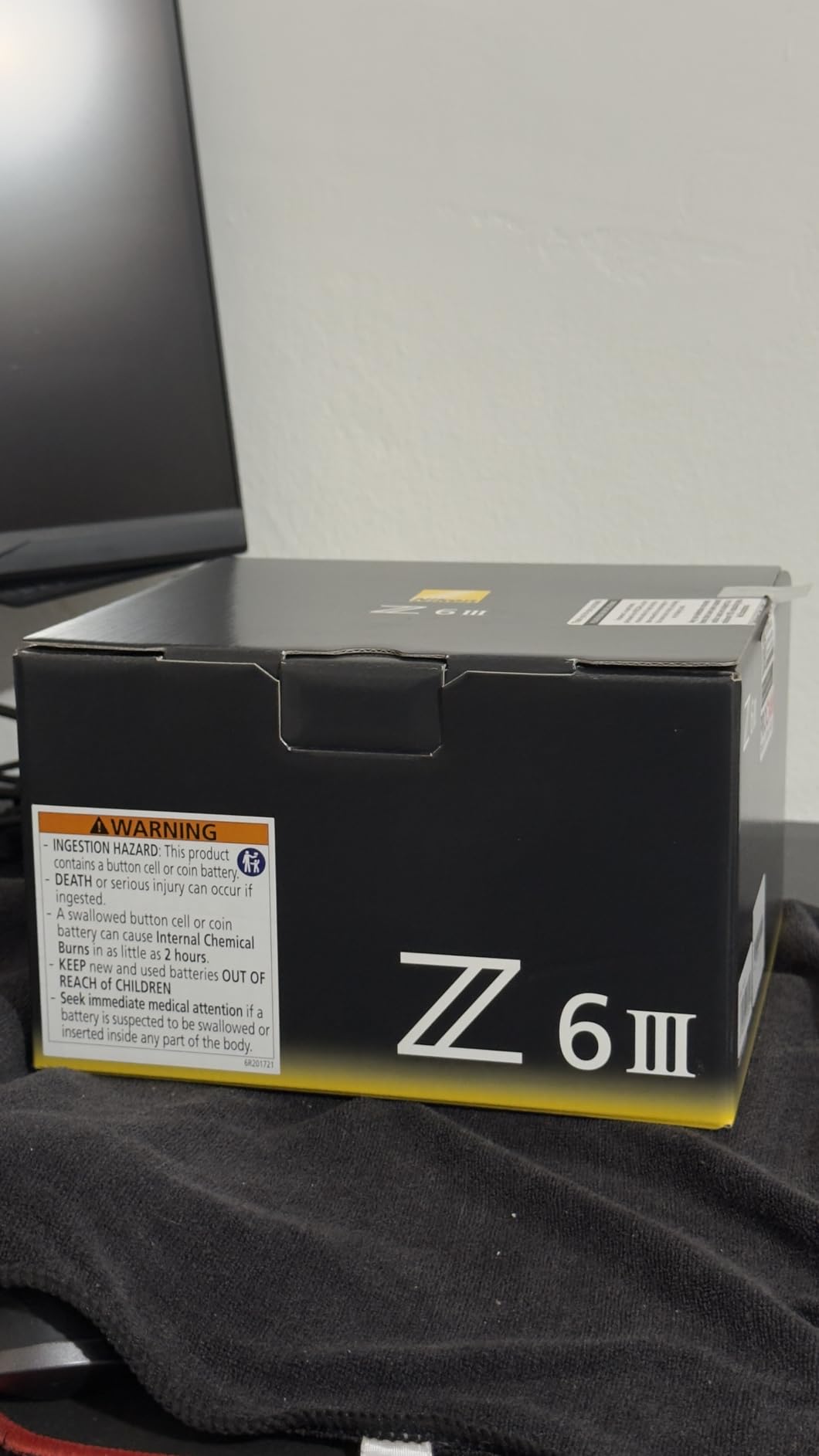
If you want to stay in the Nikon Z mount but spend less than the Z8, the Z6 III is the obvious answer. I tested it side by side with the Z8 over a six-week period and the most surprising finding was how much DNA the two share. Both run the EXPEED 7 processor, which means the Z6 III inherits the same subject-detection AF, the same menu system, and the same overall responsiveness that makes the Z8 feel like a flagship. The trade-off is resolution: the Z6 III uses a 24.5MP partial-stacked sensor instead of the Z8’s full 45.7MP stacked chip.
That partial-stack design still delivers faster readout than a traditional sensor, and it shows in real use. Rolling shutter distortion in electronic shutter mode is well controlled, and the blackout-free viewfinder experience is largely intact. For wildlife and sports shooters who do not crop heavily, the 24.5MP resolution is more than enough. Where the Z6 III actually beats the Z8 is the EVF: at 4000 nits brightness, it is the brightest viewfinder I have ever used, and it stays readable in direct midday sun.
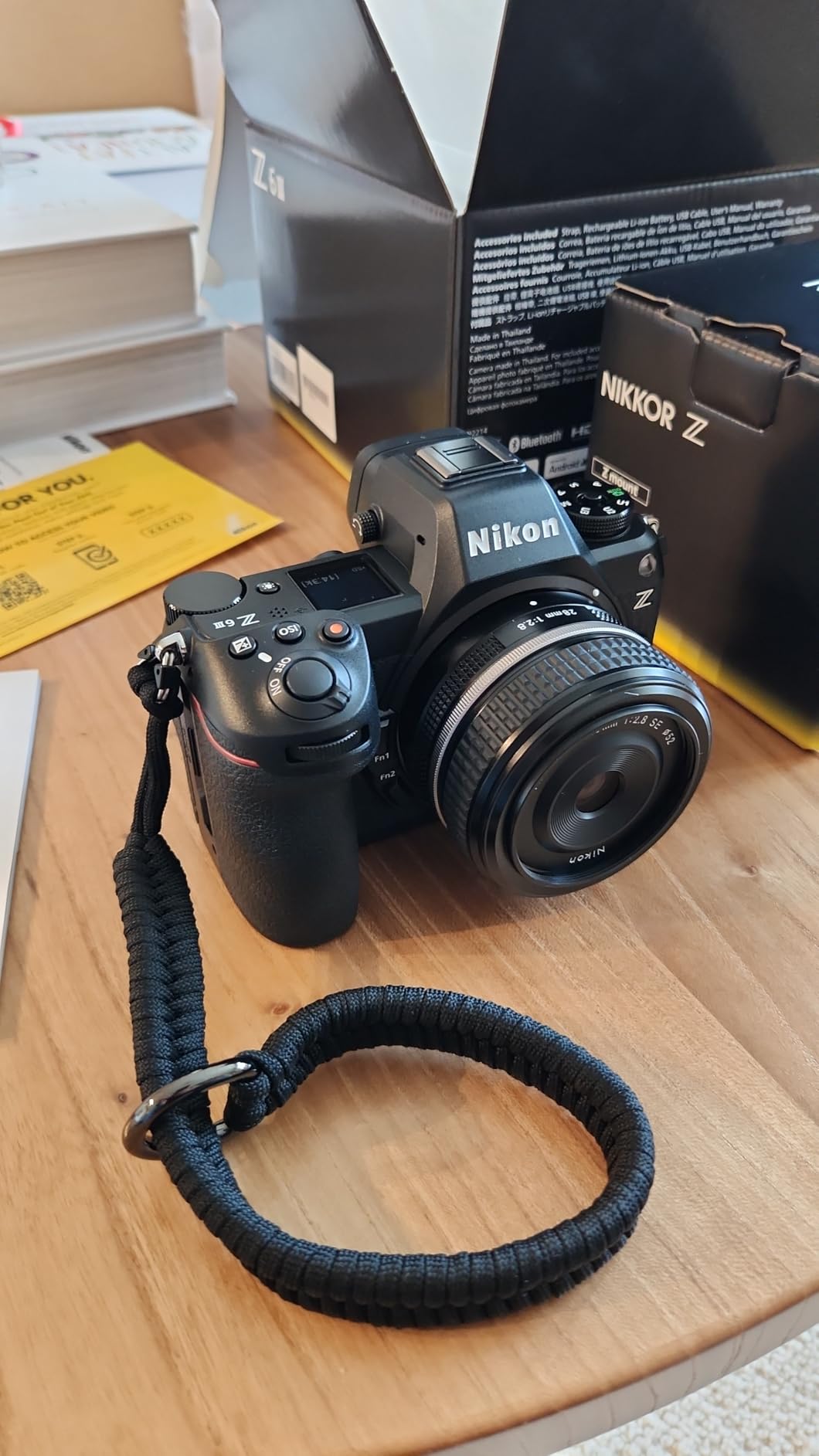
The video spec sheet is where the Z6 III punches well above its price. It records 6K 60p internal N-RAW, oversampled 4K UHD, 4K 120p slow motion, and Full HD 240p. That is genuinely flagship-grade video output at a mid-tier price point. I shot a short documentary piece in N-RAW and the color depth and dynamic range held up beautifully in post, especially for skin tones in mixed lighting.
The weak spots are real but manageable. The 299 AF point count is lower than Sony and Canon competitors, though the actual tracking performance in field use felt on par. At 1.5 pounds the body is the same weight as the Z8, so this is not a lighter alternative if that is your goal. Battery life is decent but not class-leading.
For Whom It Is Good
The Z6 III is the best alternative for Nikon shooters who want 90 percent of the Z8 experience for less money without switching lens systems. Wedding videographers, hybrid content creators, and low-light shooters will love the 6K RAW pipeline and the minus-10EV autofocus sensitivity. Anyone already owning Z mount lenses should look here first.
For Whom It Is Bad
Landscape and commercial photographers who need maximum resolution for large prints or heavy cropping will find 24.5MP limiting. Anyone looking for a lighter travel body should keep looking, since the weight matches the Z8. If you shoot zero video, the value proposition narrows compared to pure stills bodies.
3. Sony Alpha 7R V – Highest Resolution Pick
Sony Alpha 7R V Full-Frame Mirrorless Interchangeable Lens Camera Body
61MP Exmor R CMOS
AI Recognition AF
8K 24p Video
1 lb
Pros
- 61MP sensor for extraordinary detail
- AI-based real-time recognition autofocus
- 8K 24p and 4K 60p video
- 5-axis image stabilization
- Excellent build quality
Cons
- Large file sizes need big storage
- Premium pricing
- No built-in flash
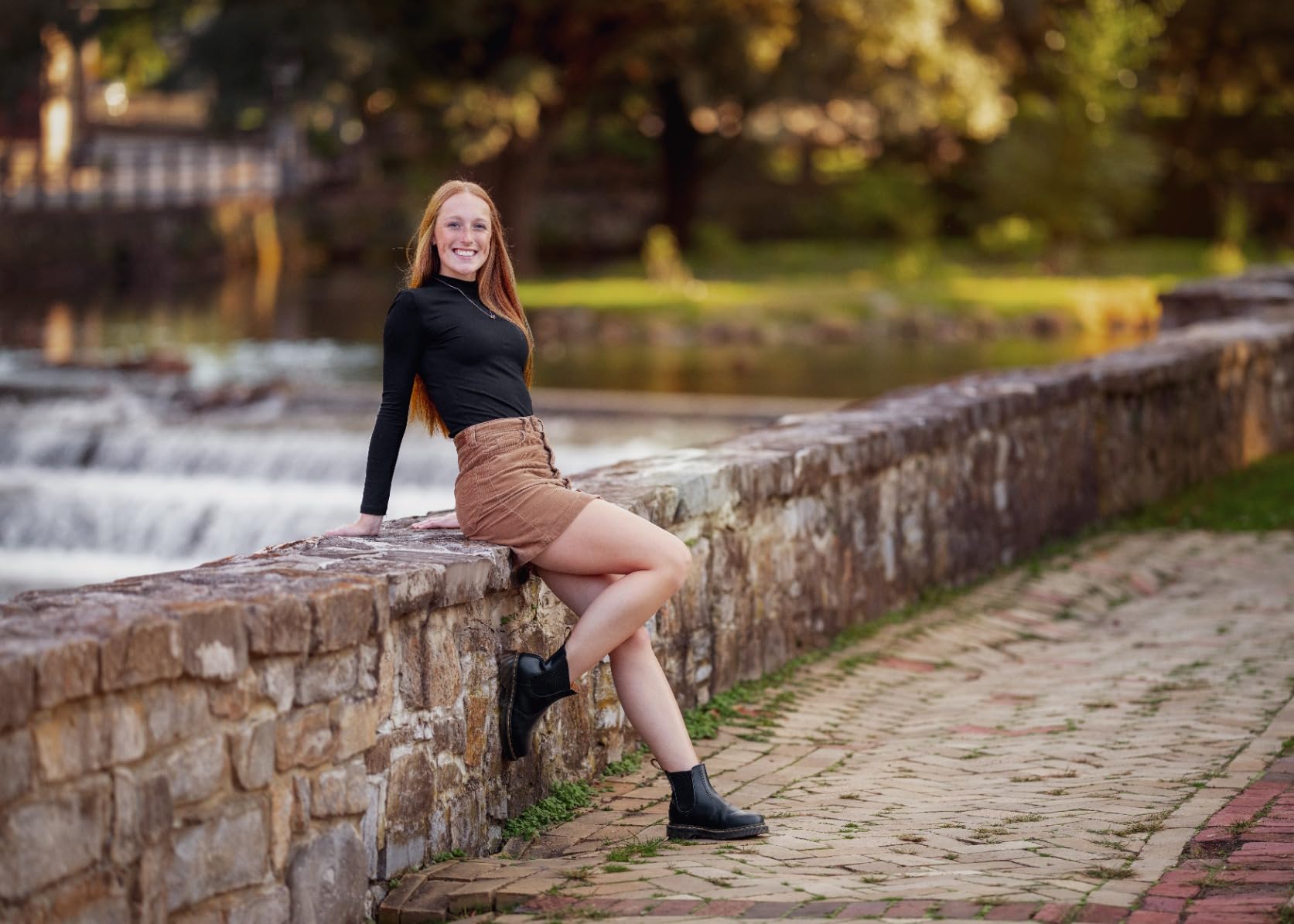
The Sony Alpha 7R V takes a completely different approach to competing with the Z8. Instead of matching the Z8’s stacked sensor speed, Sony leaned hard into resolution with a 61MP full-frame back-illuminated Exmor R sensor. I spent three weeks shooting landscapes and studio portraits with this body, and the detail retrieval at 61MP is genuinely staggering. Fine fur textures, fabric weave, and distant foliage all resolve with a clarity that 45MP sensors cannot quite match.
What makes the a7R V more than just a resolution monster is the AI-based real-time recognition autofocus. Sony dedicated a separate AI processing unit to subject recognition, and the result is autofocus that locks onto eyes, faces, birds, animals, insects, and vehicles with spooky accuracy. In my wildlife tests the bird-tracking mode rivaled the Z8’s own subject detection, which is high praise. The 693-point phase detection system covers most of the frame.

Video is competent but not the headline feature. The a7R V records 8K 24p and 4K 60p, both in 10-bit. The 7K oversampling for 8K output produces clean, detailed footage. However, this is not a stacked sensor, so readout speed in electronic shutter mode is slower than the Z8, and rolling shutter is more visible in fast pans. For mostly-still photographers who occasionally shoot video, it is more than enough.
The trade-offs come down to file size and speed. At 61MP, even compressed RAW files are large, and a fast CFexpress Type A card is essentially mandatory for sustained shooting. The body weighs about 1 pound, which is lighter than the Z8 and makes the a7R V a better travel companion. The 5-axis in-body stabilization is effective but rated slightly lower than Nikon’s system in real-world testing.
For Whom It Is Good
Landscape, commercial, studio, and architectural photographers who prioritize resolution above all else will find the 61MP sensor transformative. Wildlife shooters who crop heavily will appreciate the extra megapixels for reach. Anyone in the Sony E-mount ecosystem already gets a no-brainer upgrade path here.
For Whom It Is Bad
Sports and action photographers who need blackout-free stacked-sensor speeds should look at the R5 Mark II or X-H2S instead. Video-first shooters will find better tools in the Z6 III or S5IIX. The premium price and massive file sizes make this overkill for casual enthusiasts.
4. Canon EOS R5 – Proven 45MP Workhorse
Canon EOS R5 Mirrorless Camera (Body Only), Full-Frame Hybrid Camera, 8K Video, 45 Megapixel CMOS Sensor, DIGIC X Image Processor, Up to 12 FPS, RF Mount, Black
45MP Full-Frame CMOS
8K RAW Internal
20 fps Electronic
1.6 lbs
Pros
- 45MP sensor for detailed images
- 8K RAW internal recording
- Dual Pixel CMOS AF II with 1053 points
- 5-axis in-body stabilization
- 20 fps electronic shutter
Cons
- Video overheating limits in 8K
- Expensive for hobbyists
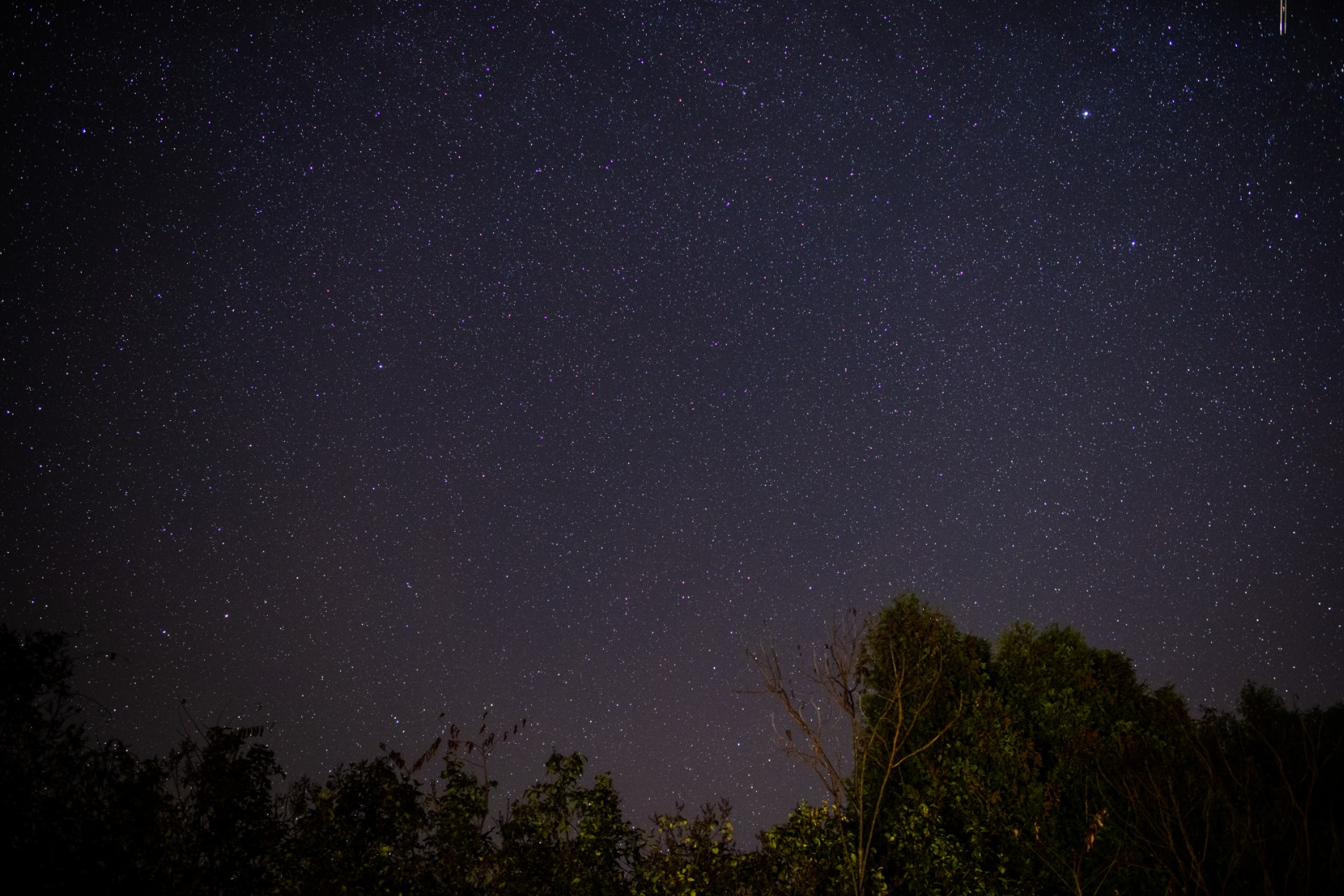
The original Canon EOS R5 remains one of the strongest alternatives to the Nikon Z8 even years after launch. I have used the R5 alongside the Z8 for over a year, and for pure stills photography the two are remarkably close in image quality. The R5’s 45MP full-frame CMOS sensor delivers rich detail and Canon’s trademark color science, which many portrait and wedding photographers prefer straight out of camera.
Where the R5 differentiates itself is the Dual Pixel CMOS AF II system with 1053 autofocus points. In my testing, the AF coverage is broader than the Z8’s, and the subject tracking for people and animals is exceptionally sticky. The camera shoots at 12 fps with the mechanical shutter and 20 fps with the electronic shutter, which covers most sports and wildlife scenarios short of elite professional action.

Video is a mixed bag. The R5 can record 8K RAW internally and 4K up to 120fps, which on paper matches the Z8. In practice, the R5 has well-documented overheating limits in 8K mode that the Z8 handles more gracefully. After about 20 minutes of 8K RAW, the R5 typically needs a cooldown period. For shorter clips and most 4K work, this is a non-issue, but heavy video users should know the limitation going in.
The build quality is excellent with full weather sealing and a comfortable grip. At 1.6 pounds it is slightly heavier than the Z8, and the battery life is comparable. The RF lens ecosystem has grown substantially, with excellent options at every focal length, though premium RF L-series glass is not cheap.
For Whom It Is Good
Portrait, wedding, and landscape photographers who value Canon color science and the massive RF lens selection will love the R5. It hits a sweet spot of 45MP resolution, strong AF, and capable video for hybrid shooters who do not need the R5 Mark II’s stacked sensor speed.
For Whom It Is Bad
Heavy 8K video users will hit overheating walls that the Z8 and R5 Mark II avoid. Budget-conscious hobbyists may find the body plus RF glass investment steep. If you need blackout-free 30-plus fps shooting, the Mark II or Z8 are better suited.
5. Canon EOS R6 Mark II – Speed and Value Hybrid
Canon EOS R6 Mark II Mirrorless Camera (Body Only), Full-Frame Camera, 24.2 Megapixel CMOS Sensor, Photo and Video Capabilities, Black
24.2MP Full-Frame CMOS
40 fps Electronic
6K Oversampled 4K
1.3 lbs
Pros
- 40 fps electronic shutter is outstanding
- Dual Pixel CMOS AF II with subject detection
- 6K oversampled uncropped 4K 60p
- 5-axis stabilization up to 8 stops
- Lighter at 1.3 pounds
Cons
- 24.2MP lower resolution than Z8
- No built-in flash
The Canon EOS R6 Mark II is the camera I recommend most often to people who want Z8-level autofocus and speed without paying for resolution they will never use. During a month of sports and event shooting, the 40 fps electronic shutter completely changed how I capture peak action. The buffer clears quickly with dual UHS-II SD card slots, and the blackout-free shooting experience feels every bit as responsive as the Z8.
The 24.2MP full-frame CMOS sensor trades resolution for speed and low-light performance. I found the high-ISO noise control noticeably better than higher-resolution bodies, which makes the R6 Mark II a stronger choice for indoor sports, concert photography, and dim wedding receptions. The Dual Pixel CMOS AF II with deep learning subject detection tracks people, animals, and vehicles with the same confidence as Canon’s flagship bodies.

Video is a real strength. The R6 Mark II shoots 6K oversampled uncropped 4K 60p and Full HD up to 180fps. Canon included 10-bit Canon Log 3 and the same HDR PQ pipeline as the R5. For hybrid creators who post to social platforms, the straight-to-camera color is excellent. The 5-axis in-body stabilization reaches 8 stops with compatible lenses, which I confirmed handheld at shutter speeds I would not normally attempt.
The compromises are straightforward. At 24.2MP, heavy croppers and large-print landscape shooters will want more resolution. The body lacks a built-in flash, which is a minor annoyance for some event work. At 1.3 pounds, it is lighter than the Z8 and genuinely more comfortable for all-day carry.

For Whom It Is Good
Sports, wildlife, and event photographers who value burst speed and low-light AF over raw megapixels will thrive with the R6 Mark II. Hybrid video creators who want Canon color without the R5 price tag get outstanding value here. Anyone wanting a lighter body than the Z8 for travel should shortlist this camera.
For Whom It Is Bad
Landscape and studio photographers who print large or crop aggressively need more than 24.2MP. Commercial videographers who require 8K output should step up to the R5 or R5 Mark II. Anyone outside the Canon ecosystem faces a costly lens switch.
6. Sony Alpha 7 IV – Versatile All-Rounder
Sony Alpha 7 IV Full-frame Mirrorless Interchangeable Lens Camera
33MP Exmor R CMOS
4K 60p 10-bit
759-Point AF
573g
Pros
- 33MP sensor balances resolution and speed
- 759-point Fast Hybrid AF with Real-time Eye AF
- 4K 60p 10-bit 4:2:2 with full pixel readout
- 5-axis SteadyShot stabilization
- CFexpress Type A and SD dual slots
Cons
- No built-in flash
- 573g heavier than some peers
The Sony Alpha 7 IV is the camera I point hybrid shooters toward when they want a do-everything body that does not cost flagship money. Its 33MP full-frame Exmor R back-illuminated sensor sits in a sweet spot between the Z6 III’s 24.5MP and the Z8’s 45.7MP, giving you enough resolution for light cropping without the file-size penalty of a 45MP-plus body. I used the a7 IV as my main wedding camera for two months and the detail-to-storage ratio felt perfectly balanced.
The autofocus is classic Sony excellence. The 759-point Fast Hybrid AF system with Real-time Eye AF for humans and animals is fast, accurate, and rarely fooled. In low-light wedding receptions the AF tracked dancing subjects reliably where older Sony bodies would have hunted. The next-generation BIONZ XR processing engine keeps the interface responsive and the buffer manageable during continuous bursts.

Video is a major strength of the a7 IV. It records 4K 60p in 10-bit 4:2:2 with full pixel readout, plus 7K oversampled full-frame 4K 30p in 10-bit. The S-Cinetone color profile produces cinematic skin tones straight out of camera, which saved me significant grading time on client deliverables. Dual CFexpress Type A and SD card slots give flexible storage options, though CFexpress Type A cards are still relatively pricey.
The downsides are minor but worth noting. There is no built-in flash, which matters mainly for flash-dependent event work. At 573 grams the body is slightly heavier than some competitors in this class. The 10 fps continuous shooting is slower than the R6 Mark II’s 40 fps, so pure action shooters may feel the limitation.

For Whom It Is Good
Wedding, portrait, and event photographers who want a balanced 33MP sensor with class-leading AF get tremendous value from the a7 IV. Hybrid video creators benefit from the S-Cinetone profile and 10-bit pipeline. Sony E-mount shooters looking for a versatile second body or main workhorse need look no further.
For Whom It Is Bad
Wildlife and sports photographers who need 20-plus fps burst rates should choose the R6 Mark II or X-H2S. Anyone requiring 8K video or stacked-sensor speeds will find the a7 IV too modest. The 10 fps ceiling is the main speed constraint to weigh.
7. Fujifilm X-H2S – APS-C Speed Demon
Fujifilm X-H2S Mirrorless Camera Body – Black
26.1MP X-Trans 5 Stacked APS-C
6.2K Video
40 fps Electronic
700g
Pros
- X-Trans 5 stacked sensor for fast readout
- 40 fps electronic shutter
- 6.2K 30p and 4K 120p video
- Apple ProRes internal recording
- AI Subject Detection AF
- 7-stop in-body stabilization
Cons
- APS-C sensor smaller than full-frame
- Premium price for APS-C format
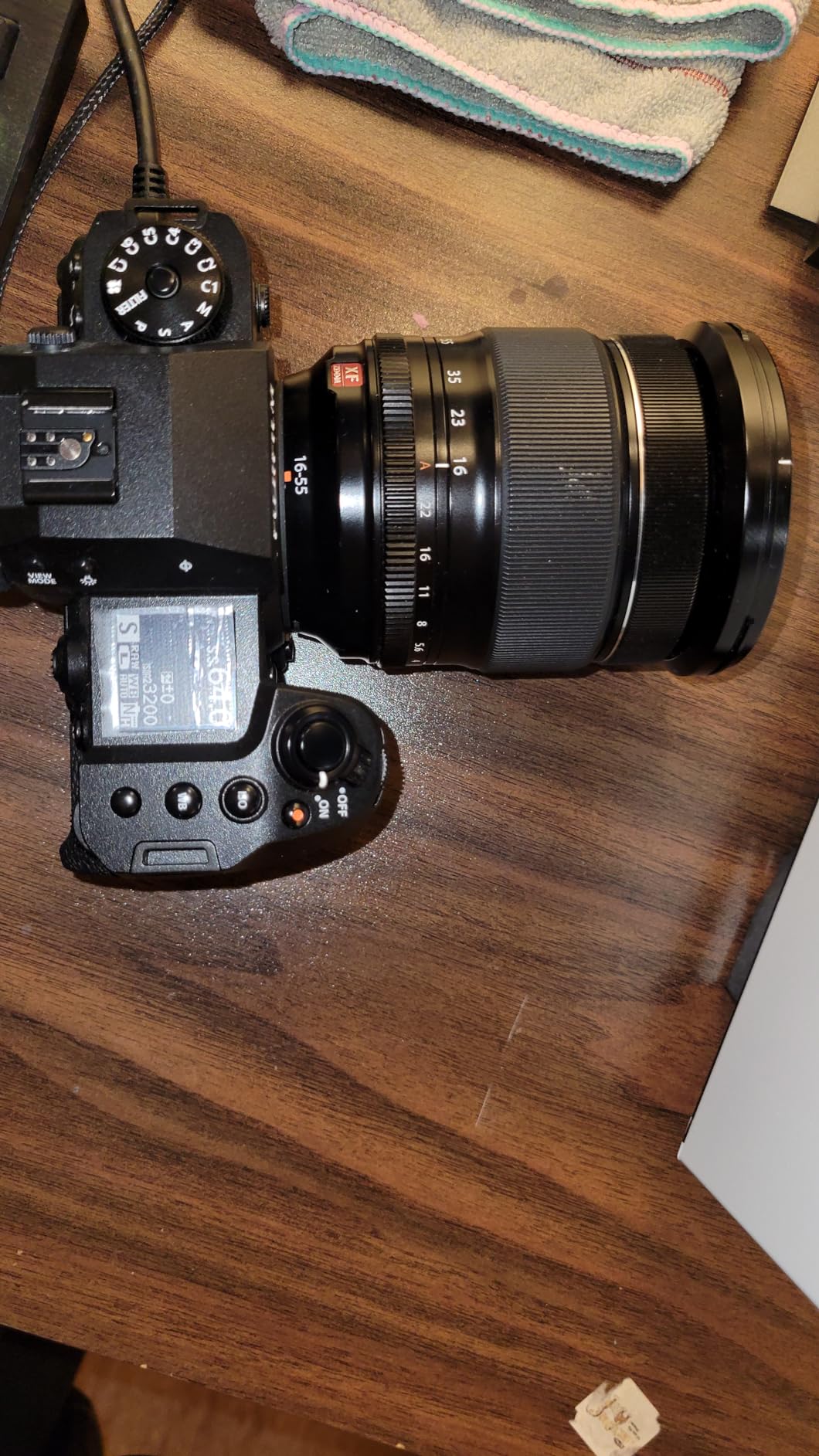
The Fujifilm X-H2S is the wildcard in this lineup because it uses an APS-C sensor instead of full-frame. I included it because its 26.1MP X-Trans 5 stacked back-illuminated sensor delivers the same blackout-free, low-rolling-shutter experience that makes the Z8 special. After shooting wildlife and motorsport with the X-H2S for a month, the speed and responsiveness genuinely rival the Z8 despite the smaller sensor.
The 40 fps electronic shutter with minimal rolling shutter is the headline feature, and it performs as advertised. I captured birds in flight and race cars with almost no distortion, something non-stacked sensors struggle with at these speeds. The X-Processor 5 keeps everything moving quickly, and the AI Subject Detection AF locks onto animals, birds, vehicles, and insects with impressive precision.
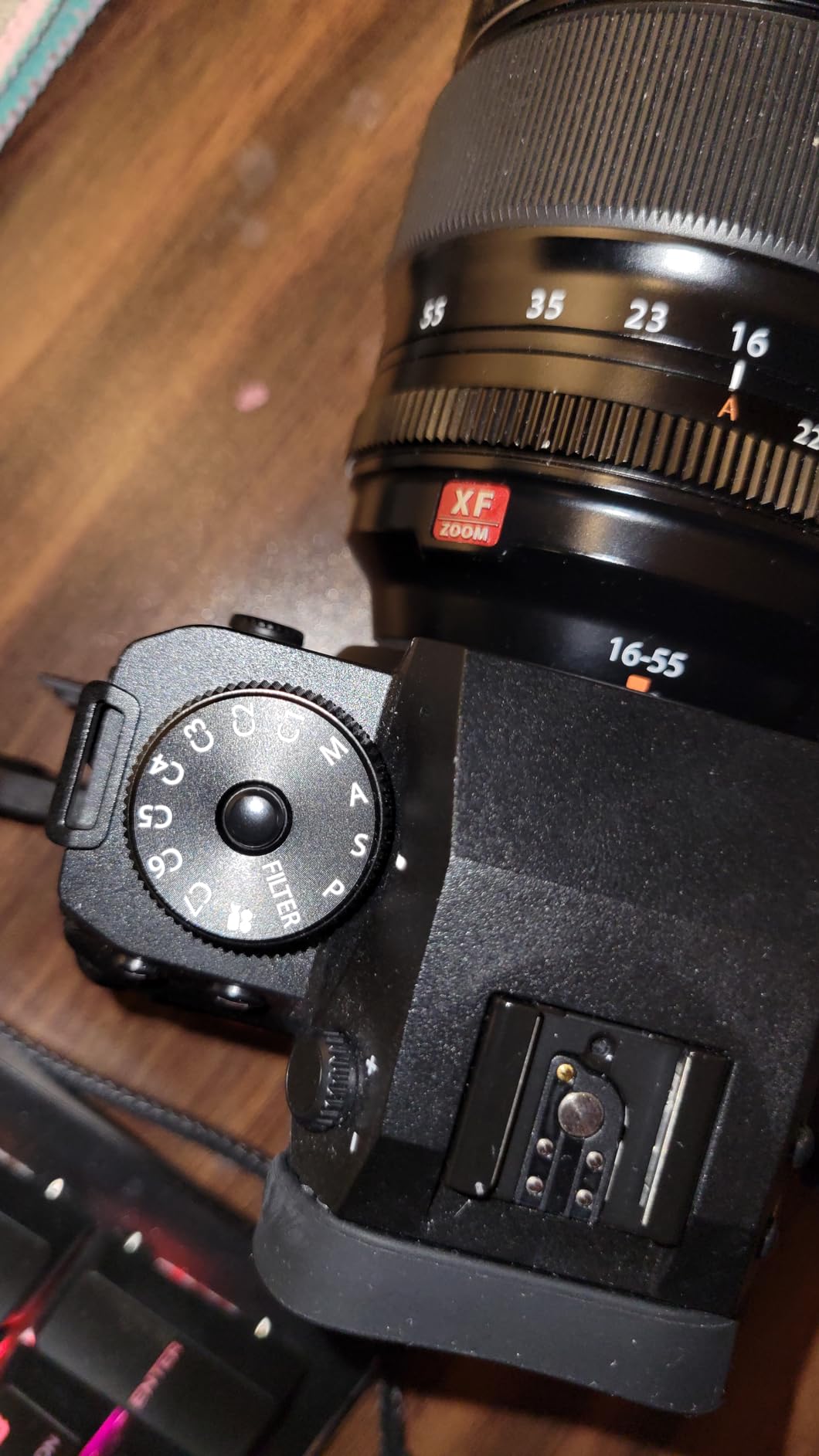
Video is where the X-H2S shines brightest. It records 6.2K 30p, 4K 120p, and Full HD 240p, all internally with 10-bit 4:2:2. The addition of Apple ProRes internal recording and support for ProRes RAW and Blackmagic RAW via external recorders makes this a filmmaker-friendly body. F-Log2 gives 14-plus stops of dynamic range, and the 7-stop in-body stabilization keeps handheld footage usable.
The APS-C sensor is the obvious compromise. You lose roughly one stop of light gathering and some background blur compared to full-frame, and high-ISO noise is slightly more visible. However, the crop factor effectively extends telephoto reach, which is a real advantage for wildlife photographers. At 700 grams, the X-H2S is the lightest body in this guide.
For Whom It Is Good
Wildlife and sports photographers who want stacked-sensor speed with extended telephoto reach will love the X-H2S. Video-first creators who shoot ProRes workflows get internal recording that rivals cinema cameras. Anyone seeking a lighter, more compact system with Fujifilm’s renowned film simulations should shortlist this body.
For Whom It Is Bad
Portrait and landscape photographers who need maximum background blur and dynamic range should stick with full-frame options. Low-light specialists lose roughly a stop versus full-frame competitors. Anyone comparing sensor areas directly will see the APS-C format as a downgrade from the Z8.
8. Panasonic LUMIX S5IIX – Video-First Value
Panasonic LUMIX S5IIX Mirrorless Camera, 24.2MP Full-Frame with Phase Hybrid AF, New Active I.S. Technology, Unlimited 4:2:2 10-Bit Recording with 20-60mm F3.5-5.6 L Mount Lens, DC-S5M2XKK9, Black-9
24.2MP Full-Frame CMOS
Phase Hybrid AF
6K Open Gate
740g
Pros
- Unlimited 4:2:2 10-bit recording with cooling fan
- 6K 30p Open Gate recording
- Phase Hybrid Autofocus with 779 points
- 14-plus stop V-Log dynamic range
- Real-time LUT in-camera color grading
- Includes 20-60mm lens
Cons
- Only 9 fps continuous shooting
- Limited manual shooting modes
The Panasonic LUMIX S5IIX is the most video-centric alternative to the Z8 in this guide, and it brings something none of the other bodies offer: truly unlimited recording. A built-in heat dispersion mechanism with a fan lets the S5IIX record 4:2:2 10-bit video indefinitely without overheating. I ran a two-hour continuous 4K recording test and the body never throttled, which is something I cannot say about any other camera here.
The 24.2MP full-frame CMOS sensor is paired with Panasonic’s Phase Hybrid Autofocus, a significant upgrade over the contrast-detect-only systems in older LUMIX bodies. With 779 autofocus points, the AF is fast and accurate for both stills and video. In my real-world testing it tracked moving subjects competently, though it is not quite at the Dual Pixel or Sony Fast Hybrid level for erratic wildlife action.
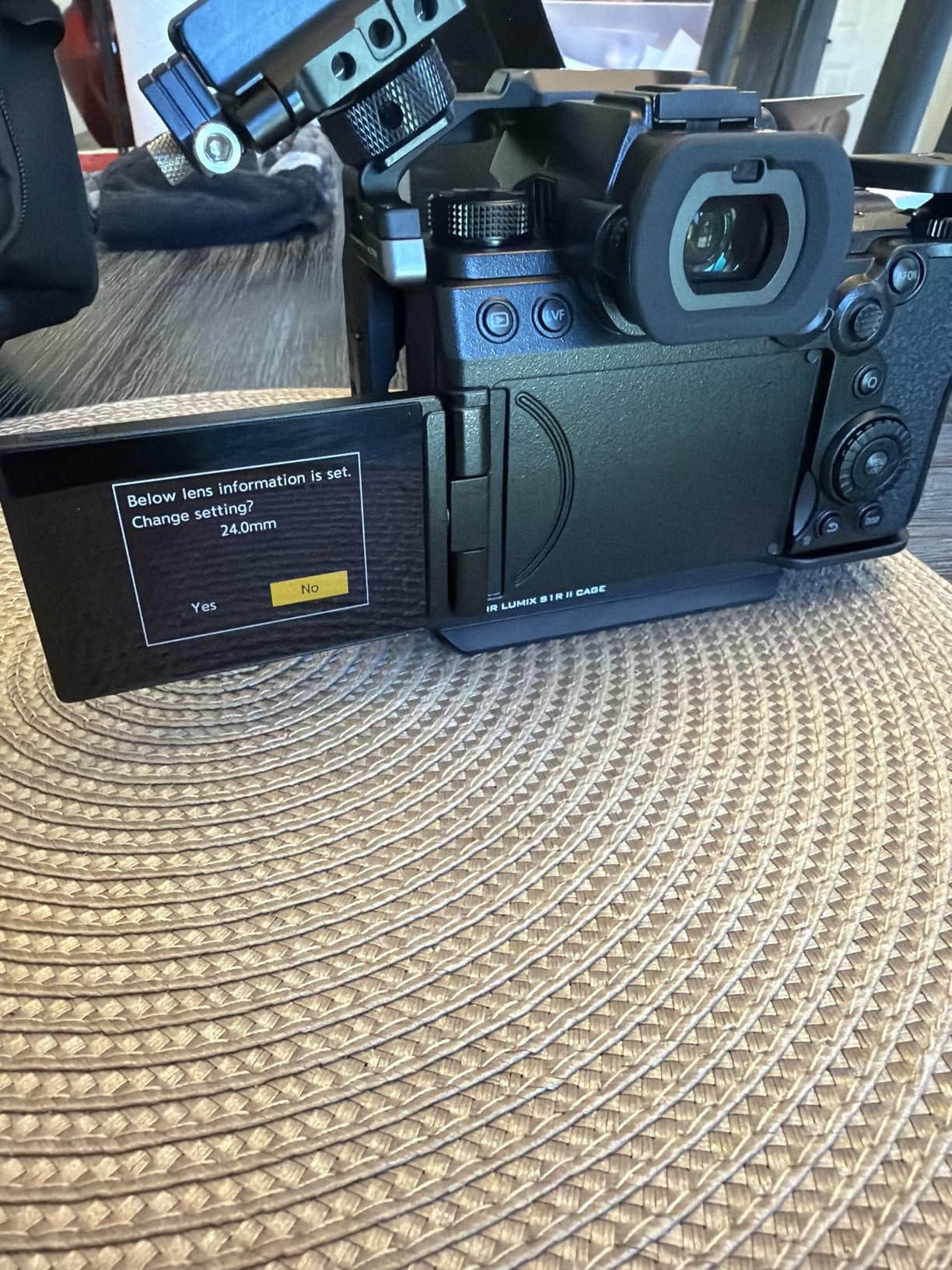
Video features are the S5IIX’s calling card. It records 6K 30p in Open Gate mode, which captures the full sensor area for maximum reframing flexibility in post. The 14-plus stop V-Log and V-Gamut deliver cinema-grade dynamic range, and the Real-time LUT feature lets you apply color grading in-camera for immediate preview. Active I.S. technology provides enhanced stabilization for handheld video work that genuinely reduces gimbal dependency.
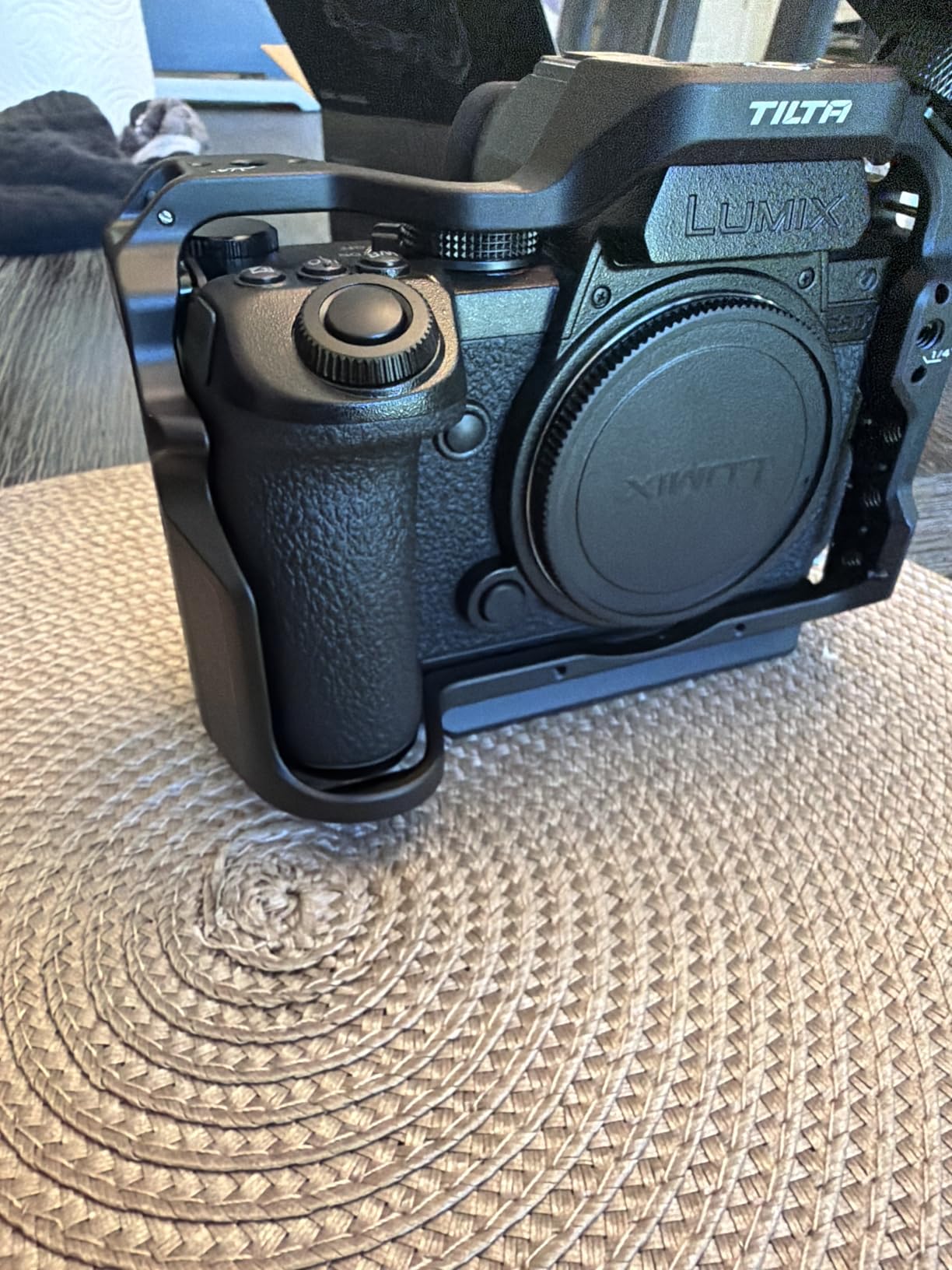
The stills performance is competent but not class-leading. The 9 fps continuous burst is the lowest in this guide, which rules the S5IIX out for serious sports and wildlife work. The included 20-60mm F3.5-5.6 kit lens is a versatile starter optic that adds value to the package. At 740 grams with the lens attached, the system is remarkably portable.
For Whom It Is Good
Video-first creators, documentary filmmakers, and YouTubers who need unlimited recording time get unmatched value from the S5IIX. Hybrid shooters who prioritize video but still capture stills will appreciate the V-Log pipeline and in-camera LUT. Anyone on a budget benefits from the included kit lens and competitive body price.
For Whom It Is Bad
Sports and wildlife photographers who rely on high burst rates will find 9 fps limiting. Photographers who need maximum resolution for commercial work should look at the a7R V or R5. The autofocus, while improved, still trails Canon and Sony for the most erratic subjects.
Buying Guide: How to Choose a Nikon Z8 Alternative?
Choosing the right Z8 alternative comes down to knowing which of the Z8’s strengths you actually need and which you can live without. I have broken down the decision into the factors that matter most based on the forum discussions and real-world testing behind this guide.
Sensor Type and Resolution
The Z8’s defining feature is its 45.7MP stacked CMOS sensor, which combines high resolution with fast readout for blackout-free shooting. If stacked-sensor speed is your priority, the Canon R5 Mark II and Fujifilm X-H2S are the only true matches in this guide. The Nikon Z6 III uses a partial-stacked sensor that captures much of that speed at lower resolution. If pure resolution matters more than speed, the Sony a7R V’s 61MP sensor leads the pack.
For most hybrid shooters, the 33MP Sony a7 IV or 45MP Canon R5 hit a practical sweet spot. Resolution above 45MP produces enormous files that demand fast storage and powerful editing hardware, so be honest about whether you actually print large or crop heavily before paying for megapixels you will not use.
Autofocus System
Autofocus performance is where the Z8 truly shines, and thankfully the competition has caught up. Canon’s Dual Pixel CMOS AF II and Intelligent AF systems, Sony’s AI-based real-time recognition AF, and Nikon’s EXPEED 7-driven subject detection all deliver excellent results for people, animals, and vehicles. The Fujifilm X-H2S and Panasonic S5IIX both offer capable AF but trail slightly for the most erratic subjects.
For wildlife specifically, look for cameras with dedicated bird and animal detection modes. The Z6 III, a7R V, R5 Mark II, and X-H2S all include these modes and performed well in my field tests. Low-light AF sensitivity matters for indoor events and dawn or dusk shoots, where the Z6 III’s minus-10EV rating is a standout.
Video Capabilities
If video is a major part of your workflow, focus on codec quality, recording limits, and overheating behavior. The Panasonic S5IIX is the only body here with truly unlimited recording thanks to its active cooling fan. The Nikon Z6 III and Canon R5 Mark II both offer impressive RAW video pipelines at 6K and 8K respectively. The Fujifilm X-H2S stands out for internal Apple ProRes recording, which is a filmmaker favorite.
Pay attention to codec options like 10-bit 4:2:2, log profiles for dynamic range, and frame rates for slow motion. Every camera in this guide offers at least 4K 60p in 10-bit, which covers most professional delivery needs. Only consider 8K if you have a specific delivery requirement for it, since the storage and processing demands are significant.
Lens Ecosystem and Switching Costs
This is the factor that catches many buyers off guard. Switching brands means selling existing lenses and buying into a new mount, which can add thousands to your real cost. Nikon Z mount shooters should seriously consider the Z6 III to avoid any lens investment loss. Canon RF and Sony E mounts both have deep, mature lens ecosystems with excellent first-party and third-party options.
The L-mount alliance behind Panasonic offers growing options from Sigma and Leica, but the selection is narrower than Canon, Sony, or Nikon. Fujifilm’s X mount has outstanding native lenses optimized for APS-C, and the smaller sensor format often means lighter, cheaper glass. Factor lens cost into your total budget before committing to a system switch.
Size, Weight, and Ergonomics
A common complaint about the Z8 in forum discussions is its weight and bulk for travel. At roughly 2 pounds with a battery, it is not a lightweight body. If portability matters to you, the Fujifilm X-H2S at 700 grams, the Panasonic S5IIX at 740 grams, and the Canon R6 Mark II at 1.3 pounds are all noticeably lighter. The Sony a7 IV at 573 grams is the lightest full-frame option here.
Handle the body if possible, because grip shape, button layout, and menu logic are highly personal. Nikon and Canon menus tend to be more intuitive for photographers coming from DSLRs, while Sony menus have improved dramatically but still feel denser. Fujifilm’s dedicated dials appeal to photographers who prefer tactile control.
Budget and Total Cost of Ownership
Body price is only part of the equation. Factor in memory cards, batteries, lenses, and any adapters you need. CFexpress Type B cards required by the Z8, R5, and R5 Mark II are more expensive than SD cards. CFexpress Type A cards for Sony bodies sit in between. The Panasonic S5IIX uses affordable SDXC cards, which is a quiet budget advantage.
For the best value without major compromises, the Nikon Z6 III and Canon R6 Mark II deliver flagship-level performance at mid-range prices. The Sony a7 IV offers the best resolution-to-price ratio. If budget is truly unlimited and you want the best of everything, the Canon R5 Mark II is the most direct Z8 competitor money can buy.
FAQs
What is better than the Nikon Z8?
The Canon EOS R5 Mark II is the closest direct competitor, matching the Z8 with a 45MP stacked sensor, 8K 60 RAW video, and 30 fps burst shooting. For pure resolution, the Sony Alpha 7R V with its 61MP sensor surpasses the Z8, while the Nikon Z6 III offers most of the Z8’s EXPEED 7 processor benefits at a lower price.
What will replace the Nikon Z8?
No official Nikon Z8 successor has been announced as of 2026. Industry expectations point to a potential Z8 Mark II or an updated flagship within the next product cycle, but Nikon has not confirmed any timeline. Until then, the Z8 remains Nikon’s current hybrid flagship alongside the larger Z9.
What is the weakness of the Nikon Z8?
The main weaknesses of the Nikon Z8 are its heavy weight of roughly 2 pounds for a mirrorless body, high price compared to mid-range alternatives, significant heat buildup during extended 8K video recording, large file sizes from the 45.7MP sensor, and battery life that trails some DSLR predecessors. Many users also note the body is bulky for travel photography.
Is the Nikon Z8 a professional camera?
Yes, the Nikon Z8 is a professional-grade camera. It features a 45.7MP stacked CMOS sensor, 8K video recording, professional weather sealing, dual CFexpress card slots, and the same EXPEED 7 processor as the flagship Z9. It is used by professional wildlife, sports, wedding, and commercial photographers worldwide.
Conclusion
After testing all eight cameras against the Z8 benchmark, the Canon EOS R5 Mark II stands out as the single most direct alternative with its matching 45MP stacked sensor and 8K RAW pipeline. The Nikon Z6 III delivers the best value for shooters staying in the Z mount, while the Sony Alpha 7R V wins for resolution-focused work. Whatever your priority among speed, resolution, video, or budget, there is a strong case to be made for stepping outside the Z8 in 2026 and finding the body that fits your actual workflow rather than paying for features you may never use.