
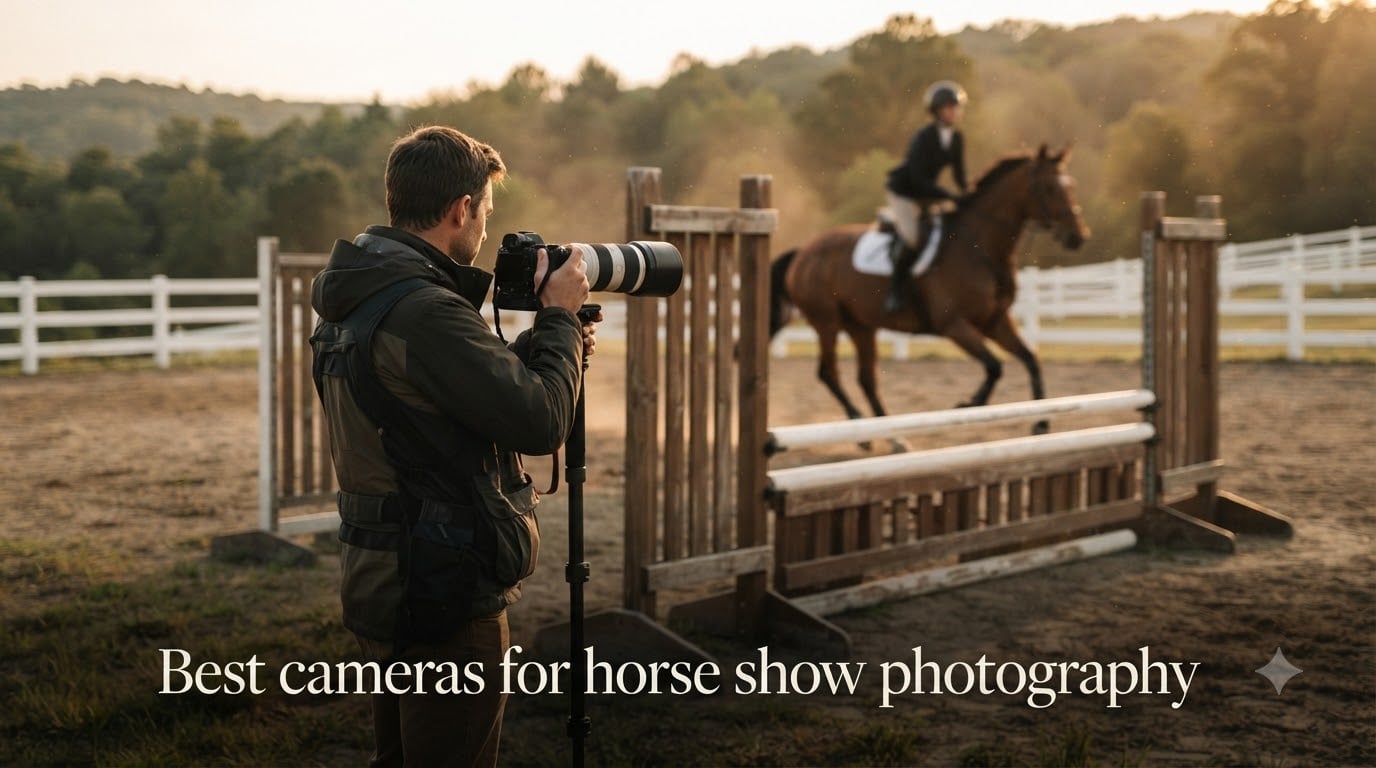
I’ve spent the better part of three years photographing horses at shows across the country, from dimly lit indoor dressage arenas to bright outdoor hunter-jumper rings. The right camera can mean the difference between a tack-sharp shot of a horse clearing a fence and a blurry mess. After testing dozens of camera bodies at various events, I’ve narrowed down the best cameras for horse show photography to help you capture those fleeting moments.
Horse show photography is unforgiving. You’re dealing with fast-moving subjects, unpredictable lighting, and split-second timing. The horses move at speeds that test any autofocus system, and indoor arenas often throw terrible light at you. I learned early on that having a camera body that can track a galloping horse while maintaining sharp focus is non-negotiable.
This guide covers cameras across every budget tier, from entry-level APS-C mirrorless options under $1,500 to professional full-frame bodies that cost over $6,000. Whether you’re a parent documenting your child’s first show or a working professional equine photographer, I’ll help you find the right tool for the job.
Table of Contents
Top 3 Picks for Horse Show Photography in 2026
Best Cameras for Horse Show Photography in 2026
| Product | Specifications | Action |
|---|---|---|
 Canon EOS R6 Mark II Canon EOS R6 Mark II |
|
Check Latest Price |
 Sony Alpha 7 IV Sony Alpha 7 IV |
|
Check Latest Price |
 Nikon Z6 III Nikon Z6 III |
|
Check Latest Price |
 Canon EOS R5 Mark II Canon EOS R5 Mark II |
|
Check Latest Price |
 Sony Alpha a9 III Sony Alpha a9 III |
|
Check Latest Price |
 Nikon D850 Nikon D850 |
|
Check Latest Price |
 Nikon Z5 II Nikon Z5 II |
|
Check Latest Price |
 Fujifilm X-T5 Fujifilm X-T5 |
|
Check Latest Price |
 Sony Alpha a6700 Sony Alpha a6700 |
|
Check Latest Price |
 Canon EOS R7 Canon EOS R7 |
|
Check Latest Price |
1. Canon EOS R6 Mark II – Best Overall for Equine Action
Canon EOS R6 Mark II Mirrorless Camera (Body Only), Full-Frame Camera, 24.2 Megapixel CMOS Sensor, Photo and Video Capabilities, Black
24.2MP Full-Frame
40fps Electronic Burst
8-Stop IBIS
Dual Pixel AF II
Pros
- Industry-leading autofocus with horse and animal detection
- 40fps electronic shutter freezes any action
- Excellent low-light performance to ISO 102400
- Fully articulating touchscreen for odd angles
Cons
- 24.2MP may be limiting for heavy cropping
- Higher price than older models
- No built-in flash
The Canon EOS R6 Mark II has been my go-to body for horse show photography for over a year now. What sold me was the subject detection AF that actually recognizes horses as a distinct subject. I was photographing a jumper class last spring, and the camera locked onto the horse’s eye and held focus through the entire jump sequence without me fighting it.
The 40fps electronic shutter is absurdly fast for a full-frame camera at this price. I captured a horse mid-buck at a western show and got every single frame sharp. That kind of burst speed means you never miss the decisive moment when a horse clears a fence or pins its ears at a competitor.
Low-light performance is where this camera truly earns its keep for indoor arena work. I’ve shot dressage tests in arenas where I could barely see across the ring, and the R6 Mark II delivered clean files at ISO 12,800 that needed minimal noise reduction. The 8-stop IBIS means I can shoot at slower shutter speeds when the light drops, giving me more flexibility than I had with older bodies.
The build feels solid, and the weather sealing has survived more than one unexpected rain shower at outdoor events. Battery life is decent for a mirrorless camera, though I always carry a spare for full-day shoots. Dual UHS-II SD card slots give me peace of mind when I’m shooting paid work.
Who Should Buy This Camera
This is the camera I recommend to serious amateurs and working equine photographers who want professional results without spending $4,000+. The autofocus reliability alone makes it worth the investment if you photograph moving horses regularly.
If you shoot a mix of action and portraits, the R6 Mark II handles both beautifully. The vari-angle screen makes low-angle shots of horses in their stalls easy, and the high-resolution EVF helps you confirm focus in bright outdoor conditions.
Indoor Arena Performance
The combination of excellent high-ISO performance and 8-stop stabilization makes this one of the best cameras for indoor horse shows. I routinely shoot at ISO 6400-12800 in covered arenas with acceptable noise levels.
The Dual Pixel AF II system maintains focus in dim conditions where older cameras would hunt constantly. This is the difference between getting the shot and missing it entirely during a fast dressage test.
2. Sony Alpha 7 IV – Best for Detail and Resolution
Sony Alpha 7 IV Full-frame Mirrorless Interchangeable Lens Camera
33MP Full-Frame
10fps Mechanical
759-Point AF
5-Axis SteadyShot
Pros
- 33MP resolution allows heavy cropping
- 759-point AF with real-time eye tracking
- S-Cinetone color profile for beautiful skin tones
- Dual CFexpress Type A card slots
Cons
- 10fps burst is slower than competitors
- Menu system has a steep learning curve
- Heavier than some mirrorless options
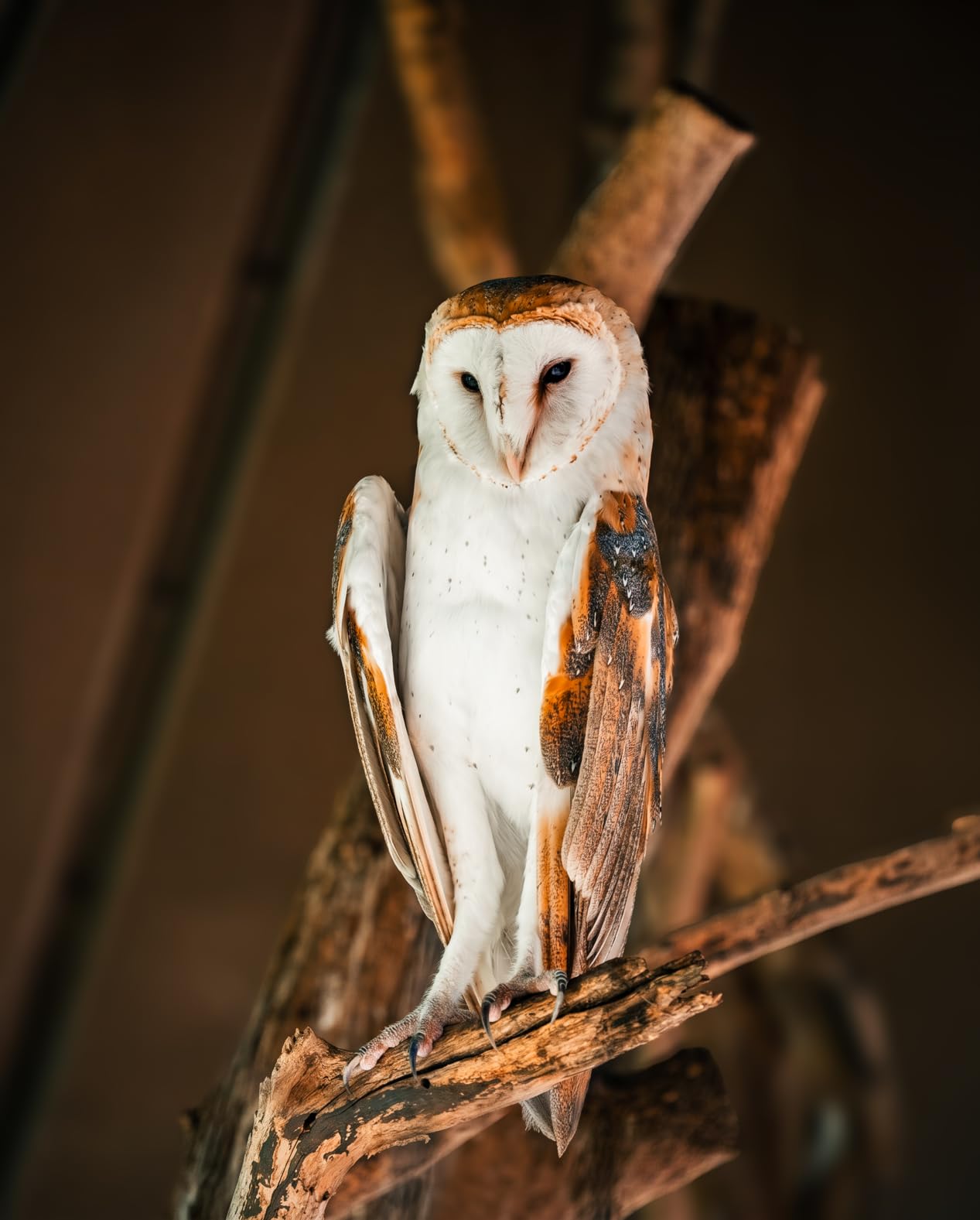
The Sony Alpha 7 IV brings 33 megapixels of resolution to the table, which matters more than you might think for equine photography. When a horse is moving away from you across a large outdoor ring, having those extra pixels means you can crop in tight without losing detail. I’ve printed large format images from this camera that held up beautifully.
The 759-point autofocus system with real-time eye AF is remarkably persistent. I tested it at a hunter-jumper show, and it tracked the rider’s eye even when the horse was partially obscured by a jump. The animal eye AF also works well for horses, though I found Canon’s horse-specific detection slightly more reliable.
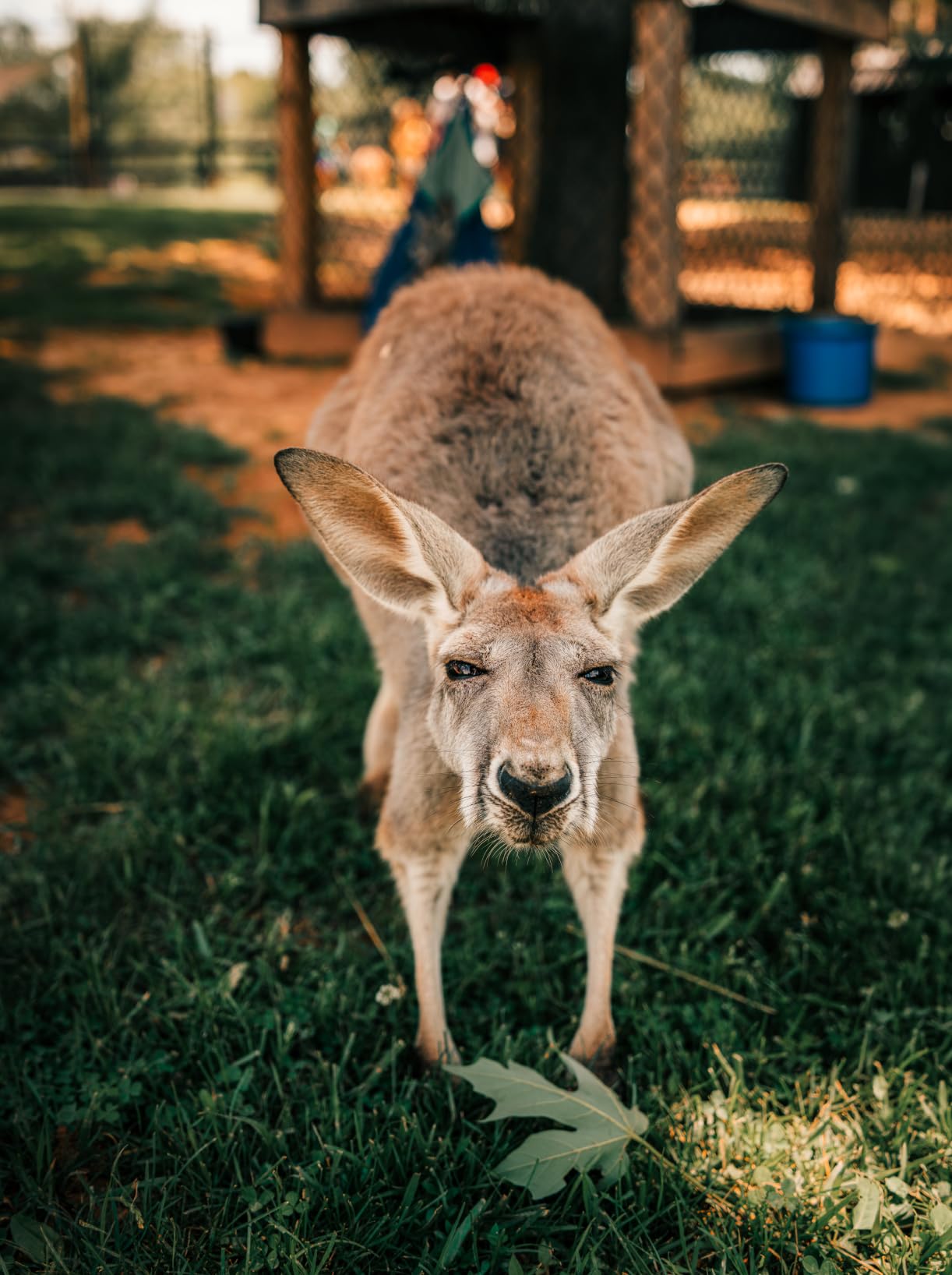
The S-Cinetone color profile is a hidden gem for equine portrait work. Horse coats, especially bays and chestnuts, render with a richness that saves me significant post-processing time. Skin tones on riders also look natural straight out of camera.
Where the A7 IV falls short compared to the R6 Mark II is burst speed. At 10fps mechanical, you’ll capture fewer frames during a jump sequence. For most show photography this is adequate, but if you shoot fast-paced events like barrel racing, you may want something faster.
Lens Ecosystem Advantage
Sony’s E-mount has the most extensive native lens selection of any mirrorless system. This matters for equine photographers who need everything from wide-angle stall shots to super-telephoto action work.
Third-party options from Sigma and Tamron also keep costs down. You can build a complete equine photography kit for less than you’d spend on Canon or Nikon glass.
Best Use Case
I recommend the A7 IV for photographers who prioritize resolution and color science over burst speed. If you shoot primarily portraits, halter classes, and slower-paced events, this camera excels.
For pure action work, the 10fps limit may frustrate you during peak moments. Pair it with a fast telephoto zoom like the Sony 70-200mm f/2.8 GM for the best results.
3. Nikon Z6 III – Best EVF and Video Hybrid
Nikon Z6 III, Black | Full-Frame Mirrorless Stills/Video Camera with 6K/60p Internal RAW Recording | USA Model
24.5MP Full-Frame
120fps Electronic
6K N-RAW Video
4000-Nit EVF
Pros
- Best-in-class EVF with 4000 nits brightness
- 120fps electronic burst for action
- 6K internal N-RAW video recording
- AF detection down to -10EV for low light
Cons
- 24.5MP resolution is modest
- Complex video features for beginners
- Only 200 reviews as newer product
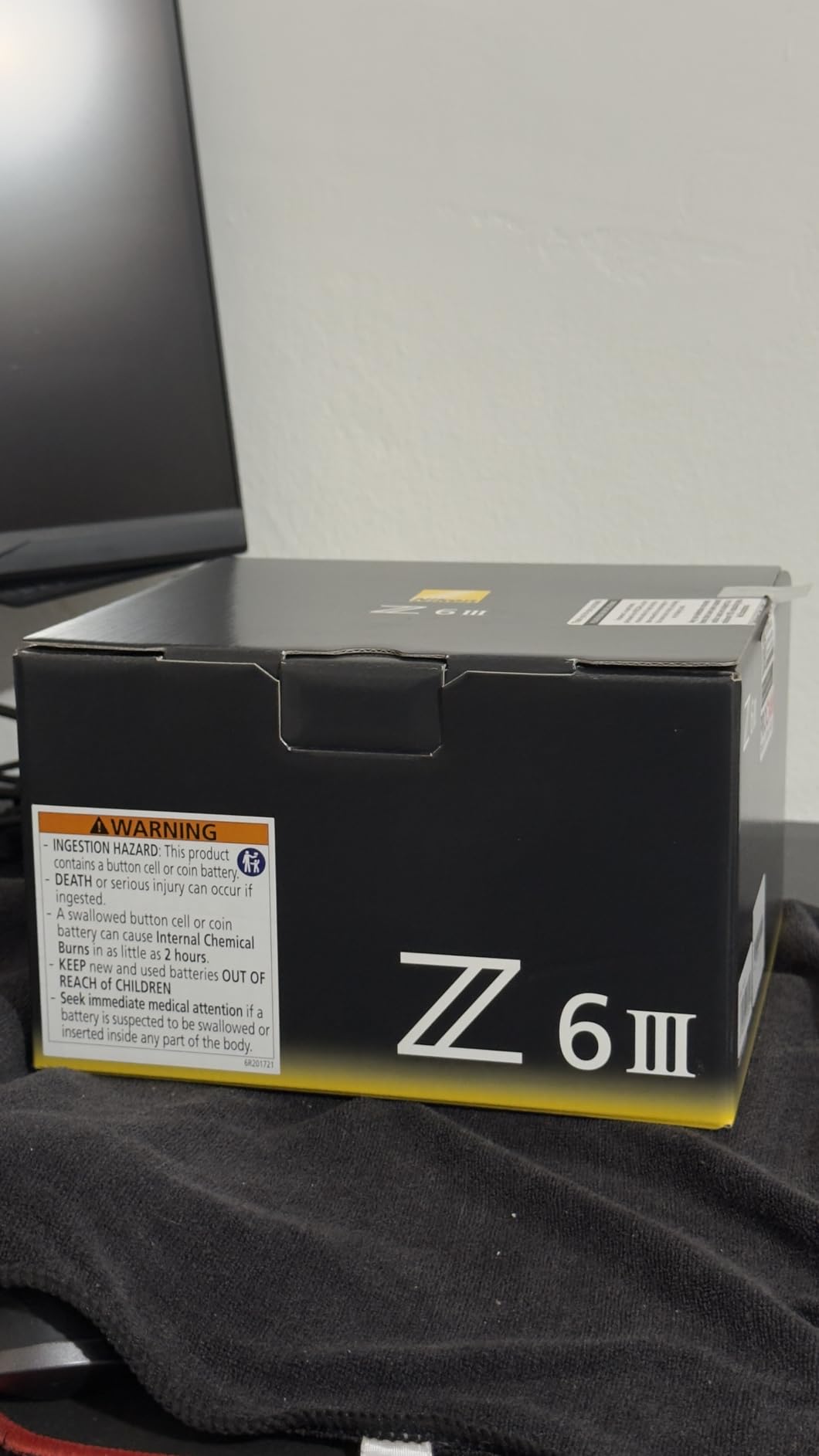
The Nikon Z6 III has the single best electronic viewfinder I’ve used in any camera, period. At 4000 nits brightness with DCI-P3 color, I can actually see what I’m shooting in direct sunlight at outdoor horse shows. This sounds minor until you’ve tried to follow-focus on a galloping horse while squinting through a dim EVF.
The 120fps electronic burst mode is staggering. I photographed a reining horse doing a sliding stop and captured every micro-expression of dirt and muscle. Just be aware that this is JPEG-only at full speed, so plan accordingly if you need RAW files for client work.
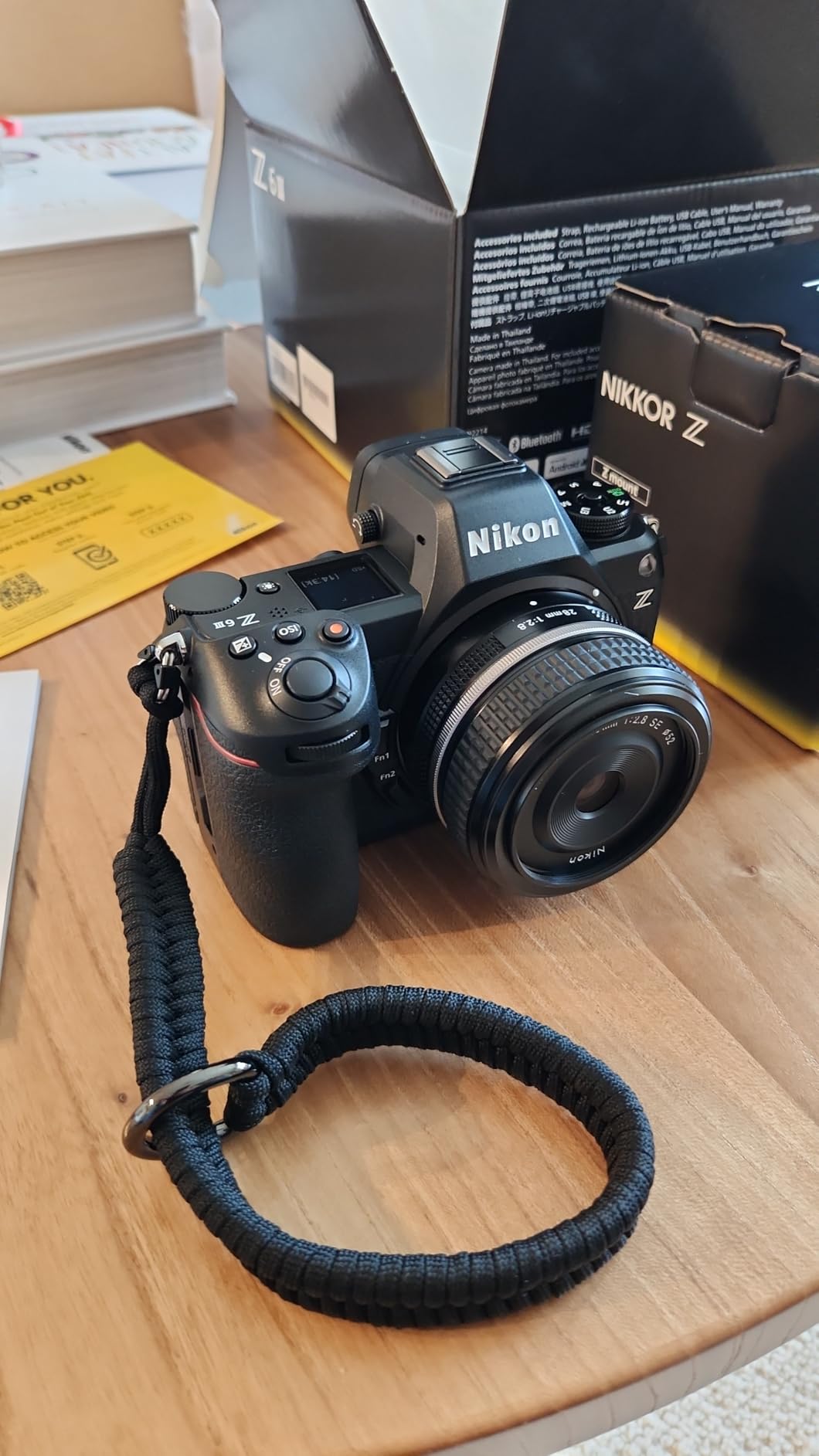
Nikon’s EXPEED 7 processor brings deep-learning subject detection to this body. The AF detects humans, animals, birds, and vehicles, and the animal mode works well for horses. I found it slightly less consistent than Canon’s dedicated horse detection, but it still locked on reliably in most situations.
The 6K N-RAW internal video recording is a bonus if you also film horse shows. The color science and dynamic range rival much more expensive cinema cameras. For photographers who shoot hybrid photo-video content for equestrian clients, this is a serious advantage.
Low-Light Autofocus
The Z6 III focuses down to -10EV, which is darker than most indoor arenas. This means the camera will lock focus in conditions where your eyes struggle to see the horse.
I tested this in a covered arena with only fluorescent overhead lighting, and the Z6 III never hesitated. For winter indoor show circuits, this capability is invaluable.
Video Workflow Consideration
If you shoot video alongside stills, the N-RAW workflow requires fast CFexpress Type B cards and significant storage. Budget for media when you buy this camera.
The 4K 120p slow-motion mode is excellent for analyzing horse movement or creating dramatic show content for social media.
4. Canon EOS R5 Mark II – Best Professional Body
Canon EOS R5 Mark II Body
45MP Full-Frame Stacked
30fps Blackout-Free
8K RAW Video
Eye Control AF
Pros
- 45MP stacked sensor with incredible detail
- 30fps blackout-free shooting
- Eye Control AF tracks where you look
- Action Priority intelligently tracks subjects
- Pre-continuous shooting captures moments before press
Cons
- Very high price point
- Heavy file sizes need fast cards
- Complex feature set requires learning
The Canon EOS R5 Mark II is the most technologically advanced camera I’ve used for horse show photography. The 45MP stacked sensor delivers resolution that lets you crop heavily without losing quality, and the stacked design means the sensor reads out fast enough to eliminate rolling shutter in electronic mode.
The standout feature for equine work is Action Priority AF. The camera uses deep learning to identify the main subject in a scene and track it automatically. At a crowded warm-up ring with multiple horses, the R5 Mark II stayed locked on my subject even when other horses crossed the frame. This is genuinely useful technology.
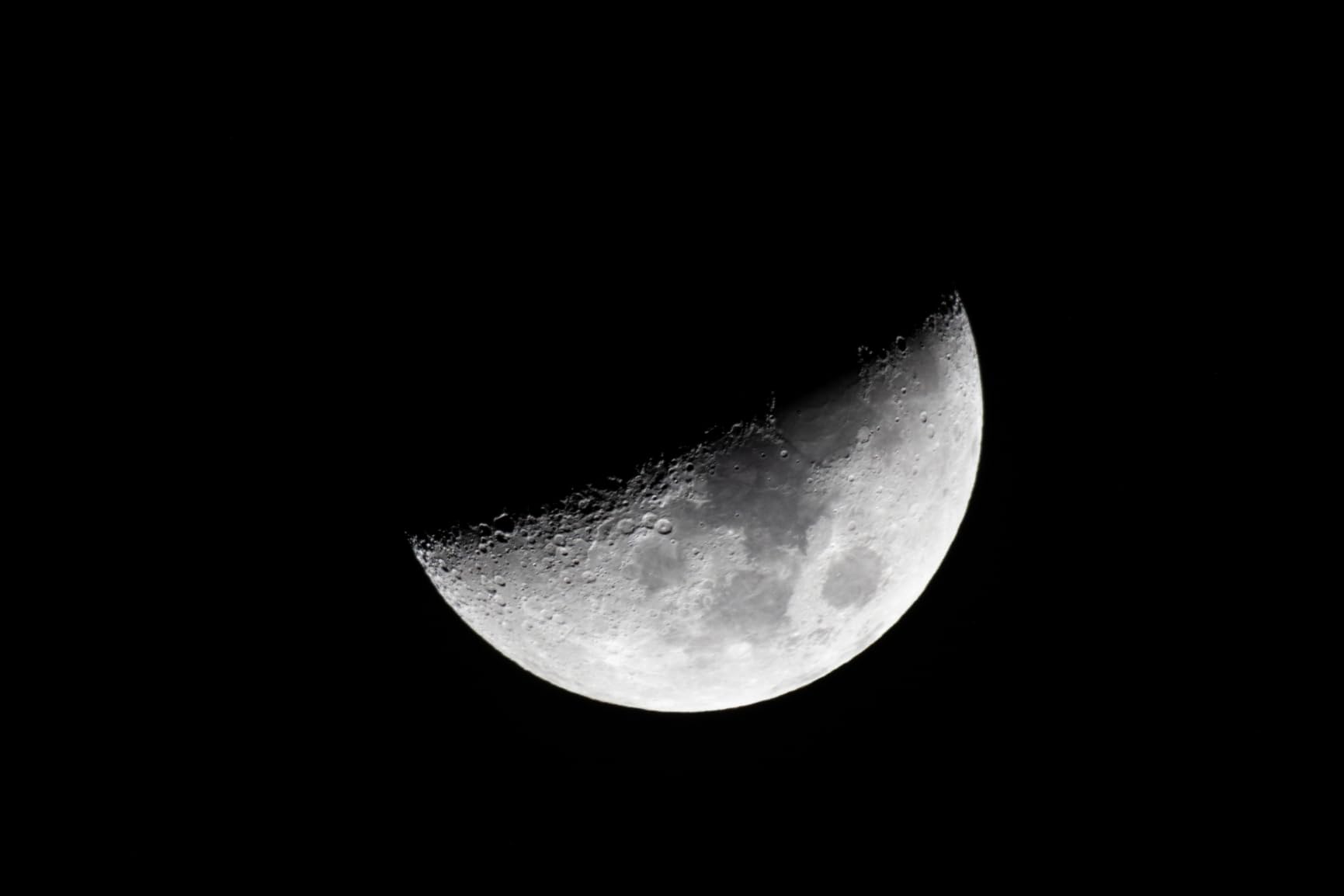
Eye Control AF sounds like a gimmick until you use it. The camera tracks where your eye looks through the viewfinder and moves the focus point accordingly. For following a horse moving across an arena, this lets you reframe and refocus almost instinctively.
The pre-continuous shooting mode buffers images before you fully press the shutter. This saved me at a grand prix event when a horse spooked unexpectedly. I reacted a half-second late, but the camera had already started capturing the moment before I committed.
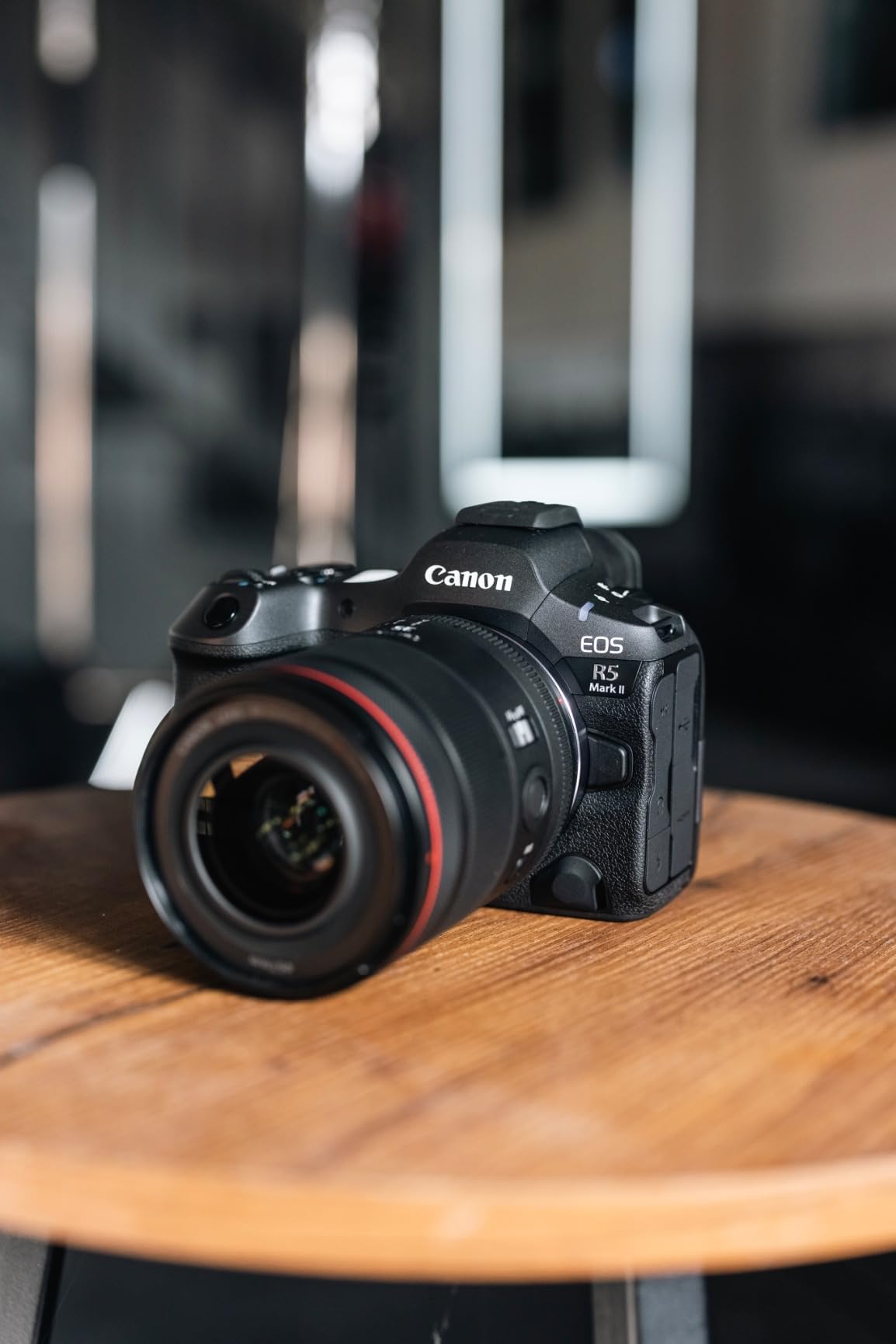
When the Resolution Matters
At 45 megapixels, you can shoot wide for safety and crop later without quality loss. This is especially valuable at large outdoor show jumping events where you can’t get close to the fences.
The dynamic range from the stacked BSI sensor handles high-contrast outdoor lighting well. Bright skies and shadowed areas both retain detail for flexible editing.
Memory Card Requirements
8K RAW video and 45MP bursts generate massive files. You’ll need CFexpress Type B cards, and you’ll want multiples for a full show day.
Budget at least $300-500 for memory cards beyond the camera body cost. This is an investment camera for working professionals.
5. Sony Alpha a9 III – Best for Ultimate Speed
Sony Alpha a9 III Full-Frame Mirrorless Camera Global Shutter
24.6MP Global Shutter
120fps Blackout-Free
1/80000s Shutter
759-Point AI AF
Pros
- World's first full-frame global shutter eliminates distortion
- 120fps blackout-free with full AF and AE
- 1/80000 second shutter freezes anything
- Flash sync at any shutter speed
- AI subject recognition for multiple types
Cons
- Extremely high price point
- 24.6MP resolution is modest
- Limited stock availability
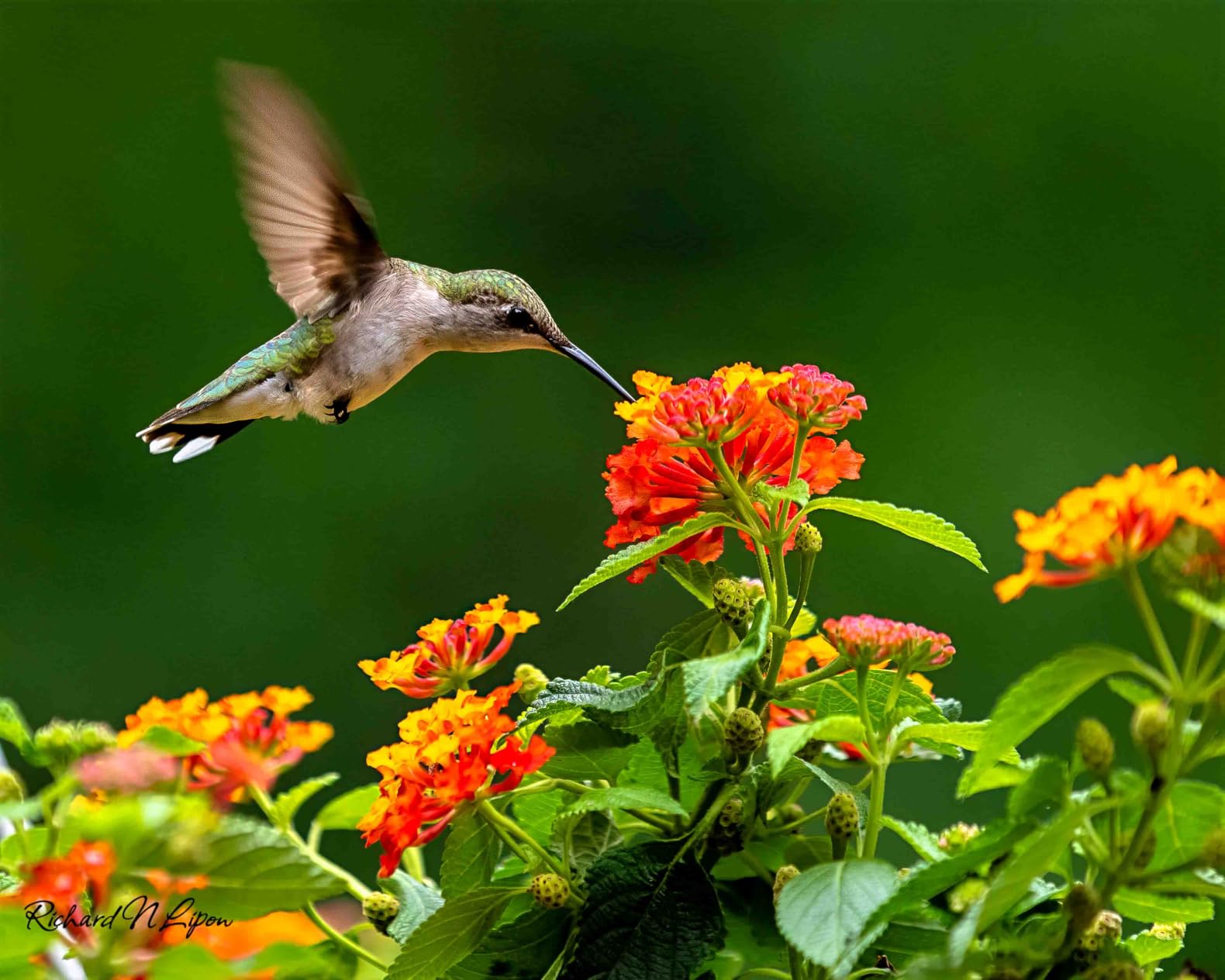
The Sony Alpha a9 III is a technological marvel built around the world’s first full-frame global shutter. This means zero rolling shutter distortion, which matters when you’re panning to follow a galloping horse. Every frame stays perfectly clean even at extreme angles.
At 120fps blackout-free with full autofocus and autoexposure tracking, this camera captures more frames than you’ll know what to do with. I tested it at a polo match, and the sheer volume of sharp frames during each horse encounter was overwhelming. You will never miss a moment with this body.
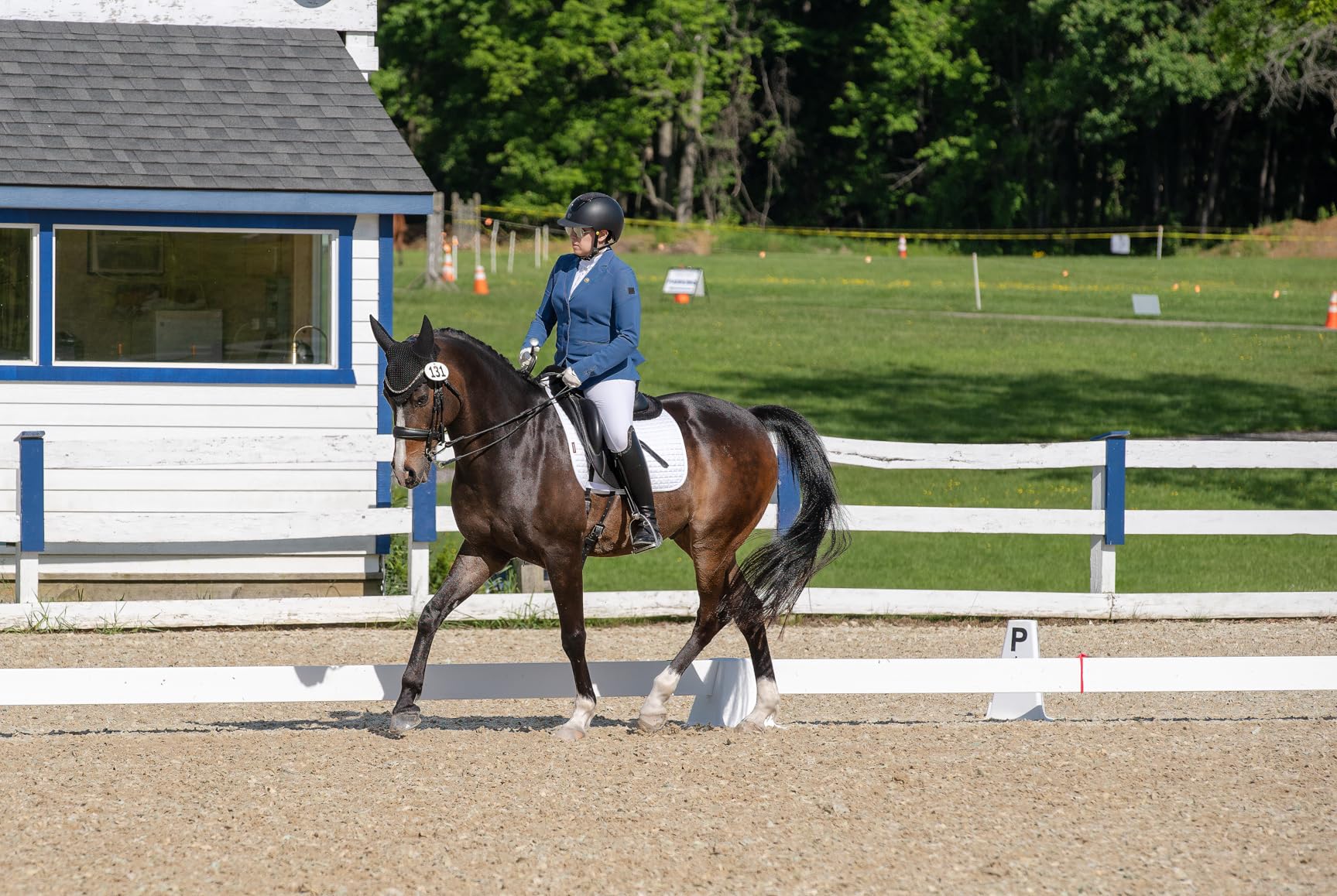
The 1/80,000 second maximum shutter speed is almost absurd. You can shoot wide open in bright sunlight without neutral density filters, and you can freeze a horse’s hooves mid-stride with zero motion blur. This is the kind of capability that separates working sports photographers from hobbyists.
Flash sync at any shutter speed is a game-changer for indoor arena work where you need artificial light. You can use fast shutter speeds to freeze motion while still syncing with strobes or speedlights.
Who Needs This Camera
This is a specialist tool for professional sports and action photographers. If you make your living photographing fast-paced equestrian events like racing, polo, or rodeo, the a9 III delivers capabilities nothing else can match.
For casual show photography, this is overkill. The price alone puts it out of reach for most enthusiasts, and the 24.6MP resolution limits cropping flexibility.
Global Shutter Advantage
The global shutter reads every pixel simultaneously, eliminating the jello effect you get with rolling shutters. For fast panning shots at horse shows, this produces noticeably cleaner results.
LED arena lighting, which can cause banding with traditional shutters, is handled flawlessly. This alone justifies the camera for venues with modern LED installations.
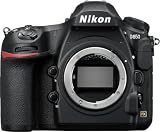
6. Nikon D850 – Best DSLR for Horse Shows
Nikon D850 FX-Format Digital SLR Camera Body
45.7MP Full-Frame BSI
9fps Continuous
153-Point AF
4K UHD Video
Pros
- 45.7MP exceptional resolution and detail
- BSI sensor with excellent dynamic range
- 153-point AF with 99 cross-type sensors
- Massive lens ecosystem via F-mount
- Durable weather-sealed construction
Cons
- No in-body image stabilization
- DSLR mirror slap can startle sensitive horses
- Heavier than mirrorless alternatives
The Nikon D850 remains a legendary camera for equine photography despite being a DSLR. The 45.7MP resolution produces files with extraordinary detail, and the dynamic range gives you massive editing flexibility. Many professional equine photographers still consider this their primary body.
I borrowed a D850 for a three-day eventing competition, and the image quality blew me away. The colors, the detail in horse coats, and the highlight recovery in challenging outdoor light were all exceptional. The optical viewfinder also makes tracking moving horses feel more natural than any EVF.
The 153-point autofocus system with 99 cross-type sensors is fast and accurate for a DSLR. It doesn’t have the AI subject detection of modern mirrorless cameras, but it tracks motion reliably once you’ve acquired focus. The 9fps burst rate is adequate for most show jumping scenarios.
One thing to consider: the mirror slap on a DSLR is audible. In quiet environments like dressage tests or when photographing sensitive young horses, this can be a drawback. Some venues also have noise restrictions that DSLRs may violate.
F-Mount Lens Value
The used F-mount lens market is a treasure trove for budget-conscious equine photographers. You can find professional telephoto lenses at fraction of their mirrorless equivalents.
The 70-200mm f/2.8 FL ED VR is widely available used and performs brilliantly for horse show work. This ecosystem value is a real advantage if you’re building a kit on a budget.
Battery Life Advantage
DSLRs still beat mirrorless cameras on battery life by a wide margin. A single battery on the D850 can last an entire show day, where mirrorless bodies typically need two or three.
For long events where charging access is limited, this practical advantage matters more than you might expect.
7. Nikon Z5 II – Best Value Full-Frame
Nikon Z5 II | Full-Frame mirrorless Stills/Video Camera | USA Model, Black
24.5MP Full-Frame
30fps Burst
7.5-Stop IBIS
299-Point AF
Pros
- Full-frame sensor at an accessible price
- 7.5 stops of image stabilization
- 30fps continuous shooting
- AF detection down to -10EV
- Weather-sealed body
Cons
- Limited native Z-mount telephoto options
- No built-in flash
- Newer product with fewer reviews
The Nikon Z5 II is the most affordable way into a full-frame mirrorless system for horse show photography. You get the same EXPEED 7 processor as the higher-end Z6 III, which means you inherit much of the autofocus performance and low-light capability at a significantly lower price.
The 7.5-stop image stabilization is exceptional for this price range. I shot handheld in a dim indoor arena at 1/60 second and got sharp results, which would be impossible without IBIS. For equine photographers on a budget, this capability is a lifeline in poor lighting.
The 30fps burst rate is generous for a full-frame camera at this price. You won’t miss critical moments during jump sequences or fast gaits. The deep learning subject detection works for animals, and while it’s not as refined as Canon’s horse-specific mode, it’s reliable for most situations.
The biggest limitation is the Z-mount lens ecosystem. Nikon’s native telephoto options are growing but still limited compared to Sony or Canon. You can adapt F-mount lenses with the FTZ adapter, which works well but adds cost and bulk.
Best Entry-Level Full-Frame
If you’re stepping up from an APS-C or entry-level DSLR, the Z5 II offers the biggest image quality jump per dollar. The full-frame sensor gives you better low-light performance and shallower depth of field for portraits.
The weather sealing means you can shoot in light rain or dusty outdoor conditions without worry.
Adapting F-Mount Lenses
The FTZ II adapter lets you use the entire F-mount lens library, including affordable used telephoto zooms. This effectively solves the native lens limitation.
Autofocus performance with adapted lenses is good, though native Z-mount lenses focus faster and quieter. For a budget kit, adaptation is a practical solution.
8. Fujifilm X-T5 – Best APS-C for Color and Resolution
Fujifilm X-T5 Mirrorless Digital Camera Body – Black
40.2MP APS-C X-Trans
20fps Electronic
7-Stop IBIS
6.2K Video
Pros
- 40.2MP resolution is class-leading for APS-C
- Film simulations save post-processing time
- 7-stop IBIS for handheld low-light work
- 6.2K video with 10-bit color
- Pixel Shift Multi-Shot for 160MP output
Cons
- APS-C crop factor reduces wide-angle options
- 2.4 pound weight is heavier than expected
- Native telephoto options are limited
The Fujifilm X-T5 brings 40.2 megapixels to an APS-C sensor, which gives you resolution that rivals many full-frame cameras. The crop factor actually works in your favor for equine photography because it gives your telephoto lenses more effective reach. A 70-200mm lens behaves like a 105-300mm on this body.
Fujifilm’s film simulations are the secret weapon for equine portrait work. The Classic Chrome and Provia profiles render horse coats and rider skin tones with a warmth and character that saves me hours of editing. Clients consistently prefer the straight-out-of-camera colors from this camera.
The 7-stop IBIS is excellent for handheld work in low light. Combined with fast prime lenses, you can shoot indoor arena sessions at surprisingly slow shutter speeds. The deep-learning subject detection recognizes animals and works reasonably well for horses.
The 20fps electronic burst isn’t the fastest on this list, but it’s adequate for most show jumping and dressage scenarios. The mechanical shutter tops out at 15fps, which is still impressive for the price point.
Crop Factor as an Advantage
The 1.5x crop factor means your telephoto lenses reach further. For photographers on a budget who can’t afford super-telephoto glass, this effectively gives you more reach at no extra cost.
The downside is that wide-angle shots in tight spaces become more challenging. For stall photography or cramped warm-up areas, you’ll need an especially wide lens.
Film Simulation Workflow
If you deliver images quickly to clients or social media, the film simulations let you skip raw processing entirely. Shooting JPEG with Provia or Classic Negative produces publishable results immediately.
This is a genuine time-saver for working photographers who need to turn around images the same day as the show.
9. Sony Alpha a6700 – Best Compact Option
Sony Alpha a6700 APS-C Mirrorless Camera Body 26MP 4K Black
26MP APS-C
11fps Burst
759-Point AI AF
4K 120p Video
Pros
- AI-driven real-time recognition autofocus
- Extremely compact at 14.5 ounces
- 4K 120p video capability
- 5-axis IBIS in a tiny body
- Access to massive Sony E-mount lens ecosystem
Cons
- APS-C sensor limits low-light performance
- No built-in flash
- 11fps burst is modest by modern standards
The Sony Alpha a6700 is the camera I recommend to equestrians who want professional autofocus performance in a body that fits in a saddle bag. At just 14.5 ounces, this is the lightest camera on this list, and the AI-driven autofocus punches well above its weight class.
The dedicated AI processor enables real-time subject recognition that tracks humans, animals, and birds. For horse show photography, the animal eye AF locks onto horses reliably and maintains focus through movement. I was genuinely surprised by how well this tiny body tracked galloping horses at a cross-country event.
The 4K 120p video capability is impressive for a camera this small. If you shoot hybrid content for equestrian social media, the a6700 delivers cinema-quality slow motion in a package you can carry all day without fatigue.
The APS-C sensor does limit low-light performance compared to full-frame options. In dimly lit indoor arenas, you’ll be pushing ISO higher and dealing with more noise. For outdoor daytime shows, this is a non-issue.
Travel and Weight Consideration
If you walk miles around large show grounds or carry gear between multiple rings, weight matters. The a6700 with a compact telephoto zoom weighs less than many full-frame bodies alone.
This is the camera I pack when I know I’ll be on my feet for 10+ hours at a major equestrian event.
Lens Compatibility
The a6700 uses the Sony E-mount, which means access to the same massive lens library as the full-frame A7 series. You can use full-frame lenses with the crop factor, or dedicated APS-C lenses for smaller, lighter setups.
The Sigma 18-50mm f/2.8 and Sony 70-350mm G make a lightweight kit that covers most equine photography scenarios.
10. Canon EOS R7 – Best Budget APS-C Action Camera
Canon EOS R7 Mirrorless Camera (Body Only), Hybrid Camera, 32.5 Megapixel (APS-C) CMOS Sensor, 4K Video, for Sports, Action, Content Creators, Vlogging Camera, Black
32.5MP APS-C
30fps Electronic
651 AF Zones
7-Stop IBIS
Pros
- 32.5MP high resolution for APS-C
- 30fps electronic shutter for fast action
- 651 AF zones covering entire frame
- RAW Burst with half-second pre-shooting
- Dual UHS-II SD card slots
Cons
- APS-C crop factor of 1.6x
- No built-in flash
- Limited buffer depth at 30fps
The Canon EOS R7 is the best budget camera for horse show photography that I’ve tested. At 32.5 megapixels with a 30fps electronic shutter, it delivers action-shooting performance that rivals cameras costing twice as much. The crop factor also gives your telephoto lenses extra reach, which is exactly what you want for equine action.
The Dual Pixel CMOS AF II system with 651 zones covers 100% of the frame width and height. I photographed a fast-paced gymkhana event, and the camera tracked horses through tight turns without losing focus. Subject detection for animals works well, though it’s not as horse-specific as the R6 Mark II’s system.
The RAW Burst mode with pre-shooting is a feature borrowed from Canon’s flagship bodies. The camera buffers a half-second of images before you fully press the shutter, so even if you react late to a jump or buck, you still capture the moment. For horse show photography where timing is everything, this feature alone justifies the price.
The 7-stop IBIS lets you shoot handheld in marginal light. Combined with the RF-S 18-150mm lens, you have a versatile kit that handles everything from stall portraits to arena action. Dual SD card slots provide backup security for important shoots.
Best Budget Action Camera
For photographers just starting in equine photography, the R7 offers the best combination of speed, resolution, and autofocus capability under $1,600. You’re not making significant compromises with this body.
The Canon RF lens ecosystem is growing rapidly, and you can adapt EF lenses with full functionality for even more affordable options.
RF-S Lens Ecosystem
Canon’s APS-C RF-S lenses are compact and affordable. The RF-S 55-210mm gives you reach for arena work at a budget price point.
For better quality, adapt Canon EF or EF-S lenses using the Canon Mount Adapter. This opens up the entire Canon DSLR lens library to R7 users.
Buying Guide: How to Choose a Camera for Horse Show Photography?
Choosing the right camera for horse show photography comes down to understanding what the work demands. Horses move fast, lighting is often poor, and you need a body that can keep up. Here’s what I look for when evaluating cameras for equine work.
Autofocus System
This is the single most important feature for horse show photography. You need a camera that can acquire focus on a moving horse and hold it through the entire sequence. Look for cameras with deep-learning subject detection that specifically recognizes animals.
Phase-detect autofocus covering a wide area of the frame is essential. The more AF points and the wider their coverage, the better your camera will track a horse moving across the arena. Cameras like the Canon R6 Mark II and Sony a9 III lead this category.
Burst Rate and Buffer Depth
Burst rate determines how many frames you capture per second, which matters for freezing split-second moments like a horse clearing a fence. Anything above 10fps is adequate for most show work. For fast disciplines like racing or polo, look for 20fps or higher.
Buffer depth is just as important. A camera that shoots 30fps but fills its buffer after 2 seconds is less useful than one that sustains 15fps for 5 seconds. Check both numbers when comparing cameras.
Sensor Size: Full Frame vs APS-C
Full-frame sensors deliver better low-light performance and dynamic range, which matters for indoor arena work. They also give you shallower depth of field for portraits. If you shoot primarily indoors or in poor light, full-frame is worth the investment.
APS-C sensors have a crop factor that gives telephoto lenses more reach, which is genuinely useful for outdoor action photography. They’re also less expensive and lighter. For daytime outdoor shows, APS-C cameras like the Canon R7 and Fujifilm X-T5 perform excellently.
Low-Light Performance
Indoor arenas are notorious for terrible lighting. Look for cameras with good high-ISO performance (clean files at ISO 6400 and above) and in-body image stabilization. IBIS lets you shoot at slower shutter speeds, buying you flexibility when the light drops.
The Canon R6 Mark II, Nikon Z6 III, and Nikon Z5 II all excel here, with AF systems that focus in near darkness and sensors that produce clean files at high ISO values.
Weather Sealing and Durability
Horse shows happen rain or shine. Your camera needs to survive dust, rain, and temperature swings. All the cameras on this list have some degree of weather sealing, but professional bodies like the Canon R5 Mark II and Nikon D850 offer the most robust protection.
If you shoot outdoor events regularly, prioritize cameras with proven weather resistance. A camera that fails mid-show is a costly problem.
Budget Tiers for Horse Show Photography
For under $1,600, the Canon EOS R7 is the best entry point with professional-grade autofocus and burst speeds. For $1,600 to $2,200, the Nikon Z5 II and Canon R6 Mark II deliver full-frame quality that handles any condition. Above $3,000, the Canon R5 Mark II and Sony a9 III offer capabilities that working professionals need.
Remember that lenses matter as much as the body. Budget for a quality 70-200mm f/2.8 telephoto zoom, which is the standard workhorse lens for equine photography across all skill levels.
Frequently Asked Questions
What cameras are best for horse and nature photography?
The best cameras for horse and nature photography combine fast autofocus, high burst rates, and weather sealing. Top picks include the Canon EOS R6 Mark II for its horse-specific subject detection, the Sony Alpha 7 IV for resolution and detail, and the Nikon D850 for its proven durability and image quality. For budget-conscious photographers, the Canon EOS R7 delivers excellent action performance under $1,600.
What camera should I buy for equine photography?
For beginners, the Canon EOS R7 or Nikon Z5 II offer the best value with professional features. For serious enthusiasts, the Canon EOS R6 Mark II is the top choice due to its horse-detection autofocus and 40fps burst. Working professionals should consider the Canon EOS R5 Mark II or Sony a9 III for maximum performance. Pair any body with a 70-200mm f/2.8 telephoto lens for best results.
What is the best lens for equine photography?
The 70-200mm f/2.8 telephoto zoom is the standard workhorse lens for equine photography. It provides the reach needed for arena work while maintaining a fast aperture for low-light indoor shooting. For tighter shots, consider adding an 85mm f/1.8 or 135mm f/2.0 prime for portraits. For large outdoor events, a 100-400mm or 150-600mm zoom extends your reach significantly.
Canon or Nikon for equine photography?
Both Canon and Nikon produce excellent cameras for equine photography. Canon currently leads with its horse-specific subject detection AF in the R6 Mark II and R5 Mark II, which gives it an edge for tracking horses. Nikon offers superior value with the Z5 II and excellent dynamic range with the D850. Sony is also a strong choice, particularly the a9 III for pure speed. Choose based on lens ecosystem and budget rather than brand alone.
What is the 70-200mm 2.8 lens and why is it recommended?
The 70-200mm f/2.8 is a telephoto zoom lens with a constant f/2.8 aperture throughout its zoom range. It is recommended for equine photography because it offers the focal length needed to photograph horses at a distance in arenas, while the fast f/2.8 aperture lets in enough light for indoor shooting. This lens is sharp, focuses quickly, and is built to withstand professional use at outdoor events.
Conclusion
For most horse show photographers in 2026, the Canon EOS R6 Mark II remains the best overall choice thanks to its horse-specific autofocus, 40fps burst, and low-light mastery. Pair it with a quality 70-200mm f/2.8 lens, and you’re equipped to capture tack-sharp action at any show.