
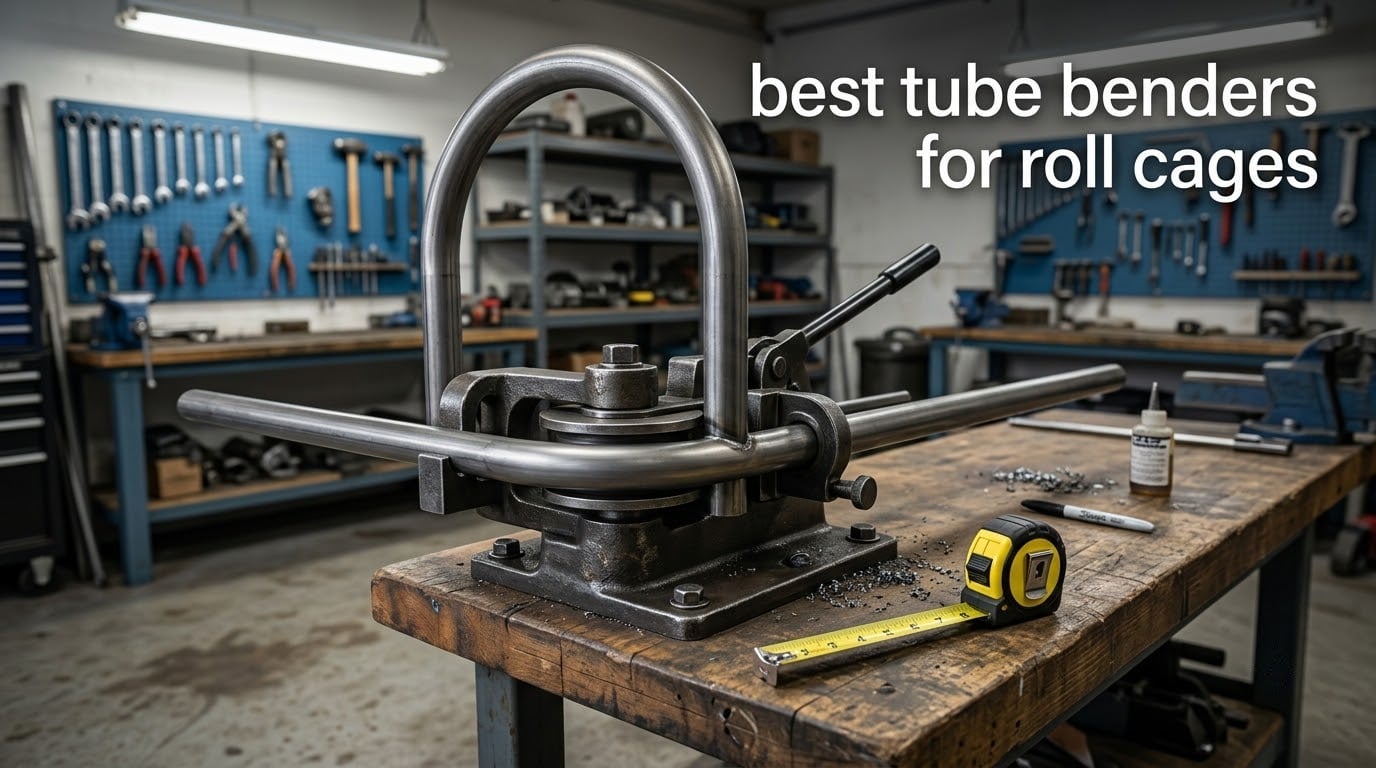
The best tube bender for roll cages is the one that grips your tube in a matched groove die, supports the wall with a mandrel or shoe, and repeats the same angle every time. For most home garage builders that means a manual rotary-draw bender with 2 inch capacity. Multi-car shops should step up to hydraulic or electric.
That short answer sits on top of a much noisier search. Ask ten builders which bender to buy and you will get ten answers, most of them arguing about whether a cheap hydraulic pipe bender can hold 1-5/8 inch DOM together well enough for a cage. The honest truth is that it can, and it will still fight you on every bend.
We spent weeks reading builder threads on HybridZ, Pirate4x4, TheTurboForums and Practical Machinist, then worked through ten benders that are on the market right now, from a light manual roller to a 750W electric machine. What follows is the ranking, the reasoning behind it, and the mistakes that cost people their first cage.
One warning before you buy anything. Nearly every machine in this roundup bends tube by rolling it between shaped dies, not by the rotary-draw method used by a dedicated chassis bender. That single design difference explains almost every complaint you will read in a forum thread, and we explain it in full further down. For now, know that the die you put on the machine determines the centerline radius, and the die is the part you are most likely to keep buying.
We also left prices out of this guide on purpose. They move weekly across every one of these brands, and the bender is only the starting line of the spend anyway. The number that actually decides your budget is the die set, and we cover that in the buying guide below.
Table of Contents
Top 3 Picks for Tube Benders for Roll Cages in 2026
These three cover the range most cage builders actually end up in. The first is the one we would put in a home garage, the second is the one with the cleanest build quality, and the third is the value pick that surprises people.
KAKA TR-50L Tube Roller Bender
- Handles 2 inch diameter tube
- Wheel driven manual power
- Hardened steel top plate
- 99 pound frame

Woodward Fab WFB2 Tube Bender
- Highest rating in our group at 4.6
- Degree ring and indicator included
- Works with Pro Tool dies
- 56 pound steel frame

ECOTRIC Manual Tube Bender
- Dies up to 2 inch round and 1-1/2 inch square
- Bends up to .125 inch wall
- Ratcheting handle for extra force
- Cast iron base
Two notes before the individual reviews. The KAKA roller comes without rollers or dies, so your real spend starts with the die package. And the ECOTRIC and Woodward machines both accept the same family of dies, which matters a great deal once you start ordering parts.
Best Tube Benders for Roll Cages in 2026
| Product | Specifications | Action |
|---|---|---|
| KAKA TR-50L Tube Roller Bender |
|
Check Latest Price |
| Woodward Fab WFB2 Tube Bender |
|
Check Latest Price |
| ECOTRIC Manual Tube and Pipe Bender |
|
Check Latest Price |
 Mophorn 1-1/2 in Tubing Roller Mophorn 1-1/2 in Tubing Roller |
|
Check Latest Price |
 VEVOR 1-1/2 in Tube Roller with 6 Dies VEVOR 1-1/2 in Tube Roller with 6 Dies |
|
Check Latest Price |
 Affordable Bender ab105 Hydraulic Affordable Bender ab105 Hydraulic |
|
Check Latest Price |
 VEVOR Electric Tube Bending Machine VEVOR Electric Tube Bending Machine |
|
Check Latest Price |
 Speedway Motors Hydraulic Tubing Bender Speedway Motors Hydraulic Tubing Bender |
|
Check Latest Price |
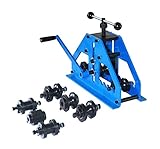 KASTFORCE KF5013 Tube Roller with 6 Dies KASTFORCE KF5013 Tube Roller with 6 Dies |
|
Check Latest Price |
| Affordable Bender ab103 Hydraulic |
|
Check Latest Price |
Read the table as a set of trade-offs rather than a ranking. Two of the ten are hydraulic, one is electric, and the remaining seven are manual machines you push by hand or by wheel. That split matters more to your build than any single spec.
1. KAKA TR-50L Tube Roller Bender for 2 Inch Cage Tube
KAKA INDUSTRIAL Tube Roller Bender, High-Precision Bender for 2″ Diameter Tubes, Bends Steel, Copper, Aluminum for Exhaust, Roll Bars, Water Pipes (Rollers Sold Separately) TR-50L
Up to 2 inch tube
99 pounds
Wheel driven manual
Steel copper aluminum
Pros
- Handles 2 inch diameter tube in steel copper and aluminum
- Wheel drive gives smooth incremental bends
- Hardened steel top plate holds alignment
- Handles roll bar and structural framework work
Cons
- Rollers and dies sold separately
- 99 pounds needs a mounted base
- Wheel drive wants a stable surface to sit on
The TR-50L is the machine we keep coming back to, because it is the only roller in this group rated for 2 inch diameter material while still being a hand-driven unit you can work in a normal garage. Owners consistently report that the wheel drive makes the bend incremental rather than a single hard pull, which is exactly the feel you want when you are forming a main hoop.
Capacity is the headline. Two inch tube covers the upper end of what a cage build touches, and it also handles exhaust work that a 1-1/2 inch roller simply cannot attempt. The hardened steel top plate is the part that matters over time, because it is what keeps the die stack from shifting as you add bending load.
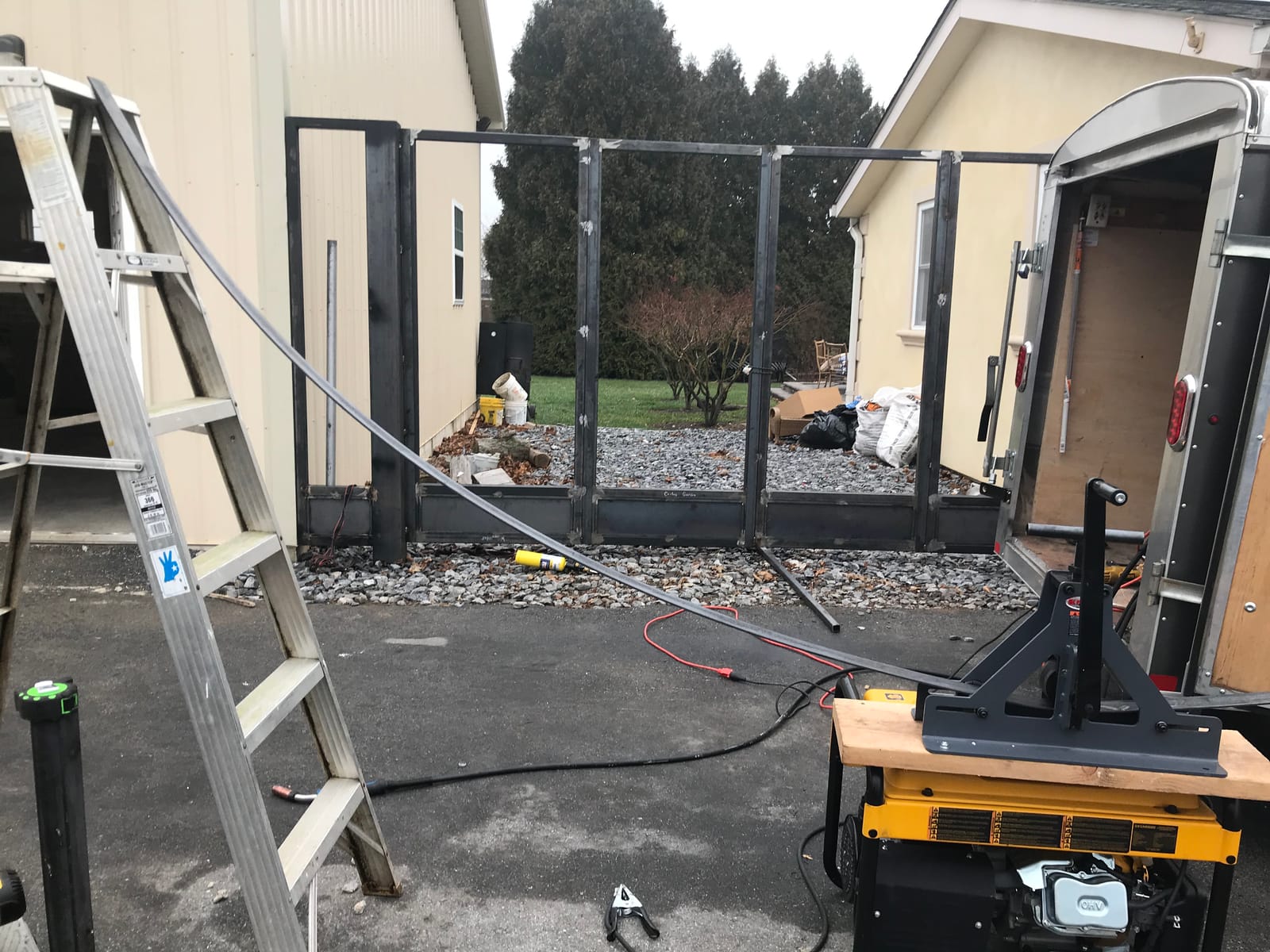
Frame weight is 99 pounds, and that is a feature as much as a complaint. It is heavy enough that a 100 pound class bender will not walk across the shop floor under load, which is a real safety issue that forum builders raise repeatedly. Set it on a bench or bolt it down and the weight works entirely in your favor.
The enlarged outrigger base plate exists for the same reason. It spreads the load so the frame does not flex toward you at the end of a hard bend, and flex is what changes your centerline radius between the first bend and the fifth.
Who this bender suits
Pick the TR-50L if you are building one cage and you want it done in 1-3/4 or 2 inch material, or if your tube work includes rock crawler bumpers and nerf bars where the larger tube shows. It also fits anyone who wants more than a single fixed radius and prefers to change dies rather than change machines.
It also suits a builder who is not worried about hand fatigue, because the wheel drive does much of the work for you. Even at 99 pounds on the ground, most of the force comes through the wheel rather than your arms.
What to plan around
The rollers are not included, and that is the single most common surprise in the reviews. You are buying a frame and a drive, then adding the die set that actually does the bending, so budget for that before you commit.
At 22 by 22 by 17 inches it wants a permanent home on a bench. If your cage builds happen in a small one-car garage, measure first. This is a mounted machine, not a portable one.
2. Woodward Fab WFB2 Tube and Pipe Bender for Die Compatibility
Woodward Fab Tube and Pipe Bender, Model# WFB2
Manual bender
56 pounds
29 inch steel
Degree ring included
Pros
- 4.6 stars is the highest rating in our group
- Solid steel construction
- Works with Woodward Fab and Pro Tool dies
- Vertical format simplifies tube setup
Cons
- Poor assembly instructions
- Degree ring markings hard to read
- Weak packaging can damage hardware
The WFB2 scored the highest average rating of anything we reviewed, at 4.6 stars across 130 reviews, and the reason is consistency rather than any headline feature. Owners describe the same result: the bend comes out the same angle as the last one, and the steel frame shows no flex at the die.
At 56 pounds it is also far easier to reposition than the machines in the 70 to 99 pound class. Several owners pair it with an aftermarket air ram, which is the retrofit path that most serious manual bender builds eventually take.
Die compatibility is the quiet strength here. Because it accepts both Woodward Fab and Pro Tool dies, you are not locked into one brand’s ecosystem for the life of the machine, and that matters more than most buyers realize when they first start ordering parts.
The degree ring and indicator come in the box, so you are not hunting for an angle reference before the first bend. That matters more on this machine than on the competitors, because the ring is what lets you hit the same angle repeatedly instead of eyeballing it.
Who this bender suits
Choose the WFB2 if repeatability is your priority and you want the least arguing with the machine. It is a good fit for a builder running one cage properly, and an even better fit for a small shop that bends tube on a regular basis but does not need powered assistance.
It is also the safer recommendation for anyone new to tube bending. The vertical format keeps the tube in a predictable position, and the degree ring gives you a reference while the machine is still learning your hands.
What to plan around
Assembly is the weak point. Owners repeatedly describe building it from pictures or online videos because the documentation does not explain the sequence, so budget an hour and a set of hex keys before the first bend.
Read the degree ring under good light, not under a dim shop lamp. Markings are legible but small, and several owners say the first few bends came out slightly off until they got used to the scale.
3. ECOTRIC Manual Tube and Pipe Bender for Home Garage Value
ECOTRIC Tube and Pipe Bender Black Oxide Coating Steel Manual Hand Bender
Up to 2 inch round dies
52.9 pounds
Bends .125 inch wall
Bolt-in install
Pros
- Widely called the best value in the manual category
- Ratcheting handle multiplies force on tight bends
- Solid steel frame with cast iron base
- Dies cover 2 inch round and 1-1/2 inch square
Cons
- Confusing assembly instructions
- Small degree ring is hard to read
- Older Model 3 dies need modification
The ECOTRIC is the machine we recommend to someone building their first cage in a home garage, and the reason is die coverage rather than price. It accepts dies up to 2 inch round and 1-1/2 inch square, which is most of what a single cage build touches.
It bends tubing up to .125 inch wall, and that number is genuinely relevant. Common roll cage material runs .120 inch wall, so you are working just inside the machine’s limit rather than against it.
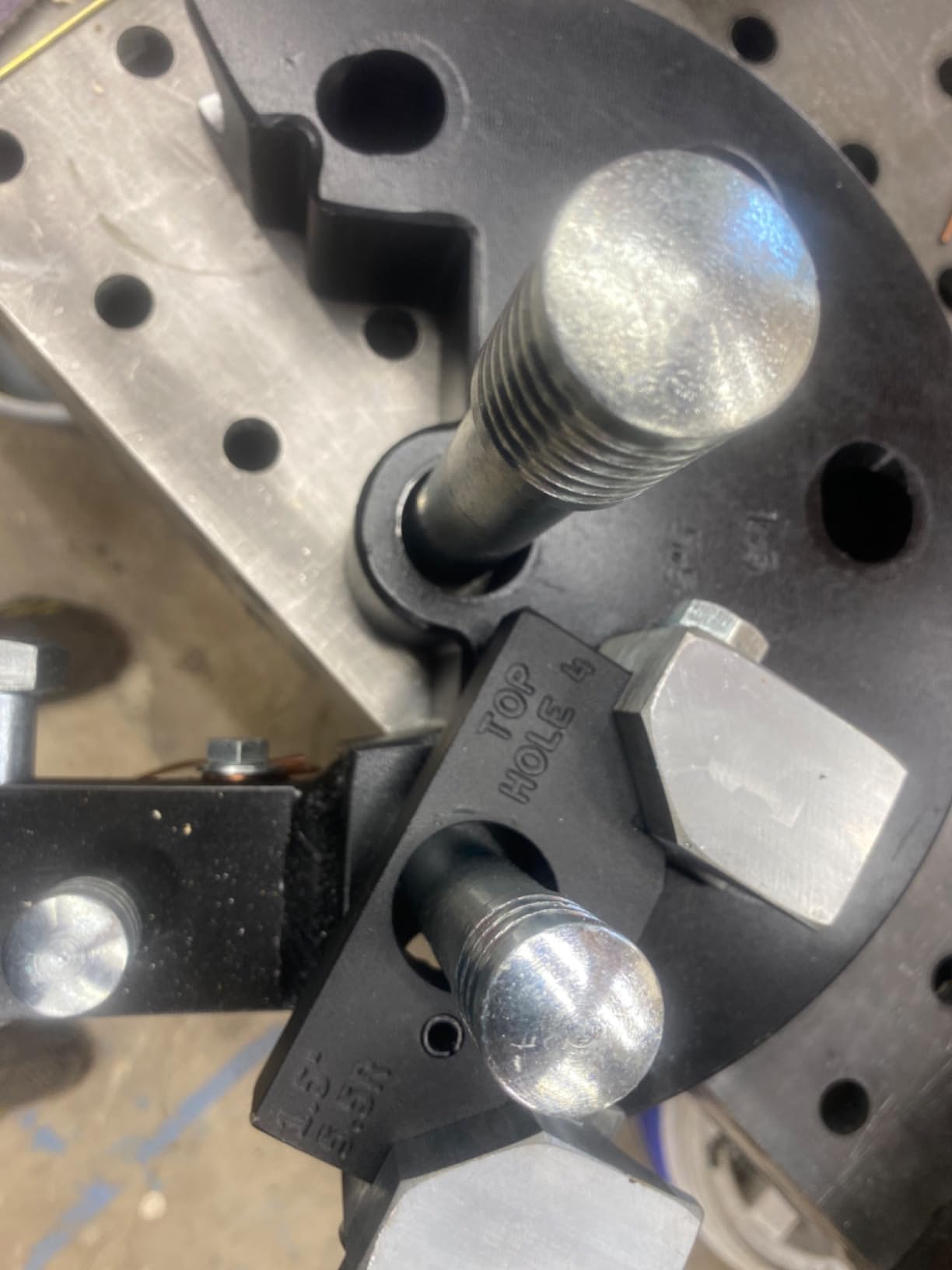
The ratcheting handle is a smarter design than it first appears. It multiplies your force on the tight bends where a fixed-length handle leaves you braced and straining, and on a 1-1/2 inch hoop that is the bend you will make more than once.
Frame construction is a solid steel body on a cast iron base, weighing 52.9 pounds. That is heavy enough to stay put under load and light enough to move to a different corner of the shop when the floor plan changes.
Who this bender suits
This is the bender for a weekend builder who wants one capable machine instead of a collection of half tools. If you are building a single cage, a set of handrails, or a tube frame for a trailer, it covers the work without a powered machine or a second purchase.
It also suits builders who already know the die brands in this class. Newer Model 32 style dies drop straight in, and that compatibility is what keeps the tooling bill predictable over several builds.
What to plan around
Older Model 3 dies do not fit without modification, so if you are buying used dies from someone else’s shelf, check the style before you commit. The same applies to loose fitment on the die pins in the brass bushings, which shows up as a little play when you handle the die.
The degree wheel numbers are small. Same advice as the Woodward: buy a cheap angle gauge before you start, and treat the first three bends as practice pieces rather than production tube.
4. Mophorn 1-1/2 in Tubing Roller for Square and Flat Bar Work
Mophorn 1-1/2″ Tubing Rolling Bender Manual Square & Rectangular Tube Bender 14 Gauge Roller Tubing Roller Flat Bar Bender For Mild Steel Cooper & Aluminum
33.1 pounds
Square and rectangular tube
Flat bar
Hand powered
Pros
- Easy to carry between jobs at 33.1 pounds
- Triangular base with thickened screw rod stays stable
- Long handle reduces hand fatigue
- Handles square tube rectangular tube and flat bar
Cons
- Rated 3.7 stars overall
- Not industrial grade for repeated heavy bending
- Minimum bend radii are wide
- Long handle fouls the ground at ground level
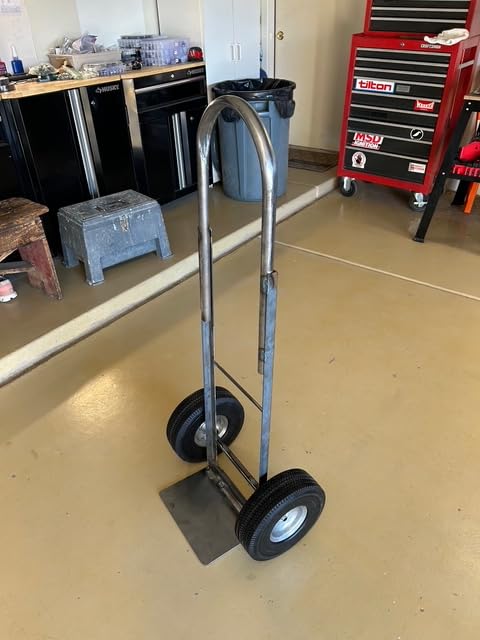
The Mophorn is the lightest machine in the group at 33.1 pounds, and that single fact drives everything else about it. If your cage build happens in a different location every weekend, this is the roller you can load into a truck without asking for help.
It handles square and rectangular tube plus flat bar, which makes it more useful than the name suggests. Skinny wall square tubing and rack material are common jobs where a round-tube-only roller is simply the wrong shape.
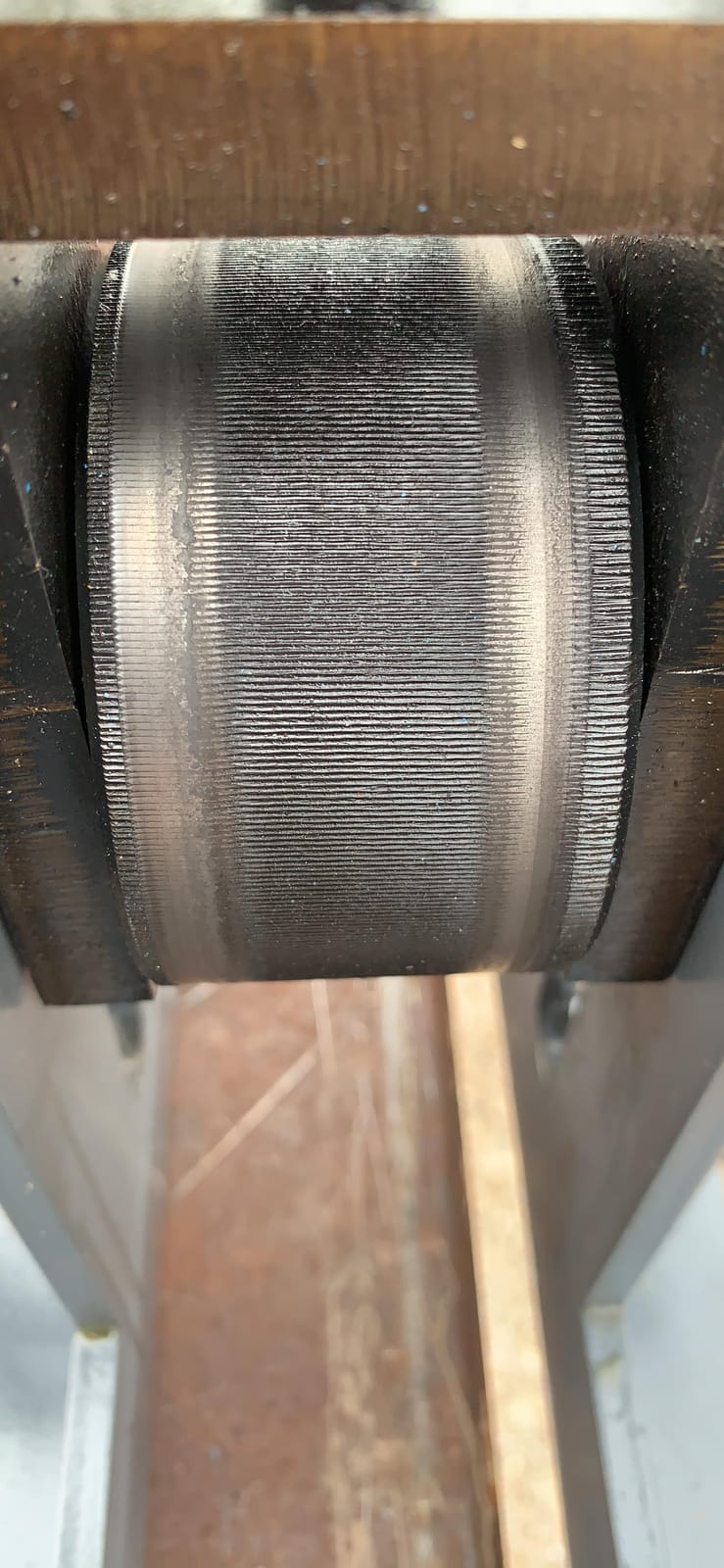
The triangular base with a thickened screw rod is a real feature, not marketing. A narrow roller that can slide under load will drift, and drift is what produces a bend that looks fine from one side and out of plane from the other.
Minimum bend radius figures are published for the machine, and they are wide. Depending on material size, the listed minimum radius runs from 180mm to 220mm, so tight rocker and bumper bends are not what this tool is for.
Who this bender suits
Pick the Mophorn for light structural work where weight and portability matter more than production volume. Handrails, canopy frames, furniture tubing and the occasional repair bend are all well within what it does cleanly.
It is also a reasonable second machine for a builder who already owns a rotary bender. Having a separate roller on site means you can form simple shapes while the main machine stays set up for a precise radius.
What to plan around
The 3.7 star rating across 68 reviews is the lowest in this group, and the one-star reviews cluster around construction that feels soft under heavy load. Treat it as a light work machine and it is fine. Treat it as a production bender and it will disappoint you.
Watch the handle at ground level. On a low work surface the long lever swings into the floor, which is a good reminder to set the machine on a stand at working height rather than bending from your knees.
5. VEVOR 1-1/2 in Tube Roller with 6 Dies for Included Tooling
VEVOR Tube Roller Bender, Max 1-1/2″ Manual Tube Pipe Roller Bender with 6 Dies, 360° Copper Aluminum Pipe Bending Tool for Square, Round Tube & Flat Bar, Ideal for HVAC Air Conditioning Auto Repair
Six dies included
1-1/2 inch capacity
360 degrees
72.3 pounds
Pros
- Six dies in the box covering round and square tube
- Full 360 degree range in a manual roller
- Manual crank gives smooth incremental control
- Sits high in its Amazon bender category
Cons
- Steel limited to 0.08 inch wall
- Carbon steel build is functional not heavy duty
- Hand operation takes practice to stay even
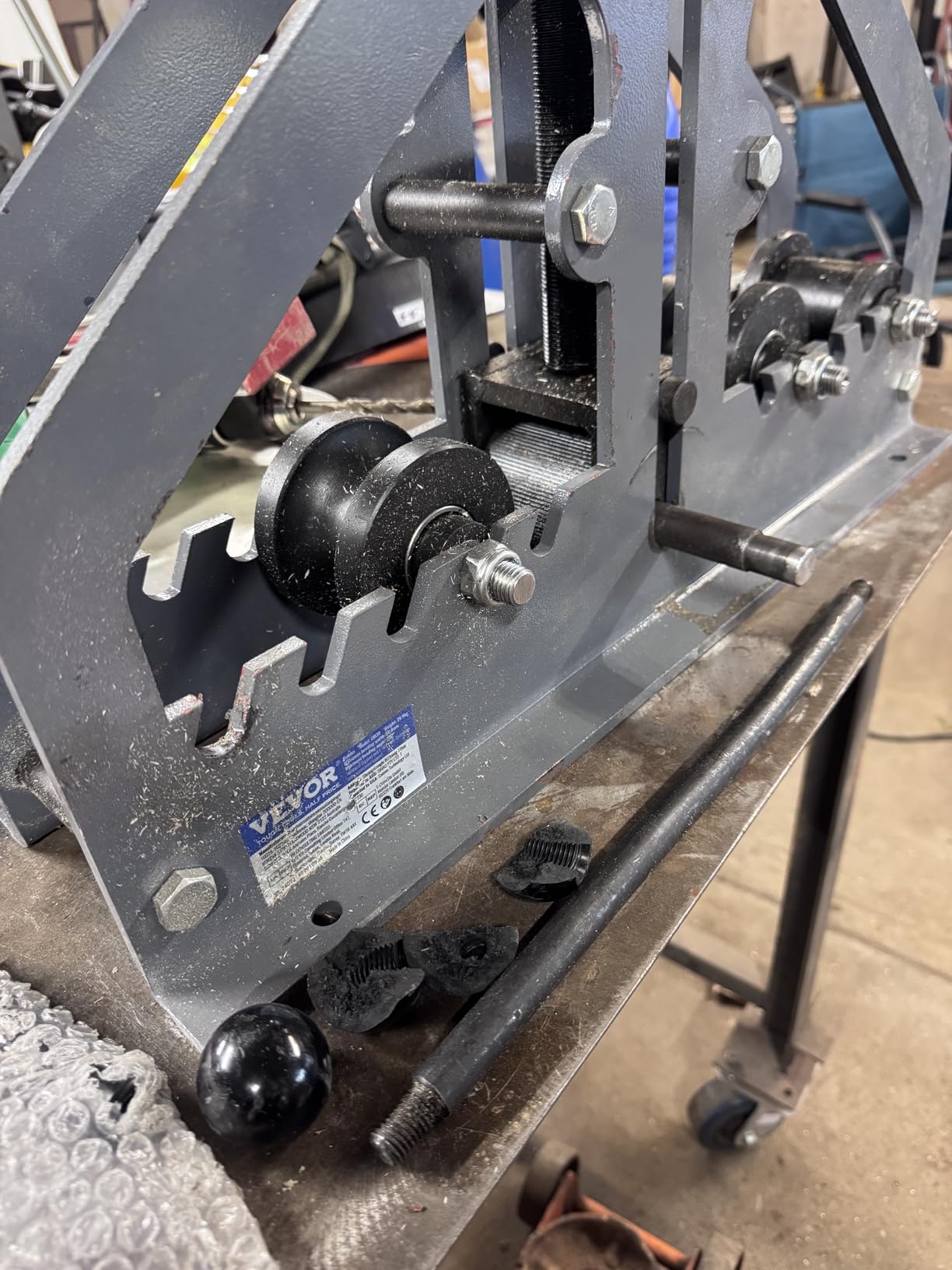
The VEVOR’s pitch is simple and correct: six dies in the box. Three square and three round, included with the machine, which means your first bend costs nothing extra in tooling. For a builder who has never bought a die set before, that removes the most confusing part of getting started.
It bends pipe up to 1-1/2 inch diameter with a maximum bending angle of 360 degrees, so you can form a continuous curve in one setup rather than flipping the tube halfway through.
The wall thickness limit is the number to read twice. Low-carbon steel is limited to 0.08 inch wall and aluminum to 0.16 inch, and 0.08 inch is well under the .120 inch wall that most roll cage tubing uses.
In plain terms, this roller handles hoop material and light wall tube. It does not handle the thick-wall structural tube that cage work and rock crawler builds are made of, and no die swap changes that ceiling.
Who this bender suits
This is the right pick for HVAC work, handrail builds, exhaust shaping and any job where you would otherwise be buying four dies one at a time. The included package covers both round and square in a way most competitors do not.
It also suits a builder starting out who wants to learn bend geometry on thin material before committing to heavy wall. A machine that will not crease thin tube is a forgiving teacher.
What to plan around
Do not stretch its rating. 4.2 stars across 61 reviews reflects a machine that performs smoothly within its limits, and reviewers consistently point out it is not built for thicker wall or heavy production work.
Carbon steel construction is functional rather than heavy duty, and at 72.3 pounds it is a mounted tool. Plan a permanent bench position before you start a cage project with it.
6. Affordable Bender ab105 Hydraulic Bender for 1-3/4 Inch Work
Affordable Bender ab105 1-3/4″ Hydraulic Tube Bender
8 ton bottle jack
1-3/4 inch tubing
90 degree maximum
50 pounds
Pros
- Bottle jack power makes 90 degree bends manageable
- Reported smooth and consistent bends once set up
- Easy to store between projects
- Die set included with other sizes sold separately
Cons
- Some welds unfinished and may need gusseting
- Die can creep forward under load
- No center mark for repeat angles
The ab105 is the one hydraulic machine here sized specifically for 1-3/4 inch tubing, and that single fact puts it in a different conversation from the manual rollers. An 8 ton bottle jack does the pulling, so you are steering the tube rather than fighting it.
Owners report bends that come out smooth and consistent once the machine is set up, and several report completing entire cages with it. At 50 pounds it also stores more easily than a bench-mounted manual bender.
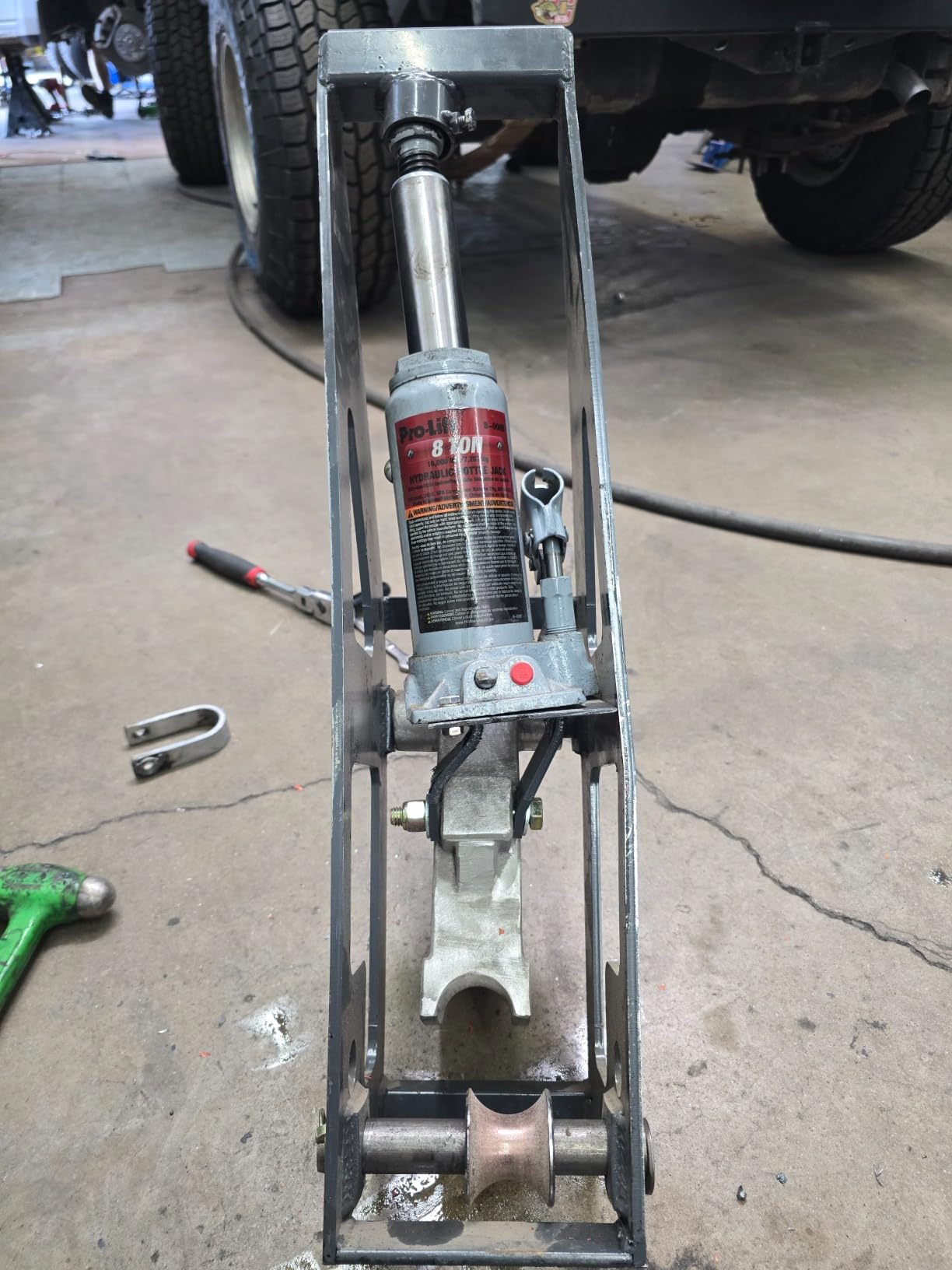
Two upgrades are common among owners. The first is a larger or air-assisted ram in place of the bottle jack, because the original has to be unscrewed nearly all the way out for a full bend and the jack body bows under that load.
The second is a die clamp, which solves the creep issue directly. The die walks forward under load on the standard setup, and a die that moves changes your radius without telling you.
Who this bender suits
Choose the ab105 if you are working in 1-3/4 inch tube and your shoulders, elbows or back would rather not handle a manual bend at that wall thickness. It is a genuine middle path between a hand bender and a shop machine with a powered pump.
It also suits builders who already own a 1-1/2 inch die set and want to add a diameter rather than start over. Additional die sets are sold separately in other sizes.
What to plan around
Inspect the welds. Reviewers specifically mention joints that are not fully welded and may need gusseting, which is a fabrication task rather than a purchase task, so factor in an evening of weld time before the first bend.
There is no built-in way to line up a center mark, so repeat angles are hard to dial in. Buy an angle gauge, mark the die, and treat the first few bends as calibration.
7. VEVOR Electric Tube Bending Machine for Shop Volume
VEVOR Electric Tube Bending Machine, 750W Electric Tubing Bender with 6L Hydraulic Cylinder, Movable Pipe Bender Machine with 3 Dies & 180° Max Bending Angle, Suitable for 1″, 1-1/2″, 1-3/4″ Pipes
750W motor
6L hydraulic cylinder
Handles 5mm wall
225 pounds
Pros
- Only fully powered option in this group
- 1HP motor and 6L cylinder give fast repeatable bends
- Handles up to 5mm wall in 1 inch to 1-3/4 inch pipe
- Casters make a 225 pound machine movable
Cons
- Rated 3.8 stars with a large 1-star share
- Hydraulic oil supplied separately
- 180 degree limit stops full circles in one setup
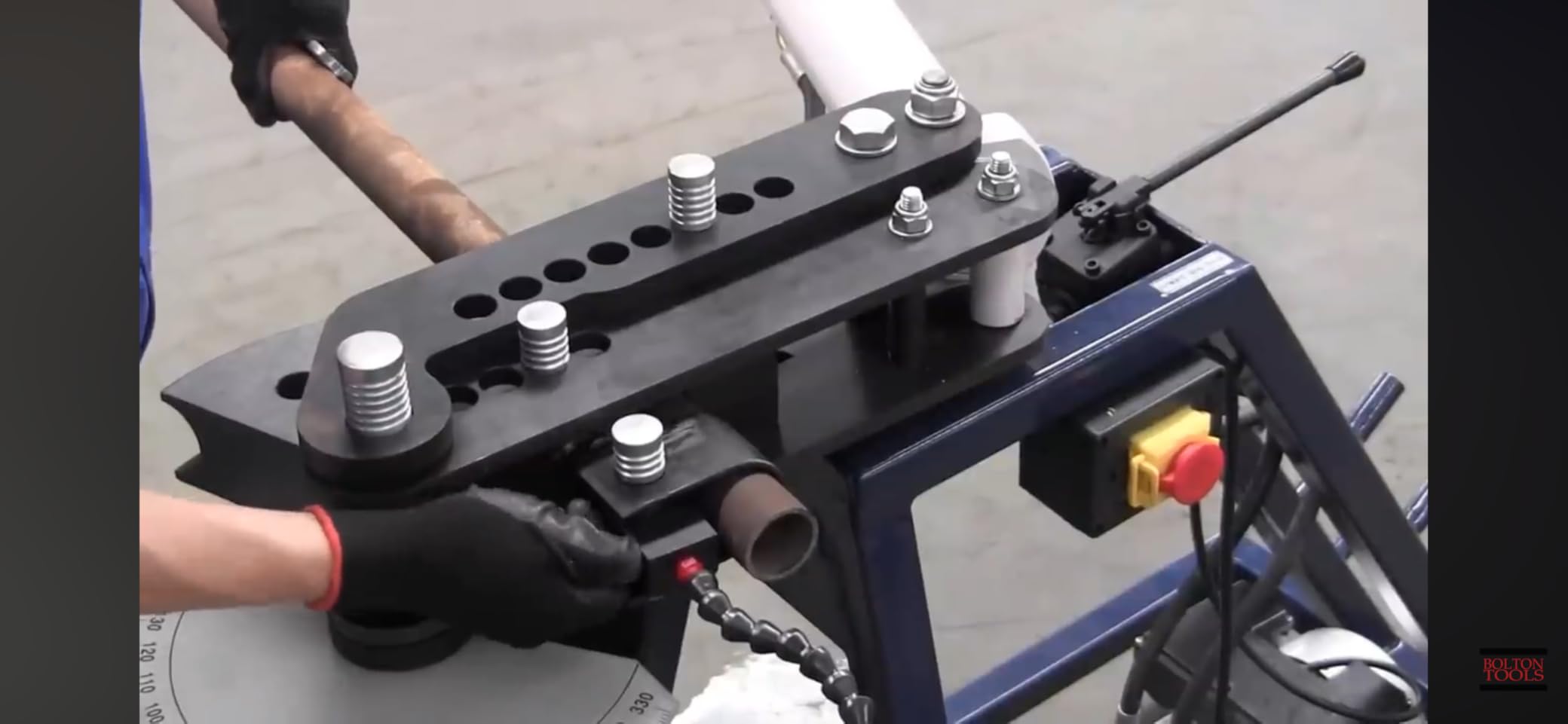
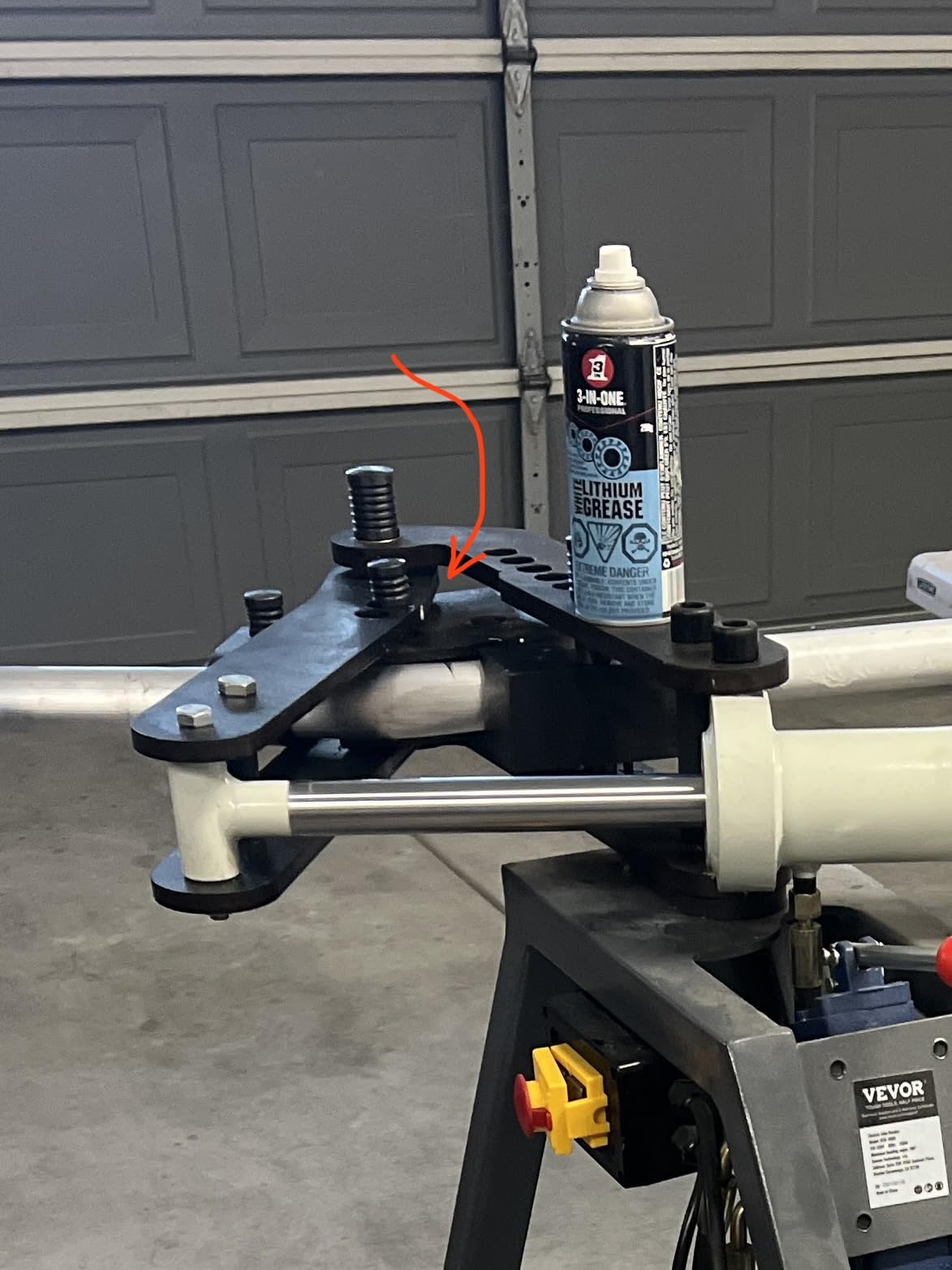
This is the only machine in the roundup with a motor, and that changes what kind of work it suits. A 750W motor driving a 6L hydraulic cylinder takes the hand effort out of the largest bends entirely, which is the entire point if you are bending tube all day.
It handles 1 inch, 1-1/2 inch and 1-3/4 inch pipe up to 5mm wall thickness. That range covers most cage material and most tube bumper work in a single machine.
Casters are the feature nobody expects to matter and everybody ends up grateful for. At 225 pounds with a 43.31 by 27.17 inch footprint, this is a shop-only tool, and the casters are the difference between rearranging your shop and rearranging your building.
Three bending dies are included with the machine, which is a thinner package than the manual VEVOR roller offers but is normal for a hydraulic machine with a larger die footprint.
Who this bender suits
Pick the electric machine for a shop doing volume cage, frame or fixture work, or for a builder with a back injury who wants power without a pump setup. The repeatability of a motor-driven cylinder is a real advantage when you are making the same bend twenty times.
It also makes sense for tube bumper and nerf bar work, where thicker wall and larger diameter push a manual machine to its limit and slow you down on every cycle.
What to plan around
Buy hydraulic oil before you order the machine. It is not included, and reviewers call this out repeatedly as a needless first-day frustration for a tool at this level.
The 180 degree maximum means you cannot roll a full circle in a single setup, and the 3.8 star rating across 46 reviews reflects real inconsistency in build quality. Try one before you commit to a production run.
8. Speedway Motors Hydraulic Tubing Bender for Repeatable Angles
Hydraulic Round Tubing Bender, 90 Degree Bends for Roll Cages, 1.50 In. Die
8 ton hydraulic jack
7 inch radius die
1.50 inch OD tube
69 pounds
Pros
- Built specifically for roll cage and chassis work
- Incremental marks cast into the die
- 8 ton jack gives smooth 90 degree bends
- Handles chromoly wall thickness not just mild steel
Cons
- Only a 1.50 inch die is included
- Listed dimensions of 1 x 1 x 1 inches are not meaningful
- Fixed die size means planning around 1.50 inch tube
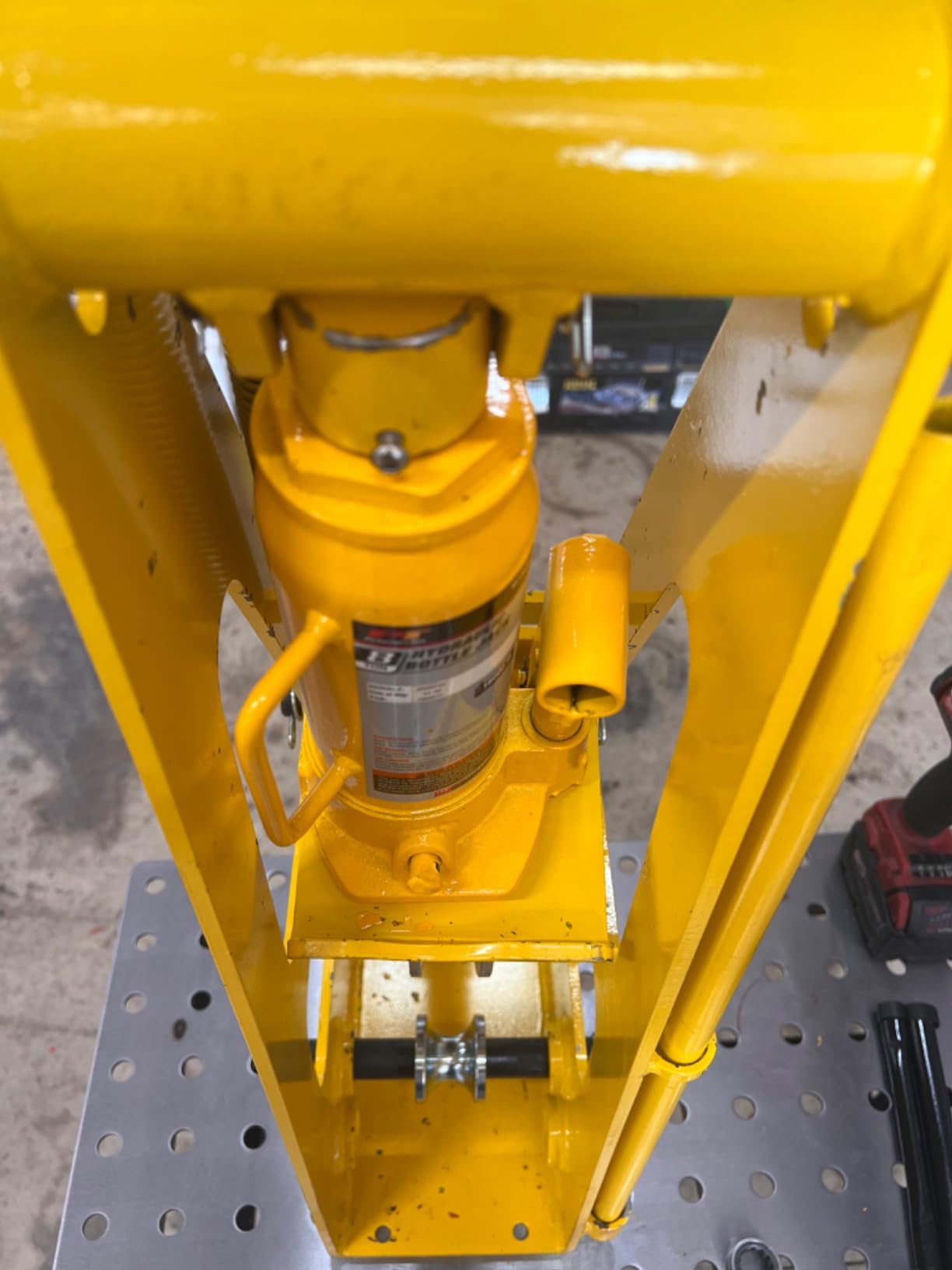
The Speedway bender was designed for this exact job, and the details show it. An 8 ton hydraulic jack drives smooth, controlled bends up to 90 degrees, and the die is machined aluminum with a 7 inch bend radius for 1.50 inch OD tubing.
That die rating is the headline for cage builders. It handles round tubing up to .110 inch wall in mild steel and .096 inch wall in chromoly, which is thicker and more capable than most of the manual machines in this group.
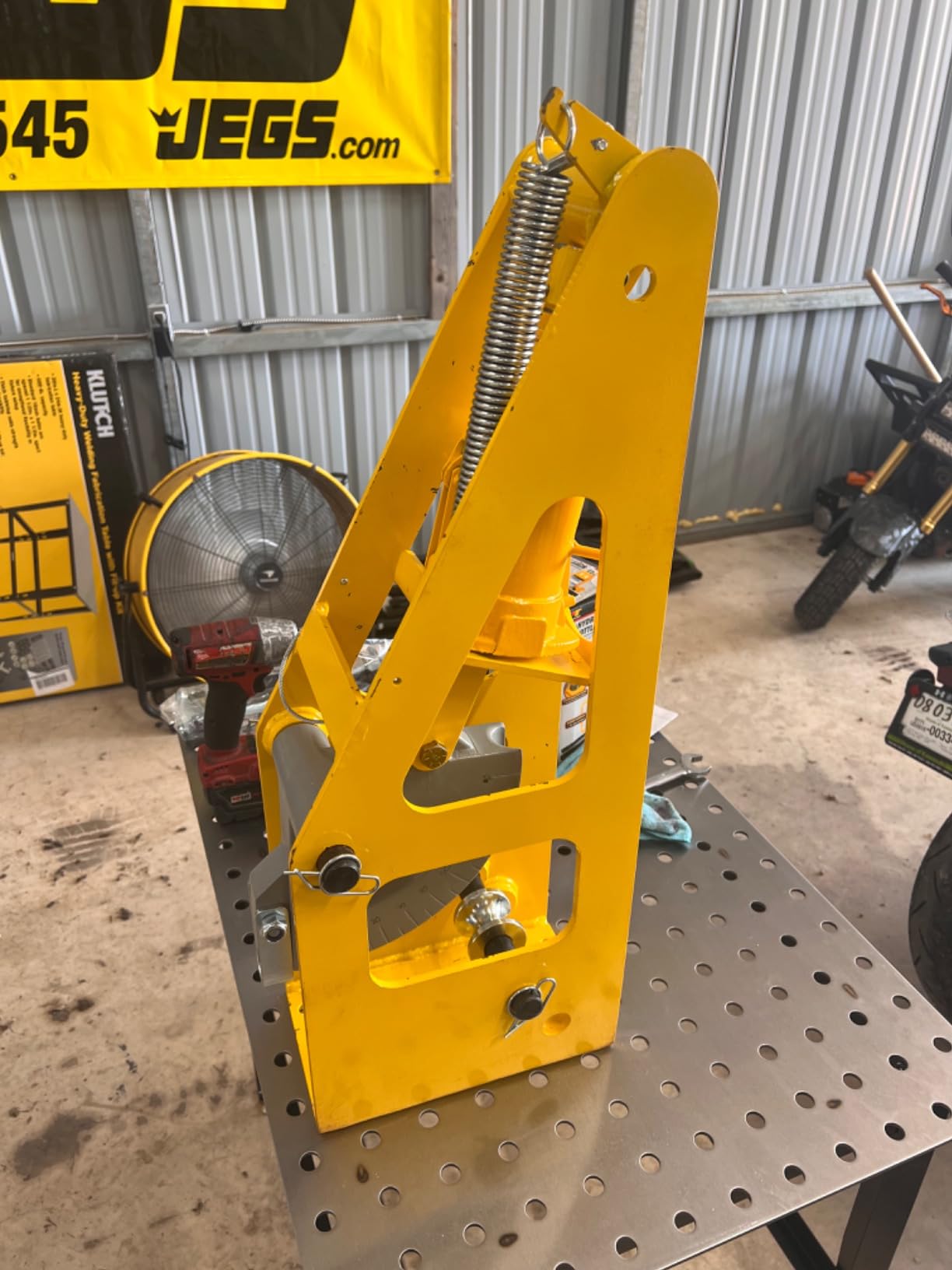
Incremental marks cast into the die are a small idea with a large effect. Because the marks are in the metal rather than on a separate dial, they stay aligned with the tube, so the same bend comes out the same way the fifth time you make it.
Machined steel followers keep the die stack from shifting during a bend, which is the other half of repeatability. If the die moves, the angle and the radius both change, and neither change announces itself.
Who this bender suits
This is the one to buy if your cage is in chromoly rather than mild steel. Most home builders are working .120 wall DOM, and the chromoly capability here is a genuine step up for anyone building to a competition spec.
It also suits a shop that repeatedly makes the same bend geometry, because those cast die marks are the closest thing in this roundup to a production indexing system on a price-appropriate machine.
What to plan around
Only the 1.50 inch die is included. Die sizes in 1.00, 1.25, 1.50, 1.625 and 1.75 inch are sold separately, so if your main hoop is 1-3/4 inch you are buying that die before the first bend.
Ignore the listed product dimensions of 1 by 1 by 1 inches, which are a data error rather than a real size. At 69 pounds it is a floor or bench machine, not a carry-it-anywhere tool.
9. KASTFORCE KF5013 Tube Roller for Round and Square in One Machine
KASTFORCE KF5013 Tube Roller bender Pipe Rolling Machine With 6 Dies For Both Round And Square Tubes
Six interchangeable dies
1.5 inch round
1.6 inch square
Manual roller
Pros
- 4.5 stars for the frame and die quality
- Frame steel is about twice the thickness of same class rivals
- Dies and bearings are good for the money
- Arrives assembled powder coated and greased
Cons
- Roller collars oversized with rough edges
- Jam nut on the center screw is weak
- T handle knobs crack when tightened hard
The KF5013 rates 4.5 stars across 35 reviews, which is the strongest rating-to-review relationship among the manual rollers here. Owners attribute it to the frame, which uses roughly twice the steel thickness of machines in the same class, and to dies that feel like they will survive contact with real tubing.
It arrives assembled, powder coated and pre-greased, so there is no build day. For a builder who wants to bend tube this weekend, that matters more than it sounds.
Who this bender suits
Choose this roller if your build mixes shapes. Three dies cover round tube up to 1.5 inch and three cover square tube up to 1.6 by 1.6 inch, and owners report processing large runs of 1 by 2 inch tubing without trouble.
It also suits a builder who is tired of replacing hardware. The adjustable lower square dies and the powder coat both point at a machine intended to sit in a working shop rather than on a shelf.
What to plan around
The stock hardware is the weak point, and owners are specific about which pieces. Roller collars run oversized with rough edges that can gouge the tube, and the jam nut on the center screw is weak enough that most people add a second nut or a set screw.
T handle knobs are brittle plastic and the set screws on the flat roller side wings strip easily, so plan a small hardware run before your first production bend. One report also involved a bearing failure on the second bend.
10. Affordable Bender ab103 Hydraulic Bender for 1-1/2 Inch Tube
Affordable Bender ab103 1-1/2″ Hydraulic Tube Bender
8 ton bottle jack
1-1/2 inch tubing
90 degree maximum
Vertical design
Pros
- Vertical format is easy to set up and control
- Hydraulic power handles 90 degree bends on 1-1/2 inch tube
- Owners report completing a full roll cage
- Compact enough to store between projects
Cons
- No return spring on the jack to retract the die
- Dies are not labeled with degrees
- Supplied die can pinch true 1-1/2 inch tube
The ab103 shares the 8 ton bottle jack approach with its larger sibling but is sized for 1-1/2 inch tubing, and it rates 4.5 stars across 28 reviews. Owners cite the vertical design as the reason it is easy to set up and easy to control, which is a real advantage over horizontal layouts.
Several buyers report completing a full roll cage with it. That is the strongest endorsement in the review set, because a finished cage is a harder test than a pile of test bends.
Who this bender suits
This is a sensible first hydraulic machine for a builder working in 1-1/2 inch tube, particularly one who wants more power than a manual bender without the footprint of a shop machine. It stores easily between projects, which matters if it lives in a shared garage.
It also suits builders who already own a bottle jack and a die set. The machine is straightforward enough that a parts swap is a normal weekend task rather than a reason to buy something else.
What to plan around
Check the supplied die before your first bend. Owners report that it measures closer to 1-5/8 inch and can pinch true 1-1/2 inch tube, and that the centerline radius does not match side to side across the die.
There is no return spring on the jack, so the die does not retract to the start position on its own, and the dies carry no degree markings or pointer. Add a return spring and an angle gauge before you start, not after.
How to Choose a Tube Bender for Roll Cage Work
The machine matters less than the tooling and the setup. Before you pick a bender, work through these eight questions, because each one eliminates a whole category of mistake before it costs you a tube.
What is the difference between a pipe bender and a tube bender?
A pipe bender forms pipe with rollers and a bending shoe, and the shoe pushes against one side of the section while the rollers support it. A tube bender holds the section in a semicircular groove die while a pressure die pushes it into the groove, so the tube is captured on all sides rather than pushed from one.
That restraint is the whole argument. A pipe bender leaves a longitudinal roller mark on the extrados and flattens the section as the angle increases, which is why builders on HybridZ and elsewhere treat those marks on a cage tube as a structural defect rather than a cosmetic one. Past roughly 60 degrees on chassis-grade wall, the flattening becomes obvious.
The second difference is plane control. A pipe bender has no defined bending plane, so consecutive bends rotate slightly out of plane and the cage will not assemble. Every machine in our roundup captures the tube between shaped dies, which is the minimum acceptable standard for this work.
Should the bender be manual, hydraulic or electric?
Manual benders suit one cage, a home garage, and builders who want the lowest total cost of entry. They are most accurate on thin wall and light tube, and they will tire your shoulders on 1-3/4 inch material with .120 wall if you make dozens of bends.
Hydraulic benders using a bottle jack suit a single enthusiast who wants power on thick wall without a pump. The limitation is control: an 8 ton jack gives you force but no fine speed control, and the die reference on the budget models is often just a mark you add yourself.
Electric machines with a motor and hydraulic cylinder suit shops doing volume work. They are the only option here that removes hand effort completely, and they are the only option that needs floor space dedicated to it.
What is the D/t ratio and when do you need a mandrel?
The D/t ratio is tube diameter divided by wall thickness, and it predicts how much the wall will flatten during a bend. Below roughly 15 a shoe-only bender works. Between 15 and 30 a ball mandrel is worth having.
Between 30 and 50 a mandrel is required, and above 50 you need multiple ball segments. For reference, 1.75 inch tube with .120 wall gives a D/t ratio near 14.6, which is why so many cage benders are shoe-only machines and still produce clean bends on hoop tube.
Wall thinning is the reason this matters. A rough approximation puts thinning at about 50 times OD divided by twice the CLR, so tightening your bend radius is what costs you wall. Plan most cage bends at five to six times OD and you stay inside a defensible number for inspection.
How many dies does one roll cage actually need?
More than most buyers plan for. Builders in the forums report needing seven to ten die sets to finish one complete cage, because every different tube diameter and every different bend radius needs its own die, and the radii inside a cage are rarely all the same.
This is why the bender is the cheap part of the purchase. Plan the die budget as the larger number in your project, and buy the brand whose ecosystem you can actually still source parts for in five years.
Die brands are not interchangeable. JD2, Hossfeld, Pro-Line and WNS dies each fit only their own carrier, so an ecosystem decision made on day one determines what you are able to buy later. The Woodward Fab WFB2 is one of the few in this group that accepts a second die family, and that flexibility is worth real money over several builds.
Does the bender need to be bolted to the floor?
Yes for any machine in this roundup that is doing real cage work. A 99 pound bender can still walk across a smooth concrete floor under the bending moment applied to thick wall tube, and a machine that moves is a machine that changes your centerline radius.
The ECOTRIC uses a bolt-in installation with hardware provided, and the larger rollers are designed to sit on a bench or an outrigger base plate. Either way, the mounting surface should resist the full bending force, not just the machine’s weight.
Does tube material change the bender choice?
Yes, mainly through wall thickness and yield strength. DOM under ASTM A519 and ERW under ASTM A513 both bend readily, and 4130 chromoly is stiffer and springs back more, which means your springback compensation changes and your degree wheel reading is less intuitive.
Chromoly also has less margin for error. The Speedway hydraulic bender is the only machine here with a stated chromoly capability, at .096 inch wall, and that is a genuine differentiator for competition work rather than a marketing line.
What should you check on a used bender?
Start with the frame and look for cracks around the die clamp and the bend arc, because that is where the load concentrates. Then check the die pins and bushings for play, since loose pins give you a bend that wanders.
Next, test the degree reference. If the markings have faded or the wheel slips, you have no angle reference at all, which makes repeatability impossible. Finally, check the ram seal on hydraulic models and confirm that the die set for your tube size is included in the deal.
What safety rules matter when bending cage tube?
Stand beside the bend plane, never in line with it. Stored energy in a bent tube can release suddenly, and a die that gall or fails under load is a projectile. Wear eye protection and gloves, and keep your face out of the arc the die travels.
Check dies before every bend and replace any that have picked up gouging, because a damaged die is what puts a crease in an otherwise good tube. And never leave a bottle jack partly extended under load, since a bowed jack body stores energy you did not intend.
One more practical note on shop layout. Most of these machines are awkward to move, so plan a dedicated position and a working height that keeps your back neutral. If you also rebuild a vehicle interior, our guide to camera cages for the Panasonic GH7 covers the same rigid-frame thinking from a different angle, and the principle transfers directly: a tool at the wrong height costs you accuracy long before it costs you strength.
More on organising a compact build space in our guide to camera cages, and if you are building support frames for any kind of mounted gear, our handle roundup covers the same die-and-fitment thinking from a different angle.
Frequently Asked Questions
What is the best tube bender for roll cages?
The best tube bender for roll cages captures the tube in a matched groove die and pressure die so the wall cannot flatten or drift out of plane. For a home garage build, a manual bender with 2 inch die capacity and a ratcheting or wheel drive is the sweet spot. Multi-car shops should move up to a hydraulic or electric machine for repeatability and reduced hand fatigue.
Can a pipe bender bend DOM tubing for a roll cage?
Technically yes, but not well. A pipe bender pushes the section from one side with rollers and a shoe, which leaves a longitudinal mark on the extrados and flattens the tube as the angle increases. Past roughly 60 degrees on chassis-grade wall, the flattening is obvious. On a crash structure that mark is treated as a structural defect rather than a cosmetic one.
How many tube bender dies do I need for a roll cage?
Plan on seven to ten die sets for one complete cage, which is more than most buyers expect. Every tube diameter and every bend radius in the cage needs its own die, and radii inside one cage are rarely identical. The die set typically costs more than the bender itself, so budget it as the larger line in your project.
Why are tube bender dies so expensive?
Dies are machined to match a specific tube diameter and centerline radius, and the carrier has to hold them in precise alignment so the same bend repeats. They are also brand-specific: JD2, Hossfeld, Pro-Line and WNS dies each fit only their own carrier, so there is no secondary market competition. Precision machining plus zero cross-brand compatibility is why a die set costs what it does.
What CLR do I need for 1.75 inch roll cage tube?
Plan most cage bends at five to six times the tube outside diameter, which gives about 9 to 10.5 inch centerline radius on 1.75 inch tube. Tighter radii thin the wall, and a rough approximation puts thinning at about 50 times OD divided by twice the CLR. Staying at five to six times OD keeps you inside a defensible number for technical inspection.
Do I need to bolt a tube bender to the floor?
For real cage work, yes. A heavy bender can still walk across a smooth concrete floor under the bending moment applied to thick wall tube, and a machine that moves changes your centerline radius mid-bend. Bolt-in mounting is standard on the ECOTRIC, and the larger rollers are designed to sit on a bench or outrigger plate that resists the full bending force.
Which Tube Bender Should You Buy for a Roll Cage?
For most people reading this, the answer is the KAKA TR-50L if you want 2 inch capacity and a wheel drive that does most of the work, or the ECOTRIC if you want the best value and the broadest die coverage in a lighter package. Those two cover almost every home garage cage build we see discussed in the forums.
If your build is chromoly, repeatable across many identical bends, or in 1-3/4 inch material, move up. The Speedway hydraulic bender gives you cast die indexing and chromoly wall capability, and the Affordable Bender ab105 gives you hydraulic force on 1-3/4 inch tube at a weight you can still move around a garage.
What we would not do is buy a bender before you know your die budget. Work out how many diameters and how many radii your cage actually needs, confirm you can still buy those dies for the brand you picked, then buy the machine. The frame is the part that is easy to replace. The ecosystem is the part that is not.
Every machine here is a working tool with owners who have put real tube through it. Choose the one that matches your tube, your wall thickness and your back, and check the angle on every bend before the tube goes into the cage.