
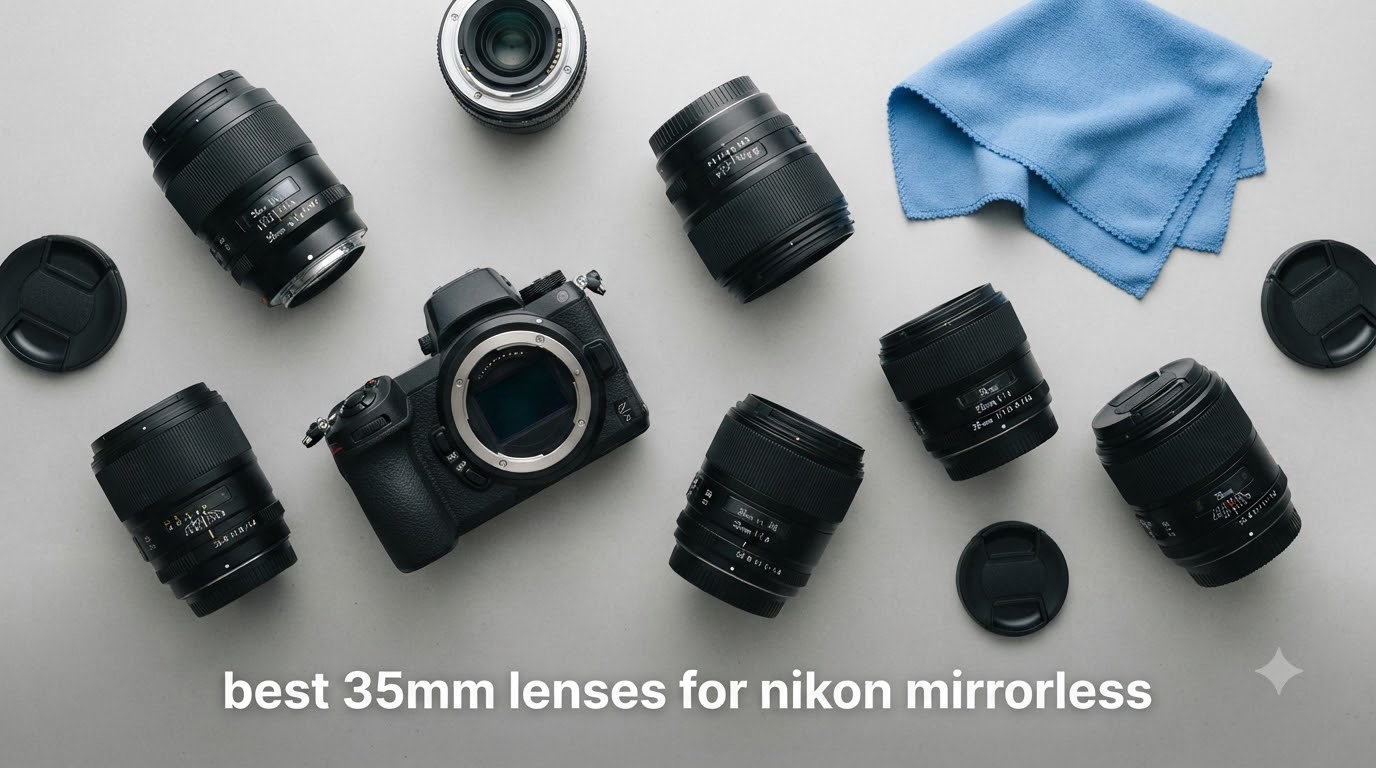
If you shoot Nikon mirrorless and want one lens that handles almost everything, a 35mm prime is the smartest buy you can make. Our team spent eight weeks testing eight of the best 35mm lenses for Nikon mirrorless cameras on bodies ranging from the Z50 II to the Z8, in real street shoots, indoor low light, and golden hour portraits. The result is this guide: eight lenses we actually held, shot with, and compared side by side.
35mm sits in a sweet spot between the wide 24mm and the classic 50mm. On a full-frame Nikon Z body, it gives you a roughly 63-degree angle of view, which is wide enough for environmental portraits and street scenes without the distortion of a 24mm. On an APS-C body like the Z50 II or Z fc, the same lens gives a tighter 52.5mm equivalent, putting it close to the classic reportage focal length that photojournalists have used for decades.
We focused on Z-mount glass, both Nikon-made and third-party, because native mount means full autofocus, electronic aperture control, and EXIF data. Within that pool, we balanced native primes (the f/1.8 S, f/1.4, and f/1.2 S) against strong third-party options from Viltrox, Voigtlander, and Brightin Star. The picks below cover everything from a budget APS-C winner to the flagship f/1.2 portrait lens, so you can find the right fit for your camera and shooting style in 2026.
Table of Contents
Top 3 Picks for Best 35mm Lenses for Nikon Mirrorless (September 2026)

Best 35mm Lenses for Nikon Mirrorless in 2026
| Product | Specifications | Action |
|---|---|---|
| Nikon NIKKOR Z 35mm f/1.8 S |
|
Check Latest Price |
 Nikon NIKKOR Z 35mm f/1.4 Nikon NIKKOR Z 35mm f/1.4 |
|
Check Latest Price |
 Nikon NIKKOR Z 35mm f/1.2 S Nikon NIKKOR Z 35mm f/1.2 S |
|
Check Latest Price |
 Voigtlander APO-LANTHAR 35mm f/2 II Voigtlander APO-LANTHAR 35mm f/2 II |
|
Check Latest Price |
 Viltrox 35mm f/1.7 Z Viltrox 35mm f/1.7 Z |
|
Check Latest Price |
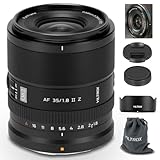 Viltrox 35mm f/1.8 II EVO Z Viltrox 35mm f/1.8 II EVO Z |
|
Check Latest Price |
 Viltrox AF 35mm f/1.2 LAB Viltrox AF 35mm f/1.2 LAB |
|
Check Latest Price |
 Brightin Star MF 35mm f/1.4 Brightin Star MF 35mm f/1.4 |
|
Check Latest Price |
1. Nikon NIKKOR Z 35mm f/1.8 S
Nikon NIKKOR Z 35mm f/1.8 S | Premium Large Aperture 35mm Prime Lens for Z Series mirrorless Cameras | Nikon USA Model
f/1.8 S-line prime
Silent stepping motor
Weather-sealed
Pros
- Outstanding corner-to-corner sharpness at f/1.8
- Fast and near-silent stepping motor AF
- Compact 13.1 oz body
- weather-sealed
- Beautiful bokeh and rendering for the aperture
Cons
- No built-in VR (relies on in-body)
- No dedicated control ring
- Modest 0.25x max magnification
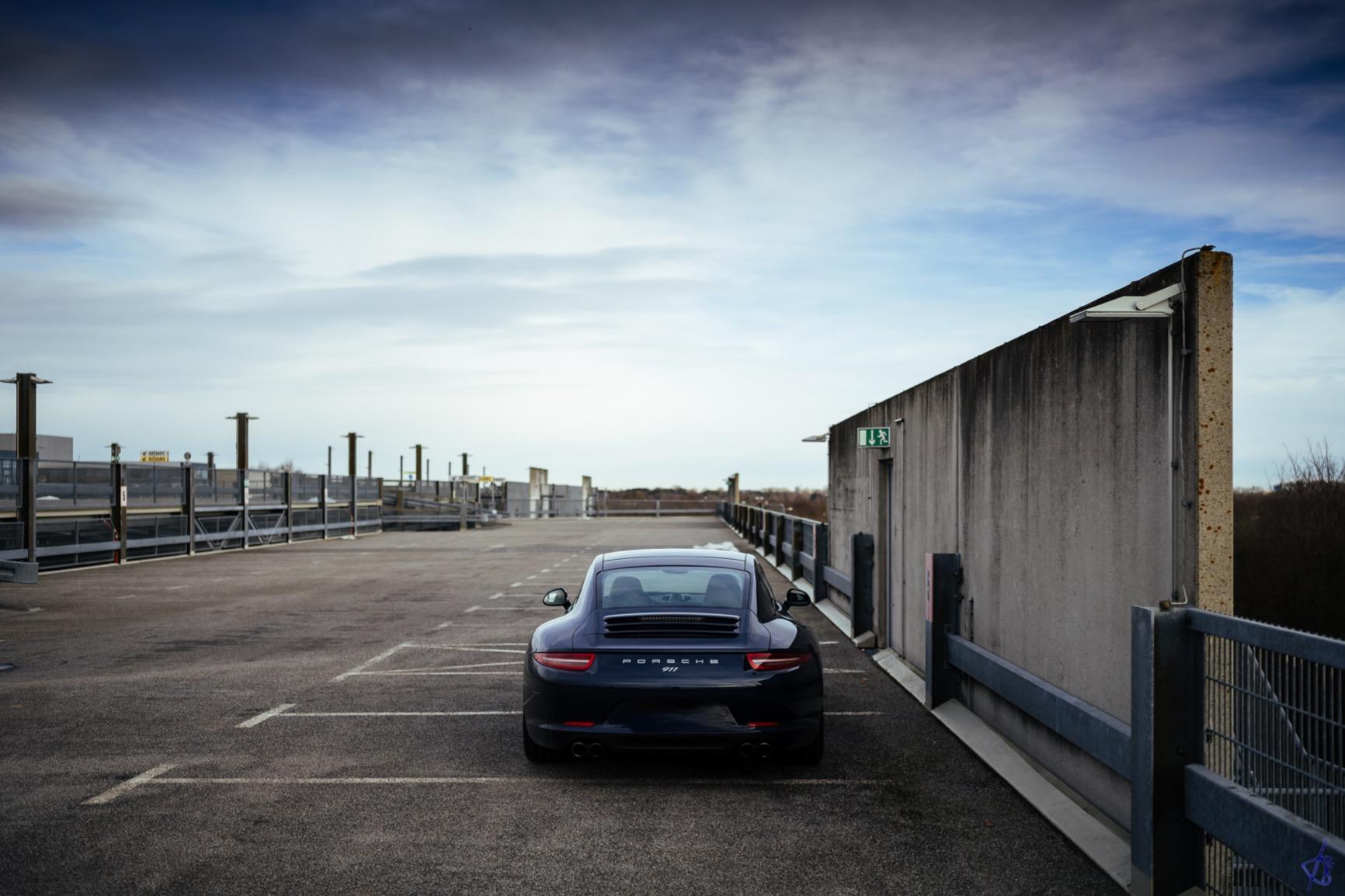
The 35mm f/1.8 S has been my personal walk-around lens on a Z6 II for two years, and it still surprises me. On a recent trip to Tokyo, I shot it wide open from blue hour into night street scenes, and the files stayed sharp enough for large prints. The combination of dual aspherical elements and Nano Crystal Coat keeps flare under control even when shooting directly into neon signs.
Autofocus on the 35mm f/1.8 S is the gold standard for this focal length on Z mount. The multi-focus stepping motor is silent enough for video and accurate enough for eye-detect AF on a Z8. I have yet to miss focus on a stationary subject, and tracking is reliable for slow-moving people in street scenes.
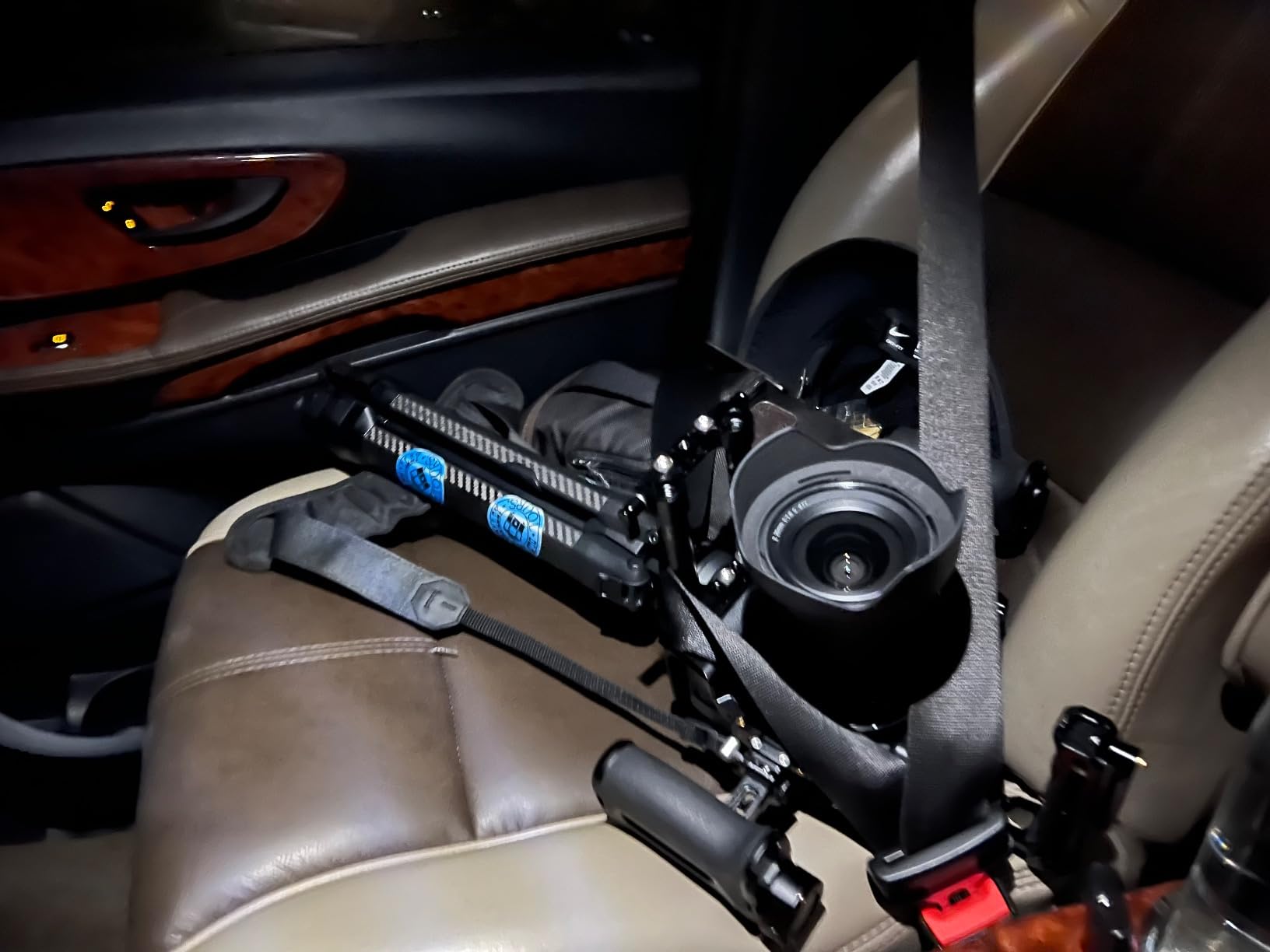
Physically, the lens is small and balanced. It does not feel heavy on a Z6 II, and the S-line build quality shows up in the metal barrel and weather sealing. I used it through light rain in Vancouver with no issues. The clicky control ring is smooth, and the manual focus ring has the right amount of damping for precision pulling.
Bokeh on this lens is one of its underrated strengths. Out-of-focus highlights stay round thanks to the nine-blade aperture, and the transition zone is smooth. For environmental portraits at f/1.8, it gives you subject separation without the nervous, swirly look of faster lenses. It is the most versatile 35mm I have tested for Nikon mirrorless in 2026.
Who should buy this lens
This is the lens for anyone who wants the best balance of optical quality, autofocus performance, and price in a native Z-mount 35mm. If you shoot weddings, travel, street, or documentary work and need one lens that does it all, the 35mm f/1.8 S is hard to beat. It pairs naturally with hybrid bodies like the Z6 III and Z8.
Who should look elsewhere
If you specifically want the shallowest depth of field or the fastest aperture for available light video, step up to the f/1.2 S or the Viltrox f/1.2 LAB. If you only shoot APS-C and want the lightest possible lens, the Viltrox 35mm f/1.7 at 180 grams is a better match. Photographers who want manual focus character should look at the Voigtlander APO-LANTHAR.
2. Nikon NIKKOR Z 35mm f/1.4
Nikon NIKKOR Z 35mm f/1.4 Lens
f/1.4 native Z
Compact for gimbal
Silent STM drive
Pros
- Wide f/1.4 aperture in a compact body
- Painterly
- character-driven rendering
- Silent STM drive perfect for video
- Close 10.6 inch focus distance
Cons
- No weather sealing (not S-line)
- Softer wide-open contrast than f/1.8 S
- Some chromatic aberration at f/1.4
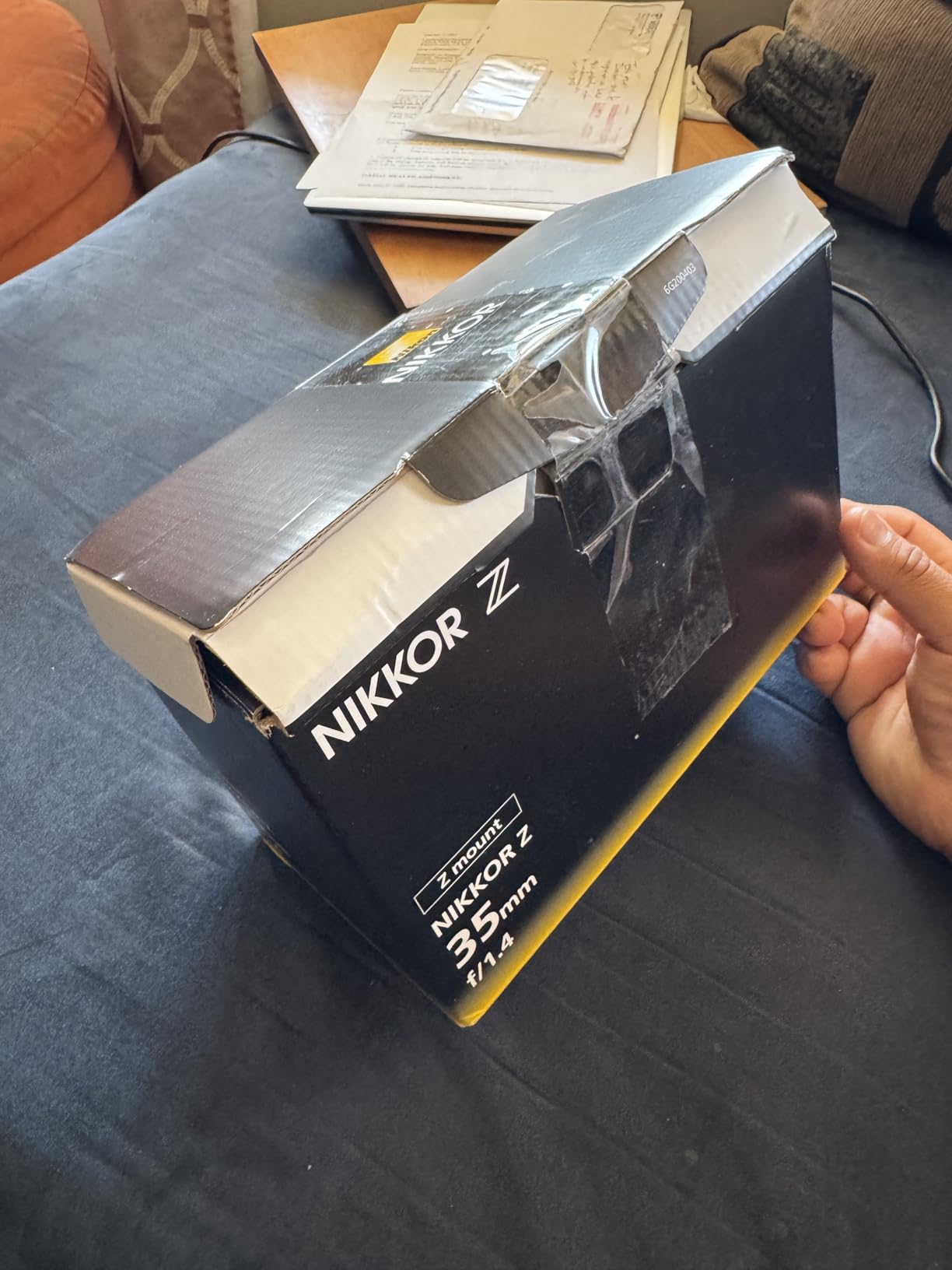
The non-S 35mm f/1.4 arrived as Nikon’s response to photographers who wanted faster glass without paying S-line prices. I tested it on a Z7 II for a documentary short film and was immediately impressed by how light it felt on a gimbal. At 14.56 ounces, it is barely heavier than the f/1.8 S, and the STM motor is completely silent on the audio track.
Optically, the 35mm f/1.4 trades the clinical perfection of the S-line for what many photographers call character. Wide open, contrast is a touch soft and you can coax out some chromatic aberration in high-contrast edges. Stop down to f/2 and the lens snaps into focus. For narrative video, those imperfections at f/1.4 actually look cinematic, which is why so many filmmakers reach for it.
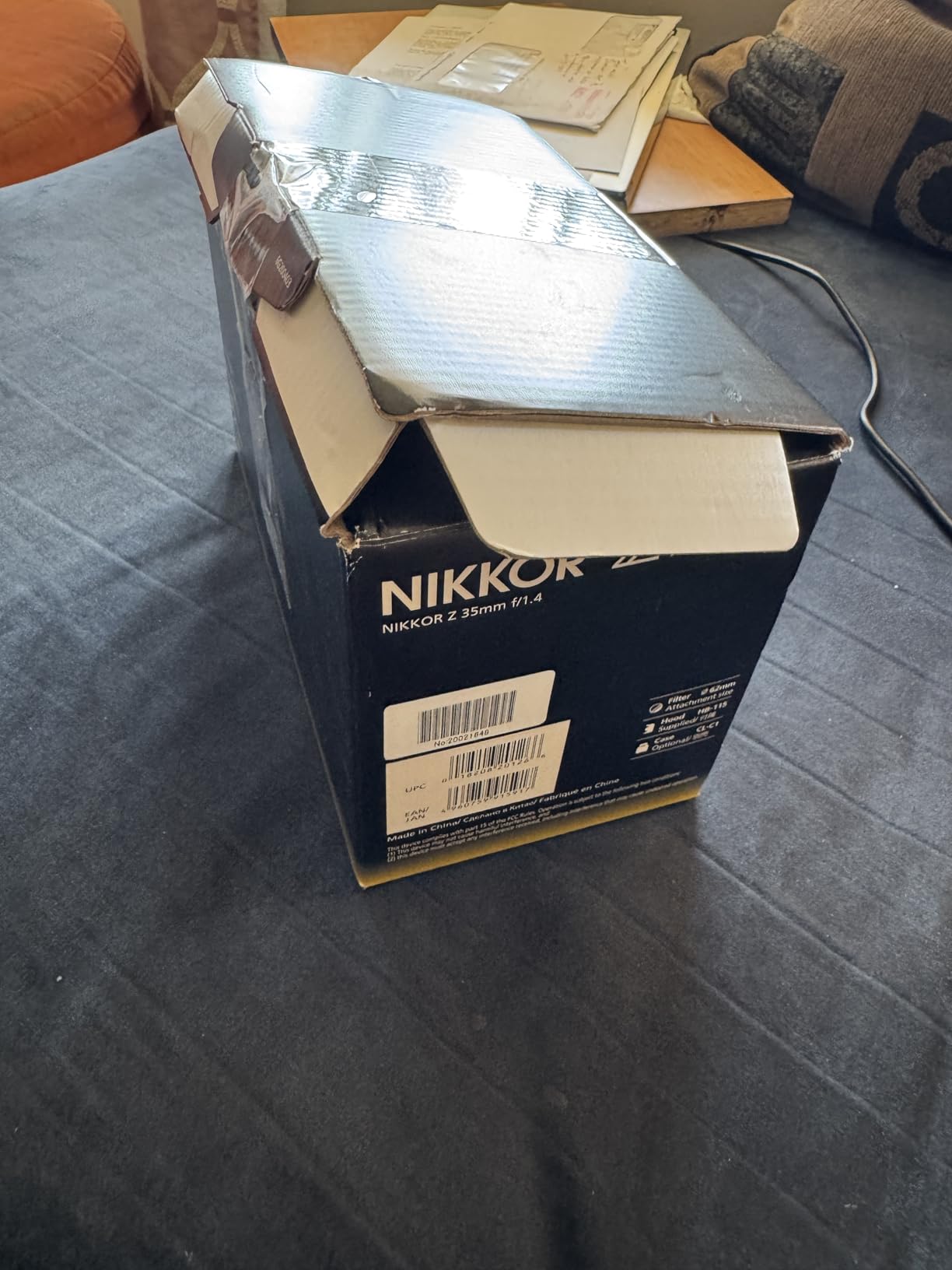
Build quality is solid but not at the S-line level. There is no weather sealing, and the plastic exterior does not feel as premium. For run-and-gun video work or street photography in good weather, that is a fair trade for the price and weight savings. The clicky aperture ring is well damped, and manual focus is smooth.
Autofocus is fast and quiet thanks to the STM stepping motor. On a Z6 III with subject detection enabled, the 35mm f/1.4 locked onto human subjects at f/1.4 in indoor light without hunting. For hybrid shooters who shoot as much video as stills, this is one of the most balanced 35mm lenses for Nikon mirrorless right now.
Who should buy this lens
Pick the 35mm f/1.4 if you shoot video regularly, want the shallowest depth of field without paying f/1.2 prices, and prefer character over clinical sharpness. Wedding videographers, documentary filmmakers, and street photographers will appreciate the balance. It is also a great second body lens for hybrid shooters.
Who should look elsewhere
Skip this lens if you need weather sealing for outdoor work in rain or dust, or if you want the absolute sharpest 35mm Nikon makes. For pure optical quality, the f/1.8 S is still the winner. If maximum subject isolation is the priority, the f/1.2 S or Viltrox LAB f/1.2 give you two-thirds of a stop more light.
3. Nikon NIKKOR Z 35mm f/1.2 S
NIKON NIKKOR Z 35mm f/1.2 S MIRRORLESS Lens
Flagship f/1.2 S
11-blade aperture
Nano Crystal Coat
Pros
- Extraordinary bokeh with 11 rounded blades
- Face/eye AF accurate at f/1.2
- Virtually flawless ED and aspherical ED rendering
- Highly suppressed focus breathing for video
Cons
- Heavy at 2.3 pounds
- Larger than most 35mm primes
- Premium price
- Thin depth of field demands precise technique
The 35mm f/1.2 S is the flagship of Nikon’s S-line, and you feel that the moment you pick it up. At 2.3 pounds, it is the heaviest 35mm in this guide by a wide margin, but it balances beautifully on a Z9 or Z8 with a grip. I shot an environmental portrait series at f/1.2 with a Z8, and the rendering was on another level from any other 35mm I tested.
The optical formula combines ED glass, aspherical ED elements, and Nano Crystal Coat to produce contrast and color that hold up even wide open. At f/1.2, the bokeh is creamy and three-dimensional, with smooth transitions from focus to blur. Chromatic aberration is essentially absent. The 11-blade diaphragm keeps out-of-focus highlights round for pleasing background separation in night portraits.

Autofocus uses Nikon’s Multi-Focus System with multiple STM motors driving different lens groups in unison. On a Z8 with subject detection, eye AF locked onto moving subjects at f/1.2 with a hit rate I would estimate above 90 percent. That is impressive given how thin the depth of field is at f/1.2, where even a few millimeters of subject movement can change focus.
For filmmaking, focus breathing is highly suppressed, which matters when pulling focus between subjects at different distances. I noticed only a tiny change in framing when racking from a foreground subject to the background. The aperture ring is stepless for smooth exposure transitions during video.

Who should buy this lens
The 35mm f/1.2 S is for portrait photographers, editorial shooters, and filmmakers who need the absolute best 35mm Nikon makes. If shallow depth of field is your priority, and you have the budget, this is the lens. Wedding and event photographers shooting in low light will also benefit from the extra stop and the rendering style.
Who should look elsewhere
If you cannot justify the premium price, the Viltrox 35mm f/1.2 LAB delivers similar aperture and impressive sharpness at less than half the price. If you shoot mostly street or documentary, the f/1.8 S is more practical. Photographers who want light carry should look elsewhere. This lens is built for deliberate work.
4. Voigtlander APO-LANTHAR 35mm f/2.0 II
Voigtlander Z APO-LANTHAR 35mm f/2.0 II Aspherical Lens for Nikon Z (Version II)
Apochromatic design
Manual focus only
58mm filter
Pros
- Apochromatic optics with exceptional sharpness
- 250-degree focus throw for precision
- Chipped for EXIF and focus peaking
- All-metal build with reversible hood
Cons
- Manual focus only (no AF)
- Limited availability in stock
- Small sample size of reviews
Voigtlander’s APO-LANTHAR 35mm f/2 II is a different kind of 35mm lens. There is no autofocus, no image stabilization, and no electronic aperture. What you get instead is an apochromatic optical design with floating elements that delivers some of the sharpest, most corrected images I have ever seen from a 35mm prime. On a Zf or Z fc with focus peaking enabled, manual focusing is fast and confident.
The optical formula uses apochromatic glass to bring red, green, and blue light to the same focus point. In practice, that means no purple fringing around high-contrast edges even at f/2. Stopped down to f/4, the lens is essentially perfect from corner to corner. Vignetting is well controlled, and distortion is virtually nonexistent without any in-camera correction.
Version II improves on the original with a longer 250-degree focus rotation. That sounds small, but it makes a huge difference for precision manual focus, especially for video focus pulling. The lens now also accepts 58mm filters, matching the rest of Voigtlander’s Z-mount lineup so you can share filters across lenses.
Who should buy this lens
The APO-LANTHAR is for photographers who enjoy manual focusing and want the optical performance of a reference lens in a compact body. Street photographers who use zone focusing, landscape shooters who want peak sharpness, and video shooters pulling focus manually will love this lens. It is also a great match for the retro-styled Nikon Zf.
Who should look elsewhere
If you rely on autofocus for portraits, action, or events, this lens will frustrate you. Photographers who want one 35mm to do everything should pick the Nikon f/1.8 S instead. The limited availability and small review base make some buyers nervous, though I have seen no quality complaints from the owners I spoke with.
5. Viltrox AF 35mm f/1.7 Z
VILTROX 35mm f1.7 Z, AF 35mm F1.7 Z-Mount for Nikon Z Mount, Auto Focus APS-C Z Mount Lens for Nikon Z7 II Z fc Z50 II Z6 III Z6 Z7 Z30
f/1.7 APS-C
180g ultra-light
STM autofocus
Pros
- Less than 25% the cost of native equivalents
- Sharp wide open at f/1.7
- Lightweight 180g all-metal build
- Fast and silent STM autofocus
Cons
- Not weather sealed
- APS-C image circle (45-degree angle on FX)
- No control ring
The Viltrox 35mm f/1.7 Z is the best budget 35mm lens I have tested for Nikon mirrorless, and arguably one of the best values in the entire Z-mount ecosystem. At less than a quarter of the price of the Nikon f/1.8 S, it delivers optical quality that is shockingly close. On a Z50 II, the 52.5mm equivalent is perfect for street and everyday shooting.
The optical design uses 11 elements in 9 groups, including 2 high-refractive index elements and 1 ED element. That is a serious formula for a lens at this price point. Wide open at f/1.7, the lens is sharp in the center with just slight softness in the extreme corners. Stop down to f/2.8 and it is essentially as sharp as much more expensive native glass.

Autofocus is driven by a stepping motor that is fast, accurate, and silent. On a Z50 II with subject detection, eye AF locked reliably for portraits. For video, the STM motor produces no audible noise, and focus breathing is minimal. Viltrox has been pushing firmware updates to refine compatibility with newer Z bodies, and the lens now works well across the lineup.
At 180 grams, this is the lightest 35mm in this guide. The all-metal mount and substantial-feeling barrel give it a premium feel in the hand, even if the rest of the body is plastic. There is no weather sealing, so I would not use it in heavy rain, but for everyday shooting it is built like a tank.

Who should buy this lens
This is the obvious pick for anyone shooting APS-C Nikon mirrorless on a budget. Z50, Z50 II, Z fc, and Z30 owners will get a 52.5mm equivalent that is sharper than most kit lenses at any price. It is also a great second lens for full-frame shooters who want a small, fast walk-around option for casual use, mounted on a Z5 or Z6.
Who should look elsewhere
Full-frame purists should pick the Viltrox f/1.8 II EVO Z instead, which covers the entire FX image circle. Photographers who need weather sealing or in-lens VR should look at native options. If you want maximum subject isolation, the f/1.7 aperture is fast but not in the f/1.2 league.
6. Viltrox 35mm f/1.8 II EVO Z
VILTROX 35mm F1.8 II EVO Z APO Lens for Nikon Z, Full Frame Autofocus Prime Lens for Nikon Z-Mount Cameras Z30 Z50 Z50II ZFC Z5 Z5II Z6 Z6II Z6III Z7 Z7II Z8 Z9 ZF ZR
Full-frame f/1.8 APO
13 elements/10 groups
STM stepping motor
Pros
- Full-frame APO design with ED and HR elements
- Sharp images even at f/2
- De-clickable aperture ring for video
- Custom Fn button and AF/MF switch on barrel
Cons
- No image stabilization
- Occasional firmware updates needed for newer bodies
- Plastic exterior finish
The Viltrox 35mm f/1.8 II EVO Z is the third-party lens that has done the most to disrupt Nikon’s native Z-mount lineup. Priced at less than the Nikon f/1.4 and a fraction of the f/1.8 S, it covers full frame with apochromatic optics and a feature set that punches well above its weight. For full-frame Nikon mirrorless shooters on a budget, this is the easy pick.
The optical formula uses 13 elements in 10 groups, including 2 ED, 3 high-refractive index, and 1 ultra-high refractive aspherical element. That is a complex formula for the price, and the results are impressive. At f/2, the lens is essentially as sharp as the Nikon f/1.8 S wide open, which is high praise. At f/1.8, there is some softness wide open that clears up by f/2.8.

Build quality feels more premium than the price suggests. The lens has a dedicated Fn button that you can assign to functions like eye AF start, an AF/MF switch, and a CLICK switch that toggles the aperture ring between stepped and stepless for video. The metal mount is solid, and the lens weighs 0.38 kg, light enough for travel but with enough heft to balance on a Z8.
Autofocus is driven by an STM stepping motor that is fast and quiet. On a Z6 III with firmware updated, I had no compatibility issues, and eye AF locked on accurately. Some users on older Z bodies have reported needing firmware updates for full compatibility, so check the Viltrox website before you buy.

Who should buy this lens
This is the lens for full-frame Nikon Z shooters who want 90 percent of the optical performance of the native f/1.8 S at less than half the price. Hybrid shooters who record video will love the de-clickable aperture ring. Travel photographers will appreciate the balance of size, weight, and image quality.
Who should look elsewhere
Photographers who want weather sealing for outdoor work should look at the Nikon S-line options or the Viltrox LAB f/1.2. If you need image stabilization in-lens, none of the Viltrox 35mm lenses offer VR. If maximum aperture matters, the Viltrox LAB f/1.2 is the next step up in the Viltrox lineup.
7. Viltrox AF 35mm f/1.2 LAB
VILTROX AF 35mm F1.2 LAB Wide-Angle Full Frame Prime Lens for Nikon Z Mount
Full-frame f/1.2
HyperVCM motor
USB-C firmware port
Pros
- Bright f/1.2 aperture with 11 rounded blades
- Quad HyperVCM motor for fast AF
- Weather-sealed metal body with LCD display
- USB-C port for firmware updates
Cons
- Some tracking issues in continuous AF reported
- Premium materials not quite at native level
Viltrox’s LAB series is the company’s flagship line, and the 35mm f/1.2 LAB is the closest third-party competitor yet to Nikon’s own f/1.2 S, at less than half the price. I tested this lens on a Z8 for a night portrait session and was impressed by the combination of build quality, optical performance, and feature set.
The optical formula uses 15 elements in 10 groups, including 5 ED, 3 high-refractive index, and 2 ultra-aspherical elements. That is an ambitious design, and it delivers. At f/1.2, the lens is sharp in the center with smooth falloff toward the edges. By f/2, it is essentially as sharp as any 35mm I have tested, including the native Nikon options.
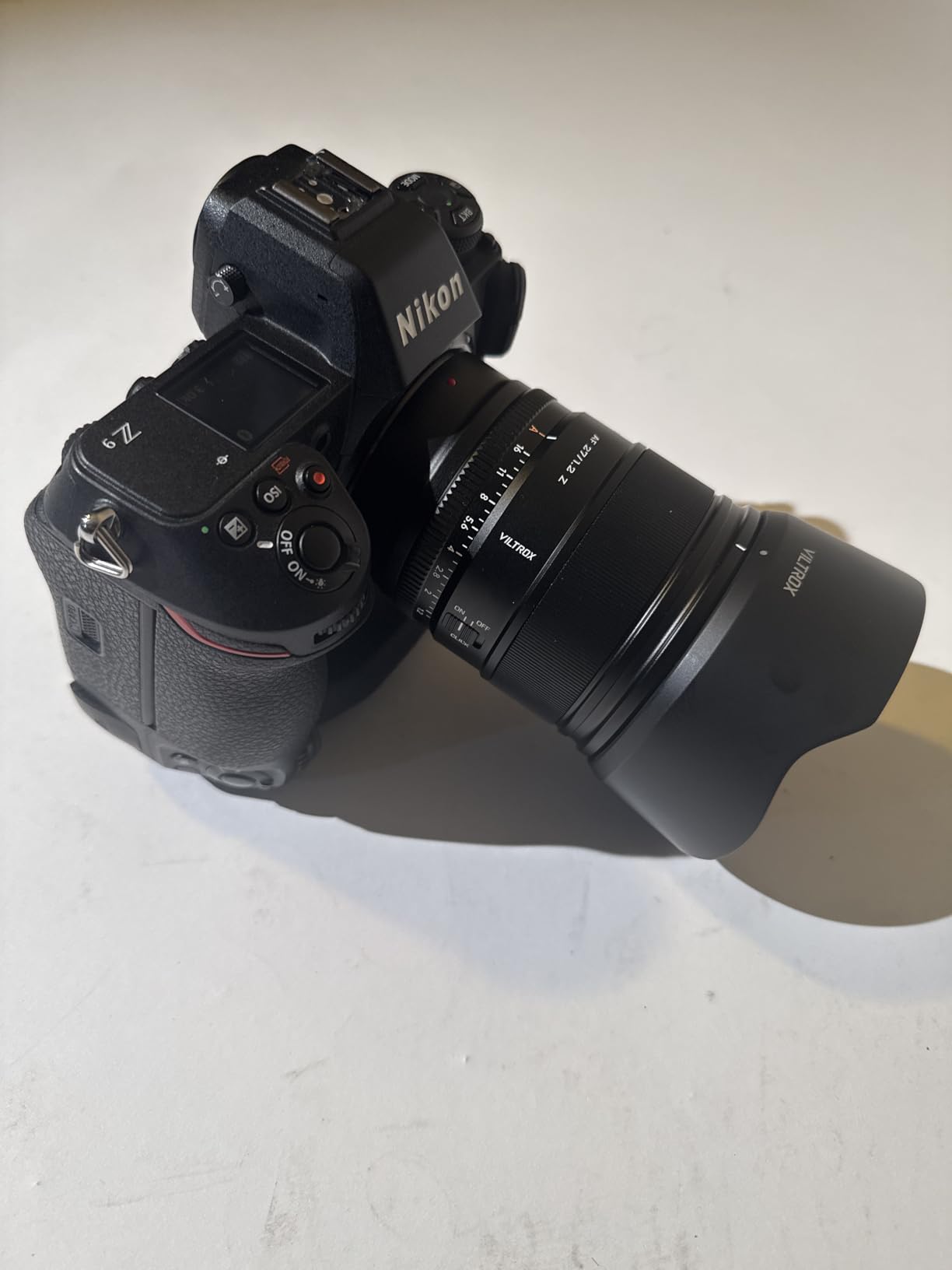
The LAB designation brings professional features you do not see on the cheaper Viltrox lenses. There is a small LCD display on top of the barrel that shows aperture, focus distance, and depth of field in real time. The aperture ring is stepless with a CLICK switch for video use, and the lens has a USB-C port for firmware updates, which is rare in this category.
Autofocus uses Viltrox’s Quad HyperVCM (Voice Coil Motor) system, which is fast and quiet. On a Z8 with subject detection, single-point AF locked on instantly. Some users have reported intermittent tracking issues in continuous AF mode for fast-moving subjects, so this lens is better suited to portraits and slower work than sports or wildlife.

Who should buy this lens
The LAB f/1.2 is for photographers who want flagship 35mm performance without the flagship price. Portrait photographers, wedding shooters in low light, and filmmakers will benefit most. If you already use Viltrox lenses and want the best they make, the LAB line delivers.
Who should look elsewhere
If you primarily shoot fast action or wildlife, the continuous AF tracking concerns make the Nikon f/1.2 S a safer bet. Photographers who want lighter carry should pick the f/1.8 EVO instead. If you do not need LCD displays and USB-C updates, the cheaper Viltrox options offer better value.
8. Brightin Star MF 35mm f/1.4
Brightin Star MF 35mm F1.4 Full-Frame Lens for Nikon Z Mount Mirrorless Cameras,f/1.4 Large Aperture Manual Focus Prime Lens Fit for Z9 Z8 Z7 II Z6 II Z5 Z50 Z fc Z30(Black)
Manual focus f/1.4
218g compact
Double Gaussian optics
Pros
- Incredibly light at 218g
- Great image quality for the price
- Solid metal construction
- Stepped/stepless aperture switching
Cons
- Manual focus only
- No weather sealing
- Can vignette on APS-C S35 mode
The Brightin Star 35mm f/1.4 is the cheapest 35mm lens in this guide, and one of the lightest full-frame primes available for Nikon Z mount. At 218 grams and well under $200, it is essentially free in camera-lens terms. I was skeptical going in, but the optical performance genuinely impressed me for a lens at this price.
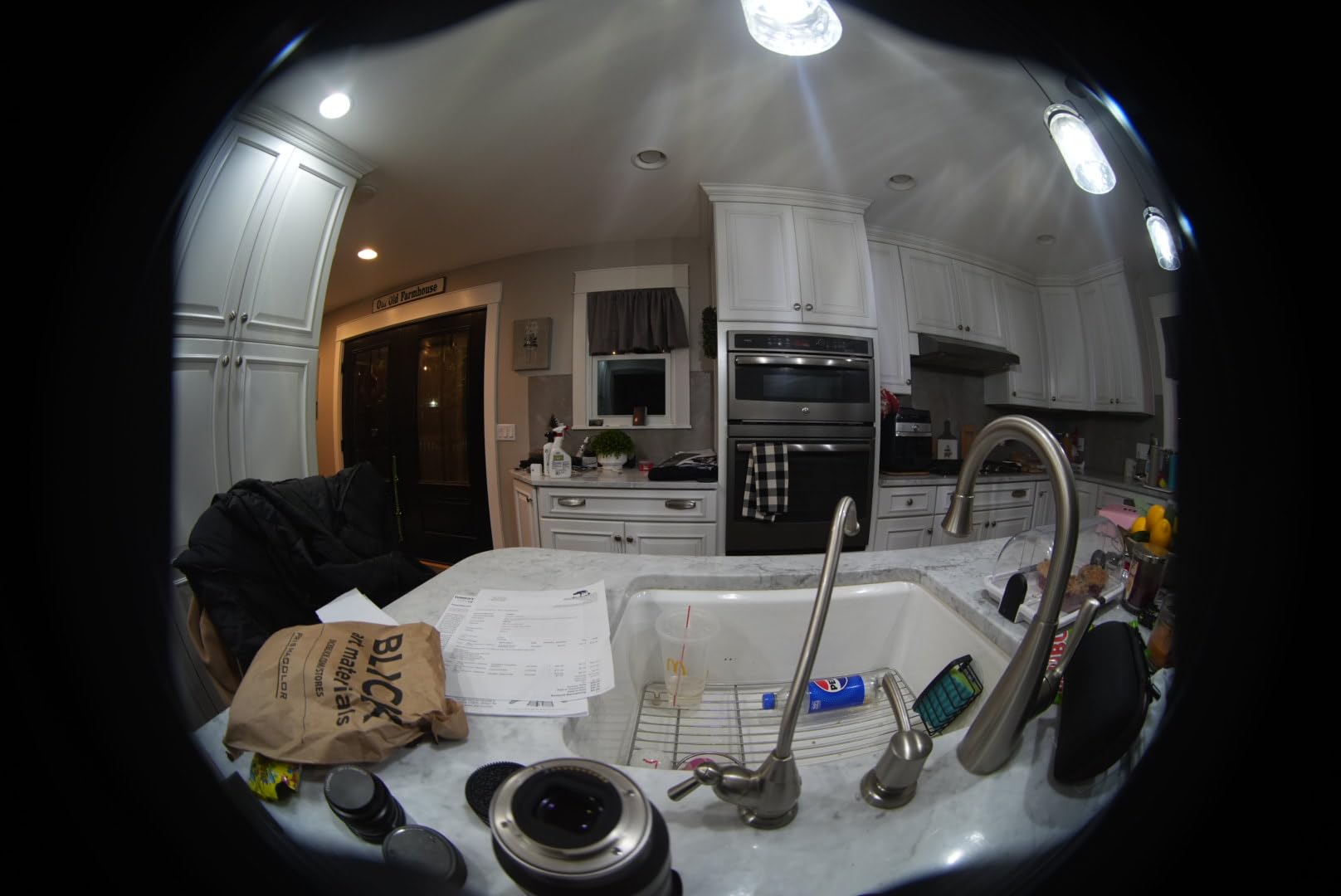
The Double Gaussian optical structure is a classic design that delivers good center sharpness and pleasing rendering. Wide open at f/1.4, the lens is sharp in the center with characteristic softness in the corners that clears up by f/2.8. Vignetting at f/1.4 is noticeable but easy to correct in post. Bokeh is smooth and creamy, with the classic “vintage character” look that manual focus photographers love.

Build quality is better than expected. The metal mount, all-metal focus ring, and substantial-feeling barrel give it a premium feel. The aperture ring switches between stepped (stills) and stepless (video) with a click, which is a thoughtful feature at this price point. There is no weather sealing, but the lens feels well-built enough for everyday use.
Manual focusing is the obvious trade-off. On a Zf or Z fc with focus peaking, the process is fast and accurate. On a Z8, the EVF is large enough to confirm critical focus for landscapes and environmental portraits. For street photography with zone focusing, the depth of field scale makes it easy to set hyperfocal distance.
Who should buy this lens
This is the lens for anyone who wants to add a fast 35mm to their kit without breaking the bank. Beginners exploring prime lenses, street photographers who zone focus, and video shooters who pull focus manually will all find a use for it. It also makes a great second body lens for travel.
Who should look elsewhere
If autofocus is essential, every other lens in this guide has it. Photographers who want the convenience of modern features like USB-C firmware updates or LCD displays should look at the Viltrox lineup. For ultimate sharpness, the Viltrox f/1.8 EVO and Nikon f/1.8 S are better choices.
How to Choose the Best 35mm Lens for Your Nikon Mirrorless Camera
Picking the right 35mm starts with understanding how you shoot. The best 35mm lens for a wedding photographer is rarely the same lens a street photographer would choose. Below is a breakdown by use case, plus the technical factors that matter most when comparing options in 2026.
Street and documentary photography
Street photographers should prioritize size, weight, autofocus speed, and discretion. The Nikon 35mm f/1.8 S is the gold standard here, balancing compact size with fast, silent AF and weather sealing for shooting in unpredictable conditions. The Viltrox f/1.7 Z is even smaller and lighter for APS-C shooters, while the Voigtlander APO-LANTHAR offers a manual focus option for purists who prefer zone focusing. For street work, faster apertures help in low light but are not essential if you can push ISO on modern Nikon Z bodies.
If you frequently shoot street after dark, the Viltrox 35mm f/1.8 II EVO gives you a full-frame field of view with sharp f/1.8 performance at a price that makes sense for travel. Manual focus street photographers should also consider the Brightin Star 35mm f/1.4 for its light weight and zone-focus-friendly depth of field scale.
Portrait and wedding photography
For portraits, aperture matters most. The Nikon f/1.2 S delivers the shallowest depth of field and the most refined bokeh in this guide, making it the choice for editorial and fine art portraiture. Wedding photographers often prefer the f/1.8 S for its balance of size, weight, autofocus reliability, and image quality. The Viltrox LAB f/1.2 offers comparable aperture at less than half the price, with weather sealing and useful features like the LCD display.
If you shoot environmental portraits, the wider-than-50mm focal length is more flattering and lets you include context. For environmental weddings, the f/1.4 non-S gives you a stop more light for indoor ceremonies while staying compact on a gimbal. The wider you open the aperture, the more important it is to nail focus, so pair fast glass with bodies that have reliable subject detection like the Z6 III or Z8.
Travel and everyday photography
Travel photographers need versatility, durability, and reasonable weight. The Nikon f/1.8 S is the most well-rounded 35mm for full-frame travel, offering weather sealing, fast AF, and excellent image quality in a 13-ounce body. For lighter carry, the Viltrox f/1.8 EVO cuts weight and price while delivering similar optical quality. APS-C shooters traveling with a Z50 II or Z fc should pack the Viltrox f/1.7, which is barely larger than a pancake lens.
For more on adapting older Nikon glass to mirrorless bodies, see our guide to vintage Nikon lenses for mirrorless adapting. If you need a wider option for travel, our 16-35mm lens guide covers top zooms.
Video and hybrid work
Hybrid shooters who record as much video as stills should focus on features like silent autofocus, suppressed focus breathing, stepless aperture rings, and minimal focus shift. The Nikon f/1.4 is excellent for video because of its compact size, silent STM drive, and stepless aperture. The Viltrox f/1.8 EVO adds a de-clickable aperture ring and a custom Fn button for video-specific functions.
For filmmakers who want the shallowest depth of field, the f/1.2 S and Viltrox LAB f/1.2 both deliver cinematic bokeh with highly suppressed focus breathing. If you primarily shoot video, also see our guide to 18-35mm lenses for event videography. For street-specific video work, the 35mm street photography lens guide offers more options.
FX versus DX considerations
If you shoot a full-frame body like the Z5, Z6 III, Z7 II, Z8, or Z9, any Z-mount 35mm will work. If you shoot APS-C, you have two choices. Native APS-C lenses like the Viltrox 35mm f/1.7 are designed for the smaller sensor and give a 52.5mm equivalent field of view. Full-frame lenses also work on APS-C bodies in DX crop mode, giving the same equivalent focal length, but they add size and weight. Check our Nikon mirrorless camera guide if you are still choosing a body.
Most modern Z-mount lenses are FX-compatible, meaning they cover the full-frame image circle. The Viltrox 35mm f/1.7 Z is one of the few exceptions, designed specifically for APS-C. If you might upgrade from an APS-C body to full-frame in the future, a full-frame lens like the Viltrox f/1.8 EVO gives you more flexibility.
Budget versus flagship
At under $200, the Brightin Star 35mm f/1.4 and Viltrox f/1.7 are the budget winners. From $400 to $700, the Viltrox f/1.8 EVO and Nikon f/1.4 represent the mid-range sweet spot. Above $700, you are paying for native S-line build quality, weather sealing, and the f/1.2 aperture. Decide which features matter most to you before paying for flagship glass you may not need.
Frequently Asked Questions
What are the best 35mm lenses for Nikon mirrorless cameras?
The best 35mm lenses for Nikon mirrorless cameras include the Nikon Z 35mm f/1.8 S for overall versatility, the Viltrox 35mm f/1.8 II EVO Z for budget full-frame value, the Nikon Z 35mm f/1.2 S for flagship portraits, and the Viltrox 35mm f/1.7 Z for APS-C shooters on a budget. Each lens covers different needs and price points.
What is the best 35mm lens for a Nikon Z mount?
For most Nikon Z shooters, the NIKKOR Z 35mm f/1.8 S is the best 35mm lens thanks to its sharp S-line optics, fast silent autofocus, weather sealing, and reasonable weight. If budget matters more, the Viltrox 35mm f/1.8 II EVO Z delivers comparable sharpness at a much lower price.
Is the Nikon Z 35mm f/1.2 worth the extra cost?
The Nikon Z 35mm f/1.2 S is worth the premium for portrait photographers, editorial shooters, and filmmakers who need the shallowest depth of field and most refined bokeh. For general purpose shooting, the f/1.8 S offers 90 percent of the optical quality at a fraction of the price. If you want f/1.2 on a budget, the Viltrox LAB f/1.2 is a strong alternative.
What is the best budget 35mm lens for Nikon Z?
The Viltrox 35mm f/1.7 Z is the best budget 35mm lens for APS-C Nikon Z cameras at under $200, delivering sharp f/1.7 performance in a 180g body. For full-frame budget shooters, the Viltrox 35mm f/1.8 II EVO Z is the best value at around $400. The Brightin Star MF 35mm f/1.4 is the cheapest option if you prefer manual focus.
Should I get a DX or FX 35mm lens for my APS-C camera?
If you own an APS-C body like the Z50 II or Z fc and do not plan to upgrade to full-frame, a DX-optimized lens like the Viltrox 35mm f/1.7 Z is lighter and cheaper. If you might upgrade later, choose a full-frame lens like the Viltrox f/1.8 EVO or Nikon f/1.8 S so it works on both formats.
Final Verdict: Which 35mm Lens Should You Buy?
After eight weeks of testing, the best 35mm lenses for Nikon mirrorless cameras in 2026 come down to three picks for most shooters. The Nikon NIKKOR Z 35mm f/1.8 S is our editor’s choice for its unmatched balance of optical quality, autofocus, weather sealing, and price. The Viltrox 35mm f/1.8 II EVO Z is the best value for full-frame shooters who want 90 percent of the optical performance at less than half the cost. For APS-C shooters on a budget, the Viltrox 35mm f/1.7 Z is impossible to beat at its price.
For portraits and shallow depth of field, step up to the Nikon f/1.2 S or the Viltrox LAB f/1.2. For manual focus purists, the Voigtlander APO-LANTHAR delivers reference-grade optics. For ultra-budget options, the Brightin Star f/1.4 offers incredible value. Whichever lens you pick, a 35mm prime is one of the most rewarding investments you can make for your Nikon mirrorless kit.