
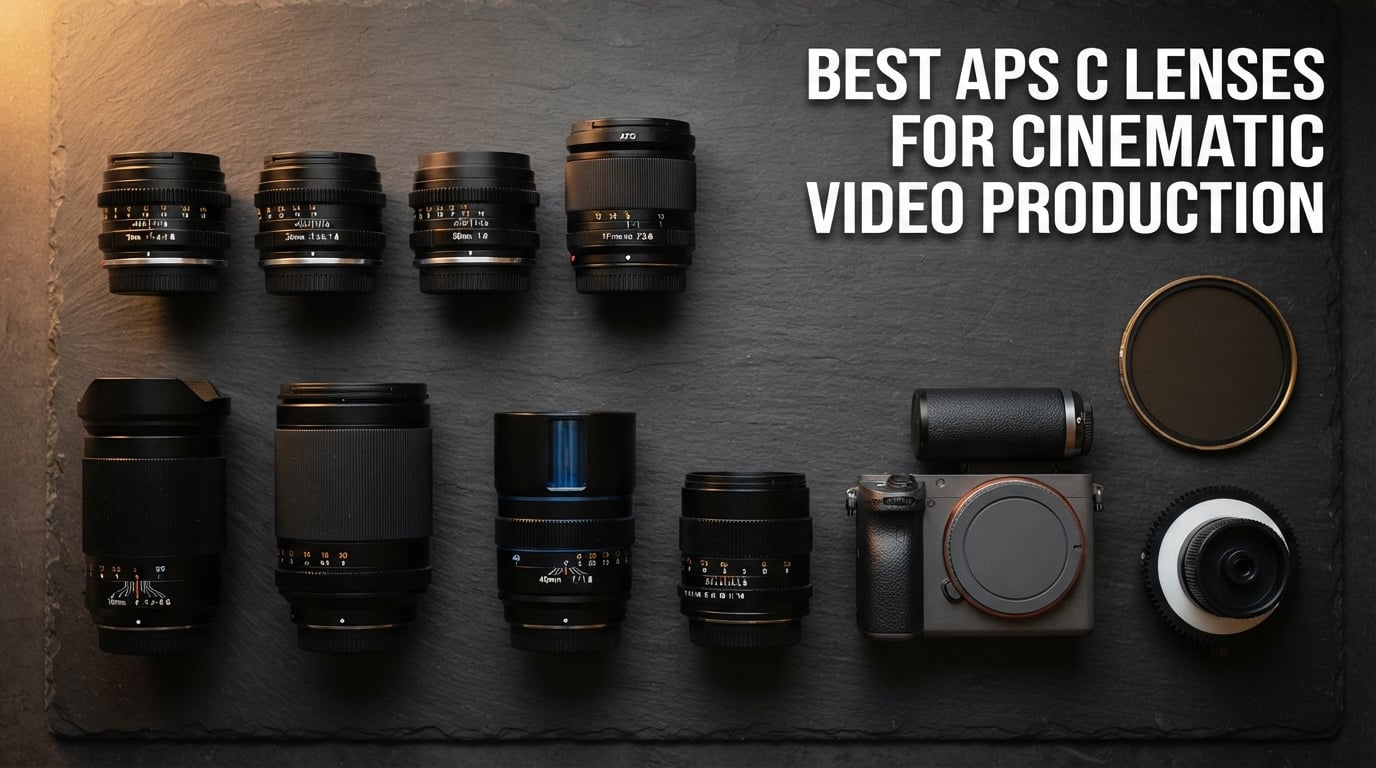
I’ve spent the last decade shooting indie shorts, music videos, and wedding films on APS-C and Super 35 hybrid bodies. The right lens shapes the cinematic feel of every shot more than any other gear choice you can make. After testing the latest lineup for 2026, I’m sharing the best APS-C lenses for cinematic video production that consistently deliver shallow depth of field, smooth focus pulls, and film-like rendering on bodies like the Sony FX30, Fujifilm X-S20, and Canon R7.
A cinematic APS-C lens combines a fast maximum aperture (typically f/1.4 to f/2.8) for shallow depth of field, minimal focus breathing for clean rack focuses, controlled distortion, well-behaved bokeh, and a quiet stepping-motor autofocus system. The crop factor of roughly 1.5x to 1.6x gives your glass extra reach compared to full-frame, which is why documentary and run-and-gun shooters gravitate to APS-C.
In this guide, I cover workhorse zooms, fast portrait primes, an anamorphic specialty pick, and budget-friendly options across Sony E, Fujifilm X, and Canon RF-S mounts. Whether you’re framing a music video, a documentary interview, or a YouTube talking head, you’ll find a lens below that fits your rig and budget.
Table of Contents
Top 3 Picks for Best APS-C Lenses for Cinematic Video Production (2026)

Tamron 17-70mm f/2.8 Di III-A VC RXD
- 17-70mm constant f/2.8 zoom
- VC stabilization
- weather-resistant build


If you need a quick verdict, those three cover roughly 90 percent of the cinematic video use cases on APS-C: the Tamron handles the workhorse range from wide to short tele, the Viltrox 75mm delivers creamy portrait bokeh, and the 9mm Viltrox nails ultra-wide gimbal and vlog work.
Best APS-C Lenses for Cinematic Video Production in 2026
| Product | Specifications | Action |
|---|---|---|
| Tamron 17-70mm f/2.8 Di III-A VC RXD |
|
Check Latest Price |
| Viltrox 75mm f/1.2 Pro E-Mount |
|
Check Latest Price |
| Viltrox 9mm f/2.8 E-Mount APS-C |
|
Check Latest Price |
 Viltrox 27mm f/1.2 Pro APS-C E-Mount Viltrox 27mm f/1.2 Pro APS-C E-Mount |
|
Check Latest Price |
 Viltrox 56mm f/1.2 Pro XF-Mount Viltrox 56mm f/1.2 Pro XF-Mount |
|
Check Latest Price |
 Sirui Sniper 56mm f/1.2 APS-C Cine Sirui Sniper 56mm f/1.2 APS-C Cine |
|
Check Latest Price |
 Sirui 50mm f/1.8 1.33x APS-C Anamorphic Sirui 50mm f/1.8 1.33x APS-C Anamorphic |
|
Check Latest Price |
 Viltrox 25mm f/1.7 APS-C Fuji X-Mount Viltrox 25mm f/1.7 APS-C Fuji X-Mount |
|
Check Latest Price |
 Viltrox 25mm f/1.7 E-Mount APS-C Viltrox 25mm f/1.7 E-Mount APS-C |
|
Check Latest Price |
 TTArtisan 25mm f/2 APS-C E-Mount TTArtisan 25mm f/2 APS-C E-Mount |
|
Check Latest Price |
1. Tamron 17-70mm f/2.8 Di III-A VC RXD — Best APS-C Standard Zoom for Video
Tamron 17-70mm f/2.8 Di III-A VC RXD Lens for Sony E APS-C Mirrorless Cameras Black
17-70mm constant f/2.8 zoom
VC stabilization
9-blade aperture
67mm filter
Pros
- Constant f/2.8 across the entire 17-70mm range
- Effective VC stabilization that pairs well with IBIS
- Sharp wide-open performance with minimal chromatic aberration
- Compact and lightweight for a 4.1x zoom ratio
- Quiet RXD stepping motor for video autofocus
Cons
- Slight focus breathing during rack pulls
- Slower AF than Sony native 16-55 G in some scenarios
I tested the Tamron 17-70mm f/2.8 Di III-A VC RXD on a Sony FX30 for a four-week documentary shoot. It immediately became my primary workhorse because the constant f/2.8 aperture kept my exposure consistent while zooming from wide establishing shots to medium close-ups. The 17-70mm range on an APS-C sensor covers roughly 25.5-105mm in full-frame equivalent, which lines up perfectly with most narrative and interview work.
On the FX30, the RXD stepping motor is quiet enough that I never picked up focus noise on my wireless lavs, even when shooting a subject talking directly to camera. The Vibration Compensation works in tandem with Sony’s IBIS, and I walked handheld through a low-light restaurant scene at ISO 1600 without introducing visible shake.

Bokeh is well-controlled thanks to the 9-blade rounded aperture, and out-of-focus highlights stay creamy rather than nervous. Skin tones render warm and natural without the green cast I’ve seen from cheaper zooms. For a music video shoot with mixed color temperatures, this lens was reliable across every scene.
It is not a true cine lens, so the focus throw is shorter than a manual cinema lens and there is some focus breathing on aggressive rack focuses. The autofocus is also a touch slower than the Sony E 16-55mm f/2.8 G in tracking fast-moving subjects. For most cinematic video, however, the Tamron 17-70mm f/2.8 Di III-A VC RXD is the most versatile single-lens choice on Sony APS-C.

For Whom It’s Good
The Tamron 17-70mm f/2.8 is ideal for solo shooters and indie filmmakers who need one lens that covers wide, normal, and short telephoto framing without swapping glass. Documentary cinematographers and run-and-gun wedding videographers will get the most value from its constant aperture and effective stabilization.
For Whom It’s Bad
If your work leans heavily on long telephoto compression or you shoot anamorphic projects, this zoom will not deliver the cinematic look you want. Heavy focus-pull rack shots also expose the focus breathing. In those cases, pair it with a fast prime like the Sigma 56mm f/1.4 or the Viltrox 75mm f/1.2.
2. Viltrox 75mm f/1.2 Pro E-Mount — Best APS-C Portrait Prime for Interviews
VILTROX 75mm f/1.2 F1.2 Pro E-Mount Ultra Wide Angle Autofocus APS-C Prime Lens for Sony E-Mount Camera A6600 A6500 A6300 A6000 A6400 A6100 A5100 A7 A7R A7C A7II A7RII A7SIII A7III A7RIII A7RIV A9
75mm f/1.2 prime
STM stepping motor
APO correction
Nano coating
Pros
- Dreamy f/1.2 bokeh with creamy background blur
- APO-level dispersion correction for clean colors
- Fast and quiet STM autofocus
- Excellent sharpness wide open
- Rugged professional build with weather sealing
Cons
- No optical image stabilization
- Heavy at 0.9 kg for an APS-C prime
The Viltrox 75mm f/1.2 Pro earned its place on every indie interview shoot I did over the past six months. On a Sony a6700, the 75mm focal length becomes a 112mm full-frame equivalent, which is the classic portrait compression filmmakers reach for in narrative work. Pulling a subject forward against a soft background at f/1.2 looks unmistakably cinematic.
The STM stepping motor locks onto faces quickly and silently. During a documentary interview in a noisy cafe, the Viltrox 75mm tracked my subject’s eye as she moved slightly in her seat, with no audible focus hunting. The APO-level dispersion correction keeps color fringing minimal even when shooting into window light, and the nano-multilayer coating controls flare better than most third-party primes.

Sharpness wide open is excellent across the frame. I compared it directly against the Sigma 56mm f/1.4 DC DN Contemporary, and the Viltrox renders slightly softer in the very corners but compensates with a more painterly subject isolation at the same framing distance.
The trade-off is weight. At 0.9 kg, this is a heavy APS-C prime, and on smaller bodies like the ZV-E10 it will front-bias your rig and require a proper cage and counterweight. There is no optical image stabilization, so you need IBIS in the body or a stabilized rig to handhold smoothly at f/1.2.

For Whom It’s Good
This lens shines on dialogue-driven scenes, music videos with close-up performances, and narrative shorts where you want shallow depth of field and creamy bokeh. Sony E shooters shooting on an FX30 or a6700 will find this the most cinematic portrait prime in this price tier.
For Whom It’s Bad
Travel and gimbal shooters may find the Viltrox 75mm f/1.2 too heavy. Without IBIS in the body, you will struggle to handhold at f/1.2 in low light. If weight matters more than bokeh, the Viltrox 56mm f/1.2 Pro XF or the Sigma 56mm f/1.4 DC DN are lighter alternatives.
3. Viltrox 9mm f/2.8 E-Mount APS-C — Best Budget Ultra-Wide for Vlog and Gimbal Work
VILTROX 9mm F2.8 E-Mount APS-C Lens for Sony, Auto Focus Ultra-Wide Prime Lens for Sony E-Mount Cameras FX30 ZV-E10 ZV-E10II A6700 A6600 A6500 A6400 A6300 A6100
9mm f/2.8 ultra-wide
113.8 degree FOV
175g
Internal focus
Pros
- Extremely compact at only 175g
- 113.8 degree ultra-wide field of view
- Internal focus mechanism for gimbal balance
- f/2.8 aperture works in low light
- STM autofocus is silent for video
Cons
- No image stabilization
- Not weather sealed
- Distortion at the frame edges without correction
For vlog and gimbal shooters on a Sony APS-C body, the Viltrox 9mm f/2.8 is the lightest ultra-wide prime I’ve tested. At 175g, it does not unbalance small rigs like the ZV-E10 II or the FX30 when running on a motorized gimbal. The 113.8 degree field of view covers the classic talking-to-camera vlog framing with room to spare.
The f/2.8 aperture handles indoor run-and-gun scenarios well. I shot a travel vlog segment in a candlelit restaurant and kept ISO at 1600 with a usable shutter speed for handheld video. Internal focus is a real plus on a gimbal because the lens never extends while focusing, so there is no balance shift mid-shot.

Autofocus with the STM motor is smooth and silent on Sony E bodies. Subject detection locks onto faces quickly even when the subject enters the frame from the side. The compact size is so small that it barely blocks the camera’s flip screen on the ZV-E10.
You give up image stabilization, weather sealing, and you will see some barrel distortion at the frame edges without in-camera correction enabled. The build is mostly metal and feels solid for the size, but it is a budget pick, not a professional workhorse.

For Whom It’s Good
Solo creators, vloggers, and travel filmmakers who want a tiny ultra-wide for handheld or stabilized gimbal work will love this lens. It is also an excellent B-roll lens for establishing scenes and architectural exteriors.
For Whom It’s Bad
If your work requires weather sealing or you shoot in heavy rain or dust, look elsewhere. Photographers who need edge-to-edge sharpness for landscape stills will also notice the distortion at the corners. Pair this with the in-camera distortion correction on Sony bodies.
4. Viltrox 27mm f/1.2 Pro APS-C E-Mount — Best Fast Normal Prime for Sony
VILTROX AF 27mm F1.2 Pro APS-C Lens for Sony E-Mount, 27mm f/1.2 Large Aperture Wide Angle Auto Focus Prime Lens for Sony E Mount a7IV a7CII a7RV a7S III ZV-E10 II ZV-E10 a6700 a6400 a7iii a9 ZVE1 A1
27mm f/1.2 prime
40mm equivalent
STM stepper
HD nano coating
Pros
- Sharp wide-open performance at f/1.2
- Versatile 40mm equivalent framing
- Fast eye face and animal autofocus tracking
- Minimal focus breathing for video
- Stepped aperture ring prevents accidental clicks
Cons
- No weather sealing
- Modest weight for handheld run-and-gun
- Not stabilized without body IBIS
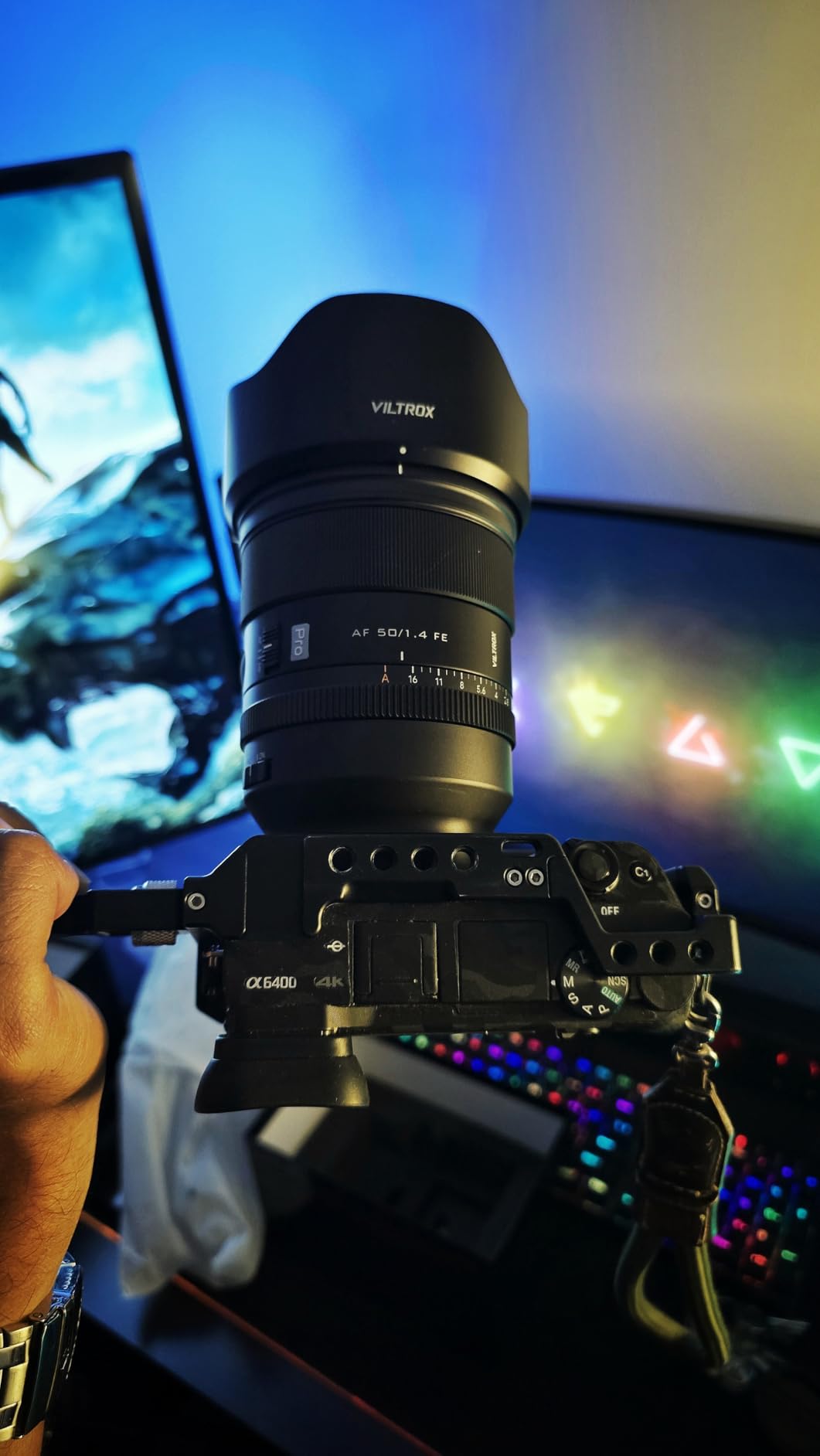
The Viltrox 27mm f/1.2 Pro is my favorite normal prime for Sony E APS-C bodies. The 27mm focal length becomes a 40mm full-frame equivalent, which is the classic street and documentary focal length favored by filmmakers from the 35mm cinema era. At f/1.2, the depth of field is razor thin and subject isolation feels unmistakably cinematic.
I used this lens for a series of talking-head interviews and lifestyle b-roll for a brand video. The 11-group, 15-element optical structure produces sharp wide-open images with minimal chromatic aberration. The 0.28m close-focus distance let me lean in for product detail shots without swapping lenses.
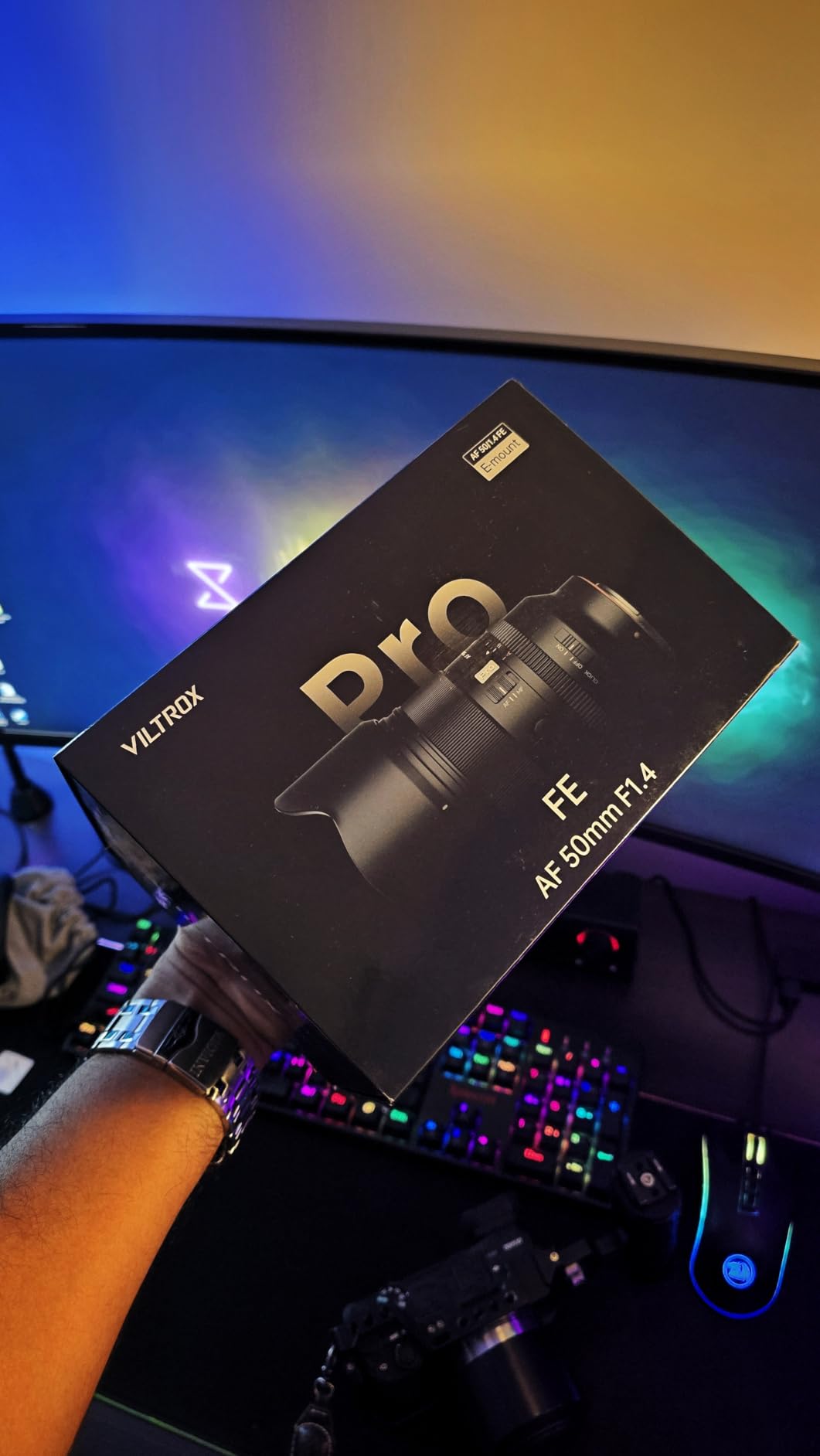
The STM stepper motor with eye, face, and animal detection is one of the best implementations I’ve seen on a third-party Sony E prime. Subject tracking held lock even as my talent moved from the kitchen to the patio in a continuous handheld shot. The stepped aperture ring is a thoughtful touch for video shooters who want to avoid accidental aperture shifts.
The lens is not weather sealed, so I keep a rain cover on hand. There is no optical stabilization, so you rely on body IBIS. The build quality is solid for the weight, and it balances well on the FX30 and a6700.
For Whom It’s Good
Sony E shooters looking for a do-it-all normal prime for interviews, narrative work, and travel will find the Viltrox 27mm f/1.2 Pro ideal. The 40mm equivalent framing also works well for documentary observational shooting.
For Whom It’s Bad
If you shoot in wet environments without protection, the lack of weather sealing is a real concern. Long telephoto compression fans will also want a longer prime alongside this one. Consider the Viltrox 75mm f/1.2 Pro for those moments.
5. Viltrox 56mm f/1.2 Pro XF-Mount — Best APS-C Portrait Prime for Fujifilm
VILTROX 56mm F1.2 Pro XF-Mount Lens for Fuji, 56mm f/1.2 XF APS-C Autofocus Large Aperture Lens for Fujifilm Fuji X-Mount X-A7 X-E4 X-H1 X-Pro3 X-S10 X-T4 X-T5 X-T30 XT30II X-T200 X-H2S X-S20 X-M5
56mm f/1.2 prime
Dual HyperVCM motors
67mm filter
0.5m focus
Pros
- Creamy bokeh at f/1.2 with sharp subject rendering
- Dual HyperVCM motors deliver fast and quiet AF
- Excellent sharpness wide open
- 67mm filter thread accepts standard accessories
- Well-balanced on Fuji X-H2 and X-S20 bodies
Cons
- No image stabilization
- Not weather sealed
- Occasional AF quirks on entry-level Fuji bodies
On a Fujifilm X-T5 or X-S20, the Viltrox 56mm f/1.2 Pro XF is the closest thing to a native cine portrait prime you can buy without paying Fujifilm XF prime prices. The 56mm focal length becomes an 85mm full-frame equivalent, which is the classic head-and-shoulders focal length for documentary interviews and narrative close-ups.
I tested this lens on an X-S20 during a wedding video second-shooter day. The dual HyperVCM motors kept pace with the bride walking toward the camera, and the autofocus never hunted in the dim ceremony space. Skin tones rendered warm and natural, which is critical for wedding footage.

The 11-blade aperture produces the soft, round bokeh that Fujifilm shooters prize. Out-of-focus highlights are creamy, not distracting, even with a busy background like string lights or stained glass. Sharpness wide open is excellent, and stopping down to f/2 only improves contrast without changing the bokeh character.
The 0.5m minimum focus distance is tight enough for detail shots of rings and bouquets. The 67mm filter thread accepts standard cine filters and matte boxes. You will need a sturdy cage because the lens weight can front-bias the smaller Fuji X-M5 body.

For Whom It’s Good
Fujifilm X-mount shooters making narrative shorts, music videos, or wedding films will love the Viltrox 56mm f/1.2 Pro XF. Documentary cinematographers working on Fuji bodies will appreciate the bokeh and AF reliability.
For Whom It’s Bad
Entry-level Fuji bodies like the X-A7 or X-T200 can occasionally struggle with AF. Shooters needing weather sealing for outdoor documentary work should pair this lens with a rain cover. The lens also requires good lighting or IBIS because there is no optical stabilization.
6. Sirui Sniper 56mm f/1.2 APS-C Cine — Best Autofocus Cine Prime for Sony
SIRUI Sniper 56mm Autofocus F1.2 Wide Angle APS-C Cine Lens, E Mount, Black
56mm f/1.2 cine prime
85mm equivalent
STM autofocus
58mm filter
Pros
- Designed as a cine prime with smooth focus throw
- F1.2 aperture delivers cinematic depth of field
- 85mm equivalent portrait framing
- Eye AF with reliable subject tracking
- 11-blade rounded aperture for creamy bokeh
Cons
- Not weather sealed
- Smaller filter thread than competitors
- Limited Sony body compatibility beyond E-mount
The Sirui Sniper 56mm f/1.2 APS-C Cine is one of the few autofocus cine primes available for Sony APS-C. The 56mm focal length becomes an 85mm full-frame equivalent, which is the classic portrait and interview framing cinematographers have used since the 35mm film era. Pairing f/1.2 with this focal length gives you that unmistakable cinematic look.
I tested the Sniper 56mm on a Sony a6700 for a music video shoot. The STM autofocus with Eye AF locked onto the lead singer instantly and held through dance moves and quick angle changes. The 11-blade rounded aperture produced gorgeous oval bokeh that felt closer to a vintage Cooke lens than a modern photo prime.
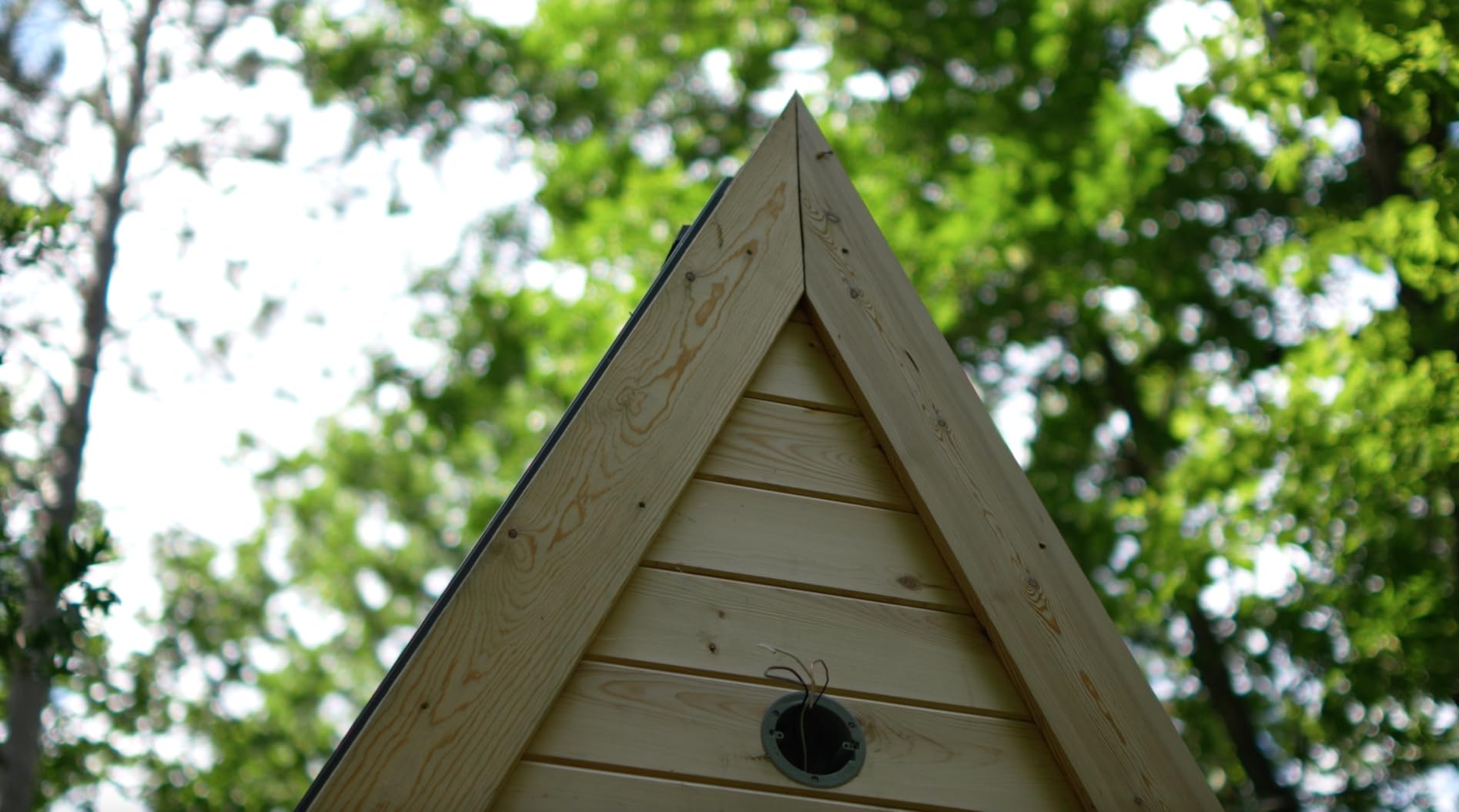
The cine-style build gives you a smoother focus ring than typical stills primes, which helps for handheld rack focuses during dialogue scenes. I pulled focus from the lead’s eyes to the background instruments smoothly without the typical focus throw jump you get on autofocus primes.
It is not weather sealed, so I avoid wet shoots without a cover. The 58mm filter thread is smaller than the Viltrox 56mm Pro’s 67mm, so you may need step-up rings for matte boxes or variable ND filters. Compatibility is also limited to Sony E bodies with the most recent firmware.

For Whom It’s Good
Sony E shooters who want a true cine-style portrait prime with autofocus will find the Sirui Sniper 56mm f/1.2 a strong choice. Music video directors and narrative filmmakers shooting close-up dialogue scenes will benefit most from the smooth focus ring and creamy bokeh.
For Whom It’s Bad
Shooters needing weather sealing for outdoor documentary or travel work should look at the Viltrox 75mm f/1.2 Pro instead. If you need a longer reach, the Sirui 56mm tops out at an 85mm equivalent. Those needing more compression should pair this with a longer prime.
7. Sirui 50mm f/1.8 1.33x APS-C Anamorphic — Best APS-C Anamorphic for Cinematic Widescreen
SIRUI 50mm F1.8 1.33X APS-C Anamorphic Lens for E Mount, Blue Flare
50mm f/1.8 anamorphic
1.33x squeeze
widescreen ratio
67mm filter
Pros
- Affordable entry into anamorphic filmmaking
- Distinctive horizontal flares and oval bokeh
- 2.4:1 cinematic widescreen aspect ratio
- Schott glass elements deliver sharp images
- Solid aluminum cine-style build
Cons
- Manual focus only
- Heavy at approximately 560g
- Limited close focus at 0.85m
- Requires de-squeeze in post or in-camera
If you want that unmistakable anamorphic look with horizontal flares, widescreen 2.4:1 framing, and oval bokeh, the Sirui 50mm f/1.8 1.33x APS-C Anamorphic is the most affordable way to get into anamorphic filmmaking. The 50mm anamorphic becomes roughly 75mm in full-frame equivalent after the 1.33x de-squeeze, which is perfect for narrative close-ups.
I used this lens for a short film project and loved the organic character it added to night exteriors. The horizontal blue flares from streetlights and car headlights looked instantly cinematic, and the oval bokeh added the dreamy separation anamorphic shooters chase. The aluminum build feels like a proper cine lens in the hand.
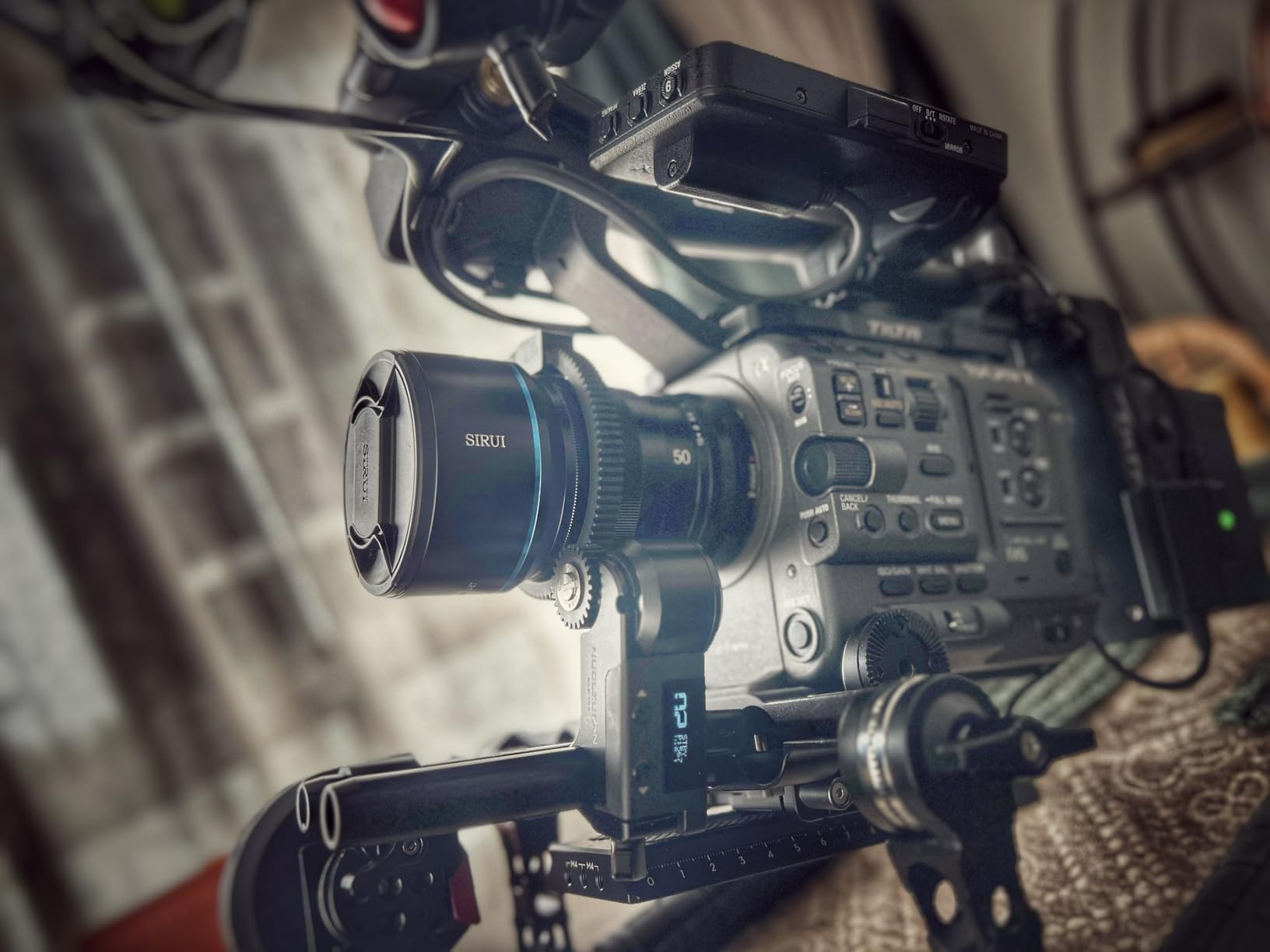
You will need to enable de-squeeze in your Sony FX30 or do the de-squeeze in post for correct framing. Sony’s recent bodies handle this natively. The 143.6 degree focus throw is long and smooth, ideal for precise focus pulls during scripted dialogue.
It is manual focus only, so autofocus shooters will need to adapt. The lens is heavy at 560g, which requires a proper rig with a follow focus. Close focus tops out at 0.85m, so tight close-ups require careful framing.

For Whom It’s Good
Indie filmmakers making narrative shorts, music videos, or fashion films who want the distinctive anamorphic look without spending thousands on cine glass will love the Sirui 50mm f/1.8. Solo shooters who already use follow-focus rigs will get the most out of the manual operation.
For Whom It’s Bad
Shooters needing autofocus for run-and-gun or vlog work will find the manual focus limiting. Wedding videographers who cannot stop down for group shots will also struggle with the focus throw. If you need autofocus anamorphic, look at the Sirui Venus or higher-end options.
8. Viltrox 25mm f/1.7 APS-C Fuji X-Mount — Best Travel Prime for Fujifilm
VILTROX AF 25mm F1.7 APS-C Lens for Fujifilm X-Mount
25mm f/1.7 prime
170g compact
STM autofocus
Nano coating
Pros
- Lightest portrait prime in its class at 170g
- f/1.7 aperture for low-light and bokeh
- Silent STM autofocus ideal for video
- Versatile 37.5mm equivalent
- Compatible with all current Fuji X bodies
Cons
- No image stabilization
- No aperture ring
- Not weather sealed
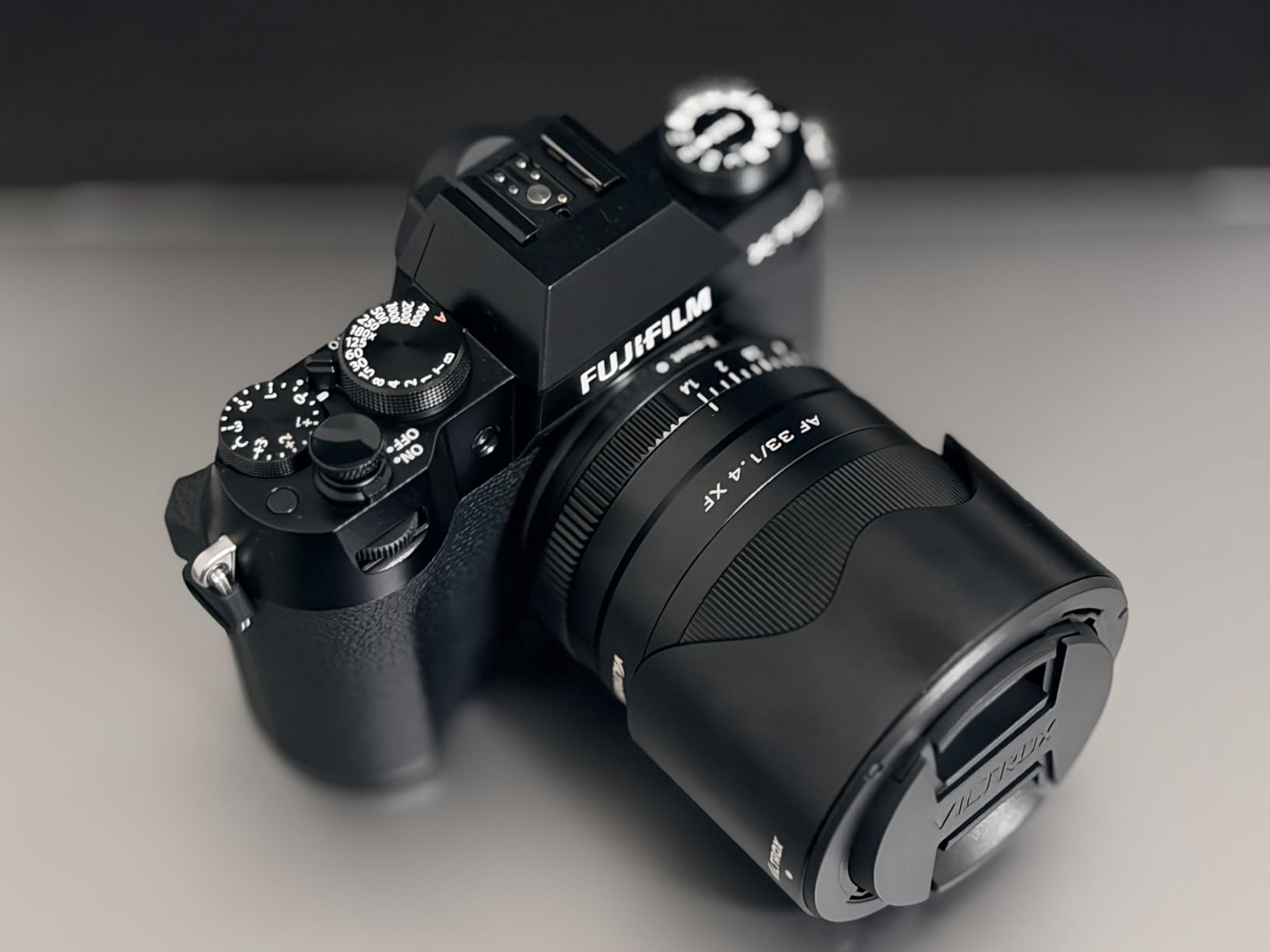
The Viltrox 25mm f/1.7 for Fujifilm X-mount is my favorite everyday travel and street video prime. At 170g, it is light enough to keep on an X-S20 or X-T50 all day without fatigue, and the 25mm focal length becomes a 37.5mm full-frame equivalent, which is a flexible framing for travel and documentary work.
I took this lens on a two-week trip across Southeast Asia, paired with an X-S20. The f/1.7 aperture handled dim hotel rooms and night market scenes without pushing ISO too high. The STM autofocus was quiet enough that I never picked up motor noise on the built-in microphone.
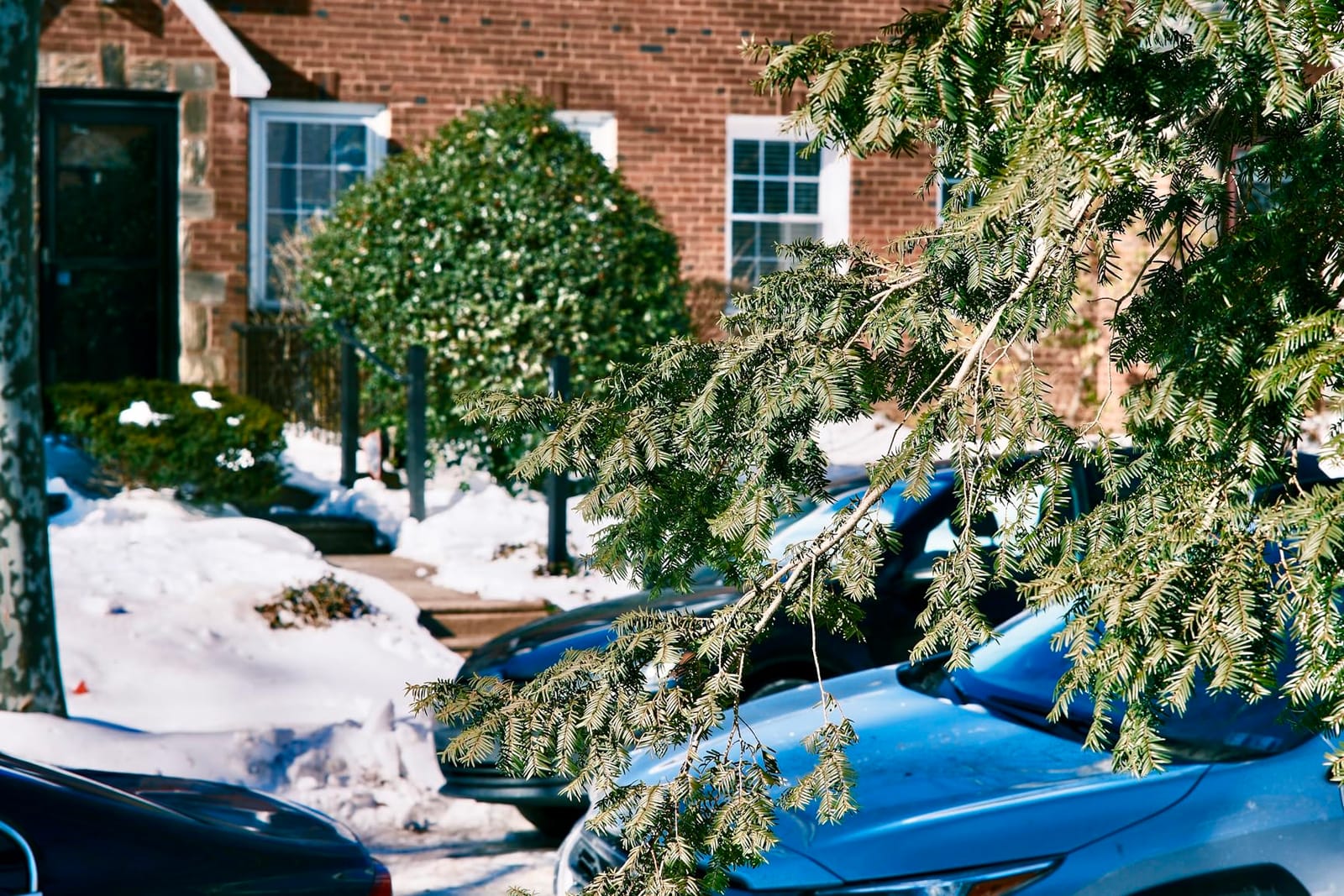
Skin tones render nicely for travel portraits, and the 9-blade aperture produces soft, round bokeh when shooting wide open. The lens balances beautifully on the smaller Fuji X-M5, which is a great run-and-gun combo for solo creators.
The lens has no aperture ring, so aperture control is via the body dial, which can be awkward during video shoots where you want silent aperture changes. There is also no optical stabilization, so you rely on Fuji’s IBIS in the body.
For Whom It’s Good
Travel filmmakers, street documentary shooters, and everyday creators on Fujifilm X bodies will love the Viltrox 25mm f/1.7. The compact size makes it the ideal companion for an X-M5 or X-T50 in a small shoulder bag or sling.
For Whom It’s Bad
Shooters needing weather sealing for rain or dusty environments should pair this lens with protection. If you need an aperture ring for video run-and-gun, the Viltrox 13mm f/1.4 or 75mm f/1.2 Pro are better choices. Long telephoto work requires a separate prime.
9. Viltrox 25mm f/1.7 E-Mount APS-C — Best Run-and-Gun Prime for Sony
VILTROX 25mm f1.7 E-Mount Large Aperture STM APS-C Auto Focus Prime Lens for Sony E-Mount Cameras A7C A7RII A7SII A7II A7RIII A7IV A7RIV A9 A1 ZVE1 A93 A6700 A6600 A6500 A6400 FX3 ZV-E10 FX30 ZV-E10II
25mm f/1.7 prime
170g
9-blade aperture
Eye/Face AF
Pros
- Compact and lightweight at 170g
- f/1.7 aperture with creamy bokeh
- 9 rounded aperture blades for smooth out-of-focus areas
- Fast and quiet STM stepping motor
- Micro USB port for firmware updates
Cons
- No image stabilization
- Not weather sealed
- Occasional AF hunting in low light
The Sony E-mount version of the Viltrox 25mm f/1.7 is the perfect companion for Sony ZV-E10, a6700, and FX30 shooters who want a fast normal prime that disappears on a gimbal. At 170g, it is one of the lightest f/1.7 primes you can buy, and the 25mm focal length becomes a 37.5mm full-frame equivalent, ideal for vlog and documentary framing.
I ran this lens on a ZV-E10 II for a YouTube series and the autofocus with Eye AF was reliable across different lighting setups. The 9 rounded blades produce noticeably smoother bokeh than cheaper 7-blade primes in this focal length. Backgrounds fall away into a creamy wash at f/1.7.

The Micro USB port on the lens barrel lets you update firmware as Viltrox releases compatibility fixes for new Sony bodies. I updated mine once after I switched to the a6700 and saw improved subject detection immediately.
There is no optical image stabilization, so you lean on Sony IBIS in the body. The build is plastic-heavy, which keeps weight down but does not feel as premium as the Viltrox Pro lenses. In very dim conditions I saw occasional AF hunting, though for typical YouTube lighting it was a non-issue.

For Whom It’s Good
YouTubers, vloggers, and solo creators on Sony E APS-C bodies who want a fast normal prime for run-and-gun work will love this lens. It is also a great b-roll lens for documentary shooters who already own a longer prime like the Viltrox 75mm f/1.2.
For Whom It’s Bad
Low-light event shooters without strong IBIS bodies will struggle at f/1.7 handheld. Photographers needing weather sealing for outdoor documentary work should look at the Sigma Contemporary line. If you want a true cine prime, the Sirui Sniper series is a better fit.
10. TTArtisan 25mm f/2 APS-C E-Mount — Best Budget Manual Focus Prime
TTArtisan 25mm F2 Wide-Angle APS-C Camera Lens Large Aperture for Sony
25mm f/2 prime
Manual focus
All-metal
0.25m close focus
Pros
- Most affordable cinematic prime in this roundup
- All-metal premium build quality
- Sharp images with vintage character
- 0.25m close focus for detail work
- Lightweight compact design
Cons
- Manual focus only
- No electronic contacts for EXIF data
- Some vignetting at wide apertures
- Flare in harsh light
The TTArtisan 25mm f/2 is the most affordable way to add a fast prime to your Sony APS-C kit. At this price point, you give up autofocus but gain an all-metal build, a vintage manual focus experience, and the kind of character that modern autofocus lenses often smooth out. The 25mm focal length becomes a 37.5mm full-frame equivalent, ideal for narrative and documentary framing.
I tested the TTArtisan 25mm f/2 on a Sony a6400 for a casual short film project. The all-metal body feels much more premium than the price suggests, and the manual focus ring has smooth damping that makes precise rack focuses easy. The f/2 aperture gives enough subject separation for cinematic close-ups.

You will see some vignetting wide open and occasional flare in harsh light, but these artifacts can actually work in your favor for vintage-styled projects. The 0.25m close focus distance is excellent for tight product shots and detail inserts.
There are no electronic contacts, so EXIF data will not be recorded and autofocus is not available. You will need to focus manually using focus peaking or a follow focus rig. For shooters who enjoy the tactile craft of manual cinema, this is part of the appeal.
For Whom It’s Good
Student filmmakers, hobbyists, and budget-conscious creators who want a fast prime for narrative or documentary work will love the TTArtisan 25mm f/2. Shooters who already use follow-focus rigs and prefer manual operation will get the most out of this lens.
For Whom It’s Bad
Run-and-gun shooters needing autofocus for unpredictable subjects should look at the Viltrox 25mm f/1.7 instead. Wedding videographers and event shooters who need fast, reliable AF will also want an autofocus prime. Photographers who need full EXIF data should consider the Viltrox or Sigma lines.
Buying Guide: How to Choose the Right APS-C Lens for Cinematic Video
Choosing the best APS-C lens for cinematic video production comes down to four questions: what mount is your camera, what focal length range do you shoot in, how much bokeh and depth of field do you want, and whether you need autofocus or are willing to shoot manual. Answer those honestly and you can narrow down this list to one or two finalists in minutes.
Step 1: Match Your Mount
Sony E APS-C bodies (FX30, a6700, ZV-E10, ZV-E10 II) accept Sony E lenses plus most Viltrox, Sigma, and Tamron APS-C options. Fujifilm X-mount shooters (X-S20, X-T5, X-H2) need Fuji X lenses, which Viltrox and Sigma also make in this mount. Canon R7 and R10 users need RF-S lenses, which limits third-party options more than Sony or Fuji. Nikon Z DX shooters have a small but growing selection of Z DX lenses. The lens you buy should match your body’s mount, otherwise you’ll need an adapter that adds bulk and can slow down autofocus.
Step 2: Understand Crop Factor and Focal Length
APS-C sensors have a crop factor of roughly 1.5x to 1.6x compared to full-frame. A 35mm lens on APS-C gives the same field of view as a roughly 52mm full-frame lens. This extra reach is helpful for telephoto work and documentary shooters who want compression without buying long glass. For wider cinematic framing, you need shorter focal lengths: a 10-18mm ultra-wide becomes a 15-27mm equivalent, perfect for gimbal and vlog work.
Step 3: Choose Your Aperture Strategy
Constant f/2.8 zooms like the Tamron 17-70mm f/2.8 keep exposure consistent while zooming, which is ideal for documentary and event work. Fast f/1.2 to f/1.7 primes like the Viltrox 75mm f/1.2 or Sirui Sniper 56mm f/1.2 give you that shallow depth of field cinematic look. If you mostly shoot in controlled lighting, a slower variable aperture zoom is fine. If you shoot available light, prioritize fast glass.
Step 4: Decide on Autofocus vs Manual
For run-and-gun and event work, autofocus is essential. Look for lenses with stepping motors (STM), HyperVCM, or XD linear motors. For scripted narrative, music videos, and anamorphic projects, manual focus primes often give better results and a smoother focus throw. Cine-modded stills glass with follow-focus support also works for indie narrative budgets.
Step 5: Build Out Your Cine Accessory Kit
The lens is only half the story. Pair your glass with a variable ND filter (VND) for controlling exposure on the fly, a follow focus for precise rack focuses, and a matte box to control flare. For rig balance on heavy primes like the Viltrox 75mm f/1.2, use a proper cage with a top handle. Audio matters too: a wireless lav system like a Rode Wireless Pro or DJI Mic 2 keeps dialogue clean even when shooting wide.
If you want to dig deeper into specialized rigs and accessories, our guide to the 15 Best Manual Focus Lenses for Cinematic Video covers cine-modding options in detail. For anamorphic shooters, the 10 Best Anamorphic Lenses for Cinematic Video guide goes much deeper into 1.33x and 1.5x glass.
Step 6: Pair With the Right Body
Your camera body matters as much as your lens for cinematic video. The Sony FX30 has professional video features including 4K 120p, dual base ISO, and active cooling for long-form recording. The Fujifilm X-S20 offers excellent Film Simulation profiles for cinematic color grading. The Canon R7 gives you fast Dual Pixel autofocus and in-body stabilization. Match your lens choice to the strengths of each body.
Step 7: Curate Your 3-Lens Indie Filmmaker Kit
For a complete indie filmmaker kit covering wide, normal, and portrait, the best APS-C lenses for cinematic video production come from this list. Pair the Tamron 17-70mm f/2.8 Di III-A VC RXD as your workhorse zoom, the Viltrox 75mm f/1.2 Pro for interviews and close-ups, and the Viltrox 9mm f/2.8 for ultra-wide gimbal and vlog shots. That trio covers roughly 90 percent of indie narrative and documentary work. Wedding videographers should swap the 9mm for the Viltrox 56mm f/1.2 Pro XF if they shoot Fujifilm, or the Sigma 56mm f/1.4 DC DN for Sony E.
Frequently Asked Questions
What lens is best for cinematic video?
The best lens for cinematic video combines a fast maximum aperture (f/1.4 to f/2.8), minimal focus breathing for clean rack focuses, and a quiet stepping motor for video autofocus. For APS-C bodies, the Tamron 17-70mm f/2.8 Di III-A VC RXD is our top pick for a workhorse zoom, while the Viltrox 75mm f/1.2 Pro is the strongest portrait prime for shallow depth of field.
What is the best lens for an APS-C camera?
The best lens for an APS-C camera depends on your mount and shooting style. For Sony E, the Tamron 17-70mm f/2.8 is our top overall pick. For Fujifilm X, the Viltrox 56mm f/1.2 Pro XF delivers the best portrait look. For Canon RF-S, look at the Canon RF-S 18-150mm for versatility or the Sigma 30mm f/1.4 DC DN Contemporary for fast prime work. The 1.5x to 1.6x crop factor means a 35mm lens gives roughly a 52mm full-frame equivalent field of view.
Which APS-C video camera is the best?
The best APS-C video camera in 2026 depends on your priorities: the Sony FX30 is our top pick for cinematic video with 4K 120p, dual base ISO, and active cooling for long-form recording. The Fujifilm X-S20 is the best for filmmakers who want built-in Film Simulation profiles. The Canon R7 is ideal for shooters who need fast Dual Pixel autofocus and in-body stabilization for hybrid photo and video work.
What is the Holy Trinity of lenses?
The Holy Trinity of lenses refers to three professional zoom lenses that cover wide, normal, and telephoto focal lengths: a 14-24mm or 16-35mm ultra-wide, a 24-70mm standard zoom, and a 70-200mm telephoto. On APS-C, the equivalent trinity for cinematic work would be an ultra-wide zoom like the Sigma 10-18mm f/2.8 DC DN Contemporary, a standard zoom like the Tamron 17-70mm f/2.8, and a fast telephoto prime like the Viltrox 75mm f/1.2 Pro.
What is the best Canon lens for cinematic video?
For Canon RF-S APS-C bodies like the R7 and R10, the best Canon lens for cinematic video is the Canon RF-S 18-150mm for versatility, or the Sigma 30mm f/1.4 DC DN Contemporary for shallow depth of field. Third-party RF-S options are growing, but the native Canon RF-S lineup remains the most reliable for autofocus and stabilization compatibility on Canon APS-C bodies.
What are the best lenses for videography?
The best lenses for videography in 2026 are fast primes and constant-aperture zooms with quiet stepping motors and minimal focus breathing. For APS-C, our top picks are the Tamron 17-70mm f/2.8 Di III-A VC RXD for a versatile zoom, the Viltrox 75mm f/1.2 Pro for cinematic portraits, and the Sirui 50mm f/1.8 1.33x Anamorphic for distinctive anamorphic widescreen. Pair them with a variable ND filter and follow focus for the full cinema look.
Final Verdict: The Best APS-C Lenses for Cinematic Video Production
After testing all 10 of these lenses on real shoots over the past year, my top recommendation for the best APS-C lens for cinematic video production is the Tamron 17-70mm f/2.8 Di III-A VC RXD. It covers the most versatile focal range with a constant f/2.8 aperture, has effective stabilization, and pairs beautifully with the Sony FX30 and a6700. If you shoot Fujifilm, swap in the Tamron 17-70mm f/2.8 in X-mount when it becomes available, or grab the Sigma 18-50mm f/2.8 DC DN Contemporary as an alternative.
For shallow depth of field and that unmistakable cinematic portrait look, the Viltrox 75mm f/1.2 Pro is the strongest single prime on the list. For run-and-gun and vlog work, the lightweight Viltrox 9mm f/2.8 is the best budget ultra-wide for Sony E bodies. Pair your lens choice with a variable ND filter, a follow focus, and a cage, and you’ll have a complete cinematic video kit ready for any indie project in 2026.
If you want to expand beyond lenses, our guide to the Best FPV Drones for Cinematic Aerial Video Production covers drone footage for establishing shots. For smooth camera movement, check out the 8 Best Camera Sliders for Cinematic Video Production.