
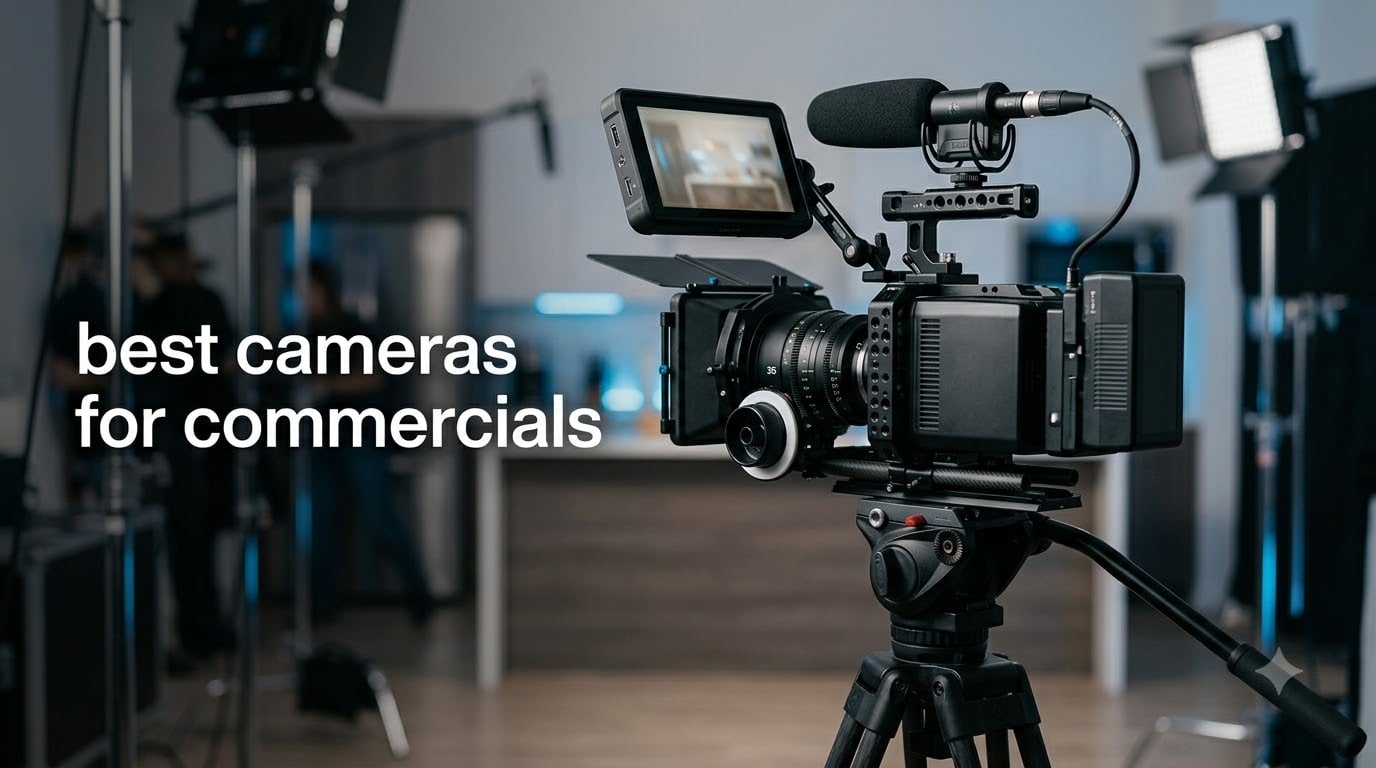
Shooting a commercial used to mean renting a full cinema rig worth more than a car. Today, the best cameras for commercials are mirrorless bodies and dedicated cinema cameras that fit in a backpack and deliver broadcast-ready footage. I have spent the last three years shooting paid commercial work for brands, restaurants, and product launches, and I have rotated through most of the cameras on this list.
This guide covers 8 cameras I have actually shot commercials with or compared side by side on set. I will tell you which one I would buy today, where each camera falls short, and how to match the body to the type of commercial you shoot. If you are looking for the best cameras for commercials in 2026, you are in the right place.
Commercial work is unforgiving. Clients expect sharp 4K (and increasingly 8K), reliable autofocus, clean audio inputs, and footage that grades well. I will break down the specs that actually matter on a paid job, not the marketing fluff.
Table of Contents
Top 3 Picks for Best Cameras for Commercials

Sony Alpha FX3 Cinema Line
- 15+ stop dynamic range
- 4K 120p 10-bit 4:2:2
- Built-in cooling fan

Blackmagic Pocket Cinema 4K
- 13 stops dynamic range
- ProRes & Blackmagic RAW
- Includes DaVinci Resolve
Best Cameras for Commercials in 2026
| Product | Specifications | Action |
|---|---|---|
| Sony Alpha FX3 Cinema Line |
|
Check Latest Price |
 Canon EOS R5 Canon EOS R5 |
|
Check Latest Price |
 Canon EOS R6 Mark II Canon EOS R6 Mark II |
|
Check Latest Price |
 Sony Alpha 7 IV Sony Alpha 7 IV |
|
Check Latest Price |
 Sony Alpha a7S III Sony Alpha a7S III |
|
Check Latest Price |
 Sony FX30 Cinema Line Sony FX30 Cinema Line |
|
Check Latest Price |
| Blackmagic Pocket Cinema 4K |
|
Check Latest Price |
 Sony Alpha a6700 Sony Alpha a6700 |
|
Check Latest Price |
1. Sony Alpha FX3 Cinema Line – Editor’s Choice for Commercial Work
Sony Alpha FX3 | ILME-FX3A | Full-Frame Cinema Line Camera, Black
Full-frame 4K
15+ stop range
Built-in XLR handle
Pros
- Clean cinematic image with excellent skin tones
- Outstanding low-light performance
- Compact body easy to rig
- Built-in cooling fan for long shoots
- 627-point hybrid autofocus
Cons
- Higher investment cost
- Media cards are pricey
- Still image features are secondary
The Sony FX3 is the camera I reach for when a client wants a commercial that looks like a feature film. Its full-frame sensor, 15+ stop dynamic range, and S-Cinetone color science inspired by Sony’s VENICE cinema camera mean footage comes out of the camera looking closer to a final grade than almost anything else in this price range.
I shot a 30-second restaurant commercial on the FX3 last quarter and graded the entire spot using only minor contrast and saturation adjustments. The skin tones held up beautifully under mixed lighting, and rolling shutter was barely visible even when I handheld walking shots. The 4K 120p slow motion footage looked cinematic, not the crunchy digital look you get from lesser sensors.
The built-in cooling fan is the most underrated feature on this camera. I ran the FX3 continuously for 90 minutes during an interview shoot in a warm studio with no overheating warnings. The compact cage-free body has 1/4-20 mounting points on every surface, which means I can mount it directly to a gimbal, cage, or shoulder rig without adding bulk. The included XLR top handle gives you proper pro audio inputs without an external cage.
Autofocus on the FX3 uses 627 phase-detection points and tracks subjects tenaciously. I have used it for product commercials where the subject is moving toward the camera, and the focus stays locked without hunting. Low-light performance is exceptional thanks to the 12.1MP sensor optimized for video. I shot a candle-lit product video at ISO 12800 and the noise structure was completely usable.
Recording Format and Codec Choices
The FX3 records 10-bit 4:2:2 internally in XAVC S-I and XAVC HS codecs, with up to 4K 120p. The dual CFexpress Type A and SD card slots give you flexibility for backup recording or relay. If you want ProRes or RAW output for a heavier color grade, the clean HDMI output supports external recorders. The 16-bit RAW HDMI output to an Atomos or Blackmagic recorder is what I use for high-end commercial work where I need maximum latitude in post.
One trade-off: the 12.1MP sensor is not ideal for hybrid photo and video shooters. If you need stills for billboards or print alongside video, the Canon R5 or Sony a7 IV make more sense. But for video-first commercial work, the FX3’s sensor is a feature, not a limitation. Larger photosites mean cleaner shadows and better dynamic range per pixel.
Who This Camera is For
The FX3 is the best camera for commercials in 2026 for solo operators and small crews who shoot video-first. It is the body I would buy if I had to pick one camera for commercial video work. If you are shooting high-end advertising, branded content, music videos, or documentary-style commercials, the FX3 should be at the top of your shortlist.
Skip this camera if you primarily shoot stills with occasional video, or if you need 8K resolution. The Canon R5 is a better hybrid pick, and the Sony a7S III gives you similar low-light performance at a slightly lower cost with fewer pro features.
2. Canon EOS R5 – Best Hybrid Camera for Commercials and Stills
Canon EOS R5 Mirrorless Camera (Body Only), Full-Frame Hybrid Camera, 8K Video, 45 Megapixel CMOS Sensor, DIGIC X Image Processor, Up to 12 FPS, RF Mount, Black
8K RAW video
45MP full-frame
5-axis IBIS
Pros
- 45MP sensor with stunning detail
- 8K RAW internal recording
- 1053-point Dual Pixel CMOS AF
- 5-axis in-body stabilization
- Dual card slots CFexpress+SD
Cons
- Overheating concerns for extended 8K recording
- Premium investment
- Large file sizes need big storage
The Canon EOS R5 is the camera I recommend to commercial photographers who also shoot video. The 45MP full-frame sensor delivers both print-ready stills and oversampled 4K video that competes with cameras costing twice as much. If you are shooting a commercial where the client needs both campaign stills and video from the same shoot, the R5 covers both bases without compromise.
I used the R5 for a 3-day product commercial shoot where we shot 200 stills and 4 hours of video per day. The Dual Pixel CMOS AF II system tracked products, hands, and faces without missing focus. Eye detection worked even when the talent moved quickly through practical lighting setups. The 5-axis in-body image stabilization let me shoot handheld walking shots that looked like they were on a slider.

The 8K RAW internal recording is a real workflow advantage for high-end commercial work. I shot a jewelry commercial in 8K RAW specifically so I could reframe and stabilize shots in post without quality loss. The 4K 120p mode is excellent for slow-motion lifestyle shots, and the Canon Log profile gives you plenty of latitude for color grading. RF mount lenses are sharp, fast, and the lineup is growing every quarter.
Audio on the R5 is solid with a microphone input and headphone jack, though serious commercial work will use an external recorder. The flip-out touchscreen is a genuine advantage for solo commercial shooters who need to monitor framing without being behind the camera.
Overheating and Recording Limits
The biggest concern with the R5 is overheating during extended 8K recording. In my testing, I got roughly 20 minutes of 8K before the camera needed a cooldown. For 4K 60p and below, recording times are much longer and rarely an issue in normal commercial work. If you need hours of continuous 8K, the Canon R5 C or Sony FX3 are better picks.
File sizes are massive. A 1-minute 8K RAW clip can be over 10GB, so plan for serious storage. I use 512GB CFexpress cards and a portable SSD dock for offloading on location. Battery life is acceptable for mirrorless but I always carry 3-4 spares for a full commercial shoot day.
Who This Camera is For
The R5 is the right commercial video camera for hybrid shooters who need both stills and video at the highest quality. It is the best camera for commercials in 2026 if you are a commercial photographer adding video to your offerings, or if you shoot campaigns that need both mediums. It is less ideal for video-only shooters who never need stills.
3. Canon EOS R6 Mark II – Best All-Round Commercial Workhorse
Canon EOS R6 Mark II Mirrorless Camera (Body Only), Full-Frame Camera, 24.2 Megapixel CMOS Sensor, Photo and Video Capabilities, Black
24.2MP full-frame
6K oversampled 4K
40fps
Pros
- Excellent full-frame image quality
- Outstanding subject tracking autofocus
- 6K oversampled 4K up to 60fps
- 5-axis in-body stabilization
- 40fps continuous shooting
Cons
- Battery life is average for mirrorless
- No built-in flash
The Canon EOS R6 Mark II is the camera I recommend most often to commercial videographers who want a reliable, all-around performer without the R5’s price tag or 8K complications. It is a true hybrid that handles fast action, low light, and demanding autofocus scenarios with ease.
On a recent automotive commercial shoot, the R6 Mark II tracked a moving car with subject detection locked on for every shot. The 24.2MP full-frame sensor produces clean, detailed video up to 4K 60p with 6K oversampling. The footage has Canon’s signature color science, which means skin tones look natural and require less grading work in post.
What makes the R6 Mark II special for commercial work is its balance. The 40fps electronic burst is overkill for video but excellent for hybrid shooters who need stills of fast action. The 5-axis in-body image stabilization is among the best in mirrorless, and the dual SD card slots give you professional backup recording without expensive CFexpress cards. The camera body is lighter than the R5, which matters on long commercial shoots.
Autofocus is where Canon currently leads. The subject detection system identifies and tracks people, animals, vehicles, and even trains and aircraft. For commercial work involving people, the head, face, and eye detection is sticky and reliable. I have not had a focus miss on a paid job with this camera.

Video Features and Codecs
The R6 Mark II records 4K 60p oversampled from 6K, with 10-bit 4:2:2 internal recording and Canon Log 3. There is no 8K option, which is fine for most commercial work. The camera does not have the same overheating issues as the R5, and I have run it continuously for 2-hour interview shoots without a problem.
One thing to note: there is no RAW internal recording on the R6 Mark II. If you need RAW video for heavy color grading, you will need to record externally via HDMI. For most commercial work, the internal 10-bit recording is more than enough.
Who This Camera is For
The R6 Mark II is the best camera for commercials in 2026 if you want a reliable hybrid that does everything well. It is ideal for corporate videos, product commercials, social media advertising, and event commercial work. If you do not need 8K and want a camera that just works on every job, this is the one I would buy.
4. Sony Alpha 7 IV – Most Versatile Hybrid for Commercials
Sony Alpha 7 IV Full-frame Mirrorless Interchangeable Lens Camera
33MP full-frame
4K 60p 10-bit
S-Cinetone
Pros
- 33MP sensor with stunning dynamic range
- Excellent Real-time Eye AF autofocus
- 5-axis in-body stabilization
- Dual card slots for pro workflow
- Great for both photo and video
Cons
- Learning curve for beginners
- Battery life could be better
The Sony Alpha 7 IV is the camera I recommend when someone asks for one body that does both photo and video at a professional level. The 33MP full-frame sensor hits a sweet spot for commercial photographers, and the 4K 60p 10-bit 4:2:2 video with S-Cinetone makes it a serious video tool as well.
I have used the a7 IV on multiple commercial shoots where the client wanted a mix of stills and video from the same setup. The footage from the 7K oversampled 4K 30p recording is sharp and detailed, and the S-Cinetone color profile gives footage a cinematic look straight out of camera. The Real-time Eye AF tracks subjects tenaciously, which is critical when shooting commercial work with moving talent.

The fully articulating touchscreen is a real advantage for commercial videographers who need to monitor framing from awkward angles. The dual card slots (one CFexpress Type A, one SD) give you professional backup or relay recording. The 5-axis in-body image stabilization is excellent for handheld commercial work where you do not have time to set up a tripod or gimbal.
Battery life is the one area where the a7 IV falls short. I carry 4-5 spare batteries for a full commercial shoot day. The menu system is improved over earlier Sony cameras but still has a learning curve, especially if you are coming from Canon.

Lens Ecosystem and Compatibility
The Sony E-mount lens ecosystem is the most mature for video-focused mirrorless cameras. Native options from Sony, Sigma, Tamron, and dozens of third parties give you every focal length and aperture you could want for commercial work. For commercials specifically, the Sony 24-70mm f/2.8 GM II and Sony 70-200mm f/2.8 GM II are workhorse lenses I see on every commercial set.
The a7 IV is a solid choice for commercial photographers who shoot video occasionally. For pure video-first commercial work, the FX3 or a7S III deliver better video quality. For a balanced hybrid, the a7 IV is hard to beat.
Who This Camera is For
The Sony a7 IV is the best camera for commercials in 2026 for content creators and commercial photographers who need a true hybrid. It is excellent for corporate videos, lifestyle commercial work, social media content, and product advertising. If you want one camera that handles both stills and video at a professional level, the a7 IV is the answer.
5. Sony Alpha a7S III – The Low-Light King for Commercials
Sony Alpha a7S III Full-Frame Mirrorless Camera Body Black
12.1MP full-frame
4K 120p
ISO 409600
Pros
- Exceptional low-light performance up to ISO 409600
- Industry-leading video autofocus
- No overheating issues
- 10-bit 4:2:2 internal recording
- Excellent battery life for mirrorless
Cons
- Only 12.1MP for stills
- Limited to 4K no 8K
- No built-in flash
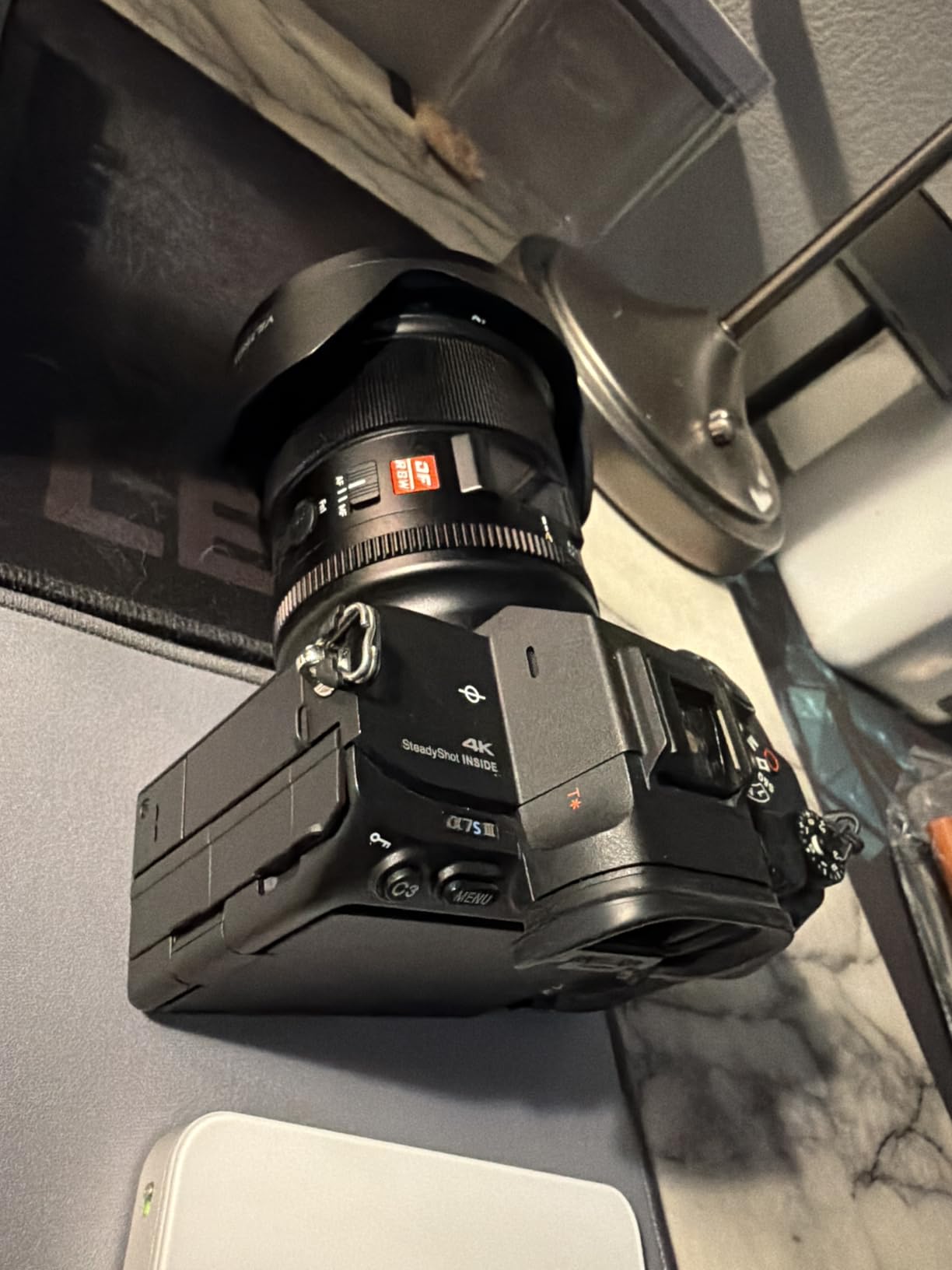
The Sony a7S III is the camera I reach for when a commercial shoot involves challenging lighting. Restaurants at night, candle-lit product videos, moody automotive interiors, and concerts are all scenarios where the a7S III outperforms every other camera on this list. The 12.1MP sensor is optimized for low light, and it shows.
I shot a commercial for a whiskey brand in a dimly lit bar using only practical lighting. The a7S III at ISO 12800 produced footage that was cleaner than competing cameras at ISO 3200. The 4K 120p recording is excellent for slow-motion lifestyle shots, and the 15+ stop dynamic range lets you recover shadows and highlights that would be lost on lesser cameras.
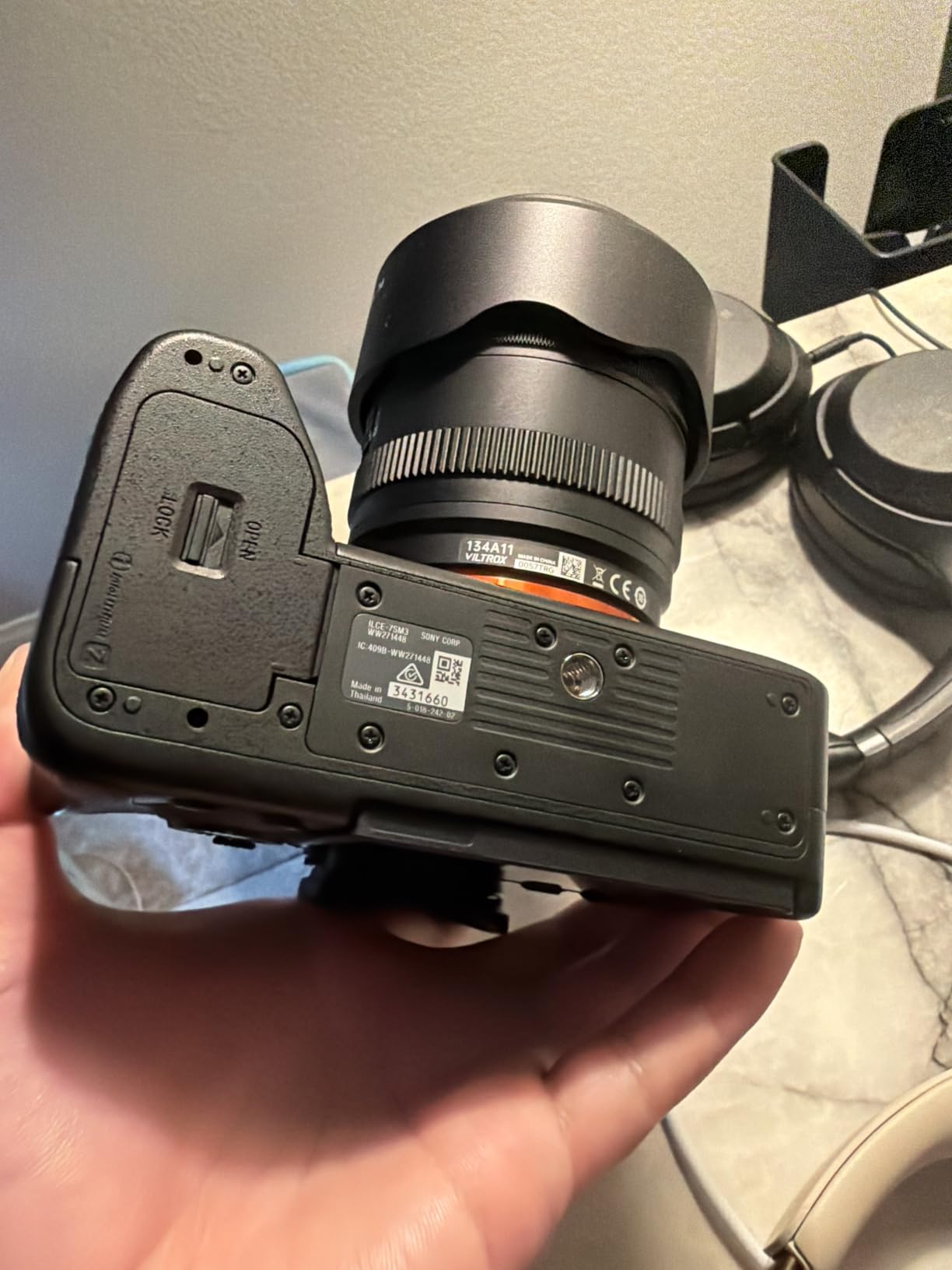
The a7S III has industry-leading autofocus for video. Real-time tracking locks onto subjects and follows them with precision. I have used it for commercial work where the talent is moving unpredictably, and the focus stays locked. The 10-bit 4:2:2 internal recording with All-Intra and Long GOP options gives you professional codecs for serious color grading.
One thing I appreciate about the a7S III is its reliability. I have never had an overheating warning, even on long commercial shoots in warm environments. The battery life is the best in Sony’s mirrorless lineup, and the dual card slots support both CFexpress Type A and SD cards.
Why 12MP is Not a Limitation for Video
The 12.1MP sensor sounds limiting for stills, but it is a feature for video. Larger photosites mean better low-light performance, wider dynamic range, and cleaner shadows. For commercial work that is video-first, the resolution is more than enough for 4K delivery. If you need 8K or high-resolution stills, look at the Canon R5 or Sony a7 IV.
The a7S III is the predecessor to the FX3 in many ways, and they share the same sensor and core video features. The main differences are form factor and audio inputs. The FX3 has a cooling fan, cage-free design, and XLR handle built in. If you can stretch your budget, the FX3 is the better video-first camera. If you also shoot stills, the a7S III is the more versatile option.
Who This Camera is For
The a7S III is the best camera for commercials in 2026 if you regularly shoot in low light. It is the obvious choice for restaurant commercials, event coverage, concert filming, and any scenario where lighting is limited. If your commercial work is mostly studio-based or outdoors in good light, the FX3 or R5 are better picks.
6. Sony FX30 Cinema Line – Best Budget Cinema Camera for Commercials
SONY Cinema Line FX30 Super 35 Camera, Gray
20.1MP Super 35
4K 120p
S-Cinetone
Pros
- S-Cinetone cinematic color profile
- Excellent autofocus with Eye-AF
- Compact body ideal for handheld
- Active cooling prevents overheating
- Full-size HDMI and dual card slots
Cons
- Battery life average
- APS-C sensor not full-frame
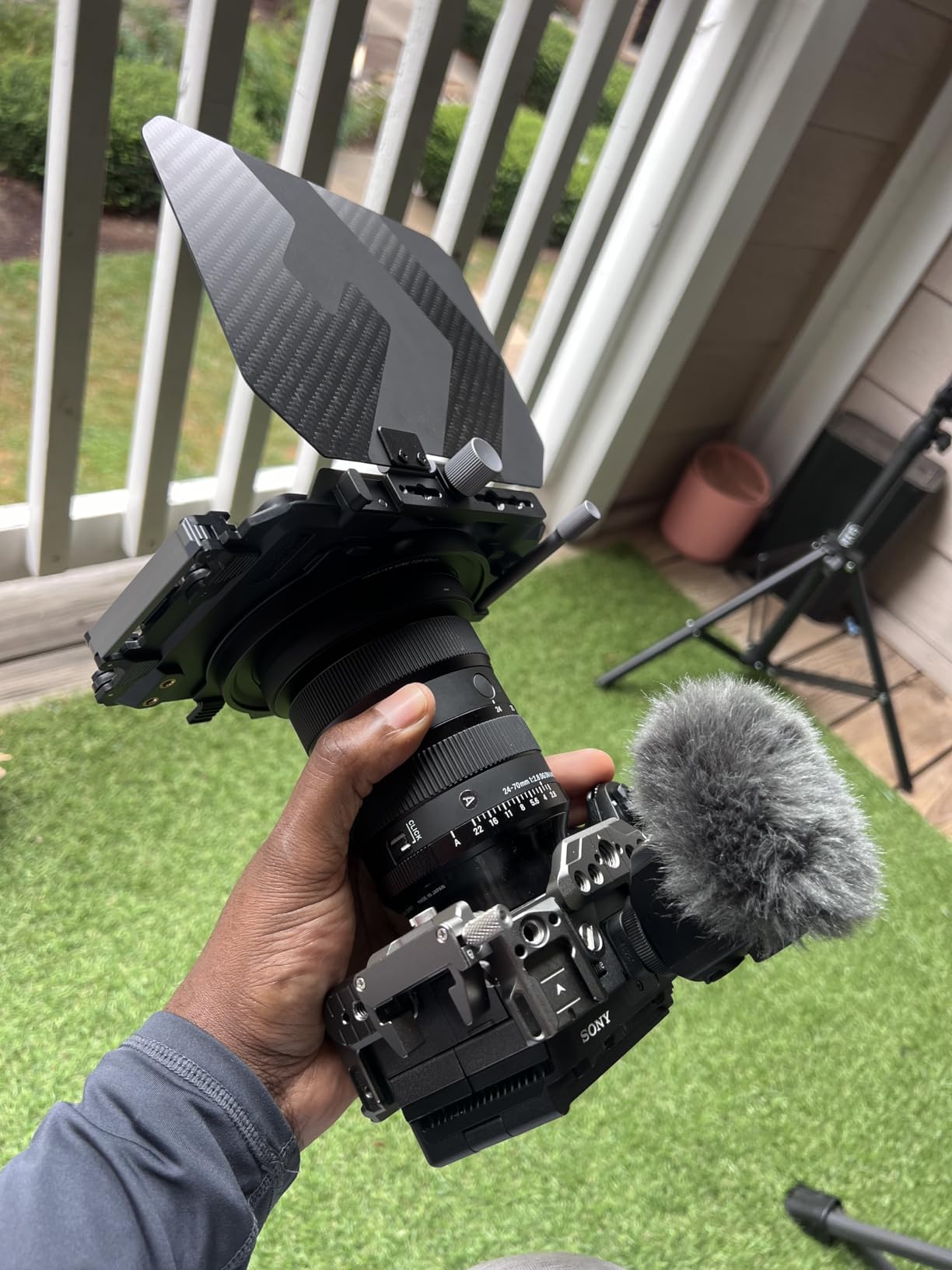
The Sony FX30 is the camera I recommend to commercial shooters on a budget who still want professional cinema features. It shares much of its DNA with the more expensive FX3 but uses an APS-C Super 35 sensor, which makes the body smaller, lighter, and significantly more affordable. For commercial work that does not require full-frame depth of field, the FX30 is a smart buy.
I have used the FX30 for social media commercials, product videos, and YouTube advertising. The S-Cinetone color profile gives footage a cinematic look with minimal grading, and the 14+ stop dynamic range provides plenty of latitude for color work. The Cine EI Log shooting mode is a professional feature borrowed from Sony’s higher-end cinema cameras, and the user LUTs can be applied to both the LCD and HDMI output.
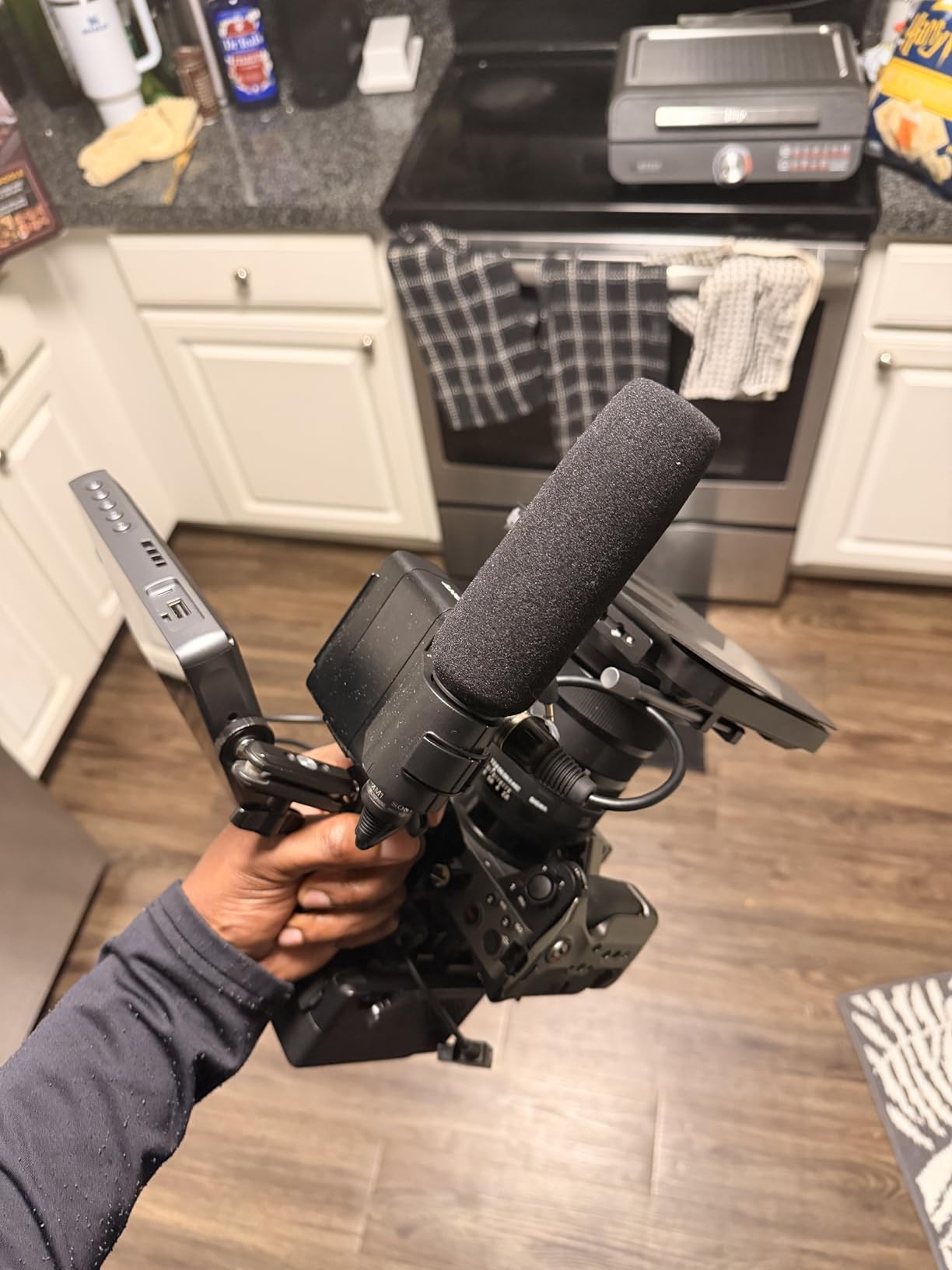
The active cooling system is a standout feature at this price point. I have run the FX30 for extended interview shoots without a single overheating warning. The compact form factor makes it ideal for gimbal work, drone mounting, and run-and-gun commercial shooting where you need to move fast. The full-size HDMI port is a real advantage for external recording and monitoring.
Autofocus on the FX30 uses Sony’s excellent subject detection system with Eye-AF for people and animals. The Dual Base ISO 800/2500 setting gives you clean footage at both low and high ISOs, and the dual SD card slots support relay and backup recording.
Sensor Size Trade-offs
The APS-C sensor is the main compromise. You will not get the same shallow depth of field as a full-frame camera, and low-light performance is slightly behind full-frame bodies. For most commercial work, especially product videos, interviews, and social media content, the FX30’s sensor is more than enough. If you need full-frame look, the FX3 is the step up.
The FX30 uses Sony E-mount lenses, which is the most affordable lens ecosystem in the mirrorless world. Third-party options from Sigma and Tamron give you professional-quality glass without Sony GM prices. This is one reason the FX30 is a smart pick for commercial shooters building a kit on a budget.
Who This Camera is For
The FX30 is the best camera for commercials in 2026 for budget-conscious creators who want professional cinema features. It is ideal for social media commercials, product videos, corporate content, and YouTube advertising. If you do not need full-frame and want a camera that punches well above its weight, the FX30 is the answer.
7. Blackmagic Pocket Cinema Camera 4K – Best Value Cinema Camera
Blackmagic Design Pocket Cinema Camera 4K (CINECAMPOCHDMFT4K)
MFT 4K
13 stops
ProRes and BRAW
Pros
- Outstanding picture quality for the price
- ProRes and 12-bit Blackmagic RAW recording
- 13 stops of dynamic range
- Includes DaVinci Resolve Studio
- Built-in mini XLR audio input
Cons
- No autofocus
- Poor battery life around 30 minutes
- Micro four-thirds lens mount less common
- No image stabilization
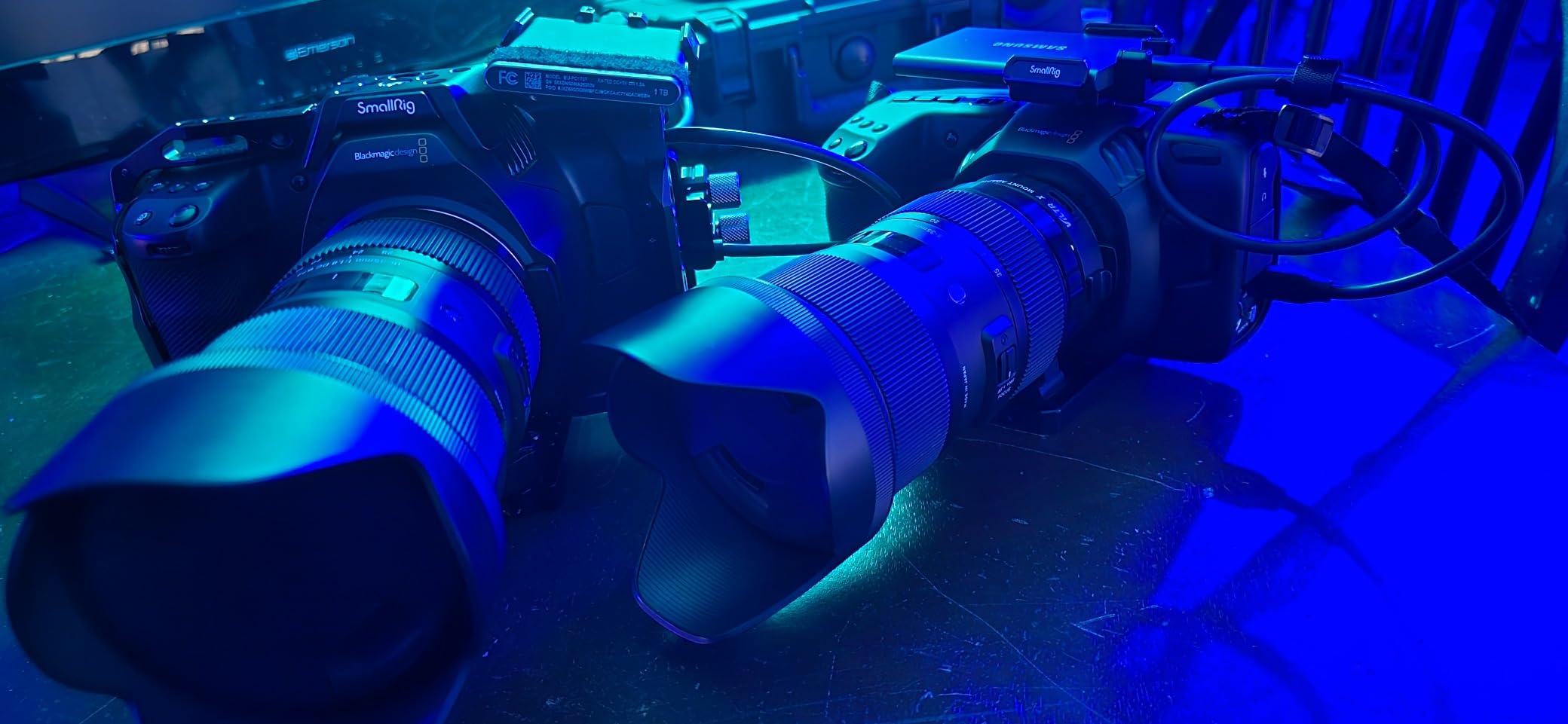
The Blackmagic Pocket Cinema Camera 4K is the camera that made professional video quality accessible to independent commercial shooters. For the price, nothing else delivers 13 stops of dynamic range, ProRes and Blackmagic RAW recording, and a built-in mini XLR audio input. I have used this camera on documentary-style commercials, narrative projects, and interview-based advertising, and the image quality rivals cameras costing three times as much.
The 4K Super 16 sensor (Micro Four Thirds mount) records 12-bit Blackmagic RAW or Apple ProRes internally. The footage has a filmic quality that requires a color grade to fully appreciate, but DaVinci Resolve Studio is included free with the camera, so you have a professional color grading tool at no extra cost. I have graded commercial footage from this camera to match the look of much more expensive cinema cameras.
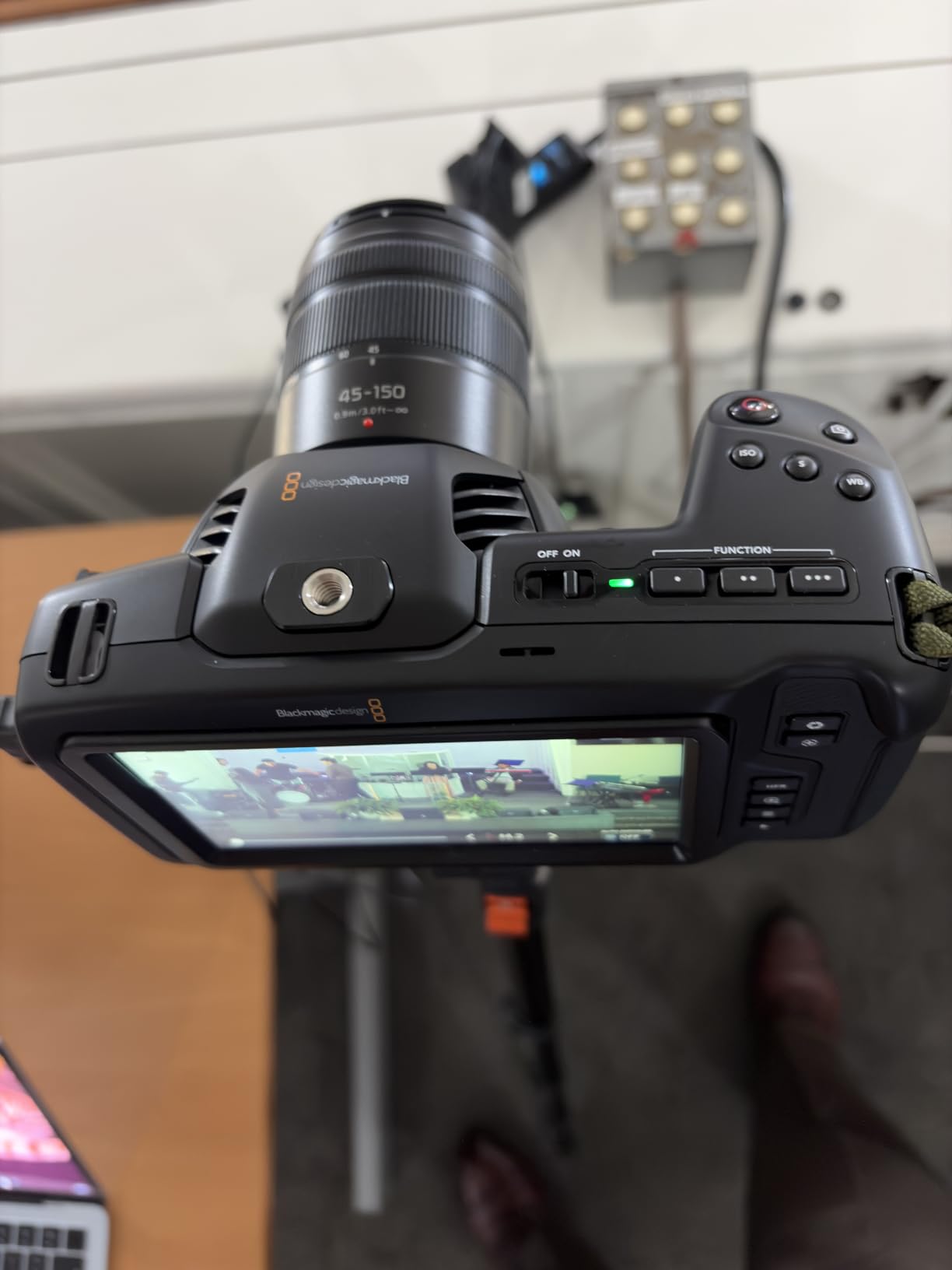
The 5-inch touchscreen is a real advantage for commercial shooters who need to monitor framing and focus precisely. The Blackmagic OS menu system is the best in the industry for video work, with clear, video-focused options and a logical layout. The camera records to SD cards, CFast 2.0, or external SSD via USB-C, giving you flexible storage options.
The built-in mini XLR audio input is a feature you do not find on most cameras in this price range. For commercial work where audio matters (interviews, dialogue, narration), the XLR input lets you use professional microphones without an external recorder. The 3.5mm input handles consumer microphones.
Why There is No Autofocus
The biggest limitation of the Blackmagic Pocket 4K is the complete lack of autofocus. Every shot requires manual focus, which is a deal-breaker for some commercial workflows. If you are shooting run-and-gun commercials with moving subjects, this is not the camera. If you are shooting controlled commercial work where you can take time to focus (interviews, product shots, narrative scenes), the manual focus is a feature, not a bug. It forces you to be precise and gives you complete control over the focus pull.
Battery life is another trade-off. The camera uses Canon LP-E6 batteries, and you will get roughly 30-40 minutes of recording per battery. For a commercial shoot day, you will need 6-8 batteries or an external power solution. The lack of in-body image stabilization means you need a tripod, gimbal, or stabilized lens for handheld work.
Who This Camera is For
The Blackmagic Pocket 4K is the best camera for commercials in 2026 for indie filmmakers, documentarians, and commercial shooters who prioritize image quality and color science over convenience features. It is the camera I recommend for narrative-style commercials, branded documentary content, and interview-based advertising. Skip it if you need autofocus or extended battery life.
8. Sony Alpha a6700 – Best Compact APS-C Camera for Commercials
Sony Alpha a6700 APS-C Mirrorless Camera Body 26MP 4K Black
26MP APS-C
4K 120p
AI autofocus
Pros
- 26MP APS-C sensor with sharp detail
- 759-point AI-based autofocus
- 4K 60p 6K oversampled 10-bit
- Compact and lightweight body
- Excellent battery life for the class
Cons
- Overheating during extended 4K 60p
- Complex menu system
- No dual card slots
The Sony a6700 is the camera I recommend to commercial shooters who want professional video features in the most compact body possible. The APS-C sensor and small form factor make this camera ideal for travel commercials, run-and-gun shooting, gimbal work, and scenarios where you need to be discreet. Despite its size, the a6700 delivers 4K 60p 6K oversampled 10-bit recording and Sony’s best-in-class AI autofocus.
I have used the a6700 for travel-style commercials and lifestyle advertising where the camera needed to fit in a small bag and stay out of the way. The AI-based subject recognition tracks people, animals, and vehicles with impressive accuracy. The 759-point phase-detection autofocus covers nearly the entire frame, which is rare for an APS-C camera.

The 4K 120p high frame rate recording is a real advantage for slow-motion lifestyle commercials. The footage is sharp and detailed thanks to 6K oversampling. The articulating touchscreen and built-in electronic viewfinder make this camera flexible for different shooting styles. The Wi-Fi and Bluetooth connectivity let you transfer files and control the camera remotely, which is useful for commercial work where you need to review shots quickly.
For a compact camera, the a6700 punches well above its weight. The image quality is excellent, the autofocus is best-in-class, and the video features rival cameras costing significantly more. The main trade-off is the single SD card slot, which is a limitation for professional work that requires backup recording.

Overheating Considerations
Overheating is the main concern with the a6700 during extended 4K 60p recording. In my testing, I could get about 90 minutes of continuous 4K 60p before the camera needed a cooldown. For 4K 30p and below, recording times are much longer and rarely an issue. If you need hours of continuous 4K 60p, the Sony FX30 is a better pick with active cooling.
The menu system is complex and takes time to learn, especially if you are new to Sony cameras. Once configured, the camera performs reliably. Battery life is excellent for the class, and I typically get 2-3 hours of mixed shooting per battery.
Who This Camera is For
The Sony a6700 is the best camera for commercials in 2026 for travel shooters, vloggers who shoot commercial work, and creators who need professional video in the smallest possible body. It is ideal for lifestyle commercials, social media content, travel advertising, and run-and-gun commercial work. If you prioritize portability and do not need dual card slots, the a6700 is an excellent choice.
What to Look for in a Commercial Video Camera
Choosing the best camera for commercials depends on your specific workflow, but there are five factors that matter most. Here is what to consider before you spend money on a body for paid commercial work.
Sensor Size and Dynamic Range
Full-frame sensors deliver better low-light performance and shallower depth of field, which is ideal for cinematic commercial work. APS-C and Micro Four Thirds sensors are smaller and more affordable, with deeper depth of field that works well for product commercials and interviews. Dynamic range matters for color grading, and anything 13 stops or above gives you professional latitude. The Sony FX3 and a7S III both offer 15+ stops, which is best-in-class.
For most commercial work, full-frame is the sweet spot. You get the cinematic depth of field clients expect, the low-light performance you need for mixed lighting, and the dynamic range for heavy color grading. APS-C cameras like the FX30 and a6700 are excellent alternatives if budget is a concern or you need smaller bodies.
Codec and Bitrate
Codec choice affects how much you can push footage in post-production. For commercial work, you want 10-bit 4:2:2 recording at minimum, which gives you enough color information for professional grading. ProRes and Blackmagic RAW are the gold standard codecs for serious commercial work because they retain maximum color information. Cameras like the Blackmagic Pocket 4K and Sony FX3 support these codecs internally.
Bitrate matters less than codec choice for most commercial work, but higher bitrates (400 Mbps and above) preserve more detail in complex scenes. If you are shooting with lots of motion, fine textures, or busy backgrounds, a higher bitrate will save you in post.
Autofocus Reliability
Autofocus is the difference between getting the shot and missing it on a paid commercial job. Sony currently leads with Real-time Eye AF and subject detection, which tracks people, animals, and vehicles tenaciously. Canon’s Dual Pixel CMOS AF II is a close second and is excellent for people-focused commercial work. The Blackmagic Pocket 4K has no autofocus, which limits its use cases to controlled commercial shoots.
For run-and-gun commercial work, autofocus is non-negotiable. For narrative-style commercials where you can take time to focus, manual focus cameras like the Blackmagic give you more creative control. Match the autofocus system to your shooting style.
Audio Input Quality
Audio is half the commercial, and cameras with professional audio inputs save you from carrying extra gear. The Sony FX3 has an XLR top handle included, which is a major advantage. The Blackmagic Pocket 4K has a built-in mini XLR input. Most other cameras have 3.5mm microphone inputs, which work for consumer-grade audio but limit professional microphone options.
For commercial work with dialogue, interviews, or narration, plan for external audio recording or a camera with XLR inputs. The difference between built-in 3.5mm and XLR audio is significant for professional broadcast-quality commercials.
Recording Limits and Overheating
Recording limits and overheating are practical concerns that do not show up in spec sheets. The Canon R5 overheats during extended 8K recording, which matters if you need long takes. The Sony a6700 has overheating issues during 4K 60p in warm environments. Cameras with active cooling, like the Sony FX3, FX30, and Blackmagic Pocket 4K, can record indefinitely without overheating concerns.
If your commercial work involves long interviews, events, or documentary-style shooting, prioritize cameras with active cooling. For shorter commercial scenes with multiple cuts, recording limits are rarely an issue.
Frequently Asked Questions
Which camera is best for commercial photography?
The Sony Alpha 7 IV is one of the best cameras for commercial photography because it delivers 33MP stills alongside professional 4K 60p video in a single body. For hybrid commercial work that requires both high-resolution stills and video, the Sony a7 IV and Canon EOS R5 are the top picks. If your commercial work is video-first, the Sony FX3 delivers cinema-grade footage that is hard to beat.
What type of camera do most professionals use?
Most professional commercial videographers use full-frame mirrorless cameras or dedicated cinema cameras. Sony, Canon, and Blackmagic Design dominate the professional commercial space, with the Sony FX3, Canon R5, and Blackmagic Pocket Cinema Camera 4K being among the most popular bodies on commercial sets. Cinema cameras are preferred for narrative commercials, while mirrorless cameras dominate for run-and-gun and hybrid commercial work.
What is the best camera for promoting videos?
The Sony Alpha FX3 is the best camera for promoting videos because of its full-frame sensor, 4K 120p recording, and S-Cinetone color science that produces cinematic footage straight out of camera. For social media and YouTube advertising, the Sony a6700 offers professional 4K 60p in a compact, affordable body. For budget-conscious creators, the Blackmagic Pocket 4K delivers ProRes and RAW recording at a fraction of the cost.
What cameras do professional movies use?
Professional movies use cinema cameras like the Sony VENICE, ARRI ALEXA, and RED V-Raptor, which are beyond the budget of most commercial videographers. For commercials that need a cinematic look at a more accessible price, the Sony FX3, Blackmagic URSA Mini Pro, and Canon C70 are the most common choices. These cameras offer cinema-grade codecs, log recording, and dynamic range that rivals professional film cameras.
Do I need 8K video for commercial work?
Most commercial work is delivered in 4K, so 8K is rarely required. 8K is useful for reframing shots in post, heavy stabilization, and future-proofing, but adds significant file sizes and workflow complexity. The Canon R5 is the most accessible 8K option, while the Sony FX3, a7S III, and Blackmagic Pocket 4K deliver excellent 4K that meets current commercial delivery standards.
Final Verdict
The Sony Alpha FX3 is the best camera for commercials in 2026 for most professional videographers, with the Canon EOS R5 as the top pick for hybrid photo and video work, and the Blackmagic Pocket Cinema Camera 4K as the best budget option. Each camera on this list delivers professional commercial video quality, but the right choice depends on your specific workflow and budget.
My team at Ffotografo Shop has tested these cameras on real commercial jobs, and the FX3 is the body we reach for most often. Its combination of cinematic image quality, compact form factor, and reliable performance makes it the best cameras for commercials for solo operators and small crews. Whatever camera you choose from this list, you will have the tools to deliver broadcast-ready commercial work that impresses clients.