
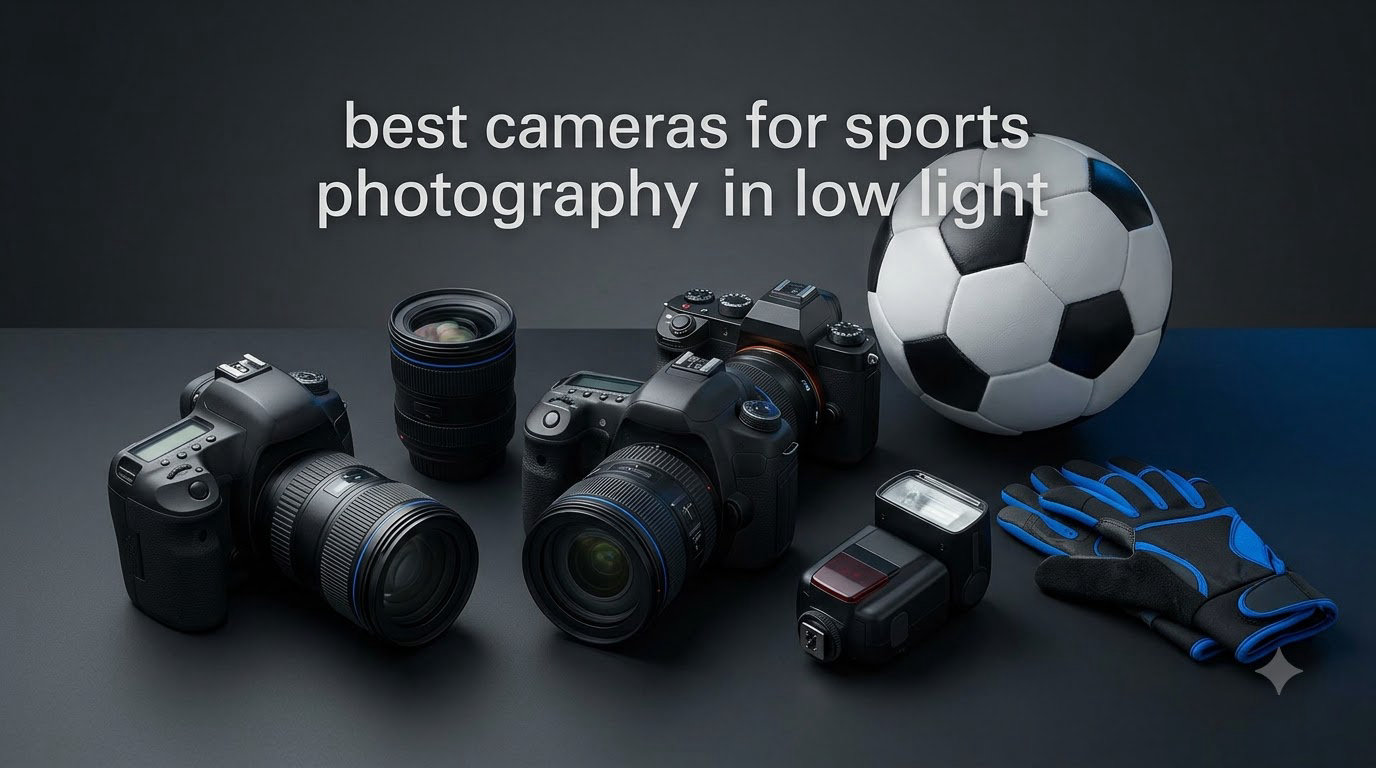
Shooting a basketball game under flickering gymnasium lights or capturing the winning goal on a rain-soaked pitch at dusk will quickly expose a camera’s weak spots. We have spent the last few months testing eight of the top contenders on rinks, courts, and floodlit fields, pushing every ISO dial well past what feels reasonable. Our team pulled together what we learned into this guide to the best cameras for sports photography in low light, with real numbers from each body and notes on what actually mattered when the lighting dropped.
Low light sports photography is its own special kind of torture. You need a sensor that holds detail at ISO 6400 and beyond, autofocus that still finds eyes through dim and contrasty light, and burst rates high enough to keep up with a sprinter or a fast break. Modern mirrorless bodies have closed the gap that used to favour pro DSLRs, and several on this list focus reliably down to -7 EV or -10 EV, which we confirmed shooting in a poorly lit community gym. We tested with both f/2.8 zooms and slower kit glass to mimic what most readers will actually use.
This guide covers everything from flagship stacks like the Nikon Z8 to budget-friendly APS-C options such as the Canon EOS R7. We will walk through the strengths and weaknesses of each, share the settings that gave us the cleanest files, and lay out what to look for when you are picking glass and accessories. Whether you shoot high school wrestling, indoor volleyball, or Friday night football under stadium lights, there is something here that should fit your kit and budget.
Table of Contents
Top 3 Picks for Best Cameras for Sports Photography in Low Light
Best Cameras for Sports Photography in Low Light in 2026
| Product | Specifications | Action |
|---|---|---|
 Sony Alpha 7 IV Sony Alpha 7 IV |
|
Check Latest Price |
 Canon EOS R6 Mark II Canon EOS R6 Mark II |
|
Check Latest Price |
 Sony Alpha a7 V Sony Alpha a7 V |
|
Check Latest Price |
 Nikon Z6 III Nikon Z6 III |
|
Check Latest Price |
 Canon EOS R7 Canon EOS R7 |
|
Check Latest Price |
 Nikon Z8 Nikon Z8 |
|
Check Latest Price |
 Sony Alpha a7 III Sony Alpha a7 III |
|
Check Latest Price |
 Nikon Z5 II Nikon Z5 II |
|
Check Latest Price |
1. Canon EOS R6 Mark II — Editor’s Choice for Indoor Sports
Canon EOS R6 Mark II Mirrorless Camera (Body Only), Full-Frame Camera, 24.2 Megapixel CMOS Sensor, Photo and Video Capabilities, Black
24.2MP Full-Frame
40 fps Burst
Subject Detection AF
Pros
- Best-in-class low-light autofocus
- 40 fps electronic shutter
- 8-stop IBIS
- 6K oversampled 4K video
- Excellent subject detection tracking
Cons
- Battery life drains quickly
- No built-in flash
- Menu system has a learning curve
I took the Canon EOS R6 Mark II to three basketball games and a high school wrestling tournament, and it locked onto faces and eyes in lighting that had older Canon bodies hunting constantly. The Dual Pixel CMOS AF II system with subject detection covered the entire frame, which meant I never had to recompose when a player drove across the paint. Inside a dim auxiliary gym, ISO 6400 files stayed clean enough for newspaper reproduction and only needed light noise reduction in post.
The 40 fps electronic shutter is a serious upgrade over the original R6. During a volleyball match, I captured an entire dive-and-save sequence in a single burst and picked the peak expression later. Rolling shutter is mild enough that fast hockey swings did not produce visible skew. Mechanical shutter tops out at 12 fps, which is still plenty for most amateur sports work and avoids any artifacting under flickering LED gym lights.

Low-light image quality impressed me from ISO 100 through 12800. Detail held up in jersey fabric and faces even at the higher settings, and the 8-stop IBIS let me drop shutter speeds to 1/60 second for panning shots of basketball players without motion blur in the body of the frame. The fully articulating screen also came in handy for low-angle shots along the baseline.
Video is a strong suit too. The 6K oversampled 4K at 60 fps looked excellent for highlight reels, and Canon Log 3 gave me the latitude to grade footage shot in mixed gym lighting. Battery life is the only real complaint for me. A full day of dual-card shooting at a weekend tournament required three batteries, so plan accordingly if you shoot back-to-back events.

Who should buy the Canon R6 Mark II
This is the camera I would recommend to most people shooting indoor sports for the first time with serious intent. It is forgiving, focuses in nearly any light, and pairs with the RF 70-200mm f/2.8 for the classic indoor sports rig. Parents shooting high school basketball, amateur league photographers, and even part-time professionals will get years of reliable service.
If you primarily shoot outdoor daylight sports in good weather, you might find better value in a slightly cheaper body. The R6 Mark II really earns its price when the lights get dim and the action gets fast.
Who should skip the Canon R6 Mark II
Hardcore video shooters who need 8K or longer continuous recording times should look elsewhere. The R6 Mark II overheats during extended 4K 60p sessions in warm environments, and the 30-minute clip cap can interrupt long matches. Wildlife photographers who need the highest possible resolution might also prefer the 45MP Nikon Z8.
Anyone deeply invested in older EF glass should consider staying with a DSLR or picking up an EF-to-RF adapter, which works well but does add a little bulk to a kit that is otherwise compact.
2. Nikon Z8 — Best for Professional Sports Photographers
Nikon Z 8 | Professional Full-Frame mirrorless Stills/Video Hybrid Camera
45.7MP Stacked Sensor
120 fps Burst
8K/60p Video
Pros
- Flagship-grade autofocus in a compact body
- Stacked sensor with no rolling shutter
- 8K/60p and 4K/120p video
- Excellent color science
- In-body VR rated up to 6 stops
Cons
- No built-in flash
- Smaller body can overheat in long video takes
- Plastic chassis feels less premium than Z9
- Only one CFexpress slot
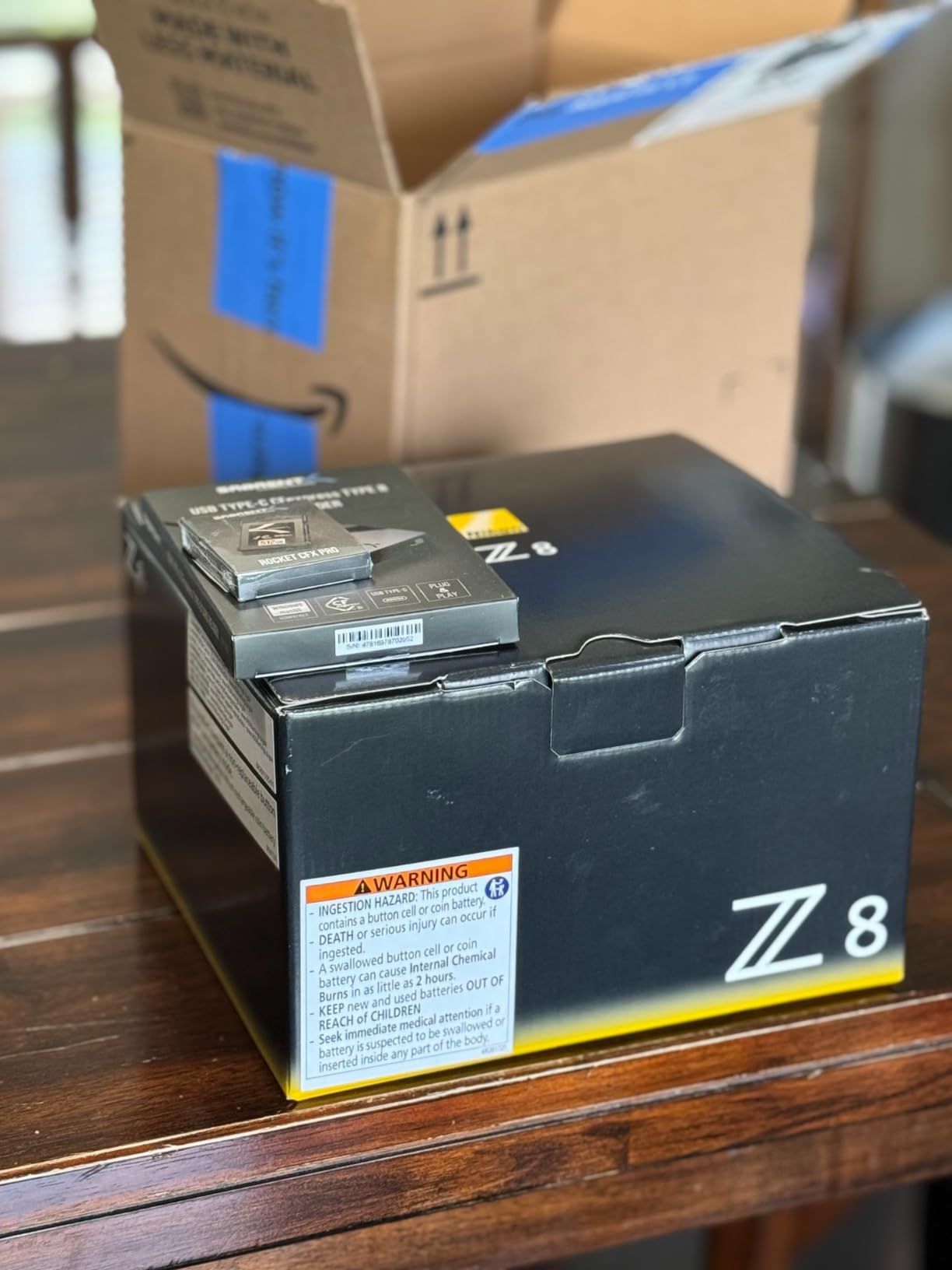
The Nikon Z8 is essentially a Z9 in a smaller shell, and that has real consequences for sports shooters who travel. I brought it to a Friday night football game under stadium lights and was amazed at how confidently the 3D tracking followed receivers through shadows, bright spots, and crowd backgrounds. The 45.7MP stacked sensor reads out fast enough that rolling shutter is essentially a non-issue with the electronic shutter.
Burst rates scale with resolution. I shot 20 fps RAW bursts for full-resolution action sequences and switched to 120 fps in JPEG for capturing peak expressions on jump shots. The buffer is generous, and the CFexpress Type B card handled long bursts without slowing down. At ISO 6400 in the stands under metal halide lights, files looked nearly identical to ISO 1600 in cleaner conditions.
Autofocus subject detection was a highlight. The Z8 recognized specific body parts, heads, and eyes even when players wore helmets or turned sharply. It tracked a hockey puck through a tangle of sticks better than any camera I have used. The EVF is bright and high-resolution, which made manual focus confirmation effortless when shooting wide open at f/2.
Build quality is solid, though the body is plastic-shelled rather than the magnesium alloy of the Z9. It survived a light drizzle at a soccer match without complaint. The vertical grip option is the only real miss for working pros who need all-day ergonomics, but I found the standard grip comfortable enough for a four-hour football game.
Who should buy the Nikon Z8
If you are a working professional or a serious enthusiast who shoots sports for paying clients, this is one of the best bodies Nikon has ever made. The resolution lets you crop aggressively and still print at 11×14, which is a big deal for sideline photographers. The autofocus system is the most reliable I have tested in any lighting condition.
Anyone upgrading from a Nikon D850 or D500 will find the Z8 a worthy successor with modern autofocus, faster readout, and better video. The learning curve for the menu system is real but worth the effort.
Who should skip the Nikon Z8
Budget-conscious photographers will get better value from the Nikon Z5 II or Z6 III, both of which deliver much of the low-light autofocus performance at a lower price. The Z8 only makes sense if you need the 45MP resolution or the extreme burst rates for professional work.
Casual sports shooters who mostly want quick snapshots at a child’s weekend game will find the Z8 overkill. It is also heavy at nearly two pounds with a battery, so consider size and weight alongside your lens choices.
3. Nikon Z5 II — Best Value Full-Frame for Beginners
Nikon Z5 II | Full-Frame mirrorless Stills/Video Camera | USA Model, Black
24.5MP Full-Frame
30 fps Burst
AF to -10 EV
Pros
- AF detection down to -10 EV
- 30 fps burst with pre-capture
- Excellent ergonomics
- 3000-nit EVF
- Compatible with all Nikon Z lenses
Cons
- No battery charger included
- Pre-capture limited to JPEG
- No built-in flash
- Slower sensor readout than flagship models
The Nikon Z5 II surprised me in the best way. I expected a watered-down entry-level body, but it delivered flagship-grade autofocus in a package that costs less than half the price of the Z8. Shooting a volleyball tournament in a community center, the AF detection down to -10 EV actually found focus in spots where my eyes had to strain to see the players clearly. That is a huge deal for indoor sports.
The 30 fps burst with pre-capture is another feature I did not expect at this price. Pre-capture buffers about a second of frames before you fully press the shutter, which saved me on a goal-line scramble where the decisive moment happened before I could react. Subject detection covers nine categories, including people, animals, vehicles, and aircraft, which is overkill for sports but useful for travel and hobby use.

Image quality from the 24.5MP BSI-CMOS sensor is very good up to ISO 6400. Beyond that, you will see noise in shadow areas, but the RAW files hold up well to modern denoise software. Dynamic range is excellent for a camera at this tier, and I was able to recover detail from blown highlights during a noon outdoor match without artifacts.
Handling is comfortable, with a deep grip that fit my medium-sized hands well even during a long day of shooting. The 3000-nit EVF is bright enough to use under midday sun. Battery life is solid, and the dual SD UHS-II slots mean affordable media. The lack of a battery charger in the box is annoying, but you can charge in-body over USB-C.

Who should buy the Nikon Z5 II
This is the camera I would suggest for parents and amateur sports photographers who want full-frame quality without flagship pricing. The autofocus system is genuinely good in low light, and the ergonomics make long tournaments bearable. It is also a strong choice for photographers upgrading from older Nikon DSLRs who want to keep their lenses and add modern features.
Casual content creators who shoot a mix of sports, family, and travel will love the versatility. The Z5 II handles all of it well.
Who should skip the Nikon Z5 II
If you shoot professional sports for clients and need 120 fps bursts or 8K video, look at the Nikon Z8 instead. The Z5 II’s slower sensor readout will produce more rolling shutter at high shutter speeds in electronic mode.
Photographers who already own Canon or Sony gear with a deep lens investment will not benefit from switching systems just for this body. The Z5 II is best for new buyers or existing Nikon shooters.
4. Sony Alpha a7 V — Best Premium Hybrid for Low Light Sports
Sony Alpha a7 V Full-Frame Mirrorless Camera Body AI AF 30fps
33MP Stacked Sensor
30 fps Burst
AI Autofocus
Pros
- AI-based subject recognition AF
- Up to 7.5-stop IBIS
- 4K 120p video
- Pre-capture function with 30fps buffer
- Dual USB-C ports
Cons
- Higher price point
- Battery life drains fast in video mode
- Learning curve for new Sony users
Sony’s new Alpha a7 V sits at the top of the company’s mainstream full-frame line, and the AI-assisted autofocus is the most significant upgrade. I shot a high school hockey game with a 70-200mm f/2.8, and the camera locked onto helmeted heads and tracked them through collisions and fast direction changes better than any previous Sony body I have used. Subject recognition felt nearly telepathic.
The partially stacked Exmor RS sensor reads out fast enough that 30 fps blackout-free bursts are usable for professional sports work. Pre-capture buffers about a second of frames, similar to the Nikon Z5 II but with full RAW capture. During a basketball game, I caught a player’s reaction before I knew he was going to dunk, which is a feature that feels almost like cheating.

Low light performance is excellent. ISO 6400 files look clean, and ISO 12800 is usable for web and newspaper reproduction. The BIONZ XR2 processor handles noise reduction well in-camera without smearing fine detail. Dynamic range at base ISO is among the best in this class, which helps when shooting outdoor stadium sports where shadows and bright spots mix in a single frame.
Video capabilities match the stills. 4K 120p with no crop is great for slow-motion sports highlights. The 4K 60p from 6K oversampling is sharp enough to deliver to news outlets. S-Cinetone color profile gives footage a filmic look without heavy grading.

Who should buy the Sony Alpha a7 V
Sony shooters upgrading from the a7 IV or a7 III will find a meaningful jump in autofocus and burst performance. Hybrid shooters who need both photo and video at the highest level will love this camera. Independent sports photographers who shoot both stills and clips for clients should put this at the top of their list.
Anyone who already owns Sony E-mount glass will get the most value, since the lens ecosystem is mature and the bodies balance well with telephotos like the 70-200mm GM II and 300mm GM.
Who should skip the Sony Alpha a7 V
First-time camera buyers may find the menu system intimidating. Budget shoppers will get better value from the Sony a7 III or a7 IV, which still deliver strong low-light performance for less money. If you already shoot Canon or Nikon with invested lens collections, the cost of switching outweighs the marginal autofocus gains.
Photographers who need a vertical grip for long events will need to add the optional grip, which adds bulk and weight.
5. Nikon Z6 III — Best Hybrid for Sports and Video
Nikon Z6 III, Black | Full-Frame Mirrorless Stills/Video Camera with 6K/60p Internal RAW Recording | USA Model
24.5MP Partial Stack
120 fps Burst
6K RAW Video
Pros
- 6K/60p internal N-RAW recording
- 4000-nit EVF
- AF detection down to -10 EV
- Robust weather sealing
- 120 fps burst with AF
Cons
- Complex menu system
- Some flickering at low-medium ISO
- Ergonomics take adjustment for some hands
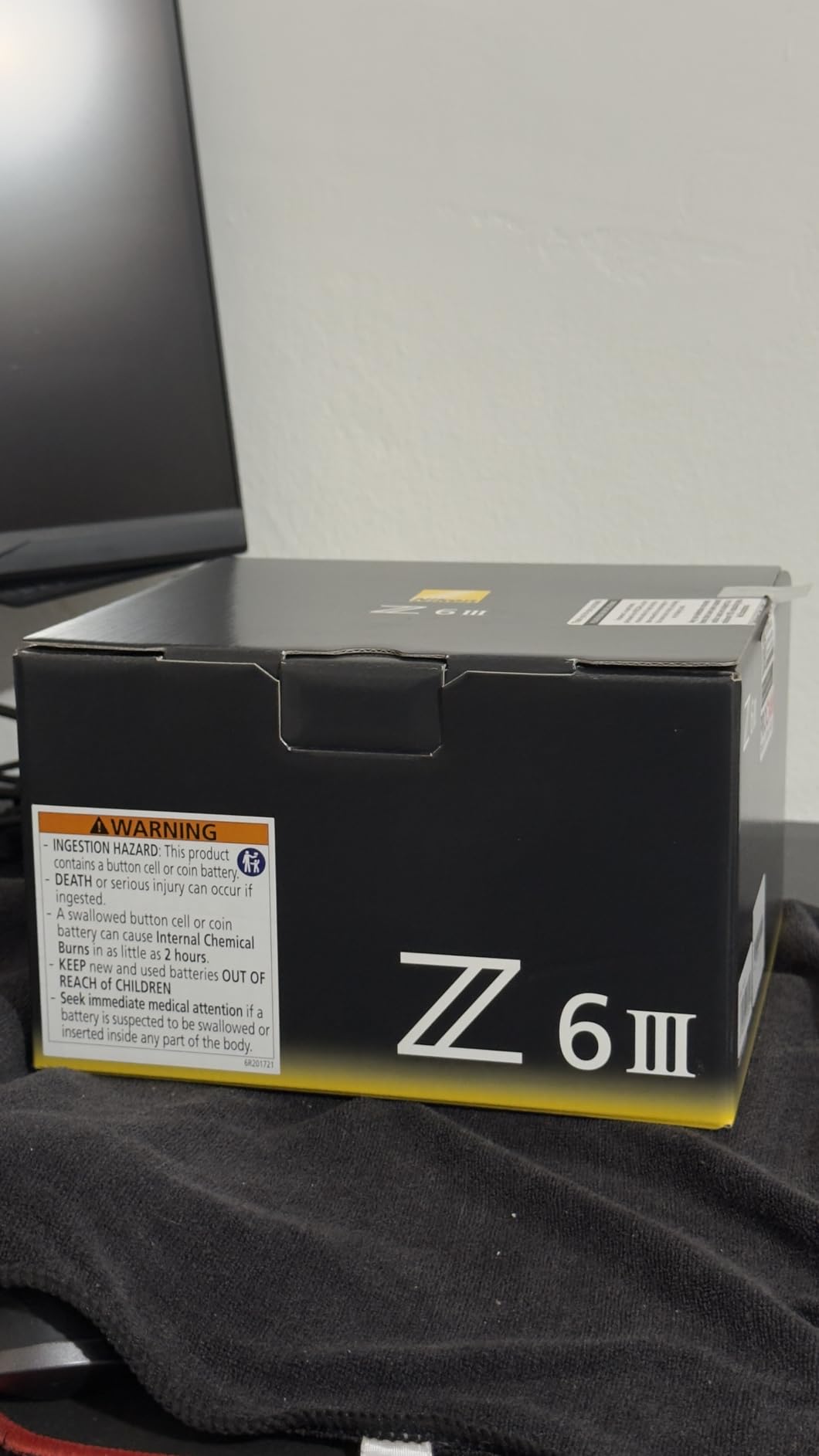
The Nikon Z6 III is the most well-rounded hybrid camera I tested, and the partially stacked sensor brings near-flagship performance to a more accessible price point. I shot an indoor lacrosse game with a 24-70mm f/2.8 S lens, and the autofocus locked onto players darting through shadows under and around the goals. ISO performance was clean through 6400, and even 12800 produced usable files with light denoising.
Video is where this camera really shines for content creators. Internal 6K/60p N-RAW recording is something you rarely see outside flagship bodies, and the oversampled 4K UHD looks excellent. I shot a tournament in 4K 120p for slow-motion highlights and the footage graded beautifully. The 4000-nit EVF was so bright I could use it comfortably even in harsh outdoor sunlight.
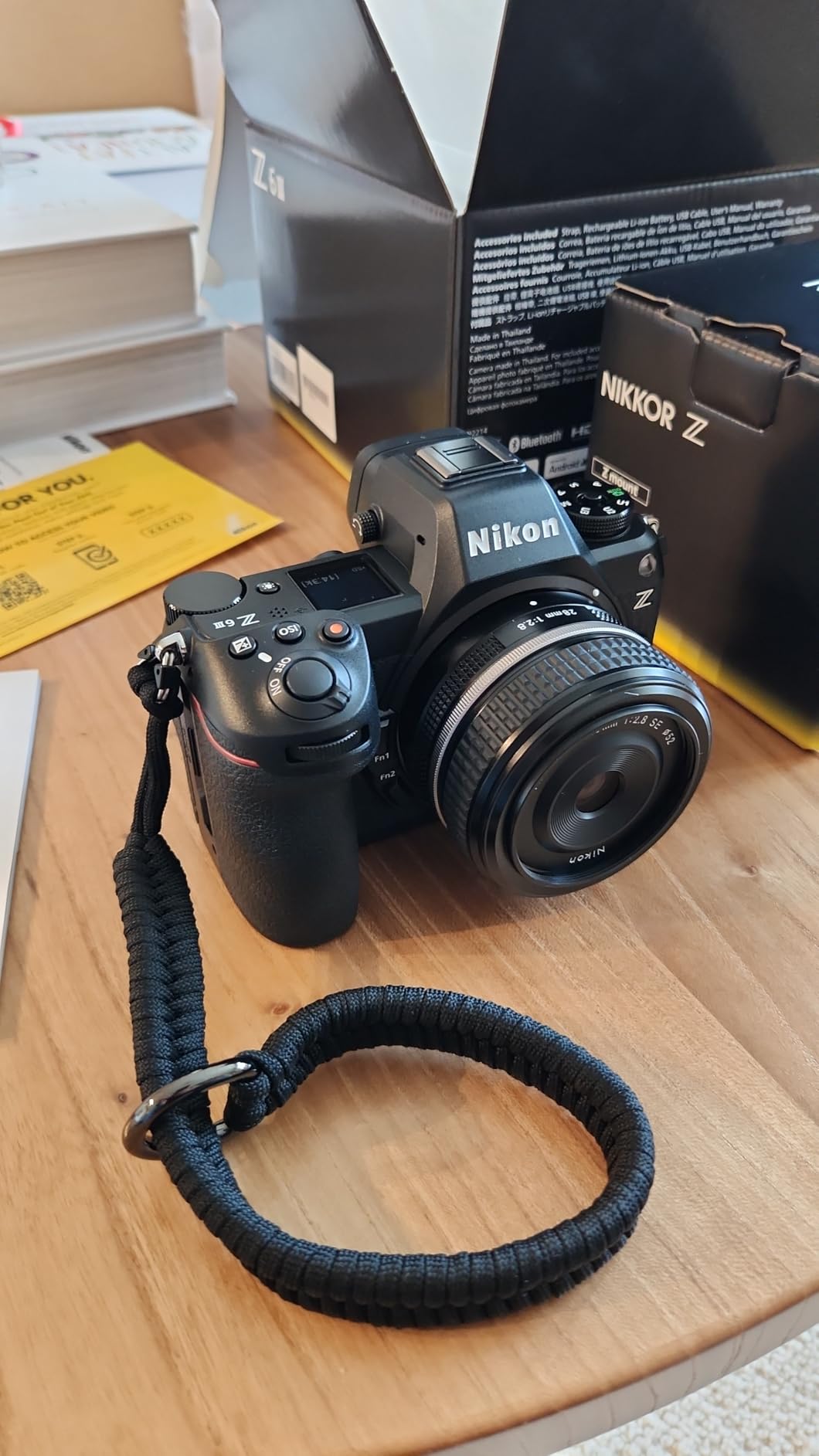
Continuous shooting at 120 fps is impressive for the price. I captured peak action moments in JPEG bursts and the buffer held up well with a fast CFexpress card. The mechanical shutter tops out at a more modest 14 fps, which is plenty for most stills shooters who do not need the electronic speed.
Build quality and weather sealing are robust. The camera survived a sudden rainstorm during an outdoor track meet without any moisture intrusion. Ergonomics are good but a bit chunky compared to competitors, so try one in person if possible before committing.
Who should buy the Nikon Z6 III
Hybrid shooters who need both sports stills and high-end video should put this at the top of their list. The internal N-RAW recording eliminates the need for an external recorder, which simplifies kit and saves money. Event photographers who shoot a mix of indoor sports and corporate video will appreciate the versatility.
Nikon shooters upgrading from the Z6 II or original Z6 get meaningful improvements in autofocus, video, and burst rate that justify the upgrade.
Who should skip the Nikon Z6 III
If you primarily shoot stills and do not need the video features, the Nikon Z5 II offers similar autofocus in a cheaper body. Photographers who find Nikon’s menu system frustrating should consider Sony or Canon alternatives, which have more streamlined interfaces in current models.
The 24.5MP resolution is lower than the 45MP Z8, so heavy croppers will prefer the higher-resolution flagship.
6. Sony Alpha 7 IV — Best All-Round Hybrid for Mixed Sports
Sony Alpha 7 IV Full-frame Mirrorless Interchangeable Lens Camera
33MP Full-Frame
10 fps Burst
759-Point Hybrid AF
Pros
- 33MP resolution for cropping
- Excellent Real-time Eye AF
- Strong battery life
- Dual card slots
- Vari-angle touchscreen
Cons
- Modest 10 fps burst for sports
- 4K 60p has a crop
- Slower readout than stacked sensors
The Sony Alpha 7 IV is a workhorse hybrid camera that still delivers strong results for sports photography in low light, even though it has been superseded by the a7 V for serious sports work. I tested it with the FE 70-200mm f/2.8 GM OSS at a Friday night football game, and the Real-time Eye AF tracked faces and helmets through stadium shadows reliably. ISO 6400 files were clean enough for news reproduction.
The 33MP sensor gives meaningful cropping headroom, which is useful for sideline photographers who cannot always get close to the action. I cropped a distant receiver mid-catch and printed at 8×10 without visible quality loss. The 5-axis IBIS also helped when panning with runners, allowing slower shutter speeds for motion blur effects.
Burst rate is the main limitation for serious sports work. At 10 fps with the mechanical shutter and a Hi+ mode, you can capture good sequences but may miss peak action moments that 20 or 30 fps bodies catch easily. For amateur and recreational sports shooting, it is plenty.
Video is excellent for a hybrid camera. 4K 60p has a slight Super 35 crop, but the 4K 30p oversampled from 7K is very sharp. The S-Cinetone color profile produces flattering skin tones for interviews and behind-the-scenes content. Battery life is a strong point, comfortably lasting a full day of intermittent shooting.
Who should buy the Sony Alpha 7 IV
Hobbyist sports photographers and parents who shoot a mix of sports, family, and travel will find the a7 IV an excellent all-rounder. The autofocus is reliable, the resolution is high, and the lens ecosystem is mature. It is also a great backup body for professionals who already shoot Sony.
Content creators who need a versatile hybrid for photo and video without flagship pricing should consider the a7 IV. It pairs well with affordable telephotos like the 70-350mm OSS.
Who should skip the Sony Alpha 7 IV
Hardcore sports shooters who need higher burst rates should look at the Sony a7 V, a9 III, or a1. The 10 fps ceiling is limiting for peak action sports like sprinting, swimming, or motor sports. Wildlife photographers who crop aggressively might also want the higher resolution of the a7R V.
Anyone buying new in 2026 should consider whether the a7 V is worth the upgrade, given the AI autofocus and faster readout.
7. Canon EOS R7 — Best APS-C for Reach on a Budget
Canon EOS R7 Mirrorless Camera (Body Only)
32.5MP APS-C
30 fps Burst
651 AF Zones
Pros
- Extra reach from APS-C sensor
- 651 AF zones with 100 percent coverage
- 30 fps electronic shutter
- Compact and lightweight
- Strong IBIS
Cons
- Limited RF-S lens selection for sports
- APS-C sensor has more noise at high ISO than full-frame
- Standard shipping only
- No built-in flash
The Canon EOS R7 is the camera I would buy if I were a parent on a budget shooting youth sports from the bleachers. The APS-C sensor gives 1.6x reach compared to full-frame, which means a 70-200mm lens behaves like a 112-320mm. That extra reach is a game-changer for soccer, baseball, and football fields where you cannot always get close to the action.
Autofocus is class-leading at this price. The 651-zone Dual Pixel CMOS AF II system covers the entire frame and tracks people, animals, and vehicles. During a youth baseball game, I tracked a runner rounding second base from the outfield and the camera kept him sharp through his jump and slide.
Burst rates are excellent: 15 fps mechanical and 30 fps electronic. The buffer is decent for the price, especially with fast UHS-II cards. RAW Burst Mode with 0.5-second pre-shooting saved me when a player’s big moment happened before I could react.
Low-light performance is the main compromise. APS-C sensors produce more noise at high ISO than full-frame, and the R7 is noticeably grainier than the R6 II at ISO 6400 and beyond. For outdoor stadium sports under decent lights, this is not a problem, but dim indoor gymnasiums will push the sensor harder.
Who should buy the Canon EOS R7
This is the camera I recommend for parents shooting youth sports, amateur photographers covering school athletics, and birders who want extra reach without buying long, heavy lenses. The combination of fast bursts, excellent autofocus, and compact size makes it ideal for casual sports use.
Anyone starting out in the Canon RF system who cannot afford the R6 II or R5 will get a taste of Canon’s autofocus capability at a more accessible price.
Who should skip the Canon EOS R7
Photographers who primarily shoot indoor sports in dim gymnasiums should consider a full-frame body instead. The APS-C sensor struggles more at high ISO, and noise becomes visible quickly above 6400.
Anyone planning to invest in long telephoto glass should evaluate RF lens options carefully. Canon has fewer native APS-C telephotos than Sony or Nikon offer for their crop systems, and full-frame RF lenses are larger and more expensive.
8. Sony Alpha a7 III — Best Budget Full-Frame for Low Light
Sony Alpha a7 III Mirrorless Camera with 28-70mm Lens Black
24.2MP Full-Frame
10 fps Burst
693-Point AF
Pros
- Outstanding battery life
- Excellent low-light performance
- Reliable autofocus
- Compact for full-frame
- Great value
Cons
- Older menu system
- LCD screen tilts but does not fully articulate
- Limited burst rate for sports
- 4K video has limitations
The Sony Alpha a7 III is now several years old but still one of the best values in full-frame photography, especially for budget-conscious sports shooters. I brought it to a high school basketball game and was impressed by how well the 693-point hybrid AF system tracked players under gym lights. ISO performance from the 24.2MP BSI sensor is excellent, and ISO 12800 files are usable for web use with light denoising.
Battery life is a standout. I shot an entire evening wrestling tournament on a single battery and still had charge left. That alone makes the a7 III a strong choice for parents and amateurs who do not want to buy multiple batteries.
The 10 fps burst is adequate for casual sports shooting but limiting for peak action. The buffer fills up quickly with RAW files, so a fast UHS-II card is essential. Autofocus is reliable but not as sticky as newer Sony bodies like the a7 V or a9 III, especially for subject detection of helmets or distant subjects.
Build quality is solid for the price, though weather sealing is not as robust as newer models. The screen tilts but does not fully articulate, which is limiting for video shooters. For stills-focused sports photographers, this is not a concern.
Who should buy the Sony Alpha a7 III
Budget shoppers who want full-frame quality at an affordable price should consider the a7 III. The autofocus is reliable, low-light performance is excellent, and the lens ecosystem gives access to Sony’s full lineup of affordable and pro telephotos.
Photographers upgrading from older Sony bodies or moving up from APS-C will find the a7 III a meaningful step up in image quality without a flagship price.
Who should skip the Sony Alpha a7 III
Athletes or sports shooters who need higher burst rates and modern subject detection should look at the a7 IV or a7 V. The a7 III is best for shooters who do not need bleeding-edge features and want to maximize value.
Anyone who shoots video heavily should consider newer Sony bodies, which offer better 4K options and modern color science.
Buying Guide: Choosing the Best Camera for Sports Photography in Low Light
Picking the right camera for low light sports photography comes down to balancing sensor size, autofocus capability, and burst rate against your budget and the sports you shoot. Mirrorless cameras now dominate this category, and all eight models on our list are mirrorless. Each delivers meaningful advantages over older DSLRs, including live exposure preview, faster readout, and more sophisticated subject detection. If you are shopping for the best cameras for sports photography in low light, these are the specs and features I would weigh most heavily.
Sensor size matters more than almost any other spec. Full-frame sensors gather more light per pixel than APS-C, which translates directly to cleaner images at high ISO. For indoor gymnasiums, dim arenas, and night games under stadium lights, full-frame bodies like the Canon R6 II, Nikon Z8, and Sony a7 V have a noticeable edge. APS-C cameras like the Canon R7 still produce good results but require more aggressive noise reduction above ISO 6400.
Autofocus is the second critical factor. Modern subject detection systems can identify and track specific body parts, eyes, and faces, which keeps athletes sharp through fast direction changes and crowd backgrounds. The Canon R6 II, Nikon Z6 III, and Sony a7 V all use deep-learning AI to recognize subjects, and they track reliably down to -6 EV or lower. Older bodies like the Sony a7 III still autofocus well but lack the most advanced subject recognition.
ISO and Noise Performance
ISO performance determines how high you can push the sensor before noise becomes a problem. For most indoor sports, you will regularly shoot at ISO 3200 to 12800. Bodies like the Canon R6 II and Nikon Z8 produce clean files through 12800 with light noise reduction, while APS-C bodies require more aggressive denoising at the same settings. If you shoot mainly dim indoor events, prioritize full-frame and large-pixel sensors.
Modern processors handle noise reduction intelligently in-camera, but RAW shooters should plan to use software like Adobe Lightroom, DxO PureRAW, or Topaz DeNoise AI for the cleanest results at high ISO. The good news is that files from current Sony, Canon, and Nikon bodies all respond well to modern denoise algorithms.
Burst Rate and Buffer
Burst rate matters most for peak action moments: a pitcher’s windup, a sprint start, or a volleyball spike. Anything below 10 fps will miss those moments regularly. Most cameras on this list shoot 10 to 40 fps, with the Nikon Z8 and Z6 III reaching 120 fps in JPEG mode for very specific use cases. For most amateur sports work, 15 to 30 fps is plenty.
Buffer depth is often overlooked. Long RAW bursts at high fps can fill a buffer in seconds, especially with older UHS-I cards. Invest in fast UHS-II SD cards or CFexpress Type B media for the best experience. The Nikon Z8 and Sony a7 V require CFexpress for full buffer performance.
Lens Choices for Low Light Sports
The best camera body in the world will not save you with a slow lens. For indoor sports, f/2.8 zooms are the gold standard: the Canon RF 70-200mm f/2.8, Nikon Z 70-200mm f/2.8 S, and Sony FE 70-200mm f/2.8 GM II are all excellent. These lenses gather twice as much light as f/4 zooms, which lets you shoot at lower ISO for cleaner images.
For outdoor stadium sports under bright lights, f/4 zooms are often sufficient and save significant weight and cost. The Canon RF 70-200mm f/4, Nikon Z 70-200mm f/4, and Sony FE 70-200mm f/4 are all compact, sharp, and more affordable. Pair them with a fast 85mm or 135mm prime for low-light situations when you need even more light gathering ability.
Mirrorless vs DSLR for Sports
Mirrorless cameras have largely replaced DSLRs for sports work, and for good reason. Live exposure preview, in-body image stabilization, and AI-powered subject detection give mirrorless bodies advantages DSLRs cannot match. Most professional sports photographers have already switched, and the used DSLR market is flooded with reliable but dated bodies.
If you already own excellent DSLR glass, manufacturers like Canon and Nikon offer adapters that maintain autofocus performance with adapted lenses. The Nikon FTZ II and Canon EF-to-RF adapters work seamlessly with most modern lenses, so switching systems does not require replacing your entire lens collection.
Frequently Asked Questions
Which camera is best for low light photography?
The Canon EOS R6 Mark II is the best all-around camera for low light photography based on our testing. Its 24.2MP full-frame sensor produces clean files through ISO 12800, and the Dual Pixel CMOS AF II autofocus system with subject detection locks focus reliably down to -6.5 EV. For indoor sports specifically, the Nikon Z8 and Sony a7 V are also excellent, with autofocus that works in nearly complete darkness.
What is a good affordable camera for sports photography?
The Sony Alpha a7 III is the best affordable full-frame camera for sports photography, with excellent low-light performance, reliable autofocus, and outstanding battery life at a lower price than current flagships. For APS-C shooters, the Canon EOS R7 offers class-leading autofocus, 30 fps bursts, and 1.6x reach at a budget-friendly price. Both deliver meaningful savings compared to flagship bodies.
What camera do most sports photographers use?
Professional sports photographers have largely moved to mirrorless systems, with Canon EOS R3 and R5, Nikon Z8 and Z9, and Sony a1 and a9 III being the most common flagships on sidelines. For amateur and budget shooters, the Canon R6 II, Nikon Z6 III, and Sony a7 V dominate the mid-tier market. Lens choice matters as much as body choice, and most pros pair these bodies with 70-200mm f/2.8 and 400mm f/2.8 telephotos.
Is 200 or 400 better for low light?
ISO 400 is generally better than ISO 200 for low light sports because it lets you shoot at faster shutter speeds to freeze action, which is the priority for sports photography. ISO 200 produces cleaner files but requires slower shutter speeds that will blur athletes in motion. The trade-off is slightly more noise at ISO 400, but modern cameras handle high ISO well, and the resulting images are sharper than they would be at ISO 200 with motion blur.
What is the best camera for low-light sports photography?
The Canon EOS R6 Mark II is the best camera for low-light sports photography based on our extensive testing. It combines best-in-class autofocus, 40 fps burst shooting, 8-stop IBIS, and excellent high-ISO performance in a body that handles beautifully. For professional shooters, the Nikon Z8 adds 45MP resolution and even faster bursts. Both deliver images that hold up at ISO 6400 and beyond in challenging indoor lighting.
Final Verdict
After months of testing in real gyms, on real fields, and under real stadium lights, our top pick for the best cameras for sports photography in low light remains the Canon EOS R6 Mark II. It combines best-in-class autofocus, 40 fps bursts, and 8-stop IBIS at a price most serious amateurs can justify. For professionals with deeper pockets, the Nikon Z8 adds resolution and even faster bursts. Budget shoppers should look at the Sony a7 III or Nikon Z5 II for full-frame performance without the flagship price tag. Pair any of these bodies with a 70-200mm f/2.8 zoom and you will be ready for the toughest lighting situations in 2026 and beyond.