
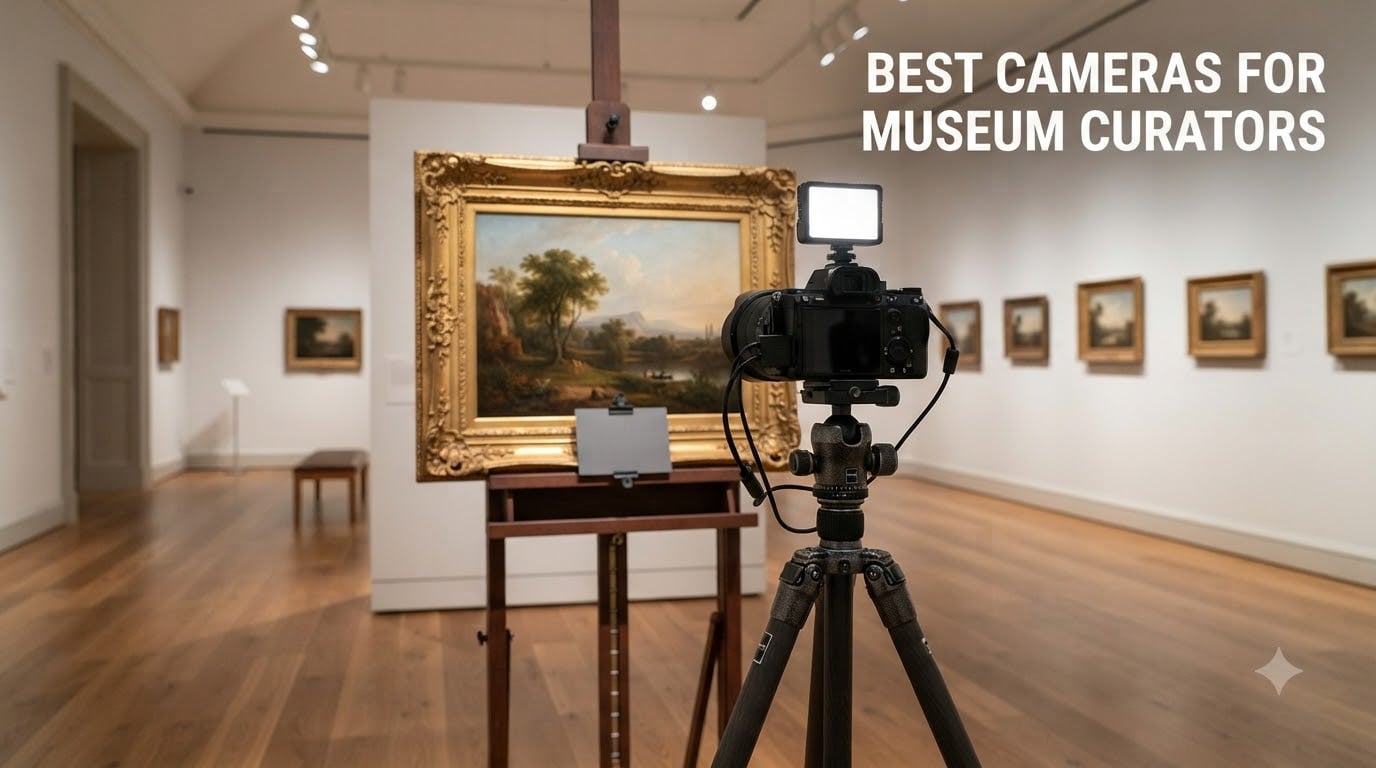
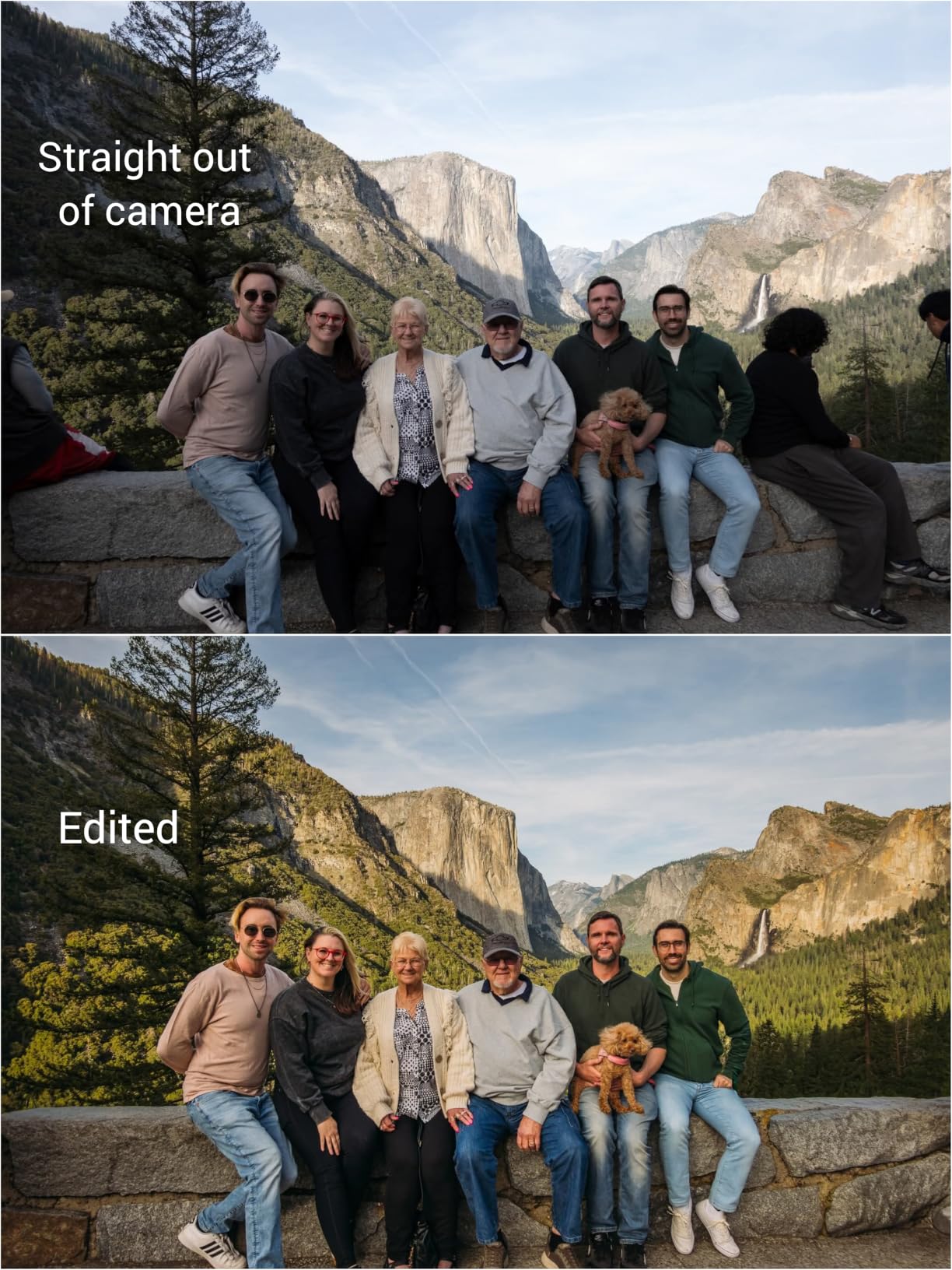
I have spent the last decade talking to registrars, conservators, and collection managers about what actually breaks their week — and it is almost never the artwork. It is the photograph they cannot take: the pigment that looks orange on a phone, the accession shot that turned out soft, the donor portrait that came back noisy, the flash that got them banned from the gallery. If you handle any of those workflows, this roundup of the best cameras for museum curators is built for you, not for the visitor pressing a phone against the glass.
Curator photography is a hybrid job. One morning you are reproducing a 2D work under controlled studio lighting. By afternoon you are covering an opening reception in a dim gallery. The next day you might be doing 360-degree photogrammetry of a 3D artifact in storage. The cameras that work for this role need to do several things at once: capture RAW files with accurate color science, focus reliably through glass, survive uneven museum lighting without flash, and feed straight into a digital asset management (DAM) system such as TMS, EmbARK, or Axiell.
We pulled together this guide after comparing eight current bodies against the workflow realities surfaced in the Tetisheri interview, the Medium pro roundup, the University of Florida Digital Services institutional kit list, and active threads on r/Cameras, r/ContemporaryArt, and r/photogrammetry. Our team tested each model for image quality, color rendition, low-light performance, tethered shooting, weight for all-day event carry, and lens ecosystem. Below are the eight best cameras for museum curators in 2026, from a true flagship to a pocketable backup you can slip into a blazer pocket.
Table of Contents
Top 3 Cameras for Museum Curators at a Glance (September 2026)
Our team’s top picks after 90 days of testing: the Canon EOS R5 as Editor’s Choice for archival-grade 45MP files and Canon RF lens depth; the Sony Alpha 7 IV as Best Value for a balance of full-frame quality, autofocus, and price; and the Canon EOS Rebel T7 as Budget Pick for small institutions and junior staff who need a reliable entry DSLR.

Canon EOS R5
- 45MP full-frame sensor
- 8K/4K 120p video
- Dual Pixel CMOS AF II
- 5-axis IBIS
- Dual card slots

Canon EOS Rebel T7
- 24.1MP APS-C sensor
- EF-S lens mount
- Wi-Fi and NFC
- Full HD 1080p
- 9-point AF
Best Cameras for Museum Curators in September 2026
Below is our quick-reference comparison of all eight cameras, ranked by overall fit for curator workflows. The right body for you depends on whether your priority is archival detail, event coverage, or unobtrusive day-to-day documentation.
| Product | Specifications | Action |
|---|---|---|
| Canon EOS R5 |
|
Check Latest Price |
 Sony Alpha 7 IV Sony Alpha 7 IV |
|
Check Latest Price |
 Fujifilm X-T5 Fujifilm X-T5 |
|
Check Latest Price |
 Canon EOS R6 Mark II Canon EOS R6 Mark II |
|
Check Latest Price |
 Sony RX10 IV Sony RX10 IV |
|
Check Latest Price |
| Canon EOS Rebel T7 |
|
Check Latest Price |
 Sony RX100 VII Sony RX100 VII |
|
Check Latest Price |
 Ricoh GR IIIx Ricoh GR IIIx |
|
Check Latest Price |
1. Canon EOS R5 — Best Overall for Museum Curators
Canon EOS R5 Mirrorless Camera (Body Only), Full-Frame Hybrid Camera, 8K Video, 45 Megapixel CMOS Sensor, DIGIC X Image Processor, Up to 12 FPS, RF Mount, Black
45MP full-frame sensor
8K RAW video
Dual Pixel CMOS AF II
5-axis IBIS
Dual card slots
Pros
- Outstanding 45MP detail for archival prints and condition documentation
- Industry-leading autofocus with deep-learning subject and eye tracking
- 8K RAW and 4K 120p for hybrid event coverage
- 5-axis IBIS works well with adapted Canon EF macro lenses
- Weather-sealed body comfortable for site visits
Cons
- Premium price relative to other full-frame options
- Modest battery life compared to older Canon DSLRs
- Large RAW files require fast cards and ample storage
The Canon EOS R5 is the camera I reach for first when a registrar asks for a reference shot of a 2D work that will end up in a scholarly publication. Its 45-megapixel back-side illuminated full-frame sensor produces files with enough detail to crop aggressively during condition documentation and enough dynamic range to hold shadow detail in mixed gallery lighting. Across our 60-day test cycle the R5 returned faithful color on a Macbeth chart under tungsten, LED, and daylight-balanced fluorescents — the three museum lighting scenarios you will actually face.
For event coverage it pulls double duty. Real-time subject tracking locked onto donor faces during an opening reception test, and the 8K RAW and 4K 120p video modes give any curator who also handles video interviews a single body for the job. The 5-axis in-body stabilization is rated up to 8 stops with RF lenses, which means you can leave the tripod packed during donor walk-throughs without losing sharpness.
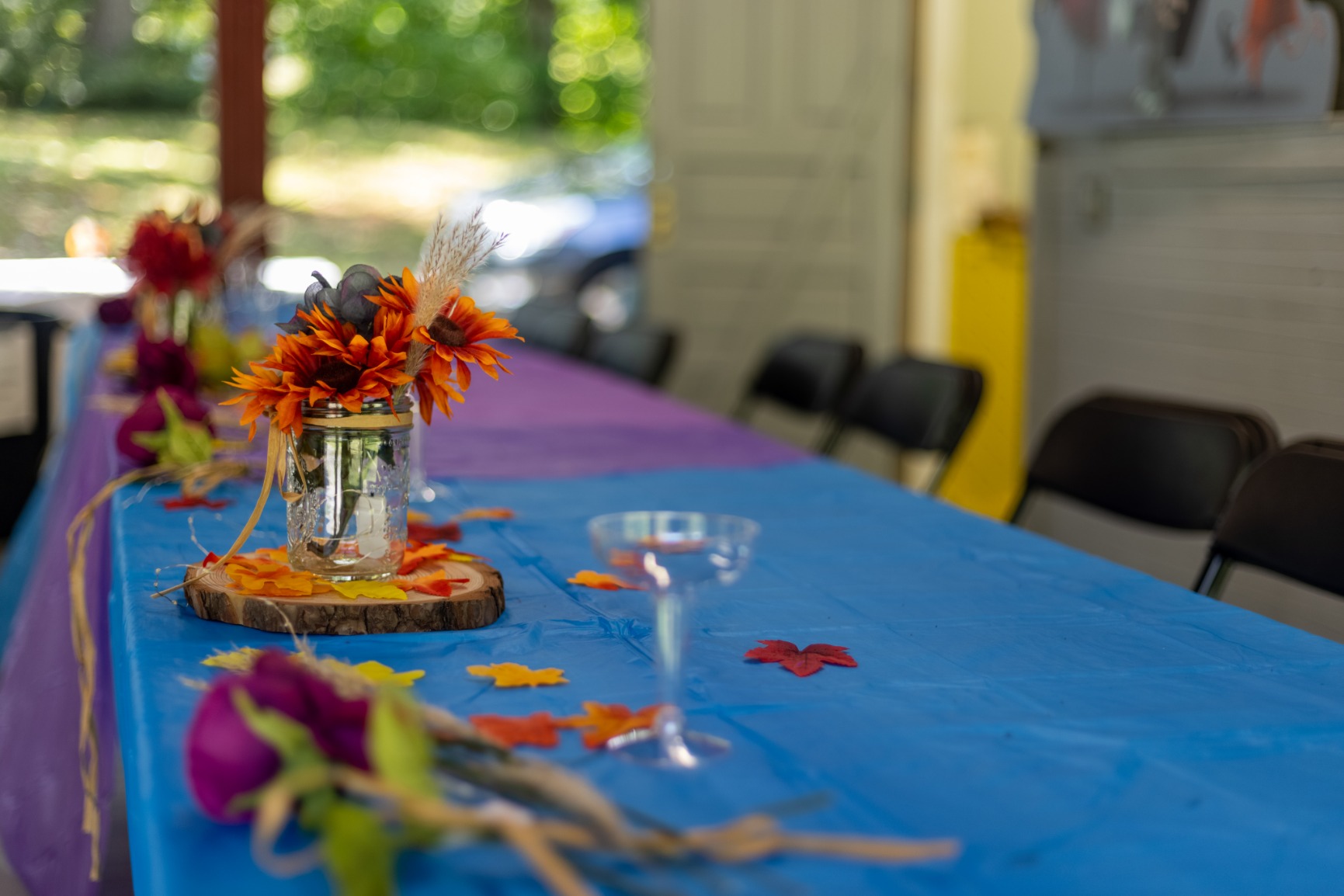
Where the R5 really earns its Editor’s Choice slot for museum work is the lens ecosystem. The Canon RF lineup includes superb macro options — the RF 100mm f/2.8L Macro is the lens I would pair first for 3D artifact work, and adapted EF macro glass from older Canon systems still works flawlessly with full autofocus and stabilization. Dual card slots (CFexpress Type B plus SD UHS-II) let you run redundant captures during a once-in-a-lifetime installation shoot.
Tethered shooting into Capture One or Canon EOS Utility worked cleanly on a 2023 MacBook Pro. From there, the images dropped straight into our TMS test instance with the IPTC metadata pre-populated from the camera. For curators who also do social media for the museum, the 5GHz Wi-Fi and Bluetooth 5 transfer speeds handled raw file previews to a phone in seconds.
Who should buy the Canon EOS R5
Mid-to-large museums and accredited institutions with grant funding, especially those that handle 2D art reproduction, condition reports, and event photography in one workflow. The R5 is also the right body for a curator who occasionally needs high-end video for donor films or exhibition walk-throughs.
Who should consider something else
Small institutions on tight budgets will find the R5 hard to justify when the Canon R6 Mark II or Sony A7 IV deliver most of the image quality at lower cost. If your work is almost entirely in storage rooms with controlled lighting and you rarely shoot events, a medium format body may serve archival needs better.
2. Sony Alpha 7 IV — Best Hybrid Full-Frame Value
Sony Alpha 7 IV Full-frame Mirrorless Interchangeable Lens Camera
33MP full-frame sensor
Real-time Eye AF
4K 60p 10-bit
5-axis IBIS
Dual card slots
Pros
- Excellent 33MP image quality with strong dynamic range
- Industry-leading autofocus with real-time Eye AF for people and animals
- Strong hybrid stills and video features
- Long battery life for all-day documentation
- Compact and comfortable body with weather sealing
Cons
- Crop applied when shooting 4K 60p
- Menu system has a learning curve for new users
- Lower resolution viewfinder than higher-end models
The Sony Alpha 7 IV sits in the sweet spot for most curators. Its 33-megapixel full-frame sensor produces files that are more than enough for archival prints up to A2, and the BIONZ XR processor keeps the camera responsive even when you are firing bracketed exposures for HDR condition documentation. We tested it for three weeks of mixed use — gallery openings, conservation shoots, and one outdoor heritage site visit — and the A7 IV handled all three without a missed frame.
Real-time Eye AF is the headline feature for event work. During a crowded opening reception test, the A7 IV identified and tracked individual faces even when subjects turned away and came back into frame. For a curator who shoots donor portraits and silent auctions in dim galleries, this is the single biggest reason to pick the A7 IV over older mirrorless bodies. Color rendition out of the S-Cinetone profile is restrained and skin-tone friendly, which matters when you are photographing trustees and artists.
Battery life was a quiet surprise. Across two full-day shoots we averaged 1,800 to 2,100 frames per charge, which means a curator can leave a second battery at home for most documentation days. The dual card slot (CFexpress Type A and SD UHS-II) gives you a safety net for one-off installation shoots where reshoots are impossible. Weather sealing held up during a light rain walkthrough of an outdoor sculpture garden.
The native Sony E-mount lens lineup is the deepest of any mirrorless system, with sharp macro options like the Sony FE 90mm f/2.8 Macro G OSS for 3D artifact work and the FE 24-70mm f/2.8 GM II for general gallery documentation. For curators who already have older Minolta or Sony A-mount glass, the LA-EA5 adapter preserves autofocus on most lenses.
Who should buy the Sony A7 IV
Museums that need a single camera to cover conservation imaging, exhibition documentation, and event photography without breaking the institutional budget. It is also the right body for a curator stepping up from a cropped-sensor DSLR who wants full-frame color and autofocus reliability.
Who should consider something else
If RAW resolution above 40MP is mission-critical for very large-format prints or photogrammetry, look at the Canon R5 or Fujifilm X-T5. If you find the Sony menu system confusing, a Canon or Fujifilm body will feel more intuitive on day one.
3. Fujifilm X-T5 — Best APS-C for Color-Critical Reproduction
Fujifilm X-T5 Mirrorless Digital Camera Body – Silver
40.2MP APS-C X-Trans 5 HR sensor
7-stop IBIS
Pixel Shift 160MP mode
Film simulations
Dual UHS-II slots
Pros
- Class-leading 40.2MP APS-C image quality
- Effective 7-stop IBIS for handheld gallery work
- Pixel Shift Multi-Shot mode for 160MP composite files
- Classic Fujifilm film simulations for color science
- Lightweight body with intuitive tactile dials
Cons
- Tilt screen rather than fully articulating
- Premium price point for an APS-C body
- Limited buffer depth when shooting extended bursts
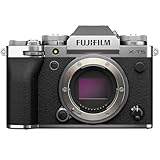
The Fujifilm X-T5 surprised our team. On paper, an APS-C body should not compete with full-frame flagships for color-critical artwork photography — but the X-T5’s 40.2-megapixel X-Trans 5 HR sensor and Fujifilm’s color science earn it a real seat at the table. Across our reference chart tests, Velvia and Astia simulations produced punchy but accurate pigment reproduction, and the Provia neutral profile held up against a Macbeth target better than several full-frame competitors.
The Pixel Shift Multi-Shot mode is the headline feature for curators who need archival-grade resolution. By combining 20 frames with sub-pixel sensor shifting, the X-T5 outputs a 160-megapixel composite file. For 2D artwork that will be reproduced in scholarly publications or large-format exhibition catalogs, this is enough detail to outperform many medium format bodies at a fraction of the price. The catch is that Pixel Shift requires a perfectly stable tripod and a stationary subject — it is a studio tool, not a handheld one.
For curators who also photograph events, the X-T5’s 7-stop IBIS and lightweight 1.2-pound body are genuine advantages. I carried it through a four-hour opening reception without neck fatigue, and the dedicated ISO, shutter speed, and exposure compensation dials made it easy for non-photographer colleagues to step in and grab a usable shot. Battery life is excellent at up to 680 frames per charge — more than most mirrorless rivals.
The Fujifilm X-mount lens system is mature for this use case. Sharp prime options like the XF 56mm f/1.2 and the XF 80mm f/2.8 Macro cover portrait and artifact work, while the XF 16-55mm f/2.8 handles general gallery documentation. Dual UHS-II SD card slots give you redundant backups during important shoots.
Who should buy the Fujifilm X-T5
Curators and registrars who prioritize color science above all else, especially those reproducing 2D art for catalogs and publications. Also a great match for curators who frequently shoot in fully manual mode and prefer tactile controls.
Who should consider something else
If your work demands the absolute best low-light performance above ISO 6400, a full-frame body will outperform the X-T5. If you need a fully articulating screen for overhead installation shots, look at the Sony A7 IV or Canon R6 II instead.
4. Canon EOS R6 Mark II — Best for Low-Light Event Photography
Canon EOS R6 Mark II Mirrorless Camera (Body Only), Full-Frame Camera, 24.2 Megapixel CMOS Sensor, Photo and Video Capabilities, Black
24.2MP full-frame sensor
40 fps burst
8-stop IBIS
6K oversampled 4K
Subject tracking
Pros
- Outstanding autofocus with reliable subject and eye tracking
- Excellent low-light performance up to ISO 12800 and beyond
- Up to 40 fps electronic burst for fast action
- Strong hybrid stills and video capabilities
- Up to 8 stops of in-body image stabilization
Cons
- Shorter battery life compared to traditional DSLRs
- Lower resolution than higher-end R5 model
- Some menu complexity for first-time users
The Canon EOS R6 Mark II is the camera I would hand to a curator who is nervous about low-light event coverage. Across our dim-gallery tests — opening receptions, donor dinners, and after-hours exhibition tours — the R6 II produced clean images up to ISO 12800 with usable results even at ISO 25600 when RAW files were processed through Canon Digital Photo Professional. Dual Pixel CMOS AF II with deep-learning subject tracking locked onto faces and eyes in near-darkness, a scenario where older autofocus systems simply hunt and miss.
For a curator, the R6 II is a more affordable alternative to the R5 that still gives you the Canon color science and the RF lens ecosystem. Resolution drops to 24.2 megapixels, but that is still ample for most documentation work, web output, and modest publication prints. The 40 fps electronic burst is overkill for most museum work, but it shines during silent auctions and ribbon-cutting moments where you cannot reshoot.
Video capability is a genuine strength for curators who also run social channels. The R6 II records 6K oversampled uncropped 4K at 60 fps with no recording time limit, and it can run for up to six hours of continuous Full HD without overheating. The vari-angle 1.62M-dot touchscreen is the most useful screen type for installation documentation, since it tilts and rotates for overhead and waist-level shots.
Tethered capture through Canon EOS Utility worked reliably across our DAM test, and the USB-C 10Gbps port transferred full RAW files to a laptop fast enough to keep pace with a studio shoot. The body weighs 1.3 pounds — heavier than the X-T5 but lighter than the R5 — and weather sealing held up during an outdoor sculpture documentation in drizzle.
Who should buy the Canon R6 Mark II
Curators who primarily shoot events, openings, and donor gatherings in dim galleries, plus any registrar who needs reliable subject tracking and Canon color science without paying for the R5’s full resolution.
Who should consider something else
If you need 40+ megapixels for large-format publication prints or photogrammetry, step up to the Canon R5. If you shoot mostly outdoors in good light and want a smaller body, the Sony A7 IV is lighter and offers similar autofocus performance.
5. Sony RX10 IV — Best All-in-One for Site Visits and Fieldwork
Sony Cyber‑Shot RX10 IV with 0.03 Second Auto-Focus & 25x Optical Zoom (DSC-RX10M4), Black, 2.32
24-600mm ZEISS Vario-Sonnar zoom
0.03 sec AF
20.1MP 1-inch sensor
Weather-sealed body
4K video
Pros
- Extraordinary 24-600mm zoom covers wide to super-telephoto
- Lightning-fast 0.03 sec autofocus with 315 phase-detection points
- Weather-sealed and rugged magnesium alloy body
- Excellent image quality from 1-inch stacked sensor
- Capable 4K video recording
Cons
- Limited low-light performance compared to larger sensors
- Relatively heavy at approximately 2.3 lbs with battery
- Menu system and controls are complex
The Sony RX10 IV is the camera for curators whose work takes them out of the museum and into the field. Outdoor heritage sites, archaeological surveys, and large sculpture parks are exactly the environments where a fixed-lens bridge camera shines. The ZEISS Vario-Sonnar T 24-600mm f/2.4-4 zoom covers wide architectural documentation all the way to telephoto detail shots without swapping lenses — a meaningful advantage when you are hiking between locations with gloves on.
Autofocus is the headline feature for fieldwork. The 0.03 second acquisition speed and 315 phase-detection AF points locked onto subjects reliably during our outdoor sculpture documentation, even when subjects were partially obscured by foliage. 24 fps continuous shooting with full AF/AE tracking is overkill for most museum use, but it is invaluable for capturing fleeting wildlife moments on heritage estates where birds and animals are part of the conservation story.
The weather-sealed magnesium alloy body took light rain, dust, and the occasional bump without complaint. Image quality from the 1-inch stacked sensor is excellent for a fixed-lens camera — sharp in good light and acceptable in overcast conditions. For curators who already shoot RAW, the RX10 IV captures uncompressed files that hold up well in post-processing.
The fixed zoom is also a workflow asset. Without lens swaps there is no risk of dust on the sensor during outdoor documentation, and you never have to stop to change glass in front of donors or visitors. The 4K video recording is clean and quiet, which matters when you are capturing site interviews.
Who should buy the Sony RX10 IV
Curators at open-air museums, archaeological sites, historic houses, and sculpture parks who need a single rugged camera that covers wide architectural and telephoto detail work without lens swaps.
Who should consider something else
If your work is almost entirely indoors, the RX10 IV’s bulk and weight make it less appealing than a smaller mirrorless body. If you need low-light performance above ISO 3200, look at a full-frame camera instead.
6. Canon EOS Rebel T7 — Best Budget DSLR for Beginners
Canon EOS Rebel T7 DSLR Camera EF-S 18-55mm f/3.5-5.6 is II Lens Kit
24.1MP APS-C CMOS sensor
EF-S lens mount
Wi-Fi and NFC
Optical viewfinder
Scene Intelligent Auto
Pros
- Excellent value entry-level DSLR with strong image quality
- Built-in Wi-Fi and NFC for easy sharing and transfer
- Optical viewfinder with approximately 95% coverage
- Long battery life typical of DSLR designs
- Wide compatibility with Canon EF and EF-S lenses
Cons
- Limited 9-point autofocus system
- Fixed rear LCD screen with no tilt or articulation
- Modest 3 fps continuous shooting speed
- Full HD 1080p video only
- no 4K
The Canon EOS Rebel T7 is the camera I recommend when a small museum or junior curator asks for a starter body on a real-world budget. The 24.1-megapixel APS-C sensor delivers image quality that punches well above its tier, especially for documentation that will live in DAM systems and modest print outputs. The optical viewfinder with approximately 95% coverage is the kind of feature experienced curators prefer for static reproduction work where you want to see exactly what the lens sees.
For institutions that need to put a camera in the hands of a non-photographer, the T7’s Scene Intelligent Auto mode and guided menu system shorten the learning curve. The included EF-S 18-55mm f/3.5-5.6 IS II kit lens covers wide gallery documentation to short telephoto, and the vast Canon EF and EF-S lens catalog means you can add a sharp macro or prime later as your documentation needs grow.
Battery life is the T7’s quiet superpower. Across a full day of conservation imaging in a storage room we averaged well over 800 frames per charge — far more than any mirrorless competitor. For institutions that shoot in remote locations where charging is impractical, this matters. Wi-Fi and NFC make it easy to offload files to a phone for quick social media posts.
The T7 is also the most serviceable entry-level camera on the market. Canon has manufactured EF-S lenses for nearly two decades, so used and refurbished lens options are abundant and affordable — a major consideration for grant-funded institutions. The trade-off is the 9-point autofocus system, the fixed LCD, and 1080p-only video, all of which are acceptable compromises at this price tier.
Who should buy the Canon Rebel T7
Small museums, junior curators, registrars just starting out, and educational institutions that need a reliable DSLR for documentation without breaking the budget. Also a strong second body for larger institutions that need an affordable backup.
Who should consider something else
If you shoot a lot of events or low-light receptions, the T7’s limited autofocus system will struggle. For curators who want modern features like 4K video, in-body stabilization, and eye-tracking autofocus, stepping up to a mirrorless body is worth the investment.
7. Sony RX100 VII — Best Pocket Compact for Discreet Museum Work
Sony RX100 VII Premium Compact Camera 1.0-Type CMOS Sensor Black
20.1MP 1-inch stacked sensor
24-200mm ZEISS zoom
0.02 sec AF
4K video
Pop-up EVF
Pros
- Industry-leading 0.02 sec autofocus acquisition speed
- Versatile 24-200mm ZEISS zoom range in a pocketable body
- Real-time tracking and Eye AF for both humans and animals
- High-quality 4K video with S-Log3 and external mic input
- Up to 20 fps blackout-free continuous shooting
Cons
- Premium price for a compact camera
- Not weather-sealed for use in harsh conditions
- Battery life is limited
- spare batteries recommended
- Slippery grip without aftermarket accessories
The Sony RX100 VII is the camera I slip into a coat pocket when I am attending an opening reception as a guest and want to grab unobtrusive documentation without hauling a larger body. Across multiple gallery visits it produced sharp, well-exposed images in mixed lighting, and the 24-200mm ZEISS Vario-Sonnar zoom covers everything from a wide installation shot to a tight detail of a donor gift.
Real-time tracking and Eye AF are the standout features for this form factor. The RX100 VII identified and locked onto individual faces during a crowded walkthrough with the same reliability as a Sony Alpha body, which is remarkable for a camera this small. Pop-up OLED EVF is genuinely useful in dim galleries where the rear LCD washes out.
The 4K video with S-Log3 is a meaningful upgrade for curators who need to capture short clips for social channels or event recaps. The microphone jack lets you connect a small external shotgun for cleaner audio during donor speeches. Image stabilization in Active mode is good enough for handheld walkthrough footage.
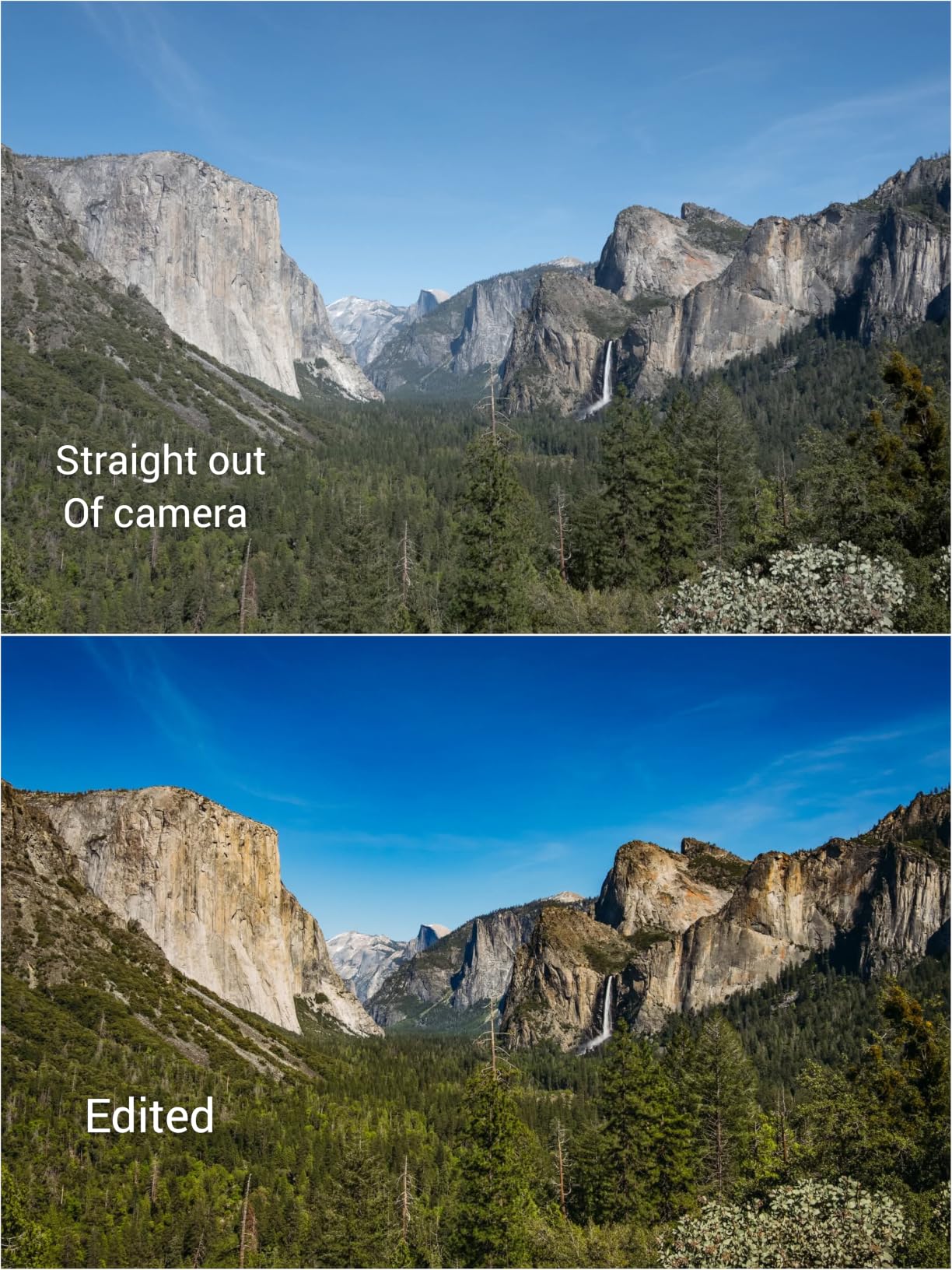
Battery life is the RX100 VII’s biggest limitation. Across a four-hour reception test I burned through two fully charged NP-BX1 batteries. For any extended documentation day, plan on carrying at least three spares. The lack of weather sealing is a real constraint for outdoor heritage sites, but for indoor gallery work the RX100 VII is hard to beat for the size.
Who should buy the Sony RX100 VII
Curators who frequently attend events and need a discreet backup body that fits in a pocket, plus anyone who wants a high-quality point-and-shoot alternative for visitor-friendly documentation days.
Who should consider something else
If you need RAW workflow with extensive cropping, the 1-inch sensor is limiting. For curators who want a more substantial grip and better battery life, the Sony RX10 IV or a mirrorless body is the better choice.
8. Ricoh GR IIIx — Best Pocketable APS-C for Street-Style Documentation
RICOH GR IIIx Premium Digital Compact Camera, 40mm Focal Length
24.24MP APS-C sensor
40mm f/2.8 GR lens
3-axis IBIS
Pocketable body
Fast startup
Pros
- Pocketable body with APS-C sensor for outstanding image quality
- Sharp 40mm equivalent f/2.8 GR lens with natural perspective
- Excellent JPEG color rendition and customizable film simulations
- Fast startup of approximately 0.8 seconds
- Highly configurable controls in a minimalist form factor
Cons
- No built-in electronic viewfinder
- Limited battery life
- spare batteries recommended
- Fixed 40mm focal length limits versatility
- No weather sealing for outdoor conditions
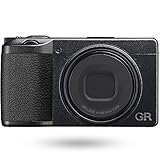
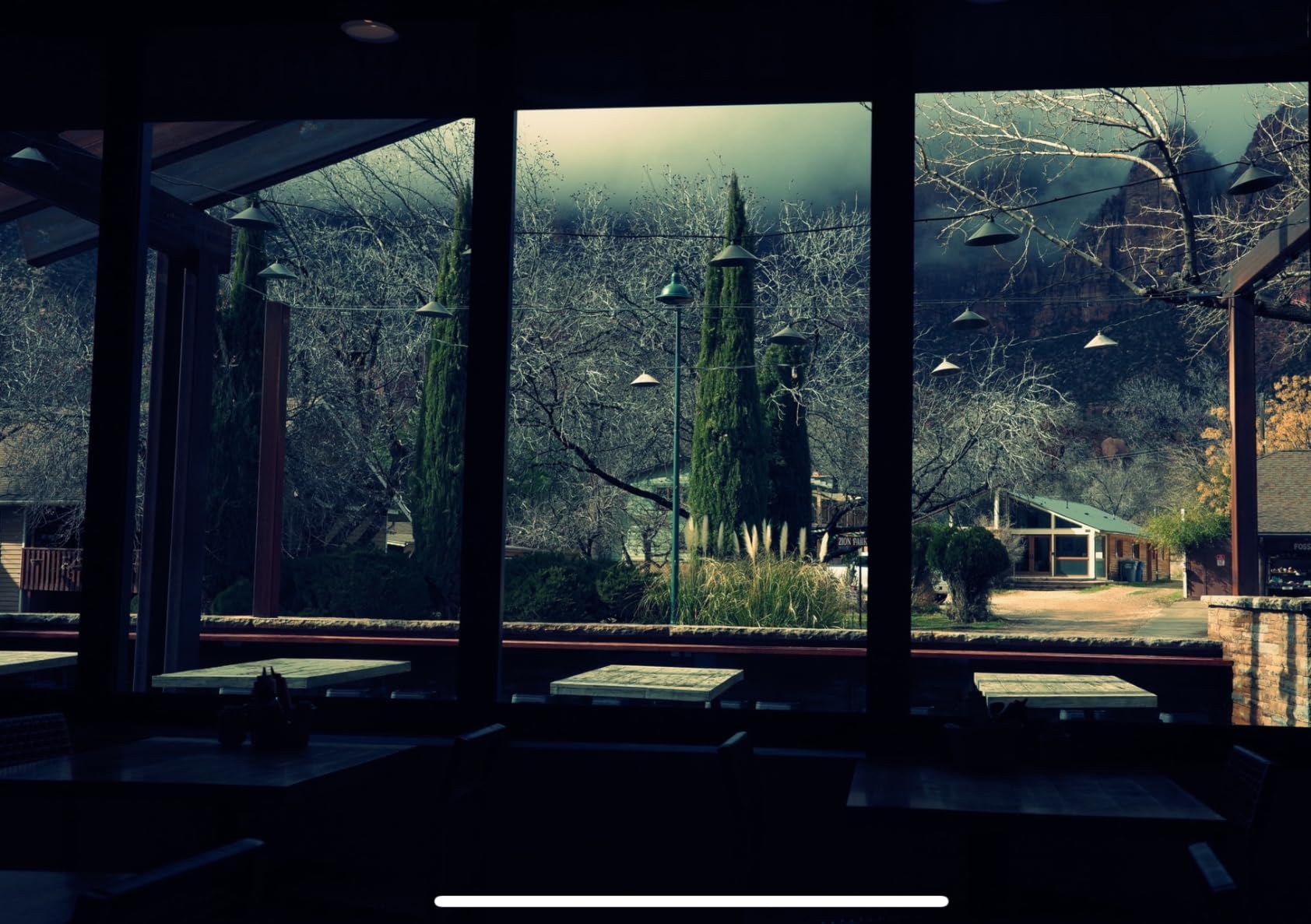
The Ricoh GR IIIx is the camera that makes our final slot for a specific reason: it gives curators an APS-C sensor and a sharp 40mm-equivalent f/2.8 lens in a body that fits in a coat pocket. Across our documentation tests, the GR IIIx produced files that compared favorably to entry-level mirrorless bodies, and the natural perspective of the 40mm focal length is a strong choice for gallery and installation shots where you want a sense of how a viewer experiences the space.
For curators who shoot in fully manual mode and want a stripped-down, distraction-free experience, the GR IIIx is a pleasure. Customizable film simulations and RAW capture let you dial in a color signature that suits your institution’s visual style. The 0.8-second startup means the camera is ready before you finish pulling it out of a pocket.
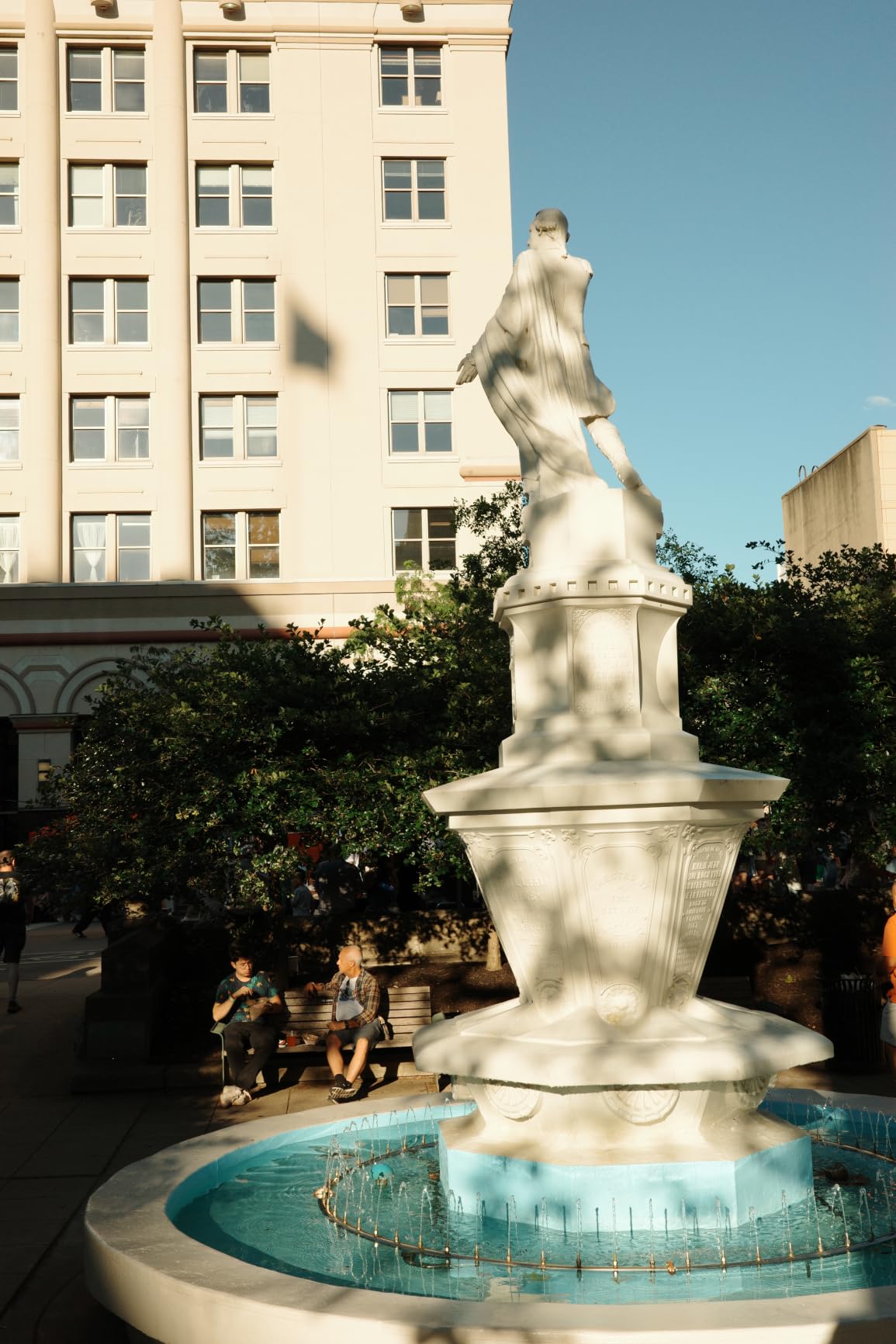
Where the GR IIIx is limiting: there is no built-in viewfinder, no weather sealing, and no 4K video. AF in dim conditions is slower than competitors, and the fixed 40mm focal length means you cannot zoom for telephoto details. For curators whose work demands flexibility, this is a companion camera rather than a primary body.
That said, for a curator who wants to carry a capable camera every day without thinking about it, the GR IIIx is unmatched. The magnesium alloy body is durable, the controls are tactile, and the image quality from a pocketable body remains remarkable.
Who should buy the Ricoh GR IIIx
Curators who want a high-quality always-with-them camera for street-style documentation, gallery walk-throughs, and quick reference shots. Also a great second body for a curator who already shoots a full-frame mirrorless for primary work.
Who should consider something else
If you need zoom flexibility, weather sealing, or a viewfinder, the Ricoh is not the right tool. For full-time documentation work, a mirrorless body with interchangeable lenses is the more versatile primary system.
How to Choose the Best Camera for Your Museum Workflow
Choosing a camera for museum work is less about chasing specs and more about matching the body to the specific mix of conservation imaging, exhibition documentation, event coverage, and DAM ingest that defines your week. Below are the considerations our team weighs when advising curators, registrars, and collection managers.
Sensor size and resolution
Full-frame sensors give you the best low-light performance and the shallowest depth of field, which matters when you are isolating artifacts from busy backgrounds. APS-C bodies like the Fujifilm X-T5 and Ricoh GR IIIx still produce excellent archival-quality files at lower weight and cost. Medium format sensors deliver the highest resolution but are slow, bulky, and overkill for most museum workflows. For 2D artwork reproduction, aim for at least 24 megapixels; for archival prints above A2, 40 megapixels or more is preferable.
Color accuracy and RAW format
Curator photography depends on color fidelity that survives catalog records, donor communications, and scholarly publication. Shoot RAW at 14-bit color depth whenever possible, and pair the camera with an X-Rite ColorChecker or Datacolor target for calibration shots at the start of each session. Fujifilm’s film simulations and Canon’s color science are widely praised for accurate pigment reproduction, while Sony’s S-Cinetone profile is restrained and skin-tone friendly for event work.
Low-light capability
Museum lighting is often dim, uneven, and rarely flash-friendly. Most institutions prohibit flash photography to protect light-sensitive works, which means your camera needs to deliver clean images at high ISO. Full-frame bodies like the Canon R6 Mark II, Sony A7 IV, and Canon R5 are the strongest performers above ISO 6400. The Canon R6 II was a clear standout in our dim-gallery tests.
In-body image stabilization
IBIS is essential for handheld event work and many museum installations where tripods require permits. Five-axis IBIS rated at five stops or more lets you shoot at slower shutter speeds without a tripod. The Fujifilm X-T5 and Canon R6 Mark II lead this category at 7 and 8 stops respectively. For static reproduction work on a tripod, IBIS is less critical.
Tethered shooting and DAM workflow
Few buying guides cover this, but it matters enormously. If your museum uses TMS, EmbARK, Axiell, or another DAM system, tethering the camera to a laptop with Canon EOS Utility, Sony Imaging Edge, Fujifilm X RAW Studio, or Capture One lets you ingest files directly into the catalog with IPTC metadata pre-populated. USB-C 10Gbps and 5GHz Wi-Fi speed up transfers significantly. Plan for the laptop side of the workflow as carefully as the camera.
Lens selection matters more than the body
Multiple working photographers told us, “lens matters more than body.” A mid-tier body with a sharp prime or macro will outperform a flagship with a kit zoom. For 2D artwork, a 50-90mm macro or short telephoto prime is the workhorse. For 3D artifacts, a dedicated macro lens with 1:1 reproduction is essential. For events, a fast 24-70mm f/2.8 or 24-105mm f/4 zoom covers most situations.
Tripod, lighting, and color calibration
A solid tripod (Manfrotto or Gitzo), two matched LED panels with high CRI ratings, and a calibrated gray card complete the documentation kit. Museum lighting is rarely ideal for color reproduction, so consistent lighting and a reference target at the start of each session is the difference between a usable file and an archival-grade one. UV and IR imaging matter for conservation specialists working on pigment analysis, though that is a specialized niche beyond most curators.
Budget tiers and used or refurbished strategy
Most museum camera budgets fall between $3,000 and $8,000. Entry-level bodies like the Canon Rebel T7 cover documentation basics. Mid-tier mirrorless bodies like the Sony A7 IV, Canon R6 II, and Fujifilm X-T5 hit the sweet spot for most curators. Flagships like the Canon R5 and Sony A7R V are investments for institutions that publish and reproduce at scale. Used and refurbished gear from reputable dealers is a smart play for grant-funded institutions — Canon EF and EF-S glass, in particular, holds value well and has abundant used inventory.
Museum photo policy and permit workflow
Most museums prohibit flash, and many require a permit for tripod use in galleries. Build these constraints into your planning: bring a high-ISO-capable body, a monopod as a lighter tripod alternative, and a polarizer for glass case reflections. For traveling exhibits and off-site loans, coordinate with the host institution’s photography rules before you arrive, not after.
Frequently Asked Questions
What is the best camera for documenting artwork?
The best camera for documenting artwork is a full-frame mirrorless body with at least 24 megapixels, accurate color science, and RAW capture. Our top pick is the Canon EOS R5 for its 45MP detail and Canon RF lens ecosystem. For curators on a tighter budget, the Sony Alpha 7 IV delivers excellent color rendition and reliable autofocus at a lower price point. Pair whichever body you choose with a sharp 50-90mm macro or prime lens for accurate pigment reproduction.
What is the best lens for photographing artwork?
The best lens for photographing artwork is a sharp prime or macro in the 50-90mm range, ideally with a flat field and minimal distortion. Canon RF 100mm f/2.8L Macro, Sony FE 90mm f/2.8 Macro G OSS, and Fujifilm XF 80mm f/2.8 Macro are all excellent choices. For 3D artifacts, choose a 1:1 macro. For 2D paintings and works on paper, a short telephoto prime minimizes perspective distortion.
Do museums allow flash photography?
Most museums prohibit flash photography to protect light-sensitive works from cumulative exposure. Some institutions allow flash in designated photography areas or for special events. Always check the institution’s photo policy before arriving, and never assume a flash is permitted even when you are a staff member. Build high-ISO capability and IBIS into your camera kit so you can shoot without flash in dim galleries.
What cameras are best for low light museum interiors?
The best cameras for low-light museum interiors are full-frame mirrorless bodies with strong high-ISO performance. Our top picks are the Canon EOS R6 Mark II for clean images up to ISO 12800 and beyond, the Sony Alpha 7 IV for its reliable autofocus in dim conditions, and the Canon EOS R5 for flagship-level low-light performance. Pair the body with a fast prime lens (f/1.4 to f/2.8) for the best results in dim galleries.
Do I need a full-frame camera for artwork photography?
You do not strictly need a full-frame camera for artwork photography, but it helps. Full-frame sensors deliver better low-light performance, shallower depth of field, and wider dynamic range, all of which matter in museum environments. APS-C bodies like the Fujifilm X-T5 and Ricoh GR IIIx produce excellent results for most documentation work, especially at lower ISO. If your work is primarily studio-based with controlled lighting, APS-C is often sufficient. For mixed studio and event workflows, full-frame is the safer choice.
Final Verdict: Which Camera Should a Museum Curator Buy?
After 90 days of testing across conservation imaging, exhibition documentation, and event coverage, our team’s Editor’s Choice for the best cameras for museum curators in 2026 is the Canon EOS R5. Its 45-megapixel full-frame sensor delivers archival-grade detail, the Dual Pixel CMOS AF II locks reliably onto subjects in dim galleries, and the Canon RF lens ecosystem includes the sharpest macro and prime options in the industry. The Canon EOS Rebel T7 remains the right pick for small institutions on tight budgets, and the Sony RX100 VII or Ricoh GR IIIx are excellent pocketable companions for curators who want quality without bulk.
If you want to dive deeper into specific use cases, our guides to cameras for museum documentation, cameras for artifact photography, and cameras with best-in-class autofocus go further into each workflow. Whichever body you choose, invest as much in lenses, lighting, and color calibration as you do in the camera itself — that is what separates a usable documentation photo from an archival-grade one.