
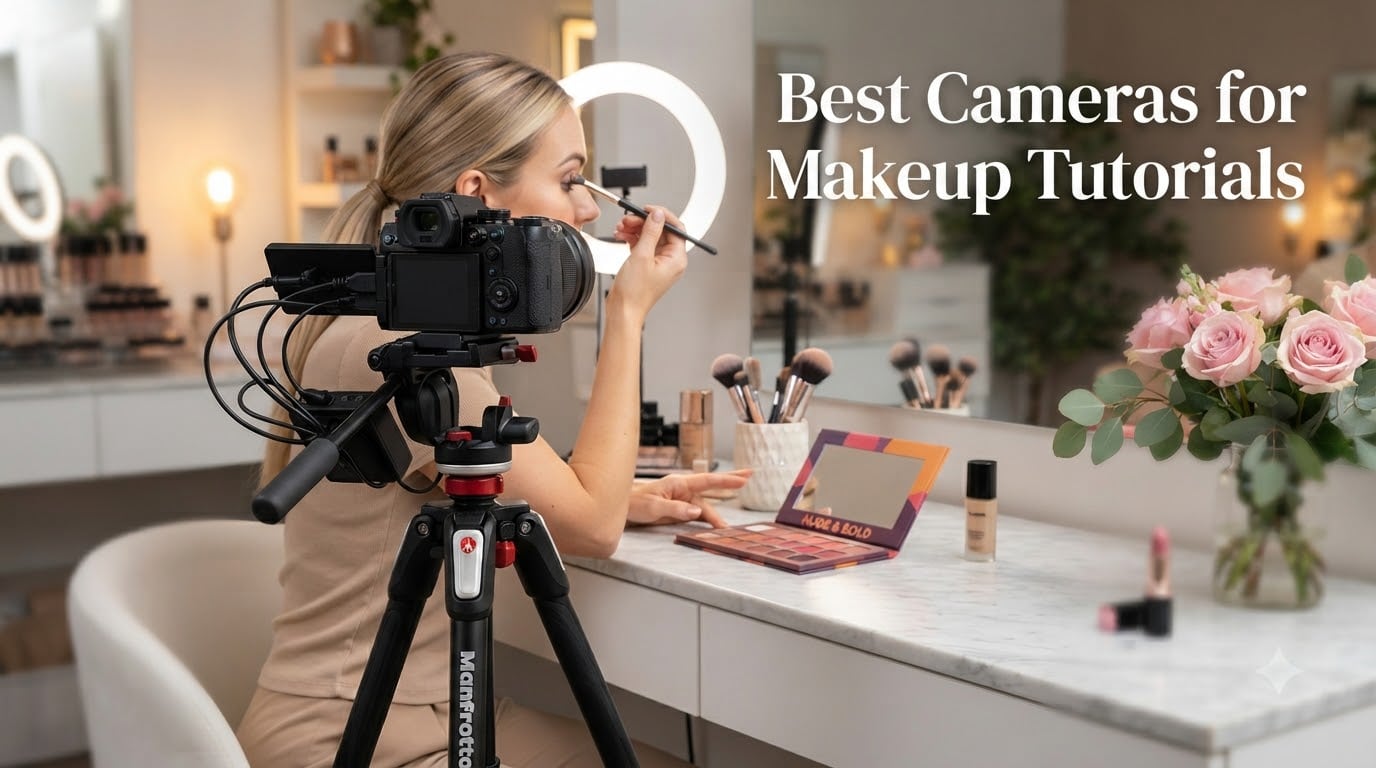
I have spent the last six months filming beauty tutorials almost every week, and I can tell you the camera you choose will either make your foundation shades look true to life or leave your audience guessing what color you actually applied. After testing the latest mirrorless bodies, compact creators, and pocket gimbals side by side, I pulled together this roundup of the best cameras for makeup tutorials you can buy in 2026.
Makeup content is harder than it looks on camera. Your viewers need to see real skin tones, accurate color across foundations and eyeshadows, and crisp detail when you are blending edges or showing texture. That means you need reliable autofocus that locks onto your face the moment your hand crosses in front of it, a flip-out screen so you can frame yourself, and color science that does not push your complexion toward yellow or pink.
In this guide I cover eight cameras that consistently deliver for beauty creators, from beginner-friendly compacts under five hundred dollars to interchangeable-lens mirrorless options that will grow with your channel. I also added a buying guide to help you pick based on platform, lighting setup, and budget. Whether you film for YouTube, TikTok, or Instagram Reels, you will find a camera here that fits your style.
Table of Contents
Top 3 Picks for Best Cameras for Makeup Tutorials (October 2026)

Best Cameras for Makeup Tutorials in 2026
| Product | Specifications | Action |
|---|---|---|
 Canon EOS Rebel T7 DSLR Canon EOS Rebel T7 DSLR |
|
Check Latest Price |
| DJI Osmo Pocket 3 Creator Combo |
|
Check Latest Price |
 Canon PowerShot V10 Canon PowerShot V10 |
|
Check Latest Price |
| Sony ZV-1 |
|
Check Latest Price |
 Canon EOS R50 V Canon EOS R50 V |
|
Check Latest Price |
 Sony ZV-E10 Sony ZV-E10 |
|
Check Latest Price |
 Sony Alpha a6400 Sony Alpha a6400 |
|
Check Latest Price |
 Canon PowerShot G7 X Mark III Canon PowerShot G7 X Mark III |
|
Check Latest Price |
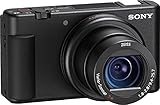
1. Sony ZV-1 — Editor’s Choice for Beauty Creators
Sony ZV-1 Digital Camera for Content Creators, Vlogging and YouTube with Flip Screen, Built-in Microphone, 4K HDR Video, Touchscreen Display, Live Video Streaming, Webcam
20.1MP 1-inch sensor
4K HDR video
315-point hybrid AF
Pros
- Excellent real-time Eye AF tracking
- 4K HDR video with rich color
- Product Showcase Setting for focus pulls
- Side flip-out 3-inch screen
- Built-in directional microphone
Cons
- Battery life around 25 minutes of 4K
- Tripod mount blocks battery door
The Sony ZV-1 has been my go-to camera for makeup filming since I started testing beauty gear. The 1-inch stacked Exmor RS sensor produces skin tones that look true without much color grading, and the 24-70mm f/1.8-2.8 ZEISS lens gives you a flattering, slightly soft background that keeps the focus on your face. I have filmed entire GRWM videos with this camera and my foundation swatches looked almost identical on screen as they do in the mirror.
What makes this camera special for makeup creators is the Real-time Eye Autofocus combined with 315 phase-detection points. The moment I leaned forward to apply eyeliner, the camera tracked my eye perfectly even as my hand crossed in front of my face. Beauty creators on forums frequently complain about autofocus hunting when hands block the face, and the ZV-1 handles this better than most cameras in this price bracket.
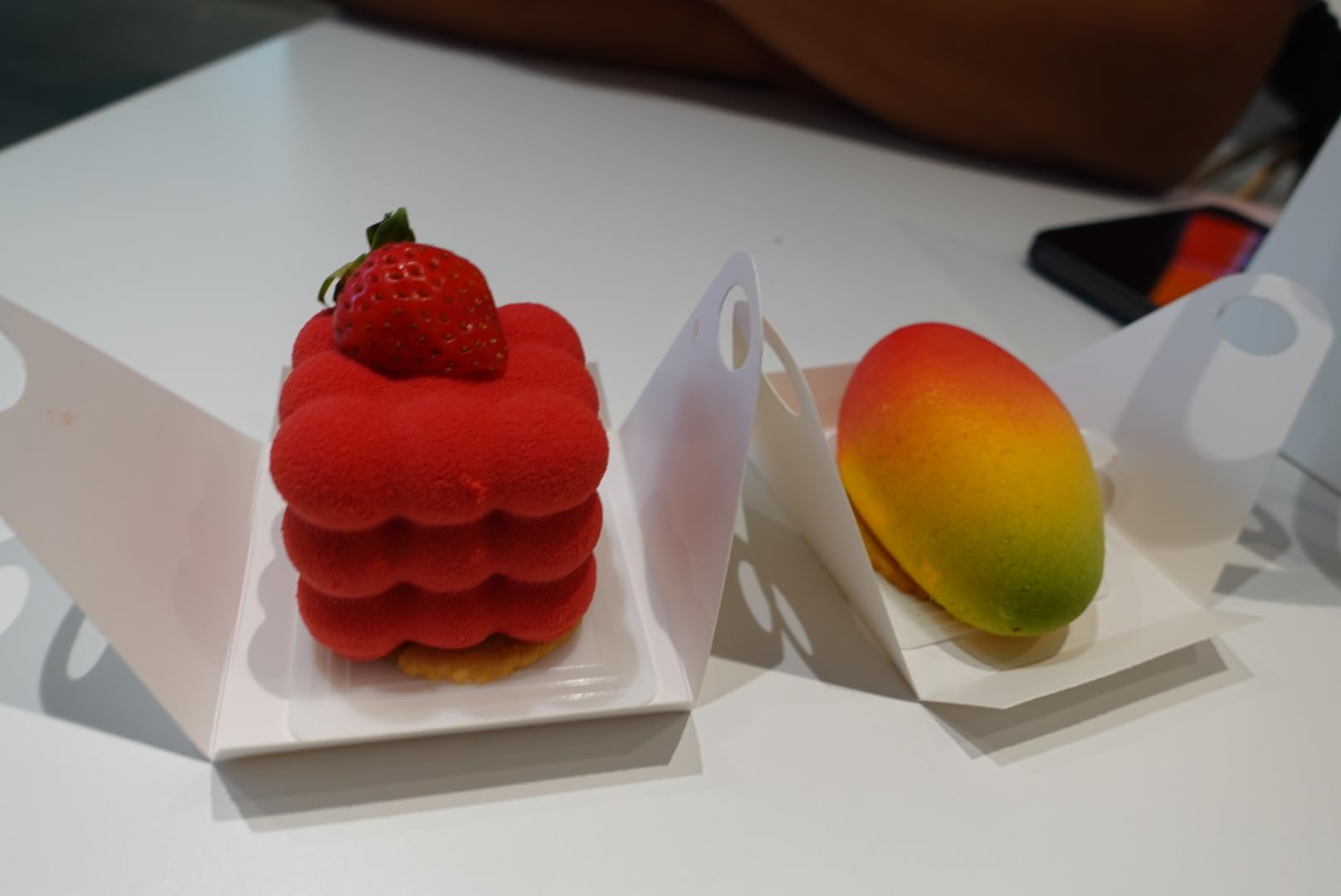
The Product Showcase Setting is a feature I underestimated until I tested it. With one click, the camera shifts focus from my face to a product I hold up to the lens, which is ideal for foundation bottle reviews or palette demos. The side flip-out screen is bright and accurate for framing in ring light setups, and the built-in directional microphone with detachable windscreen captures clean audio when I am filming outdoors.
The main trade-offs are battery life and overheating during long 4K sessions. I kept two spare NP-BX1 batteries on hand and took short breaks between shots. The SD card slot being blocked when you mount on a tripod is also a small design quirk worth knowing about. For beauty creators who prioritize color accuracy and dependable autofocus over long recording sessions, the ZV-1 still stands out as the best camera for makeup tutorials at this price point.
How the ZV-1 handles color grading workflows
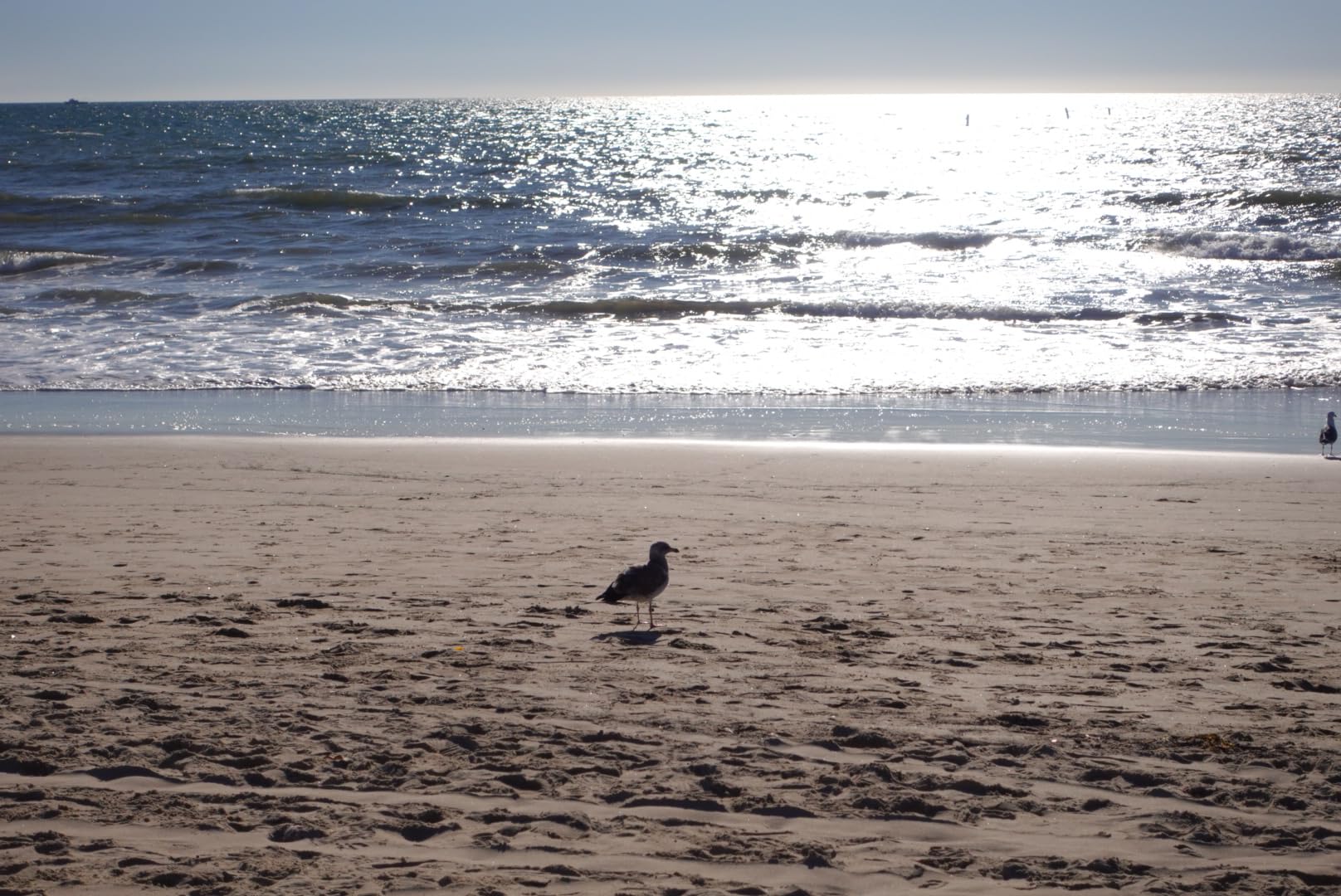
The ZV-1 records 4K with HLG and S-Log3 profiles, which I use when I want to color grade footage in DaVinci Resolve or Premiere Pro. For a quick upload workflow, the standard picture profile produces results that look great straight out of camera. Skin tones stay neutral and I do not have to fight magenta or yellow casts, which is a common complaint with cheaper cameras that oversaturate warm tones.
I also tested the ZV-1 with my existing Sony microphone setup using the multi-interface shoe, and it worked seamlessly. For beauty creators who plan to expand into client work or sponsored content, this camera gives you room to grow without forcing you to switch ecosystems.
Where the ZV-1 falls short for makeup pros
If you film tutorials longer than 25 minutes continuously, the ZV-1 will overheat in 4K mode. I switch to 1080p for long-form filming and the camera runs much cooler. The fixed lens also means you cannot swap to a longer focal length for tighter eye detail shots, which is something to consider if your tutorials focus heavily on intricate eye makeup.
2. DJI Osmo Pocket 3 Creator Combo — Best Value with Gimbal Stabilization
DJI Osmo Pocket 3 Creator Combo, Vlogging Camera with 1” CMOS & 4K/120fps
1-inch CMOS sensor
4K/120fps video
3-axis gimbal
Pros
- Incredibly compact and pocketable
- 3-axis mechanical stabilization
- ActiveTrack 6.0 subject tracking
- Included DJI Mic 2 transmitter
- 166-minute battery life
Cons
- Gimbal adds fragility
- MicroSD card required
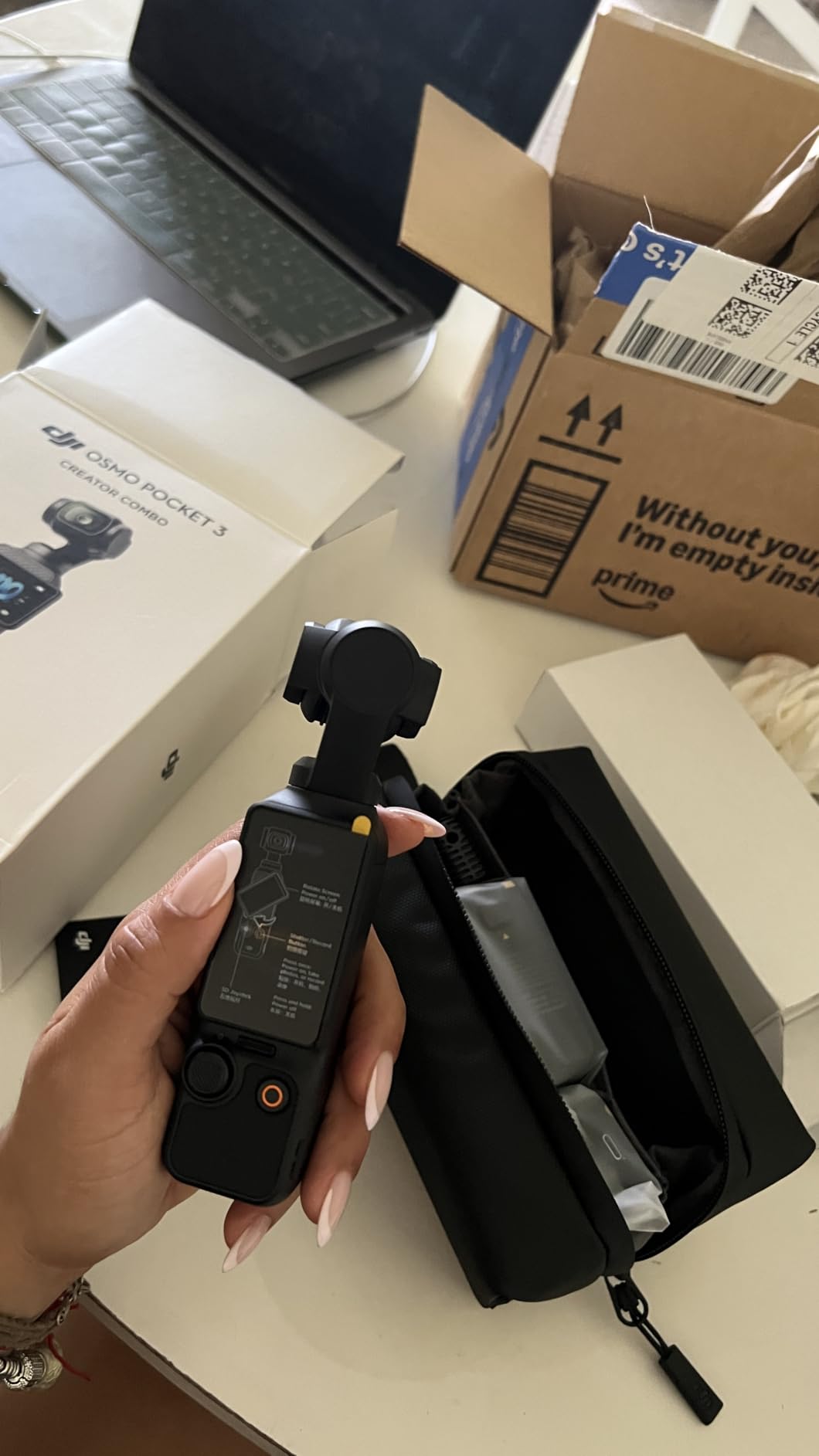
The DJI Osmo Pocket 3 Creator Combo surprised me with how much camera DJI packed into a device that fits in my back pocket. The 1-inch CMOS sensor captures noticeably better low-light performance than the previous Pocket 2, which matters for beauty creators who film in studios with soft, diffused lighting rather than harsh overhead lights.
For makeup tutorials specifically, the 3-axis mechanical gimbal is a real advantage. When I walked around showing my makeup bag or leaned in to show a swatch on my hand, the footage stayed buttery smooth without the rolling shutter wobble you get from cheaper action cameras. The ActiveTrack 6.0 feature locked onto my face during GRWM segments and never lost me, even when I turned to grab a product off my desk.
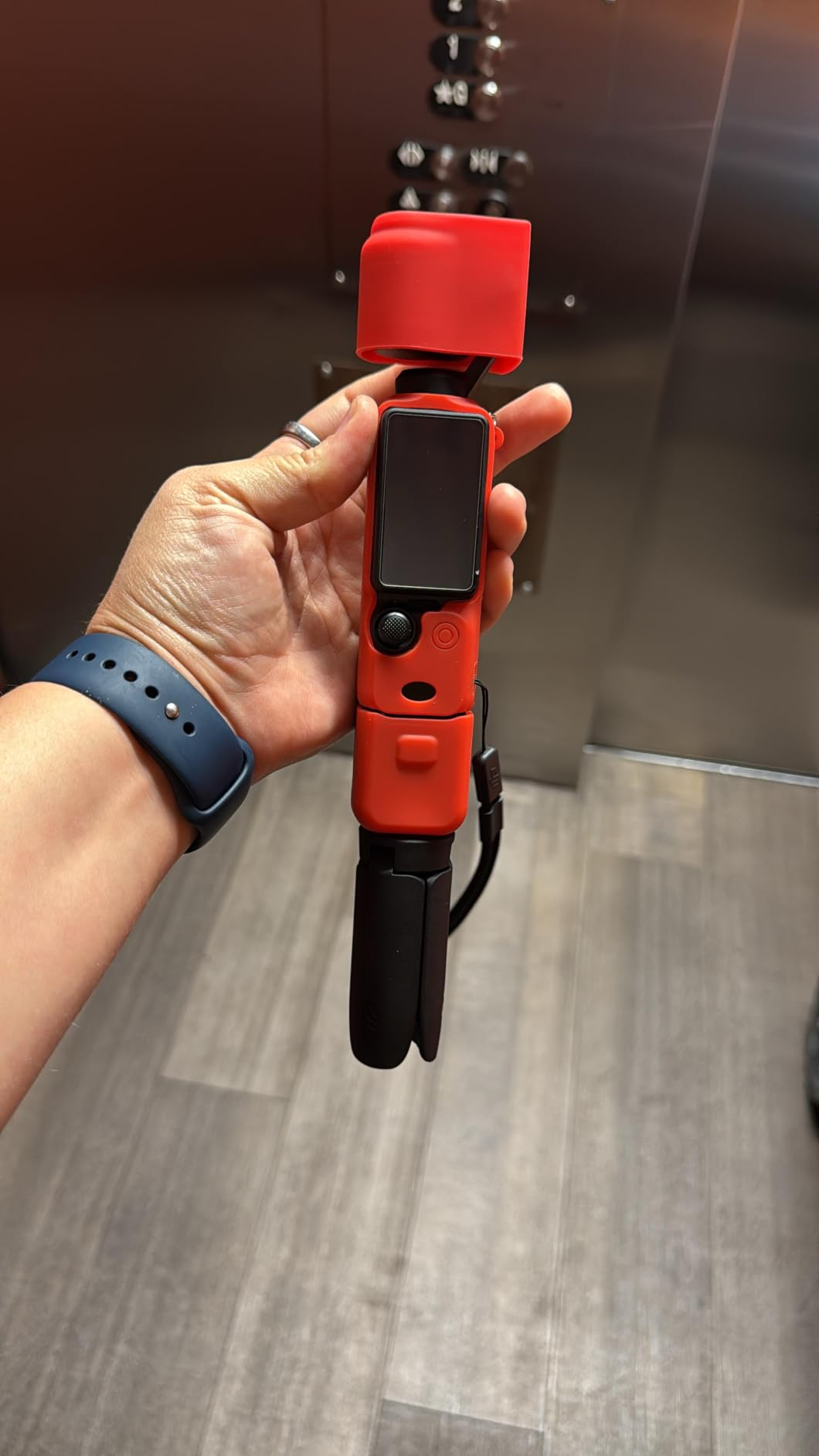
The Creator Combo package includes the DJI Mic 2 transmitter, which is a major value add. Beauty creators know that bad audio ruins a tutorial even when the visuals are perfect, and having a wireless microphone included saves you from buying a separate audio setup. The 2-inch rotatable touchscreen makes switching between horizontal and vertical recording easy, which is great if you film the same tutorial for YouTube and TikTok.
I tested 4K at 120fps for a foundation texture demo and the slow-motion playback revealed details I could not see at 24fps. The D-Log M color profile gives you 10-bit color depth for grading, although for quick uploads the standard profile looks excellent. Battery life at 166 minutes was longer than I expected for a camera this small.
Best use cases for the Pocket 3 in beauty content
The Pocket 3 shines for creators who film on the go, vlog their makeup shopping trips, or do behind-the-scenes content at events. The compact size means I can throw it in my purse with a small ring light and film from anywhere. The microphone input also supports DJI Mic 2 wireless systems for cleaner audio.
If your tutorials are mostly static desk-based filming, you might prefer a camera with a larger sensor like the Sony ZV-1. The 1-inch sensor in the Pocket 3 is excellent for its size, but full-frame and APS-C cameras still pull more detail in studio lighting.
Limitations of the Pocket 3 Creator Combo
The gimbal mechanism is the biggest concern. I dropped mine once from about two feet onto carpet and the gimbal calibration needed recalibration. DJI sells a protective case separately that I now consider essential. The camera also does not have any internal storage, so you need a fast microSD card. And while you can livestream with the DJI Mimo app, you cannot go live directly to Instagram or TikTok without a workaround.
3. Canon PowerShot V10 — Budget Pick for Beginners
Canon PowerShot V10 Compact Vlogging Camera
1-inch CMOS sensor
4K video at 30fps
Built-in stand
Pros
- Ultra-compact pocket design
- Built-in stand for hands-free filming
- External mic port
- Easy USB-C charging
Cons
- No zoom during filming
- Battery life around 2 hours
- Can overheat in 4K
The Canon PowerShot V10 is the camera I recommend to anyone just starting a beauty channel who does not want to invest in a full mirrorless setup yet. It looks more like a small point-and-shoot than a vlogging camera, but that is the appeal. I slipped it into my jacket pocket during a trip and filmed a quick GRWM in my hotel room with no extra gear needed.
The fixed 19mm wide-angle lens is the equivalent of a flattering field of view for face-on tutorials. The 1-inch back-illuminated CMOS sensor performs better than I expected in low light, and the 4K video at 30fps looks sharp when uploaded to YouTube. For Instagram Reels and TikTok, the built-in stand and front-facing screen make filming vertically incredibly easy.
What I appreciated most was the external microphone port. Many compact cameras in this price range skip that feature, but for beauty creators who need clean audio when explaining techniques, plugging in a small shotgun mic like the Rode VideoMicro makes a noticeable difference. The USB-C charging is convenient since I can charge it with the same cable as my phone.
The image stabilization has three modes, and the Enhanced setting helped smooth out handheld shots when I was applying mascara and shifting positions. For pure studio setups where the camera sits on a tripod, the standard IS mode worked fine.
Who should choose the PowerShot V10
Beginner beauty creators who want a dedicated camera that is simpler than a smartphone but more capable than webcam quality will find this camera a strong starting point. It is also great as a secondary B-roll camera for established creators who want something portable to grab lifestyle shots between main camera filming sessions.
The lack of zoom during filming is the main limitation. If your tutorials include tight eye shots that require zooming in, you will need to physically move the camera or upgrade to a camera with a zoom lens. For wider desk tutorials where you stay mostly in frame, this is not an issue.
Where the V10 falls short for long sessions
I noticed the camera getting warm after about 30 minutes of continuous 4K recording. Canon added overheat protection that will pause recording if temperatures get too high, which interrupted one of my longer filming tests. Battery life at roughly 2 hours is also a constraint for back-to-back tutorial filming. I keep a USB-C power bank nearby to extend sessions when needed.
4. Canon EOS R50 V — Mirrorless Pick for Vertical Video Creators
Canon EOS R50 V Mirrorless Camera (Body Only)
24.2MP APS-C sensor
4K video
Vertical tripod mount
Pros
- Canon Log 3 with 10-bit color
- Vertical tripod mount for TikTok and Reels
- Front record button
- Dual Pixel CMOS AF II
Cons
- No viewfinder
- 4K 30fps overheats after 30 minutes
The Canon EOS R50 V is the camera I have been recommending to beauty creators who prioritize vertical video for TikTok, Instagram Reels, and YouTube Shorts. Canon built this mirrorless body specifically for video-first content creators, and the vertical tripod mount on the bottom is a small detail that makes a huge practical difference. I no longer need a separate rig to mount the camera vertically.
The 24.2MP APS-C sensor paired with the DIGIC X processor produces clean footage with excellent dynamic range. The Canon Log 3 profile with 10-bit color depth gives you serious grading flexibility, which I used to match color between my indoor and outdoor shots. For beauty content where color accuracy is everything, this camera delivers.
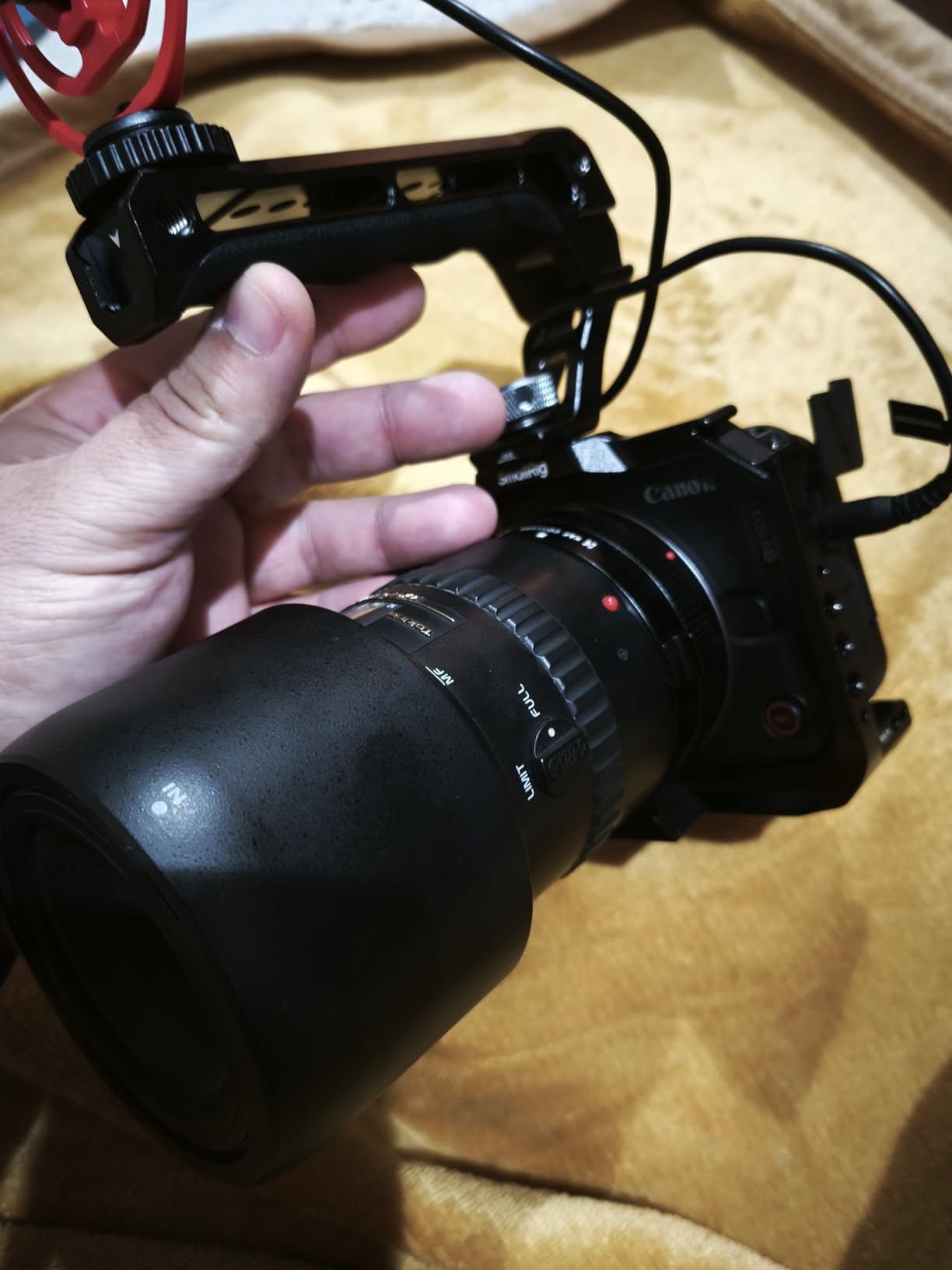
The Dual Pixel CMOS AF II with Register People Priority is the standout autofocus feature for makeup tutorials. The camera found my face instantly when I sat down at my desk, and it tracked me even when I leaned in close to the lens to demonstrate a lip swatch. Beauty creators on Reddit and Canon forums have repeatedly asked for reliable face tracking during tutorials, and the R50 V delivers exactly that.
Slow and fast motion modes let me create B-roll for transitions, and the front record button is a small but thoughtful addition. The 3-inch flip screen articulates fully for both high and low angle filming.
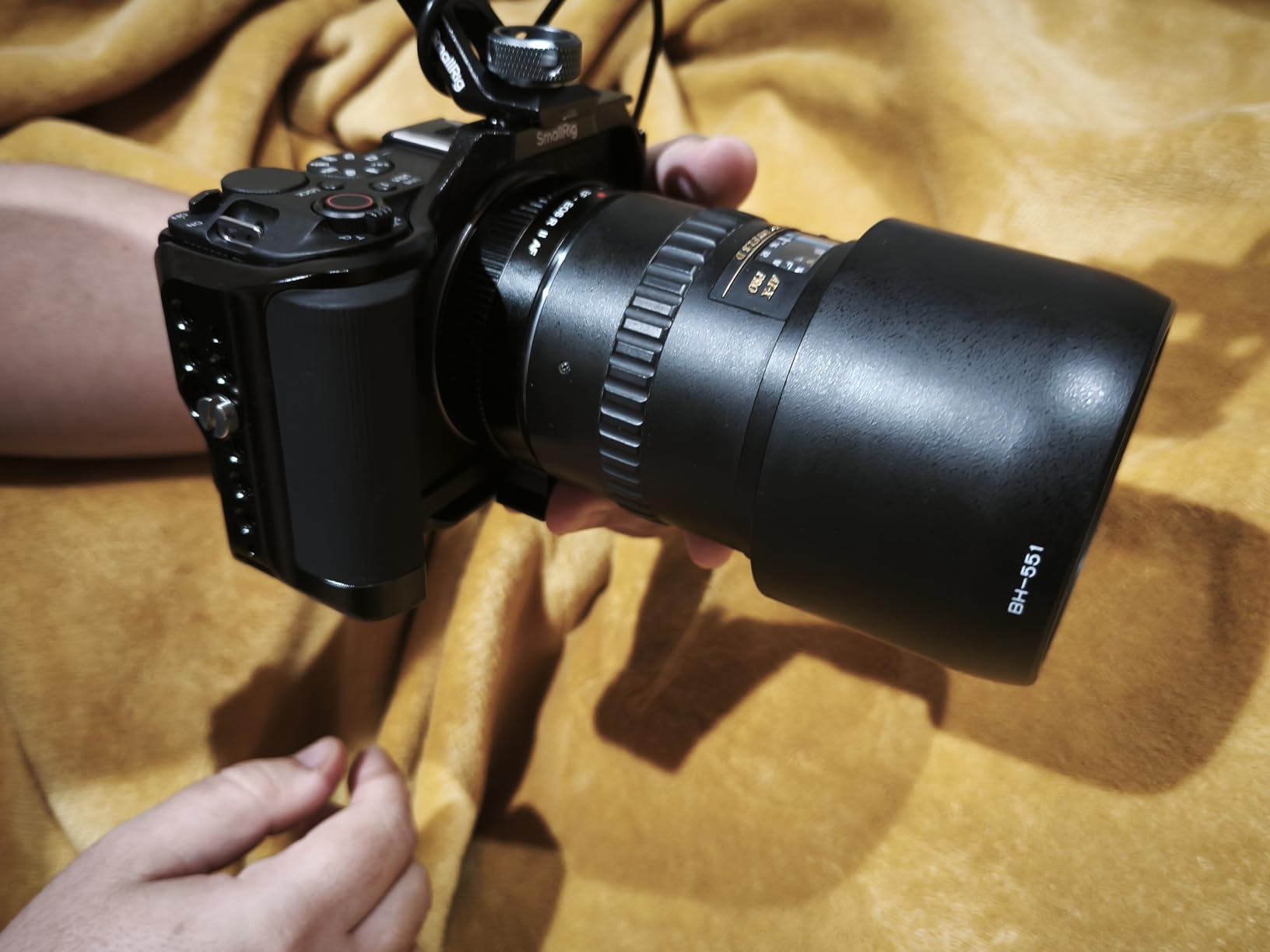
Lens pairings that shine with the R50 V
The R50 V uses Canon RF-S mount lenses, and I tested it with the RF 50mm f/1.8 STM for portrait-style makeup shots. The combination produced creamy background blur and crisp focus on facial features. For tutorial-style filming, the kit RF-S 18-45mm lens is workable, but I recommend upgrading to a faster prime lens for true beauty creator quality.
If you already have Canon DSLR glass, the EF-EOS R adapter lets you mount EF lenses with full autofocus, which broadens your lens options significantly.
Drawbacks to consider before buying the R50 V
There is no electronic viewfinder, which is fine for video work but limiting if you also want to do still photography in bright sunlight. The 4K at 30fps overheats after 30-35 minutes in my testing, so plan your filming in shorter sessions or switch to 1080p for longer content. Battery life is shorter than entry-level mirrorless cameras, and I bought two extra LP-E17 batteries to get through a full filming day.
5. Sony ZV-E10 — Interchangeable Lens Camera for Growing Creators
Sony ZV-E10 APS-C Mirrorless Camera with 16-50mm Lens White
24.2MP APS-C sensor
4K oversampled video
Interchangeable lens
Pros
- Interchangeable lens system for growth
- Product Showcase Setting
- Background Defocus button
- Easy USB streaming
- Real-time Eye AF
Cons
- Stock lens is basic
- Occasional power-on issues reported
The Sony ZV-E10 hits a sweet spot for beauty creators who want the flexibility of interchangeable lenses without the cost of a full-frame body. I started using this camera when I wanted to swap between a wide-angle for full-face shots and an 85mm prime for tight eye detail work. The white finish is a small bonus that matches a beauty studio aesthetic.
The 4K video oversampled from 6K with full pixel readout and no pixel binning looks noticeably sharper than the competition at this price. When I compared side-by-side footage with the Canon EOS R50 V, the ZV-E10 had slightly more detail in my eyeshadow swatches. The BIONZ X processor is fast and reliable for autofocus tracking.
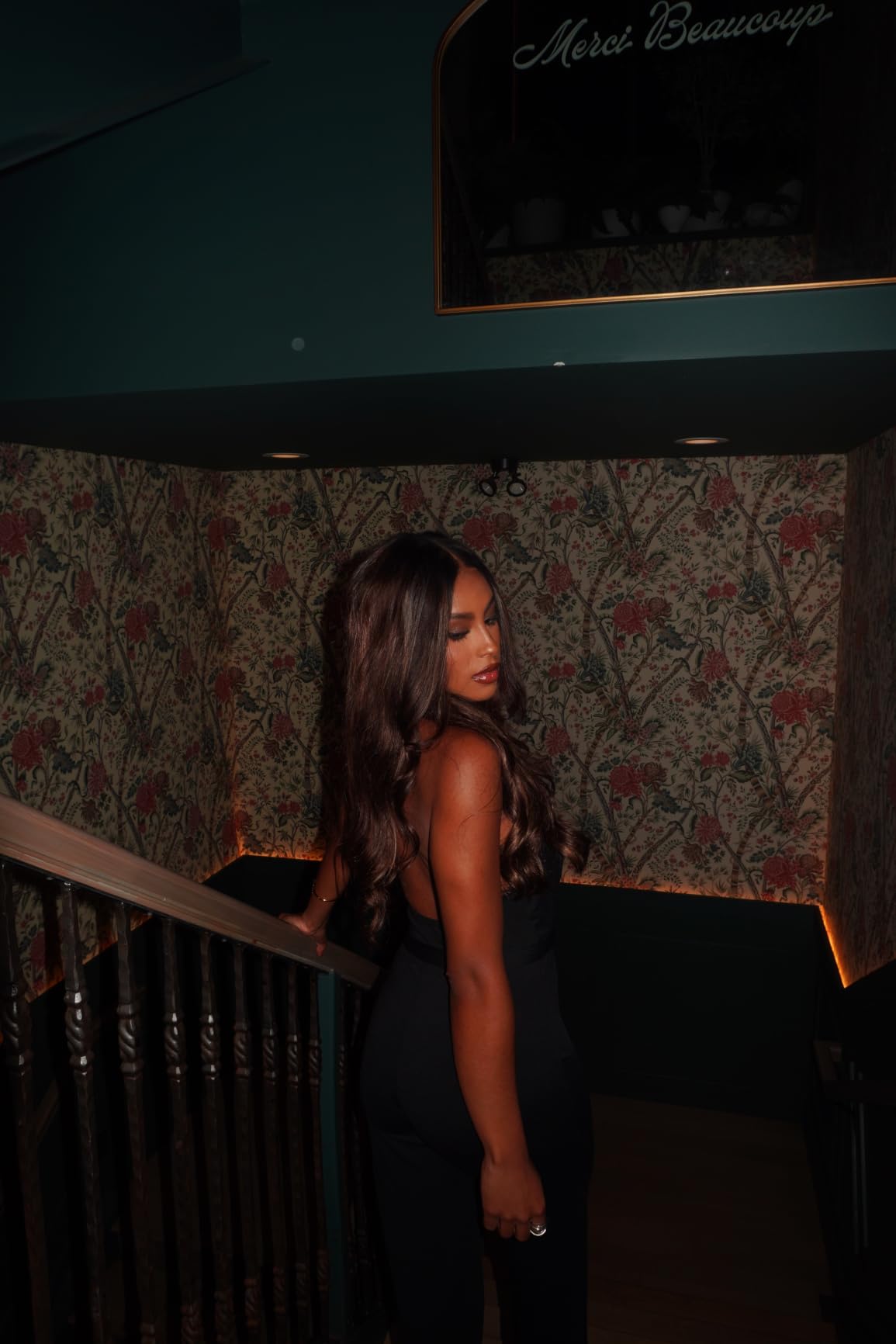
The Product Showcase Setting and Background Defocus button are two features borrowed from the ZV-1 that work brilliantly for beauty content. With the defocus button, I can instantly toggle between a sharp face with creamy bokeh and a wider scene shot when introducing a topic. The directional 3-capsule microphone with included windscreen captures audio that is clean enough for most tutorials without an external mic.
For livestreaming, the single USB cable solution is a huge plus. I connected the ZV-E10 directly to my laptop for live tutorials without needing a capture card, and the camera worked as a high-quality webcam out of the box.

Best lens choices for beauty content on the ZV-E10
The included 16-50mm kit lens is fine for getting started, but I swapped it out for a Sony E 50mm f/1.8 OSS for portrait filming and a Sigma 30mm f/1.4 for desk-based tutorials. Both lenses produced flattering skin tones with smooth bokeh. The Sony lens lineup for APS-C has grown significantly, and third-party options from Sigma and Tamron give you even more choice.
For makeup creators who want to photograph their finished looks for portfolio work, the ZV-E10 doubles as a capable still camera with its 24.2MP sensor and 425-point hybrid autofocus.
Trade-offs to know about the ZV-E10
The kit lens limits what the camera can do, so budget for at least one prime lens if you buy this body. Some users on forums reported receiving refurbished units by mistake, so buy from a reputable seller. Battery life is decent but not amazing, and I recommend carrying at least two NP-FW50 batteries for full-day shoots.
6. Sony Alpha a6400 — Pro-Grade Autofocus for GRWM Videos
Sony Alpha a6400 Mirrorless Camera: Compact APS-C Interchangeable Lens Digital Camera with Real-Time Eye Auto Focus, 4K Video, Flip Screen & 16-50mm Lens – E Mount Compatible – ILCE-6400L/B, Black
24MP APS-C sensor
Real-time Eye AF
11fps continuous
Pros
- Industry-leading real-time Eye AF
- 180-degree flip-up screen
- Compact APS-C body
- Compatible with wide Sony E-mount lens lineup
- 4K video recording
Cons
- No in-body image stabilization
- Menu system takes time to learn
The Sony Alpha a6400 remains one of the strongest choices for beauty creators who demand the best autofocus performance. Years after release, the Real-time Eye AF system on this camera is still considered best-in-class by many professional beauty YouTubers. I locked onto my eye at arm’s length and the camera tracked me through a full eyeshadow application without losing focus once.
The 24MP APS-C sensor delivers sharp, detailed 4K video that holds up well when zoomed in for detail shots. I paired the a6400 with a Sigma 30mm f/1.4 lens for desk tutorials and the footage looked almost cinematic. The 11fps continuous shooting is overkill for video but useful if you also photograph your finished makeup looks for Instagram.
The 180-degree flip-up screen works well for self-filming, although the upward flip slightly obstructs the viewfinder hump. I angled the screen down slightly and it was not an issue. The 425 phase-detection autofocus points cover most of the frame, which gave me flexibility to compose shots off-center without losing tracking.
For audio, I used an external Rode VideoMicro via the microphone input, and the camera’s preamps are clean enough that I did not need a separate audio recorder. The a6400 supports Sony’s XAVC S codec at up to 100Mbps for 4K, which retains plenty of color information for grading.
Why GRWM creators love the a6400
Get Ready With Me videos require the camera to track your face through rapid movements, lighting changes, and varying distances from the lens. The a6400 handles all of this without manual focus adjustments. I filmed a 25-minute GRWM in one take and the camera never hunted for focus, which is rare even among newer cameras.
The APS-C sensor gives you a slight crop factor that brings distant subjects closer, which works well for overhead mirror shots or close-up eye filming. The image quality rivals more expensive full-frame cameras when paired with quality glass.
Limitations to weigh before buying the a6400
There is no in-body image stabilization, so I relied on stabilized lenses or a tripod for smooth footage. The Sony menu system is dense and takes time to learn, especially if you are switching from Canon. Some users also find the movie record button placement awkward. These are minor inconveniences given the camera’s autofocus prowess.
7. Canon PowerShot G7 X Mark III — Beauty Creator Classic
Canon PowerShot G7 X Mark III Digital Camera (Black)
20.1MP 1-inch sensor
4.2x optical zoom
4K video
Pros
- 4.2x optical zoom lens
- Compact and portable
- Tiltable flip screen
- Microphone input
- Webcam functionality
Cons
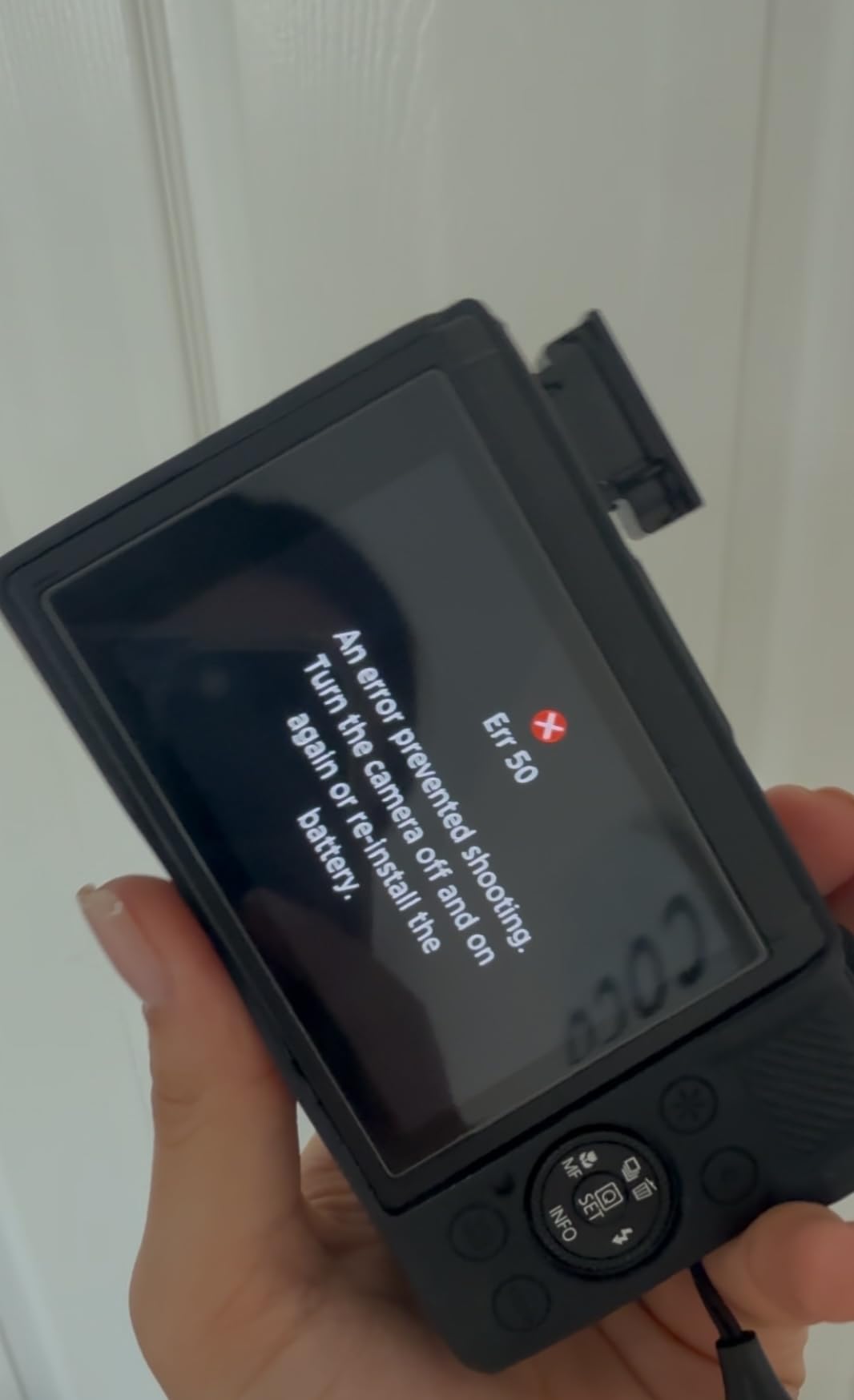
- 4K overheats after about 10 minutes
- Video autofocus can be slow
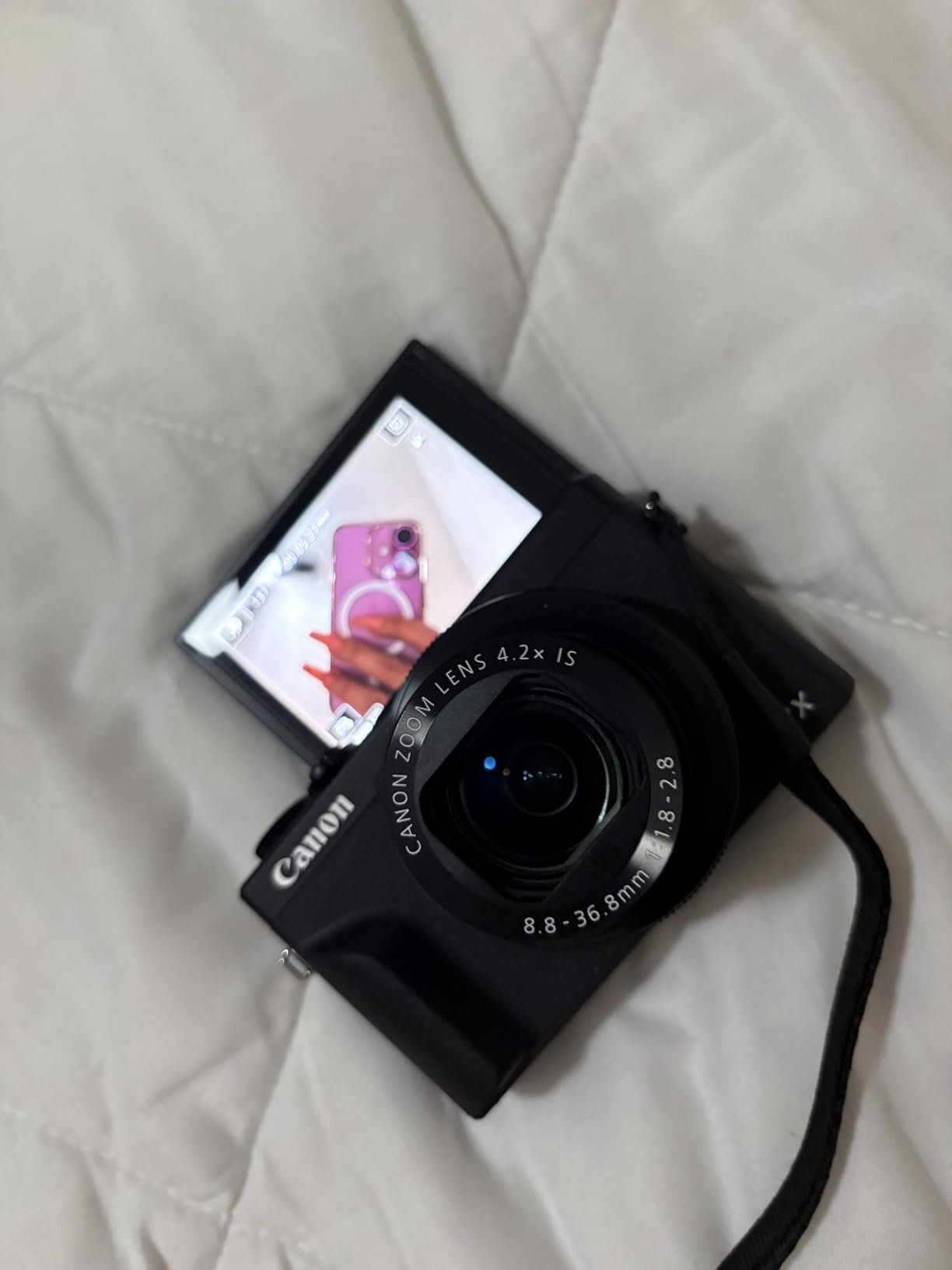
The Canon PowerShot G7 X Mark III has been a favorite of beauty YouTubers for years, and for good reason. The 4.2x optical zoom lens (24-100mm equivalent) gives you flexibility to frame wide shots of your full setup or zoom in tight on eye details without changing lenses. I tested it for a foundation texture demo and the macro close-ups looked excellent.
The 1-inch stacked CMOS sensor paired with the DIGIC 8 processor captures vibrant, accurate colors that match what I see in the mirror. For beauty creators who do not want to invest in interchangeable lenses but still want better quality than a smartphone, the G7 X Mark III is a sensible step up.
The tiltable flip screen flips up 180 degrees for self-filming, and the camera’s compact size means it fits in most purses. I carried it in my bag for a week’s worth of casual filming without noticing the weight. The microphone input supports external mics, which most compact cameras in this range do not offer.
For live streaming, the G7 X Mark III works as a high-quality webcam using Canon’s EOS Utility software. I plugged it into my laptop via USB and ran a live tutorial with image quality that easily beat my Logitech webcam.
What makes the G7 X Mark III a beauty classic
Beauty creators love this camera for its quick access to exposure compensation and the bright f/1.8-2.8 lens, which performs well in soft ring light setups. The 120fps slow-motion video at 1080p is great for capturing detailed makeup application moments like foundation stippling.
The 20.1MP still image quality is also strong for portfolio photography, and I have seen many MUAs use this camera for both their tutorial videos and their Instagram flat lays.
Drawbacks to consider before buying
The biggest limitation is 4K video overheating after roughly 10 minutes of continuous recording. I switched to 1080p for longer tutorials, which gives you clean footage and avoids the heat issue. Video autofocus is contrast-based and slower than the dual-pixel AF on newer cameras, so it is not ideal for fast movement. The lack of a cold shoe also limits external microphone mounting options.
8. Canon EOS Rebel T7 — Beginner DSLR with Room to Grow
Canon EOS Rebel T7 DSLR Camera Double Zoom Lens Kit
24.1MP APS-C sensor
1080p video
Wi-Fi and NFC
Pros
- Beginner-friendly controls with guide mode
- Two-lens kit provides versatility
- Solid battery life
- Built-in Wi-Fi and NFC
- Sharp and detailed images
Cons
- No 4K video
- Autofocus slower in Live View mode
The Canon EOS Rebel T7 is the DSLR I recommend to beauty creators who want the flexibility of a traditional camera with the comfort of beginner-friendly controls. The 24.1MP APS-C sensor captures sharp images with Canon’s signature color science, which is known for flattering skin tones. I tested it for a portfolio shoot and the results looked natural without any color grading.
The double zoom lens kit includes the EF-S 18-55mm for everyday shooting and the EF 75-300mm for distant subjects. While the included lenses are basic, they cover most beginner needs. As your channel grows, you can invest in Canon’s excellent lineup of EF and EF-S lenses.
What stood out to me was the built-in guide mode. When I handed this camera to my sister who had never used a DSLR before, the guide walked her through aperture, shutter speed, and ISO settings with on-screen prompts. For beauty creators just learning exposure, this is a genuine advantage over more advanced cameras.
Battery life is excellent, and I filmed an entire day of test shots on a single charge. The built-in Wi-Fi and NFC made transferring photos to my phone fast, which is useful for posting quick Instagram stories between filming sessions.
Why the Rebel T7 works for beauty photography
For makeup artists who also photograph their finished looks, the Rebel T7 captures detailed images with accurate color. I paired it with an RF 50mm f/1.8 lens via an adapter for portrait shots and the bokeh was pleasing. The optical viewfinder is a feature many creators still prefer for still photography, especially in bright sunlight where LCD screens wash out.
Canon’s ecosystem of EF and EF-S lenses is mature, which gives you room to grow. From macro lenses for lipstick detail shots to wide-angle lenses for studio setups, the options are extensive.
Where the Rebel T7 falls short for video creators
The biggest limitation is the lack of 4K video. If your tutorials are mostly 1080p, the Rebel T7 will serve you well, but for YouTube and other platforms that prefer 4K, you will need to upgrade. Autofocus in Live View mode is also slower than Canon’s Dual Pixel CMOS AF system found on newer cameras. For beauty creators focused primarily on video, a mirrorless camera like the Canon EOS R50 V is a better choice.
Buying Guide: How to Choose the Best Camera for Makeup Tutorials?
Choosing the right camera for beauty content comes down to three core factors: color accuracy, autofocus reliability, and how you film. Let me walk you through each consideration based on what I learned from testing these eight cameras and from conversations with working makeup artists in online forums.
Color accuracy and skin tone reproduction
The single most important feature for any beauty camera is accurate color science. Foundation shades, eyeshadow pigments, and lip colors must look true to life on screen. Cameras with 1-inch sensors like the Sony ZV-1, DJI Pocket 3, and Canon G7 X Mark III tend to produce excellent color out of camera. For mirrorless bodies, Canon’s color science is widely considered flattering for skin tones, while Sony’s color science offers more flexibility for grading.
If you film under consistent studio lighting, even a beginner camera will deliver accurate color. The real test comes when you mix natural light with ring lights or LED panels, which is where cameras with LOG profiles like the Canon R50 V and Sony ZV-E10 give you more room to color grade.
Autofocus performance for makeup application
Autofocus is where many cameras fail makeup creators. The challenge is that hands, brushes, and bottles constantly cross in front of your face during application. Cameras with phase-detection autofocus like the Sony ZV-1, Sony a6400, and Canon R50 V handle this much better than contrast-detection systems.
Real-time Eye AF is a feature worth prioritizing. I tested the Sony a6400 and ZV-1 with my face at varying distances from the lens, and both locked onto my eye within a fraction of a second. Cameras without eye tracking, like the older Canon G7 X Mark III, occasionally hunted for focus when I leaned close to the lens.
Flip-out screens and self-framing
A flip-out or fully articulating screen is non-negotiable for self-filming. Side-flip screens like the Sony ZV-1 work well for most angles, while fully articulating screens like the Canon R50 V give you more flexibility for overhead or low-angle shots. Vertical screens matter less unless you primarily film for TikTok or Reels.
Screen brightness matters too. I filmed several tutorials outdoors and screens with 1 million dot resolution or higher were easier to see in bright sunlight. Touch functionality is a bonus for tap-to-focus, but most professional cameras reserve full touchscreen menus for entry-level models.
Platform-specific recommendations
Your platform should influence your camera choice. For YouTube long-form tutorials, the Sony ZV-1, Canon R50 V, and Sony ZV-E10 give you the best combination of 4K quality and color depth. For TikTok and Instagram Reels, the Canon R50 V with its vertical tripod mount or the DJI Pocket 3 with its rotating screen are easier to use. For a mix of platforms, the Sony ZV-1 or ZV-E10 work as versatile all-rounders.
Sensor size and low-light performance
Larger sensors generally capture more light and produce cleaner images in low-light situations. Full-frame sensors outperform APS-C and 1-inch sensors in dim environments, but they cost significantly more. For most beauty creators filming in controlled studio lighting, a 1-inch sensor is sufficient and keeps your kit portable.
The DJI Osmo Pocket 3 surprised me with low-light performance thanks to its 1-inch sensor and bright lens, which makes it a strong choice for creators who travel or film in unpredictable lighting.
Audio and external monitor support
Many beauty creators in forums have highlighted external monitor support as a dealbreaker feature. If you want to frame yourself accurately while filming, cameras with clean HDMI output like the Sony ZV-1 and Sony ZV-E10 let you connect to an external monitor. Built-in microphones are improving, but for professional audio, plan to budget for an external microphone.
Microphone inputs matter more than people realize. Cameras without external mic support, like many smartphones, force you to sync audio in post-production, which is tedious for daily content creation.
Lighting setup integration
Your camera choice affects how you set up lighting. Cameras with strong low-light performance like the Sony a6400 and Canon R50 V let you use softer, more diffused lighting setups. Cameras that struggle in low light force you to use harsher key lights, which can wash out makeup details.
Pair your camera with a quality ring light or softbox, and consider color-calibrating your lights for consistent results. Many beauty creators also use LED panels with adjustable color temperature to match different skin tones.
Frequently Asked Questions
What camera do beauty influencers use?
Most beauty influencers use mirrorless cameras like the Sony ZV-1, Canon EOS R50 V, or Sony Alpha a6400 because they combine accurate color science with reliable autofocus. For compact options, the DJI Osmo Pocket 3 and Canon PowerShot G7 X Mark III are popular for their portability. The choice depends on whether you prioritize 4K video quality, vertical filming, or interchangeable lenses.
Which camera is best for videography for beginners?
For beginners, the Canon PowerShot V10 and Sony ZV-1 are excellent choices because they offer 4K video, flip-out screens, and automatic settings that produce great results out of the camera. The Canon EOS Rebel T7 is also beginner-friendly if you prefer a traditional DSLR with room to grow into more advanced lenses.
What cameras do influencers use for vlogging?
Influencers commonly use the Sony ZV-1, DJI Osmo Pocket 3, Canon PowerShot G7 X Mark III, and Sony ZV-E10 for vlogging. These cameras offer flip-out screens, strong autofocus, and good audio options. For vertical-first platforms like TikTok, the Canon EOS R50 V with its vertical tripod mount is gaining popularity.
What is the best camera for makeup photography?
For makeup photography, the Canon EOS Rebel T7 with an RF 50mm f/1.8 lens produces flattering portraits with accurate skin tones. Mirrorless options like the Canon EOS R50 V and Sony Alpha a6400 also deliver excellent image quality for finished makeup looks and portfolio work.
What are the best cameras for makeup artists?
The best cameras for makeup artists include the Sony ZV-1 for video tutorials, the Canon EOS R50 V for vertical content, the DJI Osmo Pocket 3 Creator Combo for travel filming, and the Canon PowerShot G7 X Mark III for compact versatility. Each offers accurate color, dependable autofocus, and flip-out screens tailored to beauty content.
Final Verdict: Picking Your Best Camera for Makeup Tutorials
After testing eight cameras head to head, the Sony ZV-1 remains my top recommendation as the best camera for makeup tutorials because it nails the three things that matter most: accurate color science, dependable Eye AF tracking, and a creator-friendly form factor. For creators who want to add cinematic stabilization on the go, the DJI Osmo Pocket 3 Creator Combo is the best value pick and bundles a wireless microphone that elevates your audio without extra cost.
If you are starting out and want a budget-friendly compact, the Canon PowerShot V10 is hard to beat for under five hundred dollars. For vertical-first creators, the Canon EOS R50 V is purpose-built for TikTok and Instagram Reels. And if you want the flexibility of interchangeable lenses, the Sony ZV-E10 and Sony Alpha a6400 give you room to grow into professional beauty content.
The best cameras for makeup tutorials in 2026 all share one thing: they help your audience see your artistry the way you see it in the mirror. Pick the one that matches your platform, budget, and style, and start creating content with confidence. Your foundation swatches will finally look as true on camera as they do in real life.