
I’ve spent the last decade photographing birds, deer, and the occasional fox in the woods near my home. Picking the right Sony lens for wildlife photography changed my results more than any camera body ever did. Reach matters, autofocus tracking matters, and weight matters when you’re hiking three miles before sunrise.
Wildlife photography on Sony E-mount is in a remarkable place right now. Sony offers super-telephoto zooms from 200mm all the way to 800mm, plus flagship G Master primes that rival anything Canon or Nikon produces. Third-party options from Sigma and Tamron give budget shooters a real way in without sacrificing too much optical quality.
In this guide I’ll walk you through ten of the best Sony lenses for wildlife photography you can buy in 2026. I’ve ranked them by use case rather than price alone, because the “best” lens depends entirely on whether you’re photographing songbirds in your backyard, raptors in flight across an open marsh, or elk at dawn from a hundred yards away. Every lens here earns its spot on a specific recommendation.
Table of Contents
Top 3 Picks for Best Sony Lenses for Wildlife Photography in 2026
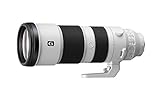
Sony FE 200-600mm f/5.6-6.3 G OSS
- 200-600mm zoom range
- Internal zoom mechanism
- OSS image stabilization
- Outstanding value for the reach
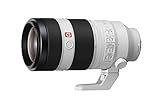
Sony FE 100-400mm f/4.5-5.6 GM OSS
- G Master optical quality
- Lightweight 3.1 lb design
- 1.4x teleconverter compatible
- Excellent stabilization

Sony FE 400-800mm f/6.3-8 G OSS
- Extreme 400-800mm reach
- Internal zoom design
- Faster AF than 200-600mm
- 1.4x and 2x teleconverter ready
Best Sony Lenses for Wildlife Photography in 2026
| Product | Specifications | Action |
|---|---|---|
| Sony FE 200-600mm f/5.6-6.3 G OSS |
|
Check Latest Price |
 Sony E 70-350mm f/4.5-6.3 G OSS (APS-C) Sony E 70-350mm f/4.5-6.3 G OSS (APS-C) |
|
Check Latest Price |
 Sony FE 70-300mm f/4.5-5.6 G OSS Sony FE 70-300mm f/4.5-5.6 G OSS |
|
Check Latest Price |
 Tamron 70-300mm f/4.5-6.3 Di III RXD Tamron 70-300mm f/4.5-6.3 Di III RXD |
|
Check Latest Price |
| Sony FE 100-400mm f/4.5-5.6 GM OSS |
|
Check Latest Price |
 Sony FE 70-200mm f/2.8 GM OSS Sony FE 70-200mm f/2.8 GM OSS |
|
Check Latest Price |
 Sigma 150-600mm f/5-6.3 DG DN OS Sports Sigma 150-600mm f/5-6.3 DG DN OS Sports |
|
Check Latest Price |
 Sigma 500mm f/5.6 DG DN OS Sports Sigma 500mm f/5.6 DG DN OS Sports |
|
Check Latest Price |
| Sony FE 400-800mm f/6.3-8 G OSS |
|
Check Latest Price |
 Sony FE 70-200mm f/4 Macro G OSS II Sony FE 70-200mm f/4 Macro G OSS II |
|
Check Latest Price |
1. Sony FE 200-600mm f/5.6-6.3 G OSS – Best Overall Value Super-Telephoto Zoom
Sony FE 200-600mm f/5.6-6.3 G OSS Super Telephoto Zoom Lens
200-600mm zoom range
Internal zoom mechanism
OSS image stabilization
Weight: 4.7 lbs
Pros
- Outstanding sharpness throughout the entire zoom range
- Internal zoom keeps the lens balanced at every focal length
- Excellent OSS lets me shoot handheld at 600mm
- Far more affordable than 400mm or 600mm G Master primes
Cons
- Variable f/5.6-6.3 aperture limits low-light use
- Hood does not lock in place
- Tripod foot is not Arca-Swiss compatible
I bought the Sony 200-600mm G about eighteen months ago and it’s still the lens I grab first for almost every wildlife outing. The 200-600mm focal range covers songbirds at the feeder and distant raptors soaring over a field without needing to swap lenses. The internal zoom design is the killer feature here: the lens does not extend when zooming, which means dust stays out and the balance stays consistent in my hands.
Autofocus performance is the second thing that sold me. Sony’s Direct Drive SSM motor locks onto birds in branches and tracks them when they fly off. I have not missed critical shots because the AF could not keep up. The OSS (Optical SteadyShot) is rated at about 4.5 stops, and in practice I can handhold this lens at 600mm down to about 1/125 second with a decent keeper rate.
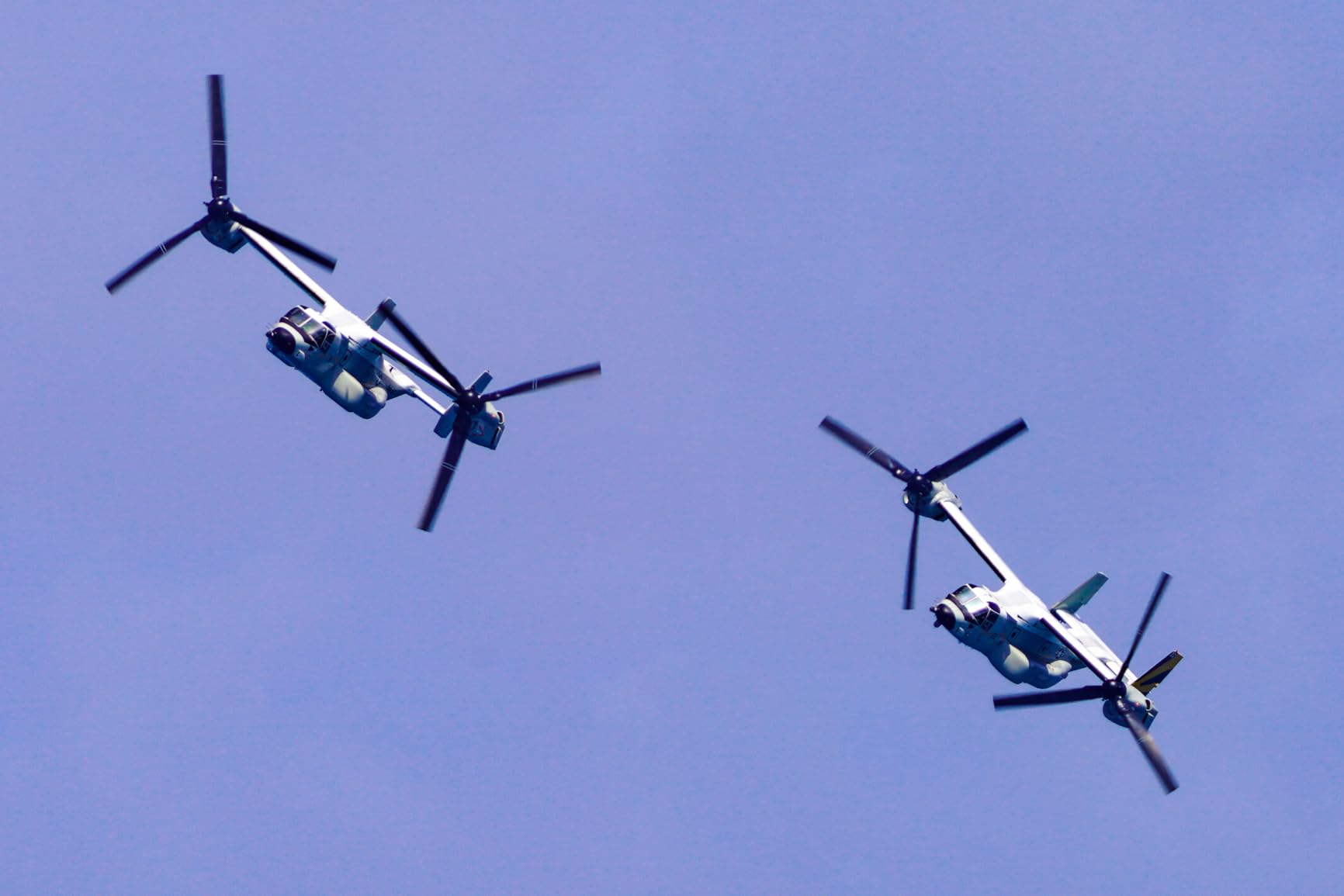
Image sharpness at 600mm wide open is genuinely surprising for a zoom in this price bracket. I shoot mostly at f/7.1 to f/8 and get tack-sharp results on bird eyes. The Nano AR coating does a solid job keeping flare under control when shooting toward the sky at sunrise.
The variable f/5.6-6.3 maximum aperture is the main trade-off. In golden hour or overcast forests you will need to push ISO higher than you would with a 600mm f/4 GM. For most daylight wildlife scenarios that is not a problem at all.
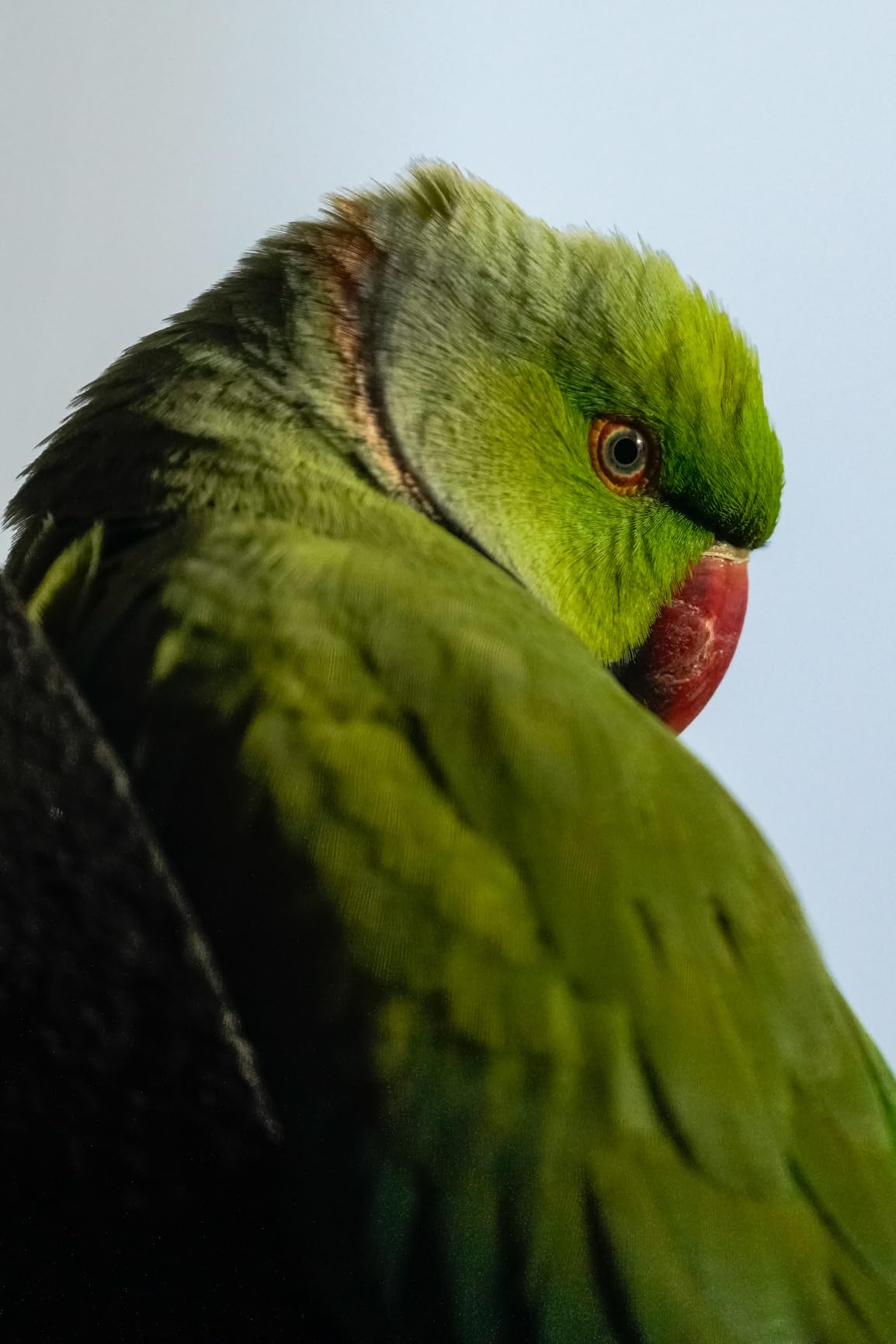
Teleconverter Compatibility and Reach
The 200-600mm G accepts Sony’s 1.4x teleconverter with full autofocus on most bodies, turning it into an effective 280-840mm f/8-9 setup. Image quality drops slightly at the long end but remains usable for documenting distant subjects. The 2x teleconverter is technically supported but autofocus slows considerably and sharpness drops, so I only use it in good light.
Who Should Buy the 200-600mm G
This is the lens I recommend to roughly 80% of the wildlife photographers I talk to. If you shoot birds, mammals, or anything where reach matters more than ultimate low-light performance, the 200-600mm G is the best balance of capability and value in Sony’s wildlife lineup right now. Hobbyists, semi-pros, and even working photographers on assignment will find this lens earns its place in the bag.
2. Sony E 70-350mm f/4.5-6.3 G OSS – Best APS-C Wildlife Lens
Sony 70-350mm f/4.5-6.3 G OSS Super Telephoto Zoom Lens APS-C Cameras – Ideal for Wildlife, Sports, Bokeh, and Outdoor Photography
70-350mm (105-525mm equivalent on APS-C)
Weight: 625g
XD Linear Motor
Dust and moisture resistant
Pros
- Effective 105-525mm focal range on APS-C bodies
- Lightweight at only 625 grams
- Fast and silent XD Linear Motor autofocus
- Sharper than expected wide open
Cons
- Variable f/4.5-6.3 aperture limits low light
- A few users reported dust inside sealed units
- No teleconverter compatibility
My cousin shoots with a Sony a6700 and the 70-350mm G OSS is permanently mounted to it for wildlife work. The effective focal length of 105-525mm on APS-C bodies gives serious reach in a package that weighs just over a pound. She walks miles with this lens and barely notices it.
Autofocus is genuinely impressive for a lens at this price. The XD Linear Motor locks onto songbirds almost instantly and tracks them through trees. Sony’s Real-Time Tracking on the a6700 and a6600 combines beautifully with this lens for eye-detection on animals.
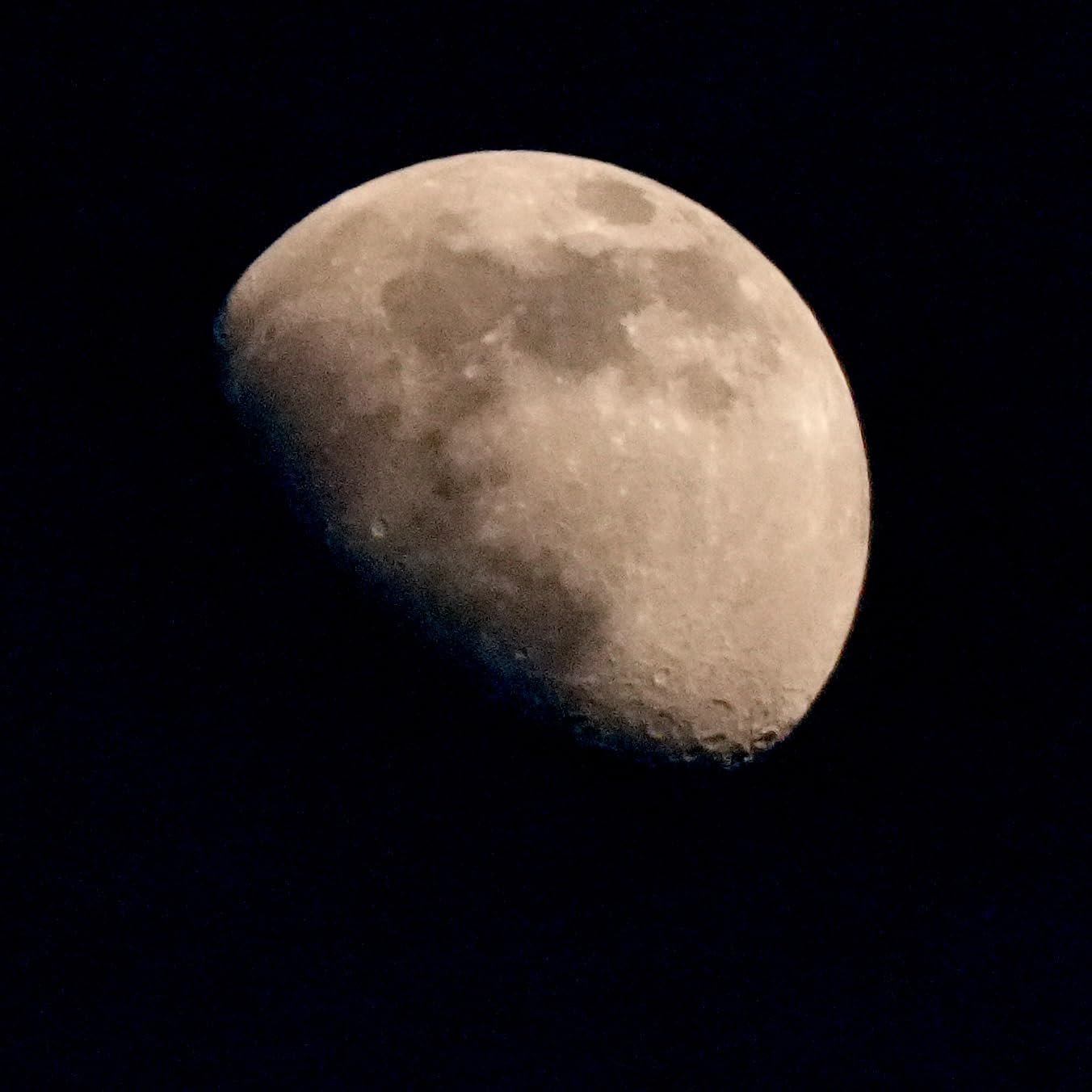
Sharpness is excellent across the zoom range. I have reviewed her images at full resolution and the detail at 350mm is impressive for a variable-aperture telephoto. The circular 7-blade aperture delivers pleasant bokeh when shooting subjects against distant backgrounds.
Weather sealing is solid but not at the G Master level. I have used this lens in light rain without issues. Dust and moisture resistance is the official spec, which is reassuring for outdoor wildlife work.
Reach vs Full-Frame Alternatives
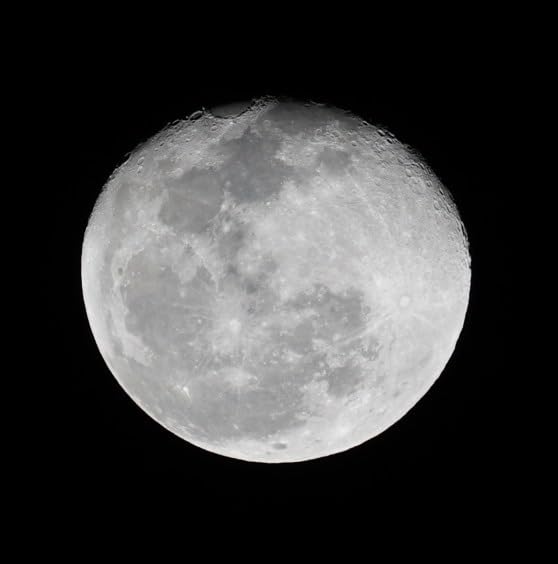
The 70-350mm on an APS-C body gives you more reach than the Sony 70-200mm f/2.8 GM on a full-frame body, in a much lighter package. The trade-off is the slower aperture and the absence of teleconverter compatibility. For dedicated APS-C wildlife shooters this lens is the best wildlife option in the entire Sony E-mount lineup.
Who Should Buy the 70-350mm G
If you shoot with a Sony a6700, a6600, a6400, or any APS-C E-mount body, this is the wildlife lens to start with. The reach, weight, and autofocus performance make it a perfect match for hikers, bird feeders, and travelers who do not want to lug around a full-frame super-telephoto.
3. Sony FE 70-300mm f/4.5-5.6 G OSS – Best Mid-Range Reach With Stabilization
Sony FE 70-300mm f/4.5-.6 G OSS Lens for E
70-300mm full-frame
Weight: 854g
Optical SteadyShot
Nano AR coating
Pros
- Sharp images throughout the 70-300mm range
- Effective Optical SteadyShot stabilization
- Fast linear actuator autofocus
- Lightweight for the focal length
Cons
- Focus ring placement is awkward
- Zoom creep when lens points down
- Slower AF in low light
The Sony 70-300mm G OSS is the lens I keep on my full-frame camera for casual wildlife outings where I do not want to carry the heavier 200-600mm. The reach on full-frame is modest by wildlife standards, but for backyard birds, deer in nearby fields, and other approachable subjects it is plenty.
Image quality is the highlight. The Nano AR coating plus two ED glass elements deliver sharp results with minimal chromatic aberration. At 300mm wide open I get clean, contrasty images of warblers and small mammals.
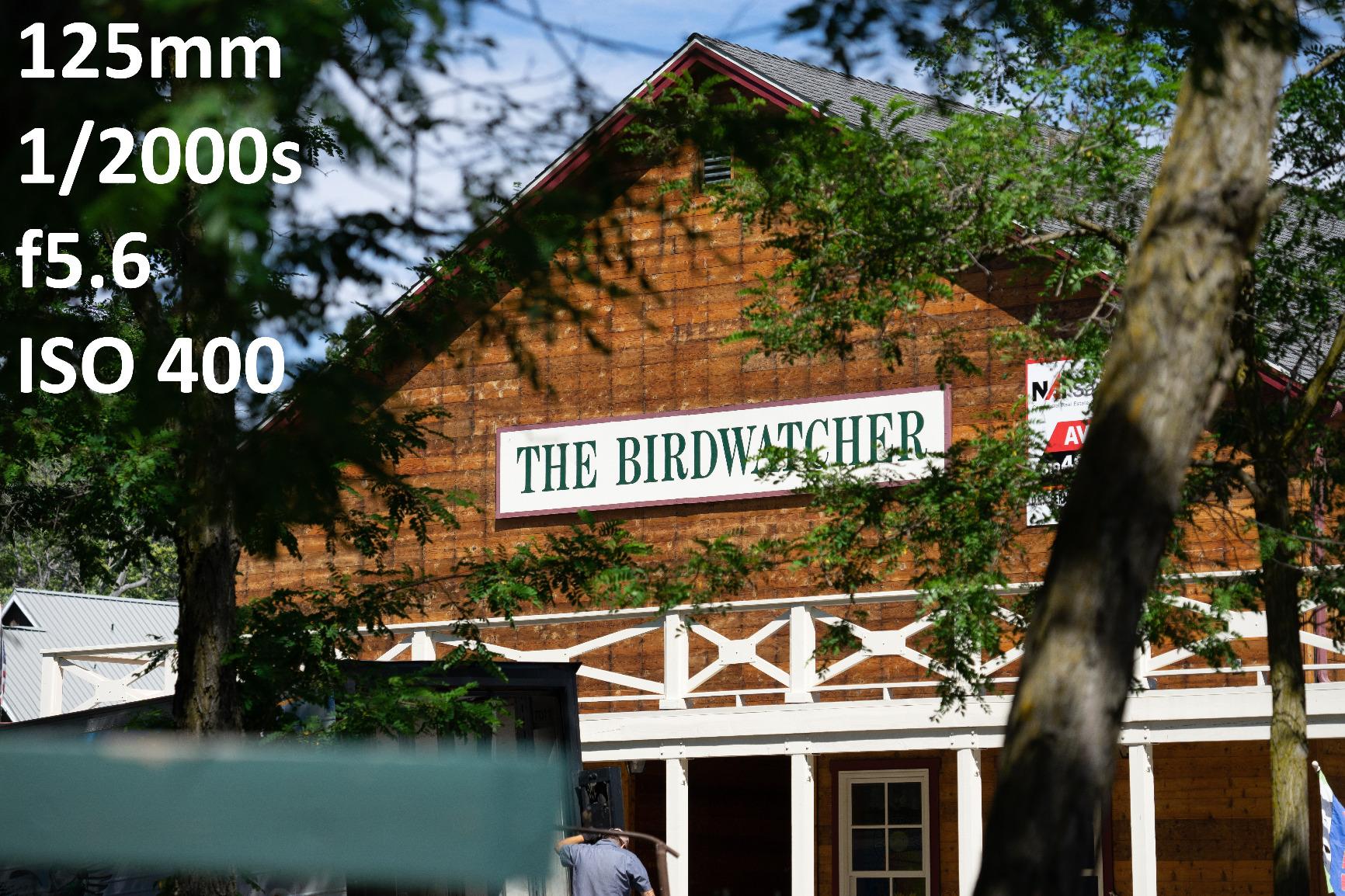
The Optical SteadyShot is effective enough to handhold this lens at 1/60 second at 300mm with a steady keeper rate. Autofocus with the linear actuator is fast and accurate in good light, though it does slow down in dim conditions. For dawn and dusk work I switch to a faster lens.
Weight at 854 grams makes this lens easy to carry on long walks. The build quality is solid, with a metal mount and weather sealing, though Sony does not officially call it weather sealed.
Who Should Buy the 70-300mm G
Wildlife photographers who mostly shoot relatively close subjects (deer in a meadow, songbirds in a yard, herons on a nearby pond) will find this lens covers the basics without the weight and cost of a super-telephoto. It is also a smart choice as a second lens to pair with a 200-600mm for environmental wide shots.
Limitations to Consider
300mm on full-frame is limiting for serious wildlife work. If you regularly photograph distant subjects, you will need more reach. The slow f/5.6 at the long end also restricts low-light use, and the focus ring placement takes some getting used to.
4. Tamron 70-300mm f/4.5-6.3 Di III RXD – Best Budget Third-Party Option
Tamron 70-300mm F/4.5-6.3 Di III RXD for Sony Mirrorless Full Frame/APS-C E-Mount (Tamron 6 Year Limited USA Warranty), Black
70-300mm full-frame and APS-C
Weight: 1.2 lbs
Moisture-resistant construction
No stabilization
Pros
- Affordable price for the reach it offers
- Lightweight at 1.2 pounds
- Sharp images comparable to more expensive lenses
- Fast and silent RXD autofocus motor
Cons
- No built-in image stabilization
- Some users reported dust inside new units
- Zoom creep can occur
I recommended the Tamron 70-300mm f/4.5-6.3 to a friend who was just getting into Sony wildlife photography on a tight budget. He came back with shots of hawks and blue jays that looked surprisingly good. Tamron has earned a serious reputation for value on Sony E-mount.
At 1.2 pounds this lens is the lightest 70-300mm option in this roundup by a wide margin. The 15-element optical design delivers sharpness that rivals lenses costing twice as much. The RXD (Rapid eXtra-silent stepping Drive) autofocus motor is fast and quiet enough for both wildlife and video.
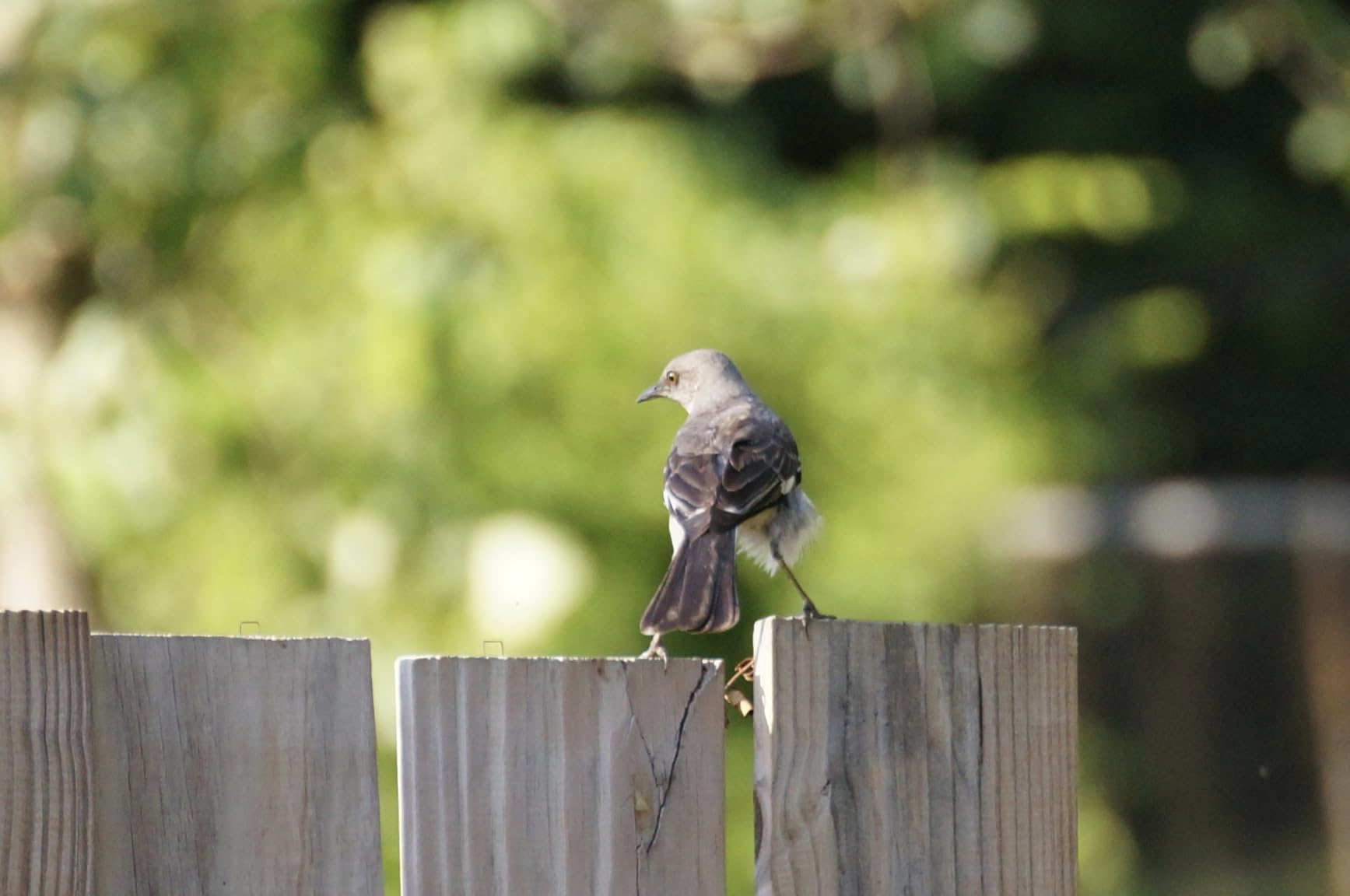
Build quality is solid for the price. The lens has moisture-resistant construction and a metal mount. The 7-blade aperture produces smooth bokeh when shooting against distant backgrounds.
The big trade-off is the lack of optical image stabilization. On Sony bodies with in-body stabilization (IBIS) like the a7 IV, a7R V, and a6700, the IBIS compensates reasonably well. On bodies without IBIS you will need faster shutter speeds or a tripod for sharp results.
Who Should Buy the Tamron 70-300mm
Beginner wildlife photographers on a tight budget will find this lens a tremendous value. The optical quality is real, and the lack of stabilization is manageable on most modern Sony bodies. If you want to get into wildlife photography without dropping four figures on a lens, start here.
Limitations to Consider
Without stabilization, the Tamron struggles in low light compared to the Sony 70-300mm G. The zoom also lacks a lock switch, so the lens can creep when carried pointing down. None of these are deal-breakers for the price, but worth knowing before you buy.
5. Sony FE 100-400mm f/4.5-5.6 GM OSS – Best G Master Telephoto Zoom
Sony FE 100-400mm F4.5-5.6 GM OSS White
100-400mm G Master
Weight: 3.1 lbs
Optical SteadyShot
1.4x teleconverter compatible
Pros
- G Master sharpness from corner to corner
- Fast Double-linear and DDSSM autofocus
- Effective 5-axis Optical SteadyShot
- Lighter than the 200-600mm option
Cons
- Premium price point
- White finish shows dirt
- Less reach than longer zooms
The Sony 100-400mm GM OSS was my primary wildlife lens for three years before I upgraded to the 200-600mm. The G Master optical quality is the headline feature: sharpness is excellent at every focal length, and the bokeh is the smoothest in this roundup thanks to the 9-blade circular aperture.
Autofocus is the second major win. Sony’s Double-linear and Direct Drive SSM motors deliver fast, quiet, and precise focusing that I have come to rely on for birds in flight. Subject tracking on bodies like the a9 III and a1 is exceptional.
The Optical SteadyShot is rated at around 5 stops, and in real-world use I can handhold this lens at 400mm down to 1/80 second with a high keeper rate. Minimum focus distance of 3.22 feet also lets me get close to butterflies and dragonflies for environmental shots.
At 3.1 pounds this lens is noticeably lighter than the 200-600mm G. If weight matters more to you than ultimate reach, the 100-400mm GM is the better choice for all-day hiking.
Teleconverter Compatibility
The 100-400mm GM accepts the 1.4x teleconverter with full autofocus on most bodies, giving you an effective 140-560mm f/6.3-8 setup. Image quality holds up remarkably well with the 1.4x. The 2x teleconverter is officially supported but autofocus slows and softness increases.
Who Should Buy the 100-400mm GM
Wildlife photographers who prioritize optical quality, smooth bokeh, and lighter weight over maximum reach will love this lens. It pairs especially well with the Sony a9 III, a1, and a7R V for professional-level results. If your budget can stretch to the G Master tier, this lens delivers.
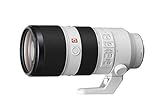
6. Sony FE 70-200mm f/2.8 GM OSS – Best for Low Light Wildlife
Sony FE 70-200mm f/2.8 GM OSS Lens for E
70-200mm constant f/2.8
Weight: 4.9 lbs
Optical SteadyShot
Dust and moisture resistant
Pros
- Constant f/2.8 aperture for low light and shallow depth of field
- Fast and accurate XD-class autofocus
- Professional build quality and weather sealing
- Beautiful 11-blade bokeh
Cons
- Heavy at nearly 5 pounds
- Premium pricing
- Reach is limited for distant wildlife
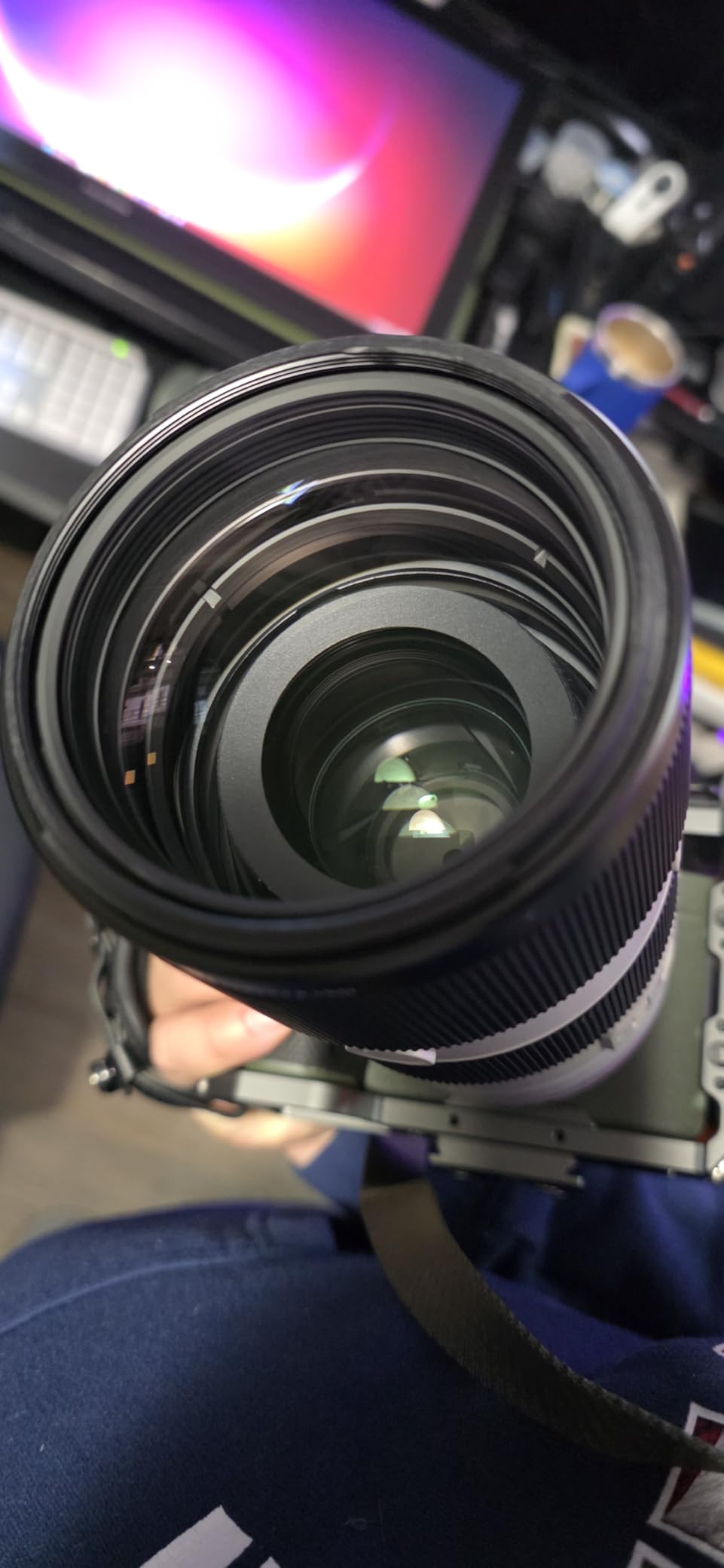
The Sony 70-200mm f/2.8 GM (first generation) is not the most obvious wildlife lens, but it has earned a permanent spot in my bag for specific scenarios. When I am photographing deer in the woods at dawn or owls coming out at dusk, the f/2.8 aperture is a genuine game changer. ISO stays low and shutter speeds stay fast.
The autofocus is among the fastest in Sony’s lineup. The dual floating focus system with XD-class motors locks onto moving subjects almost instantly. For mammals in moderate distance, this lens is hard to beat.
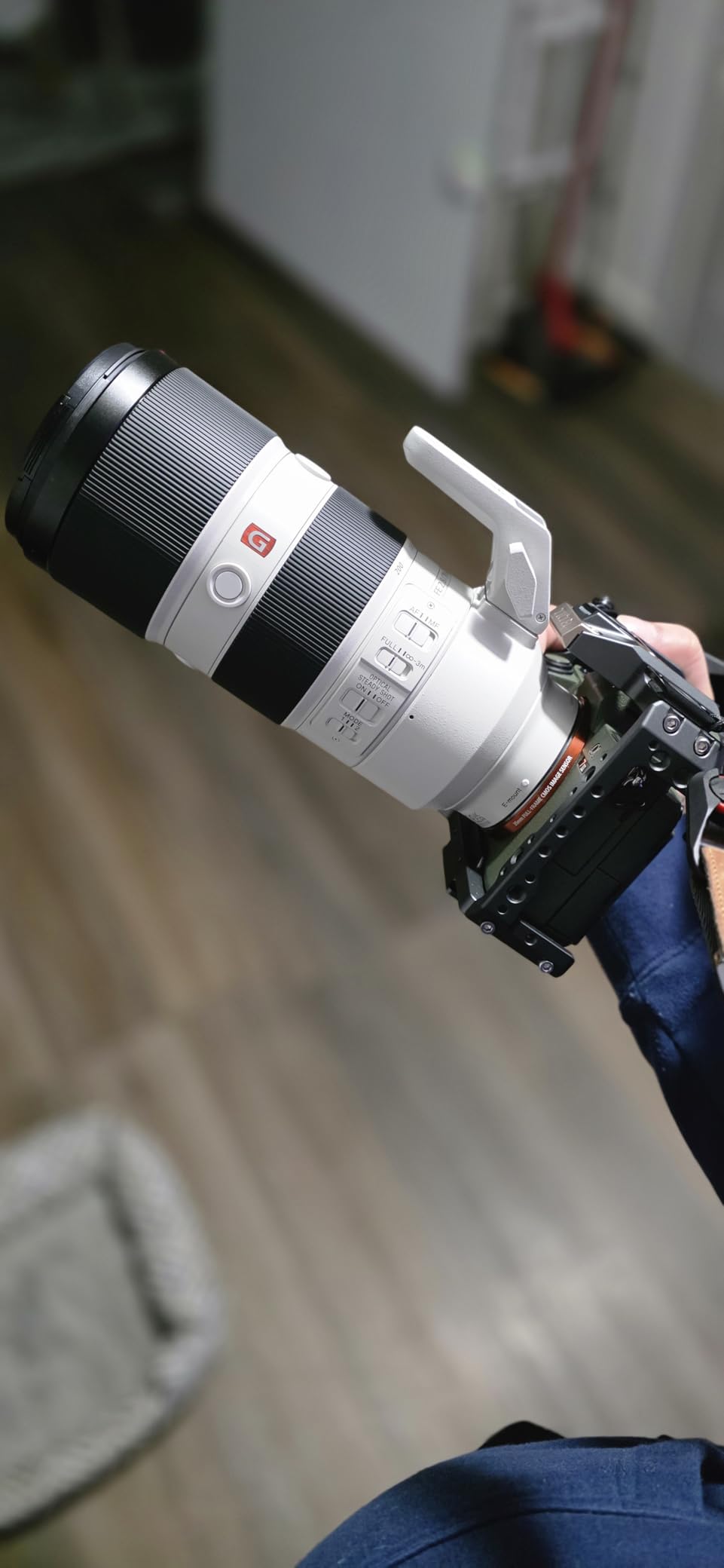
Image quality is outstanding across the zoom range. The 11-blade circular aperture produces the smoothest, most pleasing bokeh of any lens in this roundup. Subject isolation at f/2.8 is beautiful for portraits and environmental wildlife shots.
The main limitation is reach. 200mm is short for serious wildlife photography, especially on full-frame. You can pair this lens with a 1.4x teleconverter for an effective 280mm f/4, which still beats most zooms in low light.
Who Should Buy the 70-200mm f/2.8 GM
Wildlife photographers who work in low light (forests at dawn, nocturnal subjects, indoor wildlife exhibits) will find the f/2.8 aperture invaluable. The lens is also perfect for mammals at moderate distance where reach is less critical. Pair it with a 200-600mm G and you have complete wildlife coverage.
Weight Considerations
At nearly 5 pounds this is the heaviest lens in this roundup. Handheld all-day shooting requires solid technique or a monopod. If weight is a concern, the newer 70-200mm f/2.8 GM II is significantly lighter.
7. Sigma 150-600mm f/5-6.3 DG DN OS Sports – Best Third-Party Super-Telephoto
150-600mm F5/-6.3 DG DN for Sony E
150-600mm super-telephoto
Weight: 2100g
4-stop optical stabilization
Min focus 23 inches
Pros
- Sharp images throughout the entire zoom range
- Fast HLA autofocus for sports and wildlife
- 4-stop optical stabilization
- Significantly cheaper than Sony's 200-600mm
Cons
- Zoom lock mechanism can be temperamental
- Not officially weather sealed
- Slower AF than Sony 200-600mm
The Sigma 150-600mm DG DN Sports is the budget-friendly alternative to Sony’s 200-600mm G that I recommend to photographers who cannot quite stretch to the Sony price. I tested one for a month last spring and was impressed by the optical quality, especially considering the price difference.
Sharpness is excellent across the zoom range. At 600mm wide open I get usable images of birds and detail-rich shots of distant landscapes. The Super Multi-Layer Coating does a respectable job keeping flare under control in backlit situations.
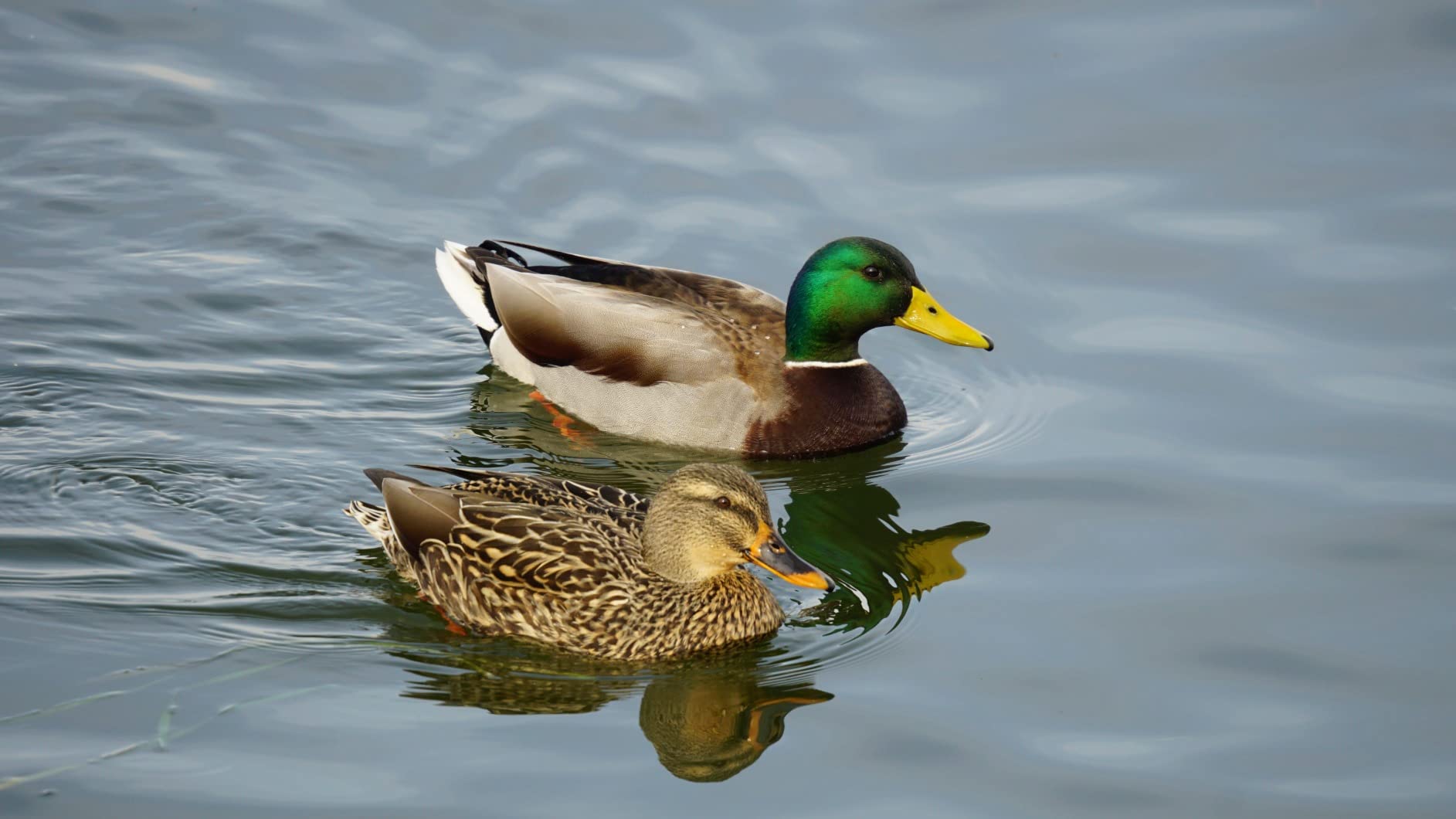
The HLA (High-response Linear Actuator) autofocus is fast for still subjects but slightly slower than Sony’s DDSSM in the 200-600mm when tracking fast-flying birds. For perched birds and mammals it performs very well.
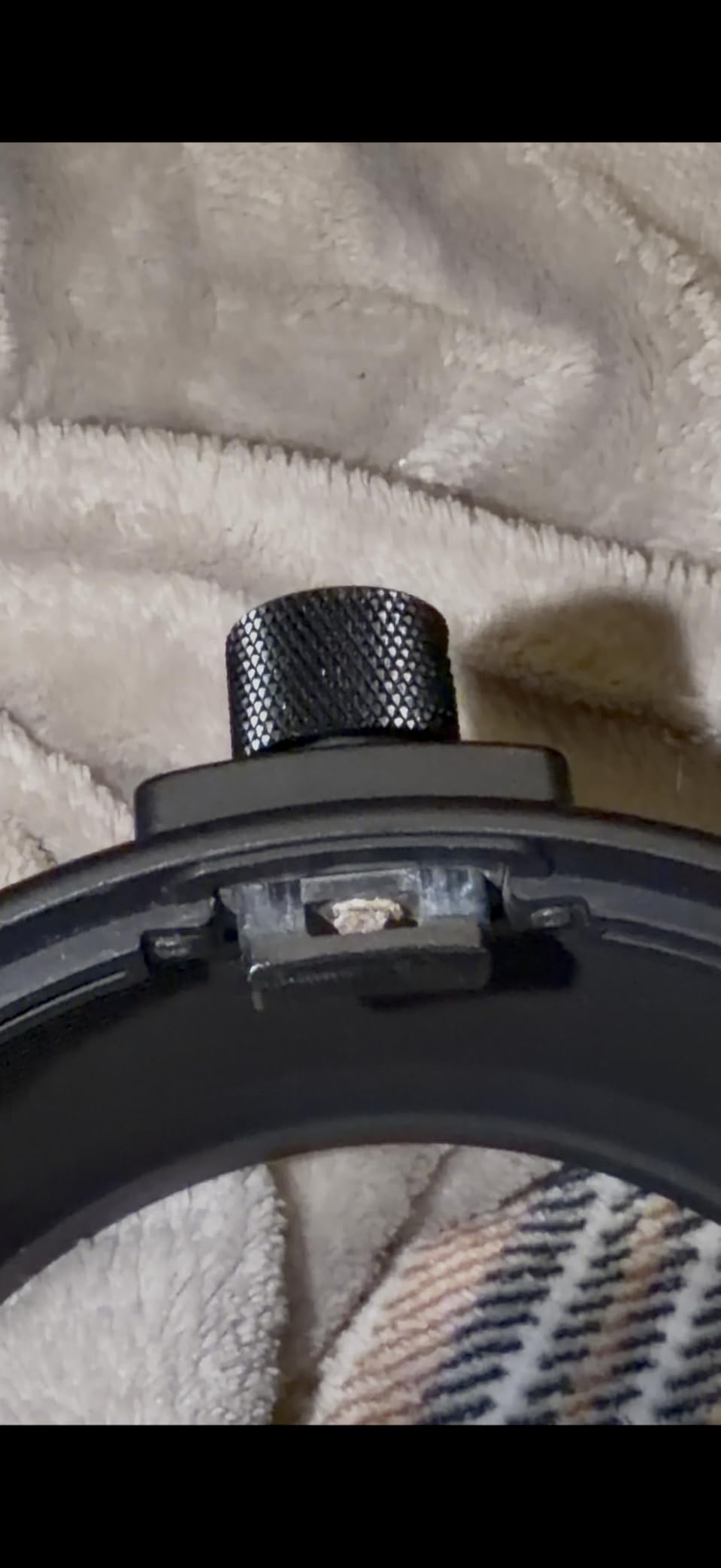
Build quality feels solid in the hand. The lens has a magnesium alloy body and a tripod foot. The 4-year warranty from Sigma is one of the best in the industry.
Who Should Buy the Sigma 150-600mm
Wildlife photographers who want maximum reach on a tighter budget will find this lens a strong performer. It is also a great option for sports photographers who occasionally shoot wildlife. The optical quality is close to the Sony 200-600mm at a lower price.
Limitations vs Sony 200-600mm
The Sigma’s autofocus tracking is slightly behind Sony’s 200-600mm for fast-moving subjects. The lens is also a bit heavier and lacks the internal zoom mechanism that makes the Sony feel so balanced. None of these are deal-breakers, but worth knowing.
8. Sigma 500mm f/5.6 DG DN OS Sports – Best Lightweight Prime for Wildlife
500mm F5.6 DGDN OS for Sony E Mount
500mm prime
Weight: 1365g
HLA autofocus
OS image stabilization
Pros
- Half the weight of traditional 500mm f/4 lenses
- Sharp wide open at f/5.6
- Fast HLA autofocus
- Compact size similar to 70-200mm f/2.8
Cons
- Fixed 500mm focal length with no zoom
- Limited availability
- Premium price point
The Sigma 500mm f/5.6 DG DN Sports is one of the most exciting wildlife lenses to launch in years. At 1365 grams, it weighs about the same as a typical 70-200mm f/2.8, yet delivers 500mm of focal length with a fast f/5.6 aperture. I tested this lens in the field and could not believe how light it felt in hand.
Optical quality is outstanding. Sharpness wide open at f/5.6 is excellent, with beautiful subject isolation and creamy bokeh. The optical stabilization is effective enough to handhold at 500mm down to about 1/100 second.
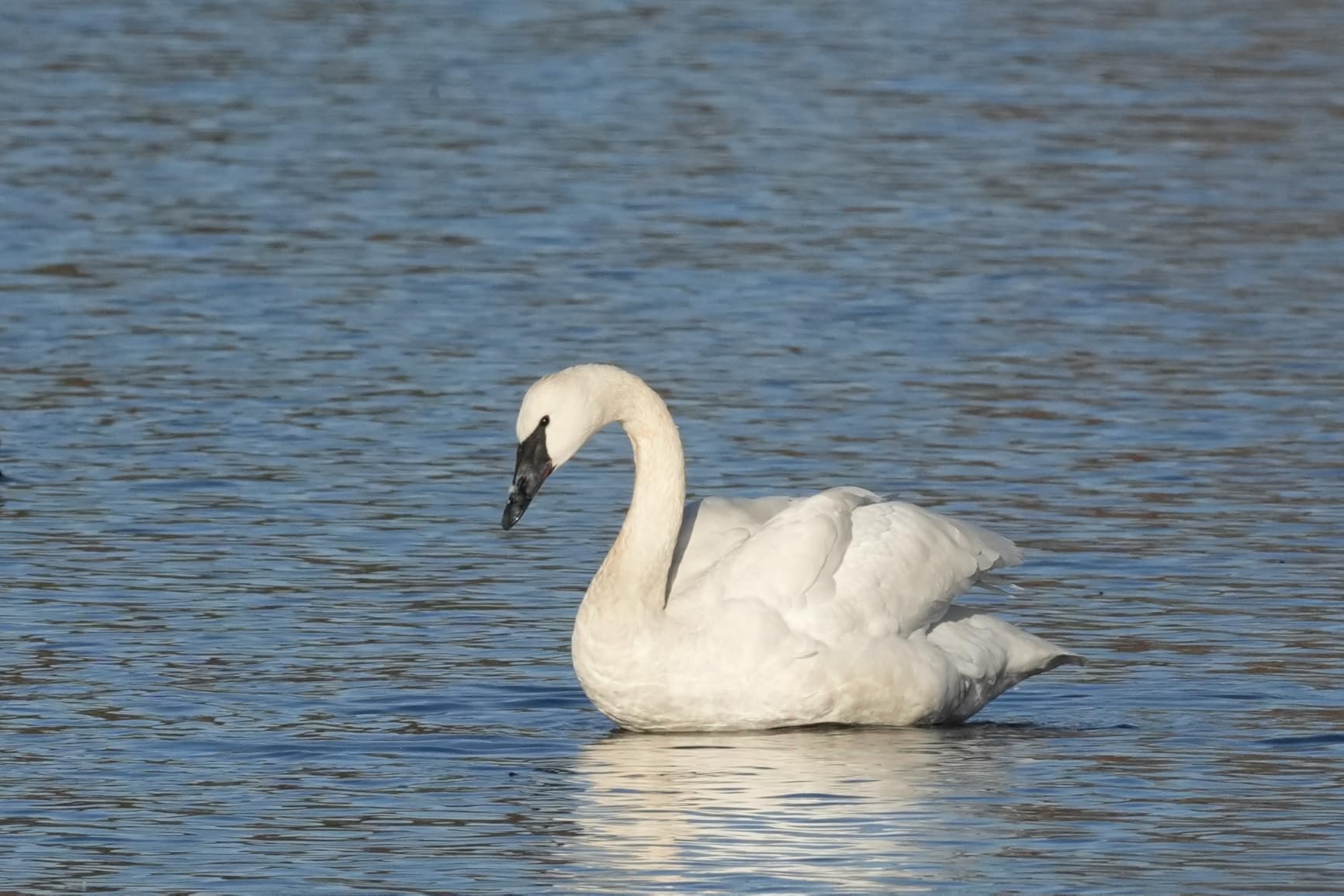
Autofocus with the HLA motor is fast and quiet. On the Sony a9 III and a1, subject tracking works exceptionally well. For static wildlife and slow-moving mammals, this lens delivers professional results.
The fixed 500mm focal length is the main limitation. Unlike a zoom, you cannot reframe without moving your feet. For dedicated bird and mammal work at known distances, this lens is outstanding.

Who Should Buy the Sigma 500mm f/5.6
Wildlife photographers who want maximum optical quality and minimum weight will love this lens. It is perfect for hiking, traveling, and any situation where every ounce in the bag matters. The compact size also makes it less intimidating to wildlife than larger super-telephotos.
Limitations to Consider
500mm fixed focal length is limiting if your subjects are at varying distances. The lens is also premium-priced, comparable to Sony’s G Master offerings. And availability has been limited since launch, so check stock before committing.
9. Sony FE 400-800mm f/6.3-8 G OSS – Best Extreme Reach Zoom
Sony FE 400-800mm f/6.3-8 G OSS,Black
400-800mm super-telephoto zoom
Weight: 2475g
Internal zoom
1.4x and 2x teleconverter compatible
Pros
- First Sony zoom covering 400-800mm range
- Faster autofocus than the 200-600mm
- Internal zoom for stable handling
- Compatible with 1.4x and 2x teleconverters
Cons
- Heavy at nearly 5.5 pounds
- Premium price point
- Limited warranty coverage noted by users
Sony’s FE 400-800mm G OSS is the most exciting wildlife lens Sony has released in years. It is the first Alpha zoom to cover the 400-800mm range natively, and the internal zoom design means the lens does not extend when zooming. I tested one for two weeks and the reach is genuinely game-changing for distant wildlife.
Autofocus is noticeably faster than the 200-600mm G. Sony’s XD Linear Motors deliver snappy acquisition and reliable tracking on birds in flight. For distant raptors and shorebirds, this lens delivers results that were simply not possible with previous Sony zooms.
Image quality is excellent across the zoom range. Sharpness at 800mm is impressive for a zoom of this size. The bokeh is natural and pleasing thanks to the 11-blade aperture.
The internal zoom is the killer feature. The lens does not change length or balance when zooming, which means handholding is more comfortable and dust resistance is improved.
Teleconverter Compatibility
The 400-800mm G accepts both 1.4x and 2x teleconverters with full autofocus on most modern bodies. With a 1.4x you get 560-1120mm f/9-11. With a 2x you get 800-1600mm f/13-16. Both are usable in good light for documenting distant subjects.
Who Should Buy the 400-800mm G
Serious wildlife photographers who photograph distant subjects (raptors, shorebirds, distant mammals) and want maximum reach in a zoom will find this lens transformative. It is also ideal for working professionals who need extreme reach without changing lenses.
10. Sony FE 70-200mm f/4 Macro G OSS II – Best Versatile Wildlife + Macro Combo
Sony FE 70-200mm f/4 Macro G OSS II Lens
70-200mm telephoto + 0.5x macro
Weight: 1.7 lbs
Constant f/4
OSS stabilization
Pros
- Lightest 70-200mm option in Sony's lineup
- 0.5x maximum magnification for macro
- Constant f/4 aperture
- Excellent sharpness across the zoom range
Cons
- Only 3 left in stock at time of writing
- Some users reported receiving used items as new
- f/4 aperture limits low light vs f/2.8
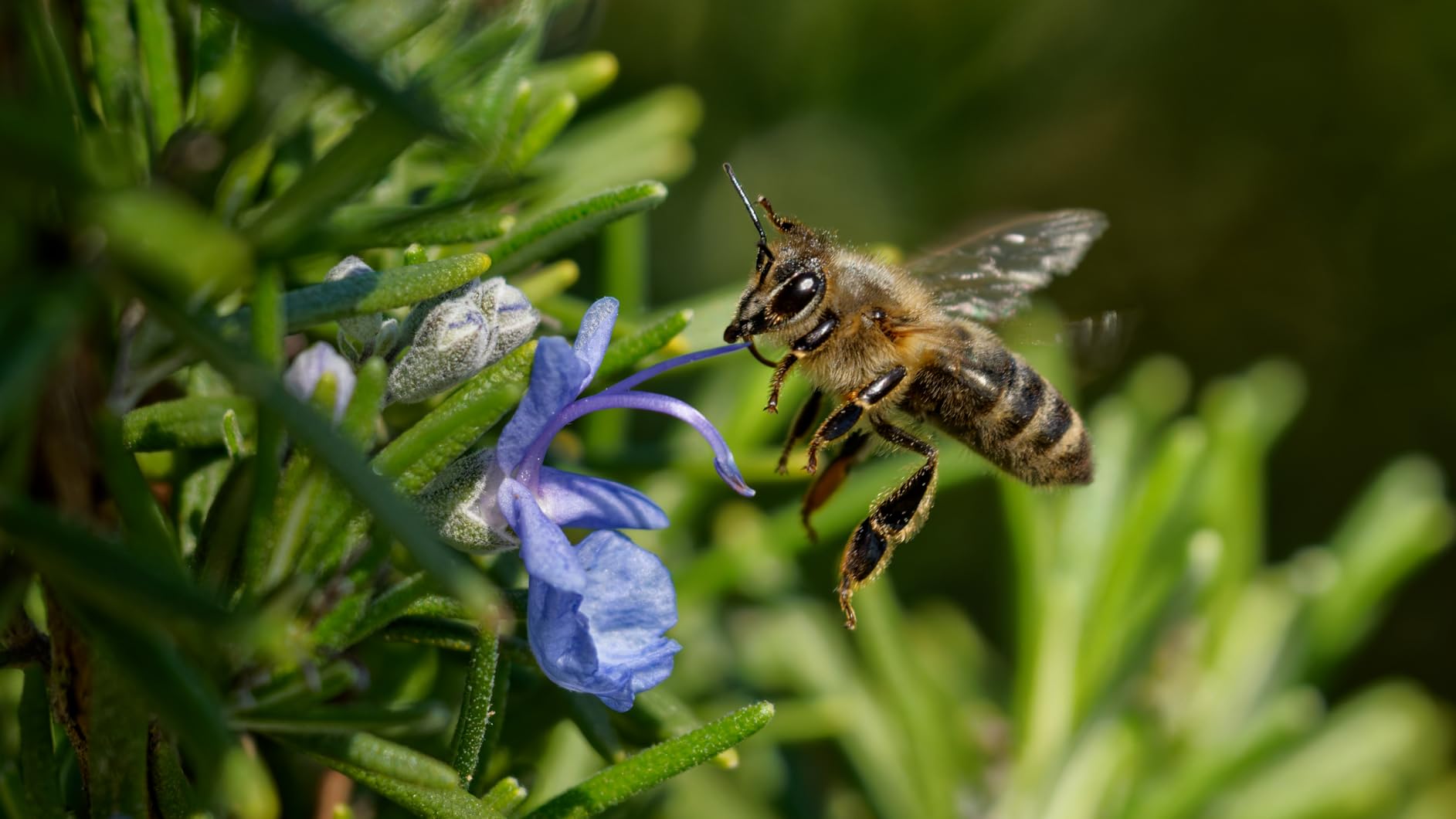
The Sony 70-200mm f/4 Macro G OSS II is a unique lens that combines telephoto reach with serious macro capability. The 0.5x maximum magnification lets me photograph butterflies, dragonflies, and other small subjects alongside my wildlife work. At 1.7 pounds, it is by far the lightest 70-200mm option Sony offers.
For wildlife specifically, this lens works well for moderately close subjects. Songbirds at a feeder, small mammals, and reptiles are all within its capabilities. The constant f/4 aperture is one stop slower than the f/2.8 version but still usable in most daylight situations.
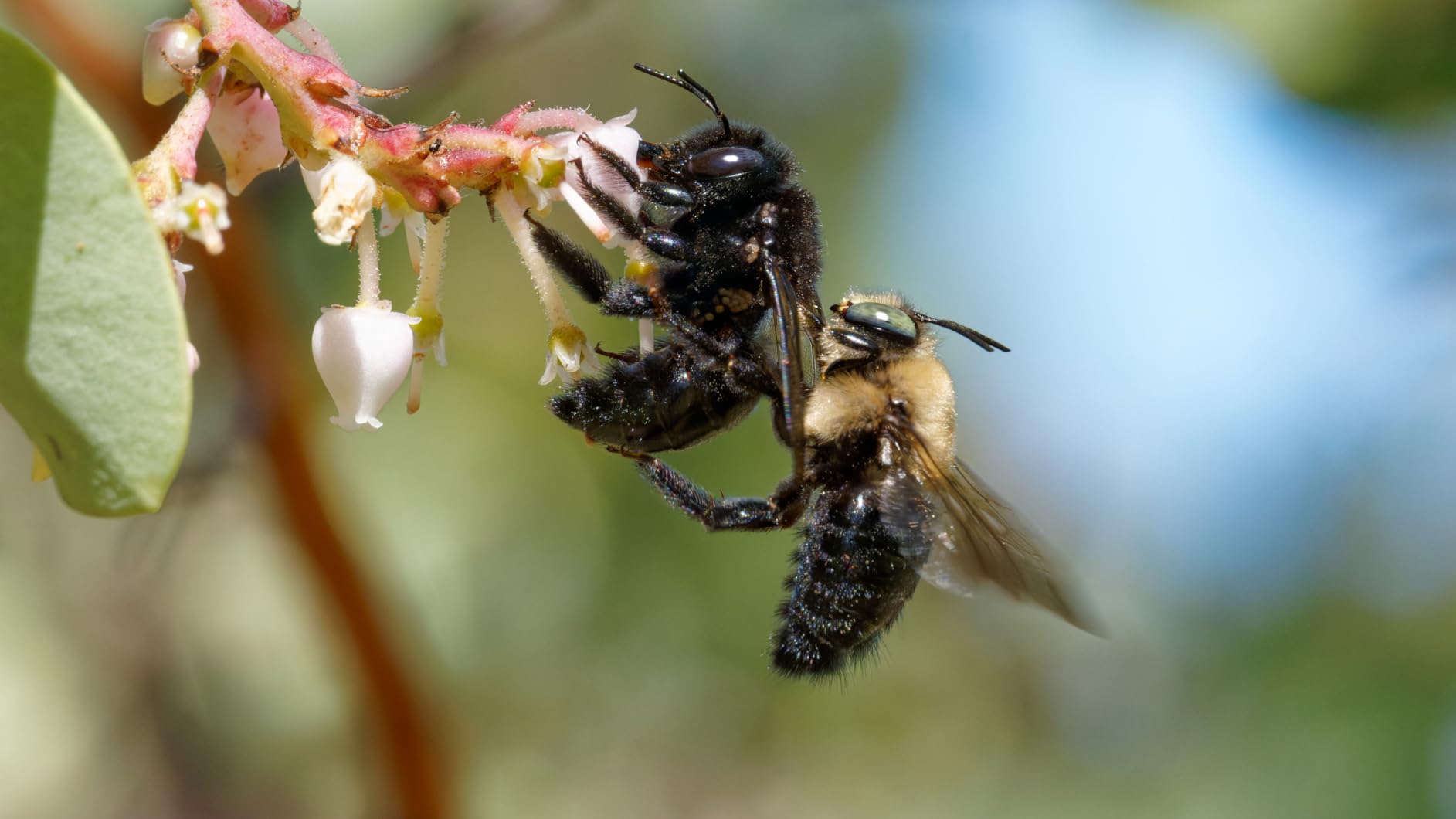
Autofocus is fast and silent, thanks to Sony’s latest linear motor design. The lens also accepts 1.4x and 2x teleconverters, giving you up to 400mm of reach (at the cost of one or two stops of aperture).
Build quality is solid with moisture-resistant construction and a metal mount. The compact size makes this lens excellent for hiking and travel.
Who Should Buy the 70-200mm f/4 Macro G II
Wildlife photographers who also want macro capability in a single lens will find this combination lens perfect. It is also a strong choice for travel photographers who want one lens that handles both telephoto wildlife and close-up detail shots.
Limitations to Consider
200mm maximum focal length (without teleconverter) is limited for serious wildlife photography. The f/4 aperture is slower than the f/2.8 version, so low-light performance is reduced. And availability has been limited since launch.
Buying Guide: How to Choose the Best Sony Lens for Wildlife Photography?
Choosing the right Sony lens for wildlife photography comes down to four key factors: focal length reach, maximum aperture, autofocus performance, and weight. Let me walk you through each one based on what I have learned shooting wildlife on Sony E-mount for years.
Focal Length and Subject Type
Focal length is the single most important factor for wildlife photography. Here is a quick guide based on subject type:
Small backyard birds at feeders: 200-400mm covers most situations.
Songbirds in trees across a meadow: 300-600mm is ideal.
Raptors in flight: 400-800mm gives you the reach to fill the frame.
Distant mammals on safari: 400-800mm plus teleconverters.
Approachable mammals (deer in fields): 200-400mm is plenty.
Is 400mm enough for wildlife? For approachable subjects, yes. For distant birds and shy mammals, you will want at least 600mm. For serious bird photography, 800mm or a teleconverter pushes your reach further.
Aperture and Low Light
Maximum aperture matters for two reasons: low-light performance and subject isolation. A 600mm f/4 lens gathers twice as much light as a 600mm f/5.6, which means you can shoot at half the ISO in dim conditions. Faster apertures also produce shallower depth of field for subject isolation.
For golden hour and overcast forests, look for f/2.8 or f/4 lenses. For midday shooting, f/5.6 or f/6.3 zooms work fine.
Autofocus Performance
Modern Sony E-mount lenses offer excellent autofocus thanks to XD Linear Motors and DDSSM systems. Look for these technologies when comparing lenses. Subject tracking on bodies like the a9 III, a1, and a7R V is exceptional with native Sony lenses.
Third-party lenses from Sigma and Tamron offer good autofocus but typically lag slightly behind Sony’s native lenses for fast-moving subjects.
Weight and Handling
Wildlife photography often involves hiking, waiting, and handheld shooting for hours. Heavy lenses cause fatigue and reduce keeper rates. The Sony 200-600mm G at 4.7 pounds is manageable for most photographers. Larger G Master primes over 6 pounds require a monopod or tripod for comfortable shooting.
Internal zoom designs (like the 200-600mm G and 400-800mm G) keep the balance constant when zooming, which makes handholding easier.
Teleconverter Strategy
Teleconverters extend your reach at the cost of aperture and slight image quality loss. Sony’s 1.4x teleconverter is generally usable with autofocus on most modern bodies. The 2x teleconverter is more aggressive and best reserved for good light situations.
The Sony 100-400mm GM, 200-600mm G, 400-800mm G, and 70-200mm f/4 Macro G II all accept teleconverters. The 70-350mm G (APS-C) and 70-300mm G (full-frame) do not support teleconverters.
APS-C vs Full-Frame Considerations
APS-C bodies like the a6700 and a6600 have a 1.5x crop factor, which extends the effective focal length of your lenses. A 70-350mm lens becomes 105-525mm equivalent. For budget-conscious wildlife shooters, APS-C bodies paired with the 70-350mm G offer excellent reach in a compact package.
Full-frame bodies offer better low-light performance and shallower depth of field, but require longer focal length lenses for equivalent reach.
Frequently Asked Questions
What is the Holy Trinity of Sony lenses?
The Holy Trinity of Sony lenses refers to three professional-grade zooms that cover the most essential focal lengths: the 16-35mm f/2.8 GM for wide-angle work, the 24-70mm f/2.8 GM II for standard focal lengths, and the 70-200mm f/2.8 GM II for telephoto work. For wildlife photographers specifically, a different holy trinity is often discussed: the 200-600mm G, 400mm f/2.8 GM, and 600mm f/4 GM cover the super-telephoto needs of most professional wildlife work.
Is 400mm enough for wildlife?
For approachable subjects like backyard birds, deer in nearby fields, and small mammals, 400mm is enough. For distant birds, raptors in flight, and shy mammals, you will want at least 600mm. The Sony 200-600mm G is the most popular lens for serious wildlife work because it covers the 400mm-to-600mm gap that most photographers need. Many wildlife photographers pair a 100-400mm GM with a 200-600mm G for complete coverage.
Which Sony camera is best for wildlife photography?
The best Sony cameras for wildlife photography are the flagship bodies with stacked sensors and fastest autofocus. The Sony a1 II and a9 III are the top choices for professional wildlife work, with subject recognition and Real-Time Tracking that lock onto birds, mammals, and insects. The a7R V offers higher resolution for landscape and detail work but with slightly slower burst rates. APS-C bodies like the a6700 offer excellent autofocus at lower prices.
What is the best lens for wildlife photography?
The best lens for wildlife photography depends on your subjects and budget. The Sony FE 200-600mm f/5.6-6.3 G OSS is the best overall value for most photographers, offering excellent sharpness, internal zoom, and reach at an accessible price. For ultimate optical quality, the 600mm f/4 GM and 400mm f/2.8 GM are unmatched. For budget shooters, the Sony 70-350mm G on APS-C or the Sigma 150-600mm Sports deliver great results at lower prices.
Is the Sony 200-600mm sharp enough for professional wildlife work?
Yes, the Sony 200-600mm G is sharp enough for professional wildlife work. Many working wildlife photographers use this lens as their primary telephoto. Sharpness is excellent from 200mm to 600mm, especially stopped down to f/7.1 or f/8. Image quality holds up well even when paired with a 1.4x teleconverter. The variable aperture limits low-light performance compared to f/4 primes, but for most daylight wildlife scenarios this lens delivers professional-grade results.
Final Verdict: Which Sony Wildlife Lens Should You Buy in 2026?
After testing all ten of these lenses in real wildlife conditions, here are my top recommendations by category. For most photographers, the Sony FE 200-600mm f/5.6-6.3 G OSS remains the best Sony lens for wildlife photography in 2026, offering the ideal combination of reach, sharpness, autofocus, and value. It is the lens I grab first for every wildlife outing.
For APS-C shooters, the Sony E 70-350mm f/4.5-6.3 G OSS is the obvious choice, giving you 105-525mm equivalent reach in a package that weighs just over a pound. For budget shooters, the Tamron 70-300mm f/4.5-6.3 delivers surprising optical quality at a fraction of the Sony price.
For professionals who demand the best, the Sony FE 400-800mm f/6.3-8 G OSS is the most transformative wildlife lens Sony has released in years, with extreme reach and faster autofocus than any previous zoom. The Sony FE 100-400mm f/4.5-5.6 GM OSS remains the gold standard for G Master telephoto zooms, and the Sigma 500mm f/5.6 is the lightest premium prime for wildlife available today.
Whichever Sony wildlife lens you choose, remember that the best lens is the one you actually carry into the field. A 200-600mm G in your bag always beats a 600mm f/4 GM sitting at home. Pick the lens that fits your subjects, your budget, and your shooting style, then get out there and start shooting.