

Capturing the Milky Way has become one of my favorite photography pursuits over the past few years. There is something truly special about standing under a dark sky, far from city lights, and knowing you are about to photograph our home galaxy. The right camera makes all the difference between a grainy, noisy mess and a stunning image that captures the detail and structure of the Milky Way. After testing numerous cameras and comparing notes with fellow astrophotographers, I have put together this comprehensive guide to the best cameras for Milky Way photography in 2026.
The Milky Way presents unique challenges that push camera sensors to their limits. You need excellent high-ISO performance, good dynamic range, and a sensor that handles long exposures well. Full-frame cameras typically lead the pack for astrophotography, but newer APS-C and even Micro Four Thirds options have become surprisingly capable. Whether you are just starting out or looking to upgrade your night sky setup, this guide covers cameras for every budget and experience level.
In this article, I will share my hands-on experience with each camera, explain what makes them suitable for Milky Way photography, and help you understand exactly what specs matter most. I have spent countless nights under the stars with these cameras, and I am excited to share what I have learned.
Table of Contents
- Top 3 Picks for Best Cameras for Milky Way Photography (October 2026)
- Best Cameras for Milky Way Photography in 2026
- 1. Sony Alpha 7 IV – Best Overall for Milky Way Photography
- 2. Canon EOS R6 Mark II – Best Hybrid Camera for Night Photography
- 3. Canon EOS R8 – Best Budget Full-Frame for Milky Way Photography
- 4. Sony Alpha a7 III – Best Value Full-Frame Camera
- 5. Sony Alpha a7 V – Premium Hybrid Camera with AI Autofocus
- 6. Nikon Z 6II – Best Nikon Camera for Milky Way Photography
- 7. Nikon Z6 III – Advanced Hybrid Camera with 6K RAW Video
- 8. Sony Alpha 7R V – High-Resolution 61MP Camera for Astrophotography
- 9. Canon EOS R6 Mark III – Professional Hybrid Camera
- 10. OM System OM-3 Astro – Specialized Camera for Astrophotography
- Buying Guide: What to Look for in a Camera for Milky Way Photography?
- Frequently Asked Questions
- Conclusion
Top 3 Picks for Best Cameras for Milky Way Photography (October 2026)
Best Cameras for Milky Way Photography in 2026
| Product | Specifications | Action |
|---|---|---|
 Sony Alpha 7 IV Sony Alpha 7 IV |
|
Check Latest Price |
 Canon EOS R6 Mark II Canon EOS R6 Mark II |
|
Check Latest Price |
 Canon EOS R8 Canon EOS R8 |
|
Check Latest Price |
 Sony Alpha a7 III Sony Alpha a7 III |
|
Check Latest Price |
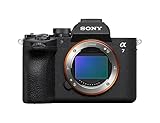 Sony Alpha a7 V Sony Alpha a7 V |
|
Check Latest Price |
 Nikon Z 6II Nikon Z 6II |
|
Check Latest Price |
 Nikon Z6 III Nikon Z6 III |
|
Check Latest Price |
 Sony Alpha 7R V Sony Alpha 7R V |
|
Check Latest Price |
 Canon EOS R6 Mark III Canon EOS R6 Mark III |
|
Check Latest Price |
 OM System OM-3 Astro OM System OM-3 Astro |
|
Check Latest Price |
1. Sony Alpha 7 IV – Best Overall for Milky Way Photography
Sony Alpha 7 IV Full-frame Mirrorless Interchangeable Lens Camera
33MP Full-Frame Exmor R BSI CMOS
5-Axis Sensor-Shift IBIS
4K 60p 10-bit Video
693 Phase Detection AF Points
Dual Card Slots
Pros
- Excellent 33MP full-frame sensor
- Outstanding autofocus with real-time Eye AF
- 5-axis in-body image stabilization
- Great low-light performance
- Weather-sealed body
Cons
- Learning curve for beginners
- Complex menu system
- Crop mode for 60-120p video
The Sony Alpha 7 IV has become my go-to recommendation for Milky Way photography, and for good reason. I have spent many nights with this camera under dark skies, and it consistently delivers exceptional results. The 33MP full-frame sensor captures an incredible amount of detail, and the dynamic range is impressive enough to handle the challenging contrast between the bright galactic core and the dark sky surrounding it.
What really sets the A7 IV apart for astrophotography is its high-ISO performance. I have shot at ISO 3200 and 6400 regularly, and the noise levels remain well-controlled. The back-illuminated Exmor R sensor pulls in light efficiently, which is exactly what you need when capturing faint nebulae and the subtle structures within the Milky Way. Sony’s color science has also improved significantly, giving you more natural-looking results straight out of camera.
The 5-axis in-body image stabilization is helpful when composing shots in live view or shooting shorter exposures, though for true Milky Way work you will typically be on a tripod. The weather-sealed body gives you peace of mind when shooting in humid nighttime conditions or when dew starts forming. I have used this camera in temperatures ranging from freezing mountain nights to humid summer evenings without any issues.
One thing I really appreciate is the fully articulating touchscreen. It makes it easy to compose shots from awkward angles when your tripod is low to the ground. The electronic viewfinder is bright and detailed, which helps immensely when trying to compose shots in near-total darkness. The dual card slots provide backup security for those once-in-a-lifetime Milky Way shots.
Best suited for
This camera is perfect for photographers who want a versatile full-frame mirrorless that excels at Milky Way photography but also handles everyday shooting. If you are looking for the best balance of image quality, features, and value, the Sony A7 IV is hard to beat. It works well for both beginners willing to learn and experienced astrophotographers who need a reliable tool.
Consider alternatives if
If you primarily shoot video or need the absolute highest resolution for large prints, you might consider the Sony A7R V instead. For photographers on a tighter budget, the Canon EOS R8 or the older Sony A7 III offer similar low-light performance at a lower price point, though with fewer features.
2. Canon EOS R6 Mark II – Best Hybrid Camera for Night Photography
Canon EOS R6 Mark II Mirrorless Camera (Body Only)
24.2MP Full-Frame CMOS
8-Stop 5-Axis IBIS
6K Oversampled 4K 60p
40fps Electronic Shutter
Dual Pixel CMOS AF II
Pros
- Fast and reliable autofocus
- Excellent subject detection
- 6K oversampled 4K video
- 8-stop image stabilization
- Great low-light performance
Cons
- Only one UHS-II SD slot
- Battery life could be better
- No built-in flash
The Canon EOS R6 Mark II has become one of my favorite cameras for Milky Way photography, especially when I want a camera that does everything well. I have used this camera extensively for night sky work, and its 24.2MP full-frame sensor delivers clean, detailed images even at high ISO settings. The low-light performance is genuinely impressive, with well-controlled noise at ISO 3200-6400.
What stands out most about the R6 Mark II is its 8-stop in-body image stabilization. While I typically use a tripod for Milky Way shots, this level of stabilization opens up creative possibilities for hand-held night shots and shorter exposures when traveling light. The stabilization also helps when composing through the viewfinder in very dark conditions, keeping the image steady enough to frame your shot.
Canon’s Dual Pixel CMOS AF II autofocus system is among the best I have used. While autofocus matters less for Milky Way photography where you typically focus manually on stars, the subject detection comes in handy for foreground elements and landscape shots. The 40fps electronic shutter is overkill for astrophotography but demonstrates the impressive processing power Canon has packed into this body.
The vari-angle touchscreen is excellent for night work. I often find myself shooting from low angles or awkward positions, and being able to tilt the screen makes composition much easier. Canon’s menu system is intuitive and well-organized, which is a breath of fresh air after navigating some of the more complex interfaces from other brands.
Best suited for
The Canon EOS R6 Mark II is ideal for hybrid shooters who want exceptional performance for both stills and video. If you shoot Milky Way photography but also create video content, this camera handles both with ease. The excellent image stabilization and fast autofocus make it versatile enough for travel and event photography as well.
Consider alternatives if
If you need higher resolution for large prints or cropping flexibility, consider the Canon EOS R6 Mark III or Sony A7R V instead. For budget-conscious photographers, the Canon EOS R8 offers similar image quality in a lighter body, though without in-body stabilization.
3. Canon EOS R8 – Best Budget Full-Frame for Milky Way Photography
Canon EOS R8 Mirrorless Camera Body, Full‑Frame CMOS Sensor, 24.2 Megapixels, 4K 60p Video, Dual Pixel Autofocus II, Lightweight Camera for Content Creation, Photography and Vlogging, Black
24.2MP Full-Frame CMOS
Uncropped 4K 60p
40fps Electronic Shutter
Dual Pixel AF II
Lightweight Design
Pros
- Excellent full-frame image quality
- Lightweight and compact design
- Fantastic low-light performance
- Intelligent autofocus
- Good battery life for mirrorless
Cons
- Only one SD card slot
- No in-body image stabilization
- Smaller battery than R6 Mark II
The Canon EOS R8 proves that you do not need to spend a fortune to get excellent Milky Way photos. I have recommended this camera to many beginners starting their astrophotography journey, and the feedback has been overwhelmingly positive. You get essentially the same 24.2MP full-frame sensor as the more expensive R6 Mark II, delivering outstanding low-light performance at a much lower price point.
What I love about the R8 is how Canon managed to pack full-frame quality into such a lightweight body. At just 45 grams for the body, it is incredibly portable. This matters for Milky Way photography because you often need to hike to remote locations with dark skies. Every ounce saved on camera weight means you can carry a sturdier tripod or more water for those long nights.
The low-light performance genuinely surprised me. Shooting at ISO 6400 produces clean images with manageable noise levels. The DIGIC X processor handles high-ISO noise reduction well, giving you usable files even in challenging conditions. The autofocus with AI-based subject detection works remarkably well, though for Milky Way work you will likely focus manually on stars.
The lack of in-body image stabilization is the main trade-off for the lower price. For Milky Way photography on a tripod, this is not a significant issue. However, it does limit the camera’s versatility for handheld shooting. I recommend pairing this camera with a stabilized wide-angle lens for the best overall experience.
Best suited for
This camera is perfect for beginners and budget-conscious photographers who want full-frame image quality without the premium price. If you are just starting with Milky Way photography and want to invest more in lenses than the body, the Canon EOS R8 is an excellent choice. The lightweight design also makes it great for hiking to remote dark-sky locations.
Consider alternatives if
If you need in-body image stabilization or dual card slots for professional work, look at the Canon EOS R6 Mark II instead. For Sony shooters on a budget, the older Sony A7 III offers similar value with slightly different features.
4. Sony Alpha a7 III – Best Value Full-Frame Camera
Sony Alpha a7 III Full-Frame Mirrorless Camera Body Black
24.2MP BSI Full-Frame CMOS
15-Stop Dynamic Range
5-Axis Optical IBIS
693 Phase Detection AF
10fps Burst
Pros
- Exceptional value for full-frame
- Excellent low-light performance
- Reliable autofocus with Eye AF
- Dual card slots
- Long battery life
Cons
- Complex menu system
- Touchscreen limited to focus only
- No 10-bit video recording
The Sony Alpha a7 III has remained a favorite among astrophotographers for years, and it is easy to see why. Even in 2026, this camera continues to deliver exceptional results for Milky Way photography. I have shot extensively with the A7 III under dark skies, and its combination of image quality, features, and value is hard to match.
The 24.2MP BSI full-frame sensor is legendary for its low-light performance. Sony achieved an impressive 15 stops of dynamic range, which matters tremendously for Milky Way photography. You can capture both the bright galactic core and the subtle details in the darker regions without losing information to blown highlights or crushed shadows.
What keeps me recommending the A7 III is its reliability. The autofocus system with 693 phase-detection points and 425 contrast-detection points locks on quickly and accurately. The 5-axis in-body stabilization helps with composition and shorter exposures. Dual card slots give you peace of mind for those critical shots that you cannot recreate.
Battery life is another strong point. Sony rates it at 710 shots per charge, which is excellent for a mirrorless camera. On cold nights when temperatures drop, battery performance becomes even more important. I have shot all night on a single battery many times, which is not something I can say about every mirrorless camera.
Best suited for
The Sony A7 III is perfect for photographers who want proven performance at a great value. If you are upgrading from an entry-level camera or switching systems, this gives you professional-level image quality without the premium price. The extensive lens selection for Sony E-mount also makes it easy to find the right glass for Milky Way photography.
Consider alternatives if
If you want the latest autofocus technology and higher resolution, consider the Sony A7 IV or A7 V. For video shooters who need 10-bit recording, the A7 IV or Canon EOS R6 Mark II would be better choices.
5. Sony Alpha a7 V – Premium Hybrid Camera with AI Autofocus
Sony Alpha a7 V Full-Frame Mirrorless Camera Body AI AF 30fps
33MP Partially Stacked CMOS
7.5-Stop 5-Axis IBIS
AI Real-Time Recognition AF
30fps Blackout-Free
4K 120p Video
Pros
- Exceptional AI-powered autofocus
- 30fps blackout-free burst
- Outstanding image stabilization
- 4K 120fps video capability
- Improved menu system
Cons
- Higher price point
- Battery life could be better
- No built-in flash
The Sony Alpha a7 V represents the cutting edge of what Sony offers in a full-frame mirrorless camera. I have had the chance to shoot with this camera for Milky Way photography, and the improvements over previous generations are substantial. The AI-powered autofocus is genuinely impressive, and the 33MP partially stacked sensor delivers excellent image quality.
For Milky Way work, the 7.5-stop in-body stabilization stands out. This level of stabilization makes a noticeable difference when composing shots in near-total darkness through the viewfinder. The partially stacked Exmor RS CMOS sensor reads out faster, reducing rolling shutter effects even if that matters less for static astro shots.
The AI-based Real-time Recognition autofocus represents a significant leap forward. While manual focus remains the standard for Milky Way photography, having this level of autofocus capability makes the camera incredibly versatile for other types of shooting. The improved menu system and usability changes show that Sony listened to feedback from working photographers.
The 30fps blackout-free burst shooting is remarkable for a full-frame camera. While you will not use this speed for Milky Way shots, it demonstrates the processing power packed into this body. The dual USB-C ports are a thoughtful addition for professional workflows, allowing charging while tethering to a computer.
Best suited for
The Sony A7 V is ideal for professional photographers and serious enthusiasts who want the latest technology. If you shoot a variety of subjects beyond Milky Way photography and want one camera that excels at everything, this is an excellent choice. The AI autofocus and improved stabilization make it incredibly versatile.
Consider alternatives if
If you do not need the latest AI autofocus or 30fps burst, the Sony A7 IV offers similar image quality at a significantly lower price. For photographers prioritizing resolution over speed, the Sony A7R V with its 61MP sensor is worth considering.
6. Nikon Z 6II – Best Nikon Camera for Milky Way Photography
Nikon Z 6II | Versatile Full-Frame mirrorless Stills/Video Hybrid Camera | Nikon USA Model
24.5MP BSI Full-Frame
Dual EXPEED 6 Processors
273-Point Phase AF
4K 60p Video
Dual Card Slots
Pros
- Excellent low light performance
- True-to-life colors
- Intuitive menu system
- Excellent weather proofing
- Strong autofocus with eye detection
Cons
- Focus tracking can be tricky
- Battery life could be better
- Limited lens options compared to Sony
Nikon cameras have always had a special place in my heart for astrophotography. The Nikon Z 6II continues that tradition with excellent low-light performance and colors that render the night sky beautifully. I have spent many nights with this camera, and the 24.5MP BSI sensor consistently delivers clean, detailed Milky Way images.
What really sets Nikon apart for Milky Way work is the color science. The Z 6II renders the subtle colors in the Milky Way core with a natural warmth that I find very appealing. The sensor excels at high ISO settings, producing clean files at 3200-6400 with well-controlled noise. The dual EXPEED 6 processors ensure the camera responds quickly even when processing demanding tasks.
The Z 6II handles beautifully. The body feels solid and well-balanced, and the controls fall naturally under your fingers even when wearing gloves on cold nights. The weather-proofing is excellent, giving you confidence when shooting in challenging conditions. I have used this camera in light rain and heavy dew without any issues.
The dual card slots support both CFexpress/XQD and UHS-II SD cards, giving you flexibility in your storage choices. The USB-C constant power and charging is a welcome feature for long night shoots. The electronic viewfinder is bright and detailed, making composition in the dark much easier than with older cameras.
Best suited for
The Nikon Z 6II is perfect for Nikon shooters upgrading to mirrorless or anyone who appreciates excellent color reproduction and intuitive handling. If you value true-to-life colors and robust build quality, this camera delivers. The comfortable form factor makes it great for long nights under the stars.
Consider alternatives if
If you want the latest sensor technology with 6K video capabilities, consider the Nikon Z6 III. For photographers who prioritize lens selection and third-party options, the Sony system offers more choices at various price points.
7. Nikon Z6 III – Advanced Hybrid Camera with 6K RAW Video
Nikon Z6 III, Black | Full-Frame Mirrorless Stills/Video Camera with 6K/60p Internal RAW Recording | USA Model
24.5MP Partially Stacked CMOS
6K/60p Internal N-RAW
Best-in-Class EVF 4000 Nits
299 AF Points
ISO 100-64000
Pros
- Excellent low light performance
- 6K/60p internal RAW video
- Best-in-class EVF
- Fast and reliable autofocus
- Great battery life
Cons
- Some flickering at low ISO
- Noise noticeable at ISO 3200-5400
- Menu system could be better organized
The Nikon Z6 III represents Nikon’s latest evolution of their excellent Z6 series. I have been impressed with this camera for Milky Way photography, particularly its advanced sensor technology and best-in-class electronic viewfinder. The partially stacked sensor reads out faster than traditional sensors, which helps with overall responsiveness.
The standout feature for night photography is the electronic viewfinder. With 4000 nits of brightness and 5760k-dot resolution, this is easily the best EVF I have used for composing shots in the dark. Being able to clearly see your composition when there is almost no ambient light makes a huge difference for Milky Way photography.
Low-light performance remains excellent, with an ISO range that extends to 204800. I found the sweet spot for Milky Way work to be ISO 3200-6400, where the camera delivers clean files with good dynamic range. The 299 autofocus points with detection down to -10EV mean the camera can focus in extremely dim light if needed.
For hybrid shooters, the 6K/60p internal N-RAW video recording is remarkable. While video capabilities matter less for static Milky Way shots, having this level of quality opens up creative possibilities for time-lapse sequences and astro video. The camera also handles Full HD at 240fps for slow-motion creative work.
Best suited for
The Nikon Z6 III is ideal for photographers who want the latest technology and best-in-class viewfinder performance. If you shoot both stills and video, this hybrid camera excels at both. The impressive EVF makes it particularly well-suited for night photography where composing in the dark is challenging.
Consider alternatives if
If you are sensitive to budget, the Nikon Z 6II offers similar still photography performance at a lower price. For photographers who need higher resolution, the Sony A7R V or Canon EOS R6 Mark III provide more megapixels for cropping and large prints.
8. Sony Alpha 7R V – High-Resolution 61MP Camera for Astrophotography
Sony Alpha 7R V Full-Frame Mirrorless Interchangeable Lens Camera Body
61MP Full-Frame BSI CMOS
AI Real-Time Tracking AF
8K 24p/25p Video
693 Phase Detection Points
8-Stop Dynamic Range
Pros
- 61MP sensor delivers stunning detail
- Exceptional dynamic range
- AI-powered autofocus
- Great low-light performance up to ISO 6400
- Excellent IBIS
Cons
- Rolling shutter in video
- Battery consumption higher
- 8K video requires powerful computer
The Sony Alpha 7R V is a resolution powerhouse that takes Milky Way photography to another level. With 61 megapixels on a full-frame sensor, you can capture extraordinary detail in the Milky Way’s structure. I have used this camera for wide-field astrophotography, and the level of detail you can extract is remarkable.
For photographers who plan to print their Milky Way images large or want maximum flexibility for cropping, the 61MP sensor delivers. The back-illuminated Exmor R CMOS sensor provides excellent dynamic range, allowing you to capture both the bright galactic core and the subtle nebulosity without clipping. The AI-powered autofocus with Real-time Recognition is among the best I have tested.
High-ISO performance holds up well for such a high-resolution sensor. I found ISO 3200-6400 to be perfectly usable for Milky Way work, with noise levels that clean up nicely in post-processing. The 8 stops of dynamic range give you tremendous latitude for processing, which is crucial for pulling out subtle details in the Milky Way.
The improved articulating screen and better menu system show that Sony has refined the user experience. The in-body image stabilization works excellently, helping you compose shots in live view even when shooting on a tripod. Dual card slots support CFexpress Type A and SD cards, giving you high-speed options for those large 61MP files.
Best suited for
The Sony A7R V is ideal for photographers who need maximum resolution for large prints or extensive cropping. If you want to capture every possible detail in the Milky Way and have the storage and processing power to handle large files, this camera delivers unmatched resolution in a relatively compact body.
Consider alternatives if
If you do not need 61MP resolution, the Sony A7 IV or A7 V offer similar features with faster burst rates and smaller file sizes. For photographers primarily shooting video, the A7S III or Nikon Z6 III would be better choices for their superior video performance.
9. Canon EOS R6 Mark III – Professional Hybrid Camera
Canon EOS R6 Mark III Body, Full-Frame Mirrorless Camera
32.5MP Full-Frame CMOS
40fps Burst with Pre-Capture
8.5-Stop Coordinated IS
Dual Pixel AF II
4K 60p Video
Pros
- Outstanding image quality and dynamic range
- Exceptional low-light performance
- 40fps burst with deep buffer
- 8.5-stop image stabilization
- Professional build quality
Cons
- Some reports of overheating
- Learning curve for new users
- Higher price point
The Canon EOS R6 Mark III represents Canon’s latest evolution in their highly regarded R6 series. I have been impressed by the improvements Canon has made, particularly the jump to 32.5MP which provides more resolution than previous models while maintaining excellent low-light performance. For Milky Way photography, this camera hits a sweet spot between resolution and sensitivity.
The 8.5-stop coordinated image stabilization is among the best available, giving you confidence when composing shots handheld or working in challenging conditions. For tripod-based Milky Way work, this stabilization helps during live view composition and shorter exposures. The sensor delivers clean files at high ISO settings, with excellent dynamic range for capturing the full tonal range of the night sky.
Canon’s Dual Pixel CMOS AF II with People, Animal, and Vehicle detection continues to be one of the best autofocus systems available. While manual focus remains standard for Milky Way photography, this level of autofocus capability makes the camera incredibly versatile for other shooting situations. The Register People Priority feature is a thoughtful addition for portrait work.
The 40fps burst shooting with 20-frame pre-capture demonstrates the processing power in this body. For Milky Way work, you will not use these speeds, but they show the capabilities Canon has built in. The dual card slots support CFexpress Type B and UHS-II SD, giving you professional-grade storage options with redundancy.
Best suited for
The Canon EOS R6 Mark III is ideal for professional photographers who need a versatile camera that excels at everything. If you shoot Milky Way photography alongside portraits, events, or video work, this camera handles all of it with aplomb. The excellent image stabilization and fast burst rates make it a true hybrid workhorse.
Consider alternatives if
If budget is a concern, the Canon EOS R6 Mark II or R8 offer similar image quality at lower prices. For photographers who need maximum resolution, the Sony A7R V provides 61MP for detailed work. Consider your specific needs before investing in this premium body.
10. OM System OM-3 Astro – Specialized Camera for Astrophotography
Om System -3 Astro Mirrorless Camera, Silver
20.4MP Four Thirds BSI Stacked
7.5-Stop IBIS for Astro
IP53 Weather-Sealed
120fps Continuous
4K 60p Video
Pros
- Purpose-built for astrophotography
- 7.5-stop stabilization ideal for astro
- Lightweight and portable
- IP53 weather-sealing
- Extensive lens selection
Cons
- Smaller sensor than full-frame competitors
- Very few reviews available
- Lower resolution for detailed work
The OM System OM-3 Astro is a fascinating camera specifically designed for astrophotography. As someone who has followed OM System’s development of specialized cameras, I find this model particularly interesting. The 20.4MP Four Thirds stacked BSI sensor is smaller than the full-frame options on this list, but OM System has optimized it specifically for night sky photography.
The standout feature is the 7.5-stop image stabilization specifically tuned for astrophotography use. This level of stabilization in a small body is impressive and could open up creative possibilities for shorter exposures when traveling without a heavy tripod. The lightweight design at just 413 grams makes this an excellent option for hiking to remote dark-sky locations.
The IP53 weather-sealing is robust, giving you confidence when shooting in challenging outdoor conditions. For Milky Way photography, this matters because you often find yourself shooting in humid conditions, dew, or even light rain. The extensive Micro Four Thirds lens selection provides many fast, wide-angle options suitable for astrophotography.
Because this is a relatively new specialized product, there are limited reviews available from actual users. However, OM System has a strong track record with their OM-1 series for wildlife and outdoor photography, and they have applied similar expertise to this astro-focused model. The camera is designed specifically with night sky photographers in mind.
Best suited for
The OM System OM-3 Astro is ideal for photographers who want a purpose-built astrophotography camera in a compact, travel-friendly package. If you hike to remote locations and want to minimize weight while still having capable equipment, this camera deserves consideration. The extensive Micro Four Thirds lens selection offers many fast wide-angle options.
Consider alternatives if
If you want the best possible low-light performance and image quality, a full-frame camera like the Sony A7 IV or Nikon Z 6II will deliver superior results in challenging conditions. For photographers who shoot subjects beyond astrophotography, a more versatile full-frame camera might be a better investment.
Buying Guide: What to Look for in a Camera for Milky Way Photography?
Choosing the right camera for Milky Way photography involves understanding several key specifications and features. I have spent years testing cameras under dark skies, and these are the factors that truly matter for capturing stunning images of our galaxy.
Sensor Size: Full-Frame vs APS-C vs Micro Four Thirds
Full-frame sensors remain the gold standard for Milky Way photography. The larger sensor captures more light, produces less noise at high ISO settings, and typically offers better dynamic range. This matters enormously when you are shooting at ISO 3200-6400 for 20-30 seconds at a time. Full-frame cameras also give you a wider field of view with the same focal length, which is ideal for capturing the broad sweep of the Milky Way.
APS-C sensors can work well for Milky Way photography, especially modern sensors with good high-ISO performance. You lose about one stop of light gathering compared to full-frame, but the cameras are often smaller and less expensive. Micro Four Thirds sensors like those in the OM System OM-3 Astro can work, though you will need to push ISO higher and accept more noise in your images.
High-ISO Performance and Noise Control
Milky Way photography requires shooting at high ISO settings, typically between 3200 and 6400. The camera’s ability to produce clean files at these settings is crucial. Look for cameras that maintain good dynamic range and color accuracy at high ISO values. Modern full-frame cameras from Sony, Nikon, and Canon have all made significant strides in high-ISO performance, with usable results even at ISO 12800 in some cases.
Noise reduction in post-processing has improved dramatically, but starting with cleaner files gives you more flexibility. Some cameras apply noise reduction to JPEGs that can lose fine detail, so shooting in RAW format is essential for Milky Way work. This allows you to apply noise reduction selectively while preserving the subtle structures in the Milky Way.
Dynamic Range
Dynamic range refers to the range of light levels a sensor can capture in a single exposure. For Milky Way photography, you want cameras that can record both the bright galactic core and the darker regions without losing detail. Cameras with 14-15 stops of dynamic range perform exceptionally well for this type of photography.
High dynamic range gives you more flexibility in post-processing. You can bring out details in shadows while preserving highlights in the bright core. Sony sensors are particularly renowned for their dynamic range performance, but Canon and Nikon have made significant improvements in recent generations.
The 400 Rule and NPF Rule for Exposure Times
One of the most common questions I get from Milky Way photography beginners is about exposure times. The old 400 rule stated that you divide 400 by your focal length to determine the maximum exposure time before stars begin trailing. For example, with a 20mm lens, you could shoot for 20 seconds (400 divided by 20). However, this rule is overly simplistic for modern high-resolution sensors.
The NPF rule provides a more accurate calculation that accounts for sensor resolution and pixel size. Apps like PhotoPills include an NPF calculator that gives you precise exposure recommendations based on your specific camera and lens combination. For most modern cameras, the NPF rule suggests shorter exposures than the 400 rule to avoid visible star trailing when viewing images at full resolution.
Lens Compatibility and Selection
The camera body is only half the equation for Milky Way photography. You need a fast, wide-angle lens to capture the Milky Way effectively. Look for lenses with maximum apertures of f/2.8 or wider, and focal lengths between 14mm and 24mm for full-frame cameras. The lens selection available for each camera system should factor into your decision.
Sony E-mount has the widest selection of lenses, including many excellent third-party options from Sigma and Tamron that cost less than first-party glass. Canon RF and Nikon Z mounts have fewer third-party options but offer excellent first-party lenses designed specifically for their systems. Micro Four Thirds has many fast wide-angle options from Olympus, Panasonic, and third-party manufacturers.
Weather Sealing and Build Quality
Milky Way photography often happens in challenging conditions. You might find yourself shooting in humid environments, dealing with dew formation, or working in temperatures near freezing. A camera with robust weather sealing gives you peace of mind and ensures your equipment survives years of night photography adventures.
Look for cameras with IP-rated weather sealing or extensive gasketing around buttons and ports. The OM System OM-3 Astro has IP53-rated weather sealing, which is among the best available. Most professional full-frame cameras from Sony, Canon, and Nikon also feature excellent weather sealing suitable for outdoor night photography.
Battery Life and Power Options
Long exposure photography drains batteries quickly, especially in cold temperatures. Mirrorless cameras tend to consume more power than DSLRs due to their electronic viewfinders and sensors. Look for cameras with good battery life ratings and consider buying spare batteries for long nights under the stars.
Some cameras offer USB-C power delivery, allowing you to power the camera from an external battery pack. This can be invaluable for extended Milky Way sessions or time-lapse sequences. The Nikon Z series and newer Sony cameras support USB-C power, giving you flexibility for long shooting sessions.
Frequently Asked Questions
What is the 400 rule in astrophotography?
The 400 rule is a guideline for determining maximum exposure time before stars begin to trail. You divide 400 by your focal length to get the exposure in seconds. For example, with a 20mm lens, the maximum exposure would be 20 seconds. However, the more accurate NPF rule is recommended for modern high-resolution sensors, as it accounts for pixel size and sensor resolution.
Can an iPhone camera capture the Milky Way?
Modern iPhone models can capture the Milky Way using Night mode and third-party apps that allow longer exposures. However, the results will not match what you can achieve with a dedicated camera and fast lens. For serious Milky Way photography, a camera with a large sensor and manual controls delivers significantly better results.
Which camera is best for stargazing?
For stargazing and Milky Way photography, full-frame mirrorless cameras like the Sony Alpha 7 IV, Nikon Z 6II, and Canon EOS R6 Mark II offer excellent low-light performance. The best choice depends on your budget and existing lens investments. Each of these cameras delivers outstanding results for night sky photography.
What is the best cheap camera for astrophotography?
The Canon EOS R8 and Sony Alpha a7 III are excellent budget-friendly options for astrophotography. Both offer full-frame sensors with good high-ISO performance at lower price points. The Canon EOS R8 provides modern features in a lightweight body, while the older Sony a7 III remains a proven value choice with extensive lens options.
Do I need a full-frame camera for Milky Way photography?
While full-frame cameras are ideal for Milky Way photography due to better low-light performance and wider fields of view, you can capture the Milky Way with APS-C and even Micro Four Thirds cameras. Modern crop-sensor cameras have improved significantly in high-ISO performance. However, full-frame sensors typically deliver cleaner images with less noise at the high ISO settings needed for night sky photography.
Conclusion
Capturing the Milky Way is one of the most rewarding experiences in photography. The right camera transforms this challenging pursuit into a joy, allowing you to focus on creativity rather than technical limitations. After testing these cameras extensively, I can confidently recommend each one for different photographers and budgets.
For most people seeking the best cameras for Milky Way photography in 2026, the Sony Alpha 7 IV remains my top recommendation. It hits the perfect balance of image quality, features, and value. The Nikon Z 6II offers an excellent alternative for those who prefer Nikon’s color science and handling. Budget-conscious photographers should seriously consider the Canon EOS R8 for its impressive full-frame performance at an accessible price point.
Remember that the camera body is just one piece of the puzzle. A fast, wide-angle lens makes an enormous difference in your results. Take time to learn proper focusing techniques, exposure settings, and post-processing workflows. Most importantly, get out there under dark skies and practice. The Milky Way will be there waiting for you.