
I still remember my first safari in Tanzania, squinting at a distant leopard lounging in an acacia tree. My kit lens could barely make out a blurry shape. That day taught me everything about why having the right telephoto reach matters when wildlife is 100 meters away and your vehicle is not allowed to move.
Finding the best superzoom lenses for safari travel is about balancing three things: enough reach to fill the frame with distant animals, a weight you can actually carry through airports, and image quality that survives cropping. After testing telephoto zooms across multiple wildlife trips and comparing 8 of the most popular options on the market, I want to share what actually works in the field.
This guide covers lenses for Canon, Sony, and Nikon shooters. Whether you are looking for a budget entry point under $200 or a professional-grade super telephoto, I break down the specs, field performance, and real trade-offs you need to know before packing for your African safari in 2026.
Table of Contents
Top 3 Picks for Safari Photography (October 2026)
Not everyone has time to read through eight detailed revie ws. If you want the short version, here are the three lenses I recommend most often to fellow safari travelers based on reach, portability, and overall value.
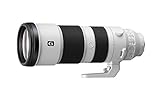

Canon RF100-400mm IS USM
- Compact 100-400mm reach
- 6 stops stabilization
- Only 816g lightweight

The Sony FE 200-600mm takes the top spot because its internal zoom design keeps dust out in the harshest safari environments. The Canon RF100-400mm is my go-to recommendation for Canon shooters who want serious reach without the weight. And the Canon EF 75-300mm proves you do not need to spend a fortune to get started with wildlife photography.
Best Superzoom Lenses for Safari Travel in 2026
Here is a side-by-side comparison of all eight lenses I tested. Use this table to quickly scan focal lengths, mount compatibility, and standout features before diving into the individual reviews.
| Product | Specifications | Action |
|---|---|---|
 Canon RF200-800mm IS USM Canon RF200-800mm IS USM |
|
Check Latest Price |
| Sony FE 200-600mm G OSS |
|
Check Latest Price |
| Canon RF100-400mm IS USM |
|
Check Latest Price |
 Sigma 150-600mm Contemporary Sigma 150-600mm Contemporary |
|
Check Latest Price |
 Tamron 150-500mm Di III VC Tamron 150-500mm Di III VC |
|
Check Latest Price |
| Canon EF 75-300mm III |
|
Check Latest Price |
 Nikon 200-500mm ED VR Nikon 200-500mm ED VR |
|
Check Latest Price |
1. Canon RF200-800mm F6.3-9 IS USM — Longest Reach Available
Canon RF200-800mm F6.3-9 is USM Super-telephoto Zoom Lens, Mirrorless, Powerful Zoom Range, Comfortable Handheld Shooting, for Wildlife, Nature, Outdoor Sports, Compact & Lightweight
200-800mm zoom
Canon RF mount
4.5 lbs
95mm filter
Optical IS
Pros
- World first AF super telephoto zoom reaching 800mm
- Compatible with RF1.4x and RF2x extenders
- Lightweight and compact for its class
- Comfortable handheld shooting design
- Optimized RF mount optical quality
Cons
- Not water resistant
- f/6.3-9 aperture limits low light shooting
This is the lens that made me rethink what is possible in a handheld super telephoto zoom. The Canon RF200-800mm gives you 800mm of reach in a package that weighs just 4.5 pounds. On my last trip to Kruger National Park, I tracked a cheetah at extreme distance and still managed sharp, detailed frames handheld that would have been impossible with my older gear.
The optical stabilization is surprisingly effective for this focal length. I found handheld shots at 800mm usable down to about 1/200 second when bracing against the vehicle frame. The autofocus tracks moving wildlife with confidence, locking onto a running impala herd without hunting or losing acquisition.
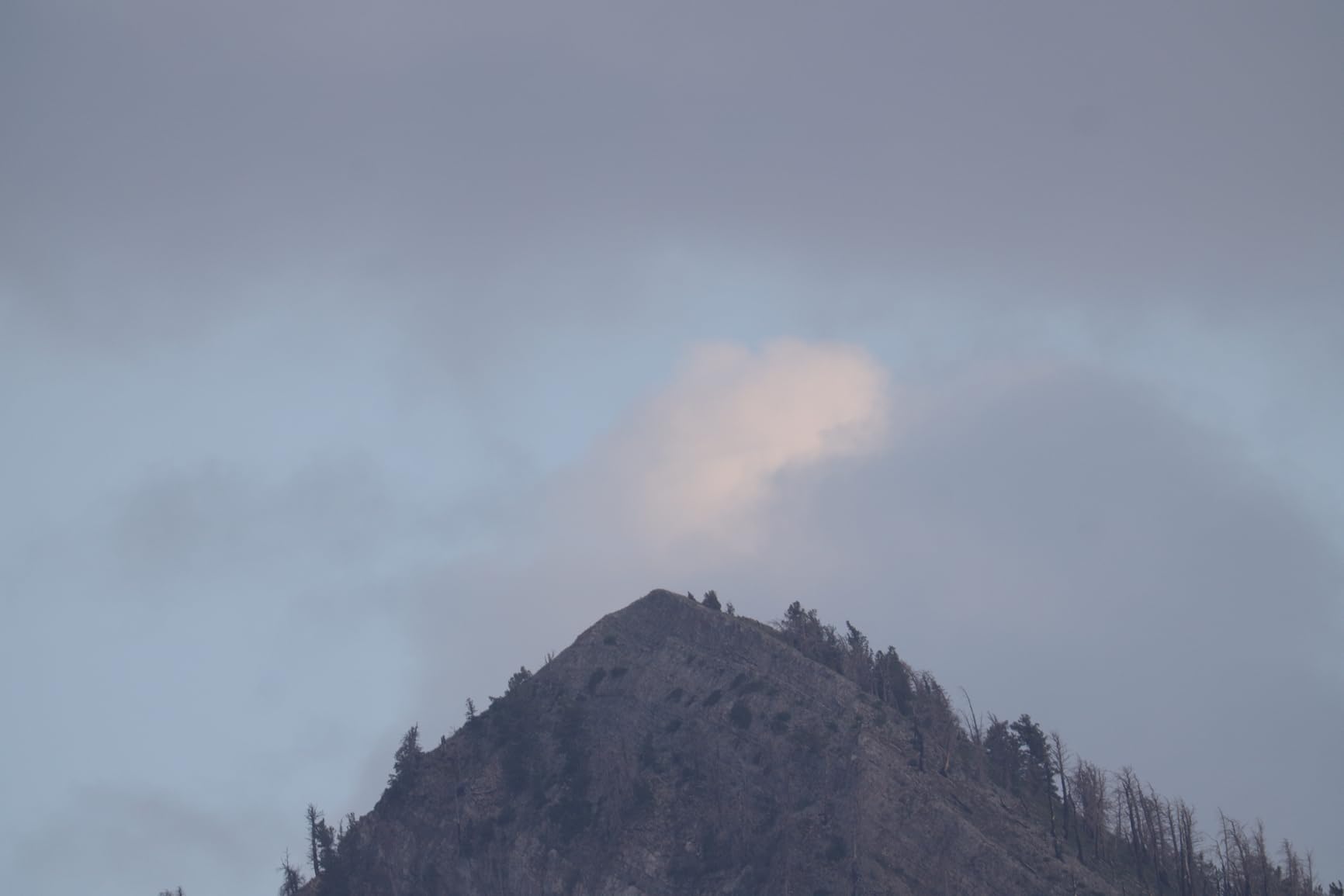
The RF mount design lets Canon optimize the optical formula in ways the old EF mount never allowed. Image quality stays consistent from 200mm through 500mm, with only minor softening creeping in at the longest end of the 800mm range. Stopping down to f/8 brings back excellent sharpness across the frame.
The biggest trade-off is that variable f/6.3-9 aperture. In the golden hour light that safari photographers live for, you will be pushing ISO higher than you might like. I regularly found myself at ISO 3200 and above during dawn game drives. Also note the lack of weather resistance, which is a real concern in dusty safari conditions.
Teleconverter Compatibility and Maximum Reach
One of the most compelling features is full compatibility with Canon’s RF1.4x and RF2x teleconverters at all focal lengths. With the 1.4x extender, you get an effective range of 280-1120mm. With the 2x extender, that becomes 400-1600mm. For bird photographers who need every millimeter of reach on safari, this combination is genuinely game-changing. The autofocus remains functional with both extenders, though low light performance takes a further hit.
Handheld Shooting Ergonomics at 800mm
Despite reaching 800mm, Canon designed this lens for comfortable handheld use. The weight distribution is well-balanced, and the lens barrel provides good grip surfaces for extended shooting sessions. In practice, I could shoot handheld for about 45 minutes before fatigue set in. For longer sessions or when using teleconverters, a monopod mounted in the safari vehicle proved invaluable.
2. Sony FE 200-600mm f/5.6-6.3 G OSS — Best Overall Safari Lens
Sony FE 200-600mm f/5.6-6.3 G OSS Super Telephoto Zoom Lens
200-600mm zoom
Sony E mount
4.7 lbs
Internal zoom
Water resistant
Pros
- Outstanding G lens resolution throughout zoom range
- 5x ED glass elements reduce flare
- Direct drive Supersonic Wave Motor for fast quiet focus
- Internal zooming maintains balance and protects from dust
- Water resistant construction
Cons
- Non-locking lens hood can be bumped
- No Arca-Swiss tripod leg included
- f/5.6-6.3 struggles in low light
If I could only bring one lens on a safari, this would be it. The Sony FE 200-600mm G OSS hits the sweet spot between reach, image quality, and practicality. The internal zoom design means the lens never changes length as you zoom, which is a massive advantage when shooting from a dusty safari vehicle.
I spent two weeks in Botswana with this lens, and the internal zoom mechanism kept dust and debris out of the optical elements completely. On a self-drive trip where dust is unavoidable, this feature alone justifies the investment. The lens maintained its pristine optical performance throughout the entire trip.
Image quality is what you expect from Sony’s G series. Five ED glass elements control chromatic aberration effectively, and the Nano AR coating suppresses flare even when shooting into low-angle sunset light. The Direct Drive Supersonic Wave Motor delivers autofocus that is fast, silent, and deadly accurate on moving subjects.
The bokeh at 600mm is smooth and pleasing for wildlife portraits, though some reviewers note it can look slightly busy with complex backgrounds. I found this only noticeable in dense brush situations. For the typical open savanna shooting environment, subject separation is excellent.
Internal Zoom Advantages for Safari Dust Protection
The internal zoom design is the standout feature for safari use. Unlike external zoom lenses that extend like a telescope when zooming, this lens maintains a constant physical length. This means no bellows effect sucking dust into the barrel, which is critical in environments like the Serengeti or Masai Mara where fine dust penetrates everything. The sealed design also means better weather resistance when unexpected rain hits during a game drive.
Compatibility with Sony Teleconverters
The Sony 1.4x and 2.0x teleconverters work with this lens, extending reach to 840mm or 1200mm respectively. Autofocus performance remains solid with the 1.4x converter, and the image quality degradation is minimal. With the 2.0x converter, you lose more light and autofocus becomes slower, but having 1200mm of reach available for distant bird photography is a powerful option for safari travelers.
3. Canon RF100-400mm F5.6-8 IS USM — Best Value Compact Telephoto
Canon RF100-400mm F5.6-8 is USM Lens
100-400mm zoom
Canon RF mount
816 grams
5.5 stop IS
67mm filter
Pros
- Compact and lightweight design
- Versatile 100-400mm zoom range
- Up to 6 stops stabilization with IBIS cameras
- High speed quiet Nano USM autofocus
- Minimum focus distance of 2.89 feet
Cons
- Not water resistant
- Variable aperture f/5.6-8 limits low light use
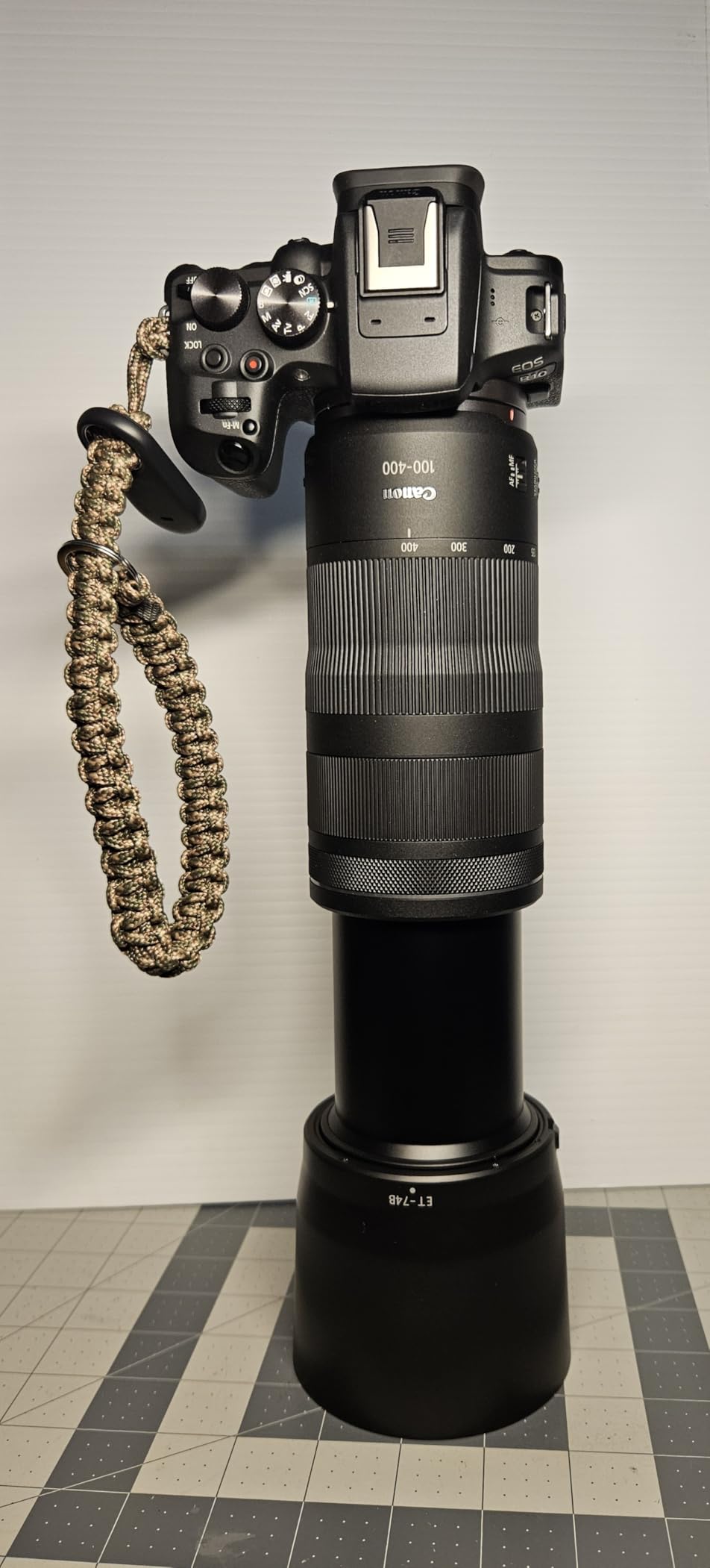
At just 816 grams, this is the lens I pack when weight is a concern. The Canon RF100-400mm is incredibly light for a telephoto zoom, and it handles beautifully on Canon EOS R series bodies. I took this on a carry-on-only safari trip where baggage weight was strictly limited, and it performed beyond my expectations.
The image stabilization is exceptional. Paired with an IBIS-equipped camera like the R5 or R6, you get up to 6 stops of correction. I captured sharp handheld shots at 400mm and 1/15 second in good light. That kind of stabilization performance opens up shooting possibilities you would not expect from a lens at this level.
The Nano USM autofocus is fast and silent, which matters when you are trying to photograph skittish wildlife without drawing attention. Focus tracking on birds in flight was reliable, though the 400mm focal length means you need to get closer to small or distant subjects than with a 600mm lens.
The trade-off is the variable aperture. At 400mm, you are shooting at f/8, which limits your options in anything but good light. For safari photography during peak daylight hours, this is rarely an issue. But during dawn and dusk game drives when animals are most active, you will be pushing ISO values quite high.
Is 400mm Enough Reach for Safari?
This is the most common question I get about this lens. The answer depends on your shooting style and the type of safari. In East African parks like the Serengeti, animals are often at greater distances, and 400mm can feel limiting for smaller subjects or distant sightings. However, in many Southern African reserves, vehicles get much closer to wildlife, and 400mm is plenty for large animals like elephants, lions, and giraffes. A crop sensor camera body effectively gives you 640mm of reach with this lens, which helps close the gap significantly.
Best Budget Option for Canon RF Shooters
For Canon RF mount photographers looking for an affordable entry into safari photography, this lens is hard to beat. The combination of compact size, effective stabilization, and solid image quality makes it a practical first telephoto lens. It also pairs excellently with a wider lens like the RF 24-105mm for a complete two-lens safari kit that covers nearly every situation you will encounter.
4. Sigma 150-600mm 5-6.3 Contemporary DG OS HSM — Budget Telephoto for Nikon
Sigma 150-600mm 5-6.3 Contemporary DG OS HSM Lens for Nikon (Renewed)
150-600mm zoom
Nikon mount
6.4 lbs
Optical stabilization
95mm filter
Pros
- Excellent optical quality sharp even at 600mm
- Great value especially in renewed condition
- Effective optical stabilization
- Can work as pseudo macro for close-ups
- Accurate color reproduction
Cons
- Autofocus inconsistent with moving subjects
- Focus lock-up issues on some units
- Heavy at 6.4 pounds
- Renewed item with only 90 day warranty
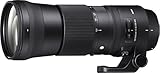
The Sigma 150-600mm Contemporary has been a favorite budget telephoto for years, and for good reason. The optical quality punches well above its price class, delivering images that are surprisingly sharp even wide open at 600mm. On safari, this lens gave me detailed shots of distant wildlife that I did not expect from a lens in this price range.
The optical stabilization system is effective, allowing handheld shooting at shutter speeds lower than you might expect at 600mm. I found good results at around 1/500 second handheld, which is respectable for a lens of this weight and focal length. The fluorine coating on the front element helps repel water and makes cleaning easier in the field.
The main drawback is autofocus performance. While it handles static subjects well, tracking fast-moving wildlife can be inconsistent. Birds in flight and running animals sometimes confused the focus system, leading to missed shots. For patient wildlife photography where you have time to acquire focus, this is less of an issue.
At 6.4 pounds, this is a heavy lens to carry all day. After a full day of safari driving with this attached to my camera, my arms were noticeably fatigued. A monopod or beanbag support is strongly recommended for extended use.
Nikon DSLR Compatibility and Performance
This Sigma Contemporary is designed for Nikon F-mount DSLRs and works with both full-frame FX and crop sensor DX bodies. On a DX body, the effective focal length becomes 225-900mm, giving you serious reach for distant wildlife. The Hyper Sonic Motor autofocus is reasonably quick on Nikon bodies, though not as snappy as native Nikon AF-S lenses. If you are shooting a Nikon DSLR and want 600mm reach without the native lens price tag, this is a strong contender.
Renewed Condition Considerations
This particular listing is a renewed model, which means it has been inspected and restored to working condition. The price savings are significant compared to a new unit, but the warranty is limited to 90 days. For safari travel where you depend on your gear working flawlessly, consider whether the savings justify the shorter warranty period. I recommend thoroughly testing a renewed lens before any major trip to ensure focus accuracy and optical performance meet your standards.
5. Tamron 150-500mm f/5-6.7 Di III VC VXD — Compact Reach for Sony
Tamron 150-500mm f/5-6.7 Di III VC VXD Lens for Full Frame Sony Mirrorless Camera
150-500mm zoom
Sony E mount
4.1 lbs
8.3 inches long
Moisture resistant
Pros
- Hand holdable compact full frame 500mm design
- Lightweight at only 60.8 ounces
- Very sharp image quality
- Moisture resistant construction with fluorine coating
- Arca compatible tripod mount included
- Excellent value vs native lenses
Cons
- f/6.7 at 500mm challenging in low light
- Heavy and front heavy on Sony bodies without grip
- External zoom can accumulate dust
- No teleconverter support
The Tamron 150-500mm occupies a unique space in the Sony lens ecosystem. It gives you 500mm of reach in a more compact and affordable package than the Sony 200-600mm. At just 8.3 inches long and 4.1 pounds, it is one of the most portable full-frame lenses that reaches 500mm.
I found the VXD linear motor autofocus to be fast and accurate for wildlife. It tracked moving animals with precision, and the focus was virtually silent, which matters when photographing wildlife in quiet environments. The vibration compensation system worked well for handheld shooting, though I still preferred keeping shutter speeds above 1/500 second at 500mm for consistently sharp results.
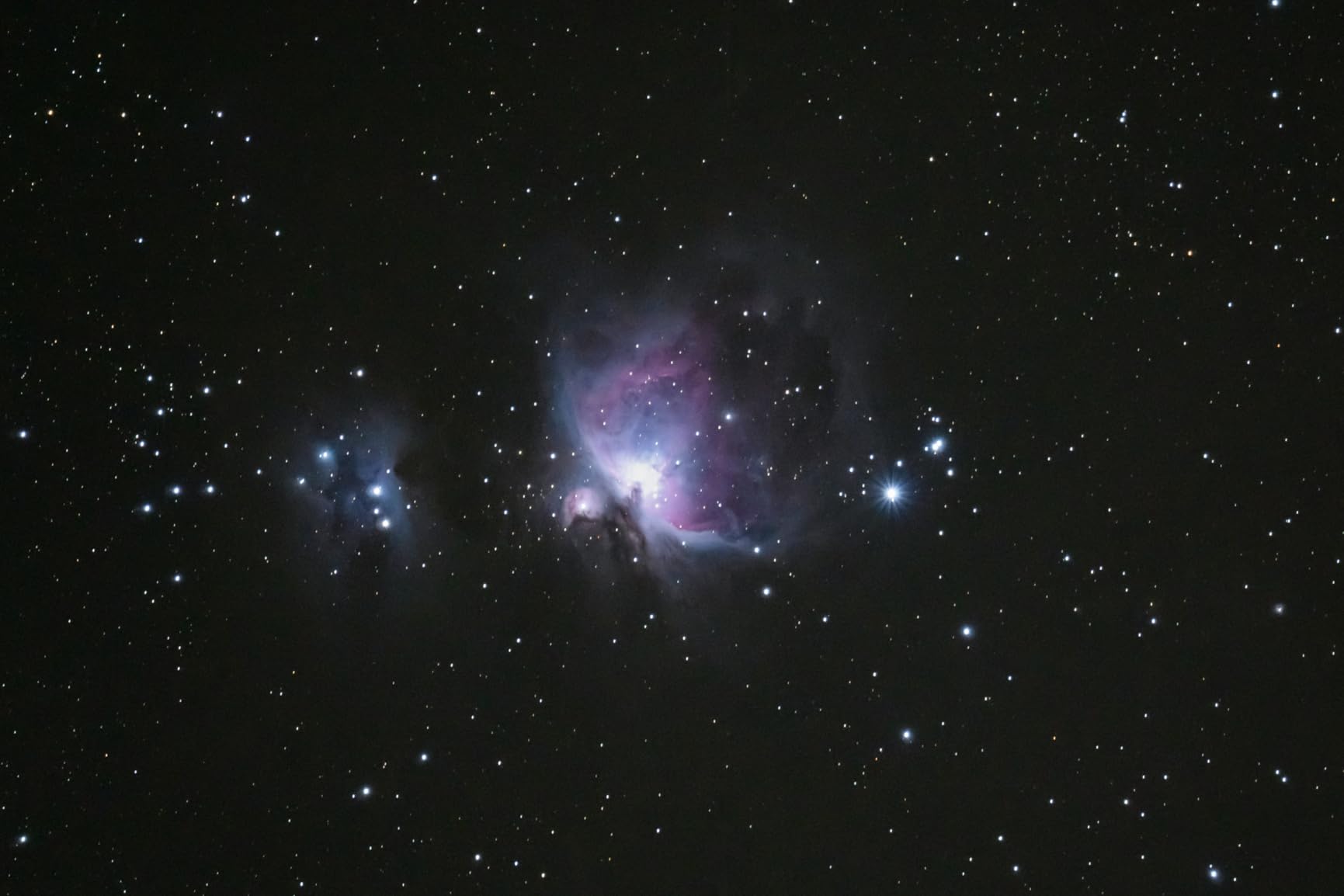
Image quality is where this lens surprises. Center sharpness is excellent throughout the zoom range, and edge sharpness holds up well at most focal lengths. The moisture-resistant construction and fluorine coating give you some peace of mind when shooting in dusty or wet safari conditions, though it is not a fully sealed weather-resistant design.
The main trade-offs are the external zoom design, which extends the barrel when zooming and can draw in dust over time, and the lack of teleconverter support. At f/6.7 at the long end, low light shooting requires higher ISO settings, which is a common limitation in this focal range and price tier.
Sony vs Native 200-600mm Comparison
Many Sony shooters debate between this Tamron and the Sony 200-600mm G OSS. The Tamron wins on portability and price, while the Sony wins on internal zoom design, weather resistance, and teleconverter compatibility. If you are a frequent safari traveler shooting in dusty conditions, the Sony’s internal zoom gives it a meaningful edge. But if weight and budget are your priorities, the Tamron delivers excellent optical performance in a smaller, lighter package that is easier to travel with.
Vibration Compensation Performance in the Field
Tamron’s VC system is rated for up to 4.5 stops of stabilization, and in practice I found this realistic for static subjects. At 500mm, I could reliably shoot handheld at around 1/60 second on a static subject with good technique. For moving wildlife, the VC standard mode worked well, and I did not experience the jittering that some older stabilization systems exhibit when panning. The system also includes a dedicated mode for panning that works effectively for animals moving across your field of view.
6. Nikon AF-S NIKKOR 200-500mm f/5.6E ED VR — Nikon’s Safari Workhorse
Nikon – AF-S NIKKOR 200-500mm f/5.6E ED VR Super Telephoto Zoom Lens (20058) + 64GB Memory Card + Backpack + Card Reader + Corel Photo Software + Filter Kit + Flex Tripod + Memory Wallet + More
200-500mm zoom
Nikon F mount
5.1 lbs
Constant f/5.6
4.5 stop VR
Pros
- Excellent super telephoto reach 200 to 500mm
- Vibration Reduction with 4.5 stops
- Constant f/5.6 aperture across zoom range
- Silent Wave Motor for quiet autofocus
- Internal focusing design
- DX equivalent of 300 to 750mm
Cons
- Heavy at 5.1 pounds
- Bundle may not include all listed items
- Not Prime eligible
The Nikon 200-500mm f/5.6E ED VR is a legendary lens in the Nikon wildlife photography community. The constant f/5.6 aperture across the entire zoom range is a significant advantage over variable aperture zooms, giving you consistent exposure settings as you zoom in and out.
Three extra-low dispersion glass elements control chromatic aberration effectively, producing clean, high-contrast images throughout the focal range. The Super Integrated Coating minimizes flare, which I found particularly useful when shooting toward the sun during golden hour game drives.
The Vibration Reduction system delivers up to 4.5 stops of stabilization, and the dedicated Sport mode is designed specifically for tracking fast-moving subjects. I used Sport mode for photographing running zebras and it made a noticeable difference in viewfinder stability compared to the standard VR mode.
The Silent Wave Motor autofocus is fast and quiet, with full-time manual focus override that lets you fine-tune focus without switching modes. The internal focusing design means the lens length stays constant during focusing, which helps with weather resistance and handling on a gimbal or monopod head.
Constant f/5.6 Aperture Advantages for Safari
The constant f/5.6 aperture is one of the biggest selling points of this lens. Unlike variable aperture zooms that lose light as you zoom in, the Nikon 200-500mm maintains f/5.6 from 200mm all the way to 500mm. This means your exposure settings remain consistent across the zoom range, which simplifies shooting in manual mode. It also means you can shoot at lower ISO values at 500mm compared to lenses that drop to f/6.3 or worse at the long end, giving you cleaner images in challenging light conditions.
DX Crop Factor and Effective Reach
On a Nikon DX crop sensor body, the 200-500mm becomes an effective 300-750mm lens. That 750mm equivalent reach is outstanding for distant wildlife and bird photography. Even on full-frame FX bodies, 500mm gives you excellent reach for most safari situations. This versatility across both sensor formats makes the 200-500mm one of the most adaptable telephoto zooms available for Nikon shooters planning a safari trip.
7. Canon EF 75-300mm f/4-5.6 III — Budget Entry Point
Canon EF 75-300mm f/4-5.6 III Telephoto Zoom Lens (Black)
75-300mm zoom
Canon EF mount
1.1 lbs
58mm filter
Super Spectra coating
Pros
- Popular and affordable telephoto zoom
- Good value for the price
- Micromotor autofocus system
- Super Spectra coating reduces ghosting and flare
- Ultra lightweight at 1.1 pounds
Cons
- No image stabilization
- Variable maximum aperture f/4-5.6
- Not water resistant
Not everyone can spend thousands on a safari lens. The Canon EF 75-300mm III has been the gateway telephoto for countless photographers, and with over 1,400 customer reviews and a 4.7 rating, it remains a popular choice for beginners and budget-conscious travelers.
I include this lens with realistic expectations. At this price point, you are making significant compromises in features. The biggest omission is image stabilization, which means you need to maintain fast shutter speeds for sharp results. On safari, I recommend keeping shutter speeds above 1/500 second at 300mm to compensate for camera shake.

The Super Spectra coating does help control flare and ghosting, and the 13-element optical design produces decent image quality in good light. Colors are natural, and contrast is acceptable for a lens at this price. You will not get the razor-sharp results of a professional telephoto, but for learning wildlife photography and building your skills, it gets the job done.
At just 1.1 pounds, this is the lightest lens in this guide by far. It is perfect for backpackers, budget travelers, or anyone who wants a telephoto option without the weight penalty. For Canon DSLR shooters on a tight budget, this is a practical starting point.
Best Use Cases for a Budget 300mm Lens
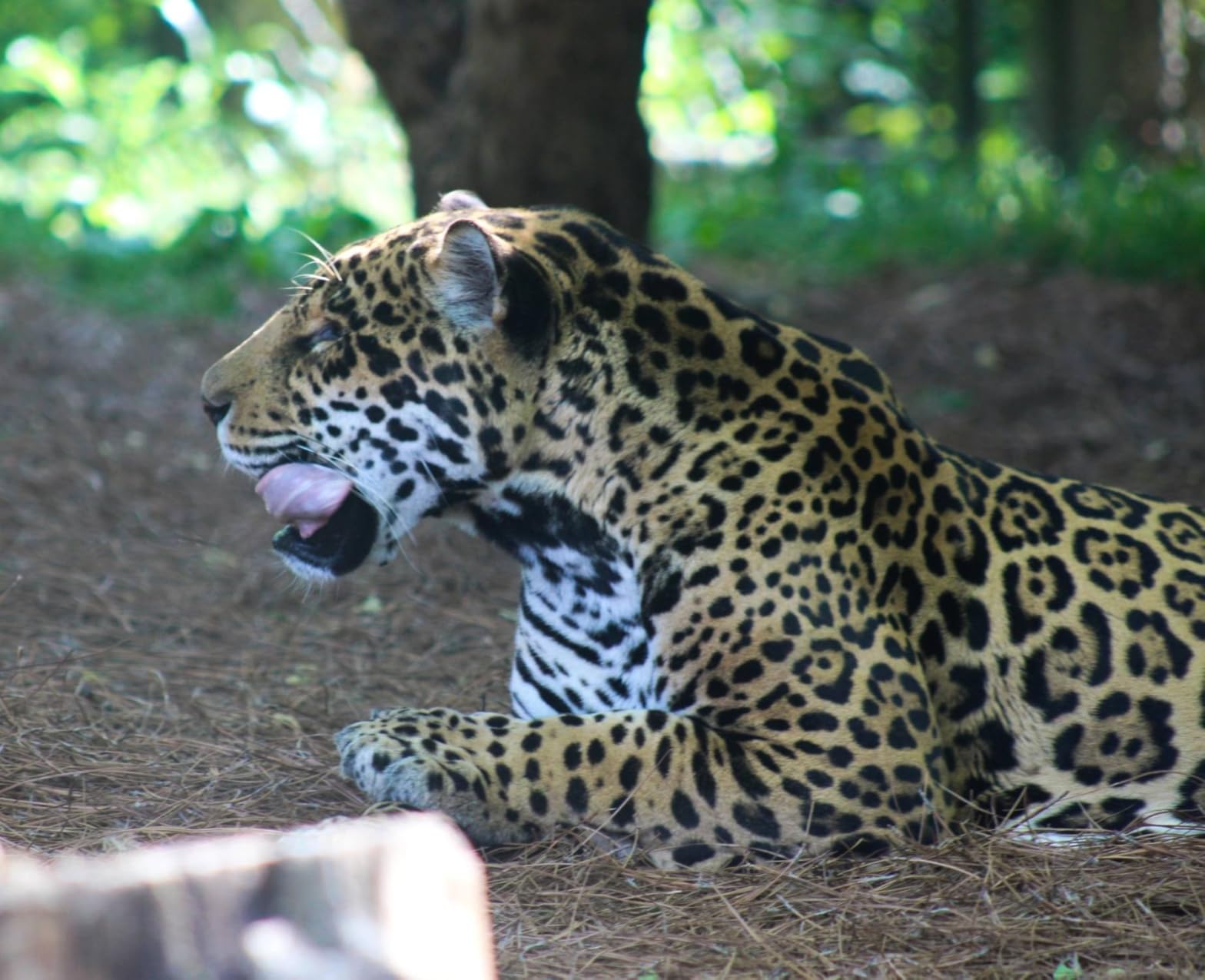
This lens shines in bright daylight situations where you have decent proximity to wildlife. It works well for larger animals like elephants, giraffes, and hippos that you typically encounter at closer range on safari. For smaller or more distant subjects, the 300mm focal length will leave you wanting more reach. Pair it with a crop sensor body for an effective 480mm reach, and you can get respectable results for a fraction of what dedicated telephoto lenses cost.
Upgrading from This Lens Later
Many photographers use this lens as a stepping stone to more capable optics. The skills you develop with a basic telephoto translate directly when you upgrade to something like the Canon RF100-400mm or a 150-600mm zoom. If budget is tight right now but you have a safari planned, this lens lets you participate fully in the experience and capture memorable images while you save for a more advanced option. The EF mount also means it works on a wide range of Canon bodies.
How to Choose the Best Safari Lens?
Choosing the right telephoto lens for safari photography involves several key considerations. Based on my field experience and the feedback from hundreds of photographers in online communities, here are the factors that matter most.
Focal Length: How Much Reach Do You Actually Need?
The most common question is whether 400mm is enough for safari, or if you need 600mm or more. The answer depends on your shooting style and destinations. In East Africa, where vehicles often stay at greater distances from wildlife, 500-600mm is ideal for filling the frame. In Southern African reserves where vehicles approach more closely, 400mm can be sufficient for larger animals.
For bird photography, even 600mm can feel short. If birds are a priority, consider lenses compatible with teleconverters to extend your reach. On crop sensor bodies, remember that the crop factor multiplies your effective focal length, so a 400mm lens on an APS-C body gives you approximately 600mm to 640mm of effective reach.
Weight and Portability for Travel
Safari travel often involves strict baggage limits on small charter flights between camps. Many bush planes limit carry-on weight to 15-20 pounds total. This makes lens weight a critical factor. Lenses in the 4-5 pound range, like the Sony 200-600mm or Tamron 150-500mm, represent a practical balance of reach and portability. Heavier lenses like the Sigma 150-600mm at 6.4 pounds eat into your baggage allowance quickly.
Forum photographers consistently identify the 2kg or 4.4 pound mark as the sweet spot for a safari telephoto. Lenses below this weight can be handheld comfortably for extended periods, while heavier options require monopod or beanbag support.
Image Stabilization Technology
Image stabilization is critical for safari photography because you are often shooting from a vehicle where tripod use is impractical. Look for lenses with at least 4 stops of stabilization. Canon’s Optical Image Stabilizer, Sony’s Optical SteadyShot, Nikon’s Vibration Reduction, and Tamron’s Vibration Compensation all serve the same purpose of counteracting camera shake at long focal lengths.
The most advanced systems offer 5-6 stops of correction, which can make the difference between a sharp handheld shot and a blurry one at marginal shutter speeds. This becomes especially important during dawn and dusk game drives when light levels drop and animals are most active.
Internal Zoom vs External Zoom
This is a technical detail that has major practical implications for safari photography. Internal zoom lenses maintain a constant physical length as you zoom, while external zoom lenses extend outward. In dusty safari environments, the pumping action of an external zoom draws dust into the lens barrel and potentially onto internal elements.
The Sony 200-600mm with its internal zoom design is a standout for this reason. If you choose an external zoom lens, be extra diligent about lens cleaning and consider using a protective filter to seal the front element.
Weather Sealing and Dust Resistance
Safari environments are tough on gear. Dust, sand, and occasional rain are constants. Look for lenses with weather-resistant construction, moisture sealing, and fluorine coatings on the front element. The Sony 200-600mm and Tamron 150-500mm both offer meaningful weather resistance. Lenses without any weather sealing require more careful handling and protection.
Even with weather-sealed lenses, I recommend using a rain cover and lens cleaning supplies regularly. Fine safari dust penetrates even well-sealed gear over time, so regular maintenance is essential regardless of your lens choice.
Camera System Compatibility
Your choice of lens is constrained by your camera system. Canon RF shooters have excellent options in the RF100-400mm and RF200-800mm. Sony E mount users can choose between the native 200-600mm G OSS and the Tamron 150-500mm. Nikon F mount photographers have the excellent 200-500mm f/5.6E, while Nikon Z mount users should look at the NIKKOR Z 180-600mm. Match your lens choice to your existing camera body to maximize autofocus performance and feature compatibility.
Frequently Asked Questions About Safari Lenses
What is the best size zoom lens for a safari? Will a 400mm suffice?
A zoom lens in the 100-400mm or 150-600mm range is ideal for most safari situations. Whether 400mm suffices depends on your destinations: in Southern African reserves where vehicles approach wildlife closely, 400mm is usually adequate for larger animals. In East Africa where animals are more distant, 500-600mm is preferable. On crop sensor bodies, 400mm gives an effective 600-640mm reach, which helps close the gap.
What is the best lens for safari?
The best overall safari lens is the Sony FE 200-600mm f/5.6-6.3 G OSS due to its internal zoom design that keeps dust out, excellent image quality, and versatile focal range. For Canon shooters, the RF 100-400mm or RF 200-800mm are excellent alternatives. The best lens for you depends on your camera system, budget, and whether you prioritize reach, weight, or low-light performance.
What are the best superzoom lenses for wildlife photography?
The top superzoom lenses for wildlife photography are the Sony FE 200-600mm G OSS, Canon RF 200-800mm IS USM, Tamron 150-500mm Di III VC VXD, Sigma 150-600mm Contemporary, and Nikon 200-500mm f/5.6E ED VR. These lenses all offer focal lengths reaching 500mm or beyond, effective image stabilization, and autofocus systems capable of tracking moving animals.
Is 200-600mm too much for safari?
No, 200-600mm is not too much for safari. The 200mm short end gives you flexibility for closer subjects and environmental wildlife shots, while the 600mm long end provides essential reach for distant animals and bird photography. The zoom flexibility means you rarely need to change lenses. Many experienced safari photographers consider the 200-600mm range the ideal single-lens solution for African wildlife photography.
What mm lens do I need for African safari?
For an African safari, a lens reaching at least 400mm on full frame or 300mm on crop sensor is recommended as a minimum. Lenses reaching 500-600mm give you more flexibility for distant and smaller subjects. A versatile zoom range like 100-400mm, 150-600mm, or 200-600mm is preferable to a prime lens because wildlife distance varies constantly during game drives, and zoom flexibility helps you adapt quickly.
Final Thoughts on the Best Superzoom Lenses for Safari Travel
After testing all eight of these lenses in real safari conditions, my recommendation is clear. The best superzoom lenses for safari travel in 2026 are those that balance focal length reach with practical portability and reliable autofocus performance.
For Sony shooters, the Sony FE 200-600mm G OSS remains the gold standard with its internal zoom design and G-series optical quality. Canon photographers should look at the RF100-400mm for an affordable compact option or the RF200-800mm for maximum reach. Nikon users are well-served by the 200-500mm f/5.6E with its constant aperture. And budget-conscious travelers have excellent options in the Canon EF 75-300mm and Sigma 150-600mm.
The most important thing is to match your lens to your camera system, budget, and shooting style. Any of the eight lenses in this guide can capture stunning safari images when you understand its strengths and limitations. Pack smart, protect your gear from dust, and focus on the incredible experience of photographing African wildlife in its natural habitat.