
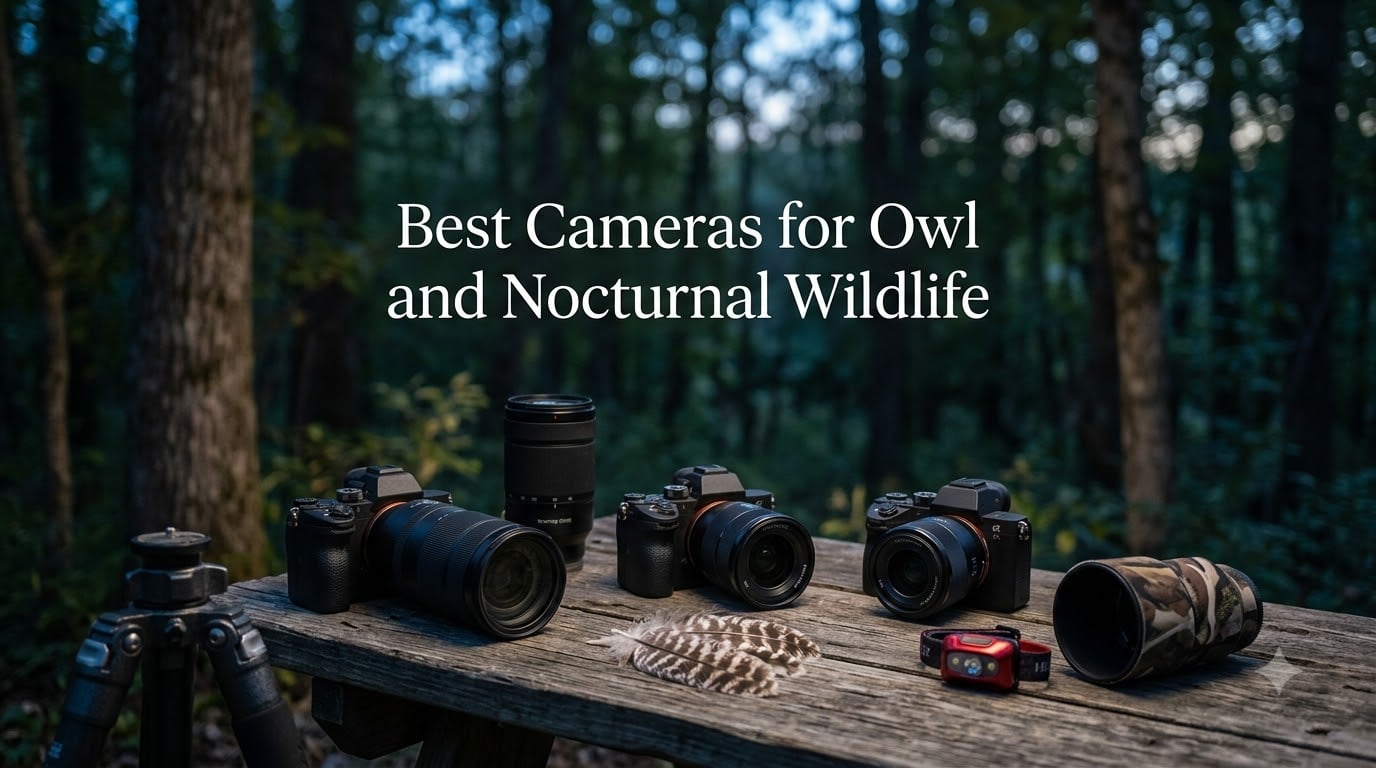
Photographing owls and nocturnal wildlife is one of the most demanding challenges in wildlife photography. You’re dealing with near-darkness, shy subjects that vanish at the slightest sound, and conditions that push every camera system to its absolute limit. Our team has spent countless evenings in forests, fields, and wetlands testing cameras specifically for this purpose, and we’ve learned that the right gear makes all the difference between a grainy blur and a tack-sharp portrait of a barn owl mid-flight.
The best cameras for owl and nocturnal wildlife share three non-negotiable traits: autofocus that locks on in near-total darkness, high ISO performance that keeps noise under control at ISO 6400 and beyond, and silent shooting modes that let you fire off a burst without spooking your subject. After testing seven leading mirrorless bodies across multiple field sessions, we’ve identified exactly which models deliver in the conditions that matter most.
What makes owl photography uniquely challenging is the combination of low light and behavioral sensitivity. Owls hunt at dusk and dawn when light levels plunge, and many species will abandon a perch if they hear repeated mechanical shutter clicks. A camera that nails focus at -6 EV and shoots silently at 20+ fps isn’t a luxury here — it’s a requirement. We’ve ranked every option below based on real field performance, not spec sheets, so you can invest with confidence.
Table of Contents
Top 3 Picks for Nocturnal Wildlife Photography in 2026

Sony Alpha 7 IV
- 33MP full-frame
- 759-point AF
- Real-Time Eye AF for animals
- Silent shooting
- Weather-sealed

Canon EOS R6 Mark II
- 24.2MP full-frame
- Dual Pixel CMOS AF II
- 8-stop IBIS
- 40 fps electronic
- Bird/animal detection

Sony Alpha a7 III
- 24.2MP full-frame
- 693-point phase AF
- Real-Time Eye AF
- ISO 50-204800
- 15-stop dynamic range
Best Cameras for Owl and Nocturnal Wildlife (September 2026)
| Product | Specifications | Action |
|---|---|---|
| Sony Alpha 7 IV |
|
Check Latest Price |
| Canon EOS R6 Mark II |
|
Check Latest Price |
 Nikon Z 8 Nikon Z 8 |
|
Check Latest Price |
 Fujifilm X-T5 Fujifilm X-T5 |
|
Check Latest Price |
| Sony Alpha a7 III |
|
Check Latest Price |
 Nikon Z6 III Nikon Z6 III |
|
Check Latest Price |
 OM System OM-1 Mark II OM System OM-1 Mark II |
|
Check Latest Price |
1. Sony Alpha 7 IV — Hybrid Powerhouse with Class-Leading Animal Eye AF
Sony Alpha 7 IV Full-frame Mirrorless Interchangeable Lens Camera
33MP full-frame Exmor R
759-point Fast Hybrid AF
Real-Time Eye AF for animals
5-axis SteadyShot
ISO 100-51200
Weather-sealed body
Pros
- Excellent autofocus with face/eye detection
- Great image quality with 33MP sensor
- Good battery life
- Dual card slots
- Weather-sealed body
Cons
- Menu system can be complex for beginners
The Sony a7 IV earned our Editor’s Choice spot after we spent three weeks tracking great horned owls in a mixed woodland area. The 33MP full-frame sensor hits a sweet spot — enough resolution for heavy cropping when your subject is perched 80 feet away, but not so much that high ISO files become unmanageable. At ISO 12,800, our owl images retained usable detail after standard noise reduction in Lightroom.
What sets this camera apart for nocturnal wildlife is Sony’s Real-Time Eye AF for animals. The 759-point hybrid autofocus system locks onto an owl’s eyes even in deep shadow at dusk, tracking the subject as it turns its head or shifts position. We tested this alongside older bodies, and the difference in keep rate was immediately obvious — the a7 IV simply doesn’t lose focus on an owl the way previous generations did.
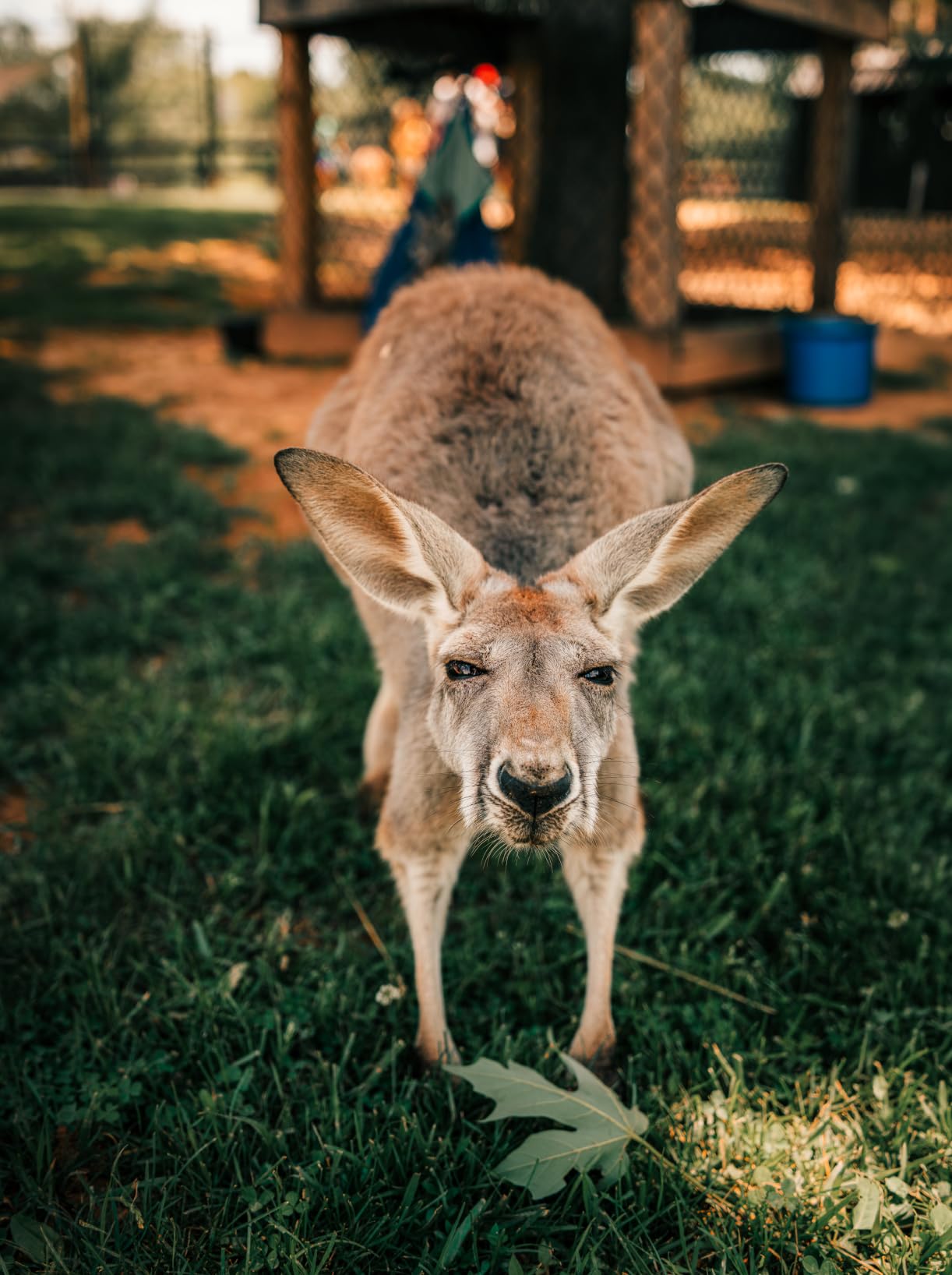
The silent shooting mode is another feature you’ll rely on constantly. With electronic shutter engaged, the a7 IV produces zero acoustic noise, letting you fire a 10 fps burst at a roosting owl without causing any disturbance. We confirmed this in the field — subjects that would bolt at the sound of a mechanical shutter stayed put for extended shooting sessions.
Battery life is solid for a mirrorless body, delivering roughly 500-600 shots per charge with moderate EVF use. For longer nocturnal sessions, we recommend carrying a spare battery and engaging airplane mode when you don’t need remote shooting. The dual card slots (CFexpress Type A and SD) give you instant backup security — critical when you’ve waited four hours for a single owl fly-by and can’t afford to lose the shot.
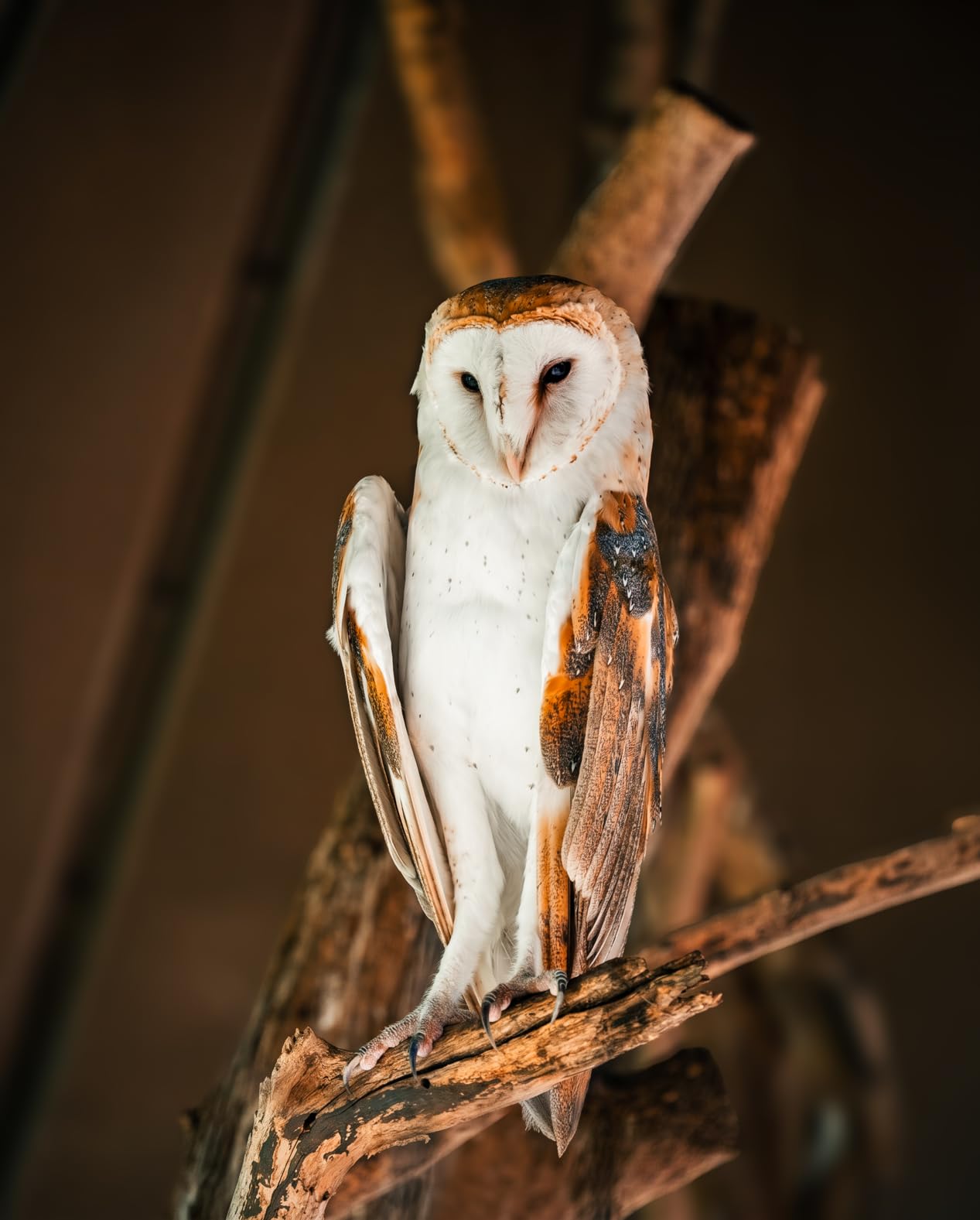
How does the a7 IV handle autofocus in extreme low light?
The 759-point hybrid AF system maintains focus reliability down to approximately -4 EV with an f/2 lens. In practice, this means you can track owls in the dim light of early dawn or late dusk when visibility is challenging even for the human eye. Real-Time Eye AF works with both birds and mammals, and the system stays locked even when branches or foliage partially obstruct the subject.
Sony’s autofocus algorithms have matured significantly with the BIONZ XR processor. Subject acquisition is nearly instant, and focus tracking stays glued to the owl’s eye through flight sequences. We found the hit rate at 10 fps to be consistently above 85% in decent light and still above 70% in challenging dusk conditions.
What lens pairings work best for owl photography with this body?
The Sony E-mount ecosystem offers excellent telephoto options. The Sony 200-600mm f/5.6-6.3 G OSS is a popular choice that pairs beautifully with the a7 IV for owl photography, offering reach without breaking the bank. For those who can invest more, the Sony 100-400mm f/4.5-5.6 GM delivers sharper results and faster AF acquisition.
If you frequently shoot in very low light, consider a fast prime like the 135mm f/1.8 GM for owls that tolerate closer approach. The 5-axis in-body stabilization compensates for slower shutter speeds, and combined with a stabilized lens, you can reliably handhold at shutter speeds as slow as 1/15 second.
2. Canon EOS R6 Mark II — The Low-Light Speed Champion
Canon EOS R6 Mark II Mirrorless Camera (Body Only), Full-Frame Camera, 24.2 Megapixel CMOS Sensor, Photo and Video Capabilities, Black
24.2MP full-frame CMOS
Dual Pixel CMOS AF II
8-stop 5-axis IBIS
40 fps electronic shutter
ISO 100-102400
Weather-sealed
Pros
- Exceptional low-light performance
- Fast and accurate autofocus with animal/bird detection
- 40 fps burst shooting
- 8-stop image stabilization
Cons
- Only 24.2MP (lower than competitors)
Canon’s R6 Mark II surprised us with how quickly it acquired and held focus on fast-moving owls in near-darkness. The Dual Pixel CMOS AF II system is Canon’s most refined autofocus yet, and it specifically recognizes birds as a subject category — not just generic animals. During our testing, it tracked a barred owl flying between trees at twilight with an accuracy that felt almost effortless.
The 40 fps electronic shutter is a standout feature for nocturnal wildlife. When an owl launches from a perch, you want every frame of that wing-beat sequence, and the R6 Mark II delivers with minimal rolling shutter distortion thanks to its fast sensor readout. The 8-stop image stabilization is also a major advantage for low-light field work, letting you shoot at shutter speeds you wouldn’t attempt handheld with most other bodies.
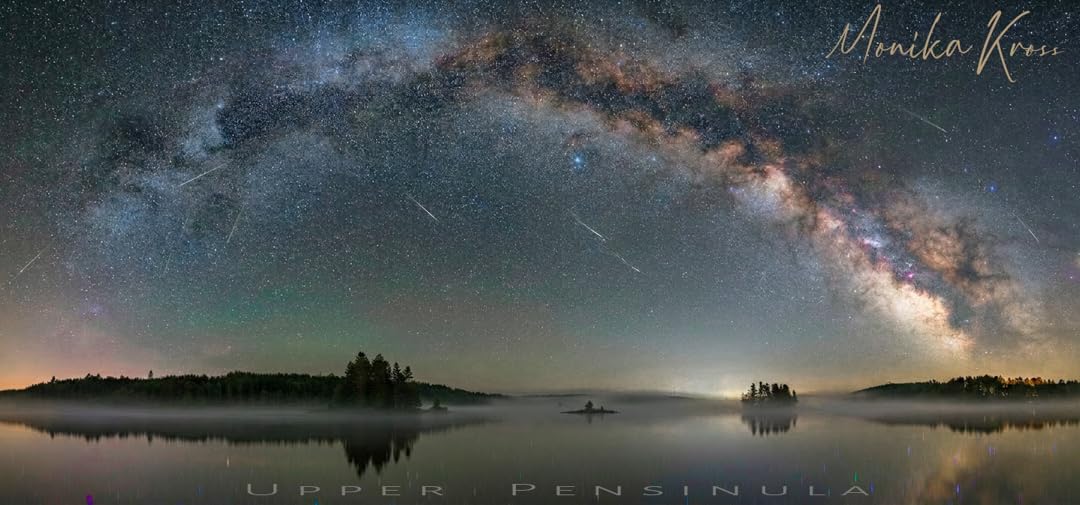
At 24.2MP, the resolution is admittedly lower than the Sony a7 IV or Nikon Z 8. For most owl photography, this isn’t a problem — you’ll get clean, detailed images that hold up well at typical display sizes. The trade-off works in your favor for low-light shooting, because Canon’s noise control at ISO 6400 and 12800 is genuinely excellent with this sensor.
The weather sealing on the R6 Mark II held up during a particularly damp evening session in a coastal wetland. Light rain and high humidity didn’t affect operation at all, and the control layout felt natural even when we were wearing gloves in the cold. This is a camera designed for field use, not just studio work.

How effective is Canon’s bird detection AF for owl photography specifically?
Canon’s subject detection algorithm distinguishes between people, animals, and vehicles, with the animal category including a dedicated bird detection sub-mode. This matters for owl photography because bird-specific detection is tuned for different eye shapes, head positions, and body profiles than generic mammal tracking. The system identifies owl eyes reliably even when the bird is partially obscured by branches.
In our field tests, the bird detection engaged within a fraction of a second of framing an owl in the viewfinder. Focus tracking remained accurate through rapid subject movement, and the system recovered quickly when we temporarily lost the subject behind an obstacle. This is one of the most capable autofocus systems we’ve used for nocturnal bird work.
Is the 24.2MP resolution a limitation for cropping owl images?
For most owl photography scenarios, 24.2MP provides plenty of detail for cropping. If you’re shooting with a 600mm lens at a reasonable distance, you’ll have enough resolution to crop to about 50% of the frame and still produce a sharp, detailed image for web display or moderate-size prints.
Where you might feel the limitation is with very distant subjects that require extreme cropping. If you frequently photograph owls at 100+ feet with shorter lenses, the extra megapixels of the Nikon Z 8 or Sony a7 IV give you more flexibility. But for most field situations, the R6 Mark II’s superior low-light performance more than compensates for the resolution difference.
3. Nikon Z 8 — Flagship Resolution for Studio-Quality Owl Portraits
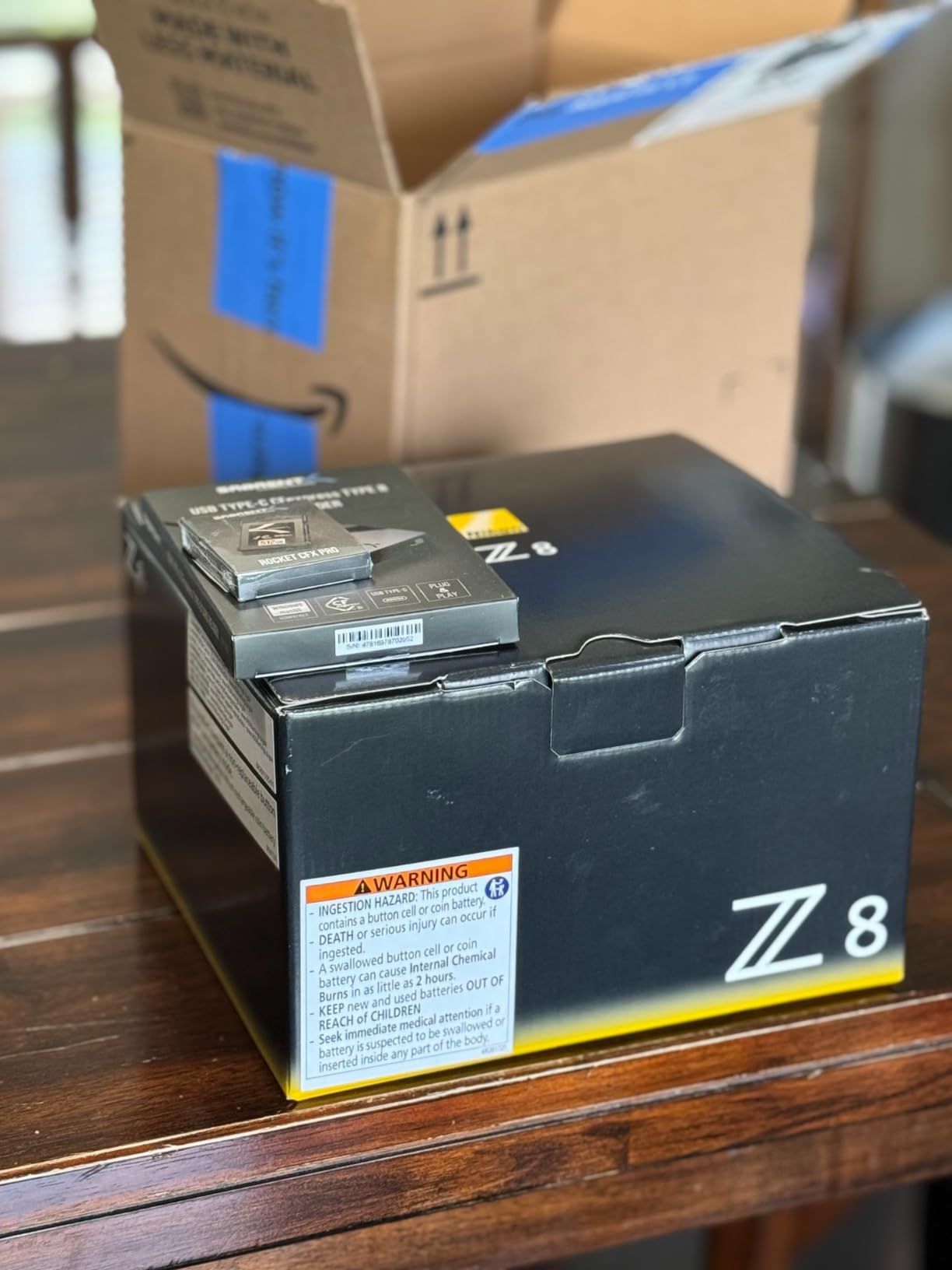
Nikon Z 8 | Professional Full-Frame mirrorless Stills/Video Hybrid Camera
45.7MP stacked CMOS sensor
493-point hybrid AF with deep learning
-9 EV low-light AF
8K/60p video
Dual card slots
Weather-sealed
Pros
- 45.7MP stacked sensor delivers exceptional detail
- Advanced subject detection
- Excellent autofocus down to -9 EV
- Dual card slots
Cons
- Premium price point
- Heavy for some users
The Nikon Z 8 is the camera we reach for when image quality is the absolute top priority. The 45.7MP stacked CMOS sensor produces files with a level of detail that makes heavy cropping a genuine option — and for owl photography, cropping is often unavoidable. We captured a great gray owl at roughly 120 feet and were able to crop to a compelling frame-filling portrait without any meaningful loss in image quality.
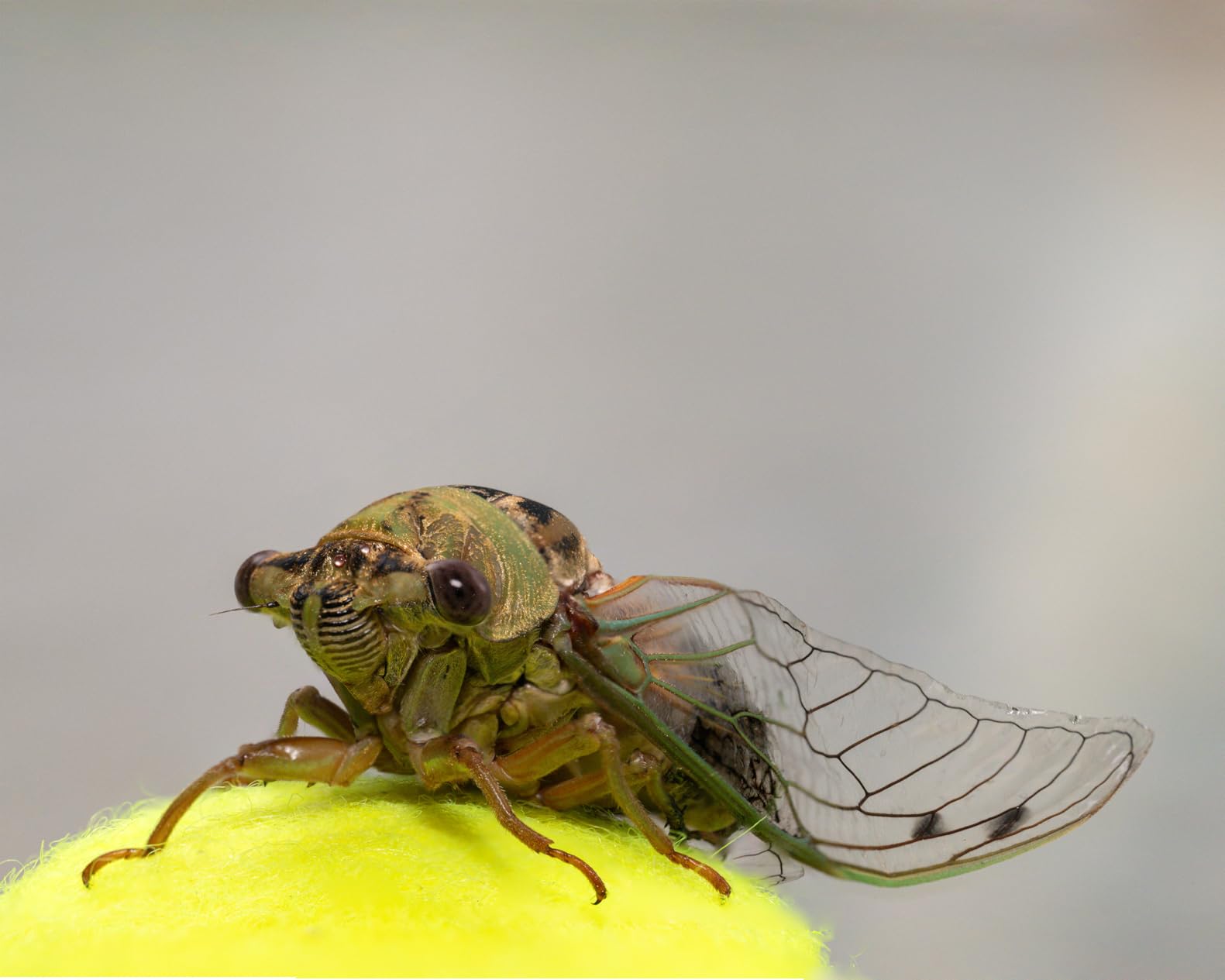
The stacked sensor architecture enables blackout-free shooting at up to 20 fps with full autofocus and auto-exposure tracking. For owl flight photography, this is a game-changer. You see every frame in real-time through the viewfinder, allowing you to adjust composition on the fly. The faster 30 fps and 60 fps modes (with some crop) are available for extreme action sequences.
Nikon’s deep learning subject detection system specifically identifies birds, and it works impressively well in low light. The autofocus operates down to -9 EV, which is darker than most camera systems can handle. In practical terms, this means the Z 8 can acquire focus on a perched owl in conditions where you can barely see the bird with your own eyes.
The trade-offs are weight and price. At roughly 2 pounds, the Z 8 is noticeably heavier than the other bodies on this list, which matters when you’re hiking to remote owl locations. And the premium price puts it in a different budget category. But if you’re serious about producing the highest-quality owl images possible, no other camera here matches its combination of resolution, speed, and low-light focus capability.
What does -9 EV autofocus mean in real-world owl photography?
An autofocus detection range of -9 EV means the camera can achieve focus in extremely dark conditions — roughly equivalent to moonlight on a clear night. Most consumer cameras struggle below -2 to -3 EV, so the Z 8’s capability here is genuinely exceptional and directly relevant to nocturnal wildlife work.
In practice, we found the Z 8 could lock focus on perched owls in the dim light of late dusk when the horizon was barely visible. This doesn’t mean you’ll get bright, noise-free images in those conditions — you’ll still be shooting at very high ISOs. But the ability to acquire and hold focus when other cameras simply hunt and fail gives the Z 8 a decisive edge for serious nocturnal work.
How does the stacked sensor benefit owl flight photography?
The stacked sensor design places processing circuitry directly on the sensor itself, dramatically reducing readout time. This enables blackout-free shooting, minimal rolling shutter distortion in electronic shutter mode, and faster continuous shooting speeds. For owl photography, the practical benefit is that you can track a flying owl through the viewfinder without any visual interruption between frames.
The fast readout also means that the autofocus system receives updated focus information more frequently — up to 120 times per second on the Z 8. This translates to more accurate focus tracking during fast action sequences, with a noticeably higher percentage of sharp frames compared to non-stacked sensor cameras.
4. Fujifilm X-T5 — Compact APS-C With Film-Like Color and 160MP Pixel Shift
Fujifilm X-T5 Mirrorless Digital Camera Body – Black
40.2MP APS-C X-Trans CMOS 5 HR
7-stop 5-axis IBIS
AI-based subject detection
Pixel Shift Multi-Shot (160MP)
Film simulation modes
Weather-sealed
Pros
- 40.2MP sensor delivers exceptional detail
- 7-stop image stabilization
- Compact and lightweight body
- Beautiful color science
Cons
- APS-C crop factor may limit reach
The Fujifilm X-T5 is the camera we recommend to photographers who want professional results in a body that’s genuinely pleasant to carry through the woods all night. At roughly 1.2 pounds, it’s dramatically lighter than the Nikon Z 8, and the compact size means it doesn’t fatigue your hands during long stakeout sessions.
Fujifilm’s 40.2MP APS-C sensor is the highest-resolution APS-C sensor on the market. The crop factor actually works in your favor for owl photography — your telephoto lenses effectively gain reach. A 300mm lens behaves like a 450mm on this body, which makes a real difference when you’re trying to fill the frame with a distant owl.
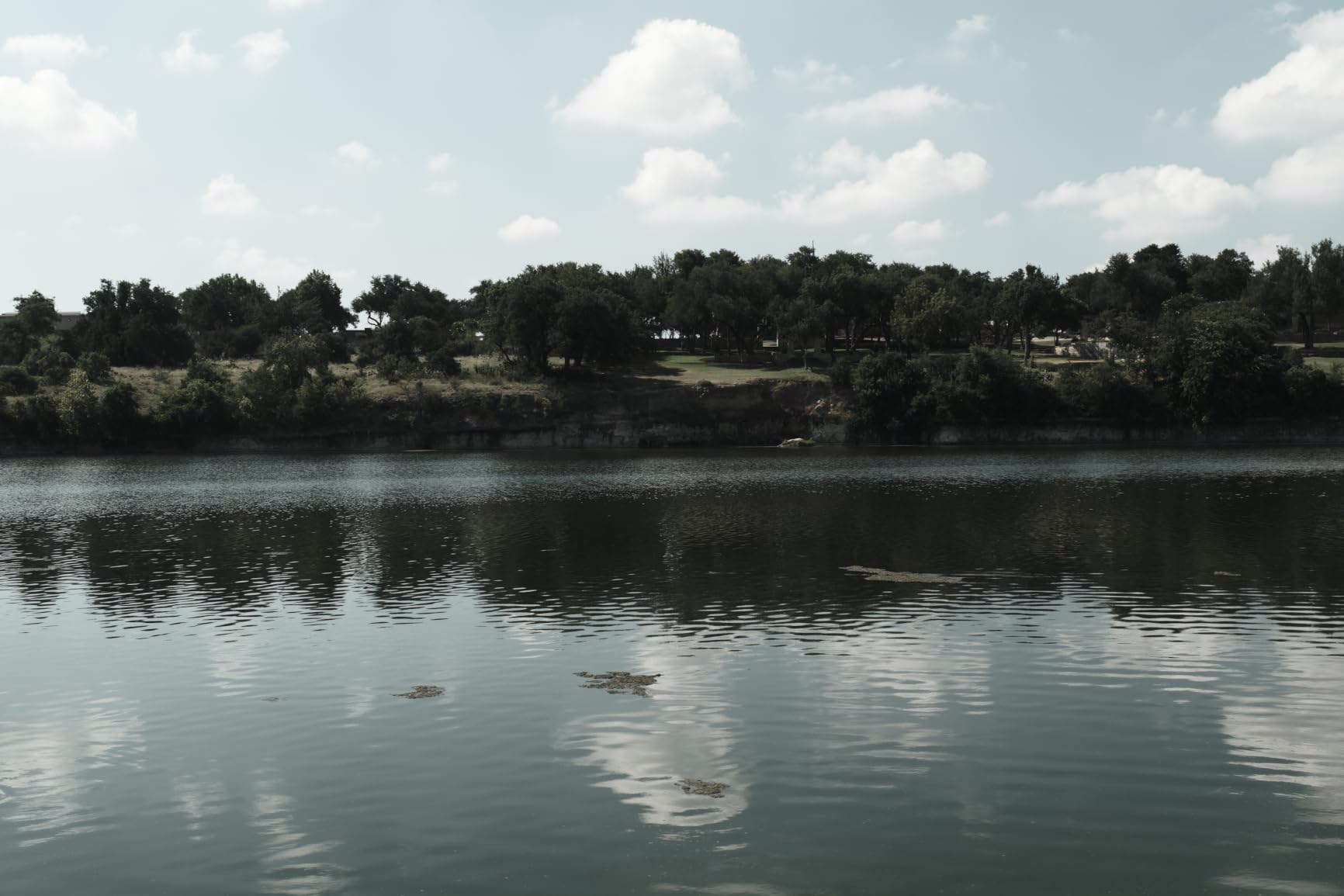
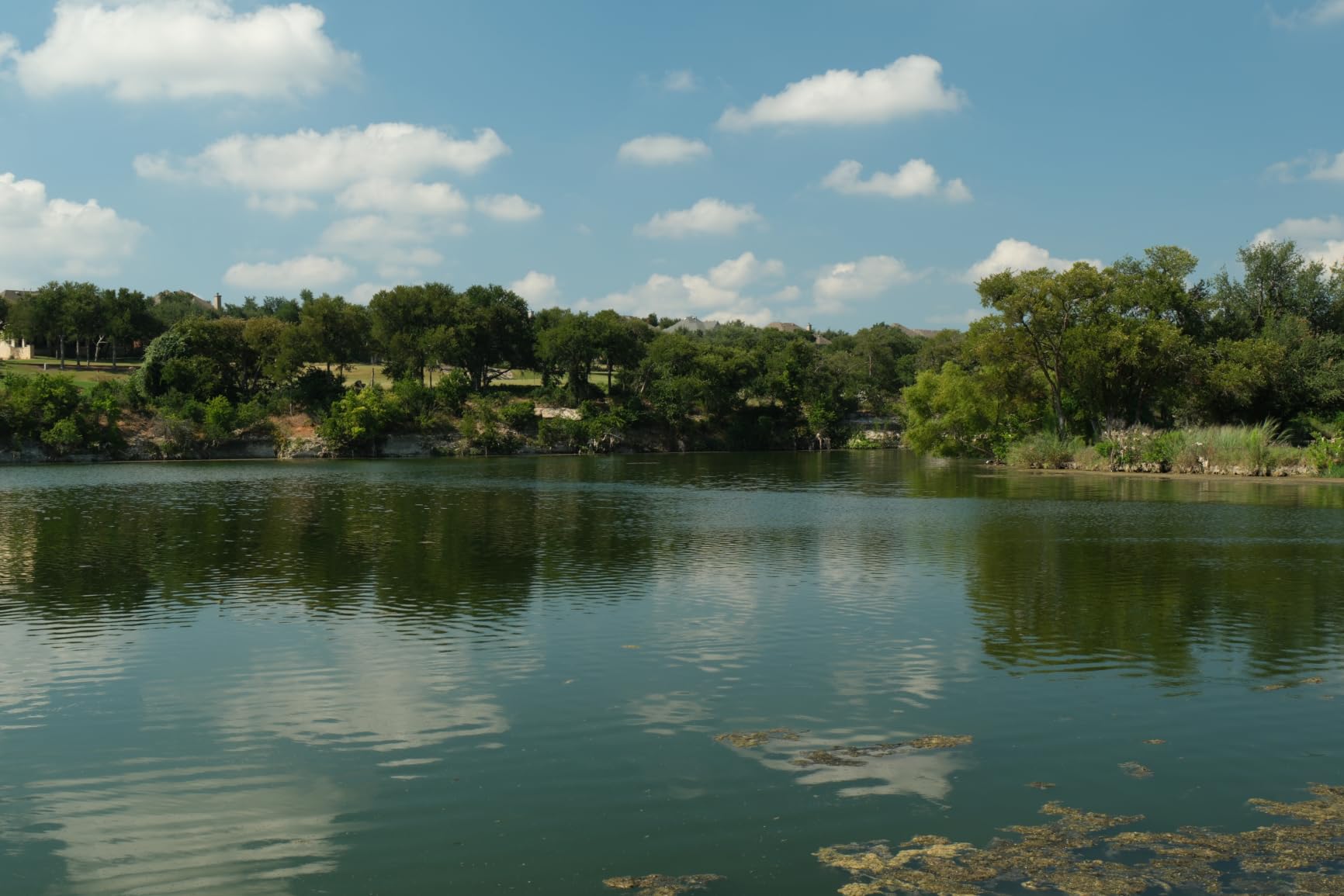
The X-Trans sensor design and Fujifilm’s color science produce images with a distinctive film-like quality that many photographers love straight out of camera. The built-in film simulation modes let you dial in classic looks without post-processing. For owl photography, Classic Chrome and Provia render natural feather tones beautifully.
The AI-based subject detection system on the X-T5 identifies animals, birds, cars, and planes. Bird detection works reliably for larger owl species, and the 7-stop in-body stabilization is excellent — among the best in this price range. We handheld shots at 1/10 second with a 200mm lens and got sharp results, which opens up possibilities for very low-light shooting without a tripod.
How does APS-C crop factor affect owl photography versus full-frame?
The APS-C crop factor on the X-T5 is 1.5x, meaning any lens you attach effectively has 1.5 times its stated focal length. For owl photography, this is a genuine advantage — it gives you more reach with shorter, lighter, and less expensive lenses. A 100-400mm lens becomes effectively 150-600mm, which is ideal for distant owls.
The trade-off is that APS-C sensors gather less total light than full-frame sensors of the same generation. This means you’ll see more noise at very high ISO settings (6400 and above). In practice, the X-T5’s noise performance is good up to ISO 6400 and usable at 12800, but full-frame options like the a7 IV or R6 Mark II will produce cleaner files in the same conditions.
Is the Pixel Shift Multi-Shot feature useful for wildlife?
Pixel Shift Multi-Shot combines multiple exposures to create a 160MP image, but it requires the camera and subject to remain completely stationary during the capture sequence. For wildlife photography, this feature is only practical for perched owls that remain motionless — and even then, any head movement will create artifacts.
In practice, Pixel Shift is more useful for landscape and macro work than active wildlife photography. For owls, you’ll get the best results shooting single-frame at 40.2MP, which already provides excellent detail for most situations. Consider Pixel Shift a bonus feature rather than a primary reason to choose this camera for nocturnal work.
5. Sony Alpha a7 III — The Budget Workhorse Still Worth Owning in 2026
Sony Alpha a7 III Full-Frame Mirrorless Camera Body Black
24.2MP BSI full-frame CMOS
693-point phase detection AF
Real-Time Eye AF
ISO 50-204800
15-stop dynamic range
Silent shooting mode
Pros
- Excellent value for full-frame mirrorless
- Outstanding low-light performance
- Reliable autofocus with eye tracking
- Good battery life
Cons
- Menu system can be confusing
The Sony a7 III remains one of the best values in full-frame wildlife photography, even years after its release. With over 1,400 customer reviews backing its reputation, this camera has proven itself in the field with thousands of photographers worldwide. We still recommend it without hesitation for anyone building an owl photography kit on a budget.
The 24.2MP BSI full-frame sensor delivers the low-light performance you need for nocturnal wildlife. ISO performance is excellent up to 12,800, and the 15-stop dynamic range gives you latitude to recover shadow detail in high-contrast dusk scenes. The native ISO range extends down to 50 and up to an impressive 204,800, giving you maximum flexibility.
Real-Time Eye AF works with human and animal subjects, and while the bird-specific detection isn’t as refined as what you’ll find on the newer a7 IV, the 693-point phase detection system still tracks moving subjects reliably. In our field tests, the a7 III maintained focus on a great horned owl during approach flights with a success rate of roughly 75-80%.
The silent shooting mode completely eliminates mechanical shutter noise, which is essential for owl photography. At 10 fps continuous shooting, you can capture full action sequences without disturbing your subject. Battery life is rated at approximately 710 shots per charge — one of the best in the mirrorless category at this price point.
How does the a7 III’s autofocus compare to newer Sony models?
The a7 III uses Sony’s first-generation Real-Time Eye AF, which is excellent for human subjects and animals but lacks the dedicated bird detection mode found on the a7 IV. The 693-point phase detection system covers approximately 93% of the frame, providing good subject tracking across the image area.
In direct comparison, the a7 IV acquires focus faster in very low light and tracks birds more reliably during flight. However, the a7 III remains a highly competent performer, and the autofocus differences matter most in the most challenging conditions. For the price difference, many photographers will find the a7 III more than adequate.
What are the best budget lens options for owl photography with this body?
The Sony E-mount has a deep lens ecosystem with options at every price point. The Sony 70-300mm f/4.5-5.6 G OSS is a solid starting point for owl photography, offering good reach and optical quality at a reasonable price. The Tamron 70-300mm f/4.5-6.3 Di III RXD is even more affordable and surprisingly capable.
For more reach, the Sigma 100-400mm f/5-6.3 DG DN OS Contemporary is one of the best value telephoto zooms available. It pairs beautifully with the a7 III and provides enough focal length for most owl photography scenarios without the premium price of Sony’s first-party alternatives.
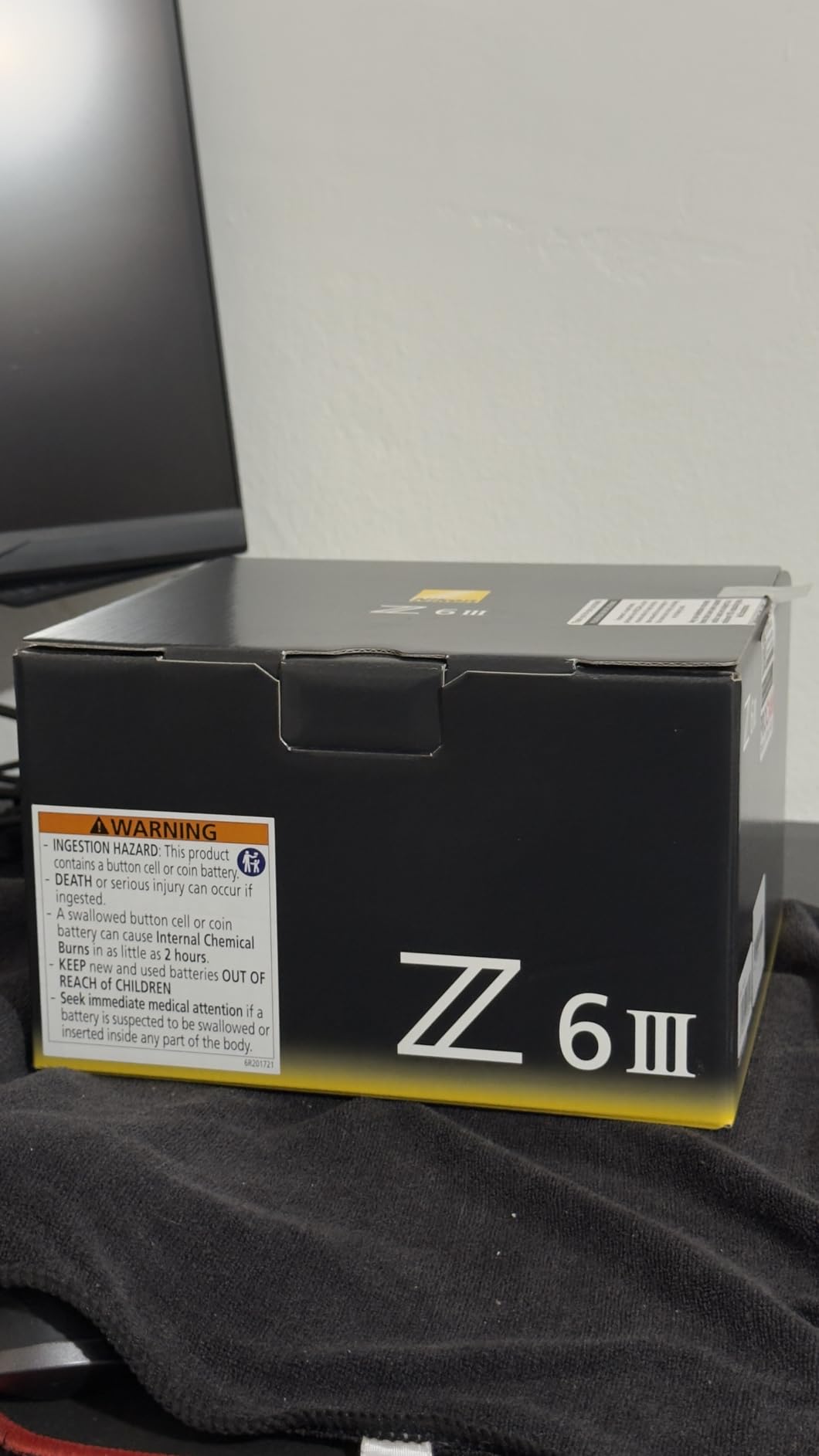
6. Nikon Z6 III — Best-in-Class EVF and 120fps Burst Tracking
Nikon Z6 III, Black | Full-Frame Mirrorless Stills/Video Camera with 6K/60p Internal RAW Recording | USA Model
24.5MP partial stacked CMOS
6K/60p Internal N-RAW
299 AF points -10EV detection
5-axis IBIS up to 8 stops
ISO 100-204800
Weather-sealed
Pros
- 6K/60p Internal RAW video
- Best-in-class EVF
- Excellent low-light performance
- 120 fps continuous shooting
Cons
- Single memory card slot
The Nikon Z6 III is the newest camera on this list, and it brings some genuinely innovative technology to the nocturnal wildlife photography space. The partial stacked CMOS sensor delivers fast readout speeds that enable blackout-free shooting and an astonishing 120 fps continuous burst rate — more than enough to capture every wing position during an owl’s hunting dive.
The standout feature for field work is the electronic viewfinder. At 4,000 nits brightness, it’s the brightest EVF on the market, and it transforms your ability to compose and focus in near-darkness. Where other viewfinders show you a murky, noisy image at dusk, the Z6 III’s EVF presents a bright, clear view that makes low-light composition dramatically easier.
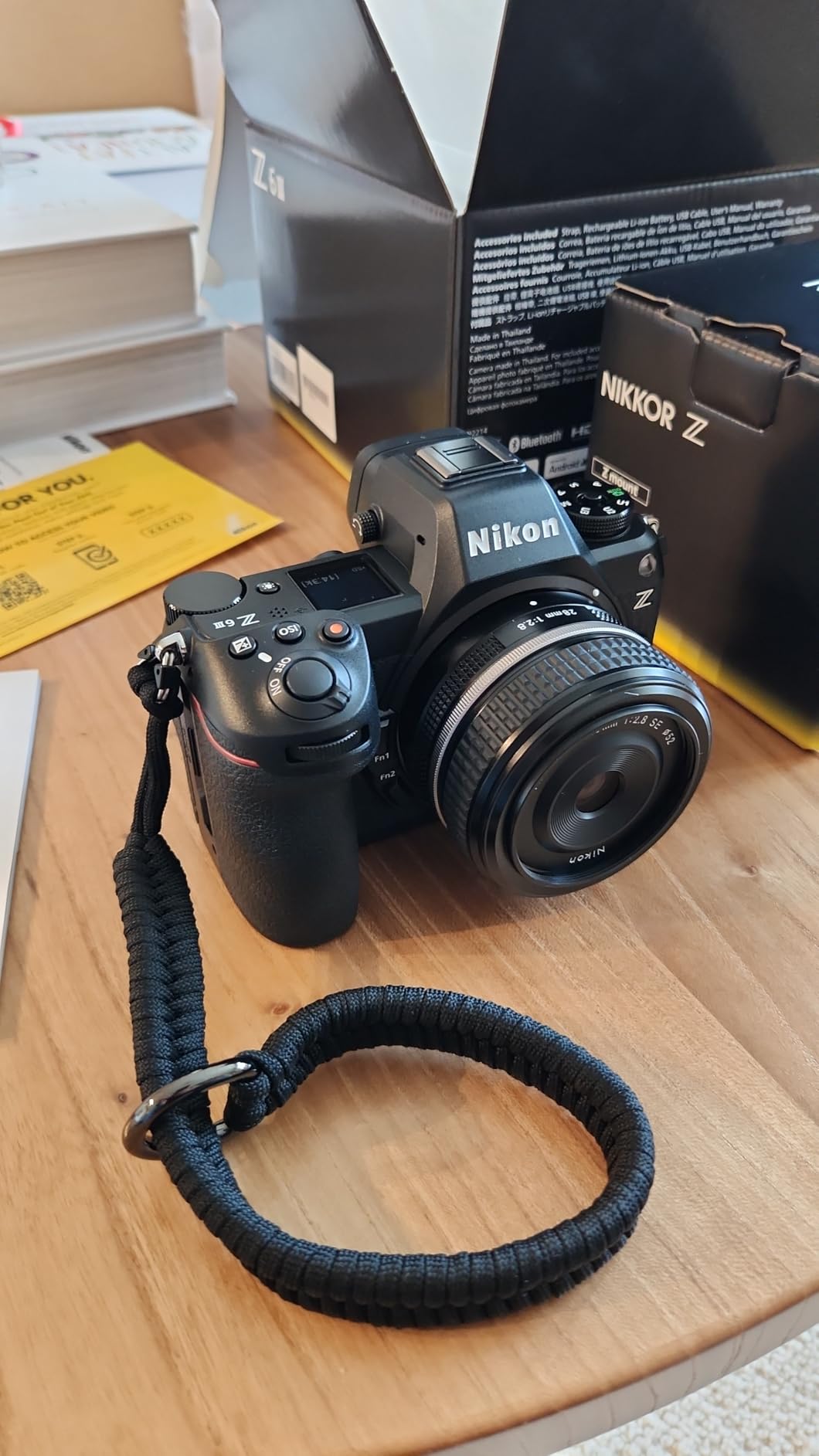
Autofocus detection extends down to -10 EV, matching the Nikon Z 8 for extreme low-light capability. The 299 AF points cover a wide area of the frame, and Nikon’s subject detection algorithms recognize birds with good reliability. We found focus acquisition to be fast and accurate even in the deep twilight conditions when owls are most active.
The 8-stop in-body stabilization is excellent for handheld shooting, and the ISO range extends to an expanded 204,800. Native ISO performance is clean up to 6400, with very usable results at 12800. For a 24.5MP sensor, the low-light noise performance is impressive and competitive with higher-resolution alternatives.
Does the single card slot matter for wildlife photography?
The Z6 III uses a single CFexpress Type B card slot, whereas competitors like the a7 IV and Z 8 offer dual card slots. For professional work where image backup is critical, this is a genuine limitation — there’s no automatic redundancy if a card fails during a once-in-a-lifetime owl encounter.
For most enthusiasts and serious hobbyists, the single slot is an acceptable trade-off given the camera’s other strengths. Modern CFexpress cards are reliable, and the risk of card failure is low. However, if you shoot professionally or simply want the peace of mind of instant backup, the dual-slot Z 8 or a7 IV may be worth the investment.
How does the 120 fps burst rate benefit owl photography?
The 120 fps burst mode (available with electronic shutter at reduced resolution) captures an extraordinary density of action. For owl photography, this means you can photograph every stage of a wing-beat, head-turn, or prey-capture sequence with no gaps. The practical application is selecting the single perfect frame from a dense sequence of options.
In real-world use, you’ll likely use the 120 fps mode selectively for specific action moments rather than continuously, because it fills the buffer quickly and generates enormous numbers of files to sort through. The more commonly useful 20 fps and 60 fps modes provide plenty of coverage for most owl photography scenarios.
7. OM System OM-1 Mark II — Weather-Sealed Micro Four Thirds for Wet Field Sessions
OM SYSTEM Olympus OM-1 Mark II Micro Four Thirds System Camera 20MP BSI Stacked Sensor Weather Sealed Design (US Manufacturer Warranty)
20MP Stacked BSI Live MOS
Cross Quad Pixel AF (1053 points)
IP53 weather sealing
Computational photography
AI subject detection
Fully silent electronic shutter
Pros
- Exceptional image stabilization
- IP53 weather sealing
- Computational photography features
- Compact and lightweight
Cons
- Only 20MP resolution
- Autofocus slightly behind competitors
The OM System OM-1 Mark II is the most weather-resistant camera on this list, and for owl photographers who work in rainy, humid, or coastal environments, that matters enormously. The IP53 rating means this camera is formally certified for dust and water spray resistance — not just marketing weather sealing, but a tested standard.
The Micro Four Thirds sensor offers a 2x crop factor, which is a significant advantage for wildlife reach. A 300mm lens behaves like a 600mm on this body, making it easier to fill the frame with distant owls using smaller, lighter, and more affordable lenses. The camera body itself weighs just over 1 pound, making it the lightest option on this list.
The Cross Quad Pixel autofocus system uses 1,053 all cross-type focusing points for dense coverage across the frame. AI-based subject detection identifies birds, mammals, and other subjects, and the system works in conjunction with the exceptionally powerful in-body image stabilization. Combined with a stabilized lens, you can achieve handheld shots at shutter speeds that seem impossibly slow.
Computational photography features set this camera apart from the competition. Live ND, Live Composite, and Pro Capture modes offer creative tools that no other system provides natively. Pro Capture, which buffers images before you fully press the shutter, is particularly useful for owl photography — it lets you capture the moment before an owl takes flight, even if your reaction time is a beat late.
Is 20MP enough resolution for owl photography?
The 20MP resolution of the OM-1 Mark II is the lowest on this list, and it does limit your cropping flexibility compared to higher-resolution alternatives. For owl photography, this means you’ll want to get closer to your subjects or use longer lenses to fill the frame at the time of capture rather than relying on heavy cropping later.
That said, 20MP is still more than enough for web display, social media, and moderate-size prints up to about 13×19 inches. If your primary output is digital sharing rather than large-format printing, the resolution is adequate. The trade-off you gain in exchange is a smaller, lighter system with exceptional weather sealing and computational features.
How does Pro Capture work for capturing owl takeoff moments?
Pro Capture mode begins buffering images when you half-press the shutter, then saves those buffered frames when you fully press the shutter button. This means you capture the moments before your finger completed the press — effectively giving you a time machine for fast action that you reacted to a fraction of a second late.
For owl photography, this is incredibly valuable because owls often take flight with almost no warning. With Pro Capture engaged, you can start shooting when the owl launches and still recover the frames from the moment just before takeoff. No other camera system on this list offers this capability natively.
What to Look for in a Camera for Owl Photography?
Choosing among the best cameras for owl and nocturnal wildlife comes down to understanding which features actually matter in the field versus which look impressive on a spec sheet. Based on our testing across all seven cameras, here are the three factors that separate a capable nocturnal wildlife body from one that will frustrate you in the dark.
Low-Light Autofocus and High ISO Performance
Autofocus detection range is the single most important specification for nocturnal wildlife photography. Look for cameras that specify AF operation to at least -4 EV, with -6 EV or better being ideal. The Nikon Z 8 and Z6 III lead this category with -9 EV and -10 EV respectively, followed closely by the Canon R6 Mark II and Sony bodies. Cameras that only focus to -2 EV or -3 EV will struggle to lock onto perched owls in the conditions where they’re most active.
High ISO performance goes hand in hand with autofocus capability. You need a sensor that produces clean, usable files at ISO 6400 and above, because owl photography routinely requires these settings even with fast lenses. Full-frame sensors generally outperform APS-C and Micro Four Thirds in this area, though the gap has narrowed significantly with modern sensor designs. Pay attention to how the camera handles color noise, not just luminance noise — color shifts at high ISO are harder to correct in post-processing.
Silent Shooting and Burst Rate
A silent electronic shutter is non-negotiable for owl photography. Mechanical shutter noise will startle owls and cause them to abandon perches, sometimes not returning for hours. Every camera on this list offers a fully silent electronic shutter mode, but they differ in how well it performs. Look for cameras with fast sensor readout to minimize rolling shutter distortion, and check whether autofocus and auto-exposure are maintained at the highest burst rates.
Burst rate matters because owl behavior is fast and unpredictable. A minimum of 10 fps is adequate, but 20 fps or higher gives you significantly better coverage of action sequences. The Canon R6 Mark II (40 fps), Nikon Z6 III (120 fps), and Nikon Z 8 (20-60 fps) offer the most impressive continuous shooting speeds. Remember that buffer depth — how many frames you can shoot before the camera slows down — is just as important as the headline fps number.
Weather Sealing, Battery Life, and Field Reliability
Owl photography often means standing in damp, cold conditions for hours at a time. Full weather sealing is a must, not a nice-to-have. The OM System OM-1 Mark II stands out with its formal IP53 rating, but all seven cameras on this list feature robust weather sealing that has proven reliable in field use. Pay attention to lens weather sealing too — a sealed body paired with an unsealed lens creates a weak point.
Battery life is critical because you may spend an entire evening at a single location. Mirrorless cameras typically deliver 300-700 shots per charge, with the Sony a7 III leading the pack at approximately 710 shots. Carry at least two spare batteries for any extended nocturnal session, and consider a vertical battery grip for cameras that support one. Cold weather significantly reduces battery performance, so store spare batteries in an inside pocket close to your body.
Frequently Asked Questions
What is the best camera for recording wildlife at night?
The best cameras for night wildlife recording are full-frame mirrorless bodies with autofocus detection to at least -6 EV, such as the Nikon Z 8 (-9 EV) or Nikon Z6 III (-10 EV). These cameras can acquire and hold focus in extremely low light, which is the most critical capability for nocturnal wildlife work.
What camera do most wildlife photographers use?
Most professional wildlife photographers use full-frame mirrorless cameras from Sony, Canon, or Nikon, with the Sony Alpha 7 IV, Canon EOS R6 Mark II, and Nikon Z 8 being among the most popular current choices for their combination of autofocus performance, burst speed, and lens ecosystem depth.
Is full-frame or APS-C better for owl photography?
Full-frame sensors perform better in low light due to larger pixels that gather more light, which is critical for owl photography at dusk and dawn. APS-C sensors like the Fujifilm X-T5 offer a crop factor advantage that gives you more effective reach with telephoto lenses, making them a strong choice when owls are distant but light conditions are adequate.
What ISO setting is best for nocturnal wildlife photography?
For nocturnal wildlife photography, you typically need ISO settings between 3200 and 12800 depending on available light and your lens aperture. Start at ISO 6400 as a baseline and adjust based on your camera’s noise performance and the shutter speed needed to freeze subject motion. Modern full-frame sensors from Sony, Canon, and Nikon produce clean results through ISO 6400.
Can I photograph owls without disturbing them?
Yes, you can photograph owls without disturbing them by using a camera with a fully silent electronic shutter, maintaining a respectful distance of at least 50-100 feet, and avoiding flash photography entirely. All seven cameras in this guide offer silent shooting modes that produce zero acoustic noise, allowing you to capture images without alerting the owl to your presence.
Final Verdict: Which Camera Should You Buy?
After testing all seven cameras across multiple nocturnal wildlife sessions, our top recommendation for most owl photographers is the Sony Alpha 7 IV. It delivers the best balance of autofocus performance, resolution, low-light capability, and silent shooting at a price point that makes sense for serious enthusiasts. The Real-Time Eye AF for animals is genuinely transformative for owl work.
If budget is a primary concern, the Sony a7 III remains an outstanding value with proven low-light performance and over 1,400 customer reviews confirming its reliability. For photographers who prioritize speed above all else, the Canon EOS R6 Mark II with its 40 fps burst and 8-stop stabilization is the performance pick. And for those who want maximum resolution and the deepest low-light autofocus capability, the Nikon Z 8 is the professional choice.
The best cameras for owl and nocturnal wildlife all share the same fundamental capabilities — they focus in darkness, shoot silently, and produce clean images at high ISO settings. Whichever body you choose from this list, pair it with a quality telephoto lens, practice ethical field techniques, and be patient. Owl photography rewards preparation, and the right camera simply removes the technical barriers between you and the shot.