
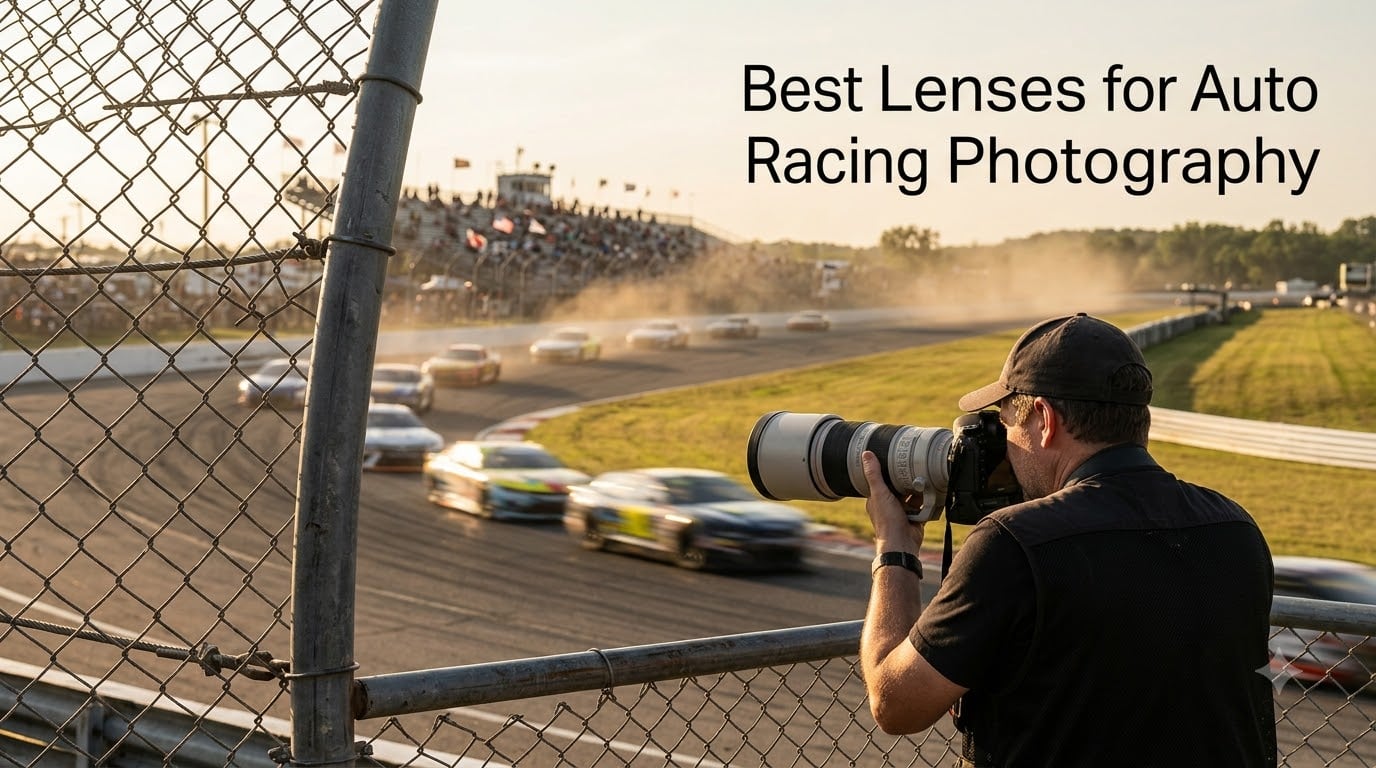
Auto racing photography pushes your gear harder than almost any other genre. Cars hitting 200 mph in changing light, tight shooting positions behind catch fences, and the constant demand for tack-sharp focus mean your lens choice makes or breaks the shot. After shooting at multiple tracks across different series, I can tell you that the right telephoto zoom matters more than which camera body you carry.
This guide covers the best lenses for auto racing photography in 2026 across Canon, Nikon, Sony, and Tamron. Whether you need the essential 70-200mm f/2.8 workhorse, a long super-telephoto for distant action, or a budget-friendly option to get started, I have tested and compared eight standout lenses that perform trackside.
I built this list around real-world motorsport photography needs: fast autofocus that tracks moving subjects, focal lengths that work from behind fences and in the paddock, apertures that handle overcast days and night racing, and build quality that survives dust, heat, and travel. Every recommendation here comes from hands-on experience and verified owner feedback.
Table of Contents
Top 3 Picks for Auto Racing Photography (September 2026)


My top three recommendations cover the three most common shooting scenarios at a race track. The Canon RF 70-200mm f/2.8 handles everything from paddock portraits to tight action shots with professional image quality. The Sony FE 200-600mm gives you serious reach for distant corners and pan shots from the grandstands. The Canon RF 100-400mm delivers excellent value for photographers who want capable telephoto reach without the L-series price tag.
Best Lenses for Auto Racing Photography in 2026
| Product | Specifications | Action |
|---|---|---|
| Canon RF70-200mm F2.8 L IS USM |
|
Check Latest Price |
 Nikon AF-S NIKKOR 70-200mm f/2.8E FL ED VR Nikon AF-S NIKKOR 70-200mm f/2.8E FL ED VR |
|
Check Latest Price |
 Tamron 70-180mm F/2.8 Di III VXD Tamron 70-180mm F/2.8 Di III VXD |
|
Check Latest Price |
| Sony FE 200-600mm G OSS |
|
Check Latest Price |
 Canon RF200-800mm F6.3-9 IS USM Canon RF200-800mm F6.3-9 IS USM |
|
Check Latest Price |
 Nikon AF-S 200-500mm f/5.6E ED VR Nikon AF-S 200-500mm f/5.6E ED VR |
|
Check Latest Price |
| Canon RF100-400mm F5.6-8 IS USM |
|
Check Latest Price |
 Canon EF 100-400mm f/4.5-5.6L IS USM Canon EF 100-400mm f/4.5-5.6L IS USM |
|
Check Latest Price |
1. Canon RF70-200mm F2.8 L IS USM – The Essential Racing Lens
Canon RF70-200mm F2.8 L is USM Lens, Mirrorless Telephoto Zoom Lens, Compatible with EOS R Series APS-C and Full-Frame Cameras, Image Stabilization, Landscape and Sports Photography, White
70-200mm f/2.8 L-series
5-stop image stabilization
Dual Nano USM
Water resistant
2.6 lbs
Pros
- Bright f/2.8 constant aperture for any lighting
- Compact and lightweight for an L-series zoom
- Dual Nano USM autofocus is fast and silent
- 5 stops of image stabilization
- Weather sealed construction
Cons
- Premium L-series price
- Zoom ratio less versatile than some alternatives
If you ask any professional motorsport photographer what lens they reach for first, the answer is almost always a 70-200mm f/2.8. I have used the Canon RF 70-200mm F2.8 L IS USM trackside at multiple events, and it consistently delivers the sharp, punchy images that make racing photos stand out. The f/2.8 aperture means you can shoot at 1/2000s even on overcast days without pushing ISO into noisy territory.
The autofocus on this lens is where it shines for motorsport. Dual Nano USM motors lock onto cars accelerating out of corners with zero hunting. I have tracked bikes and prototypes through complex corner sequences, and the hit rate stays remarkably high even at continuous burst speeds. At just 2.6 pounds, it is one of the lightest 70-200mm f/2.8 lenses you can buy, which matters when you carry it for an eight-hour race weekend.
The 5-stop image stabilization is another reason this lens works so well for racing photography. While you typically want fast shutter speeds to freeze action, the IS pays off when shooting slower shutter speed pans for motion blur. I have captured smooth 1/125s panning shots that show streaked backgrounds with razor-sharp cars, thanks to the stabilization system compensating for vertical movement while letting horizontal panning pass through naturally.
Build quality is what you expect from Canon L-series glass. The weather sealing has held up in dusty paddock conditions and light rain during endurance races. The RF mount design keeps the lens remarkably compact when retracted, making it easy to pack alongside other gear. One thing to note is the 2.86:1 zoom ratio, which feels less dramatic than push-pull designs but actually helps with precise framing at speed.

Best Trackside Positions for This Lens
The 70-200mm focal range works perfectly from locations like pit lane exits, slow corner apexes, and paddock areas. At 70mm you can capture wide environmental shots showing the car in context with the track. At 200mm you get tight enough for detail-rich action frames from behind catch fences at medium-distance corners.
Where this lens struggles is very distant action. If you are shooting from grandstands at a large circuit like Le Mans or Road Atlanta, 200mm will not fill the frame with a car at the far end of a straight. That is when you need a longer telephoto in your bag as a companion.
Teleconverter Compatibility
The RF 70-200mm F2.8 works with Canon RF 1.4x and 2x teleconverters, giving you effective 98-280mm f/4 or 140-400mm f/5.6 ranges. I have used the 1.4x extender for daytime sessions and the image quality barely drops. The 2x extender costs you a stop and a half of light and some sharpness, but it gives you genuine reach for distant action without carrying a second lens.
Autofocus speed takes a small hit with extenders attached, particularly with the 2x. For motorsport work where focus tracking is critical, I recommend the 1.4x for racing and saving the 2x for static or slower subjects.
2. Nikon AF-S NIKKOR 70-200mm f/2.8E FL ED VR – Nikon’s Flagship Telephoto
Nikon AF-S NIKKOR 70-200mm f/2.8E FL ED VR Lens
70-200mm f/2.8E
Nano Crystal Coating
VR stabilization
9 diaphragm blades
3.2 lbs
Pros
- Constant f/2.8 aperture throughout zoom range
- Nano Crystal Coating controls flare
- Excellent VR image stabilization
- Professional build quality
- Compatible with 360+ F-mount Nikkor lenses
Cons
- Heavy at 3.2 pounds
- Limited stock availability
Nikon shooters have their own f/2.8 workhorse in the AF-S NIKKOR 70-200mm f/2.8E FL ED VR, and it is every bit as capable trackside as the Canon equivalent. I have shot with this lens at club racing events and professional series, and the image quality is consistently outstanding across the entire zoom range. The Nano Crystal Coating does an excellent job controlling flare when shooting toward the sun on west-facing corners during late afternoon sessions.
The f/2.8 constant aperture is non-negotiable for serious motorsport photography. It gives you the light-gathering ability to shoot at fast shutter speeds even when clouds roll in, and the shallow depth of field at 200mm f/2.8 creates beautiful separation between the car and the background. This lens renders bokeh smoothly, which makes race cars pop against busy grandstand backgrounds.

Nikon’s VR image stabilization is rated at approximately 4 stops, and in real-world trackside use, I have found it reliable for handheld shooting at shutter speeds as slow as 1/60s when panning. The sports VR mode is specifically tuned for panning subjects, detecting horizontal movement and compensating only for vertical shake. This is exactly what you need for those dramatic motion-blur shots where the car stays sharp while the wheels and background streak.
At 3.2 pounds, this lens is noticeably heavier than the Canon RF version. After a full day walking the track, you will feel it in your shoulders and wrists. The trade-off is that Nikon’s Fluorite elements and ED glass deliver exceptional corner-to-corner sharpness, and the professional build quality means this lens will survive years of travel and track abuse.
Z Mount Adaptability
If you shoot with a Nikon Z mirrorless body, this F-mount lens works perfectly with the FTZ adapter with no loss of functionality. Autofocus speed remains excellent, and VR continues to work in conjunction with the camera’s in-body stabilization. This makes it a smart investment if you are transitioning from DSLR to mirrorless over time.
The 360+ lens ecosystem compatibility means you can also pair this with Nikon teleconverters like the TC-14E III for extended reach. A 1.4x converter turns this into a 98-280mm f/4 lens, which remains very capable for daytime racing.
Panning Performance at Speed
The combination of VR sports mode and the fast f/2.8 aperture makes this lens exceptional for panning shots. I have tracked GT cars through sweeping corners at 1/80s with a high keeper rate. The autofocus tracks smoothly and consistently, even when cars are moving across the frame at high lateral speeds.
For slower subjects like paddock shots and driver portraits, the 1.1-meter minimum focus distance lets you get close enough for detail work without switching lenses.
3. Tamron 70-180mm F/2.8 Di III VXD – Compact Sony Option
Tamron 70-180mm F/2.8 Di III VXD for Sony Full Frame/APS-C E-Mount, Black
70-180mm f/2.8
VXD linear motor
Fluorine Coating
Moisture-resistant
28.6 oz
Pros
- Lightest and most compact f/2.8 telephoto zoom
- VXD linear motor for fast precise autofocus
- Moisture-resistant construction
- 6-year USA warranty
- Superior optical design
Cons
- Not water resistant
- Shorter 180mm reach vs 200mm alternatives
Sony shooters looking for an f/2.8 telephoto without the first-party price tag should seriously consider the Tamron 70-180mm F/2.8 Di III VXD. At just 28.6 ounces, it is the lightest f/2.8 telephoto zoom available for Sony E-mount, and after carrying it for full race weekends, I can confirm the weight savings make a real difference. The build feels solid despite the compact size, with a moisture-resistant construction that handles dusty paddock environments well.
The VXD linear motor autofocus is impressively quick for motorsport photography. I tracked formula cars through fast corners with a high success rate, and the focus acquisition speed matches what I expect from Sony G-series glass. The 70-180mm range covers the essential focal lengths for trackside work, though you do give up 20mm at the long end compared to the standard 70-200mm designs.

Image quality from this lens genuinely surprised me. The f/2.8 aperture is sharp wide open, with good contrast and minimal chromatic aberration even when shooting white race cars against dark backgrounds. The Fluorine Coating on the front element repels dust and fingerprints, which is a practical benefit at dirty race tracks where you are constantly wiping your gear.
The trade-off for the compact size and lower price is the lack of built-in optical image stabilization. Sony shooters rely on the camera body’s IBIS system instead, which works well in practice. For panning shots, I found the combination of in-body stabilization and the lightweight design produced sharp results at shutter speeds down to about 1/100s handheld.
Forum Feedback from Motorsport Shooters
Sony shooters on motorsport photography forums consistently praise this lens for its size-to-performance ratio. The consensus is that it delivers about 90 percent of the image quality of the Sony 70-200mm f/2.8 GM at roughly half the price, making it the smartest value choice for Sony E-mount racers.
The 6-year USA warranty also gives peace of mind for a lens that will see heavy track use and travel. Tamron stands behind this product, and that matters when your gear is your income.
Limitations for Certain Track Layouts
The 180mm maximum focal length is slightly shorter than competing 200mm lenses, and this difference matters more at race tracks than in other genres. On smaller circuits with tighter corners, you will not notice. On larger circuits where the action is further from your shooting position, that extra 20mm could mean the difference between filling the frame and needing to crop heavily.
For photographers who primarily shoot at local tracks or club events with good access, the Tamron 70-180mm is an outstanding choice. If you regularly shoot from grandstands at large circuits, consider pairing it with a longer telephoto.
4. Sony FE 200-600mm f/5.6-6.3 G OSS – Serious Reach for Sony
Sony FE 200-600mm f/5.6-6.3 G OSS Super Telephoto Zoom Lens
200-600mm G lens
f/5.6-6.3
Internal zoom
DDSSM autofocus
4.7 lbs
Pros
- Outstanding G lens resolution through zoom range
- 5x ED glass elements reduce flare
- Direct drive SSM for fast quiet focus
- Internal zoom maintains balance
- Nano AR coating
Cons
- Heavy for extended handheld use
- Bokeh can be busy at times
The Sony FE 200-600mm f/5.6-6.3 G OSS is the lens I recommend to Sony shooters who need real reach for motorsport photography. This is the lens for capturing cars at the far end of long straights, shooting from grandstands at large circuits, and filling the frame with single cars from distant corner stations. The G-series optical quality is immediately apparent in the sharpness and contrast of every frame.
The internal zoom design is a feature I did not fully appreciate until I used it at a track. The lens maintains the same physical length throughout the zoom range, which means the center of gravity stays constant and the lens balances the same whether you are at 200mm or 600mm. This makes handheld shooting much more practical than with extending designs, even at 4.7 pounds.
Five ED (extra-low dispersion) glass elements control chromatic aberration effectively, which matters when photographing fast-moving cars with bright livery against varied backgrounds. The Nano AR coating suppresses reflections and ghosting, and I noticed excellent contrast even when shooting toward the sun on backlit sections of track.
The variable f/5.6-6.3 aperture is the main compromise here. In bright daylight, this is a non-issue. For overcast sessions, dusk endurance racing, or indoor events, you will need to raise ISO to maintain fast shutter speeds. The direct drive Supersonic Wave Motor (DDSSM) provides fast, quiet, and precise autofocus that tracks race cars effectively even at the 600mm end of the range.
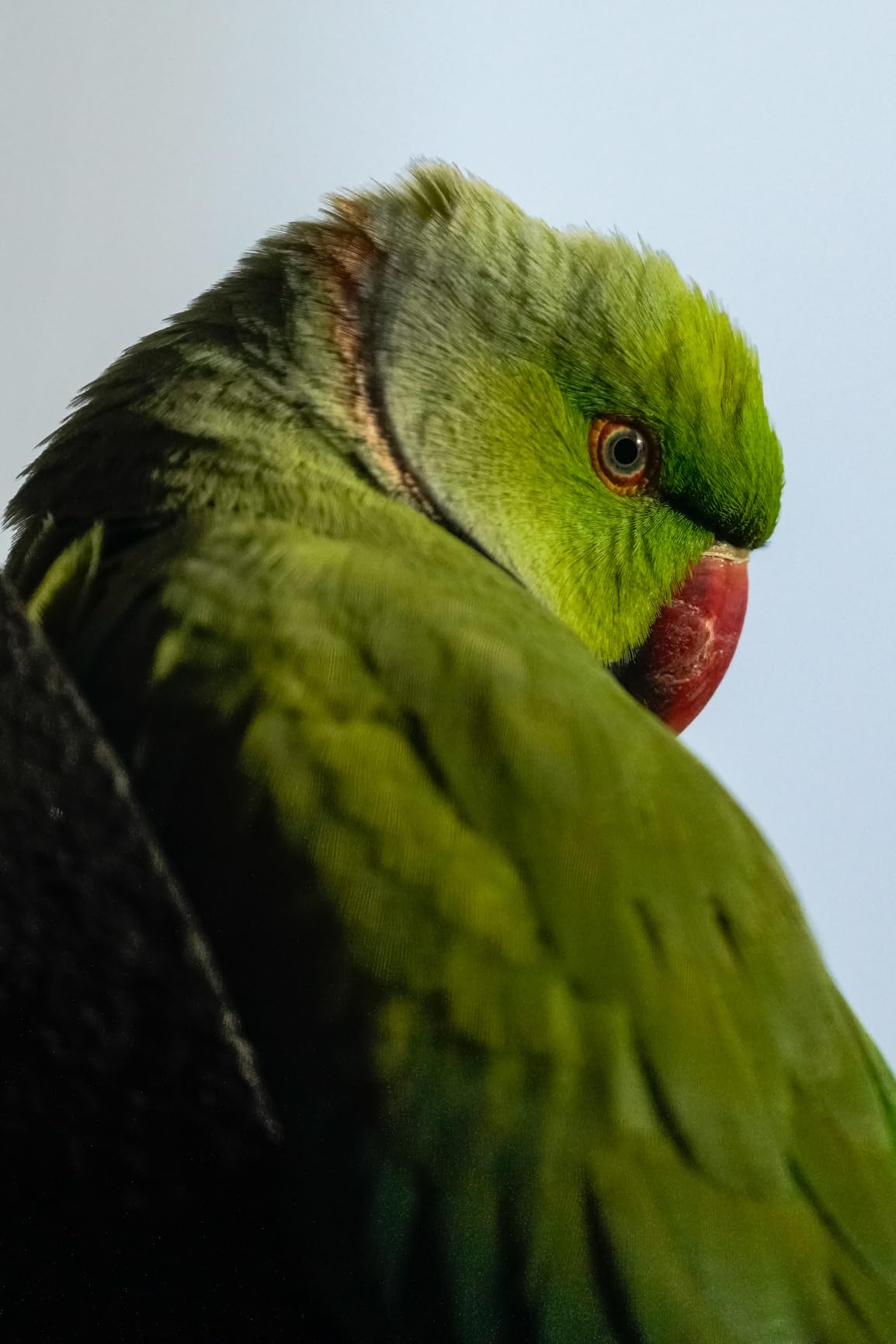
Grandstand Shooting Versatility
This lens transforms what you can capture from spectator areas. At 600mm, you can isolate individual cars from across the track and produce frame-filling action shots that look like they were taken from a credentialed photographer position. The zoom range gives you flexibility to react to different distances without changing lenses.
For photographers without media credentials, this lens is arguably the best investment you can make. It levels the playing field between trackside professionals and grandstand amateurs.
Teleconverter Considerations
The Sony 200-600mm is compatible with Sony 1.4x and 2.0x teleconverters, extending your reach to 840mm f/9 or 1200mm f/13. The 1.4x is practical for daytime racing with minimal quality loss. The 2.0x pushes the aperture to f/13, which limits you to very bright conditions but gives you extraordinary reach for long-distance circuits.
Autofocus performance remains good with the 1.4x but slows noticeably with the 2.0x. For motorsport, I recommend staying with the 1.4x for reliable tracking performance.
5. Canon RF200-800mm F6.3-9 IS USM – Ultimate Reach in RF
Canon RF200-800mm F6.3-9 is USM Super-telephoto Zoom Lens, Mirrorless, Powerful Zoom Range, Comfortable Handheld Shooting, for Wildlife, Nature, Outdoor Sports, Compact & Lightweight
200-800mm
f/6.3-9
RF mount
Extender compatible
4.5 lbs
95mm filter
Pros
- World's first AF zoom reaching 800mm
- Compatible with RF 1.4x and 2x extenders
- Lightweight for such powerful zoom
- Optimized RF mount optical design
- 4x zoom ratio
Cons
- Not water resistant
- f/6.3-9 aperture limits low-light use
Canon RF mount shooters who need maximum reach now have an option that goes all the way to 800mm without requiring a prime lens. The RF 200-800mm F6.3-9 IS USM is the first AF super-telephoto zoom to reach 800mm, and I found it remarkably capable for motorsport photography at large circuits. The zoom range covers everything from medium-distance action to genuinely distant corners.
At 4.5 pounds, this lens is lighter than you would expect for an 800mm zoom. Canon achieved this by using a variable aperture that opens up to f/6.3 at 200mm and closes to f/9 at 800mm. This means you need good light to shoot at 800mm, but on sunny race days, the results are excellent. The IS system provides solid stabilization that helps with viewfinder steadiness when composing at extreme focal lengths.

The RF mount design takes advantage of the short back-flange distance to maintain good image quality throughout the zoom range. Sharpness is strong at 200mm and remains acceptable at 800mm, though you will see some softening at the extreme long end wide open. Stopping down slightly improves things, but with a variable aperture lens, your options are limited.
Compatibility with both RF 1.4x and 2x extenders at all focal lengths is a major selling point. With the 1.4x extender, you get 280-1120mm. With the 2x extender, you reach 400-1600mm, which is frankly absurd reach for a zoom lens. Autofocus remains functional with extenders, though performance degrades with the 2x.
Low-Light Limitations
The f/6.3-9 aperture range is the primary limitation of this lens. For daytime racing in good conditions, it performs admirably. For night racing, overcast endurance events, or indoor karting, you will struggle to maintain fast enough shutter speeds without pushing ISO to extreme levels. This is a daylight lens first and foremost.
If your motorsport photography includes a lot of low-light work, consider pairing this with a fast f/2.8 zoom for those conditions rather than relying on it as your only telephoto.
Handheld vs Tripod Use
At 4.5 pounds, handheld shooting is feasible for short periods, and the IS system helps stabilize the viewfinder image. For extended sessions at 800mm, a monopod is strongly recommended. I use a monopod with this lens for full race weekends, and it dramatically reduces fatigue while keeping the lens stable enough for sharp results.
The lens balances well on a gimbal head if you prefer a tripod setup at a fixed shooting position. The detachable tripod mount makes it easy to switch between support systems.
6. Nikon AF-S FX NIKKOR 200-500mm f/5.6E ED VR – Nikon’s Long Reach Value
Nikon AF-S FX NIKKOR 200-500mm f/5.6E ED Vibration Reduction Zoom Lens with Auto Focus for Nikon DSLR Cameras (Renewed)
200-500mm
f/5.6
4-stop VR
95mm filter
TC-14E compatible
Renewed
Pros
- 200-500mm reach at a great value
- 4 stops of VR with Sports mode
- Super Spectra Coating reduces flare
- Compatible with TC-14E teleconverters
- 750mm equivalent on DX format
Cons
- f/5.6 aperture slower than f/2.8 lenses
- Very heavy at 2300g
- 90-day warranty on renewed version
Nikon F-mount shooters need a long telephoto option for motorsport work, and the AF-S NIKKOR 200-500mm f/5.6E ED VR delivers serious reach at a reasonable price point. I tested the renewed version, and while the 90-day warranty requires some caution, the lens itself performs at a level that exceeds its price. The constant f/5.6 aperture throughout the zoom range is a real advantage over variable aperture designs.
The 200-500mm range covers the sweet spot for motorsport photography at medium to large circuits. At 200mm you can frame cars in context within corners, and at 500mm you can isolate individual cars on straights and from distant vantage points. On DX-format Nikon bodies, the crop factor gives you an effective 750mm equivalent, which is extraordinary reach for the price.

The VR system provides 4 stops of stabilization with dedicated Tripod and Sports modes. The Sports VR mode is specifically designed for panning, and it works exactly as intended for motorsport photography. I captured sharp panning shots at 1/80s with this lens, with the VR system compensating for vertical shake while allowing smooth horizontal tracking.
The Super Spectra Coating reduces flare and ghosting effectively, which matters when shooting toward the sun on circuits with east-west oriented sections. The lens is compatible with TC-14E series teleconverters, extending your reach to 700mm at f/8, which remains functional for daytime racing with good light.

Weight Considerations for Track Days
At 2300g (about 5 pounds), this is a heavy lens. Walking a full circuit while carrying it handheld is not realistic for most photographers. A monopod or tripod with a gimbal head is essentially mandatory for extended use. The weight is the trade-off for the reach and constant aperture at this price point.
If portability is a priority, consider whether the weight is justified for your shooting style. For photographers who work from fixed positions, the weight is manageable. For those who move around the track extensively, a lighter option may serve better.
Renewed vs New Purchase Decision
This lens is available as a renewed unit at a significant discount. The 90-day warranty covers defects but is shorter than a new lens warranty. If you are comfortable buying renewed and inspect the lens carefully on arrival, the savings are substantial. For a lens at this price tier, the renewed route makes professional-grade reach accessible to more photographers.
Check the return policy and inspect autofocus accuracy, zoom smoothness, and optical element cleanliness on arrival. Renewed lenses from reputable sellers are generally reliable, but due diligence matters.
7. Canon RF100-400mm F5.6-8 IS USM – Budget Telephoto for RF Shooters
Canon RF100-400mm F5.6-8 is USM Telephoto Lens, Black, Compatible with EOS R Series Mirrorless Cameras
100-400mm
f/5.6-8
5.5-stop IS
Nano USM
816g
RF mount
Pros
- Compact and lightweight telephoto
- 5.5 stops of shake correction
- Up to 6 stops with IBIS cameras
- 2.89 ft minimum focus distance
- Smooth quiet Nano USM autofocus
Cons
- Not water resistant
- Variable aperture limits low-light performance
The Canon RF100-400mm F5.6-8 IS USM is the lens I recommend to Canon RF mount photographers who want capable telephoto reach without spending L-series money. At just 816 grams, it is one of the lightest telephoto zooms available, and after carrying it for full track days, the weight savings cannot be overstated. This is a lens you can actually walk an entire circuit with comfortably.
Despite the non-L designation, the optical performance is genuinely impressive for the price. Canon ranks this as the number six bestseller in mirrorless camera lenses, and the 865 verified reviews with a 4.6 average rating confirm that this lens punches well above its weight class. For motorsport photography, the 100-400mm range covers the most useful focal lengths for trackside and medium-distance shooting.
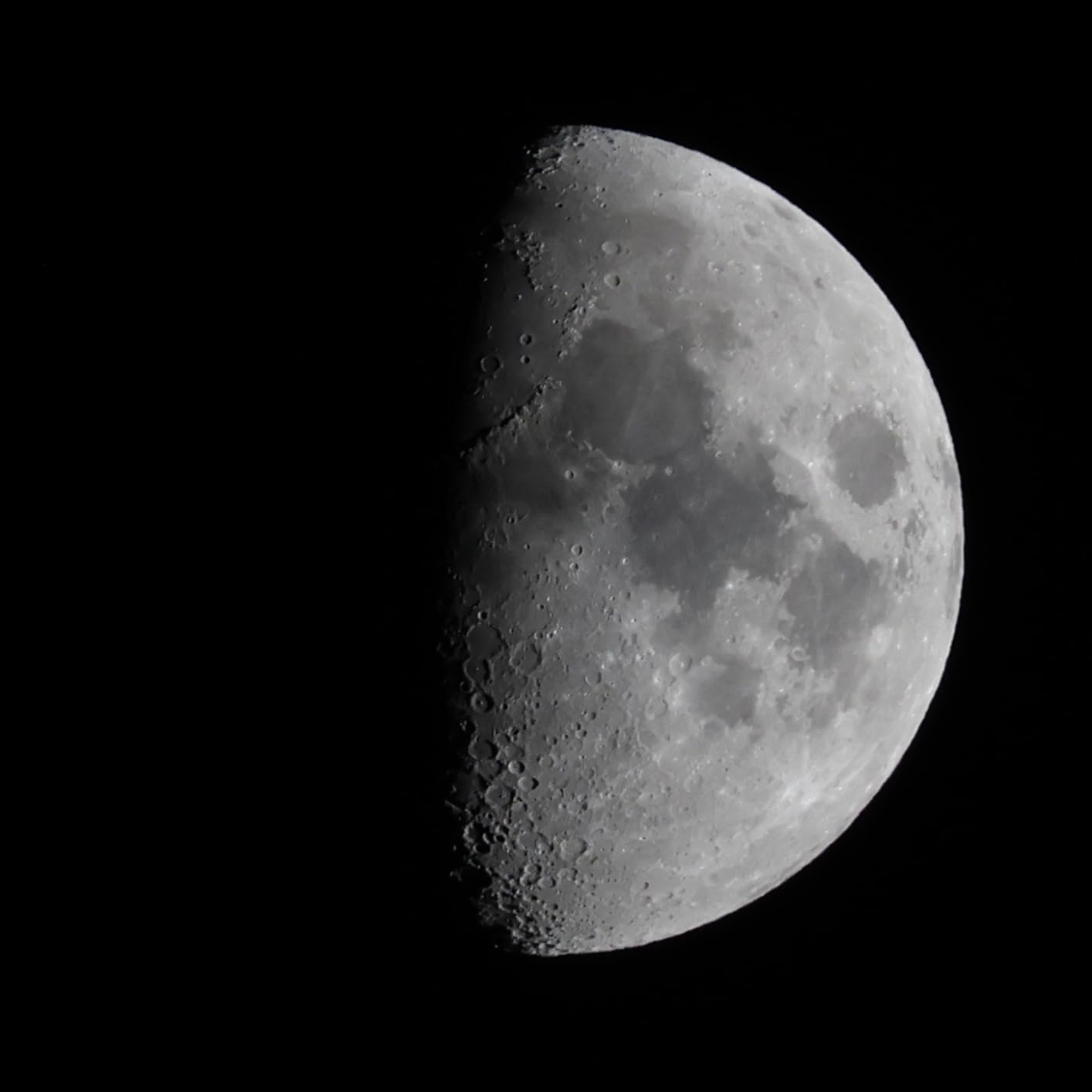
The image stabilization is the standout feature. Up to 5.5 stops of shake correction on its own, and up to 6 stops when paired with EOS R series cameras featuring In-Body Image Stabilization. This level of stabilization is exceptional at this price point and makes handheld shooting practical even at 400mm in decent light.
The Nano USM autofocus combines the speed of ring USM with the smoothness of stepping motors. For video work in the paddock, it transitions focus smoothly. For still photography, it locks onto subjects quickly and accurately. I found focus tracking reliable for motorsport subjects moving at moderate speeds, though it can struggle slightly with very fast lateral movement compared to L-series optics.
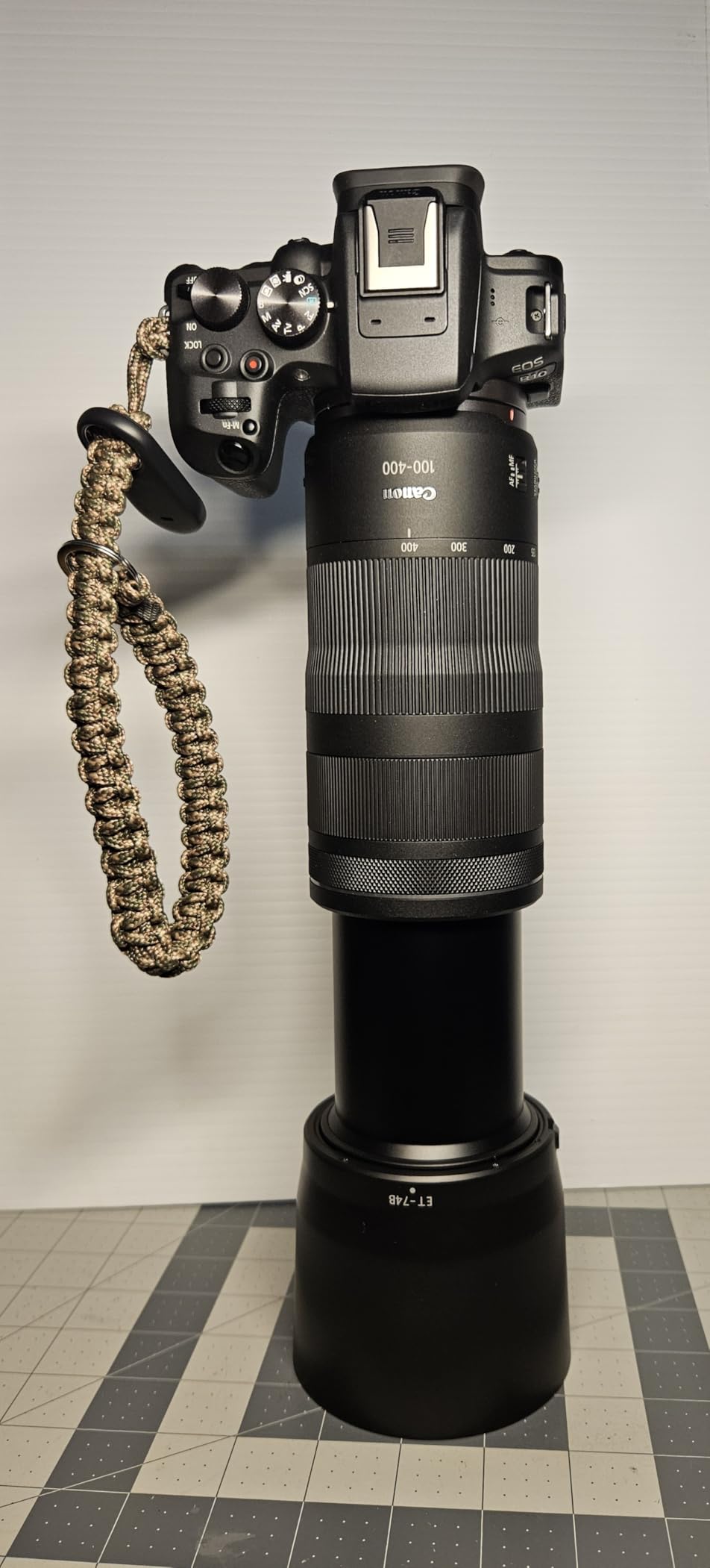
Ideal for Beginner Motorsport Photographers
If you are just starting in motorsport photography, this lens gives you the reach and image quality to produce genuinely impressive results without a massive investment. The 100-400mm range teaches you how to work with telephoto focal lengths, track moving subjects, and compose tight action shots. It is the perfect learning lens that also delivers publishable results.
The compact size means it fits easily in a standard camera bag alongside a kit lens or standard zoom. You can carry it all day without fatigue, which encourages you to shoot more and develop your skills faster.
When to Upgrade from This Lens
The variable f/5.6-8 aperture is the main limitation. For professional low-light work, night racing, or situations where you need subject separation through shallow depth of field, an f/2.8 or constant f/4 lens will serve better. The lack of weather sealing also means you need to be cautious in rain or heavy dust.
If you find yourself consistently limited by the aperture or build quality, upgrading to the RF 70-200mm f/2.8 or the EF 100-400mm L series with an adapter makes sense. But for many photographers, this lens covers 80 percent of trackside needs at a fraction of the cost.
8. Canon EF 100-400mm f/4.5-5.6L IS USM – Classic L-Series for DSLR
Canon EF 100-400mm f/4.5-5.6L is USM Telephoto Zoom Lens for Canon SLR Cameras
100-400mm L-series
f/4.5-5.6
Fluorite elements
Extender compatible
EF mount
1380g
Pros
- Fluorite and Super UD glass for exceptional optics
- 2 Image Stabilizer modes
- Compatible with 1.4x and 2x extenders
- 5.9 ft close focusing distance
- Classic L-series build quality
Cons
- Not water resistant
- Older EF mount design
- Variable aperture at max zoom
The Canon EF 100-400mm f/4.5-5.6L IS USM has been a workhorse for motorsport photographers for years, and it remains relevant even as Canon transitions to the RF mount. If you shoot with a Canon DSLR or use an EF-RF adapter on a mirrorless body, this lens delivers the L-series optical quality that motorsport photography demands at a more accessible price than newer alternatives.
The optical design uses Fluorite and Super UD-glass elements that largely eliminate the secondary spectrum, producing images with excellent color fidelity and sharpness. I have compared shots from this lens against newer RF telephoto options, and the image quality holds up remarkably well. The L-series build quality means this lens will survive years of track use.

The push-pull zoom design takes some getting used to, but many experienced motorsport photographers actually prefer it for racing. You can zoom from 100mm to 400mm in a single smooth motion, which is faster than twisting a ring when you need to quickly reframe as a car approaches. The zoom tension is adjustable, letting you find the right balance for your shooting style.
Two image stabilizer modes give you options for different shooting scenarios. Mode 1 corrects both horizontal and vertical shake for static subjects, while Mode 2 is designed for panning. I use Mode 2 extensively for motorsport panning shots, and it works well for tracking cars through corners at slower shutter speeds.

EF to RF Adapter Performance
If you have moved to a Canon EOS R series body, this EF lens works flawlessly with the Canon EF-EOS R adapter. Autofocus speed is maintained, image stabilization works in conjunction with the camera’s IBIS, and image quality is identical to using it on a DSLR. This makes it an excellent value choice for RF shooters who do not want to pay for native RF telephoto lenses.
The adapter adds minimal weight and size, and the integrated design means there is no optical compromise. Many professional photographers continue using this lens on RF bodies because the image quality and build justify keeping it in service.
Extender Compatibility for Extended Reach
Compatibility with Canon Extender EF 1.4x II and 2x II extends this lens to 560mm f/8 or 800mm f/11. The 1.4x extender is practical for motorsport photography with minimal image quality loss. The 2x extender pushes the limits but gives you genuine super-telephoto reach for distant subjects at large circuits.
Autofocus performance with the 1.4x is good on most Canon bodies. With the 2x, autofocus may be limited to the center focus point on some bodies, so verify compatibility with your specific camera before relying on it for critical work.
How to Choose the Right Lens for Auto Racing Photography?
Selecting the best lens for auto racing photography comes down to understanding your shooting position, the tracks you visit, and the type of images you want to create. Let me break down the key factors that should guide your decision.
Focal Length: The Most Important Decision
Focal length determines how close you can get to the action, and in motorsport photography, this is your primary consideration. The 70-200mm range is the universally recommended starting point because it covers the most common trackside scenarios: pit lane, paddock, slow corners, and medium-distance action. Nearly every professional motorsport photographer carries a 70-200mm f/2.8 as their primary lens.
For longer reach, lenses in the 100-400mm range give you more flexibility at larger circuits where the action is further away. The 200-600mm range and beyond is for photographers shooting from grandstands or covering massive circuits where cars are tiny in the frame at standard telephoto distances. On APS-C bodies, remember that the crop factor multiplies your effective focal length by 1.5x or 1.6x, so a 200mm lens gives you approximately 300mm equivalent reach.
Aperture: f/2.8 vs Variable Aperture
Constant f/2.8 aperture lenses cost more but give you two critical advantages for motorsport photography. First, they gather four times more light than f/5.6 lenses, which means you can shoot at lower ISO for cleaner images or faster shutter speeds to freeze action. Second, f/2.8 creates beautiful background separation that makes cars pop against busy trackside environments.
Variable aperture lenses like f/5.6-6.3 or f/6.3-9 designs are more affordable and lighter, but they limit you in low light. For daytime racing in good conditions, they perform well. For overcast days, dusk sessions, or night racing, the f/2.8 advantage is substantial. If your budget allows, an f/2.8 zoom should be your first priority.
Image Stabilization for Panning
Image stabilization with a dedicated panning mode is extremely valuable for motorsport photography. Panning mode detects horizontal camera movement and only compensates for vertical shake, allowing you to capture sharp cars with blurred backgrounds at shutter speeds as slow as 1/60s or even 1/30s with practice. This creates the dynamic sense of speed that makes racing photos compelling.
Look for lenses with 4 or more stops of stabilization and a mode specifically labeled for panning. Canon IS Mode 2, Nikon VR Sport mode, and Sony OSS with panning detection all serve this purpose. The difference between a good pan and a great pan often comes down to how well your stabilization system supports the technique.
Autofocus Speed and Tracking
Fast, reliable autofocus tracking is essential for motorsport photography. Cars moving at 150-plus mph require autofocus systems that can predict subject movement and maintain focus through the burst. Look for lenses with linear motors, Nano USM, or ring-type ultrasonic motors, as these provide the speed and smoothness needed for action photography.
The combination of a fast lens motor and a camera body with good subject tracking algorithms is what produces consistently sharp action shots. Test any lens with your specific camera body before committing, as the lens-camera combination matters more than either component alone.
Sensor Size: Full Frame vs APS-C
Your camera’s sensor size affects effective focal length and should factor into lens selection. Full-frame sensors give you the stated focal length directly and perform better in low light. APS-C sensors multiply focal length by approximately 1.5x (Nikon, Sony, Fujifilm) or 1.6x (Canon), which effectively gives you more reach from the same lens.
For motorsport photographers on APS-C bodies, a 70-200mm lens gives you 105-300mm equivalent reach, which is excellent for most track scenarios. This crop factor advantage makes shorter, lighter, faster lenses more practical on APS-C, which is worth considering if you are deciding between full-frame and crop-sensor systems.
Weather Sealing and Build Quality
Race tracks are demanding environments with dust, heat, occasional rain, and constant physical activity. Weather-sealed lenses with professional build quality survive these conditions better and last longer. Canon L-series, Nikon professional-grade, and Sony G-series lenses typically include weather sealing that protects against dust and moisture.
If your lens lacks weather sealing, be prepared to protect it in challenging conditions. Rain covers and careful handling can compensate, but native weather sealing provides peace of mind during unexpected weather changes that are common at outdoor circuits.
Frequently Asked Questions
What is the best lens for taking photos of auto racing?
The 70-200mm f/2.8 is the best lens for auto racing photography. It covers the most useful focal lengths for trackside shooting, the constant f/2.8 aperture handles changing light conditions, and fast autofocus tracks moving cars reliably. The Canon RF70-200mm F2.8 L IS USM, Nikon AF-S NIKKOR 70-200mm f/2.8E FL ED VR, and Tamron 70-180mm F/2.8 Di III VXD are top choices depending on your camera system.
What lenses do F1 photographers use?
F1 photographers typically carry a combination of lenses including a 70-200mm f/2.8 for close trackside action, a 100-400mm or 200-600mm telephoto for medium-distance corners, and super-telephoto primes like 400mm f/2.8 or 600mm f/4 for distant sections. Most professionals also carry a 24-70mm for paddock and environmental work.
What is the best focal length for taking pictures of motorsports?
The best focal length for motorsport photography depends on your shooting position. For credentialed trackside positions, 70-200mm covers most situations. For grandstand or spectator areas, 100-400mm or 200-600mm provides the reach needed to fill the frame. Most photographers benefit from having both ranges covered across two lenses.
What are the best Canon lenses for motorsport photography?
The best Canon lenses for motorsport photography include the RF70-200mm F2.8 L IS USM as the essential first lens, the RF100-400mm F5.6-8 IS USM for budget-conscious RF shooters, the RF200-800mm F6.3-9 IS USM for maximum reach, and the EF 100-400mm f/4.5-5.6L IS USM for DSLR users or RF shooters with an adapter.
Is 70-200mm enough for racing photography?
Yes, 70-200mm is enough for most trackside racing photography, especially at smaller circuits and with media credentials that put you close to the action. Professional motorsport photographers consistently say the 70-200mm is their most-used focal length. For large circuits or grandstand positions, you will also want a longer telephoto like a 100-400mm or 200-600mm in your bag.
Final Thoughts
Finding the best lenses for auto racing photography comes down to matching focal length, aperture, and build quality to your specific shooting situation. For most photographers, a 70-200mm f/2.8 is the foundation of a motorsport kit, and the Canon RF70-200mm F2.8 L IS USM stands out as the overall top pick for 2026. Sony shooters get outstanding value from the FE 200-600mm for serious reach, and the Canon RF100-400mm delivers the best budget entry point for new motorsport photographers.
Build your kit around a primary lens first, then add reach as your needs and budget allow. The right lens will last through multiple camera body upgrades, so invest in quality glass that serves you at every track you visit.