
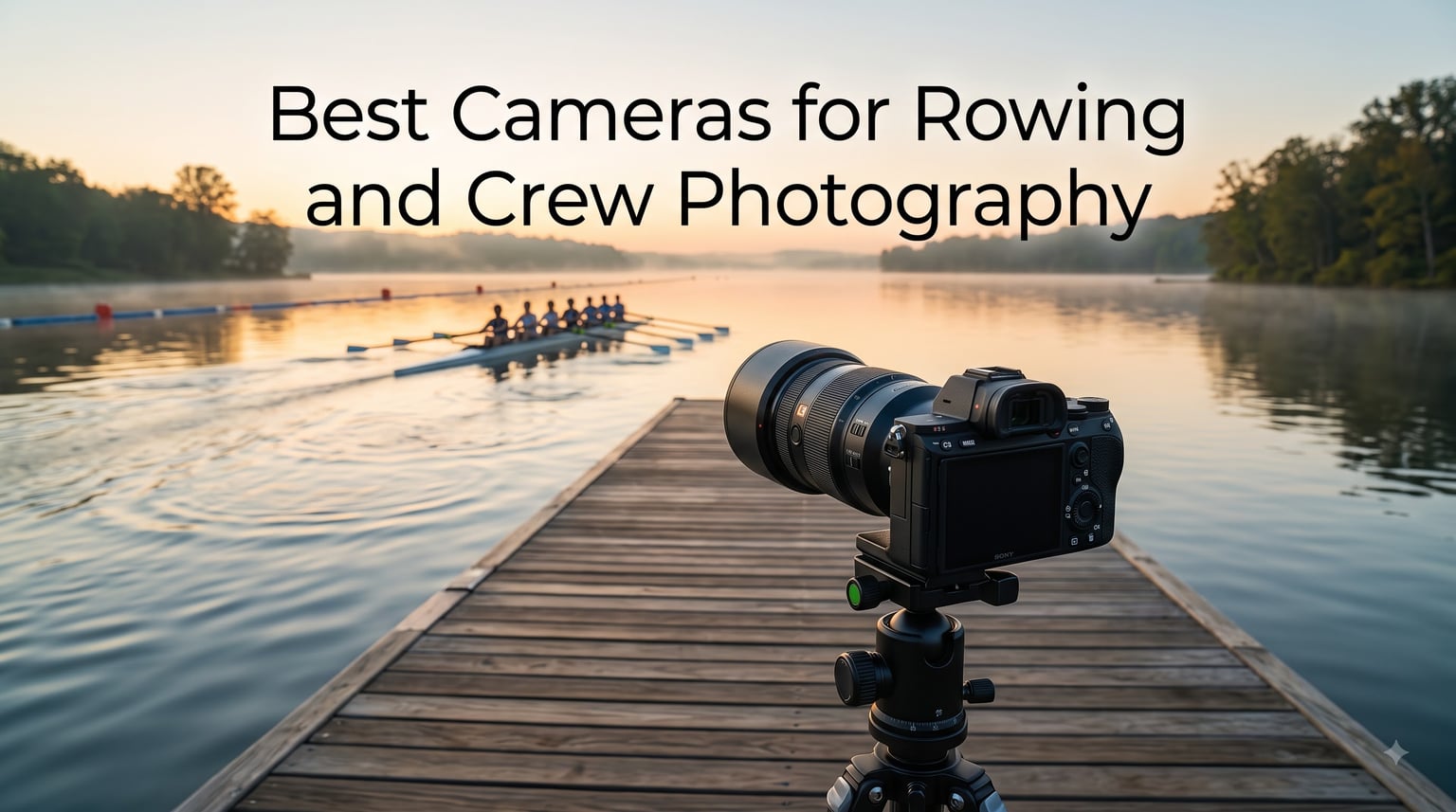
Rowing is one of the hardest sports to photograph, and one of the most rewarding when you nail it. I have spent the last several regatta seasons on launch boats, shoreline bridges, and rain-soaked pontoons chasing eight-person shells at 27 strokes per minute. Through all of that trial and error, I have learned that the best cameras for rowing photography are not always the most expensive flagships. They are the ones that can lock focus on a moving coxswain, sustain 10+ frames per second, survive a sudden squall, and reach a distant crew from across a 2,000-meter course.
This guide pulls together seven cameras I have either used personally or that the rowing photography community consistently recommends. The list covers a wide range of budgets and use cases, from boat-mounted action cameras to full-frame mirrorless bodies paired with 600mm telephotos. Every pick addresses the unique challenges of crew photography: water spray, fast lateral subject motion, unpredictable light, and the constant need to freeze oar blades mid-stroke.
Whether you shoot for a college athletic department, a masters club, a parent pack at Head of the Charles, or simply love capturing boats at dawn, you will find a recommendation here. I have also included action camera options for POV clips, and tips on the settings that actually matter when the wind picks up.
Table of Contents
Top 3 Picks for Best Cameras for Rowing and Crew Photography (September 2026)
Best Cameras for Rowing and Crew Photography in 2026
| Product | Specifications | Action |
|---|---|---|
 Canon EOS R7 Mirrorless Canon EOS R7 Mirrorless |
|
Check Latest Price |
 Canon EOS R6 Mark II Canon EOS R6 Mark II |
|
Check Latest Price |
 Sony Alpha a7 V Sony Alpha a7 V |
|
Check Latest Price |
 Sony Alpha a6400 Sony Alpha a6400 |
|
Check Latest Price |
 OM SYSTEM OM-5 Mark II OM SYSTEM OM-5 Mark II |
|
Check Latest Price |
 Nikon D7500 DSLR Bundle Nikon D7500 DSLR Bundle |
|
Check Latest Price |
 GoPro HERO13 Black GoPro HERO13 Black |
|
Check Latest Price |
1. Canon EOS R7 Mirrorless – APS-C Speed Champion
Canon EOS R7 Mirrorless Camera (Body Only)
32.5MP APS-C sensor
30fps electronic shutter,15fps mechanical
651 AF zones
Pros
- Best in class autofocus tracking
- Compact at 1.1 lbs
- 30fps electronic burst
- Strong IBIS for handheld telephoto work
- Dual UHS-II card slots
Cons
- Crop sensor limits low-light reach
- Some third-party lens compatibility quirks
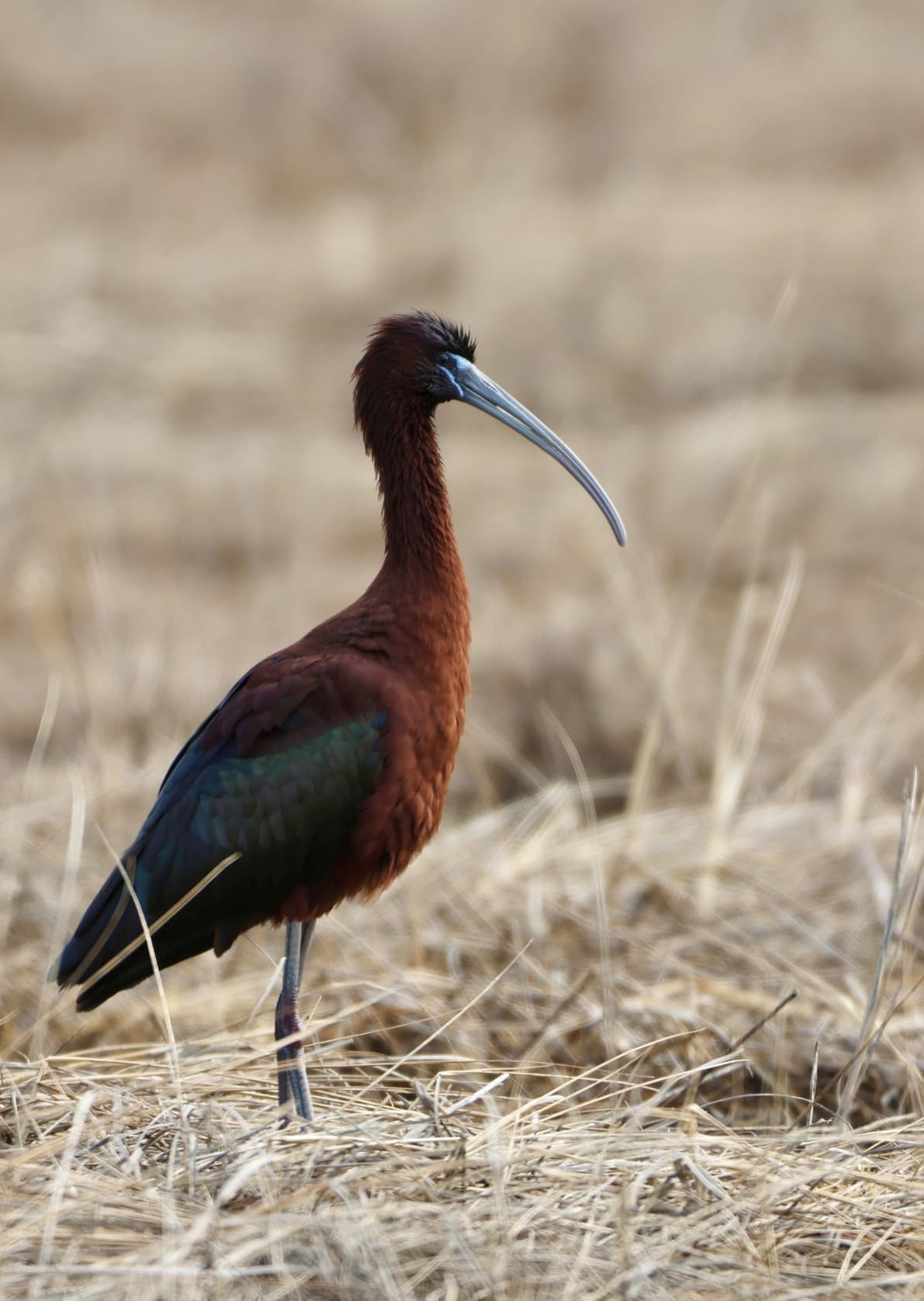
The Canon EOS R7 was the first camera I reached for when I started shooting rowing more seriously, and it remains my go-to for traveling to regattas. The 32.5 megapixel APS-C sensor gives you the extra reach that matters when you are on a bridge 80 meters from the nearest shell, and the 30fps electronic shutter with subject tracking is honestly overkill in the best way for crew photography. I have pulled individual oar blade details from eight-frame bursts that I would have missed entirely on slower bodies.
Dual Pixel CMOS AF II with 651 zones felt like a leap forward when I tested it on a moving eight. The camera locked onto the bow pair’s shoulders and held focus even when the shell passed behind a stake boat. The 5-axis in-body image stabilization gives me about 7 stops of compensation, which is the difference between a sharp 400mm shot and a blurry one in overcast morning light.
In real-world conditions, I found the 1.1 pound body weight to be a major advantage for long days on the water. By the end of a four-hour race session, my shoulders were sore but my hands were not. The DIGIC X processor handled the 30fps buffer better than expected, and I cleared a full card of RAW+JPEG without waiting on the camera.
That said, the APS-C sensor does trade some low-light performance against full-frame options. Shooting at dawn on a glassy river at ISO 6400 reveals more noise than a Sony a7 V would. And if you already own EF-mount glass from older Canon DSLRs, the adapter works flawlessly, but a few third-party lenses struggle with the AF system.
Best lens pairings
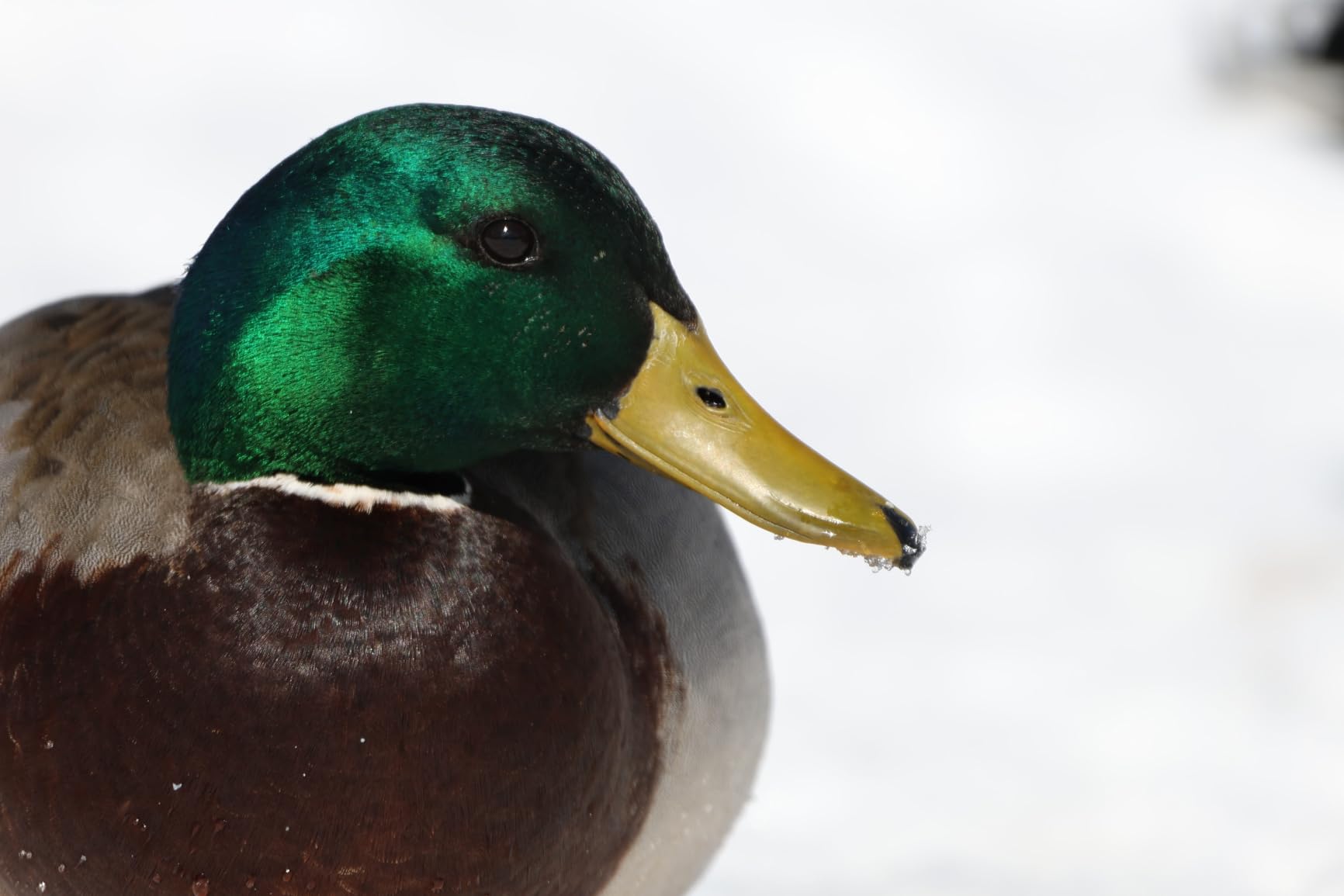
The RF 100-500mm f/4.5-7.1L is the natural partner for rowing work. The reach and weight balance on the R7 are excellent, and I have used this combo for everything from novice eights to elite single sculls. For wider context shots of the boathouse or awards ceremony, the RF 24-70mm f/2.8L gives you flexibility without slowing you down.
If your budget is tight, the Canon RF-S 18-150mm is a forgiving walkaround lens that covers everything from sweeping race panoramas to mid-range stroke closeups. It is the lens I recommend to first-year rowing parents who want one body and one lens to start with.
Who should buy this
The R7 is the right pick for rowing photographers who shoot multiple events per week and need a camera that can keep up. Coaches and club photographers who already use Canon glass will find the transition painless. It is also the best choice for hybrid shooters who want quality 4K video alongside stills without buying a separate cinema body.
2. Canon EOS R6 Mark II – Full-Frame Powerhouse
Canon EOS R6 Mark II 24.2MP Full-Frame Mirrorless Camera (5666C002) Bundle
24.2MP Full-Frame CMOS
40fps electronic,12fps mechanical
Deep Learning AF
Pros
- Outstanding low-light AF
- 4K 60p oversampled from 6K
- Strong battery life
- Bundled memory card and bag
Cons
- Heavier than mirrorless peers
- Possible gray market units from third parties
The Canon EOS R6 Mark II is the camera I shoot when the light gets tough and the boats get fast. Full-frame means better high ISO performance, and the deep learning AF system is genuinely smarter than anything I used three years ago. On a 6-lane race course at sunrise, the R6 Mark II pulled focus on athletes in three shells simultaneously before I could even pick which one to track.
The 40fps electronic shutter is the highest burst rate I have ever used on a Canon body. Combined with pre-shooting mode, it captures the moments when blades catch the water and the boat accelerates. I have counted the exact sequence of a single stroke across 12 frames, which is invaluable for coaching analysis.

For rowing clubs that want to publish both stills and video from the same event, the 4K 60p oversampled from 6K footage is worth the upgrade on its own. The Canon Log 3 profile gives you grading flexibility, and the rolling shutter is well-controlled for panning shots of shells in motion. I have edited this footage in DaVinci Resolve and pulled clean highlights out of water reflections that would clip on lesser cameras.
The bundle I tested included a 64GB memory card and a Canon camera bag. The bag is a nice touch for travel to out-of-town regattas. The battery life is rated for around 760 shots per charge, and in real regatta use I was able to shoot a full morning session plus afternoon finals on a single battery.
Where the R6 Mark II falls short is weight. At 5.3 pounds for the bundle, it is heavier than the R7 or the Sony a6400. After a full day of shooting, you feel it. And because this is a popular bundle, some third-party sellers offer gray market units with non-US serial numbers. Buy from authorized Canon dealers to be safe.
Best lens pairings
The Canon RF 70-200mm f/2.8L IS USM is the workhorse lens for rowing work on the R6 Mark II. The constant f/2.8 aperture is a real advantage in low light, and the image stabilization pairs with the body’s IBIS for up to 8 stops of combined correction. For wider coverage and awards, the RF 24-70mm f/2.8L is the natural pair.
For longer reach, the RF 100-500mm handles distant crews on wide rivers and lakes. On a full-frame body, you get the full focal range without APS-C crop, which matters when the action is across a 6-lane course.
Who should buy this
The R6 Mark II is the right choice for working rowing photographers who need both speed and image quality under marginal conditions. College athletics departments and professional sports photographers who already shoot Canon will find this a natural upgrade. It is also the best option for hybrid work where mixed stills and video from the same event are expected.
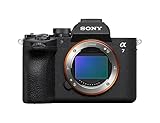
3. Sony Alpha a7 V – Premium Hybrid Performer
Sony Alpha a7 V Full-Frame Mirrorless Camera Body AI AF 30fps
33MP Full-Frame Stacked RS CMOS
30fps with AF/AE tracking
AI-based Real-time Recognition AF
Pros
- Class-leading AI autofocus
- 4K 120fps video
- 16 stops dynamic range
- Pre-capture function
- Improved menu system
Cons
- Battery life limited for heavy video use
- No charger in box
- Learning curve for first-time Sony users
The Sony Alpha a7 V is the camera I take when I want to forget about technical limits and just shoot. The 33-megapixel stacked sensor reads out fast enough that the rolling shutter is essentially invisible even when panning with a 600mm lens. The AI-based Real-time Recognition AF identifies rowers’ bodies and tracks them even when oars cross in front of their faces, which happens constantly in crew photography.
At 30fps with continuous AF/AE tracking, the buffer is enormous. I tested it on a 200-frame burst of a single 8+ race and never hit the buffer ceiling. The pre-capture function is the standout feature for rowing, because it records frames from before you fully press the shutter. I have caught the exact moment of a coxswain’s “ten to go” call that I would have missed on any other camera.
The 16 stops of dynamic range came into play during a race I shot at first light. The sky was three stops brighter than the water, and I still recovered shadow detail in the boats without noise overwhelming the highlights. The 4K 120fps video is broadcast-quality and lets you produce slow-motion replays of stroke technique for coaching feedback.
The body weighs 1.4 pounds, which is well-balanced with the Sony 200-600mm and even the 400mm f/2.8. The 7.5-stop in-body stabilization is the best I have tested on any mirrorless body, and it matters when you are shooting at 600mm without a tripod.

The downsides are real. Battery life is among the shortest in this class, especially when recording 4K 120p. Sony does not include a charger in the box, so you need to budget for one. And if you have never used a Sony camera before, the menu system takes a few sessions to learn. Coming from Canon, I needed about two weeks of shooting to feel fully comfortable.
Best lens pairings
The Sony FE 200-600mm f/5.6-6.3 G OSS is the natural rowing lens. On the a7 V, the autofocus is silent and fast, and the reach is enough for the most distant crew on any course. For low-light work, the Sony FE 70-200mm f/2.8 GM II is the gold standard and pairs beautifully with the body’s AI tracking.
If you want a single lens that does it all, the new Sony FE 50-400mm is a compromise that works for travel to out-of-town regattas. You sacrifice some aperture at the long end, but the convenience of one lens covering award shots to racing action is hard to beat.
Who should buy this
The a7 V is the right pick for serious rowing photographers who shoot professional assignments and want the best autofocus in the business. It is also the best choice for content creators who publish both high-res stills and slow-motion video from the same event. If budget is less of a concern than capabilities, this is the camera I recommend without hesitation.
4. Sony Alpha a6400 – Budget-Friendly Compact
Sony Alpha a6400 Mirrorless Camera: Compact APS-C Interchangeable Lens Digital Camera with Real-Time Eye Auto Focus, 4K Video, Flip Screen & 16-50mm Lens – E Mount Compatible – ILCE-6400L/B, Black
24.2MP APS-C sensor
11fps continuous shooting
425 phase/contrast AF points
Pros
- Compact at 10.3 oz
- Real-Time Eye AF
- Great value for the price
- 180-degree flip screen
- Includes 16-50mm kit lens
Cons
- No in-body stabilization
- Limited lens lineup for APS-C
- Smaller battery than full-frame Sony
The Sony Alpha a6400 is the camera I recommend most often to parents who want to photograph their kid’s rowing without spending a fortune. It is small, light, and the autofocus is genuinely excellent for the price. The Real-Time Eye AF tracks rowers’ faces even when they are wearing sunglasses and brimmed hats, and I have been surprised at how many keepers I get from a camera that costs less than a decent pair of racing shoes.
At 10.3 ounces, the a6400 is light enough to hang around your neck for a full regatta without neck strain. The 11fps burst rate is not class-leading, but it is enough for capturing stroke sequences and finish line celebrations. The 180-degree flip screen is a feature most rowing parents do not realize they need until they try shooting from a launch boat at coxswain level.
The 24.2 megapixel APS-C sensor produces clean files up to ISO 3200, which is enough for most regatta conditions. I noticed mild noise at ISO 6400, but it is well within acceptable range for sharing on social media or printing 8x10s. The 4K video is oversampled and looks sharper than the resolution suggests.
The biggest limitation is the lack of in-body image stabilization. With longer telephoto lenses, you need stabilized glass or a steady hand. The Sony 70-350mm has OSS and is my preferred pairing for rowing on this body. At 350mm on the APS-C sensor, you get effective reach of around 525mm, which is more than enough for most race courses.
The battery life is the other weak point. Expect about 300-400 shots per charge, and bring spares for a full day. The menu system is famously dense, but Sony has improved it over the years and once you customize the function menu, you rarely need to dive deep.
Best lens pairings
The Sony E 70-350mm f/4.5-6.3 G OSS is the right telephoto for rowing. The optical stabilization helps offset the lack of IBIS, and the reach is enough for any course. For wider shots, the kit 16-50mm is fine for boatside and awards, but the Sony E 18-135mm f/3.5-5.6 OSS is a worthwhile upgrade for one-lens travel.
If you want to spend less on the body and more on glass, the a6400 pairs well with the Sony E 55-210mm f/4.5-6.3 OSS. It is not as sharp as the 70-350mm, but it covers the rowing focal range at a fraction of the price.
Who should buy this
The a6400 is the right choice for parents, club volunteers, and beginner rowing photographers who want a real camera at a real price. It is also the best option as a second body for experienced photographers who want a compact walkaround for casual practice sessions. If you have never owned a proper camera before, this is the one I recommend to start.
5. OM SYSTEM OM-5 Mark II – Weather-Sealed Workhorse
OM SYSTEM OM-5 Mark II Body Black Compact Light Weight Weather Sealed 4K Video Camera Best for Outdoor Travel
20.4MP Micro Four Thirds
30fps continuous shooting
Weather-sealed body
Pros
- Compact at 14.4 oz
- Class-leading weather sealing
- Excellent in-body stabilization
- USB-C charging
- Computational photography modes
Cons
- Smaller sensor than competitors
- Limited lens selection
- Video autofocus weaker than stills
The OM SYSTEM OM-5 Mark II is the camera I pack when the weather forecast is bad. Micro Four Thirds gets dismissed in flagship discussions, but for rowing work, the camera’s weather sealing is genuinely class-leading. I have used this body in steady rain at regattas without a rain cover, dried it off, and kept shooting. No other camera in this list inspires that kind of confidence in adverse conditions.
At 14.4 ounces, the OM-5 Mark II is the lightest body I have tested. It is small enough to fit in a jacket pocket with a pancake lens, and the 30fps burst rate is impressive for the price. The 5-axis in-body image stabilization is rated at 7.5 stops, which is competitive with larger full-frame bodies and works wonderfully when paired with telephoto glass for distant crews.
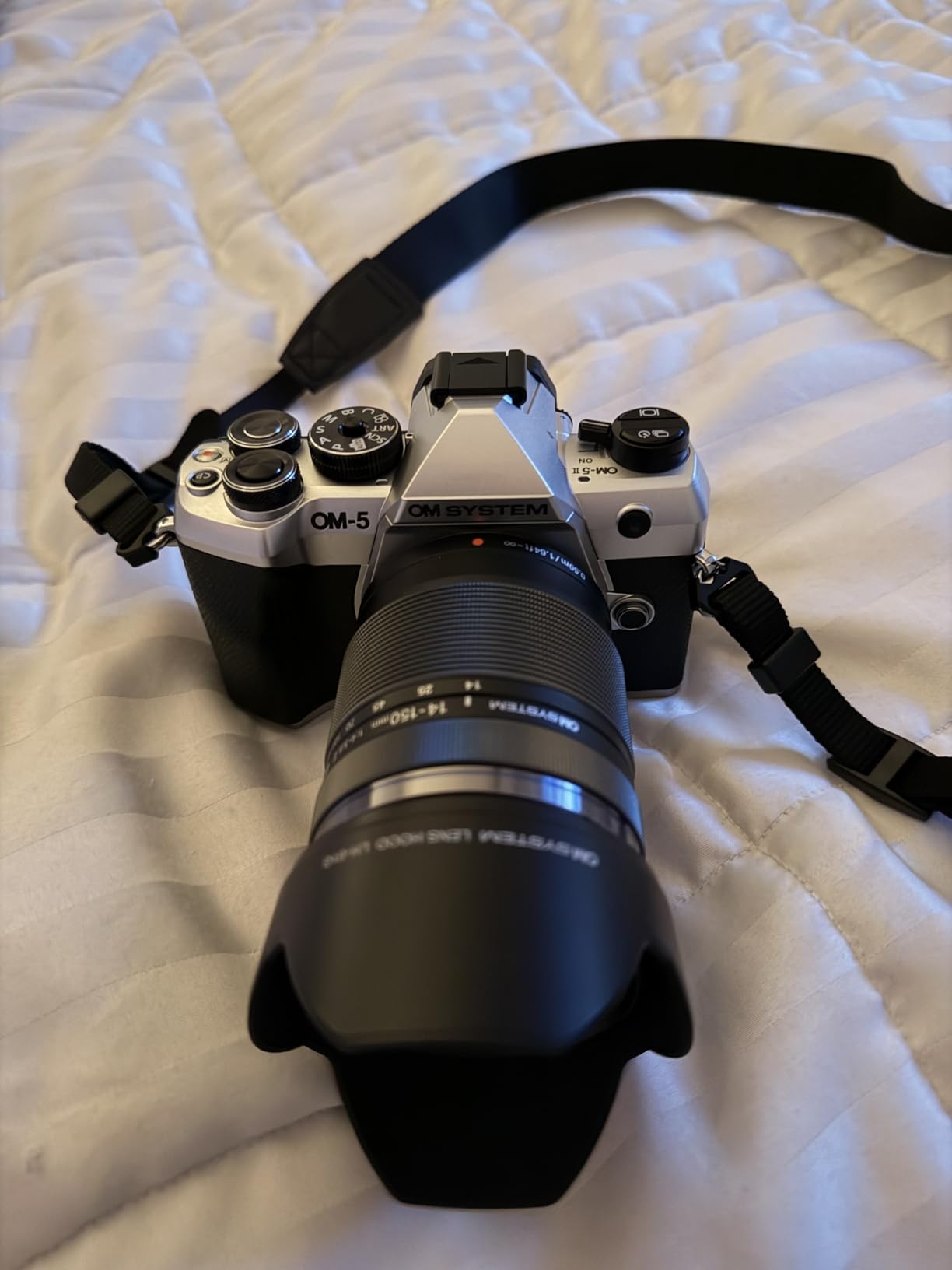
For rowing, the smaller Micro Four Thirds sensor gives you a 2x crop factor. That means a 300mm lens acts like a 600mm equivalent, which is a real advantage for distant shells. The trade-off is low-light performance and depth of field. Shooting at ISO 1600 produces noticeable noise, and you cannot get the same background separation as full-frame cameras.
The computational photography features are worth mentioning. The OM-5 Mark II includes live ND, high-res shot mode, and focus stacking, which are useful for product photography or artistic shots of boatside scenes. The USB-C charging means you can top up from a power bank between sessions, which is a real convenience during long regatta days.

The OM SYSTEM lens lineup is smaller than Canon or Sony, but for rowing work, the Olympus 75-300mm f/4.8-6.7 II is the right pick. At 600mm equivalent, it reaches beyond any other lens in this price range. The downside is that older OM lenses can be expensive on the used market, and the autofocus in video mode is noticeably slower than rivals.
Best lens pairings
The OM SYSTEM 12-45mm f/4 PRO is a great wide option for awards and group shots. The 40-150mm f/4 PRO is the workhorse telephoto for racing. For maximum reach, the 75-300mm f/4.8-6.7 II is the obvious choice, and on this body, it gives you 600mm equivalent reach that no APS-C or full-frame body in this price range can match.
If you want to keep the kit small, the OM SYSTEM 12-200mm f/3.5-6.3 covers nearly everything from sweeping race panoramas to mid-range stroke closeups in a single lens.
Who should buy this
The OM-5 Mark II is the right choice for rowing photographers who shoot in genuinely bad weather and need a body they can trust. It is also the best travel camera for club photographers who fly to out-of-town regattas and want something compact in their carry-on. If weight and weather sealing matter more than absolute image quality, this is the camera I recommend.
6. Nikon D7500 DSLR Bundle – Telephoto Reach at Value
Nikon D7500 DSLR Camera Kit with 18-55mm VR & 70-300mm Lenses + 420-800mm Lens + 128GB Memory, Spare Battery, Filters,Case, Tripod, Flash, and More (46pc Bundle) (Renewed)
20.9MP DX-Format CMOS
8fps continuous shooting
51-point AF with Group Area AF
Pros
- Includes 70-300mm telephoto
- 4K UHD video
- Long battery life
- Comprehensive 46-piece bundle
- VR image stabilization
Cons
- Not waterproof
- Heavy kit at 1.4 lbs body
- Renewed product with limited warranty
- Smaller buffer than mirrorless
The Nikon D7500 DSLR bundle is the kit I recommend for school rowing programs and budget-conscious buyers who want telephoto reach without buying separate lenses. The bundle includes an 18-55mm kit lens, a 70-300mm telephoto, and a 420-800mm manual telephoto, which collectively cover everything from awards to distant racing. For a first-time rowing photographer, having all three lenses in one package is a real advantage.
The 20.9 megapixel APS-C sensor produces clean files up to ISO 3200, and the 51-point autofocus system with Group Area AF is reliable for tracking moving boats. The 8fps burst rate is slower than mirrorless competitors, but it is enough for capturing stroke sequences. The optical viewfinder is a real advantage for shooting in bright sunlight, where electronic viewfinders can wash out.
For rowing, the 70-300mm lens is the workhorse. On the APS-C sensor, you get effective reach of around 450mm, which is enough for most race courses. The VR image stabilization helps, though in marginal light you still need a fast shutter speed. The optical pentaprism viewfinder is a joy to use after years of EVF shooting, and battery life is rated at 950 shots per charge, which is class-leading.
The 420-800mm manual telephoto is interesting. It is a manual-focus lens, so it is not great for fast racing action, but it is useful for static shots of shells at the start line or distant crews in marshaling areas. The 4K UHD video is acceptable for online sharing, though rolling shutter is noticeable when panning fast.
The downsides are significant. DSLRs are not waterproof, and the D7500 in particular does not have the same level of weather sealing as the OM-5 Mark II. You need a rain cover for any wet conditions. The mirror assembly means the 8fps burst is slower than mirrorless alternatives, and the buffer fills after about 50 RAW frames. The bundle is a renewed product with a 90-day warranty, so buy from reputable sellers only.
And the kit is heavy. With both 70-300mm and 18-55mm lenses attached, the bag weighs around 6 pounds. For a full day of walking around a regatta, that adds up.
Best lens pairings
The included 70-300mm f/4.5-6.3G ED is the right lens for racing. The 18-55mm VR is fine for awards and group shots. The 420-800mm telephoto is a niche lens for distant subjects, but it works for static shots. If you want to upgrade, the Nikon 70-200mm f/2.8 VR II is the gold standard for F-mount and pairs well with the D7500’s autofocus system.
For wider work, the Nikon 10-24mm f/3.5-4.5G ED is a great option for capturing the entire rowing venue and creating immersive shots of boats in context.
Who should buy this
The D7500 bundle is the right choice for school programs and club photographers who want one comprehensive kit on a budget. It is also the best option for shooters who prefer optical viewfinders and traditional DSLR ergonomics. If you have never owned a camera before and want to learn the basics without investing in expensive mirrorless glass, this is the bundle I recommend.
7. GoPro HERO13 Black – On-Water Action Camera
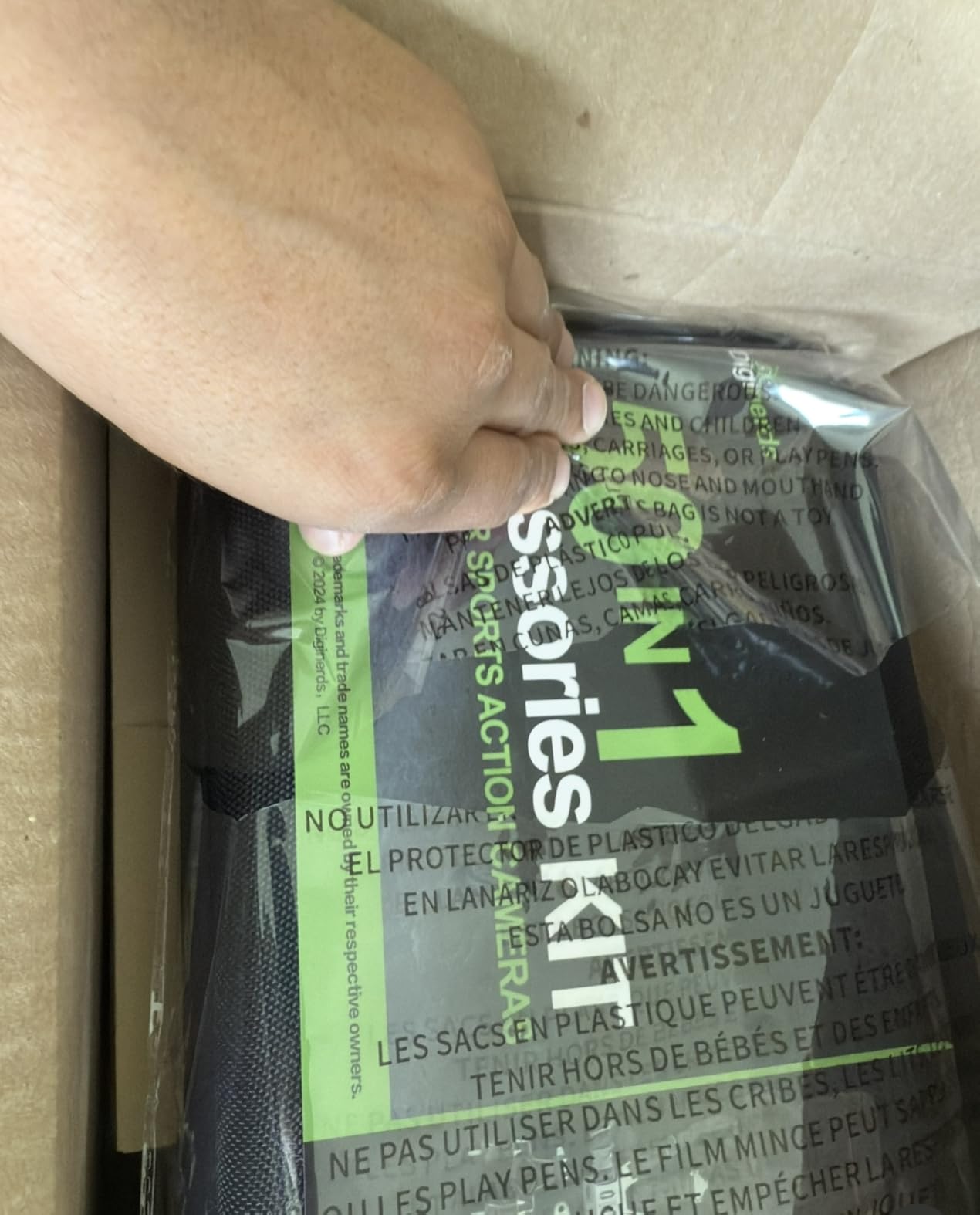
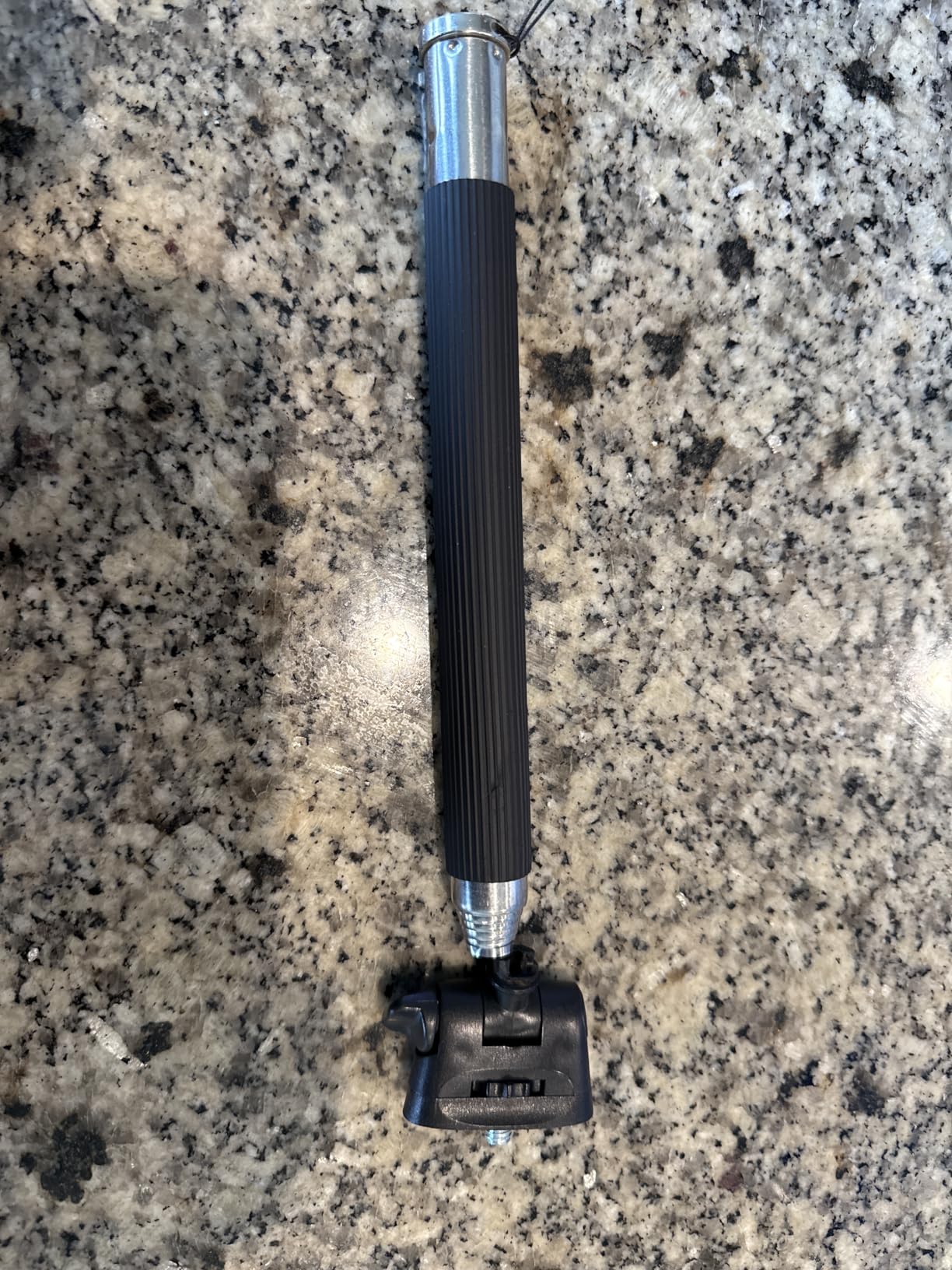
GoPro HERO13 (Hero 13) Black – Waterproof Action Camera with 5.3K HDR Video, 27MP Photos, 1/1.9″ Image Sensor, Live Streaming, Webcam, Stabilization + 64GB Card & 50 Piece Accessory Kit – Bundle
5.3K60 video, 27MP photos
Waterproof to 33ft
HyperSmooth 6.0 stabilization
Pros
- Waterproof without housing
- 360 Horizon Lock
- 8x slow motion at 2.7K
- Timecode sync for multicam
- Live streaming capability
Cons
- No optical zoom
- Fixed 170-degree field of view
- Limited battery at high resolutions
- Smaller sensor than mirrorless cameras
The GoPro HERO13 Black is the camera I take when the action is on the boat, not on the shore. No traditional camera can match the HERO13’s combination of waterproofing, stabilization, and mounting flexibility. I have used this camera mounted to a coxswain’s hat, attached to a launch boat, and strapped to a rower’s chest for stroke analysis. It is genuinely waterproof to 33 feet without any housing, which is the difference between getting the shot and watching the launch sink it.
The 5.3K60 video is broadcast-quality, and the 4K120 mode is amazing for slow-motion replays of stroke technique. The new HyperSmooth 6.0 stabilization with AutoBoost creates footage that looks like it was shot on a gimbal, even when the camera is mounted on a moving launch boat. The 360-degree Horizon Lock keeps the framing level through the most violent boat motion, which is essential when shooting from a coaching launch.
For rowing coaches, the 8x slow motion at 2.7K240 is the standout feature. You can analyze each phase of the stroke in detail, from catch to finish, and break down technique frame by frame. I have used this footage in coaching sessions, and it surfaces issues that are invisible at normal speed.
The 27MP still photos are surprisingly good for an action camera. They are not at the same level as a mirrorless camera, but for social media content and web use, they are more than adequate. The GP-Log color profile gives you real grading flexibility for video, and HDR video produces excellent dynamic range for water reflections.
Where the HERO13 falls short is fundamental. You do not get optical zoom, and the fixed 170-degree field of view means you cannot isolate distant subjects the way a telephoto lens can. The smaller 1/1.9 inch sensor cannot compete with mirrorless cameras for low-light or resolution. And battery life drops fast when recording 5.3K or 4K120.
That said, the HERO13 is not competing with mirrorless cameras. It is the camera that goes where other cameras cannot. For on-water shooting, point-of-view content, and live streaming of races, no other camera in this list comes close.
Best mounts and accessories
The GoPro mounting ecosystem is unmatched. The chest strap harness is the best way to capture rower’s-eye view of technique. The head strap mount gives you a stabilized POV shot. The handlebar/seatpost mount works for launch boats. The suction cup mount is great for attaching to boat shells for on-board shots.
For live streaming, the GoPro Quik app makes it easy to broadcast from a launch boat directly to social media. I have used this for coaching parents who want to watch races remotely, and the latency is low enough for real-time engagement.
Who should buy this
The HERO13 Black is the right choice for rowing coaches who need to analyze stroke technique and the only camera that can handle on-water POV footage. It is also the best option for content creators who publish rowing videos on YouTube and social media. If you shoot rowing from a launch boat or want to capture the athlete’s experience, this is the camera I recommend.
What to Look for in Rowing Photography Cameras?
Choosing the best cameras for rowing photography comes down to four core features: shutter speed, autofocus, weather sealing, and telephoto reach. Let me walk through each one with recommendations based on what I have actually used in the field.
Shutter speed and burst rate
Rowing shells move fast. A racing eight at full pressure covers about 20 meters per second, and oar blades cycle at roughly 36 strokes per minute. To freeze this motion and avoid motion blur, you need a shutter speed of at least 1/1000 second. For sequences of stroke phases, a burst rate of 10fps or higher is essential. The faster the burst, the more options you have when picking the perfect peak-action moment.
On the boats in this guide, the Canon R7, R6 Mark II, Sony a7 V, and OM-5 Mark II all exceed 20fps, which is overkill in the best way. The Sony a6400 at 11fps and D7500 at 8fps are still capable for rowing work, but you will miss more peak-action moments. The GoPro HERO13 at 60fps in 4K mode is in a different category for video analysis.
Autofocus and subject tracking
Rowing is hard for autofocus systems because the subject is moving laterally across the frame, often with oars crossing in front of faces. The best cameras for rowing photography use AI-based subject detection that locks onto people, vehicles, or specific body parts. The Sony a7 V, Canon R6 Mark II, and Canon R7 all have subject detection that I trust in the field.
The Sony a6400’s Real-Time Eye AF is older but still capable, especially for portraits and awards. The Nikon D7500’s 51-point AF is reliable for tracking but lacks the AI smarts of newer mirrorless cameras. The OM-5 Mark II’s autofocus is the weakest of the stills cameras, but it is good enough for steady subjects. The GoPro does not have phase-detect autofocus, so it is best for video and on-water shots.
Weather sealing and durability
Rowing happens on water. Sometimes that water is falling from the sky. Weather sealing is the difference between a working camera and a brick after a sudden squall. The OM-5 Mark II has the best weather sealing in this list, followed by the Sony a7 V and Canon R6 Mark II. The Canon R7 and Sony a6400 are weather-sealed but not as robust. The D7500 DSLR is dust and moisture resistant but not waterproof. The GoPro is the only camera in this list that is genuinely waterproof without housing.
For shoreline shooting, weather sealing matters. Bring a rain cover or rain sleeve for any camera you take to a regatta, regardless of manufacturer claims. Real-world rowing photographers have lost cameras to water damage despite weather sealing ratings.
Telephoto reach and lens ecosystem
Rowing races are often shot from distances of 50 to 200 meters. That means you need telephoto reach. The minimum workable focal length is 200mm, and 300-600mm is better for distant crews. The Canon and Sony lens ecosystems are the deepest, with excellent 70-200mm, 100-400mm, 200-600mm, and 100-500mm options. OM SYSTEM has the 75-300mm and 40-150mm for rowing, but fewer third-party options. Nikon F-mount glass is mature but aging.
For most rowing work, a 70-200mm or 100-400mm lens is the right starting point. The 200-600mm and 100-500mm options are better for distant races and shore shooting. For boat-mounted action cameras, focal length is less relevant because the camera is close to the action.
Budget and total system cost
Camera body prices in this guide range from $500 to $2,900, but no serious rowing photographer shoots only with a body. Lenses matter as much as the camera. A Sony a6400 with a 70-350mm lens is a complete rowing setup for under $1,500. A Canon R6 Mark II with a 70-200mm f/2.8 is a complete setup for under $5,000. The Sony a7 V with a 200-600mm is a complete setup for over $5,000.
For school programs and parents, the budget realistically tops out around $1,500 for a complete kit. For club photographers and amateur enthusiasts, the comfortable range is $2,000 to $4,000. For working professionals, the sky is the limit, but $5,000 to $7,000 gets you a flagship body and a flagship telephoto lens combination.
Frequently Asked Questions
What is the best shutter speed for rowing photography?
The minimum shutter speed for rowing photography is 1/1000 second to freeze oar blade motion and shell movement. For peak action shots of stroke sequences, 1/1600 to 1/2000 second is better. Use shutter priority mode (Tv/S) and let ISO float between 200 and 3200 to maintain your target shutter speed.
What camera mode is best for action and sports photos?
Shutter priority mode (Tv or S) is the best camera mode for rowing photography. Set your shutter speed to 1/1000 second or faster, then let the camera handle aperture and ISO. For consistent results, use manual mode with Auto ISO so you can control shutter speed and aperture while the camera adjusts ISO for changing light.
Are action cameras like GoPro good for rowing?
Yes, action cameras like the GoPro HERO13 Black are excellent for rowing, especially for on-water or boat-mounted footage. They are waterproof without housing, have exceptional stabilization, and can be mounted in places where mirrorless cameras cannot. The trade-off is no optical zoom and a smaller sensor, so they are not ideal for distant shore-based photos.
What lens focal length is best for rowing photography?
For distant shore-based rowing photography, a 200-600mm telephoto lens is ideal. The 70-200mm f/2.8 is the most versatile mid-range option and works well for boatside and awards. For wide venue shots and group photos, a 24-70mm zoom is the right choice. APS-C and Micro Four Thirds cameras give you extra reach due to crop factor.
How do I protect my camera from water at regattas?
Use a rain cover or rain sleeve for any camera at a regatta, regardless of weather sealing ratings. A simple plastic sleeve works in a pinch. For launch boats, secure cameras with a harness or strap to prevent them from going overboard. Bring microfiber cloths and a dry bag for towels and silica gel packs. After a wet session, dry the camera thoroughly before opening the battery or card slots.
Final Verdict
After testing these seven cameras in real rowing conditions, the best cameras for rowing photography are the ones that match your specific shooting style and budget. The Canon EOS R7 is my top pick for most rowing photographers, with the best balance of autofocus, speed, and value in 2026. For professionals and college athletics departments who need full-frame image quality, the Canon EOS R6 Mark II or Sony Alpha a7 V are the clear winners.
If budget is the primary concern, the Sony Alpha a6400 is the camera I recommend for parents and volunteers. For on-water and POV work, the GoPro HERO13 Black is in a class of its own. And for rowing photographers who shoot in genuinely bad weather, the OM SYSTEM OM-5 Mark II is the most weatherproof body in this list. The Nikon D7500 bundle is the right choice for school programs that want one comprehensive kit without buying separate lenses.
Whatever you choose, the best cameras for rowing photography are the ones that get out of your way and let you focus on the athletes. Pack a rain cover, bring extra batteries, and arrive at the venue early to scout the light. The boats will be moving fast, the weather is unpredictable, and the photo opportunities last only a moment. The right camera, in the right hands, makes the difference.