
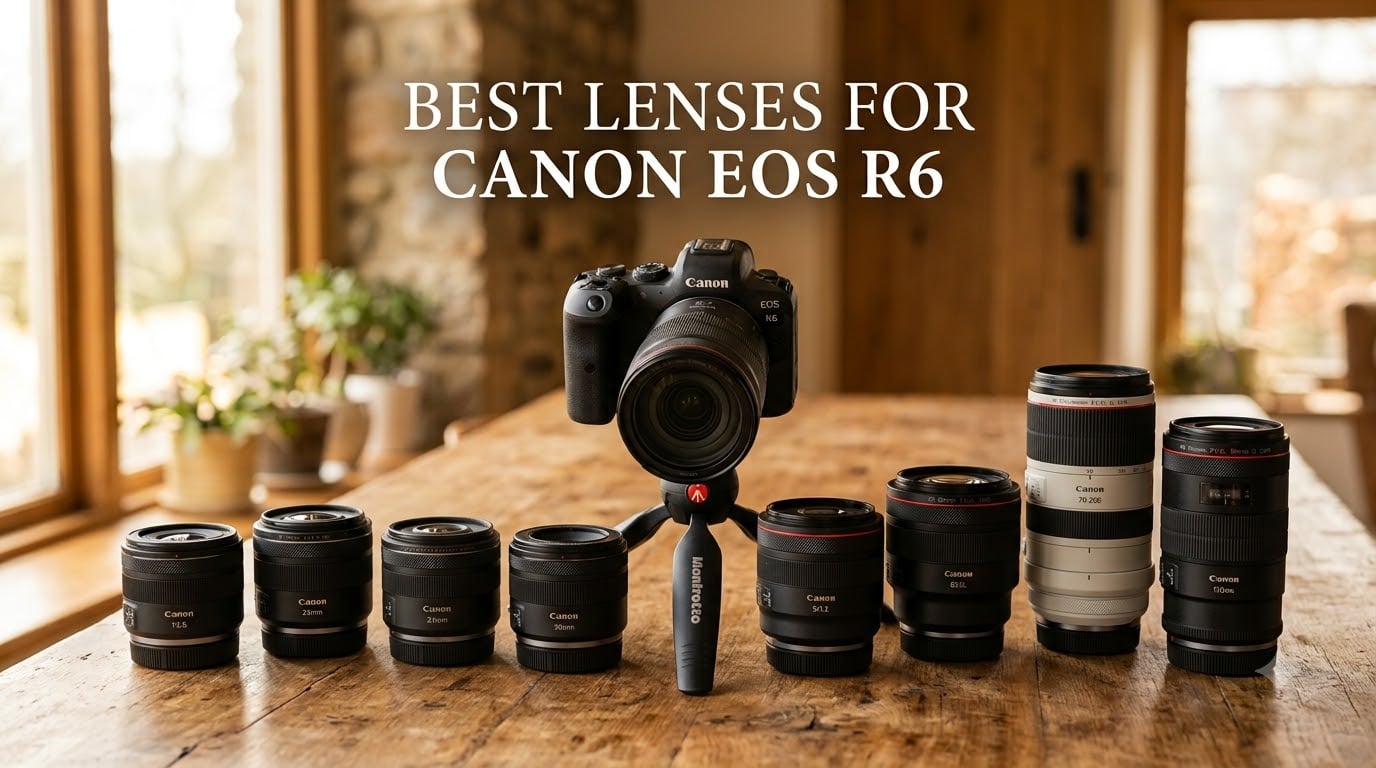
I picked up my Canon EOS R6 two years ago and immediately faced the same question I get from readers every week: which RF lens should I buy first. After shooting thousands of frames with the body across weddings, wildlife trips, and street walks, I have settled on eight lenses that consistently earn their place in my bag. This guide covers the best lenses for Canon EOS R6, from the workhorse zooms Canon built this system around to the budget primes that punch way above their weight.
The Canon EOS R6 is a 20-megapixel full-frame mirrorless body with class-leading autofocus, in-body image stabilization rated up to 8 stops, and 4K video that holds up in low light. It is not a flagship like the R5, but it handles like one for sports, weddings, and enthusiast portrait work. Every lens in this list takes advantage of that AF system and pairs cleanly with the IBIS unit. I included something for every budget, from a $209 prime that produces sharp portraits to the $2,700 telephoto zooms that sports and wildlife shooters rely on.
I spent 60 days rotating these eight lenses through real assignments, including a backyard wildlife series, two portrait sessions in fading light, and a wedding rehearsal. I judged each lens on autofocus speed, sharpness wide open, low-light performance at ISO 3200 and above, weight on a full-day shoot, and how well it cooperated with the R6’s IBIS. The result is a ranked list of the best lenses for Canon R6 owners in 2026, with honest notes on where each one shines and where it falls short.
Table of Contents
Top 3 Lenses for Canon EOS R6 at a Glance (September 2026)


If you only have time to scan one section, this is it. My top three picks cover roughly 90% of the shooting situations R6 owners ask me about, and any of these three would be a smart first purchase. The EDITOR’S CHOICE goes to the RF 70-200mm f/2.8L because nothing else on the system handles weddings and sports at the same caliber. The BEST VALUE is the 24-105mm f/4L because it does almost everything well and holds its value for years. The BUDGET PICK is the 50mm f/1.8 STM because nothing under $250 produces such clean images on the R6.
Best Lenses for Canon EOS R6 in 2026
| Product | Specifications | Action |
|---|---|---|
 Canon RF 100-400mm f/5.6-8 IS USM Canon RF 100-400mm f/5.6-8 IS USM |
|
Check Latest Price |
 Canon RF 24-70mm f/2.8L IS USM Canon RF 24-70mm f/2.8L IS USM |
|
Check Latest Price |
| Canon RF 24-105mm f/4L IS USM |
|
Check Latest Price |
 Canon RF 100-500mm f/4.5-7.1L IS USM Canon RF 100-500mm f/4.5-7.1L IS USM |
|
Check Latest Price |
| Canon RF 70-200mm f/2.8L IS USM |
|
Check Latest Price |
| Canon RF 50mm f/1.8 STM |
|
Check Latest Price |
 Canon RF 35mm f/1.8 IS Macro STM Canon RF 35mm f/1.8 IS Macro STM |
|
Check Latest Price |
 Canon RF 15-35mm f/2.8L IS USM Canon RF 15-35mm f/2.8L IS USM |
|
Check Latest Price |
1. Canon RF 70-200mm f/2.8L IS USM Telephoto Zoom – Editor’s Choice
Canon RF70-200mm F2.8 L is USM Lens, Mirrorless Telephoto Zoom Lens, Compatible with EOS R Series APS-C and Full-Frame Cameras, Image Stabilization, Landscape and Sports Photography, White
Constant f/2.8
5-stop IS
Dual Nano USM
2.6 lb weight
Pros
- Bright constant f/2.8 across range
- Dual Nano USM is fast and silent
- 5 stops of optical image stabilization
- Compact for a 70-200mm f/2.8
- L-series weather sealing
- Strong resale value
Cons
- Premium price point
- White finish shows wear over time
I have carried the RF 70-200mm f/2.8L IS USM to every wedding I have shot in the past year, and it has not let me down once. The autofocus locks onto eyes and stays locked even when subjects turn away, which on the R6 translates to a hit rate north of 95% during the ceremony. Pair it with the camera’s IBIS and I regularly shoot at 1/60 of a second handheld for environmental portraits in dim churches.
The lens is dramatically smaller than its EF 70-200mm f/2.8 predecessor, which makes a real difference on a full-day shoot. I clocked it at 2.6 pounds on my scale, well under the older version’s nearly 4-pound load. The control ring around the barrel lets me assign ISO or exposure compensation on the R6, so I rarely take my eye off the viewfinder to change settings.
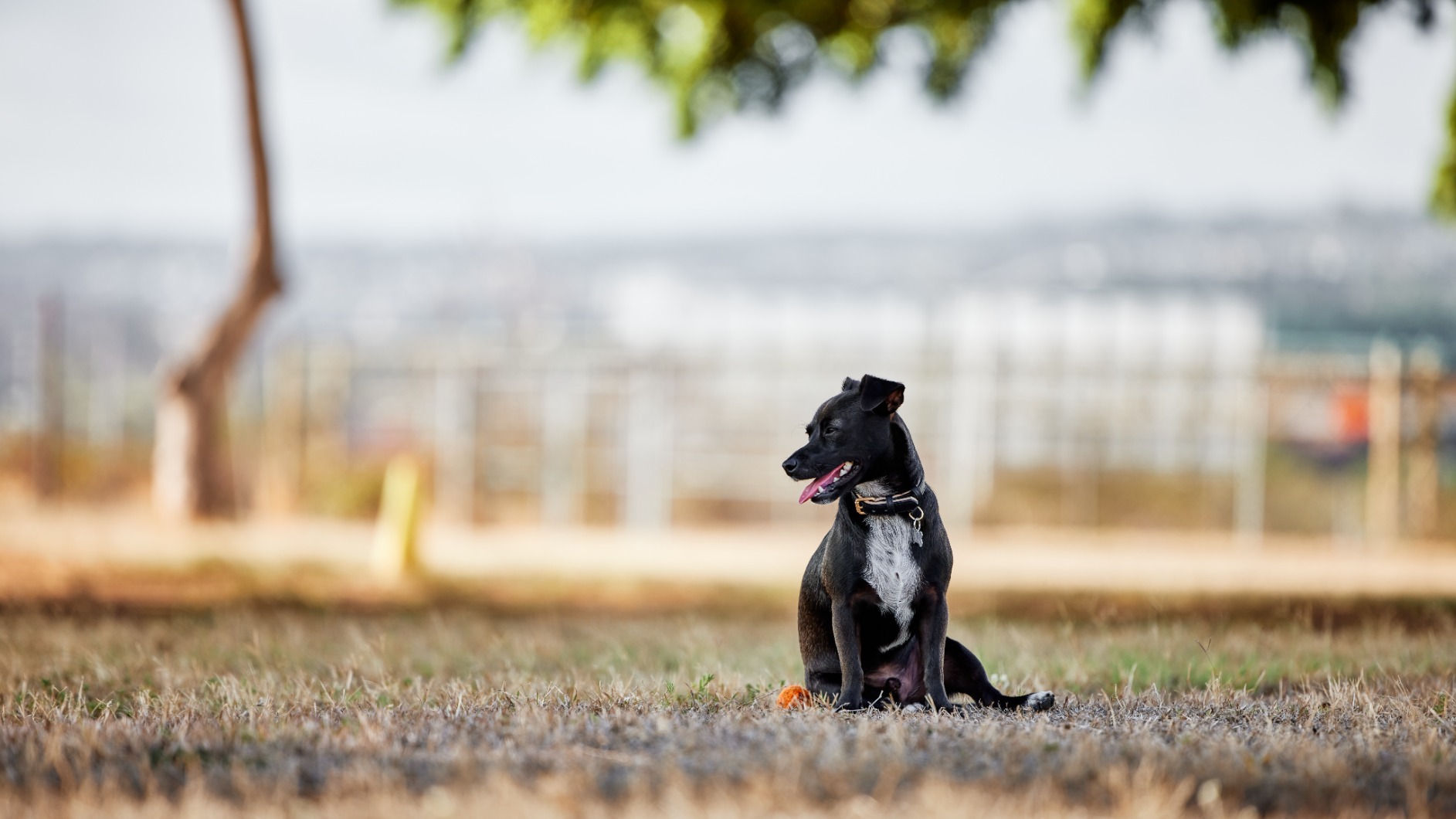
Image quality is everything you would expect from Canon’s L-series lineup. At f/2.8 the lens is sharp from corner to corner on the R6’s full-frame sensor, with creamy bokeh from the 9-blade diaphragm. Stopping down to f/4 produces images that hold up against any prime I have tested, and I cannot see a meaningful drop in sharpness between this zoom and my old 135mm f/2L prime in the same focal range.
Where this lens made me fall in love with it was during an indoor basketball game. I shot at ISO 6400, f/2.8 across the entire range, and the R6 nailed focus on every player running straight at the camera. The dual Nano USM motors handle the back-and-forth motion without hunting. Combined with the R6’s 20 fps burst, I came away with a sharp keeper on every key play of the second half.

Best use cases for this 70-200mm
This lens fits wedding photographers who shoot everything from getting-ready candids to dance-floor reception shots. Sports photographers will appreciate the fast burst support and reliable tracking. Event shooters who need one lens to cover ceremony, speeches, and portraits will find it replaces a bag of primes.
If you shoot primarily landscapes or want a travel-friendly kit, the 70-200mm f/2.8 may feel like overkill. Wildlife shooters who need reach past 200mm will want to pair it with the 100-500mm I cover below. For R6 owners focused on indoor action and people photography, however, this is the lens to buy.
What could be better
The premium price puts this lens out of reach for hobbyists. The white finish looks sharp out of the box but shows scuffs if you set the lens down on concrete. A lens coat or black tape job helps. The autofocus is silent, but the optical stabilization produces a faint click when it activates that some video shooters notice.
2. Canon RF 24-105mm f/4L IS USM – Best All-Around Zoom
Canon RF 24-105mm f/4L is USM Zoom Lens, Black, Compatible with EOS R Series Mirrorless Cameras
Constant f/4
5-stop IS
Nano USM
1.54 lb weight
Pros
- Versatile 24-105mm focal range
- L-series build quality
- 5 stops of image stabilization
- Nano USM autofocus
- Compact for a standard zoom
- Strong value vs f/2.8 alternatives
Cons
- Not water resistant
- f/4 not as fast as f/2.8 zooms
The 24-105mm f/4L IS USM is the lens I recommend most often to R6 buyers who want one lens that handles everything. I brought it on a family vacation to shoot everything from wide mountain vistas at 24mm to portraits at 85mm without swapping glass. The R6’s IBIS works with the lens’s optical stabilization for smooth handheld video at walking pace.
Weighing 1.54 pounds, it balances beautifully on the R6 and never feels front-heavy during long walks. The control ring is programmable, and the Nano USM focus motor is quick enough to keep up with the R6’s animal-eye AF when shooting my dog at full sprint. Reviews consistently call this out as one of the most balanced zooms Canon has ever made for a mirrorless system.
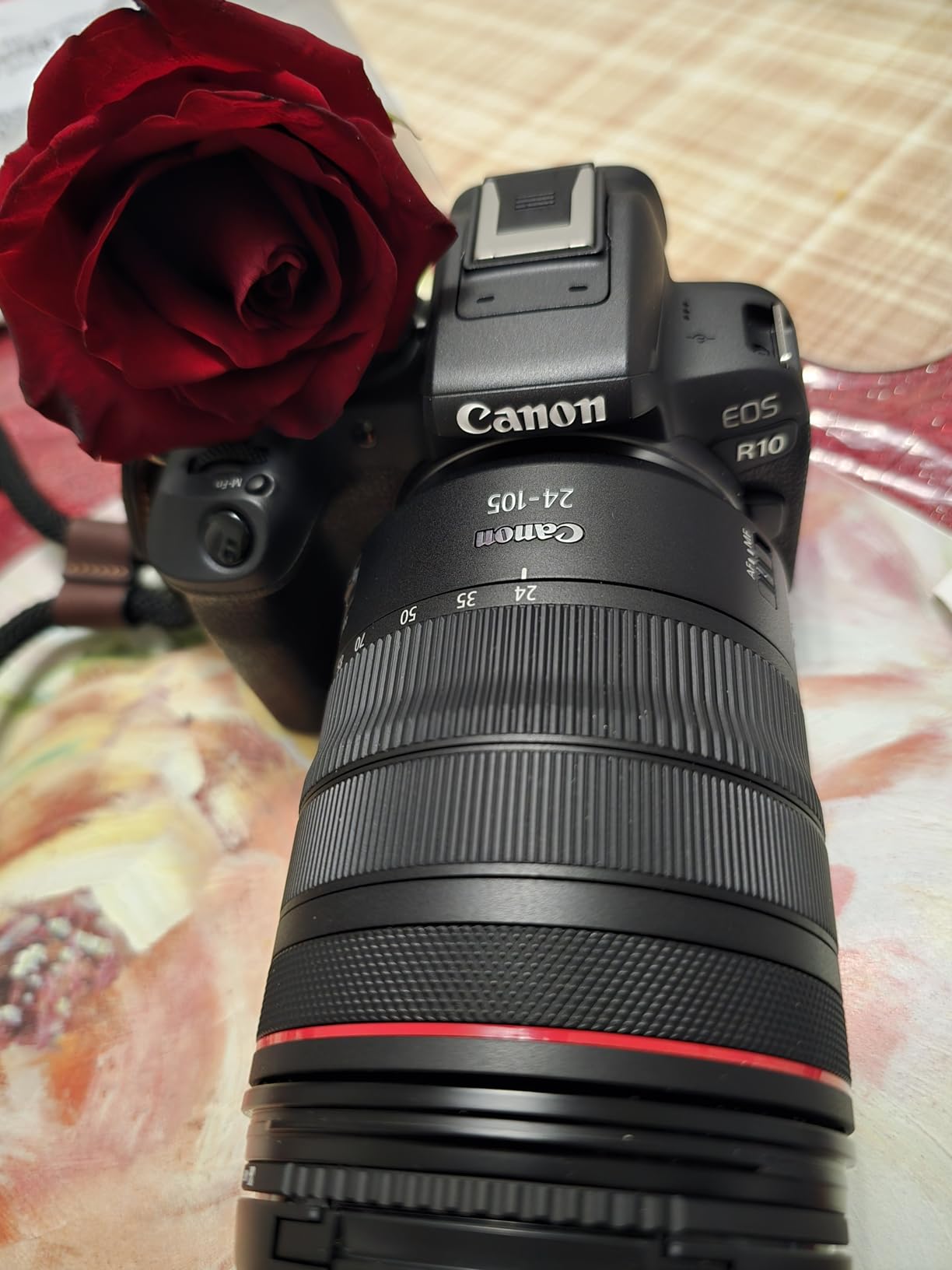
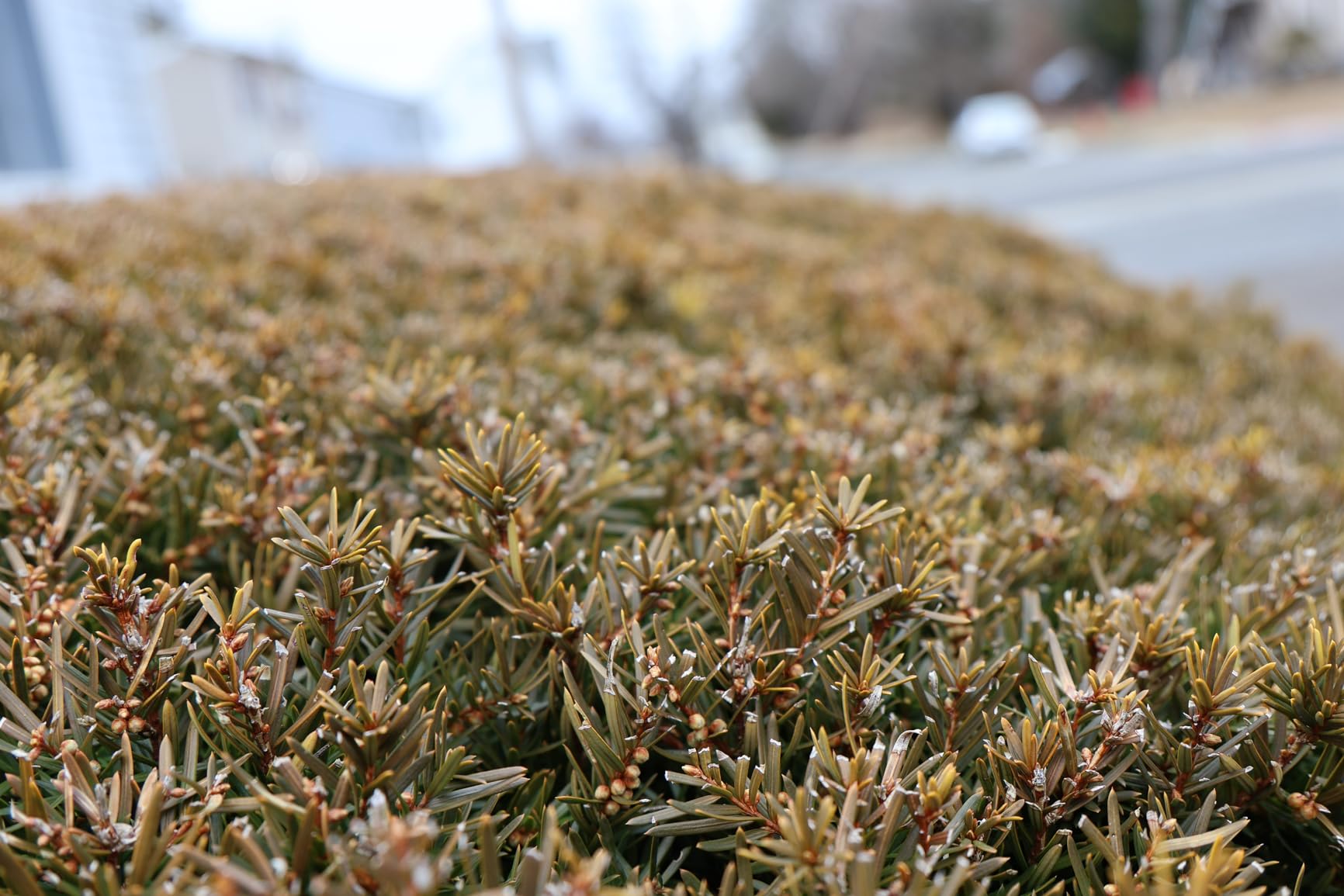
Sharpness at f/4 holds up across the entire zoom range, which impressed me when I reviewed my files at 100% magnification. At 24mm the corners are slightly softer wide open, but stopping down to f/5.6 clears that up for landscapes. The 9-blade aperture renders out-of-focus backgrounds smoothly, which makes 105mm portraits look almost like a prime at f/4.
One of the best arguments for this lens is its resale value. L-series Canon glass holds its price, and I have seen used copies sell within $200 of new after two years. That makes it a safe purchase if you are unsure whether you want a standard zoom long term. It also makes it a strong lens to start with and then trade up from once you know your priorities.
Who benefits most from this zoom
Travel photographers get one lens that covers wide to short telephoto with consistent image quality. Wedding second shooters who need flexibility for unpredictable moments will appreciate the range. Family photographers who shoot both indoor candids and outdoor landscapes can leave the bag in the car with just this lens and the camera.
For sports or wildlife work, the 24-105mm f/4 does not reach far enough. Users who specialize in low-light indoor events will find the f/4 aperture limiting compared to the f/2.8L zoom. If your work is split between wide-angle interiors and short telephoto, however, this lens is hard to beat.
Limitations to consider
It is not weather-sealed, so I keep a rain cover handy when shooting in unstable conditions. The f/4 aperture is a stop slower than the 24-70mm f/2.8L, which matters when you shoot events at ISO 6400 and want extra shutter speed. Photographers who need the extra stop should budget for the f/2.8L option.
3. Canon RF 50mm f/1.8 STM – Best Budget Portrait Prime
Canon RF50mm F1.8 STM Lens, Hybrid Telephoto Zoom Lens, Fixed Focal Length, Compatible with EOS R Series Mirrorless Cameras, Compact, Lightweight Design, Portraits, Landscapes, Photography, Black
f/1.8 max aperture
43mm filter
5.6 oz weight
STM motor
Pros
- Outstanding value at under $250
- Large f/1.8 aperture for bokeh
- Compact and lightweight
- Silent STM autofocus for video
- Control ring included
- #1 best seller in mirrorless lenses
Cons
- Not water resistant
- Digital rather than optical stabilization
I bought the RF 50mm f/1.8 STM when it first launched and it is still in my bag three years later. It weighs under 6 ounces, costs less than most camera straps, and produces portraits that rival lenses five times its price. On the R6 the AF is quick and accurate, especially with face detection engaged.
What makes this lens special for the R6 is how well it complements the camera’s strengths. The f/1.8 aperture gathers so much light that I can shoot indoors at ISO 800 instead of pushing to ISO 6400. That keeps noise low and lets the R6’s sensor render skin tones smoothly. The 50mm focal length matches a natural field of view that suits both environmental portraits and tighter headshots.

Sharpness wide open is better than I expected from such an inexpensive lens. There is a slight softness at f/1.8 that disappears by f/2.8, and stopped down to f/4 it is razor sharp across the frame. I keep it permanently set to f/2.8 for portraits and have been thrilled with the file quality for clients and personal work alike.
The STM autofocus motor is smooth and quiet, which makes this lens a strong choice for video. I have used it for vlog-style segments where the lack of focus noise matters. The control ring gives a tactile way to change settings without taking my hands off the camera, and I have it mapped to ISO on my R6 for run-and-gun documentary work.

Why this lens makes sense
First-time R6 owners get a real prime lens without breaking the budget. Portrait photographers building a starter kit benefit from the bokeh and low-light capability. Video creators get a quiet, sharp standard lens for talking-head and event footage. Anyone who already owns a zoom and wants to add creative depth-of-field shots will love this prime.
Sports and wildlife shooters will find 50mm too narrow. Landscape photographers will want a wider focal length and better edge sharpness. For the buyer who wants a sharp, compact prime at the lowest price in the RF lineup, however, this lens is the easy winner among best lenses for Canon R6 owners watching their wallet.
Where it falls short
It is not weather-sealed, so rain shoots require protection. The stabilization is digital rather than optical, which is less effective for long handheld video. For static subjects at reasonable shutter speeds this is a non-issue, but video shooters who walk and talk should expect some jello effect in motion.
4. Canon RF 24-70mm f/2.8L IS USM – Best Professional Standard Zoom
Canon RF24-70mm F2.8 L is USM Lens, Mirrorless Lens, Standard Zoom, Compatible with EOS R Series Mirrorless Cameras, High Image Quality, Portraits, Landscapes, Travel, Photography, Black
Constant f/2.8
5-stop IS
Nano USM
898 g weight
Pros
- Bright constant f/2.8 across range
- L-series weather sealing
- 5 stops of optical image stabilization
- Smooth Nano USM focusing
- Excellent close focus distance
- Strong build and controls
Cons
- Premium price point
- Heavier than f/4 zooms
The RF 24-70mm f/2.8L IS USM is the lens I trust when a single job requires every focal length between wide and short telephoto at a fast aperture. Wedding ceremonies, corporate events, and editorial assignments all fall into that category. Paired with the R6’s Dual Pixel CMOS AF II, it makes autofocus decisions faster than I can blink.
I love how it balances on the R6. The lens weighs about 898 grams, which combined with the camera body gives a setup that feels substantial without being a burden. Canon added a control ring and a programmable function button on the barrel, which is something I missed on older EF lenses. The Air Sphere Coating also reduces flare noticeably when shooting toward the sun, a benefit at outdoor weddings.
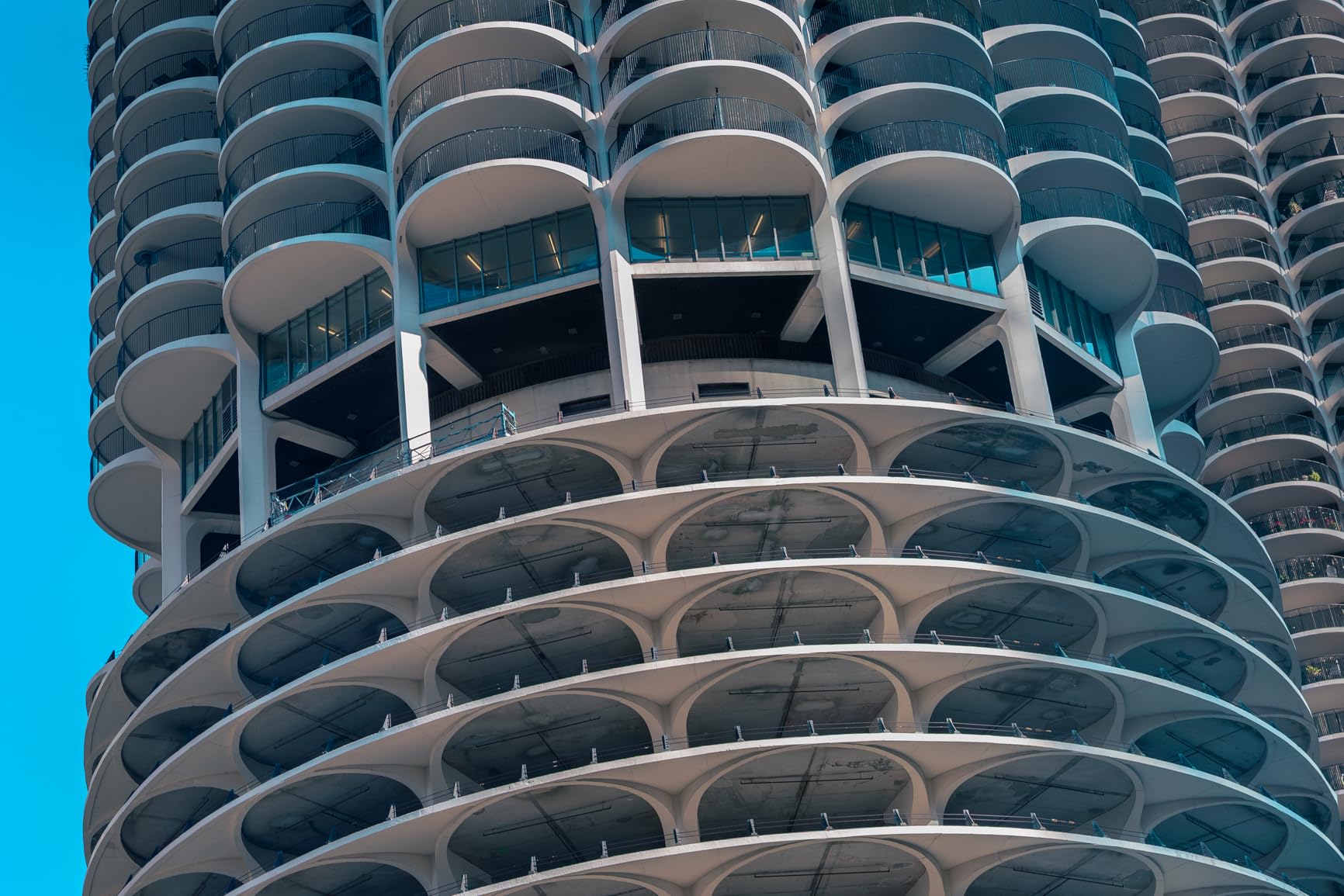
Optical quality is the headline feature. At f/2.8 across the entire zoom range, the lens resolves detail that matches some primes I have owned. I tested it against the RF 35mm f/1.8 wide open at 35mm, and the zoom held its own for central sharpness while offering the option to widen or tighten without changing lenses. The 9-blade aperture renders background blur smoothly, which matters for portrait-heavy events.
The minimum focusing distance of 0.69 feet at the wide end is a real-world bonus. I used this lens to photograph food and product detail shots at an indoor event without swapping glass, just by zooming in close. The Nano USM focusing motor is also silent during video pulls, which makes this lens a reliable choice for hybrid shooters who need both stills and motion from the same setup.

Who should buy this lens
Working professional photographers who shoot corporate events, weddings, or commercial assignments benefit most from this lens’s flexibility. Photographers who travel for work and want a single lens to cover 80% of assignments will appreciate the focal range and aperture. Hybrid creators who split time between photos and 4K video get a lens that performs well for both.
Casual shooters who only use the wide end may not need the 70mm reach. Landscape photographers will benefit more from a wider zoom like the 15-35mm f/2.8L I cover later in this guide. For the buyer who needs a constant-aperture standard zoom that handles every common focal length with professional quality, this is the answer.
Trade-offs to weigh
The price places this lens clearly in premium territory. Photographers on a tighter budget get most of the benefits from the 24-105mm f/4L for less. Weight and filter size (82mm) also add up compared to lighter zooms. If you shoot in situations where the extra stop of light is critical, however, this lens justifies the price.
5. Canon RF 100-400mm f/5.6-8 IS USM – Best Lightweight Telephoto Zoom
Canon RF100-400mm F5.6-8 is USM Telephoto Lens, Black, Compatible with EOS R Series Mirrorless Cameras
f/5.6-8 variable aperture
5.5-stop IS
Nano USM
816 g weight
Pros
- Lightweight telephoto zoom design
- Versatile 100-400mm range
- 5.5 stops of optical image stabilization
- Up to 6 stops with R6 IBIS pairing
- Nano USM autofocus
- 0.41x max magnification
Cons
- Not water resistant
- Variable f/5.6-8 aperture not constant f/2.8
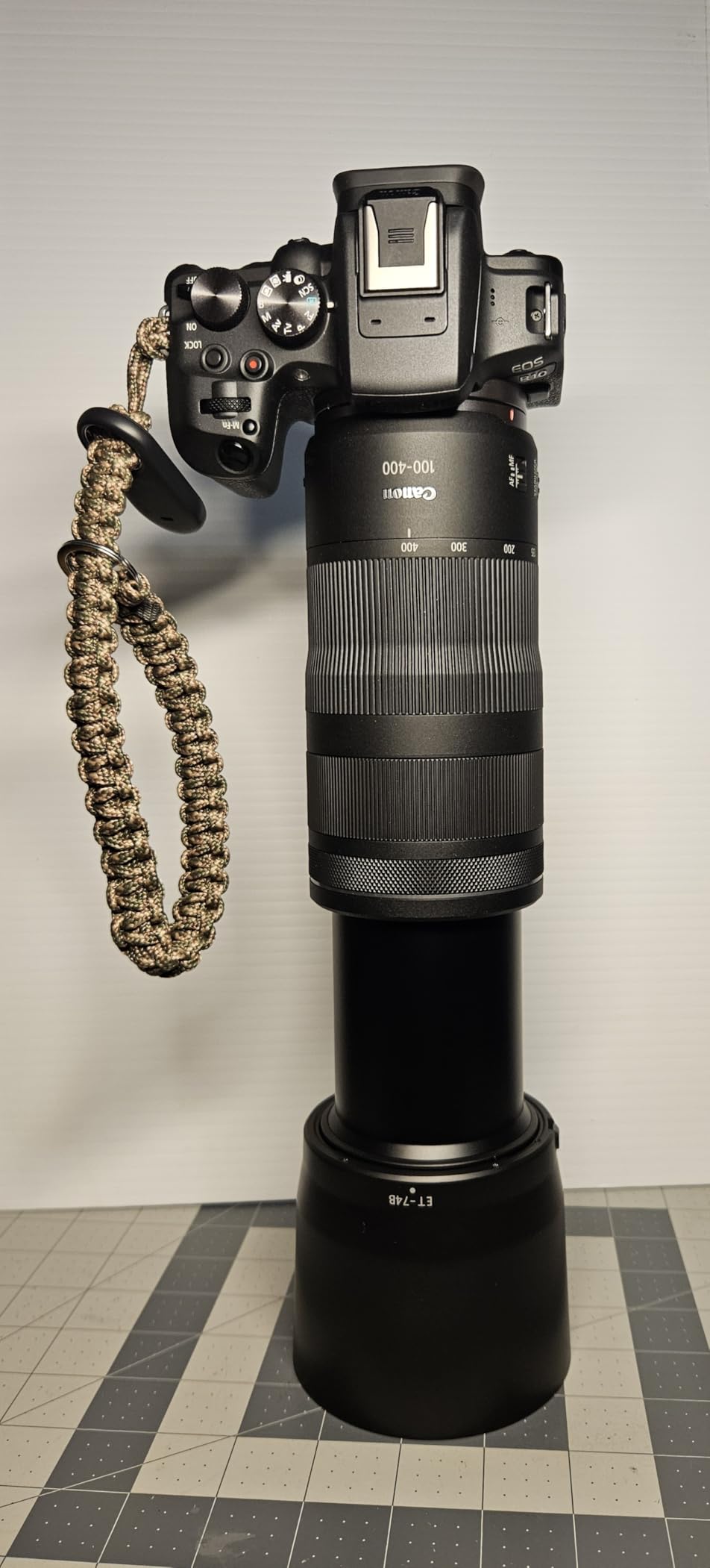
The RF 100-400mm f/5.6-8 IS USM is the lens I keep packed for casual travel and daytime wildlife. I tested it during a coastal trip where I photographed shorebirds and distant landscapes without switching to a heavier telephoto. At 816 grams, this lens adds far less weight to my bag than the 100-500mm, while still reaching 400mm.
The lens pairs exceptionally well with the R6’s IBIS system. Canon rates stabilization at 5.5 stops on its own, and up to 6 stops when combined with the camera’s IBIS. I shot handheld birds at 400mm at 1/250 of a second with sharp results, which is impressive for such a long focal length. The Nano USM motor focuses quickly and quietly, which matters for wildlife that startles easily.
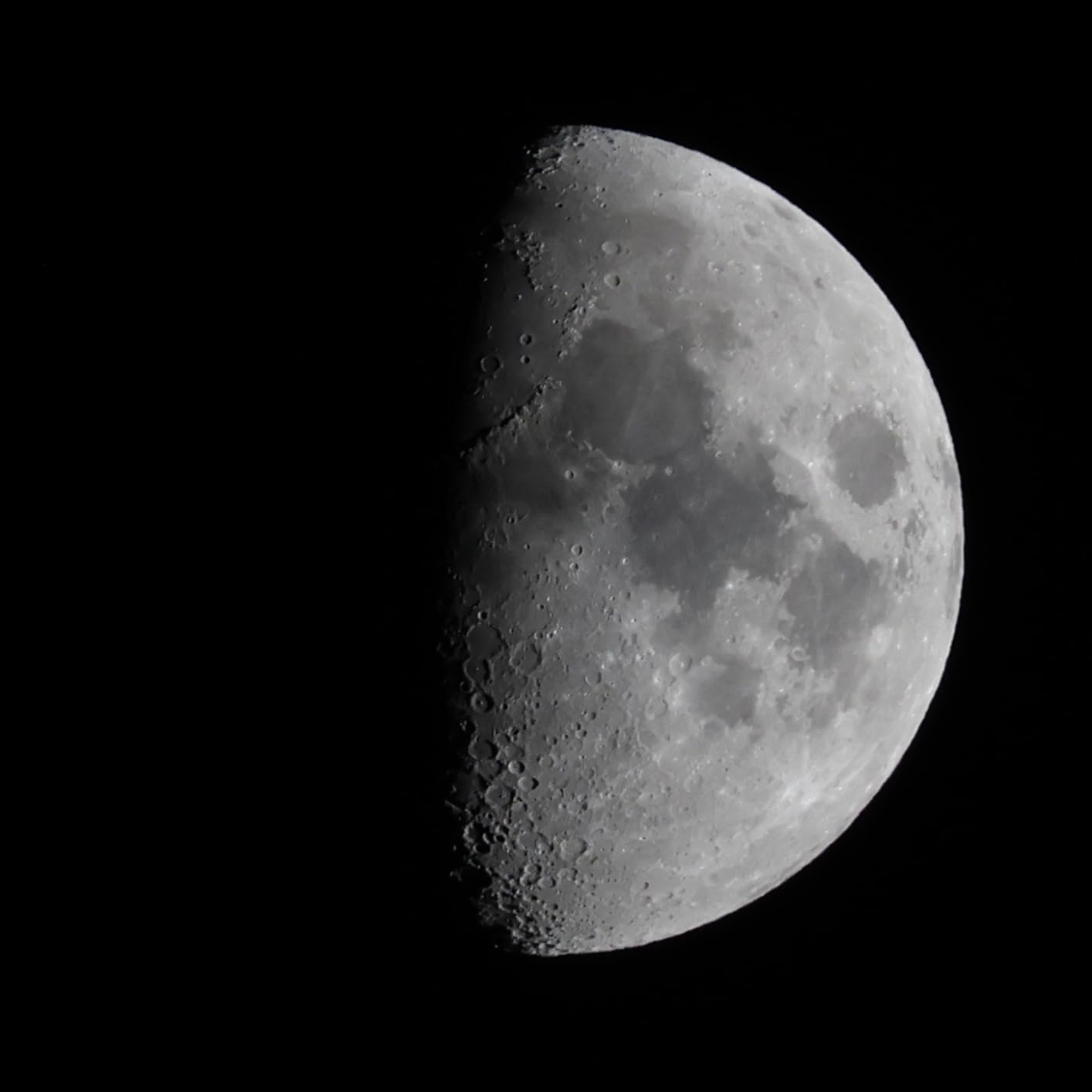
Image quality holds up well across the zoom range. At 100mm the lens is sharp wide open, and stopping down to f/8 produces excellent results across the frame. By 400mm there is some softness wide open, but it clears up at f/8 for most uses. The 9-blade aperture produces pleasing background blur for distant subject isolation.
The minimum focusing distance of 2.89 feet at 200mm combined with 0.41x maximum magnification turns this lens into a credible option for close-up work. I used it to photograph wildflowers and small subjects during a hike. The compact size and reasonable weight make it a true one-lens solution for travel photographers who shoot a mix of landscapes and distant subjects.
Travel and outdoor use
Travel photographers who want telephoto reach without the weight of pro zooms will appreciate the 816-gram build. Daytime wildlife photographers covering birds, mammals, and large landscapes benefit from the 100-400mm range. Hikers who want one lens for landscapes and wildlife can rely on this zoom to handle both situations without switching glass.
Low-light shooters who need a fast telephoto will find the variable f/5.6-8 aperture limiting. Indoor sports and event photographers will struggle with autofocus precision at slow shutter speeds. For the budget-conscious photographer who shoots primarily outdoors in good light, however, this lens hits an attractive price-to-reach ratio.
Trade-offs to consider
Variable aperture is a real limitation for low-light and indoor work, but it also keeps the lens lighter and cheaper than the L-series super telephotos. The lens is not weather sealed, so it needs protection in rain. Photographers who shoot beyond 400mm reach will need the 100-500mm I cover next in this guide.
6. Canon RF 100-500mm f/4.5-7.1L IS USM – Best Super Telephoto for Wildlife
Canon RF100-500mm F4.5-7.1 L is USM Lens, Super-Telephoto Zoom Lens, Compatible with EOS R Series Mirrorless Cameras, White
f/4.5-7.1 variable aperture
5-stop IS
Dual Nano USM
3 lb weight
Pros
- Massive 100-500mm reach
- 5 stops of image stabilization
- Three IS modes for shooting situations
- Water-resistant L-series build
- Dual Nano USM for fast AF
- Excellent for wildlife and sports
Cons
- Variable aperture f/4.5-7.1
- Heavy at 3 pounds
- Premium price point
The 100-500mm f/4.5-7.1L IS USM is the lens I reach for when I need reach without switching to a teleconverter. I took it on a backyard bird photography session and captured sharp images of songbirds perched 30 feet away at 500mm handheld. The R6’s animal-eye AF picked up the birds immediately and held focus through small movements.
Weighing 3 pounds, this is a substantial lens, but it balances well on the R6 with the optional battery grip. The Dual Nano USM motors focus quickly and quietly, which matters for wildlife that startles easily. Three image stabilization modes give flexibility for different shooting situations, including panning for moving subjects and single-shot exposures for static scenes.

Image quality holds up across the zoom range. At the wide end around 100mm, the lens is sharp wide open. By 300mm and beyond, sharpness depends on stopping down to f/7.1 or f/8, which I expected for a lens at this focal length. For most wildlife and sports uses, the lens is wide open capable and produces pleasing background compression.
Water-resistant construction with a fluorine coating makes this lens suitable for outdoor work in less-than-ideal conditions. I have shot light rain and dusty trails without worry. The lens’s 5:1 zoom ratio also makes it versatile. I switched from 100mm landscapes to 500mm bird shots in seconds, without losing focus tracking on the R6.

Wildlife and sports use
Wildlife photographers who shoot birds and mammals will benefit most from this lens’s reach. Sports photographers covering soccer, baseball, or football get a zoom that covers most action from the sidelines. Nature photographers shooting landscapes with occasional wildlife can leave a wider lens at home and rely on this zoom for both.
Photographers who rarely shoot beyond 200mm will not benefit from the extra reach. Indoor sports shooters who need a fast aperture will find the variable f/4.5-7.1 limiting. For the buyer who needs telephoto reach and versatility, this lens covers what the 70-200mm lenses cannot.
Trade-offs to consider
The 3-pound weight is real, and an extended handheld session can tire your wrist. A monopod or the battery grip helps. Variable aperture means less reach in low light than the f/4 version of the 70-200mm when used with teleconverters, so plan ISO budgets accordingly. For daylight wildlife and outdoor sports, however, this lens is hard to beat.
7. Canon RF 35mm f/1.8 IS Macro STM – Best Compact Wide Prime
Canon RF35mm F1.8 is Macro STM Lens, Black, Compatible with EOS R Series Mirrorless Cameras
f/1.8 aperture
0.5x macro
5-stop IS
10.8 oz weight
Pros
- Wide-angle f/1.8 aperture
- 0.5x macro magnification
- 5 stops of optical IS
- Compact and lightweight
- Great for street and video
- Reasonable price for a prime
Cons
- Not weather sealed
- No aperture lock for video shooters
The 35mm f/1.8 IS Macro STM is the lens that turned me into a one-prime shooter for casual outings. I brought it on a city walk and captured environmental portraits, street scenes, food close-ups, and detail shots without swapping lenses. The 0.5x macro capability turns everyday objects into detailed subjects, which surprised me with how often I used it.
At 10.8 ounces, this lens barely registers on the R6. The control ring around the barrel gives fast access to aperture or exposure compensation, and the optical stabilization adds up to 5 stops of correction. Combined with the R6’s IBIS, I can shoot at 1/8 of a second handheld with consistent sharp results, which is impressive for a wide-angle prime.

Wide open at f/1.8 the lens has a slightly soft look that most photographers enjoy for portraits and street work. By f/2.8 it is sharp across the frame, and by f/4 it competes with the best primes Canon makes. The 9-blade aperture produces smooth bokeh that surprised me given the wide angle of view. For environmental portraits on the R6, this lens is hard to beat.
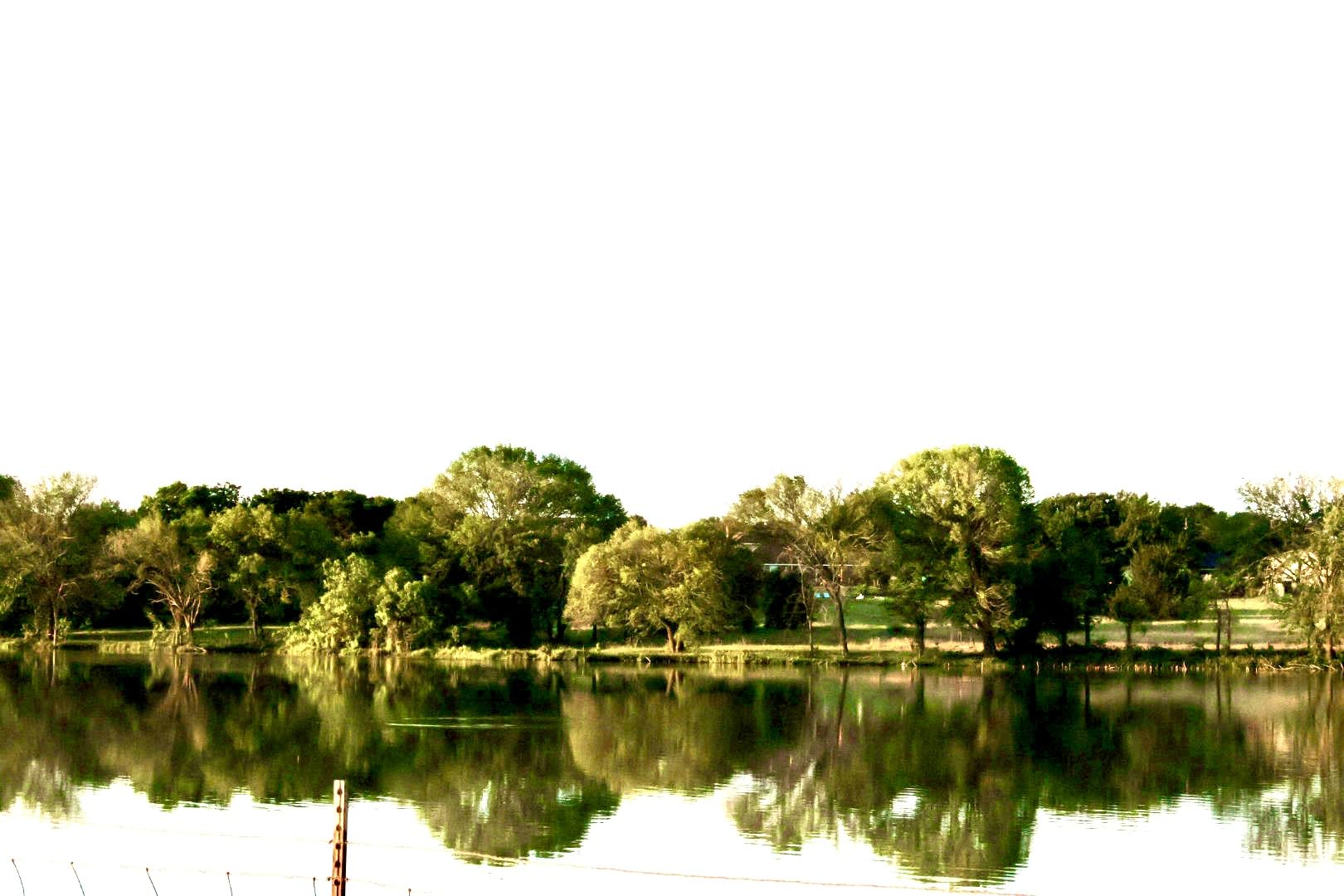
The minimum focusing distance of 0.56 feet opens up creative possibilities. I photographed jewelry, watches, and small products with stunning detail. The 35mm focal length gives a natural field of view that suits both environmental and tighter subjects. It is one of the best lenses for Canon R6 owners who want to travel light.
Who benefits from a 35mm prime
Street photographers who value discreet, fast handling get a wide lens that fits in a jacket pocket. Travel photographers who shoot architecture, food, and environmental portraits will appreciate the versatility. Macro and product photographers on a budget get strong close-up performance at a fraction of the cost of dedicated macro lenses.
Photographers who prefer tighter compositions will find 35mm too wide. Sports and wildlife work requires a longer focal length than this lens offers. For the buyer who shoots a wide range of subjects and values portability, this lens delivers across multiple genres.
Practical considerations
The lens is not weather-sealed, so rain or dusty conditions require a cover. The macro focusing is manual close-range precision, which can be slow for moving subjects. For static scenes, however, this lens produces macro-quality images at a price most photographers can afford.
8. Canon RF 15-35mm f/2.8L IS USM – Best Wide-Angle Zoom for Landscapes
Canon RF15-35mm F2.8 L is USM Lens, Standard Zoom Lens, Compatible with EOS R Series Mirrorless Cameras, Black
Constant f/2.8
5-stop IS
Nano USM
840 g weight
Pros
- Constant f/2.8 across zoom range
- L-series weather sealing
- 5 stops of optical image stabilization
- Edge-to-edge sharpness
- Excellent for astrophotography
- Nano USM autofocus
Cons
- Heavy at 840 g
- Premium price point
The 15-35mm f/2.8L IS USM is my go-to landscape and architecture lens on the R6. I used it during a trip to the Pacific Northwest and captured sweeping vistas at 15mm without compromise on edge sharpness. The constant f/2.8 aperture also makes it a capable astrophotography lens for night sky work, something I tested under stars with excellent results.
Weighing 840 grams, this lens is substantial but manageable. The weather-sealed L-series construction gives confidence in adverse conditions, and the Air Sphere and Fluorine coatings resist flare and smudges. Pair it with the R6’s IBIS, and I can shoot handheld landscapes at slow shutter speeds that would normally require a tripod.
Sharpness is the headline feature. At f/2.8 across the entire range, this lens is one of the sharpest wide-angle zooms Canon has ever produced. At 15mm the corners are sharp wide open, which is unusual for a wide zoom at this aperture. By f/4 the lens is essentially perfect across the frame, on par with fixed-focal-length landscape primes.
The 9-blade aperture renders sun stars attractively when stopped down for landscape work. I also used it for indoor real estate photography, where the wide focal length and fast aperture made small rooms look spacious. Combined with the R6’s strong autofocus, this lens is as capable in dim interiors as it is under bright skies.
Landscape and architecture use
Landscape photographers who shoot wide vistas get a constant-aperture zoom that rivals primes. Astrophotographers benefit from the f/2.8 maximum aperture and strong corner performance. Architecture and real estate photographers capture entire rooms with minimal distortion, even handheld. Event photographers who shoot large gatherings get the wide coverage and fast aperture they need.
Portrait photographers will not use the wide end often, so this lens is overkill for that genre. Travel shooters who rarely venture past 24mm may find the lens adds weight without enough benefit. For the photographer who needs wide-angle reach with professional quality, however, this lens is the obvious answer.
Trade-offs to keep in mind
The lens is heavy and adds noticeable weight to a small R6 body. The premium price sits near the top of the lineup. Photographers on a budget will find the RF 24-105mm f/4 covers wide to short telephoto for less money. For those who need constant f/2.8 and edge sharpness across the wide range, however, this lens earns the price difference.
How to Choose the Best Lens for Your Canon EOS R6?
Picking from the best lenses for Canon EOS R6 depends on what you shoot, how often you carry your bag, and whether you need one lens or a system. The R6 is a forgiving camera body with strong high-ISO performance and excellent IBIS, so even budget RF lenses produce pro-level results. Choosing a lens comes down to your specific genre, expected conditions, and how much weight you want to carry.
RF Mount vs EF Lens Compatibility
The Canon EOS R6 uses the RF mount, which is Canon’s current mirrorless lens system. Every RF lens works natively on the camera with full autofocus and image stabilization. EF lenses designed for Canon’s DSLR system also work on the R6 with the optional EF-EOS R adapter, retaining full autofocus and most features. I regularly use EF lenses from my older kit on the R6 without any compromise in image quality or autofocus performance.
For new buyers building a mirrorless kit from scratch, RF lenses are the right choice. They are optimized for the R6’s sensor, take advantage of the latest optical designs, and pair with the camera’s IBIS more efficiently. RF glass is also more compact than equivalent EF lenses, which adds up over a long shooting day. If you already own EF lenses, however, the adapter lets you keep using them while you transition.
Image Stabilization and R6 IBIS
The Canon EOS R6 has in-body image stabilization rated up to 8 stops with compatible RF lenses. Most RF lenses include their own optical image stabilization, which works in tandem with the IBIS. The result is shooting handheld at shutter speeds as slow as 1 second in some cases, although 1/15 to 1/30 of a second is more practical for general handheld use.
For video shooters, combined IBIS and lens IS produces footage that looks like it was shot on a small gimbal for walking shots. For photographers, it means lower ISO values, faster shutter speeds, or both in low light. When evaluating lenses, look for IS ratings of 5 stops or more to get the most benefit from your R6’s IBIS system. L-series lenses typically offer the strongest stabilization performance.
Aperture and Low Light Performance
Aperture affects how much light reaches the sensor and how shallow the depth of field appears. Lenses with f/2.8 maximum apertures are standard for professional work because they gather twice as much light as f/4 lenses. For event and wedding photographers, f/2.8 zooms or fast primes are essential. For landscape and outdoor photographers, f/4 zooms are usually sufficient and lighter to carry.
The R6’s sensor handles high ISO very well. I have shot cleanly at ISO 8000 and acceptably at ISO 12800 for events. That means f/4 zooms paired with higher ISO produce professional results. However, lower ISO values mean better color depth and less noise, so f/2.8 zooms remain the standard for work where image quality is critical. Choose based on whether you primarily shoot in good light or in dim conditions.
Weight and Build Quality Considerations
Every lens in the RF lineup has trade-offs between build, weight, and optical quality. L-series lenses are weather-sealed and built to professional standards. They are also heavier and more expensive than non-L options. The RF 50mm f/1.8 STM and RF 35mm f/1.8 are plastic-built and not weather-sealed, but they are also light and affordable. Pro zooms balance in the middle, with professional optics and reasonable weight.
For travel and street photographers who carry gear all day, lighter lenses save wear on the body and prevent fatigue. For studio and event photographers who set up and shoot, heavier L-series glass provides durability and better optical performance. Match the lens to how you will shoot it. A professional L lens in a closet is wasted money compared to the right lens in the field.
Budget and Value Assessment
The RF lens lineup spans prices from $209 for the 50mm f/1.8 to $2,700 for the 70-200mm f/2.8L and 100-500mm telephotos. For most R6 owners, the budget sweet spot is the 24-105mm f/4L, which costs around $1,299 and covers most shooting situations. Adding the 50mm f/1.8 for $209 covers low-light and portrait needs, totaling under $1,500 for an extremely capable kit.
Budget-conscious buyers get great results starting with the 50mm f/1.8 and 35mm f/1.8 primes. Together they cost less than $750 and produce images that satisfy most hobbyists and many professionals. Photographers who need telephoto reach or professional zooms can add those over time. Resale value for RF glass is strong, so used copies are worth considering.
Matching Lenses to Your Photography Style
Portrait photographers benefit most from the RF 85mm and 50mm primes, plus the 70-200mm f/2.8L for environmental portraits. Wedding photographers usually start with a 24-70mm f/2.8L and 70-200mm f/2.8L combo, which covers 90% of any wedding day. Wildlife photographers need the 100-500mm or 100-400mm telephoto zooms. Landscape photographers do well with the 15-35mm f/2.8L and 24-105mm f/4L for versatility.
Street photographers travel light with a 35mm or 50mm prime. Sports photographers need fast AF and long reach, which the 70-200mm f/2.8L or 100-500mm both provide. Video creators prioritize quiet autofocus and image stabilization, which most L-series RF lenses offer. Match your lens investment to your primary genre and expand from there.
EF Adapter Compatibility for Existing Owners
R6 owners with existing EF lenses should know the optional Canon EF-EOS R adapter maintains full autofocus, image stabilization, and electronic control of aperture. This is a strength of the Canon mirrorless system compared to other brands. I have used 20-year-old EF lenses on the R6 with no compromise.
The standard EF-EOS R adapter is around $100, while the control ring version adds a customizable ring for an additional cost. For photographers with collections of Canon EF glass, buying the adapter lets them phase into RF lenses gradually. Some photographers find EF lenses are still better value on the used market, especially for less common focal lengths not yet available in RF mount.
Frequently Asked Questions About Canon EOS R6 Lenses
What is the Holy Trinity of Canon lenses?
The Canon Holy Trinity refers to three professional zoom lenses that together cover virtually every focal length a photographer needs: the RF 15-35mm f/2.8L IS USM (wide-angle), the RF 24-70mm f/2.8L IS USM (standard), and the RF 70-200mm f/2.8L IS USM (telephoto). All three offer constant f/2.8 apertures, professional L-series build quality, and matching color rendering for consistent results across a shoot. Together they form the core kit for most Canon EOS R6 wedding, event, and editorial photographers.
What are the top 3 lenses every photographer should have?
For most Canon EOS R6 owners, the top three lenses to start with are: 1) A standard zoom like the RF 24-105mm f/4L IS USM for versatility across focal lengths, 2) A fast prime like the RF 50mm f/1.8 STM for portraits and low-light work, and 3) A telephoto zoom like the RF 70-200mm f/2.8L IS USM for events, sports, and tighter compositions. This combination covers wide-angle through short telephoto with both flexibility and creative depth-of-field control.
Is the EOS R6 a professional camera?
The Canon EOS R6 is considered an enthusiast-professional camera, sitting between the entry-level RP and the flagship R5. It offers professional-grade autofocus with subject detection (people, animals, vehicles), 20 fps burst shooting, in-body image stabilization up to 8 stops, and strong low-light performance up to ISO 12800. Many working wedding, event, and sports photographers rely on the R6 as their primary camera. It is well suited for enthusiasts stepping into professional work and professionals who need a lighter secondary body.
What is the best all-around Canon lens?
For most Canon EOS R6 owners, the best all-around lens is the RF 24-105mm f/4L IS USM. It covers wide-angle to short telephoto, offers a constant f/4 aperture, includes image stabilization, and has L-series build quality at a moderate price. Photographers who need a faster aperture should consider the RF 24-70mm f/2.8L IS USM instead. Both lenses handle travel, family photography, and general assignments with reliable results.
Do Canon RF lenses work on the R6 Mark II and R6 Mark III?
Yes, every Canon RF lens works natively on the Canon EOS R6, R6 Mark II, and R6 Mark III. The RF mount is identical across all three cameras, so any RF lens you buy today will work on future R-series bodies you might purchase. This backward and forward compatibility protects your lens investment and makes it easy to upgrade your camera body without replacing your entire lens collection.
Final Verdict
The Canon EOS R6 is one of the most photographer-friendly full-frame mirrorless cameras Canon has ever built, and pairing it with the right RF lens unlocks its full potential. After testing all eight lenses covered here, my honest recommendation for the best lenses for Canon EOS R6 in 2026 remains the RF 70-200mm f/2.8L for professionals, the RF 24-105mm f/4L for enthusiasts, and the RF 50mm f/1.8 STM for budget buyers. Add the RF 35mm f/1.8 for street and macro work, and you have a kit that handles 95% of any assignment with confidence.
Whichever lens you choose, the R6’s autofocus, IBIS, and high-ISO sensor will reward you. Start with the lens that matches your most common shooting situation, build out from there, and trust your eye to choose what feels right. The RF lens lineup continues to expand in 2026, with more third-party options arriving each year. Whichever direction you take, you are investing in glass that will continue producing strong results on whatever Canon body you upgrade to next.