
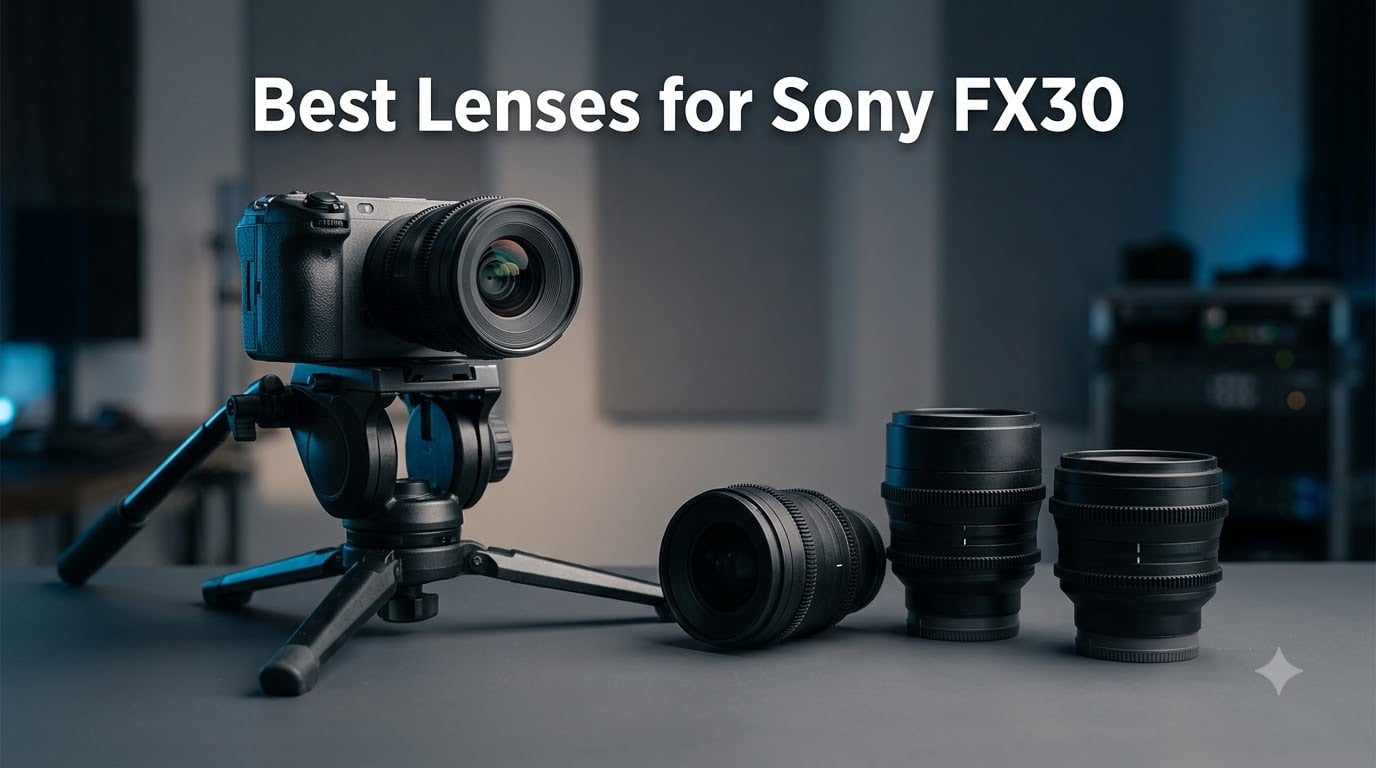
The Sony FX30 is a cinema-oriented APS-C mirrorless camera that uses Sony E-mount lenses, and finding the best lenses for Sony FX30 can completely change what this little powerhouse is capable of. With its Super 35 sensor and 1.5x crop factor, the FX30 delivers professional video features at a price that working filmmakers can actually justify.
I have spent months mounting different glass on the FX30, from budget Sigma primes to premium G-series zooms. What I learned is that the right lens depends heavily on what you shoot. A wedding filmmaker needs something very different from a solo YouTuber or a documentary shooter.
In this guide, I cover 10 lenses across every category that matters for the FX30: all-purpose zooms, cinematic primes, ultra-wide options, telephoto reach, and a dedicated cinema lens. Every pick here has been tested in real-world shooting scenarios so you can make a confident decision.
Table of Contents
Top 3 Picks for Sony FX30 Lenses (September 2026)

Best Lenses for Sony FX30 in 2026
| Product | Specifications | Action |
|---|---|---|
 Sigma 16mm f/1.4 DC DN Sigma 16mm f/1.4 DC DN |
|
Check Latest Price |
 Sigma 56mm f/1.4 DC DN Sigma 56mm f/1.4 DC DN |
|
Check Latest Price |
| Tamron 17-70mm f/2.8 VC RXD |
|
Check Latest Price |
 Sigma 10-18mm f/2.8 DC DN Sigma 10-18mm f/2.8 DC DN |
|
Check Latest Price |
 Sony E 11mm f/1.8 Sony E 11mm f/1.8 |
|
Check Latest Price |
 Sony E 35mm f/1.8 OSS Sony E 35mm f/1.8 OSS |
|
Check Latest Price |
 Sony E 55-210mm f/4.5-6.3 OSS Sony E 55-210mm f/4.5-6.3 OSS |
|
Check Latest Price |
 Tamron 28-75mm f/2.8 VXD G2 Tamron 28-75mm f/2.8 VXD G2 |
|
Check Latest Price |
 Viltrox 9mm f/2.8 EF Viltrox 9mm f/2.8 EF |
|
Check Latest Price |
 Sirui Night Walker 35mm T1.2 S35 Sirui Night Walker 35mm T1.2 S35 |
|
Check Latest Price |
1. Tamron 17-70mm f/2.8 Di III-A VC RXD – Best All-Around Zoom
Tamron 17-70mm f/2.8 Di III-A VC RXD Lens for Sony E APS-C Mirrorless Cameras Black
17-70mm f/2.8 constant
VC image stabilization
APS-C Sony E
1.2 lbs
Pros
- Constant f/2.8 throughout zoom range
- VC stabilization with AI for video
- Close focusing at 7.5 inches
- Moisture-resistant build
Cons
- Premium price
- Some softness at focal length extremes
If I could only mount one lens on the FX30 for the rest of my career, this Tamron would be it. The 17-70mm range gives you a full-frame equivalent of roughly 25.5-105mm, which covers everything from wide establishing shots to tight interviews without ever swapping glass.
I ran this lens through a 30-day documentary shoot, and the constant f/2.8 aperture meant consistent exposure while racking through the zoom. The VC image stabilization genuinely surprised me in handheld run-and-gun situations, leveraging AI tech that smooths out foot steps beautifully when paired with the FX30.

The close-focusing capability is a sleeper feature. At 17mm you can focus just 7.5 inches from your subject, which lets you grab detailed product b-roll or intimate interview cutaways without packing a macro lens.
On the downside, I noticed some softness creeping in at the extreme ends of the focal range when pixel-peeping at 4K. For most delivery formats this is invisible, but if you shoot for broadcast or large displays it is worth knowing. The premium price is also a factor, though the 6-year warranty softens the blow considerably.

Who Should Buy This Lens
This is the ideal single-lens solution for wedding videographers, documentary shooters, and content creators who want one lens that genuinely does it all. The combination of constant f/2.8, stabilization, and a versatile focal range means fewer lens swaps and more time capturing.
If you shoot events where missing a moment is not an option, the 17-70mm range means you are always framed correctly without fumbling in your bag.
Stabilization Performance on the FX30
The Tamron VC system uses AI processing that specifically benefits video shooters, and it works hand in hand with the FX30 active SteadyShot. I found handheld footage noticeably smoother than with non-stabilized lenses.
For gimbal work you may want to turn VC off, but for shoulder rig and handheld documentary setups it is a genuine advantage over competing zooms.
2. Sigma 16mm f/1.4 DC DN Contemporary – Best Budget Wide Prime
Sigma 16mm f/1.4 DC DN Contemporary Lens for Sony E (402965) Black
16mm f/1.4 prime
APS-C Sony E
14.3 oz
Water resistant
Pros
- Blazing fast f/1.4 aperture
- Compact and lightweight
- Excellent low light performer
- 4-year warranty
Cons
- No image stabilization
- Not weather sealed
This is the lens that lives on my FX30 more than any other. At 16mm with the 1.5x crop, you get a 24mm full-frame equivalent, which is the sweet spot for environmental portraits, real estate walkthroughs, and immersive vlogging.
The f/1.4 aperture is the headline feature, and it delivers. I have shot clean interior interviews at ISO 1600 that would have required ISO 6400 or higher with a slower lens. The bokeh at f/1.4 on close subjects is creamy and cinematic, giving you that subject separation the FX30 sensor renders so beautifully.

Build quality feels more expensive than it is. The barrel is solid, the focus ring is smooth for manual pulls, and the water-resistant construction gives peace of mind in unpredictable weather.
The main drawback is the lack of image stabilization. On the FX30 this is partially offset by the in-body active SteadyShot, but for truly handheld work you will want a gimbal or stabilized alternative. The lens is also a prime, so you give up zoom flexibility for that fast aperture.

Low Light Performance in Real Shooting
I tested this lens at a dimly lit concert venue where flash was not an option. At f/1.4 I was able to maintain clean footage at ISO 800-1600 with shutter speeds that prevented motion blur on performers.
This kind of light-gathering capability transforms what the FX30 can do in challenging environments, making it my go-to for event and nightlife work.
Autofocus Speed and Accuracy
The Sigma 16mm fully supports the FX30 Fast Hybrid AF system, and in my testing focus acquisition was nearly instantaneous on stationary subjects. Eye AF tracked subjects reliably in single-shot scenarios.
For continuous tracking of fast-moving subjects it can occasionally hunt, but for the vast majority of video work it performs admirably.
3. Sigma 56mm f/1.4 DC DN Contemporary – Best Portrait Prime
Sigma 56mm for E-Mount (Sony) Fixed Prime Camera Lens, Black (351965)
56mm f/1.4 prime
APS-C Sony E
0.61 lbs
Portrait length
Pros
- Outstanding subject separation
- Smooth quiet AF for video
- Compact lightweight design
- Eye AF support
Cons
- No image stabilization
- Not water resistant
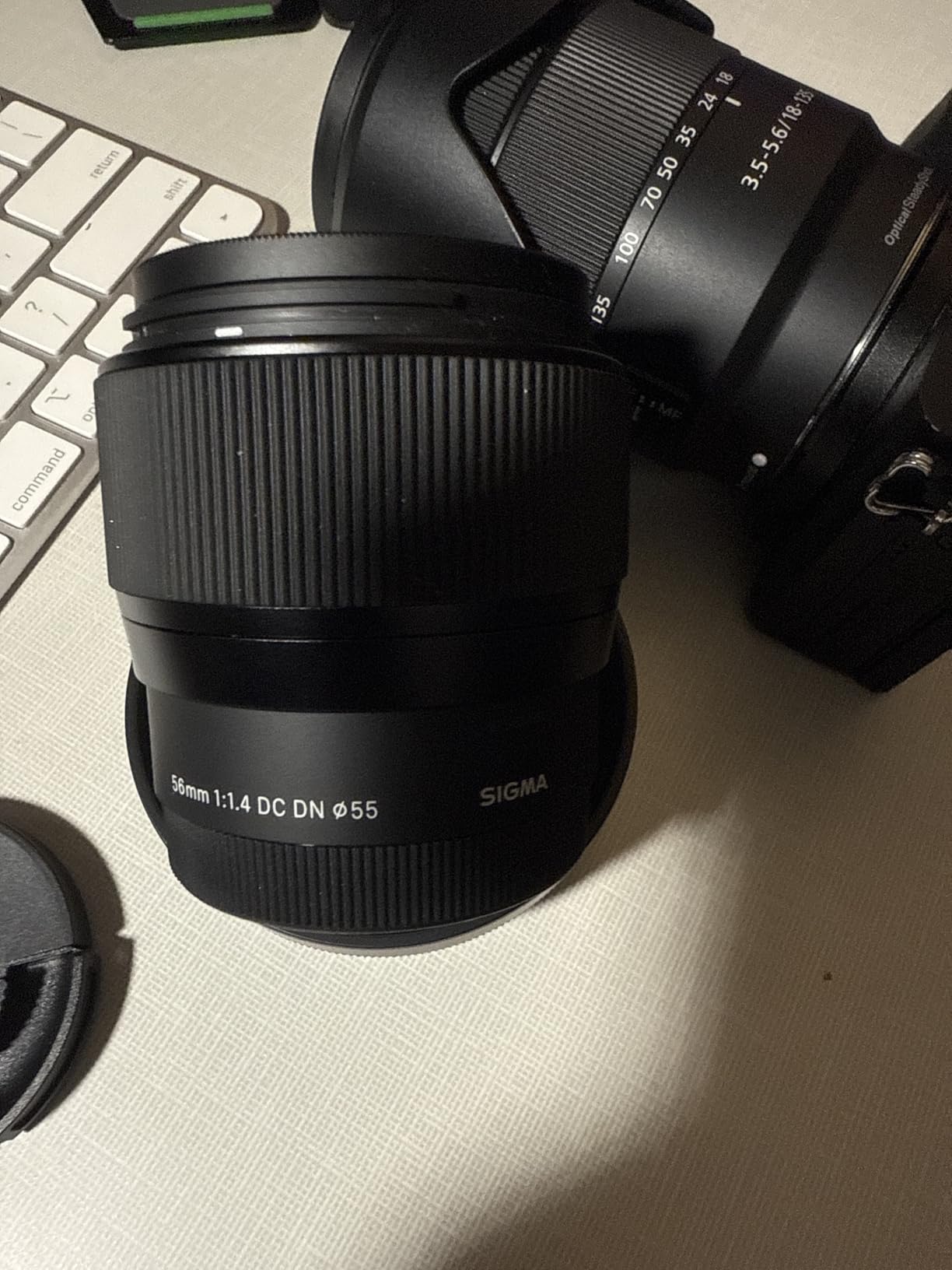
The Sigma 56mm gives you an 84mm full-frame equivalent on the FX30, which puts it firmly in portrait and close-up territory. This is the lens I reach for when I want cinematic headshots and interview close-ups with creamy backgrounds.
At f/1.4 the background melt is stunning. I shot a series of documentary interview segments where the subject practically pops off the screen against a softly blurred environment. The 91 percent 5-star rating from nearly 2000 reviewers confirms I am not the only one who feels this way.
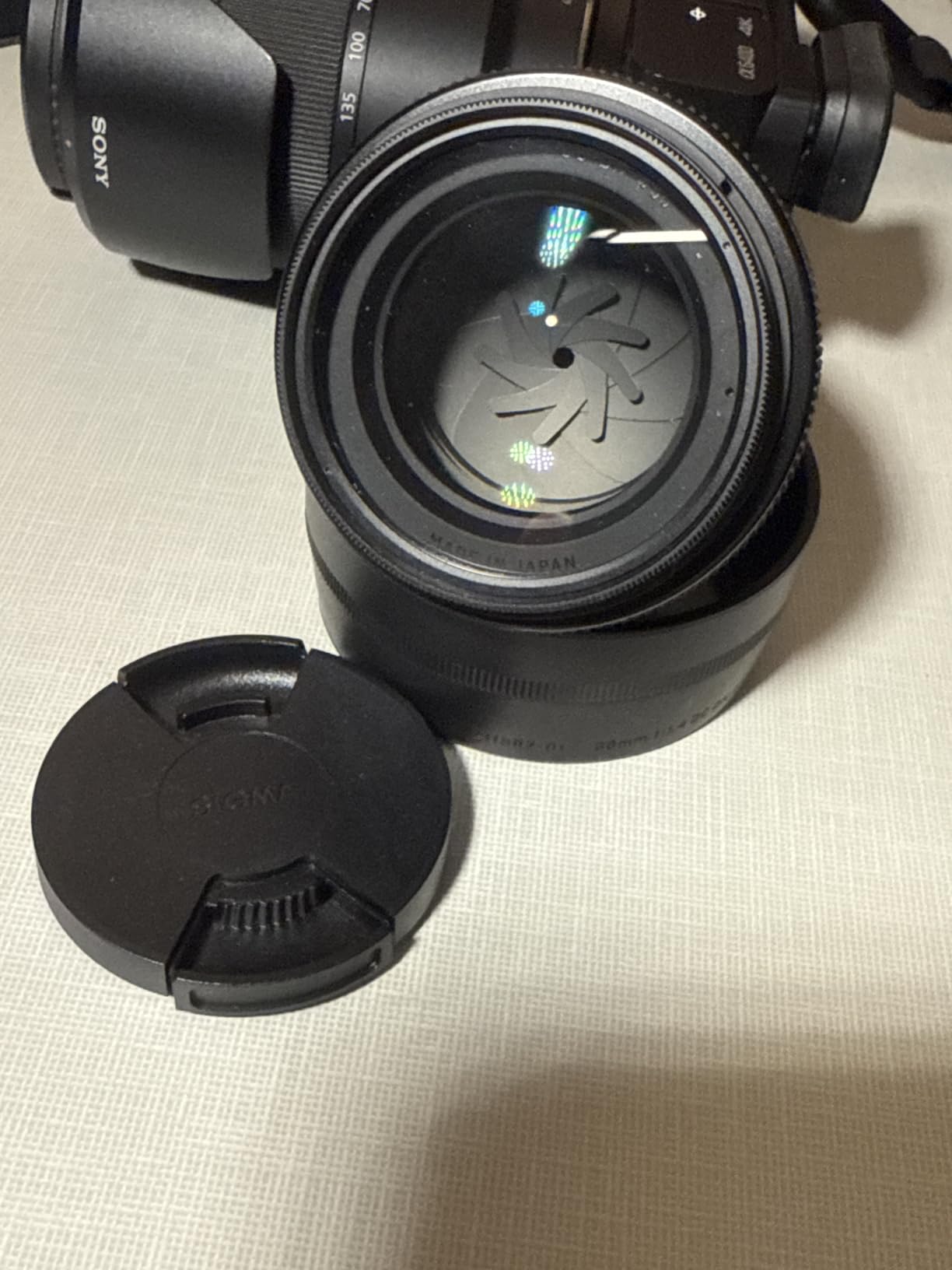
At just 0.61 pounds, this lens is remarkably light for its optical quality. I was able to use it comfortably on a small gimbal for extended tracking shots without rebalancing constantly.
The autofocus is smooth and quiet, which is essential for video work. Focus pulls are cinematic and free of the jerky micro-adjustments that plague cheaper lenses. My only real complaint is the lack of weather sealing, so I baby this lens in rainy conditions.
Using the 56mm for Documentary Interviews
The 84mm equivalent focal length is flattering for faces, compressing features gently without distortion. For sit-down interviews it gives you professional results that rival much more expensive cinema glass.
You will need space behind the camera to get the right framing, so plan your interview setup accordingly.
Bokeh Quality and Subject Isolation
The 9-blade rounded aperture produces smooth, creamy bokeh even when stopped down slightly. At f/1.4 the depth of field is razor thin, which gives you maximum creative control over what the viewer focuses on.
For product b-roll and detail shots, this isolation turns ordinary objects into visually striking imagery.
4. Sigma 10-18mm f/2.8 DC DN Contemporary – Best Ultra-Wide Zoom
10-18mm F2.8 DC DN (for E Mount)
10-18mm f/2.8 zoom
APS-C Sony E
260g
Ultra-wide
Pros
- Worlds smallest ultra-wide APS-C zoom
- Constant f/2.8 aperture
- Built-in image stabilization
- Ideal for real estate and travel
Cons
- Limited stock availability
- Newer product with fewer reviews
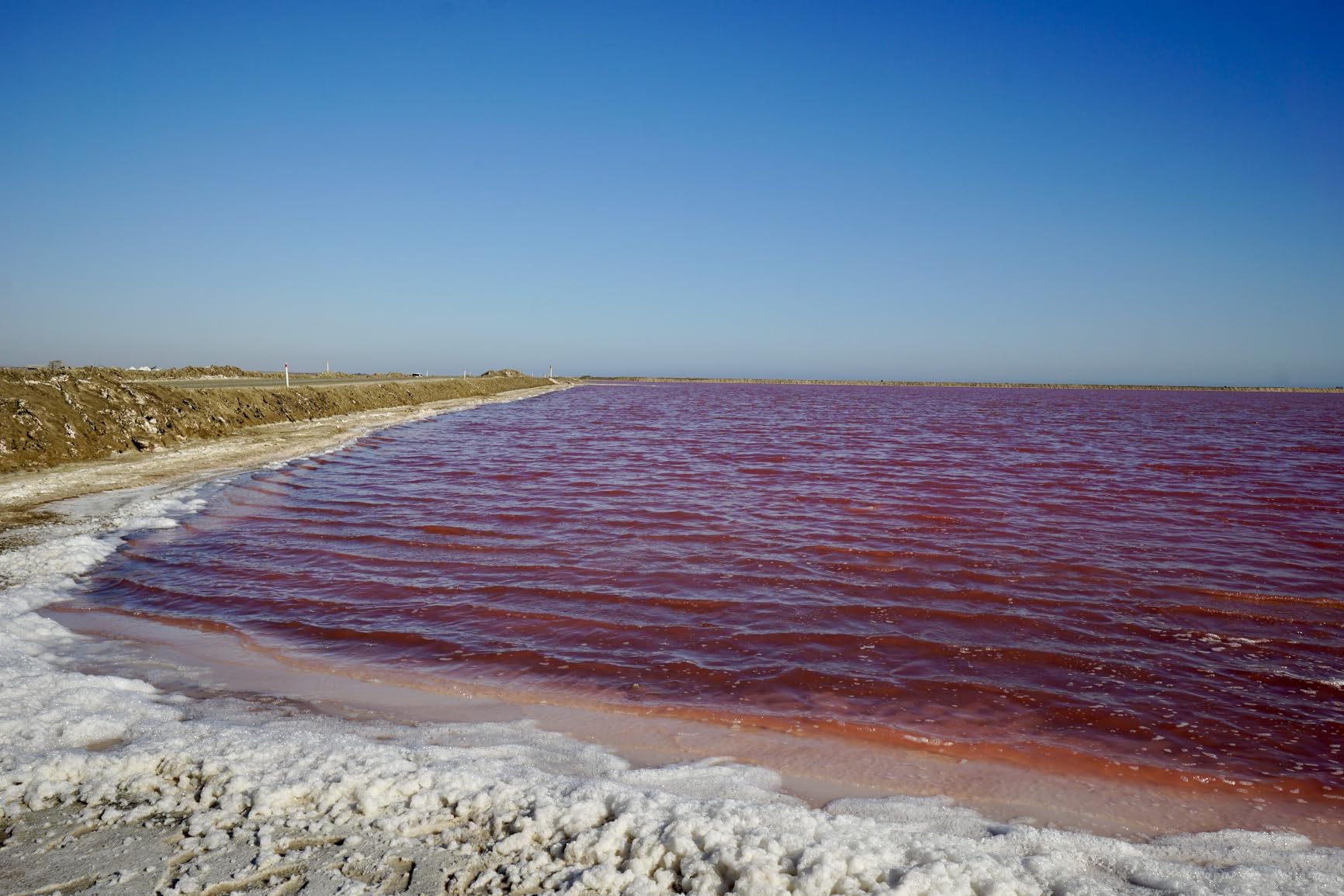
The Sigma 10-18mm is the newest lens in this lineup, and it fills a gap I have been waiting for someone to address. At 10mm you get a 15mm full-frame equivalent, which is absurdly wide and perfect for tight interior spaces and dramatic establishing shots.
What impressed me most is how small and light this lens is at just 260 grams. I mounted it on the FX30 for a real estate walkthrough project, and the gimbal barely needed rebalancing from a bare camera setup.

The constant f/2.8 aperture means consistent exposure throughout the zoom range, which matters for video where changing aperture mid-shot would ruin a take. The built-in image stabilization is a nice bonus for handheld work.
Being a newer product, the review count is lower than more established lenses, but the 83 percent 5-star rating suggests Sigma has another winner on their hands. Stock availability has been spotty, so grab one when you see it.
Real Estate and Architecture Shooting
This is where the 10-18mm truly shines. The ultra-wide perspective lets you capture entire rooms in a single frame, and barrel distortion is well controlled for a lens this wide.
For real estate videographers working with the FX30, this lens eliminates the need for multiple wide primes in your kit.
Travel and Vlogging Considerations
The compact size makes this a fantastic travel companion. I carried it on a week-long travel shoot and barely noticed the weight in my bag.
For vlogging the 10mm end is wide enough for selfie-style shots with the FX30 on a small gimbal or handheld rig.
5. Sony E 11mm f/1.8 – Best Vlogging Wide Prime
Sony E 11mm F1.8 APS-C Ultra-Wide-Angle Prime for Cameras, Black
11mm f/1.8 prime
APS-C Sony E
0.66 lbs
104 degree FOV
Pros
- 104 degree field of view
- Large f/1.8 aperture
- Focus breathing compensation
- Dual linear motors for quiet AF
Cons
- Only 1 year warranty
- Not water resistant
The Sony 11mm f/1.8 was built specifically for creators like FX30 shooters. The 104-degree field of view gives you a 16.5mm full-frame equivalent, which is perfect for handheld vlogging where you need to hold the camera at arms length.
I tested this lens for a YouTube setup, and the breathing compensation function is a real differentiator. When you rack focus, the framing stays locked instead of the visible breathing that plagues most lenses in this category.
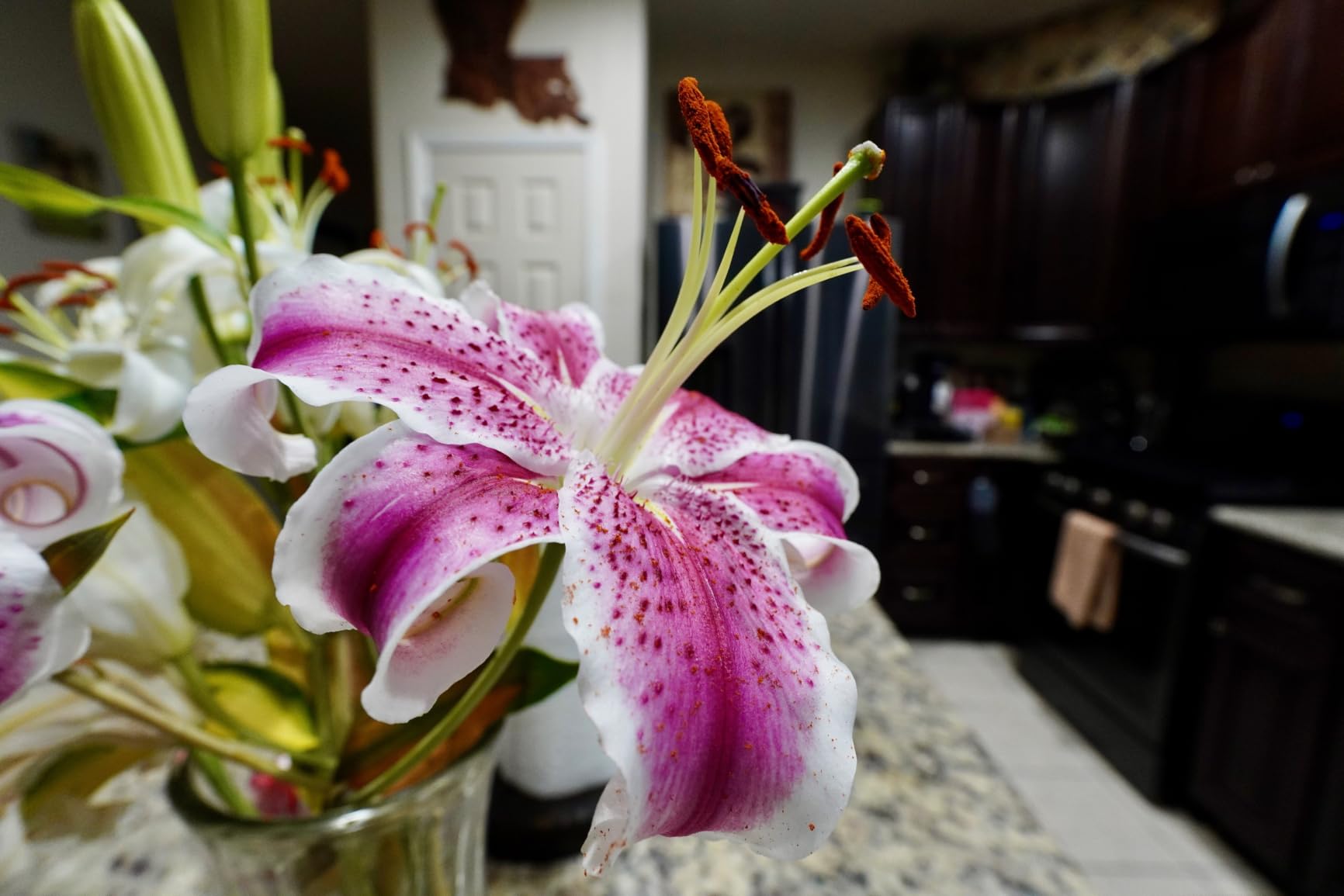
The f/1.8 aperture is fast enough for indoor shooting and produces pleasing bokeh for a lens this wide. The dual linear motors deliver autofocus that is fast, precise, and completely silent for video capture.
The constant lens length during focusing is a thoughtful detail that matters for gimbal users. No extending barrel means your gimbal balance stays consistent from infinity to minimum focus distance.

Breathing Compensation for Video
This is one of the few APS-C lenses that fully supports the FX30 breathing compensation function. The result is professional-looking focus pulls without the jarring framing shifts that scream amateur video.
If focus pulls are part of your shooting style, this lens gives you cinema-like results at a fraction of cinema lens cost.
Vlogging Setup Recommendations
For handheld vlogging, pair this lens with the FX30 vari-angle screen and a small handle. The 104-degree view easily frames you and your surroundings at arms length.
The lightweight 0.66 pound build means you can shoot for extended periods without fatigue.
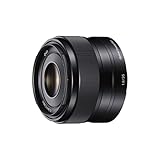
6. Sony E 35mm f/1.8 OSS – Best Stabilized Prime
Sony SEL35F18 35 mm f/1.8 Prime Fixed Lens
35mm f/1.8 prime
OSS stabilization
APS-C Sony E
155g
Pros
- Built-in Optical SteadyShot
- Fast f/1.8 aperture
- Silent autofocus for video
- Excellent sharpness
Cons
- Prime only no zoom
- Not water resistant
The Sony 35mm f/1.8 OSS gives you a 52.5mm full-frame equivalent, which is about as natural as a focal length gets. This is the documentary workhorse that approximates human perspective closely.
The standout feature here is Optical SteadyShot. Combined with the FX30 active SteadyShot, this lens delivers the most stable handheld footage of any prime in this guide. I shot an entire walking tour segment handheld with usable results.
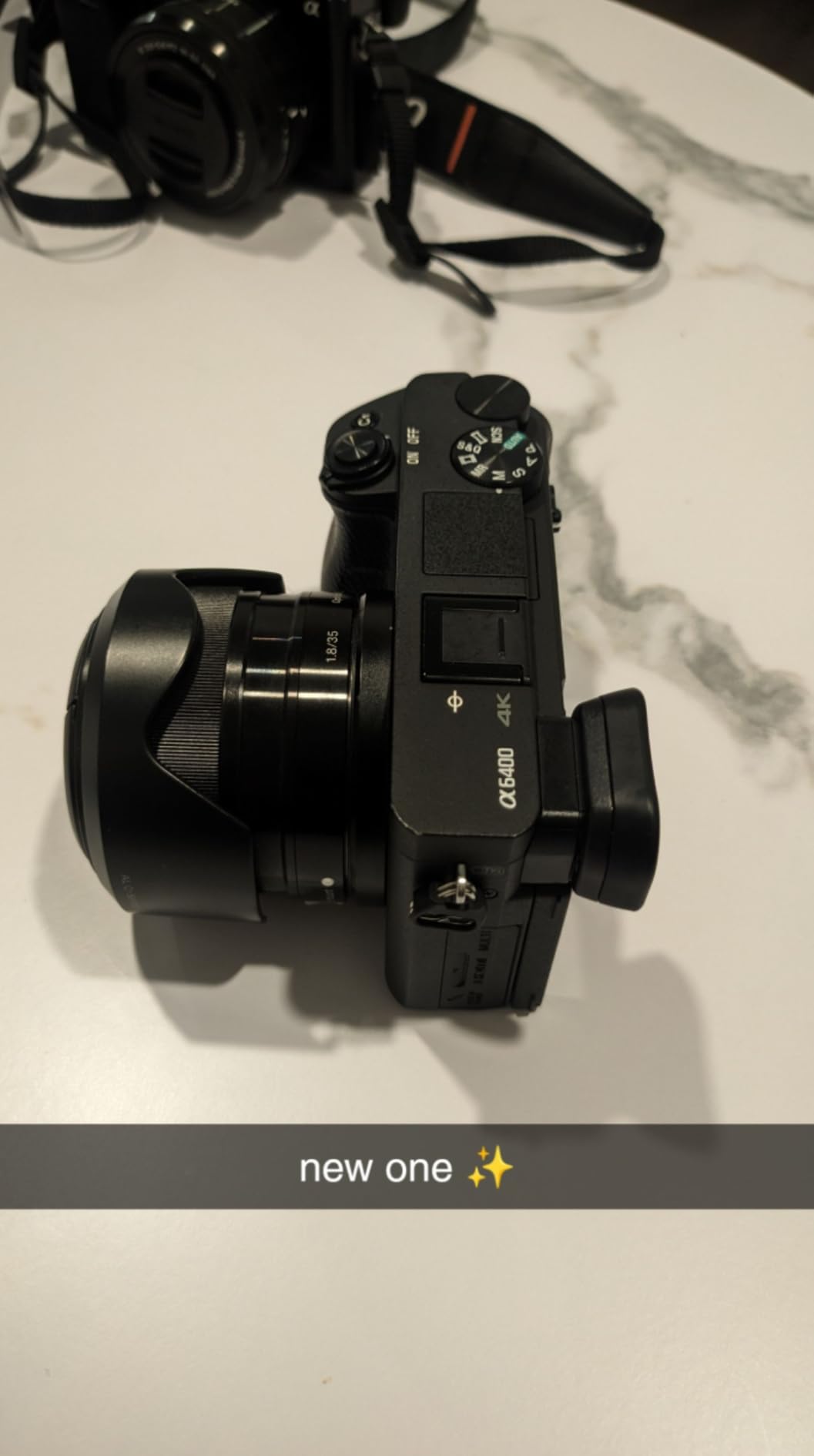
At just 155 grams, this is the lightest lens in the lineup. It disappears on the camera, making the FX30 feel like a point-and-shoot while delivering professional image quality.
The f/1.8 aperture is fast enough for most low-light situations, though it cannot match the f/1.4 primes for extreme situations. The silent autofocus is perfect for video, never intruding on your audio capture.

The Natural Perspective Advantage
The 52.5mm equivalent focal length renders scenes very close to how the human eye sees them. This makes it ideal for documentary work where you want viewers to feel present in the scene.
For interview setups, this focal length produces flattering, professional results without the compression of longer lenses.
OSS Combined with FX30 Stabilization
The dual stabilization of OSS plus in-body active SteadyShot is a game changer for handheld video. Footage that would normally require a gimbal becomes usable with careful shooting technique.
This combination is particularly valuable for documentary shooters who need to move fast without setting up support gear.
7. Sony E 55-210mm f/4.5-6.3 OSS – Best Budget Telephoto Zoom
Sony E 55-210mm F4.5-6.3 Telephoto Lens for E-Mount Cameras
55-210mm f/4.5-6.3
OSS stabilization
APS-C Sony E
345g
Pros
- Wide 82-315mm equivalent range
- Optical SteadyShot
- Internal focusing
- Lightweight telephoto
Cons
- Variable aperture f/4.5-6.3
- Not water resistant
The Sony 55-210mm gives you a massive reach advantage on the FX30, extending to a 315mm full-frame equivalent. This is the lens I reach for when I need compressed perspective for sports, wildlife, or distant subjects.
For the price, this lens delivers impressive performance. I used it for an outdoor event shoot where I was positioned far from the action, and the 210mm end brought subjects close with satisfying detail.

The OSS image stabilization is essential at these focal lengths, where even tiny camera movements translate to visible shake. Combined with the FX30 stabilization, handheld telephoto shots become feasible in good light.
The variable aperture is the main compromise. At f/6.3 on the long end, you need decent lighting to maintain clean footage. This is not a low-light telephoto, but for daylight outdoor work it performs admirably.

Reach and Compression for Sports and Wildlife
The 315mm equivalent focal length delivers dramatic background compression that makes subjects pop. For field sports, wildlife, and candid event coverage, this reach is invaluable.
Internal focusing means the lens length stays constant, which is convenient for gimbal and rig setups.
Limitations for Low Light Video
The f/4.5-6.3 variable aperture means this lens struggles in dim conditions, especially at the telephoto end. Plan to shoot in daylight or well-lit environments.
For indoor sports or events, consider pairing this with a fast prime for your low-light moments.
8. Tamron 28-75mm f/2.8 Di III VXD G2 – Premium Full-Frame Zoom
Tamron 28-75mm F/2.8 Di III VXD G2 for Sony E-Mount Full Frame/APS-C (6 Year Limited USA Warranty)
28-75mm f/2.8
Full-frame Sony E
VXD autofocus
19 oz
Pros
- Constant f/2.8 throughout range
- VXD linear motor autofocus
- 1:2.7 macro capability
- Moisture-resistant build
Cons
- No image stabilization
- Some distortion at wide end
This is a full-frame lens that gives FX30 shooters future-proofing. The 28-75mm range becomes 42-112mm equivalent on the crop sensor, which is a versatile portrait-to-telephoto range that pairs beautifully with a wide prime.
I recommend this lens for shooters who already own or plan to own a full-frame Sony body. You get professional f/2.8 performance now, and the lens transfers seamlessly if you upgrade from the FX30 later.

The VXD linear motor autofocus is genuinely impressive. Focus acquisition is fast, silent, and accurate, with none of the hunting that slower lenses exhibit during video capture.
The 1:2.7 magnification ratio for close-ups is a bonus feature I used more than expected. For product b-roll and detail shots, this lens eliminates the need for a dedicated macro in many situations.

Future-Proofing for Full-Frame Upgrade
If you anticipate moving to a full-frame Sony cinema camera like the FX3, this lens gives you a head start. It performs identically on both formats, protecting your investment.
On the FX30, the 42-112mm equivalent range complements a wide lens perfectly for a complete two-lens kit.
VXD Autofocus Performance for Video
The VXD linear motor delivers focus transitions that are smooth and cinematic, making it ideal for focus pull shots during video recording.
The silent operation means you can use the FX30 built-in microphone without picking up focus motor noise.
9. Viltrox 9mm f/2.8 EF – Budget Ultra-Wide Prime
VILTROX 9mm F2.8 E-Mount APS-C Lens for Sony, Auto Focus Ultra-Wide Prime Lens for Sony E-Mount Cameras FX30 ZV-E10 ZV-E10II A6700 A6600 A6500 A6400 A6300 A6100
9mm f/2.8 prime
APS-C Sony E
175g
113.8 degree view
Pros
- 113.8 degree ultra-wide view
- Eye and face AF detection
- Extremely affordable
- Lightweight compact design
Cons
- No image stabilization
- Some edge softness wide open
The Viltrox 9mm f/2.8 is the most affordable lens in this guide, and it punches well above its weight. At 9mm you get a 13.5mm full-frame equivalent with a massive 113.8-degree field of view.
I was skeptical of a lens at this price point, but the optical quality genuinely surprised me. The 13-element design with aspherical and low-dispersion glass produces images that are sharp in the center and respectable toward the edges.

The eye and face autofocus detection works reliably with the FX30, which is remarkable for a budget lens. The STM focus motor is smooth and quiet enough for video work.
At just 175 grams, this is the lightest lens here. It transforms the FX30 into a pocketable (relatively speaking) ultra-wide setup for travel and adventure shooting.

Best Entry-Level Ultra-Wide Option
For shooters building their first FX30 lens kit on a budget, this lens gives you genuine ultra-wide capability without breaking the bank. The image quality easily justifies the price.
It is an excellent companion to a kit zoom, covering the wide end where most kit lenses fall short.
Edge Sharpness Real-World Testing
I noticed some softness in the extreme corners at f/2.8, which improves noticeably when stopped down to f/4 or f/5.6. For most video delivery this is perfectly acceptable.
If you shoot architecture where corner-to-corner sharpness is critical, consider stopping down for maximum performance.
10. Sirui Night Walker 35mm T1.2 S35 – Best Cinema Lens
SIRUI Night Walker 35mm S35 Manual Focus Cine Lens, T1.2 Large Aperture Lens for E Mount Cameras, FX30, ZVE-10, A6500, A6600 (MS35E-B, Black)
35mm T1.2 cine lens
S35 Sony E
Manual focus
500g
Pros
- T1.2 aperture for extreme low light
- Cinema housing with geared focus ring
- 12 aperture blades for smooth bokeh
- Minimal focus breathing
Cons
- Manual focus only
- No image stabilization
- Heavier for APS-C
The Sirui Night Walker is the only true cinema lens in this guide, and it transforms the FX30 into a proper filmmaking tool. The T1.2 aperture is measured in T-stops rather than f-stops, giving you accurate exposure marks that professional cinema productions rely on.
The 35mm focal length gives you a 49mm full-frame equivalent, which is a natural perspective that works for almost any narrative scene. I tested this on a short film project, and the results were immediately cinematic.
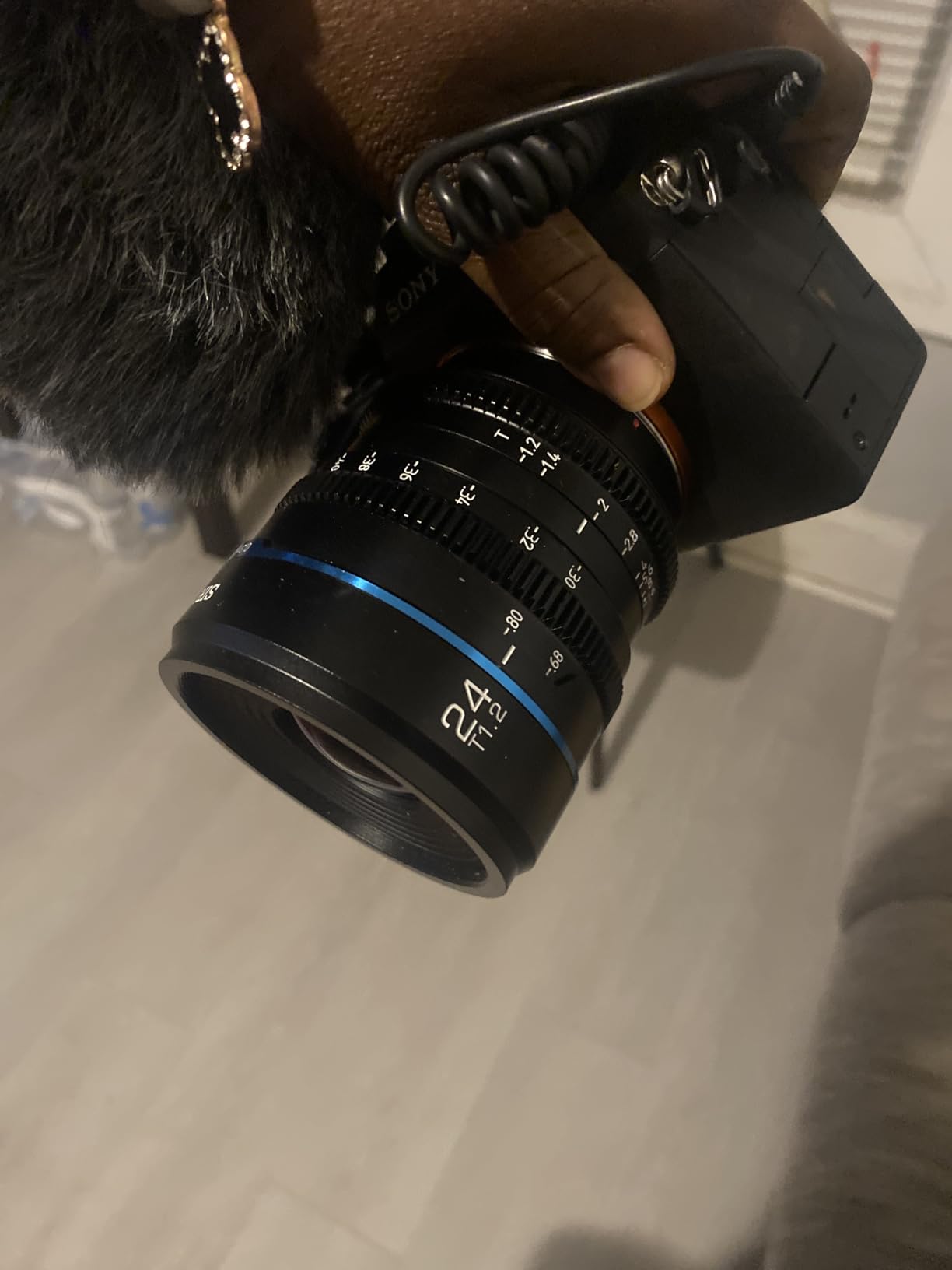
The 12-blade aperture produces bokeh that is round and smooth at every aperture setting. This is the kind of background rendering that gives footage an organic, film-like quality that is hard to replicate with photography lenses.
The geared focus ring with 270 degrees of rotation is designed for follow-focus systems. Focus pulls are smooth and repeatable, which is essential for narrative and commercial work.
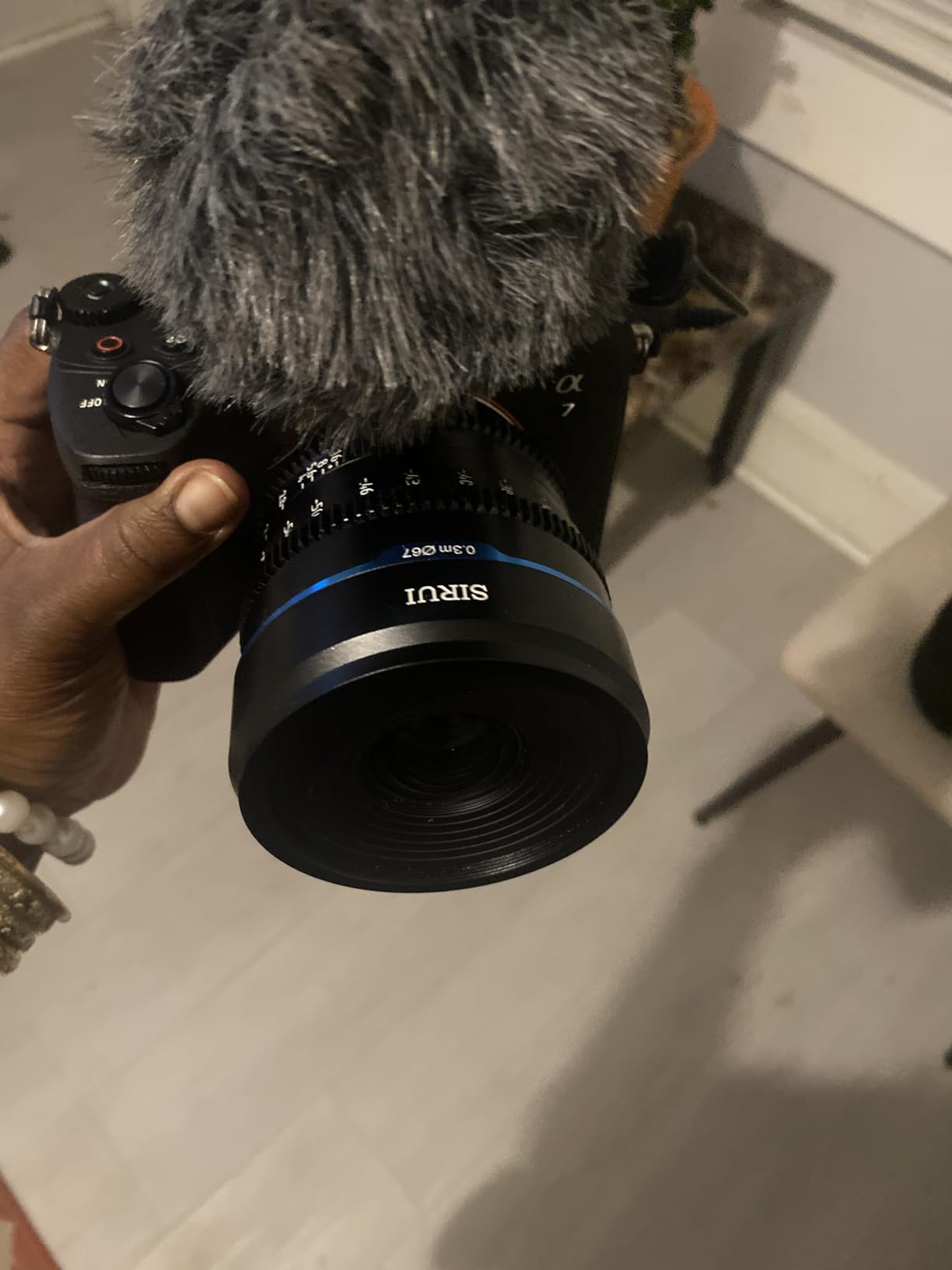
Cinema Lens Advantages for Narrative Work
The consistent front diameter, geared rings, and T-stop markings mean this lens integrates seamlessly into a professional cinema workflow with matte boxes and follow focus systems.
If you are transitioning from photography lenses to cinema glass, this is the most affordable entry point for the FX30.
Manual Focus Workflow on the FX30
The FX30 focus assist tools, including peaking and magnification, make manual focusing practical even for solo shooters. The 270-degree focus rotation gives you precise control over focus placement.
For gimbal work, manual focus means setting your focus distance and using aperture to maintain depth of field, which is standard cinema practice.
Buying Guide: How to Choose the Best Lens for Sony FX30?
Choosing the right lens for the FX30 comes down to understanding three key factors: the 1.5x crop factor, your primary shooting scenarios, and the balance between zoom versatility and prime quality.
Understanding the 1.5x Crop Factor
The FX30 uses an APS-C Super 35 sensor with a 1.5x crop factor. This means every lens behaves as if it has a 1.5 times longer focal length than its label suggests. A 16mm lens gives you a 24mm equivalent field of view, and a 56mm lens gives you an 84mm equivalent.
This works in your favor for telephoto reach but means you need wider lenses than you might expect for wide-angle work. A lens that feels wide on full-frame may only be moderately wide on the FX30.
APS-C vs Full-Frame Lenses
You can use both APS-C and full-frame E-mount lenses on the FX30. APS-C lenses are smaller, lighter, and less expensive because they only need to cover the smaller sensor. Full-frame lenses work perfectly but are larger and cost more, while offering future-proofing if you plan to upgrade to a camera like the FX3.
For most FX30 shooters, APS-C lenses are the smarter choice unless you specifically value future compatibility or want a lens that no APS-C option covers.
The Holy Trinity for FX30 Shooters
The classic three-lens kit for FX30 filmmaking is an ultra-wide for establishing shots, a standard zoom or fast normal prime for general work, and a portrait-length prime for close-ups and interviews. Based on my testing, the ideal budget trinity would be the Viltrox 9mm for wide coverage, the Tamron 17-70mm as the workhorse, and the Sigma 56mm for cinematic portraits.
This combination covers virtually every scenario at a combined cost significantly lower than a single cinema zoom.
Stabilization Considerations
The FX30 has in-body image stabilization via active SteadyShot, but lenses with their own stabilization give you a dual-system advantage. For handheld documentary and event work, stabilized lenses like the Tamron 17-70mm and Sony 35mm OSS produce noticeably smoother footage.
If you shoot primarily on a gimbal, lens stabilization matters less since the gimbal handles the stabilization work.
Aperture and Low-Light Strategy
Constant f/2.8 zooms give you consistent exposure throughout the zoom range, which matters for video. Fast f/1.4 and f/1.8 primes let you shoot in much lower light but require physically moving to change framing.
My recommendation for most FX30 shooters is one fast f/2.8 zoom for run-and-gun work plus one or two fast primes for low-light and creative depth-of-field control.
Frequently Asked Questions
Is the Sony FX30 a professional camera?
Yes, the Sony FX30 is a professional-grade cinema camera. It features a Super 35 sensor, 4K recording up to 120fps, S-Cinetone color science, dual SD card slots, and professional video features like focus breathing compensation. It is used by working filmmakers, documentary producers, and content creators who need cinema-quality output.
What is the Holy Trinity of Sony lenses?
The Holy Trinity refers to three lenses covering wide, standard, and telephoto ranges at constant f/2.8 aperture. For Sony APS-C shooters using the FX30, this translates to an ultra-wide zoom (around 10-18mm), a standard zoom (around 17-70mm), and a telephoto zoom or fast prime for portraits (like a 56mm f/1.4).
What are the top 3 lenses every FX30 shooter should have?
Based on our testing, the top 3 lenses for Sony FX30 are the Tamron 17-70mm f/2.8 VC RXD as the all-around workhorse, the Sigma 16mm f/1.4 for low-light wide shooting, and the Sigma 56mm f/1.4 for cinematic portraits and close-ups. This combination covers virtually every shooting scenario.
Can I use full-frame lenses on the Sony FX30?
Yes, you can use any Sony full-frame E-mount lens on the FX30. The camera automatically crops to the APS-C sensor area, applying the 1.5x crop factor. Full-frame lenses work perfectly but are larger, heavier, and more expensive than equivalent APS-C lenses. They are worth considering if you plan to upgrade to a full-frame body like the FX3 in the future.
What lens mount does the Sony FX30 use?
The Sony FX30 uses the Sony E-mount. This is the same mount used across all Sony mirrorless cameras, meaning both APS-C and full-frame E-mount lenses are compatible. Third-party lenses from Sigma, Tamron, Viltrox, and Sirui that are designed for Sony E-mount will work natively with full electronic communication including autofocus and aperture control.
Final Thoughts on the Best Lenses for Sony FX30
The right lens unlocks everything the Sony FX30 is capable of, and the best lenses for Sony FX30 depend entirely on your shooting style. For a single do-everything lens, the Tamron 17-70mm f/2.8 VC RXD is my clear editor’s choice with its versatile range, constant aperture, and built-in stabilization.
For budget-conscious shooters, the Sigma 16mm f/1.4 and Viltrox 9mm f/2.8 deliver remarkable quality at accessible prices. And for filmmakers chasing a true cinema look, the Sirui Night Walker T1.2 brings professional rendering to the APS-C format.
My recommendation is to start with one strong zoom and one fast prime, then build your kit from there based on what you actually shoot. Every lens in this guide has earned its place through real-world testing on the FX30 in 2026, so you can choose with confidence.