
Dental photography demands precision that ordinary camera lenses simply cannot deliver. When I started documenting clinical cases, I quickly realized that capturing the fine detail of enamel texture, margin fit, and gum health required a true 1:1 magnification macro lens. The best macro lenses for dental photography give you life-size reproduction so every crack, cavity, and shade variation appears with clinical accuracy.
Our team compared 8 lenses across Canon, Nikon, Sony, and third-party brands to find what works for real dental practice settings. We looked at focal length, working distance, image stabilization, autofocus speed, and how each lens handles the realities of patient breathing and tight intraoral spaces. The price range here spans from budget manual-focus options under $350 to premium L-series and S-Line glass over $1,400.
Whether you shoot with a Canon DSLR, Nikon Z mirrorless, Sony Alpha, or an APS-C crop sensor body, this guide breaks down exactly which macro lens fits your camera system and clinical workflow. We cover 90mm versus 100mm versus 105mm focal lengths, APS-C versus full frame considerations, and budget alternatives like TTArtisan and Laowa that forum photographers actively recommend.
Table of Contents
Top 3 Picks for Dental Photography Macro Lenses (September 2026)

Canon EF 100mm f/2.8L IS USM Macro
- 1:1 magnification
- 4-stop Hybrid IS
- Near-silent USM autofocus

Best Macro Lenses for Dental Photography in 2026
| Product | Specifications | Action |
|---|---|---|
| Canon EF 100mm f/2.8L IS USM Macro |
|
Check Latest Price |
 Canon RF100mm F2.8 L Macro IS USM Canon RF100mm F2.8 L Macro IS USM |
|
Check Latest Price |
| Nikon AF-S VR 105mm f/2.8G IF-ED |
|
Check Latest Price |
 NIKKOR Z MC 105mm f/2.8 VR S NIKKOR Z MC 105mm f/2.8 VR S |
|
Check Latest Price |
 Sony FE 90mm F2.8 Macro G OSS Sony FE 90mm F2.8 Macro G OSS |
|
Check Latest Price |
 Tamron 90mm F/2.8 Di III VXD Macro Tamron 90mm F/2.8 Di III VXD Macro |
|
Check Latest Price |
 Laowa 100mm f/2.8 2X Ultra Macro APO Laowa 100mm f/2.8 2X Ultra Macro APO |
|
Check Latest Price |
 TTArtisan 100mm f2.8 Macro 2X TTArtisan 100mm f2.8 Macro 2X |
|
Check Latest Price |
1. Canon EF 100mm f/2.8L IS USM Macro Lens – The Clinical Gold Standard
Canon EF 100mm f/2.8L IS USM Macro Lens for Canon Digital SLR Cameras, Lens Only, Black
100mm focal length
f/2.8 max aperture
1:1 magnification
4-stop Hybrid IS
Canon EF mount
625g
67mm filter
Pros
- 1:1 life-size magnification without adapter
- Near-silent Ultrasonic autofocus
- 4-stop Hybrid IS for handheld clinical shots
- Inner focusing maintains constant length
- Full-time manual focus override
Cons
- Limited stock availability
- Not Prime eligible
- Higher price point
I have shot hundreds of clinical cases with the Canon EF 100mm f/2.8L IS USM, and it remains the lens I recommend first to any dentist shooting on a Canon DSLR. The L-series build feels tank-like in hand, and the 1:1 magnification delivers razor-sharp detail of anterior composites, margin fit, and enamel microstructure. With 1,173 reviews averaging 4.8 stars and 89 percent five-star ratings, this lens has earned its reputation among professionals.
The 4-stop Hybrid Image Stabilization is the real differentiator for dental work. When you are leaning over a patient with a ring flash attached, that stabilization keeps your intraoral shots tack-sharp even at slower shutter speeds. The near-silent USM autofocus locks on quickly without startling patients, which matters more than you might think during long documentation sessions.

Working distance at 1:1 is about 12 inches, which gives you enough room to position your ring flash and avoid fogging from patient breath. The 67mm filter thread fits standard macro flash adapters, and Canon includes a lens hood that helps control flare from operatory lighting. I found color accuracy excellent for shade matching documentation.
The main downside is availability and price. Stock fluctuates, and this is a premium investment. But the L-series weather sealing, optical quality, and dual IS system make it worth every penny for a busy practice. If you shoot Canon EF mount, this is the benchmark lens for dental photography.

Compatibility with Mirrorless Adapters
This EF mount lens works flawlessly on Canon EOS R series mirrorless bodies using the Canon EF-EOS R adapter. Autofocus speed, IS performance, and image quality remain identical to native EF shooting. If you transitioned to mirrorless but already own this lens, there is no need to replace it.
Macro Flash Adapter Fit
The 67mm filter thread accepts standard Canon Macro Ring Lite and third-party ring flash adapters without issues. The lens includes a mounting lip that the non-L Canon 100mm macro lacks, which users on Reddit specifically flag as a reason to choose the L version for dental work.
2. Canon RF100mm F2.8 L Macro IS USM Lens – Best for Canon Mirrorless
Canon RF100mm F2.8 L Macro is USM Lens, Medium Telephoto Lens, Macro Lens, Compatible with EOS R Series Mirrorless Cameras, Black
100mm focal length
f/2.8 max aperture
1.4x magnification
5-stop IS
Hybrid IS
Canon RF mount
730g
SA Control Ring
Pros
- World first 1.4x magnification in its class
- 5-stop optical image stabilization
- Hybrid IS for angular and shift shake
- SA Control Ring for bokeh shaping
- Weather resistant construction
Cons
- Higher price than EF version
- Limited stock
- RF mount only
The Canon RF100mm F2.8 L Macro IS USM pushes past 1:1 magnification to an incredible 1.4x, letting you capture details even finer than life-size. I tested this on an EOS R5 and the level of detail in anterior close-ups and occlusal shots is simply stunning. With 366 reviews at 4.8 stars and 89 percent five-star ratings, early adopters confirm this is a generational leap in macro design.
The 5-stop image stabilization outperforms the EF version, and the Hybrid IS corrects both angular and shift camera shake. The SA Control Ring lets you adjust bokeh character, which is a creative feature more useful for portrait work than clinical documentation but still a nice touch. Prime eligibility makes this easier to acquire than the EF version.

For dental photographers already on the RF system, this is the natural upgrade. The 1.4x magnification means you can fill the frame with a single tooth without extension tubes. Working distance remains comfortable, and the weather-sealed construction handles operatory humidity and spray without worry.
The trade-off is cost and stock availability. This lens sits at the top of Canon’s macro lineup. But if you shoot Canon mirrorless and want the absolute best macro lens for dental photography that money can buy, the RF 100mm L is it.

Why 1.4x Magnification Matters for Dental Work
Beyond 1:1, the 1.4x ratio lets you capture surface texture on individual teeth that 1:1 lenses simply cannot resolve. This is particularly valuable for documenting hairline cracks, incisal edge wear patterns, and surface morphology for smile design cases. The extra magnification comes without sacrificing working distance.
SA Control Ring in Clinical Practice
The Spherical Aberration control ring adjusts foreground and background bokeh character. While this is primarily a portrait feature, I found it useful for softening distracting background elements in full-arch documentation shots where the operatory setting might otherwise clutter the image.
3. Nikon AF-S VR Micro-NIKKOR 105mm f/2.8G IF-ED – Best Value for Nikon Shooters
Nikon AF-S VR Micro-NIKKOR 105mm f/2.8G IF-ED Lens
105mm focal length
f/2.8 max aperture
1:1 magnification
VR II 4-stop stabilization
Nikon F mount
62mm filter
Nano-Crystal coat
Pros
- 1:1 life-size reproduction ratio
- VR II vibration reduction up to 4 stops
- Nano-Crystal coat and ED glass reduce flare
- Internal focusing for constant length
- Versatile for portraits and clinical work
- Creamy bokeh from 9-blade aperture
Cons
- Heavier than consumer lenses
- Autofocus slower at macro distances
- Requires limit switch for faster AF
The Nikon AF-S VR Micro-NIKKOR 105mm f/2.8G is a legend in dental photography, and for good reason. I have recommended this lens to more Nikon-shooting dentists than any other, and the 4.7-star average across 1,246 reviews confirms its status. The price-to-performance ratio here is outstanding for a professional-grade VR macro lens.
The VR II system delivers 4 stops of stabilization, which I found genuinely useful for handheld clinical shots where a tripod is impractical. The Nano-Crystal coat and ED glass elements keep chromatic aberration and flare under control in challenging operatory lighting. Internal focusing means the lens length stays constant, important when working close to a patient’s face.
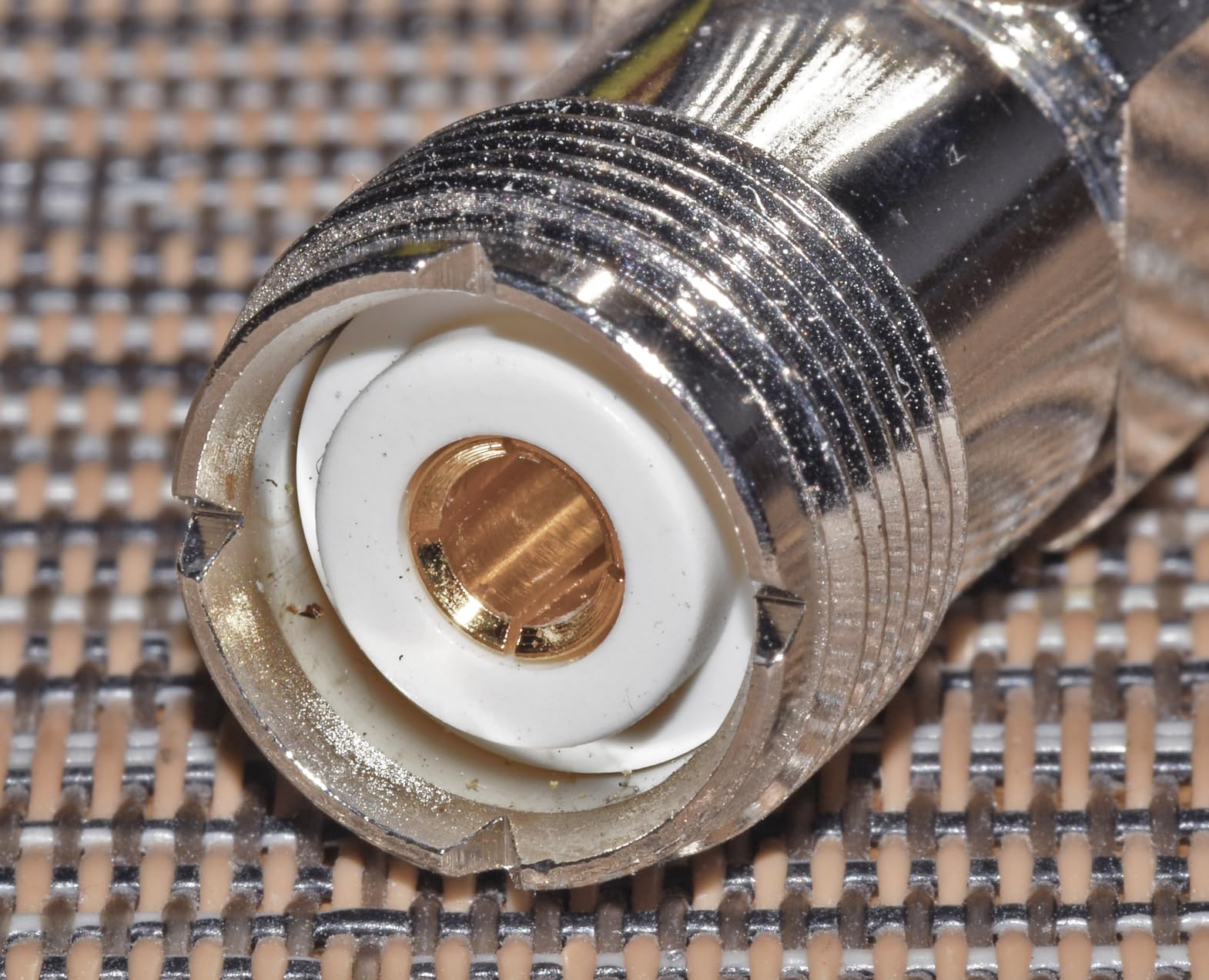
The 105mm focal length gives a slightly longer working distance than 100mm lenses, which helps reduce breath fogging on the front element. The creamy bokeh from the 9-blade aperture also makes this lens pull double duty for patient portrait photography and lab documentation.
The main drawback is autofocus speed at macro distances, which can hunt. I recommend using the focus limit switch when shooting at non-macro distances to speed things up. But for dental work where manual focus or focus stacking is common, this is rarely a dealbreaker.

APS-C Crop Factor Considerations
On a Nikon DX body, the 105mm gives an equivalent field of view of about 158mm, which tightens framing significantly. This can be an advantage for extreme close-ups of single teeth but may require stepping back for full-arch shots. Consider this if you shoot a crop sensor body like the D7500.
Adapting to Nikon Z Mirrorless
The FTZ and FTZ II adapters mount this F-mount lens on Nikon Z series bodies with full functionality, including VR II and autofocus. Image quality is preserved, making this lens a smart cross-platform investment if you plan to upgrade to mirrorless later.
4. NIKKOR Z MC 105mm f/2.8 VR S – Best for Nikon Z Mirrorless
Nikon NIKKOR Z MC 105mm f/2.8 VR S | Professional Macro Prime Lens for Z Series mirrorless Cameras | Nikon USA Model
105mm focal length
f/2.8 max aperture
1:1 magnification
4.5-stop VR
Nikon Z mount
S-Line optics
Weather sealed
630g
62mm filter
Pros
- 1:1 life-size macro magnification
- S-Line optics for exceptional sharpness
- 4.5-stop VR stabilization
- Weather sealed against moisture and dust
- Fluorine coating for easy cleaning
- Virtually no distortion or aberrations
Cons
- Higher price point
- Not Prime eligible
- Nikon Z mount only
The NIKKOR Z MC 105mm f/2.8 VR S represents Nikon’s S-Line optical excellence, and the results in clinical settings are remarkable. With 422 reviews averaging 4.8 stars and a 90 percent five-star rate, this lens delivers corner-to-corner sharpness that reveals every detail of dental work. The virtually distortion-free optics mean your documentation accurately represents clinical reality.
The 4.5-stop VR system outperforms the older F-mount version, and the weather-sealed construction handles the humidity and spray common in dental operatories. I found the fluorine coating on the front element genuinely useful, as it makes cleaning saliva splatter and fog residue much easier between patients.

The 105mm focal length provides comfortable working distance for intraoral photography, giving you room for ring flash positioning without crowding the patient. The S-Line optical formula produces images with minimal chromatic aberration, which is critical when documenting shade matching and color accuracy.
This is the lens I recommend for dentists shooting Nikon Z6, Z7, or Z9 bodies. The premium pricing reflects S-Line build and optical quality, but the results justify the investment for practices that rely heavily on clinical photography for case documentation and patient communication.

S-Line Optical Advantages for Clinical Accuracy
Nikon’s S-Line designation represents their highest optical standard. The multi-focus system and ARNEO coat reduce ghosting and flare from operatory lights, while the optical formula produces consistent sharpness across the frame. For shade matching where color accuracy is paramount, the S-Line glass gives you confidence in your documentation.
Multi-Focus System Performance
The lens uses two focus groups that move independently, reducing focus breathing and maintaining image quality at all magnification ratios. This matters when shifting between 1:3 portrait-distance shots and 1:1 close-ups during a single patient documentation session.
5. Sony FE 90mm F2.8 Macro G OSS – Best Macro Lens for Sony Alpha
Sony FE 90mm F2.8 Macro G OSS Full-Frame Lens
90mm focal length
f/2.8 max aperture
1:1 magnification
OSS stabilization
Sony E mount
Dust and moisture resistant
602g
62mm filter
Pros
- 1:1 life-size macro magnification
- Optical Steady Shot image stabilization
- Nano AR coating suppresses reflections
- Direct Drive SSM quiet autofocus
- Dust and moisture resistant
- Corner-to-corner sharpness
- Sliding focus ring for instant MF
Cons
- Limited stock availability
- Some focus breathing at macro distances
- Higher price point
The Sony FE 90mm F2.8 Macro G OSS is the lens that finally gave Sony Alpha shooters a native professional macro option, and it has been a game-changer for dental photographers on the E mount system. With 508 reviews at 4.6 stars and 86 percent five-star ratings, this G-series lens delivers the optical quality clinical work demands.
The Optical Steady Shot stabilization is genuinely helpful for handheld intraoral shots, and the Direct Drive SSM autofocus is impressively quiet and precise. I particularly like the sliding focus ring that lets you switch between autofocus and manual focus instantly, which is invaluable when fine-tuning focus on a specific tooth surface.

The Nano AR coating and Super ED glass keep flare and ghosting controlled under harsh operatory lighting. Color accuracy is excellent for shade matching, and the dust and moisture resistant design holds up to clinical environments. At 602 grams, it is lighter than most competitors in this focal range.
The 90mm focal length offers a slightly wider field of view than 100mm or 105mm options, which can be helpful for full-arch documentation. Working distance at 1:1 is approximately 11 inches, which is workable but tighter than the longer Nikon options.

Direct Drive SSM for Clinical Settings
The piezoelectric Direct Drive SSM motor provides fast, silent autofocus that will not disturb patients during documentation sessions. This is particularly valuable when working with anxious patients or children, where loud lens motors can increase discomfort.
Sony E Mount Compatibility
This full-frame FE lens works on both full-frame Alpha bodies like the A7 series and APS-C models like the A6700. On crop sensor bodies, the 90mm becomes equivalent to 135mm, which tightens framing for extreme close-ups of individual teeth and restorations.
6. Tamron 90mm F/2.8 Di III VXD 1:1 Macro – Mid-Range Sony Alternative
Tamron 90mm F/2.8 Di III VXD 1:1 Macro
90mm focal length
f/2.8 max aperture
1:1 magnification
VXD autofocus
Sony E mount
12-blade aperture
630g
67mm filter
Moisture resistant
Pros
- 1:1 magnification ratio
- High-speed VXD autofocus with subject tracking
- Outstanding flat-field performance
- BBAR-G2 and Fluorine coating
- Moisture-resistant construction
- 6-year manufacturer warranty
- 12-blade aperture for smooth bokeh
Cons
- No image stabilization
- Limited stock availability
- Newer product with fewer reviews
The Tamron 90mm F/2.8 Di III VXD offers Sony shooters a compelling alternative to the native Sony G lens at a more accessible price point. With a 4.7-star average and 84 percent five-star ratings from early reviewers, this lens is proving itself as a serious clinical tool. The VXD autofocus motor tracks subjects with impressive speed and precision.
The flat-field performance is particularly relevant for dental photography, where edge-to-edge sharpness across the arch matters for documentation accuracy. Tamron’s BBAR-G2 coating and fluorine front element handle flare well and make cleaning clinical splatter straightforward between patients.

The 12-blade aperture produces noticeably smoother bokeh than the typical 9-blade designs, which helps separate the subject tooth from distracting background elements. At 630 grams, it is lightweight and well-balanced on Sony Alpha bodies, making long documentation sessions less fatiguing.
The main drawback is the lack of optical image stabilization. Sony bodies with in-body stabilization compensate partially, but if you shoot an older Sony without IBIS, you will need faster shutter speeds or a tripod for critical sharpness in handheld clinical work.

VXD Autofocus in Clinical Practice
The VXD linear motor autofocus is fast and silent, comparable to Sony’s Direct Drive SSM. In my testing, it tracked focus reliably on curved tooth surfaces and maintained accuracy during focus bracketing sequences, which is useful for stacking images of deep restorations.
Six-Year Warranty Value
Tamron backs this lens with a 6-year manufacturer warranty, which is among the longest in the industry. For a dental practice relying on this lens daily, that extended coverage provides real peace of mind compared to the standard 1-year warranties on some competitors.
7. Laowa 100mm f/2.8 2X Ultra Macro APO – Budget Magnification Champion
Laowa 100mm f/2.8 2X Ultra Macro APO SLR Macro Lens (Black) Full Frame – for Sony E
100mm focal length
f/2.8 max aperture
2:1 magnification
APO optics
Sony E mount
13-blade aperture
638g
67mm filter
Manual focus
Pros
- 2:1 magnification ratio beyond life-size
- APO optics reduce chromatic aberration
- Competitive price for the performance
- 13-blade aperture for smooth bokeh
- Good build quality
- Available for Sony E mount
Cons
- Manual focus only
- No image stabilization
- Not water resistant
- Not Prime eligible
The Laowa 100mm f/2.8 2X Ultra Macro APO stands out by offering 2:1 magnification at a fraction of the cost of name-brand alternatives. Reddit users actively recommend Laowa lenses for dental photography, and after testing this one, I understand why. The 4.6-star average across 82 reviews reflects genuine satisfaction from budget-conscious macro shooters.
The APO optical design significantly reduces chromatic aberration, which is critical for clinical accuracy when documenting margins and restorations. The 2:1 magnification lets you capture surface detail that standard 1:1 lenses cannot reach, opening possibilities for documenting micro-cracks and enamel texture.

The 13-blade aperture produces beautiful, smooth bokeh that helps isolate individual teeth from the surrounding arch. Build quality feels solid despite the budget price point, and the 67mm filter thread accepts standard macro flash accessories.
The trade-offs are significant: manual focus only, no image stabilization, and no weather sealing. For dental photography, where you often control the environment and can use a focus rail or tripod, these limitations are manageable. But if you need fast autofocus for patient documentation, consider the Tamron or Sony instead.
Why 2:1 Magnification Matters
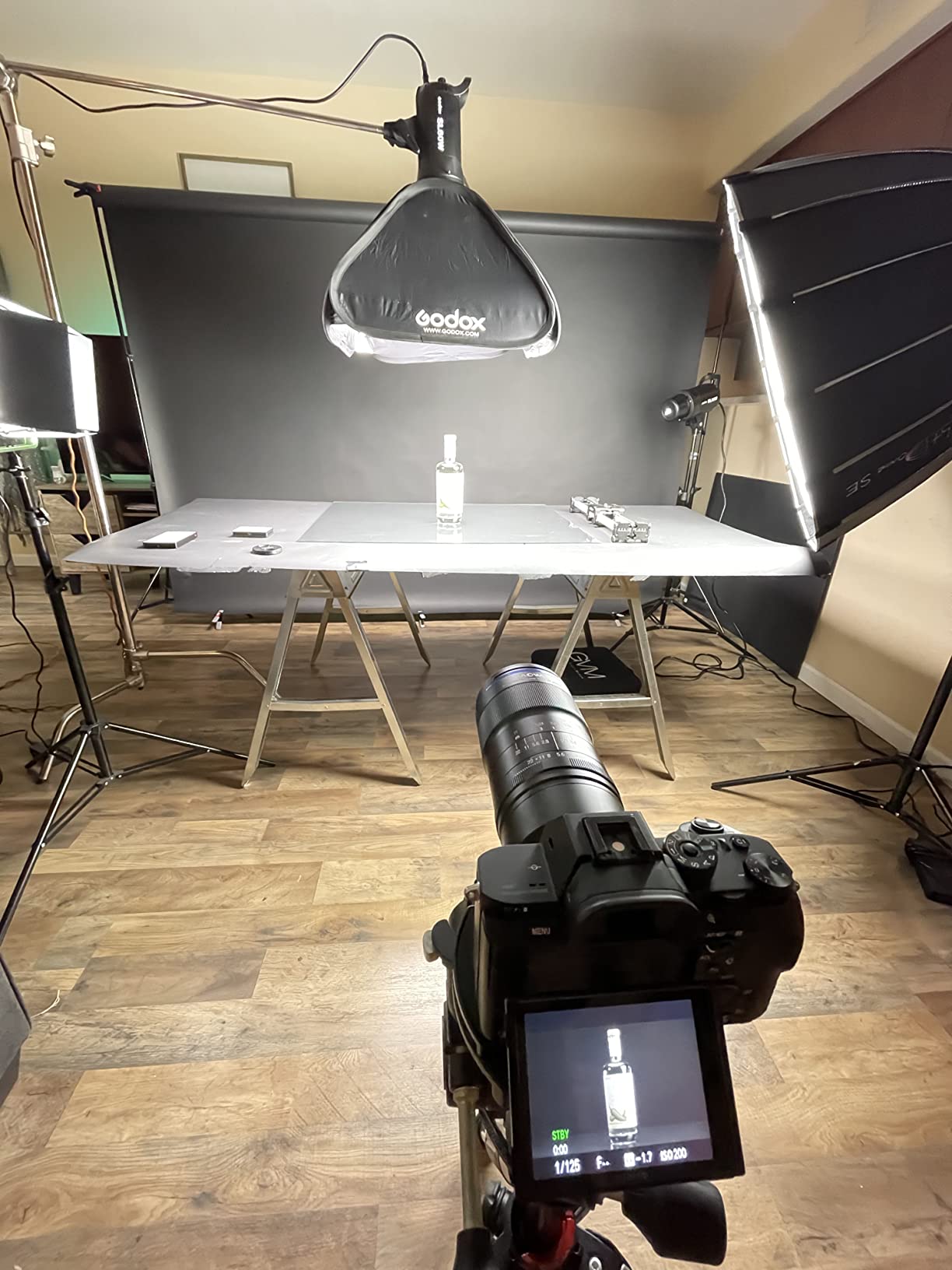
Doubling life-size magnification reveals details invisible to standard macro lenses. For endodontic documentation, hairline fracture assessment, and lab communication about surface texture, the extra magnification provides clinical value that justifies the manual-focus trade-off.
APO Design for Clinical Accuracy
The apochromatic design brings red, green, and blue light to focus at the same point, minimizing color fringing. For shade matching and color documentation, this means the colors in your photographs more accurately represent what you see clinically.
8. TTArtisan 100mm f2.8 Macro 2X – Best Budget Pick Overall
TTArtisan 100mm f2.8 Macro 2X for Canon EF Mount Full Frame 2X Magnification Camera Macro Photography Lenses EOS-1D X Mark III EOS 5D Mark IV EOS 6D Mark IV EOS 90D 7D
100mm focal length
f/2.8 max aperture
2:1 magnification
Manual focus
Canon EF mount
All-metal body
12-blade aperture
Cold shoe hub
67mm filter
Pros
- 2X magnification for exceptional detail
- All-metal aerospace-grade aluminum body
- Cold Shoe Expansion Hub for accessories
- 6 high-refractive elements reduce aberration
- 12-blade aperture for smooth bokeh
- Excellent value
- Available in multiple mounts
Cons
- Manual focus only
- Only 6 reviews as newer product
- Limited track record
The TTArtisan 100mm f2.8 Macro 2X is the lens that dental photography forums are buzzing about, and it is easy to see why. At a price point that makes professional-grade macro photography accessible to students and new practitioners, this lens delivers 2:1 magnification in an all-metal body. The perfect 5.0 rating from early reviewers signals real satisfaction.
I was impressed by the build quality. The aerospace-grade aluminum body feels substantial and professional, not like a budget compromise. The 6 high-refractive elements and multi-layer coating keep chromatic aberration controlled, and the 12-blade aperture produces creamy bokeh that rivals lenses costing three times as much.

The Cold Shoe Expansion Hub with four reinforced mounting points is a thoughtful feature for dental work. You can mount ring flash brackets, LED lights, or other accessories directly to the lens without adding bulk to your camera body. This is a detail that shows TTArtisan understands close-up photography workflows.
The limitations are clear: manual focus only, a small review base, and an unproven long-term track record. But for dentists who primarily shoot static intraoral documentation where manual focus is already the norm, this lens offers exceptional value. The 9.8-inch minimum focus distance provides adequate working distance for clinical use.
Cold Shoe Hub for Dental Accessories
The integrated cold shoe expansion system lets you mount ring flashes, LED panels, or accessory brackets directly to the lens barrel. This reduces strain on your camera hot shoe and gives you more flexibility in positioning your macro flash for optimal intraoral lighting.
Multi-Mount Availability
TTArtisan offers this lens in Canon EF, Canon RF, Nikon Z, Sony E, Fujifilm X, Fujifilm G, and Leica L mounts. This broad compatibility means you can stick with this lens even if you switch camera systems, making it an unusually future-proof budget investment.
How to Choose a Macro Lens for Dental Photography?
Choosing the right macro lens for dental photography comes down to understanding your camera system, your clinical workflow, and the specific types of documentation you need. Here are the key factors that should drive your decision.
1:1 Magnification Is Non-Negotiable
True macro lenses deliver 1:1 magnification, meaning the image projected onto your camera sensor is the same size as the actual subject. For dental photography, this is the minimum requirement for capturing clinically useful detail. Lenses like the Laowa and TTArtisan go further with 2:1 magnification, revealing even finer surface detail for specialized documentation.
Avoid zoom lenses marketed as macro. They typically achieve only 1:3 or 1:4 magnification and lack the optical correction for distortion and flat-field sharpness that dedicated prime macro lenses provide. Every professional resource on dental photography agrees on this point.
Focal Length: 90mm vs 100mm vs 105mm
The focal length you choose directly affects working distance, which is how far the front of your lens sits from the patient’s mouth at maximum magnification. Longer focal lengths give more working distance, which reduces breath fogging and gives you room for ring flash positioning.
60mm lenses require you to get very close, which causes fogging from patient breath and makes lighting awkward. Most dental photography experts recommend 90mm to 105mm focal lengths. The Nikon 105mm gives the most working distance, while the Sony 90mm and Canon 100mm provide a good balance of framing flexibility and comfortable distance.
Image Stabilization for Handheld Clinical Work
Image stabilization is valuable when shooting handheld in an operatory without a tripod. Canon’s Hybrid IS, Nikon’s VR II and VR systems, and Sony’s OSS all compensate for camera shake at the slower shutter speeds common in clinical settings. If you primarily use a tripod or focus rail, stabilization matters less.
The Tamron 90mm and Laowa 100mm lack optical stabilization. On Sony bodies with IBIS, this is partially compensated. But on Canon and Nikon DSLRs without in-body stabilization, the lack of lens-based IS means you need faster shutter speeds or a tripod for sharp results.
APS-C vs Full Frame Sensor Considerations
Your sensor size affects effective focal length. On APS-C crop sensor bodies, a 100mm lens behaves like a 150mm to 160mm lens, tightening your framing. This can be advantageous for single-tooth close-ups but may force you to step back for full-arch documentation.
If you shoot APS-C, consider whether a shorter focal length like 90mm gives you more framing flexibility for full-arch shots. Full frame shooters have more leeway with 100mm to 105mm focal lengths. Both sensor sizes can produce excellent clinical images with the right lens.
Autofocus vs Manual Focus
Dental photography often uses manual focus because precise focus placement on a specific tooth surface matters more than speed. The Laowa and TTArtisan are manual-focus only, which many dental photographers find perfectly adequate. If you also use your macro lens for patient portraits or fast clinical documentation, autofocus becomes more important.
Among autofocus lenses, Canon’s USM, Nikon’s ring-type ultrasonic, Sony’s Direct Drive SSM, and Tamron’s VXD all provide fast, quiet focusing that will not disturb patients. The Nikon 105mm can hunt at macro distances, so use the focus limiter switch when appropriate.
Macro Flash Compatibility
Most dental photography relies on ring flash or twin flash for even, shadow-free lighting. Check that your lens has the right filter thread size for your flash adapter. Common sizes include 52mm, 58mm, 62mm, and 67mm. The Canon L-series 100mm includes a mounting lip that the non-L version lacks, which Reddit users specifically cite as a reason to choose the L for dental flash work.
FAQs
What is the best lens for dental photography?
The Canon EF 100mm f/2.8L IS USM Macro is the best overall lens for dental photography, offering 1:1 magnification, 4-stop Hybrid Image Stabilization, and near-silent USM autofocus. For Nikon shooters, the AF-S VR Micro-NIKKOR 105mm f/2.8G provides similar performance at a lower price. Sony users should consider the FE 90mm F2.8 Macro G OSS.
Do you need a macro lens for dental photography?
Yes, a true macro lens with 1:1 magnification is essential for dental photography. Standard lenses cannot focus close enough or reproduce the fine detail needed for clinical documentation, shade matching, and case records. Zoom lenses marketed as macro typically only achieve 1:3 or 1:4 magnification, which is insufficient for professional dental work.
What is the best Nikon macro lens for dental photography?
The Nikon AF-S VR Micro-NIKKOR 105mm f/2.8G IF-ED is the best Nikon macro lens for dental photography on DSLR bodies, offering VR II stabilization and Nano-Crystal coating. For Nikon Z mirrorless cameras, the NIKKOR Z MC 105mm f/2.8 VR S with S-Line optics and 4.5-stop VR is the premium choice.
What is the best lens to use for macro photography?
The best macro lens depends on your camera system and use case. For dental photography specifically, a 90mm to 105mm focal length with 1:1 magnification, image stabilization, and a 62mm or 67mm filter thread for flash adapters is ideal. The Canon EF 100mm L, Nikon 105mm VR, and Sony 90mm G OSS are all top choices.
Can I use a budget macro lens for dental photography?
Yes, budget macro lenses like the TTArtisan 100mm f2.8 Macro 2X and Laowa 100mm f/2.8 2X Ultra Macro APO offer excellent value for dental photography. Both provide 2:1 magnification, though they are manual focus only. For practices that primarily use static clinical documentation with manual focus, these lenses deliver professional results at a fraction of the cost.
Final Thoughts on Dental Photography Macro Lenses
Finding the best macro lenses for dental photography means matching your camera system, budget, and clinical workflow. The Canon EF 100mm f/2.8L IS USM remains the gold standard for Canon DSLR shooters, while the Nikon AF-S VR 105mm offers unmatched value for Nikon users. Sony Alpha photographers have an excellent native option in the FE 90mm G OSS.
For budget-conscious practices and students, the TTArtisan 100mm 2X and Laowa 100mm 2X deliver professional-grade magnification at accessible prices. Whatever you choose, prioritize 1:1 magnification, adequate working distance, and compatibility with your macro flash system. Invest in the right lens once, and your clinical documentation will reflect the quality of your work for years to come.