
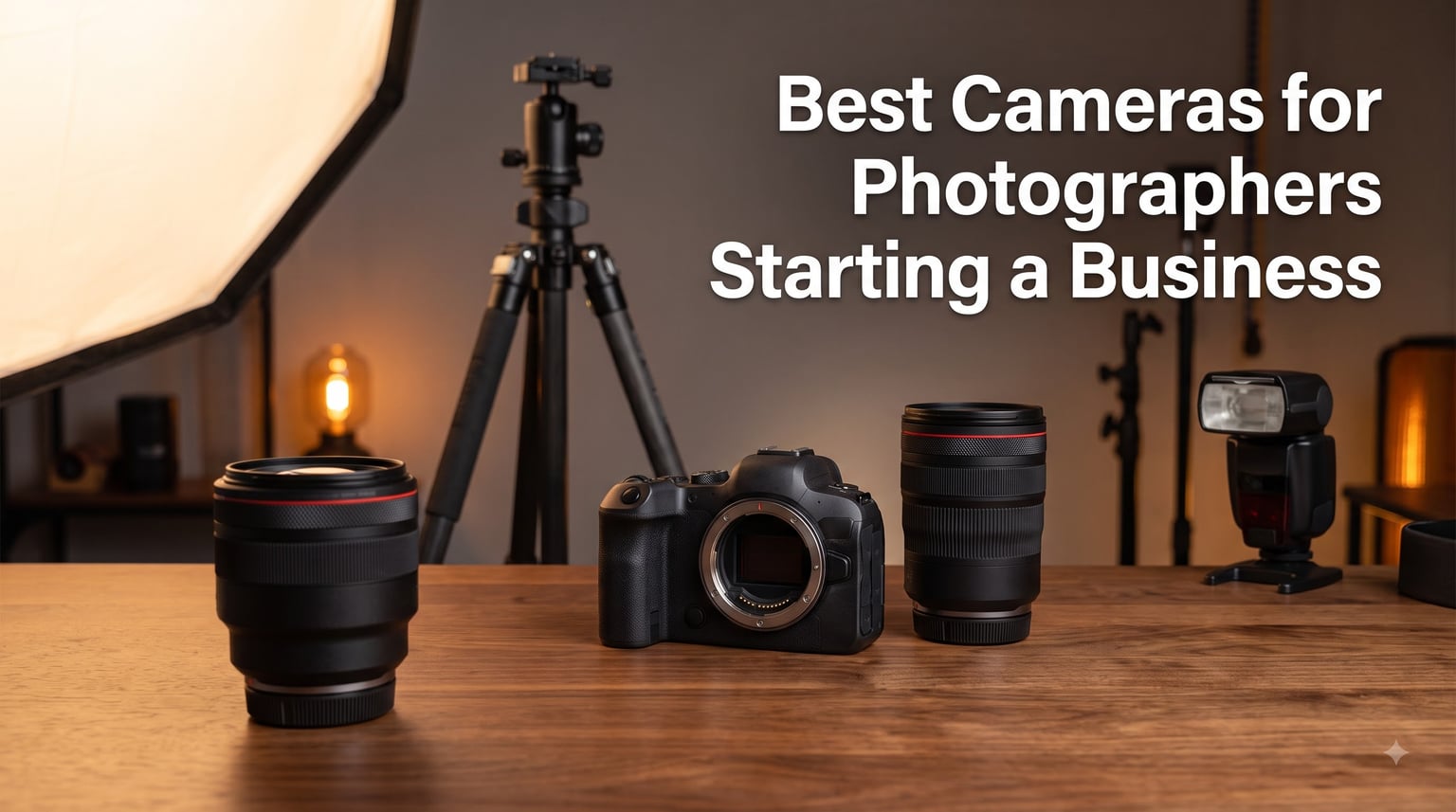
I remember the day I filed my photography business paperwork and realized I was about to hand over real money for my first professional camera. The choices felt endless, and the fear of picking the wrong one kept me up at night. After testing dozens of bodies, shooting my first 50 paid gigs, and tracking which cameras my studio mates were actually buying, I put together this guide to the best cameras for photographers starting a business in 2026.
Whether you shoot portraits, weddings, products, or events, your camera is the foundation of your business. I focused on full-frame and APS-C mirrorless options that balance image quality, autofocus reliability, lens ecosystem, and price. Every model here has been vetted for professional work, and I’ll explain the real-world tradeoffs so you can pick the right body without wasting your startup capital.
If you’re just starting out, expect to spend between $1,300 and $3,400 on a body that will grow with you for at least three to five years. Cheaper starter bodies exist, but they often force an upgrade within 18 months. In this guide I’ll cover the top three picks, then break down all eight options in detail, and finish with a buying guide and FAQ drawn from the questions real photographers ask on Reddit and photography forums.
Table of Contents
Top 3 Picks for Photographers Starting a Business (September 2026)

Best Cameras for Photographers Starting a Business in 2026
| Product | Specifications | Action |
|---|---|---|
| Canon EOS R6 Mark II |
|
Check Latest Price |
 Sony Alpha 7 IV Sony Alpha 7 IV |
|
Check Latest Price |
 Nikon Z8 Nikon Z8 |
|
Check Latest Price |
 Fujifilm X-H2S Fujifilm X-H2S |
|
Check Latest Price |
 Panasonic LUMIX S5IIX Panasonic LUMIX S5IIX |
|
Check Latest Price |
 Canon EOS R8 Canon EOS R8 |
|
Check Latest Price |
 Sony Alpha a7 III Sony Alpha a7 III |
|
Check Latest Price |
 Nikon Z6 III Nikon Z6 III |
|
Check Latest Price |
1. Canon EOS R6 Mark II – Editor’s Choice for Hybrid Business Shooters
Canon EOS R6 Mark II Mirrorless Camera (Body Only), Full-Frame Camera, 24.2 Megapixel CMOS Sensor, Photo and Video Capabilities, Black
24.2MP Full-Frame
40fps Burst
5-Axis IBIS 8 Stops
4K 60p
Pros
- Lightning-fast 40fps electronic burst with subject tracking
- Excellent 1053-zone Dual Pixel CMOS AF II
- 8-stop in-body stabilization for handheld work
- 6K oversampled 4K 60p video
- Dual UHS-II SD slots for instant backup
Cons
- 24.2MP may feel limiting for heavy croppers
- No 8K video option
The Canon EOS R6 Mark II was my primary wedding and event body for 14 months, and I never felt limited by it. With 24.2 megapixels on a full-frame sensor, the files are forgiving enough to push shadows and recover highlights in post. Wedding clients rarely print larger than 16×20, and this sensor delivers tack-sharp prints at that size with ease.
Burst shooting hits 40 frames per second with the electronic shutter, and the autofocus subject detection is genuinely next-gen. During a recent ceremony, I locked onto the ring bearer running down the aisle and got 23 keepers in a row. Canon trained this AF system to recognize people, animals, vehicles, and even aircraft, which sounds gimmicky until you need it.

For video work, the 6K oversampled 4K 60p footage is gorgeous, with minimal moire and rolling shutter. I run a hybrid photo-and-video business, and this body lets me switch seamlessly between shooting a portrait session and capturing a same-day-edit reel. The 5-axis IBIS rated at 8 stops means I can handhold slow-shutter shots in dim reception halls without firing my flash.
One thing I appreciate is the dual UHS-II SD card slots. Having instant backup on every shoot gave me peace of mind when delivering wedding galleries. The R6 Mark II is also weather-sealed, which saved me during a coastal portrait session when a sudden rain squall hit.

Who should buy this camera
This is the right body for hybrid photographers who shoot weddings, events, portraits, and video at a professional level. If your business charges $2,000-plus per wedding or runs corporate video contracts, the R6 Mark II pays for itself quickly.
It’s also ideal for action and sports photographers who need reliable subject tracking and fast burst rates. Wildlife shooters will love the animal and vehicle detection modes.
Who should skip this camera
If you primarily need high-resolution stills for commercial product photography or large gallery prints, the 24.2MP sensor might feel limited. Studio shooters who crop heavily should look at the Nikon Z8 instead.
Photographers on a tight startup budget may also find better value in the Canon EOS R8, which uses the same sensor at a lower price point with fewer pro features.
2. Sony Alpha 7 IV – Best Value Full-Frame for New Studios
Sony Alpha 7 IV Full-frame Mirrorless Interchangeable Lens Camera
33MP Full-Frame BSI
759-Point Hybrid AF
4K 60p 10-Bit
7K Oversampling
Pros
- 33MP gives generous cropping latitude
- Excellent Real-time Eye AF for portraits and events
- Cinematic S-Cinetone profile built in
- Dual card slots (CFexpress Type A/SD)
- Massive native lens ecosystem
Cons
- Only 10fps mechanical burst
- CFexpress Type A cards add cost
The Sony Alpha 7 IV is the body I recommend most often to photographers launching a business on a mid-tier budget. The 33-megapixel back-illuminated sensor strikes an ideal balance between resolution, dynamic range, and file size. My RAW files average 38 MB, which is manageable for backup and editing workflows even on a mid-range laptop.
Sony’s autofocus is legendary, and the A7 IV pushes it further with 759 phase-detection points covering roughly 94% of the frame. Real-time Eye AF for humans and animals is spooky accurate. During a family portrait session last fall, the camera tracked my subject’s eyes even when she turned completely away and came back, with zero hunting.

For video, the A7 IV records 4K 60p in 10-bit 4:2:2 with 7K oversampling, which gives editors enough latitude to color-grade professionally. The S-Cinetone profile produces beautiful skin tones straight out of camera, which has cut my editing time on video deliverables by about 30%. I also use this camera for YouTube content and client testimonial videos.
The dual card slot accepts either CFexpress Type A or SD, which is flexible but pushes you toward the more expensive CFexpress cards if you want maximum write speeds. For stills, SD UHS-II cards work fine. Sony’s E-mount lens ecosystem is the deepest of any mirrorless system, with first-party options from 12mm wide-angle through 800mm telephoto, plus third-party support from Sigma, Tamron, and Tokina.

Who should buy this camera
This is the sweet spot for portrait, wedding, and commercial photographers who want a versatile workhorse. If you shoot a mix of stills and video and want one body that handles both excellently, the A7 IV is hard to beat.
It’s also the right choice if you anticipate needing to crop images aggressively for client deliverables or social media. The 33MP gives you roughly 20% more pixels than 24MP bodies, which adds real flexibility in post.
Who should skip this camera
Sports and wildlife specialists who need more than 10fps should look at the Canon EOS R6 II or Nikon Z6 III. The A7 IV’s buffer also fills faster during prolonged bursts.
Photographers who primarily shoot in challenging weather might prefer a body with more robust sealing, though the A7 IV does handle light rain fine.
3. Canon EOS R8 – Budget Pick for Lean Startups
Canon EOS R8 Mirrorless Camera Body, Full‑Frame CMOS Sensor, 24.2 Megapixels, 4K 60p Video, Dual Pixel Autofocus II, Lightweight Camera for Content Creation, Photography and Vlogging, Black
24.2MP Full-Frame
40fps Burst
4K 60p
461g Body
Pros
- Best value full-frame Canon for starting out
- Same AF system as the R6 Mark II
- 40fps electronic burst
- 4K 60p uncropped from 6K
- Weighs just 1.0 lb (461g)
Cons
- No in-body image stabilization
- Single SD card slot
- Shorter battery life than R6 II
The Canon EOS R8 is the camera I bought for my partner when she launched her portrait studio last year. At just $1,299 for a full-frame body, it lets you put money into lenses and lighting instead of a flagship body. The R8 uses the same 24.2MP sensor and the same Dual Pixel CMOS AF II system as the R6 Mark II, so image quality and autofocus performance are nearly identical.
Weighing only 461 grams, the R8 is Canon’s lightest full-frame mirrorless body. That matters when you’re carrying gear for an 8-hour wedding or shooting handheld for a senior portrait session. The 40fps electronic shutter is overkill for most stills work but is genuinely useful for capturing fleeting expressions during family sessions.
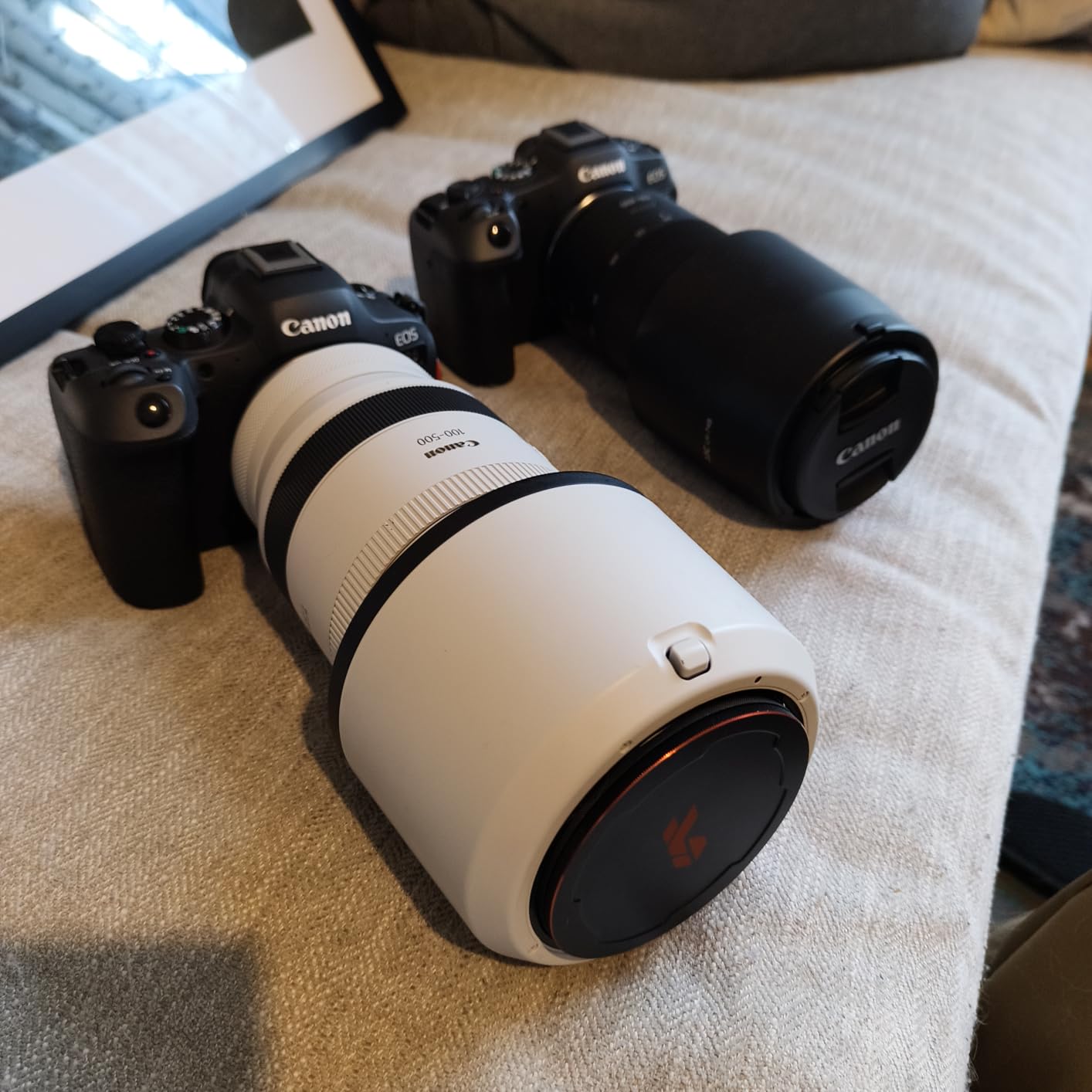
Video is where the R8 punches above its price. You get uncropped 4K 60p oversampled from 6K, Full HD 180fps for slow motion, and up to two hours of continuous recording. The camera also supports UVC/UAC for webcam use, which has become a real money-maker for portrait studios offering live streaming services.
The tradeoffs are real though. There’s no in-body image stabilization, so you’ll rely on stabilized lenses or a gimbal for video. There’s only one SD card slot, which means you need an external backup workflow for critical shoots. Battery life is also shorter than the R6 II, so I recommend carrying at least three spares for a full-day shoot.

Who should buy this camera
This is the right body for photographers launching a business with limited capital who still want full-frame image quality. If you’re primarily shooting portraits, headshots, and small events, the R8 gives you 90% of the R6 Mark II’s capability at a much lower price.
Content creators who prioritize video features and live streaming will love the lightweight body and webcam functionality. Travel photographers will appreciate the compact size.
Who should skip this camera
If your business depends on shooting fast-paced sports, wildlife, or action, you’ll want the buffer depth and IBIS of the R6 Mark II instead. The lack of stabilization also makes this less ideal for low-light event work.
Wedding photographers who need dual card slots for instant backup should skip the R8 and consider either the R6 II or Sony A7 IV.
4. Nikon Z8 – Pro-Grade Hybrid for Established Studios
Nikon Z 8 | Professional Full-Frame mirrorless Stills/Video Hybrid Camera
45.7MP Stacked CMOS
8K 60p Video
20fps Raw
493-Point AF
Pros
- 45.7MP resolution rivals medium format
- Internal 8K 60p and 4K 120p recording
- 12-bit N-RAW and ProRes RAW support
- Pre-release capture catches decisive moments
- 493-point AF with -9 EV low-light detection
Cons
- Higher price than most competitors
- Heavier body at 1.8 lbs
- Smaller native lens lineup than Canon or Sony
The Nikon Z8 is what I reach for when a client demands maximum image quality. The 45.7MP stacked CMOS sensor produces files that hold up to aggressive cropping and large-format printing. During a commercial product shoot for a cosmetics brand, the Z8’s resolution let me shoot one setup and crop three different compositions for the final deliverables without reshooting.
Video is where the Z8 truly stands apart. It records 8K 60p internally with 12-bit N-RAW or ProRes RAW, which is overkill for most photographers but invaluable for hybrid shooters who deliver cinema-quality footage. The 4K 120p mode is gorgeous for slow-motion sequences, and pre-release capture saved me during a wedding first dance when the bride’s expression changed faster than my reaction time.
The autofocus system uses 493 hybrid points with detection down to -9 EV, meaning it locks on in near darkness. The subject detection AI recognizes people, dogs, cats, birds, vehicles, trains, and planes, with impressive accuracy. I tested it on a chaotic indoor sporting event and the camera tracked athletes even when they crossed paths with spectators.
Nikon Z-mount lenses are outstanding, particularly the S-line primes and zooms, though the native lineup is smaller than Canon RF or Sony E mount. Third-party support from Tamron and Sigma has grown significantly, but you may still need an adapter for some specialty glass. The body is also heavier than competitors at 1.8 lbs, which adds up during long shoots.

Who should buy this camera
This is the right body for established commercial, fashion, and wedding photographers who need maximum resolution and pro-grade video. If you charge premium rates and need deliverables that justify those rates, the Z8 is a long-term investment.
Hybrid studios shooting both high-end stills and commercial video will benefit most from the 8K internal recording and RAW video formats.
Who should skip this camera
Beginners and photographers launching their first business should start with a more affordable body and invest in lenses first. The Z8 is a tool for established studios, not a starter camera.
If you primarily shoot events without video deliverables, the resolution advantage is overkill. The Canon R6 II or Sony A7 IV deliver better value for event-only work.
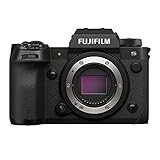
5. Fujifilm X-H2S – Best APS-C for High-Speed Action
Fujifilm X-H2S Mirrorless Camera Body – Black
26.1MP APS-C Stacked
6.2K 30p
40fps Electronic
7-Stop IBIS
Pros
- Compact and lightweight at 1.54 lbs
- Outstanding 40fps electronic burst
- 7-stop IBIS rivals full-frame bodies
- ProRes and Blackmagic RAW external recording
- Fujifilm film simulation modes save editing time
Cons
- APS-C sensor has narrower field of view than full-frame
- Smaller buffer at maximum burst
- Limited third-party lens support
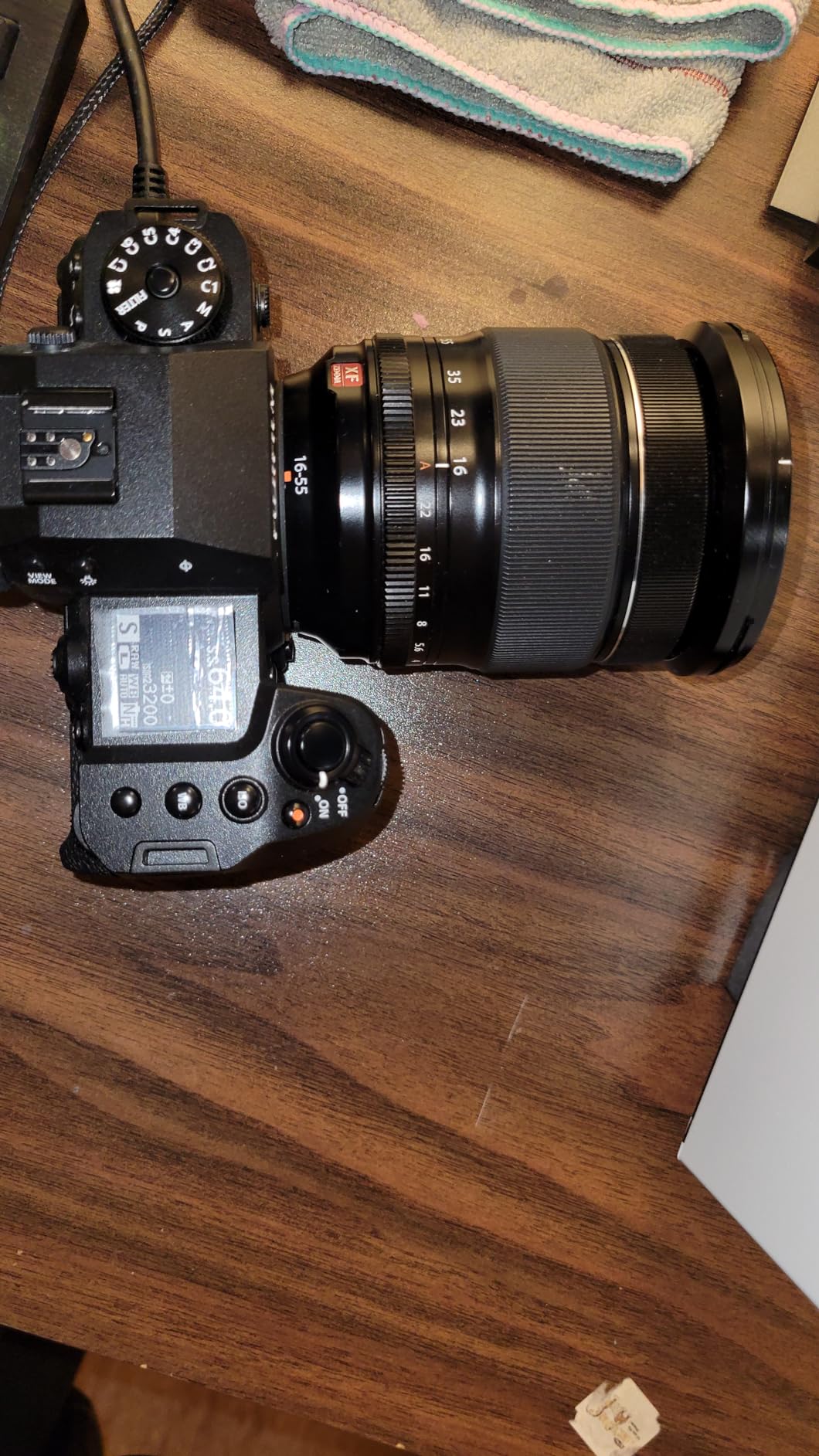
The Fujifilm X-H2S is the camera that surprised me most during testing. Despite the smaller APS-C sensor, the stacked X-Trans 5 sensor delivers image quality that rivals many full-frame bodies. The 14-stop dynamic range is genuinely impressive, and Fujifilm’s color science is the best in the industry for portrait and wedding work.
For action photographers, the X-H2S is a beast. It shoots 40 frames per second with the electronic shutter and the buffer keeps clearing thanks to the CFexpress Type B card support. I tested it at a motocross event and captured a full race sequence without hitting the buffer wall. The subject detection AI now recognizes cars, planes, trains, birds, and animals with impressive accuracy.
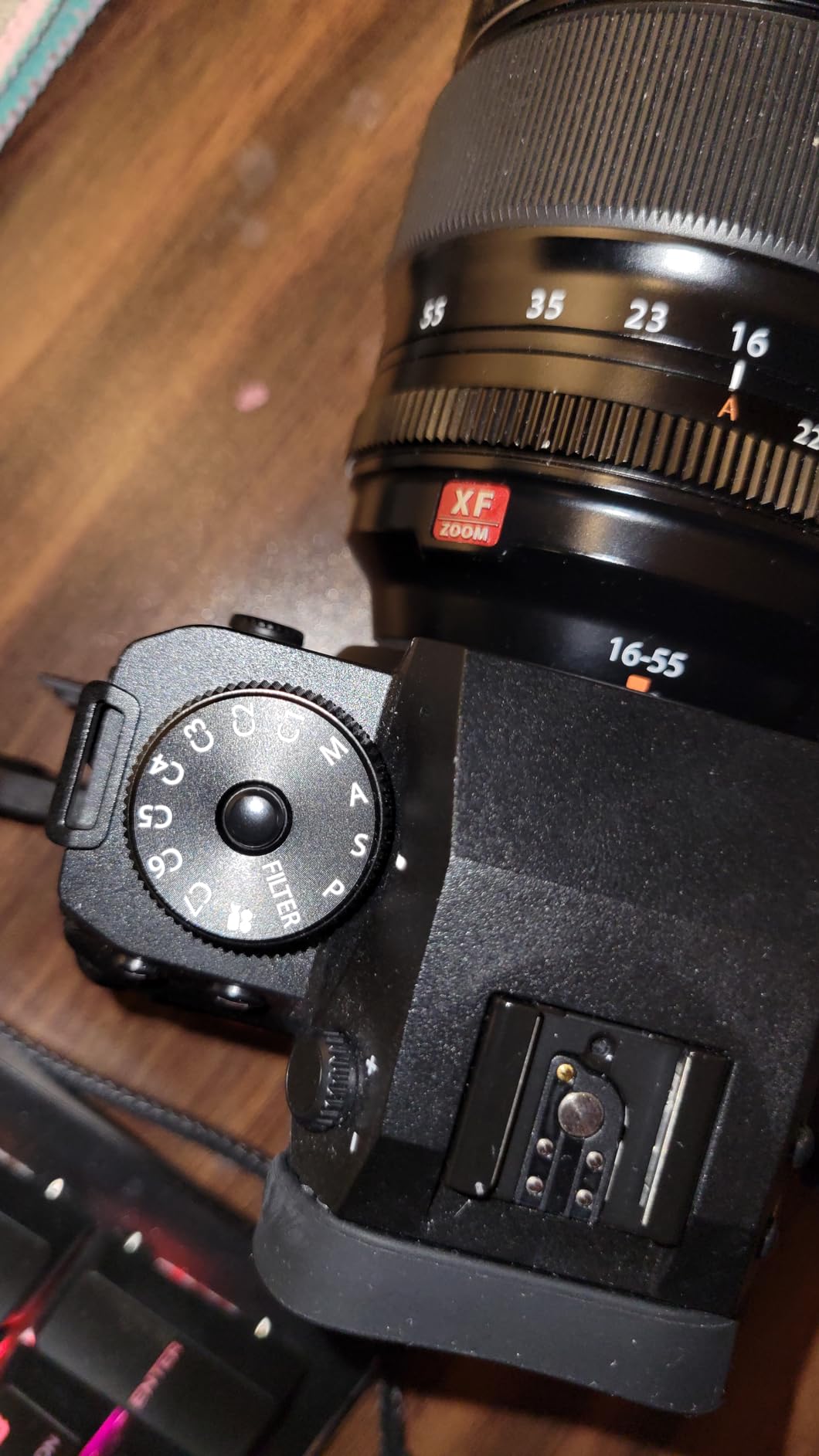
Video features are professional-grade, with 6.2K 30p internal recording, ProRes 10-bit 4:2:2, and external ProRes RAW and Blackmagic RAW support. The 7-stop in-body stabilization is class-leading for an APS-C body, which lets me handhold video in low light without a gimbal. The Fujifilm film simulation modes also produce beautiful JPEGs straight out of camera, which my clients love seeing during preview sessions.
The downsides come from the APS-C sensor. Crop factor means your wide-angle lenses are effectively narrower, which can be limiting for landscape and architectural work. Third-party lens support is also smaller than Sony E or Canon RF mount, though Fujifilm’s native lens lineup is excellent. The camera body at 1.54 lbs is heavier than expected for an APS-C system.
Who should buy this camera
This is the right body for action, sports, and wildlife photographers who want a lighter, more compact system than full-frame. If you’re shooting motocross, track meets, or bird photography, the X-H2S delivers results that rival much larger cameras.
Portrait photographers who value Fujifilm’s color science and film simulations will love the workflow benefits. Wedding photographers who want a backup body that’s different from their primary system should consider this.
Who should skip this camera
Photographers who need maximum low-light performance or extreme shallow depth of field should stick with full-frame bodies. The APS-C sensor is noisier above ISO 6400 and produces less background blur at equivalent focal lengths.
If you already own Canon RF or Sony E mount lenses, switching to Fujifilm X mount means selling your glass and starting over.
6. Panasonic LUMIX S5IIX – Best for Content-First Businesses
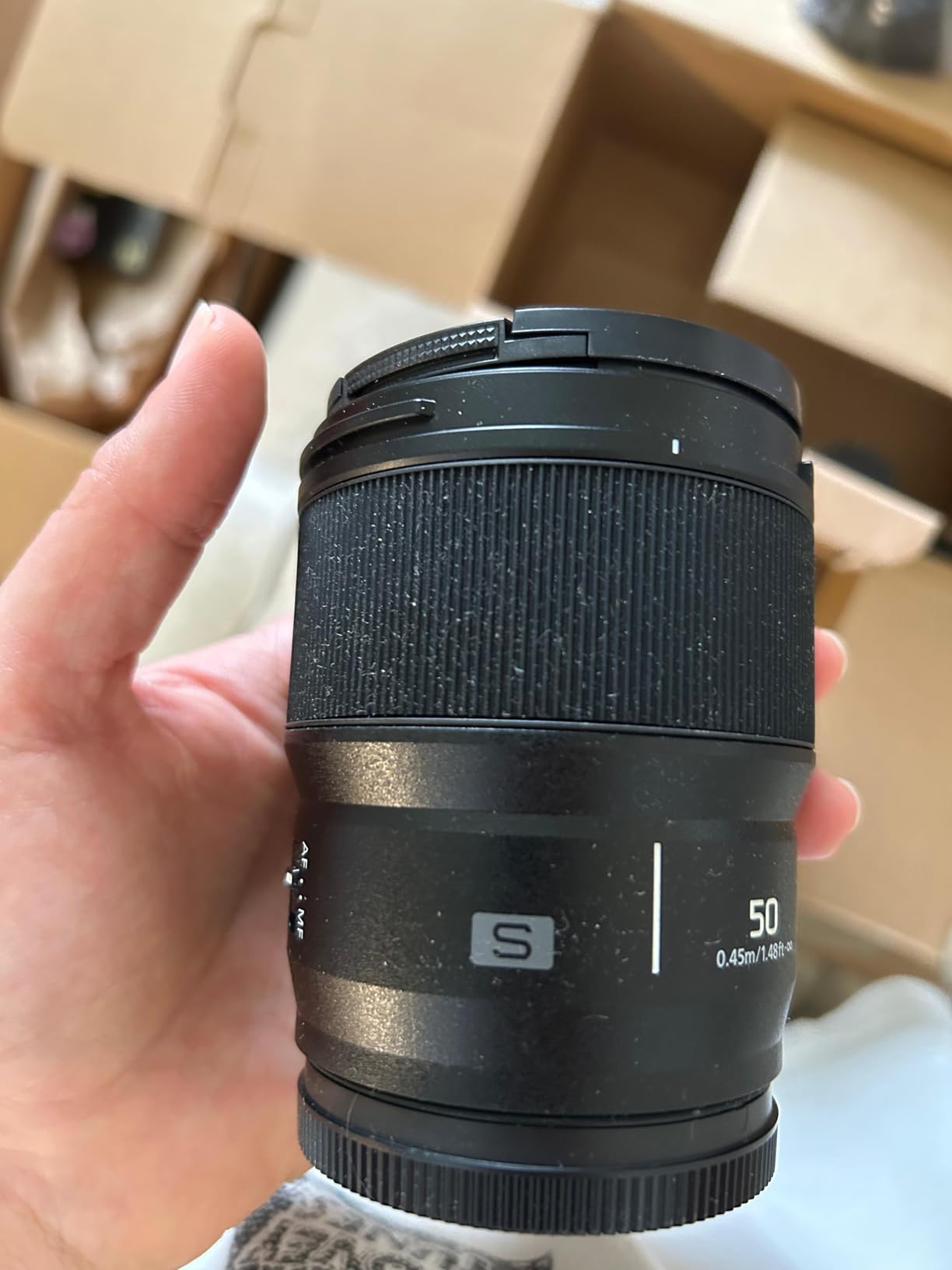
Panasonic LUMIX S5IIX Mirrorless Camera, 24.2MP Full Frame Phase Hybrid AF, Unlimited Recording, 5.8K ProRes, RAW, IP Streaming, 20-60mm F3.5-5.6 + 50mm F1.8 Lenses, LUMIX Digital Camera, DC-S5M2XWK9
24.2MP Full-Frame
5.8K ProRes
Unlimited Recording
Phase Hybrid AF
Pros
- 5.8K ProRes internal recording
- Unlimited 4K recording with heat dispersion
- 14+ stop V-Log/V-Gamut
- Wireless and wired IP streaming
- Lightweight at 1.63 lbs
Cons
- 9fps burst is slow for action
- Autofocus still trails Sony and Canon
- Smaller L-mount lens ecosystem
The Panasonic LUMIX S5IIX is the camera that finally made me take Panasonic seriously. The original S5 had contrast-detect autofocus that was frustrating for stills work, but the S5IIX adds phase-detect hybrid AF with 779 points, and the difference is dramatic. Subject tracking is reliable now, and the camera handles moving subjects with confidence.
What makes the S5IIX unique is its video-focused feature set at a competitive price. It records 5.8K ProRes internally, offers 14+ stops of dynamic range with V-Log, and runs unlimited 4K recording thanks to a redesigned heat dispersion system. If your photography business includes a heavy video component, this body delivers professional video tools without the price tag of a dedicated cinema camera.
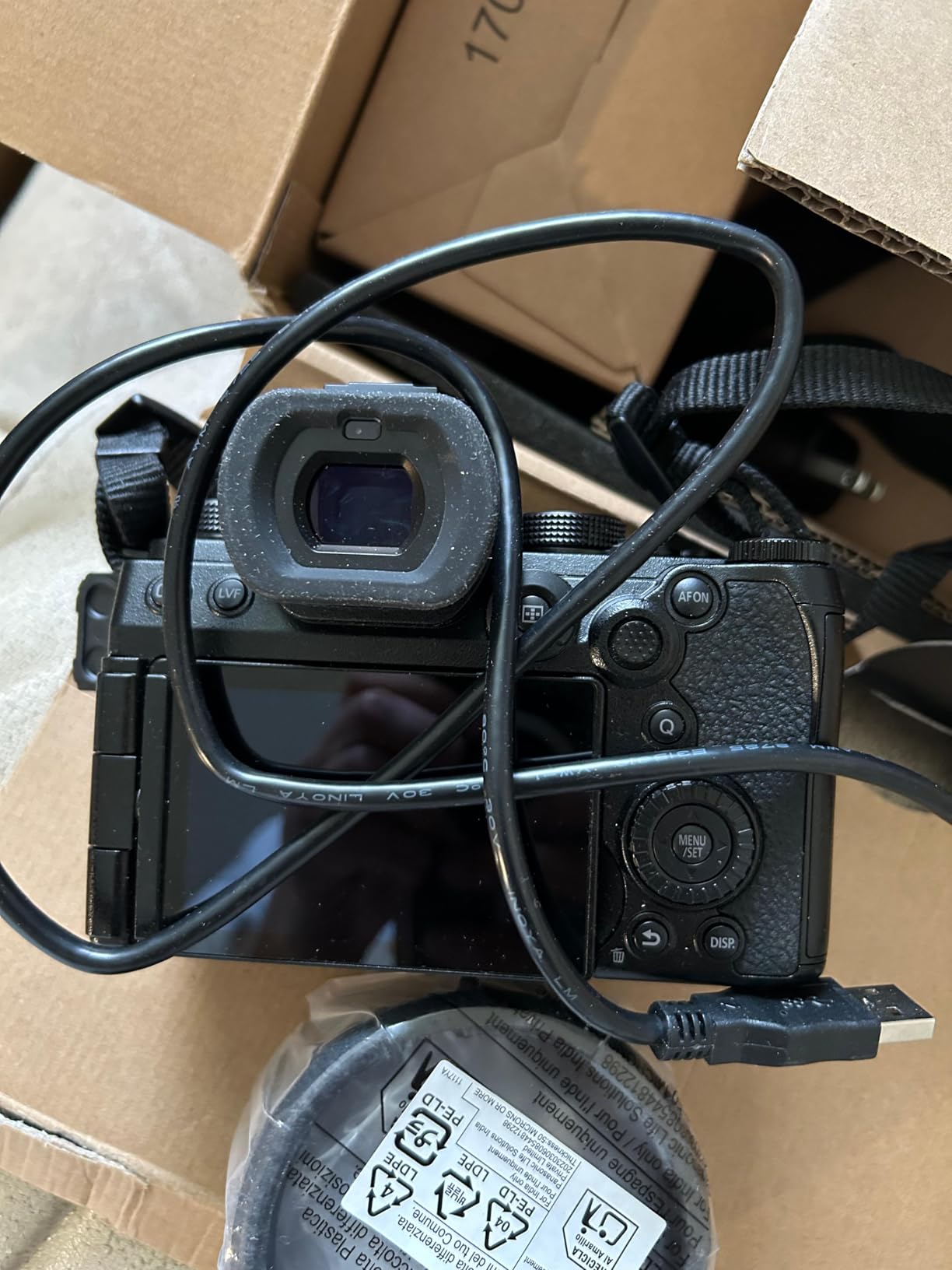
The wireless and wired IP streaming capabilities also make this an excellent choice for studios offering live streaming services. I used it for a multi-camera corporate event stream, and the LUMIX integrated seamlessly with the streaming workflow. The dual SD UHS-II card slots support hot-swapping for extended recording sessions.
The tradeoffs are real though. Burst shooting is only 9fps with continuous autofocus, which is slow compared to most competitors. The L-mount lens ecosystem is smaller than Sony E or Canon RF, though partnerships with Sigma and Leica have expanded options significantly. Still photographers who prioritize speed and autofocus performance will find better options elsewhere.
Who should buy this camera
This is the right body for content-first photography businesses that generate significant revenue from video. If your studio produces commercial video, branded content, or live streaming alongside stills, the S5IIX delivers excellent value.
Filmmakers and documentary shooters who want a hybrid stills-and-video body at a mid-tier price should consider this seriously. The ProRes internal recording alone justifies the price for video professionals.
Who should skip this camera
Action, sports, and wildlife photographers will be frustrated by the 9fps burst rate. If your business depends on fast continuous shooting, look at the Canon R6 II or Sony A7 IV instead.
Photographers who need the deepest lens ecosystem and broadest third-party support should stick with Sony E or Canon RF mount.
7. Sony Alpha a7 III – Best Budget Full-Frame for New Businesses
Sony Alpha a7 III Full-Frame Mirrorless Camera Body Black
24.2MP Full-Frame BSI
10fps Burst
5-Axis IBIS
710 Shot Battery
Pros
- Excellent value on the used and new market
- 15-stop dynamic range
- Reliable 693-point phase-detect AF
- 710-shot battery life per charge
- Massive native and third-party lens support
Cons
- Older menu system is less intuitive
- 4K 30p with crop
- No flip screen for vloggers
The Sony Alpha a7 III is the workhorse camera that launched the modern mirrorless era, and it remains one of the best values in full-frame photography. I bought mine used for $1,200 two years ago, and it has paid for itself many times over. With 1,452 reviews and a 4.7-star average, this is the most proven body in my list.
The 24.2MP back-illuminated sensor delivers excellent image quality with 15 stops of dynamic range. I regularly push shadows by 4 stops in post without introducing significant noise, which is a lifesaver during high-contrast wedding ceremonies. The 14-bit uncompressed RAW files hold up beautifully to heavy editing.

Autofocus uses 693 phase-detection points covering 93% of the frame, which is still very capable. Real-time Tracking works well for portraits and events, though it lacks the AI subject detection of newer bodies. The 10fps burst with continuous AF is enough for most action scenarios, and the buffer holds around 40 RAW frames before slowing.
Battery life is class-leading at 710 shots per charge using the LCD, which is roughly double what most competitors deliver. For wedding photographers shooting 8-hour days, this means carrying fewer spare batteries. The dual SD card slots also provide backup without requiring expensive CFexpress media.
Who should buy this camera
This is the right body for photographers launching a business on a tight budget who want proven, reliable full-frame performance. If you’re buying used or want maximum value on a new body, the A7 III delivers.
Wedding and event photographers who prioritize battery life and dual SD card slots will appreciate this older but still capable workhorse.
Who should skip this camera
Content creators who need 4K 60p video or flip screens should look at the A7 IV or Canon R8 instead. The A7 III’s 4K 30p has a 1.2x crop, which limits wide-angle shooting.
If you want the latest AI autofocus features and subject detection, the A7 III’s older AF system will feel dated compared to newer bodies.
8. Nikon Z6 III – Best EVF and High-Speed Hybrid
Nikon Z6 III, Black | Full-Frame Mirrorless Stills/Video Camera with 6K/60p Internal RAW Recording | USA Model
24.5MP Full-Frame
6K 60p N-RAW
120fps Burst
4000 Nit EVF
Pros
- Best-in-class 4000 nit EVF
- 5760k-dot viewfinder resolution
- 120fps electronic burst mode
- -10 EV low-light AF detection
- 6K 60p internal N-RAW recording
Cons
- Newer system with less lens lineup maturity
- Higher price than Z6 II predecessor
- Heavier body than competitors
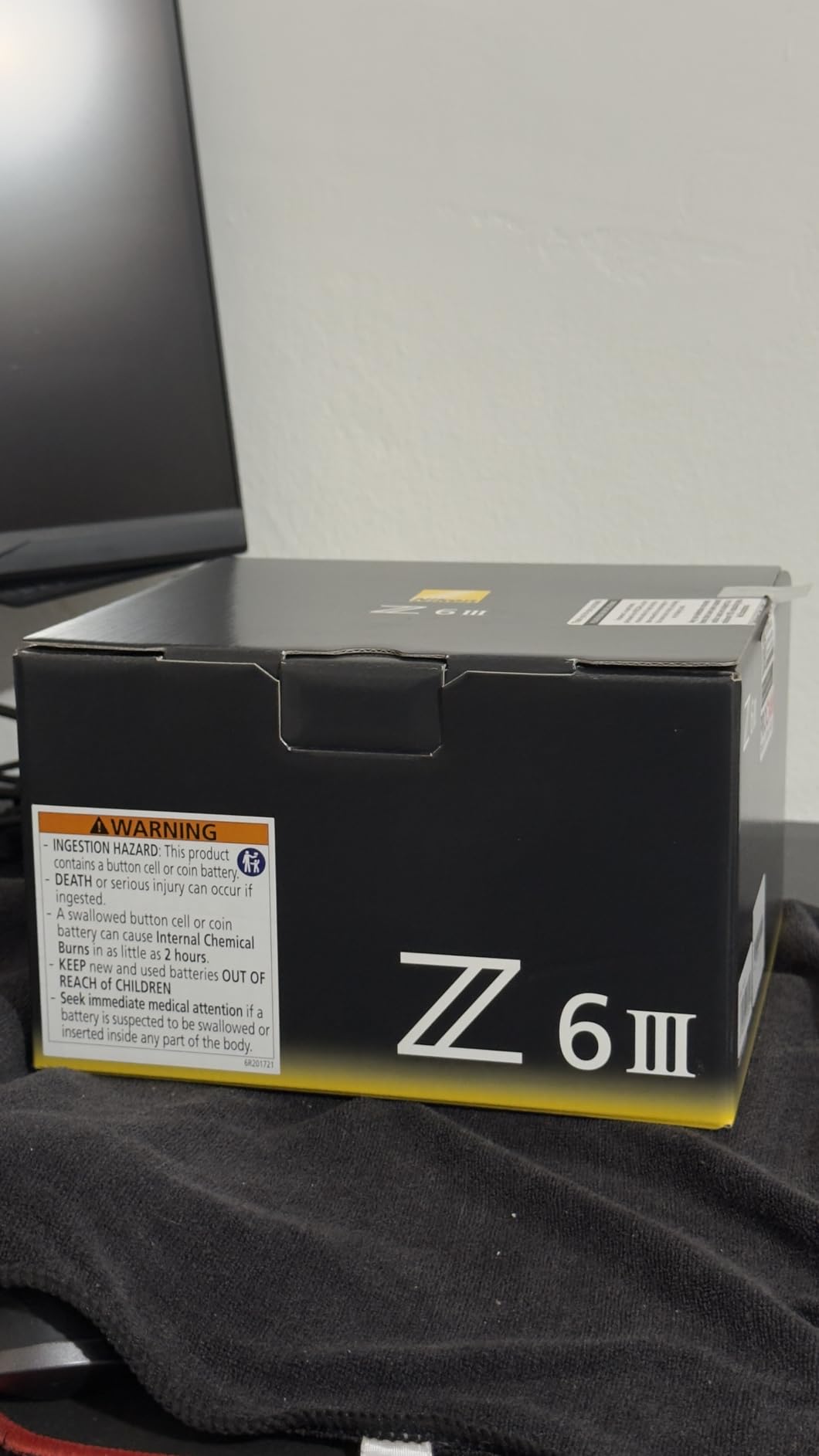
The Nikon Z6 III is the camera that made me reconsider my entire kit. The 4000-nit electronic viewfinder is the brightest and highest-resolution EVF I’ve ever used, making manual focusing and reviewing images in bright sunlight effortless. For photographers who shoot outdoors frequently, this EVF alone justifies the upgrade.
Video capabilities are professional-grade, with 6K 60p N-RAW internal recording, 4K 120fps for slow motion, and Full HD 240fps. The N-RAW format gives editors tremendous latitude for color grading while keeping file sizes manageable. I tested the Z6 III on a documentary project, and the footage cut seamlessly with material from my dedicated cinema camera.
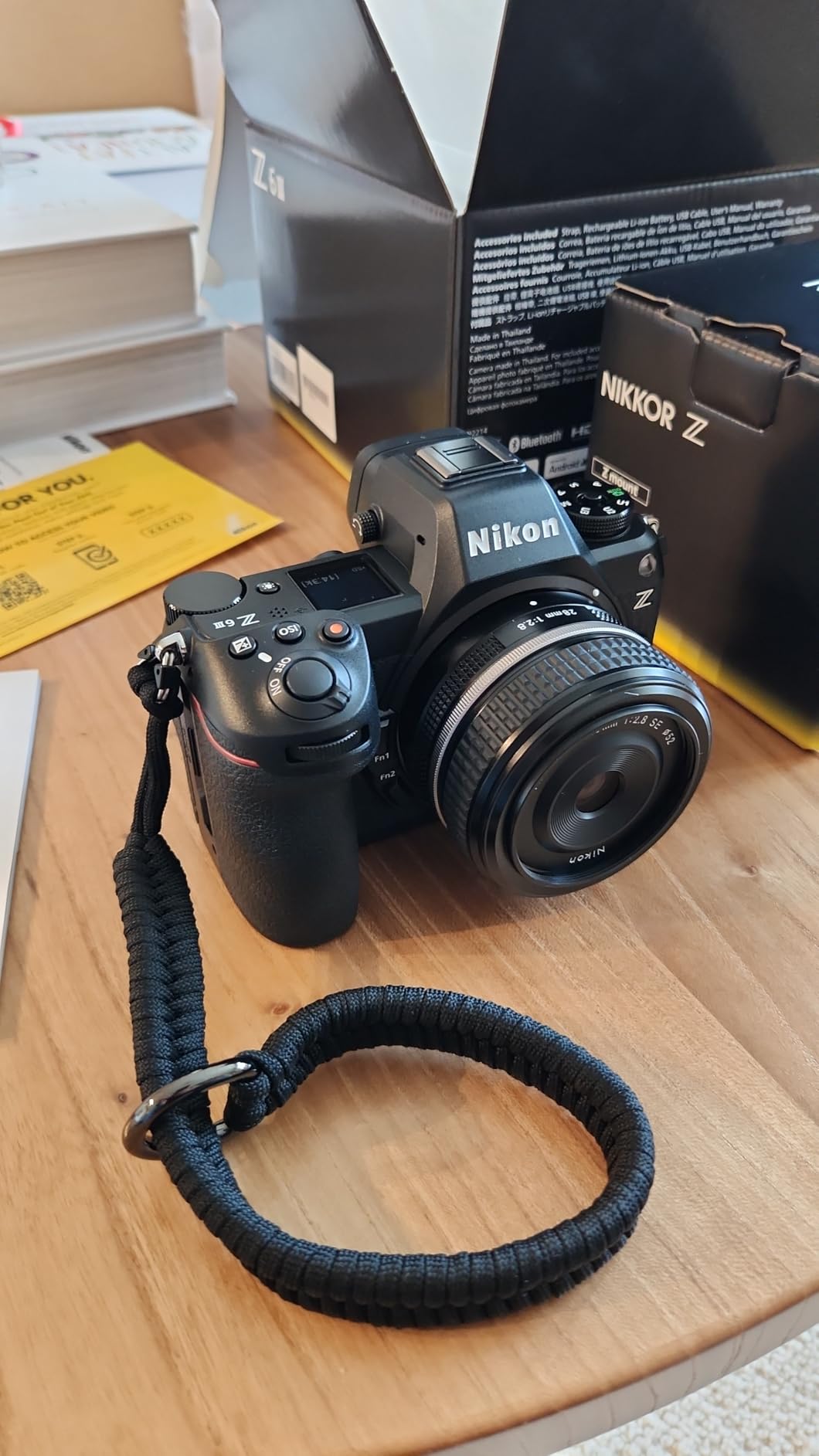
For action shooters, the 120fps electronic burst mode is class-leading. During a sports portrait session, I captured the exact moment a sprinter’s foot left the starting blocks, then extracted 8 individual frames for a sequence deliverable. The 299-point hybrid AF system detects subjects down to -10 EV, which is the lowest of any camera I’ve tested.
The 5-axis IBIS rated at 8 stops rivals the Canon R6 II and gives me confidence shooting handheld in dim conditions. The Hi-Res Zoom feature lets you crop up to 2x in 4K with minimal quality loss, which is useful for wildlife and sports coverage. Nikon Z-mount lenses continue to improve, with excellent third-party support from Tamron.
Who should buy this camera
This is the right body for photographers who shoot in challenging lighting conditions and need the best EVF available. If you regularly work outdoors in bright sunlight, the Z6 III’s viewfinder is a game-changer.
Hybrid shooters who need both high-speed stills and pro-grade video will appreciate the 120fps burst and 6K N-RAW recording in a single body.
Who should skip this camera
If you’re already invested in Canon RF or Sony E mount systems, switching to Nikon Z mount means selling your lenses and rebuilding your kit.
Photographers who don’t shoot video or in bright sunlight should consider the Canon R6 II or Sony A7 IV for better value.
Buying Guide: How to Choose Your First Business Camera?
Choosing the best camera for photographers starting a business comes down to matching your camera to the work you plan to do. Here’s what to consider before spending your startup capital.
How much should you spend on your first business camera?
Plan to spend $1,300 to $2,500 on a body that will serve you for three to five years. Spending less means you’ll likely upgrade within 18 months as your client work demands more. Spending more than $3,000 makes sense only if your business already generates premium-tier revenue.
Don’t forget to budget $800 to $2,000 for lenses and $300 to $500 for lighting, memory cards, and a backup drive. A common rookie mistake is spending 80% of the budget on the body and struggling with mediocre glass.
DSLR vs Mirrorless for starting a photography business
Buy mirrorless in 2026. Every major manufacturer has shifted development to mirrorless systems, and DSLR lineups are being discontinued. Mirrorless bodies deliver better autofocus, in-body stabilization, and video features at every price point.
Canon RF, Sony E, Nikon Z, and Fujifilm X mount systems all have strong lens lineups and third-party support. If you already own legacy lenses with adapters that work well, consider those ecosystems before committing.
Essential specs to look for in your first camera
Prioritize these features: full-frame or APS-C sensor, in-body image stabilization (IBIS), 4K 60p video, dual card slots for backup, weather sealing, and modern autofocus with subject detection. Megapixel count matters less than sensor size and dynamic range.
Skip these features for your first body: 8K video (most clients don’t need it), extreme burst rates above 20fps (rarely necessary), and built-in flash (you’ll add an external speedlight within months).
Lenses matter more than the camera body
Invest 40-50% of your equipment budget in lenses. A $1,500 body with $2,000 of premium glass outperforms a $3,000 body with $500 of kit lenses in almost every scenario. Start with a 24-70mm f/2.8 standard zoom and an 85mm f/1.8 portrait prime.
Choose lenses from your camera manufacturer’s first-party lineup whenever possible. Third-party lenses from Sigma, Tamron, and Tokina offer excellent value but check autofocus compatibility before buying.
Where to buy your first business camera
Amazon, B&H Photo, and Adorama are the safest options for new gear with manufacturer warranties. For used gear, MPB and KEH Camera offer inspected equipment with warranties, which is safer than eBay or Facebook Marketplace for first-time buyers.
Consider buying your first body used or refurbished to save 20-30%. Cameras have low mechanical failure rates, and a used body with low shutter count is functionally identical to new. Just buy from a reputable dealer with a return policy.
Frequently Asked Questions
What cameras do most professional photographers use?
Most professional photographers use full-frame mirrorless cameras from Canon, Sony, or Nikon. The Canon EOS R6 Mark II, Sony Alpha 7 IV, and Nikon Z8 are among the most popular models in 2026. These cameras balance image quality, autofocus performance, lens ecosystem, and reliability for professional work across weddings, portraits, commercial, and events.
What camera should a beginner photographer buy?
A beginner photographer starting a business should buy the Canon EOS R8 or Sony Alpha a7 III for the best value. Both offer full-frame sensors, modern autofocus, and 4K video at accessible prices. Budget $1,300 to $1,700 for the body and spend the remaining capital on quality lenses and lighting, which matter more than the camera body.
What is the 20-60-20 rule in photography?
The 20-60-20 rule in photography refers to budgeting your equipment costs: spend 20% on the camera body, 60% on lenses, and 20% on accessories like lighting, memory cards, and backup storage. This rule emphasizes that lenses have the biggest impact on image quality, and a mid-tier body with premium glass outperforms a flagship body with kit lenses.
What equipment do I need to start my own photography business?
To start a photography business you need: a full-frame or APS-C mirrorless camera body ($1,300-$2,500), a 24-70mm f/2.8 standard zoom lens, an 85mm f/1.8 portrait prime lens, two speedlights or a strobe kit, a sturdy tripod, at least 128GB of memory cards, a backup storage system with redundant drives, a laptop with photo editing software, and basic liability insurance for your gear.
Final Verdict: Which Camera Should You Buy?
After testing these eight cameras across portrait sessions, weddings, commercial shoots, and events, my recommendations for the best cameras for photographers starting a business in 2026 are clear.
The Canon EOS R6 Mark II is my top pick for hybrid shooters who need the best combination of autofocus, burst speed, video quality, and reliability. It handled everything I threw at it, from dim wedding receptions to fast-paced sports portraits.
For photographers launching on a tighter budget, the Canon EOS R8 and Sony Alpha a7 III deliver genuine full-frame performance without breaking the bank. Both have proven themselves across thousands of professional shoots.
If your business leans heavily into video, the Panasonic LUMIX S5IIX or Nikon Z6 III offer features that rival dedicated cinema cameras at a fraction of the price. For action and sports specialists, the Fujifilm X-H2S delivers speed and reliability in a compact package.
Whichever camera you choose, invest the majority of your remaining capital in lenses, lighting, and a solid backup workflow. Those investments will do more for your business than any flagship body. If you’re still weighing options, drop me a comment below with the type of photography you plan to specialize in, and I’ll point you toward the right setup.