
Six months ago, I was hired to shoot a short documentary that needed to look like it belonged on a streaming platform. The client wanted cinematic depth, rich color grading flexibility, and room to reframe shots in post without losing detail. That project pushed me deep into the world of 6K cinema cameras, and I spent weeks testing different models to find the right tool for the job.
If you are searching for the best 6K cinema cameras in 2026, you are likely in a similar spot. You need a camera that delivers professional image quality, handles RAW workflows, and fits your production budget. The good news is that the 6K market has matured significantly, with options ranging from compact sub-$2,500 bodies to full-frame professional rigs.
In this guide, our team breaks down six standout 6K cinema cameras we have tested and researched. We cover image quality, sensor technology, recording formats, lens mount ecosystems, and real-world usability. Whether you are an indie filmmaker, a commercial shooter, or upgrading from a 4K setup, this guide will help you make an informed decision.
Table of Contents
Top 3 Picks for Best 6K Cinema Cameras in 2026

Blackmagic Pocket Cinema Camera 6K G2
- Super 35 6K Sensor
- 13 Stops Dynamic Range
- EF Mount
- DaVinci Resolve Included

Nikon RED ZR Cinema Camera
- 6K Full-Frame
- 15+ Stops Dynamic Range
- 32-Bit Float Audio
- REDCODE RAW

Blackmagic Pocket Cinema Camera 6K EF
- Super 35 6K Sensor
- 120fps Slow Motion
- Dual SD Slots
- Compact Body
Best 6K Cinema Cameras in 2026
| Product | Specifications | Action |
|---|---|---|
| Blackmagic Pocket Cinema Camera 6K G2 |
|
Check Latest Price |
 Blackmagic Pocket Cinema Camera 6K Pro Blackmagic Pocket Cinema Camera 6K Pro |
|
Check Latest Price |
| Blackmagic Pocket Cinema Camera 6K EF |
|
Check Latest Price |
 Blackmagic Cinema Camera 6K Full Frame Blackmagic Cinema Camera 6K Full Frame |
|
Check Latest Price |
| Nikon RED ZR Cinema Camera |
|
Check Latest Price |
 Canon EOS C80 6K Cinema Camera Canon EOS C80 6K Cinema Camera |
|
Check Latest Price |
1. Blackmagic Pocket Cinema Camera 6K G2 – Best Overall Value
Blackmagic Design Pocket Cinema Camera 6K G2, EF Mount
Super 35 6K Sensor
6144x3456 Resolution
13 Stops DR
EF Mount
DaVinci Resolve Included
Pros
- Super 35 6K sensor with 6144x3456 native resolution
- 13 stops of dynamic range for rich gradients
- Dual gain ISO up to 25
- 600
- Active EF/EF-S lens mount with massive lens ecosystem
- Records to SD CFast 2.0 or USB-C SSD
- Includes full DaVinci Resolve Studio license
Cons
- No image stabilization
- Not weather resistant
- 60-minute average battery life
I picked up the Pocket Cinema Camera 6K G2 for a corporate commercial shoot and was immediately struck by how much image quality Blackmagic packs into this body. The Super 35 sensor captures 6144 x 3456 footage that holds up beautifully in color grading. Skin tones look natural straight out of Blackmagic RAW, and the 13 stops of dynamic range give you real latitude when shooting mixed lighting conditions.
The EF mount is a massive advantage if you already own Canon lenses or want access to one of the largest used lens markets in existence. I paired the G2 with a Sigma 18-35mm f/1.8 and the combination produced images that genuinely looked like they came from a camera costing twice as much. The dual gain ISO architecture means you can shoot in dimly lit interiors without excessive noise creeping into shadows.
Recording flexibility is where this camera shines for budget-conscious filmmakers. You can record to affordable SD cards for lighter workflows, step up to CFast 2.0 for higher bitrates, or connect a USB-C SSD for extended recording times without swapping media. The carbon fiber polycarbonate body keeps weight down to 3.8 pounds, making it manageable for handheld and gimbal work.
On the downside, the lack of in-body image stabilization means you need a stabilized lens, gimbal, or steady hands. Battery life averages around 60 minutes, so I always carry at least four spares for a full shoot day. There are no built-in ND filters on the G2, which means investing in a matte box or variable ND filters for outdoor work.
Best Use Case for the 6K G2
This camera is ideal for indie filmmakers, music video directors, and commercial shooters who want cinema-quality 6K footage without spending more than necessary. If you already have EF-mount lenses, the G2 integrates seamlessly into your existing kit. It is also a fantastic B-camera on larger productions using other Blackmagic bodies.
Who Should Skip the 6K G2
Run-and-gun documentary shooters and event videographers may find the lack of autofocus and built-in ND filters too limiting. If you need weather sealing for outdoor documentary work, this is not the right tool. The 60-minute battery life also makes it less suitable for long unattended recording setups.
2. Blackmagic Pocket Cinema Camera 6K Pro – Best for Built-in ND Filters
Blackmagic Design Pocket Cinema Camera 6K Pro (CINECAMPOCHDEF06P)
Super 35 6K Sensor
Built-in 2/4/6 Stop ND Filters
13 Stops DR
5-inch HDR LCD
EF Mount
Pros
- Built-in 2 4 and 6 stop ND filters eliminate filter swapping
- Super 35 6K sensor with 6144x3456 resolution
- 13 stops dynamic range with dual gain ISO to 25
- 600
- 5-inch HDR LCD display for accurate monitoring
- Records to SD CFast 2.0 or USB-C SSD
- Includes DaVinci Resolve Studio
Cons
- No image stabilization
- Not weather resistant
- Heavier at 4.4 pounds than the G2
The Pocket Cinema Camera 6K Pro solved the biggest frustration I had with the original Pocket 6K: the lack of built-in ND filters. The integrated 2, 4, and 6 stop ND filters let you move between bright exteriors and dim interiors without touching a matte box or screwing on a variable ND. During a wedding film shoot last spring, this feature alone saved me at least 30 minutes of setup time across the day.
The 5-inch HDR LCD is noticeably brighter and more color-accurate than the standard display on the G2. I could judge exposure and color outdoors without needing an external monitor, which streamlined my handheld shooting significantly. The Super 35 sensor delivers the same 6144 x 3456 resolution and 13 stops of dynamic range as the G2, so image quality is on par with Blackmagic’s signature cinema look.
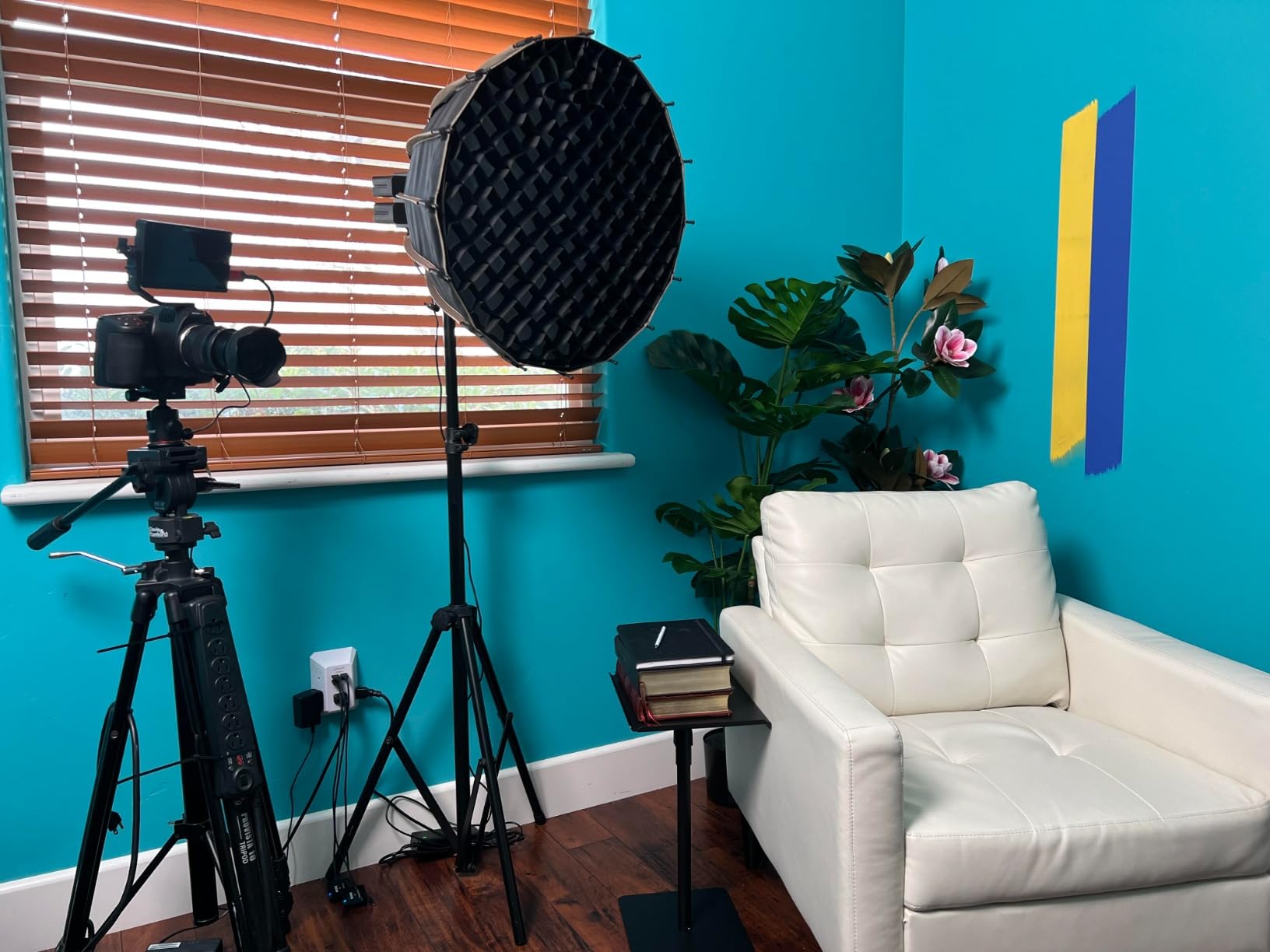
Recording options mirror the G2 with SD, CFast 2.0, and USB-C SSD support. The EF mount gives you access to the same massive lens ecosystem. With 242 customer reviews and a 4.6-star rating, the 6K Pro has established itself as one of the most trusted 6K cinema cameras among working professionals.
The trade-offs are familiar if you know the Blackmagic ecosystem. There is no in-body stabilization, no weather resistance, and the body weighs 4.4 pounds. The mini XLR inputs are excellent for professional audio, but you will need powered or self-powered microphones for best results.
Best Use Case for the 6K Pro
This is the best 6K cinema camera for shooters who frequently transition between indoor and outdoor environments. Documentary filmmakers, event videographers, and commercial directors benefit most from the built-in ND filters and HDR monitoring. It is also the strongest choice if you want Blackmagic color science in a more production-ready body.
Who Should Skip the 6K Pro
If your work is almost entirely in controlled studio environments where you can use a matte box, the G2 offers similar image quality for less. Photographers needing reliable autofocus should look elsewhere, as this is a manual-focus-first cinema camera. Budget-conscious shooters who do not need built-in NDs may prefer the original Pocket 6K.
3. Blackmagic Pocket Cinema Camera 6K EF Mount – Best Budget Cinema Camera
Blackmagic Design Pocket Cinema Camera 6K with EF Lens Mount
Super 35 6K Sensor
Up to 120fps
Dual SD Card Slots
EF Mount
Compact Body
Pros
- Super 35 sensor with multiple resolution options up to 6K
- Up to 120 fps in 2.8K for dramatic slow motion
- Dual SD card slots for extended recording
- Compact and lightweight design at 900 grams
- EF lens mount compatibility
- 5-inch capacitive touchscreen
Cons
- Manual focus only with no autofocus
- Batteries not included
- No image stabilization
The original Pocket Cinema Camera 6K with EF mount remains one of the most popular 6K cinema cameras ever made, and for good reason. With 351 customer reviews and a 4.7-star average, this camera has earned its reputation among indie filmmakers worldwide. I used this body extensively before upgrading to the G2, and it still holds up as one of the best values in the 6K cinema camera space.
What sets the original apart is its versatility in shooting resolutions and frame rates. You get full 6K at up to 50 fps, 6K 2.4:1 at up to 60 fps, and 2.8K at up to 120 fps for buttery slow motion. The dual SD card slots mean you can shoot for hours without swapping media, which I found invaluable during multi-camera live event coverage.
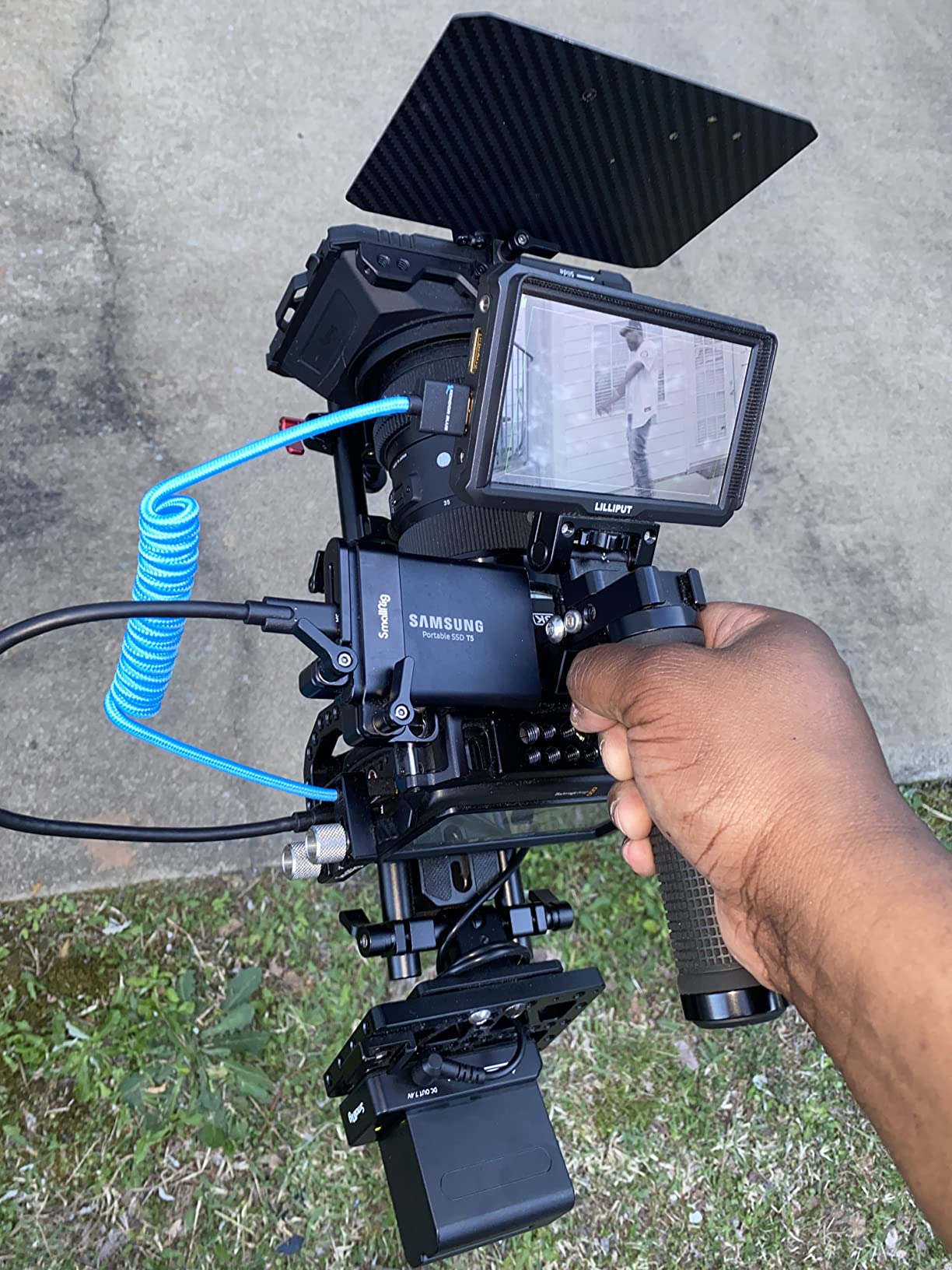
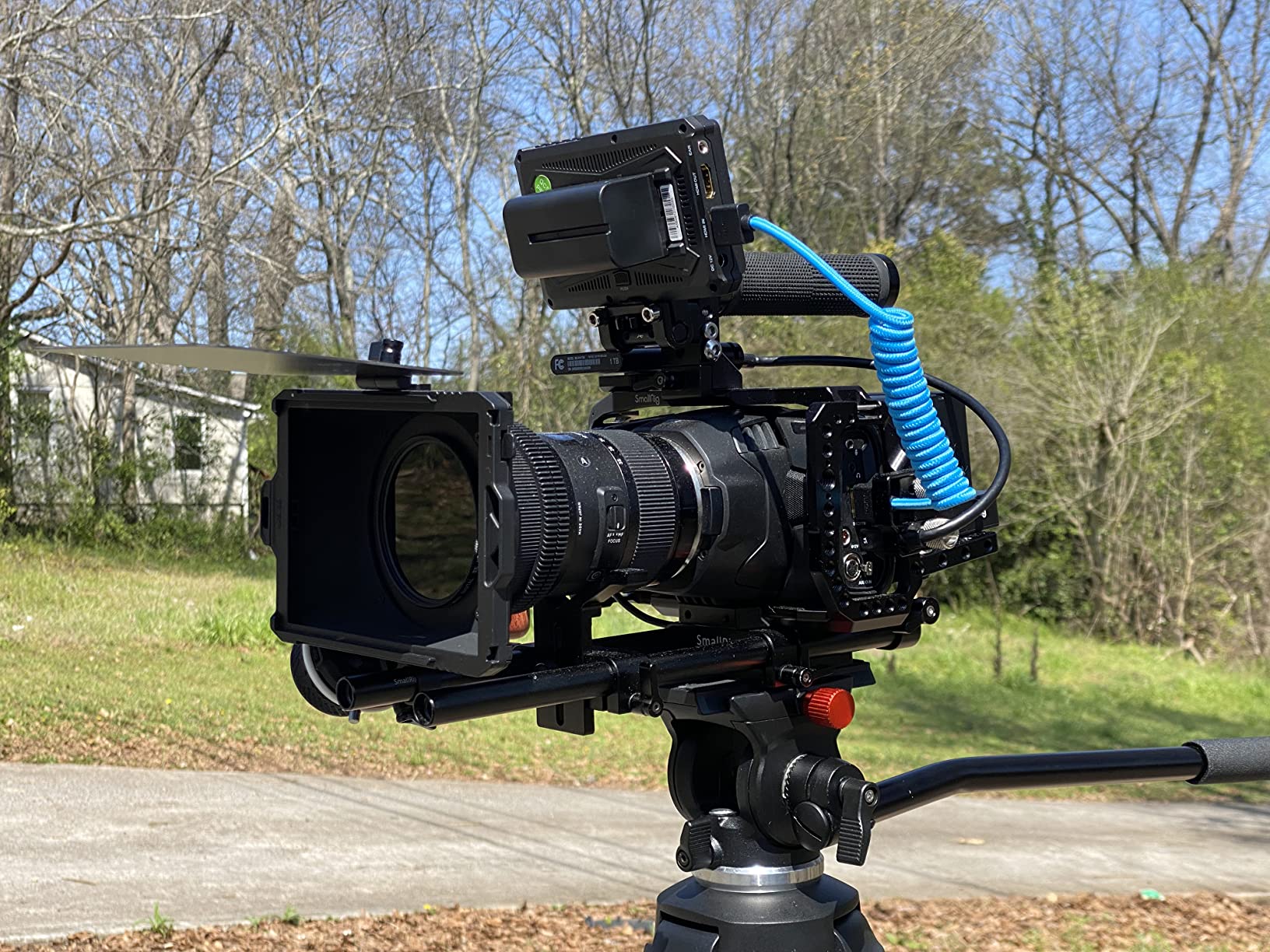
The Super 35 sensor produces the same rich, filmic images that made the Pocket Cinema line famous. Blackmagic RAW files grade beautifully, and the 13 stops of dynamic range handle challenging lighting with grace. At just 900 grams, this is one of the lightest cinema cameras capable of true 6K resolution, making it perfect for gimbal and drone work.
The biggest limitation is the manual-focus-only design. There is no autofocus system at all, which means this camera demands a focus puller or a very steady workflow for run-and-gun situations. Batteries are not included in the box, so factor that into your budget. The original also predates the built-in ND filters of the Pro, so you will need external filtration.
Best Use Case for the Original Pocket 6K
This is the best 6K cinema camera for filmmakers on a tight budget who still want professional image quality. Music video production, short films, and YouTube cinematic content are all sweet spots for this body. The dual card slots and lightweight design also make it excellent for travel and documentary work where you control the shooting environment.
Who Should Skip the Original Pocket 6K
Solo shooters who rely on autofocus should look at the Canon EOS C80 or Nikon RED ZR instead. If you need built-in ND filters for fast-moving outdoor work, the 6K Pro is worth the extra investment. The original Pocket 6K is best understood as a purpose-built cinema tool for filmmakers who work deliberately.
4. Blackmagic Cinema Camera 6K Full Frame L Mount – Best Full-Frame Image Quality
Blackmagic Design Cinema Camera 6K, Full Frame Sensor, L Mount (CINECAM60KLFL)
Full Frame 6K Sensor
6048x4032 Resolution
Leica L Mount
Built-in OLPF
13 Stops DR
Pros
- Full-frame 6K sensor with 6048x4032 resolution
- Leica L lens mount for premium optics
- Built-in OLPF for cleaner detail and reduced moire
- 13 stops dynamic range with dual gain ISO to 25
- 600
- CFexpress Type B for fast high-capacity recording
- 5-inch HDR LCD with 1500 nit brightness
- Includes DaVinci Resolve Studio
Cons
- No image stabilization
- Not weather resistant
- Smaller lens ecosystem than EF mount
When Blackmagic announced a full-frame cinema camera, our team was genuinely excited. The Cinema Camera 6K with Leica L mount represents a significant step up from the Super 35 Pocket line, delivering a full-frame sensor that captures 6048 x 4032 pixels. The wider field of view and shallower depth of field give footage a distinctly different look compared to Super 35 bodies.
The built-in optical low-pass filter is a detail that matters more than you might expect. It reduces moire and aliasing on fine patterns, which I noticed immediately when shooting architecture and fabric textures. The 1500-nit HDR LCD is the brightest display on any Blackmagic camera I have used, making outdoor monitoring far more reliable than previous generations.
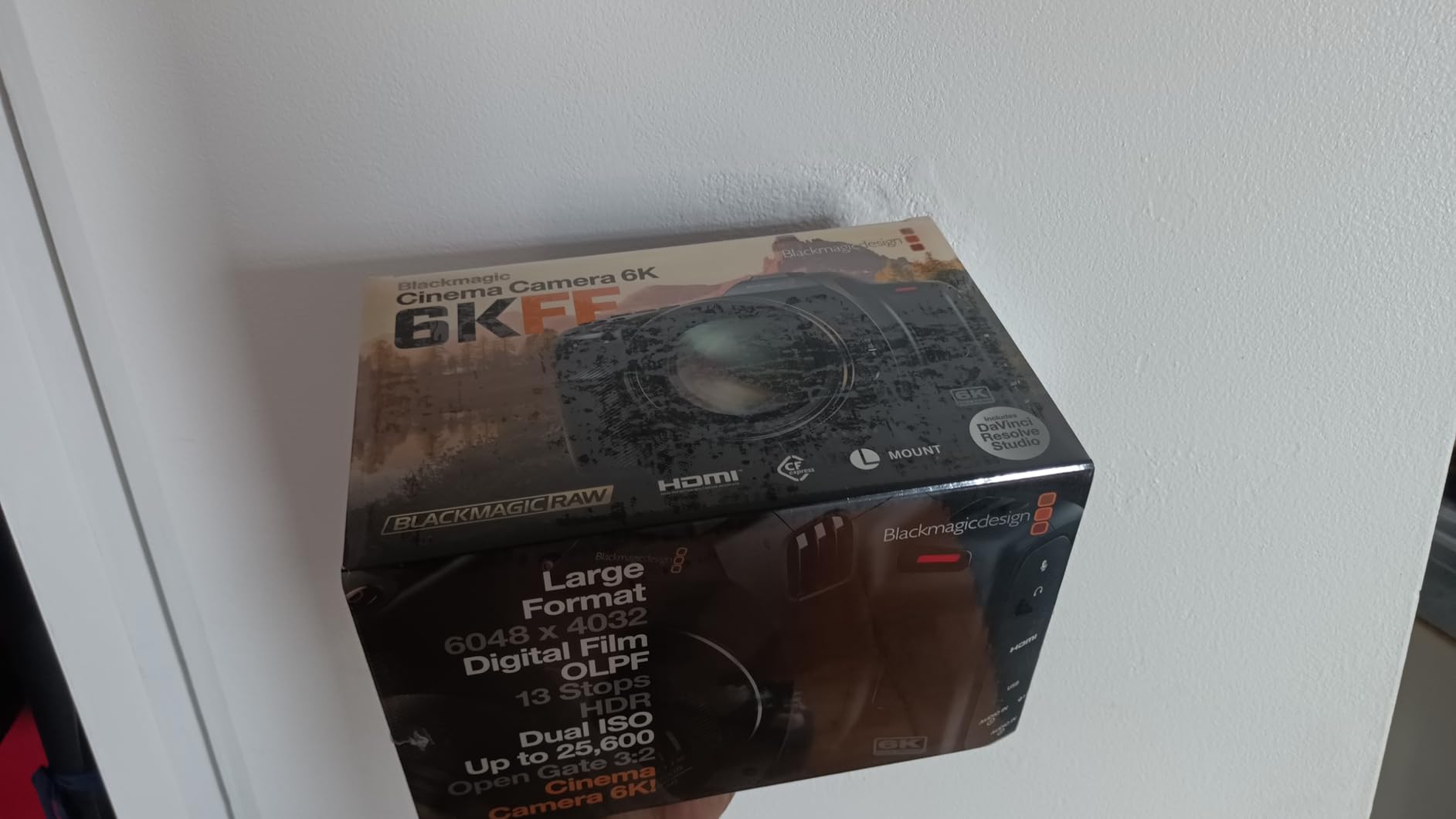
Recording to CFexpress Type B cards is a major upgrade over SD media. The faster write speeds support higher bitrate Blackmagic RAW recording without dropping frames. You also get USB-C SSD recording for extended shoots, which is increasingly important as 6K RAW files consume storage rapidly.
The Leica L mount opens doors to premium glass from Leica, Sigma, and Panasonic, though the ecosystem is smaller than the EF mount world. With only 31 reviews so far, this is still a relatively new entrant, but the 4.5-star average suggests early adopters are impressed. The lack of image stabilization and weather resistance keeps it in line with Blackmagic’s cinema-first design philosophy.
Best Use Case for the Full-Frame Cinema 6K
This camera targets filmmakers who want full-frame shallow depth of field and the highest resolution Blackmagic offers. Narrative filmmakers, fashion content creators, and commercial directors shooting in controlled environments will get the most from this body. If you already own L-mount lenses from Sigma or Panasonic, this is a natural fit.
Who Should Skip the Full-Frame Cinema 6K
EF-mount lens owners should consider whether switching to the L-mount ecosystem makes financial sense before investing. The relatively small review pool means there is less long-term reliability data compared to the Pocket line. If you need a camera with autofocus and stabilization, this body continues Blackmagic’s manual-focus cinema tradition.
5. Nikon RED ZR Cinema Camera – Best Lightweight Professional Camera
Nikon RED Z Cinema | ZR Cinema Camera | 32-Bit Float Audio RED Color Science 6K Full-Frame Camera Body with 4″ DCI-P3 Monitor
6K Full-Frame Sensor
15+ Stops DR
32-Bit Float Audio
REDCODE RAW
Nikon Z Mount
1.18 lbs
Pros
- RED color science combined with Nikon engineering
- 6K full-frame sensor with 15+ stops of dynamic range
- 32-bit float audio recording eliminates clipping
- REDCODE RAW R3D NE recording format
- Versatile 4-inch DCI-P3 swivel touchscreen
- Ultra lightweight at just 1.18 pounds
- Dual base ISO for clean low-light footage
Cons
- Digital image stabilization only
- No built-in viewfinder
- Limited lens native cinema lens options for Z mount
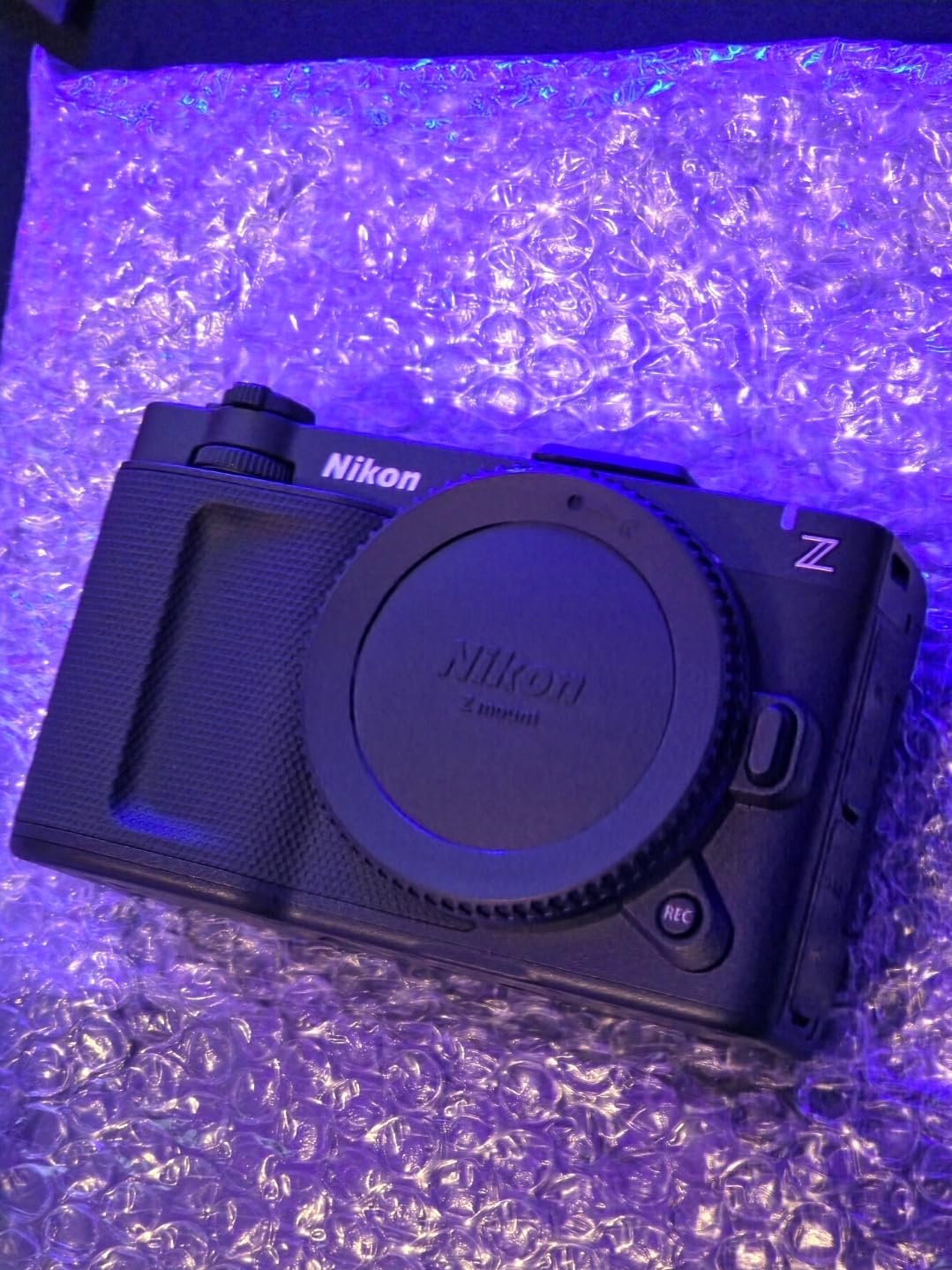
The Nikon RED ZR Cinema Camera represents one of the most exciting developments in the 6K cinema camera market. After Nikon acquired RED, this camera combines RED’s legendary color science with Nikon’s sensor engineering and Z-mount system. At just 1.18 pounds, it is the lightest camera in this roundup, yet it packs a full-frame 6K sensor with an impressive 15+ stops of dynamic range.
The 32-bit float audio recording is a feature I did not know I needed until I used it. It eliminates the need to set audio levels precisely during shooting because the float format captures the full dynamic range of the audio signal. You adjust levels in post without any quality loss, which is a lifesaver for documentary and event work where audio levels are unpredictable.
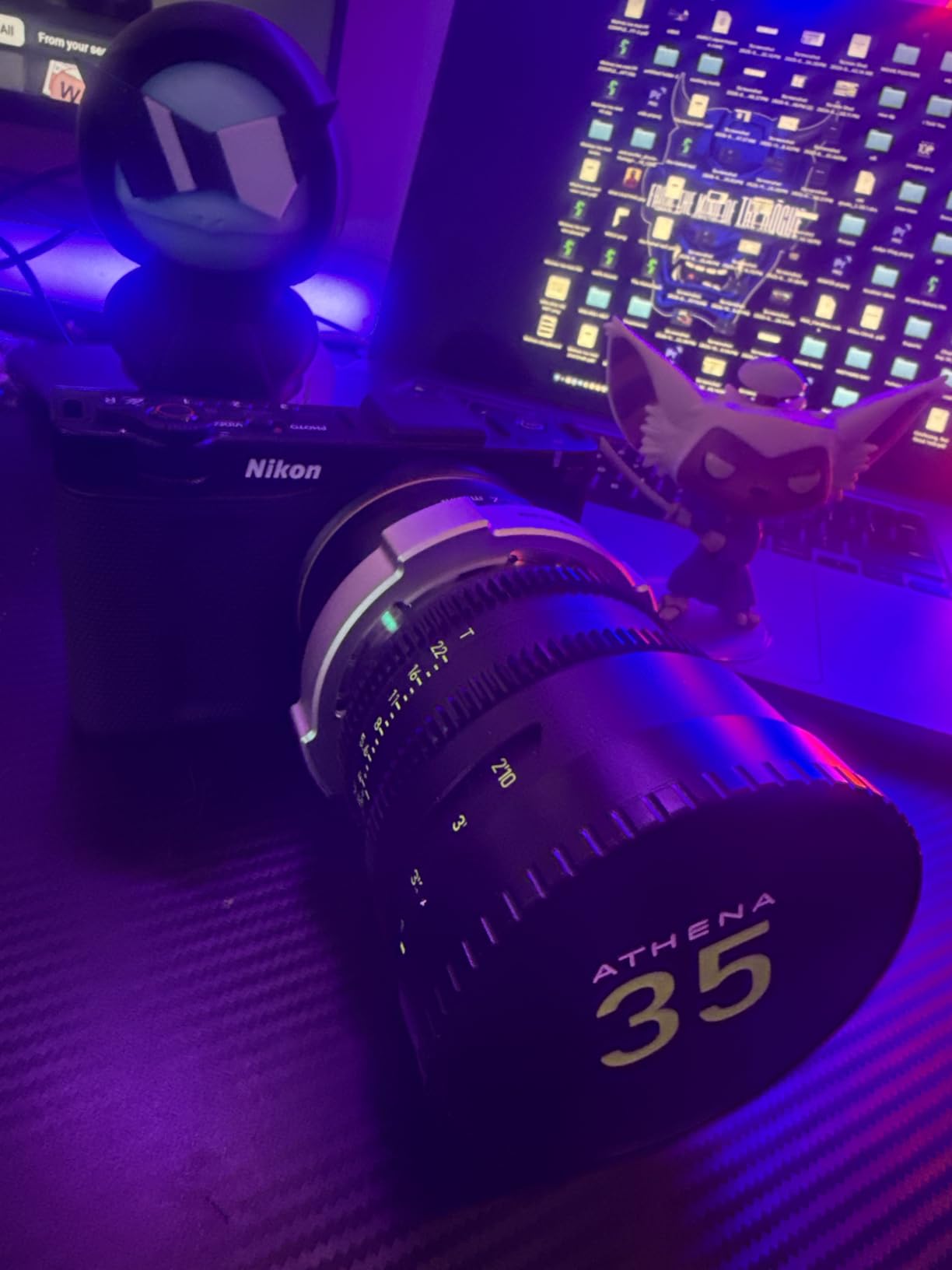
REDCODE RAW in the new R3D NE format gives you the post-production flexibility that made RED famous. The files are remarkably efficient for their quality, and the grading latitude is exceptional. The 4-inch DCI-P3 swivel touchscreen is bright and color-accurate, and the 273-point autofocus system with multiple focus modes sets this apart from the manual-focus Blackmagic bodies.
With 51 reviews and a 4.4-star rating, the ZR Cinema is still building its track record. The digital-only image stabilization is adequate but not a replacement for in-body stabilization or a gimbal for serious handheld work. The Nikon Z mount has fewer native cinema lens options compared to EF or PL mounts, though the FTZ adapter opens up a vast catalog of F-mount glass.
Best Use Case for the Nikon RED ZR
This is the best 6K cinema camera for solo shooters and small crews who need autofocus, professional audio, and RED color science in an ultra-portable package. Documentary filmmakers, wedding cinematographers, and content creators who shoot run-and-gun will appreciate the combination of light weight and professional features.
Who Should Skip the Nikon RED ZR
Pure cinema traditionalists who prefer manual everything may find the autofocus and consumer-oriented features unnecessary. If you already own a full EF or PL mount lens collection, the Z mount adds adapter complexity. The lack of a viewfinder may bother photographers transitioning to video who are used to eye-level shooting.
6. Canon EOS C80 6K Full-Frame Cinema Camera – Best Professional Cinema Body
Canon EOS C80 6K Full-Frame Cinema Camera – Black
6K Full-Frame BSI Sensor
Triple Base ISO
Dual Pixel AF II
RF Mount
Built-in ND Filters
12G SDI
Pros
- 6K full-frame back-illuminated stacked CMOS sensor
- Triple base ISO at 800 3200 and 12800 for any lighting
- Internal 6K 30P Cinema RAW Light recording
- Canon Dual Pixel CMOS AF II with 350 AF points
- 12G SDI output for professional monitoring
- Built-in ND filters and C-Log 2 and 3 support
- Wi-Fi and Ethernet connectivity for remote workflows
Cons
- New release with no customer reviews yet
- Digital image stabilization only
- Heaviest camera in this roundup at 6.5 pounds
The Canon EOS C80 is the most professional-focused camera in this roundup, and it brings features that working cinema crews demand. The full-frame back-illuminated stacked CMOS sensor captures 6K footage with Canon’s renowned color science, and the triple base ISO architecture means you can shoot clean footage from bright daylight to near darkness without excessive noise.
Dual Pixel CMOS AF II with 350 autofocus points is arguably the best autofocus system on any cinema camera in this price range. For documentary shooters, event coverage, and solo operators, this level of subject tracking is transformative. The RF mount gives you access to Canon’s excellent RF cinema lens lineup, which is expanding rapidly.
Internal 6K 30P Cinema RAW Light recording is the standout feature for professional workflows. Canon’s RAW Light format balances quality and file size effectively, and the additional XF-AVC and XF-HEVC S codecs give you flexible recording options for different production needs. The 12G SDI output supports professional monitoring and external recording setups that broadcast and commercial productions require.
As a new release, the C80 has no customer reviews yet, which makes it harder to assess long-term reliability. At 6.5 pounds, it is the heaviest camera here, though that weight reflects its professional build quality and thermal management. The built-in ND filters, professional connectivity suite, and Canon color science make it a compelling option for serious productions.
Best Use Case for the Canon EOS C80
This camera is built for professional production companies, broadcast environments, and commercial directors who need a reliable all-in-one cinema body. The combination of autofocus, built-in ND filters, professional codecs, and 12G SDI makes it suitable as a primary A-camera on professional sets. If you already shoot with Canon RF-mount mirrorless cameras, the C80 integrates seamlessly.
Who Should Skip the Canon EOS C80
Indie filmmakers and hobbyists will find the price point difficult to justify when the Blackmagic options deliver excellent 6K quality for substantially less. If weight is a concern for gimbal or drone work, look at the Nikon RED ZR instead. The lack of early reviews also means you are an early adopter, which carries some risk.
How to Choose the Best 6K Cinema Camera?
Choosing between these 6K cinema cameras comes down to understanding your specific production needs, budget, and existing gear ecosystem. Our team has identified the key factors that should drive your decision.
Sensor Size: Super 35 vs Full Frame
Super 35 sensors, found in the Blackmagic Pocket Cinema Camera line, offer a classic cinema look with deeper depth of field at equivalent apertures. They pair well with speed boosters and have been the standard for decades of film production. Full-frame sensors, like those in the Canon C80, Nikon RED ZR, and Blackmagic Cinema Camera 6K, deliver shallower depth of field and wider fields of view, creating a more modern, immersive look.
Your choice affects lens selection too. Super 35 cameras typically use EF, PL, or Micro Four Thirds mounts with massive lens ecosystems. Full-frame cameras use L-mount, Z-mount, or RF-mount systems that are newer but growing rapidly. Consider what lenses you already own or plan to invest in before committing to a sensor format.
Dynamic Range and Color Science
Dynamic range determines how much detail you retain in shadows and highlights simultaneously. The Nikon RED ZR leads this roundup with 15+ stops, followed by the Blackmagic and Canon models at 13 stops each. More dynamic range gives you greater flexibility in post-production color grading, especially for high-contrast scenes.
Color science is more subjective but equally important. RED color science in the Nikon ZR produces rich reds and natural skin tones that many professionals prefer. Blackmagic’s Film color science offers a flatter, more gradeable starting point. Canon’s color science is famous for pleasing skin tones straight out of camera. Forum users on Reddit consistently emphasize that color science and skin tone reproduction are among their top decision factors.
Recording Formats and Codecs
RAW recording is the gold standard for professional 6K workflows. Blackmagic RAW, REDCODE RAW, and Canon Cinema RAW Light each offer different balances of quality, file size, and post-production compatibility. ProRes is an excellent alternative when RAW is overkill, offering high quality with faster editing performance.
Consider your storage media carefully. CFexpress Type B cards, used by the Canon C80 and Blackmagic Cinema Camera 6K, offer the fastest write speeds but cost more per gigabyte. SD cards are more affordable but may limit your maximum recording bitrate. USB-C SSD recording, supported by most Blackmagic bodies, gives you the best cost-per-gigabyte for long shoots.
Built-in ND Filters and Production Features
Built-in ND filters are a feature that forum users and working professionals consistently praise. The Blackmagic 6K Pro and Canon EOS C80 both include built-in ND filter systems, eliminating the need for external matte boxes or filter swapping when lighting changes. If you shoot outdoors frequently or transition between locations, this feature saves significant time on set.
Professional connectivity matters too. The Canon C80 offers 12G SDI for broadcast-grade monitoring, while the Blackmagic bodies provide HDMI output. Audio inputs vary significantly, with mini XLR connections on the Blackmagic models and 32-bit float recording on the Nikon RED ZR setting it apart for audio quality.
The 6K vs 4K Workflow Question
One topic that no competitor covers well is the practical reality of 6K workflows in post-production. Shooting 6K gives you the ability to reframe shots in post, punch in for tighter crops, and deliver in 4K with oversampling for sharper results. However, 6K RAW files consume storage rapidly and require more processing power during editing.
If your final delivery is 4K for YouTube or streaming, 6K gives you a safety margin for stabilization, reframing, and oversampling. If your delivery is truly 6K or higher, you need a robust storage and backup strategy. Plan for roughly 1 gigabyte per second of 6K RAW footage, which means a 1TB drive holds roughly 15-20 minutes of footage depending on codec settings.
FAQs
What is the best 6K cinema camera for the money?
The Blackmagic Pocket Cinema Camera 6K G2 offers the best value, delivering a Super 35 6K sensor with 13 stops of dynamic range, dual gain ISO up to 25,600, and an EF lens mount at a price point well below most competitors. It also includes a full DaVinci Resolve Studio license, saving you additional software costs.
What 6K cinema camera do professionals use?
Professional cinema crews often choose the Canon EOS C80 for its full-frame BSI sensor, triple base ISO, Dual Pixel CMOS AF II, and professional connectivity including 12G SDI. The Nikon RED ZR is also popular among solo professionals for its REDCODE RAW workflow and ultra-lightweight design.
Is a 6K cinema camera worth it for beginners?
6K cinema cameras can be worth it for serious beginners who want to learn professional workflows, but they require investment in lenses, storage, and post-production knowledge. The Blackmagic Pocket Cinema Camera 6K EF is the most beginner-friendly option due to its affordable price, dual SD slots, and included DaVinci Resolve Studio software.
What is the best budget 6K cinema camera?
The Blackmagic Pocket Cinema Camera 6K EF Mount is the best budget 6K cinema camera, offering Super 35 6K resolution, frame rates up to 120 fps in 2.8K, dual SD card slots, and EF lens mount compatibility at an accessible price point for indie filmmakers.
Blackmagic vs Canon vs Nikon RED – which 6K cinema camera is better?
Blackmagic cameras offer the best value and included DaVinci Resolve software, Canon EOS C80 provides the best autofocus system and professional connectivity, and the Nikon RED ZR delivers the highest dynamic range at 15+ stops with RED color science. Your choice depends on budget, autofocus needs, and preferred color science.
Final Thoughts on the Best 6K Cinema Cameras
The best 6K cinema cameras in 2026 cover a remarkable range of needs and budgets. For overall value, the Blackmagic Pocket Cinema Camera 6K G2 delivers outstanding image quality and includes DaVinci Resolve Studio. The Nikon RED ZR stands out for solo professionals who need autofocus, RED color science, and ultra-light weight in one body.
For budget-conscious indie filmmakers, the original Blackmagic Pocket Cinema Camera 6K EF remains an unbeatable entry point. The Canon EOS C80 is the professional choice for crews needing broadcast-grade connectivity and Canon’s Dual Pixel autofocus system. Whatever your production demands, the 6K cinema camera market has matured to offer genuine professional quality at accessible price points.
Take time to evaluate your lens ecosystem, storage workflow, and production style before committing. The right 6K cinema camera is the one that fits seamlessly into how you actually work, not just the one with the best spec sheet.